
What is Alcohol and Drug tolerance?

By David Joel Miller, MS, Licensed Therapist & Licensed Counselor.
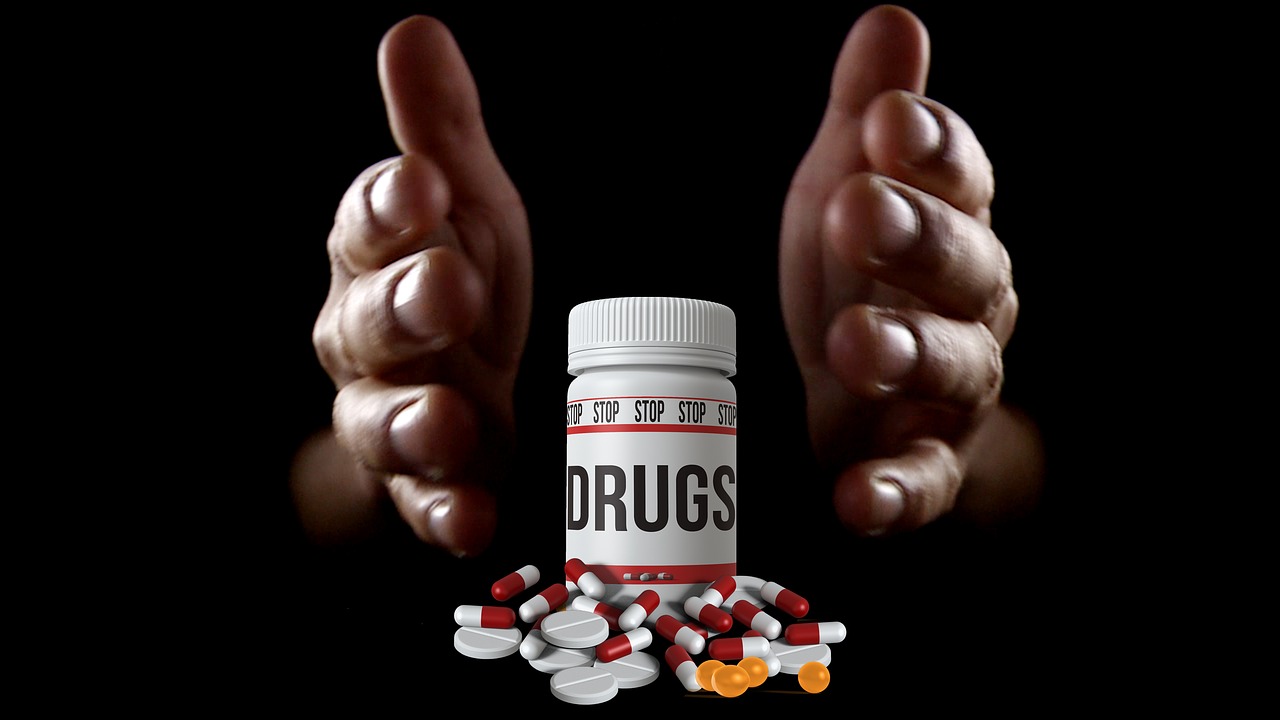
Drugs.

Drugs.
Photo courtesy of Pixabay.

When it comes to drugs and alcohol tolerance is not a good thing!

If your doctor, psychiatrist, or counselor has begun to talk with you about tolerance and your drug use this is a bad sign. The concept of tolerance when applied to drugs, and alcohol is a drug also, is a very different idea than when applied to civil rights.

Alcoholic tolerance does not mean that you are OK with a drunk sleeping on your lawn. It also does not mean that you are good with sleeping on other people’s lawns on the night you are too drunk to get home. Tolerance for the ill person is a commendable thing. Building up a tolerance to a drug of choice is not.

If your body develops a tolerance for the drug, that is a serious problem.

From here on we will use the definition of a drug as “anything that goes into your body and changes functioning or thought that is not food.” So yes Alcohol is a drug and so are prescribed medications whether you have the prescription or not. Remember also that this is written from a counselor’s perspective so if you have questions of a medical or legal nature ask your doctor or lawyer.

Alcoholic tolerance is about the ways in which your body and your mind become accustomed to the presence of alcohol or another drug of choice. As a result of having lots of this drug in your system, you begin to change from the inside out.

Tolerance along with Withdrawal are two of the hallmark, identifiable characteristics of addiction or alcoholism. Doctors might define this as chemical dependency but the concept is essentially the same.

Tolerance is that natural adaptive skill your body has to resist things in you that are not normally there.

So the first time you drink you will have a low tolerance. Once the liver has experienced the presence of alcohol it will ramp up and begin to produce more of the enzymes that break down the alcohol. Each successive time you drink you will need more alcohol to feel as drunk as last time. Over time you will develop a tolerance that means you can “hold your liquor” better and better.

This ability to “Hold your liquor” or other drug is not a good thing. It indicates that your body is already changing as a result of use.

As you develop higher tolerance you will feel less drunk or high than before resulting in a need or desire for more of the drug to get that same effect that you used to get.

For some drugs, this is described as “chasing the high” as users find that they can never recreate that first using experience. Over time you will need more and more drugs to get the same or similar effect and the same amount you used to use will produce less and less of an effect.

This does not mean that the danger from use is declining. Just the opposite.

I have worked with clients whose blood alcohol content (or level) was above .32 (read as point 32). Since .08 is legally drunk in this state, that person is drunk enough for four people.

They were talking and walking around just like any normal person, or close to it. How? Because this person practiced drinking on a daily basis. Does that mean that they were OK? Not a chance.

While they may be able to talk coherently and even walk a line close to the way a non-intoxicated person would, behind the wheel they would hit anything that was out there, on the road or not. In that condition a, person who is driving has been known to drive right into the tail lights of a parked car not recognizing that the car was not moving.

People in this state of high tolerance can and do die without ever realizing the risks.

Lots of heroin overdose deaths are a result of this tolerance phenomenon.

A person has a certain level of Heroin use, over time they need to increase the amount they use as their body builds tolerance. One day they get arrested. They are in jail for a while, say thirty days. Over that time the body resets. Their tolerance to their drug of choice goes down.

Now they get released from jail. When they get home they find that packet of drugs they had tucked away. They use exactly the same amount of the same drug as they were using the day before their arrest. They overdose and if medical attention is not fast enough they die.

Why did this happen? Because over the time in jail while they were not using their tolerance declined.

So if you stay off the drugs for a while then your tolerance will decline and you can start over using a small amount occasionally? Lots of alcoholics think this way. Give them a year of not drinking and they think they are cured and can safely drink again.

What we are told is that once the body increases its ability to neutralize that drug of choice that increased capacity may take a vacation but it is still there. An alcoholic who has not had a drink for 5 years can develop the same tolerance and use pattern they had before they quit in days rather than the years it took the first time.

Tolerance even after a long period of not using comes back fast and strong.

The moral here is that if you have begun to develop tolerance or have used long enough to have this result you will probably never return to safe use.

This tolerance effect explains why some prescribed medications need to be increased in dosage after a period of use. Sometimes doctors have to switch meds if you build up too much tolerance to one medication.

Not every drug results in tolerance at the same rate. Some drugs can be used for years and little or no tolerance develops. With other drugs, tolerance develops so rapidly that if you use the drug one day it will have no effect on you the next day. I won’t tell you which drug that is but those of you who use it know what I am talking about.

I should also point out that most street drugs, drugs of abuse, are much more likely to produce rapid tolerance and the resulting addiction than most prescribed medications but there are exceptions to that rule.

When in doubt about the physical signs and symptoms of tolerance consult your doctor. If you are having behavioral or emotional issues as a result of using to the point of tolerance then consider treatment or counseling.

This discussion about tolerance has focused on changes in physical tolerance. There are also characteristic mental and emotional changes that can occur as a result of drug use. For more on those mental health issues look under co-occurring disorders in the list of topics this blog covers.

David Joel Miller, LMFT, LPCC

Staying connected with David Joel Miller

Seven David Joel Miller Books are available now!

My newest book is now available. It was my opportunity to try on a new genre. I’ve been working on this book for several years, but now seem like the right time to publish it.

Story Bureau.

Story Bureau is a thrilling Dystopian Post-Apocalyptic adventure in the Surviving the Apocalypse series.

Baldwin struggles to survive life in a post-apocalyptic world where the government controls everything.

As society collapses and his family gets plunged into poverty, Baldwin takes a job in the capital city, working for a government agency called the Story Bureau. He discovers the Story Bureau is not a benign news outlet but a sinister government plot to manipulate society.

Bumps on the Road of Life. Whether you struggle with anxiety, depression, low motivation, or addiction, you can recover. Bumps on the Road of Life is the story of how people get off track and how to get your life out of the ditch.

Dark Family Secrets: Doris wants to get her life back, but small-town prejudice could shatter her dreams.

Casino Robbery Arthur Mitchell escapes the trauma of watching his girlfriend die. But the killers know he’s a witness and want him dead.

Planned Accidents  The second Arthur Mitchell and Plutus mystery.

Letters from the Dead: The third in the Arthur Mitchell mystery series.

What would you do if you found a letter to a detective describing a crime and you knew the writer and detective were dead, and you could be next?

Sasquatch. Three things about us, you should know. One, we have seen the past. Two, we’re trapped there. Three, I don’t know if we’ll ever get back to our own time.

For these and my upcoming books; please visit my Author Page – David Joel Miller

Want the latest blog posts as they publish? Subscribe to this blog.

For videos, see: Counselorssoapbox YouTube Video Channel

Addiction, substance use disorder or chemical dependency

By David Joel Miller, MS, Licensed Therapist & Licensed Counselor.

Drugs of addiction

Addiction.
Photo courtesy of Pixabay.com

What is the difference between addiction and chemical dependency?

A lot of different terms are applied to the usage of substances and problems that arise when people begin to experience difficulties with their use.

Various professions use different terminology to describe the same or similar problems and we don’t all use the same severity points to identify problems.

One way of understanding these differences is to think of substance use as being on a continuum. Let’s start with something most people are familiar with, alcohol use, and then add various drugs to the picture.

Alcohol use might range from no use to chronic daily drinking to the point of passing out. Fully 50% of the people in the U. S, who are old enough to drink, did not have a drink in the last 30 days. Clearly not everyone drinks and among those who do, not everyone has a problem.

Heavy Drinkers.

At the other end of the scale, the 10% heaviest drinkers consume 60% of all the alcohol drunk. The top 20% heaviest drinkers consume 80% of the alcohol sold in America. People at the high end of the drinking scale develop more and more serious alcohol use problems than those who consume less.

Among those who do drink, some people have one or two drinks on a special occasion such as a wedding or New Years’. People who drink at this level rarely have any problems. It is possible however to drink only once a year on New Year’s and end up drunk every time resulting in DUI’s or arrests.

The labels that will be attached to the person as their consumption of alcohol increases and problems begin to arise will vary with the profession and the reason the person is being given the label.

The person who has one drink and no ill effects would be considered by most of us an alcohol user but nothing more. The person who only drinks occasionally but when they drink has problems might be thought of as abusing alcohol.

The chemically dependent.

The medical profession often has special units which are called “Chemical Dependency units.” The people who reach these units have the most severe form of substance use disorder. They have reached the point of physical dependence on their drug of choice. Those who are chemically dependent on alcohol are at risk to die during withdrawal.

If someone has ever had a stroke, seizure, or experienced the D.T,s if there are any hallucinations occurring when the level of alcohol in this person’s bloodstream begins to drop, this person is at high medical risk and should be detoxed in a hospital or other medically managed facility. People can and do die from alcohol withdrawal.

People who are chemical dependent on other drugs may have severe physical withdrawal symptoms. The heroin or opioid user, for example, will have diarrhea, nausea, vomiting, shakes, and goosebumps. The withdrawals from opiates may feel like the person will die but deaths from opiate withdrawals are rarer than from alcohol. Overdose deaths are another issue.

Short of physical withdrawal is a form of substance use disorder that is called Substance Dependence. Clearly, not all cravings for a drug of choice are the result of physical withdrawal.

Someone goes through a 30-day treatment program, they have not used for over a month but the day they are discharged they use again. The craving is not a result of physical or chemical dependency but is a psychological need. Therapists would diagnose this as Substance Dependency. For the Therapist, this would include both physical and psychological dependency.

Alcoholism and addiction.

Twelve-step programs draw a different distinction. They would call this problem use of substances, addiction, or alcoholism. This addiction level of problem use may be reached even before psychological dependency has occurred. Addiction may begin at the point of wanting, craving, and thinking about the drug of choice even before the person has lost the ability to control usage. If you are struggling to control your usage then you have already reached a point of problem usage and probably would fit the description of an alcoholic or addict.

Substance abuse.

The lowest level of problem use would be referred to as substance abuse. This might be binge drinking, drinking more than planned or doing something dangerous after having consumed alcohol or another drug. The person who has a few too many drinks and then drives may be abusing alcohol but may not yet have developed alcoholism.

If this alcohol abuser can realize they have a problem and stop drinking to excess, they may be able to stop their progression to alcohol dependence, alcoholism, or chemical dependency.

Substance use disorder makes its debut.

The newer trend, now reflected in the DSM-5, is to avoid making fine distinctions between substance abuse, dependency, addiction, and chemical dependency and call all problem relationships with drugs including alcohol simply a substance use disorder.

Substance use disorder can come in mild, moderate, or severe forms.

Wherever the substance use disorder starts, it needs treatment long before it becomes an addiction or chemical dependency.

Whatever happens (It has happened with the DSM-5 and the new OCD-10 as of 10/1/15) with the DSM-5, expect the various professions and the recovery community to cling to their own special perspectives and their preferred terminology.

Did that explanation help with understanding the differences between Substance use, abuse, dependency, addiction, alcoholism, and chemical dependency?

Best wishes on your journey towards a happy life.

David Joel Miller, LMFT, LPCC

Staying connected with David Joel Miller

Seven David Joel Miller Books are available now!

My newest book is now available. It was my opportunity to try on a new genre. I’ve been working on this book for several years, but now seem like the right time to publish it.

Story Bureau.

Story Bureau is a thrilling Dystopian Post-Apocalyptic adventure in the Surviving the Apocalypse series.

Baldwin struggles to survive life in a post-apocalyptic world where the government controls everything.

As society collapses and his family gets plunged into poverty, Baldwin takes a job in the capital city, working for a government agency called the Story Bureau. He discovers the Story Bureau is not a benign news outlet but a sinister government plot to manipulate society.

Bumps on the Road of Life. Whether you struggle with anxiety, depression, low motivation, or addiction, you can recover. Bumps on the Road of Life is the story of how people get off track and how to get your life out of the ditch.

Dark Family Secrets: Doris wants to get her life back, but small-town prejudice could shatter her dreams.

Casino Robbery Arthur Mitchell escapes the trauma of watching his girlfriend die. But the killers know he’s a witness and want him dead.

Planned Accidents  The second Arthur Mitchell and Plutus mystery.

Letters from the Dead: The third in the Arthur Mitchell mystery series.

What would you do if you found a letter to a detective describing a crime and you knew the writer and detective were dead, and you could be next?

Sasquatch. Three things about us, you should know. One, we have seen the past. Two, we’re trapped there. Three, I don’t know if we’ll ever get back to our own time.

For these and my upcoming books; please visit my Author Page – David Joel Miller

Want the latest blog posts as they publish? Subscribe to this blog.

For videos, see: Counselorssoapbox YouTube Video Channel

6 Myths about alcoholism

By David Joel Miller, MS, Licensed Therapist & Licensed Counselor.

Bottles of alcohol.

Alcoholic Beverages.
Photo courtesy of Pixabay.com

How many of these Alcohol myths have you heard?

If you don’t know the signs of a disease you can pretend you don’t have it. As a society, we do a lot of pretending about drugs and alcohol. Regardless of anything you may have learned alcohol is just as much a drug as any other chemical.

How it affects you depends on the relationship you develop with this powerful drug we call alcohol. Millions of people are on the road to alcoholism and don’t even know it. Some are already there despite their best efforts to pretend otherwise.

Here are some common myths about alcoholism.

1. Alcoholics are homeless bums.

The majority of all alcoholics, by some estimates up to 90%, have full-time jobs. It is only the most debilitated that end up homeless. Most have suffered for years before they reach the homeless point.

Alcoholics come from every economic strata, race, and religion. Even groups that forbid their members to drink still have alcoholics among their ranks.

2. Alcoholics drink every day.

If you only drink once a year on New Year’s but you have gotten DUI’s several times or arrested for bar fights, then you are drinking alcoholically.

It is not how often you drink, but what happens when you drink that determines alcoholic drinking. Alcoholics do not drink one or two drinks; they drink with the intention to get drunk.

Periodic episodic binge drinking is more likely to lead to alcoholism than the person who has one every day.

3. You will not become an alcoholic if you only drink beer.

The majority (54% by one estimate) of the alcohol consumed in America comes from beer. Beer drinkers get just as many DUI’s and are involved in lots of fights and domestic violence. If when you drink, you get in trouble, that is drinking alcoholically regardless of what you are drinking.

4. You need to drink for years to develop alcoholism.

Many chronic alcoholics will tell you that the first or second time they drank they became drunk and many blacked out. If you like the effects of the alcohol you can begin to drink alcoholically from the very first time.

The amount of damage done to the body is largely dependent on how high the level of alcohol in the bloodstream goes. You can die from an overdose of alcohol the first time you drink if you consume too much too quickly.

5. One drink a day won’t hurt you.

That may be true for some people, but the very young and the elderly are at risk from even that much. More than 4 drinks a week can impair health in older adults and alcoholism in the elderly is growing at a rapid rate.

More than half of all the emergency room admissions among senior citizens are the direct result of being under the influence of drugs and alcohol. Alcohol does not mix well with many prescription drugs that are routinely prescribed for the elderly.

6. Alcohol is a stimulant and gives you more energy.

Alcohol is a depressant. The use of alcohol has been linked to depression and other mental illnesses. Binge drinkers are 55 times more likely to attempt suicide.

While alcohol does not give you energy, make you look better, or improve your sex performance, what it does do is lower your inhibitions and get you to do things that you would never do sober. For every one thing positive that someone reports having done as a result of drinking we hear countless stories of people who committed crimes or were the victim of a crime as a direct result of forgetting to pay attention to what they were doing while they were intoxicated.

The majority of people in prison were drunk or high in the 24 hours before they committed the crime that sent them to prison.

Many who are arrested for being under the influence of drugs have alcohol in the bloodstream at the time of the arrest. It is very common for those dying of drug overdoses to also have alcohol in their bloodstream. Being intoxicated can impair judgment and lead to a drug overdose.

As much as alcohol consumption is glamorized in our society there are surely many more myths about the risks and benefits of drinking alcohol. What other myths have you found about alcohol?

Staying connected with David Joel Miller

Seven David Joel Miller Books are available now!

My newest book is now available. It was my opportunity to try on a new genre. I’ve been working on this book for several years, but now seem like the right time to publish it.

Story Bureau.

Story Bureau is a thrilling Dystopian Post-Apocalyptic adventure in the Surviving the Apocalypse series.

Baldwin struggles to survive life in a post-apocalyptic world where the government controls everything.

As society collapses and his family gets plunged into poverty, Baldwin takes a job in the capital city, working for a government agency called the Story Bureau. He discovers the Story Bureau is not a benign news outlet but a sinister government plot to manipulate society.

Bumps on the Road of Life. Whether you struggle with anxiety, depression, low motivation, or addiction, you can recover. Bumps on the Road of Life is the story of how people get off track and how to get your life out of the ditch.

Dark Family Secrets: Doris wants to get her life back, but small-town prejudice could shatter her dreams.

Casino Robbery Arthur Mitchell escapes the trauma of watching his girlfriend die. But the killers know he’s a witness and want him dead.

Planned Accidents  The second Arthur Mitchell and Plutus mystery.

Letters from the Dead: The third in the Arthur Mitchell mystery series.

What would you do if you found a letter to a detective describing a crime and you knew the writer and detective were dead, and you could be next?

Sasquatch. Three things about us, you should know. One, we have seen the past. Two, we’re trapped there. Three, I don’t know if we’ll ever get back to our own time.

For these and my upcoming books; please visit my Author Page – David Joel Miller

Want the latest blog posts as they publish? Subscribe to this blog.

For videos, see: Counselorssoapbox YouTube Video Channel
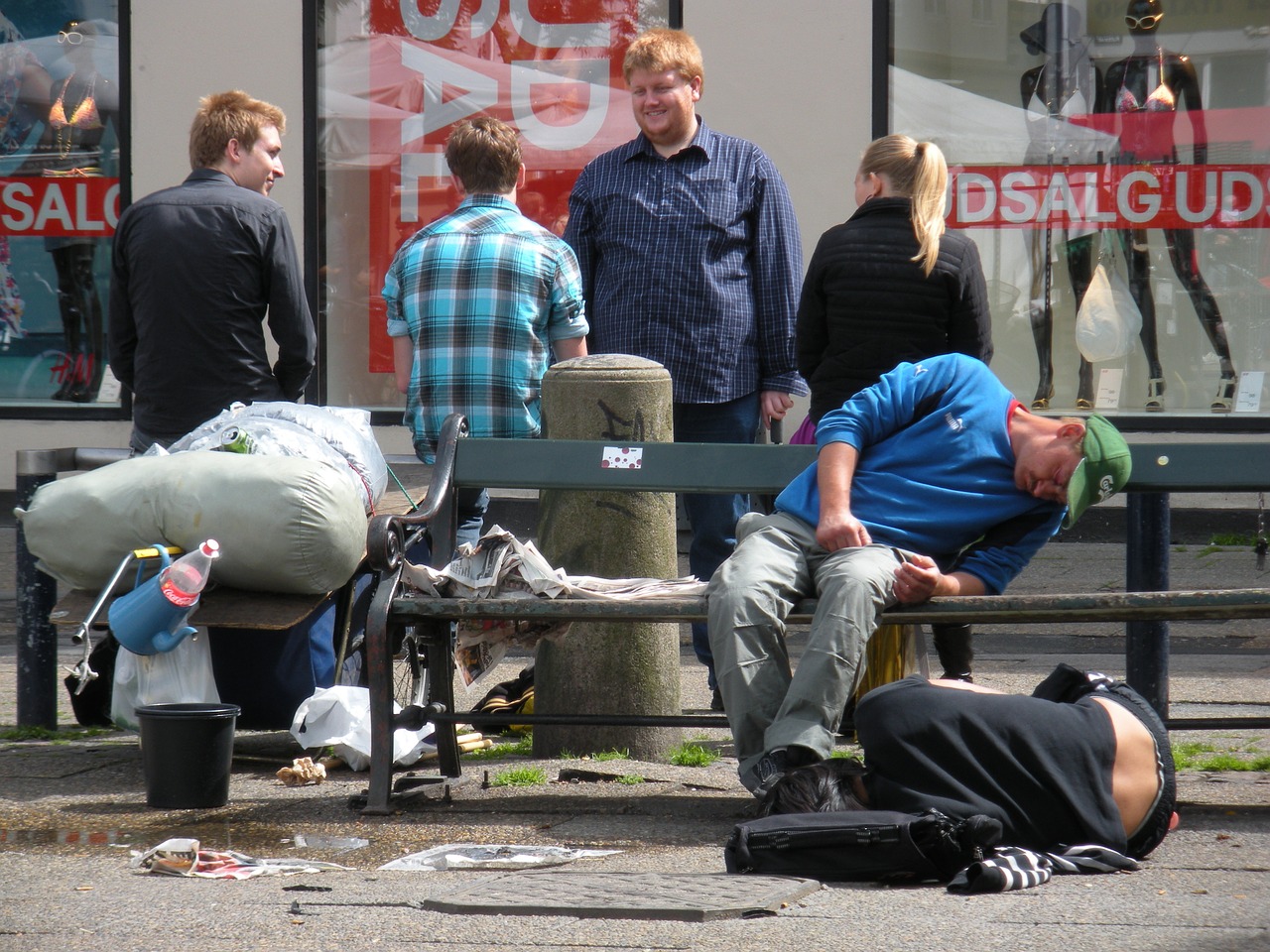
What is confabulation? Relationship to false memories and Wernicke-Korsakoff’s syndrome

By David Joel Miller, MS, Licensed Therapist & Licensed Counselor.

What is confabulation?
Photo courtesy of pixabay.

What is confabulation?

Confabulation is sometimes called “honest lying” because the person telling the tale actually believes that it is true despite the apparent inaccuracy of their story.  It is related to false memories but appears to have specific causes other than incorrect memory storage and retrieval or implanted false memories.

Confabulation is that tendency for the brains of people who can’t remember things to try to fill in the gaps of missing memory thereby making up an explanation that will answer questions. This is particularly common among chronic alcoholics, though other brain issues also cause these symptoms.

It is common in chronic alcoholics, particularly those with Wernicke-Korsakoff’s syndrome. These two syndromes used to be listed separately but current usage is to consider them both parts of the same disorder.

The Wernicke part has to do with eye movements, confusion, uncoordinated movement and sometimes even losing consciousness followed by death, which is always a bad side effect of any activity.

Wernicke-Korsakoff’s syndrome is caused by a lack of Thiamine (vitamin B-1) as a result of chronic alcoholism or malnutrition.  This condition is sometimes referred to in alcoholism literature as “wet brain.” While it is treatable to some degree many chronic alcoholics never recover from the condition. In addition to confabulation and blackouts, people with Korsakoff’s syndrome develop amnesia, lack insight, have reduced speech, and stop caring about themselves and others.

The brains of chronic alcoholics shrink in volume and cells stop working resulting in many defects in thinking and memory.

Some authors report that confabulation results from gaps in the memory do to Blackouts or brownouts after which the brain needs to fill in the gaps by adding details from other events in the alcoholic’s life or by suggesting things that are possible even if they did not happen.

Sometimes these explanations are fantastic but it is the only explanation the person with confabulation can imagine. Confabulation can occur even without amnesia and can be extra details added to memories.

With repeated efforts to fill in those gaps in memory, the alcoholic begins to believe those created memories.

Confabulation is also seen in people with traumatic brain injuries, Alzheimer’s disease, or those with a severe mental illness which has interfered with the accurate storing of memories. This and other memory problems can also be found in people with eating disorders or excessive vomiting which results in poor nutrition to the brain.

Confabulation is most commonly verbal as in storytelling to self and others. It can become actions when the impaired person believes the story and takes action on that false memory.

The person confabulating can become confused and mix events from their real-life experiences with fictional accounts and stories they have heard in the past. They are especially at risk to confuse time, believing they did something yesterday which they did months or even years ago. They will swear they attended an appointment yesterday at an agency they have not visited in many months or possibly years.

Those with Korsakoff’s syndrome also get sources of information confused believing that they were told something by a counselor or case manager when they heard it from a friend or drinking buddies.

This might be a good place to repeat the rule of counseling. If there is any chance that the symptoms are caused by a medical condition and Wernicke-Korsakoff’s syndrome, eating disorders and other conditions causing confabulation clearly have medical causes, see a medical doctor first.

Mental health treatments are only effective once the medical issues are managed.

This post was, I realize, a bit brief. I thought while we were talking about thinking problems that affect memory it was important to remind readers of the way in which alcohol, drugs, and medical issues might be impacting those memory issues.

It would be a mistake to dismiss memory issues, confabulation, or other thinking defects as being purely psychological or learning-based, without the client having been checked out by a medical doctor to rule out underlying medical issues.

Here is hoping that this post on confabulation, Wernicke-Korsakoff’s syndrome, and false memories was helpful and got you thinking about these issues.

Staying connected with David Joel Miller

Seven David Joel Miller Books are available now!

My newest book is now available. It was my opportunity to try on a new genre. I’ve been working on this book for several years, but now seem like the right time to publish it.

Story Bureau.

Story Bureau is a thrilling Dystopian Post-Apocalyptic adventure in the Surviving the Apocalypse series.

Baldwin struggles to survive life in a post-apocalyptic world where the government controls everything.

As society collapses and his family gets plunged into poverty, Baldwin takes a job in the capital city, working for a government agency called the Story Bureau. He discovers the Story Bureau is not a benign news outlet but a sinister government plot to manipulate society.

Bumps on the Road of Life. Whether you struggle with anxiety, depression, low motivation, or addiction, you can recover. Bumps on the Road of Life is the story of how people get off track and how to get your life out of the ditch.

Dark Family Secrets: Doris wants to get her life back, but small-town prejudice could shatter her dreams.

Casino Robbery Arthur Mitchell escapes the trauma of watching his girlfriend die. But the killers know he’s a witness and want him dead.

Planned Accidents  The second Arthur Mitchell and Plutus mystery.

Letters from the Dead: The third in the Arthur Mitchell mystery series.

What would you do if you found a letter to a detective describing a crime and you knew the writer and detective were dead, and you could be next?

Sasquatch. Three things about us, you should know. One, we have seen the past. Two, we’re trapped there. Three, I don’t know if we’ll ever get back to our own time.

For these and my upcoming books; please visit my Author Page – David Joel Miller

Want the latest blog posts as they publish? Subscribe to this blog.

For videos, see: Counselorssoapbox YouTube Video Channel

Will I remember my Black out? Reader Question # 3

By David Joel Miller, MS, Licensed Therapist & Licensed Counselor.

Inebriated people.

Alcoholism.
Photo courtesy of pixabay.

Will I remember my Blackout?

Reader Question # 3

No! If you truly had a blackout you will not remember it. If no memory is stored then there is nothing to recover. Think of it like playing a brand new blank DVD. Nothing recorded, so nothing to play.

Brownouts can happen also.

Sometimes bits and pieces of information were saved. It is often referred to as a brownout. That information may come back a little, bits by bit and piece by piece.

My guess, and it is only a guess, is that the brownouts happen when there was a trauma, like rape and the brain tried to protect you or when the levels of alcohol or other drugs in the bloodstream fluctuated.

Staying connected with David Joel Miller

Seven David Joel Miller Books are available now!

My newest book is now available. It was my opportunity to try on a new genre. I’ve been working on this book for several years, but now seem like the right time to publish it.

Story Bureau.

Story Bureau is a thrilling Dystopian Post-Apocalyptic adventure in the Surviving the Apocalypse series.

Baldwin struggles to survive life in a post-apocalyptic world where the government controls everything.

As society collapses and his family gets plunged into poverty, Baldwin takes a job in the capital city, working for a government agency called the Story Bureau. He discovers the Story Bureau is not a benign news outlet but a sinister government plot to manipulate society.

Bumps on the Road of Life. Whether you struggle with anxiety, depression, low motivation, or addiction, you can recover. Bumps on the Road of Life is the story of how people get off track and how to get your life out of the ditch.

Dark Family Secrets: Doris wants to get her life back, but small-town prejudice could shatter her dreams.

Casino Robbery Arthur Mitchell escapes the trauma of watching his girlfriend die. But the killers know he’s a witness and want him dead.

Planned Accidents  The second Arthur Mitchell and Plutus mystery.

Letters from the Dead: The third in the Arthur Mitchell mystery series.

What would you do if you found a letter to a detective describing a crime and you knew the writer and detective were dead, and you could be next?

Sasquatch. Three things about us, you should know. One, we have seen the past. Two, we’re trapped there. Three, I don’t know if we’ll ever get back to our own time.

For these and my upcoming books; please visit my Author Page – David Joel Miller

Want the latest blog posts as they publish? Subscribe to this blog.

For videos, see: Counselorssoapbox YouTube Video Channel

Medication to treat alcoholism – Disulfiram, Antabuse and Naltrexone

By David Joel Miller, MS, Licensed Therapist & Licensed Counselor.

Drugs

Medications.
Photo courtesy of Pixabay.com

Are there medications to treat alcoholism?

Two ways to chemically treat alcoholism.

We have been looking for a medication to treat alcoholism for a long time. There are two principle ways in which this is supposed to work.  One goal has been to find ways to turn the alcoholic back into a normal drinker. If only we could find a medication that relieves the cravings then the problem alcoholic could be taught to drink normally again. The other option is a medication that will keep the alcoholic from drinking.

The search for an alcoholism cure.

As far back as the A.A. Big Book in the 1930’s Bill was saying that maybe someday there would be a pill or medication that could turn an alcoholic into a normal drinker. It hadn’t happened back then and despite all our medical advances we still don’t have that sort of medication.

While a few medications have been tested to try to reduce the cravings, to date I know of no medication that will restore an alcoholic to a normal drinker. The only option for someone once they have progressed from a drinker to a problem drinker seems to be to stop drinking altogether.

While there are treatment programs to help the alcoholic or the problem drinker give up drinking and stay sober, a cure for alcoholism remains elusive.

Drugs that might reduce the pleasure of drinking, Naltrexone, and others, have been suggested for reducing cravings. One characteristic of addiction, to all substances, is an increase in tolerance after using your drug of choice. Over time the alcoholic needs to drink more to get the same result. Drugs that reduce cravings seem to accelerate the process of drinking more to offset the reduced pleasure from fewer drinks.

Keeping the alcoholic from drinking.

One drug, Disulfiram which is marketed under the trade names Antabuse or Antabuse produces so severe a reaction for people who take the drug and then drink it has been widely tested as a preventative.  There are other drugs that produce this same effect.

Disulfiram has uses other than keeping an alcoholic from drinking. Originally tested to treat parasite infections, those who took the drug and then drank became violently ill.

Alcohol, when consumed, is broken down through several steps until it is transformed into water and can be eliminated from the body. One of these breakdown products is acetaldehyde, which is even more toxic than the original alcohol. Having acetaldehyde in your system is a major reason for the severity of hangovers.

Disulfiram prevents the elimination of Acetaldehyde and results in prolonging and intensifying many of the symptoms of a hangover.

With Disulfiram in the bloodstream the drinker experiences severe flushing of the skin, nausea, vomiting, headache, shortness of breath, and many other serious even life-threatening symptoms. Further the longer the Disulfiram is taken the stronger the effects become. People who take Disulfiram develop little or no tolerance to the medication.

You would think that taking a medication that made you violently sick every time you drank would be enough to cure a drinker. It doesn’t work that way.

Medication Compliance is a major problem with most medications. While a psychiatric medication may work exceptionally well, people frequently do not take their medication every day as prescribed.

Antabuse is one medication that is not likely to be taken as prescribed. The symptoms it produces are severe and if the alcoholic continues to drink with Antabuse in their system they are likely to end up in the hospital. The alcoholic will often stop taking the medication so they can drink again.

Antabuse clears from the system very slowly. There is a high potential for alcoholics to stop taking their meds and drink. Physicians are warned to discuss the possible medical risks of drinking while taking Antabuse.

The relapse rate with Alcoholics is very high. Many studies have found no improvement in abstinence between those given the medication and those who use other methods to quit drinking. As a result, Antabuse is not widely prescribed to treat alcoholism.

Other drugs that make you sick when taken with Alcohol.

Disulfiram is not the only medication that can produce this effect. Drinking Alcohol while you have several other items in your bloodstream can result in extreme sickness. Several antibiotics carry label warnings to not drink alcohol while taking these meds because of a possible “Disulfiram-like reaction.” Some anti-fungal drugs and at least one type of common mushroom can also interact with alcohol to produce extremely violent hangover-like symptoms after as little as one drink.

The conclusions on meds to reduce or cure drinking?

To date, no medication has gained widespread acceptance in the treatment of alcoholism. A few people, a few times, have reported that meds helped.  If you think meds will help, talk with your doctor. Be forewarned, the meds will not cure you. You will still need to do a lot of work on yourself.

There are some medications that are helpful for treating withdrawals and as alcohol withdrawals can be fatal I recommend that chronic alcoholics need to see a medical doctor for withdrawal. See my post on why Pink Elephants can kill.

The diseases of alcoholism and addiction are mostly in the mind or thinking not in the body. Treatment that changes the person’s thinking is far more effective than medications.

There is no medication that will allow you to drink and not be an alcoholic. Like other life problems, you need to do the work of changing yourself. Others can help you but you do the work.

Hope that information about Medication to treat alcoholism – Disulfiram, Antabuse, and Naltrexone was helpful for some of you on your path to self-improvement.

Staying connected with David Joel Miller

Seven David Joel Miller Books are available now!

My newest book is now available. It was my opportunity to try on a new genre. I’ve been working on this book for several years, but now seem like the right time to publish it.

Story Bureau.

Story Bureau is a thrilling Dystopian Post-Apocalyptic adventure in the Surviving the Apocalypse series.

Baldwin struggles to survive life in a post-apocalyptic world where the government controls everything.

As society collapses and his family gets plunged into poverty, Baldwin takes a job in the capital city, working for a government agency called the Story Bureau. He discovers the Story Bureau is not a benign news outlet but a sinister government plot to manipulate society.

Bumps on the Road of Life. Whether you struggle with anxiety, depression, low motivation, or addiction, you can recover. Bumps on the Road of Life is the story of how people get off track and how to get your life out of the ditch.

Dark Family Secrets: Doris wants to get her life back, but small-town prejudice could shatter her dreams.

Casino Robbery Arthur Mitchell escapes the trauma of watching his girlfriend die. But the killers know he’s a witness and want him dead.

Planned Accidents  The second Arthur Mitchell and Plutus mystery.

Letters from the Dead: The third in the Arthur Mitchell mystery series.

What would you do if you found a letter to a detective describing a crime and you knew the writer and detective were dead, and you could be next?

Sasquatch. Three things about us, you should know. One, we have seen the past. Two, we’re trapped there. Three, I don’t know if we’ll ever get back to our own time.

For these and my upcoming books; please visit my Author Page – David Joel Miller

Want the latest blog posts as they publish? Subscribe to this blog.

For videos, see: Counselorssoapbox YouTube Video Channel
Drinking a little alcohol can make PTSD worse

By David Joel Miller, MS, Licensed Therapist & Licensed Counselor.

Nightmare

Nightmares maintain depression and PTSD.
Photo courtesy of Pixabay

The Alcohol and PTSD connection.

Alcohol has some strong effects on people with PTSD and those effects turn out to not be what we expected.

Recently I came across a couple of studies about the interaction of alcohol and PTSD. There may be more studies about this and I will keep looking. But here are some things we think we know.

The way in which memories are stored will depend on the level of alcohol in the bloodstream when the traumatic event occurs. Alcohol consumption is related to trauma; more than one study has indicated that people who perpetrate violence are more likely to be intoxicated.

I know that this does not mean that drinking makes you violent. Millions of people have a drink every day and do not go out and perpetrate violence. But among those who do get violent, a great many are under the influence of drugs or alcohol. It is easy to see that when someone is drunk they have reduced control of their behavior and having lowered inhibitions they are more likely to engage in violent behavior.

What we also find is that victims of violence are frequently under the influence of drugs and alcohol. Being intoxicated reduces your self-protective behavior and you are more likely to put yourself in a dangerous situation, more likely to look like an easy target to someone with a violent intent and intoxicated people are more likely to “not take it anymore” and engage in argumentative and assertive behavior.

So why would drinking by someone who had been the victim of a violent trauma make the PTSD symptoms worse?

A small amount of alcohol in someone’s system may increase PTSD symptoms rather than anesthetize them for several reasons. Maintaining control of thoughts and emotions especially the intrusive memories from PTSD requires sustained effort. Alcohol reduces the ability to ward off those emotions.

Bisby, in his study, found that intrusive memories in PTSD were most likely to be suppressed at the extremes of blood alcohol content. So with no alcohol in the bloodstream, the memories could be shut off by the person’s effort. As the level rose they were less able to control those intrusive, memories until the blood alcohol levels reached the legally drunk point. While this study stopped with a blood-alcohol level of .08, the definition of legally drunk, it is likely that the memories would have continued to decline as the person became progressively more intoxicated (Bisby et al. 2009.)

Now, this study did find that memory for facts, the verbal memory portion, was impaired and the more alcohol in the bloodstream the less accurately the person remembered precisely what had happened.

What they did remember more of when under the influence was the emotional feelings associated with the traumatic experience.

Additionally, I suspect that some of this increased recall of trauma with a low-level of alcohol in the bloodstream is the result of state-dependent learning. The presence of alcohol in the bloodstream opened up the memories that had been stored away and sealed off when sober.

Further, this study concluded that people with small amounts of alcohol were more likely to develop PTSD as a result of a traumatic event. As I mentioned in a previous post the presence of alcohol in the bloodstream increases the storing of the emotions of the event while surprising the factual memories.

Having alcohol in the system during stressful events may not calm your nerves and improve your coping skills. It is more likely to reduce the ability to cope and increase the risk of developing a PTSD response to being the victim of trauma.

So for any number of reasons, consuming a small amount of alcohol is not a good idea for someone who has experienced a trauma. A small amount will increase traumatic memories and it will take highly intoxicating levels of alcohol to shut those memories off.

The result is that people with PTSD who drink any alcohol are at high risk to develop a severe case of alcoholism.

This is one more case where the use of chemicals to avoid pain can, in fact, result in increased pain when the chemicals drop below intoxicating levels.

Staying connected with David Joel Miller

Seven David Joel Miller Books are available now!

My newest book is now available. It was my opportunity to try on a new genre. I’ve been working on this book for several years, but now seem like the right time to publish it.

Story Bureau.

Story Bureau is a thrilling Dystopian Post-Apocalyptic adventure in the Surviving the Apocalypse series.

Baldwin struggles to survive life in a post-apocalyptic world where the government controls everything.

As society collapses and his family gets plunged into poverty, Baldwin takes a job in the capital city, working for a government agency called the Story Bureau. He discovers the Story Bureau is not a benign news outlet but a sinister government plot to manipulate society.

Bumps on the Road of Life. Whether you struggle with anxiety, depression, low motivation, or addiction, you can recover. Bumps on the Road of Life is the story of how people get off track and how to get your life out of the ditch.

Dark Family Secrets: Doris wants to get her life back, but small-town prejudice could shatter her dreams.

Casino Robbery Arthur Mitchell escapes the trauma of watching his girlfriend die. But the killers know he’s a witness and want him dead.

Planned Accidents  The second Arthur Mitchell and Plutus mystery.

Letters from the Dead: The third in the Arthur Mitchell mystery series.

What would you do if you found a letter to a detective describing a crime and you knew the writer and detective were dead, and you could be next?

Sasquatch. Three things about us, you should know. One, we have seen the past. Two, we’re trapped there. Three, I don’t know if we’ll ever get back to our own time.

For these and my upcoming books; please visit my Author Page – David Joel Miller

Want the latest blog posts as they publish? Subscribe to this blog.

For videos, see: Counselorssoapbox YouTube Video Channel
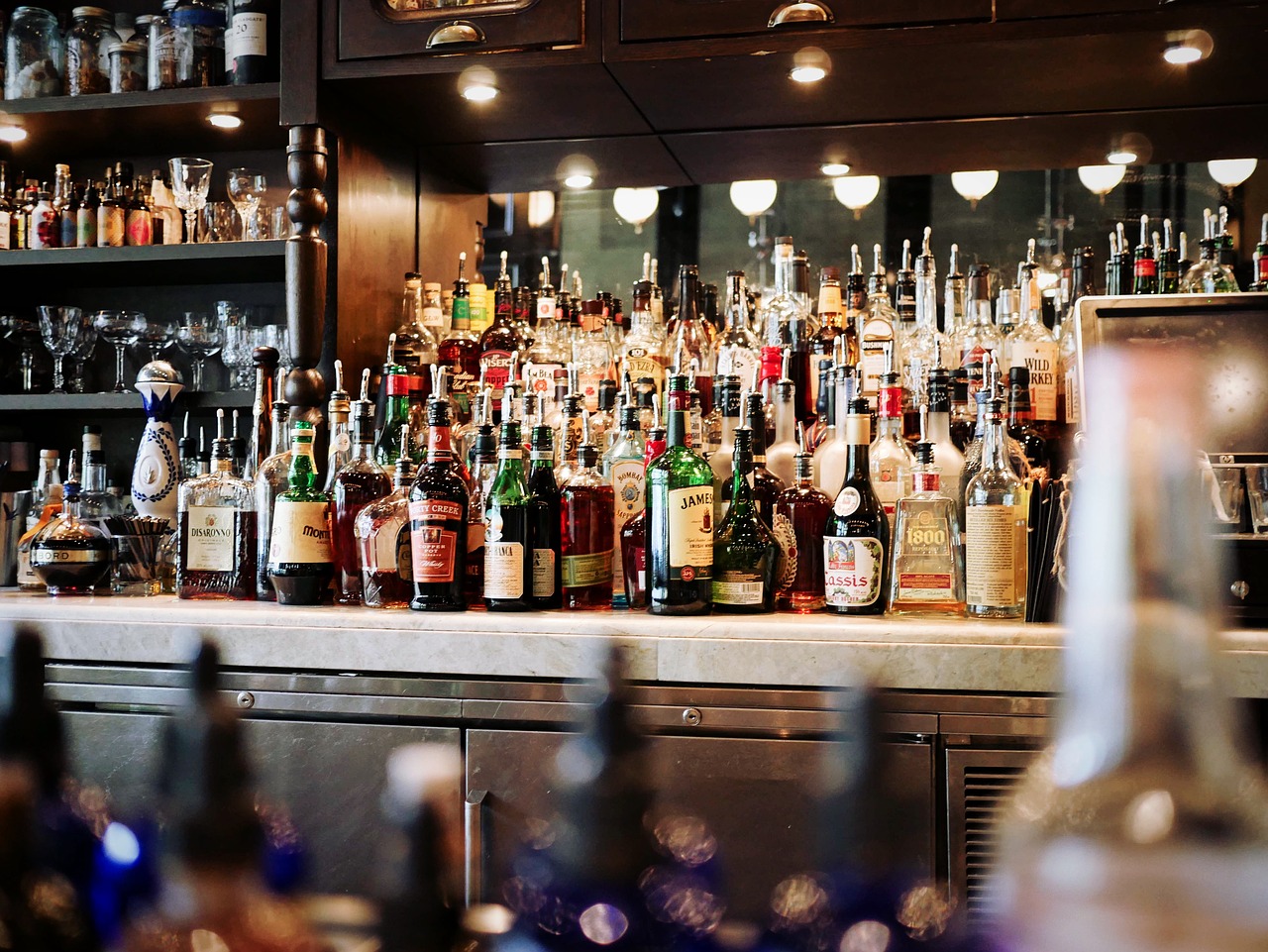
Does a little alcohol make you more productive?

By David Joel Miller, MS, Licensed Therapist & Licensed Counselor.

Bottles of alcohol.

Alcoholic Beverages.
Photo courtesy of Pixabay.com

Alcohol’s effect on productivity – Morning Question #28

Alcohol is not likely to make you more productive. People used to believe that alcohol was a stimulant and increased your productivity. It is not a stimulant, it is a depressant.

What alcohol does do is reduce the function of parts of the brain; as a result, people lose their inhibitions. So people who put things off and avoid things because of anxiety and shyness may do things while they have alcohol in the bloodstream that they otherwise would not do.

Taking more chances can be good if it helps you overcome inhibitions and gets you to try something for the first time. But it can also be bad if the thing you try that one time has harmful consequences, like sex with a new partner or drugs. Having to use chemicals to overcome anxiety also increases the risk you will become dependent on that chemical to cope with that problem the next time it arises.

This false belief in alcohol’s ability to increase productivity resulted in a lot of authors, newspaperman, and other creative types abusing alcohol and resulted in a lot of alcoholism.

There is no magic substance to make you more productive or creative.

Good health practices, some exercise, and reducing the internal censor that inhibits you from trying new things can go a long way towards increasing your productivity.

Staying connected with David Joel Miller

Seven David Joel Miller Books are available now!

My newest book is now available. It was my opportunity to try on a new genre. I’ve been working on this book for several years, but now seem like the right time to publish it.

Story Bureau.

Story Bureau is a thrilling Dystopian Post-Apocalyptic adventure in the Surviving the Apocalypse series.

Baldwin struggles to survive life in a post-apocalyptic world where the government controls everything.

As society collapses and his family gets plunged into poverty, Baldwin takes a job in the capital city, working for a government agency called the Story Bureau. He discovers the Story Bureau is not a benign news outlet but a sinister government plot to manipulate society.

Bumps on the Road of Life. Whether you struggle with anxiety, depression, low motivation, or addiction, you can recover. Bumps on the Road of Life is the story of how people get off track and how to get your life out of the ditch.

Dark Family Secrets: Doris wants to get her life back, but small-town prejudice could shatter her dreams.

Casino Robbery Arthur Mitchell escapes the trauma of watching his girlfriend die. But the killers know he’s a witness and want him dead.

Planned Accidents  The second Arthur Mitchell and Plutus mystery.

Letters from the Dead: The third in the Arthur Mitchell mystery series.

What would you do if you found a letter to a detective describing a crime and you knew the writer and detective were dead, and you could be next?

Sasquatch. Three things about us, you should know. One, we have seen the past. Two, we’re trapped there. Three, I don’t know if we’ll ever get back to our own time.

For these and my upcoming books; please visit my Author Page – David Joel Miller

Want the latest blog posts as they publish? Subscribe to this blog.

For videos, see: Counselorssoapbox YouTube Video Channel
Don’t most people abuse alcohol?

By David Joel Miller, MS, Licensed Therapist & Licensed Counselor.

Liquor

Alcoholic beverages.
Photo courtesy of Pixabay.com

How common is alcohol abuse? Morning Question #26

No, most people in America do not currently abuse alcohol! Half the adults in America did not have an alcoholic drink in the last 30 days. According to Kinney (Loosening the Grip, 2009), the top ten percent heaviest drinkers in America consume 60% of all the alcohol. Add in the next ten percent and the twenty percent heaviest drinkers consume 80% of all the liquor we drink here in America.

Now, most heavy drinkers (Alcoholics) believe that most people drink like they do. The truth is most people in America do not drink that much. A few do most of the drinking.

But the amount consumed does not tell the whole story. You can drink once a year and still have an alcohol problem. It is not what you drink or when you drink that defines an alcohol use disorder.

One client told me he only drinks once a year on New Years’. But the last three years, when he drank he ended up getting DUI’s or was arrested for other alcohol-related problems. Clearly, he had a problem.

As we noticed earlier drinking a lot on one occasion called Binge Drinking causes significant damage to the body. It also causes extra problems for senior citizens.

Much of the alcohol use disorders happen among the young. Most college students think everyone on campus drinks heavily and they are surprised to find out that most students do not drink alcoholically. As we age many people tend to cut back on their drinking, some stop altogether.

The worry is what negative consequences do they and others around them undergo before they learned to not abuse alcohol.

Staying connected with David Joel Miller

Seven David Joel Miller Books are available now!

My newest book is now available. It was my opportunity to try on a new genre. I’ve been working on this book for several years, but now seem like the right time to publish it.

Story Bureau.

Story Bureau is a thrilling Dystopian Post-Apocalyptic adventure in the Surviving the Apocalypse series.

Baldwin struggles to survive life in a post-apocalyptic world where the government controls everything.

As society collapses and his family gets plunged into poverty, Baldwin takes a job in the capital city, working for a government agency called the Story Bureau. He discovers the Story Bureau is not a benign news outlet but a sinister government plot to manipulate society.

Bumps on the Road of Life. Whether you struggle with anxiety, depression, low motivation, or addiction, you can recover. Bumps on the Road of Life is the story of how people get off track and how to get your life out of the ditch.

Dark Family Secrets: Doris wants to get her life back, but small-town prejudice could shatter her dreams.

Casino Robbery Arthur Mitchell escapes the trauma of watching his girlfriend die. But the killers know he’s a witness and want him dead.

Planned Accidents  The second Arthur Mitchell and Plutus mystery.

Letters from the Dead: The third in the Arthur Mitchell mystery series.

What would you do if you found a letter to a detective describing a crime and you knew the writer and detective were dead, and you could be next?

Sasquatch. Three things about us, you should know. One, we have seen the past. Two, we’re trapped there. Three, I don’t know if we’ll ever get back to our own time.

For these and my upcoming books; please visit my Author Page – David Joel Miller

Want the latest blog posts as they publish? Subscribe to this blog.

For videos, see: Counselorssoapbox YouTube Video Channel

What is State Dependent Learning? Memory problems?

By David Joel Miller, MS, Licensed Therapist & Licensed Counselor.

Is it State-Dependent Learning or Forgetting?

State-dependent learning.
Picture courtesy of pixabay.

The way we feel emotionally and the things in our systems, drugs, medications, and general health all influence what we remember and what we forget. State-Dependent Learning is about times we remember and times we forget – the very same facts.

Say you go to a party or a bar after work and you have a few drinks. During the course of the evening, you talk to a lot of people. Let’s say for this example you have a lot of fun, it was a great time.

You have a few drinks but you are sure, positive, you are not drunk.

Next morning you look in your pocket or purse and there are a couple of business cards, only you can’t remember who these people are. Are they potential clients? Were you supposed to do something for them? Or did they try to sell you something? You just can’t remember. So you stick those cards back where they were and go about your day.

You are positive you were not that drunk, this is no alcoholic blackout. But it is frustrating anyway to not be able to remember why you have those business cards.

Later that day some of the people from your office are off to lunch, lunch with a client and you need to be there. So during this lunch, you have a drink or two. Suddenly you have a thought about those business cards in your pocket. So you pull them out and – yes now you remember the whole conversation and why you saved those cards.

You have just experienced State-Dependent Learning.

In State-Dependent Learning it is as if your brain uses different filing cabinets for information depending on how your system is functioning. With alcohol in your bloodstream, the brain files the information away in a “file needed when drinking” and locks it away. To get the file cabinet open and find that information you need the right key, in this case, alcohol, in your system to reopen the locked file cabinet.

Alcohol is not the only drug or medication that results in State-Dependent Learning and lost file keys are not the only problem that can happen when filing information or trying to retrieve it.

Memories can get lost or distorted when they are filed away. Sometimes, as with alcoholic blackouts, the info is misplaced before going into the file. In that case, the brain, on discovering the file is empty, makes something up. This is called Confabulation.

Problems can happen when the information is stored and some drugs affect storage. The info can also be hard to find if it is stored in the “high” cabinet and you look for it in the “feeling normal” file space.

The size and nature of the information also matter. Say you need to remember a long list of words. If the words are makes of cars, types of seafood, and tools sold in a hardware store, telling you those categories at the time we read the list to you will help you remember them. If the list is long, has words from many categories, and we don’t tell you the categories, the words will be harder to remember.

The brain has filing systems for category lists and for jumbled lists. Different drugs can affect different kinds of information storage and memory so the research can drive you nuts trying to figure out which drugs result in State-Dependent Learning all the time and which only cause State-Dependent Learning part of the time.

Alcohol appears to result in State-Dependent Learning and other memory problems a lot.

Students who use a lot of caffeine to stay awake all night and study for finals appear to have a similar problem. Things learned under the influence of stimulants are very dose-dependent. So if you take a little of the stimulant you may learn more, take too much and it may block memory retention at all.

Methamphetamine users not only don’t learn a lot but begin to lose previously learned material. This makes us wonder how much amphetamine is helpful and how much of an ADHD med you can take before it impairs memory.

So our student, who studies all night, using stimulants to stay awake, may find two problems facing them the next day. State-Dependent Learning may require them to have the same stimulant and amount of stimulant in their system as when they learned it. This will be more or less of a problem depending on the type of memory involved. Picking out the correct answer from a multiple-choice list will not be so much affected. Remembering a list of things that are not on the paper may be harder. So will recognizing the correct answer if the instructor uses a different word to describe the same concept.

The student may also find that the things they could remember easily when wide awake on the stimulant, those answers can’t be found now that the brain is looking in the I am “so-o-o” tired file cabinets. Your physical condition and mood can also affect learning and memory as can the context.

Frankly – no drug appears to improve your memory over a long time and using drugs or alcohol runs the risk of getting the facts you need, lost in a wrong file cabinet, and not available when you need them.

Other drugs and prescribed medications can also cause memory problems and or State-Dependent Learning. Watch for more on this topic to come.

Staying connected with David Joel Miller

Seven David Joel Miller Books are available now!

My newest book is now available. It was my opportunity to try on a new genre. I’ve been working on this book for several years, but now seem like the right time to publish it.

Story Bureau.

Story Bureau is a thrilling Dystopian Post-Apocalyptic adventure in the Surviving the Apocalypse series.

Baldwin struggles to survive life in a post-apocalyptic world where the government controls everything.

As society collapses and his family gets plunged into poverty, Baldwin takes a job in the capital city, working for a government agency called the Story Bureau. He discovers the Story Bureau is not a benign news outlet but a sinister government plot to manipulate society.

Bumps on the Road of Life. Whether you struggle with anxiety, depression, low motivation, or addiction, you can recover. Bumps on the Road of Life is the story of how people get off track and how to get your life out of the ditch.

Dark Family Secrets: Doris wants to get her life back, but small-town prejudice could shatter her dreams.

Casino Robbery Arthur Mitchell escapes the trauma of watching his girlfriend die. But the killers know he’s a witness and want him dead.

Planned Accidents  The second Arthur Mitchell and Plutus mystery.

Letters from the Dead: The third in the Arthur Mitchell mystery series.

What would you do if you found a letter to a detective describing a crime and you knew the writer and detective were dead, and you could be next?

Sasquatch. Three things about us, you should know. One, we have seen the past. Two, we’re trapped there. Three, I don’t know if we’ll ever get back to our own time.

For these and my upcoming books; please visit my Author Page – David Joel Miller

Want the latest blog posts as they publish? Subscribe to this blog.

For videos, see: Counselorssoapbox YouTube Video Channel