
10 Rules for recovery after an affair.

By David Joel Miller, MS, Licensed Therapist & Licensed Counselor.
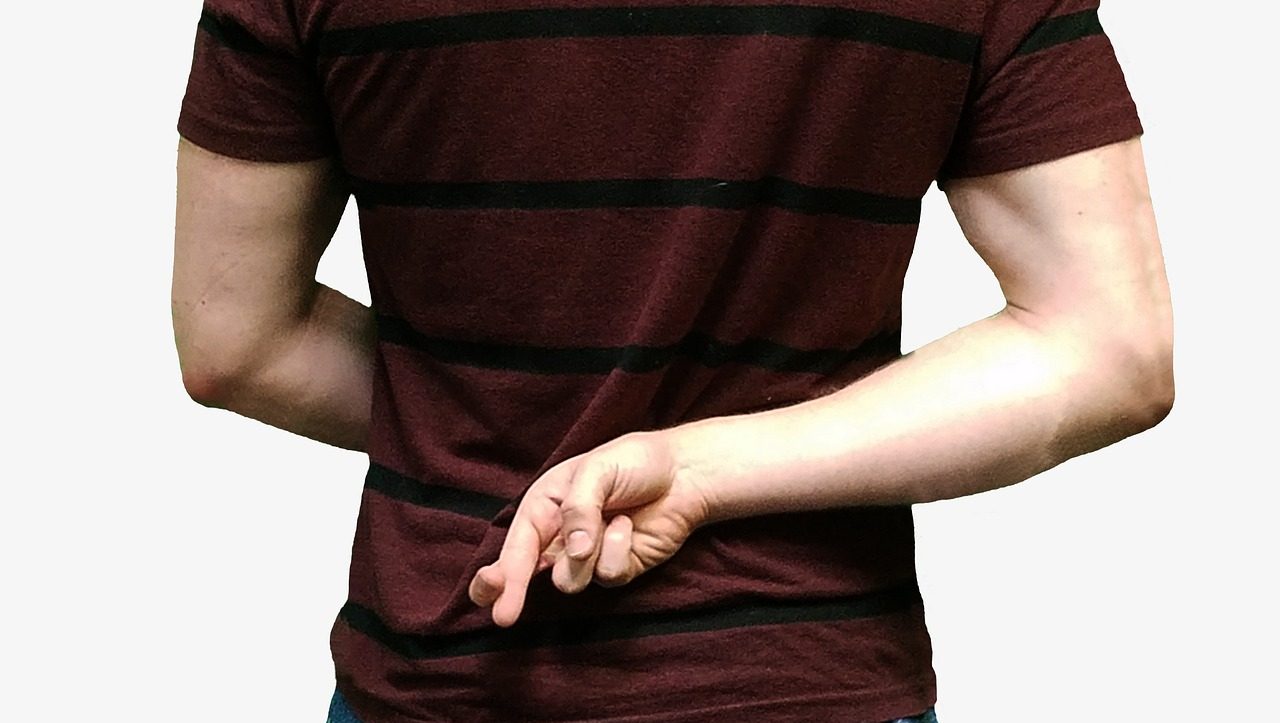
Emotional Affair

Recovery after an affair.

The common perception is that once the affair is discovered the couple is headed for divorce. The truth is that up to 70% of married couples stay together, for a variety of reasons, after they discover that partner was having an affair.

Among those who do divorce, many will later regret making that first impulsive decision.

Your family and friends may be telling you to kick him, or increasingly her, to the curb. But should you call it quits? What does it take to recover from an affair? How can marriage counseling play a role in mending the pain?

1. Don’t make sudden decisions when you discover an affair.

Give both of you time to think it through. You have a lot of time and emotions invested in this relationship. You owe it to yourself to see if it can be repaired before you junk it.

2. Both of you need to process how the affair affected you.

Both partners in the relationship may need therapy to work through their feelings about the affair, their relationship, and how it reached this point.

Therapists recommend that the non-affair partner write a letter to the affair partner telling them how they feel and how this has affected them. This is the kind of letter you need to write but do not need to send. Process these feelings first in your own therapy. Eventually, you may be able to read this to your relationship partner and help them to understand how this has affected you.

3. You need to create empathy for the non-affair partner.

Many people who have had affairs have very little understanding of how this has affected their partner. They will say in counseling that they have ended the relationship and that should solve the problems. Having them listen to the non-affair partner talk about how they were hurt by the affair and what feelings this created in that person can increase empathy and understanding.

4. Avoid staying together after the affair and ending up living two separate lives.

Some couples arrive at this point as a result of unspoken feelings. They will stay together for the children, for the economic needs, or because of the problems of splitting assets. What they don’t plan on is having an emotionally close relationship ever again. Most of these efforts fail as the two people involve find that they are living a life devoid of love and affection.

Even if the couple plans to try to make this relationship work, avoiding having those tough talks about their plans goals and future may result in a relationship that feels like to unrelated people living in the same house.

5. Rebuilding trust after an affair is a long hard process.

The most devastating part of finding out your partner had an affair is the feeling of betrayal of your trust. It takes a long time and lots of effort to rebuild that trust. You need to let each other into both your lives and make sure neither is hiding anything. Do not tell your partner you are going to get gas for the car and then turn up several hours later with leftover takeout food. If you plan on several stops tell your partner if plans change, call them and let them know, or stick to the plan and make a second trip some other time.

6. Do not use counseling or therapy as a way to get even with your partner.

Trying to use marriage counseling as a way to get even with the affair partner makes things worse. No amount of beating them up will erase what happened and it will result in fresh wounds that may never heal.

7. Give the non-affair partner all the information they need but no more.

Many partners want to know every detail, what did you two do in and out of bed. It is important to stop keeping secrets but beware of giving more details that requested. Non-affair partners can suffer from symptoms similar to Post Traumatic Stress Disorder. After hearing about sexual activity between the partner and the affair partner the non-affair partner can experience intrusive thoughts. They may imagine graphic images of their partner engaged in sexual activity with another person.

8. Make post affair counseling a repair effort.

Give the partner that had the affair a chance to show their intentions. Do they do small things to make it right but quickly slip back into old behaviors? Let them know that you hope for and expect the best but they will need to prove their desire to change and make it right by making visible changes in their behavior.

9. Get extra honest with each other to rebuild trust.

Affairs are about the fights you never had. If there are problems in the relationship talk them through. Work on expressing your feelings, being careful to ask to have your needs met rather than run your partner down. “I feel disrespect when you do not help clean up after dinner.” Not “You are such a pig!” You never clean up after yourself!”

One key characteristic of affairs is the need to keep secrets. The non-affair partner sometimes feels then may have contributed to the affair by not asking what the other person was doing and feeling. Some people who have had affairs tell me that they felt they had a sort of permission to have the affair a “don’t ask don’t tell” code.

Couples may need to have a lot of those talks about sex and relationships they did not have before they entered this relationship. Women frequently have a different definition of an affair than a man will. She thinks that flirting and emotional closeness with another woman is cheating. He may think that anything short of intercourse is OK. That attitude and some alcohol have led to a lot of one night stands.

10. Avoid the problematic use of drugs and alcohol.

Drugs and alcohol lower inhibitions. People with an untreated substance use disorder are at increased risk to engage in affair behavior. Drinking and using places encourage sexual activity. People who abuse alcohol and drugs may accept those kinds of behavior as a part of the “Partying” lifestyle.

Staying connected with David Joel Miller

Seven David Joel Miller Books are available now!

My newest book is now available. It was my opportunity to try on a new genre. I’ve been working on this book for several years, but now seem like the right time to publish it.

Story Bureau.

Story Bureau is a thrilling Dystopian Post-Apocalyptic adventure in the Surviving the Apocalypse series.

Baldwin struggles to survive life in a post-apocalyptic world where the government controls everything.

As society collapses and his family gets plunged into poverty, Baldwin takes a job in the capital city, working for a government agency called the Story Bureau. He discovers the Story Bureau is not a benign news outlet but a sinister government plot to manipulate society.

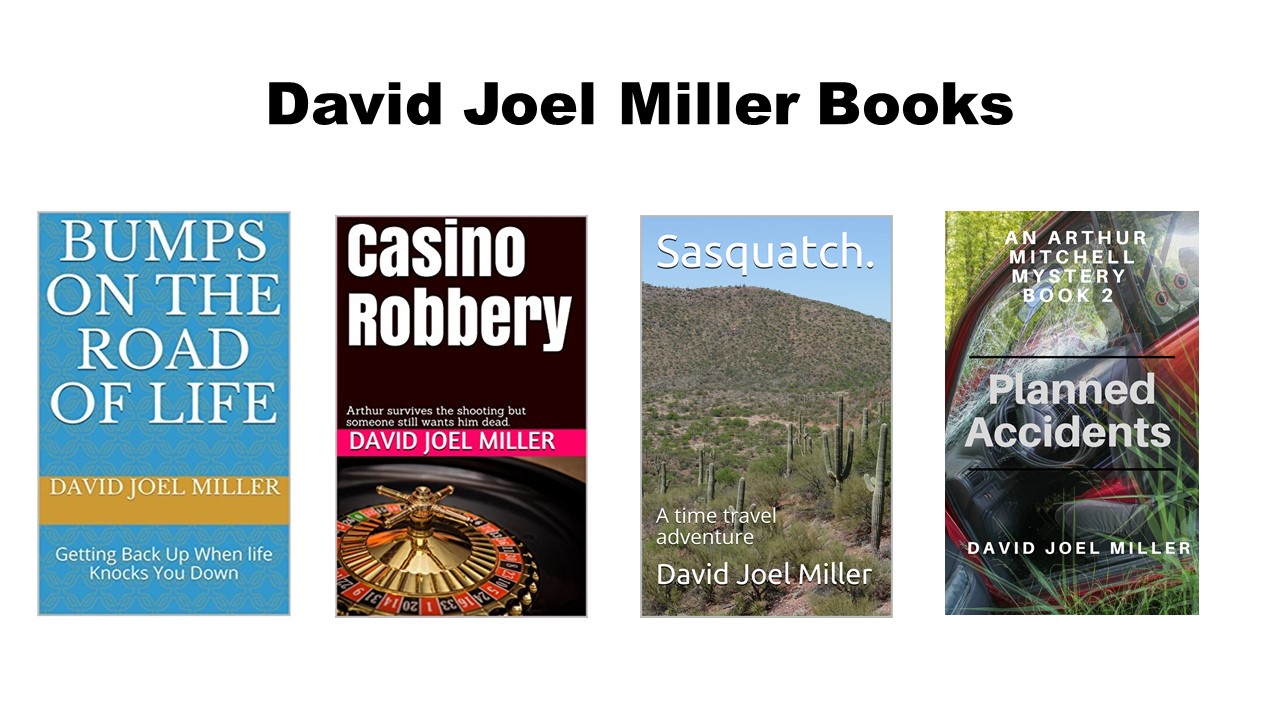
Bumps on the Road of Life. Whether you struggle with anxiety, depression, low motivation, or addiction, you can recover. Bumps on the Road of Life is the story of how people get off track and how to get your life out of the ditch.

Dark Family Secrets: Doris wants to get her life back, but small-town prejudice could shatter her dreams.

Casino Robbery Arthur Mitchell escapes the trauma of watching his girlfriend die. But the killers know he’s a witness and want him dead.

Planned Accidents  The second Arthur Mitchell and Plutus mystery.

Letters from the Dead: The third in the Arthur Mitchell mystery series.

What would you do if you found a letter to a detective describing a crime and you knew the writer and detective were dead, and you could be next?

Sasquatch. Three things about us, you should know. One, we have seen the past. Two, we’re trapped there. Three, I don’t know if we’ll ever get back to our own time.

For these and my upcoming books; please visit my Author Page – David Joel Miller

Want the latest blog posts as they publish? Subscribe to this blog.

For videos, see: Counselorssoapbox YouTube Video Channel

5 ways the Internet may destroy your relationship

By David Joel Miller, MS, Licensed Therapist & Licensed Counselor.

Computer

Internet usage.
Photo courtesy of Pixabay.com

Signs internet usage may destroy your relationship.

The internet has changed how we all live our lives for good and bad. It can help you find information, directions, and possibilities. Singles can use online dating sites to find dates or even long-term partners. It can create a lot of happiness.

Internet usage can also destroy relationships. Here are five ways your or your partner’s internet usage could be jeopardizing your relationship.  These are not discreet problems. A particular person or couple may be affected by one or several of these problems and sometimes one problem can morph into another.

1. Cyber-flirting and emotional affairs.

Talking inside games or chat rooms can start off innocently enough. In the relatively anonymous environment, it is easy to flirt, make sexual comments that would never be allowed in real life. You think you are getting to really know the other person at a very rapid pace.

In the online world, you do not have to see the person when they are tired or cranky. You can put only your best, often fictitious, self forward.

People will disclose to an anonymous avatar, feelings that they have been unable to express to their life partner. The feeling of being understood and cared for can be created quickly and look more real than it is.

More than one person has fallen in love with someone on the internet only to find out that this person never existed or was very different from the way they represented themselves.

Emotional affairs involve a giving of feelings and self to a stranger that should have been saved for the partner. People will tell their secrets and their partner’s confidences to a comparative stranger often with disastrous results.

Some partners of people having emotional cyber affairs describe them as even more painful and damaging than a real-life one night stand. You can alibi the one time sex, alcohol, being out-of-town, overcome by a momentary weakness. But the time spent in romancing a cyber affair partner and the keeping of the secrets this entails is a more severe breach of the trust that a relationship partner can excuse.

2. Cybersex.

Cyber-flirting can easily expand to cybersex. IM allows a conversation that can quickly escalate in emotional intensity. People can live out their sexual fantasies; describe desired sex acts that they feel uncomfortable describing to a real live partner.

People become their alter egos; the unemployed man becomes a jet-setting playboy. The middle-aged mother of 6 becomes a hot twenty-something model and this fictional couple describes all the emotional and sexual acts they wish they could do. People may fanaticize about behaviors that given the chance to act out in real life they would decline.

This cyber flirting or cybersex can involve masturbation and become a substitute for real-life sexual activities.

These cybersex activities may include sexting and incurring time spent thinking about and participating in fantasy sexual activities.

3. Internet created sexual affairs.

Cyber-flirting and cybersex may move into the real world. Online infidelity often begins with looking for an affair.

Adult dating sites and the relative anonymity of chat rooms have made it easier than ever before for people to find other people for sexual relationships. The relative anonymity of the internet encourages people to talk more openly and that feeling of intimacy can develop much more rapidly.

These internet arraigned sexual liaisons may go on for years, one partner after another.

Often these internet facilitated affairs are discovered accidentally. When they are discovered there can be an explosive reaction from the relationship partner.  This sudden disclosure of infidelity can result in separations and divorce.

Even when the affair goes undiscovered or if the couple decides to stay together after the disclosure of the affair, this event can permanently damage or alter the relationship.

Developing an online relationship requires dishonesty and keeping secrets. To facilitate this behavior the partner having the affair needs to become more secretive and dishonest. The relationship couple moves farther apart emotionally. A distance between the couple may be created that can never be bridged.

4. Internet pornography.

The internet provides a ready access to pornography. There are graphic images of all manner of sexual activity. Some of these activities may be illegal, child porn for example.

Porn can also be computer generated with no real people involved in the activities the viewer sees. This material can quickly create a distorted view of sexual reality. Not many people have near-perfect bodies. Even the most sexually adventurous person can’t engage in all the activities that are portrayed on the porn site.

A real live partner pales in comparison to the images on the web.

Viewing graphic sexual materials is very emotionally exciting and the occasional view can quickly escalate to an addiction. The magnitude and destructive properties of porn addiction have only recently been recognized and the harm porn can cause has been underestimated.

This should not be taken to mean that we should return to the Victorian era when no bare skin showed and sex was a taboo subject. Some sexual behavior and arousal are normal and healthy. Researchers have made the case that some viewing of sexual materials can inspire a couple to be more adventuress.

What is a problem is when this becomes a habit that races out of control. Sexual arousal is a very powerful force and can quickly lead to some form of sexual addiction.

5. Internet addiction.

In this internet activity, the sexual component is absent or minor. One member of a relationship becomes more and more involved in their online activities to the point of failing to meet relationship responsibilities.

They can play online games and forget to go to bed with their partner. They may stay up later and later to play online games or other activities.

Eventually, this online need overtakes their real responsibilities. People with an internet addiction may miss work or come in late from being up all night gaming.

They may experience real emotional withdrawal reactions, anger, and anxiety when they are unable to participate in their customary on-line activity.

If you or your partner has developed any of these internet issues your relationship does not have to end. Marriage or relationship counseling can help. A relationship may become stronger and better as a result of the steps you take to repair these problems.

In future posts, I plan to explore internet addictions, affairs, and other relationship issues in more detail. Hope you all stay tuned and follow counselorssoapbox.com

Staying connected with David Joel Miller

Seven David Joel Miller Books are available now!

My newest book is now available. It was my opportunity to try on a new genre. I’ve been working on this book for several years, but now seem like the right time to publish it.

Story Bureau.

Story Bureau is a thrilling Dystopian Post-Apocalyptic adventure in the Surviving the Apocalypse series.

Baldwin struggles to survive life in a post-apocalyptic world where the government controls everything.

As society collapses and his family gets plunged into poverty, Baldwin takes a job in the capital city, working for a government agency called the Story Bureau. He discovers the Story Bureau is not a benign news outlet but a sinister government plot to manipulate society.

Bumps on the Road of Life. Whether you struggle with anxiety, depression, low motivation, or addiction, you can recover. Bumps on the Road of Life is the story of how people get off track and how to get your life out of the ditch.

Dark Family Secrets: Doris wants to get her life back, but small-town prejudice could shatter her dreams.

Casino Robbery Arthur Mitchell escapes the trauma of watching his girlfriend die. But the killers know he’s a witness and want him dead.

Planned Accidents  The second Arthur Mitchell and Plutus mystery.

Letters from the Dead: The third in the Arthur Mitchell mystery series.

What would you do if you found a letter to a detective describing a crime and you knew the writer and detective were dead, and you could be next?

Sasquatch. Three things about us, you should know. One, we have seen the past. Two, we’re trapped there. Three, I don’t know if we’ll ever get back to our own time.

For these and my upcoming books; please visit my Author Page – David Joel Miller

Want the latest blog posts as they publish? Subscribe to this blog.

For videos, see: Counselorssoapbox YouTube Video Channel
How are children’s substance abuse problems different from adult addiction?

By David Joel Miller, MS, Licensed Therapist & Licensed Counselor.

sign

No Drugs.
Photo courtesy of Pixabay.com

There are some differences between the substance abuse issues in children from those in adults, but they may be less than we used to think.

There are a lot of people who continue to think of substance abuse, addiction in particular, as an adult disease. That would be way wrong.

Most adults with a substance use disorder began their use at a young age. Seventy-five percent of all disorders, mental health, and substance use, begin before age 24. Half start before age 14.

Kids are getting into drugs and alcohol abuse earlier than most adults realize.

Larger treatment facilities will tell you about children as young as 5 that already are developing signs of alcoholism. Children frequently report that their drug use began as early as age 8.

That’s right folks, as soon as the end of the third grade we are already able to identify children at risk to develop an addiction, going to prison, or both.

Are there “Gateway drugs?”

There used to be much discussion of so-called “gateway drugs.” The idea was that up till you tried the gateway drug you were not at risk of becoming addicted. Once you take the gateway drug you are on the path to addiction. The drug that got blamed the most as a “gateway drug” was marijuana. While I think letting your third or fourth grader smoke some of your “medical marijuana” is a way bad idea, it has turned out that for most adult addicts that was not the gateway drug.

One reason that marijuana was implicated was that it was illegal. That meant that to procure marijuana in the first place you had to be breaking the law. Someone who was selling marijuana illegally and risking jail might also be selling other “harder” drugs. Breaking society’s rules on substance use is a bad direction to start out on, but there is more to the story than that.

For most children, the gateway drugs have been cigarettes and alcohol. Consider the cost to society of a child who starts smoking at an early age. There is good evidence to show that after trying that first cigarette if the child lights up a second one they are going to be smokers for life.

Look around any homeless encampment, any old-time A.A. or N.A. meeting or the public hospital emergency room and you will find a lot of smokers. Nicotine has been reported as more addicting than heroin. I have heard people in recovery from drug addiction say that it was harder for many of them to kick cigarettes than to kick the heroin.

Alcohol is also a severe problem for children.

The younger they start drinking the larger the risk. Some people have argued that there are places in Europe where children begin drinking at a young age and do not develop any higher rate of alcoholism than we do with a legal drinking age of 21. The biggest difference is that in those cultures children learn to drink a small amount with meals and as part of a social occasion.

Here in America, the tradition is that when you drink – drink all you can. These drinking occasions are times when a bunch of people are out to “party” and alcohol is a large part of that. The result is that children, teens, in particular, learn to drink heavily and to drink to get drunk. You do not take your grandparents to the party with you.

Drinking to get drunk, binge drinking is, of course, the riskiest way to drink.

Younger substance abusers go for cheap or easy to get substances. They are more likely to sniff paint or glue. They are also less likely to understand how risky a substance is; hence they go for synthetic drugs because they can get them without breaking a law. What they miss is that these drugs are “not for human consumption” for good reason. Some of these synthetic drugs can cause permanent brain damage.

Back to that gateway argument. It appears that it is not the fact that a drug is illegal, as in the status of marijuana in the past, but the fact that it is “illicit” that the child is sneaking to do something they are not supposed to do, that predisposes them to greater risks down the road.

One thing we miss is the relationship between substance abuse and crime. This is not solely the rule for adults. Children of any age who drink or do other drugs are more likely to do other crimes, behave in anti-social ways, and get into trouble.

One report said that on the order of 80% of all those in prison here in California were drunk or high in the 24 hours before they did their crime.

There is no doubt that being under the influence disinhibits you. Drug use also means you need money and that may lead children to do crimes to pay for their drug and alcohol activities. It is hard to keep asking mom for drug money unless she is also in the drug game.

Drinking and drug use may look different in youngsters than in their older compatriots but addiction and alcoholism start in the young and just keep getting worse.

As a colleague of mine keeps reminding us – any drug use by an eight-year-old is a problem.

Staying connected with David Joel Miller

Seven David Joel Miller Books are available now!

My newest book is now available. It was my opportunity to try on a new genre. I’ve been working on this book for several years, but now seem like the right time to publish it.

Story Bureau.

Story Bureau is a thrilling Dystopian Post-Apocalyptic adventure in the Surviving the Apocalypse series.

Baldwin struggles to survive life in a post-apocalyptic world where the government controls everything.

As society collapses and his family gets plunged into poverty, Baldwin takes a job in the capital city, working for a government agency called the Story Bureau. He discovers the Story Bureau is not a benign news outlet but a sinister government plot to manipulate society.

Bumps on the Road of Life. Whether you struggle with anxiety, depression, low motivation, or addiction, you can recover. Bumps on the Road of Life is the story of how people get off track and how to get your life out of the ditch.

Dark Family Secrets: Doris wants to get her life back, but small-town prejudice could shatter her dreams.

Casino Robbery Arthur Mitchell escapes the trauma of watching his girlfriend die. But the killers know he’s a witness and want him dead.

Planned Accidents  The second Arthur Mitchell and Plutus mystery.

Letters from the Dead: The third in the Arthur Mitchell mystery series.

What would you do if you found a letter to a detective describing a crime and you knew the writer and detective were dead, and you could be next?

Sasquatch. Three things about us, you should know. One, we have seen the past. Two, we’re trapped there. Three, I don’t know if we’ll ever get back to our own time.

For these and my upcoming books; please visit my Author Page – David Joel Miller

Want the latest blog posts as they publish? Subscribe to this blog.

For videos, see: Counselorssoapbox YouTube Video Channel
First night of Drug and Alcohol Classes

By David Joel Miller.

Drugs.

Do drugs cause mania.
Photo courtesy of Pixabay.

Tonight is the first night of classes here at FCC.

One activity in my busy schedule that I thoroughly enjoy is the opportunity to teach Substance Abuse Counseling classes at Fresno City College.

The program here is accredited by the California Association of Drug and Alcohol Educators (CAADE) and leads students towards becoming registered and then certified drug and alcohol counselors.

The program includes 36-semester units of classes in Drug and Alcohol use disorders, recovery, and the work of counselors and social workers. A few students from the 4-year college show up in these classes because this program contains more information about Substance Use Disorders than most Masters or Ph.D. programs.

We see students in this class who want to be drug and alcohol counselors. There are often also social work majors, nursing students, criminal justice majors, and a smattering of people who are in early recovery and know they need more information on Substance Use Disorders to be able to decide what career is right for them.

All these majors are welcome. I try to emphasize that first night that no matter where they work there is a strong possibility that they will encounter people with substance use disorders. They will also if they see substance abusers see mixed in with those clients a lot of people who have emotional or mental health issues.

For those of you, who are not able to take classes of this nature, consider some reading on the topic of substance use disorders, (The A.A. big book is a good place to start.) Also, consider taking a Mental Health First Aid (MHFA) class if one is offered in your area. If there is not one close to you, encourage your local officials to get an MHFA training scheduled for your locale.

Teaching, while enjoyable takes a bit out of my time so the posts may come a little farther apart and the replies to your questions and comments will take a little longer but know that I values all your input and will get back to you all as quickly as I can.

  • Are you a Functional Alcoholic? Do you know someone with an Alcohol Use Disorder? (counselorssoapbox.com)
  • How to control your drinking (counselorssoapbox.com)

    Staying connected with David Joel Miller

    Seven David Joel Miller Books are available now!

    My newest book is now available. It was my opportunity to try on a new genre. I’ve been working on this book for several years, but now seem like the right time to publish it.

    Story Bureau.

    Story Bureau is a thrilling Dystopian Post-Apocalyptic adventure in the Surviving the Apocalypse series.

    Baldwin struggles to survive life in a post-apocalyptic world where the government controls everything.

    As society collapses and his family gets plunged into poverty, Baldwin takes a job in the capital city, working for a government agency called the Story Bureau. He discovers the Story Bureau is not a benign news outlet but a sinister government plot to manipulate society.

    Bumps on the Road of Life. Whether you struggle with anxiety, depression, low motivation, or addiction, you can recover. Bumps on the Road of Life is the story of how people get off track and how to get your life out of the ditch.

    Dark Family Secrets: Doris wants to get her life back, but small-town prejudice could shatter her dreams.

    Casino Robbery Arthur Mitchell escapes the trauma of watching his girlfriend die. But the killers know he’s a witness and want him dead.

    Planned Accidents  The second Arthur Mitchell and Plutus mystery.

    Letters from the Dead: The third in the Arthur Mitchell mystery series.

    What would you do if you found a letter to a detective describing a crime and you knew the writer and detective were dead, and you could be next?

    Sasquatch. Three things about us, you should know. One, we have seen the past. Two, we’re trapped there. Three, I don’t know if we’ll ever get back to our own time.

    For these and my upcoming books; please visit my Author Page – David Joel Miller

    Want the latest blog posts as they publish? Subscribe to this blog.

    For videos, see: Counselorssoapbox YouTube Video Channel

Top 10 Mental Health Blog posts of 2013

By David Joel Miller, MS, Licensed Therapist & Licensed Counselor.

Counselorssoapbox.com

Here are the most read mental health blog posts from 2013, at least the most read posts here on counselorssoapbox.com

With over 700 posts now available here on counselorssoapbox.com, a few continue to be read and reread each and every day.

In case you missed any of these Mental Health or Substance Abuse posts the links are below. There are also a whole parcel of other posts, some of them very specialized. You might want to look through the library of past posts or try the search feature to look for things that are of interest to you.

Many of the posts over the last year were inspired by questions that you readers sent in and the comments you left at the end of posts. Keep those comments and questions coming. It helps me to know what you would like me to talk about next.

Every question or comment deserves a reply and please know that I wish I could get back to you all right away but this schedule, having to work and trying to write does not always allow me to post responses as quickly as I would like. Just know that I really want to tell you things that are accurate and that means some time researching things and thinking about them before I post that reply.

The work on the book I have been writing is accelerating and I hope to have more to tell you on that topic in the near future.

Without further delay – the top Mental Health posts on counselorssoapbox.com for 2013 are:

1. How much should you tell a therapist?  

2. Levels or types of Borderline Personality Disorder 

3. Do therapists have to report a crime? 

4. Do people really forget what happened when drinking? – Blackouts   

5. Which border is Borderline Intellectual Functioning on? 

6. Are you Hyperthymic?

7. Hyperthymia, Hyperthymic Personality Disorder and Bipolar Disorder

8. Is nicotine a stimulant or a depressant?  

9. Why can’t we forget the painful past?

10. 6 ways to recover from Complex Trauma or Complex PTSD

Staying connected with David Joel Miller

Seven David Joel Miller Books are available now!

My newest book is now available. It was my opportunity to try on a new genre. I’ve been working on this book for several years, but now seem like the right time to publish it.

Story Bureau.

Story Bureau is a thrilling Dystopian Post-Apocalyptic adventure in the Surviving the Apocalypse series.

Baldwin struggles to survive life in a post-apocalyptic world where the government controls everything.

As society collapses and his family gets plunged into poverty, Baldwin takes a job in the capital city, working for a government agency called the Story Bureau. He discovers the Story Bureau is not a benign news outlet but a sinister government plot to manipulate society.

Bumps on the Road of Life. Whether you struggle with anxiety, depression, low motivation, or addiction, you can recover. Bumps on the Road of Life is the story of how people get off track and how to get your life out of the ditch.

Dark Family Secrets: Doris wants to get her life back, but small-town prejudice could shatter her dreams.

Casino Robbery Arthur Mitchell escapes the trauma of watching his girlfriend die. But the killers know he’s a witness and want him dead.

Planned Accidents  The second Arthur Mitchell and Plutus mystery.

Letters from the Dead: The third in the Arthur Mitchell mystery series.

What would you do if you found a letter to a detective describing a crime and you knew the writer and detective were dead, and you could be next?

Sasquatch. Three things about us, you should know. One, we have seen the past. Two, we’re trapped there. Three, I don’t know if we’ll ever get back to our own time.

For these and my upcoming books; please visit my Author Page – David Joel Miller

Want the latest blog posts as they publish? Subscribe to this blog.

For videos, see: Counselorssoapbox YouTube Video Channel
What is CAADE?

By David Joel Miller.

Update 2/1/18

At this time CAADE and its counselor certification body ACCBC are unable to certify AOD counselors. ACCBC is pursuing the ability to certify counselors again.  More information to follow.

California Association for Drug and Alcohol Educators.

CAADE stands for the California Association for Drug and Alcohol Educators. The first organization meeting was held here in Fresno in 1982 and CAADE was formally organized in 1984. CAADE is a nonprofit 501(C) 3 corporation and supports the efforts to educate drug and alcohol counselors and further the standards of the drug and alcohol treatment profession.

CAADE is one of the credentialing organizations included in the State of California Department of Drug and Alcohol Programs directory. Their website notes that they serve some 40 colleges and universities in California, Arizona, and Nevada.

Over the last few years, I have had the honor and the privilege of teaching at Fresno City College in their Drug and Alcohol Counseling program.  This program consists of a 36 unit curriculum in substance abuse counseling and related subjects, making it one of the more rigorous substance abuse counseling programs available.

In 2012 CAADE formed the Addiction Counselor Certification Board of California (an official affiliate of CAADE). This division clarifies the separate functions of improving the education provided to prospective counselors and the registration and certification of counselors as meeting the standards expected in this counseling specialty.

For more on the CAADE program, colleges, and universities that teach this program, and the CAADE annual conventions please visit the CAADE website.

Staying connected with David Joel Miller

Seven David Joel Miller Books are available now!

My newest book is now available. It was my opportunity to try on a new genre. I’ve been working on this book for several years, but now seem like the right time to publish it.

Story Bureau.

Story Bureau is a thrilling Dystopian Post-Apocalyptic adventure in the Surviving the Apocalypse series.

Baldwin struggles to survive life in a post-apocalyptic world where the government controls everything.

As society collapses and his family gets plunged into poverty, Baldwin takes a job in the capital city, working for a government agency called the Story Bureau. He discovers the Story Bureau is not a benign news outlet but a sinister government plot to manipulate society.

Bumps on the Road of Life. Whether you struggle with anxiety, depression, low motivation, or addiction, you can recover. Bumps on the Road of Life is the story of how people get off track and how to get your life out of the ditch.

Dark Family Secrets: Doris wants to get her life back, but small-town prejudice could shatter her dreams.

Casino Robbery Arthur Mitchell escapes the trauma of watching his girlfriend die. But the killers know he’s a witness and want him dead.

Planned Accidents  The second Arthur Mitchell and Plutus mystery.

Letters from the Dead: The third in the Arthur Mitchell mystery series.

What would you do if you found a letter to a detective describing a crime and you knew the writer and detective were dead, and you could be next?

Sasquatch. Three things about us, you should know. One, we have seen the past. Two, we’re trapped there. Three, I don’t know if we’ll ever get back to our own time.

For these and my upcoming books; please visit my Author Page – David Joel Miller

Want the latest blog posts as they publish? Subscribe to this blog.

For videos, see: Counselorssoapbox YouTube Video Channel
Could you use some help?

Counselorssoapbox.com

By David Joel Miller, MS, Licensed Therapist & Licensed Counselor.

Why is it so hard to ask for help?

David Joel Miller

David Joel Miller

When it comes to physical, tangible, things most of us are able to ask for help. But when it comes to the emotional and mental problems in our lives we find it difficult if not impossible to ask for help.

If you need to move, you ask your friends to show up and help you carry the furniture. You may even borrow someone’s truck to move you. It is not uncommon for people to borrow money when they can’t pay the rent. Why not ask for emotional help?

Is there some special reason we don’t like to ask for help with our emotional problems like depression or anxiety?

Why avoid help for relationship issues?

Lots of these panic – need to move this weekend, situations, are the result of relationship breakups. Frankly, most of those relationships had problems that could have been treated if one of the people involved would ask for help. That is what marriage and family therapists do every day.

Why is it easier to justify borrowing $1,000 to move, but so very few people will spend $100.00 to work on salvaging that marriage in the first place?

Need help with an addiction?

The same is true of other life problems. Someone has a drinking problem. They resist going to treatment, can’t ask for help for that. But after the arrest or they lose their job they will ask to borrow money to pay the lawyer, bail bondsman, and the fine.

Help, for the record, comes in all styles and colors. Friends can offer help for emotional problems if you let them. There are self-help groups and there are self-help books. Most of these work on yourself solutions are a lot cheaper than neglecting the problem and then paying the consequences.

Professional help is also often a good investment.  CPA’s are known to refer management of family-owned companies for family counseling. It is a whole lot cheaper to work out the conflicts between family members than it is to liquidate the family company.

Self-help groups recognize the need to be willing to accept help. The third step in the twelve steps is, to my way of thinking, primarily about being willing to accept help. So is sponsorship.

Everyone has times in their life when they need help with emotional problems. The smart people are not too proud to ask.

What is Serenity? (counselorssoapbox.com)

Staying connected with David Joel Miller

Seven David Joel Miller Books are available now!

My newest book is now available. It was my opportunity to try on a new genre. I’ve been working on this book for several years, but now seem like the right time to publish it.

Story Bureau.

Story Bureau is a thrilling Dystopian Post-Apocalyptic adventure in the Surviving the Apocalypse series.

Baldwin struggles to survive life in a post-apocalyptic world where the government controls everything.

As society collapses and his family gets plunged into poverty, Baldwin takes a job in the capital city, working for a government agency called the Story Bureau. He discovers the Story Bureau is not a benign news outlet but a sinister government plot to manipulate society.

Bumps on the Road of Life. Whether you struggle with anxiety, depression, low motivation, or addiction, you can recover. Bumps on the Road of Life is the story of how people get off track and how to get your life out of the ditch.

Dark Family Secrets: Doris wants to get her life back, but small-town prejudice could shatter her dreams.

Casino Robbery Arthur Mitchell escapes the trauma of watching his girlfriend die. But the killers know he’s a witness and want him dead.

Planned Accidents  The second Arthur Mitchell and Plutus mystery.

Letters from the Dead: The third in the Arthur Mitchell mystery series.

What would you do if you found a letter to a detective describing a crime and you knew the writer and detective were dead, and you could be next?

Sasquatch. Three things about us, you should know. One, we have seen the past. Two, we’re trapped there. Three, I don’t know if we’ll ever get back to our own time.

For these and my upcoming books; please visit my Author Page – David Joel Miller

Want the latest blog posts as they publish? Subscribe to this blog.

For videos, see: Counselorssoapbox YouTube Video Channel

Extra practical therapy book is coming

By David Joel Miller, MS, Licensed Therapist & Licensed Counselor.

David Joel Miller Books

David Joel Miller Books

Work has resumed on the book I am writing about counseling and therapy.  The planned release date is sometime early next year.

This book is a collection of ideas about counseling and how to get the most out of the process. It is designed specifically for the non-professional. It will cover a lot of questions that so many of you have asked about counseling, therapy, mental health, substance abuse, and related topics. It will include answers to questions such as:

When should you go for counseling?

How will you know if it can help you?

Is Counseling safe and what will I need to do to make it safe and effective?

What kind of professional am I looking for?

How much does it cost and what can I do if I can’t pay?

And much more

Some of this material is from posts to counselorssoapbox.com and reader’s questions to the blog. Much new material has been added each day as the writing progresses.

It is still not too late to get your question answered. Ask now and I will try to answer your question on the blog. Longer or more detailed questions may well end up in the book.

The title is still a work in progress. Any suggestions?

As the book writing progresses, the time for blog posts is getting more difficult to include in my schedule. So some days we may need to skip posts. There have been some spectacular posts recently among the blogs I subscribe too and I plan to share some of these via reposts.

If you would like to stay connected to the posts on counselorssoapbox, the progress of my book in progress, or the flow of the conversation about mental health and substance abuse issues – please subscribe or follow counselorssoapbox.

You will find the follow button at the very tip-top of the page, in the black area, next to the counselorssoapbox.com name. And don’t forget to hit the share and the like buttons at the end of each post.

Thanks and stay tuned for the latest updates.

Staying connected with David Joel Miller

Seven David Joel Miller Books are available now!

My newest book is now available. It was my opportunity to try on a new genre. I’ve been working on this book for several years, but now seem like the right time to publish it.

Story Bureau.

Story Bureau is a thrilling Dystopian Post-Apocalyptic adventure in the Surviving the Apocalypse series.

Baldwin struggles to survive life in a post-apocalyptic world where the government controls everything.

As society collapses and his family gets plunged into poverty, Baldwin takes a job in the capital city, working for a government agency called the Story Bureau. He discovers the Story Bureau is not a benign news outlet but a sinister government plot to manipulate society.

Bumps on the Road of Life. Whether you struggle with anxiety, depression, low motivation, or addiction, you can recover. Bumps on the Road of Life is the story of how people get off track and how to get your life out of the ditch.

Dark Family Secrets: Doris wants to get her life back, but small-town prejudice could shatter her dreams.

Casino Robbery Arthur Mitchell escapes the trauma of watching his girlfriend die. But the killers know he’s a witness and want him dead.

Planned Accidents  The second Arthur Mitchell and Plutus mystery.

Letters from the Dead: The third in the Arthur Mitchell mystery series.

What would you do if you found a letter to a detective describing a crime and you knew the writer and detective were dead, and you could be next?

Sasquatch. Three things about us, you should know. One, we have seen the past. Two, we’re trapped there. Three, I don’t know if we’ll ever get back to our own time.

For these and my upcoming books; please visit my Author Page – David Joel Miller

Want the latest blog posts as they publish? Subscribe to this blog.

For videos, see: Counselorssoapbox YouTube Video Channel

counselorssoapbox.com posts you read the most

Counselorssoapbox.com

Here are the top 10 mental health posts to date.

By David Joel Miller, MS, Licensed Therapist & Licensed Counselor.

1. How much should you tell a therapist?         

2. Are you Hyperthymic?    

3. Do people really forget what happened when drinking? – Blackouts

4. Why can’t we forget the painful past?                 

5. Do therapists have to report a crime?                    

6. Is nicotine a stimulant or a depressant?     

7. What is the difference between Depression and Major Depressive Disorder?      

8. Levels or types of Borderline Personality Disorder        

9. Six ways to recover from Complex Trauma or Complex PTSD         

10. Which border is Borderline Intellectual Functioning on?         

Thanks for all the support and encouragement you have shown for counselorssoapbox.com I appreciate all of you who read this blog. I especially want to thank those who leave comments and likes.

Staying connected with David Joel Miller

Seven David Joel Miller Books are available now!

My newest book is now available. It was my opportunity to try on a new genre. I’ve been working on this book for several years, but now seem like the right time to publish it.

Story Bureau.

Story Bureau is a thrilling Dystopian Post-Apocalyptic adventure in the Surviving the Apocalypse series.

Baldwin struggles to survive life in a post-apocalyptic world where the government controls everything.

As society collapses and his family gets plunged into poverty, Baldwin takes a job in the capital city, working for a government agency called the Story Bureau. He discovers the Story Bureau is not a benign news outlet but a sinister government plot to manipulate society.

Bumps on the Road of Life. Whether you struggle with anxiety, depression, low motivation, or addiction, you can recover. Bumps on the Road of Life is the story of how people get off track and how to get your life out of the ditch.

Dark Family Secrets: Doris wants to get her life back, but small-town prejudice could shatter her dreams.

Casino Robbery Arthur Mitchell escapes the trauma of watching his girlfriend die. But the killers know he’s a witness and want him dead.

Planned Accidents  The second Arthur Mitchell and Plutus mystery.

Letters from the Dead: The third in the Arthur Mitchell mystery series.

What would you do if you found a letter to a detective describing a crime and you knew the writer and detective were dead, and you could be next?

Sasquatch. Three things about us, you should know. One, we have seen the past. Two, we’re trapped there. Three, I don’t know if we’ll ever get back to our own time.

For these and my upcoming books; please visit my Author Page – David Joel Miller

Want the latest blog posts as they publish? Subscribe to this blog.

For videos, see: Counselorssoapbox YouTube Video Channel

Should an addict take psych meds?

By David Joel Miller, MS, Licensed Therapist & Licensed Counselor.

Drugs

Medications.
Photo courtesy of Pixabay.com

How safe is it for someone in recovery from drugs or alcohol to take psych meds?

Many recovering people are worried about the effects of taking psychiatric meds on their recovery. The recovery community has long been divided on this issue. Here is some background on the topic and my thoughts as a professional counselor.

Any decision to take, start or stop any medication should be talked over with your doctor. There can be side effects, withdrawal effects and the effects of the medication can change over time as your body adjusts to the effects. Never make sudden changes to meds without talking to your doctor.

Unfortunately, not all doctors are equally informed when it comes to the area of addiction and psychiatric medication. You need to be an informed consumer. Ask questions and talk these issues out with your doctor. Here are some things to consider in making your decision about taking psychiatric meds.

One long-standing belief in some recovery circles is that if you are taking medication then you are not clean, you are still using a drug to alter the way you feel. I think this is a bogus argument.

If you have a medical condition and there is a med that will help you, by all means, take that med. Diabetics need insulin and using that should in no way interfere with or compromise your sobriety.

Are you taking your meds AS PRESCRIBED!

This question is important. It is not should you take them but are you using them correctly.

Two med compliance issues arise for people in recovery. One they tend to play doctor and one day they take the med then the next day when they feel better they skip the meds. Most meds and psychiatric meds are especially in this group; need to be taken every day. You need a certain level in your bloodstream to be effective. Taking them some days and not others can result in developing tolerance more rapidly, or can prevent building tolerance and can result in them not working correctly when you start taking them again.

Do not do the on and off thing with prescribed meds. Take them as prescribed.

Second problem – If one is good 30 should work better right?

If you find yourself boosting the dose, taking more than was prescribed, this is the dangerous path to addiction and problems. First, most psych meds do not work that way. More is not better. The correct dose is what you need and only you and your doctor working together can figure that one out. If taking more of most psych meds makes you feel better, then this may be more of a placebo effect than the meds. Talk to your doctor and your counselors about those issues.

As a counselor what can I tell you about psych meds and their risk for recovering people? Here are my thoughts based on experience for whatever they are worth. If this gets you thinking for or against, please talk this over with your doctor.

There are four main categories (based on use not chemical formula) of psych meds, Antidepressants, Mood stabilizers (anti-mania), antipsychotics, and Anti-anxiety meds.

Let’s look at these one at a time and let me tell you what clients who have taken them, tell me about the effects they have had on their recovery. I will sneak in a few things from the effects of drugs and alcohol on the body and the brain class I teach. For more on this topic check either “Drug Use and Abuse, Maisto, Galizio and Connors” or “Uppers Downers and All Arounders, Inaba, and Cohen.” Any recent edition has good information.

1. Antidepressants.

These are NOT happy pills. They need to build up slowly over time and it can take 30 or 45 days to have an effect. You must take them every day as prescribed.

No self-respecting addict will take a pill today to feel better a month from now. No one in recovery has told me they had any problem with an antidepressant. If you don’t need them they just don’t do much and pass out of your system.

Occasionally someone will have a sudden, week or ten days, response to an antidepressant this makes me think that the person may have bipolar disorder or that this is a medication-induced hypomanic episode. If that happens, talk it over with your doctor. This is rare in my experience though I suspect psychiatrists see this more than a recovery counselor hears about it.

Either way, I don’t worry about clients in substance abuse recovery taking an anti-depressant.

2. Mood stabilizers (anti-mania.)

Mood stabilizers are used to treat Bipolar and other mood instability problems. I am told they do not make you feel any particular way. They seem to just take the edge off.

Some of these have side effects that people find unpleasant. If you need them you need them if not you will not want to take them. Either way, there is not a lot of abuse potential for recovering people.

3. Anti-psychotics.

There are two main kinds of antipsychotics the older ones or typical and the newer atypical. Some of the older ones are very sedating and they tended to be overused in prisons and institutions to keep people “zombie out.” If you like being stoned and nodding out all the time then you may want to discuss with your doctor taking the newer atypical antipsychotics.

The newer atypical ones, no one has said they like how it feels enough to abuse it. Mostly they do not like the risk of weight gain that comes with these. If you take an antipsychotic invest some time in diet and exercise and try to keep the weight off.

All in all, antipsychotics do not seem to be a big issue for those who are in recovery.

Not taking an antipsychotic if you need one, is a major risk for relapse if you are in recovery.  Getting rid of or managing hallucinations or delusions are best done with prescribed medication and counseling, not street drugs.

4. Anti-anxiety meds.

This one seems to cause the most problems for people in recovery.

If you need them, you really need them, and prescribed meds are a whole lot better than alcohol or street drugs for managing anxiety.

The worry with this group of meds is that many, (probably most) are tranquilizers. People can and do abuse these. So if you are one of those “the more pills the better” people, you will need to have that hard talk with your doctor about the risks and benefits of these meds. Let that doctor know you are in substance abuse recovery and that you are concerned about the effects of meds on your recovery.

Also with anti-anxiety meds take them EXACTLY as prescribed. Do not take extras unless the doctor has said it is OK and if they are to be used when needed try to get through as many things as possible without “needing” to take them.

Anxiety disorders are a time when social supports may be absolutely essential to your recovery. Whenever possible reach for the phone and talk with your support system before you reach for a pill.

There you have it, my opinion on psych meds. Most help and have a low risk of abuse. If you need them, you need them and do not be afraid to take them as prescribed. If you find yourself abusing them, talk with everyone on your treatment team, the doctor, and the therapist about these issues.

One last aside, those who do the best in recovery use every resource they can. Meds help but they will not do the whole job. You need a head change, a change in your way of thinking, and you need a good support system if you want to go the rest of the way in recovery.

Best wishes for your happy life.

David Joel Miller, LMFT, LPCC

Staying connected with David Joel Miller

Seven David Joel Miller Books are available now!

My newest book is now available. It was my opportunity to try on a new genre. I’ve been working on this book for several years, but now seem like the right time to publish it.

Story Bureau.

Story Bureau is a thrilling Dystopian Post-Apocalyptic adventure in the Surviving the Apocalypse series.

Baldwin struggles to survive life in a post-apocalyptic world where the government controls everything.

As society collapses and his family gets plunged into poverty, Baldwin takes a job in the capital city, working for a government agency called the Story Bureau. He discovers the Story Bureau is not a benign news outlet but a sinister government plot to manipulate society.

Bumps on the Road of Life. Whether you struggle with anxiety, depression, low motivation, or addiction, you can recover. Bumps on the Road of Life is the story of how people get off track and how to get your life out of the ditch.

Dark Family Secrets: Doris wants to get her life back, but small-town prejudice could shatter her dreams.

Casino Robbery Arthur Mitchell escapes the trauma of watching his girlfriend die. But the killers know he’s a witness and want him dead.

Planned Accidents  The second Arthur Mitchell and Plutus mystery.

Letters from the Dead: The third in the Arthur Mitchell mystery series.

What would you do if you found a letter to a detective describing a crime and you knew the writer and detective were dead, and you could be next?

Sasquatch. Three things about us, you should know. One, we have seen the past. Two, we’re trapped there. Three, I don’t know if we’ll ever get back to our own time.

For these and my upcoming books; please visit my Author Page – David Joel Miller

Want the latest blog posts as they publish? Subscribe to this blog.

For videos, see: Counselorssoapbox YouTube Video Channel