
Why we need to talk about mental illness, drugs and alcohol in combination

By David Joel Miller, MS, Licensed Therapist & Licensed Counselor.
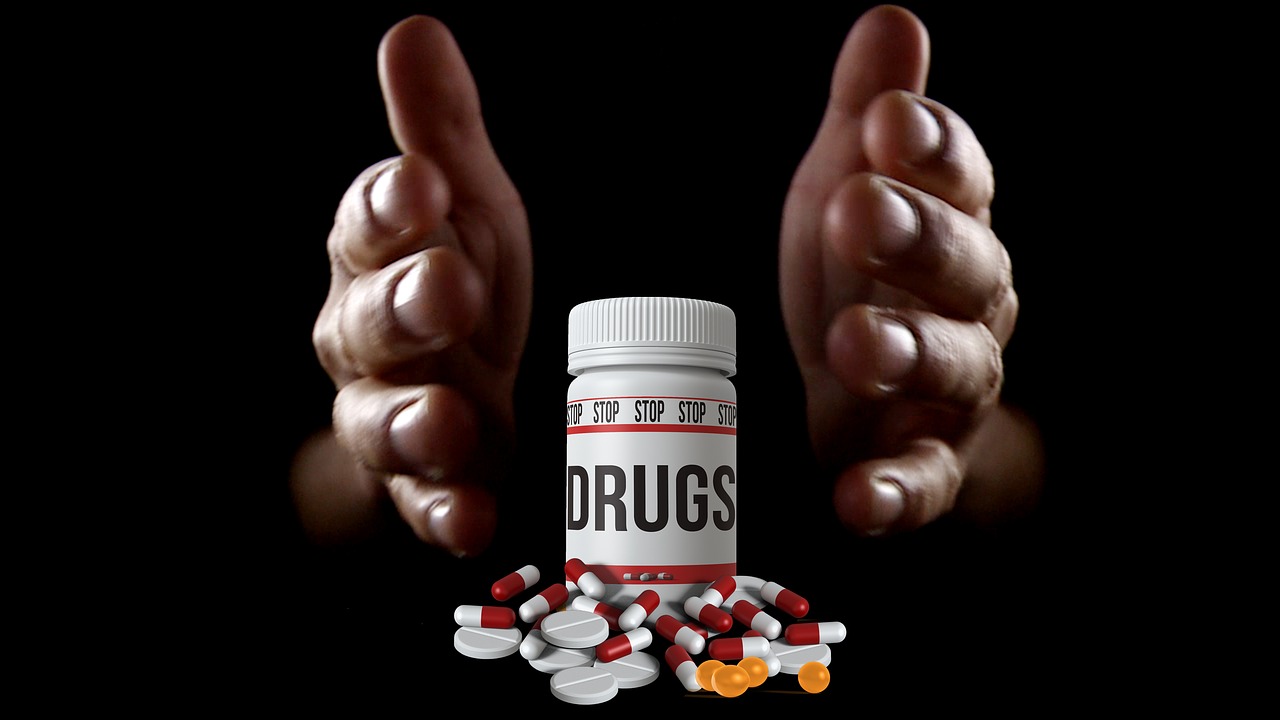
Drugs.

Drugs.
Photo courtesy of Pixabay.

Why you need to know about mental illness, substance abuse, and co-occurring disorders.

Most people identify with one major problem, they have a mental illness, they are addicts or alcoholics or they may just have a “communication problem” with their significant other. No matter what you identify as your primary problem there are reasons you need to know about the other possible problems and how they may affect you.

Why “normal” people should know about both mental illness and addiction.

In the course of any given year, 25% of all Americans (numbers in other countries are about the same for most issues) will experience symptoms of a mental or emotional problem that are severe enough to be diagnosed. Most of those people will first see a medical doctor thinking that their loss of energy or their nerves is a physical, medical problem.

Most people who die from a mental illness have been to see a primary care or medical doctor in the 30 days before they die. When there is no medical cause for their suffering found they may fail to go for mental health treatment.

In their lifetime, about 50% of all Americans will experience an episode of an emotional or mental illness. Many of these issues can be mild if caught and treated early but untreated they get worse. The old practice of pretending you are O. K. even when you are in pain did and does not work. If you have a mental illness it needs treatment and getting it treated is no more giving in than going for treatment for a heart problem or cancer.

Many people will experience at least one episode of substance abuse, some get away with it a few times. Some abuse drugs and alcohol on a regular basis and do not get caught for a while, but eventually, most people have difficulties.

Even if you do not do drugs or alcohol there is a high likelihood that someone in your family or social circle will become an alcoholic or addict. For every substance abuse out there we estimate that there 5 to 8 people directly affected by the substance abuser’s disease.

Why the mentally ill need to know about substance abuse issues.

Not all mentally ill people abuse substances but the overlap is larger than most people would care to recognize.

Those with a mental illness are drawn to using drugs and alcohol to try to cope with their symptoms. Many Bipolar people like the mood swings that accompany alcohol use. If you like the mood swing you are likely to continue using or drinking.

When the depressed person drinks it helps them forget their problems for a while. Then the alcohol wears off and the problems return. There is often a rebound effect and the result is that your mental health issues are now worse than when you started. This leads to more and more frequent drinking.

Using drugs or alcohol to change the way you feel is a risky way to use them. If you are an emotional user you are at increased risk to develop an addiction.

Most psychiatric meds do not work that way, they do not suddenly and miraculously make you feel good, and then when the med wears off you feel worse. This is why psychiatric meds which only help you function, not cure your problems, need to be taken as prescribed and every day for a period of time before most of them will begin to help.

Why addicts and alcoholics need to know about mental illnesses.

A great many people in substance abuse recovery initially feel great, they are clean and this feels good. They the good feeling wear off and they are at high risk for relapse.

Many people began using and drinking at such an early age they do not know what it feels like to be without the drugs in their system. We often find that the early symptoms of a mental illness were there before the person first experienced drugs. But the long-term use obscured the emotional part of their problems.

Using drugs, the lifestyle, the drug, or alcohol experiences, distort your development. People who go for years using and drinking do not undergo the developmental milestones they should have experienced, and as a result, they are unprepared for life without drugs. The drug of choice and that could include alcohol or gambling or any other addictive behavior, has been your best friend and now when you give that friend up you may go through a period of grieving.

So drug and alcohol use may have hidden the symptoms of a mental illness, the emotional or mental illness may have been caused by the drug use or may occur when you give the drug up and discover that there is a whole lot of wreckage that you now need to clean up.

People just do not get through life having only one problem. The chances are high that you or someone close to you will have multiple problems in their lifetime. Having a mental or emotional illness and substance abuse or misuse is one of the more common cases of having multiple problems.

Staying connected with David Joel Miller

Seven David Joel Miller Books are available now!

My newest book is now available. It was my opportunity to try on a new genre. I’ve been working on this book for several years, but now seem like the right time to publish it.

Story Bureau.

Story Bureau is a thrilling Dystopian Post-Apocalyptic adventure in the Surviving the Apocalypse series.

Baldwin struggles to survive life in a post-apocalyptic world where the government controls everything.

As society collapses and his family gets plunged into poverty, Baldwin takes a job in the capital city, working for a government agency called the Story Bureau. He discovers the Story Bureau is not a benign news outlet but a sinister government plot to manipulate society.

Bumps on the Road of Life. Whether you struggle with anxiety, depression, low motivation, or addiction, you can recover. Bumps on the Road of Life is the story of how people get off track and how to get your life out of the ditch.

Dark Family Secrets: Doris wants to get her life back, but small-town prejudice could shatter her dreams.

Casino Robbery Arthur Mitchell escapes the trauma of watching his girlfriend die. But the killers know he’s a witness and want him dead.

Planned Accidents  The second Arthur Mitchell and Plutus mystery.

Letters from the Dead: The third in the Arthur Mitchell mystery series.

What would you do if you found a letter to a detective describing a crime and you knew the writer and detective were dead, and you could be next?

Sasquatch. Three things about us, you should know. One, we have seen the past. Two, we’re trapped there. Three, I don’t know if we’ll ever get back to our own time.

For these and my upcoming books; please visit my Author Page – David Joel Miller

Want the latest blog posts as they publish? Subscribe to this blog.

For videos, see: Counselorssoapbox YouTube Video Channel
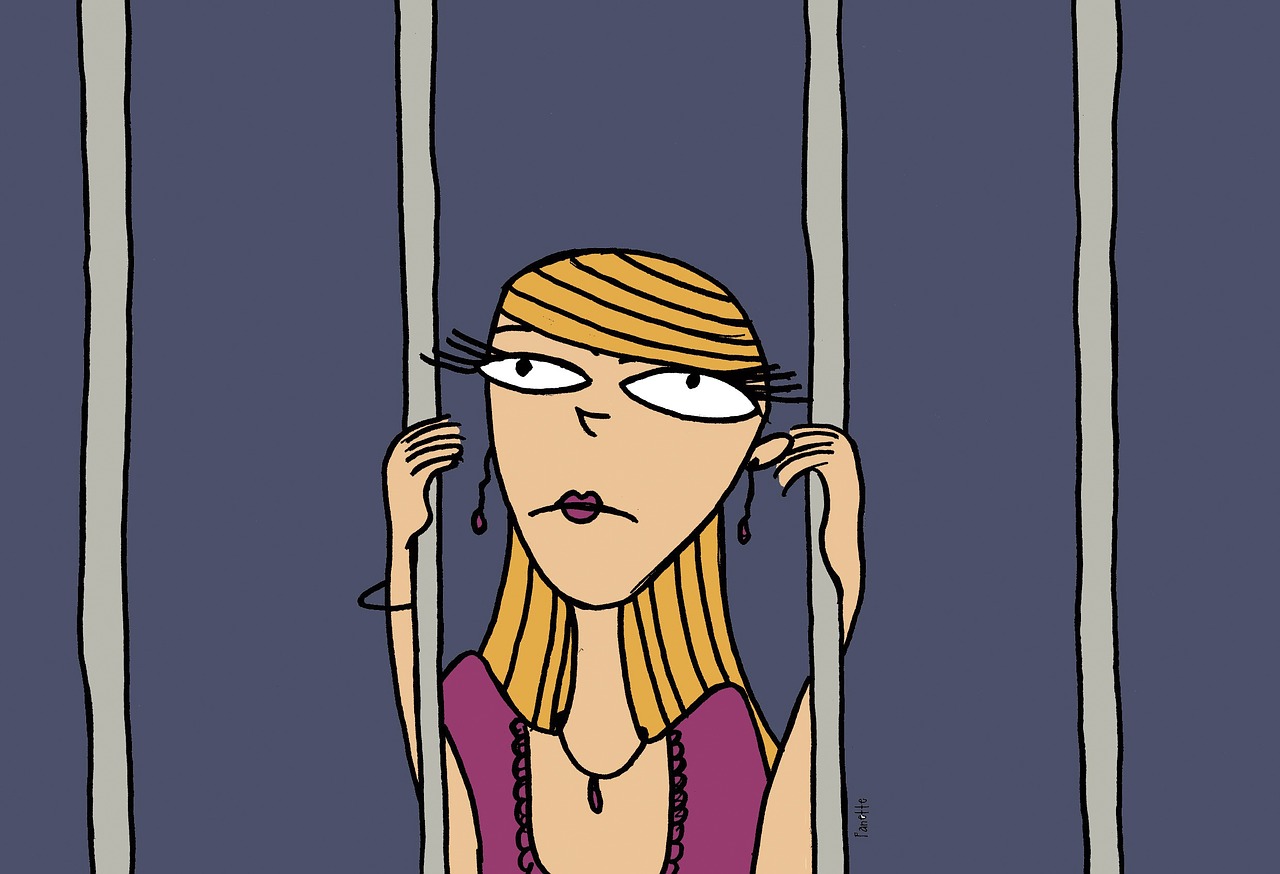
Do the mentally ill go to jail? Should they?

By David Joel Miller, MS, Licensed Therapist & Licensed Counselor.

To the mentally ill go to jail?
Picture courtesy of Pixabay

Why do so many mentally ill people end up in jail?

Mentally ill people are not supposed to end up in jail simply because they are mentally ill. Unfortunately, our jails and prisons are clogging up with the mentally ill because our systems can’t always find appropriate housing and treatment options.

At this point, I need to point out that we are finding more and more that there are NOT two distinct groups – the mentally ill and the “Normal People.”  People with mental illness can have episodes where they get better or worse. Some mentally ill do recovery. There are also a lot of people who look normal for most of their life and then something happens that they can’t cope with and they find themselves in the mentally ill group.

The person who finds out their partner is cheating may “flip out.” And show up at that worksite with a gun. Before they found out about the affair they were apparently normal people but once they start shooting up the workplace they get reclassified as “mentally ill.” In that respect, people with long-term mental illnesses get a bad rap. The chronically mentally ill are more likely to be victimized than to attack others. They are also way more likely to get murdered than to kill anyone.

There are three principal reasons that law enforcement comes in contact with the mentally ill.

1. The person is thinking of harming themselves or they are so disabled they can’t care for themselves.

While completing suicide is illegal in most places, the person who has tried to kill themselves really does not belong in jail.

Most places have a system called involuntary commitment that allows this person to be placed in a mental hospital BRIEFLY for observation and treatment. Unfortunately, once they stop wanting to kill themselves they get released. We can offer services but it is difficult to impossible to make that person stay in treatment for any length of time.

Additionally, in far too many places there is a shortage of resources for these people and often waiting times to access services.

Just because the person is suicidal does not make this an easy situation for first responders. The suicidal person may harm a bystander in their efforts to end their life, especially if authorities try to stop this attempt. There is also the risk that they will threaten law enforcement, resulting in the increasingly more common “suicide-by-cop.”

2. They are doing something illegal or causing someone a problem.

Police encounter the mentally ill in all sorts of situations. They try to sleep in people’s yards and use their water. Unfortunately, there are a whole lot of mentally ill that have ended up homeless. Add together the distortions in thinking that come from their disorder and the life skills homeless people need to develop to get by and they come into conflict with authority a lot.

When the mentally ill get too loud, don’t move along when told to do so, or act hostile and scare someone, the police get called. Usually, after a confrontation, the only alternative is to take them in.

Even if the police would prefer to not keep this person many communities just have no other place to house them. So minor lawbreakers, vagrants, petty shoplifters, and the like, with mental illnesses, end up in jail for a period of time.

Sheriffs from two of our larger American cities have been quoted recently as saying they are now the largest residential housing facility for the mentally ill in their state. There just is no place to put many of these folks.

3. They are under the influence of drugs and alcohol.

Anyone who does drugs and alcohol to excess can have a problem. The mentally ill are at high risk to abuse substances. In our American culture, those without a diagnosed mental illness are also at high risk to abuse substances.

There is a huge overlap between mental illness and substance abuse. Some mentally ill use alcohol or drugs to mask their symptoms while others started out drinking and drugging and now have developed symptoms of a mental health disorder as a result of their substance abuse.

It is also worth noting that a whole lot of people are in jail for drug and alcohol-related offenses. Those who are fortunate enough to end up in rehab programs are often found to have a mental or emotional disorder.

Incarcerating people in jails has not been working to reduce either mental illness or substance abuse. More treatment options are desperately needed.

Shockingly the most common response from the politicians and the general public is to get tough on all these people and lock them up. The proponents of more incarceration hold that view until they or someone in their family ends up in jail or prison and then they ask why there were not more treatment options available earlier.

Staying connected with David Joel Miller

Seven David Joel Miller Books are available now!

My newest book is now available. It was my opportunity to try on a new genre. I’ve been working on this book for several years, but now seem like the right time to publish it.

Story Bureau.

Story Bureau is a thrilling Dystopian Post-Apocalyptic adventure in the Surviving the Apocalypse series.

Baldwin struggles to survive life in a post-apocalyptic world where the government controls everything.

As society collapses and his family gets plunged into poverty, Baldwin takes a job in the capital city, working for a government agency called the Story Bureau. He discovers the Story Bureau is not a benign news outlet but a sinister government plot to manipulate society.

Bumps on the Road of Life. Whether you struggle with anxiety, depression, low motivation, or addiction, you can recover. Bumps on the Road of Life is the story of how people get off track and how to get your life out of the ditch.

Dark Family Secrets: Doris wants to get her life back, but small-town prejudice could shatter her dreams.

Casino Robbery Arthur Mitchell escapes the trauma of watching his girlfriend die. But the killers know he’s a witness and want him dead.

Planned Accidents  The second Arthur Mitchell and Plutus mystery.

Letters from the Dead: The third in the Arthur Mitchell mystery series.

What would you do if you found a letter to a detective describing a crime and you knew the writer and detective were dead, and you could be next?

Sasquatch. Three things about us, you should know. One, we have seen the past. Two, we’re trapped there. Three, I don’t know if we’ll ever get back to our own time.

For these and my upcoming books; please visit my Author Page – David Joel Miller

Want the latest blog posts as they publish? Subscribe to this blog.

For videos, see: Counselorssoapbox YouTube Video Channel
Did we lose another war? How many wars has America lost? What is a war anyway?

By David Joel Miller, MS, Licensed Therapist & Licensed Counselor.

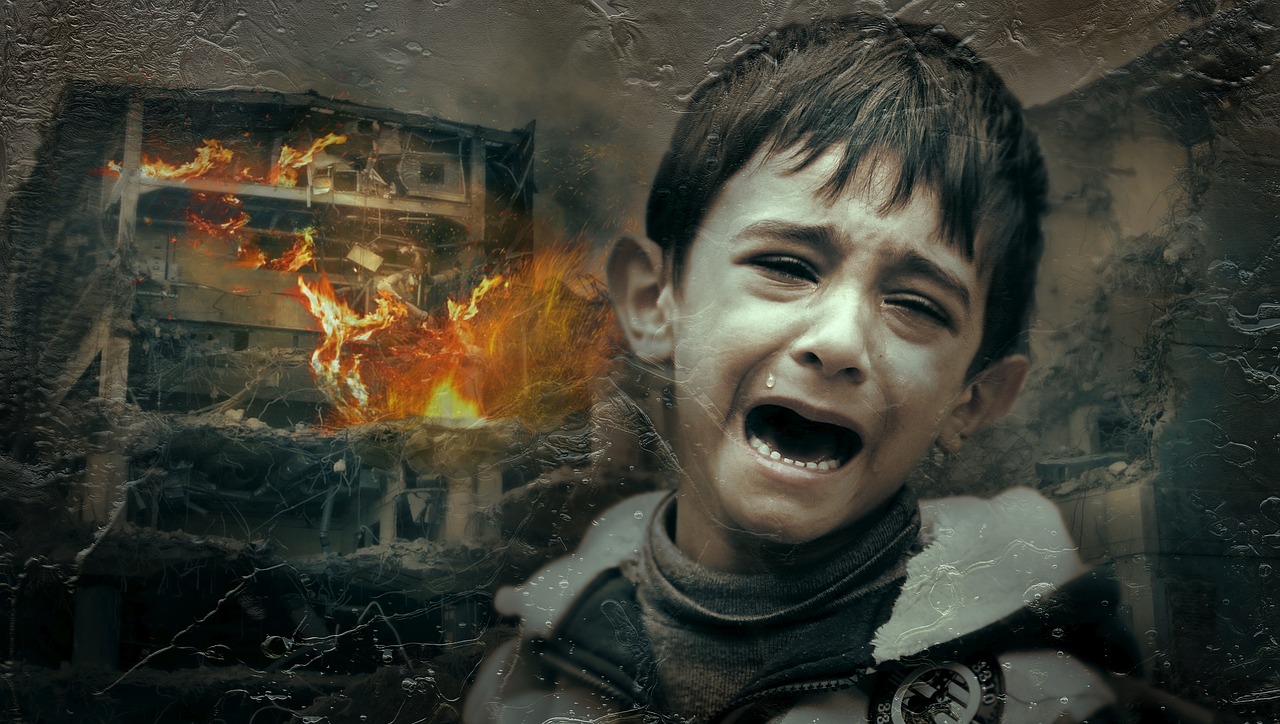
Child crying

Why can’t we forget the painful past?
Photo courtesy of Pixabay

When is a war not a war?

We have fought a war on poverty, a war on illiteracy, and a war on drugs while sending troops all over the globe to fight “police actions” and provide “military advisers.” When is a war a war and when is it not?

The word “WAR” has been applied to so many efforts that it is beginning to lose its meaning. I am getting confused about which actions are wars and which are not.

Have we lost count of how many wars we have lost?

Does it occur to politicians that by calling every effort to right a social ill a war, while removing that label from actual military combat we are somehow trying to sanitize our news and as a result, we are debasing the service of our military?

I will defer judgment on foreign military combat and leave those evaluations to the historians.

What I am reasonably sure of is that when it comes to these domestic “wars” while we have won a few battles we have clearly lost all these wars.

The war on poverty ended without so much as an armistice. I am not sure if there was ever an official end, but we seem to have recalled all out troops and left the spoils of riches to the robber barons that are now colonizing the big banks and the insider trading battalions.

Clearly, the platoons of the homeless are growing. In the ultimate irony, many military veterans have been enlisted in the armies of the homeless, the addicted, and the mentally ill.

Of all these lost wars the cruelest defeats have come in the wars on addiction and mental illness.

Rather than a frontal attack on the diseases of addiction and mental illness we have attached the addicts, alcoholics, and the mentally ill.

Millions for arrest and incarceration but not one penny for treatment has been our leader’s slogan. What money there has been for the mentally ill has largely gone for systems and staff to manage their lives and keep them trapped in their illness rather than efforts to return them, to functional lives.

It is easy to get room and board in a jail or prison or medical insurance and a poverty-level wage on disability but it is hard to get into programs that allow the mentally ill to work part-time without losing their medical coverage.

Our prisons are full and overflowing, our disability rolls are swelling, but we refuse to believe in recovery and rehabilitation that might allow the mentally ill and the addicted to recover and return to a useful role in society.

After every horrific crime, the shootings, the violence, we hear calls to find those “bad” people, round them up, and put them away.

This false belief that there are two kinds of people, the good and the bad, has kept us looking for an easy solution to make us feel safe while avoiding the hard work of identifying the causes of violence and designing programs to prevent people from resorting to violent acts.

Like the magician pointing to one thing to keep people’s eyes off the real action, our society looks in the wrong places for the roots of violence.

The majority of molestations are perpetrated by family members, not strangers. The person just fired or served with divorce papers is more likely to bring a gun to work and shoot people than the seriously mentally ill. More children die at home each year, shot by a parent then will die in school shootings.

Among the poor and the unemployed mental illness is common. If you weren’t depressed before you lost your job a few years of trying to live on government handouts will make you doubt your sanity.

If we want to make any real progress in the “wars” on addiction and mental illness we need to get serious about providing timely treatment for anyone who wants and needs treatment.

Treatment of at-risk children in the third grade is a lot less expensive than building more prison cells. Providing treatment on request for addicted people is cheaper than arrest and incarceration.

So far we seem to be losing the war on action and mental illness but we shouldn’t give up. The efforts need not be over.

A war is not a war when we shrink from the challenge.

Staying connected with David Joel Miller

Seven David Joel Miller Books are available now!

My newest book is now available. It was my opportunity to try on a new genre. I’ve been working on this book for several years, but now seem like the right time to publish it.

Story Bureau.

Story Bureau is a thrilling Dystopian Post-Apocalyptic adventure in the Surviving the Apocalypse series.

Baldwin struggles to survive life in a post-apocalyptic world where the government controls everything.

As society collapses and his family gets plunged into poverty, Baldwin takes a job in the capital city, working for a government agency called the Story Bureau. He discovers the Story Bureau is not a benign news outlet but a sinister government plot to manipulate society.

Bumps on the Road of Life. Whether you struggle with anxiety, depression, low motivation, or addiction, you can recover. Bumps on the Road of Life is the story of how people get off track and how to get your life out of the ditch.

Dark Family Secrets: Doris wants to get her life back, but small-town prejudice could shatter her dreams.

Casino Robbery Arthur Mitchell escapes the trauma of watching his girlfriend die. But the killers know he’s a witness and want him dead.

Planned Accidents  The second Arthur Mitchell and Plutus mystery.

Letters from the Dead: The third in the Arthur Mitchell mystery series.

What would you do if you found a letter to a detective describing a crime and you knew the writer and detective were dead, and you could be next?

Sasquatch. Three things about us, you should know. One, we have seen the past. Two, we’re trapped there. Three, I don’t know if we’ll ever get back to our own time.

For these and my upcoming books; please visit my Author Page – David Joel Miller

Want the latest blog posts as they publish? Subscribe to this blog.

For videos, see: Counselorssoapbox YouTube Video Channel

What does “an expectation not an exception” mean when applied to co-occurring disorders?

By David Joel Miller, MS, Licensed Therapist & Licensed Counselor.

Mental illness and addiction go together.
Photo courtesy of Pixabay.com

Are Co-occurring disorders to be expected? – Morning Question #24

Most substance abusers also have some form of mental illness. The two are seen together so often we need to begin by assuming the client could have both and then assess as if both disorders were present. Many substance users had a mental illness before they began using drugs or alcohol. Depression, Bipolar Disorder, and Anxiety are all common among those with an addiction.

People who use and abuse substances are at risk of developing mental health issues as a result of the using experience.

Substances can also alter the brain, resulting in mental illnesses while under the influence, while withdrawing, or after use. Mental illnesses that are the result of drug or alcohol use are called drug-induced illnesses.

Anyone who works with the mentally ill or substance abusers should expect that they will see both of these problems and others on a frequent basis.

Staying connected with David Joel Miller

Seven David Joel Miller Books are available now!

My newest book is now available. It was my opportunity to try on a new genre. I’ve been working on this book for several years, but now seem like the right time to publish it.

Story Bureau.

Story Bureau is a thrilling Dystopian Post-Apocalyptic adventure in the Surviving the Apocalypse series.

Baldwin struggles to survive life in a post-apocalyptic world where the government controls everything.

As society collapses and his family gets plunged into poverty, Baldwin takes a job in the capital city, working for a government agency called the Story Bureau. He discovers the Story Bureau is not a benign news outlet but a sinister government plot to manipulate society.

Bumps on the Road of Life. Whether you struggle with anxiety, depression, low motivation, or addiction, you can recover. Bumps on the Road of Life is the story of how people get off track and how to get your life out of the ditch.

Dark Family Secrets: Doris wants to get her life back, but small-town prejudice could shatter her dreams.

Casino Robbery Arthur Mitchell escapes the trauma of watching his girlfriend die. But the killers know he’s a witness and want him dead.

Planned Accidents  The second Arthur Mitchell and Plutus mystery.

Letters from the Dead: The third in the Arthur Mitchell mystery series.

What would you do if you found a letter to a detective describing a crime and you knew the writer and detective were dead, and you could be next?

Sasquatch. Three things about us, you should know. One, we have seen the past. Two, we’re trapped there. Three, I don’t know if we’ll ever get back to our own time.

For these and my upcoming books; please visit my Author Page – David Joel Miller

Want the latest blog posts as they publish? Subscribe to this blog.

For videos, see: Counselorssoapbox YouTube Video Channel

Co-occurring Disorders and Dual Diagnosis

By David Joel Miller, MS, Licensed Therapist & Licensed Counselor.

Hands with pills

Addiction and Mental illness. 
Photo courtesy of Pixabay

What are these things? They sound serious. – They are.

Someone who has two problems may have a harder time getting help than people with only one problem. Once society recognized that it was possible to help people with mental and emotional problems instead of just locking them up in an institution, we began to create special programs to deal with these issues.

The problem has been that most programs that were meant to help, was that they were organized around problems and not around people.

Mental Health programs.

Programs for the mentally ill were separated from those that treated other problems. We were afraid the mentally ill would become violent. We were afraid they might hurt themselves. Mostly we were just afraid. If they acted out we arrested them and locked them away.

Then medications for the mentally ill were discovered and we decided that maybe we did not need to keep locking them away. They could be helped in outpatient settings. Mental health clinics were created.

Substance Use Disorders.

Substance abusers were segregated also. At first, the thought was that “those people” chose to do what they do. We arrested and incarcerated the alcoholics and addicts. The thought was “they never get better” or they just need to quit.

Alcoholics Anonymous changed our way of understanding alcoholism. Groups of alcoholics got together and talked about recovery, they got better. After Alcoholics Anonymous came Narcotics Anonymous, followed by hundreds of other 12 step groups and ultimately the creation of substance abuse facilities.

Treatment for addiction and alcoholism worked.

The Silos

The specialized programs quickly evolved into silos. The Mental health programs treated the mentally ill, they sent all substance abusers away – referred them to a substance abuse program.

The substance abuse programs referred the mentally ill to a mental health program.

The programs developed mantras.

If you do drugs, drink alcohol, you can’t be in a mental health program. Get 30 (or 90 or more) days clean and come back.

The substance abuse programs told clients they could not attend drug classes if they took psychiatric medication. Some counselors told clients that “if you take psych meds you are not clean.”

Old-timers grumbled that the Big Book says to follow the doctor’s advice and take your meds as prescribed. Still the programs sent anyone with a mental health problem to mental health.

The client was ping-ponged back and forth between mental health and substance abuse programs often ending up in the hospital emergency room where they received their treatment one E. R. visit at a time.

Dual Diagnosis programs are created.

Over time the number of people who were identified with both mental illness and substance abuse problems began to be recognized as significant. They were seen at the doors of mental health clinics, substance abuse programs, hospitals, homeless shelters, and welfare offices.

People with both a substance abuse disorder and mental illness usually can’t work. They burn out their families. They live on the street and in low-income neighborhoods.

People who live on the street, have no medical care, get sick, and end up in E.R.’s We began to designate this condition as “Dual Diagnosis.”

Books were written on Dual diagnosis, what it is, how to treat it. Some programs began to train beginning professionals on how to recognize the presence of substance abuse and mental illness. Still, most programs were organized as if all clients had one and only one problem.

Dual Diagnosis swells.

Doctors do most of the diagnosing and most of the clients with substance use disorders and a mental illness end up in the emergency clinics, they have few other options. Counselors saw dual diagnoses as one thing, doctors saw another.

The term dual diagnosis began to widen to include anyone with two (or more) diagnoses. From a medical treatment perspective, this makes sense. A client with diabetes or a heart condition and substance abuse has two problems. Someone with a mental illness and hypertension has two problems also. And for the treating physician, this can be very important. Medications for the psychiatric problem or the alcohol and street drugs can interact with the medications for the physical problem. The doctors need to know these things. There are articles now on dual-diagnoses that are about treating two medical problems at the same time.

Co-occurring Disorders emerge.

The term “Co-occurring Disorders” began to be used for that common issue of clients who had both a mental illness and a substance use disorder. Specialized trainings and even programs were created for people with those two problems that occur together so often.

The expression “co-occurring disorders are an expectation, not an exception” was born.

Things have begun to get better for the client who has both of these problems. But there are still clinicians who work in one area and are uncomfortable with clients who have the other problem also. Programs still see themselves as providing service either to substance abusers or to the mentally ill but not both.

Behavioral Health programs.

Behavioral health agencies now exist with the mandate to serve the mentally ill and the substance abuse clients. Some programs also include services for the mentally retarded and the developmentally delayed. Programs continue to be developed around problems and not people.

Could a developmentally delayed person also have a mental illness, say depression, and abuse substances?

Even the term “behavioral health” is problematic. It focuses on the problem as behavior. “Those people” do not do what society wants. It has been taken to mean that the people who receive services at behavioral health chose to be the way they are rather than that they have a disorder that is treatable.

The coordination of substance abuse and mental health services is a step forward but it is far from the end of the journey.

The future.

In the future, we hope to see a time when anyone who needs help gets it regardless of the specific combinations of challenges they are faced with. A time when mental health services and substance abuse treatment is offered alongside physical health services.

We hope the day will come when the largest housing facilities for the mentally ill are not in jails and where the bulk of substance abuse treatment is not done in prisons. Where we as a society provide prevention and treatment in the childhood years before our children have to go to jails and prisons rather than wait to offer services to them in prison.

We have a long way to go before the treatment of dual diagnoses becomes routine, but the fields of mental illness, substance use disorder treatment, and physical health management are changing for the better.

For more on Dual Diagnosis, Co-occurring disorders, substance abuse, and mental health topics see the categories list to the right. Coming soon will be a list of “Dual Diagnosis links and resources.”

Staying connected with David Joel Miller

Seven David Joel Miller Books are available now!

My newest book is now available. It was my opportunity to try on a new genre. I’ve been working on this book for several years, but now seem like the right time to publish it.

Story Bureau.

Story Bureau is a thrilling Dystopian Post-Apocalyptic adventure in the Surviving the Apocalypse series.

Baldwin struggles to survive life in a post-apocalyptic world where the government controls everything.

As society collapses and his family gets plunged into poverty, Baldwin takes a job in the capital city, working for a government agency called the Story Bureau. He discovers the Story Bureau is not a benign news outlet but a sinister government plot to manipulate society.

Bumps on the Road of Life. Whether you struggle with anxiety, depression, low motivation, or addiction, you can recover. Bumps on the Road of Life is the story of how people get off track and how to get your life out of the ditch.

Dark Family Secrets: Doris wants to get her life back, but small-town prejudice could shatter her dreams.

Casino Robbery Arthur Mitchell escapes the trauma of watching his girlfriend die. But the killers know he’s a witness and want him dead.

Planned Accidents  The second Arthur Mitchell and Plutus mystery.

Letters from the Dead: The third in the Arthur Mitchell mystery series.

What would you do if you found a letter to a detective describing a crime and you knew the writer and detective were dead, and you could be next?

Sasquatch. Three things about us, you should know. One, we have seen the past. Two, we’re trapped there. Three, I don’t know if we’ll ever get back to our own time.

For these and my upcoming books; please visit my Author Page – David Joel Miller

Want the latest blog posts as they publish? Subscribe to this blog.

For videos, see: Counselorssoapbox YouTube Video Channel

Types of Mania and Dual Mania

By David Joel Miller, MS, Licensed Therapist & Licensed Counselor.

Person with masks

Bipolar.
Photo courtesy of Pixabay.com

How many types of mania are there?

Just what mental health symptoms are illnesses and how many mental illnesses are there? Counting Manias is especially difficult.

We think we know mania when we see it, but it is such a diverse group of symptoms that it has become established as “manic episodes” that are building blocks of diagnosis, rather than separate diagnoses. It functions primarily to separate Bipolar Disorder, formerly called manic-depressive disorder from the other depressive conditions.

Mania has been described as the most heterogeneous mental health symptom there is, raising the question “When we say mania are we all talking about the same thing?” Are there types of mania that have different causes and indicate varying diseases?

Currently, there are over 400 recognized disorders or conditions that might be the focus of treatment in the DSM-4. As you may have seen from previous posts many of these disorders have lots of subtypes that look different in practice and may require different treatments.

Mania and Bipolar disorders are especially difficult because of their wide diversity of symptoms. For more on the DSM-4 and some to be DSM-5 descriptions see: What is mania? And What is hypomania?

Encarta Dictionary definitions of mania include:
1. An excessive and intense interest or enthusiasm for something and 2. A psychiatric disorder characterized by excessive physical activity, rapidly changing ideas, and impulsive behavior. The two uses of the word mania don’t have a lot in common.

Kraepelin, whose work has formed much of the foundation for modern efforts to divide up and diagnose illnesses, reported there were 6 types of mania. His distinctions seem to have been blended together into the one thing we now call Mania. But are all manias really the same?

Research has been less than helpful here as most researchers exclude a lot of people from their studies. If you exclude enough people, for enough reasons, the group left may look all alike. That does not mean the resulting study tells us anything about the various problems people with mania are undergoing.

One study (Haro et al., 2006) tells us that they found three very different forms of mania. The most common form of mania they called “typical mania” and this group contained 60% of the people in the study. But the other 40% had symptoms that were so different that the authors separated them into two additional subtypes of mania.

Psychotic mania is not like “Typical mania.”

Psychotic symptoms sometimes end up in making mania for a bipolar diagnosis but psychotic episodes can occur in other illnesses such as schizophrenia. It is common for families to have members who have been diagnosed with bipolar disorders and others who were diagnosed with schizophrenia. Psychotic mania looks a lot like psychosis and bipolar at the same time, but then we have another illness schizoaffective disorder to use for that also. This leaves the diagnosis of psychotic Bipolar in doubt. I have seen doctors record a diagnosis of schizophrenia – bipolar type.

Dual Mania is similar to other dual diagnoses

Dual Mania was described by Haro et al. as significantly different from other types of mania. Dual-diagnosis mania has been poorly recognized simply because most people who abuse substances are routinely excluded from research studies. Haro et al. report that this systematic exclusion of people with multiple problems leaves a huge gap in our understanding of mania and therefore Bipolar Disorder.

Dual Diagnosis client with mania spent significantly more days in the psychiatric hospital and had more suicide attempts. This is consistent with other studies that have shown people with Bipolar Two are at the highest risk for a suicide attempt and that people who abuse substances have higher risks also. Unfortunately acutely suicidal clients are also routinely excluded from studies of mania and Bipolar Disorders despite there being overrepresented in substance abuse treatment and acute psychiatric facilities.

Other characteristics of clients with “dual mania” included being male and younger than others with a manic episode. Dual mania resulted in higher disability levels. Dual mania was also more likely to cause job and relational problems.

Of those clients in the Haro et al study, 25% had a history of alcohol abuse. Of those with dual mania, 40% had a history of marijuana use or abuse. So that means many dual mania clients had abused both.

In substance abuse treatment the pattern of alcohol and marijuana use coupled with job, relational and legal problems is so common as to be almost universal. Among those in treatment for methamphetamine abuse, manic and hypomanic symptoms are commonly reported even when the client is not using drugs. Episodes of manic or hypomanic symptoms are also commonly reported as triggers for substance abuse relapse.

Of those with long-term mania and multiple hospitalizations the “aggressive type, ” all had histories of substance abuse (Soto, 2003.) This study did not specifically include a substance abuse type of mania but noted that among those with long-term mania and a history of substance abuse those who had not used in the last 30 days were no different than those who had used or drank. The suggestion to me is that there is something different about those who experience mania and abuse substances. Mania predisposes people to abuse substances and both conditions need to be treated.

My conclusion

The continued exclusion of substance abusers and those who are suicidal results in research data that excludes those at the highest risk and those who most use mental health services.

Comments on Mania, Bipolar co-occurring disorder, and recovery, and most anything mental health-related are always welcomed.

Staying connected with David Joel Miller

Seven David Joel Miller Books are available now!

My newest book is now available. It was my opportunity to try on a new genre. I’ve been working on this book for several years, but now seem like the right time to publish it.

Story Bureau.

Story Bureau is a thrilling Dystopian Post-Apocalyptic adventure in the Surviving the Apocalypse series.

Baldwin struggles to survive life in a post-apocalyptic world where the government controls everything.

As society collapses and his family gets plunged into poverty, Baldwin takes a job in the capital city, working for a government agency called the Story Bureau. He discovers the Story Bureau is not a benign news outlet but a sinister government plot to manipulate society.

Bumps on the Road of Life. Whether you struggle with anxiety, depression, low motivation, or addiction, you can recover. Bumps on the Road of Life is the story of how people get off track and how to get your life out of the ditch.

Dark Family Secrets: Doris wants to get her life back, but small-town prejudice could shatter her dreams.

Casino Robbery Arthur Mitchell escapes the trauma of watching his girlfriend die. But the killers know he’s a witness and want him dead.

Planned Accidents  The second Arthur Mitchell and Plutus mystery.

Letters from the Dead: The third in the Arthur Mitchell mystery series.

What would you do if you found a letter to a detective describing a crime and you knew the writer and detective were dead, and you could be next?

Sasquatch. Three things about us, you should know. One, we have seen the past. Two, we’re trapped there. Three, I don’t know if we’ll ever get back to our own time.

For these and my upcoming books; please visit my Author Page – David Joel Miller

Want the latest blog posts as they publish? Subscribe to this blog.

For videos, see: Counselorssoapbox YouTube Video Channel

Support meetings for family members?

By David Joel Miller, MS, Licensed Therapist & Licensed Counselor.

Family torn apart

Family.
Photo courtesy of Pixabay.com

What kind of support is available for the families of people in recovery?

Why are there so few support group meetings for the families of recovering people?

There are lots of meetings for people in substance abuse recovery. In my local area in any given week, there are over 350 A.A. meetings and 50 N.A. meetings. Most towns have a local office. Call information and they can connect you with a local number who can direct you to a close-by meeting. There are all kinds of online meeting directories.

In an area the same size there might be a few Al-Anon meetings, say ten per week or so.  Sometimes one or two Nar-Anon meetings, but that is about it. Outside the major cities, just try to find a meeting for a family member.

When it comes to meetings that support family members of the mentally ill the situation is even worse.

To begin with, there are relatively few support meetings for someone with a mental illness. Many end up in A.A. and N.A. meetings because the co-occurrence of substance use disorders and mental illness is so common. The few self-help meetings that do exist specifically for people with a mental illness are usually affiliated with a particular psychiatric hospital or mental health system.

The best resources for family members are usually the websites of the large national associations in the mental health field. In many areas, the National Alliance on Mental Illness (NAMI) has local chapters and meetings.

I have had a few emails, my child, parent, spouse or relative has a mental illness, abuses substances, or is in recovery and their issues have taken a toll on the family, where can we get help? Often I have to admit I don’t have a ready resource referral.

One reason for the lack of support groups for family members is the reluctance of family members to concede that the whole experience has harmed them. Counselors often hear something to the effect of – Fix them – they are the ones with the problem. The idea expressed or implied is that if the recovering person gets better the whole family will be fixed. It does not work that way. The addict’s problems have affected the family. Living with a mentally ill person can strain any relationship. Those stresses on the family build up over time.

It is not unusual to have a person enter recovery only to have the spouse file for divorce or have the family decide they no longer want to see them. If someone you have been close to, has a mental health or addiction problem or has entered recovery, consider that you need help to heal also.

Here are a few websites for some national groups that offer online resources and they may also be able to direct you to additional resources for the members of the family.

If you know of other resources that should be listed here please share. Comments are welcome.

Nar-Anon               Al-Anon        National Alliance on Mental Illness

Hope you all find the resources you need to recover, individually and as a family. Have the happiest life you can.

Other posts about support systems can be found at:

How supportive is your support system?

Can one person be a support system?

How do you develop a support system?

Staying connected with David Joel Miller

Seven David Joel Miller Books are available now!

My newest book is now available. It was my opportunity to try on a new genre. I’ve been working on this book for several years, but now seem like the right time to publish it.

Story Bureau.

Story Bureau is a thrilling Dystopian Post-Apocalyptic adventure in the Surviving the Apocalypse series.

Baldwin struggles to survive life in a post-apocalyptic world where the government controls everything.

As society collapses and his family gets plunged into poverty, Baldwin takes a job in the capital city, working for a government agency called the Story Bureau. He discovers the Story Bureau is not a benign news outlet but a sinister government plot to manipulate society.

Bumps on the Road of Life. Whether you struggle with anxiety, depression, low motivation, or addiction, you can recover. Bumps on the Road of Life is the story of how people get off track and how to get your life out of the ditch.

Dark Family Secrets: Doris wants to get her life back, but small-town prejudice could shatter her dreams.

Casino Robbery Arthur Mitchell escapes the trauma of watching his girlfriend die. But the killers know he’s a witness and want him dead.

Planned Accidents  The second Arthur Mitchell and Plutus mystery.

Letters from the Dead: The third in the Arthur Mitchell mystery series.

What would you do if you found a letter to a detective describing a crime and you knew the writer and detective were dead, and you could be next?

Sasquatch. Three things about us, you should know. One, we have seen the past. Two, we’re trapped there. Three, I don’t know if we’ll ever get back to our own time.

For these and my upcoming books; please visit my Author Page – David Joel Miller

Want the latest blog posts as they publish? Subscribe to this blog.

For videos, see: Counselorssoapbox YouTube Video Channel

Why research is not about your problems – co-occurring diagnoses

By David Joel Miller, MS, Licensed Therapist & Licensed Counselor.

White mouse

Sometimes the mice get it wrong.
Photo courtesy of Pixabay.com

Feeling left out? You probably have been.

Have you had difficulty finding information that applies to the problems you are facing? You are not alone. The latest research usually doesn’t apply to your condition and should you find a relevant article it may end with the statement, this treatment has not been studied in patients with X, Y, or Z.  In the mental health field, this issue is especially acute, “acute” meaning sharp and painful not “a cute” as in nice to look at.

Most people don’t have only one problem. We have many, many problems. So when we look for treatment we want something that might help us. When people have multiple problems we call that dual diagnosis or co-occurring disorders. You may have two mental health diagnoses, maybe more. Sometimes this is called multi-occurring or even “complex.”

Most people with a mental illness will meet the criteria for two or more conditions. The overlap between substance abuse and mental illness is the rule, not the exception. People with mental illnesses are more likely to develop an addiction or substance abuse disorder than those without mental illness.

People with a mental illness often have a physical illness. People with an earlier physical illness are more likely to develop a mental illness. If you are seriously and chronically ill you might be a little depressed and anxious wouldn’t you?

As a therapist and a blog writer, I am always looking for the latest in research, things that might help my client. There are some new things, but frankly, there are a lot of studies that are not very helpful.

Most studies exclude from their population anyone who had a substance abuse problem until they are clean and sober for at least 6 months or more. They also exclude from studies those who have had a psychosis such as schizophrenia.

Most of my career has been spent in substance abuse facilities, crisis units, and psychiatric hospitals. Clients there have the greatest need for new effective treatments. They also have the most co-occurring disorders.  The newest treatments have not been tested on the people who need the help the most.

Drug companies would love to play this game. Many psychiatric meds cause weight gain. This excess weight gain can result in obesity and diabetes. So if I am a drug manufacturer and want to minimize side effects which I need to report to the government I would want to exclude a person who had diabetes, better yet let’s leave out anyone who is overweight. When it comes to drug companies there are regulatory agencies that keep an eye out for this sort of thing, with psychotherapy not so much.

Recently I have been doing some reading on the problems related to treating people with PTSD. We need to find better ways to help people with this condition. Right now there are lots of possible treatments but even the big names in therapy don’t seem to agree on the best approach. If therapists don’t agree on the best treatment how is the client to know if the treatment will help or harm them?

Most of the clients I see who have PTSD also have other problems. Substance Abuse is common. With those recurring intrusive memories that keep you from a good night’s sleep for years on end would you be tempted to drink?  Most of the “controlled” studies on PTSD exclude anyone with a substance use disorder or psychosis. These are the clients for whom we most need to find better treatments.

People who have a combination of PTSD and depression or substance abuse are at greater risk. Does it make sense to exclude high-risk clients from efforts to evaluate treatment for high-risk clients?

Recently I came across a study on a new treatment for PTSD. I won’t spoil the fun by telling you whose study this was.

The introduction sounded good until I read further. They excluded from their study anyone with Bipolar Disorder, Psychosis, or a history of addiction. By the time they got done excluding they were down to less than ten subjects. They had excluded more people than they included. To me, this means they should have gone the other way and tried this new treatment on the people with the most problems, the larger group. When they did their study they found out that all but one of their subjects had a history of alcohol abuse. While they had screened out current alcoholics they missed that all the people they serve had at some time or other had an alcohol problem.

A further concern should be mentioned here. Treatment should not make a client worse. Some of the current treatments for PTSD seem to make clients worse off, the treatment can retraumatize them.  Treatments that are too painful result in clients dropping out of treatment. I continue to believe that people do not benefit from the treatment they do not receive, no matter how great the treatment looked in a research study.

I will post more about treatments for PTSD as I wade through the newer studies.

For more blog posts on PTSD, substance abuse, or Co-occurring disorders see the newly revised list by categories to the right.

Staying connected with David Joel Miller

Seven David Joel Miller Books are available now!

My newest book is now available. It was my opportunity to try on a new genre. I’ve been working on this book for several years, but now seem like the right time to publish it.

Story Bureau.

Story Bureau is a thrilling Dystopian Post-Apocalyptic adventure in the Surviving the Apocalypse series.

Baldwin struggles to survive life in a post-apocalyptic world where the government controls everything.

As society collapses and his family gets plunged into poverty, Baldwin takes a job in the capital city, working for a government agency called the Story Bureau. He discovers the Story Bureau is not a benign news outlet but a sinister government plot to manipulate society.

Bumps on the Road of Life. Whether you struggle with anxiety, depression, low motivation, or addiction, you can recover. Bumps on the Road of Life is the story of how people get off track and how to get your life out of the ditch.

Dark Family Secrets: Doris wants to get her life back, but small-town prejudice could shatter her dreams.

Casino Robbery Arthur Mitchell escapes the trauma of watching his girlfriend die. But the killers know he’s a witness and want him dead.

Planned Accidents  The second Arthur Mitchell and Plutus mystery.

Letters from the Dead: The third in the Arthur Mitchell mystery series.

What would you do if you found a letter to a detective describing a crime and you knew the writer and detective were dead, and you could be next?

Sasquatch. Three things about us, you should know. One, we have seen the past. Two, we’re trapped there. Three, I don’t know if we’ll ever get back to our own time.

For these and my upcoming books; please visit my Author Page – David Joel Miller

Want the latest blog posts as they publish? Subscribe to this blog.

For videos, see: Counselorssoapbox YouTube Video Channel