Does a little alcohol make you more productive?

By David Joel Miller, MS, Licensed Therapist & Licensed Counselor.

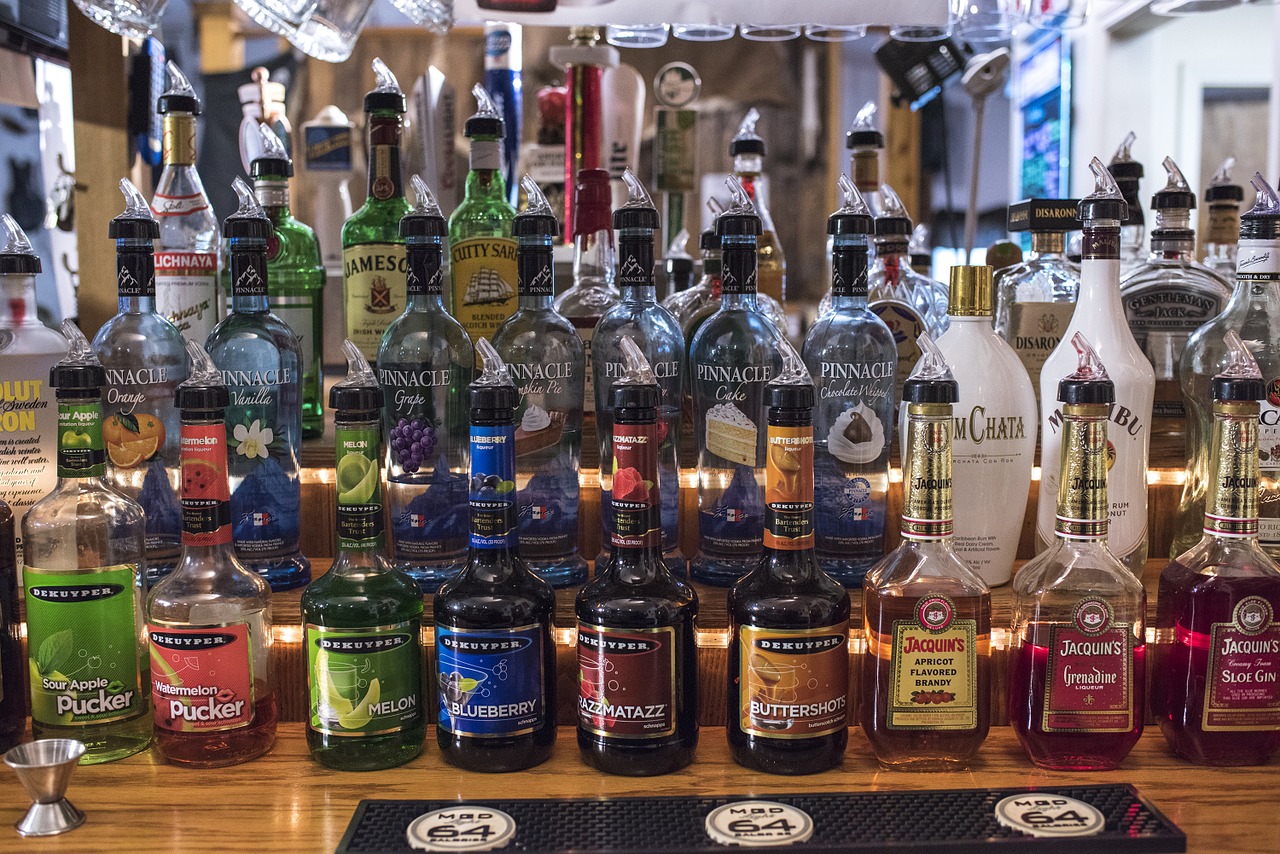
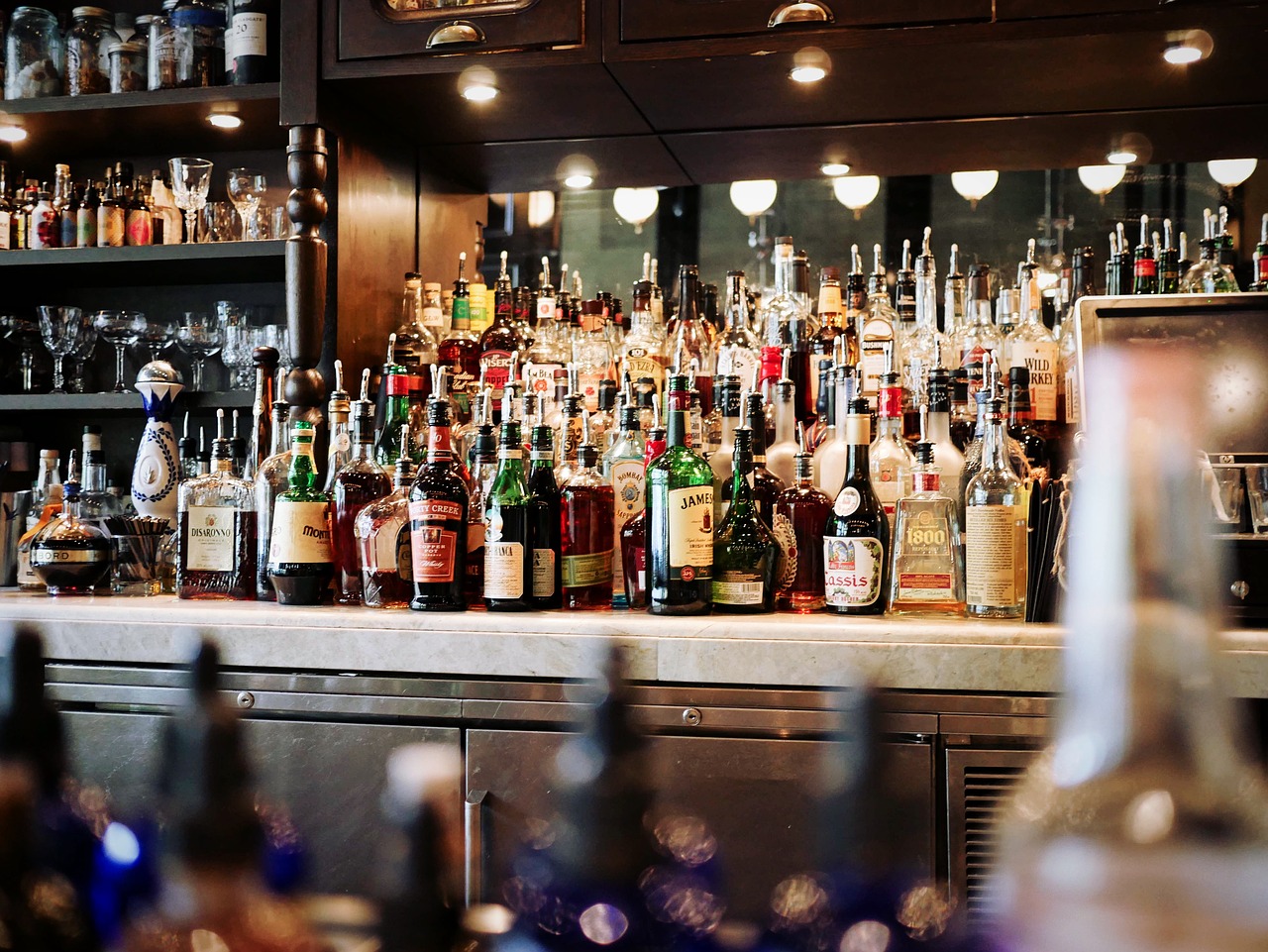
Bottles of alcohol.

Alcoholic Beverages.
Photo courtesy of Pixabay.com

Alcohol’s effect on productivity – Morning Question #28

Alcohol is not likely to make you more productive. People used to believe that alcohol was a stimulant and increased your productivity. It is not a stimulant, it is a depressant.

What alcohol does do is reduce the function of parts of the brain; as a result, people lose their inhibitions. So people who put things off and avoid things because of anxiety and shyness may do things while they have alcohol in the bloodstream that they otherwise would not do.

Taking more chances can be good if it helps you overcome inhibitions and gets you to try something for the first time. But it can also be bad if the thing you try that one time has harmful consequences, like sex with a new partner or drugs. Having to use chemicals to overcome anxiety also increases the risk you will become dependent on that chemical to cope with that problem the next time it arises.

This false belief in alcohol’s ability to increase productivity resulted in a lot of authors, newspaperman, and other creative types abusing alcohol and resulted in a lot of alcoholism.

There is no magic substance to make you more productive or creative.

Good health practices, some exercise, and reducing the internal censor that inhibits you from trying new things can go a long way towards increasing your productivity.

Staying connected with David Joel Miller

Seven David Joel Miller Books are available now!

My newest book is now available. It was my opportunity to try on a new genre. I’ve been working on this book for several years, but now seem like the right time to publish it.

Story Bureau.

Story Bureau is a thrilling Dystopian Post-Apocalyptic adventure in the Surviving the Apocalypse series.

Baldwin struggles to survive life in a post-apocalyptic world where the government controls everything.

As society collapses and his family gets plunged into poverty, Baldwin takes a job in the capital city, working for a government agency called the Story Bureau. He discovers the Story Bureau is not a benign news outlet but a sinister government plot to manipulate society.

Bumps on the Road of Life. Whether you struggle with anxiety, depression, low motivation, or addiction, you can recover. Bumps on the Road of Life is the story of how people get off track and how to get your life out of the ditch.

Dark Family Secrets: Doris wants to get her life back, but small-town prejudice could shatter her dreams.

Casino Robbery Arthur Mitchell escapes the trauma of watching his girlfriend die. But the killers know he’s a witness and want him dead.

Planned Accidents  The second Arthur Mitchell and Plutus mystery.

Letters from the Dead: The third in the Arthur Mitchell mystery series.

What would you do if you found a letter to a detective describing a crime and you knew the writer and detective were dead, and you could be next?

Sasquatch. Three things about us, you should know. One, we have seen the past. Two, we’re trapped there. Three, I don’t know if we’ll ever get back to our own time.

For these and my upcoming books; please visit my Author Page – David Joel Miller

Want the latest blog posts as they publish? Subscribe to this blog.

For videos, see: Counselorssoapbox YouTube Video Channel

Don’t most people abuse alcohol?

By David Joel Miller, MS, Licensed Therapist & Licensed Counselor.

Liquor

Alcoholic beverages.
Photo courtesy of Pixabay.com

How common is alcohol abuse? Morning Question #26

No, most people in America do not currently abuse alcohol! Half the adults in America did not have an alcoholic drink in the last 30 days. According to Kinney (Loosening the Grip, 2009), the top ten percent heaviest drinkers in America consume 60% of all the alcohol. Add in the next ten percent and the twenty percent heaviest drinkers consume 80% of all the liquor we drink here in America.

Now, most heavy drinkers (Alcoholics) believe that most people drink like they do. The truth is most people in America do not drink that much. A few do most of the drinking.

But the amount consumed does not tell the whole story. You can drink once a year and still have an alcohol problem. It is not what you drink or when you drink that defines an alcohol use disorder.

One client told me he only drinks once a year on New Years’. But the last three years, when he drank he ended up getting DUI’s or was arrested for other alcohol-related problems. Clearly, he had a problem.

As we noticed earlier drinking a lot on one occasion called Binge Drinking causes significant damage to the body. It also causes extra problems for senior citizens.

Much of the alcohol use disorders happen among the young. Most college students think everyone on campus drinks heavily and they are surprised to find out that most students do not drink alcoholically. As we age many people tend to cut back on their drinking, some stop altogether.

The worry is what negative consequences do they and others around them undergo before they learned to not abuse alcohol.

Staying connected with David Joel Miller

Seven David Joel Miller Books are available now!

My newest book is now available. It was my opportunity to try on a new genre. I’ve been working on this book for several years, but now seem like the right time to publish it.

Story Bureau.

Story Bureau is a thrilling Dystopian Post-Apocalyptic adventure in the Surviving the Apocalypse series.

Baldwin struggles to survive life in a post-apocalyptic world where the government controls everything.

As society collapses and his family gets plunged into poverty, Baldwin takes a job in the capital city, working for a government agency called the Story Bureau. He discovers the Story Bureau is not a benign news outlet but a sinister government plot to manipulate society.

Bumps on the Road of Life. Whether you struggle with anxiety, depression, low motivation, or addiction, you can recover. Bumps on the Road of Life is the story of how people get off track and how to get your life out of the ditch.

Dark Family Secrets: Doris wants to get her life back, but small-town prejudice could shatter her dreams.

Casino Robbery Arthur Mitchell escapes the trauma of watching his girlfriend die. But the killers know he’s a witness and want him dead.

Planned Accidents  The second Arthur Mitchell and Plutus mystery.

Letters from the Dead: The third in the Arthur Mitchell mystery series.

What would you do if you found a letter to a detective describing a crime and you knew the writer and detective were dead, and you could be next?

Sasquatch. Three things about us, you should know. One, we have seen the past. Two, we’re trapped there. Three, I don’t know if we’ll ever get back to our own time.

For these and my upcoming books; please visit my Author Page – David Joel Miller

Want the latest blog posts as they publish? Subscribe to this blog.

For videos, see: Counselorssoapbox YouTube Video Channel
How much does marijuana effect memory?

By David Joel Miller, MS, Licensed Therapist & Licensed Counselor.

Cannabis

Marijuana and Memory.
Photo courtesy of Pixabay.com

Marijuana affects memory?

Morning Question #25.

On average marijuana users need twice as many repetitions to learn the material as non-smokers. But they usually don’t care enough to study twice as long.

See the posts on State-Dependent Learning and How does marijuana affect memory.    

Staying connected with David Joel Miller

Seven David Joel Miller Books are available now!

My newest book is now available. It was my opportunity to try on a new genre. I’ve been working on this book for several years, but now seem like the right time to publish it.

Story Bureau.

Story Bureau is a thrilling Dystopian Post-Apocalyptic adventure in the Surviving the Apocalypse series.

Baldwin struggles to survive life in a post-apocalyptic world where the government controls everything.

As society collapses and his family gets plunged into poverty, Baldwin takes a job in the capital city, working for a government agency called the Story Bureau. He discovers the Story Bureau is not a benign news outlet but a sinister government plot to manipulate society.

Bumps on the Road of Life. Whether you struggle with anxiety, depression, low motivation, or addiction, you can recover. Bumps on the Road of Life is the story of how people get off track and how to get your life out of the ditch.

Dark Family Secrets: Doris wants to get her life back, but small-town prejudice could shatter her dreams.

Casino Robbery Arthur Mitchell escapes the trauma of watching his girlfriend die. But the killers know he’s a witness and want him dead.

Planned Accidents  The second Arthur Mitchell and Plutus mystery.

Letters from the Dead: The third in the Arthur Mitchell mystery series.

What would you do if you found a letter to a detective describing a crime and you knew the writer and detective were dead, and you could be next?

Sasquatch. Three things about us, you should know. One, we have seen the past. Two, we’re trapped there. Three, I don’t know if we’ll ever get back to our own time.

For these and my upcoming books; please visit my Author Page – David Joel Miller

Want the latest blog posts as they publish? Subscribe to this blog.

For videos, see: Counselorssoapbox YouTube Video Channel
High Free Marijuana?

By David Joel Miller, MS, Licensed Therapist & Licensed Counselor.

Cannabis

Marijuana.
Photo courtesy of Pixabay.com

There is marijuana that does not get people high.

As I have mentioned in the past, there seems to be a conflict between marijuana that has medicinal properties and marijuana that gets you high.

Marijuana that is more medicinal is believed to be high in a chemical called CBD. CBD does not result in intoxication.

Marijuana that gets you high contains large amounts of THC.

Till now if you smoked medical marijuana you were going to get high and frankly that is what most medical marijuana users want. That may be changing.

Just saw a piece on MSN about an Israeli company that is growing a high CBD variety of marijuana that has medicinal properties but does not get you high.  MSN included a link to the BBC original article that can be found at http://www.bbc.co.uk/news/world-middle-east-20189347

Let me know what you think about this.

What does “an expectation not an exception” mean when applied to co-occurring disorders?

By David Joel Miller, MS, Licensed Therapist & Licensed Counselor.

Mental illness and addiction go together.
Photo courtesy of Pixabay.com

Are Co-occurring disorders to be expected? – Morning Question #24

Most substance abusers also have some form of mental illness. The two are seen together so often we need to begin by assuming the client could have both and then assess as if both disorders were present. Many substance users had a mental illness before they began using drugs or alcohol. Depression, Bipolar Disorder, and Anxiety are all common among those with an addiction.

People who use and abuse substances are at risk of developing mental health issues as a result of the using experience.

Substances can also alter the brain, resulting in mental illnesses while under the influence, while withdrawing, or after use. Mental illnesses that are the result of drug or alcohol use are called drug-induced illnesses.

Anyone who works with the mentally ill or substance abusers should expect that they will see both of these problems and others on a frequent basis.

Staying connected with David Joel Miller

Seven David Joel Miller Books are available now!

My newest book is now available. It was my opportunity to try on a new genre. I’ve been working on this book for several years, but now seem like the right time to publish it.

Story Bureau.

Story Bureau is a thrilling Dystopian Post-Apocalyptic adventure in the Surviving the Apocalypse series.

Baldwin struggles to survive life in a post-apocalyptic world where the government controls everything.

As society collapses and his family gets plunged into poverty, Baldwin takes a job in the capital city, working for a government agency called the Story Bureau. He discovers the Story Bureau is not a benign news outlet but a sinister government plot to manipulate society.

Bumps on the Road of Life. Whether you struggle with anxiety, depression, low motivation, or addiction, you can recover. Bumps on the Road of Life is the story of how people get off track and how to get your life out of the ditch.

Dark Family Secrets: Doris wants to get her life back, but small-town prejudice could shatter her dreams.

Casino Robbery Arthur Mitchell escapes the trauma of watching his girlfriend die. But the killers know he’s a witness and want him dead.

Planned Accidents  The second Arthur Mitchell and Plutus mystery.

Letters from the Dead: The third in the Arthur Mitchell mystery series.

What would you do if you found a letter to a detective describing a crime and you knew the writer and detective were dead, and you could be next?

Sasquatch. Three things about us, you should know. One, we have seen the past. Two, we’re trapped there. Three, I don’t know if we’ll ever get back to our own time.

For these and my upcoming books; please visit my Author Page – David Joel Miller

Want the latest blog posts as they publish? Subscribe to this blog.

For videos, see: Counselorssoapbox YouTube Video Channel

What is State Dependent Learning? Memory problems?

By David Joel Miller, MS, Licensed Therapist & Licensed Counselor.

Is it State-Dependent Learning or Forgetting?

State-dependent learning.
Picture courtesy of pixabay.

The way we feel emotionally and the things in our systems, drugs, medications, and general health all influence what we remember and what we forget. State-Dependent Learning is about times we remember and times we forget – the very same facts.

Say you go to a party or a bar after work and you have a few drinks. During the course of the evening, you talk to a lot of people. Let’s say for this example you have a lot of fun, it was a great time.

You have a few drinks but you are sure, positive, you are not drunk.

Next morning you look in your pocket or purse and there are a couple of business cards, only you can’t remember who these people are. Are they potential clients? Were you supposed to do something for them? Or did they try to sell you something? You just can’t remember. So you stick those cards back where they were and go about your day.

You are positive you were not that drunk, this is no alcoholic blackout. But it is frustrating anyway to not be able to remember why you have those business cards.

Later that day some of the people from your office are off to lunch, lunch with a client and you need to be there. So during this lunch, you have a drink or two. Suddenly you have a thought about those business cards in your pocket. So you pull them out and – yes now you remember the whole conversation and why you saved those cards.

You have just experienced State-Dependent Learning.

In State-Dependent Learning it is as if your brain uses different filing cabinets for information depending on how your system is functioning. With alcohol in your bloodstream, the brain files the information away in a “file needed when drinking” and locks it away. To get the file cabinet open and find that information you need the right key, in this case, alcohol, in your system to reopen the locked file cabinet.

Alcohol is not the only drug or medication that results in State-Dependent Learning and lost file keys are not the only problem that can happen when filing information or trying to retrieve it.

Memories can get lost or distorted when they are filed away. Sometimes, as with alcoholic blackouts, the info is misplaced before going into the file. In that case, the brain, on discovering the file is empty, makes something up. This is called Confabulation.

Problems can happen when the information is stored and some drugs affect storage. The info can also be hard to find if it is stored in the “high” cabinet and you look for it in the “feeling normal” file space.

The size and nature of the information also matter. Say you need to remember a long list of words. If the words are makes of cars, types of seafood, and tools sold in a hardware store, telling you those categories at the time we read the list to you will help you remember them. If the list is long, has words from many categories, and we don’t tell you the categories, the words will be harder to remember.

The brain has filing systems for category lists and for jumbled lists. Different drugs can affect different kinds of information storage and memory so the research can drive you nuts trying to figure out which drugs result in State-Dependent Learning all the time and which only cause State-Dependent Learning part of the time.

Alcohol appears to result in State-Dependent Learning and other memory problems a lot.

Students who use a lot of caffeine to stay awake all night and study for finals appear to have a similar problem. Things learned under the influence of stimulants are very dose-dependent. So if you take a little of the stimulant you may learn more, take too much and it may block memory retention at all.

Methamphetamine users not only don’t learn a lot but begin to lose previously learned material. This makes us wonder how much amphetamine is helpful and how much of an ADHD med you can take before it impairs memory.

So our student, who studies all night, using stimulants to stay awake, may find two problems facing them the next day. State-Dependent Learning may require them to have the same stimulant and amount of stimulant in their system as when they learned it. This will be more or less of a problem depending on the type of memory involved. Picking out the correct answer from a multiple-choice list will not be so much affected. Remembering a list of things that are not on the paper may be harder. So will recognizing the correct answer if the instructor uses a different word to describe the same concept.

The student may also find that the things they could remember easily when wide awake on the stimulant, those answers can’t be found now that the brain is looking in the I am “so-o-o” tired file cabinets. Your physical condition and mood can also affect learning and memory as can the context.

Frankly – no drug appears to improve your memory over a long time and using drugs or alcohol runs the risk of getting the facts you need, lost in a wrong file cabinet, and not available when you need them.

Other drugs and prescribed medications can also cause memory problems and or State-Dependent Learning. Watch for more on this topic to come.

Staying connected with David Joel Miller

Seven David Joel Miller Books are available now!

My newest book is now available. It was my opportunity to try on a new genre. I’ve been working on this book for several years, but now seem like the right time to publish it.

Story Bureau.

Story Bureau is a thrilling Dystopian Post-Apocalyptic adventure in the Surviving the Apocalypse series.

Baldwin struggles to survive life in a post-apocalyptic world where the government controls everything.

As society collapses and his family gets plunged into poverty, Baldwin takes a job in the capital city, working for a government agency called the Story Bureau. He discovers the Story Bureau is not a benign news outlet but a sinister government plot to manipulate society.

Bumps on the Road of Life. Whether you struggle with anxiety, depression, low motivation, or addiction, you can recover. Bumps on the Road of Life is the story of how people get off track and how to get your life out of the ditch.

Dark Family Secrets: Doris wants to get her life back, but small-town prejudice could shatter her dreams.

Casino Robbery Arthur Mitchell escapes the trauma of watching his girlfriend die. But the killers know he’s a witness and want him dead.

Planned Accidents  The second Arthur Mitchell and Plutus mystery.

Letters from the Dead: The third in the Arthur Mitchell mystery series.

What would you do if you found a letter to a detective describing a crime and you knew the writer and detective were dead, and you could be next?

Sasquatch. Three things about us, you should know. One, we have seen the past. Two, we’re trapped there. Three, I don’t know if we’ll ever get back to our own time.

For these and my upcoming books; please visit my Author Page – David Joel Miller

Want the latest blog posts as they publish? Subscribe to this blog.

For videos, see: Counselorssoapbox YouTube Video Channel
What is a dry Drunk – putting down without really getting clean.

By David Joel Miller, MS, Licensed Therapist & Licensed Counselor.

Liquor

Alcoholic beverages.
Photo courtesy of Pixabay.com

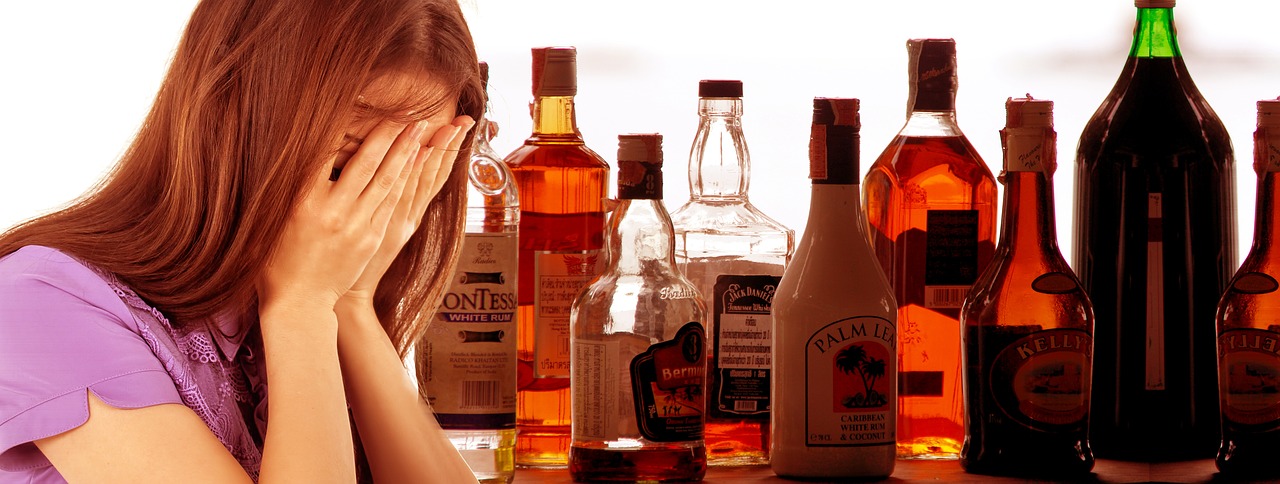
They quit drinking and using but nothing else changed.

They quit drinking, they put down the drugs. The family hopes. They have heard this before. “I am done,” this is the last time. The now-former drinker starts talking a good game. They swear they are not doing drugs. Things will change now. The family wants to believe them. For a little while, there is hope.

Only nothing does change.

Despite the not drinking and the lack of drugs, the person behaves the same way they used to. They are miserable. Their relationships at home and work do not improve, not the way they think they should. The family and friends don’t like being around them anymore now than they did when the person was drinking and using. They are dry but they are not sober.

Suddenly without drugs and alcohol in their system, they feel feelings they have kept at bay for a long time.  Life does not miraculously become perfect. There are bills to pay, legal consequences to take care of and relationships to mend. Life becomes real with its ups and downs.

Dry drunks are easy to spot if you know what you are looking for. They turn up at meetings all across America. Some have been off the sauce for years, 5 years maybe. But they are miserable. And they make others miserable. They are full of anger, bitterness, and hurt.

They may turn to a religion. They go to church and become more righteous than the preacher. They can see the flaws and failings of everyone they meet – just not in themselves.

Eventually, the stop going to meetings, that program doesn’t work they tell others. They went but they never really participated. They wanted a shortcut to recovery. One that did not require them to do the painful work of changing.

They may leap from church to church; decrying people as hypocrites and saying people there were not true believers. They learn rules on how to worship but not the values of hope, caring, and compassion.

Families tire of being around them. The dry drunk thinks they deserve credit for not drinking and using. The family doesn’t see what has changed. The alcoholic or drug addict is still self-centered and unhappy.

Sometimes the family will tell the dry person “liked you better when you were drinking, you were more fun then.” Or “at least when you were drinking we knew what to expect.”

Dry drunks can go on walking around miserable for years. Eventually most either relapse or turn up in counseling. They attribute their problems to something else, a bad relationship, or a difficult work situation. Yes, of course, they have problems. Just putting down the drug or giving up the alcohol does not make all your problems magically disappear.

Some become so discouraged that they stop trying. Why give up the drink if life will never get any better? We see them in multiple drug and alcohol treatment programs.

Eventually what most recovering people find is that they never really had a drinking or drug problem – they have a living sober problem. The problem was not the drugs. Drugs and drinks were their solutions. A solution that temporarily hid their problems but did not solve them.

What they learn eventually, if they learn it at all, is that what they really have is a life problem.

How do you live a happy, fulfilled life without the drugs and alcohol?

Finding that better life requires more than just not drinking or putting down the drugs. It requires an active process of change. Going to meetings is not enough, you need to actually “work” the steps, do the work of change.

Counseling also involves a process of change. The recovery, from whatever your problem is, does not happen in the sixty minutes of each session. In that time we can chart a course, teach skills, and help you discover pain you didn’t know you had. The real work of recovery happens in your daily life, in that other 167 hours per week when you need to practice new skills and new ways of being.

If you or someone you know is a dry drunk, has put down but not gotten clean and sober, don’t give up. Find someone you can work with that can help you really become clean and sober.

For more on recovery topics see:

Getting your tools dirty

Getting some recovery

Is relapse a part of recovery?

Running hard after recovery

Why giving up the drugs and alcohol did not make you happy

What is hitting bottom?

Staying connected with David Joel Miller

Seven David Joel Miller Books are available now!

My newest book is now available. It was my opportunity to try on a new genre. I’ve been working on this book for several years, but now seem like the right time to publish it.

Story Bureau.

Story Bureau is a thrilling Dystopian Post-Apocalyptic adventure in the Surviving the Apocalypse series.

Baldwin struggles to survive life in a post-apocalyptic world where the government controls everything.

As society collapses and his family gets plunged into poverty, Baldwin takes a job in the capital city, working for a government agency called the Story Bureau. He discovers the Story Bureau is not a benign news outlet but a sinister government plot to manipulate society.

Bumps on the Road of Life. Whether you struggle with anxiety, depression, low motivation, or addiction, you can recover. Bumps on the Road of Life is the story of how people get off track and how to get your life out of the ditch.

Dark Family Secrets: Doris wants to get her life back, but small-town prejudice could shatter her dreams.

Casino Robbery Arthur Mitchell escapes the trauma of watching his girlfriend die. But the killers know he’s a witness and want him dead.

Planned Accidents  The second Arthur Mitchell and Plutus mystery.

Letters from the Dead: The third in the Arthur Mitchell mystery series.

What would you do if you found a letter to a detective describing a crime and you knew the writer and detective were dead, and you could be next?

Sasquatch. Three things about us, you should know. One, we have seen the past. Two, we’re trapped there. Three, I don’t know if we’ll ever get back to our own time.

For these and my upcoming books; please visit my Author Page – David Joel Miller

Want the latest blog posts as they publish? Subscribe to this blog.

For videos, see: Counselorssoapbox YouTube Video Channel
Beer DUI- DWI?

By David Joel Miller, MS, Licensed Therapist & Licensed Counselor.

Will four beers get you drunk?
Photo courtesy of Pixabay.com

Can you get a DUI from drinking Beer?

Yes, it is not only possible to get a DUI or DWI while drinking beer, but it is also remarkably common.

Lots of people fool themselves into thinking that if they drink beer or wine they are not going to have a problem. The truth of the matter is that beer contains alcohol and anything that contains alcohol can get you drunk.

It is common for someone who has a problem with intoxication once to tell themselves that if they just skipped the hard stuff they will be all right. Sometimes their family and friends encourage this delusion.

Beer contains ethyl alcohol, ethanol, just like wine and hard liquors. Ethel Alcohol is ethyl alcohol. The rest of the stuff in the beverage is flavorings and water content.

Properly served, one standard drink of an alcoholic beverage contains the same amount of alcohol regardless of the beverage. A twelve-ounce can of beer, a four to five once glass of wine, and a shot of 86 proof liquor, all contain approximately the same amount of alcohol.

One source tells me that 54% of all the alcohol consumed in America is drunk in the form of beer. It is more likely for a beer drinker to down 6 beers than for someone doing shots to down 6 shots. The beer drinker is also less likely to question their ability to drive and hop behind the wheel.

The result is that, yes – being intoxicated as a result of drinking beer is as common, probably more common that intoxication from hard liquor.

There are all sorts of things drinkers try to be able to drink a lot and not be drunk enough to get a DUI. None of those tricks work with any reliability. Switching from other alcoholic beverages to beer will not reduce the risk of you getting a DUI. Drinking beer will not keep you from becoming an alcoholic either.

One solution that drinkers try is to drink but not drive. This does not solve all the intoxication problems.

In a motor vehicle versus bicyclist crash, guess who is most likely to be drunk? Did you guess the bicyclist? You would be right.

And is a passenger in a boat who drowns likely to be drunk? Probably the person who fell in, so not drinking and driving does not help in boating either.

Who is more likely to end up in the hospital emergency room as a result of an accident around the house? The beer drinker or the drug addict? If you guessed the beer drinker then you got extra points for that one.

Who is more likely to get into a barroom fight? The drug addict getting high in the restroom or the beer drinker at the bar? Are you seeing a pattern here?

Binge drinkers are also 55 times more likely to start thinking about suicide, and any heavy drinking, beer included, increases the chances you will develop a co-occurring mental health disorder.

The conclusion here: Drinking beer instead of another alcoholic beverage does not protect you from DUI’s or other negative consequences. Only not drinking will prevent you from getting into trouble.

If when you drink, you end up having problems, then you might have a larger problem than the beverage you are choosing.

Yes, drinking beer can result in a DUI-DWI.

Staying connected with David Joel Miller

Seven David Joel Miller Books are available now!

My newest book is now available. It was my opportunity to try on a new genre. I’ve been working on this book for several years, but now seem like the right time to publish it.

Story Bureau.

Story Bureau is a thrilling Dystopian Post-Apocalyptic adventure in the Surviving the Apocalypse series.

Baldwin struggles to survive life in a post-apocalyptic world where the government controls everything.

As society collapses and his family gets plunged into poverty, Baldwin takes a job in the capital city, working for a government agency called the Story Bureau. He discovers the Story Bureau is not a benign news outlet but a sinister government plot to manipulate society.

Bumps on the Road of Life. Whether you struggle with anxiety, depression, low motivation, or addiction, you can recover. Bumps on the Road of Life is the story of how people get off track and how to get your life out of the ditch.

Dark Family Secrets: Doris wants to get her life back, but small-town prejudice could shatter her dreams.

Casino Robbery Arthur Mitchell escapes the trauma of watching his girlfriend die. But the killers know he’s a witness and want him dead.

Planned Accidents  The second Arthur Mitchell and Plutus mystery.

Letters from the Dead: The third in the Arthur Mitchell mystery series.

What would you do if you found a letter to a detective describing a crime and you knew the writer and detective were dead, and you could be next?

Sasquatch. Three things about us, you should know. One, we have seen the past. Two, we’re trapped there. Three, I don’t know if we’ll ever get back to our own time.

For these and my upcoming books; please visit my Author Page – David Joel Miller

Want the latest blog posts as they publish? Subscribe to this blog.

For videos, see: Counselorssoapbox YouTube Video Channel
Co-occurring Disorders and Dual Diagnosis

By David Joel Miller, MS, Licensed Therapist & Licensed Counselor.

Hands with pills

Addiction and Mental illness. 
Photo courtesy of Pixabay

What are these things? They sound serious. – They are.

Someone who has two problems may have a harder time getting help than people with only one problem. Once society recognized that it was possible to help people with mental and emotional problems instead of just locking them up in an institution, we began to create special programs to deal with these issues.

The problem has been that most programs that were meant to help, was that they were organized around problems and not around people.

Mental Health programs.

Programs for the mentally ill were separated from those that treated other problems. We were afraid the mentally ill would become violent. We were afraid they might hurt themselves. Mostly we were just afraid. If they acted out we arrested them and locked them away.

Then medications for the mentally ill were discovered and we decided that maybe we did not need to keep locking them away. They could be helped in outpatient settings. Mental health clinics were created.

Substance Use Disorders.

Substance abusers were segregated also. At first, the thought was that “those people” chose to do what they do. We arrested and incarcerated the alcoholics and addicts. The thought was “they never get better” or they just need to quit.

Alcoholics Anonymous changed our way of understanding alcoholism. Groups of alcoholics got together and talked about recovery, they got better. After Alcoholics Anonymous came Narcotics Anonymous, followed by hundreds of other 12 step groups and ultimately the creation of substance abuse facilities.

Treatment for addiction and alcoholism worked.

The Silos

The specialized programs quickly evolved into silos. The Mental health programs treated the mentally ill, they sent all substance abusers away – referred them to a substance abuse program.

The substance abuse programs referred the mentally ill to a mental health program.

The programs developed mantras.

If you do drugs, drink alcohol, you can’t be in a mental health program. Get 30 (or 90 or more) days clean and come back.

The substance abuse programs told clients they could not attend drug classes if they took psychiatric medication. Some counselors told clients that “if you take psych meds you are not clean.”

Old-timers grumbled that the Big Book says to follow the doctor’s advice and take your meds as prescribed. Still the programs sent anyone with a mental health problem to mental health.

The client was ping-ponged back and forth between mental health and substance abuse programs often ending up in the hospital emergency room where they received their treatment one E. R. visit at a time.

Dual Diagnosis programs are created.

Over time the number of people who were identified with both mental illness and substance abuse problems began to be recognized as significant. They were seen at the doors of mental health clinics, substance abuse programs, hospitals, homeless shelters, and welfare offices.

People with both a substance abuse disorder and mental illness usually can’t work. They burn out their families. They live on the street and in low-income neighborhoods.

People who live on the street, have no medical care, get sick, and end up in E.R.’s We began to designate this condition as “Dual Diagnosis.”

Books were written on Dual diagnosis, what it is, how to treat it. Some programs began to train beginning professionals on how to recognize the presence of substance abuse and mental illness. Still, most programs were organized as if all clients had one and only one problem.

Dual Diagnosis swells.

Doctors do most of the diagnosing and most of the clients with substance use disorders and a mental illness end up in the emergency clinics, they have few other options. Counselors saw dual diagnoses as one thing, doctors saw another.

The term dual diagnosis began to widen to include anyone with two (or more) diagnoses. From a medical treatment perspective, this makes sense. A client with diabetes or a heart condition and substance abuse has two problems. Someone with a mental illness and hypertension has two problems also. And for the treating physician, this can be very important. Medications for the psychiatric problem or the alcohol and street drugs can interact with the medications for the physical problem. The doctors need to know these things. There are articles now on dual-diagnoses that are about treating two medical problems at the same time.

Co-occurring Disorders emerge.

The term “Co-occurring Disorders” began to be used for that common issue of clients who had both a mental illness and a substance use disorder. Specialized trainings and even programs were created for people with those two problems that occur together so often.

The expression “co-occurring disorders are an expectation, not an exception” was born.

Things have begun to get better for the client who has both of these problems. But there are still clinicians who work in one area and are uncomfortable with clients who have the other problem also. Programs still see themselves as providing service either to substance abusers or to the mentally ill but not both.

Behavioral Health programs.

Behavioral health agencies now exist with the mandate to serve the mentally ill and the substance abuse clients. Some programs also include services for the mentally retarded and the developmentally delayed. Programs continue to be developed around problems and not people.

Could a developmentally delayed person also have a mental illness, say depression, and abuse substances?

Even the term “behavioral health” is problematic. It focuses on the problem as behavior. “Those people” do not do what society wants. It has been taken to mean that the people who receive services at behavioral health chose to be the way they are rather than that they have a disorder that is treatable.

The coordination of substance abuse and mental health services is a step forward but it is far from the end of the journey.

The future.

In the future, we hope to see a time when anyone who needs help gets it regardless of the specific combinations of challenges they are faced with. A time when mental health services and substance abuse treatment is offered alongside physical health services.

We hope the day will come when the largest housing facilities for the mentally ill are not in jails and where the bulk of substance abuse treatment is not done in prisons. Where we as a society provide prevention and treatment in the childhood years before our children have to go to jails and prisons rather than wait to offer services to them in prison.

We have a long way to go before the treatment of dual diagnoses becomes routine, but the fields of mental illness, substance use disorder treatment, and physical health management are changing for the better.

For more on Dual Diagnosis, Co-occurring disorders, substance abuse, and mental health topics see the categories list to the right. Coming soon will be a list of “Dual Diagnosis links and resources.”

Staying connected with David Joel Miller

Seven David Joel Miller Books are available now!

My newest book is now available. It was my opportunity to try on a new genre. I’ve been working on this book for several years, but now seem like the right time to publish it.

Story Bureau.

Story Bureau is a thrilling Dystopian Post-Apocalyptic adventure in the Surviving the Apocalypse series.

Baldwin struggles to survive life in a post-apocalyptic world where the government controls everything.

As society collapses and his family gets plunged into poverty, Baldwin takes a job in the capital city, working for a government agency called the Story Bureau. He discovers the Story Bureau is not a benign news outlet but a sinister government plot to manipulate society.

Bumps on the Road of Life. Whether you struggle with anxiety, depression, low motivation, or addiction, you can recover. Bumps on the Road of Life is the story of how people get off track and how to get your life out of the ditch.

Dark Family Secrets: Doris wants to get her life back, but small-town prejudice could shatter her dreams.

Casino Robbery Arthur Mitchell escapes the trauma of watching his girlfriend die. But the killers know he’s a witness and want him dead.

Planned Accidents  The second Arthur Mitchell and Plutus mystery.

Letters from the Dead: The third in the Arthur Mitchell mystery series.

What would you do if you found a letter to a detective describing a crime and you knew the writer and detective were dead, and you could be next?

Sasquatch. Three things about us, you should know. One, we have seen the past. Two, we’re trapped there. Three, I don’t know if we’ll ever get back to our own time.

For these and my upcoming books; please visit my Author Page – David Joel Miller

Want the latest blog posts as they publish? Subscribe to this blog.

For videos, see: Counselorssoapbox YouTube Video Channel
How does someone become an addict?

By David Joel Miller, MS, Licensed Therapist & Licensed Counselor.

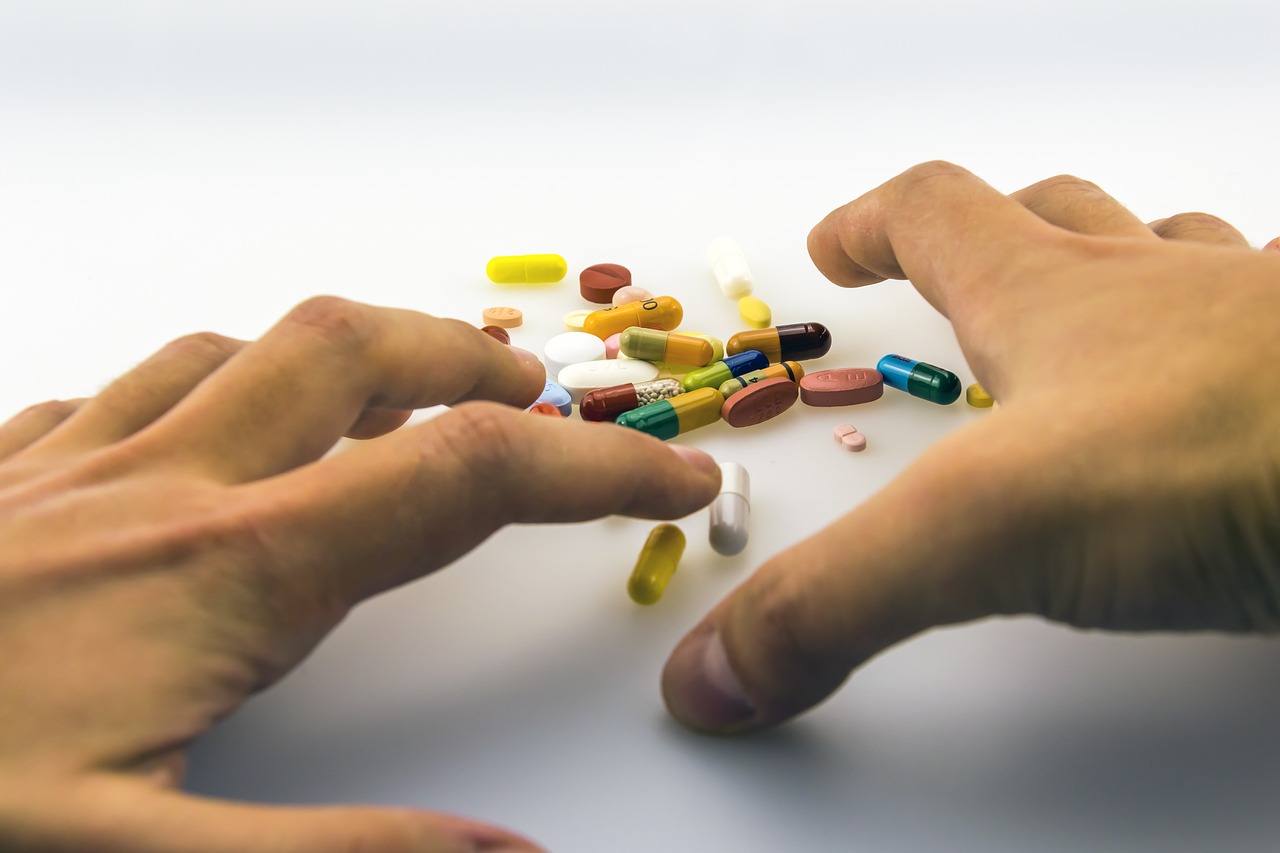
Drugs of addiction

Addiction.
Photo courtesy of Pixabay.com

How to become an addict – The process of addiction.

I haven’t met anyone yet who deliberately set out to become an addict. Some people intended to do all the drugs or drink all the alcohol they could, but mostly they did not expect to really become addicted. How does this thing called addiction develop and why don’t people stop before it is too late?

I don’t remember Alcoholic being on the list of occupations in our school career classes. Even without instruction plenty of people go on to become addicted. You would think that highly educated people would know better than to put themselves at risk. Clearly learning and teaching the process of addiction has been left out of our educational system.

Here is how we teach the process of addiction in substance abuse and co-occurring disorder classes.

You too could become an addict in five easy steps. Not everyone goes through all these steps in exactly this order, but most people do. You could go through all of the steps quickly or slowly. Stay on the using course and you should eventually get to the endpoint of addiction. After the addition, doctors call this chemical dependency; you will find death, incarceration, or psychiatric facilities.

Step One – Experimentation with substances.

At some point, the child or young adult tries a substance. Forget what you have heard about pushers. They are too busy making deliveries to do the startup work of creating a new addict. Most kids get their first drug from their parents or grandparents. (See my post on Grandma as a drug pusher.)

The first time for most kids is sneaking some of their parent’s cigarettes or finishing a parent’s beer. Plenty of kids tell me they drank for years emptying out dad’s bottle of vodka halfway and then topping it off with water.

This process even happens in families where the parents don’t smoke or drink. Boys usually are introduced to substances by other male relatives, an older brother, cousin, uncle, or friends. Girls are often given something by a boyfriend or would-be boyfriend.

For a while, this may go a long hit or miss. The person tries this or that, likes some things and does more of that drug or does not like the feeling and does not do that again.

People from non-smoking and non-drinking homes are not immune from this process. They may find a friend to mentor them in drug use or they may delay the experimentation till they leave home for college, the military, or after marriage.

Step Two – Social substance use.

At some point in this process, the person finds that all their friends are into a particular drug. It might be that their crowd smokes cigarettes. Once the underage smoker has lite up that second cigarette there is an 85% chance they will smoke for the rest of their life.

But maybe your group of friends gets together somewhere and drinks a few beers or smokes some weed. That shouldn’t lead to an addiction right? Well not directly. You still have time to avoid that consequence but you are moving closer.

Drug users of any type tend to clump together. Each drug of choice has a culture. Beer drinkers party together and so do weed smokers and heroin injectors.

In the beginning drug use is a social thing. When the group you are in or want to be in gets together they drink this stuff, smoke this stuff, do this drug, you do it also or you stop hanging out with them. Why do you want to spend every Friday night with people who are drinking if you don’t drink?

Step Three – substance use becomes a habit.

One week all your friends are gone, out of town, and here you are stuck at home alone. It is Friday night – this is the night that you drink a few beers or smoke some weed right? So you drink a few or light one up.

At this point using a particular drug has moved from being a social activity you do with others to a habit you have. It may stay there for a long while. You may keep your beer drinking or smoking weed to Friday nights, only but most people don’t.

If you like the drug you would like to do it more than one time a week. If you don’t like it you may move on and try something else. Maybe find a new group of friends and adopt their drug of choice. You might take up drinking coffee or smoking methamphetamine.

One thing about drugs, mild or strong is that they are reliable. You do them and they change the way you feel. If you like the head change you want more. If you do not like the change you probably will pick a new drug you do like, or stop altogether. But that means you have to get new friends. So your trip down the addiction road continues.

Psychological dependency develops after a while.

One week you find you are alone, you want to drink or smoke and you have to go somewhere with the family or somewhere there will be no drugs. You get upset, you get angry, you may even pick a fight with your family and storm out. Then it is their fault you had to go get high.

At this point, you want the drug more than ever before. You need the drug to get by. You think about her all the time. And when you don’t get to do your drug you are angry about it – or depressed or anxious – until you get to get high again.

You are not yet physically addicted but you have developed a psychological need for the drug. This is the last stop on the path before you reach full chemical dependency. And you are thinking at this point that the drug is your friend and your helper.

Physical Addiction can be the last house on the block.

One day you can’t get the drug. You become sick, psychically, or emotionally ill. You may end up in the hospital, the psychiatric ward, or the jail. Suddenly you realize that even when you want to quit when you try to go for a few days without that drug, you just can’t do it.

Beyond addiction, now what?

Once you have reached the point of addiction, doctors call this chemical dependency, you have very few choices. You can quit, which turns out to be very difficult without help. You could go to some meetings, get a sponsor, and work some steps in the process of change. You might go to a program or see a counselor or you might just decide that you are helpless and you will stay addicted. Lots of people chose to stay addicted.

The A.A. big book tells us that beyond addiction if you chose not to accept help, you are headed for misery, jails, institutions, or death. But as with all the stages before this, the choice is of course yours. Lots of addicted people cycle through psychiatric facilities as the drug addiction warps their thinking. We call this joint problem of addiction and mental illness co-occurring disorders or dual diagnosis.

Any questions about my description of how an addiction could develop, be maintained, and result in a co-occurring addiction and mental illness?

Staying connected with David Joel Miller

Seven David Joel Miller Books are available now!

My newest book is now available. It was my opportunity to try on a new genre. I’ve been working on this book for several years, but now seem like the right time to publish it.

Story Bureau.

Story Bureau is a thrilling Dystopian Post-Apocalyptic adventure in the Surviving the Apocalypse series.

Baldwin struggles to survive life in a post-apocalyptic world where the government controls everything.

As society collapses and his family gets plunged into poverty, Baldwin takes a job in the capital city, working for a government agency called the Story Bureau. He discovers the Story Bureau is not a benign news outlet but a sinister government plot to manipulate society.

Bumps on the Road of Life. Whether you struggle with anxiety, depression, low motivation, or addiction, you can recover. Bumps on the Road of Life is the story of how people get off track and how to get your life out of the ditch.

Dark Family Secrets: Doris wants to get her life back, but small-town prejudice could shatter her dreams.

Casino Robbery Arthur Mitchell escapes the trauma of watching his girlfriend die. But the killers know he’s a witness and want him dead.

Planned Accidents  The second Arthur Mitchell and Plutus mystery.

Letters from the Dead: The third in the Arthur Mitchell mystery series.

What would you do if you found a letter to a detective describing a crime and you knew the writer and detective were dead, and you could be next?

Sasquatch. Three things about us, you should know. One, we have seen the past. Two, we’re trapped there. Three, I don’t know if we’ll ever get back to our own time.

For these and my upcoming books; please visit my Author Page – David Joel Miller

Want the latest blog posts as they publish? Subscribe to this blog.

For videos, see: Counselorssoapbox YouTube Video Channel