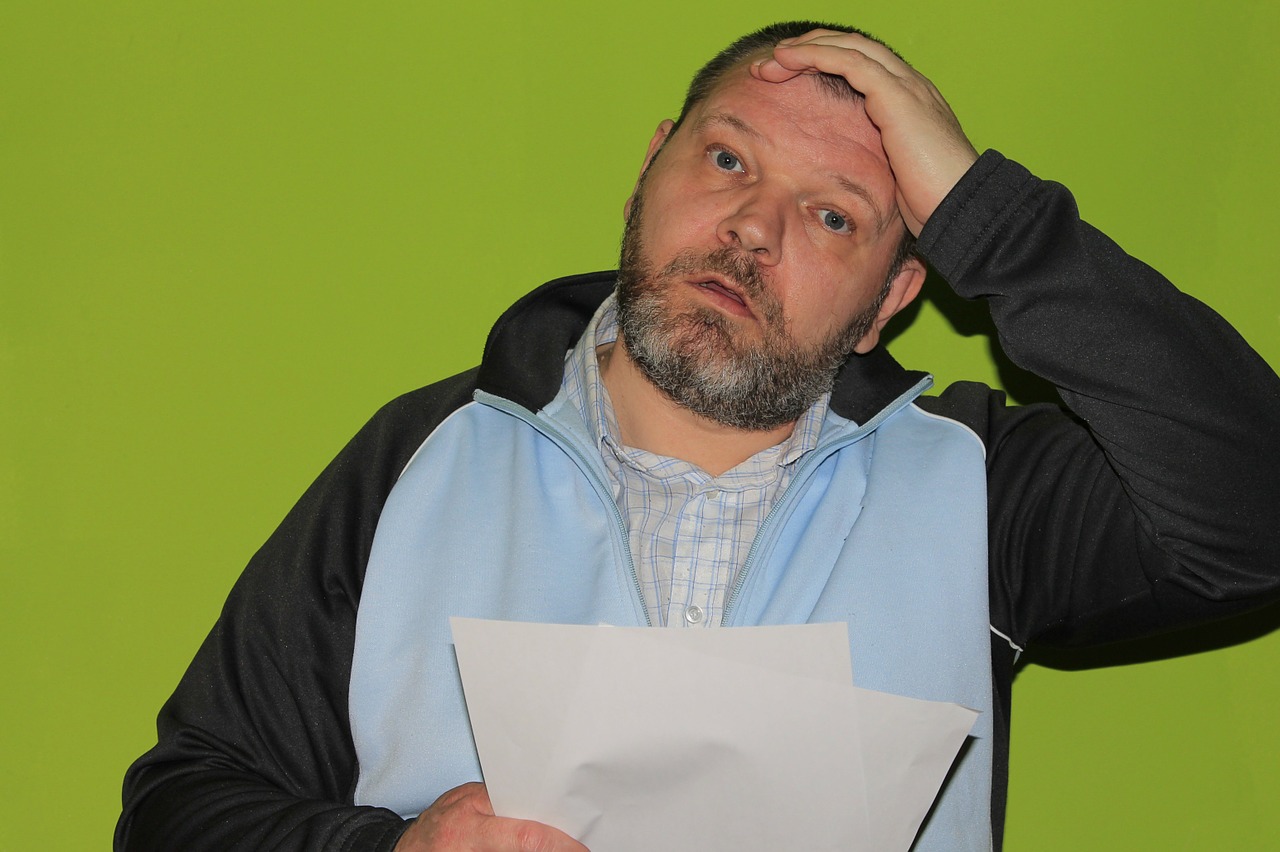
Choosing between the law or your ethics, a dilemma for counselors.

By David Joel Miller, MS, Licensed Therapist & Licensed Counselor.
Ethics.

What if the law says the counselor should do something but doing it will hurt someone?

Occasionally a reader sends in a question that has far-reaching consequences. The question below made me stop and think about what we counselors and therapists do, and how that fits into the larger context of the world around us and the issues of what is right and wrong.

“What if a 16-year-old girl is being sexually abused by her uncle and he threatens her not to tell anybody, but she tells her therapist. On the other hand in the girl’s culture, any girl who lost her virginity before marriage should be killed, what would a therapist do in this situation?”

Every profession has those times when the ethics of that profession conflict with the laws of that time and place. Psychiatry and mental health are not immune to these conflicts.

In past posts, I have written a lot about what counselors have to report and what they can keep confidential. My posts were based on the laws and customs of America, California in particular. They assume that the people who live here all adhere to the dominant culture and values and that things will work out the way they are supposed to.

What about the times that things do not go according to plan?

Psychotherapy as it is currently practiced, talk therapy, has a distinctly western flavor. The things we take as givens here in America may not be truths in other places. What is true today has not always been true even here in the United States.

The status of Women and Children has changed dramatically in the history of the United States. The standing of women, their rights to education, the vote, and the treatment that they can expect are all very recent developments here. As recent news stories have demonstrated the consequences of violence towards women and children continue to evolve.

We have heard older colleagues, those who lived in Europe during the time of World War II and the Holocaust, told in detail why they would resist telling any government what a client reveals in therapy for any reason. This question from a reader suggests just such a reason for not revealing a mandated report.

Making exceptions to confidentiality is and always has been a slippery slope. Trying to apply current American standards to the practice of therapy in another place is highly problematic. Lest the reader think this is only a problem in some countries somewhere over there, I need to remind them throughout this essay of the times that American Therapists have been asked to lower the bar and report crimes of all sorts.

First, let me deal with the specifics of this question as it might happen here in California, then what might happen if American therapy was being practiced in a country with non-western laws, and lastly how these values creep may affect clients everywhere in the future.

To try to navigate this conflict between confidentiality and the government’s desire to know what people in therapy say we have created a host of laws and those laws have been modified by further statutes and court decisions. I am no lawyer but the lawyer’s rigged this game by telling us that “ignorance of the laws is no excuse.” Here is my lay understanding of our laws and an encouragement to anyone who is faced with these kinds of situations to consult your own legal advisor rather than rely on my imperfect understandings.

In the question above. The client is over 16. There would be different rules if she were 14-15 and other laws if she was under 14.  A client over 16 can consent to most kinds of sex. If the uncle is younger than age 26 and the sex is vaginal, no report. We report child sexual abuse, not crimes. What if the Uncle was 40 or he sodomized her? Then by law, we need to make this report.

A goal of child abuse reporting is to protect children. So if Child Protective Services believed that, based on cultural values, this family might kill this daughter for not being a virgin they could ask for a hold and remove the child from the family to protect her. Will they? That is questionable. The police or courts may not approve of the removal. The family may deny that they will harm the child and the child may stay in the home.

There have been cases reported in the media here were women committed adultery and the family knowing that they could not harm her here have returned to the country they came from where she could be stoned to death for that adultery. If this situation happened here in California could the family still kill this child or send her back to their home village where she would be killed? I think this is possible. Should our system protect her? Absolutely. Can we guarantee this? Maybe not.

This is a case where the therapist will need to consult with an attorney and then may elect to talk with the Child Protective Services or not depending on their belief that the system could protect this client, that and their sense of right and wrong. This is one reason that “informed consent” is so important. This client and all clients should be told upfront about what will and will not be reportable. In practice, this means trying to guess what things the client will want to talk about and doing the informed part, having long documents explaining informed consent, or having to stop if things are getting into an area that may be a problem and explain this as it applies to that client.

What if this therapist is practicing in a country where killing women who lost their virginity before marriage is an accepted practice? I think that American notions of ethical behavior may not apply well when a professional tries to practice western style therapy in a place that does not uphold western values.

Take an extreme case. If a counselor was still practicing in an area now controlled by ISIS (ISIL) they may be required to report clients who are practicing a “heretical religion” the result might be therapists who are ferreting out infidels and marking them for elimination. A therapist working in a totalitarian country would have to be very careful to not become a tool of the state in finding undesirables. Think about therapists who practiced in Nazi-occupied areas. See why they might be opposed to any requirement to report anything to the government?

Is America asking therapists to become informants?

I think that there is an increasing pressure to have therapists spot people who are doing illegal things and tell on them. Every time there is a violent crime on the news there are questions about why some mental health person did not spot this and report or stop it. There are many reasons why this does not work. The majority of people do not see therapists at all, ever, even when they need to. Those who do see a counselor often do not tell us that they are planning to do something.

Every therapist sees lots of people who have anger issues or emotional regulation problems and who MIGHT get violent. So far I have seen no system that predicts potential violence accurately enough that we could start locking people up who may do something in the future. There are just so many potentially violent people that the jails would not hold them all. Only a small fraction of those who “might become violent” ever do.

We have gone a long way to prevent people from being locked up for what they think or what someone else thinks they may do. There was a time when any man could get his wife locked up in a mental hospital for years just by saying she was crazy. Now the standards to detain people are pretty high and then only for a few days to be sure.

So what other things are therapists being asked to report?

Think of some of the things that could be potential reports and therefore exceptions to confidentiality. How about domestic violence? Or cruelty to animals? What about someone with AIDS who is not using protection and has multiple sexual partners. Are they doing something that could kill another person? Should we tell women if their partners are having affairs or what about homosexual experiences?

What about people who drive drunk? Or do drugs? If someone is selling drugs to elementary school kids? Should that get reported? Or maybe just drug dealing in general? How about cheating on your taxes or financial fraud?

While we are at it what about reporting terrorist activities?

There are some things, like child abuse and plans to kill yourself that most of us would agree need to be reported. I very much believe that therapists and society in general needs to keep all these exceptions to confidentiality at a minimum otherwise we will be turning therapists into practitioners of “enhanced interrogation techniques.”  Any of you who say that those techniques are not torture, would you like your ex and her lawyer to question you that way?

In a free society, we need to maximize people’s ability to be safe in what they tell their counselor. We also need to recognize that it can be a short hop from mandated reporting to fingering people who are members of an unpopular religion or political group. Remember that many societies are not as free and safe as we are here and in America. Staying this free requires vigilance and it means keeping the standards of confidentiality as high as possible.

To the reader who asked this question my suggestion is that someone in this situation should not be talking about this unless they can be sure about their safety. They should look for someone who can help them get to safety if possible. Try to find a way to end this situation soon or an unwanted pregnancy may end you.

Sometimes all a counselor can do is to help a client learn to cope with the situation and hope that situation will change. Hope this long answer shed some small light on the topic of confidentiality and mandated reports.

Staying connected with David Joel Miller

Seven David Joel Miller Books are available now!

My newest book is now available. It was my opportunity to try on a new genre. I’ve been working on this book for several years, but now seem like the right time to publish it.

Story Bureau.

Story Bureau is a thrilling Dystopian Post-Apocalyptic adventure in the Surviving the Apocalypse series.

Baldwin struggles to survive life in a post-apocalyptic world where the government controls everything.

As society collapses and his family gets plunged into poverty, Baldwin takes a job in the capital city, working for a government agency called the Story Bureau. He discovers the Story Bureau is not a benign news outlet but a sinister government plot to manipulate society.

Bumps on the Road of Life. Whether you struggle with anxiety, depression, low motivation, or addiction, you can recover. Bumps on the Road of Life is the story of how people get off track and how to get your life out of the ditch.

Dark Family Secrets: Doris wants to get her life back, but small-town prejudice could shatter her dreams.

Casino Robbery Arthur Mitchell escapes the trauma of watching his girlfriend die. But the killers know he’s a witness and want him dead.

Planned Accidents  The second Arthur Mitchell and Plutus mystery.

Letters from the Dead: The third in the Arthur Mitchell mystery series.

What would you do if you found a letter to a detective describing a crime and you knew the writer and detective were dead, and you could be next?

Sasquatch. Three things about us, you should know. One, we have seen the past. Two, we’re trapped there. Three, I don’t know if we’ll ever get back to our own time.

For these and my upcoming books; please visit my Author Page – David Joel Miller

Want the latest blog posts as they publish? Subscribe to this blog.

For videos, see: Counselorssoapbox YouTube Video Channel

Making 2015 a great year

By David Joel Miller

What is ahead for you in 2015?

Happy New Year

Happy New Year From Counselorssoapbox.com
Photo courtesy of Pixabay.com

The New Year is upon us. For some this has come too soon, you were not ready to let 2014 go. For others 2015 could not have waited one more moment, you were ready for a new beginning. Either way here is wishing you the best year possible.

Some of you are nursing hangovers today, the physical alcohol-induced kind. Others find that their hangover is more emotional, an excess of negative feelings left over from the past year. Others of you are living with a hangover sufferer of the physical or the emotional variety.

Counselorssoapbox wants to be helpful no matter what difficulties you have carried forward from the last year. The official purpose of this blog is to be helpful in your creating the best life possible. I think of that as planning to be happy.

This year the plan is to continue to present posts on the topics of mental health and substance abuse, especially to mention the times that these two problems happen together. Those times when someone has both a mental illness and a substance use disorder is referred to as a co-occurring disorder or sometimes as dual-diagnosis.

But that will not be all we do.

Part of our discussion this year will be the continuing topic of mental illness, what it is, and how it can and should be treated. I have some concerns that a whole lot of normal problems of living have gotten converted into mental illnesses and the system is spending too much time managing people with mental illnesses and not enough time helping them recover. More on this to come.

There should be no doubt at this point that I believe in wellness and recovery. People with severe mental illness and substance use disorders do recover and are able to create great lives. Recovery in my view does not mean cured. So having recovered your life, there is a need for tools to keep you headed in the right direction.

People do not have one and only one problem in their life. Some people do not have a diagnosable mental illness or a substance use disorder and still, they have problems. I hesitate to call these folk “normal” because the line between normal and not-normal is getting increasingly blurry.

These problems of day-to-day life include things like jobs, getting and keeping them, children and parents, love and relationships, and a host of other issues. Counselorssoapbox will include some discussion of these activities of life that can cause you problems regardless of your mental or emotional state.

There are also topics that are not directly connected to problems, things like self-improvement and growth. We will talk about becoming the best, healthiest person you can be whether or not you have some other issue.

I do recognize that having one problem may put you at risk for others. Would someone who is unemployed and homeless have emotional difficulties? Probably. Now, what if they go through a divorce or breakup? These problems, sometimes called “life skills issues,” for want of a better term, will be the topic of some blog posts this coming year also.

Some technical, diagnoses, and treatment questions come up from time to time. Questions about the process of therapy, starting, stopping, and what does and does not stay confidential also come up. Some of you leave those questions in the comments or use the contact me form. Students in my classes and those I supervise also bring up those kinds of questions. Counselorssoapbox (Me) will try to answer those questions as much as possible. Keep those questions coming.

Some cautions here. This is a good place to remind you that nothing you read on the internet or in self-help books, (even my books when they get published) is a substitute for seeing a professional. It is not possible for me to do therapy via email or blog. If you need help please consider this and other blogs as information only and seek help from a local therapist or counselor. In an emergency call your local crisis number.

Thanks for reading this post or any others. If there is something you would like to ask, send the question on. Looking forward to making this the best year possible.

P.S. For those of you who were looking for a hangover cure for an alcoholic hangover? The only really effective one is time. Eventually, if you take care of yourself and do not drink more alcohol the hangover will pass. The secret cure for hangovers is prevention, not treatment. Next time drink less or possibly do not drink at all. Hope the hangover goes away soon.

Staying connected with David Joel Miller

Seven David Joel Miller Books are available now!

My newest book is now available. It was my opportunity to try on a new genre. I’ve been working on this book for several years, but now seem like the right time to publish it.

Story Bureau.

Story Bureau is a thrilling Dystopian Post-Apocalyptic adventure in the Surviving the Apocalypse series.

Baldwin struggles to survive life in a post-apocalyptic world where the government controls everything.

As society collapses and his family gets plunged into poverty, Baldwin takes a job in the capital city, working for a government agency called the Story Bureau. He discovers the Story Bureau is not a benign news outlet but a sinister government plot to manipulate society.

Bumps on the Road of Life. Whether you struggle with anxiety, depression, low motivation, or addiction, you can recover. Bumps on the Road of Life is the story of how people get off track and how to get your life out of the ditch.

Dark Family Secrets: Doris wants to get her life back, but small-town prejudice could shatter her dreams.

Casino Robbery Arthur Mitchell escapes the trauma of watching his girlfriend die. But the killers know he’s a witness and want him dead.

Planned Accidents  The second Arthur Mitchell and Plutus mystery.

Letters from the Dead: The third in the Arthur Mitchell mystery series.

What would you do if you found a letter to a detective describing a crime and you knew the writer and detective were dead, and you could be next?

Sasquatch. Three things about us, you should know. One, we have seen the past. Two, we’re trapped there. Three, I don’t know if we’ll ever get back to our own time.

For these and my upcoming books; please visit my Author Page – David Joel Miller

Want the latest blog posts as they publish? Subscribe to this blog.

For videos, see: Counselorssoapbox YouTube Video Channel
Most read mental health blog posts 2015.

By David Joel Miller, MS, Licensed Therapist & Licensed Counselor.

Counselorssoapbox top posts 2014

Counselorssoapbox top posts 2014

What have people been reading on counselorssoapbox.com this last year?

Here is a list of the most read mental health, mental illness and substance abuse posts on counselorssoapbox.com over the last 12 month. Some of these have been in top mental health blog posts for a long time others are current topics or new self-improvement tips.

How much should you tell a therapist?           

Levels or types of Borderline Personality Disorder

Do people really forget what happened when drinking? – Blackouts 

Is nicotine a stimulant or a depressant?

Do therapists have to report a crime? 

Hyperthymia, Hyperthymic Personality Disorder and Bipolar Disorder     

Do therapists like fall in love with their clients? Why don’t they tell them?

What do drug dreams mean?

What are the six kinds of hallucinations?

6 ways to recover from Complex Trauma or Complex PTSD  

Are you Hyperthymic? 

Do therapists tell parents what kids say?

See you next time.

David Joel Miller, LMFT, LPCC

Mental Illness – counselorssoapbox looks back and ahead.

By David Joel Miller, MS, Licensed Therapist & Licensed Counselor.

Mental Health or Mental Illness

Mental Health or Mental Illness?
Photo courtesy of Pixabay.com

Mental health – Mental illness – the field is changing.

Mental illness has been in the news a lot this past year. Some of that coverage has been a good thing, some not so much.

The mentally ill and violence.

There has been more media coverage of the problems of mental illness and how this is affecting society. Unfortunately, the trend has been to portray everyone who commits a crime as somehow mentally ill and as different from the rest of us.

The truth of the matter is that those with a diagnosed mental illness are far more likely to be victims of crime than perpetrators. The labeling of those who have harmed others is all too often a label added on to them after the crime was committed. Saying that the person who became violent was mentally ill and this makes others feel safer. It can’t happen to me if I avoid “those people.”

What has been left out of this conversation is the role that stress in triggering violent behavior. Much more needs to be done to identify those under extreme stress and prevent that stress from developing into a diagnosable mental illness. Prevention in the mental health field pays big dividends for the person under stress and for society.

Unfortunately, the trend has been to deny that average people can become overwhelmed by life’s challenges and then develop a mental illness. Our systems continue to try to restrict help to those who are “broken” rather than seeing people with mental health issues as capable of healing and change.

Mental illness or mental health?

In the upcoming year, I want to write more on the conflict currently going on in our delivery systems between the concept of the mentally ill with its implication that those who have a mental illness never get better, and the belief that there are such things as mental health, recovery, and wellness. Stay tuned for some posts on how I and others think mental illnesses develop and how people recover from them.

New discoveries.

There has been a lot of news this year about the advances science is making in the area of research on the brain. We continue to learn more as time goes on. The more we learn the more complicated the whole topic of mental health and recovery becomes.

New drugs have been developed, more are on their way. When a medication works it can be miraculous, opening possibilities for life that would not have otherwise been possible. Sometimes meds work and sometimes they don’t. They work for one person and not another. We continue to wonder why.

Genetic studies are unlocking the secrets of the brain and nervous system that could not even be imagined a few short years ago. Scientists have discovered risk factors for many of the things we call mental illness, but risk factors do not tell us who with that risk factor will develop a condition and who will not.

New therapies and medications have allowed those with the most serious of mental illnesses to hold jobs that would have been thought impossible for them to achieve a few years ago. They lead productive lives. While many are rebuilding their lives despite a mental illness diagnosis the ranks of these receiving disability payments is at an all-time high. We continue to debate whether those with a diagnosis can be trusted in responsible positions. We talk about recovery being possible but design our treatment systems as if no one ever gets better and their lives need to be managed for them not by them.

The challenge of mental health and encouraging mental wellness continues to grow.

As another year draws to a close we need to look at where we have been and where we are going. Personally, I do not make resolutions but I do use this opportunity to take an inventory of how the past year went and I draw up some general plans for the year ahead.

The next year on counselorssoapbox.com.

Counselorssoapbox.com started out as a place for me to express my opinions on issues related to mental health, mental illness, substance abuse disorders, and the concept of wellness and recovery. Posts on self-care, thinking, memory, and feelings as well as becoming the best person possible continue to be included.

This might be a good place to mention again that nothing you read on a blog should take the place of seeing a professional for your health issues, mental or physical. I am not able to do therapy with readers and these are strictly my opinions. I try to respond to comments and contact me questions but can’t always get to them as quickly as I would like. If you or someone close to you is in a crisis get local emergency help.

I hope that some of what I write prompts people to take a look at themselves and their life and see what they may wish to work on.

Thanks to all of you who have been long-time readers. I had not expected counselorssoapbox to grow as much as it has. To date, at the end of 2014, counselorssoapbox has 850 posts on topics involving mental health hand illness, substance abuse, and self-improvement skills.

Most of these posts were written in my days off, evenings, and occasionally during lunch hours. Many of the ideas for posts were responses to questions that readers, clients, and other counselors and therapists have asked me. The idea file continues to grow. If only there was time to write all the posts that need writing. There is no staff at counselorssoapbox, just a progressively older me.

Most flattering has been the number of readers who access this blog from countries outside the United States. While there are legal and cultural differences from place to place, the reader comments tell me that the challenges of coping with a mental illness and staying mentally well are universal.

We will have one more counselorssoapbox post this year. Generally this time of year I look back and publish a list of the top or most-read posts on counselorssoapbox. Some of these top posts have been about very current issues. A few posts have been perennial favorites. The topics of those posts will be the subject of several books I am working on. Eventually, those books will get published and I will let you all know when that happens.

Thanks to all of you who read my blog and for your comments, likes, reblogs, shares, and all that tech stuff. Here is hoping that the New Year will be even better for all of you than the last one was.

Staying connected with David Joel Miller

Seven David Joel Miller Books are available now!

My newest book is now available. It was my opportunity to try on a new genre. I’ve been working on this book for several years, but now seem like the right time to publish it.

Story Bureau.

Story Bureau is a thrilling Dystopian Post-Apocalyptic adventure in the Surviving the Apocalypse series.

Baldwin struggles to survive life in a post-apocalyptic world where the government controls everything.

As society collapses and his family gets plunged into poverty, Baldwin takes a job in the capital city, working for a government agency called the Story Bureau. He discovers the Story Bureau is not a benign news outlet but a sinister government plot to manipulate society.

Bumps on the Road of Life. Whether you struggle with anxiety, depression, low motivation, or addiction, you can recover. Bumps on the Road of Life is the story of how people get off track and how to get your life out of the ditch.

Dark Family Secrets: Doris wants to get her life back, but small-town prejudice could shatter her dreams.

Casino Robbery Arthur Mitchell escapes the trauma of watching his girlfriend die. But the killers know he’s a witness and want him dead.

Planned Accidents  The second Arthur Mitchell and Plutus mystery.

Letters from the Dead: The third in the Arthur Mitchell mystery series.

What would you do if you found a letter to a detective describing a crime and you knew the writer and detective were dead, and you could be next?

Sasquatch. Three things about us, you should know. One, we have seen the past. Two, we’re trapped there. Three, I don’t know if we’ll ever get back to our own time.

For these and my upcoming books; please visit my Author Page – David Joel Miller

Want the latest blog posts as they publish? Subscribe to this blog.

For videos, see: Counselorssoapbox YouTube Video Channel
.

Happy Holidays From Counselorssoapbox

Happy Holidays.
Photo courtesy of Pixabay.com


Could you use a little magic?

By David Joel Miller, MS, Licensed Therapist & Licensed Counselor.Magic

This time of year magical things seem possible.

Is there something you wish would happen but you can’t believe it is possible?  You would like a better job or a loving relationship but can’t see how that might ever be a part of your life. Sometimes it is difficult, maybe impossible, to imagine that life could ever be happy for you.

Not sure what a happy life might be like? Can’t figure out what you want because you keep getting stuck on what you think is possible and you tell yourself that the things you want could never happen. Not for you.

There is a way to move from stuck, looking for the possible, to unstuck, moving towards the goals you really want, and making them possible. Several schools of therapy use things like magic questions, creative visualization, or turning things over to God to allow better things to enter your life.

Ask yourself the magic question.

Try asking yourself a magic question. What if the genie waved their magic wand? What if you woke one day and your problems had all been solved? What would your life be like then?

Take some time to let this picture seep into your mind. Pictures, visualizing things takes us so much closer to that little child part of our brain. Feel the feelings as you turn this picture around in your mind. If your problems could be solved what would your life be like?

You do not have to believe, you just need to be willing to imagine.

Where would you be living? With whom? What would you be doing for a living? Don’t start saying things can’t happen, not for you. Believe in the power of magic; believe that this genie can make things happen. If you really believe then things can change for you.

Somehow it seems believable when I or others suggest that a genie with a lamp or a wizard with a magic wand could transform people’s lives. People who talk to me about their faith in God seem to have more difficulty believing that their God could or would change the things in their life.

I am inclined to think that this is more a matter of people’s lack of faith in God or a Higher Power than in any lack of ability on that Higher Powers part.

People who have experienced recovery have less difficulty in believing that their “Higher Power” could change things for them. They believe because they have experienced that life transformation.

The first step in creating the kind of life you really want, the kind of life you should be living is to picture it in your mind, to see it as possible. What you can picture you can create.

Be careful what you create.

Do you picture a world in which you are all-powerful and everything is about and for you? You can create a world of selfishness if that is what your mind pictures. When you use the power of imagining a life you want, be careful to think it through. Believe in, wish for a life that you know you shouldn’t have and you will get a world that shouldn’t be.

Do you want a good job? Do you want that job without effort? Then you will create a world of pretenses where you get hired for that thing you can’t do. Create a world in which you have a good job and can do it? Then you need to create the education and training that would support this life you are creating.

When we start to imagine a better life, the steps necessary to make that life move into reality become clear. What also emerges are the things about that fictional life that you may not be willing to put up with to have those goals.

Do you want successes at the risk of losing those you love?

In creating this magical world of your dreams get clear on your values and life goals. What is really important to you? Some dreams are best left in the dream world. Avoid spending too much time dreaming about things that shouldn’t be. Over time you become the things you think about the most.

Every day ordinary people create extraordinary, magical, events. They picture the world a better place. They believe that good things can happen for them and for others. Others imagine a world of pain and control where they are the supreme ruler. What kind of world do you choose to create?

Staying connected with David Joel Miller

Seven David Joel Miller Books are available now!

My newest book is now available. It was my opportunity to try on a new genre. I’ve been working on this book for several years, but now seem like the right time to publish it.

Story Bureau.

Story Bureau is a thrilling Dystopian Post-Apocalyptic adventure in the Surviving the Apocalypse series.

Baldwin struggles to survive life in a post-apocalyptic world where the government controls everything.

As society collapses and his family gets plunged into poverty, Baldwin takes a job in the capital city, working for a government agency called the Story Bureau. He discovers the Story Bureau is not a benign news outlet but a sinister government plot to manipulate society.

Bumps on the Road of Life. Whether you struggle with anxiety, depression, low motivation, or addiction, you can recover. Bumps on the Road of Life is the story of how people get off track and how to get your life out of the ditch.

Dark Family Secrets: Doris wants to get her life back, but small-town prejudice could shatter her dreams.

Casino Robbery Arthur Mitchell escapes the trauma of watching his girlfriend die. But the killers know he’s a witness and want him dead.

Planned Accidents  The second Arthur Mitchell and Plutus mystery.

Letters from the Dead: The third in the Arthur Mitchell mystery series.

What would you do if you found a letter to a detective describing a crime and you knew the writer and detective were dead, and you could be next?

Sasquatch. Three things about us, you should know. One, we have seen the past. Two, we’re trapped there. Three, I don’t know if we’ll ever get back to our own time.

For these and my upcoming books; please visit my Author Page – David Joel Miller

Want the latest blog posts as they publish? Subscribe to this blog.

For videos, see: Counselorssoapbox YouTube Video Channel

Healthy things to do when you are alone.

By David Joel Miller, MS, Licensed Therapist & Licensed Counselor.

Woman alone at the beach

Alone for the holiday.
Photo courtesy of Pixabay.com

You wanted alone time – now what?

Are you like the rest of us? Your life is hectic? You wish the kids or the spouse would leave you alone? At work, if it isn’t the boss it is the co-workers or the customers that are always after you?

Have you ever wondered how to get that time and what you would do with that alone time should you get it?

Is it hard to find some alone “ME” time?

When you do get that alone time, do you start feeling lonely or restless and wondering what to do? Then do you go looking for someone to take your mind off being alone? Being alone should not mean being lonely. In some other posts, we have talked and will talk again about how to cure that chronic feeling of loneliness that some people experience every time they do get some alone time.

Should you be gifted with some time alone, to yourself, try to make the most of that time.

Here is a list I have compiled of things to do when the pressures of life suddenly stop and that me-time materialized. This list is things I do, things others have told me they do, and things that self-help books have recommended. If you have others to contribute to this list, send it on.

When alone do nothing.

Are you a chronic workaholic? Doing nothing can be a challenge. If your car was driven nonstop for months on end things would start breaking. It needs some downtime and some maintenance. So do you.

Some of you, you know who you are, feel guilty when you are not doing something. Learning to relax and de-stress can be a challenge. Sitting doing nothing does not mean you are wasting time.

Force yourself to do nothing and see if it doesn’t feel like something you could get used to. If it is really uncomfortable you can pick something else farther down the list.

Pick a minimalist activity.

Fishing is good for guys. We sometimes call it getting your line wet. I see men sit down, put their line in the water, and wait all day for a fish to bite. Does it matter that no one has caught a fish in this body of water for years? Not really. It is not the catching that matters but the time spent alone contemplating whatever comes to mind that is important.

Bird watching can be another good minimalist activity. Careful now, do not become fanatical about this and start taking trips to the North Pole for that rare bird you have never seen.

I can sit for hours in my yard, though I rarely do, and watch the birds. I know precisely which birds I will see most of the time, but that does not distract from the pleasure of watching them in their daily activities.

Take up meditation.

Meditation does not mean you need to adopt an eastern religion. There are many varieties of meditation. Simply learning to observe that you are thinking, watch that thought run through your head, and then let it go without the need to chase it down is a way of meditating.

There are other simple meditations that can help you learn to clear your mind and develop better focus without the need to chase after an unquiet mind.

Restart things you used to like to do.

Are there activities you used to do before you became so adult and incredibly busy? Did you like to read just for the pleasure of it? Did you use to draw or ride a bike? Think about reactivating pursuits you used to enjoy. Read a book, sing a song, learn or recite a poem.

Having a hobby that you do for pleasure, not for profit or prestige can return joy to an over-busy life.

Take a walk.

Walking is good for your health, physical, and mental. It increases metabolism and reduces depression. It is not the speed that matters or the distance; it is the getting out in the fresh air and moving that will show benefits in many areas of your life.

Work on yourself.

Spend time on yourself. Some people journal others talk with a sponsor or close friend. Consider your goals and your values. Are all the things you do taking you closer to where you want to be or are they needless activity. Why are you working on making money and pleasing others so that someday you can do what you want? Make an effort to include this self-improvement program in your life now.

Make up a gratitude list.

Making a gratitude list is one of those great ideas that most of us never have time to do. When you have some downtime it is good to take stock of your life. Like any good inventory, your personal look at yourself should include inventorying all those things that are good in your life.

What are the things you feel bless your life? Do you take the time to enjoy those things you wanted and worked for?

Take yourself somewhere.

Are there places you would like to go to or things you want to do but there is no one who will do them with you? Take yourself places. Create enjoyable memories with yourself.

Call a friend.

When there is nothing you absolutely must do, try doing some things you want to do, call a friend or send them an email. Do this just to chat and stay in touch. Avoid calls that involve things you have to do like setting appointments or saying thank you for past favors.

Make a list of the happy times in your life.

It is way too easy to remember the pains of life but the happy memories, they get lost in the shuffle. When you are alone, take the time to reflect on those things that stand out in your memories. What was the best time you ever had? Think about the way you might reminisce with a friend or loved one and take that tour down memory lane all by yourself.

Travel.

Travel does not need to be those gigantic once in a lifetime events, though they can be if you chose. Make time to explore the out-of-the-way places close to home. Take a drive, visit a museum, see the zoo, or just walk in a place that you have never been.

Not sure what places near home you might want to visit? Take a virtual tour and do a web search on places near your home. It is amazing that we might live around the corner from something tourists come to see but we never take ourselves there.

Stay tuned for more suggestions on things to do when you have some time to yourself. In the meantime – have you found anything that works for you in those times between work and rushing to the next thing? Willing to share?

Staying connected with David Joel Miller

Seven David Joel Miller Books are available now!

My newest book is now available. It was my opportunity to try on a new genre. I’ve been working on this book for several years, but now seem like the right time to publish it.

Story Bureau.

Story Bureau is a thrilling Dystopian Post-Apocalyptic adventure in the Surviving the Apocalypse series.

Baldwin struggles to survive life in a post-apocalyptic world where the government controls everything.

As society collapses and his family gets plunged into poverty, Baldwin takes a job in the capital city, working for a government agency called the Story Bureau. He discovers the Story Bureau is not a benign news outlet but a sinister government plot to manipulate society.

Bumps on the Road of Life. Whether you struggle with anxiety, depression, low motivation, or addiction, you can recover. Bumps on the Road of Life is the story of how people get off track and how to get your life out of the ditch.

Dark Family Secrets: Doris wants to get her life back, but small-town prejudice could shatter her dreams.

Casino Robbery Arthur Mitchell escapes the trauma of watching his girlfriend die. But the killers know he’s a witness and want him dead.

Planned Accidents  The second Arthur Mitchell and Plutus mystery.

Letters from the Dead: The third in the Arthur Mitchell mystery series.

What would you do if you found a letter to a detective describing a crime and you knew the writer and detective were dead, and you could be next?

Sasquatch. Three things about us, you should know. One, we have seen the past. Two, we’re trapped there. Three, I don’t know if we’ll ever get back to our own time.

For these and my upcoming books; please visit my Author Page – David Joel Miller

Want the latest blog posts as they publish? Subscribe to this blog.

For videos, see: Counselorssoapbox YouTube Video Channel

Excess Medications – Poor Sleep linked to Dementia and Alzheimer’s?

By David Joel Miller, MS, Licensed Therapist & Licensed Counselor.

Sleepwalking

Sleep Walking.
Photo courtesy of Pixabay.com

New research is linking a lot of factors with cognitive decline.

Came across some interesting research recently about factors that may be increasing people’s risk of cognitive decline.  Both excessive medication and sleep problems appear to be risk factors for memory and thinking problems. We are a long way from any final answers when it comes to cognitive decline but some of this research is so convincing that I wanted to share it with you.

Poor sleep in the first few hours of the night, the time when memories and thoughts are processed and stored appears to be connected to eventual dementia. Low levels of oxygen also increased this risk.

There is a brief article on this research at PSYBLOG

One study does not make for final answers. This study was on only Japanese men and done in Hawaii. It made the connection between poor sleep, low oxygen, and dementia but did not find a connection to the subsequent development of Alzheimer’s. The source for the research? Published in Neurology.

So is the answer to this poor sleep and cognitive decline to put more people, seniors in particular, on sleep medications? Not really.

Turns out that many seniors are being badly overmedicated. The older you get the more likely it is that a doctor will prescribe sleep medications or anti-anxiety medications. The increase in anti-anxiety meds is troubling as research has told us that many seniors become less anxious not more so as they age.

The National Institute of mental Health published an article titled – Despite Risks, Benzodiazepine Use Highest in Older People.

This article reported on research into the prescribing of Benzodiazepines for older adults. The older you get the more likely it is that your doctor will prescribe a benzodiazepine for either poor sleep or anxiety. As you age you are more likely to be prescribed higher doses, for longer periods of time.

Most of these Benzodiazepines were prescribed by primary care doctors rather than by psychiatrists. Now here is the problem with that.

Taking lots of Benzodiazepines appears to increase your risk of developing Alzheimer’s. The more you take the higher the risk. Take these meds for 180 days or more and your risk of developing Alzheimer’s DOUBLES, or so this one study tells us.

The text of this article as published is on PubMed.

There is another reason to be concerned about this high use of Benzodiazepines among seniors. That is the interaction between Alcohol and Benzodiazepines. We know from the experiences in the substance abuse treatment field that as we age the body’s ability to remove chemicals from your body declines. Any drug use by the elderly is risky. Just because the drugs are prescription ones does not eliminate the risks.

We also know that a large part of drug overdose deaths is the result of the interaction of alcohol and Benzodiazepines. People are tempted to use alcohol to sleep and when this is done to excess the result is poor sleep not improved sleep.

What is the solution?

Please do not suddenly stop taking prescribed medications based on this blog post or any other online source. If in doubt talk with your doctor. Do all you can to manage your health concerns, get that diabetes or heart condition under control. Lose weight, all those other healthy things you know you should do. No pill is a substitute for a healthy lifestyle.

Consider all those things that we loosely refer to as “sleep hygiene.” There are lifestyle changes that can help you sleep better. Also if emotional problems are impacting your sleep or causing you anxiety or depression, consider counseling or therapy for those mental health issues. You do not need to be “mentally ill” to benefit from counseling.

Science has not given us a cure for cognitive decline just yet, that may never happen. It is possible to do everything right and still develop some cognitive loss. But until we have a better answer to this problem do all you can to reduce the risks and get more mileage out of that brain of yours.

P. S. There have been a couple of broken links in these posts recently. Who knew that links could be so fragile? If you find a bad link please let me know and I will attempt to fix it.

Staying connected with David Joel Miller

Seven David Joel Miller Books are available now!

My newest book is now available. It was my opportunity to try on a new genre. I’ve been working on this book for several years, but now seem like the right time to publish it.

Story Bureau.

Story Bureau is a thrilling Dystopian Post-Apocalyptic adventure in the Surviving the Apocalypse series.

Baldwin struggles to survive life in a post-apocalyptic world where the government controls everything.

As society collapses and his family gets plunged into poverty, Baldwin takes a job in the capital city, working for a government agency called the Story Bureau. He discovers the Story Bureau is not a benign news outlet but a sinister government plot to manipulate society.

Bumps on the Road of Life. Whether you struggle with anxiety, depression, low motivation, or addiction, you can recover. Bumps on the Road of Life is the story of how people get off track and how to get your life out of the ditch.

Dark Family Secrets: Doris wants to get her life back, but small-town prejudice could shatter her dreams.

Casino Robbery Arthur Mitchell escapes the trauma of watching his girlfriend die. But the killers know he’s a witness and want him dead.

Planned Accidents  The second Arthur Mitchell and Plutus mystery.

Letters from the Dead: The third in the Arthur Mitchell mystery series.

What would you do if you found a letter to a detective describing a crime and you knew the writer and detective were dead, and you could be next?

Sasquatch. Three things about us, you should know. One, we have seen the past. Two, we’re trapped there. Three, I don’t know if we’ll ever get back to our own time.

For these and my upcoming books; please visit my Author Page – David Joel Miller

Want the latest blog posts as they publish? Subscribe to this blog.

For videos, see: Counselorssoapbox YouTube Video Channel

What is the Sandwich method to present bad news?

By David Joel Miller, MS, Licensed Therapist & Licensed Counselor.

How to deliver bad news.

How to deliver bad news.
Photo courtesy of Pixabay.com

Some ways to deliver bad news are better than others.

If you need to give someone bad news – can you do it in a way that leaves the relationship intact?

We all have times when we need to give someone bad news.

Putting off that news may seem like the kind or safe thing to do but eventually, it needs to be done. Delaying the bad news only makes it harder.

The sandwich method of requesting a change.

One highly effective way to tell someone bad news without inflicting relationship damage is called the sandwich method. In the sandwich method there is a statement about what you value in the relationship, then the request for change, followed by a statement of support for the person you have asked to change.

Here are some examples of how the sandwich technique could be used to good effect. First in a work setting and then in your home life. In both cases, the bad news is coupled with a request that the other person change something.

A supervisor has to tell a worker to change.

The supervisor discovers he has to have a talk with an employee about their errors in using a new computer system. This is a common problem in most places that use computers. Some people learn new systems faster than others. Systems keep changing. A few people just never seem to get it.

The common but wrong way to deliver criticism.

The supervisor calls the employee in and chews the employee out.

Bob (or Mary, fill in any name here) you work is awful. You are hopeless, the worst person in the whole department. If you do not stop making all these computer errors I will need to write you up. Repeated failure to fix this problem will result in your termination. This is the last time I will talk to you before I start the process to get rid of your worthless rear end.

Has the supervisor been clear? Maybe. How does Bob feel about this now? Motivated to fix things? Maybe. But Bob is not likely to go out of his way to do much beyond the minimum to get by. And Bob will probably carry a resentment towards this supervisor from now on.

How the sandwich technique can help motivate others.

In the sandwich formula, the “bad news” or complaint is placed between two positive messages.

The supervisor calls Bob in and starts off with a review of the things Bob does well. “Bob I really appreciate all the hard work you do around here. Your work on the project last month was great. There is one area I need you to work on though. Your error rate on the new computer system is really high and management is emphasizing that we need everyone to get up to speed on using the new system. Is there anything we can do to help you improve your accuracy on the new system? I know all the times you have pitched-in in the past and feel sure you will find a way to get proficient in the new system.

How might Bob feel now? Is he more willing to try to improve his computer accuracy? Why doesn’t every management person use this method if this is so effective?

There are some management people who feel all workers are lazy, but then there are employees who think that all managers are unreasonable. There is a temptation when things go wrong to take our frustrations out on others. Beating someone up, standing over them, and threatening them may get the work done in the short run but as soon as the supervisor’s back is turned the effect wears off.

Using the sandwich method allows the message to come through, we need you to change or fix this, but it also conveys the message that the person receiving this bad news is still valued as a human being and that you want to cooperate on making things better.

How to ask for change from your child.

Your child brings home a test with an “F” grade.

You might “set this child straight.” Let them know that poor schoolwork is unacceptable, that if they want to ruin their life you will not be a part of this. That no child of yours will be allowed to be this stupid. Say something like “I can’t believe you are such a moron.”

Is this likely to be helpful? Did it work with you? A few of you are saying yes this kind of treatment jolted you into working harder, but most people who experience this kind of treatment get discouraged and give up trying. Especially if they had studied and failed the test anyway.

The sandwich method would involve telling the child that you love them and are proud of them. That most of the time they do great things. That this score is disappointing to you and you expect them to study more and improve that grade. You would end this sandwich with some support and saying that you know that they are a good child and that you are sure they will put in the effort and do the best they can. Something added like that you love them no matter what grade they get would also be helpful.

Both interactions, hopefully, convey the message “you need to study more and improve that grade” but in one the emphasis is on the child not being OK while in the sandwich method you are inserting the message “improve your work” in this subject area with other messages about the child being a good person and you liking them regardless. You are also expressing your belief that the child can succeed.

Does it bother you to give out compliments?

Some of you are thinking “I shouldn’t have to compliment people to get them to do what they are supposed to do.” No, you shouldn’t. But then you don’t have to say please and thank you, but those social graces, being nice to others makes interactions between other humans a lot more pleasant. Encouragement is effective and beatings, verbal or physical, stop working after a while. No one likes a person who tries to motivate by abuse. Besides making you more likable the sandwich method is more effective in motivating people to do things.

Tell someone that they are worthless and they live down to that label. Give them hope and self-respect and most people will make every effort to make the people who support them proud.

Staying connected with David Joel Miller

Seven David Joel Miller Books are available now!

My newest book is now available. It was my opportunity to try on a new genre. I’ve been working on this book for several years, but now seem like the right time to publish it.

Story Bureau.

Story Bureau is a thrilling Dystopian Post-Apocalyptic adventure in the Surviving the Apocalypse series.

Baldwin struggles to survive life in a post-apocalyptic world where the government controls everything.

As society collapses and his family gets plunged into poverty, Baldwin takes a job in the capital city, working for a government agency called the Story Bureau. He discovers the Story Bureau is not a benign news outlet but a sinister government plot to manipulate society.

Bumps on the Road of Life. Whether you struggle with anxiety, depression, low motivation, or addiction, you can recover. Bumps on the Road of Life is the story of how people get off track and how to get your life out of the ditch.

Dark Family Secrets: Doris wants to get her life back, but small-town prejudice could shatter her dreams.

Casino Robbery Arthur Mitchell escapes the trauma of watching his girlfriend die. But the killers know he’s a witness and want him dead.

Planned Accidents  The second Arthur Mitchell and Plutus mystery.

Letters from the Dead: The third in the Arthur Mitchell mystery series.

What would you do if you found a letter to a detective describing a crime and you knew the writer and detective were dead, and you could be next?

Sasquatch. Three things about us, you should know. One, we have seen the past. Two, we’re trapped there. Three, I don’t know if we’ll ever get back to our own time.

For these and my upcoming books; please visit my Author Page – David Joel Miller

Want the latest blog posts as they publish? Subscribe to this blog.

For videos, see: Counselorssoapbox YouTube Video Channel

How to enjoy being alone.

By David Joel Miller, MS, Licensed Therapist & Licensed Counselor.

Serene

Serene.
Photo courtesy of Pixabay.com

People stressing you out? Learn to enjoy being alone.

Are you really busy all week? One thing after another to do and most of those things involve doing things for and to please other people? Then suddenly your rapid pace comes to a stop, a day off, a holiday, and you start feeling lonely?

How can you learn to enjoy that time alone?

That down feeling may not be a bad thing.

When all day, every day, is a rush to do with not a minute to yourself you may miss the subtle cues that you are overtired. Accept that feeling exhausted when you are alone does not say anything bad about being alone, it tells you that in the rest of your life you are too focused doing and have not taken the time to let yourself rest.

You need downtime to de-stress and relax. Use your alone time to rest and relax, not to catch up on the household chores. Alone time is the perfect chance to practice gentle kindness and self-care.

Use alone time to take stock of where you are.

Staying busy may be a way to avoid looking at yourself, your situation, and where you want to go. Allow yourself adequate time to just relax and be you. When you are not pushing to make things happen sometimes a thought will pop into your head. Pay attention to those relaxed insights.

Downtime should be a time for reflection and charting your course. When you are surrounded by others the focus is on what they want. Alone time is a chance to focus on what you want and where you are going.

Use alone time to do something you have wanted to do and put off.

Is there something you have been wanting to do but can’t ever seem to fit into your hectic schedule? Use that downtime to do something for you and only you. Read a book, go for a drive. Sit in that yard you worked to care for and watch the birds.

When alone let yourself feel.

Staying busy and engaging with other people is one of the prime ways most of us keep ourselves occupied without getting much accomplished. Busy masks feelings. When you are running from place to place and person to person you may be forgetting to notice how you feel. Feelings are not bad things to be kept at bay by constant activity. Feelings should provide valuable information.

Use your downtime to let yourself feel. Notice the positive happy things in your life. Not much happiness? Then use that downtime to evaluate how you can change you and get more happiness out of the life you live.

Practice your personal skills.

Much of your life with other people is spent on practicing your group skills. Sometimes groups can be productive and helpful, but not all the time. Some things are best done by one and only one person.

Groupthink is no substitute for developing your personal cognitive skills. A group can exercise together and the group support is good sometimes, but there are lots of times that you need to do the exercise yourself if you are going to get the benefits. Use your alone time to work on you.

Use alone time to tackle tasks that require strong concentration.

Anything that requires sustained concentration will benefit from being done during your alone time. People are nice, social skills are valuable, some of the time. But for tasks that require heavy-duty concentration being alone is the ticket.

During your alone time practice your thinking skills.

Thinking is not the same thing as rumination. A common mistake people make when alone is to spend their time thinking about what is wrong and turning the things that bother them over and over in their minds.

Effective use of alone time for thinking is best spent on thinking about what could be, set goals, and clarify values. Take stock of your life but do not judge. Toss the “shoulds and the musts” and focus on the “where you want to go and what you will need to do to get there’s.”

Get your life back in balance.

Life is a balancing act between extroverted and introverted activities. We all need some time around others to be mentally healthy. We also need some time off stage and alone to keep our mental balance.

Even the most strongly extroverted people can benefit from some alone time to get to know themselves and achieve that more balanced place.

You can work on becoming your own best friend.

Use your alone time to get in touch with who you are and what you like. Avoid being a pale reflection of others and develop your inner self.

You can learn to please yourself and live for you.

Too much time surrounded by others, particularly others you need to please, will result in not pleasing yourself. Time alone lets you get clear on your wants and needs and allows you to practice making yourself happy.

Happiness is not an outside job, no one can make you happy in the long run. Living an authentic life, the life you know you were meant to live will maximize your happiness over the long haul.

Staying connected with David Joel Miller

Seven David Joel Miller Books are available now!

My newest book is now available. It was my opportunity to try on a new genre. I’ve been working on this book for several years, but now seem like the right time to publish it.

Story Bureau.

Story Bureau is a thrilling Dystopian Post-Apocalyptic adventure in the Surviving the Apocalypse series.

Baldwin struggles to survive life in a post-apocalyptic world where the government controls everything.

As society collapses and his family gets plunged into poverty, Baldwin takes a job in the capital city, working for a government agency called the Story Bureau. He discovers the Story Bureau is not a benign news outlet but a sinister government plot to manipulate society.

Bumps on the Road of Life. Whether you struggle with anxiety, depression, low motivation, or addiction, you can recover. Bumps on the Road of Life is the story of how people get off track and how to get your life out of the ditch.

Dark Family Secrets: Doris wants to get her life back, but small-town prejudice could shatter her dreams.

Casino Robbery Arthur Mitchell escapes the trauma of watching his girlfriend die. But the killers know he’s a witness and want him dead.

Planned Accidents  The second Arthur Mitchell and Plutus mystery.

Letters from the Dead: The third in the Arthur Mitchell mystery series.

What would you do if you found a letter to a detective describing a crime and you knew the writer and detective were dead, and you could be next?

Sasquatch. Three things about us, you should know. One, we have seen the past. Two, we’re trapped there. Three, I don’t know if we’ll ever get back to our own time.

For these and my upcoming books; please visit my Author Page – David Joel Miller

Want the latest blog posts as they publish? Subscribe to this blog.

For videos, see: Counselorssoapbox YouTube Video Channel