
How angry is too angry?

By David Joel Miller, MS, Licensed Therapist & Licensed Counselor.

Angry person

Anger.
Picture courtesy of Pixabay.

Does your anger get out of control?

People with an anger management problem seem to have only one setting on their anger control.

The anger is either off or it is on. This leaves them with only two settings,

I think I am not angry and I am boiling over with anger. Those boil-overs are what gets them in trouble.

Learning to recognize you are getting angry helps avoid boil overs.

A first step in learning to regulate your anger is to install an anger thermometer in your brain. Having this anger thermometer in place helps you monitor how angry you are and what is causing that anger temperature to rise.

Ever notice that in the summer a room that is 68 degrees Fahrenheit ( 20 degrees Celsius)  seems refreshingly cool, maybe even downright chilly if you just came in from outside where it was 100 F ( 37.8 C) In the winter that same room may seem hot if you just came in from outside where it was below freezing?

The same sort of thing happens with anger. When you are tired, have not slept well, are hungry or thirsty, you are more likely to become angry. Small irritations can set someone off when they do not feel well. Failing to recognize what you are feeling and to respond appropriately can also result in anger flare-ups. Mad, as in anger, can often just be sad in disguise.

These things will reduce your ability to control anger.

Alcohol use and abuse or drug misuse can also reduce your inhibitions and make small anger problems into serious events. Unresolved problems in one area of your life, financial or relationship issues can pop up as anger over things that might not otherwise set you off.

Rumination, that repetitive thinking about the same thing over and over, can also heat up your emotions to the vapor point. By rumination I am not referring to evaluating past actions or events to learn from them, what we mean by rumination is that habit we humans have to keep chewing on things that bother us until they make us sick. Rumination is an exercise in creating and maintaining unhelpful thoughts. More on rumination and its role in creating emotional problems is coming up in other counselorssoapbox posts.

How will you measure anger?

Begin your exploration of your anger feelings by creating a scale that works for you. Some people use a temperature scale. Other people find it more helpful to use a scale of zero to ten or zero to one hundred. Having created this Anger scale, begin to take periodic readings of how angry you are at any given moment.

It may be helpful to take your anger reading at the same time each day. Pay special attention to times you notice anger beginning. What was happening just before you felt your anger rise? Try taking your anger reading every day when you rise and when you go to bed. Do you wake up in a grouchy mood or does your mood get worse as the day progresses?

A further refinement to this scale would be to list some words for feelings related to anger and then try to arrange them on a scale from least angry to most angry. Is irritated the same as angry? Is strong anger enraged but moderate anger annoyed? Adding these other feeling words allows you to develop a range of feelings you could be having between not angry and violently boiling-over angry.

The goal of this effort is to learn to measure your anger so that later in the anger management process you can install an anger thermostat in your brain that allows you to turn the anger up or down at will. Most people have little difficulty angering themselves up but learning to keep the anger on low or even turn it off at will, that is a valuable skill.

Clues that anger is growing.

All this anger regulation stuff works if you are able to recognize your anger as it ebbs and flows. But if you find that you did not know you were getting angry and then suddenly you are boiling mad how can we help that?

Think about your past experiences with anger. Have you ever noticed someone becoming angry? They may have given off clues by their behavior or their body language before that anger outburst occurred. There may have been changes in their behavior or language.  In an upcoming post, I want to make some suggestions about how you might recognize that anger in others and in yourself before you hit the boiling point.

What kind of relationship do you have with your anger? Does it keep danger away or does it harm your relationships? Maybe a little of both? Stay tuned for more posts on Anger and how to tame that be

Staying connected with David Joel Miller

Seven David Joel Miller Books are available now!

My newest book is now available. It was my opportunity to try on a new genre. I’ve been working on this book for several years, but now seem like the right time to publish it.

Story Bureau.

Story Bureau is a thrilling Dystopian Post-Apocalyptic adventure in the Surviving the Apocalypse series.

Baldwin struggles to survive life in a post-apocalyptic world where the government controls everything.

As society collapses and his family gets plunged into poverty, Baldwin takes a job in the capital city, working for a government agency called the Story Bureau. He discovers the Story Bureau is not a benign news outlet but a sinister government plot to manipulate society.

Bumps on the Road of Life. Whether you struggle with anxiety, depression, low motivation, or addiction, you can recover. Bumps on the Road of Life is the story of how people get off track and how to get your life out of the ditch.

Dark Family Secrets: Doris wants to get her life back, but small-town prejudice could shatter her dreams.

Casino Robbery Arthur Mitchell escapes the trauma of watching his girlfriend die. But the killers know he’s a witness and want him dead.

Planned Accidents  The second Arthur Mitchell and Plutus mystery.

Letters from the Dead: The third in the Arthur Mitchell mystery series.

What would you do if you found a letter to a detective describing a crime and you knew the writer and detective were dead, and you could be next?

Sasquatch. Three things about us, you should know. One, we have seen the past. Two, we’re trapped there. Three, I don’t know if we’ll ever get back to our own time.

For these and my upcoming books; please visit my Author Page – David Joel Miller

Want the latest blog posts as they publish? Subscribe to this blog.

For videos, see: Counselorssoapbox YouTube Video Channel

Being verbally blunt can be a good or a bad thing.

By David Joel Miller, MS, Licensed Therapist & Licensed Counselor.

blunt

Being verbally blunt can be a good or a bad thing.
Photo courtesy of Pixabay.com

Saying what you think can get you liked or it can get you hated.

Are you one of those people who find they can’t help saying what they think? This can be a blessing or a curse. If you have this trait and it has gotten you in trouble or damaged relationships read on for some tips on how to make this characteristic work to your advantage.

Some people who are blunt, speak their minds, are perceived as rude and irritating. Others get the reputation of being frank and honest. Telling the truth, being extremely straightforward, comes with risks. Holding back on information makes people question your honesty.

It is hard to trust people who won’t give you a straight answer.

Being too cautious about what you say can lead to never really giving anyone an answer to their questions. Those folks who do not respond to other’s statements may think they are avoiding conflict. What they accomplish is to leave everyone wondering what they really think and can they be trusted.

People who change their opinion when they move from person to person do not get trusted. Get clear on what you think and want, then find ways to convey your positions in a consistent manner if you want to be trusted.

Being straightforward about your feelings and beliefs can get you the reputation for honesty if – and only if – you do it correctly.

It is not what you say but how you say it.

Think of this as cleaning the dirt off a fine old wood table. You can use a clean, soft, polishing cloth that contains some cleaner specifically made for that special wood furniture. Or you can use some steel wool. Both will get the dirt off. One leaves it healthy and restored and the other will leave scars in the finish.

If you dislike something, explaining why in calm gentle language, makes your position easier to listen to. If you express yourself in statements laced with profanity or attacks on others you turn your listeners away. Cruel words hurt regardless of the truth of your statements.

Learning to slow down what you are saying so that it comes out the way you mean it is an important skill. You need to learn to prevent collateral damage from the way others may interpret what you said. Much of the poor communication people talk about is the direct result of ambiguous statements that get interpreted in ways the speaker never intended.

There is a right way and a wrong way to convey bad news.

Saying things in a blunt way when it is done in a hurtful manner can result in lasting damage to the relationship. When expressing something that may be hard to hear, concentrate on the other person and how they feel. How would you want someone to tell you that they disagreed with you?

Work on putting yourself in the other person’s place, not on discharging your negative emotions. One technique for expressing disagreements without destroying relationships is called the Sandwich Technique. Take a look at the past post describing how this can be an effective way of delivering bad news without harming the other person.

Become comfortable with others disagreeing with you.

Think very carefully about what you believe and why. Become open to other points of view. The people who create the most wreckage with their bluntness are often those who are insecure in their own beliefs.

If you start feeling threatened when others have a different view then there is a possibility that you are shaky in what you believe. If others not agreeing with you is threatening, then work on yourself, not on forcing others to agree with you by yelling louder and attacking their thoughts.

Learn to disagree without attacking the other person.

When you disagree with someone learn to think of this as someone who has a different opinion not someone who is “ignorant” or “stupid.”  Calling people names impedes communication. Someone who makes a mistake is not any of the global characteristics people may call them.

One error does not make them “stupid.” Very intelligent people make mistakes. In fact the more you learn and think about the more likely you are to make a mistake. Calling people names or personally attacking them does not make you right or improve your situation.

You and others have the right to be wrong sometimes.

Sometimes you will believe something and later find out that you were wrong. You have the right to be wrong. We all do. Allow that in disagreements others have the right to make mistakes and be wrong from time to time. It is not helpful to believe that someone who is incorrect about something is a “liar.” Allow others to be wrong when they are and let things that are not all that important go.

There is little value in spotting someone else’s errors and pointing them all out. Rather than this being helpful, this can permanently damage a relationship.

People, who grew up in a non-affirming environment, where they were never told they were OK, grow up to be low in “self-esteem.” You do not need to destroy someone else’s self-esteem by pointing out all their flaws. Finding others errors will not do much to elevate your self-esteem. Let it go.

For more on the topic of bluntness and honesty and when it may damage relationships you might also want to look at a past post: Just being honest

Staying connected with David Joel Miller

Seven David Joel Miller Books are available now!

My newest book is now available. It was my opportunity to try on a new genre. I’ve been working on this book for several years, but now seem like the right time to publish it.

Story Bureau.

Story Bureau is a thrilling Dystopian Post-Apocalyptic adventure in the Surviving the Apocalypse series.

Baldwin struggles to survive life in a post-apocalyptic world where the government controls everything.

As society collapses and his family gets plunged into poverty, Baldwin takes a job in the capital city, working for a government agency called the Story Bureau. He discovers the Story Bureau is not a benign news outlet but a sinister government plot to manipulate society.

Bumps on the Road of Life. Whether you struggle with anxiety, depression, low motivation, or addiction, you can recover. Bumps on the Road of Life is the story of how people get off track and how to get your life out of the ditch.

Dark Family Secrets: Doris wants to get her life back, but small-town prejudice could shatter her dreams.

Casino Robbery Arthur Mitchell escapes the trauma of watching his girlfriend die. But the killers know he’s a witness and want him dead.

Planned Accidents  The second Arthur Mitchell and Plutus mystery.

Letters from the Dead: The third in the Arthur Mitchell mystery series.

What would you do if you found a letter to a detective describing a crime and you knew the writer and detective were dead, and you could be next?

Sasquatch. Three things about us, you should know. One, we have seen the past. Two, we’re trapped there. Three, I don’t know if we’ll ever get back to our own time.

For these and my upcoming books; please visit my Author Page – David Joel Miller

Want the latest blog posts as they publish? Subscribe to this blog.

For videos, see: Counselorssoapbox YouTube Video Channel

Ways you create a miserable life.

By David Joel Miller, MS, Licensed Therapist & Licensed Counselor.

Are you creating a miserable life?
Photo courtesy of Pixabay.com

Are you making yourself miserable?

Life can be hard, things happen that are out of your control. The things you do in response to life’s ups and downs can make things better or they can keep you stuck in a downward spiral.

Bad life habits can create more misery. How many of these misery creating habits have you drifted into?

You believe one thing and do another.

Discrepancies between what you believe in and what you are doing cause a great deal of misery. If you find you are not practicing your religious or ethical values take another look at your life. How much unhappiness are you creating by excusing your failure to do the things you believe you should be doing?

You lie to yourself.

If there is one person on earth you need to be ruthlessly honest with, it is yourself.  Those lies you tell yourself often enough become part of your core schema, the way you look at life. Do not make excuses for your mistakes. Do not blame others for the things that go wrong in your life.

Begin today to recognize the things you have influence over and can change. Work on your part in things and do those things you know you need to take care of.

You avoid feelings.

Feelings have a purpose. They convey valuable information to you. Get in touch with these feelings. Learn what makes you happy. Stop doing the things that make you sad. Recognize that if a thing feels wrong it probably is.

Avoiding feelings and numbing out does not protect you from life’s pain, it can keep you stuck there.

Putting happiness off till someday keeps you miserable.

Someday never comes. It is always today. Everything that happens to you happens in the now. Work on becoming more present in everything you do. Waiting for someday keeps things from happening for you.

Take small steps today and every day and those small steps will mount up. Fail to take action now while waiting for someday and when that anticipated day arrives nothing will have changed. Why live less of a life now while waiting for that someday which may never come?

You tell yourself you can’t.

Do you believe that saying you can’t, protects you from feeling bad when things do not go your way? Not trying guarantees you won’t feel any better. The consistent quality of winners is that they believed they could.

Tell yourself that you can and you will make a lot more progress towards your goal.

You avoid anything new or difficult and stay in misery.

People who avoid the new and different become stagnant. Those who grow embrace challenges. This does not mean you need to chase every momentary fad. Be consistent in your efforts to grow, learn, and improve the most valuable resource you have –you.

We all have our comfort zones. Staying in the center of your comfort zone keeps you stuck. Move towards the edge of that place of comfort and see if you can stretch out your places of comfort. Keep expanding that comfort zone to take in new things and new people.

Everyone falls into some of these miseries creating habits occasionally but if you find that you are doing many of these or that you do them often take another look at how you are living your life.

Start today creating the best life possible, the one we might call your “happy life.” Take a few self-change steps and see how much more happiness and how much less misery you can place in your life.

Staying connected with David Joel Miller

Seven David Joel Miller Books are available now!

My newest book is now available. It was my opportunity to try on a new genre. I’ve been working on this book for several years, but now seem like the right time to publish it.

Story Bureau.

Story Bureau is a thrilling Dystopian Post-Apocalyptic adventure in the Surviving the Apocalypse series.

Baldwin struggles to survive life in a post-apocalyptic world where the government controls everything.

As society collapses and his family gets plunged into poverty, Baldwin takes a job in the capital city, working for a government agency called the Story Bureau. He discovers the Story Bureau is not a benign news outlet but a sinister government plot to manipulate society.

Bumps on the Road of Life. Whether you struggle with anxiety, depression, low motivation, or addiction, you can recover. Bumps on the Road of Life is the story of how people get off track and how to get your life out of the ditch.

Dark Family Secrets: Doris wants to get her life back, but small-town prejudice could shatter her dreams.

Casino Robbery Arthur Mitchell escapes the trauma of watching his girlfriend die. But the killers know he’s a witness and want him dead.

Planned Accidents  The second Arthur Mitchell and Plutus mystery.

Letters from the Dead: The third in the Arthur Mitchell mystery series.

What would you do if you found a letter to a detective describing a crime and you knew the writer and detective were dead, and you could be next?

Sasquatch. Three things about us, you should know. One, we have seen the past. Two, we’re trapped there. Three, I don’t know if we’ll ever get back to our own time.

For these and my upcoming books; please visit my Author Page – David Joel Miller

Want the latest blog posts as they publish? Subscribe to this blog.

For videos, see: Counselorssoapbox YouTube Video Channel

Does anger management class help anger issues?

By David Joel Miller, MS, Licensed Therapist & Licensed Counselor.

Angry person

Anger.
Picture courtesy of Pixabay.

What is an anger management class and how does it help?

Anger and anger issues are factors in a majority of referrals to counseling despite the fact that anger, as such, is not a diagnosable mental illness. Lots of people have asked me how an anger management class works and what do people learn there.

There is a strong connection between anger, and difficulties managing anger, and substance use disorders. Not everyone who takes a drug, medication, or drinks alcohol proceeds to lose control over their anger. So in that sense, we can’t for sure say that substance use or abuse causes anger issues.

However, problems with anger and controlling anger are so common among those that have a substance use disorder that most treatment facilities include an anger management class in their substance abuse rehabilitation program.

Most people who contact a counselor because of anger issues are doing so because others have told them their anger is out of control. Often this referral to anger management class is court-ordered after an incident of domestic violence or an assault.

Because of the number of referrals that are court-ordered, anger management classes, and curriculum can vary widely depending on the requirements of the court, probation, child protective services, or other agency.

An individual might see a therapist for any number of individual sessions to work on their or their family member’s anger. A few mandated classes run a minimum of 12 sessions, many more mandated, or court-ordered, anger management and domestic violence programs are 26 or 52 weekly sessions.

If you have been ordered to attend an anger management program make sure that the program is approved by the agency that is requiring you to get the treatment. Not all anger management classes are equivalent.

Most anger management curriculum is skills-based. This means that just learning the ideas in the classroom may not work in the outside the classroom world. There are exercises that need to be practiced and thought about between class sessions. Often there is written or verbal homework.

One saying in anger management books is that mad often hides sad. To learn to manage or eliminate your anger you may need to get in touch with other feelings, especially feelings of hurt, sadness, and shame.

Here are some of the topics an anger management curriculum may cover.

How to recognize when you are angry. Physical and emotional cues.

Many people think of feelings as something to be avoided. Substance users may have “numbed out” and lost touch with their feelings. Men often have only three feelings, good, bad, and furious. Learning that this feeling you are feeling is anger and that those clenched fists are a sign of trouble is a first step in learning to manage anger.

You need to learn to measure your anger.

Anger and related emotions can come in a variety of intensities. Learn to recognize how strongly you are feeling this feeling. Recognizing that the angry feeling is on the rise can help interrupt the anger cycle.

Learn how to turn the thermostat down on your anger.

It is not healthy to be at the boiling point all the time. Think of anger as having a thermostat. If the room gets too hot you can turn the thermostat down. Learn how to defuse and reduce those angry feelings.

How to change your thinking to avoid getting angry in the first place.

The way we see the world, the things we believe about why things happen causes our feelings. Learning other ways to look at things can help reduce those angry feelings. Not angering yourself in the first place is a difficult skill to learn for some people and it takes practice to master. This advanced anger management skill is the most effective way to change an angry life into a happy one.

Developing more effective self-control.

Every feeling does not need to result in an action. There are techniques to channel feelings into productive actions rather than into actions that damage relationships and have negative consequences.

Triggers.

Some things make one person angry but not others. Learning to recognize what triggers your feelings and how to avoid being triggered are helpful skills.

Assertiveness training to get what you need without excessive anger.

Many people can’t tell the difference between being assertive and being aggressive. The only way they know to get their needs met is to get angry, become aggressive, and hurt others. They can learn simple assertiveness training skills to get those needs met without creating wreckage.

Conflict resolution skills – how to solve disagreements without fights.

Like assertiveness training, conflict resolution skills can help defuse the consequences of disagreements. Most of us were conditioned to the win-lose paradigm. Turns out there are ways to create win-win solutions also. They take some effort to craft but using conflict resolution tools makes solutions possible.

How did you learn about anger? What was your family’s relationship with anger?

If you came from a family where anger was handled by hitting and yelling that may be all you know. Other families never expressed anger or disappointment directly and if you came from that style of family you never learned to express your feelings. People who stuff feelings are at extra risk to get full of anger and then explode. Check out a past post about Gunny Sacking for more on that response to anger.

How has anger affected your life?

One last way anger education can help is by taking a look at your life experiences with anger. Has it hurt you more than helped? What happened when others got angry? Did it destroy relationships? And most importantly how has your anger affected those around you?

Many people discover that when they got angry and acted on that anger they were the loser regardless of the outcome of their anger outburst.

For short anger management classes, SAMHSA publication SMA 05-4009 Anger Management for Substance Abuse and Mental Health Clients is an excellent resource. This curriculum can be covered in 12 sessions, though it is often expanded to more sessions to allow participants to talk about the lessons and to practice skills.

There are also a lot of self-help books on the topic of anger management. Look for those books based on CBT therapy particularly the ones by Aaron Beck or Albert Ellis.

For those who need a court-ordered 26 or 52-week anger management or domestic violence classes, there are longer curriculums available. Check with the provider in your area or the agency that is ordering the treatment. One good resource for anger management classes are the local domestic violence shelters who often provide treatment at low-cost.

Stay tuned to this blog (counselorssoapbox.com) for more on this topic in the future. While I can’t do therapy via the internet if you have questions about this topic I will do my best to answer them as time permits.

For more on anger management see Anger Management Posts.

Till next time, David Joel Miller.

Staying connected with David Joel Miller

Seven David Joel Miller Books are available now!

My newest book is now available. It was my opportunity to try on a new genre. I’ve been working on this book for several years, but now seem like the right time to publish it.

Story Bureau.

Story Bureau is a thrilling Dystopian Post-Apocalyptic adventure in the Surviving the Apocalypse series.

Baldwin struggles to survive life in a post-apocalyptic world where the government controls everything.

As society collapses and his family gets plunged into poverty, Baldwin takes a job in the capital city, working for a government agency called the Story Bureau. He discovers the Story Bureau is not a benign news outlet but a sinister government plot to manipulate society.

Bumps on the Road of Life. Whether you struggle with anxiety, depression, low motivation, or addiction, you can recover. Bumps on the Road of Life is the story of how people get off track and how to get your life out of the ditch.

Dark Family Secrets: Doris wants to get her life back, but small-town prejudice could shatter her dreams.

Casino Robbery Arthur Mitchell escapes the trauma of watching his girlfriend die. But the killers know he’s a witness and want him dead.

Planned Accidents  The second Arthur Mitchell and Plutus mystery.

Letters from the Dead: The third in the Arthur Mitchell mystery series.

What would you do if you found a letter to a detective describing a crime and you knew the writer and detective were dead, and you could be next?

Sasquatch. Three things about us, you should know. One, we have seen the past. Two, we’re trapped there. Three, I don’t know if we’ll ever get back to our own time.

For these and my upcoming books; please visit my Author Page – David Joel Miller

Want the latest blog posts as they publish? Subscribe to this blog.

For videos, see: Counselorssoapbox YouTube Video Channel

Tools for Stress Busting.

By David Joel Miller, MS, Licensed Therapist & Licensed Counselor.

Stress person

Stress.
Photo courtesy of Pixabay.com

Feeling stressed out? Try these stress reduction tools.

Life is full of stress. Good stress, bad stress it all adds up. The more gadgets we get the more there is to do. Stress can damage your mental and your physical health. Continuing to pile up stress without discharging it can do you harm. Here are some simple suggestions for stress reduction.

If you have too much unhealthy stress in your life how about trying some of these methods for reducing stress.

Take a brief break to lower stress.

Staying at the grindstone or the computer long after you have worn yourself out does not increase your productivity and it can be detrimental to your health. Take a few brief breaks from the stress in your life. Stop and look out the window, go for a walk, daydream a while.

Brief breaks do not reduce productivity, they enhance it. Just be careful to avoid other time-consuming activities during those breaks. It is not a break if you use the time to tackle another stressful activity.

Breathe deeply to feel less stressed.

Slow deep breaths increase the oxygen in your bloodstream. Deep breathing can reduce anxiety and reduce stress. Forgetting to breathe is one of the first effects of excessive anxiety. Shallow breathing can set off panic attacks as the body interprets that lack of oxygen to a life-threatening emergency rather than to your inattention to breathing.

Declutter your environment for less stress.

Some few of us like clutter. Everything needs to be visible for them to find things. But for most of us, all that clutter is a constant reminder of things we still need to do. Clean off those unneeded items. Make piles throw the unneeded things out.

Having a clean well-organized workspace can make working less stressful. Throwing out unneeded items and filing things away can give you a quick boost in your feelings of getting things done.

A clean organized environment can reduce stress for most of us.

Play your tunes to reduce stress.

Sound effects your mood and emotions in ways that words can’t. Music reaches parts of the brain that are oblivious to the spoken word. Having your songs playing in the background can keep you in a more relaxed and de-stressed mood.

Pick “white noise” type tunes if possible, thinks that screen out the rest of the world without distracting you. I have some personal favorites that are meditation and relaxation recordings I keep playing in my office. People who come to see me often comment on how relaxed that music makes them feel.

Put your mind on silent, meditate to banish stress.

Meditation far from being a time-waster can be a huge asset to creative thought and concentration. Let your mind empty out and make room for those insights to flow in. One immense source of stress is a mind full of things competing for attention.

The mind consumes a lot of calories and does a huge amount of work each day. We rest our bodies but many of us continue to pile work on our minds even while the body rests.

Learn to meditate as a way to take the stress load off that brain.

Get adequate sleep to manage stress.

People in industrial societies are chronically sleep-deprived. Sleep is not a waste of time. Sleep is when the brain does its repair work. Waste products from the heavy lifting are removed from the brain during sleep.

Memories are consolidated and moved around during sleep. Getting a good night’s sleep just might improve your memory and help you retrieve those facts when you need them. When we are overtired, mentally, or physically we are more prone to injuries and to make mistakes. A rested mind can conquer stress, a tired mind is no match for even the smallest amount of stress.

Take a stress-reduction walk.

Walking is a great way to reduce stress and exercise the body. Make walking a part of your routine and use a walk, even a short one to reduce stress during the workday. You will see benefits from walking in both your physical and your mental health.

Short walks increase attention and alertness. They make you more able to stay on task and reduce the stress of feeling overwhelmed with things to do.

Eat Healthier for less stress.

A healthy body is a key to having a healthy mind. Give your brain good nutrition and see how much more it can do. Running on low-grade brain fuel produces additional wear and tear on the thing you will need for your entire life – your brain.

Practice these stress-busting methods and see if your life does not improve. Do you have any favorite stress-busting techniques that you would be willing to share?

Staying connected with David Joel Miller

Seven David Joel Miller Books are available now!

My newest book is now available. It was my opportunity to try on a new genre. I’ve been working on this book for several years, but now seem like the right time to publish it.

Story Bureau.

Story Bureau is a thrilling Dystopian Post-Apocalyptic adventure in the Surviving the Apocalypse series.

Baldwin struggles to survive life in a post-apocalyptic world where the government controls everything.

As society collapses and his family gets plunged into poverty, Baldwin takes a job in the capital city, working for a government agency called the Story Bureau. He discovers the Story Bureau is not a benign news outlet but a sinister government plot to manipulate society.

Bumps on the Road of Life. Whether you struggle with anxiety, depression, low motivation, or addiction, you can recover. Bumps on the Road of Life is the story of how people get off track and how to get your life out of the ditch.

Dark Family Secrets: Doris wants to get her life back, but small-town prejudice could shatter her dreams.

Casino Robbery Arthur Mitchell escapes the trauma of watching his girlfriend die. But the killers know he’s a witness and want him dead.

Planned Accidents  The second Arthur Mitchell and Plutus mystery.

Letters from the Dead: The third in the Arthur Mitchell mystery series.

What would you do if you found a letter to a detective describing a crime and you knew the writer and detective were dead, and you could be next?

Sasquatch. Three things about us, you should know. One, we have seen the past. Two, we’re trapped there. Three, I don’t know if we’ll ever get back to our own time.

For these and my upcoming books; please visit my Author Page – David Joel Miller

Want the latest blog posts as they publish? Subscribe to this blog.

For videos, see: Counselorssoapbox YouTube Video Channel
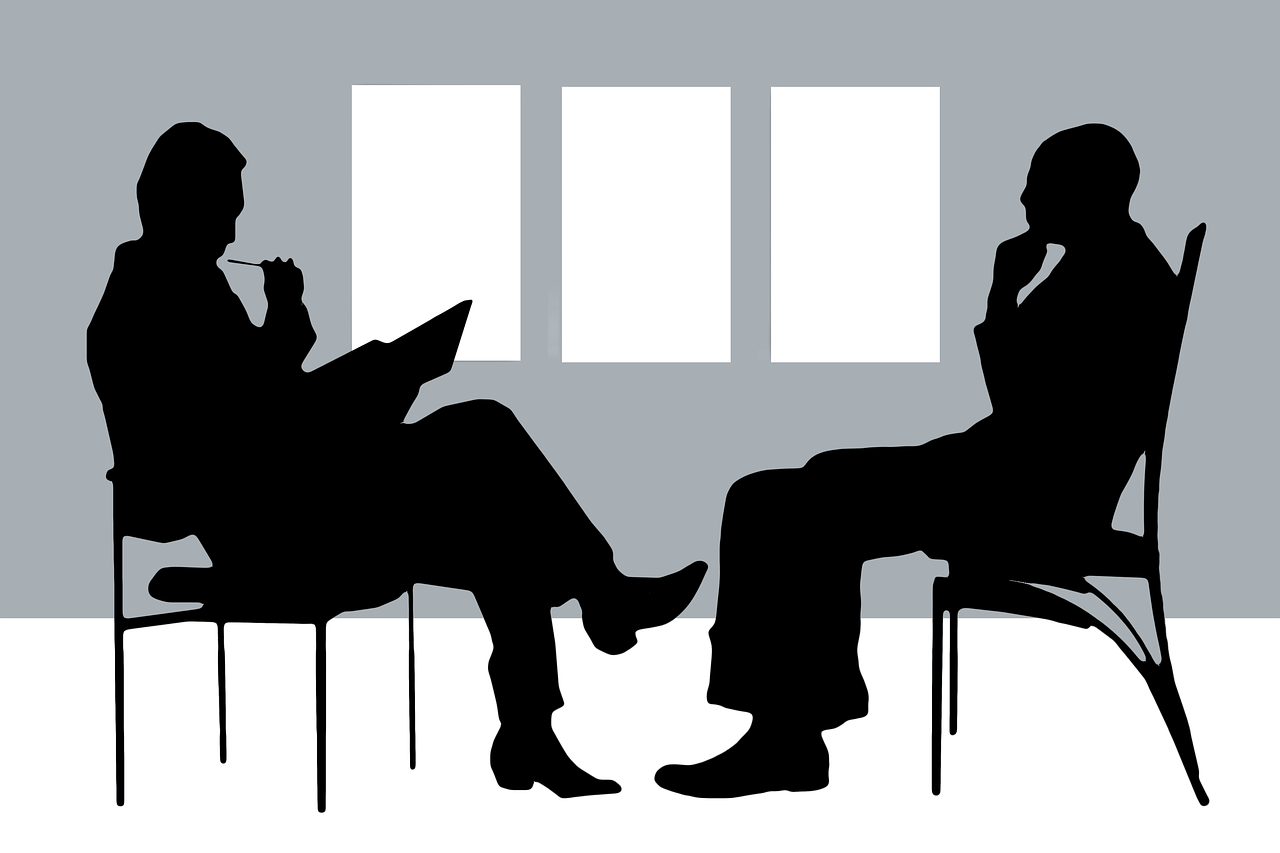
Looking for a job as a California therapist?

By David Joel Miller.

Therapist

Therapist.
Photo courtesy of Pixabay.com

Fresno County, CA is hiring for Unlicensed Mental Health Clinician
This just came across my desk. If you are wanting to work as a Mental Health Clinician and are BBS (California Board of Behavioral Sciences) registered now is the time to apply.
This recruitment is open to Marriage and Family Therapy Interns and Associate Social Workers. You must be registered with BBS or able to prove you have already submitted that application. You must apply by 1/16/15.
Oh, and you also must want to work in Fresno County, California.
At this time Clinical Counselor Interns are not included in this classification. Sorry about that. We will continue to advocate that Clinical Counselors need to be included to broaden the available providers of mental health services. One of these days I expect that to happen.
Resumes are nice but you MUST fill out the application on-line.
Go to Fresno County, Personnel Department and look under open recruitments.
Hopefully, these links will work. Best of luck.

Fresno Open Jobs

Unlicensed Mental Health Clinician Application

How to avoid confusion and misunderstandings.

By David Joel Miller, MS, Licensed Therapist & Licensed Counselor.

Avoiding confusion and misunderstandings

Avoiding confusion and misunderstandings
Photo courtesy of Pixabay.com

Do misunderstandings and confusion harm your relationships?

Misunderstandings can damage relationships at home and at work. If your life and relationships are plagued with misunderstandings, people misunderstand you or they say you misunderstand them, there are ways you can improve communications. These examples apply mostly to the office or work setting but the same principles apply at home and in your personal relationships.

Asking lots of questions reduces misunderstandings.

Rather than jumping to a conclusion based on a few statements, ask questions. Often as you get more information you will discover that the other person left out important details. They may not have been trying to lie or mislead you, they just did not know that you did not have part of the information.

When someone uses the word “hot” do they mean a warm temperature or do they mean very desirable? If they talk about plans to go somewhere do they intend to go there today or next month or after they retire?

Many misunderstandings are the result of bits of information that were left out.

Check out your understandings to avoid confusion.

When someone says we are all going, who is all? Does that include Mary? And Bob? What if Mary and Bob just broke up, does the speaker still want them both invited? Does the person you are talking with know about that break-up?

The other person may assume you know what they know or that you are thinking about the same place they are. Ever show up for a meeting and find that the person who called the meeting had a different location in mind but failed to convey that information?

Precise language makes things clearer.

Fuzzy language leads to misunderstandings. Strive to fill in the details. Things like “and stuff” and “you know what I mean” leave a lot of room for serious misunderstandings.

How big is big? If we need a lot of paper is that one ream, or 100 reams? If your partner says to not let the kids do something is that today or ever? Should you tell them no or are you expected to hold them down and stop them?

Put it down in writing to get it right.

A saying in many offices is that “if it is not down in writing than it didn’t happen.” Documenting things avoids misunderstandings. This is especially important if there is money involved or someone is doing something now and the other person will do something else later. When is later?

Successful meetings usually have minutes. Deciding who will do what works better if it is written down and everyone gets a copy of the minutes. More than once we have done that only to find that not everyone was in agreement. I thought one person was in charge and someone else thought they were in charge of that activity.

Just because I said we needed to do something did not mean that I planned to be the one to do it.

Written lists are important in your home life as well as your work one. Give kids more than one thing to do and they tend to forget the second and third things. Written chore lists help avoid forgetting.

When I am going to the store I make a written list. Otherwise, I get one ingredient but forget something else and need to make a second trip. This becomes more problematic when someone else needs to do the shopping for me.

Check back during the process to keep the communication working.

If things will take time to get accomplished it is wise to check back as the project progresses. Things change. The person who said they would do something may have gotten sick or discovered they had too many other things to do.

Checking in as things progress lets plans be adjusted. Better to change plans than to spend a lot of time at the end on whose fault it is that something did not get done or was done wrong.

Double and triple check your facts for reduced misunderstandings.

Sometimes that thing you were sure you knew turns out to not be true. Recheck dates, times, names, and costs. Get those facts right.

Sunday your family member says that there is an important meeting “next Monday” Does that mean tomorrow or a week from tomorrow. I know purists have ways of telling you the correct way to say things, but does it matter who was right when you show up for an event on the wrong day? Recheck the facts and avoid the misunderstandings.

Make your yes’s yes and no’s no.

Sometimes people say yes to acknowledge that they heard the speaker. They may be agreeing that so and so said that, but not agreeing to the truth of the statement or that they will do as requested. No may mean that the statement was not accurate rather than that they were opposed to the goal.

Do not say yes or no unless that is what you mean. When others say yes or no check what they are agreeing with or disagree with.

Don’t take things personally.

People may say things about others’ behavior. They have in mind a particular behavior and a particular person. They may not have you in mind at all.

Do not assume that people are knowledgeable about your needs or tastes.

Keep things simple.

The longer the statement the more time there is for there to be confusion and misunderstanding. Long explanations rather than making things clearer often make them harder to understand. For clearest communication use short simple sentences. Check that people are following what you say as you go.

Many misunderstandings are the result of a long conversation with few pauses which leave the listener with a different message than was intended. The less the person you are talking to knows about your topic the simpler the explanation needs to be. This is especially important in communicating with younger children and those with some emotional or mental disabilities or cognitive impairments.

Staying connected with David Joel Miller

Seven David Joel Miller Books are available now!

My newest book is now available. It was my opportunity to try on a new genre. I’ve been working on this book for several years, but now seem like the right time to publish it.

Story Bureau.

Story Bureau is a thrilling Dystopian Post-Apocalyptic adventure in the Surviving the Apocalypse series.

Baldwin struggles to survive life in a post-apocalyptic world where the government controls everything.

As society collapses and his family gets plunged into poverty, Baldwin takes a job in the capital city, working for a government agency called the Story Bureau. He discovers the Story Bureau is not a benign news outlet but a sinister government plot to manipulate society.

Bumps on the Road of Life. Whether you struggle with anxiety, depression, low motivation, or addiction, you can recover. Bumps on the Road of Life is the story of how people get off track and how to get your life out of the ditch.

Dark Family Secrets: Doris wants to get her life back, but small-town prejudice could shatter her dreams.

Casino Robbery Arthur Mitchell escapes the trauma of watching his girlfriend die. But the killers know he’s a witness and want him dead.

Planned Accidents  The second Arthur Mitchell and Plutus mystery.

Letters from the Dead: The third in the Arthur Mitchell mystery series.

What would you do if you found a letter to a detective describing a crime and you knew the writer and detective were dead, and you could be next?

Sasquatch. Three things about us, you should know. One, we have seen the past. Two, we’re trapped there. Three, I don’t know if we’ll ever get back to our own time.

For these and my upcoming books; please visit my Author Page – David Joel Miller

Want the latest blog posts as they publish? Subscribe to this blog.

For videos, see: Counselorssoapbox YouTube Video Channel

Is Rumination Chewing up your mental health?

By David Joel Miller, MS, Licensed Therapist & Licensed Counselor.

rumination

Rumination.
Photo courtesy of Pixabay.

What is Rumination and why is rumination destroying your mental wellness?

Rumination, that habit of turning things over and over in your mind, has a lot of impact on your mental health. The more we learn about rumination the more seriously we find it is affecting people’s mental health.

Various authors have suggested alternative definitions for rumination as applied to mental health. Rumination means, to me, that something is bothering you and you keep turning that thing over and over in your mind. Reynolds (2014) describes rumination as a “maladaptive form of self-reflection.”

In rumination the focus is on yourself, judging yourself and how you reacted to the event, rather than in learning from those events. For the ruminator, if things went wrong this must mean that you are bad, people treated you badly, or that this is the result of some personal weakness that will continue to hold you back.

Casey Truffo refers to this as “chewing on the thing that is eating you.” The result is that rather than finding a solution to your problem or moving forward, you stay stuck in your upset over these things.

Excess rumination has been linked to depression, anxiety, stress, and other mental illnesses.

Thinking about the past and the future can be helpful. This review of life can aid us in recognizing errors and learning from experience. It can also be part of planning for the future. What goes wrong in ruminating is that the focus shifts from the facts, this is what did or may happen, to looking at the feelings. I could not stand it if this or that happened. Or you may be saying this is too painful to bear, is not fair, and so on.

Rumination is about judging the rightness and wrongness of things. It involves beliefs that things will not be well and looking for who to blame. Most often this involves beliefs that the reason something bad happened is because you did something “wrong.” Ruminating about the future includes beliefs that you are powerless and helpless if things happen that you do not foresee and can’t control.

This pattern of ruminating on the past and certain negative possible futures seems to me to also be involved in maintaining and aggravating the adjustment and stress-related disorders. Intrusive thoughts become worse the more you focus on them. Looking for possible crises can result in being overwhelmed and living in a world full of crises.

There is a strong connection between ruminating and alcohol abuse. Ruminators are most likely to binge drink in response to their negative self-thoughts. Those who are frequent Ruminators are also more likely to have anger management problems.

Ruminating is also an aggravating factor in eating disorders and is hugely connected with non-suicidal self-injury. Rumination can damage relationships and is related to adult attachment style issues.

Dwelling on your negative thoughts, your reviewing of past failures keeps you stuck.

Rumination has been linked to negative automatic thoughts. Think negative thoughts often enough and those thoughts are practiced to the point of becoming automatic. Practice thinking that everything is wrong, awful, and horrible, and will always be that way, and you have created a negative destiny.

Rumination is that annoying advertising jingle that keeps playing in your head. Think about those negative thoughts enough and they may be stuck in there forever.

Ruminating about the past cranks up the depression feelings.

The questions most often asked by ruminators are “Why?” and “What if?” Continuing to think about why did this happen, it should not have happened, it is horrible, awful, that this happened, results in ever-increasing feelings of sadness and depression.

Ruminating about the future is a major cause of Anxiety Disorders.

Repeated thoughts of what if? Rehearsing all the possible things that could go wrong, is a good way to anxious yourself up.

The belief that you “should” ruminate, that repeatedly turning over these past experiences or future possibilities are necessary, maintains the rumination, and results in ever-increasing spirals of negative emotions. Your own belief that you need to figure this out keeps you stuck. Some things can’t be figured out or do not need to be analyzed. Dwelling on your negative thoughts, your reviewing of past failures keeps you trapped. Acceptance rather than rumination may be the best option.

Co-rumination.

Some ruminators bring others in on their rumination process. The term co-rumination has been coined to refer to times when a relationship between two people exists primarily so they can both ruminate together about each other’s problems. Spend all your time ruminating and others in your life either have to join in the negative thought game or find a way to escape the negativity. Ruminating may drive family and friends away. Those who are left will be as negative as you.

How this is like and how it is different from therapy will be a part of a future post on co-rumination.

Do you ruminate? Are you stuck on turning those thoughts of past mistakes over and over in your head? Now is the time to break the rumination cycle and start a new happy and mentally healthy life.

Staying connected with David Joel Miller

Seven David Joel Miller Books are available now!

My newest book is now available. It was my opportunity to try on a new genre. I’ve been working on this book for several years, but now seem like the right time to publish it.

Story Bureau.

Story Bureau is a thrilling Dystopian Post-Apocalyptic adventure in the Surviving the Apocalypse series.

Baldwin struggles to survive life in a post-apocalyptic world where the government controls everything.

As society collapses and his family gets plunged into poverty, Baldwin takes a job in the capital city, working for a government agency called the Story Bureau. He discovers the Story Bureau is not a benign news outlet but a sinister government plot to manipulate society.

Bumps on the Road of Life. Whether you struggle with anxiety, depression, low motivation, or addiction, you can recover. Bumps on the Road of Life is the story of how people get off track and how to get your life out of the ditch.

Dark Family Secrets: Doris wants to get her life back, but small-town prejudice could shatter her dreams.

Casino Robbery Arthur Mitchell escapes the trauma of watching his girlfriend die. But the killers know he’s a witness and want him dead.

Planned Accidents  The second Arthur Mitchell and Plutus mystery.

Letters from the Dead: The third in the Arthur Mitchell mystery series.

What would you do if you found a letter to a detective describing a crime and you knew the writer and detective were dead, and you could be next?

Sasquatch. Three things about us, you should know. One, we have seen the past. Two, we’re trapped there. Three, I don’t know if we’ll ever get back to our own time.

For these and my upcoming books; please visit my Author Page – David Joel Miller

Want the latest blog posts as they publish? Subscribe to this blog.

For videos, see: Counselorssoapbox YouTube Video Channel

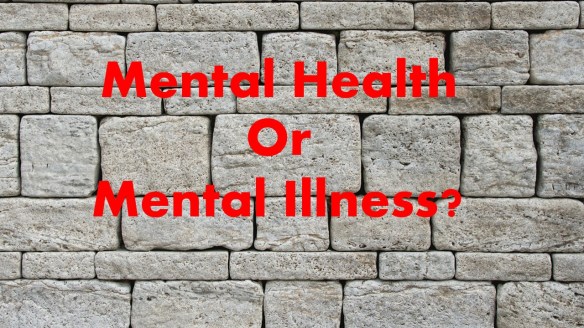
Mental Illness or Mental Health?

By David Joel Miller.

Do people have a mental illness or are they in poor mental health?

Mental Health or Mental Illness

Mental Health or Mental Illness?
Photo courtesy of Pixabay.com

The language we use influences the way we think about things. Talking about mental illness or talking about mental health is a prime example of this issue. While the two expressions turn up in much of what is currently being called “Behavioral Health” literature the implication embedded in these two terms influences what we expect and how we react to the people being referred to.

The mental illness paradigm.

The older, traditional way of looking at the subject of mental illness was to assume that there were two types of people – the “normal” folk and then those other “mentally ill” people.

One implication of this concept was that people with a mental illness were not able to do things other people could do. The result was programs and policies that assumed those with a diagnosed mental illness would need lifetime help to manage their lives.

There was a time when those with a mental illness were lumped together with those who had significantly lower I.Q., once called the “mentally retarded” or “developmentally delayed.”

If we think in terms of mental issues being a disease or disorder then the first line of treatment as with physical illnesses should be medication and surgery, the standard treatments of choice for physical illnesses and conditions.

Despite over half a century of treating mental illness with medication and surgery the number of people who are diagnosed with a mental illness continues to rise. Fewer seem to be getting cured but everyone now gets diagnosed.

The Mental Health option.

If we think in terms of mental health, then many other things follow. Many of the things we have been referring to as mental illnesses become a matter of degree rather than an illness that you have or do not have.

Something bad happens to you, you lose a family member or a job, you become sad, a normal human emotion, then eventually you should get over sadness no treatment needed. Should you become too sad or the sadness persists too long then the label and the corresponding treatment would change.

Sadness or grief becomes Major Depressive Disorder when it gets out of hand.

Another example – Anxiety.

We have a range of Anxiety disorders. Now anxiety is a close cousin to afraid or scared. So if people are shooting at you I think you should be scared and duck behind something. That scared, anxious, avoidance of things may save your life.

But should that anxiety begin to get out of control, every time you hear a car door slam or see someone on the street, if you become too anxious to leave your house, that is a problem.

Clearly, most of the things professionals diagnose as an anxiety disorder are much more severe than the things we consider normal but it is easy to see how the two overlap.

Wellness and recovery.

The concepts of wellness and recovery have challenged the way we think about this issue. If we allow that people can move back and forth on the continuum of mental health then there would be times when a particular person was mentally ill and other times when they were in better mental health.

Rather than thinking exclusively in terms of mental illness and diseases, we should be thinking about mental health as similar to physical health. There are times we are in better health than at other times. Someone could have “poor mental health” and be in need of prevention or restorative services long before they reached the point of what we have been calling a mental illness.

The Mental Illness Violence dilemma.

The news has been full of accounts of people who became violent and harmed others. The common discussion revolves around whether they were “mentally ill” and why no one had detected their illness beforehand and prevented that violence.

What if that person had been in poor mental health for some time and then eventually their mental health deteriorated to the point it could have been diagnosed as what we are currently calling a mental illness?

Could an intervention have been conducted while this person was in the pre-mental-illness stage that would have prevented their condition from deteriorating to a mental and a behavioral issue?

If the mentally ill are somehow different from the normal people then no, no prevention is possible but if there is such a thing as mental health that gets better and then gets worse and then better again there are things that can be done to prevent relapses into active mental illness.

We have had that violence – mental illness connection wrong.

A little more on the mental illness violence connection. Those with a mental illness are far more likely to be the victim of a crime rather than the perpetrator.

Most of those workplace and school shootings? Those were often the result of someone who appeared normal or close to it until they were fired from their job, served with divorce papers, or found out their partner was cheating on them.

Remember, as reprehensible as it is that even one child died in a school shooting, each year for every child who dies in a school shooting, from ten to twenty children are shot at home by a biological parent who then shoots themselves.

Rather than having had a long-term diagnosable mental illness, I believe there is good evidence that many of these violent incidents were the inability of this person to cope with an identifiable stressor. Their problem was not a long-term severe mental illness but their inability to cope with stress that pushed them into a poor mental health state.

Many have suggested that the mental illness is just the way they are not to blame them for their having a disorder. I agree that they are not to blame for having gotten a mental illness. I doubt that anyone chooses to be sick mentally or physically.  That does not mean that the mentally ill have no hope and need to resign themselves to always being too sick to function. Recovery can happen. We see it happen every day.

Throughout the year I want to talk more about some of the tools that can be used to keep yourself mentally healthy and to reduce the impact of illness when it does occur.

Staying connected with David Joel Miller

Seven David Joel Miller Books are available now!

My newest book is now available. It was my opportunity to try on a new genre. I’ve been working on this book for several years, but now seem like the right time to publish it.

Story Bureau.

Story Bureau is a thrilling Dystopian Post-Apocalyptic adventure in the Surviving the Apocalypse series.

Baldwin struggles to survive life in a post-apocalyptic world where the government controls everything.

As society collapses and his family gets plunged into poverty, Baldwin takes a job in the capital city, working for a government agency called the Story Bureau. He discovers the Story Bureau is not a benign news outlet but a sinister government plot to manipulate society.

Bumps on the Road of Life. Whether you struggle with anxiety, depression, low motivation, or addiction, you can recover. Bumps on the Road of Life is the story of how people get off track and how to get your life out of the ditch.

Dark Family Secrets: Doris wants to get her life back, but small-town prejudice could shatter her dreams.

Casino Robbery Arthur Mitchell escapes the trauma of watching his girlfriend die. But the killers know he’s a witness and want him dead.

Planned Accidents  The second Arthur Mitchell and Plutus mystery.

Letters from the Dead: The third in the Arthur Mitchell mystery series.

What would you do if you found a letter to a detective describing a crime and you knew the writer and detective were dead, and you could be next?

Sasquatch. Three things about us, you should know. One, we have seen the past. Two, we’re trapped there. Three, I don’t know if we’ll ever get back to our own time.

For these and my upcoming books; please visit my Author Page – David Joel Miller

Want the latest blog posts as they publish? Subscribe to this blog.

For videos, see: Counselorssoapbox YouTube Video Channel
Alexithymia and the Feelings Palette.

By David Joel Miller, MS, Licensed Therapist & Licensed Counselor.

Managing feelings.
Photo courtesy of Pixabay.com

Your feelings palette – What feelings paint your life?

Most of us are familiar with the pallets artists use to hold and mix their paints when doing a painting or other artwork. The more colors on the palette the more opportunities the artist has to create an inspiring work of art.

Palettes are also defined as “a range of qualities in a non-visual art.” There are palettes for your taste buds and palettes to decorate the house. Designers use palettes of fabric or of looks and textures to make the things they design more appealing.

What we forget about, all too often, are those other pallets that get used to make life a better place, those feelings pallets you use to make that life within a place.

Alexithymia

Difficulty feeling what we are feeling and struggles to describe what you are feeling is sometimes referred to as Alexithymia. The simplest description of this condition is “I ain’t got a word to describe how I feel.”

Alexithymia is not technically a diagnosable disorder, despite the huge number of people who have this problem. People with trouble recognizing what they feel and then a vocabulary that allows them to describe that feeling fall on a continuum from very mild to extremely severe. Using tests specific for Alexithymia the best estimate is that ten percent of the U. S. population may have a severe form of this condition.

Alexithymia and Mental Illness.

Alexithymia overlaps certain mental health disorders and people with those conditions are more likely to have Alexithymia and the resulting difficulty identifying, naming, and working with feelings. Those with an Autism Spectrum disorder are more likely to show symptoms of what might be called Alexithymia.

Alexithymia also overlaps depression and anxiety and the more depressed or the more anxious someone is the harder it may be for them to recognize feelings. Disorders that cause numbing as in the Stress disorders, PTSD and Acute Stress disorders and dissociation can also have features of Alexithymia. Alexithymia has also been reported in those with an eating disorder.

People who have difficulty recognizing and naming feelings when they feel them also have difficulty in recognizing what others around them feel and may be perceived as uncaring and unfeeling.

There is a difference between not recognizing that you are feeling and the ability to name or describe a feeling. Some people know they are feeling something they just do not have the feelings vocabulary to describe to themselves and others what it is they are feeling.

Many men were socialized to have this condition. There was a time when feelings were suspect and people tried very hard to never ever have feelings. This resulted in a lack of learning about feelings and an inability to recognize what you feel and how to respond appropriately.

If the only feelings you have are “Good, Bad, and ANGRY” you will be angry a lot. You also may have difficulty recognizing what makes you feel “good or bad” and how to regulate your emotions.

Learning to recognize feelings when you have them and learning to develop the skills to increase or decrease feelings when you need and want to, is an important part of anger management training.

How can you learn to control your anger if you do not recognize when you are or are becoming angry?

Learning about feelings.

Learning to recognize and identify feelings is a part of most counselor training programs. To date I have written about 60 posts on various feelings and emotions which you will find under:

Emotions and Feelings

Posts on Anger and Anger Management are at:

Anger Management

I think one reason feelings are so troubling to so many people is that if you do not know anything about feelings you have a hard time recognizing them. This goes for all kinds of other things as well. How can you find something if you don’t know what it looks like?

I wrote about this in a post about the “expert effect” which you will find at:

Expert effects Memory and the Purple Glass.

Periodically this year I would like to publish some posts on various feelings in the cause of “Emotionally Literacy” an effort to improve people’s ability to recognize feelings and make them your friends.

I hope you will all join me in these discussions.

Staying connected with David Joel Miller

Seven David Joel Miller Books are available now!

My newest book is now available. It was my opportunity to try on a new genre. I’ve been working on this book for several years, but now seem like the right time to publish it.

Story Bureau.

Story Bureau is a thrilling Dystopian Post-Apocalyptic adventure in the Surviving the Apocalypse series.

Baldwin struggles to survive life in a post-apocalyptic world where the government controls everything.

As society collapses and his family gets plunged into poverty, Baldwin takes a job in the capital city, working for a government agency called the Story Bureau. He discovers the Story Bureau is not a benign news outlet but a sinister government plot to manipulate society.

Bumps on the Road of Life. Whether you struggle with anxiety, depression, low motivation, or addiction, you can recover. Bumps on the Road of Life is the story of how people get off track and how to get your life out of the ditch.

Dark Family Secrets: Doris wants to get her life back, but small-town prejudice could shatter her dreams.

Casino Robbery Arthur Mitchell escapes the trauma of watching his girlfriend die. But the killers know he’s a witness and want him dead.

Planned Accidents  The second Arthur Mitchell and Plutus mystery.

Letters from the Dead: The third in the Arthur Mitchell mystery series.

What would you do if you found a letter to a detective describing a crime and you knew the writer and detective were dead, and you could be next?

Sasquatch. Three things about us, you should know. One, we have seen the past. Two, we’re trapped there. Three, I don’t know if we’ll ever get back to our own time.

For these and my upcoming books; please visit my Author Page – David Joel Miller

Want the latest blog posts as they publish? Subscribe to this blog.

For videos, see: Counselorssoapbox YouTube Video Channel