
How are children’s substance abuse problems different from adult addiction?

By David Joel Miller, MS, Licensed Therapist & Licensed Counselor.
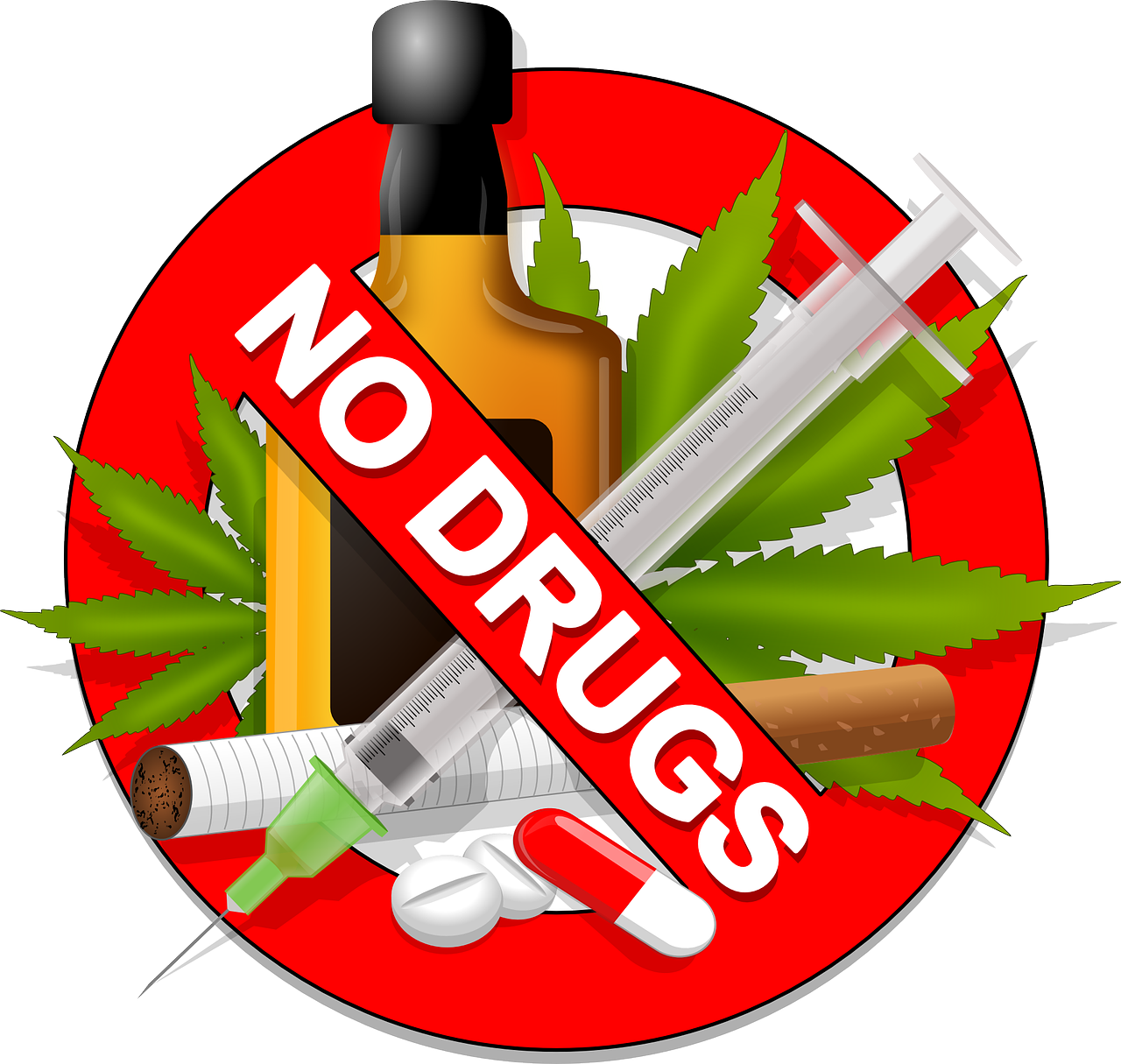
sign

No Drugs.
Photo courtesy of Pixabay.com

There are some differences between the substance abuse issues in children from those in adults, but they may be less than we used to think.

There are a lot of people who continue to think of substance abuse, addiction in particular, as an adult disease. That would be way wrong.

Most adults with a substance use disorder began their use at a young age. Seventy-five percent of all disorders, mental health, and substance use, begin before age 24. Half start before age 14.

Kids are getting into drugs and alcohol abuse earlier than most adults realize.

Larger treatment facilities will tell you about children as young as 5 that already are developing signs of alcoholism. Children frequently report that their drug use began as early as age 8.

That’s right folks, as soon as the end of the third grade we are already able to identify children at risk to develop an addiction, going to prison, or both.

Are there “Gateway drugs?”

There used to be much discussion of so-called “gateway drugs.” The idea was that up till you tried the gateway drug you were not at risk of becoming addicted. Once you take the gateway drug you are on the path to addiction. The drug that got blamed the most as a “gateway drug” was marijuana. While I think letting your third or fourth grader smoke some of your “medical marijuana” is a way bad idea, it has turned out that for most adult addicts that was not the gateway drug.

One reason that marijuana was implicated was that it was illegal. That meant that to procure marijuana in the first place you had to be breaking the law. Someone who was selling marijuana illegally and risking jail might also be selling other “harder” drugs. Breaking society’s rules on substance use is a bad direction to start out on, but there is more to the story than that.

For most children, the gateway drugs have been cigarettes and alcohol. Consider the cost to society of a child who starts smoking at an early age. There is good evidence to show that after trying that first cigarette if the child lights up a second one they are going to be smokers for life.

Look around any homeless encampment, any old-time A.A. or N.A. meeting or the public hospital emergency room and you will find a lot of smokers. Nicotine has been reported as more addicting than heroin. I have heard people in recovery from drug addiction say that it was harder for many of them to kick cigarettes than to kick the heroin.

Alcohol is also a severe problem for children.

The younger they start drinking the larger the risk. Some people have argued that there are places in Europe where children begin drinking at a young age and do not develop any higher rate of alcoholism than we do with a legal drinking age of 21. The biggest difference is that in those cultures children learn to drink a small amount with meals and as part of a social occasion.

Here in America, the tradition is that when you drink – drink all you can. These drinking occasions are times when a bunch of people are out to “party” and alcohol is a large part of that. The result is that children, teens, in particular, learn to drink heavily and to drink to get drunk. You do not take your grandparents to the party with you.

Drinking to get drunk, binge drinking is, of course, the riskiest way to drink.

Younger substance abusers go for cheap or easy to get substances. They are more likely to sniff paint or glue. They are also less likely to understand how risky a substance is; hence they go for synthetic drugs because they can get them without breaking a law. What they miss is that these drugs are “not for human consumption” for good reason. Some of these synthetic drugs can cause permanent brain damage.

Back to that gateway argument. It appears that it is not the fact that a drug is illegal, as in the status of marijuana in the past, but the fact that it is “illicit” that the child is sneaking to do something they are not supposed to do, that predisposes them to greater risks down the road.

One thing we miss is the relationship between substance abuse and crime. This is not solely the rule for adults. Children of any age who drink or do other drugs are more likely to do other crimes, behave in anti-social ways, and get into trouble.

One report said that on the order of 80% of all those in prison here in California were drunk or high in the 24 hours before they did their crime.

There is no doubt that being under the influence disinhibits you. Drug use also means you need money and that may lead children to do crimes to pay for their drug and alcohol activities. It is hard to keep asking mom for drug money unless she is also in the drug game.

Drinking and drug use may look different in youngsters than in their older compatriots but addiction and alcoholism start in the young and just keep getting worse.

As a colleague of mine keeps reminding us – any drug use by an eight-year-old is a problem.

Staying connected with David Joel Miller

Seven David Joel Miller Books are available now!

My newest book is now available. It was my opportunity to try on a new genre. I’ve been working on this book for several years, but now seem like the right time to publish it.

Story Bureau.

Story Bureau is a thrilling Dystopian Post-Apocalyptic adventure in the Surviving the Apocalypse series.

Baldwin struggles to survive life in a post-apocalyptic world where the government controls everything.

As society collapses and his family gets plunged into poverty, Baldwin takes a job in the capital city, working for a government agency called the Story Bureau. He discovers the Story Bureau is not a benign news outlet but a sinister government plot to manipulate society.

Bumps on the Road of Life. Whether you struggle with anxiety, depression, low motivation, or addiction, you can recover. Bumps on the Road of Life is the story of how people get off track and how to get your life out of the ditch.

Dark Family Secrets: Doris wants to get her life back, but small-town prejudice could shatter her dreams.

Casino Robbery Arthur Mitchell escapes the trauma of watching his girlfriend die. But the killers know he’s a witness and want him dead.

Planned Accidents  The second Arthur Mitchell and Plutus mystery.

Letters from the Dead: The third in the Arthur Mitchell mystery series.

What would you do if you found a letter to a detective describing a crime and you knew the writer and detective were dead, and you could be next?

Sasquatch. Three things about us, you should know. One, we have seen the past. Two, we’re trapped there. Three, I don’t know if we’ll ever get back to our own time.

For these and my upcoming books; please visit my Author Page – David Joel Miller

Want the latest blog posts as they publish? Subscribe to this blog.

For videos, see: Counselorssoapbox YouTube Video Channel
First night of Drug and Alcohol Classes

By David Joel Miller.

Drugs.

Do drugs cause mania.
Photo courtesy of Pixabay.

Tonight is the first night of classes here at FCC.

One activity in my busy schedule that I thoroughly enjoy is the opportunity to teach Substance Abuse Counseling classes at Fresno City College.

The program here is accredited by the California Association of Drug and Alcohol Educators (CAADE) and leads students towards becoming registered and then certified drug and alcohol counselors.

The program includes 36-semester units of classes in Drug and Alcohol use disorders, recovery, and the work of counselors and social workers. A few students from the 4-year college show up in these classes because this program contains more information about Substance Use Disorders than most Masters or Ph.D. programs.

We see students in this class who want to be drug and alcohol counselors. There are often also social work majors, nursing students, criminal justice majors, and a smattering of people who are in early recovery and know they need more information on Substance Use Disorders to be able to decide what career is right for them.

All these majors are welcome. I try to emphasize that first night that no matter where they work there is a strong possibility that they will encounter people with substance use disorders. They will also if they see substance abusers see mixed in with those clients a lot of people who have emotional or mental health issues.

For those of you, who are not able to take classes of this nature, consider some reading on the topic of substance use disorders, (The A.A. big book is a good place to start.) Also, consider taking a Mental Health First Aid (MHFA) class if one is offered in your area. If there is not one close to you, encourage your local officials to get an MHFA training scheduled for your locale.

Teaching, while enjoyable takes a bit out of my time so the posts may come a little farther apart and the replies to your questions and comments will take a little longer but know that I values all your input and will get back to you all as quickly as I can.

  • Are you a Functional Alcoholic? Do you know someone with an Alcohol Use Disorder? (counselorssoapbox.com)
  • How to control your drinking (counselorssoapbox.com)

    Staying connected with David Joel Miller

    Seven David Joel Miller Books are available now!

    My newest book is now available. It was my opportunity to try on a new genre. I’ve been working on this book for several years, but now seem like the right time to publish it.

    Story Bureau.

    Story Bureau is a thrilling Dystopian Post-Apocalyptic adventure in the Surviving the Apocalypse series.

    Baldwin struggles to survive life in a post-apocalyptic world where the government controls everything.

    As society collapses and his family gets plunged into poverty, Baldwin takes a job in the capital city, working for a government agency called the Story Bureau. He discovers the Story Bureau is not a benign news outlet but a sinister government plot to manipulate society.

    Bumps on the Road of Life. Whether you struggle with anxiety, depression, low motivation, or addiction, you can recover. Bumps on the Road of Life is the story of how people get off track and how to get your life out of the ditch.

    Dark Family Secrets: Doris wants to get her life back, but small-town prejudice could shatter her dreams.

    Casino Robbery Arthur Mitchell escapes the trauma of watching his girlfriend die. But the killers know he’s a witness and want him dead.

    Planned Accidents  The second Arthur Mitchell and Plutus mystery.

    Letters from the Dead: The third in the Arthur Mitchell mystery series.

    What would you do if you found a letter to a detective describing a crime and you knew the writer and detective were dead, and you could be next?

    Sasquatch. Three things about us, you should know. One, we have seen the past. Two, we’re trapped there. Three, I don’t know if we’ll ever get back to our own time.

    For these and my upcoming books; please visit my Author Page – David Joel Miller

    Want the latest blog posts as they publish? Subscribe to this blog.

    For videos, see: Counselorssoapbox YouTube Video Channel
Pick your grandmas wisely – their life affects your feelings

By David Joel Miller, MS, Licensed Therapist & Licensed Counselor.

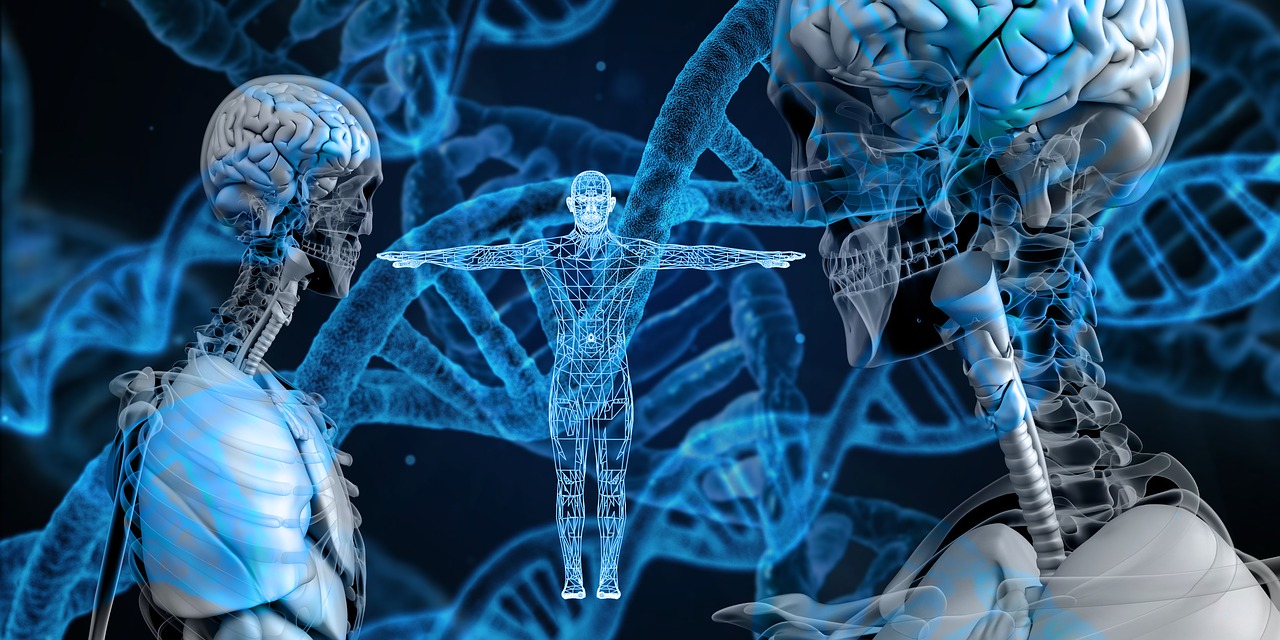
Grandma’s DNA may be affecting you.
Photo courtesy of Pixabay.com

What happened to grandma is affecting your life today.

Not just grandma but great-grandma has an effect on your feelings, even if you never met them, or so we are told. The more we learn about genetics and environment the more complicated it all gets.

We used to think that genes were genes and experiences; well that was what happened to you.  There has been a lot of research on which causes what. Do genes cause addiction and mental illness or do experiences sometimes described as the environment?

We have started to think that genes and experiences are both factors, risk factors for developing an addiction or mental illness. A risk factor does not mean you get the disorder, but it increases your susceptibility. We thought that genes and experiences were separate things.

What if grandma’s experiences became part of her genes?

For a long time, we thought that was not possible, now there is evidence that this may be what has and is happening.

Genes were seen as the blueprint for the way your body and your nervous system would develop. There might be variations, pigmentation for instance; one color was dominant and the other recessive so you get one-half of your genetic material from each parent. Two dominant genes or one dominant and one recessive and you still look like you have the dominant color. Two recessives and you win the different color prize. (In Humans most colors, eyes, hair etc. are the result of multiple genes so it is also more complicated than just dominant and recessive.)

We know environment can affect genes. No matter what your genes say if your grandmother grew up in a time of famine her growth was stunted. We see this in recent immigrants here in the U. S. Grandma is short but her children get more food both before and after birth and they are taller.

So after two or three generations, this family should all be reaching full height. Why then does succeeding generations keep getting taller?

Could grandma’s experience of living through starvation also alter her genes so that for a number of generations her children grow up shorter? Eventually, as time progresses that gene could change back to the full stature that was a potential in the genes but eventually that should stop.

That may not be what is happening genetically.

We were looking at genes as if they were blueprints. Not enough lumber and the house gets built smaller but the blueprints still call for a full-size house. Bringing in more lumber and the next house should match the blueprint. But what if that lack of lumber resulted in a change in the blueprint?

A new field of research, one name for this is Epigenetics, looks at how the way a gene gets expressed, the house is built, in my example, based on the experiences of the parents.

Epigenetics tells us that genes are not constant. They can turn on and off.  So that gene for black hair, that shuts off at some point and the gene begins to produce gray or even white hair. Same person, same genetics, but different hair color.

Research in mice, this is just  beginning to be replicated in human studies, found that in addition to genes and DNA there are other chemicals that can hook onto the gene and then when that gene gets reproduced the add-on gets copied also.

One of these add-ons is a methyl group. So if grandma was traumatized, raped or lived through a violent war. Her DNA could have picked up some extra molecules that shut off those outgoing genes. The result would be that as a result of grandma’s experiences your DNA is changed.

Remember that methyl stuck on is not adding to or changing your DNA, it is preventing some of that DNA from expressing itself. Depending on which part of your DNA it is stuck to, this could be a good thing or a bad thing.

Say your great-grandmother dies when your grandmother was very young. Great-grandfather tried but he was just not able to be affectionate the way great-grandmother would have been. The result is grandma had trouble feeling affection towards your mother.  You mother with a non-affectionate mother would find it hard to show a lot of affection to you.

Some women report that they have difficulty feeling love or nurturing towards their children. Yes they could have learned this but even when they were adopted by a loving adoptive mom these women may as a result of their extra methyl group hooked onto their DNA find it hard to nurture their children.

Now if this concept holds up through more research this may explain how ancestor’s experiences have altered the way our DNA develops and the resulting impact on our mental and emotional health.

My takeaway from this is that while this may explain some things about why we are the way we are this also means that if we learn new things if we have positive experiences our children and grandchildren can be affected by their genes in a very different way. This suggests to me that we need to spend a lot more time on treatment for depressed or anxious children before they have children of their own if we want to have an impact on mental health.

There is a lot of research going on now on mutations in genes. There are a lot more mutations going on than previously thought. But even if a particular mutation increases the risk of a mental illness, what if some early life experiences could counteract that gene and produce a different emotional result?

Let’s hope that it will be possible to help more people as time goes along. For more on this subject check out the article in Discovery Magazine for May 13, 2013, titled “Grandmas Experiences Leave a Mark on Your Genes. 

Staying connected with David Joel Miller

Seven David Joel Miller Books are available now!

My newest book is now available. It was my opportunity to try on a new genre. I’ve been working on this book for several years, but now seem like the right time to publish it.

Story Bureau.

Story Bureau is a thrilling Dystopian Post-Apocalyptic adventure in the Surviving the Apocalypse series.

Baldwin struggles to survive life in a post-apocalyptic world where the government controls everything.

As society collapses and his family gets plunged into poverty, Baldwin takes a job in the capital city, working for a government agency called the Story Bureau. He discovers the Story Bureau is not a benign news outlet but a sinister government plot to manipulate society.

Bumps on the Road of Life. Whether you struggle with anxiety, depression, low motivation, or addiction, you can recover. Bumps on the Road of Life is the story of how people get off track and how to get your life out of the ditch.

Dark Family Secrets: Doris wants to get her life back, but small-town prejudice could shatter her dreams.

Casino Robbery Arthur Mitchell escapes the trauma of watching his girlfriend die. But the killers know he’s a witness and want him dead.

Planned Accidents  The second Arthur Mitchell and Plutus mystery.

Letters from the Dead: The third in the Arthur Mitchell mystery series.

What would you do if you found a letter to a detective describing a crime and you knew the writer and detective were dead, and you could be next?

Sasquatch. Three things about us, you should know. One, we have seen the past. Two, we’re trapped there. Three, I don’t know if we’ll ever get back to our own time.

For these and my upcoming books; please visit my Author Page – David Joel Miller

Want the latest blog posts as they publish? Subscribe to this blog.

For videos, see: Counselorssoapbox YouTube Video Channel
How is youth mental health treatment different from adults?

By David Joel Miller, MS, Licensed Therapist & Licensed Counselor.

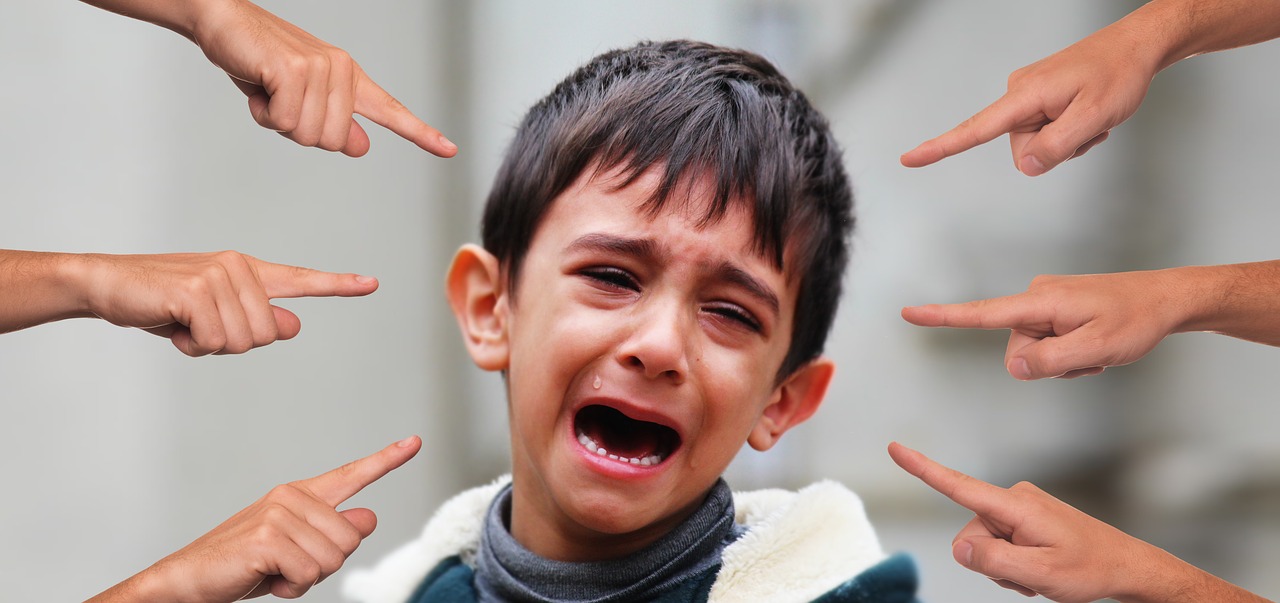
Crying child

Youth mental health.
Photo courtesy of Pixabay.com

What are the differences between youth and adult mental health treatment?

There are differences in the way a counselor might work with a child and how they might work with an adult. How to “treat” a mental health problem is a complicated subject. It needs several books to fully describe this, but let me focus here on just a few things that may influence how a professional might try to help with an emotional problem in a child.

The way a counselor works with clients is sometimes referred to as our “theoretical orientation.” How I see your issue determines how I might try to help you. I can’t speak for therapists of other theoretical orientations but I would describe my approach as largely Cognitive Behavioral Therapy, that with a dash of learning theory and occasionally a pinch of narrative therapy.

This stuff is largely “skills-based.” I figure that the client is trying the best they can but that there are things they may not know and if they knew them they could do better. I could try to tell them, sometimes that works but mostly they need some help it trying on new behaviors and seeing what works for them and what does not.

Lots of people have “stories” they tell themselves about them. By story I do not mean that this is either true or false, it just is the way that person explains themselves and their life.

That story might sound like “I am such a loser.” Or “I can’t do anything right.” Kids get one thing wrong and they may start saying that they are a failure. See how having a single story that describes you rather than the thing you were not able to do could color your life experiences?

So adults have more experiences in life and may have more ways of thinking of new stories for their life than a younger person. What I am saying is that I would try as much as possible to tailor my approach to the individual, not some specific category or label.

In career counseling, the approach would be very different in working with a person who had worked at lots of jobs and was just downsized than it might be with a client who was very young and had never had a job.

What are some considerations in creating a treatment for a specific client?

Age is only a small part of the picture.

I would want to know in addition to the client’s age something’s about their abilities and their life experiences. Age, I.Q, and developmental stages are all in the mix. So might things like learning disabilities, intellectual disabilities, and other developmental issues.

The approach for someone who has a form of Autism Spectrum Disorder might be different from a younger person who had a less severe challenge. The key, for me, is really getting to know the person and match my efforts to them rather than memorize a particular formula for a given age, I.Q. or disorder.  Here are some things a therapist might do as the child moves through the lifespan and becomes a young adult, a mature adult, and evenly an older adult.

1. Activities build relationships.

With adults, it is often possible to sit down and have a talk with them. The younger the child, the more the anxiety or the more “inside themselves” they are the more we need to work on forming a relationship.

One way to create that relationship is to do things with the client. (Yes even with a five-year-old I think of this person as a “client.”) How would I have wanted to be approached when I was that age? If I can’t remember ever being that age, I take a guess at what that might have been.

So the counselor might play a game, not to waste time but to get the client to feel comfortable. Even with very adult clients, I find they will say more about their lives when we are doing something than when they are sitting in a chair and I am cross-examining them.

2. Pictures versus words in therapy.

Very young people and some adults are better at seeing than describing, they just do not have the words to tell me their story. I ask them to draw me a picture. A rainbow tells me one thing and a tornado-like creature in black and red tells a very different story.

3. Skills training is important.

You need to practice skills if you want them to be there when you need them. Adults practice golf swings. Younger people may need to practice introducing themselves, making friends, and sharing appropriately. A whole lot of people tell me right up front they have an “anger management problem” they do not seem to understand that managing anger is a skill like most other things in life and you can learn that skill.

The younger or more impaired the person the more they need help in learning appropriate skills.

4. Involvement of your support system makes a difference.

With children or youths, I like to know the involvement of the support system. The more people on your side the better your chances. Some people have a parent or caregiver that can help the client through things. Other young clients have no one on their side.

Sometimes I am working on helping the caregiver to learn to help the youth and other times I am helping the client learn how to cope with their less-than-perfect caregiver.

There are a whole lot of specialized treatments for all sorts of mental, emotional, and behavioral problems that a child may experience. This post has not even begun to look at all those possibilities but I hope it has given you some small idea of the ways in which a professional counselor might be able to help a child or their caregiver through a child’s emotional problems.

If you work with children consider taking the Youth Mental Health First Aid training when it is offered in your area.

Staying connected with David Joel Miller

Seven David Joel Miller Books are available now!

My newest book is now available. It was my opportunity to try on a new genre. I’ve been working on this book for several years, but now seem like the right time to publish it.

Story Bureau.

Story Bureau is a thrilling Dystopian Post-Apocalyptic adventure in the Surviving the Apocalypse series.

Baldwin struggles to survive life in a post-apocalyptic world where the government controls everything.

As society collapses and his family gets plunged into poverty, Baldwin takes a job in the capital city, working for a government agency called the Story Bureau. He discovers the Story Bureau is not a benign news outlet but a sinister government plot to manipulate society.

Bumps on the Road of Life. Whether you struggle with anxiety, depression, low motivation, or addiction, you can recover. Bumps on the Road of Life is the story of how people get off track and how to get your life out of the ditch.

Dark Family Secrets: Doris wants to get her life back, but small-town prejudice could shatter her dreams.

Casino Robbery Arthur Mitchell escapes the trauma of watching his girlfriend die. But the killers know he’s a witness and want him dead.

Planned Accidents  The second Arthur Mitchell and Plutus mystery.

Letters from the Dead: The third in the Arthur Mitchell mystery series.

What would you do if you found a letter to a detective describing a crime and you knew the writer and detective were dead, and you could be next?

Sasquatch. Three things about us, you should know. One, we have seen the past. Two, we’re trapped there. Three, I don’t know if we’ll ever get back to our own time.

For these and my upcoming books; please visit my Author Page – David Joel Miller

Want the latest blog posts as they publish? Subscribe to this blog.

For videos, see: Counselorssoapbox YouTube Video Channel

Are the mental health problems in children different?

By David Joel Miller, MS, Licensed Therapist & Licensed Counselor.

Crying child

Youth mental health.
Photo courtesy of Pixabay.com

Age impacts mental health.

A reader asked “You keep mentioning children in your posts, how are their problems like or different from adult mental illness?

There are some differences between the issues children have and adults, but my experiences tell me that there are a lot of similarities.

We used to have a separate section for “Disorders usually first diagnosed in Infancy, Childhood, and Adolescence, in the DSM-4. In the DSM-5 those disorders get moved around. One problem with the old approach was that many clinicians missed the “Usually” part. We tended to think of these problems as something children get and adult problems as something only adults got.

That just is not so.

Some of these early-onset problems get missed or continue to plague people throughout their lives. Stress-related issues are a good example of this. Reactive Attachment Disorder may be easy to see in a small child but the after-effects can result in a bunch of problems that in adults we usually call by other names.

Just like the child develops, the mental health problems of that child may develop and change with time.

Also, it is very possible for children to develop problems that we used to think were only the providence of adults. Remember that “Happy childhood” myth. There must have been a few people with happy childhoods but there were a lot of people who did not get their ration of that one.

So children can and do suffer from depression, anxiety, stress, trauma, and a host of other adult looking problems.

We currently believe, I think for good reason, that the earlier in life we recognize some of these problems and treat them the better the chance that the person will not grow up to have a severe emotional disorder. That treatment, by the way, need not be medication or prolonged therapy.

Lots of other things can help these children. Anger Management and Parenting classes for unprepared parents also help. So do supportive environments like quality preschool or even grandparents or other supportive adults.

A disclaimer here – my perspective on working with children may be a bit different from other clinicians. My work with children has been largely in crisis settings, these kids were brought in because they said they were suicidal or they were way out of control. The other groups of children I worked with were substance abusing or those brought in for an assessment because someone believed this child has a serious emotional problem or a serious mental illness.

My experiences were with a group of children that may be more seriously affected by society’s problems. As a result, some childhood problems were probably not represented and others were way over-represented.

The problems that bring children to the attention of professionals change as they get older. The 3-year-old who is not talking is a way different problem than a 17-year-old girl who has been abusing drugs and is now suicidal because she found out she is pregnant by her 24-year-old boyfriend.

Both may have been the victims of abuse or neglect, so these very different “symptoms” may stem from the same or similar roots.

As a child gets older the way we should be assessing and the way we treat this “child’s” issues should get more and more like the way we treat adults. Mental health has had problems here for years as I see it. Some clinicians continue to treat adult clients as if they were mentally retarded or little kids.

One day you are 17 and you get the “now little girl” treatment and the next day you are 18 and you get the “grow up” lecture.

One other thing to consider when talking about the difference between adults and youth mental health issues is how to tell the difference between normal adolescent issues and those problems that could be the beginnings of a serious mental health issue. Just being a teen is, in and of itself, not a diagnosis.

Recently I attended a training to get certified as a Youth Mental Health First Aid trainer. I can’t begin to cover all that info here. If the issue of how to recognize mental health problems in young people interests you, you might want to check out that training.

The question about how the treatment approaches may differ between a young person with a disorder and a person who has accumulated more years, presumably an adult, that topic needs a whole other post.

Till next time, David Miller, LMFT, LPCC

Staying connected with David Joel Miller

Seven David Joel Miller Books are available now!

My newest book is now available. It was my opportunity to try on a new genre. I’ve been working on this book for several years, but now seem like the right time to publish it.

Story Bureau.

Story Bureau is a thrilling Dystopian Post-Apocalyptic adventure in the Surviving the Apocalypse series.

Baldwin struggles to survive life in a post-apocalyptic world where the government controls everything.

As society collapses and his family gets plunged into poverty, Baldwin takes a job in the capital city, working for a government agency called the Story Bureau. He discovers the Story Bureau is not a benign news outlet but a sinister government plot to manipulate society.

Bumps on the Road of Life. Whether you struggle with anxiety, depression, low motivation, or addiction, you can recover. Bumps on the Road of Life is the story of how people get off track and how to get your life out of the ditch.

Dark Family Secrets: Doris wants to get her life back, but small-town prejudice could shatter her dreams.

Casino Robbery Arthur Mitchell escapes the trauma of watching his girlfriend die. But the killers know he’s a witness and want him dead.

Planned Accidents  The second Arthur Mitchell and Plutus mystery.

Letters from the Dead: The third in the Arthur Mitchell mystery series.

What would you do if you found a letter to a detective describing a crime and you knew the writer and detective were dead, and you could be next?

Sasquatch. Three things about us, you should know. One, we have seen the past. Two, we’re trapped there. Three, I don’t know if we’ll ever get back to our own time.

For these and my upcoming books; please visit my Author Page – David Joel Miller

Want the latest blog posts as they publish? Subscribe to this blog.

For videos, see: Counselorssoapbox YouTube Video Channel
Why do so many substance users have mental illnesses?

By David Joel Miller, MS, Licensed Therapist & Licensed Counselor.

Drugs.

Drugs.
Photo courtesy of Pixabay.

Why are co-occurring disorders so common?

We used to talk about addiction and think there were just a handful of people with that problem; we blamed them for their disorder. We now know that long before someone becomes addicted they can have serious problems in their relationships with substances. We now are talking about substance use disorders.

We talked for a long time about the “seriously and persistently mentally ill” as if they were somehow different from us. We now know that mental illness is on a continuum. Those emotional problems, depression, anxiety, stress-related issues, can overwhelm anyone.

Is it really that common to have both problems?  Why do we say now that co-occurring disorders are an expectation, not an exception?”

So far in my career as a therapist, I have worked with substance abusers. I have worked in locked psychiatric hospitals with those on an involuntary hold for wanting to kill themselves or others. I have also been able to work with adolescents in crisis.

In every one of these settings, the number of clients who had both issues was large. Why do the two problems so often exist in the same person? Here are some of the reasons that both disorders so often co-exist in the same person.

1. Two issues, substance use disorders, and a mental or emotional illness are relatively common in our society.

Far short of addiction there are plenty of people who attend DUI School, lose days of work, or get into arguments with their spouses as a direct result of substance misuse.

Most families have one or more person in them who has been so depressed or so anxious that they missed work or stopped participating in family and social activities.

2. Having a mental or emotional problem increases the risk of using and abusing substances.

People who are depressed or anxious often start drinking. At first, this works but over time the alcohol makes them more depressed and when it wears off they become more anxious.

The result of using substances to manage your emotions is that over time you need more and more and eventually, you develop a substance use problem.

Many people in substance abuse treatment will report emotional problems including being the victim of abuse or neglect before they developed the substance abuse problems.

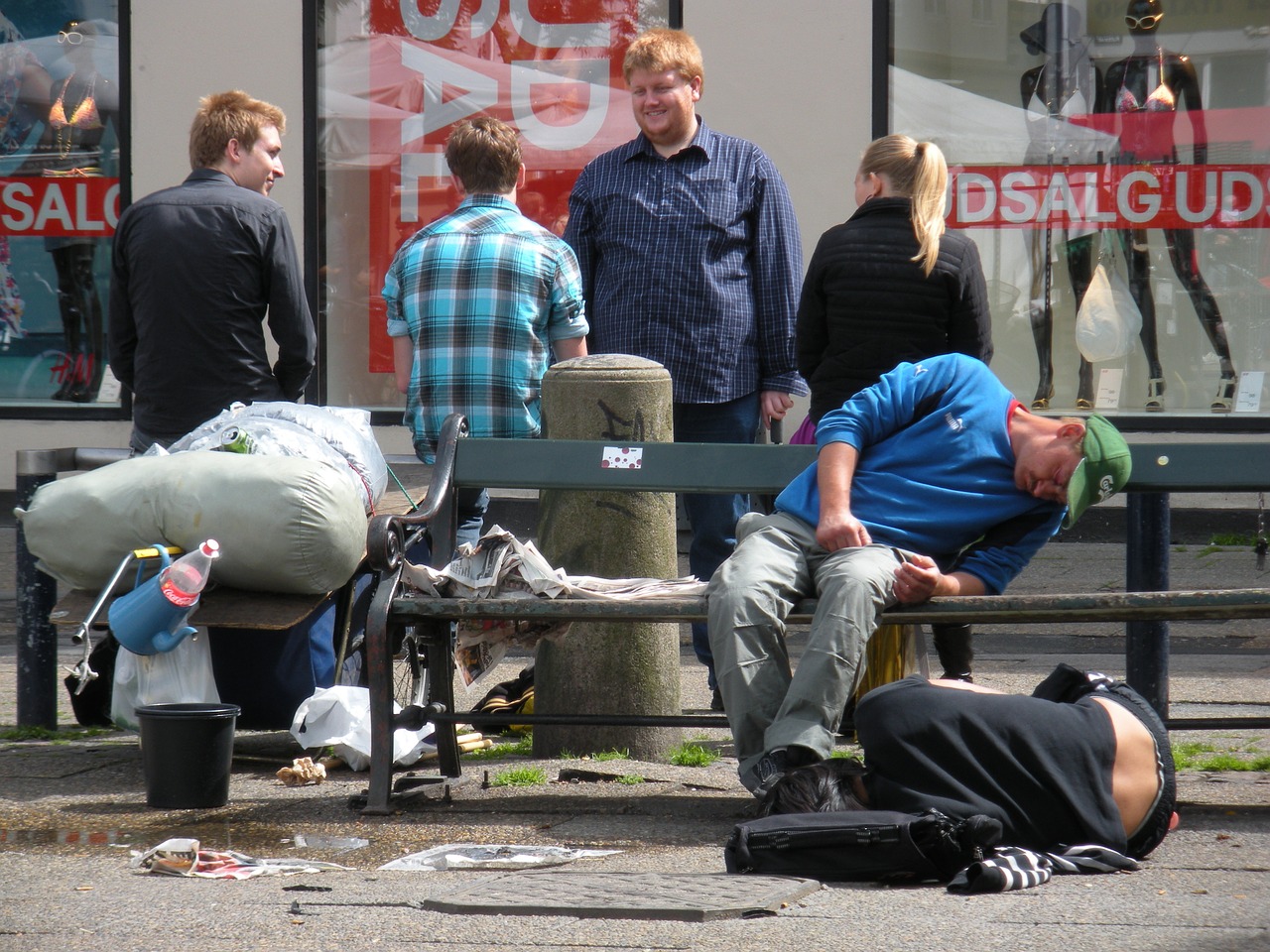
The seriously mentally ill find the effects of smoking very soothing. They become heavy smokers. This increases the risk that they will develop health problems, end up homeless, and that their lifespan will be cut short.

3. Using or abusing substances increases the risk of developing a Mental illness.

Alcohol is a depressant. Not everyone who drinks becomes clinically depressed but some people do. The more you drink the more depressed you become. The more depressed you get the more you drink. This can be a rapid downward spiral.

There are connections between many other abused substances and developing mental illnesses. Stimulants increase the risk of psychosis and can increase sexual behaviors. The younger you are when you begin to smoke Marijuana the more likely you are to develop certain mental health issues.

I am not trying to take sides here on the “medical marijuana” debate, but note that smoking anything, dried lettuce or incense included, is bad for the lungs. There is also a developing body of research that says that CBD is better for medicinal use and THC is not. If you are smoking marijuana to “get high” you are at risk to develop problems with its use no matter what story you are telling others. (I think I wrote some posts on that one, note to self-see if those articles got posted.)

4. Substance abuse issues or mental and emotional problems results in a lifestyle where it becomes hard to get your basic needs met.

Both groups have an increased risk of homelessness. They are both at risk to become alienated from family and friends.

You have to do what you have to do.

The result of these lifestyle changes is that the substance abuser is likely to become depressed, anxious, or to be abused. The mentally ill person, to cope with their isolation or homelessness, may turn to alcohol or drugs to cope.

What you go through with either problem increases the risk that you will develop the other disorder.

5. There are emotional consequences to entering recovery.

The substance abuser often gets closer to their drug of choice than to others in their life. When they stop using or abusing they have to go through a grieving process that can be just as severe as a divorce or death in the family.

Users have told me that “women come and go but crystal is always there for me.” People let me down but (fill in the name of liquor here) is always waiting for me. Losing this one support can be a major obstacle in creating a new life.

People in recovery very much need a new support system.

The conclusion?

Having either a substance use disorder, or a mental-emotional problem, increase the risk of having the other. It is easy to get locked in a pattern when no one is supporting your recovery and your environment is supporting you staying sick. Change can be difficult but change – recovery is very much worth the effort.

Staying connected with David Joel Miller

Seven David Joel Miller Books are available now!

My newest book is now available. It was my opportunity to try on a new genre. I’ve been working on this book for several years, but now seem like the right time to publish it.

Story Bureau.

Story Bureau is a thrilling Dystopian Post-Apocalyptic adventure in the Surviving the Apocalypse series.

Baldwin struggles to survive life in a post-apocalyptic world where the government controls everything.

As society collapses and his family gets plunged into poverty, Baldwin takes a job in the capital city, working for a government agency called the Story Bureau. He discovers the Story Bureau is not a benign news outlet but a sinister government plot to manipulate society.

Bumps on the Road of Life. Whether you struggle with anxiety, depression, low motivation, or addiction, you can recover. Bumps on the Road of Life is the story of how people get off track and how to get your life out of the ditch.

Dark Family Secrets: Doris wants to get her life back, but small-town prejudice could shatter her dreams.

Casino Robbery Arthur Mitchell escapes the trauma of watching his girlfriend die. But the killers know he’s a witness and want him dead.

Planned Accidents  The second Arthur Mitchell and Plutus mystery.

Letters from the Dead: The third in the Arthur Mitchell mystery series.

What would you do if you found a letter to a detective describing a crime and you knew the writer and detective were dead, and you could be next?

Sasquatch. Three things about us, you should know. One, we have seen the past. Two, we’re trapped there. Three, I don’t know if we’ll ever get back to our own time.

For these and my upcoming books; please visit my Author Page – David Joel Miller

Want the latest blog posts as they publish? Subscribe to this blog.

For videos, see: Counselorssoapbox YouTube Video Channel
Grandma’s Experiences Leave Epigenetic Mark on Your Genes | DiscoverMagazine.com

Grandma’s Experiences Leave Epigenetic Mark on Your Genes | DiscoverMagazine.com.

I found this article interesting

Spiritual but not religious

By David Joel Miller, MS, Licensed Therapist & Licensed Counselor.

Waterlily

Mindfulness and meditation.
Photo courtesy of Pixabay.com

What exactly does “Spiritual but not religious” mean?

A very large number of people here in America are describing themselves as “Spiritual, not religious.” There is a growing disconnect between religion and people’s day-to-day life.

As a result of this disconnect we are gaining some things, I hope, such as a wider appreciation of our differences, but we are also losing some things.

In secular programs, those run by government agencies, we try to accommodate people of all faiths and those with no faith. Sometimes this is a challenge. We have to ask people what their religious or spiritual belief is without implying that they need to have one or that the belief they have is not acceptable to the agency.

An example of accommodating faiths and other spiritual beliefs

There are a whole lot of people who are vegetarians, do not eat meat variety vegetarians, not because of religious or health reasons but because they view the killing animals for human food as morally wrong.

Our society seems to be doing a better job of accommodating this particular moral belief. More events are offering vegetarian meals.

It gets harder when we take into account that some faiths do not eat pork, some decline beef and some require particular diets as in kosher.

Beyond dietary restrictions, it gets progressively more difficult to accommodate other spiritual beliefs within our increasingly multicultural society.

During intake processes, we are supposed to ask about the client’s race or ethnicity. An increasing number of clients are finding it difficult to answer that question. Some people are reporting 5 or more different ethnicities in their background.

When talking with clients I try to make it a practice to ask about their spiritual or religious beliefs.

Say the client reports that they are African-American. This tells me nothing about their spiritual beliefs. We need to try to stay open to all manner of possibilities.

More and more people are finding it impossible to answer questions about their faith. We have to tread lightly here. I do not want to imply that they need to have a faith or that any particular faith is preferred, but I do not want to completely disregard their spiritual practices in designing their treatment.

Those few who do answer are resorting to one of two responses. I am a Christian or Spiritual But Not Religious. Most who say Christian do not self-identify with any particular denomination. They are not Catholic; they are not Protestant and so on. Some few report attending Non-denominational churches.

Most who self-describe as Christians are reporting, at least in my experience that they do not attend any particular church.

A very large number are reporting as Spiritual but not religious.

So why does all this matter? From a practical standpoint those who self-identify as believing something do better in treatment than those who have no faith. This benefit includes those who self-identify as Atheists if they also report some particular higher law or principle, say right and wrong, that helps them guide their life and is reassuring in times of stress.

One of the gains from this spirituality moment has been sets of values that people take with them day by day in all areas of their lives. I am suspicious of any faith that requires you to be a believer for a couple of hours each week, while in a particular building, but you are free to spend the rest of the week on raping, pillaging, and burning.

One of the things we are losing as a result of this increased emphasis on spirituality and the disconnect from religion is the loss of meaningful shared rituals.

Rituals give meaning to things that would otherwise be everyday actions.

Rituals are not solely the providence of the religious world. Court proceedings, with that robe, the bailiff, and the ritualized language, make the whole process seem more meaningful and as a result, are intended to increase respect for the law and the workings of the court. The ritual gives the process meaning. Occasionally the system debases the meaning when they do not follow the principles of justice these rituals imply.

Graduation ceremonies are a ritual we can all share to make the transition to another life stage. Marriages used to be a way to make the transition from being two separate dating people; to one committed couple. We still have the ritual despite the loss of meaning that a wedding has after having the parties have several children.

Funerals are also a ritual we all share that helps us negotiate the loss of a person who had some meaning in our life.

In places where there is one dominant faith, rituals are shared by virtue of people’s participation in that faith. With the decline of active participation in a particular religion and an increase in self-identified Spiritual But Not Religious, what has been missing are the rituals that used to accompany life events.

Creating new rituals.

People in recovery have resorted to creating new rituals that may help them to share the emotions and resolve the changes in status without invoking a particular religion.

Addicts may write a “Goodbye Letter” to their drug of choice. There are traditions of sponsorship that may replace the “rite” of confession in certain religions. People celebrate the anniversary of their embarking on the road of recovery.

One remaining challenge has been how to create meaningful shared rituals that do not impinge on people’s particular religious faith and allow full participation in the ritual.

Whatever your spiritual or religious tradition, here is wishing you the best possible life.

Staying connected with David Joel Miller

Seven David Joel Miller Books are available now!

My newest book is now available. It was my opportunity to try on a new genre. I’ve been working on this book for several years, but now seem like the right time to publish it.

Story Bureau.

Story Bureau is a thrilling Dystopian Post-Apocalyptic adventure in the Surviving the Apocalypse series.

Baldwin struggles to survive life in a post-apocalyptic world where the government controls everything.

As society collapses and his family gets plunged into poverty, Baldwin takes a job in the capital city, working for a government agency called the Story Bureau. He discovers the Story Bureau is not a benign news outlet but a sinister government plot to manipulate society.

Bumps on the Road of Life. Whether you struggle with anxiety, depression, low motivation, or addiction, you can recover. Bumps on the Road of Life is the story of how people get off track and how to get your life out of the ditch.

Dark Family Secrets: Doris wants to get her life back, but small-town prejudice could shatter her dreams.

Casino Robbery Arthur Mitchell escapes the trauma of watching his girlfriend die. But the killers know he’s a witness and want him dead.

Planned Accidents  The second Arthur Mitchell and Plutus mystery.

Letters from the Dead: The third in the Arthur Mitchell mystery series.

What would you do if you found a letter to a detective describing a crime and you knew the writer and detective were dead, and you could be next?

Sasquatch. Three things about us, you should know. One, we have seen the past. Two, we’re trapped there. Three, I don’t know if we’ll ever get back to our own time.

For these and my upcoming books; please visit my Author Page – David Joel Miller

Want the latest blog posts as they publish? Subscribe to this blog.

For videos, see: Counselorssoapbox YouTube Video Channel

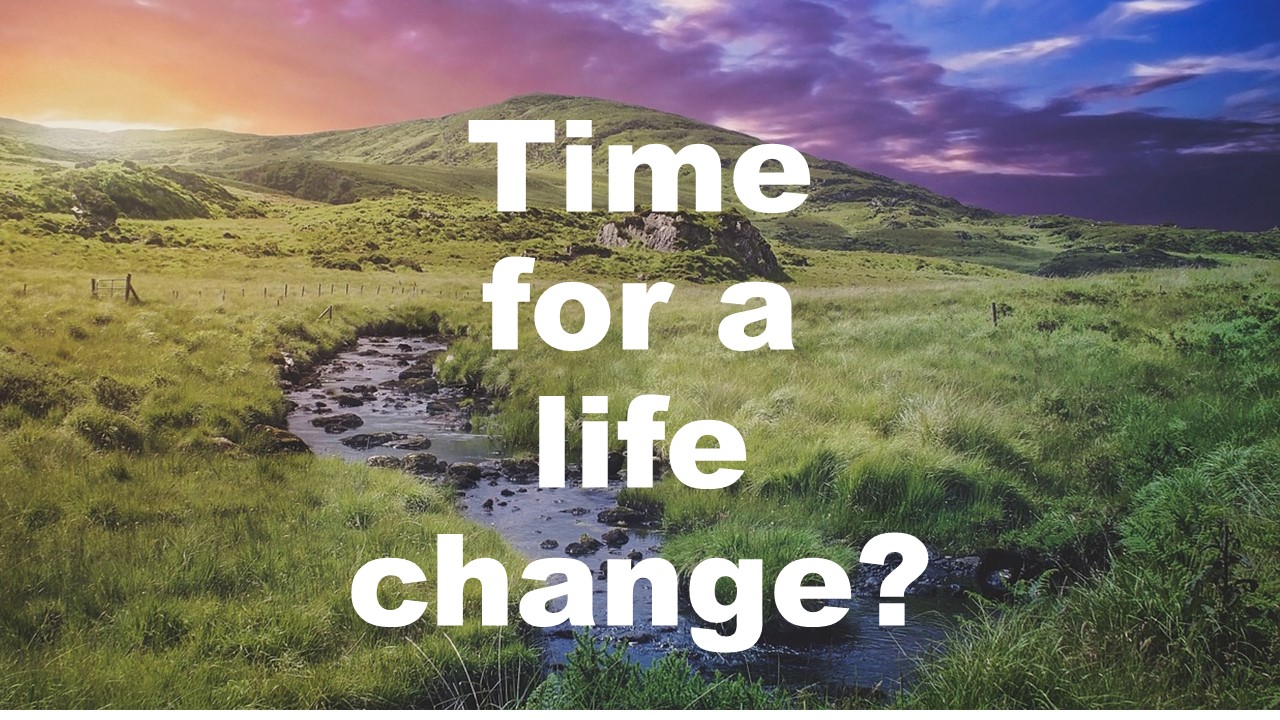
Is this the year you are going to change?

By David Joel Miller, MS, Licensed Therapist & Licensed Counselor.

Changing your life

Time for a life change?
Photo courtesy of Pixabay.com

You know you need something to change but what and how?

Lots of New Year’s resolutions. There are every year. But one year from now will be 2015 and just like last time around when we get to New Year’s 2015 some few people will have changed their lives and the majority will be stuck in the same rut they are in now.

Change is hard. Change is easy. You will change whether you want to or not. You will get happier, prouder, and more self-confident or you will get progressively more weighted down by your problems and cares. You will change, eventually. The only questions are the direction in which you will change and when that change will occur.

Intentional change is hard because it takes effort. It can be scary. Change is often uncomfortable if not downright painful. Change means entering the unknown and the things we know are less anxiety-provoking than stepping off in action and making those first tentative moves into the unknown.

Unplanned change is easy. Do nothing and you will change. We get older, no effort required. If we fail to save for retirement we have to cut back on our standard of living. The process of life says that you will change or you begin to decline.

Most of us, when we speak of change are looking for that huge dramatic shift. One day you are poor and then you will win the lottery and be rich. Lasting change does not happen that way.

Yes, some people win the lottery or make a good investment or open a business that succeeds but along the way those things rather than changing that person’s life, are the catalysts that force them to change.

Plenty of people have won the lottery and a few years later they are back to being poor. Anyone can spend like a millionaire but learning to manage money, to hold onto it, and grow it, that is a skill that takes work to develop.

Lots of us have that fairy-tale fantasy, someone will come along, usually a prince or princess, and they will make us happy. That kind of happiness only lasts a moment. Eventually, there are children, bills to pay, and illnesses to suffer through together. The majority of those fairy-tale couples end in divorce when the reality sets in.

Change does not come from the outside it comes from within. As you become emotionally healthier you attract healthier people into your life. If you want a better life, start by working on yourself. Will this make the people in your life suddenly treat you better? No. But as you improve yourself you will find that their opinion of you matters less.

If you want to be wealthier you need to practice the skills wealthier people use to manage their money. Be responsible and pay bills on time. That one late charge, it does not make much difference, but over your bill-paying lifetime, fifty or sixty years of monthly late charges, that amounts to a small fortune.

Increasing your income and reducing your expenses go a long way to changing your financial situation. But this will not happen overnight, not even in a month or a year. Over time the small changes you make add up.

Real lasting change in your life begins on the inside with changing yourself. Change your thoughts and actions and the world around you will begin to change.

Lasting change does not come about as a result of one huge event, it occurs in small incremental steps.

Couples often try to fix what is wrong in their relationship by taking a romantic “honeymoon” type trip, a week at the beach, or in Vegas. Temporarily they see an improvement in their relationship. Most often within a week or two of returning home, they are back to their pre-trip way of interacting and they are just as dissatisfied as before.

Couples who make real improvements in their relationship begin by making changes in the way they interact. Maintaining those changes takes time and practice to have a lasting effect. A good marriage therapist can help you learn and practice those skills.

Many of you have written and told me that you want to change something in your life. You are not happy with the way things are. You have tried to change your life but the change does not seem to take.

I realize that it is easier for professionals to tell someone how to change than it is to actually do the changing. Throughout this year I want to talk with you readers of this blog about how to make those changes you want in your life and how to maintain those changes once you make them.

Stay tuned for some information on the books I am working on. Some things need more words than a blog post can hold.

Much of the information on recovery comes from the extensive literature on drug and alcohol recovery. Alcoholics and Drug Addicts have been recovering for a long time. Some of that information has been applied to people with “co-occurring disorders,” both mental health issues and substance use disorders. What is still in short supply is information that emphasizes the way in which people with emotional and mental health issues recover.

I strongly believe that people with mental health challenges can and do recover. Recovery for them does not necessarily mean that they are cured as if they no longer had ever had that issue, but it does mean that people can have a meaningful life despite their challenges, whatever they chose to call those challenges.

Staying connected with David Joel Miller

Seven David Joel Miller Books are available now!

My newest book is now available. It was my opportunity to try on a new genre. I’ve been working on this book for several years, but now seem like the right time to publish it.

Story Bureau.

Story Bureau is a thrilling Dystopian Post-Apocalyptic adventure in the Surviving the Apocalypse series.

Baldwin struggles to survive life in a post-apocalyptic world where the government controls everything.

As society collapses and his family gets plunged into poverty, Baldwin takes a job in the capital city, working for a government agency called the Story Bureau. He discovers the Story Bureau is not a benign news outlet but a sinister government plot to manipulate society.

Bumps on the Road of Life. Whether you struggle with anxiety, depression, low motivation, or addiction, you can recover. Bumps on the Road of Life is the story of how people get off track and how to get your life out of the ditch.

Dark Family Secrets: Doris wants to get her life back, but small-town prejudice could shatter her dreams.

Casino Robbery Arthur Mitchell escapes the trauma of watching his girlfriend die. But the killers know he’s a witness and want him dead.

Planned Accidents  The second Arthur Mitchell and Plutus mystery.

Letters from the Dead: The third in the Arthur Mitchell mystery series.

What would you do if you found a letter to a detective describing a crime and you knew the writer and detective were dead, and you could be next?

Sasquatch. Three things about us, you should know. One, we have seen the past. Two, we’re trapped there. Three, I don’t know if we’ll ever get back to our own time.

For these and my upcoming books; please visit my Author Page – David Joel Miller

Want the latest blog posts as they publish? Subscribe to this blog.

For videos, see: Counselorssoapbox YouTube Video Channel

Alcohol hangover or emotional hangover?

By David Joel Miller, MS, Licensed Therapist & Licensed Counselor.

Inebriated people.

Alcoholism.
Photo courtesy of Pixabay.

Why are you reading this post? Hangover?

This is New Year’s Day and you are reading blog posts? Why?

If you are reading this on the day it was published, then it is time for you to take another look at your life. Don’t get me wrong, I really appreciate my readers and am glad you are reading this whenever that happens to be.

Some of you are just sitting around and waiting for the games. There are enough sporting events on the television on this day to produce a self-induced coma.

Some of you had that dazed look and the splitting head when you got up today. Is that a hangover? Are you looking for hangover cures?

How much did you drink last night? What if you didn’t drink and have that hangover anyway?

If the problem is too much to drink last night I have a solution. Check all those other blogs for hangover cures, try a few and then come back and read my posts for the next week or so. By then your hangover will be gone – assuming you do not drink again.

See the most effective treatment for alcoholic hangovers is time – time, rest, and water to be precise. You could also try preventing hangovers, which is easier than curing them.

How do you prevent hangovers?

Do not drink to excess. Better yet do not drink at all. If you are the kind of person who does not like the feeling of being drunk then have one and let it go at that. But if you are the kind of person for whom one is a warm-up for the rest of the bottle or case then the only solution may just be that you do not drink in the first place.

Emotional hangovers.

Some of you feel like you have hangovers only you did not drink any alcohol. That is a similar but different problem. That is likely to be an emotional hangover. See an excess of negative emotions can result in some of those same or similar symptoms as the alcoholic fueled hangover.

If you did not sleep because you were passed out unconscious that is the alcohol, but if you were up all night and did not sleep because of worry, anxiety, or depression then that is an emotional hangover.

When drinking people forget to take care of themselves, they do not eat or drink non-alcoholic fluids in a healthy manner. People who have an emotional issue also neglect self-care and they experience those same worn out, tired and hung-over symptoms all without the alcohol.

Put the two together and you have a potentially life-threatening combination. Drinking while depressed is a recipe for self-harm.

Anger is a huge cause of emotional hangovers.

Anger is also an emotion that can take you places you wish you had not gone. Have you or someone you know ever become so angry they “lose control.” The next day was there a lot of emotional residue, the I-can’t-believe-I-said-the-whole-thing feeling?

Now if you drank too much last night or any other night, the solution seems clear, cut down or cut out the alcohol.

If you are having emotional hangovers isn’t the same solution possible?

If you have emotional hangovers, cut down or cut out the anger, reduce the level of depression or anxiety, and learn to manage your emotions in healthier ways.

I hear some of you saying I try but it is hard to change those emotions. Then for you, just like for the alcoholic it is time to make some far-reaching changes. If you have tried to control your emotions but they leave you with an emotional hangover then it is time to seek help.

Whether it is drugs, alcohol, anger, or any other emotional or mental health problem there is help available. That is unless you like the feeling of having a hangover.

Isn’t it time you reached out for help?

Over this year, here on counselorssoapbox.com, we will be looking at the ways in which you might finally make some life changes, No resolutions – just results. Are you ready for a change?

Staying connected with David Joel Miller

Seven David Joel Miller Books are available now!

My newest book is now available. It was my opportunity to try on a new genre. I’ve been working on this book for several years, but now seem like the right time to publish it.

Story Bureau.

Story Bureau is a thrilling Dystopian Post-Apocalyptic adventure in the Surviving the Apocalypse series.

Baldwin struggles to survive life in a post-apocalyptic world where the government controls everything.

As society collapses and his family gets plunged into poverty, Baldwin takes a job in the capital city, working for a government agency called the Story Bureau. He discovers the Story Bureau is not a benign news outlet but a sinister government plot to manipulate society.

Bumps on the Road of Life. Whether you struggle with anxiety, depression, low motivation, or addiction, you can recover. Bumps on the Road of Life is the story of how people get off track and how to get your life out of the ditch.

Dark Family Secrets: Doris wants to get her life back, but small-town prejudice could shatter her dreams.

Casino Robbery Arthur Mitchell escapes the trauma of watching his girlfriend die. But the killers know he’s a witness and want him dead.

Planned Accidents  The second Arthur Mitchell and Plutus mystery.

Letters from the Dead: The third in the Arthur Mitchell mystery series.

What would you do if you found a letter to a detective describing a crime and you knew the writer and detective were dead, and you could be next?

Sasquatch. Three things about us, you should know. One, we have seen the past. Two, we’re trapped there. Three, I don’t know if we’ll ever get back to our own time.

For these and my upcoming books; please visit my Author Page – David Joel Miller

Want the latest blog posts as they publish? Subscribe to this blog.

For videos, see: Counselorssoapbox YouTube Video Channel