
Blackouts – common or rare?

By David Joel Miller, MS, Licensed Therapist & Licensed Counselor.
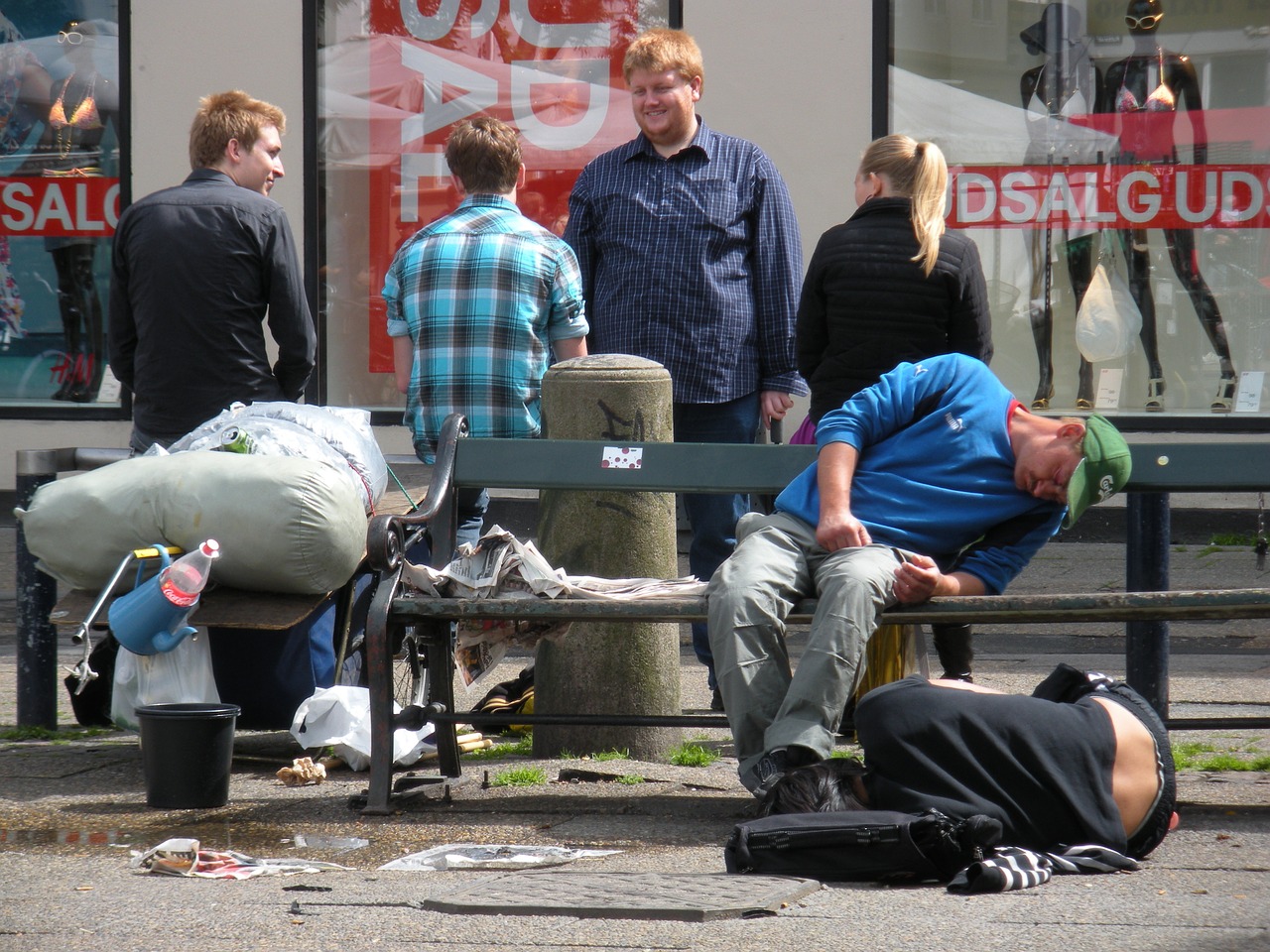
Drinking

Binge drinking.
Photo courtesy of Pixabay.com

Are blackouts common?

Morning Question #15.

Blackouts are nothing like passing out or being unconscious. Blackouts involve the ability to walk, talk, and function while intoxicating but to form no memories. The next day the drinker may not know what happened.

Blackouts are relatively common, with up to half of all college students reporting having had an episode of memory loss when drinking. These episodes are highly associated with Binge Drinking. Blackouts range from “brownouts” sometimes called fragmentary blackouts where there are portions of memory mixed with missing facts to full-on blackouts (sometimes called block blackouts) of having lived hours or sometimes days with no memory of where you were or what happened.

Having a blackout especially early in your drinking career indicates a huge risk of developing alcoholism.

Staying connected with David Joel Miller

Seven David Joel Miller Books are available now!

My newest book is now available. It was my opportunity to try on a new genre. I’ve been working on this book for several years, but now seem like the right time to publish it.

Story Bureau.

Story Bureau is a thrilling Dystopian Post-Apocalyptic adventure in the Surviving the Apocalypse series.

Baldwin struggles to survive life in a post-apocalyptic world where the government controls everything.

As society collapses and his family gets plunged into poverty, Baldwin takes a job in the capital city, working for a government agency called the Story Bureau. He discovers the Story Bureau is not a benign news outlet but a sinister government plot to manipulate society.

Bumps on the Road of Life. Whether you struggle with anxiety, depression, low motivation, or addiction, you can recover. Bumps on the Road of Life is the story of how people get off track and how to get your life out of the ditch.

Dark Family Secrets: Doris wants to get her life back, but small-town prejudice could shatter her dreams.

Casino Robbery Arthur Mitchell escapes the trauma of watching his girlfriend die. But the killers know he’s a witness and want him dead.

Planned Accidents  The second Arthur Mitchell and Plutus mystery.

Letters from the Dead: The third in the Arthur Mitchell mystery series.

What would you do if you found a letter to a detective describing a crime and you knew the writer and detective were dead, and you could be next?

Sasquatch. Three things about us, you should know. One, we have seen the past. Two, we’re trapped there. Three, I don’t know if we’ll ever get back to our own time.

For these and my upcoming books; please visit my Author Page – David Joel Miller

Want the latest blog posts as they publish? Subscribe to this blog.

For videos, see: Counselorssoapbox YouTube Video Channel

5 Steps to addiction

By David Joel Miller, MS, Licensed Therapist & Licensed Counselor.

Drugs of addiction

Addiction.
Photo courtesy of Pixabay.com

What does it take to turn a normal person into a drug addict?

I remember some career information when I was in high school. We took a test to see what our abilities were and what careers might interest us the most. I don’t remember a drug addict or alcoholic being on the list of possible careers. Even without any guidance a lot of people end up making a lifetime occupation out of their addiction.

How does addiction develop? Take these five steps to find your chemical dependency.

1. Experimentation with substances.

Involvement with chemicals begins with some experimentation. A friend offers you one of their cigarettes and you try it. Forget all you have heard about this or that drug being a gateway drug. Far and away the “gateway” drugs of choice are nicotine and alcohol.

Lots of kids get their start at abusing drugs by swiping a few cigarettes, maybe a pack if they can, from a family member. A leftover beer, a partial bottle sitting around, that is all it takes. Lots of seasoned drug addicts remember with me the time they took some sips on a family member’s beer or drank from mom and dad’s liquor cabinet when the folks were away.

Boys usually get their start with the help and encouragement of a male friend or an older family member. It’s not a drug pusher that gets the disease of addiction going, it is a brother, uncle, cousin, or another close male.

Girls most often learn how to use drugs from their first boyfriend. They may go on to share this knowledge with other girlfriends but mostly they all compare notes and then get the next lesson from the next man in their life. Keep the learning up long enough and one of those men will teach you how to save money by sharing needles and then you can share everything that man has, especially the diseases.

2. Social drinking and drug use.

After the first trial of drug use, the budding young experimenter is likely to finds some collaborators in drug learning. The guys or gals get together and drink a few beers, sometimes they get wasted. Eventually, sooner probably, rather than later, someone brings some weed, bomb, some 420 to the party. The group has discovered marijuana; they have also discovered doing an illicit or illegal drug.

Some people have to steal the weed, others buy it, a few have “friends” who in the beginning will front it to you for free. This is probably too early in the trip for the aspiring popular person to have heard the old expression “the first one is free; the second will cost you double.”

Every week the group gets together. Say Friday night. Eventually given enough good stuff, the party stretches over into Saturday morning. There may be some getting drunk, some learning to throw up and to treat hangovers the next day.

There may be some violence, some unplanned, even unwanted sex. People may start doing illegal and dangerous things. Occasionally people get in trouble, get arrested, or even killed. Usually, that is someone else in some other town, someone who wasn’t careful enough. It won’t happen to one of your group.

As long as it is social it is all good. But what happens when the group is away?

3. Substance use becomes a habit.

The time will come in everyone’s life when the group is not there that one Friday night.
This is the turning point.

It is Friday. That is the night you drink and party right? Tonight you are alone. What will you do? This is the point where a few will decide enough is enough. A few beers with friends is fine, but this getting drunk and stoned every weekend is too much.

Far too many people at this point decide that it is Friday and on Fridays, we drink and drug. They will go on with the party, friends or no friends. They may look for another group to use with or they may use alone, but at this point, they have turned a social event into a habit. They will use no matter what it takes.

4. Psychological need for substances.

The user will struggle along for a while, months, years, maybe even decades. The use now is accelerating. There is more using alone. The negative consequences begin to mount up.

There may be DUI’s. When using they do things they will regret later. There are fights, violence, possibly arrests. They decide they want to quit. At this point, they have had enough. They vow to stop drinking and drugging, well not stop exactly, but they will cut back.

The person on their way to addiction is at the point where when they try to control their use they find it is so much harder than they thought. They have lost the ability to control their usage. They need to drink more and use more to get the same high. This is called tolerance. They can’t function without the drug.

In those brief periods of not using or drinking they can’t stop thinking about the drug, how long till five and the next time they can drink?

This person is not yet fully psychologically dependent but they have developed a mental need for their drug of choice. Without that drug, they are not happy. Even with the drug they are no longer enjoying the use. They now use just to get back to normal.

5. Physical need for a drug completes the process.

At this juncture, the person is having physical problems. They may get sick when without their drug of choice. They can’t stand the thought of running out. The alcoholic now needs an eye-opener in the morning. The meth addict tries to keep back a taste to help get them out of bed. It is no longer using to feel pleasure, now it is using to get well again.

The alcoholic may have D.T’s. They may risk seizures and death if deprived of their drug. The process has gone to the end. The experiment is over. The drug has taken control of the person.

If you recognize yourself in this story, consider where you are in the process and where you want to go. If you have reached the point where this is a habit or an addiction know that there is help available to stop the disease of addiction before you reach the end.

Beyond psychical addiction, so the story goes, there are three destinations, Jails, institutions, and death.
Changing the outcome is not easy but it is possible.

Are you ready to change your direction or are you on the 5 steps to addiction path?

Staying connected with David Joel Miller

Seven David Joel Miller Books are available now!

My newest book is now available. It was my opportunity to try on a new genre. I’ve been working on this book for several years, but now seem like the right time to publish it.

Story Bureau.

Story Bureau is a thrilling Dystopian Post-Apocalyptic adventure in the Surviving the Apocalypse series.

Baldwin struggles to survive life in a post-apocalyptic world where the government controls everything.

As society collapses and his family gets plunged into poverty, Baldwin takes a job in the capital city, working for a government agency called the Story Bureau. He discovers the Story Bureau is not a benign news outlet but a sinister government plot to manipulate society.

Bumps on the Road of Life. Whether you struggle with anxiety, depression, low motivation, or addiction, you can recover. Bumps on the Road of Life is the story of how people get off track and how to get your life out of the ditch.

Dark Family Secrets: Doris wants to get her life back, but small-town prejudice could shatter her dreams.

Casino Robbery Arthur Mitchell escapes the trauma of watching his girlfriend die. But the killers know he’s a witness and want him dead.

Planned Accidents  The second Arthur Mitchell and Plutus mystery.

Letters from the Dead: The third in the Arthur Mitchell mystery series.

What would you do if you found a letter to a detective describing a crime and you knew the writer and detective were dead, and you could be next?

Sasquatch. Three things about us, you should know. One, we have seen the past. Two, we’re trapped there. Three, I don’t know if we’ll ever get back to our own time.

For these and my upcoming books; please visit my Author Page – David Joel Miller

Want the latest blog posts as they publish? Subscribe to this blog.

For videos, see: Counselorssoapbox YouTube Video Channel
Is Dysthymia better in the morning or worse?

By David Joel Miller, MS, Licensed Therapist & Licensed Counselor.

Depressed person

Depression.
Photo courtesy of Pixabay.com

Which depression is worse in the morning? – Morning Question #14

Having more depressive symptoms in the morning is a characteristic of “Atypical features” of a mood disorder. Atypical does not mean unusual it means “not melancholy.”

Atypical features include the hibernating-like-a-bear symptoms, overeating, sleeping too much, and being tired and grouchy in the morning. With atypical features, the person may be able to feel better temporarily if something they really like happens, but the happiness does not last long. They may also feel better in the evening but by morning the depression comes back.

Atypical features can occur during episodes of Dysthymia, Bipolar one or two Disorders, and Major Depressive Disorder. In practice, the only time I remember seeing this on a file is as part of the diagnosis of a Major Depressive Disorder but having atypical features increases the risk that this will eventually turn into a Bipolar disorder.

If your mood is customarily worse at a particular time of day, make sure you are eating and sleeping well, that there are not environmental problems like relationship issues that are causing this, and then seriously consider consulting with a medical doctor or psychiatrist. If the doctor rules out any medical problems then some counseling should help.

Staying connected with David Joel Miller

Seven David Joel Miller Books are available now!

My newest book is now available. It was my opportunity to try on a new genre. I’ve been working on this book for several years, but now seem like the right time to publish it.

Story Bureau.

Story Bureau is a thrilling Dystopian Post-Apocalyptic adventure in the Surviving the Apocalypse series.

Baldwin struggles to survive life in a post-apocalyptic world where the government controls everything.

As society collapses and his family gets plunged into poverty, Baldwin takes a job in the capital city, working for a government agency called the Story Bureau. He discovers the Story Bureau is not a benign news outlet but a sinister government plot to manipulate society.

Bumps on the Road of Life. Whether you struggle with anxiety, depression, low motivation, or addiction, you can recover. Bumps on the Road of Life is the story of how people get off track and how to get your life out of the ditch.

Dark Family Secrets: Doris wants to get her life back, but small-town prejudice could shatter her dreams.

Casino Robbery Arthur Mitchell escapes the trauma of watching his girlfriend die. But the killers know he’s a witness and want him dead.

Planned Accidents  The second Arthur Mitchell and Plutus mystery.

Letters from the Dead: The third in the Arthur Mitchell mystery series.

What would you do if you found a letter to a detective describing a crime and you knew the writer and detective were dead, and you could be next?

Sasquatch. Three things about us, you should know. One, we have seen the past. Two, we’re trapped there. Three, I don’t know if we’ll ever get back to our own time.

For these and my upcoming books; please visit my Author Page – David Joel Miller

Want the latest blog posts as they publish? Subscribe to this blog.

For videos, see: Counselorssoapbox YouTube Video Channel

Top 4 reasons people drink or use

By David Joel Miller, MS, Licensed Therapist & Licensed Counselor.

Drugs of addiction

Addiction.
Photo courtesy of Pixabay.com

The top 4 reasons you began to drink or use drugs.

Many people want to find the reasons they drank and used. Here are some common reasons and what to do about them.

1. Good day – celebrate.

In the beginning, it is all good. A little of this or that will help you celebrate. Your drug of choice helped you feel stronger, more attractive, more outgoing, and smarter. No one gives up a substance that makes them feel like that.

Drinking and using is often a social thing, you do it with your friends until your abuse of substances drives friends away and it is just you and your drug.

At the start of addiction, it is all good. As time goes on the wreckage mounts. What the addicted person eventually learns is that the drug was not their friend, making them happy, sharing their happiness. Addiction is a thief that steals your happiness.

Solution? Learn to celebrate without drugs and alcohol.

2. Bad day – drink, use to cheer yourself up.

People drink and use to change their mood. If you are sad, use a chemical to brighten your day. It works for a while. Then the drug or the alcohol stops working. It leaves you still miserable. Eventually, that drug begins to beat you up. The drug becomes the reason you are sad and depressed. The drug makes you anxious and scared.

We hear the refrain everywhere we go. This went wrong – I need a drink. That was late or unpleasant – I need a drink. People around you will tell you “You look like you could use a drink.” Not till years later will you hear “I think you have been drinking too much.”

Solution? – Learn to manage negative emotions without chemicals and learn that sometimes it is normal to feel bad for a while.

3. Boring day use drugs to create excitement.

In the early stages of use, it sounds exciting. Things are dull and boring – get high. Don’t know what you want to do – get high. For everything that is missing the refrain is get high. When there is nothing left and your life has passed by unlived you might realize that getting high day after day is the same old boring thing.

Solution – Learn to become excited about the things you already do and learn to enjoy the benefits of peace and quiet sometimes.

4. Any other reason to use whether it satisfies you or not.

Most addicts or alcoholics have a reason they tell themselves is why they drink. They had a lousy childhood, that’s why they use. They lost a partner and that means they will forever be alone. The drug promises comfort and companionship.

Drugs and alcohol pretend to be your friend. They promise a cure for loneliness, anger, and pain. In the end, they take everything you have and leave you to defeated to care anymore.

Alcohol looks like a cure for anger; it takes your mind off the thing that made you angry for a moment. But it also lowers your inhibitions. People who treat anger with alcohol are more likely to get violent, not less. People who treat depression are at an increased risk to attempt suicide or other self-harming behaviors. Treating negative emotions makes the emotion more of a problem not less.

While many people with a drug or alcohol problem would like to find a hidden reason why they drink and drug – the truth is that even when they think they have discovered the reason they still have the addiction. The reason for addiction is simple, addicts and alcoholics put chemicals in their bodies to change the way they feel and act. Once there the drug turns on the user and takes control of their life.

Solution? Build a life with meaning and purpose that is built on real experiences not the fraud of addiction.

Staying connected with David Joel Miller

Seven David Joel Miller Books are available now!

My newest book is now available. It was my opportunity to try on a new genre. I’ve been working on this book for several years, but now seem like the right time to publish it.

Story Bureau.

Story Bureau is a thrilling Dystopian Post-Apocalyptic adventure in the Surviving the Apocalypse series.

Baldwin struggles to survive life in a post-apocalyptic world where the government controls everything.

As society collapses and his family gets plunged into poverty, Baldwin takes a job in the capital city, working for a government agency called the Story Bureau. He discovers the Story Bureau is not a benign news outlet but a sinister government plot to manipulate society.

Bumps on the Road of Life. Whether you struggle with anxiety, depression, low motivation, or addiction, you can recover. Bumps on the Road of Life is the story of how people get off track and how to get your life out of the ditch.

Dark Family Secrets: Doris wants to get her life back, but small-town prejudice could shatter her dreams.

Casino Robbery Arthur Mitchell escapes the trauma of watching his girlfriend die. But the killers know he’s a witness and want him dead.

Planned Accidents  The second Arthur Mitchell and Plutus mystery.

Letters from the Dead: The third in the Arthur Mitchell mystery series.

What would you do if you found a letter to a detective describing a crime and you knew the writer and detective were dead, and you could be next?

Sasquatch. Three things about us, you should know. One, we have seen the past. Two, we’re trapped there. Three, I don’t know if we’ll ever get back to our own time.

For these and my upcoming books; please visit my Author Page – David Joel Miller

Want the latest blog posts as they publish? Subscribe to this blog.

For videos, see: Counselorssoapbox YouTube Video Channel
Is anxiety a mental illness?

By David Joel Miller, MS, Licensed Therapist & Licensed Counselor.

Anxiety provoking.

Anxiety.
Photo courtesy of Pixabay.com

Anxiety is a disease? – Morning Question #13.

Anxiety can be either a normal emotion or a mental illness. A little bit of anxiety is protective. It alerts you to danger. If they are shooting at you, get nervous and take cover. Bravery is not a lack of anxiety it is taking action in spite of your fears.

Anxiety as a mental illness is the result of having your “anxiety volume” turned up too much. If fear of everyday things or excess fears about things that have a low probability of happening is interfering with your life then you might have one of the diagnosable anxiety disorders.

Anxiety becomes excessive if it keeps you from having a productive life. If your anxiety is preventing you from holding a job, doing positive activities, having friends or if it is making you miserable you may have a treatable condition called an anxiety disorder. That is the time to see a professional and find out about your condition and to get help.

For more on anxiety disorders:  Anxiety

Staying connected with David Joel Miller

Seven David Joel Miller Books are available now!

My newest book is now available. It was my opportunity to try on a new genre. I’ve been working on this book for several years, but now seem like the right time to publish it.

Story Bureau.

Story Bureau is a thrilling Dystopian Post-Apocalyptic adventure in the Surviving the Apocalypse series.

Baldwin struggles to survive life in a post-apocalyptic world where the government controls everything.

As society collapses and his family gets plunged into poverty, Baldwin takes a job in the capital city, working for a government agency called the Story Bureau. He discovers the Story Bureau is not a benign news outlet but a sinister government plot to manipulate society.

Bumps on the Road of Life. Whether you struggle with anxiety, depression, low motivation, or addiction, you can recover. Bumps on the Road of Life is the story of how people get off track and how to get your life out of the ditch.

Dark Family Secrets: Doris wants to get her life back, but small-town prejudice could shatter her dreams.

Casino Robbery Arthur Mitchell escapes the trauma of watching his girlfriend die. But the killers know he’s a witness and want him dead.

Planned Accidents  The second Arthur Mitchell and Plutus mystery.

Letters from the Dead: The third in the Arthur Mitchell mystery series.

What would you do if you found a letter to a detective describing a crime and you knew the writer and detective were dead, and you could be next?

Sasquatch. Three things about us, you should know. One, we have seen the past. Two, we’re trapped there. Three, I don’t know if we’ll ever get back to our own time.

For these and my upcoming books; please visit my Author Page – David Joel Miller

Want the latest blog posts as they publish? Subscribe to this blog.

For videos, see: Counselorssoapbox YouTube Video Channel
In an addiction state of mind.

By David Joel Miller, MS, Licensed Therapist & Licensed Counselor.

Hands with pills

Addiction.
Photo courtesy of Pixabay

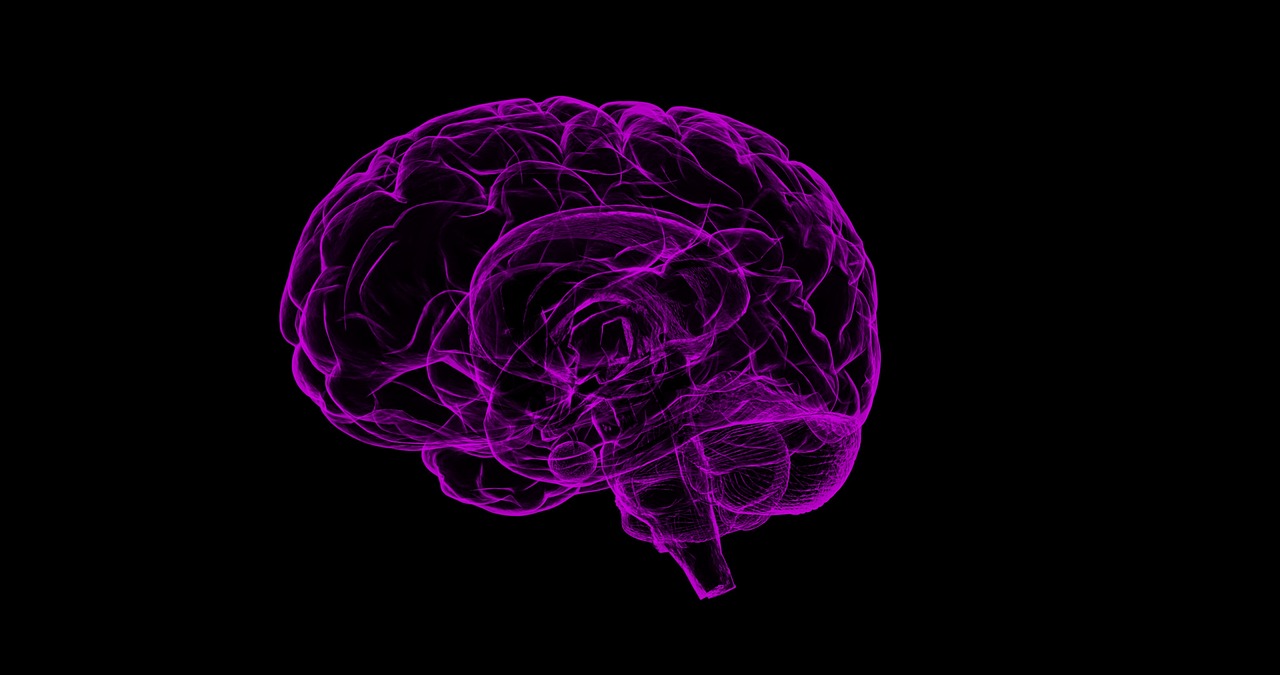
Addiction is a mental illness.

As difficult as it is to withdraw from some drugs you would think that the primary thrust of addiction treatment would be detoxification facilities. When it comes to curing addiction, Detox programs are an almost universal failure. The majority of people who undergo detox, somewhere near 90% relapse in the first year after detox treatment.

We have been taught to think of addiction as a terrible physical craving, a drug sickness of the body when the user tries to stop. The physical part is the smallest part of addiction.

After 72 hours of detox, the standard treatment in many places, the addict should be past the cravings. Most drugs pass out of the body in hours, days at the most. How then do we explain the high rate of relapse among addicted people?

Some of the hardest to kick drugs have little or no physical withdrawal symptoms. We should expect that the highest rates of relapse would occur in the first few days after cessation. Despite the widely held opinion that addiction is a physical dependence on drugs, recovering people continue to relapse mouths, years, even decades after treatment. The inescapable conclusion?

Addiction is in the mind not the body!

Many efforts to treat addiction fail because they look in the wrong place, in the body. We see programs that include lots of diet and exercise, health farms, and sanitariums they used to be called. They had only limited success.

One way to describe addiction is that the addict’s brain has “gone over to the other team.” The alcoholic develops an alcoholic mind. Efforts to treat that condition with detoxification or drug replacement do not result in the “head change” that is needed to recover.

The psychological cravings persist for a long time after the physical urges have dissipated.

The core problem of addiction is the mind’s determination to obsess over getting a substance, any substance, to change the way we feel.

Once the mind convinces the addict to try a little, just a little, of their drug of choice, the body produces the cravings that continue the use.

Long-term recovery requires stopping those thoughts that an addict can ever safely use even a little of a drug and replacing those using thoughts with positive thoughts.

Recovery from addiction is a long-term process of changing your thinking to change your life.

Staying connected with David Joel Miller

Seven David Joel Miller Books are available now!

My newest book is now available. It was my opportunity to try on a new genre. I’ve been working on this book for several years, but now seem like the right time to publish it.

Story Bureau.

Story Bureau is a thrilling Dystopian Post-Apocalyptic adventure in the Surviving the Apocalypse series.

Baldwin struggles to survive life in a post-apocalyptic world where the government controls everything.

As society collapses and his family gets plunged into poverty, Baldwin takes a job in the capital city, working for a government agency called the Story Bureau. He discovers the Story Bureau is not a benign news outlet but a sinister government plot to manipulate society.

Bumps on the Road of Life. Whether you struggle with anxiety, depression, low motivation, or addiction, you can recover. Bumps on the Road of Life is the story of how people get off track and how to get your life out of the ditch.

Dark Family Secrets: Doris wants to get her life back, but small-town prejudice could shatter her dreams.

Casino Robbery Arthur Mitchell escapes the trauma of watching his girlfriend die. But the killers know he’s a witness and want him dead.

Planned Accidents  The second Arthur Mitchell and Plutus mystery.

Letters from the Dead: The third in the Arthur Mitchell mystery series.

What would you do if you found a letter to a detective describing a crime and you knew the writer and detective were dead, and you could be next?

Sasquatch. Three things about us, you should know. One, we have seen the past. Two, we’re trapped there. Three, I don’t know if we’ll ever get back to our own time.

For these and my upcoming books; please visit my Author Page – David Joel Miller

Want the latest blog posts as they publish? Subscribe to this blog.

For videos, see: Counselorssoapbox YouTube Video Channel

What is “Happy Emotional Life Plan” – H.E.L.P.?

By David Joel Miller.

What is “Happy Emotional Life Plan” – H.E.L.P.?

In my counselorssoapbox.com post last night I mentioned H.E.L.P. but forgot to explain what H.E.L.P. is.

The Happy Emotional Life Plan “H.E.L.P.” is a curriculum I developed for a training a few years back. It included a lot of material about wellness, recovery and relapse prevention.

Currently, H.E.L.P. is being revised and updated with new material, handouts and worksheets from other classes and trainings I have conducted.

The plan is to release H.E.L.P. late this year or early next, probably as an eBook. If you are interested in more on the book, seeing some excerpts from the work in progress or want to be added to the mailing list for my other writing projects please email me or leave a comment.

Getting some recovery – preventing relapse

By David Joel Miller, MS, Licensed Therapist & Licensed Counselor.

Urge Surfing Prevents Relapses.

Urge Surfing Prevents Relapses.
Photo courtesy of Pixabay.com

How do you get this recovery thing?

Moving from being “in the problem” to being “recovered” is a process. Many of the things that will take you from the pain to the solution are simple. That does not mean they are easy. Sometimes healing from the past can be painful also.

In past posts, we have talked about Defining Recovery and how recovery is possible for anyone, and that recovery means having the best life possible not necessarily a cure for your condition.

In another post we looked at Why giving up the drugs and alcohol might not make you any happier. Just trying to not do the negative or dysfunctional behaviors will not be enough. Recovery literature talks a lot about using “recovery tools” (see: Getting your tools dirty) and things like internal and external triggers.

What may be missing are the blueprints for creating recovery.

Reader Sue made the following comment.

How exactly should one get their recovery tools dirty? Giving up something that is bad for one, you do expect to feel better but when you don’t you feel disheartened. What’s left is yourself and your problems. So you read all the self-help books and try and work on yourself but how do you connect the practice to the theory? All those learned responses and ways of coping are very hard to unlearn – is it about keeping a record, making new goals, or just trying to get through without going backward?

There are a lot of recovery processes in use today, 12 step models, CBT & REBT therapy, counseling, and so on. They all have their place and they all have some common elements. Here are some basic steps for transforming your life from being hopeless and suffering to having a healthy recovery.

1. What is the problem?

You don’t get chemotherapy for depression or a drinking problem. Drug and alcohol treatment is not very effective for cancer. Make sure you are treating the real problem.

For most people who come to treatment for an addiction problem, the drugs, and the alcohol is not the problem! The drugs and alcohol are their solutions. The real problem is that their coping method, drinking or drugging to ease the pain, is not working. The problem has become that they don’t know how to live without the drugs and alcohol.

Part of defining problems is to admit that your efforts to control the problem have not been working. This is sometimes referred to as “Powerlessness” which is not the same thing as being helpless. Applying this concept of powerlessness to ways to cope with family members who have the problem was the subject of another blog post.

Mental illnesses can play the same role. Depression, anxiety, and dissociation can all function to avoid a painful life experience. The current problem, the one you need to solve first is how to live life without drugs, alcohol, depression, anxiety, or any other negative coping mechanisms.

Most of the time we think the solution to drugs and alcohol is to just stop doing them. This rarely works. Once deprived of your coping mechanism people just suffer. The most effective treatment is to replace the substances with something positive. With clients that I work with we start by creating a Happy Emotional Life Plan (HELP). As a counselor, I believe I am in the happy life business.

With emotional issues, as with eating disorders, it is a little more difficult. You can’t just give up sadness or anxiety and you have to eat and stay healthy. You need to learn to feel feelings without having them control you.

2. Are you ready to change? What help will you need?

Self-help groups talk about recovery being a “we” program not an “I” program. You need to be willing to accept help and support from any source that is healthy. Counselors, Therapists, 12 step groups all can assist in your recovery.

3. Change requires moving through a process

Twelve-step programs refer to “working” the steps or “taking” the steps. Counseling involves some self-examination. To really change requires a lot of action steps. For a detailed description of the process see the series of posts on “Stages of Change”

Pre-contemplation
Contemplation
Preparation or determination
Early Action
Late Action
Maintenance

4. Even after you have changed there is more work to do.

For change to be lasting you will need to do some sort of maintenance. Our old behavior patterns are deeply grooved into the structure of our life. It takes work to avoid falling back into the same old groove.

5. Progress, not perfection.

People in early recovery try to do everything now. They want to do recovery, get a job, find a new relationship, and generally create the perfect life all in one week. Learn to take things “one day at a time.”

Relapse, in my view, may not be a required “part of recovery, ” but it happens often enough that it is nothing to beat yourself up about. If you relapse on substance or depression, just get back into recovery as quickly as possible and move on.

The goal, as the old saying goes is “progress not perfection.” Keep your eyes on the gains you are making, give yourself credit for anything well done, and try to build on small successes until you create the bigger ones.

Life in recovery is a sort of experiment. We try things and learn from our efforts. Try to avoid experiments that result in a lot of pain or require time behind bars, but you will have to make choices and some of those choices will not work out the way you would have hoped.

This is a real-life, sometimes I like it sometimes I don’t. Learning to sit and feel bad and know this will pass, but I can tolerate this feeling without using my negative coping mechanism.

So, yes Sue, recovery is about trudging forward, trying on new behaviors and sometimes it is hard or painful and sometimes we fall back but always keep track of what works and what doesn’t and keep moving forward.

Staying connected with David Joel Miller

Seven David Joel Miller Books are available now!

My newest book is now available. It was my opportunity to try on a new genre. I’ve been working on this book for several years, but now seem like the right time to publish it.

Story Bureau.

Story Bureau is a thrilling Dystopian Post-Apocalyptic adventure in the Surviving the Apocalypse series.

Baldwin struggles to survive life in a post-apocalyptic world where the government controls everything.

As society collapses and his family gets plunged into poverty, Baldwin takes a job in the capital city, working for a government agency called the Story Bureau. He discovers the Story Bureau is not a benign news outlet but a sinister government plot to manipulate society.

Bumps on the Road of Life. Whether you struggle with anxiety, depression, low motivation, or addiction, you can recover. Bumps on the Road of Life is the story of how people get off track and how to get your life out of the ditch.

Dark Family Secrets: Doris wants to get her life back, but small-town prejudice could shatter her dreams.

Casino Robbery Arthur Mitchell escapes the trauma of watching his girlfriend die. But the killers know he’s a witness and want him dead.

Planned Accidents  The second Arthur Mitchell and Plutus mystery.

Letters from the Dead: The third in the Arthur Mitchell mystery series.

What would you do if you found a letter to a detective describing a crime and you knew the writer and detective were dead, and you could be next?

Sasquatch. Three things about us, you should know. One, we have seen the past. Two, we’re trapped there. Three, I don’t know if we’ll ever get back to our own time.

For these and my upcoming books; please visit my Author Page – David Joel Miller

Want the latest blog posts as they publish? Subscribe to this blog.

For videos, see: Counselorssoapbox YouTube Video Channel

Preventing anxiety and depression relapses.

By David Joel Miller, MS, Licensed Therapist & Licensed Counselor.

Urge Surfing Prevents Relapses.

Urge Surfing Prevents Relapses.
Photo courtesy of Pixabay.com

10 Ways to avoid a relapse of anxiety or depression.

Anxiety and Depression are treatable, but like other conditions, it is possible to relapse into anxiety and depression. There are some understandable reasons to relapse on anxiety. But what steps can you take to prevent a mental health relapse?

1. Learn and learn again.

Just learning something once is not enough. To learn it thoroughly you need to continue studying even once you think you have it. We call this form of learning “overlearning.” Learn your relapse prevention skill beyond the point of being able to recite it. Learn your relaxation techniques and thought-stopping skills until those processes become automatic.

2. Don’t quit your lessons once you pass the first test.

For substance abuse clients we know that the longer they stay in treatment past the point of getting off the drugs the better their chances of avoiding a relapse. The same is true of anxiety and depression. Fears will return. Life stressors will get you down. Having stayed in treatment will build protection from an emotional relapse.

3. Face your problems as they come.

Using avoidance and distraction only makes the challenge larger. Putting things off, using substances, or not thinking about your challenges may seem like a way to avoid the fear in the beginning, but fear avoided grows. Seeking out pleasure as a way to avoid anxiety or depression works for a while but eventually, you will have to face your problems.

4. Practice and train for many possible relapse triggers.

If you are afraid of snakes practice looking at and talking about many kinds of snakes. If your fear is public speaking make as many small presentations as possible with as many different groups as possible. Practice speaking on several topics. The more potential cues for fear you practice on the better prepared you will be for an unexpected fear.

5. Practice your relapse prevention skills in multiple locations.

It is easier to manage your fear of snakes when looking at a picture book in the library than to avoid that fear in the woods. Practice in the yard, on walks in the neighborhood, and as many other places as you can find to be outside and think I can handle seeing a snake if one should cross my path. Practice public speaking in more than one place.

6. Practice relapse prevention skills at times you are slightly uncomfortable.

You don’t develop skills if there is no challenge. Your anxiety relapse prevention exercises need to create a little anxiety. Training when you are very anxious is setting yourself up for failure. Gradually increase the challenges, keeping the anxiety at a manageable level.

7. Self-improvement programs work better with a little homework.

Set some homework projects for yourself. Ask your counselor or support system for suggestions. Don’t put homework off. You grow by repeated practice.

8.  Not all homework has to be done involving real danger.

Mental rehearsals for challenges can be helpful in increasing your ability to cope with an anxiety-provoking situation. What should you do if the situation occurs? What do you wish you were able to do? Picture yourself doing the thing you most would like to be able to accomplish.

9. Use “I can” self-talk.

Telling yourself that you will be able to cope increases the likelihood you will be able to cope. People who repeatedly tell themselves they can’t find they are right. Use coping language and stories to help you picture being successful and competent.

10. Avoid emotional reasoning.

Just because something feels scary does not make it dangerous. Examine the connection between your fears, anxiety, and sad thoughts and the things that cause them. You likely will find that it is the view of the situation that is causing the negative emotion.

There are 10 Ways to avoid a relapse of anxiety, depression, or other negative emotion.

Staying connected with David Joel Miller

Seven David Joel Miller Books are available now!

My newest book is now available. It was my opportunity to try on a new genre. I’ve been working on this book for several years, but now seem like the right time to publish it.

Story Bureau.

Story Bureau is a thrilling Dystopian Post-Apocalyptic adventure in the Surviving the Apocalypse series.

Baldwin struggles to survive life in a post-apocalyptic world where the government controls everything.

As society collapses and his family gets plunged into poverty, Baldwin takes a job in the capital city, working for a government agency called the Story Bureau. He discovers the Story Bureau is not a benign news outlet but a sinister government plot to manipulate society.

Bumps on the Road of Life. Whether you struggle with anxiety, depression, low motivation, or addiction, you can recover. Bumps on the Road of Life is the story of how people get off track and how to get your life out of the ditch.

Dark Family Secrets: Doris wants to get her life back, but small-town prejudice could shatter her dreams.

Casino Robbery Arthur Mitchell escapes the trauma of watching his girlfriend die. But the killers know he’s a witness and want him dead.

Planned Accidents  The second Arthur Mitchell and Plutus mystery.

Letters from the Dead: The third in the Arthur Mitchell mystery series.

What would you do if you found a letter to a detective describing a crime and you knew the writer and detective were dead, and you could be next?

Sasquatch. Three things about us, you should know. One, we have seen the past. Two, we’re trapped there. Three, I don’t know if we’ll ever get back to our own time.

For these and my upcoming books; please visit my Author Page – David Joel Miller

Want the latest blog posts as they publish? Subscribe to this blog.

For videos, see: Counselorssoapbox YouTube Video Channel

Relapse on anxiety, depression or another mental illness?

By David Joel Miller, MS, Licensed Therapist & Licensed Counselor.

Urge Surfing Prevents Relapses.

Urge Surfing Prevents Relapses.
Photo courtesy of Pixabay.com

Can you relapse on anxiety, depression, or another mental illness?

Relapse is a concept that has been borrowed from substance abuse treatment. It is easy to think in terms of an alcoholic drinking again as a relapse, but do people with a mental illness relapse? What would a relapse for anxiety or depression look like and what can we do to prevent a mental health relapse?

We are starting to view mental health and wellness as a continuum so people can move from well to less well to unwell and back again. In that respect, a mental health relapse seems to make sense.

A lot of people experience a mental illness at least once in their lifetime. Estimate run from 25% in any one year to 50% at some point in a lifetime. For an Anxiety Disorder, the estimates run from 10% to 20% and may even be higher than that when we consider the increase in PTSD.

In a previous post, we talked about Bob and Ellen who were treated for anxiety disorders, social phobia and specific phobia using systematic desensitization sometimes called exposure therapy. This is a proven effective treatment for specific phobia. As we last saw Bob and Ellen, after getting better they had both relapsed and were having symptoms of anxiety again. This is not surprising.

From one-third to two-thirds of everyone treated for anxiety disorders relapses, despite the fact that we know why this happens and how to prevent it.

Anxiety is fear-based.

It shrinks when approached. We tend to avoid scary things but the more you avoid them the harder they become to face the next time. Once people complete treatment they tend to stop thinking about the thing they feared. Over time the gains they made fade away. Substance abuse treatment tries to avoid this problem by encouraging people to continue with self-help groups to maintain the growth that has happened. Self-help groups for emotional issues are much harder to find.

Treatment for fear in the office does not equal less fear out in the backyard.

A recovery skill needs to be practiced in many settings so that it is usable at any time or place. Fear is worse in new novel situations. Learning, to be useful, needs to “generalize” into many settings. People who are in treatment for an anxiety disorder need to practice their skills in as many situations as possible.

Many people use medication to reduce or manage symptoms.

As soon as the symptoms are reduced they discontinue the medication. Discontinuing medication too soon is likely to result in relapse.

If there is an actual injury fear is more likely to return.

Getting treated for irrational fear is likely to stick but if you were in an accident you have good reason to be afraid of the same thing happening again. You should expect to use extra caution in dangerous situations if you have been injured in the past. Anxiety is meant to keep you safe. The goal is to manage the anxiety not to completely eliminate it.

If nothing else happens fear tends to return with time.

Treatment for anxiety needs occasional “boosters” to prevent its return.

Other emotional issues increase the risk of a return of anxiety.

An untreated depression greatly increases the risk of a relapse of anxiety, so does substance abuse. If you have multiple problems, anxiety, and depression or anxiety, and substance abuse you need to be working on all the issues at the same time. Leave on issue untreated and the risk of relapse for the others increases.

Continue to work on your recovery to prevent a relapse of anxiety, depression, or another mental illness.

Staying connected with David Joel Miller

Seven David Joel Miller Books are available now!

My newest book is now available. It was my opportunity to try on a new genre. I’ve been working on this book for several years, but now seem like the right time to publish it.

Story Bureau.

Story Bureau is a thrilling Dystopian Post-Apocalyptic adventure in the Surviving the Apocalypse series.

Baldwin struggles to survive life in a post-apocalyptic world where the government controls everything.

As society collapses and his family gets plunged into poverty, Baldwin takes a job in the capital city, working for a government agency called the Story Bureau. He discovers the Story Bureau is not a benign news outlet but a sinister government plot to manipulate society.

Bumps on the Road of Life. Whether you struggle with anxiety, depression, low motivation, or addiction, you can recover. Bumps on the Road of Life is the story of how people get off track and how to get your life out of the ditch.

Dark Family Secrets: Doris wants to get her life back, but small-town prejudice could shatter her dreams.

Casino Robbery Arthur Mitchell escapes the trauma of watching his girlfriend die. But the killers know he’s a witness and want him dead.

Planned Accidents  The second Arthur Mitchell and Plutus mystery.

Letters from the Dead: The third in the Arthur Mitchell mystery series.

What would you do if you found a letter to a detective describing a crime and you knew the writer and detective were dead, and you could be next?

Sasquatch. Three things about us, you should know. One, we have seen the past. Two, we’re trapped there. Three, I don’t know if we’ll ever get back to our own time.

For these and my upcoming books; please visit my Author Page – David Joel Miller

Want the latest blog posts as they publish? Subscribe to this blog.

For videos, see: Counselorssoapbox YouTube Video Channel