
Why pay a therapist when you can just talk to a friend?

By David Joel Miller, MS, Licensed Therapist & Licensed Counselor.
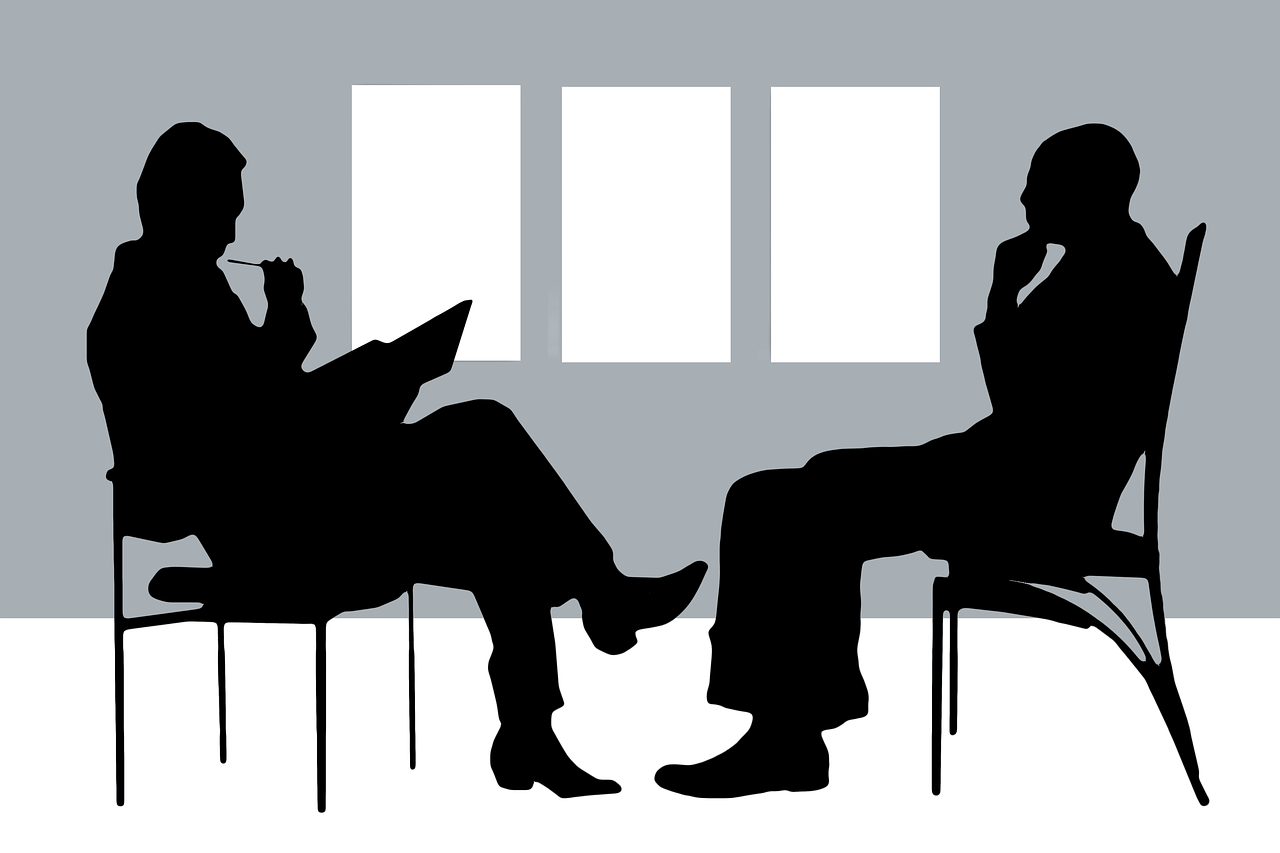
Therapist

Therapist.
Photo courtesy of Pixabay.com

Therapist or friend – what is the difference?

1. Friends may keep your secrets; therapists are required to keep them.

Some friends are so close you can tell them anything. Well, almost anything. Most of us have secrets which we were sure we could never tell anyone. Friends are usually friends because we have things in common. If you tell them everything can they, will they, keep the secret? What effect might their knowing the secret have on your friendship? What if you two have a falling out? Some things are just too embarrassing to tell a friend.

There are two concepts that keep a therapist from revealing secrets. Confidentiality, which means that they can’t talk about what you say unless it fits those very few exceptions like you are suicidal or talk about abuse of a child. Other than that what you say there stays there.

Also, there is what is called patient-provider privilege. That means some things may be protected even if police or lawyers come around asking questions. Friends don’t get legal protection to keep your secrets.

You are only as sick as your secrets – Friends shouldn’t have to carry some secrets

2. Friends can help you solve today’s problem – counselors can help you learn to solve your own problems.

Counselors often work with clients to help them learn skills to solve life’s problems. Friends may tell you what to do in a given situation but that does not help you with the next problem.

You want help that will help you become more independent not more dependent. Therapists are taught they should help you be independent not foster dependency.

3. Friends may not want to hurt you but sometimes you need to hear the truth.

A professional person can give you their honest opinion. You paid for it and you deserve it. Friends may be afraid to tell you the truth for fear of losing a friend.

4. Friends get tired of listening to your problems, therapists do this for a living.

Ever meet someone who was really needy. Every time you talked to them it was all about their problem of the day? When you are going through something difficult you need to talk about it. Friends can get talked out. Don’t burn out friends and damage friendships by asking friends to become very involved in your problems.

5. Friends have a good heart. They want to help with your problems. That doesn’t mean they always known how.

Therapists have many years of schooling and specific training in how to help people like you with problems. They study not only diagnosis and treatment but how to help with particular problems.
It is that kind of expertise that you need in your corner when that problem overwhelms you.

6. Friends can play the game with you, but counselors and coaches can help you improve your game.

When the team is losing all the players are going to talk to each other. They know what it feels like to lose. What they don’t always know is how to change that losing streak. That is where a new coach can come in and help turn a team around. Counselors, therapists, and professional coaches can do that for your life problems.

That does not mean you should avoid friends or peer support groups. Both are vital parts of your support system. Millions have recovered from alcoholism in A.A. But if you find that when you talk to your friends about your problem, that they don’t know how to help you or that the solutions they offer are not helping, consider that you may have a second problem, a mental health problem and seek professional help.

Those are some reasons that you might decide to see a therapist rather than talk with a friend. What if your friend is a therapist? What if you are a counselor? In the next post, I want to talk about reasons to keep that friendship and that professional relationship separate.

Staying connected with David Joel Miller

Seven David Joel Miller Books are available now!

My newest book is now available. It was my opportunity to try on a new genre. I’ve been working on this book for several years, but now seem like the right time to publish it.

Story Bureau.

Story Bureau is a thrilling Dystopian Post-Apocalyptic adventure in the Surviving the Apocalypse series.

Baldwin struggles to survive life in a post-apocalyptic world where the government controls everything.

As society collapses and his family gets plunged into poverty, Baldwin takes a job in the capital city, working for a government agency called the Story Bureau. He discovers the Story Bureau is not a benign news outlet but a sinister government plot to manipulate society.

Bumps on the Road of Life. Whether you struggle with anxiety, depression, low motivation, or addiction, you can recover. Bumps on the Road of Life is the story of how people get off track and how to get your life out of the ditch.

Dark Family Secrets: Doris wants to get her life back, but small-town prejudice could shatter her dreams.

Casino Robbery Arthur Mitchell escapes the trauma of watching his girlfriend die. But the killers know he’s a witness and want him dead.

Planned Accidents  The second Arthur Mitchell and Plutus mystery.

Letters from the Dead: The third in the Arthur Mitchell mystery series.

What would you do if you found a letter to a detective describing a crime and you knew the writer and detective were dead, and you could be next?

Sasquatch. Three things about us, you should know. One, we have seen the past. Two, we’re trapped there. Three, I don’t know if we’ll ever get back to our own time.

For these and my upcoming books; please visit my Author Page – David Joel Miller

Want the latest blog posts as they publish? Subscribe to this blog.

For videos, see: Counselorssoapbox YouTube Video Channel

Morning Question # 1 – MFT trainee or MFTT?

By David Joel Miller, MS, Licensed Therapist & Licensed Counselor.

Counseling questions

Counseling questions.
Photo courtesy of Pixabay.com

Morning Questions. (Sometimes reader question.)

A new feature for this blog. Sometimes a question or comment comes in or someone uses a search term that needs a short answer but not a post. Occasionally in the early morning, I will post answers to those questions. Here is the first one.

Morning Question # 1 – MFT trainee or MFTT?

ALWAYS – MFT Trainee. MFT Trainees are still in school. They are not yet registered or licensed. They can only work under close supervision. Both at the school they attend and the field placement they are supervised. In California, the rule is one hour of supervision for every 5 hours of client contact. Not spelling out the full word Trainee can be misleading.

For MFT interns –  who have graduated but are still accruing hours for their license the same rule applies. They should always list themselves as MFT Interns NOT MFTI. This is to avoid misrepresenting their credentials to the public.

Both trainees and interns should also tell clients who is supervising them.

Some other professions use different labels for students and unlicensed workers. For example, most social work interns have about the same experience as MFT trainees this leads to all kinds of arguments about the merits of “interns.”  For more on this label, issue see “Therapist, Counselor or Social worker?”

Is it a medical problem or a mental health problem – Axis III

By David Joel Miller, MS, Licensed Therapist & Licensed Counselor.

Medical record

Diagnosis.
Photo courtesy of Pixabay.com

Which Axis does that go on?

UPDATE

Under the DSM-5 system, mental health professionals no longer separate the information onto five Axis. We do still look for this information.

Several questions have come in on the relationship between medical issues, physical symptoms, and the five-axis system of the DSM. This is the lay version of that discussion. For a full discussion, you would need to consult the APA site or the full DSM-4-TR. I see from the search terms coming into counselorssoapbox.com that there are several questions about this.

The mental health profession is focused on mental illnesses. The DSM it the “Diagnostic and Statistical Manual of Mental Disorders” for a good reason. So if the problem is medical it is outside what we are doing. If you have ANY doubt, please see a medical doctor first and get any possible physical illness or condition ruled out before seeing a therapist. The DSM, however, does not see psychical and mental disorders as two separate things even though different professions may treat different aspects.

Some mental disorders can create symptoms that are physical. People who are depressed may not be able to sleep or they may sleep excessively. Nightmares can be a symptom of PTSD. These sorts of mind-body problems can be helped by therapy. Some disorders have elements of both physical illness and learned behavior. If a mental illness is caused by a medical problem it is diagnosed as a mental illness and goes on axis I. The DSM cites a thyroid condition that results in depression as an example of this. Drug-induced hallucinations would be another.

Short answer – Mental illness goes on Axis I

(Axis II if it is long-term or hard to treat like Personality Disorders)

Some physical conditions can affect your mental health even though they are not the direct cause of the illness. If you become depressed as a result of a cancer diagnosis then the therapist and the psychiatrist would want to know about cancer when treating your depression. Medical conditions affecting your mental health show up on Axis III. Which is a sort of “oh by the way” thing for therapists.

A medical condition that “influences” your mental health – AXIS III

One reader asked about coding Pregnancy. As I see it if I were treating a client for OCD and she gets pregnant, the pregnancy does not have to be coded. If I were treating this same person for depression and anxiety as a result of a rape and now she finds out she is pregnant, well the pregnancy may now have an effect on her mental health.

Sleep disorders are especially troubling. Poor sleep can be a symptom of a mental illness as in depression. Poor sleep can cause mental illness as in a breathing problem (sleep apnea) that prevents good sleep and creates depression or irritability. Intrusive nightmares can be a sign of PTSD. They can also be causing or maintain the symptoms.

There are some sleep disorders listed in the DSM but that list is not as inclusive as the list in the International Classification of Sleep Disorders. Sometimes there is a connection and sometimes people have a mental illness and sleep disorders that may influence each other but are not directly linked.

Sleep disorders are a highly specialized area. If you have a problem with sleep I recommend that you talk with your physician and you may need a referral to a sleep specialist.

In a future blog post or two, I want to discuss some conditions that get mistaken for other things and mixed up with mental health diagnoses.

More on Sleep Paralysis, Hypnagogic Hallucinations (Hypnagogia), Hypnopompic Hallucinations, Lucid Dreaming, and their relationship to mental illness in posts to come.

Staying connected with David Joel Miller

Seven David Joel Miller Books are available now!

My newest book is now available. It was my opportunity to try on a new genre. I’ve been working on this book for several years, but now seem like the right time to publish it.

Story Bureau.

Story Bureau is a thrilling Dystopian Post-Apocalyptic adventure in the Surviving the Apocalypse series.

Baldwin struggles to survive life in a post-apocalyptic world where the government controls everything.

As society collapses and his family gets plunged into poverty, Baldwin takes a job in the capital city, working for a government agency called the Story Bureau. He discovers the Story Bureau is not a benign news outlet but a sinister government plot to manipulate society.

Bumps on the Road of Life. Whether you struggle with anxiety, depression, low motivation, or addiction, you can recover. Bumps on the Road of Life is the story of how people get off track and how to get your life out of the ditch.

Dark Family Secrets: Doris wants to get her life back, but small-town prejudice could shatter her dreams.

Casino Robbery Arthur Mitchell escapes the trauma of watching his girlfriend die. But the killers know he’s a witness and want him dead.

Planned Accidents  The second Arthur Mitchell and Plutus mystery.

Letters from the Dead: The third in the Arthur Mitchell mystery series.

What would you do if you found a letter to a detective describing a crime and you knew the writer and detective were dead, and you could be next?

Sasquatch. Three things about us, you should know. One, we have seen the past. Two, we’re trapped there. Three, I don’t know if we’ll ever get back to our own time.

For these and my upcoming books; please visit my Author Page – David Joel Miller

Want the latest blog posts as they publish? Subscribe to this blog.

For videos, see: Counselorssoapbox YouTube Video Channel

Goodbye to Drugs ritual – Breaking up with an addiction

By David Joel Miller, MS, Licensed Therapist & Licensed Counselor.

Writing a goodbye letter to your drug.
Picture courtesy of pixabay

Is it hard to let go of your addiction?

When the courtship began it was all good. That drug, the alcohol, the gambling they were fun. Your drug of choice stays with you no matter what.

People come and go in our lives but that addiction we develop it stays with us. Women come and go, Sherry is always waiting, along with Bud and Jose and their friends. Crystal will take you in when no one else wants to see you. It can be hard to say goodbye.

We have ceremonies for starting things, marriages, births of children, graduations. There are ceremonies for ending things also, divorce decrees and funerals, and the retirement dinner. How do you say goodbye to that drug?

Do you remember the first time you tried the drug, that first drink, and the feelings that your drug of choice gave you? In the beginning, was it good? Did it make you feel excited, happy, and successful?

Then did bad things start happening? Did the drug take you places you didn’t want to go? Did it send you to jails, institutions, homeless shelters, or to lonely places?

It is easy sometimes when all looks bleak to remember the good times if only you could reach that same high again. But you know that it takes ever more and more drug to reach the same high and then one day even the drug can’t get you high. Then it takes more of your drug just to get well, just to feel normal.

It is hard breaking up with someone you have been with for a long time, even when the relationship has gone bad. You remember those good times, long ago when the relationship was new and you wonder how you could live without that drug.

Ending a romantic relationship is often done with a goodbye letter, the “Dear John” or “Dear Jane’ letter. If you want to be free of your drug you may need to write it that same letter.

Dear Methie, Dear Alcehol, we had some good times way back when, but you done me wrong. You said you could make me rich and famous, but you took my money and put my picture on the wanted list. You said you would be my friend, but then you left me alone in jails, prisons, and hospitals. Now you have taken my life and left me looking for ways to end it. It’s time for me to say good-bye ole drug of mine.

Once that letter is written read it over. Have you said it all? Is it clear that you and the drug are through? Or did you leave the door open, breaking up and still wanting it to call again? Rewrite the letter if you need to. Make this one final. The relationship is over. Then send the letter the way your drug of choice will understand.

Some people find it helps to tear the letter up and flush it down the toilet, the way the drug tried to put your life in the toilet. Are your dreams up in smoke? You may need to take that letter to a safe place and burn it. Some people feel that everything about their life has gone downstream; they may wish to tear the goodbye letter up and toss it in the river.

Creating a ceremony marking the end of your relationship with that drug that used and abused you is a good way to start the next chapter of your life.

Some people prefer to do this sort of ritual alone. For others, it is helpful to have a trusted friend, counselor, or sponsor to help with the goodbye process.

However, you chose to do this goodbye ceremony, do it, and toss that drug of choice out of your life. Stop choosing drugs and start choosing yourself.

Staying connected with David Joel Miller

Seven David Joel Miller Books are available now!

My newest book is now available. It was my opportunity to try on a new genre. I’ve been working on this book for several years, but now seem like the right time to publish it.

Story Bureau.

Story Bureau is a thrilling Dystopian Post-Apocalyptic adventure in the Surviving the Apocalypse series.

Baldwin struggles to survive life in a post-apocalyptic world where the government controls everything.

As society collapses and his family gets plunged into poverty, Baldwin takes a job in the capital city, working for a government agency called the Story Bureau. He discovers the Story Bureau is not a benign news outlet but a sinister government plot to manipulate society.

Bumps on the Road of Life. Whether you struggle with anxiety, depression, low motivation, or addiction, you can recover. Bumps on the Road of Life is the story of how people get off track and how to get your life out of the ditch.

Dark Family Secrets: Doris wants to get her life back, but small-town prejudice could shatter her dreams.

Casino Robbery Arthur Mitchell escapes the trauma of watching his girlfriend die. But the killers know he’s a witness and want him dead.

Planned Accidents  The second Arthur Mitchell and Plutus mystery.

Letters from the Dead: The third in the Arthur Mitchell mystery series.

What would you do if you found a letter to a detective describing a crime and you knew the writer and detective were dead, and you could be next?

Sasquatch. Three things about us, you should know. One, we have seen the past. Two, we’re trapped there. Three, I don’t know if we’ll ever get back to our own time.

For these and my upcoming books; please visit my Author Page – David Joel Miller

Want the latest blog posts as they publish? Subscribe to this blog.

For videos, see: Counselorssoapbox YouTube Video Channel

When you were born did you get your instruction book?

By David Joel Miller, MS, Licensed Therapist & Licensed Counselor.

Books for sale

Books.
Photo courtesy of pixabay.

Did you get your life’s instruction book?

With most important things, when you make the purchase you get an instruction book. When you buy a new mower, you get a book.  When you buy a barbecue, you get a book. When I came home from the hospital I don’t think I got a book.

It would have been nice to get an instruction manual for life when I was born. How about you? Did you get an instruction book that told you what to do and where to go? Wouldn’t that have been helpful?

Such a book should include warnings – don’t do that with your life, it can be painful.

So often I feel like I am making this life up as I go along. You would think the instructions would have been clearer. Should I move here or there? Which relationships should I get into and which should I avoid. It would be nice to have instructions to known about the warnings without having to make the mistakes and suffer the pain of yet another learning experience.

Some hospitals used to give out books to new parents, what to do, and not do to be a good parent. Most of those books described the “typical” child and the “average” parent. “Typical” and “average” are rare things – almost as rare as those elusive “normal” people.

People who were given those baby-raising books, or bought one, report that the books were only marginally helpful. Not that you should do without one. If by some chance of luck you get a book that tells you how to raise a child and the system works, cherish that book. Just most of the time the book describes things that don’t happen, and your child is doing things that don’t sound like anything in the book.

Think of those baby-raising books more like field guides to the fauna of childhood than any accurate plan for raising your child right.  Books that describe developmentally appropriate parenting and life stages give you a guide to things some or many children a certain age do or should be able to do. As for your child, the writer of that book knows no more than the child does about how he may act tomorrow.

Which should you spring for, sports equipment, music lessons, or tutoring in algebra? Do everything right and your child may become famous for something you forgot to provide for him and may fail at the thing you put all that time and effort into. Kids are like that, so are adults.

The older the child gets, the less helpful the book becomes. Give that child a year, and just as you get them figured out they will have changed.

By the time your child is grown the book is hopelessly out of date, or the child is.

Most of the people who come to see me for counseling report they not only didn’t they get a book on how to be a parent they got even less information on how to grow up. So we teach our kids the lessons we learned from them about being a parent and leave the how-to grow up and have a happy life for them to figure out.

Despite all the books out there on how to live and how to have a happy life we still all need to live, make choices, and learn from our mistakes as well as our successes.

So consider all those self-help books – mine included, as books of suggestions. Try on the things that are suggested but feel free to discard anything that doesn’t work.

So many of my plans for a great life didn’t work out the way I planned them. I think that may be why the hospital neglected to give me that instruction book for my life. The full instructions are still being tested and improved.

Hope you are successful at designing and constructing a happy life for yourself. Remember there is time to write another chapter right up till the Great Editor adds the “The end.”

Staying connected with David Joel Miller

Seven David Joel Miller Books are available now!

My newest book is now available. It was my opportunity to try on a new genre. I’ve been working on this book for several years, but now seem like the right time to publish it.

Story Bureau.

Story Bureau is a thrilling Dystopian Post-Apocalyptic adventure in the Surviving the Apocalypse series.

Baldwin struggles to survive life in a post-apocalyptic world where the government controls everything.

As society collapses and his family gets plunged into poverty, Baldwin takes a job in the capital city, working for a government agency called the Story Bureau. He discovers the Story Bureau is not a benign news outlet but a sinister government plot to manipulate society.

Bumps on the Road of Life. Whether you struggle with anxiety, depression, low motivation, or addiction, you can recover. Bumps on the Road of Life is the story of how people get off track and how to get your life out of the ditch.

Dark Family Secrets: Doris wants to get her life back, but small-town prejudice could shatter her dreams.

Casino Robbery Arthur Mitchell escapes the trauma of watching his girlfriend die. But the killers know he’s a witness and want him dead.

Planned Accidents  The second Arthur Mitchell and Plutus mystery.

Letters from the Dead: The third in the Arthur Mitchell mystery series.

What would you do if you found a letter to a detective describing a crime and you knew the writer and detective were dead, and you could be next?

Sasquatch. Three things about us, you should know. One, we have seen the past. Two, we’re trapped there. Three, I don’t know if we’ll ever get back to our own time.

For these and my upcoming books; please visit my Author Page – David Joel Miller

Want the latest blog posts as they publish? Subscribe to this blog.

For videos, see: Counselorssoapbox YouTube Video Channel

7 places to avoid when looking for dates – Dave’s Dating Tips

By David Joel Miller, MS, Licensed Therapist & Licensed Counselor.

Comment

Bad neighborhood.
Photo courtesy of Pixabay.com

Places you should never go to find a date

People with a mental health challenge or who are in recovery, want, and need a close loving relationship just as much as anyone else. Sometimes in our search for a close partner, we look in all the wrong places. Here are a few of the places clients told me they found dates that I need to warn you about.

When people are sick they tend to attract sick people. Now two people with disabilities can be a great match and a great support system for each other. Just makes sure you and your potential partner are headed in the direction of recovery, not continued sickness.

Here are 7 places to avoid when looking for dates. There are good places to look; only these are NOT those good places.

1. Do not hang out around the V. D. clinic waiting for the easy ones.

When you pick a partner you pick a set of problems, different partner different set of problems. Try to avoid partners with incurable diseases. Remember when you sleep with a partner you are sleeping with all their ex’s. People with a history of sexual problems are likely to continue to have those problems. I know there are exceptions to every rule, but is this one you want to take a chance on?

2. Avoid crack houses or bars

Lots of people with an alcoholic ex get a divorce, and then their friends take them out to celebrate at — you guessed it – a bar. They meet someone; fall in love, only to discover that the new partner is — an alcoholic. People active in their addiction don’t have a place in their life for a new healthy partner. They are looking for someone who will enable them to keep drinking and using. People with an addiction are likely to be found in their natural habitat.

3. Don’t wait outside prisons for people with gate money.

Now if this is your old man or old woman getting out, that might be an exception. People do change, but give them time to find a job and a place to live before you sign on to put money on their books the next time they are away.

4. Homeless shelters are not prime dating spots

Sometimes bad things happen to good people. People are ending up homeless that never thought they would, but if you are cruising this kind of place for a date what does that say about you? Does the word predator come to mind?

5. Don’t try to pick people up while at the psychiatric hospital

This is not the time or place to start a relationship. You both need to work on you. Actually, come to think of it I know some people who met in a psychiatric facility and made a go of the relationship, but they didn’t hook up on the first hospitalization. Work on getting better first.

6. Avoid people who left domestic violence court and can’t go home because of the restraining order.

Just like some people keep hooking up with alcoholics or drug addicts there are people who keep being attracted to the strong forceful type. Then they are surprised when the relationship turns violent. If you were abused as a child or are just out of an abusive relationship be especially alert for this type of repeating pattern.

7. Avoid people with a lot of babies daddies or babies mothers.

Be especially cautious if the person you meet seems to have more children’s parents than they have children. Can’t tell you exactly where to find this sort of person but you will know then when you see them because there are just so many places they can’t go for fear of running into an ex.

So there are Dave’s 7 places to avoid when looking for people to date. Any of you have any other places you would care to add to this list? Any of you that found a great place to meet people to date that actually worked out and you would care to share?

Staying connected with David Joel Miller

Seven David Joel Miller Books are available now!

My newest book is now available. It was my opportunity to try on a new genre. I’ve been working on this book for several years, but now seem like the right time to publish it.

Story Bureau.

Story Bureau is a thrilling Dystopian Post-Apocalyptic adventure in the Surviving the Apocalypse series.

Baldwin struggles to survive life in a post-apocalyptic world where the government controls everything.

As society collapses and his family gets plunged into poverty, Baldwin takes a job in the capital city, working for a government agency called the Story Bureau. He discovers the Story Bureau is not a benign news outlet but a sinister government plot to manipulate society.

Bumps on the Road of Life. Whether you struggle with anxiety, depression, low motivation, or addiction, you can recover. Bumps on the Road of Life is the story of how people get off track and how to get your life out of the ditch.

Dark Family Secrets: Doris wants to get her life back, but small-town prejudice could shatter her dreams.

Casino Robbery Arthur Mitchell escapes the trauma of watching his girlfriend die. But the killers know he’s a witness and want him dead.

Planned Accidents  The second Arthur Mitchell and Plutus mystery.

Letters from the Dead: The third in the Arthur Mitchell mystery series.

What would you do if you found a letter to a detective describing a crime and you knew the writer and detective were dead, and you could be next?

Sasquatch. Three things about us, you should know. One, we have seen the past. Two, we’re trapped there. Three, I don’t know if we’ll ever get back to our own time.

For these and my upcoming books; please visit my Author Page – David Joel Miller

Want the latest blog posts as they publish? Subscribe to this blog.

For videos, see: Counselorssoapbox YouTube Video Channel
Are people who go for counseling crazy?

Sorry, this post is no longer available.

New post over at counselorfresno.com “If I go for counseling does that mean I am crazy.” If you check it out feel free to leave a comment and let me know what you think.

By David Joel Miller.

What do drug dreams mean?

By David Joel Miller.

Drug dreams.
Photo courtesy of pixabay.

Drug dreams and nightmares in people with co-occurring issues.

An increase in dreams is a common occurrence among people in early substance abuse recovery. Some of these dreams become especially vivid and troubling. Many drugs suppress dreaming and the brain seems to need to make up for those lost dreams. Some of these dreams are memories being consolidated or current issues. Other previously suppressed dreams may be unfinished business, especially traumas that had not been processed while the client was using or drinking.

I remind clients that being unconscious is not the same thing as sleeping. The heavy use of drugs and alcohol has not allowed normal dreaming to take place.

Often there is an increase in nightmares as the person gets more time off the drugs or alcohol. As we discussed in a previous post (Getting rid of nightmares that maintain depression and PTSD) those dreams that are interpreted as nightmares play a role in maintaining depression, anxiety, and PTSD. This is an extra problem for those who have used alcohol to avoid the disturbing nightmares and now experience nightmares as a trigger for relapse.

One commonly reported dream by people in recovery is the dream about using their drug of choice. The conventional wisdom is that as the person withdraws from the drug, the brain adjusts to a new balance without the presence of drugs and at this point dreams about the drug are common.

Clients who awake from a dream and are genuinely scared that they may have used may experience a panicked reaction. They need reassurance that dreams of drug use which result in a fear of use are a common and expected occurrence in recovery.

Some drug use dreams are so realistic that the client has the sense of tasting the drug in their mouth or feeling the familiar body changes. This sensation can be especially disturbing and may be a relapse trigger.

Positive drug use dreams can be dangerous. Franey and Christo, researchers from London, report that of clients with six weeks or more clean, 85% had drug use dreams. The average number of dreams was between two and three per month. The more drug use dreams the more the risk of relapse.

Frequent positive dreams may be a warning that the addictive part of your brain is craving drugs.

If you have drug use dreams it is important to talk with someone whom you trust as soon as possible after awakening from the dream.

The use of alcohol or sleeping pills is generally not recommended for people with substance abuse issues. The risk of abuse is great and the benefits generally small. If you feel you need some sleeping aids, talk with your doctor or psychiatrists about the risks and benefits before starting to take anything.  Make sure you remind your doctor of any substance abuse issues or mental health diagnosis before beginning a treatment program that includes sleep aids.

You might want to take a look at other posts on:

Sleep

Dreams and Nightmares 

Have you experienced drug use dreams? Feel free to leave a comment about your experiences with drug or alcohol use dreams.

Staying connected with David Joel Miller

Seven David Joel Miller Books are available now!

My newest book is now available. It was my opportunity to try on a new genre. I’ve been working on this book for several years, but now seem like the right time to publish it.

Story Bureau.

Story Bureau is a thrilling Dystopian Post-Apocalyptic adventure in the Surviving the Apocalypse series.

Baldwin struggles to survive life in a post-apocalyptic world where the government controls everything.

As society collapses and his family gets plunged into poverty, Baldwin takes a job in the capital city, working for a government agency called the Story Bureau. He discovers the Story Bureau is not a benign news outlet but a sinister government plot to manipulate society.

Bumps on the Road of Life. Whether you struggle with anxiety, depression, low motivation, or addiction, you can recover. Bumps on the Road of Life is the story of how people get off track and how to get your life out of the ditch.

Dark Family Secrets: Doris wants to get her life back, but small-town prejudice could shatter her dreams.

Casino Robbery Arthur Mitchell escapes the trauma of watching his girlfriend die. But the killers know he’s a witness and want him dead.

Planned Accidents  The second Arthur Mitchell and Plutus mystery.

Letters from the Dead: The third in the Arthur Mitchell mystery series.

What would you do if you found a letter to a detective describing a crime and you knew the writer and detective were dead, and you could be next?

Sasquatch. Three things about us, you should know. One, we have seen the past. Two, we’re trapped there. Three, I don’t know if we’ll ever get back to our own time.

For these and my upcoming books; please visit my Author Page – David Joel Miller

Want the latest blog posts as they publish? Subscribe to this blog.

For videos, see: Counselorssoapbox YouTube Video Channel
Why Blaming, Scolding and Criticizing don’t work

By David Joel Miller, MS, Licensed Therapist & Licensed Counselor.

Why blaming, scolding, and criticizing don’t work.
Photo courtesy of Pixabay.com

Ways to tame the blaming, scolding, and criticizing.

We all know someone who relies on these techniques and we know that these methods of communicating don’t make us want to do what they are asking. In many families, this becomes the primary way in which people communicate even when the person doing the blaming knows they don’t like the feeling of being on the receiving end of this sort of communication.

You can recognize someone doing these behaviors easily, but recognizing when you are doing them and changing to more effective behaviors takes some effort and practice. Responding to a scolder with scolding does not solve the problem. It only further escalates the conflict.

Blaming as communication.

Blaming is one of the three “communication stances” described by Virginia Satir, one of the founders of family therapy, and others of her colleagues. She describes people as communicating in three basic ways – Blaming, Placating, and congruent communications.

Blaming is the looking down on other’s stance, it includes all sorts of putting the person you are talking to down and making them “less than.”

Placating communication scrambles the message.

Placating might be described as the “victim stance.” We see puppies take this stance when they roll over and expose their bellies. Children will cower when yelled at. Placating says I give in. It says nothing about agreeing.

Congruent communication.

Congruent communication is the preferred mode in which people talk to each other as equals. Congruent communication does not look for whose fault it is that things are out of whack. the goal here is understanding.

Criticizing sabotages communication.

Criticizing has been described as attacking the person, not the action you want to change. Scolding includes a range of behaviors, verbal and physical that is designed to make the person being scolded “smaller” and the scolder feels more powerful and in control.

Some authors have suggested there is a difference between “complaining” in which you ask for a change and “criticizing” in which you just run the other person down in an effort to get revenge. One way to become more aware of these behaviors is to actually practice them until you recognize when you are doing them. Ben Furman has described some of these behaviors related to scolding. Done as a group activity the behaviors can be exaggerated until they become downright funny.

Here are the things a good blamer, scolder, and criticizer should be able to do automatically.

1. Tower over the person to be upbraided.

Parents have a natural advantage here. They are taller to start with. But if the person you are trying to demean is near your size, wait till they are seated and then pulling yourself up as much as possible and crowd in close so they can’t get up. In a pinch, a ladder or standing on a chair might help.

2. Stick your finger in their face.

This gesture, the universal sign of I am right and you are no good works, best if the finger motion includes several wags. Practice the up-down pound them into the ground move and the left-right “bad dog” move.

3. Leave no doubt that they are totally worthless.

Use plenty of words that leave no room for them to ever make it up to you or redeem themselves. You never, you always and other categorical statements should prove their worthlessness.

4. Demean their intelligence.

Statements like “anyone with half a brain would know” are especially good. Remind them they are dumb, stupid and that they have none of that rare commodity “common sense.” It helps to remind them how much common sense you have.

5. Ask questions for which there are no answers.

Don’t you understand that—?

Why did you do that?

6. Call them names.

Calling the person you are talking to “stupid” or “idiot” is sure to get a dramatic response out of the person you are talking at. Not a positive response necessarily, but a huge response none the less.

7. Be as vague as possible.

Never ask specifically for what you want and if by some chance they should request a clarification fall back on the old standbys “you know what I mean” or “If I have to explain it, you wouldn’t understand anyway.”

8. When all else fails try threatening.

Remind your children that if they don’t start doing as you tell them you will ground them for life. Threatening to take away the cell phone till they turn thirty can be especially ineffective. Make threats as large, outlandish, and impossible as you can. No sense in threatening with something you might actually be able to do.

Now should you want to really communicate in a positive way, which may be harder and require more work, then reverse the process and do the opposite of the things described above.

There you have it, 8 suggestions for becoming really good at Blaming, Scolding and Criticizing, and one antidote for poor communication.

Staying connected with David Joel Miller

Seven David Joel Miller Books are available now!

My newest book is now available. It was my opportunity to try on a new genre. I’ve been working on this book for several years, but now seem like the right time to publish it.

Story Bureau.

Story Bureau is a thrilling Dystopian Post-Apocalyptic adventure in the Surviving the Apocalypse series.

Baldwin struggles to survive life in a post-apocalyptic world where the government controls everything.

As society collapses and his family gets plunged into poverty, Baldwin takes a job in the capital city, working for a government agency called the Story Bureau. He discovers the Story Bureau is not a benign news outlet but a sinister government plot to manipulate society.

Bumps on the Road of Life. Whether you struggle with anxiety, depression, low motivation, or addiction, you can recover. Bumps on the Road of Life is the story of how people get off track and how to get your life out of the ditch.

Dark Family Secrets: Doris wants to get her life back, but small-town prejudice could shatter her dreams.

Casino Robbery Arthur Mitchell escapes the trauma of watching his girlfriend die. But the killers know he’s a witness and want him dead.

Planned Accidents  The second Arthur Mitchell and Plutus mystery.

Letters from the Dead: The third in the Arthur Mitchell mystery series.

What would you do if you found a letter to a detective describing a crime and you knew the writer and detective were dead, and you could be next?

Sasquatch. Three things about us, you should know. One, we have seen the past. Two, we’re trapped there. Three, I don’t know if we’ll ever get back to our own time.

For these and my upcoming books; please visit my Author Page – David Joel Miller

Want the latest blog posts as they publish? Subscribe to this blog.

For videos, see: Counselorssoapbox YouTube Video Channel

Getting rid of Nightmares that maintain Depression and PTSD

By David Joel Miller, MS, Licensed Therapist & Licensed Counselor.

Nightmares maintain depression and PTSD.
Photo courtesy of Pixabay

Then Come Nightmares.

Frequent nightmares play a major role in maintaining depression, PTSD, and other mental health problems. It is common for people to think that they need to cure the PTSD or Depression and then the nightmares will go away.  The opposite approach is more likely to be productive.

Most treatments for PTSD do not target the nightmares. There are treatments for nightmares available, some as brief as three sessions. These have been shown to help reduce nightmares and promote recovery from other problems.

Treatment for nightmares has been shown to reduce symptoms of PTSD and depression.

Children also suffer from nightmare related problems. Children who are fearful because of a family problem, moves, divorces, or separation develop symptoms of mental illness. “Bad dreams” are the result of the child’s out of control fear and are at the root of many childhood attention or conduct disturbances. When the child gets a good night’s sleep they behave, when they don’t sleep they don’t pay attention, and they don’t mind.

Nightmares are associated with high levels of anxiety. They are fear-based.

Most people who have PTSD, depression, bipolar disorder, or any other diagnosis also have a co-occurring anxiety problem. Now sometimes anxiety is good, it protects you from danger. But when the anxiety circuits do not turn off the anxiety gets to be the problem rather than the solution.

We also see lots of disturbing dreams in clients recovering from substance abuse problems. Substance abuse counselors report clients sharing about drug-using dreams. We have some simple interventions around those issues, but not much research has been done in this area because substance abusers, people with Bipolar Disorder, and people with psychosis are routinely excluded from research studies. I believe that the treatment for nightmares will work for anyone.

The solution is to tone down that fear circuit.

Before I describe a treatment method for reducing nightmares – a word of caution, working on nightmares, especially those that maintain PTSD, can be a painful process. It is best to work with a therapist or other professional person, and you need to make sure you have a strong support system in place in case you have difficulty coping.  For more on support systems see “How to develop a support system” or “How supportive is your support system?”

Taming nightmares involves three steps.

1. Learn relaxation methods.

Nightmares are fear-based, and the fear persists after you awake. Sitting thinking about the scary part of the dream might reinforce the nightmare and result in memorizing your nightmare. Fear and relaxations are not compatible. The more you relax, the less fear you will have. As you get better at relaxing your fear shrinks and your dreams become less traumatic.

2. Learn sleep hygiene

Keeping regular bedtimes, reducing or eliminating caffeine especially in the hours before bedtime and other efforts to improve sleep naturally are helpful. It is important to allow plenty of time for sleep.

People who stay up late and get up early gradually become sleep deprived. Lack of sleep aggravates all sorts of mental health issues. Insufficient sleep increases the possibilities that you will be suddenly awakened and will remember the “bad dreams.”

During sleep the brain keeps working on our issues, memories are consolidated and thoughts organized. We only call dreams “nightmares” if we awake during the dream and have memories of it. Better sleep can result in fewer nightmares.

3. Begin treatment of the nightmares once you are relaxed and well-rested.

The process of “reframing” nightmares makes them less scary and more manageable. Reframing or reprocessing is helpful for intrusive daytime thoughts as well as for nightmares.  The application of this to reducing or eliminating nightmares was described by Rhudy et al. in their 2010 article on CBT treatment for nightmares in trauma-exposed people, where they called it “ERRT” therapy.  Ben Furman has also described a similar approach for use with children.

Disclaimer- Rhudy et al.’s study, like most research in the mental health area, excluded substance abusers, people with mania or psychosis, and probably screened out all people with Bipolar Disorders. The sample size was also low with about twenty people per group. There is so much overlap between substance abuse, bipolar disorder, and PTSD in the clients I see these studies leave out exactly the people who most need new effective treatments. That said – the ideas appear to be fully appropriate for clients with co-occurring disorders.

Here is how it works:

To reprocess or reframe nightmares do the following things:

A. Write out as full a description of the nightmare as possible.

Getting it down on paper tames the story and makes it manageable. It also allows you to go back over it and add missing details. In step C you will be rewriting it with added insight.

Remember that it is a normal process for your brain to use your dreams to make sense of your experiences. In dreams, your brain will turn the experience around and examine it from all sides. Your brain may also play out multiple alternative endings for the event. It is not the dream that is the problem; it is the connection between the dream and fear that makes this a nightmare.

If you have several versions of the dream try to write them all down.

B. Read the nightmare story aloud.

Listen for the themes in the story. What are the fear messages? I think it is helpful to be able to read this to a therapist or other support person who can keep you from being overwhelmed and can provide some insight into things you may not immediately see. Just don’t make someone listen to your nightmare that is not emotionally able to hear the story.

C. Re-script the nightmare.

What is the expected ending? What is an alternative ending? Write out the story this time with a new less scary ending. Read the new version out loud. Has seeing a new possible ending tamed the fear?

Furman described a story, not sure where it originated, in which a grandmother applied the sort of approach to her grandson’s nightmare.

The child came to the grandmother scared because of a nightmare.

“Grandma, ” he said, “I had a nightmare.”

“There are no such things as nightmares,” The grandmother said “Only goodmares. All dreams should have happy endings. The problem is you keep waking up before the end. What is a good ending that could have happened?”

In this story, the child then works with his grandmother to find new happy endings for these scary dreams. The result – fewer scary dreams and less fear when bad dreams occurred.

Warring – in people with PTSD who were treated with re-scripting the fear declined first, anger later and the frequency and length of nightmares were the last things to decline.

Talk to your care provider about this process. If you try this process, see if it works. Learn to relax more. Tame your sleep. Then tame your nightmares. If you have had success in changing your nightmares ending please share your success with the rest of us.

Staying connected with David Joel Miller

Seven David Joel Miller Books are available now!

My newest book is now available. It was my opportunity to try on a new genre. I’ve been working on this book for several years, but now seem like the right time to publish it.

Story Bureau.

Story Bureau is a thrilling Dystopian Post-Apocalyptic adventure in the Surviving the Apocalypse series.

Baldwin struggles to survive life in a post-apocalyptic world where the government controls everything.

As society collapses and his family gets plunged into poverty, Baldwin takes a job in the capital city, working for a government agency called the Story Bureau. He discovers the Story Bureau is not a benign news outlet but a sinister government plot to manipulate society.

Bumps on the Road of Life. Whether you struggle with anxiety, depression, low motivation, or addiction, you can recover. Bumps on the Road of Life is the story of how people get off track and how to get your life out of the ditch.

Dark Family Secrets: Doris wants to get her life back, but small-town prejudice could shatter her dreams.

Casino Robbery Arthur Mitchell escapes the trauma of watching his girlfriend die. But the killers know he’s a witness and want him dead.

Planned Accidents  The second Arthur Mitchell and Plutus mystery.

Letters from the Dead: The third in the Arthur Mitchell mystery series.

What would you do if you found a letter to a detective describing a crime and you knew the writer and detective were dead, and you could be next?

Sasquatch. Three things about us, you should know. One, we have seen the past. Two, we’re trapped there. Three, I don’t know if we’ll ever get back to our own time.

For these and my upcoming books; please visit my Author Page – David Joel Miller

Want the latest blog posts as they publish? Subscribe to this blog.

For videos, see: Counselorssoapbox YouTube Video Channel