Every day is April Fools’ Day when you are fooling yourself

By David Joel Miller, MS, Licensed Therapist & Licensed Counselor.
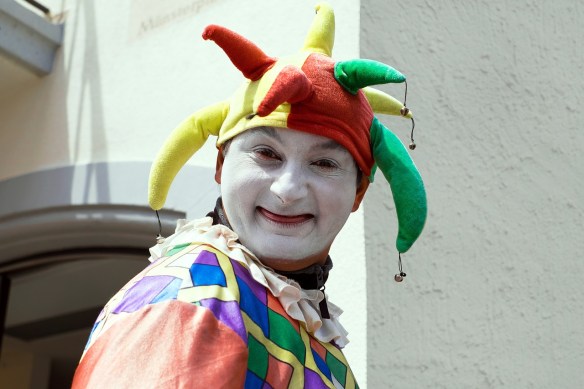
Fool.

Fool.
Photo courtesy of Pixabay.com

Do you know what is real and what is a hoax?

Today is April First. In many places, people will be celebrating April Fools’ Day. This day is dedicated to a whole lot of fun practical jokes and good times. Not everyone should be laughing.

The challenge in life is to tell the difference between the truth and things that are not true, regardless of the label we choose to put on those less-than-true thoughts and comments. Today you may be able to get away with some untruths if you can tell the difference, but not every day.

The falsehoods told today in the course of the April Fools’ Day festivities are in the medieval tradition when Fools were jokesters, comedians and the like. When we know things are exaggerated and overblown they can be laughable and a bit of silly fun. Not all untruths are innocent.

The most dangerous types of lies are the kind we tell ourselves. People in recovery, from whatever they chose to call their problem, may find that they have been telling lies, giving people stories, so much they have begun to believe their own dishonesty. Substance abusers, required to be dishonest to continue their addiction are at special risk to have stopped seeing the distinction between the true and the false in their own minds.

If you have been telling yourself things that are not true and have started to believe those stories they can be a huge obstacle to overcome on your road to recovery.

People in recovery need to stop worrying about who they told what and begin to get honest with themselves. The most important person to tell the truth to is you.

Some recovering people have been told a lot of things that were not true. Those lies create a lot of pain and sometimes separating the true from the false can be a chore. When the addict starts to get honest the others around them are at risk to become confused about what is true and what is false.

Some people have families who have kept deep dark secrets. Those families can’t stand, to tell the truth. They pressure the other family members to deny things happened and to continue to rely on the make-believe family tale

Lie, falsehoods and the like are not the only untrue information that takes up residence in our heads. False memories and beliefs, delusions and hallucinations are also traps for the unwary.

There are technical distinctions between hallucinations and things that are really there. There is a realm of in-between things that the profession has to call in or out. Did you really see that or were you hallucinating? There are reports of things that look like a hallucination but are not.

People with addiction and mental illness may have seen and experienced things that other people tell you never happened.

Sometimes we see something and we decide what that means. If we are correct in our apprised that is all well and good. But what if you are mistaken in what you think this means or what has happened? We might call these false beliefs or even delusions.

It is likely that we can tell when someone else around us is delusional but can you tell when you are delusional? Are there things that kind of look like delusions but are not?

So while walking the road to recovery we need to take a look at hallucinations, false memories, and delusions and try to find ways to understand why our own mind may trick us into believing things that just are not so.

This whole area of what is true what is false and what you think you know is a lot confusing. In some posts over this month I want to explore delusions, hallucinations both true and pseudo and some other aspects of getting honest with ourselves. Since psychologists and therapists call some of these phenomena by different names and understand it differently I want to start by looking at how these two professions get such different answers and then proceed to some thoughts about why your brain and our survival may have benefited at times from believing things that turn out to not be true.

Stay tuned for more on the subject of the real and the false, truth and lies over the coming month. These posts will be interspersed with some other topics as they come up so as not to put all the readers to sleep at the same time.

Have a great day fooling around and we will return to the search for reality and recovery tomorrow.

Staying connected with David Joel Miller

Seven David Joel Miller Books are available now!

My newest book is now available. It was my opportunity to try on a new genre. I’ve been working on this book for several years, but now seem like the right time to publish it.

Story Bureau.

Story Bureau is a thrilling Dystopian Post-Apocalyptic adventure in the Surviving the Apocalypse series.

Baldwin struggles to survive life in a post-apocalyptic world where the government controls everything.

As society collapses and his family gets plunged into poverty, Baldwin takes a job in the capital city, working for a government agency called the Story Bureau. He discovers the Story Bureau is not a benign news outlet but a sinister government plot to manipulate society.

Bumps on the Road of Life. Whether you struggle with anxiety, depression, low motivation, or addiction, you can recover. Bumps on the Road of Life is the story of how people get off track and how to get your life out of the ditch.

Dark Family Secrets: Doris wants to get her life back, but small-town prejudice could shatter her dreams.

Casino Robbery Arthur Mitchell escapes the trauma of watching his girlfriend die. But the killers know he’s a witness and want him dead.

Planned Accidents  The second Arthur Mitchell and Plutus mystery.

Letters from the Dead: The third in the Arthur Mitchell mystery series.

What would you do if you found a letter to a detective describing a crime and you knew the writer and detective were dead, and you could be next?

Sasquatch. Three things about us, you should know. One, we have seen the past. Two, we’re trapped there. Three, I don’t know if we’ll ever get back to our own time.

For these and my upcoming books; please visit my Author Page – David Joel Miller

Want the latest blog posts as they publish? Subscribe to this blog.

For videos, see: Counselorssoapbox YouTube Video Channel
Alcoholism Counseling Video 36 – odds and ends.

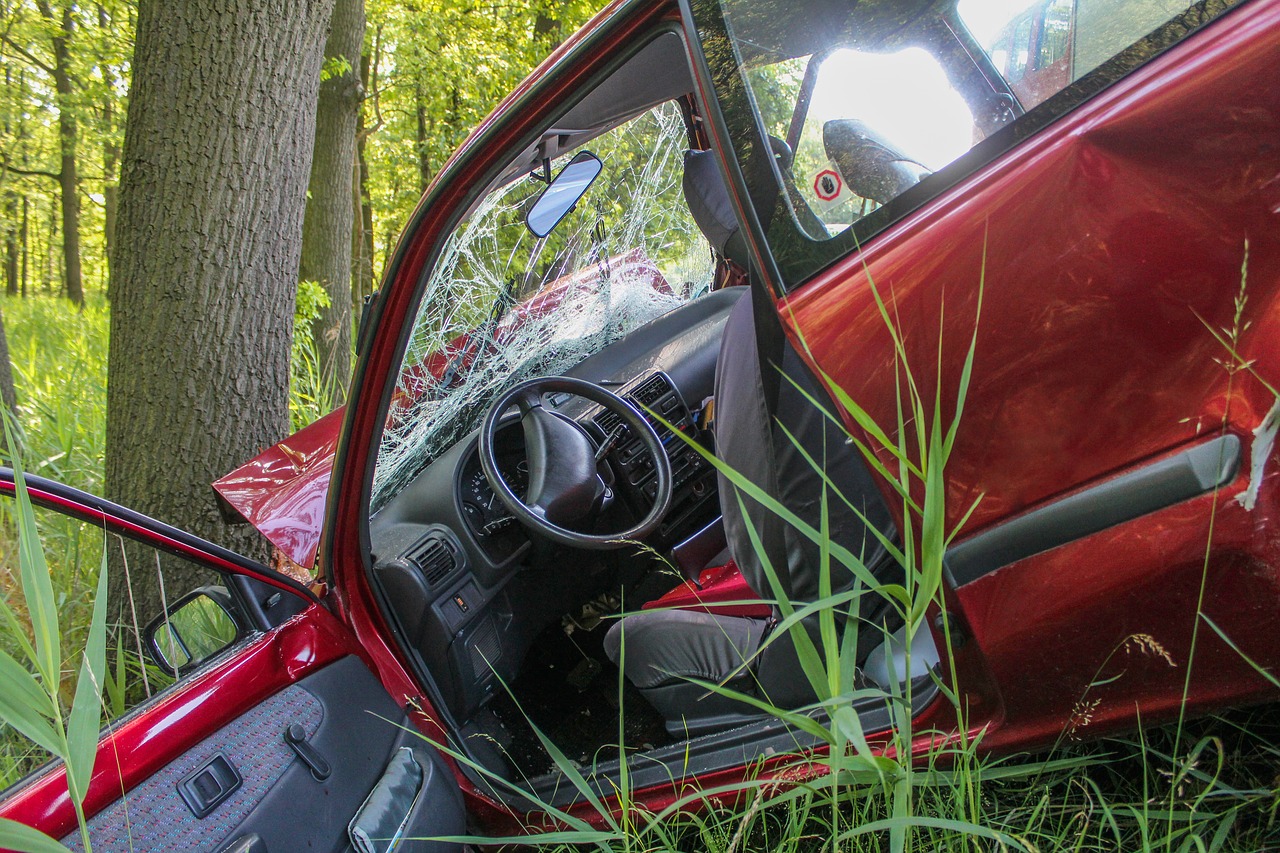
How to cope with failure.

Failure – Photo courtesy of Pixabay

By David Joel Miller, MS, Licensed Therapist & Licensed Counselor.

How well do you cope with failure?

Some people overcome failure more readily than others. Rather than being a natural inborn trait that some people have, and others don’t, coping with failures consists of several learnable skills. Some people stumble upon these failure-overcoming skills naturally, while other people need to study them to learn them. If you’ve experienced disappointments in your life that you’re still struggling with, here are some skills you need to develop to improve your ability to overcome life’s adversities.

Practicing self-compassion blunts the impact of failure.

Recognizing that you’re not alone in failing and exercising your self-compassion leads to better mental health. In one study, students who failed an exam but practiced Self-Compassion went on to study harder and do better on a subsequent exam. There’s no good scientific evidence that you can improve your performance by beating yourself up but being compassionate with yourself – that works.

Develop a success mindset, not a failure mindset.

Focusing on your mistakes and why you made them reduces your ability to take on the next life challenge. Learn to focus on what you need to learn and what you need to change to be successful, and you will become more resilient and better able to tackle future challenges.

Learn from other people’s experiences.

To more successfully bounce back from setbacks, study other people’s experiences. Why have others failed, and how have the successful people accomplished their goals. Don’t fall into the trap of believing that your experience is unique. Look for the similarities in other people’s experiences.

Avoid the perfectionism trap.

Efforts to live up to other people’s expectations that you should be perfect make it even more difficult to overcome failure. People who successfully overcome failures don’t try to live up to other people’s standards. They accept some failures as part of the process of learning and growing. Perfectionism, rather than helping you improve performance, can get in the way of taking the steps you need to improve your performance.

View failures as a part of the learning process, not a defect of character.

Failures, particularly those that are the result of overconfidence, are learning opportunities. Don’t believe that your mistake means there something wrong with you, but instead look for the lessons you still need to absorb. Recognizing your errors of judgment can be an essential part of improving your decision-making process. When you treat failure as part of the learning process, each unsuccessful attempt takes you one step closer to achieving your goal.

Don’t take your failures personally.

Approaching failure with a pessimistic attitude, the belief that your failure means you are defective leads to depression, anxiety, and poor mental health. Try not to personalize every error as evidence of your inability.

Don’t believe that one failure means you will never be successful.

Avoid generalizing from one unsuccessful experience to the belief that because you failed once, you will always fail. This unhelpful thought of overgeneralization interferes with your ability to try again and can lead to paralyzing depression. Most highly successful people had experienced repeated failures before they finally learned how to be successful.

Don’t believe that because you failed in one area, you will fail and everything.

If you’re honest with yourself, you will find there are some things you are better at than others. Struggling in a chemistry class doesn’t mean you can’t be successful in business, history, or some other field. If you play sports, you’re probably better at one sport than another. One element of success in life is finding the areas where your interests match your talents.

Start practicing the skills you need to bounce back from adversity.

Staying connected with David Joel Miller

Seven David Joel Miller Books are available now!

My newest book is now available. It was my opportunity to try on a new genre. I’ve been working on this book for several years, but now seems like the right time to publish it.

Story Bureau.

Story Bureau is a thrilling Dystopian Post-Apocalyptic adventure in the Surviving the Apocalypse series.

Baldwin struggles to survive life in a post-apocalyptic world where the government controls everything.

As society collapses and his family gets plunged into poverty, Baldwin takes a job in the capital city, working for a government agency called the Story Bureau. He discovers the Story Bureau is not a benign news outlet but a sinister government plot to manipulate society.

Bumps on the Road of Life. Whether you struggle with anxiety, depression, low motivation, or addiction, you can recover. Bumps on the Road of Life is the story of how people get off track and how to get your life out of the ditch.

Dark Family Secrets: Doris wants to get her life back, but small-town prejudice could shatter her dreams.

Casino Robbery Arthur Mitchell escapes the trauma of watching his girlfriend die. But the killers know he’s a witness and want him dead.

Planned Accidents  The second Arthur Mitchell and Plutus mystery.

Letters from the Dead: The third in the Arthur Mitchell mystery series.

What would you do if you found a letter to a detective describing a crime and you knew the writer and detective were dead, and you could be next?

Sasquatch. Three things about us, you should know. One, we have seen the past. Two, we’re trapped there. Three, I don’t know if we’ll ever get back to our own time.

For these and my upcoming books; please visit my Author Page – David Joel Miller

Want the latest blog posts as they publish? Subscribe to this blog.

For videos, see: Counselorssoapbox YouTube Video Channel
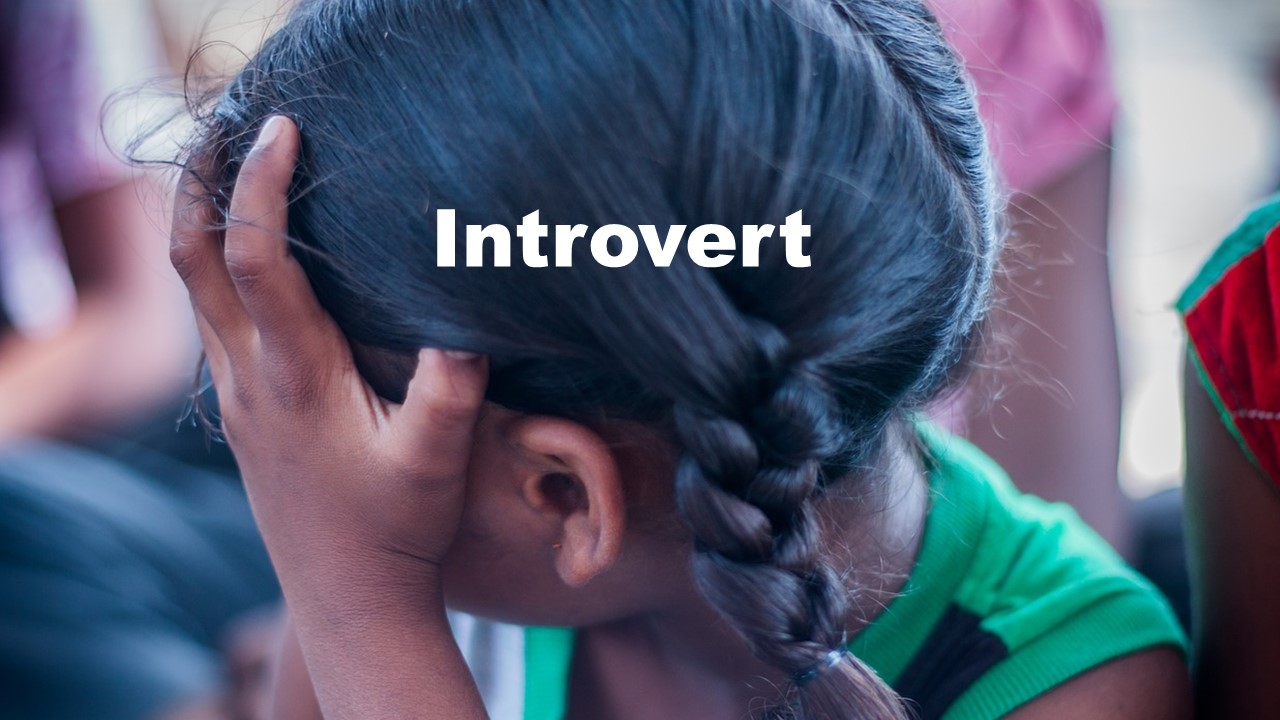
Introvert.

Introvert. Photo courtesy of Pixabay.com

Introvert.

Sunday Inspiration.     Post by David Joel Miller.

“Don’t think of introversion as something that needs to be cured.”

― Susan Cain, Quiet: The Power of Introverts in a World That Can’t Stop Talking

“I am rarely bored alone; I am often bored in groups and crowds.”

― Laurie Helgoe, Introvert Power: Why Your Inner Life Is Your Hidden Strength

“I’m an introvert… I love being by myself, love being outdoors, love taking a long walk with my dogs and looking at the trees, flowers, the sky.”

― Audrey Hepburn

Wanted to share some inspirational quotes with you.  Today seemed like a good time to do this. There are an estimated 100,000 words in the English language that are feelings related. Some emotions are pleasant, and some are unpleasant, but all feelings can provide useful information. If any of these quotes strike a chord with you, please share them.

Look at these related posts for more on this topic and other feelings.

Emotions and Feelings.

Inspiration

Video 35 When People in Alcoholism Treatment Are Using Other Drugs.

Extrovert.

Sunday Inspiration.     Post by David Joel Miller.

“There is no greater plague to an introvert than the extrovert.”

― Pierce Brown, Golden Son

“Hardly anybody ever writes anything nice about introverts. Extroverts rule. This is rather odd when you realise that about nineteen writers out of twenty are introverts. We are been taught to be ashamed of not being ‘outgoing’. But a writer’s job is ingoing.”

― Ursula K. LeGuin

“We have an assumption here in America that the kind thing to do is to be “friendly,” which means being extroverted, even intrusive. The Japanese assume the opposite: being kind means holding back.”

― Laurie Helgoe, Introvert Power: Why Your Inner Life Is Your Hidden Strength

Wanted to share some inspirational quotes with you.  Today seemed like a good time to do this. There are an estimated 100,000 words in the English language that are feelings related. Some emotions are pleasant, and some are unpleasant, but all feelings can provide useful information. If any of these quotes strike a chord with you, please share them.

Look at these related posts for more on this topic and other feelings.

Emotions and Feelings.

Inspiration

Video 34 Co-occurring Disorders

Video 34 Co-occurring Disorders

Video 25 Therapies Used in Treating Substance Use Disorders.

Video 33 Substance Abuse in The Workplace and Employee Assistance Programs

Video 33 Substance Abuse in The Workplace and Employee Assistance Programs

Daylight Savings.

Sunday Inspiration.     Post by David Joel Miller.

Daylight Savings.
Photo courtesy of Pixabay.com

My calendar tells me today is the day we exit daylight savings time. Hopefully, you’ve already changed your clocks. With all the years of my life, I’ve saved this time; I wonder what happened all those extra hours. Here are some thoughts about daylight savings time. While this is not exactly a feeling, the change is sure to create feelings in most of us.

“Out of the effort to cut back on civilian use of fuel, it was the Federal Fuel Administration that first introduced daylight saving time a year later, in 1918.”

― Arthur Herman, 1917: Vladimir Lenin, Woodrow Wilson, and the Year That Created the Modern Age

“There are very few things in the world I hate more than Daylight Savings Time. It is the grand lie of time, the scourge of science, the blight on biological understanding.”

― Michelle Franklin

“I object to being told that I am saving daylight when my reason tells me that I am doing nothing of the kind… At the back of the Daylight Saving scheme, I detect the bony, blue-fingered hand of Puritanism, eager to push people into bed earlier, and get them up earlier, to make them healthy, wealthy, and wise in spite of themselves.”

― Robertson Davies, The Papers of Samuel Marchbanks

I wanted to share some inspirational quotes with you.  Today seemed like a good time to do this. There are an estimated 100,000 words in the English language that are feelings related. Some emotions are pleasant, and some are unpleasant, but all feelings can provide useful information. If any of these quotes strike a chord with you, please share them.

Look at these related posts for more on this topic and other feelings.

Emotions and Feelings.

Inspiration