You need to process those feelings.

By David Joel Miller, MS, Licensed Therapist & Licensed Counselor.

Man with feelings

Managing feelings.
Photo courtesy of Pixabay.com

Unexplored feelings are like unopened mail.

Imagine going into your email and randomly deleting as many emails as possible. That email from a friend – mark it delete.

The email from the electric company and the mortgage company delete those unopened. Can you imagine going along randomly clicking delete without knowing what was in the email?

Some people try to avoid bills by not opening the mail. While that may avoid having to deal with problems for a while, eventually the power gets shut off, or the home goes into foreclosure. Those and many other issues could have been solved just by paying attention to the notices you are getting.

Some people think feelings are to be avoided.

Somewhere along the line, I’m guessing back during the Victorian era; feelings got a bad reputation. In their effort not to be carried away and controlled by feelings, being rational and unemotional was elevated to a virtue. The problem that created was making feelings into our enemies rather than our friends.

Feelings can be valuable sources of information.

It turns out that emotions and feelings can be valuable sources of information. By some estimates, more than half of all your nerve cells are located outside your head. There are nerve cells surrounding your stomach and intestines. They can tell you when you’re hungry or when your intestines are in distress.

Those same nerve cells can also communicate information about dangerous or unpleasant situations. When you say that someone makes you sick to your stomach, there’s truth to that statement. Your nervous system is reacting to that person and preparing to ready you for the flight or fight response.

When we say that someone is a pain in the neck, this is a very tangible sensation. The nerve cells which connect your brain to the muscles in your neck have sent the message to tighten those muscles in preparation for an emergency.

Unpleasant feelings can also motivate you to act.

Loneliness can make you miserable. Loneliness can also tell you that you aren’t getting enough human contact. Humans are inherently social animals. Living in groups increases our chances of survival. Feeling lonely can motivate you to reach out to others and increase your social connections.

Feeling tired both physically and emotionally tired is one of the early signs of burnout. Feeling tired warns you that the energy you are expending exceeds the available resources. Rather than being an interference with what you’re trying to do that feeling of being tired is a warning that you need to attend to your body’s physical and emotional resources.

Trying to avoid feeling unpleasant emotions can harm you.

Many people get themselves into serious trouble by attempting to avoid experiencing unpleasant feelings. Using drugs and alcohol to cope with anger, loneliness, or feeling tired, may anesthetize those feelings in the short term but eventually, those efforts to escape dealing with those feelings can result in creating an even larger problem, alcoholism, or drug addiction.

You shouldn’t pretend that you don’t feel what you’re feeling.

Ignoring the messages from feelings is the emotional equivalent of taping over the gauges on your car’s dashboard. You can ignore the check engine light, disregard the oil light, and ignore the gas gauge, but if you do, eventually your car will stop running.

Feelings can be like little children clamoring for your attention.

The next time you experience a feeling you’d rather not feel, try treating it like a small child. Initially, you need to listen to that feeling. After you are sure you’ve heard the message, the feeling is giving you, decide what you want to do with it. Sometimes you must deal with it immediately, and other times you can defer action. What you shouldn’t do is try to ignore the message that feeling is trying to give you.

Learning to work cooperatively with your feelings rather than being controlled by them or completely ignoring their messages is a skill you need to develop to have a happy, productive, life.

For more on this topic, take a look at the post about the three processes for making friends with your feelings.

Staying connected with David Joel Miller

Seven David Joel Miller Books are available now!

My newest book is now available. It was my opportunity to try on a new genre. I’ve been working on this book for several years, but now seem like the right time to publish it.

Story Bureau.

Story Bureau is a thrilling Dystopian Post-Apocalyptic adventure in the Surviving the Apocalypse series.

Baldwin struggles to survive life in a post-apocalyptic world where the government controls everything.

As society collapses and his family gets plunged into poverty, Baldwin takes a job in the capital city, working for a government agency called the Story Bureau. He discovers the Story Bureau is not a benign news outlet but a sinister government plot to manipulate society.

Bumps on the Road of Life. Whether you struggle with anxiety, depression, low motivation, or addiction, you can recover. Bumps on the Road of Life is the story of how people get off track and how to get your life out of the ditch.

Dark Family Secrets: Doris wants to get her life back, but small-town prejudice could shatter her dreams.

Casino Robbery Arthur Mitchell escapes the trauma of watching his girlfriend die. But the killers know he’s a witness and want him dead.

Planned Accidents  The second Arthur Mitchell and Plutus mystery.

Letters from the Dead: The third in the Arthur Mitchell mystery series.

What would you do if you found a letter to a detective describing a crime and you knew the writer and detective were dead, and you could be next?

Sasquatch. Three things about us, you should know. One, we have seen the past. Two, we’re trapped there. Three, I don’t know if we’ll ever get back to our own time.

For these and my upcoming books; please visit my Author Page – David Joel Miller

Want the latest blog posts as they publish? Subscribe to this blog.

For videos, see: Counselorssoapbox YouTube Video Channel

Wonder.

Sunday Inspiration.     Post by David Joel Miller.

Wonder

Wonder.
Photo courtesy of Pixabay.com

Wonder.

“Dwell on the beauty of life. Watch the stars, and see yourself running with them.”

― Marcus Aurelius, Meditations

“Stuff your eyes with wonder, he said, live as if you’d drop dead in ten seconds. See the world. It’s more fantastic than any dream made or paid for in factories.”

― Ray Bradbury, Fahrenheit 451

“I wonder if the snow loves the trees and fields, that it kisses them so gently? And then it covers them up snug, you know, with a white quilt; and perhaps it says, “Go to sleep, darlings, till the summer comes again.”

― Lewis Carroll, Alice’s Adventures in Wonderland & Through the Looking-Glass

Wanted to share some inspirational quotes with you.  Today seemed like a good time to do this. If any of these quotes strike a chord with you, please share them.

Look at these related posts for more on this topic and other feelings.

Emotions and Feelings.

Inspiration

Lessons from NaNoWriMo.

By David Joel Miller, MS, Writer.

Man writing

Writing.
Photo courtesy of Pixabay.com

You can learn a lot from making the effort.

This is the third year in a row that I’ve written a novel during November. Before that, I had tried to write several books, but they never reached “the end.” Each of these attempts has taught me valuable lessons about writing a novel and about myself. One of the things I learned is how much more I have to learn. Writing, like every other skill, needs both knowledge and practice.

Last week I shared a post about how as I get closer to the end of a writing project the more resistance gets in my way and the harder it is to finish that project. This week I wanted to share with you some of the other lessons I’ve learned because of participating in the NaNoWriMo contest.

Having a deadline keeps you moving forward.

In the past, I’ve started lots of projects which are still residing somewhere in electronic storage. One by one each of these ideas languished as the next shiny idea distracted me. Almost every time I have set a deadline to finish a project, the result has been a completed project.

The exception to meeting my deadlines? Those times I set unrealistically high goals. On an extremely productive writing day I may be able to write 3000 to 4000 words, once I even wrote 8000 words, but planning to write a 50,000-word novel in 10 days by writing 5000 words per day is both unrealistic and undoable for me.

During NaNoWriMo, I stuck to the goal of writing on average 1667 words per day. That occasional high-number-of-words day made up for those days when I simply couldn’t find the time or inspiration to write more than 200 to 300 words. Setting an unrealistic goal for me is a way of sabotaging the project. Setting a doable goal kept me moving forward.

Repeated small efforts add up.

During November, I had several days off from my other work activities. I had counted on writing a large number of words each of those days. That didn’t always happen. Driven by the pressure of a deadline I tried to write something, anything, each day. There were even days when I wrote less than 100 words.

Writing something every day was like drops going into a bucket. While several day’s output may have been less than I wanted, doing something each day kept my bucket filling and my goal in sight.

Having a story blueprint kept my process moving.

I’ve tried both outlining and going by the seat of my pants. Neither of these approaches was the full answer for me. What has worked best for me is to think through the story and create a list of the scenes that will make up the story. I started this book with an outline at the scene level but for many scenes nothing beyond the basic idea for that section.

For some of these scenes, I had several paragraphs of ideas. For others, I had a single sentence. Each day I sat down and wrote at least one scene. Some of the scenes were well thought out in advance while others I had to “right into the dark.”

After each scene, I looked back at my scene list to see what was coming up next. Almost every time, what I had written in one scene resulted in my revising my “outline.”

There’s a lot more to do after you type “the end.”

Trying to write a perfect first draft resulted in a lot of opening chapters that went nowhere. For me, there’s no such thing as writing a great first draft. In the first draft, I get the story down. But after that first draft, there’s going to be a lot of editing and polishing before I can publish this book. I’ve learned to accept that writing a publishable book takes me a lot of hours.

In writing from start to finish something suffered. Having written the first draft in one month, I discovered certain things were left out. While I think I have the framework of the story, the finishing touches are missing.

I’ve already gone through the manuscript briefly correcting a lot of typing, spelling, and grammar errors. But I discovered that what I had left out were descriptions. In places, I just say my protagonist walked up to the house. What I haven’t said is very much about the house they are approaching.

Another thing that happens when I write the way I would tell a story verbally is that I have certain words I use repeatedly. Polishing the language is something best left for subsequent drafts.

Before this book gets published, I will need to do not only editing but all the tasks of publishing. There’s a cover to create. A manuscript to format. Blurbs to write. And a great many other tasks associated with publishing and marketing the book.

Having too many priorities means nothing gets done.

Looking back over this last year, I’ve been working on a lot of projects. The consequence of having many “priorities” was that I completed very few of these projects. Every time I have picked one major priority and put a large share of my efforts into that project, I have been able to complete it.

A prime example of selecting one project and focusing on it is the three books listed below. Each of these books was started a long time ago, and each was finished when I finally decided to make them my top priority and set a final date for completion.

Staying connected with David Joel Miller

Seven David Joel Miller Books are available now!

My newest book is now available. It was my opportunity to try on a new genre. I’ve been working on this book for several years, but now seem like the right time to publish it.

Story Bureau.

Story Bureau is a thrilling Dystopian Post-Apocalyptic adventure in the Surviving the Apocalypse series.

Baldwin struggles to survive life in a post-apocalyptic world where the government controls everything.

As society collapses and his family gets plunged into poverty, Baldwin takes a job in the capital city, working for a government agency called the Story Bureau. He discovers the Story Bureau is not a benign news outlet but a sinister government plot to manipulate society.

Bumps on the Road of Life. Whether you struggle with anxiety, depression, low motivation, or addiction, you can recover. Bumps on the Road of Life is the story of how people get off track and how to get your life out of the ditch.

Dark Family Secrets: Doris wants to get her life back, but small-town prejudice could shatter her dreams.

Casino Robbery Arthur Mitchell escapes the trauma of watching his girlfriend die. But the killers know he’s a witness and want him dead.

Planned Accidents  The second Arthur Mitchell and Plutus mystery.

Letters from the Dead: The third in the Arthur Mitchell mystery series.

What would you do if you found a letter to a detective describing a crime and you knew the writer and detective were dead, and you could be next?

Sasquatch. Three things about us, you should know. One, we have seen the past. Two, we’re trapped there. Three, I don’t know if we’ll ever get back to our own time.

For these and my upcoming books; please visit my Author Page – David Joel Miller

Want the latest blog posts as they publish? Subscribe to this blog.

For videos, see: Counselorssoapbox YouTube Video Channel

Are you having an Emotional Affair?

By David Joel Miller, MS, Licensed Therapist & Licensed Counselor.

Emotional Affair

Emotional Affair.
Photo courtesy of Pixabay.com

Emotional affairs may be more common than we realized.

Many couples who come for relationship or marriage counseling have been arguing about the nature of one of the partner’s interactions with another person. Almost every client I’ve worked with who was in a relationship would agree that engaging in sex with someone other than their partner qualifies as an affair. What they don’t always agree about is whether a relationship with a third party has crossed the line and become an emotional affair.

It’s probably more common for women to become concerned that their partner’s friendship with another woman has become an emotional affair. Men are likely to dismiss these relationships as simply friendships and not having been an affair, so long as actual intercourse has not taken place.

Developing an overly close friendship with someone other than your romantic partner can damage a relationship. Here are some of the signs that your friendship has turned into an emotional affair.

Do you sometimes think about the “other” when talking to your spouse?

Having become so close to another person that during conversations with your spouse you are imagining what that other person would say or feel. This is a strong indication that they have him become more important to you and your spouse.

Do you, even a bit, wish your mate was more like someone else?

If you come to idealize the “other.” If you are thinking they are preferable to your mate or that they would be a better partner, this is likely to damage your relationship with your mate. Comparing your partner to others and wishing they were more like someone else is an early sign of an emotional affair in the making.

Do you imagine what you’d do if free to pursue someone else?

Daydreaming about what it would be like to be with that “other” suggests you’re already establishing an emotional relationship with them. The more you fantasize about being with the other, romanticize the possibility of starting a new relationship, the more you’re likely to withdraw from your current relationship. Even if you don’t leave your partner, imagining being with somebody else distances you from your partner.

Does your present lover know the stranger exists?

One key characteristic of emotional affairs is the need to hide your relationship with this other person from your primary partner. If you must keep secrets, those secrets are reducing your emotional closeness with your current partner.

What do you imagine your mate would think if he/she overheard you talking with this special person or read your email?

Having secrets that you share with the “other” and then being concerned about what your partner would think if they knew about this conversation suggest your relationship with this other person is inappropriate. Having to keep secrets from your partner is damaging to a relationship.

Does the arrival of a new message give you a rush?

You remember the rush of excitement you used to feel when you were first starting your relationship with your current partner? If messages from your “friend” start to give you that same rush of excitement, you are moving dangerously close to turning that friendship into an affair.

Can you sense the “sex of things” even if you haven’t acted on it?

Have you ever felt a craving for something? Remember how hard it is to say no to that temptation? If you are starting to feel those sexual attractions when you’re around your friend you’ve moved into a high-risk area. Even if you never actually engage in physical sex your friendship has become a source of mental and sexual stimulation and is becoming an emotional affair.

Do you lie to disguise any aspect of the new relationship?

If you have to tell your partner lies to facilitate or maintain your relationship with the “other,” this is a clear sign that relationship is turning into an emotional affair.

Is the mental and emotional space devoted to the stranger enlarging?

The larger a role this stranger plays in your life, the riskier the relationship is becoming. When the mental and emotional space the “other” occupies begins to exceed the space in your life taken up by your current partner, you’ve arrived at an emotional affair.

Do you engage in secret phone calls with the other?

Engaging in secret communications, phone calls, texts, or emails, which you don’t want your partner to find out about, says this is an affair.

Have you arranged meetings in a park, coffee shop, restaurant, or the like?

Do you and this “friend” have to arrange secret meetings away from other people? Do you have to be dishonest with your partner about when and where you’re meeting this other? It sounds like your friend has become more than a friend.

Do you share confidences not offered to your spouse?

One of the most damaging aspects of an emotional affair is when you begin to share confidences with your friend which should have been reserved only for your partner. Lack of loyalty to your spouse or making your friend your primary loyalty, are incredibly damaging to your current relationship.

Is your sexual desire for your mate now smaller than before you became preoccupied?

If your relationship with your friend has resulted in less sexual desire for your mate, it’s damaging the relationship. If your new friend reduces your desire to be emotionally close to your partner, or if your interest in spending time with your partner has declined, then your friend is taking on an increasingly more significant role in your life.

Are photo exchanges part of your new, hidden life?

Exchanging photos, particularly those which make you look attractive, or sexually explicit photos is often the last stop on the trail which turns an emotional affair into an actual physical one.

So, what do you think? How many of the signs of an emotional affair do you see in your friendship? How many of these signs of an emotional affair do you see, or suspect, are part of your spouse’s relationship with a “friend?”

Staying connected with David Joel Miller

Seven David Joel Miller Books are available now!

My newest book is now available. It was my opportunity to try on a new genre. I’ve been working on this book for several years, but now seem like the right time to publish it.

Story Bureau.

Story Bureau is a thrilling Dystopian Post-Apocalyptic adventure in the Surviving the Apocalypse series.

Baldwin struggles to survive life in a post-apocalyptic world where the government controls everything.

As society collapses and his family gets plunged into poverty, Baldwin takes a job in the capital city, working for a government agency called the Story Bureau. He discovers the Story Bureau is not a benign news outlet but a sinister government plot to manipulate society.

Bumps on the Road of Life. Whether you struggle with anxiety, depression, low motivation, or addiction, you can recover. Bumps on the Road of Life is the story of how people get off track and how to get your life out of the ditch.

Dark Family Secrets: Doris wants to get her life back, but small-town prejudice could shatter her dreams.

Casino Robbery Arthur Mitchell escapes the trauma of watching his girlfriend die. But the killers know he’s a witness and want him dead.

Planned Accidents  The second Arthur Mitchell and Plutus mystery.

Letters from the Dead: The third in the Arthur Mitchell mystery series.

What would you do if you found a letter to a detective describing a crime and you knew the writer and detective were dead, and you could be next?

Sasquatch. Three things about us, you should know. One, we have seen the past. Two, we’re trapped there. Three, I don’t know if we’ll ever get back to our own time.

For these and my upcoming books; please visit my Author Page – David Joel Miller

Want the latest blog posts as they publish? Subscribe to this blog.

For videos, see: Counselorssoapbox YouTube Video Channel

Choice.

Sunday Inspiration.     Post by David Joel Miller.

Choice.

Choice.
Photo courtesy of Pixabay.com

Choice.

“All your life, you will be faced with a choice. You can choose love or hate…I choose love.”

― Johnny Cash

“Remembering that I’ll be dead soon is the most important tool I’ve ever encountered to help me make the big choices in life.

― Steve Jobs

“You can be smart and happy or stupid and miserable. . . it’s your choice”

― Gordon B. Hinckley

Wanted to share some inspirational quotes with you.  Today seemed like a good time to do this. If any of these quotes strike a chord with you, please share them.

Look at these related posts for more on this topic and other feelings.

Emotions and Feelings.

Inspiration

The closer you get to the finish line the harder it gets.

By David Joel Miller, MS, Writer.

Man writing

Writing.
Photo courtesy of Pixabay.com

Resistance takes its toll on writing.

Every project starts out with high hopes and expectations. It seems to be some perverse law of nature that the longer you work on something, the harder it gets. A lot of people start their project, begin their novel, plan their business venture, maybe they make a start on the project, but it just never gets finished.

It feels as if the burden you carry gets heavier the more work you’ve done on the project. Some of you know I been participating in the NaNoWriMo (National Novel Writing Month) contest again this year. This year is the fourth time I tried to write a novel of 50,000 words or more during November. As the month progresses I find it harder and harder to write. Some of you may have noticed that I missed last Wednesday’s blog post on my writing adventures. I’ll try to make that up to you regular readers during December and throughout the new year.

Since I began writing counselorssoapbox.com blog on a regular basis, I’ve completed almost 1500 blog posts. I have also written probably ten novels or more, but just couldn’t get them completed and published. The first time I tried to write a novel in November, I couldn’t finish the book.

My NaNoWriMo experience.

Finally, in late 2017 my first two books, Bumps on the Road of Life a nonfiction book about recovering from life’s setbacks, and Casino Robbery my first novel in the Arthur Mitchell Mystery series was published. Casino Robbery was written for the 2016 NaNoWriMo contest.

My 2017 NaNoWriMo effort, a book titled Family Secrets is in the editing stage, and I hope to publish it shortly.

This year’s effort a book titled “Planned Accidents” is in its final pages. I put that working title quotations. When I first started the title was “Planning Accidents.” I’ve learned over the years of writing novels that the title which sounded perfect when I started doesn’t fit the book when I finish it. The book published under the title Casino Robbery started out with a working title “Thrift Store.”

Am I going to finish another novel this year?

One reason I’m telling you all about this is that with only a couple of days to go I’m finding it harder and harder to finish the book. At the beginning of November, I was having some 2000 to 4000-word days. At the start, even my slow days were 700 or 800 words. As we approach the final deadline, I’ve had three days of writing 300 words day or less.

One reason I’m throwing this out there to all of you at this point is that by confessing this publicly, it’s going to force me to finish this book before the end of November. If I don’t, I will have to spend the next year listening to people ask me why I didn’t finish my 2018 NaNoWriMo novel.

Resistance tries to prevent you from succeeding.

Resistance takes many forms. Life gets busy, and there are things I absolutely, positively must do. Or at least I tell myself I need to do them. Things I neglected doing all year, suddenly take on new necessity just as I’m getting close to finishing my novel.

Another way resistance manifests itself as the next shiny idea. While I’m writing the second Arthur Mitchell Mystery ideas for the third and fourth in the series have appeared. Not only is my Muse tempting me with two other Arthur Mitchell Mysteries that need writing, but she’s also yelling loudly in my ear that both of these ideas will make better books than the one I’m working on now.

I think Resistance and my Muse are in league. When the Muse first started telling me about the ideas for two more Arthur Mitchell Mysteries I hurriedly scribbled them down and went back to work on this year’s novel, “Planned Accidents.”

As if Resistance hadn’t come up with enough ways to stop the progress of “Planned Accidents” the Muse has begun to torment me the last few days with a fabulous idea for an entirely new series. I won’t tell you the new series idea now as I don’t want to get committed to having to write that series, at least not yet anyway. What I will say is that the Muse tells me I need to abandon my current project and immediately began researching the idea for my next fabulous series.

Despite Resistance’s efforts to prevent my completed this novel I continue to plod forward even though the pace has slowed, and the writing has become more difficult.

Stay tuned. Sometime between Friday, 3 November, and next Wednesday, December 5, there will be another blog post, and I’ll let you know my final word count and whether the novel made it across the 50,000-word finish line and is now a candidate for revision and editing.

Whatever you’re working on for 2018, don’t let Resistance stop you from reaching your goal. Are there some projects you should finish in 2018 to clear the slate for your new adventures in 2019?

You’ll find more posts on this topic under – Writing.

Staying connected with David Joel Miller

Seven David Joel Miller Books are available now!

My newest book is now available. It was my opportunity to try on a new genre. I’ve been working on this book for several years, but now seem like the right time to publish it.

Story Bureau.

Story Bureau is a thrilling Dystopian Post-Apocalyptic adventure in the Surviving the Apocalypse series.

Baldwin struggles to survive life in a post-apocalyptic world where the government controls everything.

As society collapses and his family gets plunged into poverty, Baldwin takes a job in the capital city, working for a government agency called the Story Bureau. He discovers the Story Bureau is not a benign news outlet but a sinister government plot to manipulate society.

Bumps on the Road of Life. Whether you struggle with anxiety, depression, low motivation, or addiction, you can recover. Bumps on the Road of Life is the story of how people get off track and how to get your life out of the ditch.

Dark Family Secrets: Doris wants to get her life back, but small-town prejudice could shatter her dreams.

Casino Robbery Arthur Mitchell escapes the trauma of watching his girlfriend die. But the killers know he’s a witness and want him dead.

Planned Accidents  The second Arthur Mitchell and Plutus mystery.

Letters from the Dead: The third in the Arthur Mitchell mystery series.

What would you do if you found a letter to a detective describing a crime and you knew the writer and detective were dead, and you could be next?

Sasquatch. Three things about us, you should know. One, we have seen the past. Two, we’re trapped there. Three, I don’t know if we’ll ever get back to our own time.

For these and my upcoming books; please visit my Author Page – David Joel Miller

Want the latest blog posts as they publish? Subscribe to this blog.

For videos, see: Counselorssoapbox YouTube Video Channel

Assessment – a core drug counselor function.

By David Joel Miller, MS, Licensed Therapist & Licensed Counselor.

Counseling questions

Counseling questions.
Photo courtesy of Pixabay.com

Assessment doesn’t mean the same thing to everyone.

Anytime counselors get together you’re likely to hear the word assessment.

Unfortunately, it means so many different things to so many different counseling specialties it’s as if we are not speaking the same language.

There are two primary ways that the word assessment is used. One is to describe the form the counselor fills out during the initial part of treatment.

The other meaning of the word assessment is the ongoing process counselors use to try to identify the client’s problem and find ways to be helpful.

Assessment may mean the assessment form.

Often a form is completed either during the initial intake of very soon after that. The information is gathered on this form should be used to develop a treatment plan, part of the next core drug counselor function designing a comprehensive recovery plan. It’s common to hear counselors referred to filling out this form as “doing an assessment.” If you use an assessment form that should be thought of as a tool you use to gather the information you need to assess the client’s issues.

One danger of relying too heavily on a particular form is that the process of filling out the form can turn into an interrogation of the client rather than a conversation. One simple way to tell a good assessment from a poorly done one, especially in the drug counseling field, is to look at the bottom of the page for the comments. Anything the client says that’s out of the ordinary should call for follow-up questions to get more information. Under the pressure of a lot of work to do it’s easy for the staff member doing the initial intake and assessment to rush through the form and get only surface information.

Assessment in substance abuse counseling is very different from the type of assessment done in mental health settings. In a mental health setting, the goal is to collect enough information to rule in or out various diagnoses and then to design a treatment plan to treat that illness. The various license types are likely to have been trained in very different ways of doing an assessment. How the assessment is done also varies with the setting. Therapists working for a public agency are likely to have a specific form they must fill in. In private practice, they’re more likely to use a more conversational approach to assessment.

Clinical psychologists do a great deal of testing and often have the clients fill out a large quantity of paper and pencil “assessment instruments.” Clinical counselors are likely to use a very limited number of brief screening tools. In California licensed professional clinical counselors are limited by the licensing law to using only a couple of instruments and then only for diagnosing. Mental health counselors and therapists are generally not allowed to do testing and report the results to outside parties. Marriage and family therapists, of course, emphasize assessing the client’s relationships and the connections between their “presenting problem” and their relationships with family, friends, and the people they interact with in the work setting.

Drug counselors are assessing the client’s drug use and its consequences.

Drug counselor should limit their scope of practice to working on the client’s issues as they relate to substance use disorders. They can be some fuzziness around the edges of their scope of practice. The assessing drug counselor needs to develop a picture of the client’s drug use, both current and past. Many clients abused multiple substances at various times in their life. The drug counselor is assessing for what drugs the client has used recently and what drugs they used in the past that they may be at risk to resume using.

The drug counselor also assesses all the various aspects of the client’s life to see how problems in other areas may have influenced the client’s drug use and how that drug use may have affected all those other parts of the client’s life.

There are two primary assessment tools I’ve seen used in drug and alcohol counseling, although individual programs may design their own written tools drawing on either or both models.

Assessment using the biopsychosocial-spiritual model.

The biopsychosocial assessment understands the healthy, or recovered life as requiring balance in all the various aspects of the person’s life. Drug and alcohol use has probably bent the wheel of life completely out of balance. Assessing all these various areas of the client’s life helps to develop not only a treatment plan for the current substance use disorder but a recovery plan for the client putting their lives back in balance.

The Addiction Severity Index or ASI.

The ASI is a widely used assessment tool for drug and alcohol counseling. The ASI is a copyrighted instrument with both paper and electronic online versions available. Students can look at an online sample by searching for the Addiction Severity Index – training edition.

American Society of Addiction Medicine Patient Placement Criteria (ASAM.)

This is another assessment tool that may or may not be used during intake. The goal of the American Society of Addiction Medicine Patient Placement Criteria (ASAM) is to create objective criteria for how much and what kind of treatment a client might need.

These criteria have various levels ranging from a high of long-term residential treatment to a low of psychoeducation. Programs that plan to bill medical insurance are likely to need to complete this measure to justify the level and intensity of treatment for insurance reimbursement.

For more on the drug counselor domains and the core functions see John W. Herdman’s book Global Criteria; the 12 Core Functions of the Substance Abuse Counselor

Staying connected with David Joel Miller

Seven David Joel Miller Books are available now!

My newest book is now available. It was my opportunity to try on a new genre. I’ve been working on this book for several years, but now seem like the right time to publish it.

Story Bureau.

Story Bureau is a thrilling Dystopian Post-Apocalyptic adventure in the Surviving the Apocalypse series.

Baldwin struggles to survive life in a post-apocalyptic world where the government controls everything.

As society collapses and his family gets plunged into poverty, Baldwin takes a job in the capital city, working for a government agency called the Story Bureau. He discovers the Story Bureau is not a benign news outlet but a sinister government plot to manipulate society.

Bumps on the Road of Life. Whether you struggle with anxiety, depression, low motivation, or addiction, you can recover. Bumps on the Road of Life is the story of how people get off track and how to get your life out of the ditch.

Dark Family Secrets: Doris wants to get her life back, but small-town prejudice could shatter her dreams.

Casino Robbery Arthur Mitchell escapes the trauma of watching his girlfriend die. But the killers know he’s a witness and want him dead.

Planned Accidents  The second Arthur Mitchell and Plutus mystery.

Letters from the Dead: The third in the Arthur Mitchell mystery series.

What would you do if you found a letter to a detective describing a crime and you knew the writer and detective were dead, and you could be next?

Sasquatch. Three things about us, you should know. One, we have seen the past. Two, we’re trapped there. Three, I don’t know if we’ll ever get back to our own time.

For these and my upcoming books; please visit my Author Page – David Joel Miller

Want the latest blog posts as they publish? Subscribe to this blog.

For videos, see: Counselorssoapbox YouTube Video Channel

Understanding.

Sunday Inspiration.     Post by David Joel Miller.

Understanding.

Understanding.
Photo courtesy of Pixabay.com

Understanding.

“If you can’t explain it to a six-year-old, you don’t understand it yourself.”

― Albert Einstein

“Understanding is the first step to acceptance, and only with acceptance can there be recovery.”

― J.K. Rowling, Harry Potter and the Goblet of Fire

“Everything that irritates us about others can lead us to an understanding of ourselves.”

― C.G. Jung

Wanted to share some inspirational quotes with you.  Today seemed like a good time to do this. If any of these quotes strike a chord with you, please share them.

Look at these related posts for more on this topic and other feelings.

Emotions and Feelings.

Inspiration

How do you get your child help for drug addiction?

By David Joel Miller, MS, Licensed Therapist & Licensed Counselor.

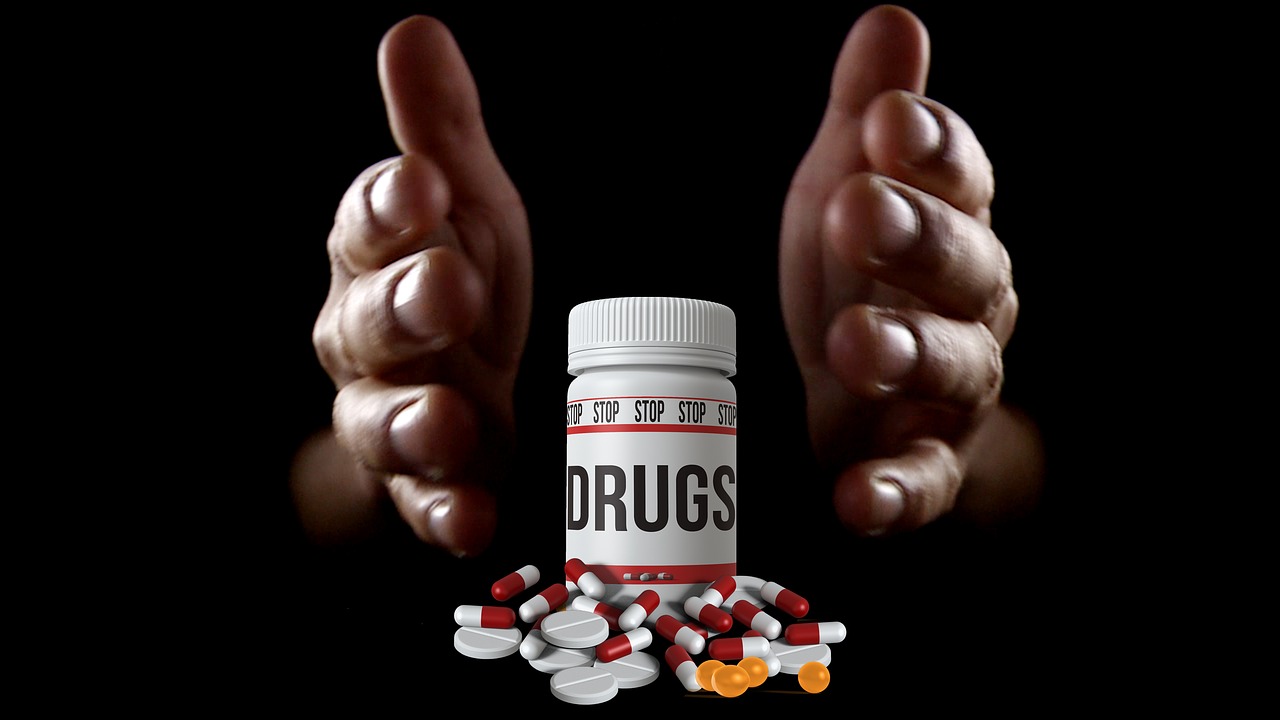
Drugs.

Drug Addiction. 
Photo courtesy of Pixabay.

Finding help for a child with a mental illness or drug addiction is difficult.

The question of how you get help for a child with drug addiction, mental illness, or alcoholism comes up frequently. Parents contacted me asking this question. Other therapists and counselors contact me looking for a referral to give their clients. The answers to these questions depend on a lot of factors and are never easy. My answer to the question of how to get help for a child typically begins with me asking some questions to gather more information. No one answer is right for everyone.

How old is your child who has the addiction?

If your child is under 18, you theoretically have not only control over the child but also the responsibility to act. Getting help for a child under 18 often is a parenting question. How do you get your child to go to school? Or how do you get your child to go to bed at night or eat their broccoli? For young children, you use discipline, that mixture of reward and punishment that shapes children’s behavior. Send them for treatment and make sure they go.

What if the child with an addiction is over 18?

I know if you are a parent you never stop thinking of your offspring as your child. The reality of the situation is that once they turn 18, you have very limited options to control their behavior. You may not like the person they want to have children with, the job they choose, or the chemicals they select to put into their bodies. Once they turn 18, you can only help them if they want to be helped, and even then, you need to be careful about the help you offer.

Does your addicted adult child want help with their addiction?

If the child says no to drug treatment than the only things you can do are hope, pray, and wait for the opportunity to be helpful. The only way adults are forced into drug treatment is by being arrested, and court-ordered into treatment. You can hope that your adult child with an addiction, encounters law enforcement or child protective services and is required to get drug treatment. Trying to force this by calling the police on your child is likely to backfire causing them to sever their relationship with you and maybe delaying them getting into treatment.

You should avoid enabling your adult addicted child to continue using.

A lot of parents offer their children with an addiction all kinds of help. You might let them live with you until they steal things to sell for drug money. You might feed them or pay their rent. Anything you do financially to help them carries the risk that it just frees up more money for them to use to support their drug habit.

Should you pay for your adult child to go into rehab?

Addiction is characterized by being a chronic, relapsing, and often fatal disease. One episode in rehab may not result in arresting the disease of addiction. I’ve seen families spend everything they have putting an adult addicted child into rehab only to have them walk out of treatment early or relapse shortly after the treatment episode. If you have lots of money, sending them to a month-long rehab at the beach may be an option. But think of how many famous people have gone through repeated expensive episodes of rehab.

If you do decide to pay for your child’s rehab, spend the smallest amount possible because you’re likely to have to do it more than once. If your adult child has medical insurance, have them contact their insurance carrier.

Remember that even if you write the check to the rehab facility your child is an adult child, and that facility can’t tell you anything without your child’s permission. It can be very frustrating to parents whose child has an addiction to find that because of confidentiality the treatment provider can’t tell you anything even after you paid for treatment. Even if you get your child to sign a consent to release information form, at any moment they can revoke that release.

What resources are available if your adult addicted child says they want help?

The simplest resource to use is self-help groups, Alcoholics Anonymous, or Narcotics Anonymous. There are meetings in almost every town, and there is no charge for their services.

You can also suggest you adult addicted child contact the local county behavioral health services. They can refer you to agencies that treat addiction in your county. Some of these agencies are low-cost or are funded by the County; others may accept medical insurance or have sliding fee scales.

Some private therapists and counselors specialize in treating clients with co-occurring disorders, both a mental illness and substance use disorder. Individual therapy is likely to be expensive. The therapist must pay for the office, and you’re buying an hour of their time. Going once a week to see a therapist will not result in an end to their addiction if they continue to use drugs between sessions.

Treating addiction is not a short-term process. Because of their using drugs over a long period the brain appears to change its default setting and the brain of the addict will continue to demand drugs long after the substances are out of the body. For most people, recovery from addiction is a long-term process requiring both treatment and the development of a support system that encourages the addict in recovery to stay sober.

What about interventions?

There used to be a lot of interventions. You still see TV shows about interventions. My experience has been that doing interventions has been a lot less effective than we would have hoped. Many people who are addicted refused to go into treatment. This can often lead to angry confrontations and an end to the relationship. For an intervention to work you also need to be able to get the addict into treatment immediately. Even a one-day delay can result in them changing the mind and not going into treatment. Unless you can pay for the treatment privately or are paying for their medical insurance you may not be able to reserve a bed in a rehab facility for an adult child.

So, what is your best option for getting an adult addicted child into treatment? Have an honest talk with them. Offer to be emotionally supportive but don’t enable their continued drug use. Expect to have to be patient until they are ready to go for treatment. A first step in the direction of recovery may be to agree to go with them to a 12-step self-help group.

I hope that it answered some of the questions. Feel free to leave a comment or use the contact me form if you’d like more information.

Staying connected with David Joel Miller

Seven David Joel Miller Books are available now!

My newest book is now available. It was my opportunity to try on a new genre. I’ve been working on this book for several years, but now seem like the right time to publish it.

Story Bureau.

Story Bureau is a thrilling Dystopian Post-Apocalyptic adventure in the Surviving the Apocalypse series.

Baldwin struggles to survive life in a post-apocalyptic world where the government controls everything.

As society collapses and his family gets plunged into poverty, Baldwin takes a job in the capital city, working for a government agency called the Story Bureau. He discovers the Story Bureau is not a benign news outlet but a sinister government plot to manipulate society.

Bumps on the Road of Life. Whether you struggle with anxiety, depression, low motivation, or addiction, you can recover. Bumps on the Road of Life is the story of how people get off track and how to get your life out of the ditch.

Dark Family Secrets: Doris wants to get her life back, but small-town prejudice could shatter her dreams.

Casino Robbery Arthur Mitchell escapes the trauma of watching his girlfriend die. But the killers know he’s a witness and want him dead.

Planned Accidents  The second Arthur Mitchell and Plutus mystery.

Letters from the Dead: The third in the Arthur Mitchell mystery series.

What would you do if you found a letter to a detective describing a crime and you knew the writer and detective were dead, and you could be next?

Sasquatch. Three things about us, you should know. One, we have seen the past. Two, we’re trapped there. Three, I don’t know if we’ll ever get back to our own time.

For these and my upcoming books; please visit my Author Page – David Joel Miller

Want the latest blog posts as they publish? Subscribe to this blog.

For videos, see: Counselorssoapbox YouTube Video Channel

Thankful.

Sunday Inspiration.     Post by David Joel Miller.

Thankful

Thankful.
Photo courtesy of Pixabay.com

Thankful.

“Be thankful for what you have; you’ll end up having more. If you concentrate on what you don’t have, you will never, ever have enough”

― Oprah Winfrey

“Cultivate the habit of being grateful for every good thing that comes to you, and to give thanks continuously. And because all things have contributed to your advancement, you should include all things in your gratitude.”

― Ralph Waldo Emerson

“Let us rise up and be thankful, for if we didn’t learn a lot at least we learned a little, and if we didn’t learn a little, at least we didn’t get sick, and if we got sick, at least we didn’t die; so, let us all be thankful.”

― Gautama Buddha

Wanted to share some inspirational quotes with you.  Today seemed like a good time to do this. If any of these quotes strike a chord with you, please share them.

Look at these related posts for more on this topic and other feelings.

Emotions and Feelings.

Inspiration