
Why do drugs affect people differently?

By David Joel Miller, MS, Licensed Therapist & Licensed Counselor.
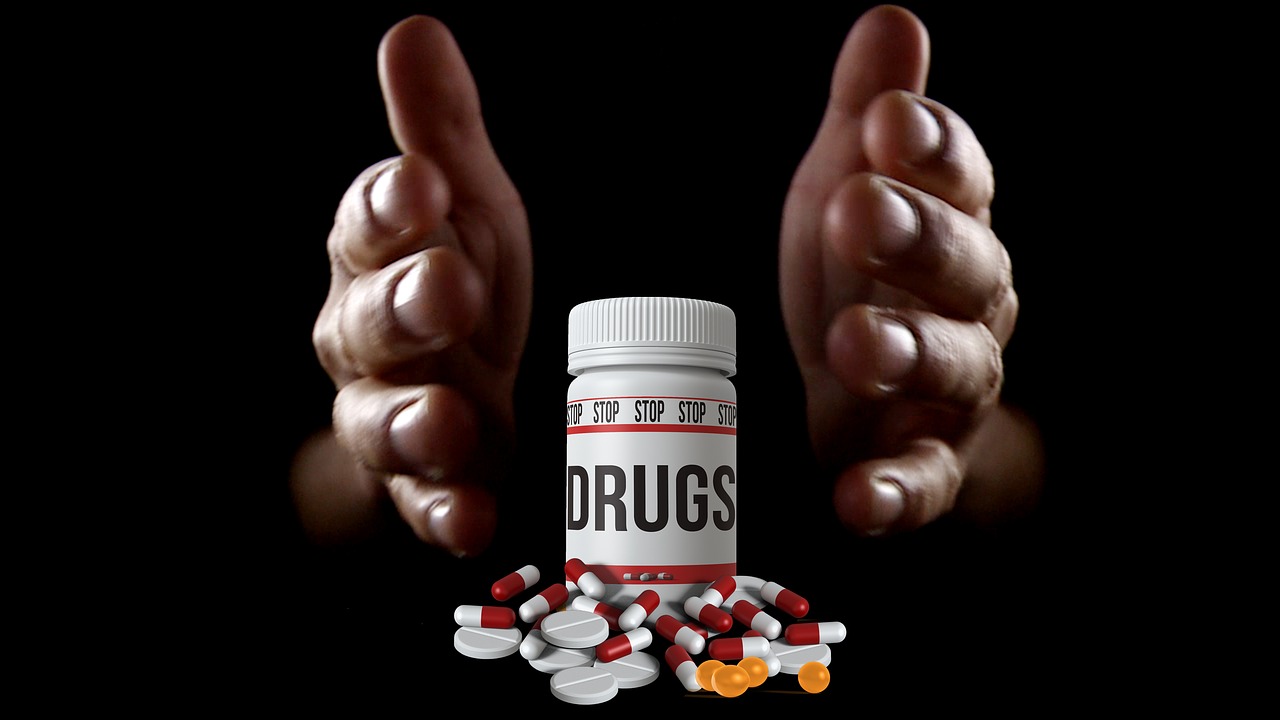
Drugs.

Drugs.
Photo courtesy of Pixabay.

Many factors affect the way people experience drugs.

Whether it’s legally obtained drugs, or the prescription kind, obtained from a drugstore with a doctor’s prescription, the way people experience those drugs varies widely. Recently we’ve seen an epidemic of deaths because of the use and abuse of prescription pain medication. Some people are in chronic pain; pain medications alleviate their suffering and allow them to function. Other people like the way those drugs make them feel or the way they keep them from having to feel anything.

People who take powerful painkillers for emotional reasons, to get high, run a high risk of becoming addicted. Three characteristics of addiction tell us that as people develop tolerance, experience withdrawals, and begin to have cravings for a drug of abuse, the risk that will take larger and larger amounts increases.

What are some of the factors that affect the drug using experience and may result in drug use turning into abuse, addiction, and the development of the drug use disorder?

Drug dosage influences the using experience.

With most drugs, small amounts of drugs produce smaller effects. Common over-the-counter pain relievers a relatively safe and not likely to cause addiction when taken as directed. Take large amounts of over-the-counter pain relievers and the risk of permanent damage to your liver or kidney, possibly even death, becomes a real possibility.

Drink one standard drink, let’s say a single twelve-ounce beer, each day, and you’re not likely to develop an alcohol use disorder. Drinking a six-pack a day and you will begin to build tolerance. Eventually, that drinker will need to drink a case of beer a day to feel the same effect. The higher the blood alcohol content goes on anyone drinking occasion, the more the risks.

A large percentage of the people in America have tried marijuana. Most find it doesn’t affect their lives. But a small number of marijuana smokers voluntarily seek treatment for cannabis use disorder.  What is different about the people who seek out treatment for a marijuana-related problem? Most of the people who develop problems with marijuana smoke every day and the quantity they smoke has increased over time.

When it comes to opiates, stimulant drugs, or other recreational drugs, the higher the dose, the more the risk.

How the drug gets into your body affects the experience.

The way in which drugs enter the body is referred to as route of administration.

Let’s use opiates as an example. It’s possible to smoke heroin, the high is experienced almost instantaneously, but a lot of the potency is lost in the process of smoking. Any drug that is smoked produces a rapid high and equally rapid withdrawal.

An equal amount of heroin mixed into a beverage and swallowed will be slower to take effect. Much of the potency is destroyed as the drug goes through the stomach. Stomach acids neutralize a large part of the potency of many drugs.

That same dose of heroin can be injected, producing a much more intense effect when the large dose reaches the brain. People who inject drugs experience much more intensive effects.

Psychological factors alter the experience of drug use.

Psychological set, the mood someone is in impacts the drug using experience. Someone who is in a happy mood and drinks alcohol may feel an increase in their happiness. They are celebrating. Someone who was angry and drinks may become angrier and more likely to act on that anger as the alcohol disinhibits them. A person who is sad and depressed who drinks alcohol is at an increased risk of developing severe depression and possibly making a suicide attempt.

Setting, the place where someone uses the drug, also alters the effects of the user experiences. Millions of people receive painkillers while in the hospital. Most of them do not become addicted. But the same quantity of drugs, purchased in an alley from a drug dealer for recreational use, are much more likely to result in a substance use disorder.

Other psychological factors that alter the drug using experience are the placebo effect and the Nocebo effect.

Your belief that the drug will have a beneficial effect is likely to produce that effect, whether that effect is positive or negative. If you think a pill will cure your headache, it probably will, even if it does not contain any active ingredient. People who believe that a particular medication will give them headaches are more likely to get headaches even when the pill is a sugar pill.

For more on this topic see – Drug Use, Abuse, and Addiction and Recovery

David Joel Miller MS is a Licensed Marriage and Family Therapist (LMFT) and a Licensed Professional Clinical Counselor (LPCC.)  Mr. Miller provides supervision for beginning counselors and therapists and teaches at the local college in the Substance Abuse Counseling program.

Staying connected with David Joel Miller

Seven David Joel Miller Books are available now!

My newest book is now available. It was my opportunity to try on a new genre. I’ve been working on this book for several years, but now seem like the right time to publish it.

Story Bureau.

Story Bureau is a thrilling Dystopian Post-Apocalyptic adventure in the Surviving the Apocalypse series.

Baldwin struggles to survive life in a post-apocalyptic world where the government controls everything.

As society collapses and his family gets plunged into poverty, Baldwin takes a job in the capital city, working for a government agency called the Story Bureau. He discovers the Story Bureau is not a benign news outlet but a sinister government plot to manipulate society.

Bumps on the Road of Life. Whether you struggle with anxiety, depression, low motivation, or addiction, you can recover. Bumps on the Road of Life is the story of how people get off track and how to get your life out of the ditch.

Dark Family Secrets: Doris wants to get her life back, but small-town prejudice could shatter her dreams.

Casino Robbery Arthur Mitchell escapes the trauma of watching his girlfriend die. But the killers know he’s a witness and want him dead.

Planned Accidents  The second Arthur Mitchell and Plutus mystery.

Letters from the Dead: The third in the Arthur Mitchell mystery series.

What would you do if you found a letter to a detective describing a crime and you knew the writer and detective were dead, and you could be next?

Sasquatch. Three things about us, you should know. One, we have seen the past. Two, we’re trapped there. Three, I don’t know if we’ll ever get back to our own time.

For these and my upcoming books; please visit my Author Page – David Joel Miller

Want the latest blog posts as they publish? Subscribe to this blog.

For videos, see: Counselorssoapbox YouTube Video Channel

Functional Family Roles.

By David Joel Miller, MS, Licensed Therapist & Licensed Counselor.

Family.
Photo courtesy of Pixabay.com


The varieties of family roles.

In a previous post, we talked about the way dysfunctional families may create roles that take the focus off the dysfunction.

Well-functioning families create functional roles, which change over time.

Adult roles.

Healthy families require their members to be healthy individuals. Certainly, two people who have mental health issues or disabilities can come together to create healthy families. What those two people need to do is to work on themselves. Two sick people do not result in a healthy couple.

In well-functioning families, the adults need to assume the adult’s role and allow the children to be children. When the children take on too many adult duties, the structure of the family becomes unbalanced. In dysfunctional families, it is common to see young children rushing home from school to care for their preschool siblings because parents are incapacitated due to addictions.

Children who act like adults too early in life are at increased risk of having children themselves at a young age. Never having the opportunity to play as children, they are prone to engaging in excess adult play. Their idea of how to play as adults often centers around drugs, alcohol, or multiple sexual partners. Children who become adults too soon may have difficulty parenting their own children, and the cycle repeats itself.

Functional families teach children adult roles by letting them babysit or perform chores, but do not deprive children of their opportunity to be children.

The Partner role – Couplehood.

In healthy families, the adults need to have adult relationships. Partners need to maintain the partner relationship. Adults need time to do things with other adults. Parents need to take care to not talk to children about problems they have with their partner. For a well-functioning family, don’t make one of the children your best friend and confidant. Reserve your closest relationship for your partner.

Plan throughout your relationship for life after children. Children need to grow up and live their own lives. Couples who fail to nurture their partner relationship may find they have no reason to stay together once the children leave home.

The Parent Role.

In functional families, parents don’t try to become their children’s best friends. It’s wonderful to foster a close relationship, but sometimes parents need to tell their children no.

The Child Role.

In a well-functioning family, children need the emotional space to play and develop. Play is not a waste of time. Play allows children to try new behaviors. Pushing children too much to grow up and stop playing can result in children whose emotional growth has been stunted. Functional families do not expect children to be able to do things they are not yet mature enough to do.

Few families are always completely functional. But, Functional families encourage their members to fill appropriate roles rather than dysfunctional family roles.

David Joel Miller, MS, is a Licensed Marriage and Family Therapist (LMFT) and a Licensed Professional Clinical Counselor (LPCC)  Mr. Miller provides supervision for beginning counselors and therapists and teaches at the local college in the Substance Abuse Counseling program.

Recommended Mental Health Books

David Miller at counselorssoapbox.com is an Amazon Affiliate and may receive a small Commission if you purchase a book or product using the link on this page. Using the link will not increase the cost to you.

Staying connected with David Joel Miller

Seven David Joel Miller Books are available now!

My newest book is now available. It was my opportunity to try on a new genre. I’ve been working on this book for several years, but now seems like the right time to publish it.

Story Bureau.

Story Bureau is a thrilling Dystopian Post-Apocalyptic adventure in the Surviving the Apocalypse series.

Baldwin struggles to survive life in a post-apocalyptic world where the government controls everything.

As society collapses and his family gets plunged into poverty, Baldwin takes a job in the capital city, working for a government agency called the Story Bureau. He discovers the Story Bureau is not a benign news outlet but a sinister government plot to manipulate society.

Bumps on the Road of Life. Whether you struggle with anxiety, depression, low motivation, or addiction, you can recover. Bumps on the Road of Life is the story of how people get off track and how to get your life out of the ditch.

Dark Family Secrets: Doris wants to get her life back, but small-town prejudice could shatter her dreams.

Casino Robbery Arthur Mitchell escapes the trauma of watching his girlfriend die. But the killers know he’s a witness and want him dead.

Planned Accidents  The second Arthur Mitchell and Plutus mystery.

Letters from the Dead: The third in the Arthur Mitchell mystery series.

What would you do if you found a letter to a detective describing a crime and you knew the writer and detective were dead, and you could be next?

Sasquatch. Three things about us, you should know. One, we have seen the past. Two, we’re trapped there. Three, I don’t know if we’ll ever get back to our own time.

For these and my upcoming books, please visit my Author Page – David Joel Miller

Want the latest blog posts as they publish? Subscribe to this blog.

For videos, see: Counselorssoapbox YouTube Video Channel
Dysfunctional family roles.

By David Joel Miller, MS, Licensed Therapist & Licensed Counselor.

Family

Family.
Photo courtesy of Pixabay.com

Were you the good kid or the bad kid?

It’s common in dysfunctional families for people to be assigned roles. It’s almost as if the family had a closet full of hats and when you were born you were given one of those hats. Just like every person may become depressed sometimes, every family will have a little bit of dysfunction. The more dysfunction the family, the more rigid the roles are likely to become.

Discussion of dysfunctional family roles is common, in substance use disorder treatment, but these roles may occur in any family with noticeable dysfunction. Various authors have used alternative names for these roles. In large families, additional roles may be created, and in small families, one person may have to play several roles.

Having these defined roles takes the attention off the family dysfunction. Do you recognize some or all of these roles from the family you grew up in? Which role did you play?

The black sheep – the bad child.

Dysfunctional families often select one person to be the scapegoat. That might be, the oldest child, the one whose conception forced the couple into a relationship. Other times it was a younger child who came along as the dysfunction became apparent. The black sheep could have been sickly, overactive, or had difficulty in school. Ever after this child is blamed for everything that goes wrong in the family.

Hero – the good child.

Were you the hero in your family? The one who was expected to get all A’s, be a star athlete, and still help around the house. The hero child may have worked a part-time job to help with the family expenses.

The clown – comic relief.

Some families had a resident comedian. The clown makes funny noises, tells jokes, and acts crazy, anything for a laugh. Some families combine the clown job with the black sheep role.

The lost child – missing in action.

The lost child never got noticed. They may have been a great student. Or the lost child may have spent their childhood anxious and depressed, hold up in their room. When the lost child turns eighteen, they may pack their bags and move to France. They will be gone for months before anyone notices they are missing.

Junior mom.

Junior mom, or Junior dad, might be eight years old, and in the third grade, but they rushed home to change their baby brother’s diaper and feed their younger siblings, because, by the time school let out mom would be too drunk or high to function.

The over functioning person – codependent or enabler.

Some families had one person, usually a parent, who tried to do everything. Mom may have worked, managed the finances, took care of the children, and still found time to provide care for dad, whose drinking prevented him from functioning at all.

The under-functioning person – alcoholic, addict, or the compulsive gambler.

At the heart of every dysfunctional family is the under-functioning person. That may have been the mother, the father, a grandparent, or any other family member. These dysfunctional family roles, like hats, could have been handed out to any family member, regardless of their age.

How about you?

Did you play one of these roles? Did you come to believe the role was who you are? For some people, over time, they played several of these roles. You may have been the black sheep who later became the alcoholic. The hero may grow up to marry an addict, and they become the codependent. Dysfunction families have a way of repeating these roles, generation after generation.

Recommended Mental Health Books

David Miller at counselorssoapbox.com is an Amazon Affiliate and may receive a small Commission if you purchase a book or product using the link on this page. Using the link will not increase the cost to you.

David Joel Miller, MS, is a Licensed Marriage and Family Therapist (LMFT) and a Licensed Professional Clinical Counselor (LPCC)  Mr. Miller provides supervision for beginning counselors and therapists and teaches at the local college in the Substance Abuse Counseling program.

Staying connected with David Joel Miller

Seven David Joel Miller Books are available now!

My newest book is now available. It was my opportunity to try on a new genre. I’ve been working on this book for several years, but now seem like the right time to publish it.

Story Bureau.

Story Bureau is a thrilling Dystopian Post-Apocalyptic adventure in the Surviving the Apocalypse series.

Baldwin struggles to survive life in a post-apocalyptic world where the government controls everything.

As society collapses and his family gets plunged into poverty, Baldwin takes a job in the capital city, working for a government agency called the Story Bureau. He discovers the Story Bureau is not a benign news outlet but a sinister government plot to manipulate society.

Bumps on the Road of Life. Whether you struggle with anxiety, depression, low motivation, or addiction, you can recover. Bumps on the Road of Life is the story of how people get off track and how to get your life out of the ditch.

Dark Family Secrets: Doris wants to get her life back, but small-town prejudice could shatter her dreams.

Casino Robbery Arthur Mitchell escapes the trauma of watching his girlfriend die. But the killers know he’s a witness and want him dead.

Planned Accidents  The second Arthur Mitchell and Plutus mystery.

Letters from the Dead: The third in the Arthur Mitchell mystery series.

What would you do if you found a letter to a detective describing a crime and you knew the writer and detective were dead, and you could be next?

Sasquatch. Three things about us, you should know. One, we have seen the past. Two, we’re trapped there. Three, I don’t know if we’ll ever get back to our own time.

For these and my upcoming books; please visit my Author Page – David Joel Miller

Want the latest blog posts as they publish? Subscribe to this blog.

For videos, see: Counselorssoapbox YouTube Video Channel

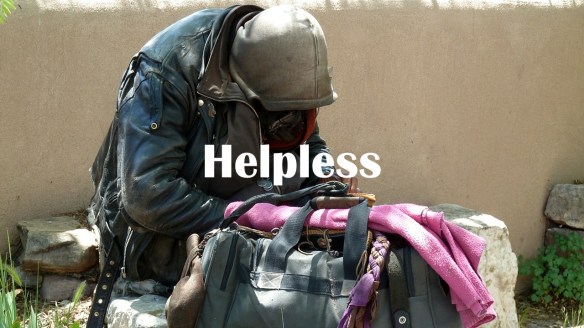
Helpless.

Sunday Inspiration.     Post by David Joel Miller.

Helpless person

Helpless.
Photo courtesy of Pixabay.com

Helpless

The test of a civilization is in the way that it cares for its helpless members”

― Pearl S. Buck

“A fear is a reaction to a specific danger, to which the individual can make a specific adjustment. But what characterizes anxiety is the feeling of diffuseness and uncertainty and the experience of helplessness toward the threat.”

― Rollo May, The Meaning of Anxiety

“It is impossible to win a contest with a helpless opponent since if you win you have won nothing.”

― Jay Haley

Wanted to share some inspirational quotes with you.  Today seemed like a good time to do this. If any of these quotes strike a chord with you, please share them.

What is burnout?

By David Joel Miller, MS, Licensed Therapist & Licensed Counselor.

Match on fire

Burnout.
Photo courtesy of Pixabay.com

Are you at risk of burning out?

Burnout is one of those conditions, like anger, loneliness, and jealousy which results in

a lot of people coming for counseling, but which is not a specific mental health diagnosis. Burnout has usually been studied in connection to occupational functioning. Job burnout can result in significant losses of productivity and people who are off work on disability.

Burnout is best described as a syndrome, a cluster of similar symptoms. Researchers have debated whether burnout is in fact just another example of major depressive disorder which occurs because of stress at work.

One of the criteria for diagnosing any mental health condition is whether or not that condition interferes with occupational functioning. So, if burnout keeps you from being able to work, you will probably get diagnosed with either a major depressive disorder or an adjustment disorder. In some countries, they use the ICD code Z73, which is not found in the copy of the DSM-5 I have in my office. The result is that while you may be off work for work stress or job-related burnout when you go to use your medical insurance, they will probably be diagnosed you as having Major Depressive Disorder.

Burnout is largely associated with occupations which require a lot of contact with customers or clients.

Three professions are particularly noted for having high burnout rates.

  1. Educational professionals, teachers, and administrators.
  2. Medical professionals, doctor’s nurses, and other related professionals.
  3. The human service professions, counselors, therapists, and social workers.

Burnout has also been identified in the banking and retail sectors. Some researchers have studied burnout in students, home workers, and couples. The concept of burnout was originally called compassion-fatigue because of the number of workers in the social service area who became so burned out they stopped feeling empathy for their clients.

The impact of burnout.

Employee burnout results in increased absenteeism and increased employee turnover. There’s also a condition which has been called presenteeism in which people show up for work but work so slowly they accomplish almost nothing. If you are suffering from burnout, you may consider quitting, or you may do your job in a halfhearted manner. People suffering from burnout have an increased rate of physical illnesses, they missed more days of work and are more likely to file for disability payments.

The three components of burnout.

Burnout is a response to stress which exceeds a person’s ability to cope and which largely impacts their ability to work. Three specific symptom clusters have been identified as part of the “burnout syndrome.” The names of various authors use to describe these symptom clusters may vary, but the descriptions are remarkably similar.

Burnout causes extreme fatigue.

People who are suffering from burnout report high levels of both physical and emotional fatigue. They may describe themselves as being “worn out.” As the burnout progresses, people may become too tired or anxious to sleep. Loss of sleep, continuing to worry about what will happen when they returned to work increases the exhaustion leading to a downward spiral.

People with burnout stop caring.

This detachment is sometimes called cynicism, or Depersonalization. When you’re burned out or in the process of burning out, you may try to reduce the stress by detaching, becoming distant and impersonal. Workers who are burning out presented as cold and aloof. In the social services, they may be described as suffering from compassion fatigue.

You start doubting your abilities as your burnout progresses.

As burnout develops people report a reduction in self-efficacy, their belief that if they try, they can do something. Work output declines. Burned-out workers become less and less efficient. They start developing a negative self-concept, have feelings of helplessness and hopelessness. Clients or customers report less satisfaction with the services they receive from providers who are suffering from burnout. Eventually, the burned-out work leaves. Sometimes they go on disability, sometimes they take another job, but many times burned-out workers are unable to work for long periods of time.

If you are developing the burnout syndrome because of work stress, seek help as soon as possible. Please don’t wait until you reach the point you can’t work at all. In some upcoming posts, look at some of the other characteristics and the treatments available for burnout.

More posts about – Burnout

Staying connected with David Joel Miller

Seven David Joel Miller Books are available now!

My newest book is now available. It was my opportunity to try on a new genre. I’ve been working on this book for several years, but now seem like the right time to publish it.

Story Bureau.

Story Bureau is a thrilling Dystopian Post-Apocalyptic adventure in the Surviving the Apocalypse series.

Baldwin struggles to survive life in a post-apocalyptic world where the government controls everything.

As society collapses and his family gets plunged into poverty, Baldwin takes a job in the capital city, working for a government agency called the Story Bureau. He discovers the Story Bureau is not a benign news outlet but a sinister government plot to manipulate society.

Bumps on the Road of Life. Whether you struggle with anxiety, depression, low motivation, or addiction, you can recover. Bumps on the Road of Life is the story of how people get off track and how to get your life out of the ditch.

Dark Family Secrets: Doris wants to get her life back, but small-town prejudice could shatter her dreams.

Casino Robbery Arthur Mitchell escapes the trauma of watching his girlfriend die. But the killers know he’s a witness and want him dead.

Planned Accidents  The second Arthur Mitchell and Plutus mystery.

Letters from the Dead: The third in the Arthur Mitchell mystery series.

What would you do if you found a letter to a detective describing a crime and you knew the writer and detective were dead, and you could be next?

Sasquatch. Three things about us, you should know. One, we have seen the past. Two, we’re trapped there. Three, I don’t know if we’ll ever get back to our own time.

For these and my upcoming books; please visit my Author Page – David Joel Miller

Want the latest blog posts as they publish? Subscribe to this blog.

For videos, see: Counselorssoapbox YouTube Video Channel

That thing called jealousy.

By David Joel Miller, MS, Licensed Therapist & Licensed Counselor.

Jealousy

Jealousy.
Photo courtesy of Pixabay.com

Is jealousy a good thing or a bad thing?

Jealousy is a complicated subject. When the word jealousy is used, most people think immediately about their romantic partner relationship. It appears that certain expressions of jealousy can strengthen some relationships while other expressions can destroy your relationships. Clients who come to counseling because of jealousy, usually have been harmed by a jealous partner or they’ve been required to get counseling because their jealousy has led to violent, aggressive actions.

Sometimes people go out of their way to make their partner jealous. It is an ego boost to know your partner will become jealous when that cute guy or gal pays you some attention. Other times excessive jealousy can destroy a relationship when it moves from expressions of affection to controlling behaviors or even violence.

How your partner handles jealousy is largely about them, not about the facts of the situation. Let’s look at the nature of jealousy, how jealousy operates, and how it might have both good and bad expressions.

Jealousy is more than a feeling.

Researchers find that this thing we call jealousy includes thoughts, emotions, and actions. In its simplest form jealousy thought that you have lost or are at risk to lose something, usually another relationship to a rival.

This thought that someone might be taking away your relationship can trigger feelings of fear, grief, and loss, or anger. People who experience a threat to their relationship may become anxious, depressed, or may be driven to attack the perceived rival. These feelings become the basis for actions.

The difference between envy and jealousy.

Envy is when one person wants what another person has. If your neighbor has a luxury car, you want one as good or better. If your neighbor has an attractive partner, envy would mean you wanted an attractive partner also. Someone who is envious of you wants something as good as or better than what you have. They do not necessarily want to take what is yours.

Jealousy involves three or more people.

Jealousy stems from threats that some will take away your relationship with another person. There’s a belief that jealousy fills an evolutionary function in humans, probably in other animals also. Expression of jealousy, the behaviors, function to prevent mate poaching. Jealousy, that possibility of losing a relationship, affects males and females differently.

Stay tuned in for more posts about jealousy; it’s causes and its treatment, which is coming up soon. More information about Jealousy and its treatment is or will be at Jealousy

David Joel Miller MS is a Licensed Marriage and Family Therapist (LMFT) and a Licensed Professional Clinical Counselor (LPCC.)  Mr. Miller provides supervision for beginning counselors and therapists and teaches at the local college in the Substance Abuse Counseling program.

Staying connected with David Joel Miller

Seven David Joel Miller Books are available now!

My newest book is now available. It was my opportunity to try on a new genre. I’ve been working on this book for several years, but now seem like the right time to publish it.

Story Bureau.

Story Bureau is a thrilling Dystopian Post-Apocalyptic adventure in the Surviving the Apocalypse series.

Baldwin struggles to survive life in a post-apocalyptic world where the government controls everything.

As society collapses and his family gets plunged into poverty, Baldwin takes a job in the capital city, working for a government agency called the Story Bureau. He discovers the Story Bureau is not a benign news outlet but a sinister government plot to manipulate society.

Bumps on the Road of Life. Whether you struggle with anxiety, depression, low motivation, or addiction, you can recover. Bumps on the Road of Life is the story of how people get off track and how to get your life out of the ditch.

Dark Family Secrets: Doris wants to get her life back, but small-town prejudice could shatter her dreams.

Casino Robbery Arthur Mitchell escapes the trauma of watching his girlfriend die. But the killers know he’s a witness and want him dead.

Planned Accidents  The second Arthur Mitchell and Plutus mystery.

Letters from the Dead: The third in the Arthur Mitchell mystery series.

What would you do if you found a letter to a detective describing a crime and you knew the writer and detective were dead, and you could be next?

Sasquatch. Three things about us, you should know. One, we have seen the past. Two, we’re trapped there. Three, I don’t know if we’ll ever get back to our own time.

For these and my upcoming books; please visit my Author Page – David Joel Miller

Want the latest blog posts as they publish? Subscribe to this blog.

For videos, see: Counselorssoapbox YouTube Video Channel

Why you are indecisive.

By David Joel Miller, MS, Licensed Therapist & Licensed Counselor.

Indecisive

Indecisive.
Photo courtesy of Pixabay.com

Having trouble deciding?

Some people make sudden, impulsive decisions and regret them later. Other people spend a lot of time trying to decide and may let opportunities pass them by without ever deciding. How is someone supposed to know when to make a quick decision and when to spend a lot of time thoroughly thinking things through?

If you’re one of those people who has difficulty making decisions, there may be some very important reasons why you have those deciding difficulties. Here are some reasons you may be chronically indecisive and what to do about it.

You don’t have all the information you would like.

Unfortunately, almost no one ever, has all the information they would like. Sometimes the facts don’t turn up until after you made your decision. Think about how important this decision is to the rest of your life. Picking a person to marry, that’s a big decision. Once you’re married, there will be consequences if you try to end the relationship. Other decisions, like what clothing to wear today, will have a lot less importance.

You’re afraid of making the wrong decision.

Wouldn’t it be wonderful if there was a book somewhere that listed all the right decisions and the wrong ones for your life? The difficulty with that is that if I made you up that book, they would be my decisions, not yours. During your life, you’ll need to make a lot of decisions. Some of them will be right, and some of them will be wrong. Bear in mind that not deciding is, in fact, a decision. By not deciding, you are deciding to do nothing.

You think you must choose between A and B.

Many people debate for a long time between two choices. Sometimes this is a choice between the best bad choice. Other times it’s a choice between the better good. The first thing to ask yourself is, are there only two choices? Have you artificially limited your alternatives?

Do a little brainstorming and see if there might be other choices. This might be a good time to seek advice from an expert in the field. If this is a once-in-a-lifetime choice, it bears a little indecision. If this is choosing what to have for dinner, don’t starve to death waiting to make your choice.

You’ve developed the habit of avoiding decisions.

If you grew up or have lived in poverty, you may have developed a scarcity mindset. If you spend money on the power bill, you may not have money for food. You may have developed the habit of waiting until the last possible second to decide because your resources are so limited. If that’s a cause of your indecision, work on getting yourself out of that scarce resource situation. Spend less, get a better-paying job or a second job, find a way to make ends meet.

You gave up your right to decide.

Some people have avoided decisions by allowing others to decide for them. You may have come from a home where one of your parents made all the decisions. You may have grown up and gotten into a relationship with a partner who is controlling and wants to make all the decisions. You may have been one of those people who have avoided the anxiety of making decisions by numbing yourself out with drugs or alcohol. You can either decide to take back control of your life or decide to do nothing. The choice is up to you.

You don’t trust yourself to decide.

Low self-esteem can result in an inability to make decisions. Lots of people believe they need to always think rationally. Rational can be good. But that gut instinct has a place also. Learn to listen to your feelings, your intuition. For everyday decisions, what to eat, what to wear, you can go with your default choice. For major life decisions spend some time examining your feelings.

You don’t know what your values and goals are.

It’s hard to make decisions when you don’t know who you are and what you want out of life. When we are young, it’s common to be confused about our values. Some people adopt the values of their parents, their society, a political party, or religion. Eventually, most people should ask themselves if they believe this only because their parents did, or because the candidate from their political party told him to believe it.

Once you know who you are, what your core values are, it will be easier to set goals. Make your decisions ones that will take you to your life goals. Just make sure the path you take to your goals is consistent with your values.

You haven’t developed the right decision-making habits.

Making decisions needs to become a habit. Become more conscious of what you choose as you go through your day. Did you watch TV just because it was on? Why did you pick a particular place to go? The big box retailers know that if they get you in the door three times in a row coming to their store will be a habit. If you do something repeatedly without thinking about it, these actions become your habit. Re-examine the things you do out of habit and decide to live life more consciously.

Hard to decide when you don’t know who you are.

You are going to spend your whole life with you. Stop avoiding looking at yourself. You will make mistakes just like everyone else. Your life experiences will shape your life. The thoughts you have repeatedly will be what you believe about yourself and the world. When you know who you are, making decisions becomes less of an effort.

Your mental health is getting in the way of your deciding.

People with untreated depression find they can’t make decisions. If you are high in anxiety, your fear may be using so much of your brain; there’s nothing left to make decisions with. Your overthinking may have become a disease. If you have a mental, emotional, behavioral, or substance use problem, it will keep you from making good decisions. Get help for your thinking, feeling, and behaving issues, and making decisions will become far easier.

David Joel Miller MS is a Licensed Marriage and Family Therapist (LMFT) and a Licensed Professional Clinical Counselor (LPCC.)  Mr. Miller provides supervision for beginning counselors and therapists and teaches at the local college in the Substance Abuse Counseling program.

Recommended Mental Health Books

David Miller at counselorssoapbox.com is an Amazon Affiliate and may receive a small Commission if you purchase a book or product using the link on this page. Using the link will not increase the cost to you.

Staying connected with David Joel Miller

Seven David Joel Miller Books are available now!

My newest book is now available. It was my opportunity to try on a new genre. I’ve been working on this book for several years, but now seem like the right time to publish it.

Story Bureau.

Story Bureau is a thrilling Dystopian Post-Apocalyptic adventure in the Surviving the Apocalypse series.

Baldwin struggles to survive life in a post-apocalyptic world where the government controls everything.

As society collapses and his family gets plunged into poverty, Baldwin takes a job in the capital city, working for a government agency called the Story Bureau. He discovers the Story Bureau is not a benign news outlet but a sinister government plot to manipulate society.

Bumps on the Road of Life. Whether you struggle with anxiety, depression, low motivation, or addiction, you can recover. Bumps on the Road of Life is the story of how people get off track and how to get your life out of the ditch.

Dark Family Secrets: Doris wants to get her life back, but small-town prejudice could shatter her dreams.

Casino Robbery Arthur Mitchell escapes the trauma of watching his girlfriend die. But the killers know he’s a witness and want him dead.

Planned Accidents  The second Arthur Mitchell and Plutus mystery.

Letters from the Dead: The third in the Arthur Mitchell mystery series.

What would you do if you found a letter to a detective describing a crime and you knew the writer and detective were dead, and you could be next?

Sasquatch. Three things about us, you should know. One, we have seen the past. Two, we’re trapped there. Three, I don’t know if we’ll ever get back to our own time.

For these and my upcoming books; please visit my Author Page – David Joel Miller

Want the latest blog posts as they publish? Subscribe to this blog.

For videos, see: Counselorssoapbox YouTube Video Channel

Counselorssoapbox.com most read articles.

By David Joel Miller.

Counselorssoapbox.com

My best articles.

Levels or types of Borderline Personality Disorder

How much should you tell a therapist?

Do therapists have to report a crime?

Is nicotine a stimulant or a depressant?

What do drug dreams mean?

Do people really forget what happened when drinking? – Blackouts

6 ways to recover from Complex Trauma or Complex PTSD

6 Reasons why you can’t make up your mind – Doubt and uncertainty fog memory

What if you go to the hospital drunk or high?

What do therapists tell the police?

Staying connected with David Joel Miller

Seven David Joel Miller Books are available now!

My newest book is now available. It was my opportunity to try on a new genre. I’ve been working on this book for several years, but now seem like the right time to publish it.

Story Bureau.

Story Bureau is a thrilling Dystopian Post-Apocalyptic adventure in the Surviving the Apocalypse series.

Baldwin struggles to survive life in a post-apocalyptic world where the government controls everything.

As society collapses and his family gets plunged into poverty, Baldwin takes a job in the capital city, working for a government agency called the Story Bureau. He discovers the Story Bureau is not a benign news outlet but a sinister government plot to manipulate society.

Bumps on the Road of Life. Whether you struggle with anxiety, depression, low motivation, or addiction, you can recover. Bumps on the Road of Life is the story of how people get off track and how to get your life out of the ditch.

Dark Family Secrets: Doris wants to get her life back, but small-town prejudice could shatter her dreams.

Casino Robbery Arthur Mitchell escapes the trauma of watching his girlfriend die. But the killers know he’s a witness and want him dead.

Planned Accidents  The second Arthur Mitchell and Plutus mystery.

Letters from the Dead: The third in the Arthur Mitchell mystery series.

What would you do if you found a letter to a detective describing a crime and you knew the writer and detective were dead, and you could be next?

Sasquatch. Three things about us, you should know. One, we have seen the past. Two, we’re trapped there. Three, I don’t know if we’ll ever get back to our own time.

For these and my upcoming books; please visit my Author Page – David Joel Miller

Want the latest blog posts as they publish? Subscribe to this blog.

For videos, see: Counselorssoapbox YouTube Video Channel

2018 First-Foot.

2018 First-Foot.

By David Joel Miller.

1st foot.
Photo courtesy of Pixabay.com

The first-foot through the door each year sets the tone for the rest of the year.

There’s an old tradition; they say it comes from Scotland, that the first person through the door each new year sets the tone for the rest of that year.  Because of that, I wanted this to be my first post for the new year.

If this is your first time reading counselorssoapbox.com, I hope this post will start off your year in a good direction.  Longtime readers will know that this blog’s premise is having a happy life.

Life can have it struggles.  At some point in their life, everyone is likely to experience a mental, emotional, or behavioral issue.  Because of this, I write a lot about mental health, mental illness, substance use disorders, and overcoming the bumps on the road of life.  Here is hoping that this new year will bring happiness to you and yours.

Throughout this year on counselorssoapbox.com, I plan to bring you tips about having a happy life, coping with emotional and mental issues, and the impact that using and abusing substances might have on your mental and emotional health.

We will also present posts to help you with being a success. However, you define that success.  With over 1100 posts on counselorssoapbox.com so far, you’ll find plenty of tips in the past posts with more to come this year.  You might even want to consider subscribing to counselorssoapbox.com.

Thanks for being my lucky first-foot this year.

P.S.  If it takes you a while to get around to reading this post I will understand.  Whenever you get to it, please drop me a line.

Staying connected with David Joel Miller

Seven David Joel Miller Books are available now!

My newest book is now available. It was my opportunity to try on a new genre. I’ve been working on this book for several years, but now seem like the right time to publish it.

Story Bureau.

Story Bureau is a thrilling Dystopian Post-Apocalyptic adventure in the Surviving the Apocalypse series.

Baldwin struggles to survive life in a post-apocalyptic world where the government controls everything.

As society collapses and his family gets plunged into poverty, Baldwin takes a job in the capital city, working for a government agency called the Story Bureau. He discovers the Story Bureau is not a benign news outlet but a sinister government plot to manipulate society.

Bumps on the Road of Life. Whether you struggle with anxiety, depression, low motivation, or addiction, you can recover. Bumps on the Road of Life is the story of how people get off track and how to get your life out of the ditch.

Dark Family Secrets: Doris wants to get her life back, but small-town prejudice could shatter her dreams.

Casino Robbery Arthur Mitchell escapes the trauma of watching his girlfriend die. But the killers know he’s a witness and want him dead.

Planned Accidents  The second Arthur Mitchell and Plutus mystery.

Letters from the Dead: The third in the Arthur Mitchell mystery series.

What would you do if you found a letter to a detective describing a crime and you knew the writer and detective were dead, and you could be next?

Sasquatch. Three things about us, you should know. One, we have seen the past. Two, we’re trapped there. Three, I don’t know if we’ll ever get back to our own time.

For these and my upcoming books; please visit my Author Page – David Joel Miller

Want the latest blog posts as they publish? Subscribe to this blog.

For videos, see: Counselorssoapbox YouTube Video Channel

Have a happy and safe new year.

Another year has come and gone. Thanks for stopping by the counselorssoapbox.com blog. Over the next year, we will continue our exploration of how to have a happy life. Take care, and I hope to see all of you in the new year.