Does your life need a hero?

By David Joel Miller, MS, Licensed Therapist & Licensed Counselor.

Hero?

What does it take to be a hero?
Photo courtesy of Pixabay.com

What does it take to be a hero?

Now, more than ever, we need some heroes. Unfortunately, the greatest heroes often go unrecognized. Being rich, famous or popular doesn’t make you a hero. Sometimes well-known people are heroes, but it’s not their wealth, fame, or popularity that makes them a hero. The hero in your life could be someone no one else recognizes. The hero who transforms your life might be that elementary school teacher or the college professor who believes in you when others didn’t. The hero in your life might be the parent who works two jobs so that you can have a better life. The hero in your life story, the one who changes things in your family for the better might be you.

Storytellers throughout the ages have studied a phenomenon they call the hero’s journey. Sometimes it’s hard to identify a hero until you get to the end of the story. You may only recognize the heroes in your life by hindsight. Others may never see the heroism it takes for you to live your life. What makes someone a hero?

Heroes don’t have it easy.

It doesn’t take much courage or heroism to accomplish things when you live an easy life, and everything’s coming your way. Every genuine hero has had to face an incredible challenge. Heroes do the hard stuff; the things other people would rather avoid. They do the necessary tasks day in and day out whether anyone else recognizes their struggles. They often must do unpopular things because it’s the right thing to do. Great heroes are often ordinary people who do extraordinary things when the challenge comes.

Heroes don’t start out planning to slay dragons.

The greatest heroes, those in stories and legends, and those we will meet in our lives don’t go out looking for struggles. A hero doesn’t go up and down the street looking for someone to fight. The heroes we most admire are the ones who would’ve preferred to a live quiet, peaceful life, but when the challenge came, they didn’t run from it. Heroes don’t undertake their quest for the round of applause. Heroes do what they do because something inside of them will not let them turn away from the struggle.

Heroes face problems others run from.

What separates heroes from those who run from problems is the direction they face. Many people spend their whole life avoiding challenges. It’s easy to escape into hopelessness by telling yourself there’s nothing you can do about the problems you and your world are facing. Some people use drugs, or alcohol, to avoid dealing with the struggles of life.

It’s never too late to change your direction from avoiding problems to tackling them head-on. The most admired heroes are those who reluctantly tackled a challenge. If you’ve ever asked yourself “why me?” You may be a hero in waiting. The question heroes eventually asked themselves is often “why not me?” There’s something inside of them that drives them to face this challenge even though they wish they could avoid it.

The life of a hero is never easy.

The pathway to being a hero will be filled with obstacles. Reaching their goals will require overcoming many impediments. There will be times when the hero in training seriously considers giving up. Often the way forward will seem bleak, dark, and impossible. The hero may find their path a lonely journey.

Many other people may have come this way, stood face to face with a great struggle. Less heroic people reach this point, and they give up, they turn back. Heroes come in all sizes, and shapes, and roles in life. Heroes don’t avoid the challenges; they just don’t give up no matter how dark today appears.

Heroes go on even when life seems hopeless.

Remember that old saying “it’s always darkest before the dawn?” That’s an apt description of heroism. People endure struggles trying to make the world a better place even though they may not be able to see the fruits of that struggle. It’s tempting to give up doing the right thing when it’s hard.

It’s easy to find excuses for avoiding the hard things in life. You could tell yourself you don’t have the abilities, the position, where the money needed to accomplish great things. What you should be asking yourself is how can you use what you do have to make things better. Regardless of how many failures you’ve had in your life, you shouldn’t tell yourself that nothing better is possible. Every day new stories are being written about people who overcame life’s difficulties, who turned themselves around and got their life headed in the right direction. Heroes don’t let their past or their disabilities determine their future.

The journey of life changes heroes.

Many people start out life with everything going for them. They may come from wealth or privilege. Some have great talents. What separates these privileged people from the heroes of life, is that many don’t struggle. Many people who could accomplish great things in life take the easy path, turned back when the going got rough. The process, the journey of life, changes the people who do the hard work of facing life.

Can you identify the heroes in your life?

Are there people you admire? People who have struggled on, regardless of the challenge? People you’d like to be like, not because of their wealth, or status, or power, but because they never gave up and persevered in facing the trials of life. Will there be people in your life, your children, your friends, or society in general, who will recognize your heroism? It’s never too late to shift from avoiding the problems in life. Maybe today’s the day you will move from telling yourself all the things you can’t do and begin to take on the task of doing the things you should do.

Are you ready to start your hero’s journey of life?

Staying connected with David Joel Miller

Seven David Joel Miller Books are available now!

My newest book is now available. It was my opportunity to try on a new genre. I’ve been working on this book for several years, but now seem like the right time to publish it.

Story Bureau.

Story Bureau is a thrilling Dystopian Post-Apocalyptic adventure in the Surviving the Apocalypse series.

Baldwin struggles to survive life in a post-apocalyptic world where the government controls everything.

As society collapses and his family gets plunged into poverty, Baldwin takes a job in the capital city, working for a government agency called the Story Bureau. He discovers the Story Bureau is not a benign news outlet but a sinister government plot to manipulate society.

Bumps on the Road of Life. Whether you struggle with anxiety, depression, low motivation, or addiction, you can recover. Bumps on the Road of Life is the story of how people get off track and how to get your life out of the ditch.

Dark Family Secrets: Doris wants to get her life back, but small-town prejudice could shatter her dreams.

Casino Robbery Arthur Mitchell escapes the trauma of watching his girlfriend die. But the killers know he’s a witness and want him dead.

Planned Accidents  The second Arthur Mitchell and Plutus mystery.

Letters from the Dead: The third in the Arthur Mitchell mystery series.

What would you do if you found a letter to a detective describing a crime and you knew the writer and detective were dead, and you could be next?

Sasquatch. Three things about us, you should know. One, we have seen the past. Two, we’re trapped there. Three, I don’t know if we’ll ever get back to our own time.

For these and my upcoming books; please visit my Author Page – David Joel Miller

Want the latest blog posts as they publish? Subscribe to this blog.

For videos, see: Counselorssoapbox YouTube Video Channel
Indecision.

Sunday Inspiration.     Post by David Joel Miller.

Indecision.

“One of the painful things about our time is that those who feel certainty are stupid, and those with any imagination and understanding are filled with doubt and indecision.”

― Bertrand Russell

“I’ve never been able to plan my life. I just lurch from indecision to indecision.”

― Alan Rickman

“Indecision may or may not be my problem.”

― Jimmy Buffett

Wanted to share some inspirational quotes with you.  Today seemed like a good time to do this. If any of these quotes strike a chord with you, please share them.

Hard drugs used to be legal in the U. S.

By David Joel Miller, MS, Licensed Therapist & Licensed Counselor.

Drugs of addiction

Addiction.
Photo courtesy of Pixabay.com

Making drugs illegal is a new thing.

It’s roughly 400 years since the Europeans arrived in America. For seventy-five percent of the time since that arrival drugs have been legal. The path from full legality to today’s many restrictions on drugs has been a long and involved one.

In early American history, first the colonial governments, and then the federal government not only allowed drug use but encouraged it. In colonial times, there were laws on the books requiring farmers to grow cannabis (Hemp) on a specific percentage of their land. During the US, Civil War more men died in camp of diseases than died in battle. Officers would routinely hand out opium gum for soldiers to chew. Whiskey was the primary painkiller. With the discovery of morphine, it became common to mix morphine into the whiskey to produce a beverage called laudanum. Between 1860 and 1900 the use of morphine, cocaine, and other drugs mixed in alcoholic beverages became commonplace.

Laws regulating drug use are a recent development in American history. Here are some of the more significant drug laws from US history.

The San Francisco Ordinance.

The first notable US drug law was an ordinance passed in San Francisco, California. Interesting to note that while today California takes a more lenient view of drug use, San Francisco is the first place to pass a significant drug regulation ordinance.

The San Francisco Ordinance, passed in 1875, banned the smoking of opium, in an opium den. Opium could still be smoked in private homes and beverages containing opium, or its derivative compound morphine could still be consumed. The main thrust of the ordinance was to try to keep white people, especially young females, from frequenting Chinese opium businesses. This ordinance only applied to the city and County of San Francisco. It would be over thirty years before another law was passed regulating drugs.

The Pure Food and Drug Act.

This law was passed by Congress in 1906. The Pure Food and Drug Act was primarily aimed at controlling opiate addiction. The belief was that by labeling products which contained drugs people would be less likely to consume them. Between the US Civil War and 1906, products containing morphine and cocaine had become extremely popular. Many women consumed tonics containing morphine and babies were often given soothing syrups which contained morphine and alcohol.

The early thinking was that if a parent had a choice between a baby product containing one percent morphine and another containing two percent morphine, the parent would probably choose the product with a lower percentage of drugs. Unfortunately, many parents thought that if one percent morphine stopped the baby from crying and allowed them to sleep, then two percent morphine would be even better.

The Harrison Narcotic Tax Act.

Many laws regulating drugs and alcohol began as taxation. Once you can tax something, you can also regulate its use. Raising taxes has repeatedly been tried in efforts to reduce drug consumption. Besides imposing regulations and taxes on drugs, the Harrison Narcotic Tax Act, passed in 1914, just before World War I, restricted sales of drugs to licensed pharmacies and required a doctor’s prescription.

One provision in the law continues to cause problems. Doctors are not supposed to prescribe drugs to maintain a drug addict’s addiction. Rather than prescribed heroin addicts heroin, or morphine addicts morphine, doctors now switch opiate addicts to methadone an even more addicting drug.

Alcohol Prohibition.

Prohibition was inducted in 1920 with the passage of the eighteenth amendment. At the time, it was described as the Great Experiment. The effects of the Great Experiment continue to be debated. There were widespread efforts to evade the law. The law did not prohibit the consumption of alcoholic beverages or the home manufacture of beer and wine. What it did prohibit was the commercial manufacturing, transporting, and sale of alcoholic beverages.

During prohibition, hospital admissions for alcohol-related health problems declined significantly. What didn’t decline during prohibition was illegal activity. Because of the widespread violence and the unpopularity of the law, prohibition was repealed by the twenty-first amendment passed in 1933.

The Controlled Substance Act.

The Controlled Substance Act passed in 1970 created a system of classifying or scheduling drugs which continues to this day. The period since 1970 has seen the passage of many additional laws attempting to regulate drug use. These laws include the law creating the Drug Enforcement Administration, anti-trafficking laws, Analog Act, Anti-Drug Abuse Act, and specific laws providing additional regulation and enforcement activities involving methamphetamine, ecstasy, tobacco smoking, and synthetic drug abuse.

Much of the legal activity in the period from 1970 to today was a part of the well-publicized “War on Drugs.”

That’s a little of the background on drug laws which people who work in the substance abuse treatment and prevention fields are expected to know. In a future post, we should take a closer look at the current system of scheduling drugs and why some of the newer laws have created enforcement problems.

For more on this topic see – Drug Use, Abuse, and Addiction and Recovery

David Joel Miller MS is a Licensed Marriage and Family Therapist (LMFT) and a Licensed Professional Clinical Counselor (LPCC.)  Mr. Miller provides supervision for beginning counselors and therapists and teaches at the local college in the Substance Abuse Counseling program.

Staying connected with David Joel Miller

Seven David Joel Miller Books are available now!

My newest book is now available. It was my opportunity to try on a new genre. I’ve been working on this book for several years, but now seem like the right time to publish it.

Story Bureau.

Story Bureau is a thrilling Dystopian Post-Apocalyptic adventure in the Surviving the Apocalypse series.

Baldwin struggles to survive life in a post-apocalyptic world where the government controls everything.

As society collapses and his family gets plunged into poverty, Baldwin takes a job in the capital city, working for a government agency called the Story Bureau. He discovers the Story Bureau is not a benign news outlet but a sinister government plot to manipulate society.

Bumps on the Road of Life. Whether you struggle with anxiety, depression, low motivation, or addiction, you can recover. Bumps on the Road of Life is the story of how people get off track and how to get your life out of the ditch.

Dark Family Secrets: Doris wants to get her life back, but small-town prejudice could shatter her dreams.

Casino Robbery Arthur Mitchell escapes the trauma of watching his girlfriend die. But the killers know he’s a witness and want him dead.

Planned Accidents  The second Arthur Mitchell and Plutus mystery.

Letters from the Dead: The third in the Arthur Mitchell mystery series.

What would you do if you found a letter to a detective describing a crime and you knew the writer and detective were dead, and you could be next?

Sasquatch. Three things about us, you should know. One, we have seen the past. Two, we’re trapped there. Three, I don’t know if we’ll ever get back to our own time.

For these and my upcoming books; please visit my Author Page – David Joel Miller

Want the latest blog posts as they publish? Subscribe to this blog.

For videos, see: Counselorssoapbox YouTube Video Channel

Causes of jealousy.

By David Joel Miller, MS, Licensed Therapist & Licensed Counselor.

Jealousy

Jealousy.
Photo courtesy of Pixabay.com

Jealousy results in many referrals for counseling.

Jealousy, like it’s relatives anger and loneliness are not specific mental health diagnoses. We often think of these as feelings, but all three also include thoughts and behaviors in addition to the feelings. Sometimes jealousy is the reason people come to see a counselor, other times the stated problem is something else such as “poor communication.” Under that other issue, the counselor is likely to find unaddressed jealousy. Jealousy, like anger, may also be a symptom of an underlying serious mental illness. Here are some of the diagnoses, and relationship issues that may be causing jealousy.

Substance Use Disorders cause jealousy.

Using and abusing drugs or alcohol alters people’s feelings and thoughts. Under the influence, people are disinhibited and more likely to act on their feelings of jealousy. The drinking and drug use lifestyle also puts people at risk. When under the influence and disinhibited, people are more likely to act on their sexual, cheating, desires. Having substances in the bloodstream affects memory and cognition resulting in people believing things that never happened. The substance using lifestyle also results in trauma or having to do things to get your drugs that you would not do clean and sober.

Psychosis and Delusions Disorders increase jealous thoughts and behaviors.

People hear and see things that are not there are at risk to misinterpret those hallucinations. The one specific mental illness which includes jealousy as a specific symptom is Delusional Disorder, jealous type. People who have schizophrenia, schizoaffective disorder, some people with bipolar disorder, and severe major depressive disorder with psychotic symptoms all may experience delusions. Delusional beliefs that others are treating them badly or that their partner is cheating on them can be common with severe mental illnesses.

Jealousy is common in Neurocognitive Disorders.

People with neurocognitive disorders such as Alzheimer’s, Parkinson’s or other forms of dementia are likely to feel their relationships are threatened and begin to believe that their partner may be cheating on. These kinds of solutions are especially hard on caregivers who may be with the demented person almost every hour of every day but still are faced with jealous accusations of infidelity.

Reactive Jealousy is the result of real events.

Reactive Jealousy is probably the easiest variety to understand. If your partner has had an affair or several affairs, it is understandable that you might become jealous. Couples often disagree on what behaviors constitute cheating. Men are more likely to become jealous if they believe their partner has been physically intimate with another man. Women are more likely to become jealous if their partner develops a close emotional connection with another person.

The risks of an affair affect the two genders differently. Men have historically been concerned that they might have to support the offspring fathered by another man. Women are more likely to fear that if their man becomes involved with another woman, he will spend money, economic resources, on that other woman thereby depriving her and her children of needed support.

Pathological Jealousy is the most dangerous.

Pathological Jealousy is believed to arise when one partner believes they are less desirable than their mate. If a man believes that his female partner has lots of men interested in her while he thinks if he loses her he will have difficulty finding another mate, he is likely to become jealous and try to control her access to other men.

Pathological Jealousy is the type most likely to result in violent, controlling behavior. People who are pathologically jealousy may become stalkers or engage in violent attacks on their partner or perceived rivals.

Stay tuned in for more posts about jealousy; it’s causes and its treatment, which is coming up soon. More information about Jealousy and its treatment is or will be at Jealousy.

David Joel Miller MS is a Licensed Marriage and Family Therapist (LMFT) and a Licensed Professional Clinical Counselor (LPCC.)  Mr. Miller provides supervision for beginning counselors and therapists and teaches at the local college in the Substance Abuse Counseling program.

Staying connected with David Joel Miller

Seven David Joel Miller Books are available now!

My newest book is now available. It was my opportunity to try on a new genre. I’ve been working on this book for several years, but now seem like the right time to publish it.

Story Bureau.

Story Bureau is a thrilling Dystopian Post-Apocalyptic adventure in the Surviving the Apocalypse series.

Baldwin struggles to survive life in a post-apocalyptic world where the government controls everything.

As society collapses and his family gets plunged into poverty, Baldwin takes a job in the capital city, working for a government agency called the Story Bureau. He discovers the Story Bureau is not a benign news outlet but a sinister government plot to manipulate society.

Bumps on the Road of Life. Whether you struggle with anxiety, depression, low motivation, or addiction, you can recover. Bumps on the Road of Life is the story of how people get off track and how to get your life out of the ditch.

Dark Family Secrets: Doris wants to get her life back, but small-town prejudice could shatter her dreams.

Casino Robbery Arthur Mitchell escapes the trauma of watching his girlfriend die. But the killers know he’s a witness and want him dead.

Planned Accidents  The second Arthur Mitchell and Plutus mystery.

Letters from the Dead: The third in the Arthur Mitchell mystery series.

What would you do if you found a letter to a detective describing a crime and you knew the writer and detective were dead, and you could be next?

Sasquatch. Three things about us, you should know. One, we have seen the past. Two, we’re trapped there. Three, I don’t know if we’ll ever get back to our own time.

For these and my upcoming books; please visit my Author Page – David Joel Miller

Want the latest blog posts as they publish? Subscribe to this blog.

For videos, see: Counselorssoapbox YouTube Video Channel
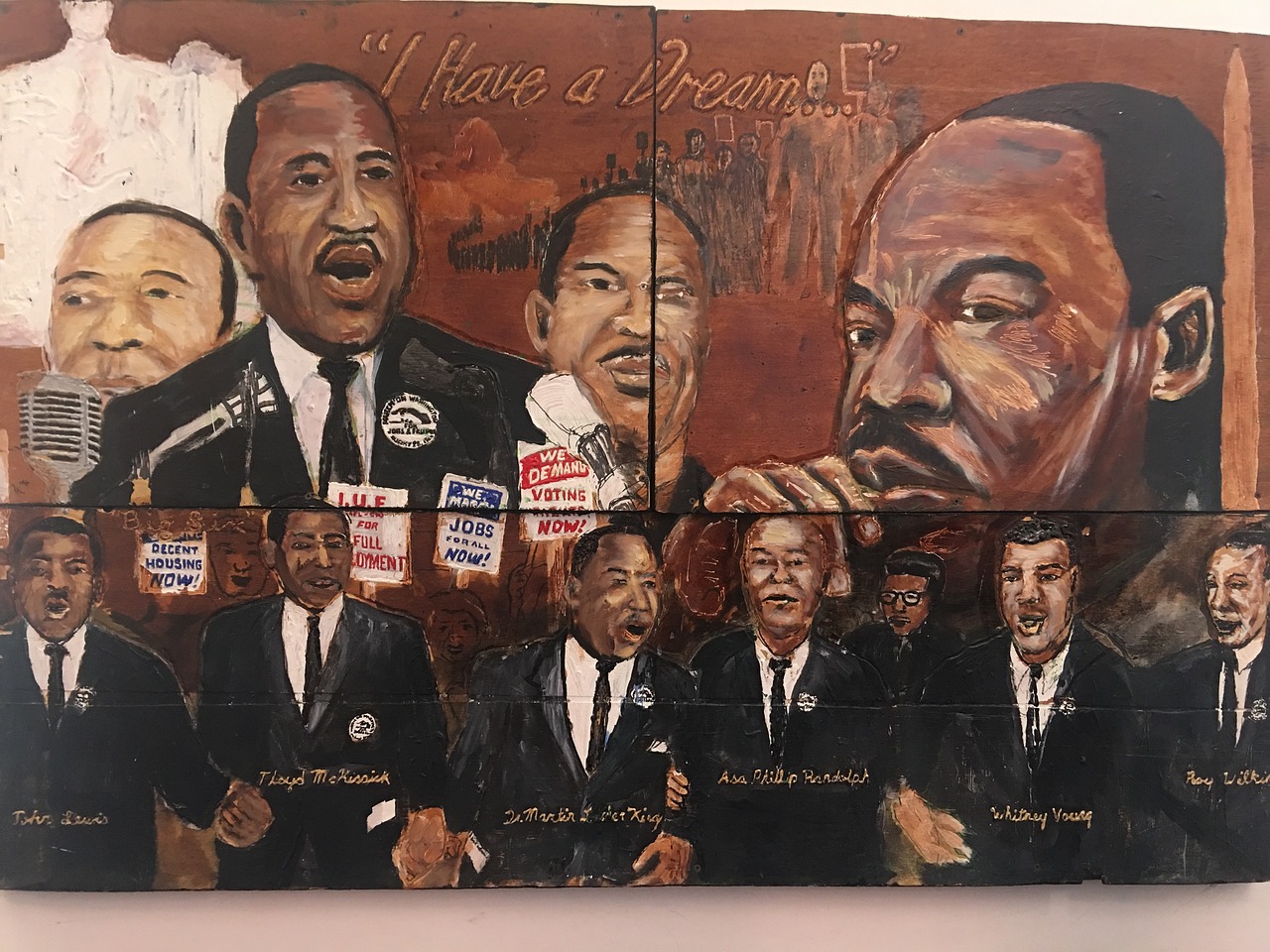
Keeping the Dream Alive.

The dream

I have a dream.
Photo courtesy of Pixabay.com

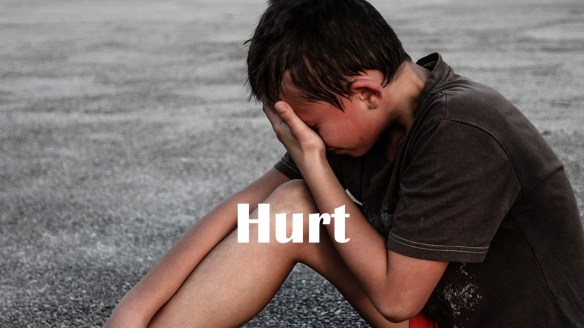
Hurt.

Sunday Inspiration.     Post by David Joel Miller.

Hurt

Hurt.
Photo courtesy of Pixabay.com

Hurt.

“If we listened to our intellect we’d never have a love affair. We’d never have a friendship. We’d never go in business because we’d be cynical: “It’s gonna go wrong.” Or “She’s going to hurt me.” Or, I’ve had a couple of bad love affairs, so therefore . . .” Well, that’s nonsense. You’re going to miss life. You’ve got to jump off the cliff all the time and build your wings on the way down.”

― Ray Bradbury

“Nobody can hurt me without my permission.”

― Mahatma Gandhi

“A torn jacket is soon mended, but hard words bruise the heart of a child.”

― Henry Wadsworth Longfellow

Wanted to share some inspirational quotes with you.  Today seemed like a good time to do this. If any of these quotes strike a chord with you, please share them.

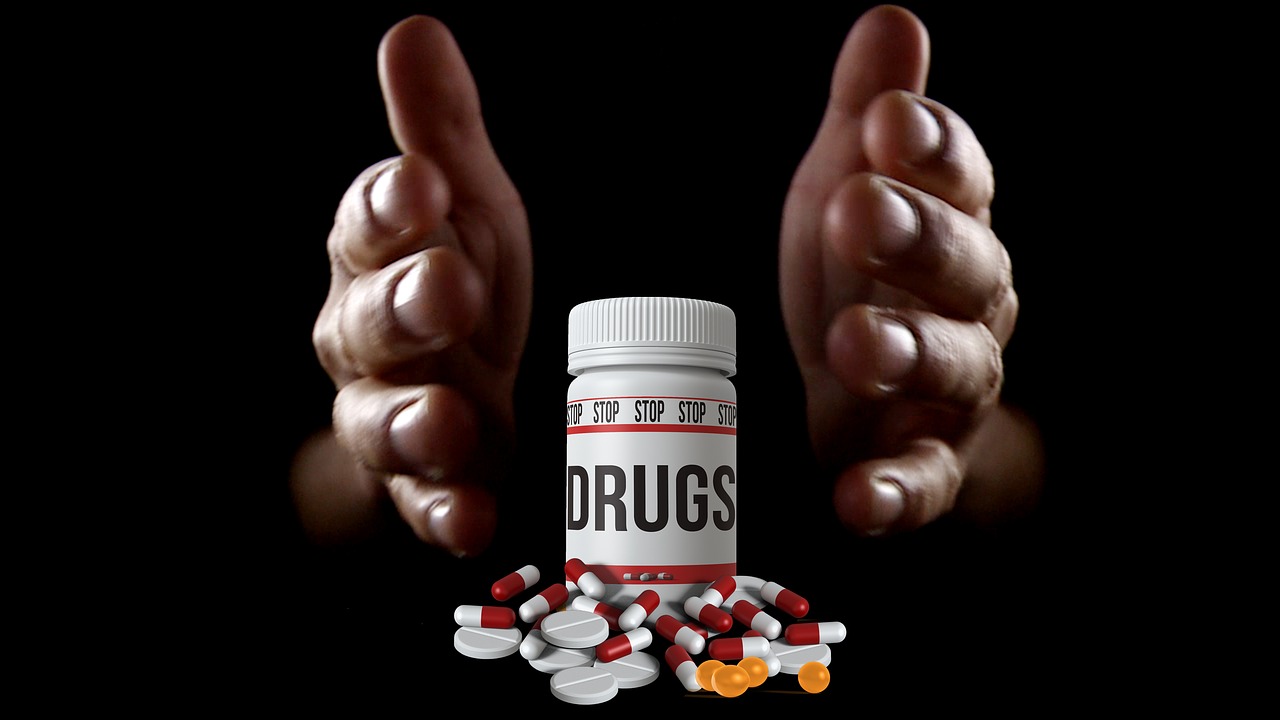
Why do drugs affect people differently?

By David Joel Miller, MS, Licensed Therapist & Licensed Counselor.

Drugs.

Drugs.
Photo courtesy of Pixabay.

Many factors affect the way people experience drugs.

Whether it’s legally obtained drugs, or the prescription kind, obtained from a drugstore with a doctor’s prescription, the way people experience those drugs varies widely. Recently we’ve seen an epidemic of deaths because of the use and abuse of prescription pain medication. Some people are in chronic pain; pain medications alleviate their suffering and allow them to function. Other people like the way those drugs make them feel or the way they keep them from having to feel anything.

People who take powerful painkillers for emotional reasons, to get high, run a high risk of becoming addicted. Three characteristics of addiction tell us that as people develop tolerance, experience withdrawals, and begin to have cravings for a drug of abuse, the risk that will take larger and larger amounts increases.

What are some of the factors that affect the drug using experience and may result in drug use turning into abuse, addiction, and the development of the drug use disorder?

Drug dosage influences the using experience.

With most drugs, small amounts of drugs produce smaller effects. Common over-the-counter pain relievers a relatively safe and not likely to cause addiction when taken as directed. Take large amounts of over-the-counter pain relievers and the risk of permanent damage to your liver or kidney, possibly even death, becomes a real possibility.

Drink one standard drink, let’s say a single twelve-ounce beer, each day, and you’re not likely to develop an alcohol use disorder. Drinking a six-pack a day and you will begin to build tolerance. Eventually, that drinker will need to drink a case of beer a day to feel the same effect. The higher the blood alcohol content goes on anyone drinking occasion, the more the risks.

A large percentage of the people in America have tried marijuana. Most find it doesn’t affect their lives. But a small number of marijuana smokers voluntarily seek treatment for cannabis use disorder.  What is different about the people who seek out treatment for a marijuana-related problem? Most of the people who develop problems with marijuana smoke every day and the quantity they smoke has increased over time.

When it comes to opiates, stimulant drugs, or other recreational drugs, the higher the dose, the more the risk.

How the drug gets into your body affects the experience.

The way in which drugs enter the body is referred to as route of administration.

Let’s use opiates as an example. It’s possible to smoke heroin, the high is experienced almost instantaneously, but a lot of the potency is lost in the process of smoking. Any drug that is smoked produces a rapid high and equally rapid withdrawal.

An equal amount of heroin mixed into a beverage and swallowed will be slower to take effect. Much of the potency is destroyed as the drug goes through the stomach. Stomach acids neutralize a large part of the potency of many drugs.

That same dose of heroin can be injected, producing a much more intense effect when the large dose reaches the brain. People who inject drugs experience much more intensive effects.

Psychological factors alter the experience of drug use.

Psychological set, the mood someone is in impacts the drug using experience. Someone who is in a happy mood and drinks alcohol may feel an increase in their happiness. They are celebrating. Someone who was angry and drinks may become angrier and more likely to act on that anger as the alcohol disinhibits them. A person who is sad and depressed who drinks alcohol is at an increased risk of developing severe depression and possibly making a suicide attempt.

Setting, the place where someone uses the drug, also alters the effects of the user experiences. Millions of people receive painkillers while in the hospital. Most of them do not become addicted. But the same quantity of drugs, purchased in an alley from a drug dealer for recreational use, are much more likely to result in a substance use disorder.

Other psychological factors that alter the drug using experience are the placebo effect and the Nocebo effect.

Your belief that the drug will have a beneficial effect is likely to produce that effect, whether that effect is positive or negative. If you think a pill will cure your headache, it probably will, even if it does not contain any active ingredient. People who believe that a particular medication will give them headaches are more likely to get headaches even when the pill is a sugar pill.

For more on this topic see – Drug Use, Abuse, and Addiction and Recovery

David Joel Miller MS is a Licensed Marriage and Family Therapist (LMFT) and a Licensed Professional Clinical Counselor (LPCC.)  Mr. Miller provides supervision for beginning counselors and therapists and teaches at the local college in the Substance Abuse Counseling program.

Staying connected with David Joel Miller

Seven David Joel Miller Books are available now!

My newest book is now available. It was my opportunity to try on a new genre. I’ve been working on this book for several years, but now seem like the right time to publish it.

Story Bureau.

Story Bureau is a thrilling Dystopian Post-Apocalyptic adventure in the Surviving the Apocalypse series.

Baldwin struggles to survive life in a post-apocalyptic world where the government controls everything.

As society collapses and his family gets plunged into poverty, Baldwin takes a job in the capital city, working for a government agency called the Story Bureau. He discovers the Story Bureau is not a benign news outlet but a sinister government plot to manipulate society.

Bumps on the Road of Life. Whether you struggle with anxiety, depression, low motivation, or addiction, you can recover. Bumps on the Road of Life is the story of how people get off track and how to get your life out of the ditch.

Dark Family Secrets: Doris wants to get her life back, but small-town prejudice could shatter her dreams.

Casino Robbery Arthur Mitchell escapes the trauma of watching his girlfriend die. But the killers know he’s a witness and want him dead.

Planned Accidents  The second Arthur Mitchell and Plutus mystery.

Letters from the Dead: The third in the Arthur Mitchell mystery series.

What would you do if you found a letter to a detective describing a crime and you knew the writer and detective were dead, and you could be next?

Sasquatch. Three things about us, you should know. One, we have seen the past. Two, we’re trapped there. Three, I don’t know if we’ll ever get back to our own time.

For these and my upcoming books; please visit my Author Page – David Joel Miller

Want the latest blog posts as they publish? Subscribe to this blog.

For videos, see: Counselorssoapbox YouTube Video Channel
Functional Family Roles.

By David Joel Miller, MS, Licensed Therapist & Licensed Counselor.

Family.
Photo courtesy of Pixabay.com


The varieties of family roles.

In a previous post, we talked about the way dysfunctional families may create roles that take the focus off the dysfunction.

Well-functioning families create functional roles, which change over time.

Adult roles.

Healthy families require their members to be healthy individuals. Certainly, two people who have mental health issues or disabilities can come together to create healthy families. What those two people need to do is to work on themselves. Two sick people do not result in a healthy couple.

In well-functioning families, the adults need to assume the adult’s role and allow the children to be children. When the children take on too many adult duties, the structure of the family becomes unbalanced. In dysfunctional families, it is common to see young children rushing home from school to care for their preschool siblings because parents are incapacitated due to addictions.

Children who act like adults too early in life are at increased risk of having children themselves at a young age. Never having the opportunity to play as children, they are prone to engaging in excess adult play. Their idea of how to play as adults often centers around drugs, alcohol, or multiple sexual partners. Children who become adults too soon may have difficulty parenting their own children, and the cycle repeats itself.

Functional families teach children adult roles by letting them babysit or perform chores, but do not deprive children of their opportunity to be children.

The Partner role – Couplehood.

In healthy families, the adults need to have adult relationships. Partners need to maintain the partner relationship. Adults need time to do things with other adults. Parents need to take care to not talk to children about problems they have with their partner. For a well-functioning family, don’t make one of the children your best friend and confidant. Reserve your closest relationship for your partner.

Plan throughout your relationship for life after children. Children need to grow up and live their own lives. Couples who fail to nurture their partner relationship may find they have no reason to stay together once the children leave home.

The Parent Role.

In functional families, parents don’t try to become their children’s best friends. It’s wonderful to foster a close relationship, but sometimes parents need to tell their children no.

The Child Role.

In a well-functioning family, children need the emotional space to play and develop. Play is not a waste of time. Play allows children to try new behaviors. Pushing children too much to grow up and stop playing can result in children whose emotional growth has been stunted. Functional families do not expect children to be able to do things they are not yet mature enough to do.

Few families are always completely functional. But, Functional families encourage their members to fill appropriate roles rather than dysfunctional family roles.

David Joel Miller, MS, is a Licensed Marriage and Family Therapist (LMFT) and a Licensed Professional Clinical Counselor (LPCC)  Mr. Miller provides supervision for beginning counselors and therapists and teaches at the local college in the Substance Abuse Counseling program.

Recommended Mental Health Books

David Miller at counselorssoapbox.com is an Amazon Affiliate and may receive a small Commission if you purchase a book or product using the link on this page. Using the link will not increase the cost to you.

Staying connected with David Joel Miller

Seven David Joel Miller Books are available now!

My newest book is now available. It was my opportunity to try on a new genre. I’ve been working on this book for several years, but now seems like the right time to publish it.

Story Bureau.

Story Bureau is a thrilling Dystopian Post-Apocalyptic adventure in the Surviving the Apocalypse series.

Baldwin struggles to survive life in a post-apocalyptic world where the government controls everything.

As society collapses and his family gets plunged into poverty, Baldwin takes a job in the capital city, working for a government agency called the Story Bureau. He discovers the Story Bureau is not a benign news outlet but a sinister government plot to manipulate society.

Bumps on the Road of Life. Whether you struggle with anxiety, depression, low motivation, or addiction, you can recover. Bumps on the Road of Life is the story of how people get off track and how to get your life out of the ditch.

Dark Family Secrets: Doris wants to get her life back, but small-town prejudice could shatter her dreams.

Casino Robbery Arthur Mitchell escapes the trauma of watching his girlfriend die. But the killers know he’s a witness and want him dead.

Planned Accidents  The second Arthur Mitchell and Plutus mystery.

Letters from the Dead: The third in the Arthur Mitchell mystery series.

What would you do if you found a letter to a detective describing a crime and you knew the writer and detective were dead, and you could be next?

Sasquatch. Three things about us, you should know. One, we have seen the past. Two, we’re trapped there. Three, I don’t know if we’ll ever get back to our own time.

For these and my upcoming books, please visit my Author Page – David Joel Miller

Want the latest blog posts as they publish? Subscribe to this blog.

For videos, see: Counselorssoapbox YouTube Video Channel
Dysfunctional family roles.

By David Joel Miller, MS, Licensed Therapist & Licensed Counselor.

Family

Family.
Photo courtesy of Pixabay.com

Were you the good kid or the bad kid?

It’s common in dysfunctional families for people to be assigned roles. It’s almost as if the family had a closet full of hats and when you were born you were given one of those hats. Just like every person may become depressed sometimes, every family will have a little bit of dysfunction. The more dysfunction the family, the more rigid the roles are likely to become.

Discussion of dysfunctional family roles is common, in substance use disorder treatment, but these roles may occur in any family with noticeable dysfunction. Various authors have used alternative names for these roles. In large families, additional roles may be created, and in small families, one person may have to play several roles.

Having these defined roles takes the attention off the family dysfunction. Do you recognize some or all of these roles from the family you grew up in? Which role did you play?

The black sheep – the bad child.

Dysfunctional families often select one person to be the scapegoat. That might be, the oldest child, the one whose conception forced the couple into a relationship. Other times it was a younger child who came along as the dysfunction became apparent. The black sheep could have been sickly, overactive, or had difficulty in school. Ever after this child is blamed for everything that goes wrong in the family.

Hero – the good child.

Were you the hero in your family? The one who was expected to get all A’s, be a star athlete, and still help around the house. The hero child may have worked a part-time job to help with the family expenses.

The clown – comic relief.

Some families had a resident comedian. The clown makes funny noises, tells jokes, and acts crazy, anything for a laugh. Some families combine the clown job with the black sheep role.

The lost child – missing in action.

The lost child never got noticed. They may have been a great student. Or the lost child may have spent their childhood anxious and depressed, hold up in their room. When the lost child turns eighteen, they may pack their bags and move to France. They will be gone for months before anyone notices they are missing.

Junior mom.

Junior mom, or Junior dad, might be eight years old, and in the third grade, but they rushed home to change their baby brother’s diaper and feed their younger siblings, because, by the time school let out mom would be too drunk or high to function.

The over functioning person – codependent or enabler.

Some families had one person, usually a parent, who tried to do everything. Mom may have worked, managed the finances, took care of the children, and still found time to provide care for dad, whose drinking prevented him from functioning at all.

The under-functioning person – alcoholic, addict, or the compulsive gambler.

At the heart of every dysfunctional family is the under-functioning person. That may have been the mother, the father, a grandparent, or any other family member. These dysfunctional family roles, like hats, could have been handed out to any family member, regardless of their age.

How about you?

Did you play one of these roles? Did you come to believe the role was who you are? For some people, over time, they played several of these roles. You may have been the black sheep who later became the alcoholic. The hero may grow up to marry an addict, and they become the codependent. Dysfunction families have a way of repeating these roles, generation after generation.

Recommended Mental Health Books

David Miller at counselorssoapbox.com is an Amazon Affiliate and may receive a small Commission if you purchase a book or product using the link on this page. Using the link will not increase the cost to you.

David Joel Miller, MS, is a Licensed Marriage and Family Therapist (LMFT) and a Licensed Professional Clinical Counselor (LPCC)  Mr. Miller provides supervision for beginning counselors and therapists and teaches at the local college in the Substance Abuse Counseling program.

Staying connected with David Joel Miller

Seven David Joel Miller Books are available now!

My newest book is now available. It was my opportunity to try on a new genre. I’ve been working on this book for several years, but now seem like the right time to publish it.

Story Bureau.

Story Bureau is a thrilling Dystopian Post-Apocalyptic adventure in the Surviving the Apocalypse series.

Baldwin struggles to survive life in a post-apocalyptic world where the government controls everything.

As society collapses and his family gets plunged into poverty, Baldwin takes a job in the capital city, working for a government agency called the Story Bureau. He discovers the Story Bureau is not a benign news outlet but a sinister government plot to manipulate society.

Bumps on the Road of Life. Whether you struggle with anxiety, depression, low motivation, or addiction, you can recover. Bumps on the Road of Life is the story of how people get off track and how to get your life out of the ditch.

Dark Family Secrets: Doris wants to get her life back, but small-town prejudice could shatter her dreams.

Casino Robbery Arthur Mitchell escapes the trauma of watching his girlfriend die. But the killers know he’s a witness and want him dead.

Planned Accidents  The second Arthur Mitchell and Plutus mystery.

Letters from the Dead: The third in the Arthur Mitchell mystery series.

What would you do if you found a letter to a detective describing a crime and you knew the writer and detective were dead, and you could be next?

Sasquatch. Three things about us, you should know. One, we have seen the past. Two, we’re trapped there. Three, I don’t know if we’ll ever get back to our own time.

For these and my upcoming books; please visit my Author Page – David Joel Miller

Want the latest blog posts as they publish? Subscribe to this blog.

For videos, see: Counselorssoapbox YouTube Video Channel
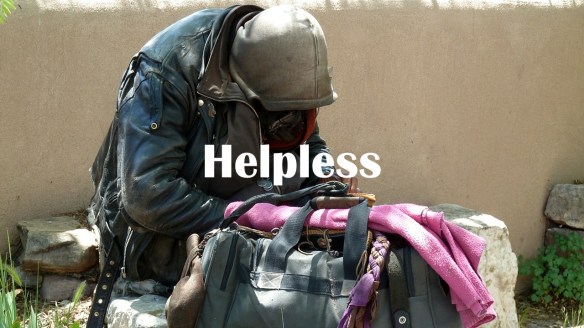
Helpless.

Sunday Inspiration.     Post by David Joel Miller.

Helpless person

Helpless.
Photo courtesy of Pixabay.com

Helpless

The test of a civilization is in the way that it cares for its helpless members”

― Pearl S. Buck

“A fear is a reaction to a specific danger, to which the individual can make a specific adjustment. But what characterizes anxiety is the feeling of diffuseness and uncertainty and the experience of helplessness toward the threat.”

― Rollo May, The Meaning of Anxiety

“It is impossible to win a contest with a helpless opponent since if you win you have won nothing.”

― Jay Haley

Wanted to share some inspirational quotes with you.  Today seemed like a good time to do this. If any of these quotes strike a chord with you, please share them.