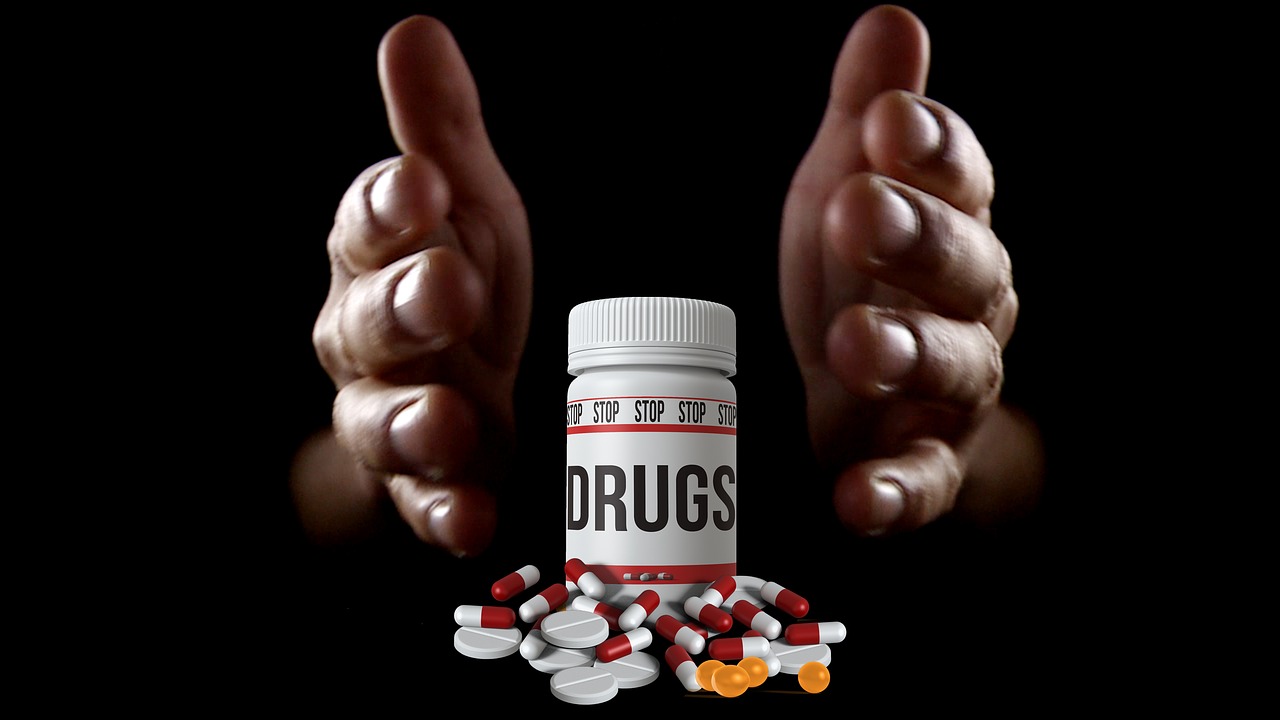
Does an adjustment disorder produce depression and mania?

By David Joel Miller MS Licensed Therapist & Licensed Counselor.

Depressed person

Depression.
Photo courtesy of Pixabay.com

Morning Question #11 adjustment disorder, depression, and mania.

Adjustment Disorder is essentially an excessive reaction to a normal stressor. The DSM-4 currently lists 6 types of adjustment disorders. They all involve some combination of anxiety, depressed mood, or behavioral problems.

Once the reaction to the stressor becomes enough to cause symptoms of a Major Depressive Disorder that is what gets diagnosed. If there is any mania or hypomania, that would become a Bipolar Disorder.

Stress can trigger all sorts of mental health issues. Someone with a history of depression or mania or an underlying risk factor like family history could have an episode under stress.

So rather than adjustment disorder producing depression & mania, stress could cause any one of the three.

Staying connected with David Joel Miller

Seven David Joel Miller Books are available now!

My newest book is now available. It was my opportunity to try on a new genre. I’ve been working on this book for several years, but now seem like the right time to publish it.

Story Bureau.

Story Bureau is a thrilling Dystopian Post-Apocalyptic adventure in the Surviving the Apocalypse series.

Baldwin struggles to survive life in a post-apocalyptic world where the government controls everything.

As society collapses and his family gets plunged into poverty, Baldwin takes a job in the capital city, working for a government agency called the Story Bureau. He discovers the Story Bureau is not a benign news outlet but a sinister government plot to manipulate society.

Bumps on the Road of Life. Whether you struggle with anxiety, depression, low motivation, or addiction, you can recover. Bumps on the Road of Life is the story of how people get off track and how to get your life out of the ditch.

Dark Family Secrets: Doris wants to get her life back, but small-town prejudice could shatter her dreams.

Casino Robbery Arthur Mitchell escapes the trauma of watching his girlfriend die. But the killers know he’s a witness and want him dead.

Planned Accidents  The second Arthur Mitchell and Plutus mystery.

Letters from the Dead: The third in the Arthur Mitchell mystery series.

What would you do if you found a letter to a detective describing a crime and you knew the writer and detective were dead, and you could be next?

Sasquatch. Three things about us, you should know. One, we have seen the past. Two, we’re trapped there. Three, I don’t know if we’ll ever get back to our own time.

For these and my upcoming books; please visit my Author Page – David Joel Miller

Want the latest blog posts as they publish? Subscribe to this blog.

For videos, see: Counselorssoapbox YouTube Video Channel

Dysthymic Disorder –chronic sadness untreated

By David Joel Miller, MS, Licensed Therapist & Licensed Counselor.
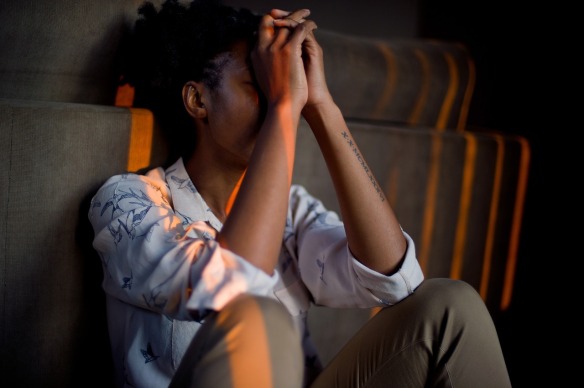
Depressed person

Depression.
Photo courtesy of Pixabay.com

Dysthymic Disorder, a forgotten Mood Disorder.

Mood disorders are separated into two groups, Depressive Disorders, and Bipolar Disorders.

Major Depressive Disorder gets all the press while it’s craftier and more insidious cousin Dysthymia gets almost none.

In Dysthymia the person feels pessimistic and “down in the dumps” but the condition is not yet severe enough to be recognized as full-fledged Major Depressive Disorder. In children, this disorder is likely to be missed or to be misdiagnosed as a learning disability, attention problem, or poor behavior.

In adults, we call these people pessimists or grumpy old men. People often have been suffering from dysthymia for so long they come to believe this is simply the way they are. They think the sadness is a part of their personality, and don’t know that dysthymia is a treatable condition. They can’t imagine feeling happy as others do.

Diagnosable Dysthymia is a long-term overall sadness that interferes with having a happy life. As a Cognitive Behavioral Therapist, I am sure a faulty belief system either creates or perpetuates this disorder.

Dysthymia is not an occasional “BAD HAIR DAY.’ It involves someone who, while not always depressed, is sad and down more of the days each week than not. It is also not just a rough patch in the road. We may all have weeks or even months of tough times that make us sad. People with Dysthymia have at least two straight years of mostly sad, depressed days but somehow they keep trudging on. If they would just give in and stop trying they might get the diagnosis of Major Depressive Disorder.

For kids, we reduce the two-year requirement to one year, if the child can avoid the “ADHD, heavy meds, hits someone and become a bad kid” trap.  In kids, the mood is more likely to be irritable all the time than obviously sad or depressed. Kids show pain by being irritable. They may also become pessimistic and stop trying to complete their work. Their grades drop and their sad mood leads to missed school days and few friends.

This is a chronic condition and without treatment, it rarely goes away. About half the time Dysthymia deepens and becomes Major Depressive Disorder. The combination of both is sometimes referred to as Double Depression and even when the Major depression lifts the person may still have the overall sad mood of dysthymia. This makes it important that they get treated not just for the Major Depression but for the Dysthymia also.

Just being down, depressed, or irritable for two years is not enough to get you this diagnosis. This disorder will also probably not get you disability, as people with Dysthymia keep trying and are able to go to school or work even when they hate life and are chronically unhappy.

People with Dysthymia will also have features similar to Major Depressive Disorder in being rather Melancholy or having atypical symptoms. They either eat-and-sleep like bears hibernating for the winter or they can’t eat and can’t sleep.

One common characteristic of people who have dysthymia is low self-esteem. They don’t have much self-confidence and they don’t think they can accomplish much; as a result, they give up trying. This can be the result of a difficult childhood, bullying, or simply a lack of having had the experience of succeeding at little things in life.

People with dysthymia are often hypercritical of themselves, others, and the world in general. They may complain a lot and have difficulty having fun. This leads to low productivity and a lack of positive relationships with others.

People who failed a lot or who were never told that what they did was good enough are prone to Dysthymia. Lack of praise was supposed to make for more accomplishment. Some parents ask me why they should praise a child just for doing what they should be doing anyway? The answer is that without praise kids begin to think that no matter what they do, or how hard they try, it will never be good enough. Eventually, they stop trying.

People with Dysthymia don’t get much pleasure out of life. As a result, they avoid doing anything that might be stressful or involve a risk of failure. They become increasingly sad and withdrawn. They find it difficult to make decisions and to start or finish projects. No use in trying if “nothing is going to turn out all right anyway.”

This may be hard to spot, as people with dysthymia avoid social situations and lack of social support is a factor in perpetuating dysthymia. It is hard to make new friends when you are sad, feel bad about yourself, and don’t have a belief in your ability to succeed.

Families tend to share their mental illnesses. If one member of the family has depression, major or minor, then other members of that same family may have dysthymia. This suggests that there is either a hereditary risk factor for Dysthymia or an environmental risk factor. Families provide both.

Dysthymia is extremely common among alcoholics and substance abusers. People who are sad a lot are more likely to abuse substances and people who abuse substances have plenty of reasons to be sad. What brings these people to treatment is an out of control addiction or when the dysthymia becomes Major Depressive Disorder. Many people with Dysthymia have psychical illnesses and conditions also.

Dysthymia frequently starts in childhood and affects both functioning and development. It is important for a child’s healthy development that they know it is possible to succeed and achieve. Having good, positive, and close friends is also an antidote.

The elderly are at increased risk to develop Dysthymia as they lose family and friends, become more isolated, and may have difficulty providing self-care. Changes in appetite, fatigue, sleeping problems, and isolation can all be mistaken for the usual results of aging instead of being recognized as symptoms of Dysthymia or depression in the elderly.

Treatment for Dysthymia is possible and has been shown to be highly effective. Group counseling and support groups are helpful. Individual therapy and medication are useful, though medication appears to be less effective with Dysthymia than with Major Depressive Disorder.

Because of the chronic nature of Dysthymia and the high risk, this will turn into Major Depressive Disorder early treatment is important.

Related articles: Mood Disorders, Depressive Disorders,

Major Depressive Disorder, Bipolar Disorder or Depression?, Bipolar or moody?, Am I Bipolar?, Hyperthymia, Are you hyperthymic? 

Staying connected with David Joel Miller

Seven David Joel Miller Books are available now!

My newest book is now available. It was my opportunity to try on a new genre. I’ve been working on this book for several years, but now seem like the right time to publish it.

Story Bureau.

Story Bureau is a thrilling Dystopian Post-Apocalyptic adventure in the Surviving the Apocalypse series.

Baldwin struggles to survive life in a post-apocalyptic world where the government controls everything.

As society collapses and his family gets plunged into poverty, Baldwin takes a job in the capital city, working for a government agency called the Story Bureau. He discovers the Story Bureau is not a benign news outlet but a sinister government plot to manipulate society.

Bumps on the Road of Life. Whether you struggle with anxiety, depression, low motivation, or addiction, you can recover. Bumps on the Road of Life is the story of how people get off track and how to get your life out of the ditch.

Dark Family Secrets: Doris wants to get her life back, but small-town prejudice could shatter her dreams.

Casino Robbery Arthur Mitchell escapes the trauma of watching his girlfriend die. But the killers know he’s a witness and want him dead.

Planned Accidents  The second Arthur Mitchell and Plutus mystery.

Letters from the Dead: The third in the Arthur Mitchell mystery series.

What would you do if you found a letter to a detective describing a crime and you knew the writer and detective were dead, and you could be next?

Sasquatch. Three things about us, you should know. One, we have seen the past. Two, we’re trapped there. Three, I don’t know if we’ll ever get back to our own time.

For these and my upcoming books; please visit my Author Page – David Joel Miller

Want the latest blog posts as they publish? Subscribe to this blog.

For videos, see: Counselorssoapbox YouTube Video Channel

Why giving up the drugs and alcohol didn’t make you happy

By David Joel Miller, MS, Licensed Therapist & Licensed Counselor.

Drugs.

Drugs.
Photo courtesy of Pixabay.

What being a “dry drunk” means.

It’s a common problem; someone gives up the drugs and the alcohol. Time goes by and they are still miserable and their lives are a mess. They expected to quit and things would be better. They quit and things did not get better. They ask “Why?”

For most people who arrive at substance recovery, the drugs, and the alcohol are not the problems. For far too long they have been that person’s solution. The problem is they don’t know how to live life without drugs and alcohol.

People with a mental illness fall into the same trap. They see a doctor take a pill or complete a therapy program. They expect it to help. It may help a little, for a while, but then they feel worse and the recovery they have begins to slip away.

You may know deep down you need to give something up. Is it a drug, alcohol or is it Anger and feeling sorry for yourself? Yes, others may have wronged you. But they are gone and you are still suffering. The past fills up your mind with pain and suffering, leaving no room for a happy contented present or future.

You may have lost a relationship, a job, or been to jail or prison. Some people lose their children because they can’t stop drinking and drugging. Your doctor may have told you “one more drink and you will die.” None of those reasons are good enough to stop and stay stopped if life after drugs was dull, boring, and unhappy.

Some people quit, they stay off the sauce for a period of time, but they are still miserable. You can see someone like this at most any A.A. meeting, you see them in churches and self-help groups. Five years or ten without drugs and they are still angry, hate themselves and others. They know they can’t drink or drug but they wish they could. In recovery language, they are called dry drunks.

Anger, fear, and resentments, those are the poisons that keep people sick. Hard to let go of that resentment. Who wants to admit that holding on to that grudge may make them feel “right” but it also makes them feel miserable?

A dry drunk has all the behaviors of a drunk. They don’t like life and can’t cope without something outside themselves to make them feel better. Sometimes they move from addiction to addiction, they try gambling or spending, sometimes it is sex or a new religion. What they don’t do is try to change themselves.

Recovery is more than putting the plug in the jug. It is more than taking medication or completing a program. Recovery takes work. There is a process you need to go through to make peace with yourself and the past. Recovering people most often find they need to work on themselves a lot. Recovery is an inside job, you hear the recovered people say. Looking at yourself is painful sometimes. The pain of self-examination leads to healing. The pain of substance abuse leads to failed relationships, jails, prisons, psych hospitals, and eventually death.

Therapists have a saying “never work harder than the client.” What we mean by that is that recovery is not something we can do to a client. Recovery is a process we can guide someone through but they need to do the work.

As long as you hold on to that addiction, the anger, the blame, you don’t have to begin to take the responsibility for your own recovery.

Living with an addiction requires a skill set. So does living with a mental illness. People learn those skills whether they intend to or not.

Recovery requires learning a new set of skills, getting a new toolkit. It also requires putting those tools to work; you need to get your recovery tools dirty by using them.

What new skills have you learned? Have you gotten honest with yourself? Do you write about things in your journal? Do you talk with your counselor, or sponsor? Have you stopped running from crisis to crisis and started making up longer-term plans, not plans of what you will have, but plans for what you will do?

Recovery is a journey. If you stick to the route you will find that the trip gets better and better.

Staying connected with David Joel Miller

Seven David Joel Miller Books are available now!

My newest book is now available. It was my opportunity to try on a new genre. I’ve been working on this book for several years, but now seem like the right time to publish it.

Story Bureau.

Story Bureau is a thrilling Dystopian Post-Apocalyptic adventure in the Surviving the Apocalypse series.

Baldwin struggles to survive life in a post-apocalyptic world where the government controls everything.

As society collapses and his family gets plunged into poverty, Baldwin takes a job in the capital city, working for a government agency called the Story Bureau. He discovers the Story Bureau is not a benign news outlet but a sinister government plot to manipulate society.

Bumps on the Road of Life. Whether you struggle with anxiety, depression, low motivation, or addiction, you can recover. Bumps on the Road of Life is the story of how people get off track and how to get your life out of the ditch.

Dark Family Secrets: Doris wants to get her life back, but small-town prejudice could shatter her dreams.

Casino Robbery Arthur Mitchell escapes the trauma of watching his girlfriend die. But the killers know he’s a witness and want him dead.

Planned Accidents  The second Arthur Mitchell and Plutus mystery.

Letters from the Dead: The third in the Arthur Mitchell mystery series.

What would you do if you found a letter to a detective describing a crime and you knew the writer and detective were dead, and you could be next?

Sasquatch. Three things about us, you should know. One, we have seen the past. Two, we’re trapped there. Three, I don’t know if we’ll ever get back to our own time.

For these and my upcoming books; please visit my Author Page – David Joel Miller

Want the latest blog posts as they publish? Subscribe to this blog.

For videos, see: Counselorssoapbox YouTube Video Channel

Is it Complex Grief, Depression or Bereavement?

Bereavement

Bereavement, grief, and loss.
Picture courtesy of Pixabay.

By David Joel Miller, MS, Licensed Therapist & Licensed Counselor.

Just what is Complex Grief, compound grief and why have people been asking about them recently?

Complex grief is also called complicated grief, traumatic grief, prolonged grief, chronic grief, or extreme grief.

The Idea behind Compound grief and its many other labels is that while most everyone experiences grief at some point in their life, sometimes that grief becomes debilitating and people with these issues need help. The questions become, is this a mental illness and how should people with severe grief issues be helped.

One thing therapy shouldn’t do is turn everyone into a mental patient and start requiring treatment for all. In professional lingo, this is called pathologizing clients. There is plenty to do helping people who genuinely need help so we don’t need to enlarge the number of disorders just to keep counselors busy.

Grief is a normal part of life. People we love die. The loss of a close family member should make you sad. When does this move from a normal part of life to a disorder requiring treatment? And who should pay for this? Insurance companies may cover necessary treatment but they will draw the line if normal human emotions become the subject of treatment. The more diseases we create the more health care will cost. Besides if someone really has an extreme impairment as a result of bereavement that becomes Major Depression and gets treated right? Not exactly.

Currently, grief is excluded from the DSM-4 criteria for depression. The reasoning for this was that if everyone is likely to experience this sooner or later, then it is not a mental illness. Just how much the death of a family member is expected to affect us is mostly a result of culture. Some cultures mourn for a year or more. The widow or widower wears black and is granted time to grieve their loss.

In western society, we limit grief to 60 days. Many other acute life events are limited to 30 days. After that, you are supposed to get back to work and living. Since the DSM guide to mental illnesses is published by the American Psychiatric Association it reflects American and western values. That may not be appropriate for people of other cultures regardless of where they live.

Currently, the loss of a close person is included in the DSM as V62.82 Bereavement. V codes normally are not covered by most insurance plans. At least two factions are working to change this.

Those who are working on the new DSM-5 report that Complex grief is a disorder proposed by groups outside the APA which is being considered. Additionally, people within the APA have suggested removing the exclusion for grief from the definition of Major Depressive Disorder. That would result in more people who have severe symptoms as a result of grief getting treatment under the Depression code. I suspect that in practice most clinicians, after a while, go ahead and give the diagnosis of depression, grief, or no, after the client has had problems for a while.

But there is another problem with all this increasing of treatment for grieving people. A specialty is growing up of practitioners who say they specialize in “grief counseling.” The research has not been kind to some of those “Grief counselors.” Some grief counseling seems to do more harm than good.

Personally, I am all for helping people who need help but the idea that we might evolve a subspecialty of counselors who are doing harm not good worries me. Complex grief is not the only area where we have a risk of doing more harm than good.

Some of the treatments for PTSD and other trauma counseling have the potential to make the victim relive the experience, rather than allowing them to heal. The repeated exposure to the trauma may retraumatize the client and makes them worse.

Not everyone who experiences the loss of a loved one has symptoms we might call complex grief. People with a past history of Major Depression are more likely to become depressed again if someone close to them dies. So is this a new disorder “complex grief” or is this a reemergence of Major Depression? Add a second stressor like financial problems, divorce, alcoholism, or addiction and the loss of a loved one is more likely to affect people’s functioning.

People with multiple losses are more at risk and so are people who have a loss in early life and then experience a loss again. If you lose a parent as a child, are you more likely to feel sad when someone else dies in your life? Does that make the second loss a mental illness?

Men and women differ in the way they show grief, so do people of different cultures. We would want to avoid creating a mental illness that only one sex or culture gets diagnosed with. But then we already have several that are more likely to be given to women than men.  Does that mean that there is a difference in the mental health of one sex or the other or only that we are defining the emotions of women and ways they express them as a mental illness?

Professionals don’t all agree on this.

So what do I think will happen? Wish my crystal ball was clearer. My guess is that we will not add complex grief as a new disorder. The APA looks poised to soften the criteria for Major Depression and let some people who are suffering from depression as a result of a traumatic loss get more help.

I also expect to see more peer and self-help groups with or without professional assistance.

So what do you think? Is complex different from normal grief? Should it be a separate diagnosed mental illness or is it a normal human emotion?

This post was featured in “Best of Blog – May 2012

Staying connected with David Joel Miller

Seven David Joel Miller Books are available now!

My newest book is now available. It was my opportunity to try on a new genre. I’ve been working on this book for several years, but now seem like the right time to publish it.

Story Bureau.

Story Bureau is a thrilling Dystopian Post-Apocalyptic adventure in the Surviving the Apocalypse series.

Baldwin struggles to survive life in a post-apocalyptic world where the government controls everything.

As society collapses and his family gets plunged into poverty, Baldwin takes a job in the capital city, working for a government agency called the Story Bureau. He discovers the Story Bureau is not a benign news outlet but a sinister government plot to manipulate society.

Bumps on the Road of Life. Whether you struggle with anxiety, depression, low motivation, or addiction, you can recover. Bumps on the Road of Life is the story of how people get off track and how to get your life out of the ditch.

Dark Family Secrets: Doris wants to get her life back, but small-town prejudice could shatter her dreams.

Casino Robbery Arthur Mitchell escapes the trauma of watching his girlfriend die. But the killers know he’s a witness and want him dead.

Planned Accidents  The second Arthur Mitchell and Plutus mystery.

Letters from the Dead: The third in the Arthur Mitchell mystery series.

What would you do if you found a letter to a detective describing a crime and you knew the writer and detective were dead, and you could be next?

Sasquatch. Three things about us, you should know. One, we have seen the past. Two, we’re trapped there. Three, I don’t know if we’ll ever get back to our own time.

For these and my upcoming books; please visit my Author Page – David Joel Miller

Want the latest blog posts as they publish? Subscribe to this blog.

For videos, see: Counselorssoapbox YouTube Video Channel