Medication to treat alcoholism – Disulfiram, Antabuse and Naltrexone

By David Joel Miller, MS, Licensed Therapist & Licensed Counselor.

Drugs

Medications.
Photo courtesy of Pixabay.com

Are there medications to treat alcoholism?

Two ways to chemically treat alcoholism.

We have been looking for a medication to treat alcoholism for a long time. There are two principle ways in which this is supposed to work.  One goal has been to find ways to turn the alcoholic back into a normal drinker. If only we could find a medication that relieves the cravings then the problem alcoholic could be taught to drink normally again. The other option is a medication that will keep the alcoholic from drinking.

The search for an alcoholism cure.

As far back as the A.A. Big Book in the 1930’s Bill was saying that maybe someday there would be a pill or medication that could turn an alcoholic into a normal drinker. It hadn’t happened back then and despite all our medical advances we still don’t have that sort of medication.

While a few medications have been tested to try to reduce the cravings, to date I know of no medication that will restore an alcoholic to a normal drinker. The only option for someone once they have progressed from a drinker to a problem drinker seems to be to stop drinking altogether.

While there are treatment programs to help the alcoholic or the problem drinker give up drinking and stay sober, a cure for alcoholism remains elusive.

Drugs that might reduce the pleasure of drinking, Naltrexone, and others, have been suggested for reducing cravings. One characteristic of addiction, to all substances, is an increase in tolerance after using your drug of choice. Over time the alcoholic needs to drink more to get the same result. Drugs that reduce cravings seem to accelerate the process of drinking more to offset the reduced pleasure from fewer drinks.

Keeping the alcoholic from drinking.

One drug, Disulfiram which is marketed under the trade names Antabuse or Antabuse produces so severe a reaction for people who take the drug and then drink it has been widely tested as a preventative.  There are other drugs that produce this same effect.

Disulfiram has uses other than keeping an alcoholic from drinking. Originally tested to treat parasite infections, those who took the drug and then drank became violently ill.

Alcohol, when consumed, is broken down through several steps until it is transformed into water and can be eliminated from the body. One of these breakdown products is acetaldehyde, which is even more toxic than the original alcohol. Having acetaldehyde in your system is a major reason for the severity of hangovers.

Disulfiram prevents the elimination of Acetaldehyde and results in prolonging and intensifying many of the symptoms of a hangover.

With Disulfiram in the bloodstream the drinker experiences severe flushing of the skin, nausea, vomiting, headache, shortness of breath, and many other serious even life-threatening symptoms. Further the longer the Disulfiram is taken the stronger the effects become. People who take Disulfiram develop little or no tolerance to the medication.

You would think that taking a medication that made you violently sick every time you drank would be enough to cure a drinker. It doesn’t work that way.

Medication Compliance is a major problem with most medications. While a psychiatric medication may work exceptionally well, people frequently do not take their medication every day as prescribed.

Antabuse is one medication that is not likely to be taken as prescribed. The symptoms it produces are severe and if the alcoholic continues to drink with Antabuse in their system they are likely to end up in the hospital. The alcoholic will often stop taking the medication so they can drink again.

Antabuse clears from the system very slowly. There is a high potential for alcoholics to stop taking their meds and drink. Physicians are warned to discuss the possible medical risks of drinking while taking Antabuse.

The relapse rate with Alcoholics is very high. Many studies have found no improvement in abstinence between those given the medication and those who use other methods to quit drinking. As a result, Antabuse is not widely prescribed to treat alcoholism.

Other drugs that make you sick when taken with Alcohol.

Disulfiram is not the only medication that can produce this effect. Drinking Alcohol while you have several other items in your bloodstream can result in extreme sickness. Several antibiotics carry label warnings to not drink alcohol while taking these meds because of a possible “Disulfiram-like reaction.” Some anti-fungal drugs and at least one type of common mushroom can also interact with alcohol to produce extremely violent hangover-like symptoms after as little as one drink.

The conclusions on meds to reduce or cure drinking?

To date, no medication has gained widespread acceptance in the treatment of alcoholism. A few people, a few times, have reported that meds helped.  If you think meds will help, talk with your doctor. Be forewarned, the meds will not cure you. You will still need to do a lot of work on yourself.

There are some medications that are helpful for treating withdrawals and as alcohol withdrawals can be fatal I recommend that chronic alcoholics need to see a medical doctor for withdrawal. See my post on why Pink Elephants can kill.

The diseases of alcoholism and addiction are mostly in the mind or thinking not in the body. Treatment that changes the person’s thinking is far more effective than medications.

There is no medication that will allow you to drink and not be an alcoholic. Like other life problems, you need to do the work of changing yourself. Others can help you but you do the work.

Hope that information about Medication to treat alcoholism – Disulfiram, Antabuse, and Naltrexone was helpful for some of you on your path to self-improvement.

Staying connected with David Joel Miller

Seven David Joel Miller Books are available now!

My newest book is now available. It was my opportunity to try on a new genre. I’ve been working on this book for several years, but now seem like the right time to publish it.

Story Bureau.

Story Bureau is a thrilling Dystopian Post-Apocalyptic adventure in the Surviving the Apocalypse series.

Baldwin struggles to survive life in a post-apocalyptic world where the government controls everything.

As society collapses and his family gets plunged into poverty, Baldwin takes a job in the capital city, working for a government agency called the Story Bureau. He discovers the Story Bureau is not a benign news outlet but a sinister government plot to manipulate society.

Bumps on the Road of Life. Whether you struggle with anxiety, depression, low motivation, or addiction, you can recover. Bumps on the Road of Life is the story of how people get off track and how to get your life out of the ditch.

Dark Family Secrets: Doris wants to get her life back, but small-town prejudice could shatter her dreams.

Casino Robbery Arthur Mitchell escapes the trauma of watching his girlfriend die. But the killers know he’s a witness and want him dead.

Planned Accidents  The second Arthur Mitchell and Plutus mystery.

Letters from the Dead: The third in the Arthur Mitchell mystery series.

What would you do if you found a letter to a detective describing a crime and you knew the writer and detective were dead, and you could be next?

Sasquatch. Three things about us, you should know. One, we have seen the past. Two, we’re trapped there. Three, I don’t know if we’ll ever get back to our own time.

For these and my upcoming books; please visit my Author Page – David Joel Miller

Want the latest blog posts as they publish? Subscribe to this blog.

For videos, see: Counselorssoapbox YouTube Video Channel

Your autobiography as therapy.

By David Joel Miller, MS, Licensed Therapist & Licensed Counselor.

Your autobiography as therapy.
Photo courtesy of Pixabay.com

Where did all this emotional stuff come from?

Most businesses take inventory every year. It is good to see what you have and also what is missing. For many businesses there is a step that needs to be taken before we can even begin to take that inventory, it involves cleaning up the warehouse.

Businesses accumulate a lot of junk. There are boxes and bags tucked here and there and no one remembers what is in them and where they came from. Our emotional lives get like that also.

We have an “insecurity” here and a “resentment” there. Something that is said at work triggers a memory of another time we were told that same thing and it made us feel really awful. Only we can’t remember when that other time was and how that happened. We have boxes and baggage but we don’t know what it goes to.

Before you get to the point of taking an emotional life experiences inventory, which is coming up soon, it pays to try to figure out what this stuff you are feeling is and where it came from.

In a previous post, I talked about how our minds have at least two memory systems. We have a verbal, story type memory which is stored as words, this happened and then that. We also have an emotional, feelings memory which is stored as pictures and sensations. Very likely there are other memory processes but let’s just work with these two for now.

So you see something, a single fresh flower lying on the floor next to an empty beer bottle. What does this mean? Some people will think nothing of it, pick the bottle and the flower up and maybe put some water in the bottle for the flower. Others of you will get upset, start to cry, and run away without touching a thing.

Past experiences have conditioned a response to this scene. You have learned from experience what this will mean to you emotionally and you have launched into an automatic response.

One way to begin to find these past events, to make some sense of them, and see why those past experiences are continuing to influence you today is to write out your autobiography. In the beginning, it is not necessary to figure out everything.  Just write the memory down.

Some people start trying to interpret things from the start. Do not fall into that trap. You remember being in a room with a particular decor and you were scared. Don’t run for the “was I molested” trap. Just know that you were there and you were scared. That experience increased the risk that when you see that decor again you will feel scared again whether this is a dangerous situation or not.

So write down the first thing you remember in life, then the next. I recommend for this using a loose-leaf book. You may find every time you write about something you will remember something else. There may be gaps in your memory. At this point all that matters are you are exploring you. Finding out what feelings you have had and where they may have originated.

In a later post, I will talk about how to do an inventory of these experiences and emotions. For now just work on getting back in touch with you, who you are what you have felt and how did you come to be you.

Some of these remembered experiences will provide insight. You always knew this; you just never invested the time in yourself to think this through. Some experiences in your life are just that, experiences. No emotional content. Some have left lifelong scars even if you have not been consciously aware of them.

Please don’t only look for the sad, the painful experiences. Along the way find the things that were happy times. Maybe the memory will be of a pet or a special person who was in your life if only for a while. If you had that pet, for a while, and then you lost them, think of the time when you had them. How did you feel? What did you do?

If you can find that reflected crystal of joy from that time then you can tuck it away and recreate it at will. That time you were so happy, that special place, you can get back there again when you need to.

This project, taking a look at you and how you became the person you are, will take some time. We will want to return to it again and again. Tuck those pages away and keep adding to them as you think of more you remember.

In a future post, we will look at the process of inventorying those feelings that these memories and stories produced.

So far this year, we have done a lot of work on finding out who we are, what we value, and how we became the people we are. You have also thought about who you want to be, the place you are going to find that happy life. This might be a place to take a break.

Some posts on other topics are coming up along with some answers to reader questions. But keep working on your autobiography and your other projects in the meantime. We will get back to the self-improvement program soon.

Staying connected with David Joel Miller

Seven David Joel Miller Books are available now!

My newest book is now available. It was my opportunity to try on a new genre. I’ve been working on this book for several years, but now seem like the right time to publish it.

Story Bureau.

Story Bureau is a thrilling Dystopian Post-Apocalyptic adventure in the Surviving the Apocalypse series.

Baldwin struggles to survive life in a post-apocalyptic world where the government controls everything.

As society collapses and his family gets plunged into poverty, Baldwin takes a job in the capital city, working for a government agency called the Story Bureau. He discovers the Story Bureau is not a benign news outlet but a sinister government plot to manipulate society.

Bumps on the Road of Life. Whether you struggle with anxiety, depression, low motivation, or addiction, you can recover. Bumps on the Road of Life is the story of how people get off track and how to get your life out of the ditch.

Dark Family Secrets: Doris wants to get her life back, but small-town prejudice could shatter her dreams.

Casino Robbery Arthur Mitchell escapes the trauma of watching his girlfriend die. But the killers know he’s a witness and want him dead.

Planned Accidents  The second Arthur Mitchell and Plutus mystery.

Letters from the Dead: The third in the Arthur Mitchell mystery series.

What would you do if you found a letter to a detective describing a crime and you knew the writer and detective were dead, and you could be next?

Sasquatch. Three things about us, you should know. One, we have seen the past. Two, we’re trapped there. Three, I don’t know if we’ll ever get back to our own time.

For these and my upcoming books; please visit my Author Page – David Joel Miller

Want the latest blog posts as they publish? Subscribe to this blog.

For videos, see: Counselorssoapbox YouTube Video Channel

Danger at the crossroad – changes you can’t take back.

By David Joel Miller, MS, Licensed Therapist & Licensed Counselor.

Road

Road to a happy life.
Photo courtesy of Pixabay.com

Linger at the fork in the road – you won’t come this way again.

So you have reached that fork in the road. You have been in pain or unhappiness too long and have determined to set off on a quest for the happy life you want. You know you do not want to go back and if you wait too long that is exactly what will happen, you will get sucked back into the quagmire of pain and misery. So you are anxious to set off.

Which way should you go?

This is a common problem for people in recovery. People in recovery from depression, anxiety, a bad relationship, or an addiction all reach this place of the crossroad. You will need a warning about the potential danger before you make a choice.

Forks in the road don’t lead off in just two directions. There are three. You could go back the way you came. Given the choice between two potential new lives, many of us will avoid the uncertainty and turn around and return to our misery. Going back is the most common choice and also often the worst one. But that is not the only danger here.

I will not argue with you which path you should take. That is your choice and yours alone. Some people prefer the well-trod path and go that way. Clearly many others have gone that way. Some of you may pick the road less traveled, for better or worse you decide to strike out and explore that route.

Some few of you in the rush to reach a new destination will head out across the wilderness looking for a shortcut. There are no shortcuts to happiness. Occasionally someone tries to make a new path and they are successful. You might be that one, but we find a lot of skeletons in the desert, people who wandered off the trail and got lost far away from civilization.

If you are fortunate there will be an information booth at this fork in the road.  This is one time it pays to ask for directions. The people at the booth can’t tell you which path is right for you, but they can tell you the reports from up ahead on the roads.

Recovery groups will suggest that you linger a while at the fork in the road. They don’t call it that but that is the way I see it.

What you are likely to be told is that during the first year in recovery; do not make any changes that you can’t take back. If you have a job, don’t quit it. If you are in a relationship don’t end it precipitously. And for sure do not jump into a new relationship. Give yourself time to figure this out.

The reason for this advice is that having left where you were before, a place of pain and unhappiness, you will begin to feel all sorts of feelings. One way our emotional memory protects us from pain is to shut down feelings, sometimes called dissociation. I think there are levels or variations in the experience of dissociation.

Having been through a period of time where you tried to avoid feeling because of the pain, or where your mind helped you out and did this for you, you will suddenly begin to feel all kinds of feelings and you may not know what to do with them.

People in substance abuse recovery frequently find that they have suppressed their appetite for all sorts of things and they go seeking to fill those cravings. Sudden sexual feelings are common. So are cravings for excitement and novelty.

So if you are coming from a place of a bad past, linger before committing to an uncertain future. Don’t quit the job that has been stressful right away, but begin to explore ways to make this job less stressful or what else would you want to do.

If you were married young and never got to date be especially careful of the one who comes along and you say they are what I have been missing out on. In this highly emotional state of early recovery what we see in the opportunities are what we want them to be not the reality of what they are.

That new job on the other coast sounds perfect until you give up everything to move there. That new partner, there is a reason their last ex left, and you need to take your time to check this out. Make sure you see things and people as they are not as you want them to be. Explore your options and keep options open as long as you can.

So here you sit, at that fork in the road ready for a whole new life. You are lingering to think things over and getting back reports on the road ahead. You are anxious to be off on the trip to a happy life. Just one thing.

That trunk you are sitting on is full of a lot of very heavy baggage.

What to do with that baggage is the focus of our next post.

Photo courtesy of Wikimedia

Staying connected with David Joel Miller

Seven David Joel Miller Books are available now!

My newest book is now available. It was my opportunity to try on a new genre. I’ve been working on this book for several years, but now seem like the right time to publish it.

Story Bureau.

Story Bureau is a thrilling Dystopian Post-Apocalyptic adventure in the Surviving the Apocalypse series.

Baldwin struggles to survive life in a post-apocalyptic world where the government controls everything.

As society collapses and his family gets plunged into poverty, Baldwin takes a job in the capital city, working for a government agency called the Story Bureau. He discovers the Story Bureau is not a benign news outlet but a sinister government plot to manipulate society.

Bumps on the Road of Life. Whether you struggle with anxiety, depression, low motivation, or addiction, you can recover. Bumps on the Road of Life is the story of how people get off track and how to get your life out of the ditch.

Dark Family Secrets: Doris wants to get her life back, but small-town prejudice could shatter her dreams.

Casino Robbery Arthur Mitchell escapes the trauma of watching his girlfriend die. But the killers know he’s a witness and want him dead.

Planned Accidents  The second Arthur Mitchell and Plutus mystery.

Letters from the Dead: The third in the Arthur Mitchell mystery series.

What would you do if you found a letter to a detective describing a crime and you knew the writer and detective were dead, and you could be next?

Sasquatch. Three things about us, you should know. One, we have seen the past. Two, we’re trapped there. Three, I don’t know if we’ll ever get back to our own time.

For these and my upcoming books; please visit my Author Page – David Joel Miller

Want the latest blog posts as they publish? Subscribe to this blog.

For videos, see: Counselorssoapbox YouTube Video Channel

Are you successful?

By David Joel Miller, MS, Licensed Therapist & Licensed Counselor.

Success

Success.
Photo courtesy of Pixabay.com

What is success – How will you know when you get there?

Lots of people would say success is having some amount of money or material things. We might each have a different idea of just how much that would be.

Some people would say they want to be a millionaire. Other people will tell us that they just want to have enough to get by, though their definition of getting by may vary widely. So how will you know when you get there?

A million dollars you say? Is that “have a million in the bank to spend” or earn a million this year? People who earn more find they have to spend more. This is a cycle that never ends. At $25,000 per year over the 45 years most Americans work, you will earn 1 and ¼ million dollars.  Yet most people will tell you that in America it is hard to live on $25,000 per year.

Still, there are people in other places on earth that live on $500 per year or less. While they are poor and they have to struggle for food and medical care, are we really sure they are any less happy in their lives than we are? Some of you are aware that an expensive cage does not make for freedom; it only makes for a fancier cage.

So besides just an absolute amount of money in life, something else may determine if we consider ourselves successful.

Who is more successful, the man with a lot of money whom everyone hates and disrespects or the man of moderate means who has lots of friends and everyone likes? Do the opinions of others influence your idea of success?

How many home runs do you need to hit to be a success? Does it matter if you had to take steroids to hit that many?

What makes us feel successful may be a gender thing. Men are traditionally considered successful and they rate themselves based on the things they have and the things they have accomplished in their lives. Women traditionally rated themselves on their relationships. Had they done a good job of raising their children? Does their partner love them?

Women have told me that they would be OK living in a car as long as they knew their partner loved them. Men say if their family had to live in a car they would feel like a failure.

What is your definition of success? What things, tangible, and intangible do you need to have to be successful?

Now, as we are starting this new year, might be a good time to sit down and make up a list of the things that you feel you need to make you feel successful. Do you already have those things? What is missing?

The point of writing this list down on paper is to make those thoughts in your head real and tangible. As we go through the year and talk about happiness and success you can pull that list out and review it. Are you making progress on changing yourself and your life? Are you moving towards being a success and away from any other way of being?

Staying connected with David Joel Miller

Seven David Joel Miller Books are available now!

My newest book is now available. It was my opportunity to try on a new genre. I’ve been working on this book for several years, but now seem like the right time to publish it.

Story Bureau.

Story Bureau is a thrilling Dystopian Post-Apocalyptic adventure in the Surviving the Apocalypse series.

Baldwin struggles to survive life in a post-apocalyptic world where the government controls everything.

As society collapses and his family gets plunged into poverty, Baldwin takes a job in the capital city, working for a government agency called the Story Bureau. He discovers the Story Bureau is not a benign news outlet but a sinister government plot to manipulate society.

Bumps on the Road of Life. Whether you struggle with anxiety, depression, low motivation, or addiction, you can recover. Bumps on the Road of Life is the story of how people get off track and how to get your life out of the ditch.

Dark Family Secrets: Doris wants to get her life back, but small-town prejudice could shatter her dreams.

Casino Robbery Arthur Mitchell escapes the trauma of watching his girlfriend die. But the killers know he’s a witness and want him dead.

Planned Accidents  The second Arthur Mitchell and Plutus mystery.

Letters from the Dead: The third in the Arthur Mitchell mystery series.

What would you do if you found a letter to a detective describing a crime and you knew the writer and detective were dead, and you could be next?

Sasquatch. Three things about us, you should know. One, we have seen the past. Two, we’re trapped there. Three, I don’t know if we’ll ever get back to our own time.

For these and my upcoming books; please visit my Author Page – David Joel Miller

Want the latest blog posts as they publish? Subscribe to this blog.

For videos, see: Counselorssoapbox YouTube Video Channel

Annual Happiness Drive – Please contribute some happiness

By David Joel Miller, MS, Licensed Therapist & Licensed Counselor.

Happy children

Happy.
Photo courtesy of Pixabay.com

Could you spare a cup of happiness?

Just when you thought the holidays were over and you had seen an end to charity requests, here comes another one.

Wait – don’t go. This one will not cost you a dime.

That’s right, don’t want your money, not now anyway. Later when or if my book comes out you can buy one if you are so inclined. But for now, I am asking –

“Do you have any happiness that you can spare?”

Here is the thing we learn about happiness, when you share it you do not have less. Every time you share your happiness with others there is more until there is more than enough to go around.

So if you can spare a little happiness and send it to me, then I promise to pass it on.

Now you can’t wrap it up and ship it. True happiness is not a thing you can put in a box, it is a feeling. So while you can’t ship happiness to me, you might be able to tell me about it in an email, and then I will be able to share that happiness with you. Then I can pass it on to others.

Now some people mistake things for happiness. They will tell us that they are happy that they got a new car. Sometimes they mistake happiness for having something that is better than what others have.

Please don’t share that “I am happy because I have more than you” with me. Eventually, someone else will come along and have more than you, and then all of us will be unhappy.

What I especially am hoping for during this “Happiness Drive,” are the people who can share with me that one thing that someone said or did for them this year that made them truly happy.

So this might be a kind word or a sunset you shared with a friend. It may be a goal accomplished in your life or a problem solved. For many of you, it will be a new person in your life, a child, grandchild, or friend.

You may have a picture, which is fine if you want to share it. Please keep them small if you can. Not sure how much space we have in this old soapbox. But mostly I would like to hear from you, what made you happy in this last year and how might others be able to share that happiness with you.

As we walk through this year we want to look a lot more at happiness, what it is, how you get some, and how you keep it. It will help us in this task if we know what happiness looks like. That is where those of you who chose to share a little of your happiness comes in. By letting us see how happiness has affected you in your life maybe we can increase it in our lives.

Any contributions of happiness will be appreciated.

Staying connected with David Joel Miller

Seven David Joel Miller Books are available now!

My newest book is now available. It was my opportunity to try on a new genre. I’ve been working on this book for several years, but now seem like the right time to publish it.

Story Bureau.

Story Bureau is a thrilling Dystopian Post-Apocalyptic adventure in the Surviving the Apocalypse series.

Baldwin struggles to survive life in a post-apocalyptic world where the government controls everything.

As society collapses and his family gets plunged into poverty, Baldwin takes a job in the capital city, working for a government agency called the Story Bureau. He discovers the Story Bureau is not a benign news outlet but a sinister government plot to manipulate society.

Bumps on the Road of Life. Whether you struggle with anxiety, depression, low motivation, or addiction, you can recover. Bumps on the Road of Life is the story of how people get off track and how to get your life out of the ditch.

Dark Family Secrets: Doris wants to get her life back, but small-town prejudice could shatter her dreams.

Casino Robbery Arthur Mitchell escapes the trauma of watching his girlfriend die. But the killers know he’s a witness and want him dead.

Planned Accidents  The second Arthur Mitchell and Plutus mystery.

Letters from the Dead: The third in the Arthur Mitchell mystery series.

What would you do if you found a letter to a detective describing a crime and you knew the writer and detective were dead, and you could be next?

Sasquatch. Three things about us, you should know. One, we have seen the past. Two, we’re trapped there. Three, I don’t know if we’ll ever get back to our own time.

For these and my upcoming books; please visit my Author Page – David Joel Miller

Want the latest blog posts as they publish? Subscribe to this blog.

For videos, see: Counselorssoapbox YouTube Video Channel

Reader Questions

Counselorssoapbox.com

By David Joel Miller, MS, Licensed Therapist & Licensed Counselor.

A slight change in format and procedure here. In the past, I was calling this feature “Morning Questions” but there needed to be a change in my writing schedule if that book in my brain was ever going to get down on paper or electrons. So the main blog post will be going up in the early AM.

I thought about calling this feature short questions or brief answers but sometimes they will be brief and other times not so brief. I settled on the title “Reader Questions.” My goal is to provide useful information and commentary while avoiding filling your inbox with excessive posts. These Reader Question posts will probably be infrequent unless there get to be more questions. Henceforth when a question or comment comes in or someone uses a search term that needs an answer you will see a Readers Question post.

Drinking a little alcohol can make PTSD worse

By David Joel Miller, MS, Licensed Therapist & Licensed Counselor.

Nightmare

Nightmares maintain depression and PTSD.
Photo courtesy of Pixabay

The Alcohol and PTSD connection.

Alcohol has some strong effects on people with PTSD and those effects turn out to not be what we expected.

Recently I came across a couple of studies about the interaction of alcohol and PTSD. There may be more studies about this and I will keep looking. But here are some things we think we know.

The way in which memories are stored will depend on the level of alcohol in the bloodstream when the traumatic event occurs. Alcohol consumption is related to trauma; more than one study has indicated that people who perpetrate violence are more likely to be intoxicated.

I know that this does not mean that drinking makes you violent. Millions of people have a drink every day and do not go out and perpetrate violence. But among those who do get violent, a great many are under the influence of drugs or alcohol. It is easy to see that when someone is drunk they have reduced control of their behavior and having lowered inhibitions they are more likely to engage in violent behavior.

What we also find is that victims of violence are frequently under the influence of drugs and alcohol. Being intoxicated reduces your self-protective behavior and you are more likely to put yourself in a dangerous situation, more likely to look like an easy target to someone with a violent intent and intoxicated people are more likely to “not take it anymore” and engage in argumentative and assertive behavior.

So why would drinking by someone who had been the victim of a violent trauma make the PTSD symptoms worse?

A small amount of alcohol in someone’s system may increase PTSD symptoms rather than anesthetize them for several reasons. Maintaining control of thoughts and emotions especially the intrusive memories from PTSD requires sustained effort. Alcohol reduces the ability to ward off those emotions.

Bisby, in his study, found that intrusive memories in PTSD were most likely to be suppressed at the extremes of blood alcohol content. So with no alcohol in the bloodstream, the memories could be shut off by the person’s effort. As the level rose they were less able to control those intrusive, memories until the blood alcohol levels reached the legally drunk point. While this study stopped with a blood-alcohol level of .08, the definition of legally drunk, it is likely that the memories would have continued to decline as the person became progressively more intoxicated (Bisby et al. 2009.)

Now, this study did find that memory for facts, the verbal memory portion, was impaired and the more alcohol in the bloodstream the less accurately the person remembered precisely what had happened.

What they did remember more of when under the influence was the emotional feelings associated with the traumatic experience.

Additionally, I suspect that some of this increased recall of trauma with a low-level of alcohol in the bloodstream is the result of state-dependent learning. The presence of alcohol in the bloodstream opened up the memories that had been stored away and sealed off when sober.

Further, this study concluded that people with small amounts of alcohol were more likely to develop PTSD as a result of a traumatic event. As I mentioned in a previous post the presence of alcohol in the bloodstream increases the storing of the emotions of the event while surprising the factual memories.

Having alcohol in the system during stressful events may not calm your nerves and improve your coping skills. It is more likely to reduce the ability to cope and increase the risk of developing a PTSD response to being the victim of trauma.

So for any number of reasons, consuming a small amount of alcohol is not a good idea for someone who has experienced a trauma. A small amount will increase traumatic memories and it will take highly intoxicating levels of alcohol to shut those memories off.

The result is that people with PTSD who drink any alcohol are at high risk to develop a severe case of alcoholism.

This is one more case where the use of chemicals to avoid pain can, in fact, result in increased pain when the chemicals drop below intoxicating levels.

Staying connected with David Joel Miller

Seven David Joel Miller Books are available now!

My newest book is now available. It was my opportunity to try on a new genre. I’ve been working on this book for several years, but now seem like the right time to publish it.

Story Bureau.

Story Bureau is a thrilling Dystopian Post-Apocalyptic adventure in the Surviving the Apocalypse series.

Baldwin struggles to survive life in a post-apocalyptic world where the government controls everything.

As society collapses and his family gets plunged into poverty, Baldwin takes a job in the capital city, working for a government agency called the Story Bureau. He discovers the Story Bureau is not a benign news outlet but a sinister government plot to manipulate society.

Bumps on the Road of Life. Whether you struggle with anxiety, depression, low motivation, or addiction, you can recover. Bumps on the Road of Life is the story of how people get off track and how to get your life out of the ditch.

Dark Family Secrets: Doris wants to get her life back, but small-town prejudice could shatter her dreams.

Casino Robbery Arthur Mitchell escapes the trauma of watching his girlfriend die. But the killers know he’s a witness and want him dead.

Planned Accidents  The second Arthur Mitchell and Plutus mystery.

Letters from the Dead: The third in the Arthur Mitchell mystery series.

What would you do if you found a letter to a detective describing a crime and you knew the writer and detective were dead, and you could be next?

Sasquatch. Three things about us, you should know. One, we have seen the past. Two, we’re trapped there. Three, I don’t know if we’ll ever get back to our own time.

For these and my upcoming books; please visit my Author Page – David Joel Miller

Want the latest blog posts as they publish? Subscribe to this blog.

For videos, see: Counselorssoapbox YouTube Video Channel

What if your loved one refuses treatment?

By David Joel Miller, MS, Licensed Therapist & Licensed Counselor.

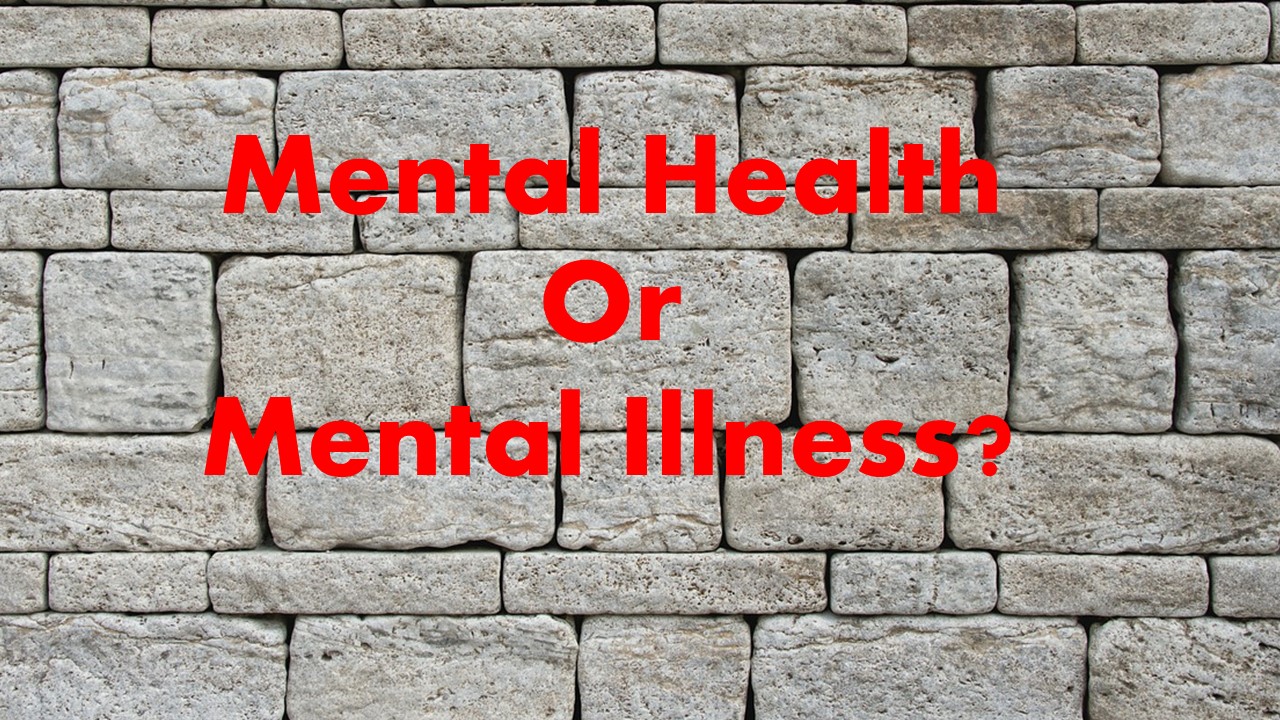
Helpless person

Helpless.
Photo courtesy of Pixabay.com

What do you do when they get mad at you for suggesting they get help?

It is not unusual for people with a serious mental illness to refuse treatment. They don’t want to admit they need help, they are embarrassed or they don’t think that anything can help them. Sometimes people don’t want to give up their problems even when others around them see the need for them to change.

People with Bipolar Disorder may be especially resistant to getting treatment. They like the way the mania or hypomania makes them feel. When they slip into depression they may be more receptive but the second the depression lifts and the mania returns they are prone to stop taking their meds. This is very difficult for those around them.

People with a drug or alcohol problem are also resistant to change. They like the mood change their chemical friend creates and are unlikely to think the problem is the drug. They will blame others, make excuses, and offer plenty of reasons why they don’t have a problem. The harder you press them to change the angrier they will get.

Other additions, gambling, sex, and pornography are also more likely to be seen as a problem by those around the addict. So what does the family member do?

Unless the person with the addiction or the mental illness wants to change there is little those around them can do to make them change. The ill person needs to decide that this issue is causing them a problem and for a very long time they will insist that the problem is all those other people around them who don’t understand them.

If the person with the problem does not want help I highly recommend that the family member who wants them to change needs to get counseling for themselves. Continuing to insist that someone change to make you happy make us wonder who the mentally ill person is.  Ask yourself a few questions.

If this person never changes one bit will I be happy in this relationship?

Most people who have a mental illness or an addiction will not change until they find that they can no longer go on acting the way they have been. As long as a family member or friend stays in their life, helping them out and caring for them, they are unlikely to admit they have a problem. If you love them you may have to let them go, only to find when they have lost everything and finally get into recovery they may want to be with someone new who has not been through all the pain with them.

Staying with them means you will need to be prepared for whatever ride you end up taking. They may get arrested, become violent; leave you for their addiction or another person. They may think, at least for a while, that you are the reason they drink, do drugs, or are “stressed out.”

Can I accept that this is just the way things are?

Some family members conclude that they would rather put up with an ill family member and stay in the relationship even if the ill person never goes for treatment. Others will conclude they can’t take living with an alcoholic, drug addict, or bipolar person who is unwilling to get help. The choice is not a black or white one; these life choices are very personal. Just don’t fool yourself into thinking that if you stay around long enough and try hard enough your love will change them.

Consider also how far into this relationship are you?

If you have several children together that is one situation. If you have no children do you want to raise a child or children while the impaired person continues to act this way? Is it fair to put a child through this?

Too many people think they can change the partner, that a child will make the relationship better and that the other person will suddenly snap out of it and assume responsibilities when they have to. Occasionally that happens but not very often.

When the ill person will not come for therapy then the rest of the family needs to come to talk through their options and for help in coping with an ill family member.

Photo credit: Wikipedia

Staying connected with David Joel Miller

Seven David Joel Miller Books are available now!

My newest book is now available. It was my opportunity to try on a new genre. I’ve been working on this book for several years, but now seem like the right time to publish it.

Story Bureau.

Story Bureau is a thrilling Dystopian Post-Apocalyptic adventure in the Surviving the Apocalypse series.

Baldwin struggles to survive life in a post-apocalyptic world where the government controls everything.

As society collapses and his family gets plunged into poverty, Baldwin takes a job in the capital city, working for a government agency called the Story Bureau. He discovers the Story Bureau is not a benign news outlet but a sinister government plot to manipulate society.

Bumps on the Road of Life. Whether you struggle with anxiety, depression, low motivation, or addiction, you can recover. Bumps on the Road of Life is the story of how people get off track and how to get your life out of the ditch.

Dark Family Secrets: Doris wants to get her life back, but small-town prejudice could shatter her dreams.

Casino Robbery Arthur Mitchell escapes the trauma of watching his girlfriend die. But the killers know he’s a witness and want him dead.

Planned Accidents  The second Arthur Mitchell and Plutus mystery.

Letters from the Dead: The third in the Arthur Mitchell mystery series.

What would you do if you found a letter to a detective describing a crime and you knew the writer and detective were dead, and you could be next?

Sasquatch. Three things about us, you should know. One, we have seen the past. Two, we’re trapped there. Three, I don’t know if we’ll ever get back to our own time.

For these and my upcoming books; please visit my Author Page – David Joel Miller

Want the latest blog posts as they publish? Subscribe to this blog.

For videos, see: Counselorssoapbox YouTube Video Channel
Do addict, mentally ill labels help or hurt?

By David Joel Miller, MS, Licensed Therapist & Licensed Counselor.

Mental Health or Mental Illness

Mental Health or Mental Illness?
Photo courtesy of Pixabay.com

Do most people accept labels like “addict” or “mentally ill?”

The use of labels to identify clients keeps coming up. Does having a label, a name, for your problem help you find answers, or does it stigmatize you?

The recovery movement often uses labels, usually self-applied to define the nature of their issue. Saying you are an Alcoholic helps you to understand the problem and what you need to do to overcome it. In this case, if you are really an alcoholic you should not drink.

In A.A. they don’t give out the labels. They present information and let people decide for themselves if the designation fits. This approach has a lot to recommend it.

Some people feel that giving out labels can be a barrier to recovery. If you say you are an addict then, of course, you will use drugs, the use of the label could be interpreted as a reason to stay in your problem rather than move towards a solution.

Personally, if I have a cough it makes a lot of difference to me whether I have an allergy or tuberculosis. I am frankly a lot suspicious of a doctor who wants me to take medication for my cough but does not want to tell me what is wrong with me for fear of labeling me.

People are not defined by their disorders. We should not refer to them as “the schizophrenic” or the “depressive.” We know that there are times the person with schizophrenia or another psychosis may not be experiencing symptoms or the symptoms may be milder. This sometimes is referred to as periods of lucidity. People with depression can get better.

Most people, in my experience, embrace these labels. They help define the challenge the person is facing. It is reassuring to know that you have a treatable disorder rather than to think that you are crazy or that there is something so wrong with you and there is no hope. What most people find is that there are lots of other people who are struggling with the same illness.

As a professional, I feel I owe it to a client to tell them what I think they are struggling with. Knowing the problem can suggest solutions. I don’t find it useful to argue with clients overdiagnosis. Whenever possible we start by working on the things the client thinks are problems for them. Help them find a job and the depression just may go away.

Sometimes people put too much trust in a diagnosis. What if the person who gave you that one was wrong? Learn to use that information, their view of what you are struggling with, and go from there.

Now if you have been given medication, I recommend you take it as prescribed. If it is not working or you are experiencing side effects, talk with the prescribing doctor before you make a sudden change, and please do not take a med only on the days you think you need it, unless the doctor prescribed it to be used that way.

Feel free to add other helpful things, like therapy, meditation, and a strong support system to your medication. Medication can only take you so far. Working on your recovery includes learning and practicing the skills you will need to maintain that recovery.

So as far as diagnosis or labels go, if they help your recovery, use them. If your label is getting in the way of your recovery don’t worry about what it is called and focus on your recovery skills.

My view – for most people labeling the problem is helpful, labeling yourself is not. You are, after all, much more than any one problem you may be struggling with.

For more on this whole label-diagnosis thing see also the posts on:

What is wrong with me?

5 Axis diagnosis esoterica

Is it a medical problem or a mental health problem?

Staying connected with David Joel Miller

Seven David Joel Miller Books are available now!

My newest book is now available. It was my opportunity to try on a new genre. I’ve been working on this book for several years, but now seem like the right time to publish it.

Story Bureau.

Story Bureau is a thrilling Dystopian Post-Apocalyptic adventure in the Surviving the Apocalypse series.

Baldwin struggles to survive life in a post-apocalyptic world where the government controls everything.

As society collapses and his family gets plunged into poverty, Baldwin takes a job in the capital city, working for a government agency called the Story Bureau. He discovers the Story Bureau is not a benign news outlet but a sinister government plot to manipulate society.

Bumps on the Road of Life. Whether you struggle with anxiety, depression, low motivation, or addiction, you can recover. Bumps on the Road of Life is the story of how people get off track and how to get your life out of the ditch.

Dark Family Secrets: Doris wants to get her life back, but small-town prejudice could shatter her dreams.

Casino Robbery Arthur Mitchell escapes the trauma of watching his girlfriend die. But the killers know he’s a witness and want him dead.

Planned Accidents  The second Arthur Mitchell and Plutus mystery.

Letters from the Dead: The third in the Arthur Mitchell mystery series.

What would you do if you found a letter to a detective describing a crime and you knew the writer and detective were dead, and you could be next?

Sasquatch. Three things about us, you should know. One, we have seen the past. Two, we’re trapped there. Three, I don’t know if we’ll ever get back to our own time.

For these and my upcoming books; please visit my Author Page – David Joel Miller

Want the latest blog posts as they publish? Subscribe to this blog.

For videos, see: Counselorssoapbox YouTube Video Channel
.

Does a little alcohol make you more productive?

By David Joel Miller, MS, Licensed Therapist & Licensed Counselor.

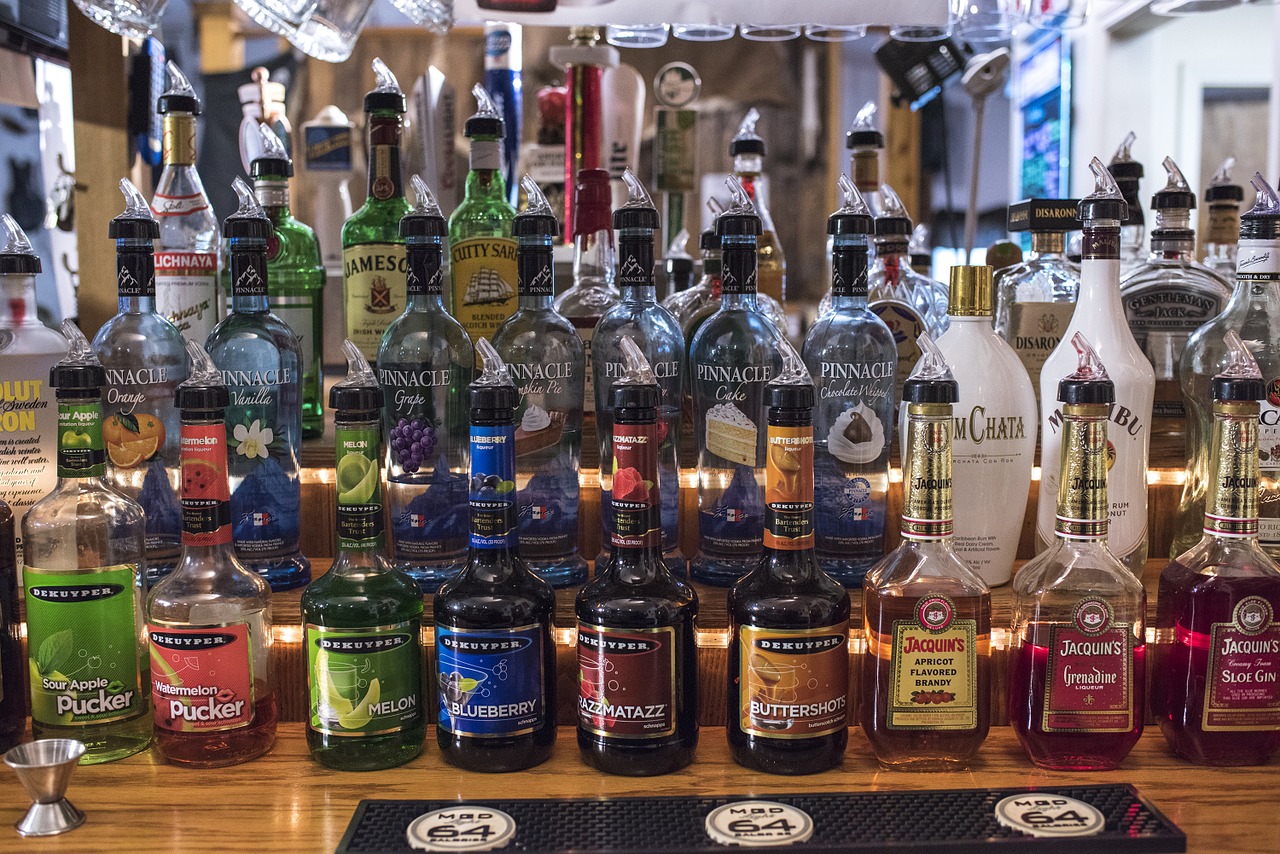
Bottles of alcohol.

Alcoholic Beverages.
Photo courtesy of Pixabay.com

Alcohol’s effect on productivity – Morning Question #28

Alcohol is not likely to make you more productive. People used to believe that alcohol was a stimulant and increased your productivity. It is not a stimulant, it is a depressant.

What alcohol does do is reduce the function of parts of the brain; as a result, people lose their inhibitions. So people who put things off and avoid things because of anxiety and shyness may do things while they have alcohol in the bloodstream that they otherwise would not do.

Taking more chances can be good if it helps you overcome inhibitions and gets you to try something for the first time. But it can also be bad if the thing you try that one time has harmful consequences, like sex with a new partner or drugs. Having to use chemicals to overcome anxiety also increases the risk you will become dependent on that chemical to cope with that problem the next time it arises.

This false belief in alcohol’s ability to increase productivity resulted in a lot of authors, newspaperman, and other creative types abusing alcohol and resulted in a lot of alcoholism.

There is no magic substance to make you more productive or creative.

Good health practices, some exercise, and reducing the internal censor that inhibits you from trying new things can go a long way towards increasing your productivity.

Staying connected with David Joel Miller

Seven David Joel Miller Books are available now!

My newest book is now available. It was my opportunity to try on a new genre. I’ve been working on this book for several years, but now seem like the right time to publish it.

Story Bureau.

Story Bureau is a thrilling Dystopian Post-Apocalyptic adventure in the Surviving the Apocalypse series.

Baldwin struggles to survive life in a post-apocalyptic world where the government controls everything.

As society collapses and his family gets plunged into poverty, Baldwin takes a job in the capital city, working for a government agency called the Story Bureau. He discovers the Story Bureau is not a benign news outlet but a sinister government plot to manipulate society.

Bumps on the Road of Life. Whether you struggle with anxiety, depression, low motivation, or addiction, you can recover. Bumps on the Road of Life is the story of how people get off track and how to get your life out of the ditch.

Dark Family Secrets: Doris wants to get her life back, but small-town prejudice could shatter her dreams.

Casino Robbery Arthur Mitchell escapes the trauma of watching his girlfriend die. But the killers know he’s a witness and want him dead.

Planned Accidents  The second Arthur Mitchell and Plutus mystery.

Letters from the Dead: The third in the Arthur Mitchell mystery series.

What would you do if you found a letter to a detective describing a crime and you knew the writer and detective were dead, and you could be next?

Sasquatch. Three things about us, you should know. One, we have seen the past. Two, we’re trapped there. Three, I don’t know if we’ll ever get back to our own time.

For these and my upcoming books; please visit my Author Page – David Joel Miller

Want the latest blog posts as they publish? Subscribe to this blog.

For videos, see: Counselorssoapbox YouTube Video Channel