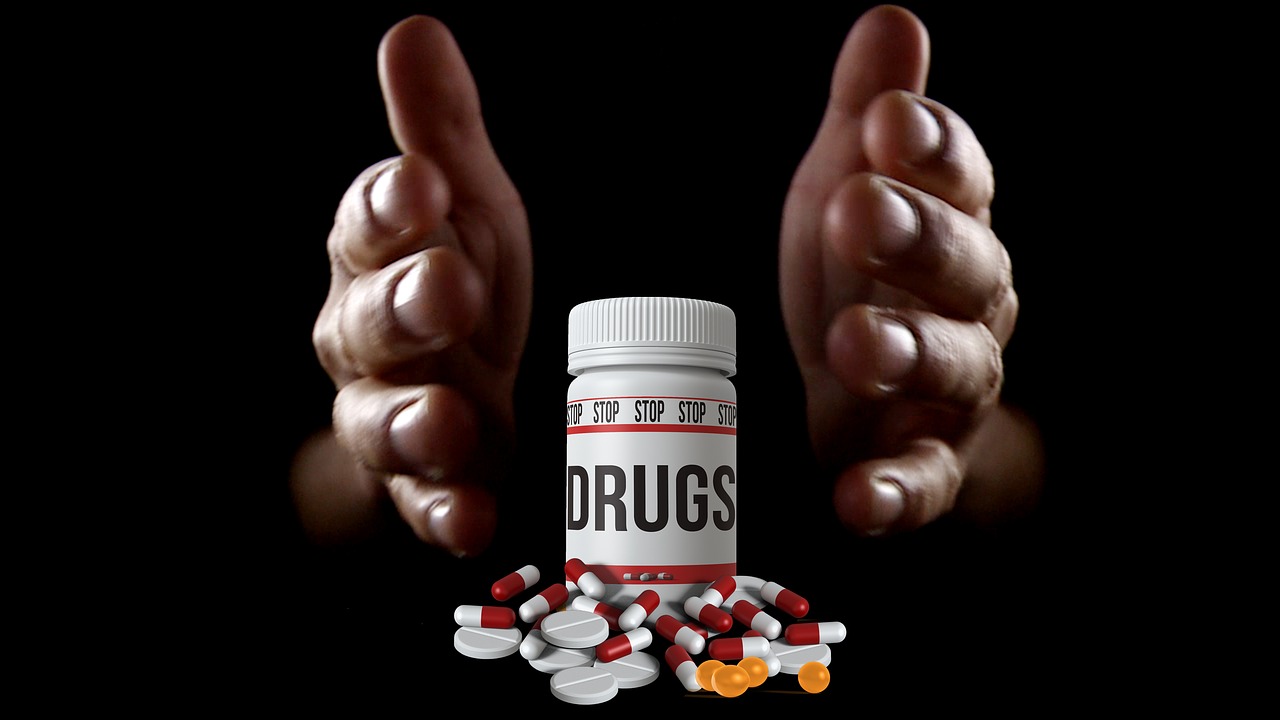
Bath Salts visit the ER

By David Joel Miller, MS, Licensed Therapist & Licensed Counselor.

New drugs

Bath salts.
Photo courtesy of Pixabay.com

ER’s saw an extra 23,000 people as a result of Bath Salt use.

More Bath Salt users are going to the hospital.

People having an adverse reaction to taking “bath salts” are on the rise. For the uninitiated, these are not something you find in a boutique home store. Sold under the name “bath salts” these chemicals are being used in an effort to get high.

These chemicals are labeled “not for human consumption” in an effort to avoid detection and regulation. Anyone selling these chemicals must know full well that customers are smoking or injecting these drugs.

Now SAMSA is reporting that in 2011, the most recent year for which we have statistics, the number of ER visits in which bath salt use figured has reached 23,000. Many of these are in combination with alcohol or other drugs.

I have seen some clients who appear to have suffered a long-term consequence as a result of using bath salts.

To keep all this in perspective, that same year, 2011, drugs were involved in 2 ½ million hospital emergency visits.

Treating Bath Salt overdoses cost money.

At a time when we are looking at the high and rising cost of medical care, it is hard to overlook the huge consequence of drug use and abuse.

While bath salts are down the list of ER visit causes, expect the costs to society from abuse of bath salts to continue to rise.

Staying connected with David Joel Miller

Seven David Joel Miller Books are available now!

My newest book is now available. It was my opportunity to try on a new genre. I’ve been working on this book for several years, but now seem like the right time to publish it.

Story Bureau.

Story Bureau is a thrilling Dystopian Post-Apocalyptic adventure in the Surviving the Apocalypse series.

Baldwin struggles to survive life in a post-apocalyptic world where the government controls everything.

As society collapses and his family gets plunged into poverty, Baldwin takes a job in the capital city, working for a government agency called the Story Bureau. He discovers the Story Bureau is not a benign news outlet but a sinister government plot to manipulate society.

Bumps on the Road of Life. Whether you struggle with anxiety, depression, low motivation, or addiction, you can recover. Bumps on the Road of Life is the story of how people get off track and how to get your life out of the ditch.

Dark Family Secrets: Doris wants to get her life back, but small-town prejudice could shatter her dreams.

Casino Robbery Arthur Mitchell escapes the trauma of watching his girlfriend die. But the killers know he’s a witness and want him dead.

Planned Accidents  The second Arthur Mitchell and Plutus mystery.

Letters from the Dead: The third in the Arthur Mitchell mystery series.

What would you do if you found a letter to a detective describing a crime and you knew the writer and detective were dead, and you could be next?

Sasquatch. Three things about us, you should know. One, we have seen the past. Two, we’re trapped there. Three, I don’t know if we’ll ever get back to our own time.

For these and my upcoming books; please visit my Author Page – David Joel Miller

Want the latest blog posts as they publish? Subscribe to this blog.

For videos, see: Counselorssoapbox YouTube Video Channel

More side effects of synthetic Marijuana

By David Joel Miller, MS, Licensed Therapist & Licensed Counselor.

THC in synthetic marijuana.
Photo courtesy of Pixabay.com

Synthetic Marijuana has side effects? Who knew!

Add another outbreak of mystery illness to the credit of synthetic marijuana.

Colorado’s tally of sick and dead as a result of synthetic marijuana has risen to 15 according to NPR. Previous reports had the total at 3 dead and 75 sick.

One problem with these outbreaks is that the chemicals involved keep changing. As fast as one chemical is banned the manufacturers of these products switch to another chemical.

Estimates I have seen of possible synthetic cannabinoids range up to 400 or more chemicals.

Symptoms of toxic effects of synthetic marijuana so far include:

Death

Kidney Failure

Loss of control

Inability to feel pain

Increased agitation

Seizures,

Vomiting

Spastic body movements

High blood pressure, palpitations, and increased heart rate

Past episodes of hospital admissions from synthetic marijuana smoking have been the result of new and novel chemicals making it difficult to detect and treat these overdoses.

The race continues between the manufacturers trying to find a product to sell for the next new high and the medical facilities that have to detect and treat these chemicals.

So far public health and well-being is the loser.

Synthetic marijuana’s sounded appealing to their users, a “legal” high and something that the drug test would not detect. Those qualities have turned out to be an illusion.

Death or permanent damage to your system are pretty serious side effects. The drug tests keep getting better, detecting things that the user thought they could get away with.

On balance synthetic marijuana’s, manufactured cannabinoids have turned out to be that friend who turns into a serial killer. Synthetic Marijuana has side effects? Who knew!

Staying connected with David Joel Miller

Seven David Joel Miller Books are available now!

My newest book is now available. It was my opportunity to try on a new genre. I’ve been working on this book for several years, but now seem like the right time to publish it.

Story Bureau.

Story Bureau is a thrilling Dystopian Post-Apocalyptic adventure in the Surviving the Apocalypse series.

Baldwin struggles to survive life in a post-apocalyptic world where the government controls everything.

As society collapses and his family gets plunged into poverty, Baldwin takes a job in the capital city, working for a government agency called the Story Bureau. He discovers the Story Bureau is not a benign news outlet but a sinister government plot to manipulate society.

Bumps on the Road of Life. Whether you struggle with anxiety, depression, low motivation, or addiction, you can recover. Bumps on the Road of Life is the story of how people get off track and how to get your life out of the ditch.

Dark Family Secrets: Doris wants to get her life back, but small-town prejudice could shatter her dreams.

Casino Robbery Arthur Mitchell escapes the trauma of watching his girlfriend die. But the killers know he’s a witness and want him dead.

Planned Accidents  The second Arthur Mitchell and Plutus mystery.

Letters from the Dead: The third in the Arthur Mitchell mystery series.

What would you do if you found a letter to a detective describing a crime and you knew the writer and detective were dead, and you could be next?

Sasquatch. Three things about us, you should know. One, we have seen the past. Two, we’re trapped there. Three, I don’t know if we’ll ever get back to our own time.

For these and my upcoming books; please visit my Author Page – David Joel Miller

Want the latest blog posts as they publish? Subscribe to this blog.

For videos, see: Counselorssoapbox YouTube Video Channel

Study drugs can cause you to fail

By David Joel Miller, MS, Licensed Therapist & Licensed Counselor.

Drugs.

Drugs.
Photo courtesy of Pixabay.

Study Drugs are for sale but at what price.

Study drugs and other so-called mind power improving meds are big business on the internet.

Anything related to drugs to make you think better, improve your memory, or learn more with less effort is a popular search term.

Study drugs are less commonly used and less effective than most people think.

Despite the widespread belief that “everyone is doing them,” the truth is that less than 10 % of the school-age population has used a study drug.

These drugs are most popular among the late high school and first-year college students. Just at the time when students are trying to establish themselves as adults and begin a new independent life they are at most risk to begin to abuse stimulants in the name of improved learning.

Who is most at risk to begin using and abusing “study drugs?”

Students with low GPAs, those who skip the class a lot, and those who drink and drug a lot are most likely to reach for something that they see as a shortcut to putting in the study time.

We already know that there is a very direct correlation between alcohol consumption and GPA. The more you drink the lower your GPA. Taking a second drug on top of the alcohol does not improve memory.

Another disturbing trend is the increase in those students who smoke marijuana and experience difficulty learning and remembering things who reach for a study drug to compensate.

One reason that study drugs are so attractive to first-year college students is that tendency to take on too much too soon. There is a strong temptation to work full-time, try to have an apartment and a new car, possibly a new relationship, and still try to carry a lot of classes towards a degree. Trying to do too much and then relying on using a drug – any drug is setting you up for failure.

What does improve grades and make you smarter?

The best study drug is good self-care.  Get plenty of sleep, some basic exercise, eat well, and study.

The students with the best grades are those who go to class. Read the book, take notes, and study. Cut back on or avoid partying and your chances of good grades improve.

You can’t expect to burn the candle at both ends and then throw some magic power on it to make it last longer.

Study drugs turn out to be just another drug use trap that students can fall into.

For more on this topic check out the commentary by Amelia Arria, Ph.D. over on drugfree.org/join together/  Myth of Study Drugs. 

Staying connected with David Joel Miller

Seven David Joel Miller Books are available now!

My newest book is now available. It was my opportunity to try on a new genre. I’ve been working on this book for several years, but now seem like the right time to publish it.

Story Bureau.

Story Bureau is a thrilling Dystopian Post-Apocalyptic adventure in the Surviving the Apocalypse series.

Baldwin struggles to survive life in a post-apocalyptic world where the government controls everything.

As society collapses and his family gets plunged into poverty, Baldwin takes a job in the capital city, working for a government agency called the Story Bureau. He discovers the Story Bureau is not a benign news outlet but a sinister government plot to manipulate society.

Bumps on the Road of Life. Whether you struggle with anxiety, depression, low motivation, or addiction, you can recover. Bumps on the Road of Life is the story of how people get off track and how to get your life out of the ditch.

Dark Family Secrets: Doris wants to get her life back, but small-town prejudice could shatter her dreams.

Casino Robbery Arthur Mitchell escapes the trauma of watching his girlfriend die. But the killers know he’s a witness and want him dead.

Planned Accidents  The second Arthur Mitchell and Plutus mystery.

Letters from the Dead: The third in the Arthur Mitchell mystery series.

What would you do if you found a letter to a detective describing a crime and you knew the writer and detective were dead, and you could be next?

Sasquatch. Three things about us, you should know. One, we have seen the past. Two, we’re trapped there. Three, I don’t know if we’ll ever get back to our own time.

For these and my upcoming books; please visit my Author Page – David Joel Miller

Want the latest blog posts as they publish? Subscribe to this blog.

For videos, see: Counselorssoapbox YouTube Video Channel

When talk therapy fails – other learning styles

By David Joel Miller, MS, Licensed Therapist & Licensed Counselor.

Lessons of childhood

Child learning.
Photo courtesy of Pixabay.com

Not everyone learns things the same way.

Therapy is often conducted as if everyone learned in one way and only one way. In traditional therapy, we copy Freud, the client talks and the therapist listens. Eventually, the client says something, and then hearing their own voice they have this insight moment and suddenly they know what is wrong and what to do.

If only it was that simple. Sometimes just talking does not help everyone.

Several other methods of counseling have been developed to help those who learn or communicate best in another way. Unfortunately, those other styles of therapy do not always get the respect they deserve.

The three learning styles and therapy.

Some people are good at learning by listening to verbal directions. Verbal learns can reach decisions from listening to themselves talk things out.  Some people learn best by seeing things, they are visual learners. Some people need to be guided through the motions to learn. We call that kinesthetic learning. Some people learn best through a combination of methods.

While talk therapy may work well for verbal learners it is not always equally helpful if you have a different learning style.

Some people can’t find the words.

What if you can’t find the words to describe how you feel? There are a variety of reasons why someone would not be able to communicate about their experiences or feelings in words.

Young children may have been the victims of abuse or neglect; they may have grief or loss that is troubling them. What they do not have is the words to talk about those problems. That does not imply that a nonverbal person is not troubled by their problems.

People with a disorder on the autism spectrum may not be adept at verbal communication. Those who dissociate or are disconnected from their feelings have the same issue.

One method of working on those issues is to employ art therapy.  Art therapy does not mean the therapist and the client sit around and color or draw pictures. There is a reason for the art and it is therapeutic. The child who could not explain something bad that has happened to them can often draw a picture of that experience or of the feeling that event created. Once the picture has been drawn they can begin to describe the things they pictured. Amazing insights can develop as a result of using visual methods to supplement the client’s vocabulary.

Sometimes you can express yourself best by moving.

kinesthetic learners need to move and feel the situation.  One technique that I have used in a group setting is to have a client who is unable to describe how they feel about their family create a “family sculpture.” They make up a list of family members that we display on a whiteboard. Then other clients are asked to play the roles of those family members and positioned around the room. The client tells each “family member” where to stand.

The group then asks the client why each person is standing where they are. Clients discover that they always felt that one person was closer to them than another or that two family members stay apart from the rest and excluded them. This becomes a topic to talk about and sometimes exercises to do at home to improve relationships with those family members they saw as distant from them.

Other clients may find dance therapy or physical activity to be helpful in learning to understand and regulate their behavior.

Why other therapies?

The intent here is not just to engage in fun activities with clients as therapeutic as that can be, but to help the client to grasp their thinking, feeling, and behavioral issues in a way that fits their essential learning style.

To apply these alternative therapeutic modalities the clinical counselor needs to be trained in assessment and diagnosis of mental, emotional, and behavioral disorders.

For more on Clinical Counselors and the things you do please look at past posts on LPCC’s and check out the CALPCC (California Association for Licensed Professional Clinical Counselors. website.

Two books that I find especially helpful in working with young children or less verbal adults are:

Windows to Our Children: A Gestalt Therapy Approach to Children and Adolescents by Violet Oaklander

The Healing Power of Play: Working with Abused Children by Eliana Gill

For the full list of recommended books check out the listings over on counselorfresno.com at Recommended Books 

Staying connected with David Joel Miller

Seven David Joel Miller Books are available now!

My newest book is now available. It was my opportunity to try on a new genre. I’ve been working on this book for several years, but now seem like the right time to publish it.

Story Bureau.

Story Bureau is a thrilling Dystopian Post-Apocalyptic adventure in the Surviving the Apocalypse series.

Baldwin struggles to survive life in a post-apocalyptic world where the government controls everything.

As society collapses and his family gets plunged into poverty, Baldwin takes a job in the capital city, working for a government agency called the Story Bureau. He discovers the Story Bureau is not a benign news outlet but a sinister government plot to manipulate society.

Bumps on the Road of Life. Whether you struggle with anxiety, depression, low motivation, or addiction, you can recover. Bumps on the Road of Life is the story of how people get off track and how to get your life out of the ditch.

Dark Family Secrets: Doris wants to get her life back, but small-town prejudice could shatter her dreams.

Casino Robbery Arthur Mitchell escapes the trauma of watching his girlfriend die. But the killers know he’s a witness and want him dead.

Planned Accidents  The second Arthur Mitchell and Plutus mystery.

Letters from the Dead: The third in the Arthur Mitchell mystery series.

What would you do if you found a letter to a detective describing a crime and you knew the writer and detective were dead, and you could be next?

Sasquatch. Three things about us, you should know. One, we have seen the past. Two, we’re trapped there. Three, I don’t know if we’ll ever get back to our own time.

For these and my upcoming books; please visit my Author Page – David Joel Miller

Want the latest blog posts as they publish? Subscribe to this blog.

For videos, see: Counselorssoapbox YouTube Video Channel

Do people really need to stay on anti-psychotic medications over the long haul?

By David Joel Miller, MS, Licensed Therapist & Licensed Counselor.

Drugs

Medications.
Photo courtesy of Pixabay.com

Are psychiatric meds for life?

The conventional wisdom has been that one you were put on an anti-psychotic you were going to be on it for life. People who stopped taking their meds were at high risk for a relapse.

Now comes a blog post, from no other than the director of the National Institute of Mental Health, reporting that we may have been wrong about this.

You can read the full director’s report at the link below.

http://www.nimh.nih.gov/about/director/2013/antipsychotics-taking-the-long-view.shtml

Please do not read my post or even the Director of NIMH and stop taking your meds. Talk to your doctor first.

But consider that meds and meds alone may not be what you or others with a mental illness really need.

You might also want to talk a look at Aaron Beck’s book on cognitive therapy and schizophrenia. The link is below.

Schizophrenia: Cognitive Theory, Research, and Therapy

“Counselorssoapbox is a participant in the Amazon Services LLC Associates Program, an affiliate advertising program designed to provide a means for sites to earn advertising fees by advertising and linking to amazon.com.” We recommend only books we think are good and maybe occasionally make a buck.

So as with all other treatments, one size, one method is not the right approach for everyone.

Staying connected with David Joel Miller

Seven David Joel Miller Books are available now!

My newest book is now available. It was my opportunity to try on a new genre. I’ve been working on this book for several years, but now seem like the right time to publish it.

Story Bureau.

Story Bureau is a thrilling Dystopian Post-Apocalyptic adventure in the Surviving the Apocalypse series.

Baldwin struggles to survive life in a post-apocalyptic world where the government controls everything.

As society collapses and his family gets plunged into poverty, Baldwin takes a job in the capital city, working for a government agency called the Story Bureau. He discovers the Story Bureau is not a benign news outlet but a sinister government plot to manipulate society.

Bumps on the Road of Life. Whether you struggle with anxiety, depression, low motivation, or addiction, you can recover. Bumps on the Road of Life is the story of how people get off track and how to get your life out of the ditch.

Dark Family Secrets: Doris wants to get her life back, but small-town prejudice could shatter her dreams.

Casino Robbery Arthur Mitchell escapes the trauma of watching his girlfriend die. But the killers know he’s a witness and want him dead.

Planned Accidents  The second Arthur Mitchell and Plutus mystery.

Letters from the Dead: The third in the Arthur Mitchell mystery series.

What would you do if you found a letter to a detective describing a crime and you knew the writer and detective were dead, and you could be next?

Sasquatch. Three things about us, you should know. One, we have seen the past. Two, we’re trapped there. Three, I don’t know if we’ll ever get back to our own time.

For these and my upcoming books; please visit my Author Page – David Joel Miller

Want the latest blog posts as they publish? Subscribe to this blog.

For videos, see: Counselorssoapbox YouTube Video Channel

13 things your counselor should know.

By David Joel Miller, MS, Licensed Therapist & Licensed Counselor.

Counseling questions

Counseling questions.
Photo courtesy of Pixabay.com

What are the 13 Core Competencies of a Clinical Counselor?

Professional Clinical Counselors study and are expected to know these 13 important “Core Competency” areas.  Quality counseling should include a lot more than giving you a diagnosis, prescribing or referring you for medications, and then listening to you talk.

As important as listening is for any health care professional, the meat of counseling contains a lot more substance than diagnosis and listening. Here are the 13 areas a professional clinical counselor needs to know to help their clients. It helps to know this stuff if you ever expect to pass your licensing exam.

1. Counseling and psychotherapeutic theories and techniques.

Theories are about what we think causes those things we call mental, emotional, and behavioral problems. Sometimes we professionals get trapped into thinking all we are treating are diseases and disorders and we lose sight of the person with the disease.

If you and your partner can’t get along that is a relational issue. To treat this we do not need to give you a diagnosis of a mental illness. Could someone with a serious and persistent mental illness have a relationship issue? Sure they can.

The theory maps out the terrain you will cover in counseling. As any hiker in the woods knows, around the next bend in the trail, there could be a patch of flowers or there could be a hungry bear.

Those two situations call for different actions. That is where the therapeutic techniques come in. We may use one tool for someone who is having difficulty making decisions because they have no clear goals and a different set of techniques if their indecision is the result of abuse and being told they would never be any good.

2. Human growth and development across the lifespan.

There are common, almost predictable, events at certain times in our lives that have a high propensity to get us off track. Knowing what might happen to a client at a specific age and why can help a counselor and the client in taking this journey we call therapy.

Teens and early twenties have a high risk of suicidal thoughts, so do elderly men. For teens the risk may have to do with school, launching a career, or a failed relationship. His risk may also be increased by drugs and alcohol. Being the victim of bullying increases these risks.

Seniors have a high risk also, especially elderly men who live alone. The challenge at that point is coping with the loss of the things that used to give life meaning, their partner, their job, their health. Being alone, having to give up things they used to love are risks here.

A good counselor adapts their treatment to the life stage of the client.

3. Counselors know about career development theories and techniques.

Professional Counselors are specifically trained in Career counseling. Your Therapist may listen to how sad your lack of a job makes you, they may give you encouragement and tell you to just go out there and keep trying.

The Professional counselor can help you explore the world of work, find a direction that is right for you, and gets you started on a lifetime career journey. They can also really help displaced workers find something new to do with their work lives.

Nothing so improves a client’s mood as having a job they enjoy and that pays reasonably well. Having a relationship can improve your mood, but having a job can reduce a lot of the stress and fights that are a part of so many relationships these days.

4. Group counseling theories and techniques.

Group counseling is not second-class services. I know there are still a bunch of therapists who don’t like doing group. Many are flat afraid of it. But hearing from other people who have problems and how they are overcoming them, that can be very powerful.

Group has been the standard treatment for Substance abuse since the beginning. We are seeing some wonderful things happening in mental health groups these days.

Clinical Counselors are specially trained in running groups. (Note to employers, this makes them very productive and worth the extra effort to get an LPCC hired in an agency or governmental settings.)

5. Assessment, appraisal, and testing of individuals.

Several other mental health professions specifically do not engage in testing. Professional clinical counselors do testing for their clients and can help you make sense of these results. Yes, there are limitations on the amount of testing they do, sometimes they need to refer clients out to a clinical psychologist, but LPCC’s can do a whole lot more testing that their “sister” mental health professions.

6. Multicultural counseling theories and techniques.

Culture includes a lot more things than just race and ethnicity. Military families and their dependents have a culture that needs to be recognized and treated in special ways. Clients who come from backgrounds of poverty, regardless of their race have different cultural experiences.

Recent immigrants and their children have a whole set of problems that make their emotional problems more difficult.

African-Americans may or may not have come from poverty but their experience has been different. Many find it difficult to define who and what they are. One African-American described this to me as a form of cultural amnesia. I know where my ancestors came from, more or less, but most African-Americans, their cultural memories dead-end at slavery. So what part of their culture do they keep and what do they reform?

There is some theoretical justification for trying to match the counselor and the client. Women who have been abused may prefer a female counselor. Men may prefer a male counselor unless the female one is really good-looking. Most counselors are women.

Matching the counselor and the client is not always possible. Hence the whole need for training in multicultural counseling.

Next time part two of this list.

For more on Professional Clinical Counselors, LPCC’s and PCCI’s check out the CALPCC website. 

Staying connected with David Joel Miller

Seven David Joel Miller Books are available now!

My newest book is now available. It was my opportunity to try on a new genre. I’ve been working on this book for several years, but now seem like the right time to publish it.

Story Bureau.

Story Bureau is a thrilling Dystopian Post-Apocalyptic adventure in the Surviving the Apocalypse series.

Baldwin struggles to survive life in a post-apocalyptic world where the government controls everything.

As society collapses and his family gets plunged into poverty, Baldwin takes a job in the capital city, working for a government agency called the Story Bureau. He discovers the Story Bureau is not a benign news outlet but a sinister government plot to manipulate society.

Bumps on the Road of Life. Whether you struggle with anxiety, depression, low motivation, or addiction, you can recover. Bumps on the Road of Life is the story of how people get off track and how to get your life out of the ditch.

Dark Family Secrets: Doris wants to get her life back, but small-town prejudice could shatter her dreams.

Casino Robbery Arthur Mitchell escapes the trauma of watching his girlfriend die. But the killers know he’s a witness and want him dead.

Planned Accidents  The second Arthur Mitchell and Plutus mystery.

Letters from the Dead: The third in the Arthur Mitchell mystery series.

What would you do if you found a letter to a detective describing a crime and you knew the writer and detective were dead, and you could be next?

Sasquatch. Three things about us, you should know. One, we have seen the past. Two, we’re trapped there. Three, I don’t know if we’ll ever get back to our own time.

For these and my upcoming books; please visit my Author Page – David Joel Miller

Want the latest blog posts as they publish? Subscribe to this blog.

For videos, see: Counselorssoapbox YouTube Video Channel

Can you talk to your therapist on the internet? Online dual relationships

Online dual relationships.

Computer

Internet.
Photo courtesy of Pixabay.com

By David Joel Miller, MS, Licensed Therapist & Licensed Counselor.

Update.
This is an older post from 2013. As a Rural result of the COVID pandemic counselors and therapists have had to learn to do a lot more online, distance counseling work. This post reflects the thinking back in 2013 but I feel sure the use of the Internet in counseling will continue to grow, and change in the future.

Has the internet changed relationships between clients and therapists?

A member of an online group to which I belong sent in this question

“Is it ever proper for a life coach or therapist to invite their clients to an online group, or for a client and therapist to be in the same group, or work on online projects together?  Can that cause a lot of problems?”

How this affects life coaches and how it might affect therapists and counselors are miles apart.

This is a problematic area for therapists and counselors. We are taught to avoid “Dual relationships” with clients. Some of these issues are pretty clear, dating, sex, borrowing money, and so on. Some dual relationships are easy to see and clearly, can cause problems.

The goal of avoiding dual relationships is to avoid harming the client, once you see the client outside the office there are risks for the client and the therapist.

We do not want to do or say things outside the office that identify this client as a patient in a mental health treatment setting. Sometimes there is just no way of avoiding the client when we are out in the community, so in those settings, most therapists will not say anything to the client and wait for them to say something first. That way they do not identify this person as a patient.

The smaller the town the more the risk of a second relationship. I live in Fresno; my clients live in Fresno, so far no problem. They shop at the same grocery store as I do.  I do not need to stop shopping there but I do need to not make the first move to say hi and especially we do not talk about their therapy in the store.

Then let’s say I go visit a new church. I run into a client there. Now can I talk to them? Maybe. I do not think I need to avoid churches or schools or civic organizations because my client might attend. What I do need to avoid is getting into a close friendship relationship with a client.

What happens when we both belong to a local group, say, NAMI and then we end up on a committee together? This may begin to create problems. I need to remember what they said in therapy and keep that separate from what they told me at the group meeting.

In that kind of situation, I might consider not being on the committee or ending therapy with the client so we do not have two separate relationships going. At this point, no matter what I do there are ethical implications. Dropping a client to be on the committee is a problem, being on together is a problem, telling the client they can’t be in this group is a huge problem.

Therapists need to consult.

Once these problems begin, or that possibility crops up, we therapists should get an opinion from our colleagues, maybe from a lawyer, and we may talk this over with the client.

Some therapists try to avoid these things by not joining or attending meetings, but you can only go so far with that before you give up your right to have a life.

Some therapists have tried to avoid these problems by not being online or having a social media account. While this may prevent some problems it can create others.

The hard part is keeping all your separate roles or “hats” separate.

Lots of therapists teach classes. We may see current or former clients there. I do trainings, Mental Health First Aid for example. Good chance that a former or current clients could show up there. I do not cancel the class or throw the client out of the training because they have seen me for therapy, but it can be a challenge if they start asking questions and I know this is an issue we have worked on in therapy.

The internet has changed all that.

Millions of people all over the world are now connected. I can run into clients current and former and not even know it. So we need to work on making sure that while we all engage in those activates nothing I do might harm any client’s current past or even a potential future client.

So here are some suggestions for both therapists and counselors and clients on the multiple relationships that can form on the internet. Let’s get specific with this reader’s questions.

Is it ever proper for a life coach or therapist to invite their clients to an online group?

Therapists should not be maintaining email lists of clients and then start mailing anything to them. If they happen to subscribe to my blog or a list of trainings or classes I treat them just like any other subscribers, not like clients.

For a client and therapist to be in the same group or work on online projects together? 

If they join a group and I join, so be it. I do not suggest this as a rule but if they are interested in homelessness and so am I, then I might give them the information about an online group. What they do with that web address is up to them.

Working together on an online project sounds like something I would not do until a lot of time had elapsed between them being a client and the project. If I had a client who was a web designer I would not pull out his file and call him for some help on my website.

If someone who worked with me got a list of designers and called him, then next session I would need to discuss this with him and we would need to decide if we were going to end therapy or he would not be able to also be working for me.

Can multiple relationships cause a lot of problems?

Yes having multiple relationships can cause lots of problems. I do not let that keep me from writing a blog or teaching classes but I am always looking out for these possible conflicts and avoiding them whenever I can.

Therapists and clients do run into each other, in the community and on the internet. The rules are essentially the same.

Do not get into a second relationship that will harm the client. Do not do things to identify them as clients or to violate their confidentiality and treat you various roles professionally and appropriately.

About life coaches.

There is no licensing for life coaches that I know of. Some have taken classes, anything from a one hour webinar on up. Some join coaching associations and they may or may not have codes of ethics. But coaches do not get confidentiality and you get no privilege in talking to them. They can say and do what they want and they may engage in all sorts of multiple relationships. If they hurt you really badly you have to sue them. It is common for coaches to keep mailing lists of former clients and to keep trying to sell you things and they can use your name or story in their materials or trainings. While there are some good coaches out there, coaching is not meant to help you with emotional problems that might include a mental illness.

I am sure that this will not be the last time we need to look at how the internet, blogs, and social media are changing relationships and how that might affect clients and therapists, but at least it is a start.

Staying connected with David Joel Miller

Seven David Joel Miller Books are available now!

My newest book is now available. It was my opportunity to try on a new genre. I’ve been working on this book for several years, but now seem like the right time to publish it.

Story Bureau.

Story Bureau is a thrilling Dystopian Post-Apocalyptic adventure in the Surviving the Apocalypse series.

Baldwin struggles to survive life in a post-apocalyptic world where the government controls everything.

As society collapses and his family gets plunged into poverty, Baldwin takes a job in the capital city, working for a government agency called the Story Bureau. He discovers the Story Bureau is not a benign news outlet but a sinister government plot to manipulate society.

Bumps on the Road of Life. Whether you struggle with anxiety, depression, low motivation, or addiction, you can recover. Bumps on the Road of Life is the story of how people get off track and how to get your life out of the ditch.

Dark Family Secrets: Doris wants to get her life back, but small-town prejudice could shatter her dreams.

Casino Robbery Arthur Mitchell escapes the trauma of watching his girlfriend die. But the killers know he’s a witness and want him dead.

Planned Accidents  The second Arthur Mitchell and Plutus mystery.

Letters from the Dead: The third in the Arthur Mitchell mystery series.

What would you do if you found a letter to a detective describing a crime and you knew the writer and detective were dead, and you could be next?

Sasquatch. Three things about us, you should know. One, we have seen the past. Two, we’re trapped there. Three, I don’t know if we’ll ever get back to our own time.

For these and my upcoming books; please visit my Author Page – David Joel Miller

Want the latest blog posts as they publish? Subscribe to this blog.

For videos, see: Counselorssoapbox YouTube Video Channel

Does a low IQ score matter? Mental retardation becomes Intellectual Disability.

By David Joel Miller, MS, Licensed Therapist & Licensed Counselor.

Could you be mentally ill?

What Causes Mental Illness?

Mental retardation becomes Intellectual Disability.

How much do I.Q. scores tell us?

There has been a lot of misunderstanding about I.Q. Scores, what they mean, and just how significant a low I.Q. score may be. Some of the things we thought we knew have been challenged recently.

One definition of an I.Q. score is “The number of marks you make correctly on a piece of paper divided by your age.” We expect younger people to get lower scores and older people to get higher scores. What this does not tell us is what those scores are really measuring and what difference does it make.

The conventional belief is that people with low I.Q. scores are less mentally able.

This presumes that there are no biases in the test. Most test manufacturers or publishers work long and hard to eliminate biases. Still, we know that culture matters. Most I.Q. tests rely heavily on words, so if you speak two or more languages, but as a result know fewer words in each language you speak, you might score lower.

The presumption in the past has been that the higher you score on the I.Q. test the smarter you were and the better you should do in life. For someone with a low I.Q. we assumed that learning things would be harder.

This does not explain how someone with a low I.Q. score might be very good at a skill like music or a sport while the person with a high I.Q. might fail at those same skills.

Clearly I.Q. is not the whole story.

The mean I.Q. score is set at 100. The way I.Q. mathematics works are that the majority of people get scores from 85 to 115. That range is considered normal. So mix children with I.Q. scores of 85 and 115 together in a class and the teacher might have difficulty telling which is which, without reference to their test scores.

But if you get a score of 84, now we say you have “Borderline intellectual function.” If the 30 point differences between “normal” don’t make much difference how does that one point difference between 84 and 85 make so much difference?

The truth is small differences don’t make that much difference.

What matters most is what people do with the intelligence they have. So just like the really heavy kid may be no good at football and the skinny little kid may be able to run really fast with the ball, so to differences appear in how people use the intellectual resources they have.

The trend in the DSM-5 to move towards dimensional diagnosis rather than categories has changed our thinking from classifying mental retardation based on I.Q. scores to looking at how that low I.Q. is affecting the person.

So if the person is having difficulty with adaptive functioning because of their intellectual disability they get diagnosed with an intellectual disability disorder. If they are doing a good job of functioning despite a low I.Q. score they just may not get a diagnosis.

I realize this will take a while for the popular culture to catch up. It is no longer your I.Q. score that matters but what you do with what you got.

This shift by therapists and the APA is also likely to cause ripples in all that special education and those government programs that are still using I.Q. scores as a basis for services.

All in all, I see good and bad in this. Good if it reduces stigma against people simply because of the score they got on one piece of paper and bad if as a result of new definitions some people who need help get screened out.

Only time will tell.

So till then stop saying people have mental retardation and look to see if they are having difficulty coping with their life because of an intellectual disability or are they just sad, anxious, or upset about life events like the rest of us.

Staying connected with David Joel Miller

Seven David Joel Miller Books are available now!

My newest book is now available. It was my opportunity to try on a new genre. I’ve been working on this book for several years, but now seem like the right time to publish it.

Story Bureau.

Story Bureau is a thrilling Dystopian Post-Apocalyptic adventure in the Surviving the Apocalypse series.

Baldwin struggles to survive life in a post-apocalyptic world where the government controls everything.

As society collapses and his family gets plunged into poverty, Baldwin takes a job in the capital city, working for a government agency called the Story Bureau. He discovers the Story Bureau is not a benign news outlet but a sinister government plot to manipulate society.

Bumps on the Road of Life. Whether you struggle with anxiety, depression, low motivation, or addiction, you can recover. Bumps on the Road of Life is the story of how people get off track and how to get your life out of the ditch.

Dark Family Secrets: Doris wants to get her life back, but small-town prejudice could shatter her dreams.

Casino Robbery Arthur Mitchell escapes the trauma of watching his girlfriend die. But the killers know he’s a witness and want him dead.

Planned Accidents  The second Arthur Mitchell and Plutus mystery.

Letters from the Dead: The third in the Arthur Mitchell mystery series.

What would you do if you found a letter to a detective describing a crime and you knew the writer and detective were dead, and you could be next?

Sasquatch. Three things about us, you should know. One, we have seen the past. Two, we’re trapped there. Three, I don’t know if we’ll ever get back to our own time.

For these and my upcoming books; please visit my Author Page – David Joel Miller

Want the latest blog posts as they publish? Subscribe to this blog.

For videos, see: Counselorssoapbox YouTube Video Channel
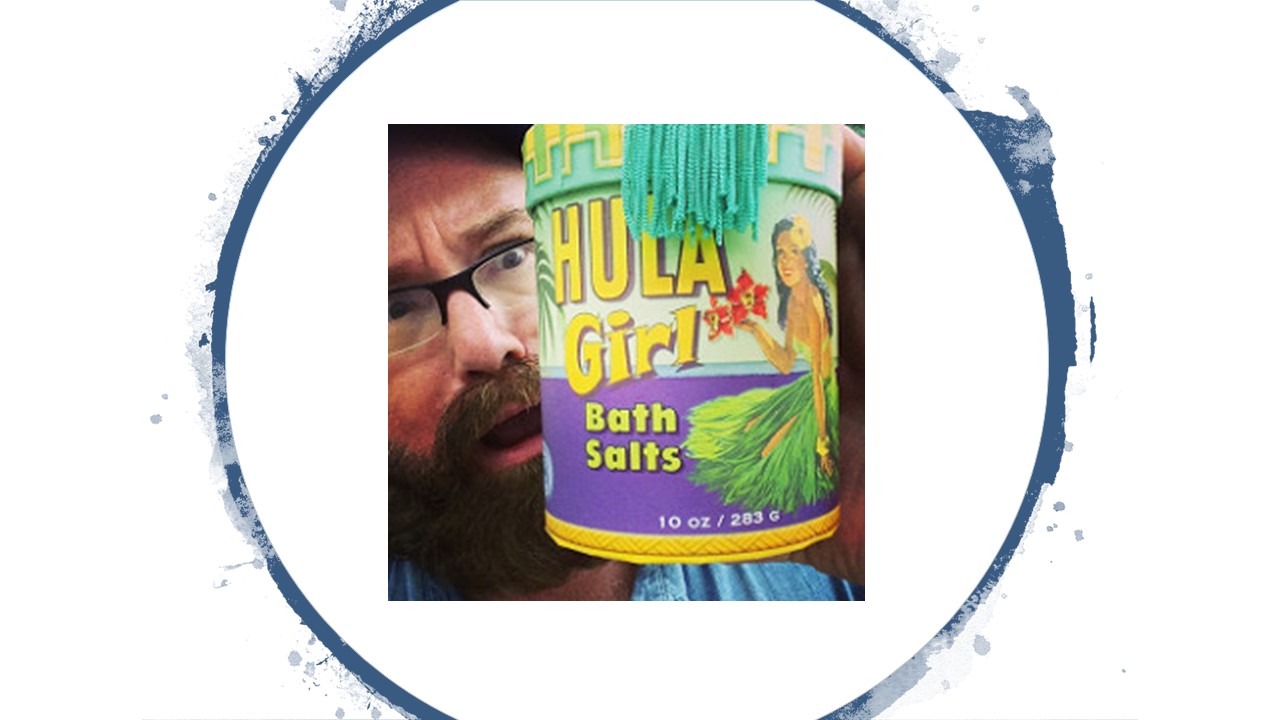
Will four beers get you drunk?

Gallery

This gallery contains 1 photo.

By David Joel Miller, MS, Licensed Therapist & Licensed Counselor. Are lite beers less intoxicating? Yes, four beers can get you “drunk.” And it does not matter if they are lite beers or not. The brand and the nature of … Continue reading

When you should not make a child go for therapy.

By David Joel Miller, MS, Licensed Therapist & Licensed Counselor.

Children Playing.

Children Playing.
Photo courtesy of Pixabay.com

Forcing your child to therapy.

There are times when no matter how firmly you believe that there is something the matter with your child you are making a mistake forcing them to go for therapy.

Most of these reasons fall under the heading of they are thinking or doing something you do not approve of and you want them to go for therapy to convince them to see things your way.

In a previous post, I wrote about the practical aspects of “Can you force a child to go for therapy.” The older they get the harder it gets to make them do much of anything. By 17 or 18, they either agree with you or not. You can get them to follow your rules but not to agree with your views.

There are a few things that are so important that whether a child or an adult wants to go they will be required to go for counseling. Suicidal actions are one reason. Drug use that results in illegal behavior is another. If your child’s life is at stake the need help whether they want it or not.

If a child has been abused or there has been violence in the family, therapy may be offered and sometimes it may be required.

In yesterday’s post we looked at some of the times you need to be a parent and insist your child see someone professional.

But there are times when you really wish your child would change. You know they are going to ruin their life and still, you should not make them go for therapy.

Here are some of these reasons. (Tongue-in-cheek so as to offend no one or everyone.)

Your child favors a political party you think is evil.

Some parents are frightened when their love child comes home spouting Republican doctrine. Sorry folks, the sixties are over and we have to make peace with the Republicans. Regardless of your political leanings, a therapist should not be trying to force a child to agree with their parent’s political leanings.

Political indoctrination is something that is practiced in totalitarian countries. We therapist-types have codes of ethics that keep us or should keep us, from trying to force people to change these sorts of beliefs.

Your child has picked a girlfriend or boyfriend and you are sure this person will ruin their life.

It is unlikely that any therapist can talk your love-sick teen out of loving the one they are madly in lust for just now. What we might be able to do is help them learn about healthy and unhealthy relationships and then if they begin to show some doubts explore those doubts and what they are learning.

This bad-person-for-you problem is often coupled with that person your child fell in love with being a member of the wrong race or religion.

There is a difference between an unhealthy relationship and getting together with someone who is different from you.

What we need to be able to do is help children see the possible negatives as well and possibly convince them to make no irrevocable changes like getting pregnant or running off to Antarctica.

Your child rejects your religion or adopts one you do not agree with.

You are firmly convinced the way to salvation is to shave your head, wear robes, and spend your days handing out flowers in the airport. Your child decides to grow out their hair, discard the robe and become a Lutheran.

Please do not look for a counselor who advertises that he specializes in getting apostate robe wears back to the airport.

Counselors, most of us, would consider this sort of practice as unethical. This even includes counselors who self-identify as being of the religion in question.

What a “Robed-Bare-headed-flower-airport child” Therapist would be willing to do is work with this child on their spiritual doubts, what do they believe, and why. What we should not do is collude with the parents to convert this child back to wearing their robes.

The parent of this child becomes upset when I tell them I will not help them convince their child they are following the wrong religion.

“Those Lutherans are a cult” that parent says. Maybe so. Maybe all Christians are cult followers, but that still does not justify me ganging up on that child and forcing them back into the robes.

Aren’t there some cults that can harm people and that we need to help children avoid? Probably so. My way of seeing this is that if the group seems to be taking a departure from reality then I think some good old fashion reality testing therapy is in order.

What kind of cults are a problem?

If the group bases their practices on unquestioning devotion to a living leader then I get really worried. Try to live up to the ideals of Buddha or Jesus; I’m good with those kinds of faith. Turn your will and your life over to the control of William Bernard Esquire III and you are getting me worried. That rule about having living leaders who think too much of themselves applies also to groups that give one or a very few people the right to decide what the dead leader meant.

Then again that worry about one person misinterpreting scripture may just be a part of my protestant hangover showing.

If this leader starts telling you to do things that are illegal or most people think is harmful be very suspicious.

This post has gotten a tad more sarcastic than most but I hope you get my point. Therapy should not be a way of trying to get children to change their thinking and agree with the parent’s preferences, even deeply held preferences.

Part of growing up is trying new things, new behaviors, and new beliefs. Kids need to take some risks to grow up and parents can’t protect them from everything.

What you can do is try to help them when they fall and scrape their knees. Sometimes you have to bear the brunt of the pain and hope they will eventually get it, but that is part of the parent’s job.

Staying connected with David Joel Miller

Seven David Joel Miller Books are available now!

My newest book is now available. It was my opportunity to try on a new genre. I’ve been working on this book for several years, but now seem like the right time to publish it.

Story Bureau.

Story Bureau is a thrilling Dystopian Post-Apocalyptic adventure in the Surviving the Apocalypse series.

Baldwin struggles to survive life in a post-apocalyptic world where the government controls everything.

As society collapses and his family gets plunged into poverty, Baldwin takes a job in the capital city, working for a government agency called the Story Bureau. He discovers the Story Bureau is not a benign news outlet but a sinister government plot to manipulate society.

Bumps on the Road of Life. Whether you struggle with anxiety, depression, low motivation, or addiction, you can recover. Bumps on the Road of Life is the story of how people get off track and how to get your life out of the ditch.

Dark Family Secrets: Doris wants to get her life back, but small-town prejudice could shatter her dreams.

Casino Robbery Arthur Mitchell escapes the trauma of watching his girlfriend die. But the killers know he’s a witness and want him dead.

Planned Accidents  The second Arthur Mitchell and Plutus mystery.

Letters from the Dead: The third in the Arthur Mitchell mystery series.

What would you do if you found a letter to a detective describing a crime and you knew the writer and detective were dead, and you could be next?

Sasquatch. Three things about us, you should know. One, we have seen the past. Two, we’re trapped there. Three, I don’t know if we’ll ever get back to our own time.

For these and my upcoming books; please visit my Author Page – David Joel Miller

Want the latest blog posts as they publish? Subscribe to this blog.

For videos, see: Counselorssoapbox YouTube Video Channel