
Reduce Stress by saying NO!

By David Joel Miller, MS, Licensed Therapist & Licensed Counselor.

Just say no.
Photo courtesy of Pixabay.com

Ways to say no and cut down on your stress.

There will always be more to do that there will be time to do it. The ability to say no and keep the stress in your life to a minimum is an important component of good mental health. Other people, of course, want you to do the things they want and so they take your yes for a given. Not telling people no can become the same as saying yes. Learning to be more assertive and to tell people no can help you keep your emotional life in balance.

Saying yes too much steals time from the things you really want to do. We would all like to make others happy. Sometimes it feels uncomfortable to say no to others. Every time you say yes or more importantly fail to say no you give up a little bit of you.

You get 168 hours of time each week. Spend them wisely. There will always be competing requests for your time. Your boss wants some, so does your spouse or partner. If you have kids they want all of your time they can get, at least until they become teens.

Your friends and family will also want some of your time. So do these people who call you on the phone or pound on your door wanting to sell you something.

Each time you let them have some time because you do not want to be rude or curt, you risk giving away some of the time you had planned to spend on something else.

When your life is over-full there is no room for new people or new activities.

If you let casual acquaintances take up your time, you spend that precious resource on them. If those people in your life ask you for money, whether you have it or not, remember that most of us have to give up some of our time to get that money. The more they ask of you the less there is for yourself or others.

If you have people in your life that take up your time and do not add value to your life, they are taking the place that could belong to someone else. Until you end a bad relationship there is no time or room in your life for a new one.

You can’t start something new till you end something you are doing now.

Any new activity will take time. Going back to school, starting a hobby, doing some traveling, they all require time.

You will not get any younger

Doing things you do not want to do spends your time. You will run out of that time reserve eventually.

Saying yes comes at a cost.

Saying yes creates an obligation, to yourself and others. The more the obligations the less the resources you have for you and the things that really matter. No not create obligations and then develop resentments because those other people are taking up your time.

Saying no does not make you a bad person.

If you feel that saying no is selfish or makes you a bad person think again. There are lots of good reasons to tell others no. Having good boundaries protects you and it protects others. Your children need to learn the word no and who but you are better qualified to teach them the power of no?

Giving reasons for your no sounds like you want to be talked into it.

If you have decided that the answer to this request should be no, state that answer and leave it at that. Offering reasons why you would like to do something but can’t just open the door for the other person to offer ways you can do what they requested.

Ever tell a salesman you do not have the money for something right now? And did they suggest using a credit card or time payments? See how your no’s may sound more like “talk me into it’s?”

Offer choices if you might want to do something another time or way.

In getting out of things, offering alternative choices can be a close cousin to saying no. The answer may be more like “I can’t do what you are asking but I can do —.” Consider this option if you do have something you would like to do with or for the person making the request but the original request is something you chose to not do.

Give yourself time to think it over.

You do not have to give everyone an answer the moment they ask the question. Many people have one of two default responses. They either say no to everything and regret it or they say yes to everything and regret a lot of those yes’s.

You can answer that you need time to think it over and then make that decision at your leisure.

Talk or write the decision out.

If you find it hard to make a decision and then stick to it consider writing out the request, the possible options, and then what will happen if you say yes, no or yes with some changes and qualifications.

Writing things out can often bring the correct responses into focus. Talking things out with a trusted friend or adviser can help clarify both the right decision and why it may be difficult for you to tell this other person the “No!” you are really feeling.

Do you have difficulty telling people no? How might your life be different if you practiced the “saying no” skill?

Staying connected with David Joel Miller

Seven David Joel Miller Books are available now!

My newest book is now available. It was my opportunity to try on a new genre. I’ve been working on this book for several years, but now seem like the right time to publish it.

Story Bureau.

Story Bureau is a thrilling Dystopian Post-Apocalyptic adventure in the Surviving the Apocalypse series.

Baldwin struggles to survive life in a post-apocalyptic world where the government controls everything.

As society collapses and his family gets plunged into poverty, Baldwin takes a job in the capital city, working for a government agency called the Story Bureau. He discovers the Story Bureau is not a benign news outlet but a sinister government plot to manipulate society.

Bumps on the Road of Life. Whether you struggle with anxiety, depression, low motivation, or addiction, you can recover. Bumps on the Road of Life is the story of how people get off track and how to get your life out of the ditch.

Dark Family Secrets: Doris wants to get her life back, but small-town prejudice could shatter her dreams.

Casino Robbery Arthur Mitchell escapes the trauma of watching his girlfriend die. But the killers know he’s a witness and want him dead.

Planned Accidents  The second Arthur Mitchell and Plutus mystery.

Letters from the Dead: The third in the Arthur Mitchell mystery series.

What would you do if you found a letter to a detective describing a crime and you knew the writer and detective were dead, and you could be next?

Sasquatch. Three things about us, you should know. One, we have seen the past. Two, we’re trapped there. Three, I don’t know if we’ll ever get back to our own time.

For these and my upcoming books; please visit my Author Page – David Joel Miller

Want the latest blog posts as they publish? Subscribe to this blog.

For videos, see: Counselorssoapbox YouTube Video Channel

How will you feel when you feel better?

By David Joel Miller, MS, Licensed Therapist & Licensed Counselor.

Happy children

Happy.
Photo courtesy of Pixabay.com

You feel bad – you want to feel better – but how do you know when you get there.

We all know what it is like to feel bad. When we start feeling bad most of us instinctively want to feel better. But how do you get from bad to feeling better? And if you head off in a direction how will you know if this is taking you where you want to be.

Not everyone feels the same when they feel “bad” so the solution to changing how you feel may be different for each of us.

What is the feeling that you need more of in your life to move from feeling bad to feeling better?

Too much excitement becomes stress. Too much relaxation can turn into boredom. If you are feeling badly there just might be a lack of one of these other feelings in your life.

1. Contentment.

Contentment is the ability to enjoy where you are and what you have, now in the present. It is easy to spend your whole life running after more of this and less of that when what really matters, you, is always there.

Practice the art of contentment and you will feel less of a need for something else to make you feel “good.”

The stress created by chasing something, something else, to make us happy is the very thing that gets in our way. So rather than going after more of this or that consider stopping to enjoy what you have. Contentment, one way of understanding it anyway, is to stand still and enjoy where you are. Life will keep moving on and you will never be the same you that is there right now.

2. Relaxed.

Few people in western society are able to feel relaxed. Relaxing is something you can do anytime and any place if you learn the skill. Being relaxed is not the same feeling as being drugged out, drunk or unconscious.

Relaxed is a combined state where both the mind and the body come together to release the stress and the worries that become such heavy burdens.

It does not help if while we are doing throughout our day we are always rushing to get somewhere where we will be able to relax. Work on being able to relax anytime and any place.

3. Excited.

Ever watch little children play? They can become excited at the smallest things. If we restrict our focus, the things that bring us pleasure and excitement, to a few items, there will never be enough.

Work on getting excited whenever you do whatever it is you do.

4. Loving.

Practice the art of loving. Love yourself first and foremost. If you don’t like you no amount of love from anyone else will fill up that leaking container.

Love works better as a verb. Love and be loved. Try to make it a noun, I have love, I want more love and you may never get enough. Practice loving where you are, who you are with, the things you do, and especially yourself.

If you are not able to love, let it go. You can’t do enough to get others to love you. They either do or don’t. Be the best person you can be and love yourself in the process.

That does not mean being selfish. Giving can make you happy also. Just make sure you are not giving yourself away. Being loved should not have a price. If you try to buy love, that is another thing.

5. Caring.

Want to feel good, care a lot. Care about yourself, do self-care whatever that means to you. Don’t know how to do “self-care?” Make that a top priority. Love yourself enough to take care of yourself.

Care about others around you. Care about life and living a good one. If you find yourself no longer caring. Work on finding something to care about

Saying “I don’t care” most often means you do care but are afraid to let yourself do so because you may be disappointed. Let yourself care but accept that the way things are is the way they are.

Remember that old prayer. Change what you can and accept what you can’t. The task of living is to learn the difference.

Staying connected with David Joel Miller

Seven David Joel Miller Books are available now!

My newest book is now available. It was my opportunity to try on a new genre. I’ve been working on this book for several years, but now seem like the right time to publish it.

Story Bureau.

Story Bureau is a thrilling Dystopian Post-Apocalyptic adventure in the Surviving the Apocalypse series.

Baldwin struggles to survive life in a post-apocalyptic world where the government controls everything.

As society collapses and his family gets plunged into poverty, Baldwin takes a job in the capital city, working for a government agency called the Story Bureau. He discovers the Story Bureau is not a benign news outlet but a sinister government plot to manipulate society.

Bumps on the Road of Life. Whether you struggle with anxiety, depression, low motivation, or addiction, you can recover. Bumps on the Road of Life is the story of how people get off track and how to get your life out of the ditch.

Dark Family Secrets: Doris wants to get her life back, but small-town prejudice could shatter her dreams.

Casino Robbery Arthur Mitchell escapes the trauma of watching his girlfriend die. But the killers know he’s a witness and want him dead.

Planned Accidents  The second Arthur Mitchell and Plutus mystery.

Letters from the Dead: The third in the Arthur Mitchell mystery series.

What would you do if you found a letter to a detective describing a crime and you knew the writer and detective were dead, and you could be next?

Sasquatch. Three things about us, you should know. One, we have seen the past. Two, we’re trapped there. Three, I don’t know if we’ll ever get back to our own time.

For these and my upcoming books; please visit my Author Page – David Joel Miller

Want the latest blog posts as they publish? Subscribe to this blog.

For videos, see: Counselorssoapbox YouTube Video Channel

11 rules for Making Friends and Creating a Support System

By David Joel Miller, MS, Licensed Therapist & Licensed Counselor.

True friends.
Photo courtesy of pixabay.

Positive social networks can keep you healthy.

Modern society moves at a fast pace. People move a lot and there are smaller families than there used to be. One challenge for all of us is how to create or strengthen those support systems. Networking is just as important in your personal emotional life as it is in your professional life.

The best professional networks should include some people who you would want as friends and supporters. Here are some suggestions on how to strengthen those connections with others by making friends, developing networks, and strengthening your support system.

1. Shared interests build friendships.

Most friendships develop around shared interests. If you want to make more friends go where people who like the same things as you hang out. Hang out at a bar and you meet drinkers. Go to the book club and you meet readers. The activities you enjoy are the best places to meet people who like what you do. Do not wait till you have friends to do things. Do the things you love first and you will make friends who love the same things you do.

2. To meet new people come early and stay late.

Arriving late for a meeting keeps you from talking to others. So does running off before the meeting ends. If you want to meet others you need to budget your time as well as your money. Come a little early to meet people and plan to hang around a few minutes after the meeting ends so you can talk to other like-minded people.

3. Help others – get into services.

Offer to help out. Set up chairs, make the coffee, or hand out programs. Doing things to be of service makes you more a part of the group and is a great way to meet other people.

4. Be a giver, not a taker.

If you are only there for what you can get out of a gathering you are likely to be disappointed. A selfish person is not high on the desirable list. Learn to do things for others just for the joy of giving and you will find that others appreciate you and what to get to know you.

This does not mean that you need to let others abuse you or that you need to buy your way into a group by doing or paying for things. What is important is that to make friends and supporters you need to act like the kind of person they would like to have for a friend.

5. Take someone with you.

Friendships are networks. Invite someone to go with you and you are not alone. They may well invite you the next time. The best way to meet people is through the people you already know. Make sure that the friends you hang out with are positive people. Your friends tend to introduce you to others just like they are.

6. Stay on topic.

If you are in a group that is talking about school activates do not try to take over the group and tell the stories of your last trip to where ever. Even in small-talk conversations try to share about the things others are talking about.

7. Help others join in.

The fastest way to make new friends is to help others to join in. Put your hand out, say hello and you will find you are the go-to person for making friends.

8. Pay attention to the person you are talking to.

Remembering people’s names is a blessing. Work on it. Refer to others by names some of the time. Be careful that you have something real to say rather than punctuating every other sentence with their name. Having someone repeat your name several times in a sentence makes them feel like you are talking to a creepy call-center person.

One way to develop a deeper connection is to really pay attention to the person you are talking with. Look at them and stop looking around. Looking over your shoulder for the next conversation victim tells the person that you are talking with that they do not matter that much to you.

9. Don’t cling on desperately – be ready to mingle.

In new situations, once you meet someone and engage them in conversation be ready to let them go. Having someone you just met latch onto you and follow you around the rest of the evening can feel like you now have a stalker.

10. Try to reconnect. Send emails, friend, connect on social media.

Whenever possible get a person’s contact info. Make sure you send them an email, friend them on social media or give them a call. Reach out to them like you want to be friends not like you are trying to sign them up for your multi-level marketing company.

11. Be sensitive to other’s needs for privacy.

Some people are all out there. Their life is an open book. Others, they are more private people. Do not push to invade others’ privacy. Some people keep their social media set to only a handful of close friends and family. Others have 15,000 best friends in their circle.

Know whether the person you met is open to you just dropping by or do they keep their home a sanctuary for just them and their family.

When adding friends to your support system think first about how public or private you want this relationship to be and make that clear if there is a chance that the person you just met will friend you and show up for dinner.

You will have some friends that are in all parts of your life and others that may be in only a few shared activities.

Staying connected with David Joel Miller

Seven David Joel Miller Books are available now!

My newest book is now available. It was my opportunity to try on a new genre. I’ve been working on this book for several years, but now seem like the right time to publish it.

Story Bureau.

Story Bureau is a thrilling Dystopian Post-Apocalyptic adventure in the Surviving the Apocalypse series.

Baldwin struggles to survive life in a post-apocalyptic world where the government controls everything.

As society collapses and his family gets plunged into poverty, Baldwin takes a job in the capital city, working for a government agency called the Story Bureau. He discovers the Story Bureau is not a benign news outlet but a sinister government plot to manipulate society.

Bumps on the Road of Life. Whether you struggle with anxiety, depression, low motivation, or addiction, you can recover. Bumps on the Road of Life is the story of how people get off track and how to get your life out of the ditch.

Dark Family Secrets: Doris wants to get her life back, but small-town prejudice could shatter her dreams.

Casino Robbery Arthur Mitchell escapes the trauma of watching his girlfriend die. But the killers know he’s a witness and want him dead.

Planned Accidents  The second Arthur Mitchell and Plutus mystery.

Letters from the Dead: The third in the Arthur Mitchell mystery series.

What would you do if you found a letter to a detective describing a crime and you knew the writer and detective were dead, and you could be next?

Sasquatch. Three things about us, you should know. One, we have seen the past. Two, we’re trapped there. Three, I don’t know if we’ll ever get back to our own time.

For these and my upcoming books; please visit my Author Page – David Joel Miller

Want the latest blog posts as they publish? Subscribe to this blog.

For videos, see: Counselorssoapbox YouTube Video Channel

How to cure low self-esteem – 19 ways to higher self esteem

By David Joel Miller, MS, Licensed Therapist & Licensed Counselor.

Believe in you.

Self-Esteem.
Photo courtesy of Pixabay.com

Ways to boost your self-esteem.

Don’t feel good about yourself? Here are some ways to solve the low self-esteem problem.

1. Stop putting yourself down – negative self-talk causes low self-esteem

If you tell yourself you can’t then you won’t. Telling yourself negative things will keep you stuck. Putting yourself down will not protect you from failure it will protect you from success.

Continued self-criticism is the surest way to lower your self-esteem. Don’t do that to you and don’t put up with others doing it either. Don’t repeat the negative things you have been told to yourself.

2. Do something.

High self-esteem is based on what you accomplish. The more you try, the more you learn how to do things. The more you do the more you will accomplish and the more you have to make you feel good about your life. Make sure you tally up the successes, not just the errors.

3. Stop rating yourself.

Accept yourself as you are. The process of rating yourself points out where you are less than perfect. No one is perfect. There is always room for growth and improvement.

Remember that half-empty glass. Concentrate on doing, not measuring, and you will find that you will have less need of boosts to your self-esteem.

4. Stop discounting the positive.

Learn to give yourself credit for the things you do well. Practice accepting praise and compliments from others. If you do not count your successes then the tally will be only failure.

5. Write out a gratitude list.

Knowing the things that make your life good, paying attention to those things can help you to feel better about yourself.

6. Don’t listen to the haters.

There are plenty of haters in the world who need to pull you down to feel good about themselves. There are those evil trolls under every bridge. Do not listen to them. Do not believe them. Do not waste time on them.

Arguing with haters brings you nothing but pain. Sinking to their level can only destroy your self-confidence.

7. What would your best friend say about you?

Don’t dismiss the things your real friends and loving family might say about you. They know your good and your bad and they like you anyway. What are the good things they see in you? Not sure? Ask them what they see as your skills and abilities. You may be surprised to find how much others think of you while you have been thinking you are coming up short.

Don’t have family or friends that would see the good in you? Work on developing a positive support system.

8. Watch who you are comparing yourself to – looking over your shoulder.

Focus on what you are doing. Constantly comparing yourself to others will cause you to become discouraged. No one wins all the time. Do not compare your everyday life to someone else’s lifetime achievement.

9. Start over each day – past successes and failures do not count today.

Stop beating yourself up for the mistake of yesterday. Each day you start out fresh. Do your best to make today better than the day before.

10. Pick friends that support you.

Surround yourself with people who like you the way you are and will support you. Being surrounded by people who like you is a great way to boost your confidence.

11. Look for the evidence – are you really stupid?

Do not discount all the evidence that you are a worthwhile person. If you only count up the negatives you miss all the evidence that you are a person of value. Not enough evidence that you are accomplishing things? Do more, not less, and you are likely to do some worthwhile things.

12. Avoid emotional reasoning.

If you are sad that does not mean things are going poorly. Just because you feel down right now does not make you a failure. We can all have times when we are discouraged. Being discouraged means you need to take another look at what you are doing. It does not mean that you are not a worthwhile person.

13. Compliment others.

Get in the habit of noticing the good in others. Tell them what you like about them. Cultivate a positive good-seeing vision and you will be more able to see the good in yourself.

14. Accept compliments.

Do not dismiss compliments. You know when people are sincere and when they are buttering you up. Being able to accept compliments and say thank you helps you to feel good about yourself. Stop chasing the positive away from your door.

15. Tell yourself you can – positive affirmations.

Start out each day by saying good things, positive affirmations, and your brain will work on making them come true.

Restart your day at any time by telling yourself that this is a good day. You are a worthwhile person and you do not need to do or say anything to be acceptable.

16. Have a successes resume.

It is easy to remember failures and harder to remember successes. Make up a list of the things you do well. Write them down. Review that list periodically and add to it. You will be surprised how many things should be on that list that you may forget otherwise.

17. Do things.

The more you do the better you will feel about yourself. Do things for the sake of doing not for the success points. The more you do the better you will feel.

18. Play your own game, not the old family role.

Families have roles. You may have been handed the “stupid” hat or the “black sheep” hat when you were born. You can change that role. Stop living down to the things others tell you and the names you may have been called. Stop saying you are stupid or bad and try on a new role. You just might like the “OK person” role.

19. Stop keeping score all the time.

Life only happens for so long and then it is over. A hundred years from now no one will remember your mistakes. Life is about having the experience, not the score. Enjoy the trip.

Really your worth as a person does not depend on your algebra test score or your golf score.

There are my suggestions – 19 ways to cure low self-esteem. Most involving putting away the tape measure and accepting yourself the way you are. Do you have any other suggestions? What has helped you to feel good about yourself and the things you do?

Staying connected with David Joel Miller

Seven David Joel Miller Books are available now!

My newest book is now available. It was my opportunity to try on a new genre. I’ve been working on this book for several years, but now seem like the right time to publish it.

Story Bureau.

Story Bureau is a thrilling Dystopian Post-Apocalyptic adventure in the Surviving the Apocalypse series.

Baldwin struggles to survive life in a post-apocalyptic world where the government controls everything.

As society collapses and his family gets plunged into poverty, Baldwin takes a job in the capital city, working for a government agency called the Story Bureau. He discovers the Story Bureau is not a benign news outlet but a sinister government plot to manipulate society.

Bumps on the Road of Life. Whether you struggle with anxiety, depression, low motivation, or addiction, you can recover. Bumps on the Road of Life is the story of how people get off track and how to get your life out of the ditch.

Dark Family Secrets: Doris wants to get her life back, but small-town prejudice could shatter her dreams.

Casino Robbery Arthur Mitchell escapes the trauma of watching his girlfriend die. But the killers know he’s a witness and want him dead.

Planned Accidents  The second Arthur Mitchell and Plutus mystery.

Letters from the Dead: The third in the Arthur Mitchell mystery series.

What would you do if you found a letter to a detective describing a crime and you knew the writer and detective were dead, and you could be next?

Sasquatch. Three things about us, you should know. One, we have seen the past. Two, we’re trapped there. Three, I don’t know if we’ll ever get back to our own time.

For these and my upcoming books; please visit my Author Page – David Joel Miller

Want the latest blog posts as they publish? Subscribe to this blog.

For videos, see: Counselorssoapbox YouTube Video Channel

Learning to Pay Attention

By David Joel Miller, MS, Licensed Therapist & Licensed Counselor.

Attention sign

Attention sign.
Photo courtesy of Pixabay.com

Paying attention is important.

Sometimes staying focused is vital. We were all told repeatedly to pay attention. Some people have been told they have an attention deficit.

Were you ever taught how to pay better attention?

Better attention is a skill you can learn. If you have ADHD there are skills you can develop that may not cure your condition but they can go a long way to getting your attention defects under control.

Try these ideas to increase your ability to pay attention.

1. What is the goal of paying attention to this information? Why might it be useful or fun to know this?

It is hard to pay attention if you can’t see a use or benefit to knowing this information. Learning and attention are emotional. If you like the topic you can learn it. Don’t have any interest in the subject? Then you will need a really good reason for your brain to bother to pay attention.

2. What do you need to focus on right now?

Every minute of every day there is all manner of things that are vying for your attention. At any given moment you need to make the decision. “What do I need to focus on right now?” If your mind wanders, do not beat yourself up. Just gently pull that mind back to the thing it needs to focus on right now.

Practice focusing your attention and it will improve.

3. Prioritize – make a list.

Writing out a list and then checking things off as you do them can help keep you organized and your mind working on one thing at a time. Get overwhelmed trying to focus on a lot of things and you will hop from channel to channel without getting the gist of anything.

4. Clear the mind of things you do not need to remember right now – mind dumps.

If you are trying to hold onto an idea or thought that you will need later, you use up some of the mental capacity you will need to be able to pay attention right now.

Have things you need to do after work? Write out a list and put it in your purse or pocket. Now you have only one thing to remember, the list, not all those things you need to do later. The fewer things in short-term mental storage the more capacity to pay attention to new things in the right now.

5. Do the big things first.

If you start with the small things you can spend all day jumping from thing to thing and at the end of the day you will still have those big things to do.

Start with the big thing first and when you reach breakpoints you can easily do those small things.

6. Break big projects into smaller parts.

If you try to build the whole house all at once you can leave out things. Break the project up into small components. Focus on one part at a time. A written list helps to make sure you did not leave anything out. If as you work on this big project you think of more steps, add them to the list. Do not keep stopping one thing to work on another. Jumping from one part to another is a sure way to undermine your ability to pay attention to any part of the project.

7. Single-task.

Multi-tasking is a myth. It may work when you need to hurry through things and none of them need any real attention or accuracy but the more you try to multitask the worse your attention to any one part becomes.

8. Cut out the distractions.

You know the things that distract you. Try to find ways to eliminate or reduce these distractions. When I am writing the sound of voices distracts me. I keep wondering what is being said. I wear headphones and have some nondescript instrumental music playing. This works for me to reduce the distractions. The headphones work by the way even if there is no music playing.

Find what works for you to reduce distractions. Turn off your phone if you can or move it to mute. Shut down the email or social media while you work. Tell others around you that you need to concentrate so please stop talking. Do whatever works for you within the laws and the social setting.

9. Create a work kit or place.

If you can have a set place for your work do so. If you need to move from place to place create a box or bag that includes all the things you will need. Do not have to run back and forth to find pens, pencils, or paper, Keep some of all these things in your bag. Even your computer users may need a small pad of paper and a pen in that computer case for the time you need to make yourself a note or when the power is off.

10. Add more steps to the list as needed – skip the things you can’t do for now.

As you are working on your project or your list, there will be things you can’t do right now. Do not dwell on those things. Skip this and move on to the next thing. Having that thing on your list eliminates the need to remember to do it later.

11. Do focus sets – 10-minute blocks and repeat.

Chunking, doing things in small short blocks, and then taking even a micro-break can help improve focus. In teaching, I find I need to move around the front of the room every so often to keep the students listening. As a student, I found that even shifting my position in my seat could help me refocus my attention. A leg that is falling asleep takes precedence over most lectures.

12. Push through to the goal.

It is tempting to stop one thing and do another but if you are close to the end and there is the chance you could finish one thing now, try pushing through to the end and then crossing this off your list. One less thing to remember to get back to improves your ability to concentrate on the other things going on in your life.

There are my suggestions for exercising your attention paying brain muscles. What have you found that helps you stay focused?

Staying connected with David Joel Miller

Seven David Joel Miller Books are available now!

My newest book is now available. It was my opportunity to try on a new genre. I’ve been working on this book for several years, but now seem like the right time to publish it.

Story Bureau.

Story Bureau is a thrilling Dystopian Post-Apocalyptic adventure in the Surviving the Apocalypse series.

Baldwin struggles to survive life in a post-apocalyptic world where the government controls everything.

As society collapses and his family gets plunged into poverty, Baldwin takes a job in the capital city, working for a government agency called the Story Bureau. He discovers the Story Bureau is not a benign news outlet but a sinister government plot to manipulate society.

Bumps on the Road of Life. Whether you struggle with anxiety, depression, low motivation, or addiction, you can recover. Bumps on the Road of Life is the story of how people get off track and how to get your life out of the ditch.

Dark Family Secrets: Doris wants to get her life back, but small-town prejudice could shatter her dreams.

Casino Robbery Arthur Mitchell escapes the trauma of watching his girlfriend die. But the killers know he’s a witness and want him dead.

Planned Accidents  The second Arthur Mitchell and Plutus mystery.

Letters from the Dead: The third in the Arthur Mitchell mystery series.

What would you do if you found a letter to a detective describing a crime and you knew the writer and detective were dead, and you could be next?

Sasquatch. Three things about us, you should know. One, we have seen the past. Two, we’re trapped there. Three, I don’t know if we’ll ever get back to our own time.

For these and my upcoming books; please visit my Author Page – David Joel Miller

Want the latest blog posts as they publish? Subscribe to this blog.

For videos, see: Counselorssoapbox YouTube Video Channel

Surviving sadness – avoiding depression

By David Joel Miller, MS, Licensed Therapist & Licensed Counselor.

Sad child

Sad.
Photo courtesy of Pixabay.com

How do you cope with sadness when your life goes on?

Sadness is a normal part of life. You feel sad sometimes and then the sadness passes and you move on. Sometimes we feel sadness and we get stuck there. The longer you stay stuck the more likely you are to slip down into the quicksand of depression.

So what should you do when that sadness feeling comes lurking around?

1. Let yourself feel what you feel.

It is OK to feel what you feel. Some things are sad. Sometimes we feel sad just because we do. We hear of someone else’s misfortune and it makes us sad. We see something and we feel this feeling. This is called empathy, the ability to understand and experience what others feel. Put yourself in another’s shoes and you will understand some part of their sadness.

Do not try to stop the feeling the second it comes on. It is OK to experience it. Just do not stay there and wallow in the feeling. Understand that this feeling like all other feelings can pass if you permit it.

2. Share with someone else.

In times of trouble, we need to share our sadness with others. We talk about our pain and grief with friends or family. If you have religious faith or a spiritual tradition you will want to seek out those with like beliefs.

When there is no one that you feel comfortable turning to, when there is no one there or when you do not feel comfortable putting your sadness on those close to you there are professionals that can help. Seek them out.

3. Share with yourself – write it out.

Sadness that continues to rattle around in the head magnifies itself. A first step in getting loose from the sadness is to get it out.

Some people find that journaling, writing about their sadness or depression, helps discharge it. Others use drawing or dance to express these sentiments.

4. Turn sadness into motivation.

A sad event in your life can be the tipping point that turns your life around. Lose someone to a drug overdose and you may be motivated to become a counselor.

How might your sadness, pain, and suffering become tools to help you find your purpose in life?

5. Treat yourself to things you like.

Learn those things that make you happy and make it a point to allow yourself those items on the list that are positive.

6. Budget extra sleep time

Not getting enough rest, being overtired, is a way to let sadness and depression overcome you. Get plenty of rest. Make bedtime a regularly scheduled event.

One type of depression (atypical features) results in people who start to stay in bed all the time. They eat more than normal, like a bear ready for winter, and then sleep day and night. If you find that you are tired all the time and just do not have the energy to get out of bed and do things, try setting a time for bed and one for getting up. If that still is a problem consider an evaluation by a professional for possible depression.

7. Eat regular meals.

Failure to eat on time, lack of energy can result in sad, tired feelings also. This makes it hard to get back into life after a life event that creates sadness. Take care of yourself and that especially means eating in a healthy way if you want to reduce the impact of sadness on your life and mental health.

8. Invest in laughter.

Laughing can be a powerful antidote for sadness. Watch a sitcom, visit a comedy club, tell jokes, and your sadness fades. Not able to laugh when the rest of the crowd does? That is a sign that your feeling has moved beyond sadness to major depression. Laughter is great medicine, take some daily if possible,

9. Hang out with positive people.

You become like the people you spend time with. Your friends are your future. Hang with the winners if you want to win. Hanging out with downers will pull you down.

10. Take frequent short breaks.

When you are down and sad, things can be overwhelming. Do what you can. Do not give up. Do a little and then take a break. Repeat as needed. Be kind to yourself when times are tough.

11. Exercise.

A little movement can brighten your mood. Walk around the block if that is all you are up to. Exercise is a good prescription for depression and a little can be a preventative when it comes to the progression from sadness to depression.

Try to include some exercise in your regular routine to improve both psychical health and mental health.

12. Change the scenery.

Get out of the house. Take your lunch break away from the office. Do something new on your time off. A change of scenery can create a new perspective on life and on your troubles.

13. Learn to say no.

When sad we tend to give in and go along. This can create feelings of resentment. Learn to set boundaries. Do not let yourself be taken advantage of. Saying no to requests that are beyond your current abilities can reduce your stress and keep your sadness from drowning you.

14. Avoid negative people.

Misery may love company, but it loves miserable company. If you want to get out of the sadness trap seek out positive people. Limit your exposure to naysayers and Negative Nellies.

15. Plan for time to yourself.

When you are down, too much commotion and too many people can be overwhelming. Include in your schedule quiet time for yourself.

16. Reconnect with supportive people.

Make sure those people you do contact are supportive. Call an old friend. Attend a self-help meeting even if you do not feel like it. Being around supportive people is good for your recovery and for your future mental health.

What other positive coping skills have you discovered that keep your sadness from becoming a serious depressive episode?

Staying connected with David Joel Miller

Seven David Joel Miller Books are available now!

My newest book is now available. It was my opportunity to try on a new genre. I’ve been working on this book for several years, but now seem like the right time to publish it.

Story Bureau.

Story Bureau is a thrilling Dystopian Post-Apocalyptic adventure in the Surviving the Apocalypse series.

Baldwin struggles to survive life in a post-apocalyptic world where the government controls everything.

As society collapses and his family gets plunged into poverty, Baldwin takes a job in the capital city, working for a government agency called the Story Bureau. He discovers the Story Bureau is not a benign news outlet but a sinister government plot to manipulate society.

Bumps on the Road of Life. Whether you struggle with anxiety, depression, low motivation, or addiction, you can recover. Bumps on the Road of Life is the story of how people get off track and how to get your life out of the ditch.

Dark Family Secrets: Doris wants to get her life back, but small-town prejudice could shatter her dreams.

Casino Robbery Arthur Mitchell escapes the trauma of watching his girlfriend die. But the killers know he’s a witness and want him dead.

Planned Accidents  The second Arthur Mitchell and Plutus mystery.

Letters from the Dead: The third in the Arthur Mitchell mystery series.

What would you do if you found a letter to a detective describing a crime and you knew the writer and detective were dead, and you could be next?

Sasquatch. Three things about us, you should know. One, we have seen the past. Two, we’re trapped there. Three, I don’t know if we’ll ever get back to our own time.

For these and my upcoming books; please visit my Author Page – David Joel Miller

Want the latest blog posts as they publish? Subscribe to this blog.

For videos, see: Counselorssoapbox YouTube Video Channel

Are you wasting your life chasing mirages?

By David Joel Miller, MS, Licensed Therapist & Licensed Counselor.

Chasing a mirage.
Photo courtesy of pixabay.

Stop chasing these mirages and you will finally get somewhere.

Life is full of illusions. People chase after all sorts of mirages and forget to enjoy the view from where they are. Here are some of the more common mirages you may have set your sights on.

1. Making everyone like you.

Not possible. Some people do not like themselves so they have no capacity to like you. If you bend yourself to try to please everyone you will please no one. In the process of trying to get everyone to like you, you will need to do things that undermine your values and self-worth.

Please enough people, and you forget who you were when you started out.

Make your priority to do things that are consistent with your values and your goals. First and foremost please you and those who like you and want the best for you will be pleased.

2. Being the best at everything.

No one is the best at everything. You will never be the best at everything. You may become good at a few things. With incredible luck and effort, you might be the best at one thing. Pick the areas that you try to perfect carefully. Do not set yourself up for disappointment when you are not number one in everything.

3. Trying to be perfect.

Like being the best at everything, trying to be perfect at something is an impossible to reach mirage. We spend our lives working toward that goal of perfecting something but there is always the possibility that you or someone will take that skill to another level. If you look close enough at anything you can find flaws.

4. Putting things off until someday.

Someday never comes. Every day is today. Most of life’s regrets are about things left undone. Do not let fear and hesitation keep you from doing things today rather than putting them off to that mythical someday.

5. Expecting others to make you a success.

If someone can make you they can unmake you. Having teachers and mentors along the way that help you perfect your skills is a wonderful blessing. Do not think that your successes are a thing someone can give you. Do not also stare at the mirage of believing your failures are the creation of someone else.

6. Finding the person who will complete you.

Two half-people do not make a whole person. There is not one person that completes you. Find that person that truly brings out the best in you and together you will grow into the two separate people you were meant to be.

The best combination is two people who are each working on becoming the best they can be.

7. Not needing others or their help.

Your successes do not depend on others but no one really goes it alone. We need the support and encouragement of others. The team accomplishes more than the one. What you make of life stands on the shoulders of others who came before you.

8. Trying not to change.

You will change. Time will change you. Life experiences will change you. Standing still is a recipe for failure. Take who you are with you through the process of change that is sure to come and you will become the person you envisioned.

9. Living through others (children.)

Trying to live to make others happy is a terrible burden. Your children cannot make up for your failures. You cannot make someone else the successes you wanted to be. What good teachers know is that they can pass on the lessons of their life to the next generation but what those prodigies do with those skills is up to them.

Trying to live your life through others is a formula for resentments, yours, and theirs.

10. There is something out there that will make you what you want to be.

The idea that drugs, alcohol, or some other thing out there will suddenly make you more than you are is a common illusion.  Superman’s cape only worked in the comics and the movies.

Thinking that there is a drug, especially alcohol, that will make you who you want to be will lead you off into the sands of the chemical desert.

Are you chasing after any of these mirages? Are there other things you pursue that are not real? Find your way back to the real world and do the work of recovery and things will begin to happen for you.

Staying connected with David Joel Miller

Seven David Joel Miller Books are available now!

My newest book is now available. It was my opportunity to try on a new genre. I’ve been working on this book for several years, but now seem like the right time to publish it.

Story Bureau.

Story Bureau is a thrilling Dystopian Post-Apocalyptic adventure in the Surviving the Apocalypse series.

Baldwin struggles to survive life in a post-apocalyptic world where the government controls everything.

As society collapses and his family gets plunged into poverty, Baldwin takes a job in the capital city, working for a government agency called the Story Bureau. He discovers the Story Bureau is not a benign news outlet but a sinister government plot to manipulate society.

Bumps on the Road of Life. Whether you struggle with anxiety, depression, low motivation, or addiction, you can recover. Bumps on the Road of Life is the story of how people get off track and how to get your life out of the ditch.

Dark Family Secrets: Doris wants to get her life back, but small-town prejudice could shatter her dreams.

Casino Robbery Arthur Mitchell escapes the trauma of watching his girlfriend die. But the killers know he’s a witness and want him dead.

Planned Accidents  The second Arthur Mitchell and Plutus mystery.

Letters from the Dead: The third in the Arthur Mitchell mystery series.

What would you do if you found a letter to a detective describing a crime and you knew the writer and detective were dead, and you could be next?

Sasquatch. Three things about us, you should know. One, we have seen the past. Two, we’re trapped there. Three, I don’t know if we’ll ever get back to our own time.

For these and my upcoming books; please visit my Author Page – David Joel Miller

Want the latest blog posts as they publish? Subscribe to this blog.

For videos, see: Counselorssoapbox YouTube Video Channel

Making Feelings Your Friends

By David Joel Miller, MS, Licensed Therapist & Licensed Counselor.

group of friends.

Friendship.
Photo courtesy of Pixabay.com

20 ways to make your emotions your friends, not your master.

Sometime near the Victorian era humans adopted the idea that emotions were bad and pure rational thought was good. The result is that a lot of people make a serious effort to stay out of touch with their feelings.

Not allowing yourself to feel sad can result in an inability to feel happy.

Recently studies have shown that top executives who paid attention to their feelings, used their intuition as an element in making decisions were significantly more successful at growing their companies.

Here are some suggested practices that can make those feelings, even the uncomfortable ones, into friends that are providing you with the information you need to create the life you want.

1. Pay attention to the times you are feeling.

Do not ignore traffic lights or sirens. Learn to pay attention to the alarms that go off in your building and in your head.

The first step in making friends with your feelings is to notice when they are trying to tell you something. Like young children, these feelings you have been ignoring may keep repeating their message over and over until you stop and acknowledge that you have felt them.

2. Learn where your feelings live.

Most of us house feelings in particular places. Tension lives in the neck or head. Discussed can make you sick to your stomach. When you get a strange body sensation do not dismiss it. Check it out. Is this a physical ache or pain or is this emotional? A whole lot of undiagnosable pains turn out to be feelings that people mistake for a physical ailment. Yes, psychosomatic pain hurts. It is your emotions that live in your body telling you that they need your attention.

3. Learn the names of your feelings.

If you have feelings, and we all do, after you have identified that you are having this sensation, psychical or emotional, next try to put a name to the feeling. The more names you can attach to feelings the more accurate the information they can provide to you.

4. Recognize that others may not be feeling what you are feeling – empathy.

Not everyone experiences an event in the same way. Learn to recognize that others may be scared when you are intrigued. What makes someone else feel excitement may make you fearful.

5. Study and learn about nonverbal expressions of feelings.

More than half of human emotions are conveyed in nonverbal form. We share this with other animals. A growl means one thing and a wagging tail and a whimper another Humans make nonverbal statements all the time.

You probably do it whether you realize it or not.

Ever noticed someone who rolled their eyes when others talk? It is annoying if you are the one who is on the receiving end of the eye roll.

Do you roll your eyes? Make an effort to notice how others express their emotions nonverbally and then challenge yourself to see the times you use the same nonverbal displays of your emotions. You may be surprised that you have been giving off a lot of unconscious “vibes.”

6. Get to know yourself – what makes you feel each feeling.

In therapy, I often ask the client to tell me what makes them happy and what makes them sad. A surprisingly large number cannot list things that produce either of these feelings. They may occasionally feel happy but they have no idea why. If you know what makes you happy you can try to increase the happy experiences in life.

7. Stay in the present.

The feelings that matter most are those you are feeling right now. The nervous system is perfectly capable of reliving past experiences and providing you the feelings that accompanied those experiences. Staying in the present allows you to make the maximum use of the information your feelings are providing about your current situation.

8. Make peace with the past.

Most of us remember a lot of things from the past, those past memories are likely to be biased in the direction of painful experiences, memories of mistakes you made.

9. Do not try to live the future before it gets here.

You can dream about the future. You can prepare for it and practice for it, but your life is lived in the present. Make that the best possible present and you will create the future you want.

10. Believe in something beyond yourself.

Realistic people know that they are not perfect. We all make mistakes. The more you do the more errors you will make. Be kind and gentle with yourself. Do not expect yourself to be perfect.

Having a power greater than yourself to focus on keeps you from falling into the trap of believing that everything is unsatisfactory.

11. Set good boundaries.

Taking care of yourself is not being selfish. Set boundaries. Do not let others dump their garbage on your lawn or their negative feeling in your lap.

12. Learn to listen more than you talk.

Do not jump to conclusions. A lot of hurt feelings is the result of thinking someone said something to or about you that as not what they were really saying.

It is more important to understand what someone else is saying and feeling than it is to get them to understand you.

The person who most needs to understand you is you.

13. Observe others to see what they feel.

Words can be deceptive. Actions often speak louder than words. Watch what others do as well as say. Learn to read their nonverbal messages and see how they may be feeling behind the words they say.

14. Develop a passion – care about something.

Without a strong passion, life becomes bland. What energizes you? What do you care about? What is your life purpose and passion? Find those things and you will find that those feelings that dwell in your passion will make you a better person.

15. Learn your triggers.

Certain things can trigger strong emotions whether you want them to or not. Does the evening news make you feel informed or depressed? How do the weather and the changes of the season affect your mood states?

16. Do the right thing.

Living a life that is consistent with your values and goals will produce a life with fewer fears or regrets.

17. Give more than you take.

If you have ever helped a child or a person in need, you should have had the experience of feeling good that you could be of service. That feeling of pride in helping others is one of the great joys of life. Do not cheat yourself out of the chance to feel good by helping others. Do not cheat others out of the chance to feel good by helping you.

Do good to others for the joy of feeling good about what you did. If you do things for others expecting something in return then you are setting yourself up to feel cheated. The greatest joy is in the giving. But you can enjoy the receiving also if you accept the gift with no judgment about what it should have been.

18. Set high goals.

Set high goals for your life.  Aim higher than you need to reach to feel good about yourself. You are unlikely to accomplish more than you aimed for but do not be disheartened if you get less than all you have aimed for.

19. Accept failure as a required subject.

The only person who does not fail is the one who does not try. Learn from your misses. Take more shots and see what you may be able to accomplish.

20. Forgive yourself – guilt makes you do better, shame is that feeling of not being an OK person.

Learn the difference between guilt and shame. Guilt is a normal functional feeling. Guilt is the feeling “I did something I should not have done or failed to do what I should have done.” Guilt gets you to stop doing things you should not do. It can also motivate you to do those things you should do.

Shame is about feeling you are a bad person because you did something or failed in your efforts to do something. Some families are shame-based. They try to control each other by putting the others down for the things that were less than perfect. Do not feel ashamed if you tried and were less than perfect. That is what a human is supposed to do. Try, do the less than perfect, and then try again. If you can hit the bull eye the first time the target is too close.

Aiming higher by accepting that what you do, if done with good motives, is good enough.

Staying connected with David Joel Miller

Seven David Joel Miller Books are available now!

My newest book is now available. It was my opportunity to try on a new genre. I’ve been working on this book for several years, but now seem like the right time to publish it.

Story Bureau.

Story Bureau is a thrilling Dystopian Post-Apocalyptic adventure in the Surviving the Apocalypse series.

Baldwin struggles to survive life in a post-apocalyptic world where the government controls everything.

As society collapses and his family gets plunged into poverty, Baldwin takes a job in the capital city, working for a government agency called the Story Bureau. He discovers the Story Bureau is not a benign news outlet but a sinister government plot to manipulate society.

Bumps on the Road of Life. Whether you struggle with anxiety, depression, low motivation, or addiction, you can recover. Bumps on the Road of Life is the story of how people get off track and how to get your life out of the ditch.

Dark Family Secrets: Doris wants to get her life back, but small-town prejudice could shatter her dreams.

Casino Robbery Arthur Mitchell escapes the trauma of watching his girlfriend die. But the killers know he’s a witness and want him dead.

Planned Accidents  The second Arthur Mitchell and Plutus mystery.

Letters from the Dead: The third in the Arthur Mitchell mystery series.

What would you do if you found a letter to a detective describing a crime and you knew the writer and detective were dead, and you could be next?

Sasquatch. Three things about us, you should know. One, we have seen the past. Two, we’re trapped there. Three, I don’t know if we’ll ever get back to our own time.

For these and my upcoming books; please visit my Author Page – David Joel Miller

Want the latest blog posts as they publish? Subscribe to this blog.

For videos, see: Counselorssoapbox YouTube Video Channel
Ways to increase your attention without drugs

By David Joel Miller, MS, Licensed Therapist & Licensed Counselor.

Attention sign.
Photo courtesy of Pixabay.com

Things you can do to improve your attention span besides taking medication.

This digital age has resulted in a radical reduction in attention spans. Adults average just 4 seconds of time on a website. T. V. shows are chopped up into small segments punctuated with lots of adrenaline, producing sex and violence.

Adult learners get shorter presentations and more breaks. It is as if the whole world now has developed ADHD. Here are some ways you can work on improving your attention span beyond the norm that does not require you to take medication.

1. Eat a good breakfast.

Low blood sugar or lack of energy can significantly impact your ability to pay attention. Children who eat breakfast at home before school do much better in their classes before lunch than those students who have skipped breakfast.

It is hard to make your mind go when you are out of fuel.

2. Drink plenty of water.

Dehydration can have a significant impact on learning. Drink more water and you will feel better. Blood feeds the brain and blood is composed largely of water.

Ever tried to think with a hangover? One of the reasons hangovers are so debilitating is that you are dehydrated.

3. Exercise.

Even a few minutes of vigorous walking can improve your ability to pay attention and learn. Exercise gets the heart pumping and speeds the flow of blood to the brain. In one study of the effects of walking on classroom performance, a short walk was shown to increase memory and retention of the material that was taught after the walk. Those who walked did not think they were doing better, they even felt tired after the walk, but their test scores showed improvement.

A few minutes of running at recess has been reported to reduce behavior problems and improve attention. Staying inside to “catch up” on missed work and try to improve standardized test scores can produce the exact opposite effect.

4. Prioritize – you can’t focus on it all.

The myth of multi-tasking has turned out to be just that, a myth. You can’t text, talk, listen to music, and be at your best while driving. We have had to set limits on technology use while driving and we are having the same problem in the classroom and the worksite.

If you want to pay attention and learn something, clear your mind of thoughts of other things while working on the new material.

5. Clear out the worries.

Ruminating on problems uses up a lot of brain capacity. If you have a sick family member or had a conflict at home last night then divided attention is understandable.

Work on solving those problems or on shifting your focus and leave the problems for later to later if you want to do well now.

6. Manage distractions.

Turn off the phone. Close the internet connection (temporarily, you can read my blog later) Do not try to pay attention to one thing while monitoring others.

7. Mass attention – Work on one project for a while then switch. Take small breaks at frequent intervals.

In classrooms we give brakes. If you need to eat or use the restroom then you won’t have the maximum attention. If you have several subjects to study, work on one for a while, take a break, and then change to another.

Writers are encouraged to work on one project for a while, take a break, and then return for another “massed effort.” String together enough of those bursts of focus and the post or book gets done. Sitting staring at the blank page leaves a lot of blank pages in memory.

8. Break tasks up into small steps.

You can’t eat an elephant in one bite. Most worthwhile projects cannot be done in one sitting or standing. Structure your project so you can do one step at a time and over a period of time, you will get it done. Trying to work on all the aspects of a project at once is a recipe for disaster.

If you must work on several steps in a project at once try to chunk the efforts so that you get something done on one part before switching to the next.

9. More than 3 steps – write out lists.

I picked the number three because it works for me. You might need another number. If I go to the grocery store for three items, I can remember that. But if someone asks me to pick up a fourth item, I am at risk of forgetting one of the original three.

If I get distracted at the store because I think of a fifth item to look for it may be all over.

I find that once I exceed a small number of items, to shop for or to do, I need a list so that as one item is done I can move to the next. Trying to remember all of the items or steps in a project risks leaving out a really important one.

Want better attention and concentration make lists.

10. Recognize when you are off focus and then refocus.

Sorry but not very many of us can stay focused on a task for a long period of time. Suddenly for no apparent reason, the mind wanders off to another thing you need or want to do.

Do not obsess when this happens. Gently take your mind back to the task at hand. The more you practice redirecting your mind the more automatic it becomes.

Those are some of my tips for improving my ability to pay attention and stay focused. Do you have any techniques you would care to share?

Staying connected with David Joel Miller

Seven David Joel Miller Books are available now!

My newest book is now available. It was my opportunity to try on a new genre. I’ve been working on this book for several years, but now seem like the right time to publish it.

Story Bureau.

Story Bureau is a thrilling Dystopian Post-Apocalyptic adventure in the Surviving the Apocalypse series.

Baldwin struggles to survive life in a post-apocalyptic world where the government controls everything.

As society collapses and his family gets plunged into poverty, Baldwin takes a job in the capital city, working for a government agency called the Story Bureau. He discovers the Story Bureau is not a benign news outlet but a sinister government plot to manipulate society.

Bumps on the Road of Life. Whether you struggle with anxiety, depression, low motivation, or addiction, you can recover. Bumps on the Road of Life is the story of how people get off track and how to get your life out of the ditch.

Dark Family Secrets: Doris wants to get her life back, but small-town prejudice could shatter her dreams.

Casino Robbery Arthur Mitchell escapes the trauma of watching his girlfriend die. But the killers know he’s a witness and want him dead.

Planned Accidents  The second Arthur Mitchell and Plutus mystery.

Letters from the Dead: The third in the Arthur Mitchell mystery series.

What would you do if you found a letter to a detective describing a crime and you knew the writer and detective were dead, and you could be next?

Sasquatch. Three things about us, you should know. One, we have seen the past. Two, we’re trapped there. Three, I don’t know if we’ll ever get back to our own time.

For these and my upcoming books; please visit my Author Page – David Joel Miller

Want the latest blog posts as they publish? Subscribe to this blog.

For videos, see: Counselorssoapbox YouTube Video Channel

16 Ways to make this a great day

By David Joel Miller, MS, Licensed Therapist & Licensed Counselor.

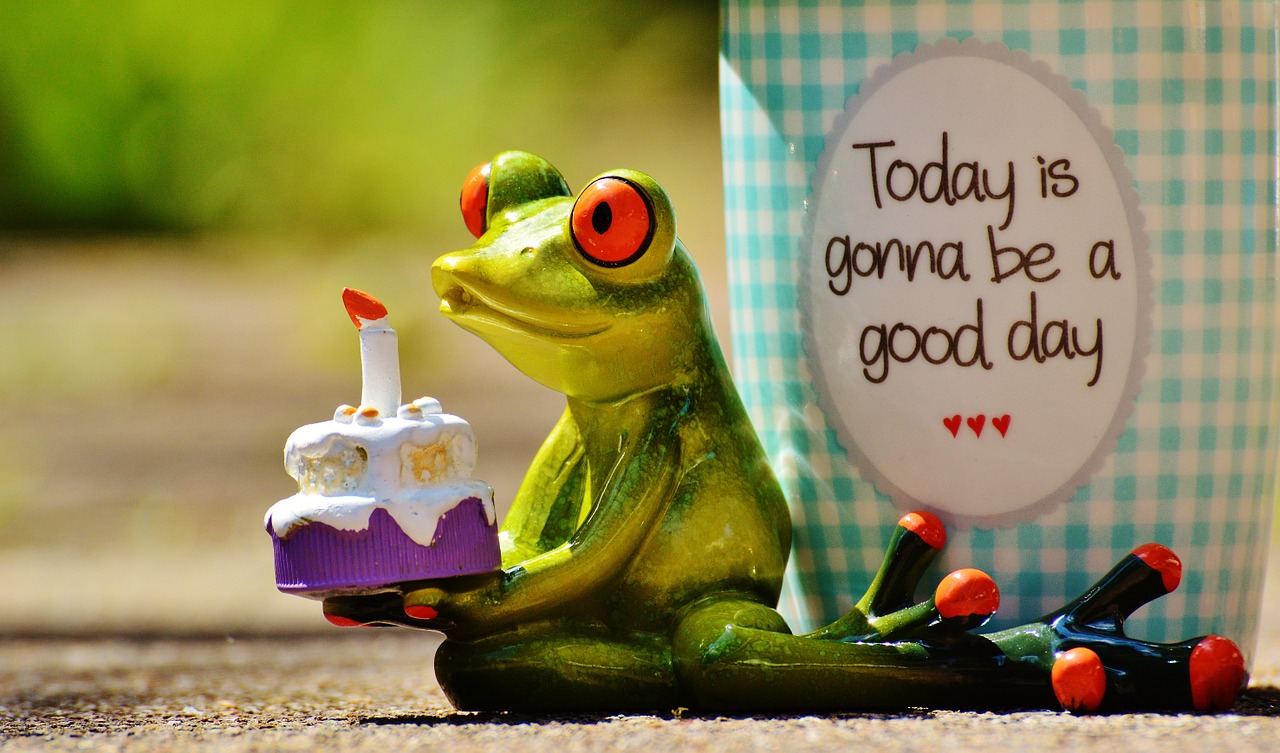
Good day

Today is going to be a good day.
Photo courtesy of Pixabay.com

Try these 16 steps to create a great day.

1. Let go of things before you sleep.

Your brain tends to spend all night working on the things you give it to think about. Try to clear the memory of negativity before you sleep. Pray, meditate, read something positive, and think about how you will make tomorrow a great day.

Spending the night with your mind working on happy thoughts will set up the next day in the right direction.

2. Lay things out the night before.

Decide what you will wear. Pick out the clothes. If something is dirty or not where it should be the time to solve this problem is the night before not when you are rushing off to work. Anticipate morning problems and solve them the night before.

Lay things you will need for work out. This prevents forgetting something and starting the day with problems. Plan your lunch menu if possible. Taking a small lunch packed the night before can save you a lot of money over eating out.

Make sure to plan this ahead of time or you may discover you do not have time to make things you would like. Include a few treats that you will look forward to.

3. Get to bed on time – allow time for rest.

Staying up late cuts your sleep short. Being tired first thing each day makes the whole rest of the day harder.

4. Do not start your day off rushed.

Allow time for everything and do not stress yourself out by having to rush. Most people allow less time to travel than it will take. The result is that you will become angry and stressed before you arrive at your workplace.

5. Have a morning routine.

Having a morning routine help you start the day in the zone. Familiarity is comforting. There is time enough for variety and excitement later in the day. Keep your morning tranquil.

6. Eat something good for you.

Healthy does not have to taste bad. Spend some time planning healthy and enjoyable things to eat. Make grocery shopping and meal preparation an adventure, not a burdensome chore.

7. Make your commute relaxing.

Look for the least stressful or most enjoyable route when possible. Have things in your car that make the trip more enjoyable. A cushion for the back, a holder for your drink all add to the flow of the day.

Start on time or a few minutes early and avoid the “crazy’s” by allowing all the room and time you need to keep the commute relaxing.

Some places have horrific commutes these days. You can make your trip an ordeal by fire and fumes or a relaxing ride in your cocoon before the stress of the day. The difference is primarily in your preparation and your attitude.

8. Listen to your music.

Whatever your music is, try to have some available for the commute. The news is fine, traffic and weather are fine, but a steady diet of disasters makes you stressed. Try to relax and pamper yourself throughout the day whenever possible.

9. Take time to call or email a friend.

Work an email or a call to a friend into your schedule at least once a day. Put this personal contact on the calendar if only as a mental note to self. Email before work or before bed to have something to look forward to. Call and talk in person when possible.

Staying in touch with positive, supportive, people reduces stress and frames the rest of your day with a happy light. Don’t try this while driving or during other activities that require sustained attention. Multitasking is a myth.

10. Smile early and often.

Smile and others will smile back. A smile makes others less stressed and they will reciprocate. Even if you do not really “feel it” smile all you can. Think to yourself that a smile will keep your competitors wondering what you are up to.

11. Watch a bird.

Look for the things going on in the world all around you. In the poorest places, you will see the birds working on their nests, mating, and having babies. Watch them soar and your spirit can climb with them. We are all always connected to the rest of the creatures surrounding us.

12. Enjoy a flower.

There are small snips of beauty everywhere. The weed in the vacant lot still puts out an occasional flower. Look for the beauty and take the time to let those moments of joy sink into your brain. You will need those happy thoughts when the day becomes challenging. Save up the positive and let it soak in.

13. Read a good book or story. Watch a funny video.

Books can transport you to alternate realities. They can expand your imagination and creativity as your mind fills in the details that you can’t see.

A good video can inspire or amuse you. There are plenty of negative stories out there. Look for the tales that enlarge your world and expand your happiness.

 14. Pray, meditate, or follow a religious practice.

People with a religious or spiritual faith, who consistently practice that faith, have happier, less stressful lives.

15. Say an affirmation.

Positive self-talk can brighten and improve your day. Find an affirmation that you believe can come true and repeat it to yourself. Your brain will work on making this affirmation a part of who you are.

Remember not to tell yourself any lies. Don’t try to tell your mind today will be an easy day when you know it will be difficult. Say to yourself that today will be a challenge but I will get through it and you will find that you got through it.

Tell yourself this will be a bad day and it will. Tell yourself that you will have a good day no matter what life throws at you and you will have a lot better day.

16. Be of service to someone else.

Help someone else for a brighter day. Anytime you help a child or someone in need it makes you feel better. Do enough good deeds and you become a better person. People who know that their goodness is based on being of service to others feel really good about themselves.

Staying connected with David Joel Miller

Seven David Joel Miller Books are available now!

My newest book is now available. It was my opportunity to try on a new genre. I’ve been working on this book for several years, but now seem like the right time to publish it.

Story Bureau.

Story Bureau is a thrilling Dystopian Post-Apocalyptic adventure in the Surviving the Apocalypse series.

Baldwin struggles to survive life in a post-apocalyptic world where the government controls everything.

As society collapses and his family gets plunged into poverty, Baldwin takes a job in the capital city, working for a government agency called the Story Bureau. He discovers the Story Bureau is not a benign news outlet but a sinister government plot to manipulate society.

Bumps on the Road of Life. Whether you struggle with anxiety, depression, low motivation, or addiction, you can recover. Bumps on the Road of Life is the story of how people get off track and how to get your life out of the ditch.

Dark Family Secrets: Doris wants to get her life back, but small-town prejudice could shatter her dreams.

Casino Robbery Arthur Mitchell escapes the trauma of watching his girlfriend die. But the killers know he’s a witness and want him dead.

Planned Accidents  The second Arthur Mitchell and Plutus mystery.

Letters from the Dead: The third in the Arthur Mitchell mystery series.

What would you do if you found a letter to a detective describing a crime and you knew the writer and detective were dead, and you could be next?

Sasquatch. Three things about us, you should know. One, we have seen the past. Two, we’re trapped there. Three, I don’t know if we’ll ever get back to our own time.

For these and my upcoming books; please visit my Author Page – David Joel Miller

Want the latest blog posts as they publish? Subscribe to this blog.

For videos, see: Counselorssoapbox YouTube Video Channel