
What is a Therapists Scope?

By David Joel Miller, MS, Licensed Therapist & Licensed Counselor.
Therapist

Therapist.
Photo courtesy of Pixabay.com

Therapists and Counselors need to remember what is in and what is out of their “scope.”

In school, every beginning counselor is taught to pay attention to scope issues. It is not something that we talk to clients about very often. Somehow, a while out of school, a lot of professionals forget about this issue. One reason it is so hard to keep clear is that there are in fact two different “scopes.” Recently a reader commented about their therapist mentioning something as being out of their scope. That comment suggested this post.

Counselors need to remember both their scope of practice and their scope of competency.

1. Scope of practice.

Scope of practice is defined by the law in your jurisdiction. If you get an MFT license you are allowed to do some things, a Licensed Professional Counselor does certain things, an LCSW has their set of allowable things, and so on.

This gets confusing sometimes. We professionals know for example who can do certain kinds of testing and who cannot. The clients do not usually know this and may come to a professional for something that their license does not allow.

In cases like that, we should always refer clients to someone who can help.

A social work license does not allow you to cut hair, or do tax returns, for example. The Therapist or social worker may have been trained as a beautician before becoming a social worker and they may have done tax returns to help pay the cost of going to school, still that Behavioral Science license does not allow them to do those things with their therapy clients.

If a person has two different licenses, say they are lawyers and they are therapists, there are all sorts of rules about what they have to do to keep those two professions separate so as not to confuse clients as to what they are allowed to do and not do.

Every group has a code of ethics and that may influence what a professional does or does not do, but scope of practice is largely a legal issue defined by the law that permitted the licensing of that profession in the first place.

In a future post, I want to tell you about codes of ethics, who have to follow them, and why.

In many places, coaches are not licensed. That means that those who call themselves life coaches do not need to have had any training to do coaching. What the life coach should not do is treat a recognized illness like Major Depressive Disorder. They can help you with say “motivation.” But if you have low motivation because of your depression that is outside their “scope of practice.” They would need to have a license as a counselor, therapist, or social worker to treat a mental illness.

2. Scope of Competency.

To become a licensed counselor, social worker, or therapist there are certain classes everyone needs to take. The typical program at the master’s level would include about 60-semester college units. Some programs might go up to 65 units, some programs include only 45 units. Most classes are 3 units so that means about 20 classes. If they take a few 1 or 2 unit classes they might get up to say, 25 classes.

The beginning mental health professional would get a class in how to diagnose and a couple of classes in how to treat mental and emotional problems but with over 400 recognized mental, emotional, and behavioral issues in the DSM-4 no one ever gets much training in working with specific issues in their program.

For example, a substance abuse counselor in a two-year (A.S,) program would take 36 college units in drug abuse counseling. Most licensed people LMFT’s, LPCC’s and LCSW’s will get one to three units in Substance abuse.

So if you only had a one-unit class in counseling the drug dependent, say that was a one-unit class one weekend, that person would not feel very competent in working with someone with a drug problem.

Many of us had at most a few minute’s discussion of eating disorders. Dissociative Identity Disorder and Body Dysmorphic Disorder probably were not talked about at all in a therapist’s formal training.

So while a person may be licensed as a particular mental health professional they may realize that they just do not know enough about the disorder that the client has to be able to work effectively with that client.

We call this lack of skill in a particular disorder or technique something outside the therapist’s “Scope of competency.”

Most mental health professionals will find they do more studying, read more books, and attend more trainings after graduation than they have done in their master’s level training programs. If you do not continue to study and learn, more and more things will turn up that are outside your scope of competency.

There are ways to expand your scope of competency. Get more education and training in a particular disorder or technique, work with a supervisor or consultant who is knowledgeable in the area, and do more supervised experience in that area. Some professionals do all that and over time grow their scope of competency. Others may decide that they will restrict their practice to the problems they feel competent in working on.

So if you have a relatively common problem, say depression or excess anxiety, most professional counselors can help you. But if you have a more difficult problem, substance use disorder, eating disorders or many of the trauma-related disorders you may need to seek out someone who understands and knows more about your issue.

Hope that explains the very basics of scope of practice and scope of competency.

Staying connected with David Joel Miller

Seven David Joel Miller Books are available now!

My newest book is now available. It was my opportunity to try on a new genre. I’ve been working on this book for several years, but now seem like the right time to publish it.

Story Bureau.

Story Bureau is a thrilling Dystopian Post-Apocalyptic adventure in the Surviving the Apocalypse series.

Baldwin struggles to survive life in a post-apocalyptic world where the government controls everything.

As society collapses and his family gets plunged into poverty, Baldwin takes a job in the capital city, working for a government agency called the Story Bureau. He discovers the Story Bureau is not a benign news outlet but a sinister government plot to manipulate society.

Bumps on the Road of Life. Whether you struggle with anxiety, depression, low motivation, or addiction, you can recover. Bumps on the Road of Life is the story of how people get off track and how to get your life out of the ditch.

Dark Family Secrets: Doris wants to get her life back, but small-town prejudice could shatter her dreams.

Casino Robbery Arthur Mitchell escapes the trauma of watching his girlfriend die. But the killers know he’s a witness and want him dead.

Planned Accidents  The second Arthur Mitchell and Plutus mystery.

Letters from the Dead: The third in the Arthur Mitchell mystery series.

What would you do if you found a letter to a detective describing a crime and you knew the writer and detective were dead, and you could be next?

Sasquatch. Three things about us, you should know. One, we have seen the past. Two, we’re trapped there. Three, I don’t know if we’ll ever get back to our own time.

For these and my upcoming books; please visit my Author Page – David Joel Miller

Want the latest blog posts as they publish? Subscribe to this blog.

For videos, see: Counselorssoapbox YouTube Video Channel

Ugly nose and face or Body Dysmorphic Disorder

By David Joel Miller, MS, Licensed Therapist & Licensed Counselor.

Body dysmorphic disorder?
Photo courtesy of Pixabay.com

Can someone be too ugly to get a job or be loved?

There is a group of people in our society who believe very deeply that there is something wrong with their body which makes them so ugly that no employer will hire them and no other person could stand to be in a relationship with them. They often seek medical help to change their appearance but that help rarely results in them feeling acceptable.

There is a range of appearances. Some people are frankly better looking than others. We value celebrities based on their looks. So how far from that ideal level of beauty do you need to fall before you conclude that you are ugly and no one can possibly love or accept you?

Some people believe that they are ugly even when others around them cannot see the “flaw” that makes them believe they are undesirable. This belief that your body is flawed in some way, while others do not see the flaw is called Body Dysmorphic Disorder.

Body Dysmorphic Disorder can center on beliefs that any part of your body is defective but the most common things that are the focus of this belief are the skin, hair, and nose. Stomach, weight, breasts, or chest and eyes also cause significant numbers of people to feel bad about themselves.

Researchers believe that the prevalence of Body Dysmorphic Disorder is greatly underestimated. The number of people who suffer from this emotional problem is probably far greater than our statistics are reporting. Estimates of the number of people in the United States with Body Dysmorphic Disorder range from 2 million to in excess of 15 million people. The number of cases you see depends on where you look.

Most people with Body Dysmorphic Disorder do not come to mental health systems because of their excessive focus on their appearance. They often first present at a plastic surgeons office requesting an operation to change that part of them that they feel is making them ugly.

Annual expenditures for plastic surgery surpassed 10 billion dollars in 2008. This was an almost 900% increase over 1992 and this figure continues to grow. Unfortunately, people with Body Dysmorphic Disorder are most likely to feel that their operation was “botched” and as a result, sue the doctor or request a second or third operation. One study reported that 44% of plastic surgery patients were repeat clients. Some clearly were happy with the results and having more done but those with Body Dysmorphic Disorder are likely to undergo repeated operations because the problem lies in their thinking that they are ugly rather than in any particular objective problem with their looks.

So how does this Body Dysmorphic Disorder manifest in those who have the disorder? Suffers typically spend 3 to 5 hours per day looking at themselves in the mirror. They are highly sensitive to minor flaws in people and can spot defects in others readily. Many become housebound, afraid to go out and socialize because they believe that they are so ugly no one will like them. A deficit in social skills predisposes them to believe that their lack of friends and romantic partners is the result of their appearance rather than their lack of social skills.

Since those with Body Dysmorphic Disorder blame their lack of friends and jobs on their appearance they are unlikely to present for counseling or therapy. One way they enter treatment with a mental health professional is when their depression, anxiety, or other emotional problem brings them to the notice of the mental health system.

Almost half of those with Body Dysmorphic Disorder have been hospitalized in a psychiatric hospital. As many as 82% have had thoughts of suicide and one in four is likely to have attempted suicide. Most are young, single, and unemployed. They frequently have eating disorders, Obsessive Compulsive Disorder, or another psychiatric problem in addition to the Body Dysmorphic Disorder. Skin picking and religious or sexual preoccupation are also common. Many go on to develop Avoidant Personality Disorder.

They are also at risk to miss many days of work or school and many social events as a result of their feelings that they are physically ugly. Many of those with Body Dysmorphic Disorder drop out of school to avoid being seen by others.

Body Dysmorphic Disorder frequently begins in the early teen years and gets progressively worse. The mean age of onset of the Body Dysmorphic Disorder is between 14 and 16. Those with the disorder will cover their faces in various ways, spend excessive amounts on clothing or cosmetics or resort to extreme methods to try to alter their appearance.  Frequently those with Body Dysmorphic Disorder have been teased or bullied.

The mean age of onset of the Body Dysmorphic Disorder is between 14 and 16. The DSM-5 tells us that the most common age for onset of Body Dysmorphic Disorder is 12 to 13 years old.

This disorder is not restricted to females. Many young men develop the notion that they need to have huge bulging muscles to be acceptable and develop a related condition called Muscle Dysmorphic Disorder. Males are also at risk to believe that their genitals are too small resulting in avoiding dating and sexual relationships.

Those with Body Dysmorphic Disorder may also show up in weight loss groups where despite their low to normal body weight they will be focused on changing the shape of one part of their body that they see as defective.

Our understanding of Body Dysmorphic Disorder continues to change. In the DSM-4 Body Dysmorphic Disorder was included in the section on somatoform disorders, those disorders where emotions make you sick or make your illness worse. In the new DSM-5 Body Dysmorphic Disorder is included in the Obsessive-Compulsive disorders because of the time people with this disorder spend on concerns about their appearance.

There are effective treatments for Body Dysmorphic Disorder. The difficult part is getting those with the disorder to come for treatment. Since they firmly believe that their problems are the result of some physical defect they do not see how counseling can help them, and will often insist that they are not “crazy” or “mental.”

Treatment of other issues, depression, anxiety, and suicidal thoughts and actions are often the first step in engaging those with Body Dysmorphic Disorder in treatment. Cognitive Behavioral Therapy, Antidepressant medications, Narrative therapy, and skills training are all thought to be effective in treating Body Dysmorphic Disorder.

So if you or someone you know has no friends, no romantic partner, or no job and you think this may be because of looks, consider working with a counselor on your social skills, career counseling, and self-esteem before you conclude that the problem is your looks.

Staying connected with David Joel Miller

Seven David Joel Miller Books are available now!

My newest book is now available. It was my opportunity to try on a new genre. I’ve been working on this book for several years, but now seem like the right time to publish it.

Story Bureau.

Story Bureau is a thrilling Dystopian Post-Apocalyptic adventure in the Surviving the Apocalypse series.

Baldwin struggles to survive life in a post-apocalyptic world where the government controls everything.

As society collapses and his family gets plunged into poverty, Baldwin takes a job in the capital city, working for a government agency called the Story Bureau. He discovers the Story Bureau is not a benign news outlet but a sinister government plot to manipulate society.

Bumps on the Road of Life. Whether you struggle with anxiety, depression, low motivation, or addiction, you can recover. Bumps on the Road of Life is the story of how people get off track and how to get your life out of the ditch.

Dark Family Secrets: Doris wants to get her life back, but small-town prejudice could shatter her dreams.

Casino Robbery Arthur Mitchell escapes the trauma of watching his girlfriend die. But the killers know he’s a witness and want him dead.

Planned Accidents  The second Arthur Mitchell and Plutus mystery.

Letters from the Dead: The third in the Arthur Mitchell mystery series.

What would you do if you found a letter to a detective describing a crime and you knew the writer and detective were dead, and you could be next?

Sasquatch. Three things about us, you should know. One, we have seen the past. Two, we’re trapped there. Three, I don’t know if we’ll ever get back to our own time.

For these and my upcoming books; please visit my Author Page – David Joel Miller

Want the latest blog posts as they publish? Subscribe to this blog.

For videos, see: Counselorssoapbox YouTube Video Channel

Are internet affairs real affairs?

By David Joel Miller, MS, Licensed Therapist & Licensed Counselor.

Computer

Internet.
Photo courtesy of Pixabay.com

Are internet affairs real affairs?

The article this post originally sent you to no longer exists. For more information on this and related topics please see:

Affairs

Seven David Joel Miller Books are available now!

My newest book is now available. It was my opportunity to try on a new genre. I’ve been working on this book for several years, but now seem like the right time to publish it.

Story Bureau.

Story Bureau is a thrilling Dystopian Post-Apocalyptic adventure in the Surviving the Apocalypse series.

Baldwin struggles to survive life in a post-apocalyptic world where the government controls everything.

As society collapses and his family gets plunged into poverty, Baldwin takes a job in the capital city, working for a government agency called the Story Bureau. He discovers the Story Bureau is not a benign news outlet but a sinister government plot to manipulate society.

Bumps on the Road of Life. Whether you struggle with anxiety, depression, low motivation, or addiction, you can recover. Bumps on the Road of Life is the story of how people get off track and how to get your life out of the ditch.

Dark Family Secrets: Doris wants to get her life back, but small-town prejudice could shatter her dreams.

Casino Robbery Arthur Mitchell escapes the trauma of watching his girlfriend die. But the killers know he’s a witness and want him dead.

Planned Accidents  The second Arthur Mitchell and Plutus mystery.

Letters from the Dead: The third in the Arthur Mitchell mystery series.

What would you do if you found a letter to a detective describing a crime and you knew the writer and detective were dead, and you could be next?

Sasquatch. Three things about us, you should know. One, we have seen the past. Two, we’re trapped there. Three, I don’t know if we’ll ever get back to our own time.

For these and my upcoming books; please visit my Author Page – David Joel Miller

Want the latest blog posts as they publish? Subscribe to this blog.

For videos, see: Counselorssoapbox YouTube Video Channel

Is your story a Fairytale or Nightmare?

By David Joel Miller, MS, Licensed Therapist & Licensed Counselor.

Castle in the sky

Fairytale world.
Photo courtesy of Pixabay.com

The stories you tell yourself come true.

We all tell ourselves stories. You may not think of them that way, you may have other names for them. You may think that what you are saying is just self-evident truths.  You are shy, clumsy stupid, and so on. You may say your family is cold or that you are all failures.

The things you tell yourself have a way of coming true. If you tell yourself often enough that you are stupid or that you can’t succeed you create that outcome.

Some people think of these stories as life scripts. If you tell yourself you are a loser, you will continue to lose to meet that requirement.

You tell yourself you are a certain kind of person and that means you will have a specific sort of life. You say you are unlucky and you avoid situations that involve risk. The result is that those great wins in life are always just out of reach.

Which kind of stories do you tell yourself?

If you tell yourself you can’t do something your brain will take that for an order and will prevent you from doing what you have forbidden yourself to do. Like that little engine if you tell yourself you can you will find it easier to get over the hill.

Many of you have pet stories you tell yourself. You tell yourself you are too stupid or too weak to do something and then you find you can’t do it which proves that you were right. The great surprise, for many of you, will come when you stop telling yourself that you are stupid and tell yourself that you can learn what you set out to do, and then that new story becomes true.

If you tell yourself that life is awful and that you can’t, then you won’t. If you can change that story and tell yourself that all things are possible, then more opportunities will open up.

Changing your life script story.

Some people have told themselves that they are addicts and so they need to use drugs. If you tell yourself that you are an alcoholic you will need to drink. But you can change that story. You can be an addict in recovery or an alcoholic in sobriety. You can tell yourself that you no longer need to do those things and if you tell yourself that you can live life without drugs or depression or anxiety, then that can become the new story, the new life script for you.

We all tell ourselves stories, who we are, what we can and can’t do. Make one mistake and you may tell yourself you are a failure. Forget something once and you may start telling yourself you are forgetful. The truth is that you do not forget everything and you can change that story.

The person who told you that story could easily be wrong.

Some of these life tales are stories that we were told as children. We hear that we are stupid and we repeat that story. If you heard these stories often enough you may have stopped recognizing that this is just a story, someone else’s story for your life.

If you have learned to tell those stories to yourself, you will find that you can change the endings. You can be and do so much more than you ever thought you could.

What is the new story, the new life script you are creating for the role you will play in your life?

Staying connected with David Joel Miller

Seven David Joel Miller Books are available now!

My newest book is now available. It was my opportunity to try on a new genre. I’ve been working on this book for several years, but now seem like the right time to publish it.

Story Bureau.

Story Bureau is a thrilling Dystopian Post-Apocalyptic adventure in the Surviving the Apocalypse series.

Baldwin struggles to survive life in a post-apocalyptic world where the government controls everything.

As society collapses and his family gets plunged into poverty, Baldwin takes a job in the capital city, working for a government agency called the Story Bureau. He discovers the Story Bureau is not a benign news outlet but a sinister government plot to manipulate society.

Bumps on the Road of Life. Whether you struggle with anxiety, depression, low motivation, or addiction, you can recover. Bumps on the Road of Life is the story of how people get off track and how to get your life out of the ditch.

Dark Family Secrets: Doris wants to get her life back, but small-town prejudice could shatter her dreams.

Casino Robbery Arthur Mitchell escapes the trauma of watching his girlfriend die. But the killers know he’s a witness and want him dead.

Planned Accidents  The second Arthur Mitchell and Plutus mystery.

Letters from the Dead: The third in the Arthur Mitchell mystery series.

What would you do if you found a letter to a detective describing a crime and you knew the writer and detective were dead, and you could be next?

Sasquatch. Three things about us, you should know. One, we have seen the past. Two, we’re trapped there. Three, I don’t know if we’ll ever get back to our own time.

For these and my upcoming books; please visit my Author Page – David Joel Miller

Want the latest blog posts as they publish? Subscribe to this blog.

For videos, see: Counselorssoapbox YouTube Video Channel

Why do people act in Passive Aggressive ways?

By David Joel Miller, MS, Licensed Therapist & Licensed Counselor.

Passive-aggressive.
Photo courtesy of Pixabay.com

Why must they act Passive Aggressive?

Passive Aggressive Personality Disorder used to be a recognized mental illness. Then in the DSM-4, it was reduced to a condition that may need more study, and most recently it has simply disappeared from our way of thinking of mental illnesses.

Remember that there are times when a person gets criticized for adopting this form of behavior, maybe even referred for psychiatric care and then other people may be praised for adopting some form of passive reaction to an injustice.

So let’s look at why some people may adopt Passive Aggressive Behavior and why we are no longer so sure that it should qualify as a mental illness.

There are legitimate reasons people do not just come out and say what they mean. There are also reasons people may choose to say nothing but fail to carry through on things they were told to do. Passive-Aggressive behavior can be the result of some of those reasons.

People become Passive Aggressive when they have no power or control.

Children, especially if they are in an abusive or non-loving home, may not feel they can say no to their parents. They get out of things, not by saying no or discussing things but by taking excessive time or doing things wrong. If they break enough dishes mom may stop asking them to do the dishes.

The same behavior makes sense in the boss and employee situation. Sometimes you can’t tell the boss no, so you just do not get around to doing things that would be a waste of time anyway. Not everyone does this. Some employees are very conscientious, but the worse the boss in terms of giving arbitrary orders and not allowing people to disagree the more likely this becomes.

Some people use Passive Aggressive behavior more often than others.

If you came from a family where it was not acceptable to disagree with the parents or worse yet where you were not supposed to have any feeling unless they were sanctioned by the adult, you are more likely to hide your anger and then express it in Passive Aggressive ways.

Mental health clinicians used to think that there were things we called “Personality Disorders” and the presumption was that people who had these were always like that and that they were hard to treat and never changed. These premises have recently been called into question. Turns out that people can change their behavior when the situation changes.

One other thing that cuts against the validity of there being such a thing as Passive-Aggressive Personality Disorder is that it is mostly used in situations where there is a weaker person who is unable to disagree with a stronger person or in a close situation like a marriage where sometimes we want to avoid both doing what the other person told us to do and also avoid making this into an argument.

One characteristic that has been used to differentiate Passive Aggressive behavior from something like passive nonviolence is the level of anger or hostility that the person using passive-aggressive behavior is experiencing.

When the non-doing stops being a way of avoiding conflict and becomes a way to harm someone else without having to accept the responsibility that hidden or veiled aggression can drive the most rational person to open hostility.

One aspect of Passive-aggressive behavior that has received a lot of attention is the times when it appears to be motivated by contrariness or oppositional motives. When a youth adopts the position that they will avoid doing whatever the adult asks them to do just for the sake of asserting that the adult cannot control them this can escalate to severe problems.

Frankly, much of what was getting called Passive-Aggressive Personality Disorder looks way more like Oppositional Defiant Disorder when we see it in youths.

Passive Aggressive Personality Disorder shared so many features in common with other personality disorders and with depression and anxiety most professionals only used it when a parent or spouse said that was what the client was doing.

Most of the things we have been thinking of as personality disorders include a lot of antagonism towards others. Sometimes this is because the person’s life experiences tell them that they will not be treated fairly if they openly disagree or resist the will of others.

So while you will still read about Passive-Aggressive people, mental health has largely concluded that this is not a mental illness but is a way that some people cope with not being able to express disagreement. In other words, Passive Aggressive behavior is a symptom of some other problem rather than being a particular treatable disease.

Staying connected with David Joel Miller

Seven David Joel Miller Books are available now!

My newest book is now available. It was my opportunity to try on a new genre. I’ve been working on this book for several years, but now seem like the right time to publish it.

Story Bureau.

Story Bureau is a thrilling Dystopian Post-Apocalyptic adventure in the Surviving the Apocalypse series.

Baldwin struggles to survive life in a post-apocalyptic world where the government controls everything.

As society collapses and his family gets plunged into poverty, Baldwin takes a job in the capital city, working for a government agency called the Story Bureau. He discovers the Story Bureau is not a benign news outlet but a sinister government plot to manipulate society.

Bumps on the Road of Life. Whether you struggle with anxiety, depression, low motivation, or addiction, you can recover. Bumps on the Road of Life is the story of how people get off track and how to get your life out of the ditch.

Dark Family Secrets: Doris wants to get her life back, but small-town prejudice could shatter her dreams.

Casino Robbery Arthur Mitchell escapes the trauma of watching his girlfriend die. But the killers know he’s a witness and want him dead.

Planned Accidents  The second Arthur Mitchell and Plutus mystery.

Letters from the Dead: The third in the Arthur Mitchell mystery series.

What would you do if you found a letter to a detective describing a crime and you knew the writer and detective were dead, and you could be next?

Sasquatch. Three things about us, you should know. One, we have seen the past. Two, we’re trapped there. Three, I don’t know if we’ll ever get back to our own time.

For these and my upcoming books; please visit my Author Page – David Joel Miller

Want the latest blog posts as they publish? Subscribe to this blog.

For videos, see: Counselorssoapbox YouTube Video Channel
Are you the Passive Aggressive type?

By David Joel Miller, MS, Licensed Therapist & Licensed Counselor.

Couple fighting by not fighting

Passive-aggressive.
Photo courtesy of Pixabay.com

Who is the Passive-Aggressive?

There has been some discussion recently on the internet and elsewhere about people who are “Passive-Aggressive” how you deal with someone who is Passive-Aggressive and so forth.

What exactly is a “Passive-Aggressive Person” and how might this passive-aggressive personality be affecting you?

Turns out there are at least two somewhat different activities going by the name of Passive-Aggressive behavior.  On the subject of Passive-Aggressive Personality, psychology and mental health are not on the same page. There are not just separated and divorced on this one but living in different time zones.

Psychology has studied the way people may behave and do they have Passive characteristics or Aggressive characteristics. They used to think of these two as on opposite poles of the same axis.

Then it was suggested that some people combine both into a Passive-Aggressive style of dealing with conflicts. There were also some studies of whether these were stable traits, people did this all the time, or were these states, that the person might use a particular way of behaving in response to a specific situation and at one time but not another.

Mental health started looking at this as a potential mental illness, Passive-Aggressive Personality Disorder, which was causing problems in people’s social lives or in their work settings. The result of these two different perspectives is that the two fields came to differing views about Passive-Aggressive personality.

How did we get to a place where some professionals are writing about Passive-Aggressive people as if we all know what that is and why, while other groups have told us to drop the idea altogether?

Is a passive-aggressive person all bad or are there times when this is a useful way of behaving?

The idea that there are “Passive-Aggressive people” seems to have originated during World War Two when officers noticed, and then they complained, that they might give orders but the men just did not get around to doing what they were supposed to do. The result of this behavior was that the men got out of doing things and sometimes they communicated to a superior officer that they did not like that officer.

One example of this might be an officer who had the men dig a ditch one day and then had them fill it in the next. I suppose that the officer could argue that this is teaching discipline and is keeping the men active and fit, but the men soon caught on and found that there was no reason to put much effort into this ditch to nowhere.

This concept, of the person who is told to do something but then deliberately does it poorly or not at all, has also been applied to employees in the work setting. Some bosses like to think of themselves as generals or in other military terms. They talk about commanding their employees. You can make a good argument for the need of people in the military to carry out an order regardless of whether they agree with the order or not. It is harder to see why bosses give some orders that just make life harder for their employees and do not create any extra production.

The result of these irritating directives from management can be work slowdowns, stoppages, or people who just forget to do things. Sometimes it is hard to tell the difference. Some jobs take longer to do than planned. Sometimes people do forget. So the interpretation of “is this a Passive-Aggressive act” has to do with the motivations or intent of the employees, not with the resulting action or inaction.

This Passive-Aggressive idea was expanded to include children who did not do what adults asked. I still see this version in articles about our educational system. The student is told to move something but they drop and break it. Or they get the instructions wrong and go to the wrong place. Sometimes is as simple as them saying yes to doing something but then just sitting in their seat and doing nothing. The complaint by teachers is that the student may be saying yes but their actions are sabotaging the outcome.

One other place this is coming up, and here we are bordering on the mental health arena is in the field of marriage counseling.

One partner will refer to the other as passive-aggressive. Say the wife has a job interview the next day, she is busy getting ready and she asks the husband to stop at the grocery store on the way home.

He gets home late that night and reports he had a problem at work and “forgot” to stop at the store. This may lead to an argument and then either they eat leftovers or he goes to the local fast food for dinner. She is annoyed.

Next morning she goes to use the car for the job interview and finds that the gas tank is empty. She is now furious at him. Her conclusion is that he was late and left the gas tank empty to sabotage her efforts to get a job. Before long both partners may be “not doing” and “forgetting” to get their revenge on the other partner.

So from these examples, we can see why some people may do things that look Passive-Aggressive and that this can be really annoying if you are on the receiving end of this behavior.

This is also a hard thing to cope with because the person who is behaving in a Passive-Aggressive manner has all kinds of excuses for why they did not get things done or why they made a mistake.

Does that mean that someone who is acting in a Passive-Aggressive manner has a mental illness? Why do they do this and how can you get them to stop? And can Passive Aggressive behavior sometimes be a good thing, at least for the person who is using it?

Let’s take a look at all those issues in an upcoming post about the reasons people might adopt passive-aggressive behavior.

Staying connected with David Joel Miller

Seven David Joel Miller Books are available now!

My newest book is now available. It was my opportunity to try on a new genre. I’ve been working on this book for several years, but now seem like the right time to publish it.

Story Bureau.

Story Bureau is a thrilling Dystopian Post-Apocalyptic adventure in the Surviving the Apocalypse series.

Baldwin struggles to survive life in a post-apocalyptic world where the government controls everything.

As society collapses and his family gets plunged into poverty, Baldwin takes a job in the capital city, working for a government agency called the Story Bureau. He discovers the Story Bureau is not a benign news outlet but a sinister government plot to manipulate society.

Bumps on the Road of Life. Whether you struggle with anxiety, depression, low motivation, or addiction, you can recover. Bumps on the Road of Life is the story of how people get off track and how to get your life out of the ditch.

Dark Family Secrets: Doris wants to get her life back, but small-town prejudice could shatter her dreams.

Casino Robbery Arthur Mitchell escapes the trauma of watching his girlfriend die. But the killers know he’s a witness and want him dead.

Planned Accidents  The second Arthur Mitchell and Plutus mystery.

Letters from the Dead: The third in the Arthur Mitchell mystery series.

What would you do if you found a letter to a detective describing a crime and you knew the writer and detective were dead, and you could be next?

Sasquatch. Three things about us, you should know. One, we have seen the past. Two, we’re trapped there. Three, I don’t know if we’ll ever get back to our own time.

For these and my upcoming books; please visit my Author Page – David Joel Miller

Want the latest blog posts as they publish? Subscribe to this blog.

For videos, see: Counselorssoapbox YouTube Video Channel
4 reasons your self-improvement program will fail

By David Joel Miller, MS, Licensed Therapist & Licensed Counselor.

Changing your life

Time for a life change?
Photo courtesy of Pixabay.com

Self-improvement programs fail when you set wrong goals.

Another year, another bunch of resolutions, and by now most are headed for the same old failures. The reason most self-change programs fail – wrong, fuzzy, and poorly defined goals.

Most resolutions are made with little or no thought about where you are going and how you will get there. If this new you is not worth the trouble to plan, then it probably will not be worth the effort to take action, and next year, long about this time, you will be in the same place you are now.

What are the specific things you need to think about if you want your plan to succeed?

1. What is your goal?

Set the wrong goal and you end up at the wrong destination or you don’t get anywhere at all. Fuzzy goals lead you around in circles.

A common form of resolution this time of year goes something like:

I want to lose weight, exercise more, get in shape, and improve my health.

Some of these goals may conflict. One easy way to lose lots of weight is to get sick, physically, or mentally. Worry enough or get really depressed and you may stop eating. Good for weight loss but not for getting healthy.

Exercising more may result in that fat being converted to muscle. You will be healthier but may not lose any weight.

Improving your health may involve seeing a doctor, getting your flu shot, and a lot of preventative screening tests. Hard to do when you are starving yourself and running marathons. Severe calorie restriction and aggressive exercise may result in a hospital say, not really what you had in mind when you set your goals.

Second goal problems example.

You decide you want to be wealthier. For most people, this means wanting to be able to afford to buy the things that you or your family wants. So you work harder, take a second job, save some money and then you buy your kids that new video game console they wanted.

One problem – now you are broke again and you are working more hours than before. When most people say they wish they were wealthier what they really mean is they would like to be able to spend more. The wealthier goal self-destructs the closer you get to it.

To build real wealth you need to scale back your consumption and save. That is exactly the opposite of what most people mean when they say they want to be wealthier.

Getting really clear on your goals can improve your chances that this year’s resolutions have some chance of succeeding.

2. How big a priority is this goal?

Many people set goals that sound all nice but they are not really committed to getting there. If you would like to lose weight or get richer, as long as you do not have to actually work for that goal, there is little chance of you arriving there.

To make achieving a goal a reality it needs to be something that you want more than you want other things. Do you want that goal enough to give up time on the couch? Will you forego spending or eating something to reach that goal?

Just how committed are you to this thing and what difference will it really make in your life if you get there?

3. Is the goal consistent with your values?

You value time with family, especially those family get together dinners. That time with family is pretty inconsistent with working more, spending less, and improving your finances. Those entertaining times are also inconsistent with losing weight.

Despite these inconsistencies, lots of people will say they want things mostly because they would like the praise of others for getting to this goal even when that goal is in direct conflict with their personal values.

4. Can you see clear benefits in reaching this goal?

Some things are kind of nice to have but really getting them will not change much in your life. Unless you can picture yourself reaching this goal and visualize how your life will be better off for having made the sacrifices needed to get there, you are not likely to be motivated to do the work.

So consider now, as the first month of 2014 is well underway, what happened to those New Year’s resolutions? Did you get clear on what you wanted and how that is influenced by your values? Can you see this goal becoming a reality? And most of all is this change thing something you are doing for you or is it something you think you should do because of what others will think about you?

Are you one of the rare ones who decide to make a change and then does the work to get there? Maybe we will check back in about a year and see who has made a success of their change plans.

Staying connected with David Joel Miller

Seven David Joel Miller Books are available now!

My newest book is now available. It was my opportunity to try on a new genre. I’ve been working on this book for several years, but now seem like the right time to publish it.

Story Bureau.

Story Bureau is a thrilling Dystopian Post-Apocalyptic adventure in the Surviving the Apocalypse series.

Baldwin struggles to survive life in a post-apocalyptic world where the government controls everything.

As society collapses and his family gets plunged into poverty, Baldwin takes a job in the capital city, working for a government agency called the Story Bureau. He discovers the Story Bureau is not a benign news outlet but a sinister government plot to manipulate society.

Bumps on the Road of Life. Whether you struggle with anxiety, depression, low motivation, or addiction, you can recover. Bumps on the Road of Life is the story of how people get off track and how to get your life out of the ditch.

Dark Family Secrets: Doris wants to get her life back, but small-town prejudice could shatter her dreams.

Casino Robbery Arthur Mitchell escapes the trauma of watching his girlfriend die. But the killers know he’s a witness and want him dead.

Planned Accidents  The second Arthur Mitchell and Plutus mystery.

Letters from the Dead: The third in the Arthur Mitchell mystery series.

What would you do if you found a letter to a detective describing a crime and you knew the writer and detective were dead, and you could be next?

Sasquatch. Three things about us, you should know. One, we have seen the past. Two, we’re trapped there. Three, I don’t know if we’ll ever get back to our own time.

For these and my upcoming books; please visit my Author Page – David Joel Miller

Want the latest blog posts as they publish? Subscribe to this blog.

For videos, see: Counselorssoapbox YouTube Video Channel
How are children’s substance abuse problems different from adult addiction?

By David Joel Miller, MS, Licensed Therapist & Licensed Counselor.

sign

No Drugs.
Photo courtesy of Pixabay.com

There are some differences between the substance abuse issues in children from those in adults, but they may be less than we used to think.

There are a lot of people who continue to think of substance abuse, addiction in particular, as an adult disease. That would be way wrong.

Most adults with a substance use disorder began their use at a young age. Seventy-five percent of all disorders, mental health, and substance use, begin before age 24. Half start before age 14.

Kids are getting into drugs and alcohol abuse earlier than most adults realize.

Larger treatment facilities will tell you about children as young as 5 that already are developing signs of alcoholism. Children frequently report that their drug use began as early as age 8.

That’s right folks, as soon as the end of the third grade we are already able to identify children at risk to develop an addiction, going to prison, or both.

Are there “Gateway drugs?”

There used to be much discussion of so-called “gateway drugs.” The idea was that up till you tried the gateway drug you were not at risk of becoming addicted. Once you take the gateway drug you are on the path to addiction. The drug that got blamed the most as a “gateway drug” was marijuana. While I think letting your third or fourth grader smoke some of your “medical marijuana” is a way bad idea, it has turned out that for most adult addicts that was not the gateway drug.

One reason that marijuana was implicated was that it was illegal. That meant that to procure marijuana in the first place you had to be breaking the law. Someone who was selling marijuana illegally and risking jail might also be selling other “harder” drugs. Breaking society’s rules on substance use is a bad direction to start out on, but there is more to the story than that.

For most children, the gateway drugs have been cigarettes and alcohol. Consider the cost to society of a child who starts smoking at an early age. There is good evidence to show that after trying that first cigarette if the child lights up a second one they are going to be smokers for life.

Look around any homeless encampment, any old-time A.A. or N.A. meeting or the public hospital emergency room and you will find a lot of smokers. Nicotine has been reported as more addicting than heroin. I have heard people in recovery from drug addiction say that it was harder for many of them to kick cigarettes than to kick the heroin.

Alcohol is also a severe problem for children.

The younger they start drinking the larger the risk. Some people have argued that there are places in Europe where children begin drinking at a young age and do not develop any higher rate of alcoholism than we do with a legal drinking age of 21. The biggest difference is that in those cultures children learn to drink a small amount with meals and as part of a social occasion.

Here in America, the tradition is that when you drink – drink all you can. These drinking occasions are times when a bunch of people are out to “party” and alcohol is a large part of that. The result is that children, teens, in particular, learn to drink heavily and to drink to get drunk. You do not take your grandparents to the party with you.

Drinking to get drunk, binge drinking is, of course, the riskiest way to drink.

Younger substance abusers go for cheap or easy to get substances. They are more likely to sniff paint or glue. They are also less likely to understand how risky a substance is; hence they go for synthetic drugs because they can get them without breaking a law. What they miss is that these drugs are “not for human consumption” for good reason. Some of these synthetic drugs can cause permanent brain damage.

Back to that gateway argument. It appears that it is not the fact that a drug is illegal, as in the status of marijuana in the past, but the fact that it is “illicit” that the child is sneaking to do something they are not supposed to do, that predisposes them to greater risks down the road.

One thing we miss is the relationship between substance abuse and crime. This is not solely the rule for adults. Children of any age who drink or do other drugs are more likely to do other crimes, behave in anti-social ways, and get into trouble.

One report said that on the order of 80% of all those in prison here in California were drunk or high in the 24 hours before they did their crime.

There is no doubt that being under the influence disinhibits you. Drug use also means you need money and that may lead children to do crimes to pay for their drug and alcohol activities. It is hard to keep asking mom for drug money unless she is also in the drug game.

Drinking and drug use may look different in youngsters than in their older compatriots but addiction and alcoholism start in the young and just keep getting worse.

As a colleague of mine keeps reminding us – any drug use by an eight-year-old is a problem.

Staying connected with David Joel Miller

Seven David Joel Miller Books are available now!

My newest book is now available. It was my opportunity to try on a new genre. I’ve been working on this book for several years, but now seem like the right time to publish it.

Story Bureau.

Story Bureau is a thrilling Dystopian Post-Apocalyptic adventure in the Surviving the Apocalypse series.

Baldwin struggles to survive life in a post-apocalyptic world where the government controls everything.

As society collapses and his family gets plunged into poverty, Baldwin takes a job in the capital city, working for a government agency called the Story Bureau. He discovers the Story Bureau is not a benign news outlet but a sinister government plot to manipulate society.

Bumps on the Road of Life. Whether you struggle with anxiety, depression, low motivation, or addiction, you can recover. Bumps on the Road of Life is the story of how people get off track and how to get your life out of the ditch.

Dark Family Secrets: Doris wants to get her life back, but small-town prejudice could shatter her dreams.

Casino Robbery Arthur Mitchell escapes the trauma of watching his girlfriend die. But the killers know he’s a witness and want him dead.

Planned Accidents  The second Arthur Mitchell and Plutus mystery.

Letters from the Dead: The third in the Arthur Mitchell mystery series.

What would you do if you found a letter to a detective describing a crime and you knew the writer and detective were dead, and you could be next?

Sasquatch. Three things about us, you should know. One, we have seen the past. Two, we’re trapped there. Three, I don’t know if we’ll ever get back to our own time.

For these and my upcoming books; please visit my Author Page – David Joel Miller

Want the latest blog posts as they publish? Subscribe to this blog.

For videos, see: Counselorssoapbox YouTube Video Channel
First night of Drug and Alcohol Classes

By David Joel Miller.

Drugs.

Do drugs cause mania.
Photo courtesy of Pixabay.

Tonight is the first night of classes here at FCC.

One activity in my busy schedule that I thoroughly enjoy is the opportunity to teach Substance Abuse Counseling classes at Fresno City College.

The program here is accredited by the California Association of Drug and Alcohol Educators (CAADE) and leads students towards becoming registered and then certified drug and alcohol counselors.

The program includes 36-semester units of classes in Drug and Alcohol use disorders, recovery, and the work of counselors and social workers. A few students from the 4-year college show up in these classes because this program contains more information about Substance Use Disorders than most Masters or Ph.D. programs.

We see students in this class who want to be drug and alcohol counselors. There are often also social work majors, nursing students, criminal justice majors, and a smattering of people who are in early recovery and know they need more information on Substance Use Disorders to be able to decide what career is right for them.

All these majors are welcome. I try to emphasize that first night that no matter where they work there is a strong possibility that they will encounter people with substance use disorders. They will also if they see substance abusers see mixed in with those clients a lot of people who have emotional or mental health issues.

For those of you, who are not able to take classes of this nature, consider some reading on the topic of substance use disorders, (The A.A. big book is a good place to start.) Also, consider taking a Mental Health First Aid (MHFA) class if one is offered in your area. If there is not one close to you, encourage your local officials to get an MHFA training scheduled for your locale.

Teaching, while enjoyable takes a bit out of my time so the posts may come a little farther apart and the replies to your questions and comments will take a little longer but know that I values all your input and will get back to you all as quickly as I can.

  • Are you a Functional Alcoholic? Do you know someone with an Alcohol Use Disorder? (counselorssoapbox.com)
  • How to control your drinking (counselorssoapbox.com)

    Staying connected with David Joel Miller

    Seven David Joel Miller Books are available now!

    My newest book is now available. It was my opportunity to try on a new genre. I’ve been working on this book for several years, but now seem like the right time to publish it.

    Story Bureau.

    Story Bureau is a thrilling Dystopian Post-Apocalyptic adventure in the Surviving the Apocalypse series.

    Baldwin struggles to survive life in a post-apocalyptic world where the government controls everything.

    As society collapses and his family gets plunged into poverty, Baldwin takes a job in the capital city, working for a government agency called the Story Bureau. He discovers the Story Bureau is not a benign news outlet but a sinister government plot to manipulate society.

    Bumps on the Road of Life. Whether you struggle with anxiety, depression, low motivation, or addiction, you can recover. Bumps on the Road of Life is the story of how people get off track and how to get your life out of the ditch.

    Dark Family Secrets: Doris wants to get her life back, but small-town prejudice could shatter her dreams.

    Casino Robbery Arthur Mitchell escapes the trauma of watching his girlfriend die. But the killers know he’s a witness and want him dead.

    Planned Accidents  The second Arthur Mitchell and Plutus mystery.

    Letters from the Dead: The third in the Arthur Mitchell mystery series.

    What would you do if you found a letter to a detective describing a crime and you knew the writer and detective were dead, and you could be next?

    Sasquatch. Three things about us, you should know. One, we have seen the past. Two, we’re trapped there. Three, I don’t know if we’ll ever get back to our own time.

    For these and my upcoming books; please visit my Author Page – David Joel Miller

    Want the latest blog posts as they publish? Subscribe to this blog.

    For videos, see: Counselorssoapbox YouTube Video Channel

Pick your grandmas wisely – their life affects your feelings

By David Joel Miller, MS, Licensed Therapist & Licensed Counselor.

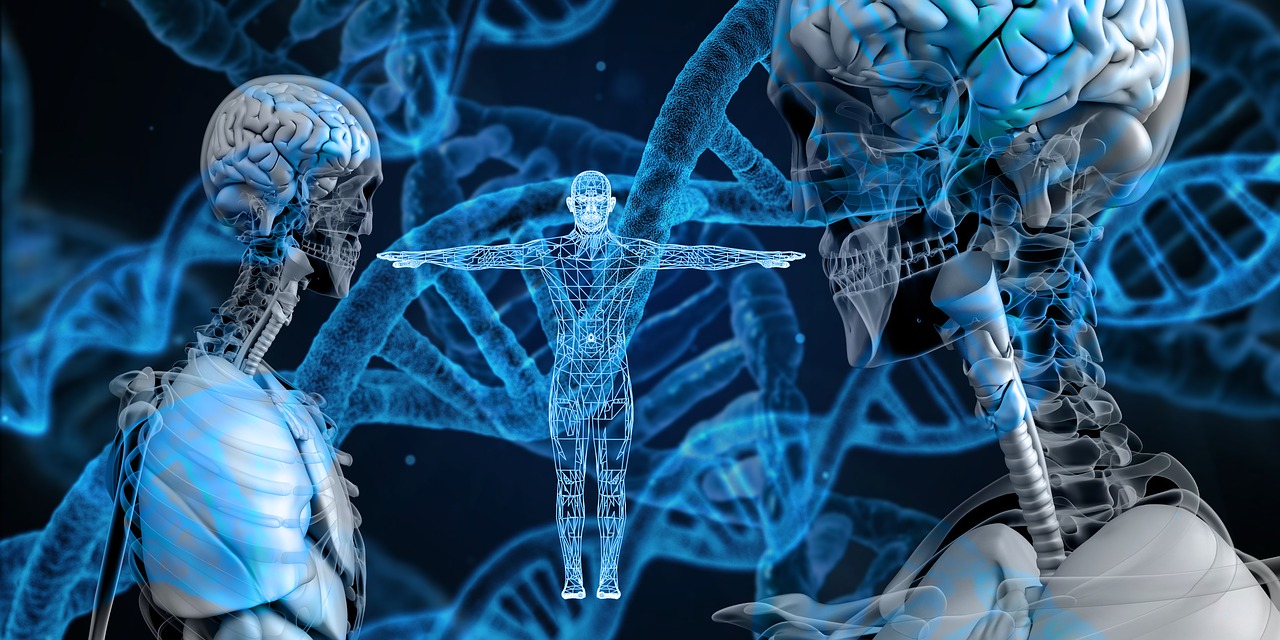
Grandma’s DNA may be affecting you.
Photo courtesy of Pixabay.com

What happened to grandma is affecting your life today.

Not just grandma but great-grandma has an effect on your feelings, even if you never met them, or so we are told. The more we learn about genetics and environment the more complicated it all gets.

We used to think that genes were genes and experiences; well that was what happened to you.  There has been a lot of research on which causes what. Do genes cause addiction and mental illness or do experiences sometimes described as the environment?

We have started to think that genes and experiences are both factors, risk factors for developing an addiction or mental illness. A risk factor does not mean you get the disorder, but it increases your susceptibility. We thought that genes and experiences were separate things.

What if grandma’s experiences became part of her genes?

For a long time, we thought that was not possible, now there is evidence that this may be what has and is happening.

Genes were seen as the blueprint for the way your body and your nervous system would develop. There might be variations, pigmentation for instance; one color was dominant and the other recessive so you get one-half of your genetic material from each parent. Two dominant genes or one dominant and one recessive and you still look like you have the dominant color. Two recessives and you win the different color prize. (In Humans most colors, eyes, hair etc. are the result of multiple genes so it is also more complicated than just dominant and recessive.)

We know environment can affect genes. No matter what your genes say if your grandmother grew up in a time of famine her growth was stunted. We see this in recent immigrants here in the U. S. Grandma is short but her children get more food both before and after birth and they are taller.

So after two or three generations, this family should all be reaching full height. Why then does succeeding generations keep getting taller?

Could grandma’s experience of living through starvation also alter her genes so that for a number of generations her children grow up shorter? Eventually, as time progresses that gene could change back to the full stature that was a potential in the genes but eventually that should stop.

That may not be what is happening genetically.

We were looking at genes as if they were blueprints. Not enough lumber and the house gets built smaller but the blueprints still call for a full-size house. Bringing in more lumber and the next house should match the blueprint. But what if that lack of lumber resulted in a change in the blueprint?

A new field of research, one name for this is Epigenetics, looks at how the way a gene gets expressed, the house is built, in my example, based on the experiences of the parents.

Epigenetics tells us that genes are not constant. They can turn on and off.  So that gene for black hair, that shuts off at some point and the gene begins to produce gray or even white hair. Same person, same genetics, but different hair color.

Research in mice, this is just  beginning to be replicated in human studies, found that in addition to genes and DNA there are other chemicals that can hook onto the gene and then when that gene gets reproduced the add-on gets copied also.

One of these add-ons is a methyl group. So if grandma was traumatized, raped or lived through a violent war. Her DNA could have picked up some extra molecules that shut off those outgoing genes. The result would be that as a result of grandma’s experiences your DNA is changed.

Remember that methyl stuck on is not adding to or changing your DNA, it is preventing some of that DNA from expressing itself. Depending on which part of your DNA it is stuck to, this could be a good thing or a bad thing.

Say your great-grandmother dies when your grandmother was very young. Great-grandfather tried but he was just not able to be affectionate the way great-grandmother would have been. The result is grandma had trouble feeling affection towards your mother.  You mother with a non-affectionate mother would find it hard to show a lot of affection to you.

Some women report that they have difficulty feeling love or nurturing towards their children. Yes they could have learned this but even when they were adopted by a loving adoptive mom these women may as a result of their extra methyl group hooked onto their DNA find it hard to nurture their children.

Now if this concept holds up through more research this may explain how ancestor’s experiences have altered the way our DNA develops and the resulting impact on our mental and emotional health.

My takeaway from this is that while this may explain some things about why we are the way we are this also means that if we learn new things if we have positive experiences our children and grandchildren can be affected by their genes in a very different way. This suggests to me that we need to spend a lot more time on treatment for depressed or anxious children before they have children of their own if we want to have an impact on mental health.

There is a lot of research going on now on mutations in genes. There are a lot more mutations going on than previously thought. But even if a particular mutation increases the risk of a mental illness, what if some early life experiences could counteract that gene and produce a different emotional result?

Let’s hope that it will be possible to help more people as time goes along. For more on this subject check out the article in Discovery Magazine for May 13, 2013, titled “Grandmas Experiences Leave a Mark on Your Genes. 

Staying connected with David Joel Miller

Seven David Joel Miller Books are available now!

My newest book is now available. It was my opportunity to try on a new genre. I’ve been working on this book for several years, but now seem like the right time to publish it.

Story Bureau.

Story Bureau is a thrilling Dystopian Post-Apocalyptic adventure in the Surviving the Apocalypse series.

Baldwin struggles to survive life in a post-apocalyptic world where the government controls everything.

As society collapses and his family gets plunged into poverty, Baldwin takes a job in the capital city, working for a government agency called the Story Bureau. He discovers the Story Bureau is not a benign news outlet but a sinister government plot to manipulate society.

Bumps on the Road of Life. Whether you struggle with anxiety, depression, low motivation, or addiction, you can recover. Bumps on the Road of Life is the story of how people get off track and how to get your life out of the ditch.

Dark Family Secrets: Doris wants to get her life back, but small-town prejudice could shatter her dreams.

Casino Robbery Arthur Mitchell escapes the trauma of watching his girlfriend die. But the killers know he’s a witness and want him dead.

Planned Accidents  The second Arthur Mitchell and Plutus mystery.

Letters from the Dead: The third in the Arthur Mitchell mystery series.

What would you do if you found a letter to a detective describing a crime and you knew the writer and detective were dead, and you could be next?

Sasquatch. Three things about us, you should know. One, we have seen the past. Two, we’re trapped there. Three, I don’t know if we’ll ever get back to our own time.

For these and my upcoming books; please visit my Author Page – David Joel Miller

Want the latest blog posts as they publish? Subscribe to this blog.

For videos, see: Counselorssoapbox YouTube Video Channel