
When does recovery start?

By David Joel Miller, MS, Licensed Therapist & Licensed Counselor.

Ball recovery

Recovery and Resiliency.
Photo courtesy of Pixabay.com

When will your recovery start?

If we believe in recovery – and I do – we need to ask, when does recovery start? How does someone know that they have begun the process of recovery?

Recognizing what is wrong.

The starting point for recovery is to admit that there is something wrong.

As long as someone continues to pretend that there is nothing wrong nothing changes. I know the old conventional wisdom was to just suck things up and keep going to work doing your tasks, keep trying to control your drinking, and so on.

The result of this effort to deny the problems resulted in a whole lot of unhappy people who kept up pretenses but never felt happy, never was able to do all they should do, until that final breakdown occurred.

The nervous breakdown, the DUI, or the arrest was not the problem. The problem was that there has been an underlying emotional or substance use problem that has gone untreated because people believe that denying you have a disease keeps you from having it.

This happens a lot in the medical field. Lots of people avoid tests for cancer or HIV because they do not want to have the disease. As if not knowing would prevent you from getting it. The result of failing to acknowledge an illness is not avoiding that disease.

Not admitting your problem allows it to get worse.

You need to recognize that something is wrong before you reach a point of not being able to avoid it. Untreated problems may even reach the point of being fatal.

Yes, depression untreated can be fatal. So can alcoholism, and addiction.

Many recovered people report that they began their journey to recovery the day they admitted they had a problem.

If you have been chronically depressed or anxious, you know you have had to make a lot of excuses to get out of things that you were unable to do and still not have to tell people about your emotional problem. You know that relapse is a risk.

Making excuses gets in the way of real recovery.

The alcoholic who tries to stop drinking will often, in the beginning, make excuses for why they are not drinking. They have a headache, they need to get up early tomorrow or they just are not in the mood to drink tonight. Others around them will continue to offer to buy them a drink; they want them to join in the “fun.” Many times those friends are alcoholics also so they do not want someone else admitting a drinking problem as that might imply they have one too.

The depressed person misses a lot of activates because they have no energy to participate. The need to make excuses also. But eventually, those excuses wear thin. People begin to think you are avoiding them rather than understanding that there are days when your emotional condition makes it impossible for you to engage in activities that you used to do.

You can suffer for years trying to pretend you do not have a problem. What you may find is that once you recognize what the problem is, the treatment can be remarkably simple, simple but not easy.

You may be trying to avoid other issues.

Many times these things we call emotional illness are really the symptoms of something else we have been unable to cope with. If you hate your job or have relationship problems and drink to cope, you may think the problem is the alcohol. If you keep drinking to avoid other emotional problems, eventually that alcohol will become a problem also.

Sooner or later you need to face not only the depression or the addiction but also the bad relationships you have with your job or your close family and friends. Avoiding these problems of living causes emotional illnesses.

Once you admit to yourself and others the nature of your problem and become ready to take a good look at how you got this way, you may find that recovery is a whole lot easier than continuing to have the disease.

Staying connected with David Joel Miller

Seven David Joel Miller Books are available now!

My newest book is now available. It was my opportunity to try on a new genre. I’ve been working on this book for several years, but now seem like the right time to publish it.

Story Bureau.

Story Bureau is a thrilling Dystopian Post-Apocalyptic adventure in the Surviving the Apocalypse series.

Baldwin struggles to survive life in a post-apocalyptic world where the government controls everything.

As society collapses and his family gets plunged into poverty, Baldwin takes a job in the capital city, working for a government agency called the Story Bureau. He discovers the Story Bureau is not a benign news outlet but a sinister government plot to manipulate society.

Bumps on the Road of Life. Whether you struggle with anxiety, depression, low motivation, or addiction, you can recover. Bumps on the Road of Life is the story of how people get off track and how to get your life out of the ditch.

Dark Family Secrets: Doris wants to get her life back, but small-town prejudice could shatter her dreams.

Casino Robbery Arthur Mitchell escapes the trauma of watching his girlfriend die. But the killers know he’s a witness and want him dead.

Planned Accidents  The second Arthur Mitchell and Plutus mystery.

Letters from the Dead: The third in the Arthur Mitchell mystery series.

What would you do if you found a letter to a detective describing a crime and you knew the writer and detective were dead, and you could be next?

Sasquatch. Three things about us, you should know. One, we have seen the past. Two, we’re trapped there. Three, I don’t know if we’ll ever get back to our own time.

For these and my upcoming books; please visit my Author Page – David Joel Miller

Want the latest blog posts as they publish? Subscribe to this blog.

For videos, see: Counselorssoapbox YouTube Video Channel

Is relapse a part of recovery?

By David Joel Miller, MS, Licensed Therapist & Licensed Counselor.

Relapse

Relapse.
Photo courtesy of Pixabay.com

Is relapse a necessary part of recovery?

You will hear this a lot if you hang around treatment facilities, even self-help groups. I suppose it comes from seeing people relapse and feeling helpless to prevent those relapses. But is relapse really a necessary part of recovery?

Mostly this is applied to substance abuse, drugs, and alcohol, but more and more we are seeing that other emotional, mental, and behavioral challenges can follow the same processes. People get unhealthy; they may get sick and then they recover.

Do symptoms have to get worse before they get better?

Every time one of my colleagues says that relapse is a part of recovery I cringe. It feels like saying that heart attacks are a part of treating heart disease. I do not believe that good treatment should accept any negative outcome as a part of the recovery process.

Relapse is common, but it is not universal. Some people, more than you might think, recover, and never relapse.  A surprisingly large number of people report that they were able to quit drugs, get over their depression and anxiety, and stay quit and recovered.

So how do they do recover without relapse?

We need to talk about several things. What is recovery, what is relapse, and how do people go about changing?

Emotional challenges and substance use problems are a lot like chronic physical disorders. If you have had a stroke there has been some damage done. If you have been diagnosed with diabetes you will never be “cured.” Some changes will always remain as a result of your experience.

While you will never be “cured” you can, and most people do, recover from that disorder. The same thing happens to those people who have had an emotional or substance use disorder. They can and do recover but they are never fully cured. There is a risk that if they are not careful they may slip back into an active stage of their problem but if they are vigilant about their recovery they do not need to keep getting sick again and returning to their provider to, again and again, be treated and recover over and over.

These ideas about substance use problems and mental health problems are both included in the The Big Book of Alcoholics Anonymous. Bill W. wrote about the issues that those with Bipolar Disorder will face that may make their recovery more difficult than that experienced by people who do not have an underlying mental health disorder.

Bill W also wrote that in the early days of those who came to the program and stuck (meaning actually continued to attend and participate in the program) 50% quit drinking forever. That does not sound to me like he believed that relapse needed to be a part of recovery.

He went on to report that of the remaining half about 25 % had to quit a few times to get it right but those people did eventuality stop for good.

What about that last 25%? The big book reports that while some people never did manage to stay stopped those people, while attending A.A. were much improved. I take that to mean that while the treatment for a mental or emotional problem may not fully effect a cure, reducing your symptoms is a way to reduce the harm that a mental, emotional, or substance use problem creates.

These days we are applying the stages of change model to both mental health and substance use disorders. Take a look at some of the books on how people change such as Changing for good.

Changing for Good: A Revolutionary Six-Stage Program for Overcoming Bad Habits and Moving Your Life Positively Forward

I have written posts in the past on this model and how it can help you change and stay changed.

In this model, we see that people need to recognize they have a problem, gather information, get ready to change, and then go through the process of making real meaningful changes in their lives. In this model, we see that maintenance, those things you need to do to stay changed once you have made a change, those maintenance steps are the key to preventing relapses.

Relapse is a failure to maintain recovery.

Relapse is not a part of recovery, but the result of failing to continue doing the things that helped you get better in the first place. Whatever you did to get your emotional problem or substance use issue in remission in the first place, those actions need to continue to be a part of your life if you want to insure yourself against relapse.

If you do relapse, do not beat yourself up. Get back into recovery and practice the things you need to stay well. Just know that repeated relapses do not need to be a part of recovery if you practice your maintenance program.

Staying connected with David Joel Miller

Seven David Joel Miller Books are available now!

My newest book is now available. It was my opportunity to try on a new genre. I’ve been working on this book for several years, but now seem like the right time to publish it.

Story Bureau.

Story Bureau is a thrilling Dystopian Post-Apocalyptic adventure in the Surviving the Apocalypse series.

Baldwin struggles to survive life in a post-apocalyptic world where the government controls everything.

As society collapses and his family gets plunged into poverty, Baldwin takes a job in the capital city, working for a government agency called the Story Bureau. He discovers the Story Bureau is not a benign news outlet but a sinister government plot to manipulate society.

Bumps on the Road of Life. Whether you struggle with anxiety, depression, low motivation, or addiction, you can recover. Bumps on the Road of Life is the story of how people get off track and how to get your life out of the ditch.

Dark Family Secrets: Doris wants to get her life back, but small-town prejudice could shatter her dreams.

Casino Robbery Arthur Mitchell escapes the trauma of watching his girlfriend die. But the killers know he’s a witness and want him dead.

Planned Accidents  The second Arthur Mitchell and Plutus mystery.

Letters from the Dead: The third in the Arthur Mitchell mystery series.

What would you do if you found a letter to a detective describing a crime and you knew the writer and detective were dead, and you could be next?

Sasquatch. Three things about us, you should know. One, we have seen the past. Two, we’re trapped there. Three, I don’t know if we’ll ever get back to our own time.

For these and my upcoming books; please visit my Author Page – David Joel Miller

Want the latest blog posts as they publish? Subscribe to this blog.

For videos, see: Counselorssoapbox YouTube Video Channel

Your other relationships are affecting your love life.

By David Joel Miller, MS, Licensed Therapist & Licensed Counselor.

Couple drinking

Couple’s relationship with alcohol.
Photo courtesy of Pixabay

That other relationship of yours.

Every one of us has other relationships that can at times interfere with our primary partner relationship. Now some of you already jumped to the conclusion that this has to do with affairs or cheating on your spouse. It is much worse than that.

We all have far more relationships during our lifetime than we recognize. Each of those relationships takes up time and space in our existence. Let these other relationships get out of whack and your primary, romantic relationship will suffer.

Family of origin relationships.

We all have families we grew up in. For some people, this is messier than for others. Even if you never knew your biological parents, you had foster parents, group homes or other relatives you stayed with.

We all take the lessons learned and the unresolved conflicts from those old relationships with us into the new ones. If you came from an unloving non-affirming family you may find it impossible to accept compliments. You may also settle for anyone out there who will love you. That puts you at risk to be victimized by someone who gives you a little love and then takes more than they gave.

If you were abused or neglected you can take that distrust along for the rest of your life. Scars from childhood influence our choice of relationship partners.

Relationships with Exes.

We have all kinds of Exes. Ex-bosses, ex-teachers, and ex-partners. Even if you are with your first love there are likely to be the ones you had a crush on who got away.

All those past relationships throw long shadows onto the current relationships. You are at risk to relate to the one you are with the way you learned to relate to others in your past. Make sure you are over those exes.

Balancing relations with children and partners.

Children are lifelong relationships. This is a special problem in blended families. How healthy your relationship is with your children and their other parent can seriously affect your new relationship. If you have not worked out your issues with your children and their other parent do so before it ruins the chances of a successful new relationship.

Work relationships impact home relationships.

Employers know that many of the problems their employees have on the job they brought to work with them. A fight with a spouse or children carries over into the workday. So do substance abuse problems and exes.

This connection between home and work problems works the other way also. If you are unhappy on the job it will make you stressed and tired when you go home.

Work on finding a job you love or on making the job you have more enjoyable. Sometimes just giving up the disappointment struggle and practicing radical acceptance is the best solution.

Substances or Interests.

Anyone who has lived with a substance abuser is likely to have felt like their partner was having an affair. I wrote a post a while back about how partners of substance abusers can get caught up in a Threesome.

We all create relationships with things as well as people. Some things we like, some things we hate. Some of those relationships are healthy and supportive others can become sick or dysfunctional.

If you have a relationship with a thing or a substance that has gone beyond a preference and is becoming a must-have, consider that your needy relationship with that substance or activity has probably already impacted your primary love relationship.

Partners of internet or porn addicts will tell you that they have lost their partner to an affair with imaginary pixels.

Spiritual and religious practices.

This issue runs the gamut. Some people have a rigid position on the “correct faith.” While they were fine with dating and falling in love with someone who did not believe as they did they feel the continued need to change and convert their partner.

At the other end of the spectrum are those people who have no particular religious or spiritual tradition and who wish their partner did not either. They try to make the partner chose between their faith and the relationship.

The solutions for all these other relationships? Begin by recognizing that you and your partner have other relationships in your lives. Work on learning to keep those other connections in their proper balance.

Some of you will have others, family, and friends who so intrude on your primary relationship you will need to distance yourself from that former relationship.

Good partner communication and a belief that whatever the challenges, your significant other is committed to this partner relationship will go a long way in keeping those other relationships from damaging your couple’s relationship.

Staying connected with David Joel Miller

Seven David Joel Miller Books are available now!

My newest book is now available. It was my opportunity to try on a new genre. I’ve been working on this book for several years, but now seem like the right time to publish it.

Story Bureau.

Story Bureau is a thrilling Dystopian Post-Apocalyptic adventure in the Surviving the Apocalypse series.

Baldwin struggles to survive life in a post-apocalyptic world where the government controls everything.

As society collapses and his family gets plunged into poverty, Baldwin takes a job in the capital city, working for a government agency called the Story Bureau. He discovers the Story Bureau is not a benign news outlet but a sinister government plot to manipulate society.

Bumps on the Road of Life. Whether you struggle with anxiety, depression, low motivation, or addiction, you can recover. Bumps on the Road of Life is the story of how people get off track and how to get your life out of the ditch.

Dark Family Secrets: Doris wants to get her life back, but small-town prejudice could shatter her dreams.

Casino Robbery Arthur Mitchell escapes the trauma of watching his girlfriend die. But the killers know he’s a witness and want him dead.

Planned Accidents  The second Arthur Mitchell and Plutus mystery.

Letters from the Dead: The third in the Arthur Mitchell mystery series.

What would you do if you found a letter to a detective describing a crime and you knew the writer and detective were dead, and you could be next?

Sasquatch. Three things about us, you should know. One, we have seen the past. Two, we’re trapped there. Three, I don’t know if we’ll ever get back to our own time.

For these and my upcoming books; please visit my Author Page – David Joel Miller

Want the latest blog posts as they publish? Subscribe to this blog.

For videos, see: Counselorssoapbox YouTube Video Channel

Why your diagnosis does not fit

By David Joel Miller, MS, Licensed Therapist & Licensed Counselor.

Medical record

Diagnosis.
Photo courtesy of Pixabay.com

Why do they keep changing my mental health diagnosis?

If you or someone you know has a mental health diagnosis you might be wondering why the information you get is so inconsistent. You read about your diagnoses somewhere and yes you have some of those symptoms some of the time but there may be other symptoms you do not think you have had ever.

Then you see another professional and they give you a new diagnosis. Keep getting treatment and the diagnosis may keep changing. What is wrong with this? Which of the things you have been told are your problem is the correct diagnosis and why? Are the other diagnoses wrong?

You can have more than one problem.

Could be several diagnoses are correct. You could have high blood pressure and still have diabetes. You may have Depression and Anxiety and still have Partner Relational Problems.

It could also be that none of the diagnoses are right on the money and that what you are being given is a “provisional” diagnosis. As more information comes in your diagnosis might get changed. I know this is frustrating for you, it bothers most professionals also, but the truth is that the correct diagnosis is not always that clear.

“Strict Criteria” leaves a lot of people out.

Mental health diagnoses, in practice, are a lot fuzzier than they look in the textbooks. When we read research reports these are based on “strict criteria.” This means that the research participants are fully screened by someone on the researcher’s team and then they, or their files, are often reviewed again. During this process lots of potential subjects are screened out.  Anyone who has ever had a substance use disorder is not included.

So if you have bipolar disorder and have abused alcohol – no research for or about you. The result of these screening out process is that we know a lot about people who have exactly one and only one issue but not so much about anyone who has two or more problems or whose symptoms do not exactly match the “strict criteria.” The problem with getting a correct diagnosis does not end with strict criteria.

Mental illness as a brain disorder.

Mental illness, as currently understood, includes most all thinking, feeling, and behaving disorders. This creates a conflict when we start talking about “brain disorders.”

You could be born with a brain problem that makes you at more risk for depression – but then being neglected, abused, or other sad life experiences could overload your system and result in depression. So the environment can change the brain. Learning can alter your mood and if you learned to be depressed you can unlearn it.

Life experiences can and do change the wiring in your brain.  As far as your brain is concerned every thought you have is an experience as the electrical impulses and the chemical messengers move through your brain.

Change your thinking and your feelings change. As your feelings change your behavior will change. New feelings, new behavior, and your diagnoses could change.

Changes in thinking are not the only way you can change your feelings.

This freeway in your brain and nervous system moves in both directions. Change your behavior and your feelings will start to change. As your feelings change your thinking will change.

You keep changing without trying.

As you add more years to your life experiences, I am avoiding saying that anyone is getting older, your brain undergoes changes. Some of this is the result of learning and the growth of nerve cells. Other parts of the changes include hormones, puberty, menopause, and so on.

Some mental illnesses are first seen at certain times in people’s life. Schizophrenia symptoms are a lot more likely to first start or become pronounced enough to be recognized during the teen years or early twenty’s.

Bipolar Disorders do not get diagnosed until after you have had your first recognizable manic or hypomanic episode. The result is that most people first get a diagnosis of some kind of depression, with or without irritable mood and behavior, and then, later on, they may get a diagnosis of Bipolar Disorder.

As we age our symptoms may change and the diagnosis will change. The underlying person is still the same person, just the life problems they are working on have shifted.

If you do not feel that your current diagnosis is accurate, do not stress. You could try another provider or you could just wait and that diagnosis may change all on its own.

Diagnoses, like off the rack clothing rarely fit perfectly. What you need is a good enough fit that it assists you in developing a program of recovery. Sometimes that recovery program is primarily about managing your symptoms so you can stay out of the hospitals or institution. For other people recovery involves seeing how far they can take their life.

Personally, I am a believer in recovery. I have seen so many people with serious mental illnesses recover that I find it hard to believe there is anyone who can’t have some recovery in their life.

Recovery means different things to different people. Focus on what you can do, what you can improve, and see where your recovery will take you. Don’t let that ill-fitting diagnoses deter you from making the recovery journey.

Staying connected with David Joel Miller

Seven David Joel Miller Books are available now!

My newest book is now available. It was my opportunity to try on a new genre. I’ve been working on this book for several years, but now seem like the right time to publish it.

Story Bureau.

Story Bureau is a thrilling Dystopian Post-Apocalyptic adventure in the Surviving the Apocalypse series.

Baldwin struggles to survive life in a post-apocalyptic world where the government controls everything.

As society collapses and his family gets plunged into poverty, Baldwin takes a job in the capital city, working for a government agency called the Story Bureau. He discovers the Story Bureau is not a benign news outlet but a sinister government plot to manipulate society.

Bumps on the Road of Life. Whether you struggle with anxiety, depression, low motivation, or addiction, you can recover. Bumps on the Road of Life is the story of how people get off track and how to get your life out of the ditch.

Dark Family Secrets: Doris wants to get her life back, but small-town prejudice could shatter her dreams.

Casino Robbery Arthur Mitchell escapes the trauma of watching his girlfriend die. But the killers know he’s a witness and want him dead.

Planned Accidents  The second Arthur Mitchell and Plutus mystery.

Letters from the Dead: The third in the Arthur Mitchell mystery series.

What would you do if you found a letter to a detective describing a crime and you knew the writer and detective were dead, and you could be next?

Sasquatch. Three things about us, you should know. One, we have seen the past. Two, we’re trapped there. Three, I don’t know if we’ll ever get back to our own time.

For these and my upcoming books; please visit my Author Page – David Joel Miller

Want the latest blog posts as they publish? Subscribe to this blog.

For videos, see: Counselorssoapbox YouTube Video Channel

Driving the recovery bus – the role of self-motivation in recovery

By David Joel Miller, MS, Licensed Therapist & Licensed Counselor.

Bus

Driving the recovery Bus.
Photo courtesy of Pixabay.com

Why you need to take charge of your recovery.

Have you ever considered who is in charge of your recovery? Someone needs to take charge and if not you then who? This recovery may be from mental illness, substance abuse, or most any other problem in life.

People go into recovery from the 28-day program (now often 30 days) to the long-term commitment without ever think about who will be guiding their recovery process. Yes, there are professions that work in these places but they can only do so much. As a professional, I can give you directions but to really arrive at the destination you want to reach you need to get upfront and take the wheel.

In recovery, we get out of programs what we put into them.

Recovery or treatment programs have their place. One reason that programs work is that they can break the cycle of drinking, drug use, and abuse or other self-destructive behavior. It is hard to get clean in a place where everyone is still active in their addiction.

This process can hold true for those with mental illness also. It is hard to get your life under control when you live in the midst of chaos. When you are struggling daily with your issues it is hard to look at the big picture and see what needs to change for you to find recovery.

If these programs, and sometimes the stays in the psych hospital, however brief, can be so very helpful in getting the journey of recovery underway, why does the situation revert to the old struggles so soon after you leave the safe walls of the program or hospital?

One reason that recovery does not “stick” is a misunderstanding of what recovery is and where it lives. Do not make the mistake of thinking that recovery lives in the white walls of safe places. You do not need to keep returning to that place where you first started your recovery journey in order to stay on track.

Recovery is a journey, a process, not a place. Once your recovery is launched you need to keep on doing the work. This is where so many people get in trouble. They expect the place, the counselors, therapists, and staff to change them, and then they will never have that issue again.

Change comes from the inside, not the out. Yes, knowledgeable people, professional staff, can give you lots of help and information in the beginning stages of your recovery, but to continue to recovery you need to take charge and drive that recovery bus yourself.

You should know what your life looked like when it was saturated with problems and have a clear idea of what recovery looks like. Helpful people can assist you along the journey but eventually, you need to take hold of that wheel and steer your life in the direction of a recovered life however you see that recovery.

Are you driving your recovery bus or are you a passenger going wherever life takes you?

Staying connected with David Joel Miller

Seven David Joel Miller Books are available now!

My newest book is now available. It was my opportunity to try on a new genre. I’ve been working on this book for several years, but now seem like the right time to publish it.

Story Bureau.

Story Bureau is a thrilling Dystopian Post-Apocalyptic adventure in the Surviving the Apocalypse series.

Baldwin struggles to survive life in a post-apocalyptic world where the government controls everything.

As society collapses and his family gets plunged into poverty, Baldwin takes a job in the capital city, working for a government agency called the Story Bureau. He discovers the Story Bureau is not a benign news outlet but a sinister government plot to manipulate society.

Bumps on the Road of Life. Whether you struggle with anxiety, depression, low motivation, or addiction, you can recover. Bumps on the Road of Life is the story of how people get off track and how to get your life out of the ditch.

Dark Family Secrets: Doris wants to get her life back, but small-town prejudice could shatter her dreams.

Casino Robbery Arthur Mitchell escapes the trauma of watching his girlfriend die. But the killers know he’s a witness and want him dead.

Planned Accidents  The second Arthur Mitchell and Plutus mystery.

Letters from the Dead: The third in the Arthur Mitchell mystery series.

What would you do if you found a letter to a detective describing a crime and you knew the writer and detective were dead, and you could be next?

Sasquatch. Three things about us, you should know. One, we have seen the past. Two, we’re trapped there. Three, I don’t know if we’ll ever get back to our own time.

For these and my upcoming books; please visit my Author Page – David Joel Miller

Want the latest blog posts as they publish? Subscribe to this blog.

For videos, see: Counselorssoapbox YouTube Video Channel
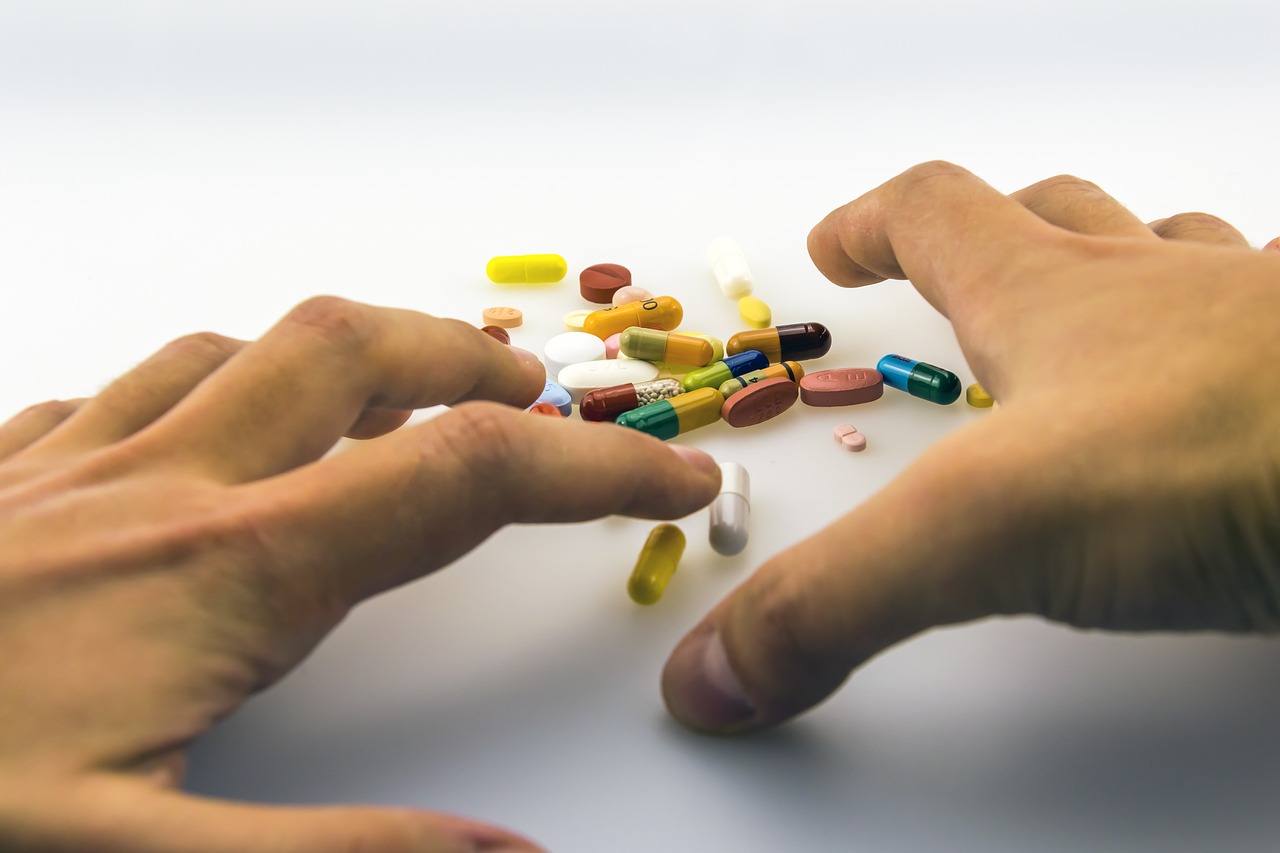
4 types of addiction

By David Joel Miller, MS, Licensed Therapist & Licensed Counselor.

Hands with pills

Addiction.
Photo courtesy of Pixabay

Not all addictions are created equal.

The word addiction and the whole concept of addiction have taken on a number of meanings. The result is that when we talk about addiction we are not all meaning the same thing.

As a counselor, I have come to see 4 different classes or patterns of addictions.

The meaning of the word addiction has changed so much it becomes difficult to know when to use the word addiction in one way and when it is being used in another.

My favorite dictionary, a real physical, book type dictionary, is the Century Dictionary from 1889. It defines addiction as “A state of being given up to some habit, practice or pursuit; addictedness; devotion. This definition explains why so very many different patterns of behavior have come to be called addictions.

Modern on-line dictionaries have inserted a first meaning of drug dependency and reduced the notion of devotion to something to a secondary position. Both meanings bring people to the counseling room.

Here are 4 primary types of addiction that may call for treatment or recovery.

Physical tissue dependency on a substance is an addiction.

Doctors might refer to this form of addiction as “Chemical Dependency.” We all know about addictions to chemicals which result in severe withdrawal symptoms when the user stops. The Heroin or opioid user gets violently physically ill when they are without their drug for a period of time. Alcoholics may experience the DTs if they are without a drink for a period of time.

Psychological dependence on a substance is addiction.

This manifests when the addict goes through a rehab, 28 or 30 days, and then, when they leave rehab, they return to drug or alcohol use. Clearly, this form of addiction is in the mind, not the body.

One reason we might develop this variety of addiction is the belief that we should be able to handle our alcohol or that we need substances to have a good time. The idea of heavy alcohol or drug uses is almost synonymous with the concept of a party and with having fun.

When people develop problems, DUI’s or similar issues, from drug use, they think it is their fault, that they should be able to handle their alcohol. We are mostly reluctant to admit that drugs, including alcohol, are inherently problematic.

By the way – it is quite possible to have fun, enjoy yourself – without resorting to drugs or alcohol. And this is one case where more is not better, more is a bad thing.

Process addictions, when doing takes control of the doer.

Some processes are psychologically rewarding and become so reinforcing that people find themselves unable to stop an activity or to regulate the time they spend on this behavior.

Slot machines and gambling are one activity that can form a process addiction. Video games, sexual activity, and shopping can all become repetitive patterns that a person can give themselves over to. The result is an addiction, a loss of control of your life, as a result of over participation in this activity.

Overeating may well be a form of process addiction. Other eating disorders anorexia or bulimia may fall into the psychological dependency category.

Lifestyles can become addictions.

The dope game or criminal behavior can also be addicting. Dope dealers get caught up in the game. The lifestyle provides large amounts of money, status, and recognition within a subgroup. The lifestyle also provides many other personal benefits. Every dope man knows there are plenty of customers willing to trade sex or other illegal activities for more dope.

The great fallacy of this game is that because you can make a lot of money in a short time it is very profitable. Careful studies have shown that many a young man thought he had it made; the cars, women, the bling, and the cash. But when we factor in the fines, the legal fees, and the time locked up and making nothing, it is not unusual for the dope man to make less than minimum wage. The catch is that he makes thousands in a weekend and then nothing for the years he spends in prison.

No doubt I have left out listing examples of other items that might fit these four categories. Have you experienced an over-dependence, a devotion to something that has affected your life? Have you been chemically or psychologically dependent on a substance or developed an excessive reliance on a process or a lifestyle?

If you have any of these issues help is available.

Staying connected with David Joel Miller

Seven David Joel Miller Books are available now!

My newest book is now available. It was my opportunity to try on a new genre. I’ve been working on this book for several years, but now seem like the right time to publish it.

Story Bureau.

Story Bureau is a thrilling Dystopian Post-Apocalyptic adventure in the Surviving the Apocalypse series.

Baldwin struggles to survive life in a post-apocalyptic world where the government controls everything.

As society collapses and his family gets plunged into poverty, Baldwin takes a job in the capital city, working for a government agency called the Story Bureau. He discovers the Story Bureau is not a benign news outlet but a sinister government plot to manipulate society.

Bumps on the Road of Life. Whether you struggle with anxiety, depression, low motivation, or addiction, you can recover. Bumps on the Road of Life is the story of how people get off track and how to get your life out of the ditch.

Dark Family Secrets: Doris wants to get her life back, but small-town prejudice could shatter her dreams.

Casino Robbery Arthur Mitchell escapes the trauma of watching his girlfriend die. But the killers know he’s a witness and want him dead.

Planned Accidents  The second Arthur Mitchell and Plutus mystery.

Letters from the Dead: The third in the Arthur Mitchell mystery series.

What would you do if you found a letter to a detective describing a crime and you knew the writer and detective were dead, and you could be next?

Sasquatch. Three things about us, you should know. One, we have seen the past. Two, we’re trapped there. Three, I don’t know if we’ll ever get back to our own time.

For these and my upcoming books; please visit my Author Page – David Joel Miller

Want the latest blog posts as they publish? Subscribe to this blog.

For videos, see: Counselorssoapbox YouTube Video Channel

Drugs and alcohol – top men’s issues

By David Joel Miller, MS, Licensed Therapist & Licensed Counselor.

Drugs and alcohol are top men’s issues.
Photo courtesy of Pixabay.com

Men’s Issues.

The use and misuse of substances, drugs, and alcohol, is the number one issue for most men who come to counseling.

Traditional counseling with its emphasis on feelings and learning to communicate has let a lot of men down. Even when we have talked about gender-specific counseling strategies, gender mostly meant women. Men got left out. That is beginning to change.

What brings men to counseling.

Most men do not come to counseling willingly. Usually, they are forced, by the legal system, by their spouses and partners, or because they are out of work and required to do something to get further assistance.

Furthermore when men get to the therapy room most often they experience a woman professional whose focus is on telling them that what they have learned about their role as a man is wrong and that to be mentally healthy they need to think and act more like a woman.

Men get the bulk of their counseling these days in prisons and drug rehabs.

Drugs and alcohol permeate men’s lives, their experiences of what it means to be a man, and the way in which drug and alcohol use has interacted with the other parts of their lives. Here are some reasons men develop poor relationships with drugs and alcohol.

Men often begin to use and abuse substances at an earlier age than women.

They are often introduced to substances by an older male family member or a close male friend. Women, you need time to catch up. Women commonly get shown how to use substances by a boyfriend.

This early use results in gaps in men’s learning. You don’t remember all the things you did, let alone the things that happened when you were drunk. Lots of men fail in school because they were just too stoned to pay attention in class.

If you don’t learn skills as a teen you may need to go back and learn them when you get out of prison.

Men learn and are taught “real men” consume large quantities of substances.

Sorry guys, there are no supermen or men of steel among us. Even professional athletes get hurt. Real men do feel pain. The fact that we guys do not go to treatment for physical or psychological traumas results in men living fewer years and dying younger than their women companions.

Early and heavy use of substances, alcohol is especially implicated here, result in more illegal activities and send many men to jail or prison.

No, just drinking alcohol does not make you commit a crime, but most men who go to jail were drunk or high when they did that crime. Remember that alcohol shuts off the part of the brain that tells you “Hey stupid, don’t do that!”

Still, the myth that real men drink a lot and then do amazing feats of strength persists.

The majority of people with co-occurring disorders are men.

Men try to keep up this facade of invincibility right up to the grave. Men with mental health problems do not go for treatment. Mostly they use drugs and alcohol to cope with their mental illness and then end up in jail or prison.

The textbooks say that mental illness is more common in women than men. I do not believe that. I think those books are wrong. Women get counted as mentally ill because they get referred to outpatient clinics for treatment and they get counted there.

Men end up in prison and their diagnosis? They get labeled anti-social and told the problem is they are criminals. The result they keep trying to get well without accessing treatment.

Men are the homeless.

See pictures of homeless women on T. V.? The truth is that 80% of the homeless are men, men with a mental illness and a substance abuse problem mostly.

No, the homeless do not choose to be homeless. That is the lie that those with good-paying jobs tell themselves so they do not have to worry about it happening to them.

Most homeless men have substance abuse problems. If you had to live like that you might abuse something to cope. They also have mental illnesses. They may not want to take jobs; they may be so demoralized they do not think they could work if they got one. But no, they do not like going to the bathroom outside or staying in the shade under the bridge all day in the over one hundred degree weather.

Most of the homeless would love to have a place to stay. They just do not see how they can get one.

The reason these men stay homeless? They keep wrestling with that bottle or pipe believing that they should be able to control that substance. They think the drug is their crutch, but it is their controller.

The reasons men start and continue to drink and use are different from women’s.

Women use substances for fun or because they have suffered a trauma and they want to forget. Men use and drink because they have to, are expected to. If you can’t drink a lot you might as well turn in your membership card in the man club right now. That’s what men were taught. This is not true.

There are real men, strong, effective, and successful men who do not drink and do not do drugs. This notion that real men can hold their liquor, that is a fable. Eventually, everyone’s liver gets old and your tolerance declines. The amount you used to be able to do with no problem now gets you in trouble. Most real men eventually give it up.

We need to wrap this one up. I have painted a very bleak picture here, addicted, alcoholic homeless men. These are not the only men with a substance abuse problem. Substance abuse is a major men’s problem, even when that man looks perfectly normal. Drug addiction and alcoholism is also a women’s problem, though it affects women differently. For a long time, we only had special programs for women substance abusers. We now see both genders need help with this problem, so do children.

Turns out that this pesky weed, substance abuse, is involved with almost every social problem we are willing to look at honestly.

Related articles

Staying connected with David Joel Miller

Seven David Joel Miller Books are available now!

My newest book is now available. It was my opportunity to try on a new genre. I’ve been working on this book for several years, but now seem like the right time to publish it.

Story Bureau.

Story Bureau is a thrilling Dystopian Post-Apocalyptic adventure in the Surviving the Apocalypse series.

Baldwin struggles to survive life in a post-apocalyptic world where the government controls everything.

As society collapses and his family gets plunged into poverty, Baldwin takes a job in the capital city, working for a government agency called the Story Bureau. He discovers the Story Bureau is not a benign news outlet but a sinister government plot to manipulate society.

Bumps on the Road of Life. Whether you struggle with anxiety, depression, low motivation, or addiction, you can recover. Bumps on the Road of Life is the story of how people get off track and how to get your life out of the ditch.

Dark Family Secrets: Doris wants to get her life back, but small-town prejudice could shatter her dreams.

Casino Robbery Arthur Mitchell escapes the trauma of watching his girlfriend die. But the killers know he’s a witness and want him dead.

Planned Accidents  The second Arthur Mitchell and Plutus mystery.

Letters from the Dead: The third in the Arthur Mitchell mystery series.

What would you do if you found a letter to a detective describing a crime and you knew the writer and detective were dead, and you could be next?

Sasquatch. Three things about us, you should know. One, we have seen the past. Two, we’re trapped there. Three, I don’t know if we’ll ever get back to our own time.

For these and my upcoming books; please visit my Author Page – David Joel Miller

Want the latest blog posts as they publish? Subscribe to this blog.

For videos, see: Counselorssoapbox YouTube Video Channel

Finding the recovery door

By David Joel Miller, MS, Licensed Therapist & Licensed Counselor.

Row of doors

Picking the right door.
Photo courtesy of Pixabay.com

Why this time recovery just might take.

“This program has really helped me, ” the client said. I had to wonder why. They had been in several programs before and none of them had worked. I thought of all the usual reasons.

We like to think that every client needs to be ready. The old way of thinking about that was to say that people need to “hit bottom.” The assumption here was that until things get really, really, bad you might not be willing to give up that familiar problem.

This hitting bottom idea is most often applied to people in substance abuse recovery but experience has taught me that the same process of looking for and finding recovery happens to those people who have a mental or emotional issue. Sometimes people have both.

One person’s bottom may be getting arrested for a DUI or being so anxious they miss work again and lose their job. For another person, their bottom may be a total loss of family, friends, and job. Some people find recovery when they are homeless, some not even then.

So when I see someone who has been through various programs I always wonder what will be different this time.

“I knew there was recovery out there” the client replied, “but every time I got to the recovery door I just didn’t go in.” I knew they weren’t talking about programs or even about the number of therapists they had seen. That list was in the file and there were plenty.

“What door?” I asked.

“The recovery door.” The client said again. I knew there was recovery behind that door but I was just afraid to open the door and go through it. That would mean changing my life and when I got there I was just afraid of what else might change so I never walked through and entered recovery.” They explained.

In recovery, it takes whatever it takes for someone to be ready to walk through that door. It doesn’t do any good to try to pull them through the door kicking and screaming. The best I can ever do is hold the door open and let them catch a glimpse of recovery. Maybe they will build up some desire for this thing called recovery, especially when they see others who look like them who have found recovery.

I have heard other ways of saying this. The metaphors may be different but the sentiment is the same.

People go to programs and they get a set of “tools” then they don’t take those tools out of the package and get them dirty. They don’t use the recovery tools to solve their problems.

We get close to that door to a new life and then out of fear of the unknown, we are afraid to take that last step and walk through the door into a new happy life.

Is there some life change you need to make to find your recovery? Do you need to reach out for help? Should you be attending a program or a self-help group?

What do you need to be walking away from and what should you be moving towards?

No matter how long it takes to get there are you finally ready to walk through the recovery door?

Here is wishing you a happy, recovered life.

David Joel Miller, LMFT, LPCC

Staying connected with David Joel Miller

Seven David Joel Miller Books are available now!

My newest book is now available. It was my opportunity to try on a new genre. I’ve been working on this book for several years, but now seem like the right time to publish it.

Story Bureau.

Story Bureau is a thrilling Dystopian Post-Apocalyptic adventure in the Surviving the Apocalypse series.

Baldwin struggles to survive life in a post-apocalyptic world where the government controls everything.

As society collapses and his family gets plunged into poverty, Baldwin takes a job in the capital city, working for a government agency called the Story Bureau. He discovers the Story Bureau is not a benign news outlet but a sinister government plot to manipulate society.

Bumps on the Road of Life. Whether you struggle with anxiety, depression, low motivation, or addiction, you can recover. Bumps on the Road of Life is the story of how people get off track and how to get your life out of the ditch.

Dark Family Secrets: Doris wants to get her life back, but small-town prejudice could shatter her dreams.

Casino Robbery Arthur Mitchell escapes the trauma of watching his girlfriend die. But the killers know he’s a witness and want him dead.

Planned Accidents  The second Arthur Mitchell and Plutus mystery.

Letters from the Dead: The third in the Arthur Mitchell mystery series.

What would you do if you found a letter to a detective describing a crime and you knew the writer and detective were dead, and you could be next?

Sasquatch. Three things about us, you should know. One, we have seen the past. Two, we’re trapped there. Three, I don’t know if we’ll ever get back to our own time.

For these and my upcoming books; please visit my Author Page – David Joel Miller

Want the latest blog posts as they publish? Subscribe to this blog.

For videos, see: Counselorssoapbox YouTube Video Channel

Addiction, substance use disorder or chemical dependency

By David Joel Miller, MS, Licensed Therapist & Licensed Counselor.

Drugs of addiction

Addiction.
Photo courtesy of Pixabay.com

What is the difference between addiction and chemical dependency?

A lot of different terms are applied to the usage of substances and problems that arise when people begin to experience difficulties with their use.

Various professions use different terminology to describe the same or similar problems and we don’t all use the same severity points to identify problems.

One way of understanding these differences is to think of substance use as being on a continuum. Let’s start with something most people are familiar with, alcohol use, and then add various drugs to the picture.

Alcohol use might range from no use to chronic daily drinking to the point of passing out. Fully 50% of the people in the U. S, who are old enough to drink, did not have a drink in the last 30 days. Clearly not everyone drinks and among those who do, not everyone has a problem.

Heavy Drinkers.

At the other end of the scale, the 10% heaviest drinkers consume 60% of all the alcohol drunk. The top 20% heaviest drinkers consume 80% of the alcohol sold in America. People at the high end of the drinking scale develop more and more serious alcohol use problems than those who consume less.

Among those who do drink, some people have one or two drinks on a special occasion such as a wedding or New Years’. People who drink at this level rarely have any problems. It is possible however to drink only once a year on New Year’s and end up drunk every time resulting in DUI’s or arrests.

The labels that will be attached to the person as their consumption of alcohol increases and problems begin to arise will vary with the profession and the reason the person is being given the label.

The person who has one drink and no ill effects would be considered by most of us an alcohol user but nothing more. The person who only drinks occasionally but when they drink has problems might be thought of as abusing alcohol.

The chemically dependent.

The medical profession often has special units which are called “Chemical Dependency units.” The people who reach these units have the most severe form of substance use disorder. They have reached the point of physical dependence on their drug of choice. Those who are chemically dependent on alcohol are at risk to die during withdrawal.

If someone has ever had a stroke, seizure, or experienced the D.T,s if there are any hallucinations occurring when the level of alcohol in this person’s bloodstream begins to drop, this person is at high medical risk and should be detoxed in a hospital or other medically managed facility. People can and do die from alcohol withdrawal.

People who are chemical dependent on other drugs may have severe physical withdrawal symptoms. The heroin or opioid user, for example, will have diarrhea, nausea, vomiting, shakes, and goosebumps. The withdrawals from opiates may feel like the person will die but deaths from opiate withdrawals are rarer than from alcohol. Overdose deaths are another issue.

Short of physical withdrawal is a form of substance use disorder that is called Substance Dependence. Clearly, not all cravings for a drug of choice are the result of physical withdrawal.

Someone goes through a 30-day treatment program, they have not used for over a month but the day they are discharged they use again. The craving is not a result of physical or chemical dependency but is a psychological need. Therapists would diagnose this as Substance Dependency. For the Therapist, this would include both physical and psychological dependency.

Alcoholism and addiction.

Twelve-step programs draw a different distinction. They would call this problem use of substances, addiction, or alcoholism. This addiction level of problem use may be reached even before psychological dependency has occurred. Addiction may begin at the point of wanting, craving, and thinking about the drug of choice even before the person has lost the ability to control usage. If you are struggling to control your usage then you have already reached a point of problem usage and probably would fit the description of an alcoholic or addict.

Substance abuse.

The lowest level of problem use would be referred to as substance abuse. This might be binge drinking, drinking more than planned or doing something dangerous after having consumed alcohol or another drug. The person who has a few too many drinks and then drives may be abusing alcohol but may not yet have developed alcoholism.

If this alcohol abuser can realize they have a problem and stop drinking to excess, they may be able to stop their progression to alcohol dependence, alcoholism, or chemical dependency.

Substance use disorder makes its debut.

The newer trend, now reflected in the DSM-5, is to avoid making fine distinctions between substance abuse, dependency, addiction, and chemical dependency and call all problem relationships with drugs including alcohol simply a substance use disorder.

Substance use disorder can come in mild, moderate, or severe forms.

Wherever the substance use disorder starts, it needs treatment long before it becomes an addiction or chemical dependency.

Whatever happens (It has happened with the DSM-5 and the new OCD-10 as of 10/1/15) with the DSM-5, expect the various professions and the recovery community to cling to their own special perspectives and their preferred terminology.

Did that explanation help with understanding the differences between Substance use, abuse, dependency, addiction, alcoholism, and chemical dependency?

Best wishes on your journey towards a happy life.

David Joel Miller, LMFT, LPCC

Staying connected with David Joel Miller

Seven David Joel Miller Books are available now!

My newest book is now available. It was my opportunity to try on a new genre. I’ve been working on this book for several years, but now seem like the right time to publish it.

Story Bureau.

Story Bureau is a thrilling Dystopian Post-Apocalyptic adventure in the Surviving the Apocalypse series.

Baldwin struggles to survive life in a post-apocalyptic world where the government controls everything.

As society collapses and his family gets plunged into poverty, Baldwin takes a job in the capital city, working for a government agency called the Story Bureau. He discovers the Story Bureau is not a benign news outlet but a sinister government plot to manipulate society.

Bumps on the Road of Life. Whether you struggle with anxiety, depression, low motivation, or addiction, you can recover. Bumps on the Road of Life is the story of how people get off track and how to get your life out of the ditch.

Dark Family Secrets: Doris wants to get her life back, but small-town prejudice could shatter her dreams.

Casino Robbery Arthur Mitchell escapes the trauma of watching his girlfriend die. But the killers know he’s a witness and want him dead.

Planned Accidents  The second Arthur Mitchell and Plutus mystery.

Letters from the Dead: The third in the Arthur Mitchell mystery series.

What would you do if you found a letter to a detective describing a crime and you knew the writer and detective were dead, and you could be next?

Sasquatch. Three things about us, you should know. One, we have seen the past. Two, we’re trapped there. Three, I don’t know if we’ll ever get back to our own time.

For these and my upcoming books; please visit my Author Page – David Joel Miller

Want the latest blog posts as they publish? Subscribe to this blog.

For videos, see: Counselorssoapbox YouTube Video Channel

Bipolar Disorder or Borderline Personality Disorder?

By David Joel Miller, MS, Licensed Therapist & Licensed Counselor.

personality disorder

Bipolar or borderline personality disorder?
Photo courtesy of Pixabay.com

Bipolar Disorder or Borderline?

There are several differences between these two disorders. But it is important to remember that it is possible for someone to have both problems which greatly confuses the issue.

The largest differences between the two are sleep and time. Ego strength and character structure also play roles in this choice of diagnoses. I have exaggerated the differences to make the distinction clearer.

Sleep matters.

To be Bipolar you must have had a Manic or Hypomanic episode. The key characteristic of those episodes is long periods (time) of above-average energy and decreased need for sleep.

In hypomania, the person may be able to get by on a few hours of sleep, 3 or 4, and they feel fine. In full-out mania, they may even go all night without sleeping and still be just fine. At least they think they are fine. Others around them may notice they are irritable from lack of sleep but they think they are just fine.

Also in Bipolar when they are up they feel great, expansive. The same person may have episodes of depression and during those times they may sleep too much or too little but the telling point is that in the up times they will tell you they are on top of the world, full of energy, and can just do so much without needing to sleep like lesser people.

With those Bipolar manic episodes comes tons of energy. They like to go up in the attic and swing from the rafters. They might work all day then go to the casino and gamble all night only to go back to work the next day like nothing has happened.

Time.

People with Borderline have many moods within a day. The can be “touchy” easily set off and others may hurt their feeling without meaning too or even knowing why. People with Borderline Personality disorder are full of pain and rarely have a good day. They can be so bruised that a look or word can hurt them.

People with Bipolar have longer periods of up or manic feelings. When times are good for them they are really good. They may go weeks, months, or even years when they are on top of the world. But eventually, the crash comes and there will be long periods of time when they are depressed, possibly unable to get out of bed. Recurring episodes of depression is a common feature of Bipolar Disorder.

Ego strength.

Borderline Personality Disorder is pain based. Many borderlines were abused, neglected or deserted. They are needy in relationships but always distrustful that the person they are with will leave them.  Borderline may threaten to kill themselves if you leave them.

Bipolar people mostly don’t care what you think of them, at least not when they are manic. They know they are smarter than Einstein and better looking. They believe they can work miracles. This overvaluation of themselves and their abilities gets them in trouble a lot. The take excessive risks not because they want to hurt themselves like the borderline but because they really believe they will win.

Borderlines are anxious, Bipolar people could care less. Let this one leave and they will find another.

Sex.

People with Bipolar Disorder are often hypersexual. They can’t seem to get enough. This will lead to sexual indiscretions that ruin their established relationships. When manic they just can’t seem to stop themselves. When you’re manic the whole world looks good.

Borderlines are rarely secure in a relationship, fearful that if this partner leaves them, that confirms their fear, they don’t deserve a partner. They will stick with a partner, often an unworthy one, because they fear that if they were to break up they just could not take it.

Who loves their disease?

Someone with Bipolar disorder resembles a Vegas Gambler when they are on a winning streak they want to ride it forever. When the crash they hate themselves and can’t face the wreckage they have created. Bipolar people like being manic. They frequently quit taking their meds just so they can feel manic again. Mania is seductive like a new lover, but one who keeps treating you wrong. Still, you want to recapture that allure.

Borderlines are more like characters from a soap opera, bad stuff keeps happening to them and they wish the pain would end. They live in a world of pain and hurt. They wish they could find a way to get things to change. They are often angry and feel others don’t treat them right. Frequently they are correct. They have been mistreated by someone somewhere and they keep trying to find a way to make it right, to make the pain go away.

Do they ever not have symptoms? – Character structure.

Someone who has Bipolar disorder has a “Mood disorder.” They have specific times (Periods) when they have mania or Depression but at other times they have no mood symptoms. These times of apparent “normal” behavior may last for months or years and then something kicks off another episode of mania or depression.

Someone with Borderline Personality Disorder has a “Personality Disorder.” The presumption here is that they learned to be this way and are like this most of the time. They learned to protect themselves, store their anger, and release it in bursts and other survival techniques. The trouble is that the way they handle emotion makes them and those around them miserable.

The younger you were when you learned basic ways of being with others the harder it is to change. Most people with Borderline Personality Disorder continue to have some symptoms even after treatment, though with good care they can and do get much better.

Please check out my other posts on Bipolar disorder and Borderline personality disorder the list of categories is to the right.

Staying connected with David Joel Miller

Seven David Joel Miller Books are available now!

My newest book is now available. It was my opportunity to try on a new genre. I’ve been working on this book for several years, but now seem like the right time to publish it.

Story Bureau.

Story Bureau is a thrilling Dystopian Post-Apocalyptic adventure in the Surviving the Apocalypse series.

Baldwin struggles to survive life in a post-apocalyptic world where the government controls everything.

As society collapses and his family gets plunged into poverty, Baldwin takes a job in the capital city, working for a government agency called the Story Bureau. He discovers the Story Bureau is not a benign news outlet but a sinister government plot to manipulate society.

Bumps on the Road of Life. Whether you struggle with anxiety, depression, low motivation, or addiction, you can recover. Bumps on the Road of Life is the story of how people get off track and how to get your life out of the ditch.

Dark Family Secrets: Doris wants to get her life back, but small-town prejudice could shatter her dreams.

Casino Robbery Arthur Mitchell escapes the trauma of watching his girlfriend die. But the killers know he’s a witness and want him dead.

Planned Accidents  The second Arthur Mitchell and Plutus mystery.

Letters from the Dead: The third in the Arthur Mitchell mystery series.

What would you do if you found a letter to a detective describing a crime and you knew the writer and detective were dead, and you could be next?

Sasquatch. Three things about us, you should know. One, we have seen the past. Two, we’re trapped there. Three, I don’t know if we’ll ever get back to our own time.

For these and my upcoming books; please visit my Author Page – David Joel Miller

Want the latest blog posts as they publish? Subscribe to this blog.

For videos, see: Counselorssoapbox YouTube Video Channel