
Internet affairs.

By David Joel Miller, MS, Licensed Therapist & Licensed Counselor.

Are internet affairs real affairs?

Internet affairs?
Photo courtesy of Pixabay.com

The internet has changed the way we interact with others forever. Social Media, Blogs, and member sites have opened up new possibilities for connecting with others. It has also resulted in a whole new set of conflicts for couples. Internet created or maintained affairs are one such problem.

The way in which one partner in a relationship uses the internet has serious implications for a couple’s relationship. The mental health profession is still sorting out the effects of internet issues on relationships. One area that is particularly troublesome is how far is too far when it comes to interacting with members of the opposite sex.

Some of the internet affair questions being asked are:

When does talking to others online slide over into a virtual affair?

Is it really an affair if they never get together and exchange bodily fluids?

Does it matter if the person you are talking to is real?

Can you fall in love with an avatar or someone who never exists outside the internet?

The internet has altered the affair landscape and has created a whole new set of problems for couples and families.

In the past affairs required two people to meet in real-time and space.

The major places where affairs originated were between two people who were working together, people who met out at a bar, or things that might happen when a person was away from home for an extended time. So in the past either there was a high chance that the non-affair party would find out or might know the affair partner. Otherwise, the affair would be a brief occurrence while one party to a relationship was away from home.

The internet has made it easier for people to meet, and to continue interacting with each other. It has opened up the possibilities for affairs for those who were predisposed.

The internet has also blurred the line between what constitutes flirting and when has it crossed over into an affair.

In-person, people are often deceived every day. The deceptions are different in kind and in magnitude from, the deceptions that are occurring online.

While someone in the bar may represent themselves as single and really be married, the online deceiver can misrepresent their gender, age, appearance, and life story. People can and do fall “in love” with fictional characters that turn out to not be real people.

If you or your partner has had an internet affair, that does not need to spell an end to your relationship. What you need to do is to talk this out and find ways to be sure it has come to an end and that it is unlikely to happen again.

Marriage counseling can help mend a damaged relationship before it becomes permanently broken. Sometimes individual counseling is also useful in helping the affair partner to understand why they did what they did. It can also be useful to help the injured party cope with all that anger and hurt.

The virtual, internet affair, and the on-line hook-up that results in a real-world meet-up are not the only ways in which one person’s internet usage may damage their relationship. Last week we looked briefly at 5 ways in which internet usage might be damaging your relationship. You may want to check out that post also.

Has internet usage affected you and your relationship? Would you care to share that experience?

If you think that you could use some help with internet usage issues or affair behavior issues please contact me and we can talk about how counseling might help you get through this situation.

Staying connected with David Joel Miller

Seven David Joel Miller Books are available now!

My newest book is now available. It was my opportunity to try on a new genre. I’ve been working on this book for several years, but now seem like the right time to publish it.

Story Bureau.

Story Bureau is a thrilling Dystopian Post-Apocalyptic adventure in the Surviving the Apocalypse series.

Baldwin struggles to survive life in a post-apocalyptic world where the government controls everything.

As society collapses and his family gets plunged into poverty, Baldwin takes a job in the capital city, working for a government agency called the Story Bureau. He discovers the Story Bureau is not a benign news outlet but a sinister government plot to manipulate society.

Bumps on the Road of Life. Whether you struggle with anxiety, depression, low motivation, or addiction, you can recover. Bumps on the Road of Life is the story of how people get off track and how to get your life out of the ditch.

Dark Family Secrets: Doris wants to get her life back, but small-town prejudice could shatter her dreams.

Casino Robbery Arthur Mitchell escapes the trauma of watching his girlfriend die. But the killers know he’s a witness and want him dead.

Planned Accidents  The second Arthur Mitchell and Plutus mystery.

Letters from the Dead: The third in the Arthur Mitchell mystery series.

What would you do if you found a letter to a detective describing a crime and you knew the writer and detective were dead, and you could be next?

Sasquatch. Three things about us, you should know. One, we have seen the past. Two, we’re trapped there. Three, I don’t know if we’ll ever get back to our own time.

For these and my upcoming books; please visit my Author Page – David Joel Miller

Want the latest blog posts as they publish? Subscribe to this blog.

For videos, see: Counselorssoapbox YouTube Video Channel
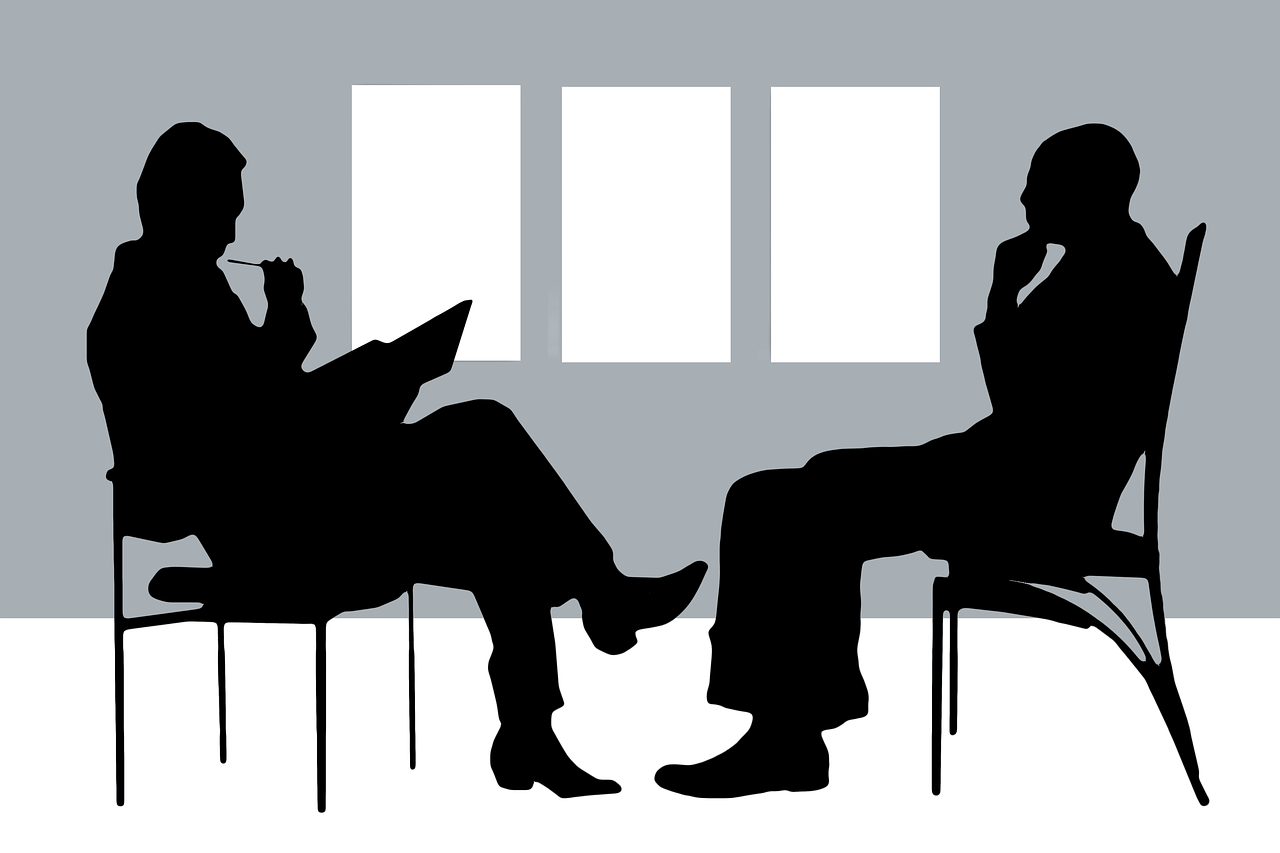
What is a Licensed Counselor?

By David Joel Miller, MS, Licensed Therapist & Licensed Counselor.

Therapist

Counselor. 
Photo courtesy of Pixabay.com

What is a Licensed Counselor?

I wrote this in response to a question from U. K. on how our mental health system works. It has since occurred to me that one major difference between the U. S. system and those in other countries is the funding source. When you have a national health care system most of the expenditures are paid for by the government so if you get on the list and can provide services or you work for the government you get paid. The government can have some amount of control over quality.

Here in the U. S. most service is paid for by the individual directly or indirectly through the purchase of insurance. No money or insurance and you may get no services. This requires the government to regulate who can open an office and then sell medical or psychological services.

We have a licensing system for most professions so that just anyone does not open up an office and then start doing surgeries that kill people before they get sued and have to stop. The point of licensing is to control entry into a profession and ensure some minimum level of consumer protection.

Here then is the somewhat edited version of my reply to her question about how we do things in the American Mental health system.

Thanks for the comment. Interesting question. It had not occurred to me that there might be such differences in the U.K. Now I am thinking that given the number of readers of counselorssoapbox.com from countries other than the U. S. I need to say more.

Most of this has to do with our legal and governmental system. Not being either a lawyer or a politician. (We do not have separate Barristers and Solicitors but combined most of what they do into one group – lawyers who are also called Attorneys, and sometimes counselors in the sense of legal counselors.)

This whole area is a bit complicated.

Regulation of professions is left to what we call states. Each of the 50 states may have their own law or some may not require a license to practice a particular profession. So in one of our states if you graduate from a school with a degree in counseling you may be able to open an office and charge people for counseling. In another, there may be strict regulations on the quality of your degree, your internship, and your experience under another professional before you can get a license. If a state has high standards other states may accept that license. People who come from states with no or low standards will find that if they move to a state with high standards their background may not allow them to practice that profession. For example, if you become a doctor in a third world country many U. S. states will require that person to do more work and take more tests before they can become a doctor in that state. The big states like New York and California generally have the highest standards.

(With the health care expansion this year the ability to bill federal programs may alter this thinking a bit.)

In California, we have 29 separate codes and the one of those that regulate counselors and other professionals is called the “Business and Professions Code (BPC.)”

In the BPC there are sections for each regulated profession. Contractors have a section, hairdressers, and so on. Doctors and nurses have their own sections also.

In the mental health field in California, we recognize a number of professions.

Psychiatrists are licensed as Medical Doctors.

Psychologists are licensed by the board of psychology

The Department of Health Care Services, Alcohol and Drug Programs licenses drug and alcohol programs but not drug counselors. So the programs have a set of standards on who they can hire.

The Board of Behavioral Sciences licenses Clinical Social Workers, Marriage and Family Therapists, and Professional Clinical Counselors.

Without a state-issued license, you may not practice a profession except in a few places specifically listed in the law as “exempt settings.”  (Schools can hire school counselors who do not have to be licensed.)

The goal of this procedure is to protect the public from people who do not have the training and skills doing work that might harm or cheat the client. This process also gives clients some redress for wrongs short of a suit in court.

The law sets out the specific things you need to do to be issued a license. And each profession has their separate list of the things they can do and the requirements to qualify to do those things.

For example:

A Professional Clinical Counselor would need to possess a Bachelor’s degree (4 years), in almost any subject, or take some remedial classes called prerequisites, to enter a master’s in counseling program. They would then need to complete and graduate from an accredited or approved Master’s program (5th and 6th-year college.)

After graduation, that person must register with the Board of Behavioral Science (BBS) who evaluated the education they have, and if it meets the board’s requirement the candidate receives an intern number.

From this point on the prospective counselor is required to be supervised by a licensed person until they receive their own license.

They must accumulate a total of 3,000 hours of supervised experience.  There are some complicated rules on what counts and what doesn’t count and how much supervision they need for each hour of client contact.

When they have accumulated those supervised hours, the applicant submits the paperwork to BBS and if this is approved they are eligible to test. In my own experience, I took first a long test on specific questions to show that I understood the process of doing therapy, the laws and the ethics, and so on. If you pass that first test you then return for a second test in which you are given stories (vignettes) and you apply your knowledge to answer questions about Howe you would work with these people.

If you pass both tests you are then sent an application for a license.

At each step of this process, you pay a fee for BBS to handle your paperwork.

Once you send in your approved application and pay the fee, if all has gone well you will be issued a license to practice Professional Clinical Counseling in California. You can then work for someone else or open your own office.

But it does not end there

Every two years you will need to complete a certain number of approved continuing education classes, and pay a fee to renew your license.

After the first two years of being licensed, you can take a class, and then you are eligible to begin supervising newly registered people.

So do things operate differently in the area in which you reside?

Staying connected with David Joel Miller

Seven David Joel Miller Books are available now!

My newest book is now available. It was my opportunity to try on a new genre. I’ve been working on this book for several years, but now seem like the right time to publish it.

Story Bureau.

Story Bureau is a thrilling Dystopian Post-Apocalyptic adventure in the Surviving the Apocalypse series.

Baldwin struggles to survive life in a post-apocalyptic world where the government controls everything.

As society collapses and his family gets plunged into poverty, Baldwin takes a job in the capital city, working for a government agency called the Story Bureau. He discovers the Story Bureau is not a benign news outlet but a sinister government plot to manipulate society.

Bumps on the Road of Life. Whether you struggle with anxiety, depression, low motivation, or addiction, you can recover. Bumps on the Road of Life is the story of how people get off track and how to get your life out of the ditch.

Dark Family Secrets: Doris wants to get her life back, but small-town prejudice could shatter her dreams.

Casino Robbery Arthur Mitchell escapes the trauma of watching his girlfriend die. But the killers know he’s a witness and want him dead.

Planned Accidents  The second Arthur Mitchell and Plutus mystery.

Letters from the Dead: The third in the Arthur Mitchell mystery series.

What would you do if you found a letter to a detective describing a crime and you knew the writer and detective were dead, and you could be next?

Sasquatch. Three things about us, you should know. One, we have seen the past. Two, we’re trapped there. Three, I don’t know if we’ll ever get back to our own time.

For these and my upcoming books; please visit my Author Page – David Joel Miller

Want the latest blog posts as they publish? Subscribe to this blog.

For videos, see: Counselorssoapbox YouTube Video Channel
Do counselors have to follow ethical codes?

By David Joel Miller, MS, Licensed Therapist & Licensed Counselor.

If a therapist does not belong to a professional group do they have to follow an ethics code?

There are a lot of rules about the relationships between a client and the treating professional. There are things that the professional can do, can’t do, has to do and is required to not do. Sometimes these rules get confusing for the professional as well as the client.

Recently a situation came up in which a professional was not a member of any professional organization, so the client left that visit with the impression that this professional did not need to follow any ethics code. This report of a problem left me thinking we need to talk about some of these codes of ethics and why a professional would need to follow them and what happens if they do not belong to any organization.

Turns out there may well be a time when a mental health professional needs to follow the standards of a code of ethics even if they chose to not belong to the professional organization. More on that later in this post.

To be a mental health professional you need a license in the jurisdiction in which you intend to practice your trade. Joining a professional organization does not allow you to practice this profession. So while all professionals are encouraged to join a professional group some choose not to be members.

Here in the United States of America, the various states license the various mental health professions. Not all states license the same professions. There can be states that allow a particular profession to practice even if they do not issue a license to that profession. For example “Life Coaches” are not licensed anywhere I know. They can do all sorts of coaching on how to have a better life. What a Life coach should not do is treat a person for a mental illness if the state in which they are practicing requires that license.

This situation of when and how to follow a code of ethics is made more complicated by the multiplicity of professions and professional licenses. There are Licensed Social Workers (LCSW’s and ASW’s), Licensed Professional Clinical Counselors (LPCC’s and PCCI’s), Licensed Marriage and Family Therapists (LMFT, MFT, and MFT interns.)

Here in California, we make it even more complicated with 9 or so different registries for Registered or Certified Substance Abuse or Drug and Alcohol Counselors, each of which presumably has their own code of ethics. Here is the code of ethics for CAADE, the program in which I teach is CAADE accredited.

Recently all these registries came together to create a Uniform Code of Conduct” for California’s substance abuse counselors.

The code of ethics varies depending on your profession and the particular organization you belong to. So someone could belong to several organizations (I do), one organization or no organizations.

What if there are contradictions between the various codes of ethics? What if the professional decides to not join any group to avoid having to worry about ethical behavior? We have come up with some principles to handle those situations.

California was the last state to grant licenses to Professional Clinical Counselors. Most Licensed Professional Clinical Counselors (LPCC’s) belong to CALPCC. The exact name of the counseling professional and the specifics of what they do can vary from state to state. Many California Counselors may also be members of the American Counseling Association (ACA.) In this case, the problem was easily solved. CALPCC adopted the ACA code of ethics.  

California was the first state to licensed Marriage and Family Therapists (originally called Marriage, Family, and Child Counselors.) There are more MFT’s in California that the rest of the country combined. (LMFT, MFT, MFCC are all the same thing.)

The California Association for MFT’s (CAMFT), which has members from a bunch of other states and even some other countries, is larger, so I am told, than the American Association of Marriage and Family Therapists (AAMFT.) Both of these groups have their own codes of ethics.

The Social Workers, mostly belong to the National Association of Social Workers (NASW), which has its own code of ethics.

So now we can look at problems with which code to follow if you are members of more than one group, and what happens if the counselor tries to duck ethical behavior by not being a member of any association.

Let’s use an easy to understand example for this.

Can a counselor date and have sex with a client? If so how long do they have to wait to do the dating-sex thing?

For starters no behavioral health profession I know of thinks it is ok to have sex with a current client. That is taking advantage of a weak person and frankly sounds predatory.

The rule for substance abuse counselors is that they must wait 3 years after the client stops attending their PROGRAM (not just after no longer being their client) before they can date that former client.

Now, this substance abuse counselor decides to go on and become a professional counselor, and while in school they join a professional counseling association. The norm in these groups is that you have to wait 5 years before dating a former client.

Now say this same person decides to become a Licensed Social Worker. The rule for the NASW is the professional may NEVER get sexually involved with a former client.

So which waiting period does this person need to observe 3 years, 5 years, or never?

The rule is that you observe whichever code of ethics has a HIGHER ethical requirement. So, in this case, the answer to how long to wait would be forever.

Can this person get out of this bind by not being a member of the Social Workers Association?

Not really.

Most licensing laws require the professional to follow the customary ethics of the profession whether the professional is a member of that group or not. See if most other professionals think it is unethical then that behavior is probably illegal also.

Even if that behavior, dating or some other “dual relationship” is not outright illegal, should the professional get into that sexual relationship and then break up with that former client, they might get sued and in that case, code of ethics or not, the former client will probably win.

So the bottom line is that professionals should always adhere to the highest possible standard of ethical behavior whether they are members of a group or not.

Just not belong to a professional group does not allow you to do things the rest of the profession thinks are unethical.

Hope that helped explain this ethical issues problem. If you are not sure, you may need to contact the appropriate professional association and remember the client should be contacting an attorney or making a complaint to the appropriate licensing board if they think the professional harmed them.

Staying connected with David Joel Miller

Seven David Joel Miller Books are available now!

My newest book is now available. It was my opportunity to try on a new genre. I’ve been working on this book for several years, but now seem like the right time to publish it.

Story Bureau.

Story Bureau is a thrilling Dystopian Post-Apocalyptic adventure in the Surviving the Apocalypse series.

Baldwin struggles to survive life in a post-apocalyptic world where the government controls everything.

As society collapses and his family gets plunged into poverty, Baldwin takes a job in the capital city, working for a government agency called the Story Bureau. He discovers the Story Bureau is not a benign news outlet but a sinister government plot to manipulate society.

Bumps on the Road of Life. Whether you struggle with anxiety, depression, low motivation, or addiction, you can recover. Bumps on the Road of Life is the story of how people get off track and how to get your life out of the ditch.

Dark Family Secrets: Doris wants to get her life back, but small-town prejudice could shatter her dreams.

Casino Robbery Arthur Mitchell escapes the trauma of watching his girlfriend die. But the killers know he’s a witness and want him dead.

Planned Accidents  The second Arthur Mitchell and Plutus mystery.

Letters from the Dead: The third in the Arthur Mitchell mystery series.

What would you do if you found a letter to a detective describing a crime and you knew the writer and detective were dead, and you could be next?

Sasquatch. Three things about us, you should know. One, we have seen the past. Two, we’re trapped there. Three, I don’t know if we’ll ever get back to our own time.

For these and my upcoming books; please visit my Author Page – David Joel Miller

Want the latest blog posts as they publish? Subscribe to this blog.

For videos, see: Counselorssoapbox YouTube Video Channel

Internet Counseling?

By David Joel Miller, MS, Licensed Therapist & Licensed Counselor.

Computer

Internet.
Photo courtesy of Pixabay.com

Update – 2020.
This post was originally written in 2014. My how things have changed. The COVID pandemic has forced counselors, therapists, and educators to rethink the way we do things. In the beginning, there was a lot of resistance to working online. But when forced to do so each of these professions has developed new methods for working in a different way. Below is the post as originally written in 2014. In the near future, I will be publishing some new posts about the changes that have come about as a result of working online.

Can you get counseling or therapy while sitting at home?

There are still some big ifs, and’s, and but’s about internet or remote distance counseling. I can see some good points in favor of this approach. There is also some serious buyer beware issues.

The Internet is a new technology and so far most mental health professionals have been reluctant to adopt this one. There are some serious concerns on the part of licensing boards and professional associations about the ethics and the safety of this method.

The mental health profession has come a long way from the days when the client lay on the couch and the therapist sat behind them. In the old model, the client talked and the therapist listened. Sometimes the professional said a lot of “Um-hu’s” and “I see’s” and spent the rest of the time doodling on a pad and daydreaming. The belief was that the client if they talked long enough, might figure out the solution to why they were having this difficulty and what they should do.

This approach also presupposes that most of your problems are left over unfinished business from childhood.

Nowadays most counseling is a lot more active and focused than the old psychoanalytic model. We do more direct interventions and we have more responsibilities to keep the client and the public safe than ever before.

The preferred way to do internet counseling is via a program that lets both people see each other and talk in real-time. Emailing questions or comments is more like advice-giving. I try to answer readers’ questions on this blog in general ways but this is not therapy and is no substitute for actually sitting down and doing therapy.

Professionals who communicate with clients via emails and texts primarily use this to set appointments and confirm or change times not for doing therapy.

So is remote or internet counseling safe and is it good for the client, the professional, and the public?

Let’s look at some of the pros and cons.

Pros of distance counseling.

Internet counseling can bring help to those who live in remote areas, can’t get out of the house for physical or mental health reasons, and who just find it more convenient to seek therapy from home.

Studies suggest that distance counseling can be as effective as in-person therapy and it can be available at all sorts of times and places when a counselor might otherwise not be available.

Cons of distance counseling.

Much of what is communicated is non-verbal. From a distance, a counselor can miss those other body language messages. Some of what we do is point out the discrepancies between what the client is saying and what their body language tells us. Can’t do that if you can’t see them. Also, the tone of voice can be distorted or unrealistic over the distance.

In-person counselors work in the area you live in. That means that if they do something wrong you know who to complain to. Here in California, we are licensed by the California Board of Behavioral Sciences. That means we should be working with clients from California and only those from California unless we have a license from another state.

Where exactly does that person who is doing your internet counseling located? Do they have a license in your state, in another state, or anywhere for that matter?

What if you are feeling suicidal or if the client we are talking to is thinking about killing someone? If you are in an office we can make some calls and get you into a hospital or get you to a place that keeps you or the person that this client intends to kill safe?

What happens to the suicidal client if your therapist is on the internet from another country? What if they have little or no training and just decided online therapy was a way to make a lot of money?

Some state codes and some ethical guidelines require the professional who does over the internet counseling to meet with you at least once in a face to face session to make sure that they really know who you are and you can see and sign all the required forms.

If this internet counseling is arranged by a third-party, doctor, nurse, or rural government agency, that first visit may need to be conducted at one of their offices.

Information sent over the internet can be a lot less secure than the confidential setting in a therapist’s office. Make sure you understand the steps that the professional is taking to make sure your sessions stay confidential.

Right now there is a problem with those calling themselves “coaches.”  In most places, there are no licenses required to become a coach. Some “life coaches” have taken a couple of hour class on the internet on how to make money being a coach. Others may have taken much longer trainings in how to be a good coach.

What very few coaches have done is taken the training needed to work with people who have a mental, emotional, or behavioral disorder.

Here are some rules for picking a professional if you decide to work with them over the internet.

1. Make sure the person you are working with is a mental health professional who is licensed in your state.

2. Try to find someone who lives in the same part of the state you live in so that if you need to go see them at some point you can.

3. Plan to visit the counselor’s office at least once to get to know this person and to be sure this is the one you want to work with.

4. Discuss privacy concerns, confidentiality, prices, and so on.

This field is new and like any new technology, the specifics seem to be constantly changing. I expect there will be plenty of changes to this practice as well. Hope that sheds some light on the use of the internet to conduct remote or distance therapy.

Have any of you used the internet in this way? How did this work out for you? I would especially be interested in hearing from any professionals that are doing distance counseling.

Staying connected with David Joel Miller

Seven David Joel Miller Books are available now!

My newest book is now available. It was my opportunity to try on a new genre. I’ve been working on this book for several years, but now seem like the right time to publish it.

Story Bureau.

Story Bureau is a thrilling Dystopian Post-Apocalyptic adventure in the Surviving the Apocalypse series.

Baldwin struggles to survive life in a post-apocalyptic world where the government controls everything.

As society collapses and his family gets plunged into poverty, Baldwin takes a job in the capital city, working for a government agency called the Story Bureau. He discovers the Story Bureau is not a benign news outlet but a sinister government plot to manipulate society.

Bumps on the Road of Life. Whether you struggle with anxiety, depression, low motivation, or addiction, you can recover. Bumps on the Road of Life is the story of how people get off track and how to get your life out of the ditch.

Dark Family Secrets: Doris wants to get her life back, but small-town prejudice could shatter her dreams.

Casino Robbery Arthur Mitchell escapes the trauma of watching his girlfriend die. But the killers know he’s a witness and want him dead.

Planned Accidents  The second Arthur Mitchell and Plutus mystery.

Letters from the Dead: The third in the Arthur Mitchell mystery series.

What would you do if you found a letter to a detective describing a crime and you knew the writer and detective were dead, and you could be next?

Sasquatch. Three things about us, you should know. One, we have seen the past. Two, we’re trapped there. Three, I don’t know if we’ll ever get back to our own time.

For these and my upcoming books; please visit my Author Page – David Joel Miller

Want the latest blog posts as they publish? Subscribe to this blog.

For videos, see: Counselorssoapbox YouTube Video Channel

What is a Therapists Scope?

By David Joel Miller, MS, Licensed Therapist & Licensed Counselor.

Therapist

Therapist.
Photo courtesy of Pixabay.com

Therapists and Counselors need to remember what is in and what is out of their “scope.”

In school, every beginning counselor is taught to pay attention to scope issues. It is not something that we talk to clients about very often. Somehow, a while out of school, a lot of professionals forget about this issue. One reason it is so hard to keep clear is that there are in fact two different “scopes.” Recently a reader commented about their therapist mentioning something as being out of their scope. That comment suggested this post.

Counselors need to remember both their scope of practice and their scope of competency.

1. Scope of practice.

Scope of practice is defined by the law in your jurisdiction. If you get an MFT license you are allowed to do some things, a Licensed Professional Counselor does certain things, an LCSW has their set of allowable things, and so on.

This gets confusing sometimes. We professionals know for example who can do certain kinds of testing and who cannot. The clients do not usually know this and may come to a professional for something that their license does not allow.

In cases like that, we should always refer clients to someone who can help.

A social work license does not allow you to cut hair, or do tax returns, for example. The Therapist or social worker may have been trained as a beautician before becoming a social worker and they may have done tax returns to help pay the cost of going to school, still that Behavioral Science license does not allow them to do those things with their therapy clients.

If a person has two different licenses, say they are lawyers and they are therapists, there are all sorts of rules about what they have to do to keep those two professions separate so as not to confuse clients as to what they are allowed to do and not do.

Every group has a code of ethics and that may influence what a professional does or does not do, but scope of practice is largely a legal issue defined by the law that permitted the licensing of that profession in the first place.

In a future post, I want to tell you about codes of ethics, who have to follow them, and why.

In many places, coaches are not licensed. That means that those who call themselves life coaches do not need to have had any training to do coaching. What the life coach should not do is treat a recognized illness like Major Depressive Disorder. They can help you with say “motivation.” But if you have low motivation because of your depression that is outside their “scope of practice.” They would need to have a license as a counselor, therapist, or social worker to treat a mental illness.

2. Scope of Competency.

To become a licensed counselor, social worker, or therapist there are certain classes everyone needs to take. The typical program at the master’s level would include about 60-semester college units. Some programs might go up to 65 units, some programs include only 45 units. Most classes are 3 units so that means about 20 classes. If they take a few 1 or 2 unit classes they might get up to say, 25 classes.

The beginning mental health professional would get a class in how to diagnose and a couple of classes in how to treat mental and emotional problems but with over 400 recognized mental, emotional, and behavioral issues in the DSM-4 no one ever gets much training in working with specific issues in their program.

For example, a substance abuse counselor in a two-year (A.S,) program would take 36 college units in drug abuse counseling. Most licensed people LMFT’s, LPCC’s and LCSW’s will get one to three units in Substance abuse.

So if you only had a one-unit class in counseling the drug dependent, say that was a one-unit class one weekend, that person would not feel very competent in working with someone with a drug problem.

Many of us had at most a few minute’s discussion of eating disorders. Dissociative Identity Disorder and Body Dysmorphic Disorder probably were not talked about at all in a therapist’s formal training.

So while a person may be licensed as a particular mental health professional they may realize that they just do not know enough about the disorder that the client has to be able to work effectively with that client.

We call this lack of skill in a particular disorder or technique something outside the therapist’s “Scope of competency.”

Most mental health professionals will find they do more studying, read more books, and attend more trainings after graduation than they have done in their master’s level training programs. If you do not continue to study and learn, more and more things will turn up that are outside your scope of competency.

There are ways to expand your scope of competency. Get more education and training in a particular disorder or technique, work with a supervisor or consultant who is knowledgeable in the area, and do more supervised experience in that area. Some professionals do all that and over time grow their scope of competency. Others may decide that they will restrict their practice to the problems they feel competent in working on.

So if you have a relatively common problem, say depression or excess anxiety, most professional counselors can help you. But if you have a more difficult problem, substance use disorder, eating disorders or many of the trauma-related disorders you may need to seek out someone who understands and knows more about your issue.

Hope that explains the very basics of scope of practice and scope of competency.

Staying connected with David Joel Miller

Seven David Joel Miller Books are available now!

My newest book is now available. It was my opportunity to try on a new genre. I’ve been working on this book for several years, but now seem like the right time to publish it.

Story Bureau.

Story Bureau is a thrilling Dystopian Post-Apocalyptic adventure in the Surviving the Apocalypse series.

Baldwin struggles to survive life in a post-apocalyptic world where the government controls everything.

As society collapses and his family gets plunged into poverty, Baldwin takes a job in the capital city, working for a government agency called the Story Bureau. He discovers the Story Bureau is not a benign news outlet but a sinister government plot to manipulate society.

Bumps on the Road of Life. Whether you struggle with anxiety, depression, low motivation, or addiction, you can recover. Bumps on the Road of Life is the story of how people get off track and how to get your life out of the ditch.

Dark Family Secrets: Doris wants to get her life back, but small-town prejudice could shatter her dreams.

Casino Robbery Arthur Mitchell escapes the trauma of watching his girlfriend die. But the killers know he’s a witness and want him dead.

Planned Accidents  The second Arthur Mitchell and Plutus mystery.

Letters from the Dead: The third in the Arthur Mitchell mystery series.

What would you do if you found a letter to a detective describing a crime and you knew the writer and detective were dead, and you could be next?

Sasquatch. Three things about us, you should know. One, we have seen the past. Two, we’re trapped there. Three, I don’t know if we’ll ever get back to our own time.

For these and my upcoming books; please visit my Author Page – David Joel Miller

Want the latest blog posts as they publish? Subscribe to this blog.

For videos, see: Counselorssoapbox YouTube Video Channel
Are internet affairs real affairs?

By David Joel Miller, MS, Licensed Therapist & Licensed Counselor.

Computer

Internet.
Photo courtesy of Pixabay.com

Are internet affairs real affairs?

The article this post originally sent you to no longer exists. For more information on this and related topics please see:

Affairs

Seven David Joel Miller Books are available now!

My newest book is now available. It was my opportunity to try on a new genre. I’ve been working on this book for several years, but now seem like the right time to publish it.

Story Bureau.

Story Bureau is a thrilling Dystopian Post-Apocalyptic adventure in the Surviving the Apocalypse series.

Baldwin struggles to survive life in a post-apocalyptic world where the government controls everything.

As society collapses and his family gets plunged into poverty, Baldwin takes a job in the capital city, working for a government agency called the Story Bureau. He discovers the Story Bureau is not a benign news outlet but a sinister government plot to manipulate society.

Bumps on the Road of Life. Whether you struggle with anxiety, depression, low motivation, or addiction, you can recover. Bumps on the Road of Life is the story of how people get off track and how to get your life out of the ditch.

Dark Family Secrets: Doris wants to get her life back, but small-town prejudice could shatter her dreams.

Casino Robbery Arthur Mitchell escapes the trauma of watching his girlfriend die. But the killers know he’s a witness and want him dead.

Planned Accidents  The second Arthur Mitchell and Plutus mystery.

Letters from the Dead: The third in the Arthur Mitchell mystery series.

What would you do if you found a letter to a detective describing a crime and you knew the writer and detective were dead, and you could be next?

Sasquatch. Three things about us, you should know. One, we have seen the past. Two, we’re trapped there. Three, I don’t know if we’ll ever get back to our own time.

For these and my upcoming books; please visit my Author Page – David Joel Miller

Want the latest blog posts as they publish? Subscribe to this blog.

For videos, see: Counselorssoapbox YouTube Video Channel

Is your story a Fairytale or Nightmare?

By David Joel Miller, MS, Licensed Therapist & Licensed Counselor.

Castle in the sky

Fairytale world.
Photo courtesy of Pixabay.com

The stories you tell yourself come true.

We all tell ourselves stories. You may not think of them that way, you may have other names for them. You may think that what you are saying is just self-evident truths.  You are shy, clumsy stupid, and so on. You may say your family is cold or that you are all failures.

The things you tell yourself have a way of coming true. If you tell yourself often enough that you are stupid or that you can’t succeed you create that outcome.

Some people think of these stories as life scripts. If you tell yourself you are a loser, you will continue to lose to meet that requirement.

You tell yourself you are a certain kind of person and that means you will have a specific sort of life. You say you are unlucky and you avoid situations that involve risk. The result is that those great wins in life are always just out of reach.

Which kind of stories do you tell yourself?

If you tell yourself you can’t do something your brain will take that for an order and will prevent you from doing what you have forbidden yourself to do. Like that little engine if you tell yourself you can you will find it easier to get over the hill.

Many of you have pet stories you tell yourself. You tell yourself you are too stupid or too weak to do something and then you find you can’t do it which proves that you were right. The great surprise, for many of you, will come when you stop telling yourself that you are stupid and tell yourself that you can learn what you set out to do, and then that new story becomes true.

If you tell yourself that life is awful and that you can’t, then you won’t. If you can change that story and tell yourself that all things are possible, then more opportunities will open up.

Changing your life script story.

Some people have told themselves that they are addicts and so they need to use drugs. If you tell yourself that you are an alcoholic you will need to drink. But you can change that story. You can be an addict in recovery or an alcoholic in sobriety. You can tell yourself that you no longer need to do those things and if you tell yourself that you can live life without drugs or depression or anxiety, then that can become the new story, the new life script for you.

We all tell ourselves stories, who we are, what we can and can’t do. Make one mistake and you may tell yourself you are a failure. Forget something once and you may start telling yourself you are forgetful. The truth is that you do not forget everything and you can change that story.

The person who told you that story could easily be wrong.

Some of these life tales are stories that we were told as children. We hear that we are stupid and we repeat that story. If you heard these stories often enough you may have stopped recognizing that this is just a story, someone else’s story for your life.

If you have learned to tell those stories to yourself, you will find that you can change the endings. You can be and do so much more than you ever thought you could.

What is the new story, the new life script you are creating for the role you will play in your life?

Staying connected with David Joel Miller

Seven David Joel Miller Books are available now!

My newest book is now available. It was my opportunity to try on a new genre. I’ve been working on this book for several years, but now seem like the right time to publish it.

Story Bureau.

Story Bureau is a thrilling Dystopian Post-Apocalyptic adventure in the Surviving the Apocalypse series.

Baldwin struggles to survive life in a post-apocalyptic world where the government controls everything.

As society collapses and his family gets plunged into poverty, Baldwin takes a job in the capital city, working for a government agency called the Story Bureau. He discovers the Story Bureau is not a benign news outlet but a sinister government plot to manipulate society.

Bumps on the Road of Life. Whether you struggle with anxiety, depression, low motivation, or addiction, you can recover. Bumps on the Road of Life is the story of how people get off track and how to get your life out of the ditch.

Dark Family Secrets: Doris wants to get her life back, but small-town prejudice could shatter her dreams.

Casino Robbery Arthur Mitchell escapes the trauma of watching his girlfriend die. But the killers know he’s a witness and want him dead.

Planned Accidents  The second Arthur Mitchell and Plutus mystery.

Letters from the Dead: The third in the Arthur Mitchell mystery series.

What would you do if you found a letter to a detective describing a crime and you knew the writer and detective were dead, and you could be next?

Sasquatch. Three things about us, you should know. One, we have seen the past. Two, we’re trapped there. Three, I don’t know if we’ll ever get back to our own time.

For these and my upcoming books; please visit my Author Page – David Joel Miller

Want the latest blog posts as they publish? Subscribe to this blog.

For videos, see: Counselorssoapbox YouTube Video Channel

Are you the Passive Aggressive type?

By David Joel Miller, MS, Licensed Therapist & Licensed Counselor.

Couple fighting by not fighting

Passive-aggressive.
Photo courtesy of Pixabay.com

Who is the Passive-Aggressive?

There has been some discussion recently on the internet and elsewhere about people who are “Passive-Aggressive” how you deal with someone who is Passive-Aggressive and so forth.

What exactly is a “Passive-Aggressive Person” and how might this passive-aggressive personality be affecting you?

Turns out there are at least two somewhat different activities going by the name of Passive-Aggressive behavior.  On the subject of Passive-Aggressive Personality, psychology and mental health are not on the same page. There are not just separated and divorced on this one but living in different time zones.

Psychology has studied the way people may behave and do they have Passive characteristics or Aggressive characteristics. They used to think of these two as on opposite poles of the same axis.

Then it was suggested that some people combine both into a Passive-Aggressive style of dealing with conflicts. There were also some studies of whether these were stable traits, people did this all the time, or were these states, that the person might use a particular way of behaving in response to a specific situation and at one time but not another.

Mental health started looking at this as a potential mental illness, Passive-Aggressive Personality Disorder, which was causing problems in people’s social lives or in their work settings. The result of these two different perspectives is that the two fields came to differing views about Passive-Aggressive personality.

How did we get to a place where some professionals are writing about Passive-Aggressive people as if we all know what that is and why, while other groups have told us to drop the idea altogether?

Is a passive-aggressive person all bad or are there times when this is a useful way of behaving?

The idea that there are “Passive-Aggressive people” seems to have originated during World War Two when officers noticed, and then they complained, that they might give orders but the men just did not get around to doing what they were supposed to do. The result of this behavior was that the men got out of doing things and sometimes they communicated to a superior officer that they did not like that officer.

One example of this might be an officer who had the men dig a ditch one day and then had them fill it in the next. I suppose that the officer could argue that this is teaching discipline and is keeping the men active and fit, but the men soon caught on and found that there was no reason to put much effort into this ditch to nowhere.

This concept, of the person who is told to do something but then deliberately does it poorly or not at all, has also been applied to employees in the work setting. Some bosses like to think of themselves as generals or in other military terms. They talk about commanding their employees. You can make a good argument for the need of people in the military to carry out an order regardless of whether they agree with the order or not. It is harder to see why bosses give some orders that just make life harder for their employees and do not create any extra production.

The result of these irritating directives from management can be work slowdowns, stoppages, or people who just forget to do things. Sometimes it is hard to tell the difference. Some jobs take longer to do than planned. Sometimes people do forget. So the interpretation of “is this a Passive-Aggressive act” has to do with the motivations or intent of the employees, not with the resulting action or inaction.

This Passive-Aggressive idea was expanded to include children who did not do what adults asked. I still see this version in articles about our educational system. The student is told to move something but they drop and break it. Or they get the instructions wrong and go to the wrong place. Sometimes is as simple as them saying yes to doing something but then just sitting in their seat and doing nothing. The complaint by teachers is that the student may be saying yes but their actions are sabotaging the outcome.

One other place this is coming up, and here we are bordering on the mental health arena is in the field of marriage counseling.

One partner will refer to the other as passive-aggressive. Say the wife has a job interview the next day, she is busy getting ready and she asks the husband to stop at the grocery store on the way home.

He gets home late that night and reports he had a problem at work and “forgot” to stop at the store. This may lead to an argument and then either they eat leftovers or he goes to the local fast food for dinner. She is annoyed.

Next morning she goes to use the car for the job interview and finds that the gas tank is empty. She is now furious at him. Her conclusion is that he was late and left the gas tank empty to sabotage her efforts to get a job. Before long both partners may be “not doing” and “forgetting” to get their revenge on the other partner.

So from these examples, we can see why some people may do things that look Passive-Aggressive and that this can be really annoying if you are on the receiving end of this behavior.

This is also a hard thing to cope with because the person who is behaving in a Passive-Aggressive manner has all kinds of excuses for why they did not get things done or why they made a mistake.

Does that mean that someone who is acting in a Passive-Aggressive manner has a mental illness? Why do they do this and how can you get them to stop? And can Passive Aggressive behavior sometimes be a good thing, at least for the person who is using it?

Let’s take a look at all those issues in an upcoming post about the reasons people might adopt passive-aggressive behavior.

Staying connected with David Joel Miller

Seven David Joel Miller Books are available now!

My newest book is now available. It was my opportunity to try on a new genre. I’ve been working on this book for several years, but now seem like the right time to publish it.

Story Bureau.

Story Bureau is a thrilling Dystopian Post-Apocalyptic adventure in the Surviving the Apocalypse series.

Baldwin struggles to survive life in a post-apocalyptic world where the government controls everything.

As society collapses and his family gets plunged into poverty, Baldwin takes a job in the capital city, working for a government agency called the Story Bureau. He discovers the Story Bureau is not a benign news outlet but a sinister government plot to manipulate society.

Bumps on the Road of Life. Whether you struggle with anxiety, depression, low motivation, or addiction, you can recover. Bumps on the Road of Life is the story of how people get off track and how to get your life out of the ditch.

Dark Family Secrets: Doris wants to get her life back, but small-town prejudice could shatter her dreams.

Casino Robbery Arthur Mitchell escapes the trauma of watching his girlfriend die. But the killers know he’s a witness and want him dead.

Planned Accidents  The second Arthur Mitchell and Plutus mystery.

Letters from the Dead: The third in the Arthur Mitchell mystery series.

What would you do if you found a letter to a detective describing a crime and you knew the writer and detective were dead, and you could be next?

Sasquatch. Three things about us, you should know. One, we have seen the past. Two, we’re trapped there. Three, I don’t know if we’ll ever get back to our own time.

For these and my upcoming books; please visit my Author Page – David Joel Miller

Want the latest blog posts as they publish? Subscribe to this blog.

For videos, see: Counselorssoapbox YouTube Video Channel

4 reasons your self-improvement program will fail

By David Joel Miller, MS, Licensed Therapist & Licensed Counselor.

Changing your life

Time for a life change?
Photo courtesy of Pixabay.com

Self-improvement programs fail when you set wrong goals.

Another year, another bunch of resolutions, and by now most are headed for the same old failures. The reason most self-change programs fail – wrong, fuzzy, and poorly defined goals.

Most resolutions are made with little or no thought about where you are going and how you will get there. If this new you is not worth the trouble to plan, then it probably will not be worth the effort to take action, and next year, long about this time, you will be in the same place you are now.

What are the specific things you need to think about if you want your plan to succeed?

1. What is your goal?

Set the wrong goal and you end up at the wrong destination or you don’t get anywhere at all. Fuzzy goals lead you around in circles.

A common form of resolution this time of year goes something like:

I want to lose weight, exercise more, get in shape, and improve my health.

Some of these goals may conflict. One easy way to lose lots of weight is to get sick, physically, or mentally. Worry enough or get really depressed and you may stop eating. Good for weight loss but not for getting healthy.

Exercising more may result in that fat being converted to muscle. You will be healthier but may not lose any weight.

Improving your health may involve seeing a doctor, getting your flu shot, and a lot of preventative screening tests. Hard to do when you are starving yourself and running marathons. Severe calorie restriction and aggressive exercise may result in a hospital say, not really what you had in mind when you set your goals.

Second goal problems example.

You decide you want to be wealthier. For most people, this means wanting to be able to afford to buy the things that you or your family wants. So you work harder, take a second job, save some money and then you buy your kids that new video game console they wanted.

One problem – now you are broke again and you are working more hours than before. When most people say they wish they were wealthier what they really mean is they would like to be able to spend more. The wealthier goal self-destructs the closer you get to it.

To build real wealth you need to scale back your consumption and save. That is exactly the opposite of what most people mean when they say they want to be wealthier.

Getting really clear on your goals can improve your chances that this year’s resolutions have some chance of succeeding.

2. How big a priority is this goal?

Many people set goals that sound all nice but they are not really committed to getting there. If you would like to lose weight or get richer, as long as you do not have to actually work for that goal, there is little chance of you arriving there.

To make achieving a goal a reality it needs to be something that you want more than you want other things. Do you want that goal enough to give up time on the couch? Will you forego spending or eating something to reach that goal?

Just how committed are you to this thing and what difference will it really make in your life if you get there?

3. Is the goal consistent with your values?

You value time with family, especially those family get together dinners. That time with family is pretty inconsistent with working more, spending less, and improving your finances. Those entertaining times are also inconsistent with losing weight.

Despite these inconsistencies, lots of people will say they want things mostly because they would like the praise of others for getting to this goal even when that goal is in direct conflict with their personal values.

4. Can you see clear benefits in reaching this goal?

Some things are kind of nice to have but really getting them will not change much in your life. Unless you can picture yourself reaching this goal and visualize how your life will be better off for having made the sacrifices needed to get there, you are not likely to be motivated to do the work.

So consider now, as the first month of 2014 is well underway, what happened to those New Year’s resolutions? Did you get clear on what you wanted and how that is influenced by your values? Can you see this goal becoming a reality? And most of all is this change thing something you are doing for you or is it something you think you should do because of what others will think about you?

Are you one of the rare ones who decide to make a change and then does the work to get there? Maybe we will check back in about a year and see who has made a success of their change plans.

Staying connected with David Joel Miller

Seven David Joel Miller Books are available now!

My newest book is now available. It was my opportunity to try on a new genre. I’ve been working on this book for several years, but now seem like the right time to publish it.

Story Bureau.

Story Bureau is a thrilling Dystopian Post-Apocalyptic adventure in the Surviving the Apocalypse series.

Baldwin struggles to survive life in a post-apocalyptic world where the government controls everything.

As society collapses and his family gets plunged into poverty, Baldwin takes a job in the capital city, working for a government agency called the Story Bureau. He discovers the Story Bureau is not a benign news outlet but a sinister government plot to manipulate society.

Bumps on the Road of Life. Whether you struggle with anxiety, depression, low motivation, or addiction, you can recover. Bumps on the Road of Life is the story of how people get off track and how to get your life out of the ditch.

Dark Family Secrets: Doris wants to get her life back, but small-town prejudice could shatter her dreams.

Casino Robbery Arthur Mitchell escapes the trauma of watching his girlfriend die. But the killers know he’s a witness and want him dead.

Planned Accidents  The second Arthur Mitchell and Plutus mystery.

Letters from the Dead: The third in the Arthur Mitchell mystery series.

What would you do if you found a letter to a detective describing a crime and you knew the writer and detective were dead, and you could be next?

Sasquatch. Three things about us, you should know. One, we have seen the past. Two, we’re trapped there. Three, I don’t know if we’ll ever get back to our own time.

For these and my upcoming books; please visit my Author Page – David Joel Miller

Want the latest blog posts as they publish? Subscribe to this blog.

For videos, see: Counselorssoapbox YouTube Video Channel

Wrestling unruly feelings to the ground.

By David Joel Miller, MS, Licensed Therapist & Licensed Counselor.

Man with feelings

Managing feelings.
Photo courtesy of Pixabay.com

Getting misbehaving feelings under control is a three-step process.

It would be nice if you could keep these pesky feeling-gremlins out of your house and your life in the first place but somehow they keep getting in.

There are techniques for regulating which feeling you let into your place and which you choose to entertain. Those techniques for controlling access to your life are something that we teach and practice in doing Cognitive Behavioral Therapy. More on that later.

Not all negative or painful feelings need to be banished. Some feelings, sadness, anxiety, or loneliness are like distant relatives, fine in small doses, nice to see occasionally just to remind you who they are, but not someone you want moving in and living with you full-time.

But for now what if you discover that some unnecessary negative feeling has taken up residence in your life and you decide this is not cool with you. What do you do?

1. Find the feeling.

This can be a struggle at first. Unhealthy feelings can be like termites. You do not see them but all the while they are eating away at your mental health house.

We often are unaware of what feelings have moved in and taken over our lives until they have begun to be destructive.

Recognize that you are feeling something is the first step in getting these creatures to do our bidding.

Yes, feelings have their purpose. That pain in the neck feeling is telling you that this person is not a healthy relationship for you. Anxiety, that one is trying to keep you safe. If your anxiety tells you to duck when there is gunfire, then it is doing its job. If it tells you to stay home because leaving the house is too scary, tell that anxiety to take some time off.

Makes sure to check all around your body for those feelings. They may be hiding in the pit of your stomach or in your lower back. Not all of those aches and pains are real, physical pain. Some of those are pesky negative feelings that have moved in and are cramping up your nerve cells.

Get those feelings located and you may be able to get them to move to where they can do you some good.

2. Name that feeling.

Women seem to have a genetic advantage here. They have all kinds of feeling words. We men usually are only acquainted with three feelings by their first name. We are “good, bad, or pissed off.”

Learn the difference between excited and anxious. Get to recognize the difference between rage and it’s younger, smaller, sibling irritated.

Getting the right name on the feeling can help you get them to stay where they belong.

3. Apply your feeling control techniques.

There are whole books on how to control or make use of particular feelings. The one that gets the most press is the feeling of anger and its larger relative rage. Those two do a lot of damage.

Learn those ABC techniques for changing the way you interact with those feelings and you will find them better behaved. SAMHSA publishes a cool book on anger management available free from their website. Lots of programs use that book and others.

In CBT therapy we find that it is not always the feeling that is causing the problem. Your beliefs about why people are doing things may be generating lots of extra negative emotions.

Make sure you invite in lots of positive feelings. Having a huge gathering of happiness, acceptance, and patience makes those anger and anxiety feelings uncomfortable enough that they may leave. At least they will hole up in their room and not bother the rest of your feelings.

Are your feelings well-behaved, or do you need to do some work on emotional regulation, getting those feelings back to working for you instead of the other way around?

Staying connected with David Joel Miller

Seven David Joel Miller Books are available now!

My newest book is now available. It was my opportunity to try on a new genre. I’ve been working on this book for several years, but now seem like the right time to publish it.

Story Bureau.

Story Bureau is a thrilling Dystopian Post-Apocalyptic adventure in the Surviving the Apocalypse series.

Baldwin struggles to survive life in a post-apocalyptic world where the government controls everything.

As society collapses and his family gets plunged into poverty, Baldwin takes a job in the capital city, working for a government agency called the Story Bureau. He discovers the Story Bureau is not a benign news outlet but a sinister government plot to manipulate society.

Bumps on the Road of Life. Whether you struggle with anxiety, depression, low motivation, or addiction, you can recover. Bumps on the Road of Life is the story of how people get off track and how to get your life out of the ditch.

Dark Family Secrets: Doris wants to get her life back, but small-town prejudice could shatter her dreams.

Casino Robbery Arthur Mitchell escapes the trauma of watching his girlfriend die. But the killers know he’s a witness and want him dead.

Planned Accidents  The second Arthur Mitchell and Plutus mystery.

Letters from the Dead: The third in the Arthur Mitchell mystery series.

What would you do if you found a letter to a detective describing a crime and you knew the writer and detective were dead, and you could be next?

Sasquatch. Three things about us, you should know. One, we have seen the past. Two, we’re trapped there. Three, I don’t know if we’ll ever get back to our own time.

For these and my upcoming books; please visit my Author Page – David Joel Miller

Want the latest blog posts as they publish? Subscribe to this blog.

For videos, see: Counselorssoapbox YouTube Video Channel