
What is Alcohol and Drug tolerance?

By David Joel Miller, MS, Licensed Therapist & Licensed Counselor.
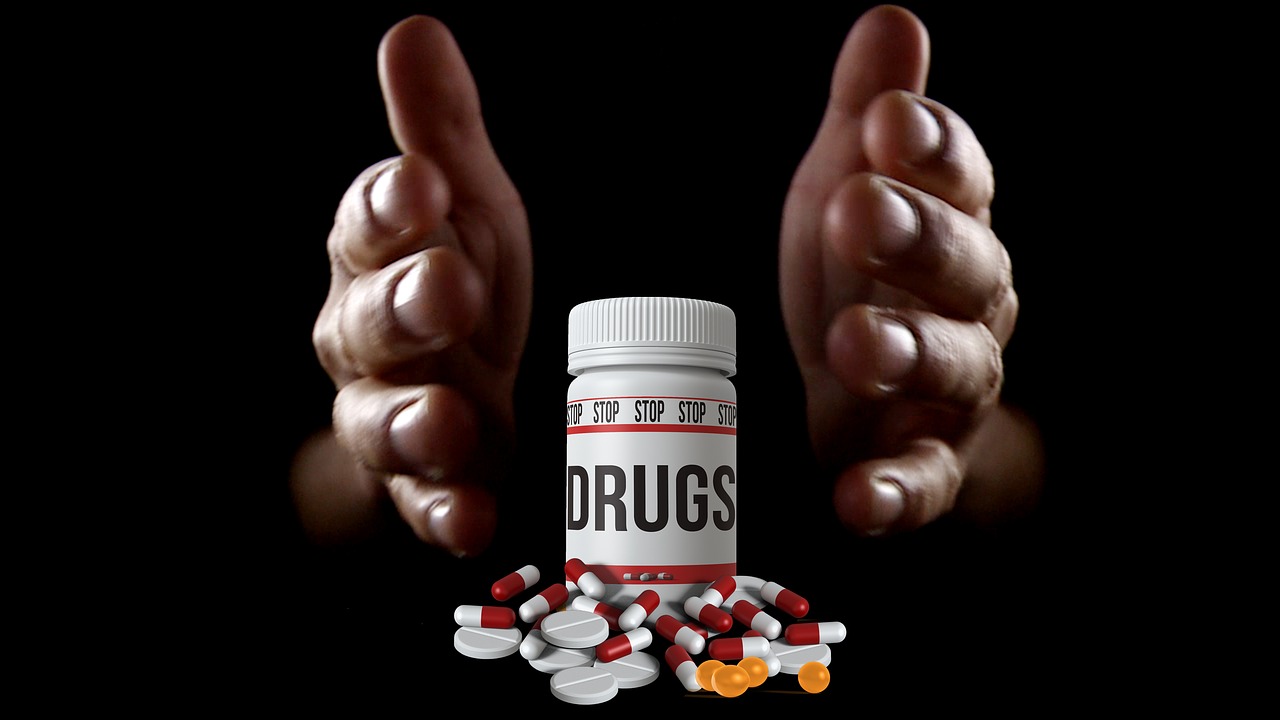
Drugs.

Drugs.
Photo courtesy of Pixabay.

When it comes to drugs and alcohol tolerance is not a good thing!

If your doctor, psychiatrist, or counselor has begun to talk with you about tolerance and your drug use this is a bad sign. The concept of tolerance when applied to drugs, and alcohol is a drug also, is a very different idea than when applied to civil rights.

Alcoholic tolerance does not mean that you are OK with a drunk sleeping on your lawn. It also does not mean that you are good with sleeping on other people’s lawns on the night you are too drunk to get home. Tolerance for the ill person is a commendable thing. Building up a tolerance to a drug of choice is not.

If your body develops a tolerance for the drug, that is a serious problem.

From here on we will use the definition of a drug as “anything that goes into your body and changes functioning or thought that is not food.” So yes Alcohol is a drug and so are prescribed medications whether you have the prescription or not. Remember also that this is written from a counselor’s perspective so if you have questions of a medical or legal nature ask your doctor or lawyer.

Alcoholic tolerance is about the ways in which your body and your mind become accustomed to the presence of alcohol or another drug of choice. As a result of having lots of this drug in your system, you begin to change from the inside out.

Tolerance along with Withdrawal are two of the hallmark, identifiable characteristics of addiction or alcoholism. Doctors might define this as chemical dependency but the concept is essentially the same.

Tolerance is that natural adaptive skill your body has to resist things in you that are not normally there.

So the first time you drink you will have a low tolerance. Once the liver has experienced the presence of alcohol it will ramp up and begin to produce more of the enzymes that break down the alcohol. Each successive time you drink you will need more alcohol to feel as drunk as last time. Over time you will develop a tolerance that means you can “hold your liquor” better and better.

This ability to “Hold your liquor” or other drug is not a good thing. It indicates that your body is already changing as a result of use.

As you develop higher tolerance you will feel less drunk or high than before resulting in a need or desire for more of the drug to get that same effect that you used to get.

For some drugs, this is described as “chasing the high” as users find that they can never recreate that first using experience. Over time you will need more and more drugs to get the same or similar effect and the same amount you used to use will produce less and less of an effect.

This does not mean that the danger from use is declining. Just the opposite.

I have worked with clients whose blood alcohol content (or level) was above .32 (read as point 32). Since .08 is legally drunk in this state, that person is drunk enough for four people.

They were talking and walking around just like any normal person, or close to it. How? Because this person practiced drinking on a daily basis. Does that mean that they were OK? Not a chance.

While they may be able to talk coherently and even walk a line close to the way a non-intoxicated person would, behind the wheel they would hit anything that was out there, on the road or not. In that condition a, person who is driving has been known to drive right into the tail lights of a parked car not recognizing that the car was not moving.

People in this state of high tolerance can and do die without ever realizing the risks.

Lots of heroin overdose deaths are a result of this tolerance phenomenon.

A person has a certain level of Heroin use, over time they need to increase the amount they use as their body builds tolerance. One day they get arrested. They are in jail for a while, say thirty days. Over that time the body resets. Their tolerance to their drug of choice goes down.

Now they get released from jail. When they get home they find that packet of drugs they had tucked away. They use exactly the same amount of the same drug as they were using the day before their arrest. They overdose and if medical attention is not fast enough they die.

Why did this happen? Because over the time in jail while they were not using their tolerance declined.

So if you stay off the drugs for a while then your tolerance will decline and you can start over using a small amount occasionally? Lots of alcoholics think this way. Give them a year of not drinking and they think they are cured and can safely drink again.

What we are told is that once the body increases its ability to neutralize that drug of choice that increased capacity may take a vacation but it is still there. An alcoholic who has not had a drink for 5 years can develop the same tolerance and use pattern they had before they quit in days rather than the years it took the first time.

Tolerance even after a long period of not using comes back fast and strong.

The moral here is that if you have begun to develop tolerance or have used long enough to have this result you will probably never return to safe use.

This tolerance effect explains why some prescribed medications need to be increased in dosage after a period of use. Sometimes doctors have to switch meds if you build up too much tolerance to one medication.

Not every drug results in tolerance at the same rate. Some drugs can be used for years and little or no tolerance develops. With other drugs, tolerance develops so rapidly that if you use the drug one day it will have no effect on you the next day. I won’t tell you which drug that is but those of you who use it know what I am talking about.

I should also point out that most street drugs, drugs of abuse, are much more likely to produce rapid tolerance and the resulting addiction than most prescribed medications but there are exceptions to that rule.

When in doubt about the physical signs and symptoms of tolerance consult your doctor. If you are having behavioral or emotional issues as a result of using to the point of tolerance then consider treatment or counseling.

This discussion about tolerance has focused on changes in physical tolerance. There are also characteristic mental and emotional changes that can occur as a result of drug use. For more on those mental health issues look under co-occurring disorders in the list of topics this blog covers.

David Joel Miller, LMFT, LPCC

Staying connected with David Joel Miller

Seven David Joel Miller Books are available now!

My newest book is now available. It was my opportunity to try on a new genre. I’ve been working on this book for several years, but now seem like the right time to publish it.

Story Bureau.

Story Bureau is a thrilling Dystopian Post-Apocalyptic adventure in the Surviving the Apocalypse series.

Baldwin struggles to survive life in a post-apocalyptic world where the government controls everything.

As society collapses and his family gets plunged into poverty, Baldwin takes a job in the capital city, working for a government agency called the Story Bureau. He discovers the Story Bureau is not a benign news outlet but a sinister government plot to manipulate society.

Bumps on the Road of Life. Whether you struggle with anxiety, depression, low motivation, or addiction, you can recover. Bumps on the Road of Life is the story of how people get off track and how to get your life out of the ditch.

Dark Family Secrets: Doris wants to get her life back, but small-town prejudice could shatter her dreams.

Casino Robbery Arthur Mitchell escapes the trauma of watching his girlfriend die. But the killers know he’s a witness and want him dead.

Planned Accidents  The second Arthur Mitchell and Plutus mystery.

Letters from the Dead: The third in the Arthur Mitchell mystery series.

What would you do if you found a letter to a detective describing a crime and you knew the writer and detective were dead, and you could be next?

Sasquatch. Three things about us, you should know. One, we have seen the past. Two, we’re trapped there. Three, I don’t know if we’ll ever get back to our own time.

For these and my upcoming books; please visit my Author Page – David Joel Miller

Want the latest blog posts as they publish? Subscribe to this blog.

For videos, see: Counselorssoapbox YouTube Video Channel

What sense of smell – odors – tells us about mental illness?

By David Joel Miller MS, Licensed Therapist & Licensed Counselor.

Sense of smell.
Photo courtesy of pixabay.

Is there a connection between the sense of smell and mental illness?

There is a body of research that tells us that there is a connection between the sense of smell, your ability to recognize and identify odors, and the chance you have or will develop a mental illness. There are also cases of olfactory hallucinations; smelling things that everyone else is sure is not there.

While this research suggests some connections, to me the articles I have read are short of conclusive.

An altered sense of smell has been linked to disorders as divergent as Schizophrenia, Bipolar disorder, autism, and eating and feeding disorders.

Smelling it does not mean you can identify the smell.

One thing we do know is that the ability to identify an odor is not the same thing as the ability to detect one. People are more likely to like a smell they can identify and unknown smells are more likely to be considered unpleasant. Memory and its connection to smells are important for many reasons.

Smells trigger memories.

This is significant because smells are powerful memory cures. People who have a poor ability to notice smells or to remember them are at a disadvantage in remembering things that might be associated with those smells.

Schizophrenia and odors.

The disorder most cited as having olfactory (odor or smell) impairment is Schizophrenia. More interesting yet is the repeated observation that males with schizophrenia are far more likely to have olfactory disruption than females (Nguyen et al, 2010.) These males with schizophrenia had disruption of odor identification, memory, odor detection abilities, and poor odor discrimination, the ability to tell one smell from another.

Females in these studies rather than not being able to recognize or identify smells were more likely to smell foul or unpleasant things that were in fact not detectable to others. The conclusion was that women have more olfactory hallucinations and men more loss of ability to smell.

Schizophrenia is characterized by negative symptoms, which are the loss of some abilities others have, as well as positive symptoms such as hallucinations. Someone with schizophrenia will likely have or experience social withdrawal, attention problems, difficulty making decisions, and perceptual problems.

People with schizophrenia also have high rates of olfactory identification problems, discrimination of smells, olfactory memory, and olfactory detection errors, principally in males. Poor olfactory discrimination is also found in close relatives of people who have been diagnosed with schizophrenia even when those relatives have not received the diagnosis themselves.

Olfactory identification problems do not appear to be found in people with Bipolar disorder, Major depressive disorder, other related psychosis, or anorexia nervosa.

Alzheimer’s, and Parkinson’s diseases and smells.

Olfactory hallucinations and discrimination deficits are seen in those with Alzheimer’s, and Parkinson’s diseases in addition to Schizophrenia.

One researcher reports that people with Bipolar Disorder have some olfactory impairment but that they are less bothered by unpleasant smells that those people who have Schizophrenia (Cummings et al., 2010.)

Autism and odors.

In Autism olfactory identification is reported as impaired. Individuals who had been diagnosed with Autism preferred Lemon and Orange smells, to lavender. They disliked most other strong smells. In Autism strong smells are linked to perceptions of taste and result in high rates of food refusal and selectivity (Hrdlicka et al., 2010.)

Olfactory hallucinations.

One condition of note is olfactory hallucinations. Some patients reported a foul-smelling order coming from themselves. This odor was not detected by staff. This olfactory hallucination is referred to as Reference Syndrome and was reported in patients with temporal lobe epilepsy. Other olfactory hallucinations have been reported in clients with substance-induced Psychotic Disorder, Hypomania with Alcohol dependence combined with hypomania (Luckhaus et al., 2003.)

There does not appear to be any connection between depression and olfactory dysfunction (Scinska et al., 2008.)

Migraines and odors.

Olfactory dysregulation has also been linked to people who have frequent migraines, with over 45% of people experiencing migraines reporting odors are triggers for those migraines. In migraine suffers, almost 25% had a fear of a particular odor, and an equal number reported taste abnormalities when having a migraine episode. MRI’s showed that women were eight times more likely to have brain activation from odors. This makes one wonder if many of the issues with odor detection, memory, and discrimination are more linked to gender than to a particular psychiatric diagnosis.

Other studies have reported significant episodes of visual hallucinations during migraine attacks and make the point that visual and auditory hallucinations are so pronounced and readily identifiable most people are not asked about and do not report either olfactory (smells) or gustatory (taste) hallucinations.

In people with schizophrenia, 75% reported auditory hallucinations, 37% reported somatic hallucinations while olfactory hallucinations were reported by 18% of the patients which is slightly more than the 14% who reported visual hallucinations. Despite being so common, few clients report olfactory hallucinations and clinicians are not generally looking for them.

While people with schizophrenia may experience hallucinations in all modalities, providers frequently stop asking about hallucinations after the first or second reported hallucinations.

Stress and hallucinations.

Researchers find that people who report being under “stress” are more likely to have experienced olfactory hallucinations and one study concludes that stress may lower the threshold for hallucinations of any type.

Because the major part of the olfactory sensing part of the brain is on one side of the brain researchers have suggested that there may be a difference in the way in which left-handed and right-handed people experience olfactory hallucinations.

While olfactory hallucinations are readily identifiable in people who have migraines they are less identifiable but more likely to be described as unpleasant in those with epilepsy.

While we still can’t use olfactory or gustatory hallucinations or dysfunction as makers for a particular mental illness, we know abnormalities in the sense of smell and taste may be factors in the development of a mental or emotional problem.

Have you experienced an alteration in your sense of smell or taste and no medical reason has been found? Care to share?

Staying connected with David Joel Miller

Seven David Joel Miller Books are available now!

My newest book is now available. It was my opportunity to try on a new genre. I’ve been working on this book for several years, but now seem like the right time to publish it.

Story Bureau.

Story Bureau is a thrilling Dystopian Post-Apocalyptic adventure in the Surviving the Apocalypse series.

Baldwin struggles to survive life in a post-apocalyptic world where the government controls everything.

As society collapses and his family gets plunged into poverty, Baldwin takes a job in the capital city, working for a government agency called the Story Bureau. He discovers the Story Bureau is not a benign news outlet but a sinister government plot to manipulate society.

Bumps on the Road of Life. Whether you struggle with anxiety, depression, low motivation, or addiction, you can recover. Bumps on the Road of Life is the story of how people get off track and how to get your life out of the ditch.

Dark Family Secrets: Doris wants to get her life back, but small-town prejudice could shatter her dreams.

Casino Robbery Arthur Mitchell escapes the trauma of watching his girlfriend die. But the killers know he’s a witness and want him dead.

Planned Accidents  The second Arthur Mitchell and Plutus mystery.

Letters from the Dead: The third in the Arthur Mitchell mystery series.

What would you do if you found a letter to a detective describing a crime and you knew the writer and detective were dead, and you could be next?

Sasquatch. Three things about us, you should know. One, we have seen the past. Two, we’re trapped there. Three, I don’t know if we’ll ever get back to our own time.

For these and my upcoming books; please visit my Author Page – David Joel Miller

Want the latest blog posts as they publish? Subscribe to this blog.

For videos, see: Counselorssoapbox YouTube Video Channel

Growing up mentally ill effects every part of your life

By David Joel Miller, MS, Licensed Therapist & Licensed Counselor.

Confused brain

Mental illness.
Photo courtesy of Pixabay.com

The high cost of growing up with a mental illness.

Lots of attention has been focused on how the severely mentally ill may be different from others. Very little attention seems to be paid to how the experience of having a mental or emotional problem in early life changes who that person becomes.

The prevailing myth is that childhood is a happy time; life problems and the resulting emotional distress come later, the cost of growing up. We would like to hold onto this Peter Pan fiction despite the fact that more than a few of us have our own memories of childhood emotional or mental difficulties.

Who we become as an adult is shaped by our experiences and what we learn about the nature of the world we live in. The life events of the mentally or emotionally challenged child are significantly different from those others undergo. These early emotional experiences create the adult they will become.

The challenge of growing up with a mental illness changes every aspect of your experience. Those life experiences contribute more to who the mentally ill child becomes that the particular emotional illness they have.

For the child with an emotional problem, all relationships are fundamentally altered. The cranky from birth child is hard to care for. Interactions with the caregiver depending on the extent of the child’s mental illness and the age at which the symptoms first develop. The problem child gets labeled and learns the role of Black sheep, the creator of the family’s dysfunction.

Peer relationships are likely to be distorted. The depressed or emotional child is more likely to be bullied and rejected by peers. They grow up alone, unaccepted, and victimized.

Their symptoms call down the wrath of teachers and adult authority figures. They are more likely to be judged by their symptoms than for themselves.

As difficult as the teen years are for the “typical” teen they are extra difficult for a teen who is struggling with mental illness. They may find it difficult to establish supportive friendships and have fewer resources to draw on to navigate the developmental tasks of growing up.

When and if they develop an intimate partner relationship that connection will be heavily influenced by the person’s mental illness. They are more likely to enter relationships with other mentally ill partners or to become the victims of partners who take advantage of their weaknesses. Being involved in relationships with other mentally ill people adds a double strain to the process of establishing healthy relationships.

They also have more difficulty staying in school and finishing their education. As a result, career options are more limited and the emotionally challenged youth is more likely to be unemployed or underemployed.

The mentality ill leave home and school to become a permanent member of an unnoticed minority. Regardless of their race or ethnicity, the emotionally challenged child grows up to be a victim of discrimination.

The mentally ill child is often scapegoated and blamed for the family’s problems. Some of them have grown up as the caregivers of mentally ill parents.

They come to question who they are when they are depressed, when they are manic or when they experience other symptoms.  The question becomes which part of their experience and their behavior is them and which is the result of their illness.

They often experience adults who view their symptoms as a matter of choice rather than illness and who tell them to just snap out of it and act normal. They wonder why others can cope with life and they find it such a challenge.

Growing up mentally ill can result in feelings of self-doubt and negative beliefs about the self. They come to think that they can’t do anything right. Not liking themselves is common.

Even when they enter the system they are likely to be viewed as incompetent rather than uneducated. They are likely to be assigned case managers who see their job as permanently managing these people who form a drain on society’s resources.

The professional that believes in recovery and a full and happy life for the mentally ill has long been the exception rather than the standard.

The cumulative impact of these experiences can easily lead to an adult mentally ill person who has come to accept that they are somehow defective and unwanted. They become marginalized unable to work, dependent on scanty government and family handouts and convinced by years of learned helplessness that they would not be able to succeed if given the chance.

We as a society create these angry depressed and isolated adult mentally ill by our unwillingness to recognize and help these youths who are struggling to overcome an emotional issue.

What is critically needed is more emphasis on early detection and treatment of mental and emotional challenges. We also need social service systems that believe in recovery rather than permanently marginalizing the mentally or emotionally ill.

David Miller, LMFT, LPCC

Staying connected with David Joel Miller

Seven David Joel Miller Books are available now!

My newest book is now available. It was my opportunity to try on a new genre. I’ve been working on this book for several years, but now seem like the right time to publish it.

Story Bureau.

Story Bureau is a thrilling Dystopian Post-Apocalyptic adventure in the Surviving the Apocalypse series.

Baldwin struggles to survive life in a post-apocalyptic world where the government controls everything.

As society collapses and his family gets plunged into poverty, Baldwin takes a job in the capital city, working for a government agency called the Story Bureau. He discovers the Story Bureau is not a benign news outlet but a sinister government plot to manipulate society.

Bumps on the Road of Life. Whether you struggle with anxiety, depression, low motivation, or addiction, you can recover. Bumps on the Road of Life is the story of how people get off track and how to get your life out of the ditch.

Dark Family Secrets: Doris wants to get her life back, but small-town prejudice could shatter her dreams.

Casino Robbery Arthur Mitchell escapes the trauma of watching his girlfriend die. But the killers know he’s a witness and want him dead.

Planned Accidents  The second Arthur Mitchell and Plutus mystery.

Letters from the Dead: The third in the Arthur Mitchell mystery series.

What would you do if you found a letter to a detective describing a crime and you knew the writer and detective were dead, and you could be next?

Sasquatch. Three things about us, you should know. One, we have seen the past. Two, we’re trapped there. Three, I don’t know if we’ll ever get back to our own time.

For these and my upcoming books; please visit my Author Page – David Joel Miller

Want the latest blog posts as they publish? Subscribe to this blog.

For videos, see: Counselorssoapbox YouTube Video Channel

4 Ethical Loopholes strangle therapists

By David Joel Miller, MS, Licensed Therapist & Licensed Counselor.

Ethical loopholes strangle.
Photo courtesy of Pixabay.com

4 Ethical Loopholes Strangle Therapists – Part 1.

Therapists who violate codes of ethics harm clients; they also may lose their licenses or ruin their carriers. Often these ethical breaches start with thinking that there might be sometimes when it is OK to make an exception to an ethical standard.

Not following ethical guidelines can harm clients. Making exceptions to ethical codes can be fatal flaws.

Therapists are taught codes of ethics in school. We take exams that include questions on laws and ethics or may even need to take a separate law and ethics exam. Every few years most of us have to take a refresher course in law and ethics. Still, people violate these guidelines. Why?

Somewhere down the line, some professionals start looking for loopholes, exceptions to those ethical requirements. When they do this, put their head through that ethical loophole, too often they can get strangled and lose their licenses or lose the trust of their clients.

Four ethical violations seem to create the most problems for clients and therapists. Most of these violations start with the professional think that while this rule is a good one there might be times when someone, not them of course, but another therapist, might do this and that would be OK. Once you have been able to picture a time when there might be an exception to this ethical rule it is likely that you will cross that boundary and try to put your head through that loophole.

Most therapists think immediately about the ethical standard that says no sex with clients. They know that if you think that might EVER be OK then you are at risk to do it. While this is huge for therapists, it may not be the ethical violation that harms the client the most.

Here are the Big 4 ethical violations in their order of harm to the client

1. Not keeping what clients say confidential.

When I get away from other professionals, out in the community this comes up more than I thought it would. Look at the list of top posts on this blog. Month after month people search for information about what is and is not kept confidential. Unfortunately, I also hear too many stories about how a therapist told that client’s story somewhere, someone recognized them from the story and this has hurt them when a family member, friend, or boss found out.

Knowing that the way counseling helps is because of the relationship and that strict confidentiality is fundamental to that confidentiality, how do so many professionals cross that line?

The first stretch through this loophole often happens innocently. Here is a HYPOTHETICAL example.

The therapist is somewhere and is asked about a particular mental health disorder. “Is there any treatment for Trichotillomania?”

“Sure there is, the therapist says. “I saw a client recently with Trichotillomania. She has suffered a trauma and began pulling out her hair uncontrollably, almost unconsciously. I treated her using treatment “X” and she got better.”

So far so good. But the therapist wants to sound great, impress this person, and get more referrals. He or she is thinking maybe I should become the authority on treating trichotillomania in this town. So they go on to tell more.

This was a tough case you know. Her family is very influential in this town. Her father is a prominent politician in this town and he did not want this getting out in his district or it might affect his reelection campaign. That district on the “X” side of town is awful conservative.

Is there a problem now? Sure there is. This is way too much information and has identified that client to anyone who thinks about this for over 5 seconds.

One little story – what harm?

But the next time the story gets more elaborate and before long this clinician is talking about their clients all over. They even decide to warn their church group about that sexual offender that has moved in on the same block as the church. What harm can there be in helping people keep their children safe?

The harm comes first because they have violated that client’s trust and eventually someone will find out and then it turns major. The harm may also include attacks on that client. Sometimes that registered sex offender, the one that the counselor warned people about, what he did was when he was 18 he had sex with his 17-year-old girlfriend and her parents pressed charges. This couple since has gotten married but he could still turn up on a list of sexual offenders.

If this therapist has a private practice and people find out about this they may just stop going to see them. But if the clients are low-income and have to go to a government-funded clinic they may not be allowed to change therapists. They may just stop coming and they will be counted, not as victims of the system but as treatment failures and drop-outs.

You would think a profession like counseling would police itself. Not usually. The complaint in this situation is most effective if it comes from the client. But then the client already afraid because of the harm done to them, that registered sex offender or Muslim may be getting death threats at this point, probably just wants to escape the system.

Other professionals may hesitate to report this. It is their word against the others. Whistleblowers can and do get punished. Also because this happened to a client there may be minimal ways that this can be reported by another counselor without violating this client’s confidentiality again. All of these are ethical and practical concerns.

Oh my! I am past 900 words and have only talked about one of four ways ethical boundary violations hurt clients.

One caution here – Ethical guidelines are just that “Guidelines” not hard and fast rules. So any professional, at any point, is in danger and may have a problem with something. What I am talking about here are the big problems and the professionals who repeatedly break these ethical principles.

In the future, I want to talk about other ethical problems also. My plan is to talk about one of these problems each Friday for the next three weeks. This post was mainly aimed at counselors and would-be counselors, but then I thought others might be interested in the ethical dilemmas we confront.

Here are ethical issues number two, three, and four.

2. Thinking that it is OK to party a little. If you just chip on the weekends how can that hurt clients?

3. Dual Relationships, hiring clients to work for you, getting them to loan you money or loaning them money, especially getting into investments together.

4. Falling in love and getting into sexual relationships with clients. We all want to believe in Snow White and Prince Charming but if a therapist falls in love with a client who came to him with a mental illness, this may turn out more like a sexual predator than a prince.

Let’s look at these three problems over the next three weeks.

Since we are over on words today I will skip the links to other stuff, you know where to find me. Check the categories to the right for more on other mental health and substance abuse issues.

David Joel Miller, LMFT, LPCC

Staying connected with David Joel Miller

Seven David Joel Miller Books are available now!

My newest book is now available. It was my opportunity to try on a new genre. I’ve been working on this book for several years, but now seem like the right time to publish it.

Story Bureau.

Story Bureau is a thrilling Dystopian Post-Apocalyptic adventure in the Surviving the Apocalypse series.

Baldwin struggles to survive life in a post-apocalyptic world where the government controls everything.

As society collapses and his family gets plunged into poverty, Baldwin takes a job in the capital city, working for a government agency called the Story Bureau. He discovers the Story Bureau is not a benign news outlet but a sinister government plot to manipulate society.

Bumps on the Road of Life. Whether you struggle with anxiety, depression, low motivation, or addiction, you can recover. Bumps on the Road of Life is the story of how people get off track and how to get your life out of the ditch.

Dark Family Secrets: Doris wants to get her life back, but small-town prejudice could shatter her dreams.

Casino Robbery Arthur Mitchell escapes the trauma of watching his girlfriend die. But the killers know he’s a witness and want him dead.

Planned Accidents  The second Arthur Mitchell and Plutus mystery.

Letters from the Dead: The third in the Arthur Mitchell mystery series.

What would you do if you found a letter to a detective describing a crime and you knew the writer and detective were dead, and you could be next?

Sasquatch. Three things about us, you should know. One, we have seen the past. Two, we’re trapped there. Three, I don’t know if we’ll ever get back to our own time.

For these and my upcoming books; please visit my Author Page – David Joel Miller

Want the latest blog posts as they publish? Subscribe to this blog.

For videos, see: Counselorssoapbox YouTube Video Channel

What will the therapist tell me about trust? Trust issues

By David Joel Miller, MS, Licensed Therapist & Licensed Counselor.

Trust.
Photo courtesy of Pixabay

What if I tell my therapist that I have trust issues?

Here is what I tell clients with trust issues. I am not too sure just what others may say and would encourage both professionals and clients to leave comments about trust issues.

1. Trust is not an all or nothing thing.

The mistake we often make is we either trust too much, trust completely, or do not trust at all. There are plenty of friends that I trust, mostly, with some things, but I do not trust every friend from work with the pin number to my ATM.

Many people who say that they have trust issues have a habit of jumping into a relationship without getting to know the other person, and then when they are let down, they feel this person is not to be trusted.

This pattern of moving into over-close and trusting relationships too quickly sets you up when the other person is unwilling or unable to meet your expectations.

Be sure in getting into a relationship, any relationship, and that includes friendships, that you take the time to get to know the other person, and find how much you can trust them and about what subjects.

This does not mean that you need to eliminate everyone from your life that you are not able to trust completely 100%. If you cut all the people, who are less than total trustworthy you may find yourself very alone. There are days I don’t even trust myself completely, but I like being with me anyway.

2. People who tell you things may believe them.

People say things, they think they are true but what they say may still be wrong. People often say that others have lied to them and as a result, they can’t trust anyone. This often happens when someone in a new relationship repeats things that others have told them. They believe what they say, and they may just be trying to be helpful but if the “facts” they have repeated turn out to not be true the other person who acted on the basis of those facts is likely to feel cheated or deceived.

Consider that the person telling you this may be wrong or mistaken and check the facts before you take action based on what someone else has told you.

3. Counseling is a corrective emotional experience.

For this relationship, to be helpful, you need to be able to trust the counselor. If you don’t, you need to look at why you are having difficulty trusting. Remember that no matter how much you trust that professional there are limits to what secrets they can keep. If you tell them you plan to kill someone they will not keep your secret. If you talk about child abuse, they will probably be required to tell that also.

Trust in this, and any other relationship should build over time based on how the other person handles the things you tell them.

4. Remember that people, even professionals can make mistakes.

Generally, professionals are “trustworthy, ” but occasionally we find one that is not. They may take unfair advantage of you. Take your time to get to know them and then make your judgment about how much you can trust them and with what.

This extends to friends and relatives also. We often have competing loyalties. Withholding facts from one friend can seem like dishonesty. Telling that person can violate the trust of another person. In romantic relationships, we tend to trust a lot when we want things to work. Later when the relationship goes sour, and that partner tells someone else our secrets we will feel betrayed and that our trust has been violated.

5. Most people have trust issues for good reasons.

The reason you have trust issues may well be that you trusted someone too much in the past and they let you down. If you have an experience in life of having your trust betrayed it is reasonable and normal to have trust issues with that and related issues in the future.

Remember that some people make a habit out of lying. They get what they want by not telling the truth. People in an active addiction get their needs met by misleading others. Sometimes the person you believed has lied so much it has become automatic behavior.

Consider who you are trusting and do they deserve your trust. Especially be cautious if this person has violated the trust of others in the past. What makes you expect to be the one person that they tell the truth to?

6. People who are not trustworthy often find it hard to trust others.

The person who tells me they are suspicious that their partner is cheating and who wants me to find out what others in their family are up to is often the person who has cheated or has done other things they do not want the family to know about.

If you are dishonest, it makes it harder for you to trust others.

Build your ability to trust by following these simple rules.

1. Pick people who are generally trustworthy.

2. Get to know them and build trust with them gradually watching what they do with little secrets before disclosing larger ones.

3. Make sure you are trustworthy. The old saying goes it is hard to con an honest person. Liars set themselves up to be deceived.

4. Make sure you are able to trust yourself most of the time. When you let yourself down be quick to forgive.

Here is hoping that you are able to overcome your “trust issues” and begin to trust yourself and others in appropriate ways.

David Joel Miller, LMFT, LPCC

Staying connected with David Joel Miller

Seven David Joel Miller Books are available now!

My newest book is now available. It was my opportunity to try on a new genre. I’ve been working on this book for several years, but now seem like the right time to publish it.

Story Bureau.

Story Bureau is a thrilling Dystopian Post-Apocalyptic adventure in the Surviving the Apocalypse series.

Baldwin struggles to survive life in a post-apocalyptic world where the government controls everything.

As society collapses and his family gets plunged into poverty, Baldwin takes a job in the capital city, working for a government agency called the Story Bureau. He discovers the Story Bureau is not a benign news outlet but a sinister government plot to manipulate society.

Bumps on the Road of Life. Whether you struggle with anxiety, depression, low motivation, or addiction, you can recover. Bumps on the Road of Life is the story of how people get off track and how to get your life out of the ditch.

Dark Family Secrets: Doris wants to get her life back, but small-town prejudice could shatter her dreams.

Casino Robbery Arthur Mitchell escapes the trauma of watching his girlfriend die. But the killers know he’s a witness and want him dead.

Planned Accidents  The second Arthur Mitchell and Plutus mystery.

Letters from the Dead: The third in the Arthur Mitchell mystery series.

What would you do if you found a letter to a detective describing a crime and you knew the writer and detective were dead, and you could be next?

Sasquatch. Three things about us, you should know. One, we have seen the past. Two, we’re trapped there. Three, I don’t know if we’ll ever get back to our own time.

For these and my upcoming books; please visit my Author Page – David Joel Miller

Want the latest blog posts as they publish? Subscribe to this blog.

For videos, see: Counselorssoapbox YouTube Video Channel

Length of time together in failed relationships or marriages

By David Joel Miller, MS, Licensed Therapist & Licensed Counselor.

How long do relationships last?

End of Marriage

How long before the relationship fails?
Photo courtesy of Pixabay.com

How long does it take for a relationship to fail?

We counselors and especially those of us that are Marriage and Family Therapists, see lots of relationships that are troubled and at risk of ending. Some marriage counselors take the approach that they are “divorce busters” and seek to keep a couple staying together at any cost.  There are counselors that will align with one or the other person in a relationship and encourage them to put themselves first and the relationship second.

Personally, I try to stay neutral and help the two individuals find the solution that is best for both of them.

What are some of the factors that keep people together in their primary relationship and what forces them apart? Much of this material comes from a researcher and presenter on couples issues named John Gottman.

1. What was their intention when they got together?

Couples get together for all the wrong reasons and stay together for bad reasons also. Many couples find that they like dating, sometimes all they were looking for was fun, a good time, or some casual sex. Once sex becomes part of the relationship it alters things, people who would have moved on and let that one go, they know they are not compatible, may stay together after they start having sex.

Being in a primary sexual relationship precludes finding someone else, at least someone for more than casual sex. No one likes falling in love with someone who is sleeping with another partner.

2. Everything changes with the pregnancy.

Pregnancy happens whether we plan on it or not. Sometimes birth control fails, sometimes we forget to use it, or over time it becomes less critical.

It is one relationship when it is all fun, dating, and having sex, but it is a whole other thing once the prospect of a child comes into things.  Someone who was good with a causal relationship before suddenly wants a commitment. After all, you are having a child together.

Whether the pregnancy is terminated or the decision is made to have the child everything is different after the pregnancy. Some couples decide to get married because of the pregnancy some do not. Either way, you and the relationship is changed forever.

It does not appear from my experience that the marriage license is the key factor here. The important thing is, does the couple decide that they want to be together as life partners, or are they only doing this because they are trapped by a pregnancy?

3. The first year after the birth of the first child can be traumatic.

Couples that are not married have a high risk of breaking up during that first year after the birth of the first child.

Couples that do get married still find the relationship changes, often in ways, they did not expect and want. It takes a lot of work to create and maintain a relationship after a child enters the picture, especially if a long-term relationship was not what you wanted in the first place.

4. How long did the couple know each other before they made the commitment?

Couples that have known each other, dated, and had common experiences, for two to five years before getting into a long-term relationship are more likely to have a successful relationship.

Couples who date only briefly sometimes workout, but they are at extra risk. In the early stages of a relationship, we all want to be liked and put our best foot forward. You can’t keep that appearance up forever and after a few years the real you and the real them leak out. Couples who move through the dating stage and establish a long-term relationship to rapidly often find they are in a relationship they wish they had not entered.

If you have been dating for over five years and are still not feeling ready to make a commitment to a long-term relationship, then there is something in your gut telling you this is not the right thing.

Sometimes our reluctance is about the other person and sometimes it is about us. We find that two emotionally unhealthy people do not make for a good relationship. If you have issues, you need to work on yourself before you get into a relationship.

That does not mean that if you suffer from a mental or emotional illness that you should not be in a relationship. What it does suggest is that you need to work on yourself and your recovery before entering that relationship. No one else can fix you. Recovery is an inside job.

5. Has there been a history of angry fights, abuse, or domestic violence?

Couples whose relationship is characterized by lots of fighting, little if any repair efforts and abuse and violence often end during the first five years. This bulge in failed relationships at five years is also influenced by substance abuse and other addictions.

6. Many marriages or long-term relationships fail at the 20 to the 25-year point.

These relationships stay together because of the children, the influence of family, or economic reasons. Then one day, often around the time that the oldest child is about to graduate from high school, the couple looks at each other and can’t remember why they liked each other in the first place.

These relationships do not fail because of anger or hatred, they just fizzle out. Suddenly one or both parties wake up and realize the feeling of love was lost a long time ago.

They have failed to maintain the relationship and now they have nothing in common.

7. Relationships that triangulate in a third-party or substance.

Added to these relationship issues is the ever-present possibility of affairs, emotional or sexual. Those relationships end because someone or something else pries one of the parties away from their primary relationship. One of the worst affairs is the drug-threesome caused by someone falling in love with a drug of choice and leaving their partner to follow that addiction.

There you have some of the more common reasons that relationships fail and people separate, break up, or divorce.

Breaking up is almost always painful, even when you know you want out. The trick is to learn to be happy as an individual and then that happiness has a chance of spilling over into the relationship.

Here is wishing you a happy life, with or without that romantic relationship.

David Joel Miller, LMFT, LPCC

Staying connected with David Joel Miller

Seven David Joel Miller Books are available now!

My newest book is now available. It was my opportunity to try on a new genre. I’ve been working on this book for several years, but now seem like the right time to publish it.

Story Bureau.

Story Bureau is a thrilling Dystopian Post-Apocalyptic adventure in the Surviving the Apocalypse series.

Baldwin struggles to survive life in a post-apocalyptic world where the government controls everything.

As society collapses and his family gets plunged into poverty, Baldwin takes a job in the capital city, working for a government agency called the Story Bureau. He discovers the Story Bureau is not a benign news outlet but a sinister government plot to manipulate society.

Bumps on the Road of Life. Whether you struggle with anxiety, depression, low motivation, or addiction, you can recover. Bumps on the Road of Life is the story of how people get off track and how to get your life out of the ditch.

Dark Family Secrets: Doris wants to get her life back, but small-town prejudice could shatter her dreams.

Casino Robbery Arthur Mitchell escapes the trauma of watching his girlfriend die. But the killers know he’s a witness and want him dead.

Planned Accidents  The second Arthur Mitchell and Plutus mystery.

Letters from the Dead: The third in the Arthur Mitchell mystery series.

What would you do if you found a letter to a detective describing a crime and you knew the writer and detective were dead, and you could be next?

Sasquatch. Three things about us, you should know. One, we have seen the past. Two, we’re trapped there. Three, I don’t know if we’ll ever get back to our own time.

For these and my upcoming books; please visit my Author Page – David Joel Miller

Want the latest blog posts as they publish? Subscribe to this blog.

For videos, see: Counselorssoapbox YouTube Video Channel

6 Myths about alcoholism

By David Joel Miller, MS, Licensed Therapist & Licensed Counselor.

Bottles of alcohol.

Alcoholic Beverages.
Photo courtesy of Pixabay.com

How many of these Alcohol myths have you heard?

If you don’t know the signs of a disease you can pretend you don’t have it. As a society, we do a lot of pretending about drugs and alcohol. Regardless of anything you may have learned alcohol is just as much a drug as any other chemical.

How it affects you depends on the relationship you develop with this powerful drug we call alcohol. Millions of people are on the road to alcoholism and don’t even know it. Some are already there despite their best efforts to pretend otherwise.

Here are some common myths about alcoholism.

1. Alcoholics are homeless bums.

The majority of all alcoholics, by some estimates up to 90%, have full-time jobs. It is only the most debilitated that end up homeless. Most have suffered for years before they reach the homeless point.

Alcoholics come from every economic strata, race, and religion. Even groups that forbid their members to drink still have alcoholics among their ranks.

2. Alcoholics drink every day.

If you only drink once a year on New Year’s but you have gotten DUI’s several times or arrested for bar fights, then you are drinking alcoholically.

It is not how often you drink, but what happens when you drink that determines alcoholic drinking. Alcoholics do not drink one or two drinks; they drink with the intention to get drunk.

Periodic episodic binge drinking is more likely to lead to alcoholism than the person who has one every day.

3. You will not become an alcoholic if you only drink beer.

The majority (54% by one estimate) of the alcohol consumed in America comes from beer. Beer drinkers get just as many DUI’s and are involved in lots of fights and domestic violence. If when you drink, you get in trouble, that is drinking alcoholically regardless of what you are drinking.

4. You need to drink for years to develop alcoholism.

Many chronic alcoholics will tell you that the first or second time they drank they became drunk and many blacked out. If you like the effects of the alcohol you can begin to drink alcoholically from the very first time.

The amount of damage done to the body is largely dependent on how high the level of alcohol in the bloodstream goes. You can die from an overdose of alcohol the first time you drink if you consume too much too quickly.

5. One drink a day won’t hurt you.

That may be true for some people, but the very young and the elderly are at risk from even that much. More than 4 drinks a week can impair health in older adults and alcoholism in the elderly is growing at a rapid rate.

More than half of all the emergency room admissions among senior citizens are the direct result of being under the influence of drugs and alcohol. Alcohol does not mix well with many prescription drugs that are routinely prescribed for the elderly.

6. Alcohol is a stimulant and gives you more energy.

Alcohol is a depressant. The use of alcohol has been linked to depression and other mental illnesses. Binge drinkers are 55 times more likely to attempt suicide.

While alcohol does not give you energy, make you look better, or improve your sex performance, what it does do is lower your inhibitions and get you to do things that you would never do sober. For every one thing positive that someone reports having done as a result of drinking we hear countless stories of people who committed crimes or were the victim of a crime as a direct result of forgetting to pay attention to what they were doing while they were intoxicated.

The majority of people in prison were drunk or high in the 24 hours before they committed the crime that sent them to prison.

Many who are arrested for being under the influence of drugs have alcohol in the bloodstream at the time of the arrest. It is very common for those dying of drug overdoses to also have alcohol in their bloodstream. Being intoxicated can impair judgment and lead to a drug overdose.

As much as alcohol consumption is glamorized in our society there are surely many more myths about the risks and benefits of drinking alcohol. What other myths have you found about alcohol?

Staying connected with David Joel Miller

Seven David Joel Miller Books are available now!

My newest book is now available. It was my opportunity to try on a new genre. I’ve been working on this book for several years, but now seem like the right time to publish it.

Story Bureau.

Story Bureau is a thrilling Dystopian Post-Apocalyptic adventure in the Surviving the Apocalypse series.

Baldwin struggles to survive life in a post-apocalyptic world where the government controls everything.

As society collapses and his family gets plunged into poverty, Baldwin takes a job in the capital city, working for a government agency called the Story Bureau. He discovers the Story Bureau is not a benign news outlet but a sinister government plot to manipulate society.

Bumps on the Road of Life. Whether you struggle with anxiety, depression, low motivation, or addiction, you can recover. Bumps on the Road of Life is the story of how people get off track and how to get your life out of the ditch.

Dark Family Secrets: Doris wants to get her life back, but small-town prejudice could shatter her dreams.

Casino Robbery Arthur Mitchell escapes the trauma of watching his girlfriend die. But the killers know he’s a witness and want him dead.

Planned Accidents  The second Arthur Mitchell and Plutus mystery.

Letters from the Dead: The third in the Arthur Mitchell mystery series.

What would you do if you found a letter to a detective describing a crime and you knew the writer and detective were dead, and you could be next?

Sasquatch. Three things about us, you should know. One, we have seen the past. Two, we’re trapped there. Three, I don’t know if we’ll ever get back to our own time.

For these and my upcoming books; please visit my Author Page – David Joel Miller

Want the latest blog posts as they publish? Subscribe to this blog.

For videos, see: Counselorssoapbox YouTube Video Channel
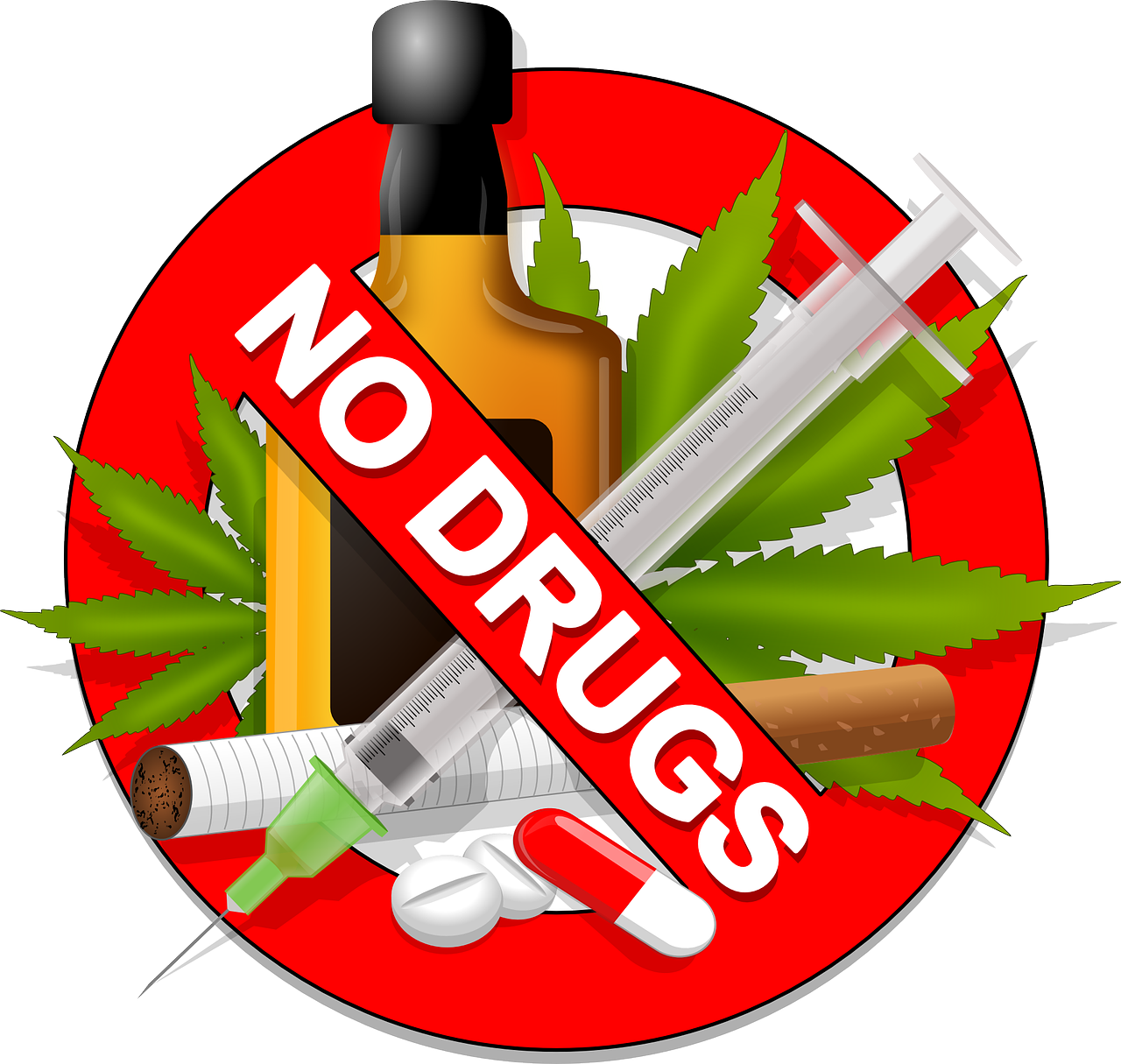
11 signs you crossed the addiction line. Is it partying, drinking and using or addiction?

By David Joel Miller, MS, Licensed Therapist & Licensed Counselor.

sign

No Drugs.
Photo courtesy of Pixabay.com

How do you know when your drug or alcohol use has become a problem?

Some people report that they can drink a few drinks now and then and they have no problem. There are those rare individuals who are able to try a drug a few times and then put it away with no apparent bad result. But many people discover that what started out as all fun has progressed to becoming a problem. Here are 11 signs that your partying has moved from being fun to being a problem, maybe even an addiction.

1. You are trying to control your use.

One of the first signs of an addiction gone wild are the efforts to control use. Normal people, people without a problem, do not try to control their use. They do not need to control anything because they can take it or leave it. If you find that when you drink or use you end up doing more than you planned on doing if you start needing to control your usage, then you are on your way to a problem.

2. You arrange your life around chances to drink or use.

People with an abuse problem begin to arrange their life around getting and having their drug of choice. They pick restaurants based on the bar, not the food. They avoid social settings where there will be no drugs or alcohol or they will not be able to drink and use.

They also begin giving up friends who do not use or drink.

3. It takes more of the drug or alcohol to get the same high.

This is called tolerance. If you need to drink more alcohol to feel the same effects, you are developing tolerance. If the same amount of a drug produces less and less of an effect on you, then your body has begun to develop tolerance. You are headed for problems. Those who can “hold their liquor” are not safe from alcoholism. They are already on the way to becoming an alcoholic.

4. You have symptoms of sickness when you suddenly stop getting your drug of choice.

This is called withdrawal or sometimes abstinence syndrome. Hangovers when you drink. Other physical symptoms, headaches constipation, diarrhea, changes in sleep, or appetite directly tied to your use are indicators of problems. So is needing more of the thing you did in the morning to recover. Taking some of the hair of the dog that bit you means you have been both bitten and infected with the addiction germ.

5. You get angry when people try to talk to you about your drug or alcohol use.

People who drink or use in responsible ways do not have people talking to them about their use. If your use has reached a point where people need to talk to you about it, then you have gone past the point of casual use and are headed for problems.

6. You have begun to accumulate negative consequences as a result of your use.

If you get in fights, verbal or physical, with people, are getting DUI’s or lose your job as a result of drinking or drug use then it has become a problem. If your relationships are suffering or you are fighting with your partner about your drug or alcohol use then the drug has entered the relationship and you are now in a threesome with that drug. This is not likely to turn out well. Both Sherry (alcohol) and Crystal (Methamphetamine) are jealous lovers and they do not want you to see your current partner.

7. You feel guilty about things you have done while under the influence.

Most times you can drink too much or do a little drugs and the next day you can think I wish I hadn’t done that and everything is fine. But it is not always like that.

Some people find the first time they drink they end up blackout drunk, the may drive drunk and kill someone, do something violent or even commit rape while under the influence. The little things are easier to hide than the big ones. No one knows when they will cross that line.

One warning sign is if more than once you wake up the next day having done things you wish you hadn’t and things that you need to pay for, make right, or worse yet things you can’t take back or fix.

If you feel guilty for things you do when under the influence of drugs or alcohol then you are headed towards addiction. You may already be there.

8. Most of your life involves getting the drug, using, and getting over the effects.

This is a classic sign of addiction. The addict finds that most of the day is spent thinking about their drug of choice, getting it, doing it, and then getting over the effects.

9. Drinking or using interferes with the roles you need to fill in life.

It affects your job, your relationship, and your parenting skills. When you stop seeing your friend or family, when you let your kids or spouse down all because of the things that drugs or alcohol are now requiring of you, it has passed from being fun to being a problem.

10. When you wake up one morning and this is no longer fun.

When you wonder how you ever got started. When you wish you had never taken that first drink or hit, you have reached the point where you don’t need to ask if this is a problem, you already know.

11. When what used to be your solution has become your problem.

If you move from thinking that a little alcohol or weed would mellow you out and make you happier or help you have more fun, and then after a long time using you need this substance to help you wake up, this is a problem. When you decide that this drug is your problem you have crossed the line by then it has become too late. You are now way past the point of return and have arrived at addiction.

Remember not all addictions are physical, getting sick kinds. The psychological addictions are often harder to kick than the physical ones.

If you are seeing some or all of these eleven signs in your life, then consider if it is time for you to give it up. There is help out there but you need to reach out for the help. Some professionals, counselors, and therapists, have been trained to help. There are substance abuse programs in almost every place. If those options do not work for you there are plenty of twelve-step groups and a few other peer self-help groups, all full of people who would like to help you as a part of their recovery.

If your fun has turned into your problem please consider asking for help.

Staying connected with David Joel Miller

Seven David Joel Miller Books are available now!

My newest book is now available. It was my opportunity to try on a new genre. I’ve been working on this book for several years, but now seem like the right time to publish it.

Story Bureau.

Story Bureau is a thrilling Dystopian Post-Apocalyptic adventure in the Surviving the Apocalypse series.

Baldwin struggles to survive life in a post-apocalyptic world where the government controls everything.

As society collapses and his family gets plunged into poverty, Baldwin takes a job in the capital city, working for a government agency called the Story Bureau. He discovers the Story Bureau is not a benign news outlet but a sinister government plot to manipulate society.

Bumps on the Road of Life. Whether you struggle with anxiety, depression, low motivation, or addiction, you can recover. Bumps on the Road of Life is the story of how people get off track and how to get your life out of the ditch.

Dark Family Secrets: Doris wants to get her life back, but small-town prejudice could shatter her dreams.

Casino Robbery Arthur Mitchell escapes the trauma of watching his girlfriend die. But the killers know he’s a witness and want him dead.

Planned Accidents  The second Arthur Mitchell and Plutus mystery.

Letters from the Dead: The third in the Arthur Mitchell mystery series.

What would you do if you found a letter to a detective describing a crime and you knew the writer and detective were dead, and you could be next?

Sasquatch. Three things about us, you should know. One, we have seen the past. Two, we’re trapped there. Three, I don’t know if we’ll ever get back to our own time.

For these and my upcoming books; please visit my Author Page – David Joel Miller

Want the latest blog posts as they publish? Subscribe to this blog.

For videos, see: Counselorssoapbox YouTube Video Channel

Why your partner thinks you said things you know you didn’t say

By David Joel Miller, MS, Licensed Therapist & Licensed Counselor.

Why does your partner think you said that?
Photo courtesy of Pixabay

False Memories.

What we remember about things others say can depend on our mood.

Two men go out to dinner with their dates. Let’s call them Bob and Sam. Bob goes home sure that his date did not like him. Sam is sure his date did. The two women said exactly the same things to their dates. Why the difference?

This happens a lot. You swear you didn’t say something, your partner swears you did. Neither of you may be lying but one of you has got this conversation wrong. Why?

One cause of memory failures is false memories. They happen more often than most of us realize and they cause a lot of relationship problems. Those memories are easier to create than you might think.

Researchers have sophisticated ways of testing for false memories and the way they are created or perpetuated. In pasts posts, we talked about how drugs and alcohol can increase false memories, but your personality and that of your partner are also factors. False memories are dependent on your mood at the time you hear things. They are also affected by your normal personality and way of perceiving the world.

Info about false memories and why they occur in relationships.

A test for false memories would consist of asking you to remember a list of words. Say the list included, night, bed, pillow, nap, etc. The next time you see the researcher you read a list of words and are asked to mark which you saw the first time.

This time included in the list is a word that was not there the first time but would have fit with the category that made up that list. In this case, the missing word might have been sleep. So if you picked sleep it made sense, but in fact, the word was not there the first time. If you said that you remembered it this would be a false memory.

In our date example, we find that in both cases the woman told their date that they had an interesting tie. Bob the perennial pessimist is sure his date said he had an awful tie. Sam remembers his date as saying he had a nice tie. Sam is an optimist.

The mood, as well as the basic personality of these two men, causes them to hear the same information but they both remember things that the date did not say. What they are remembering is a form of false memory in which their mind has filled in the words needed to make sense of the comment “interesting tie.”

One way to check this out in the lab would be to leave the word “sleep” out of the retest. This time if we added two words to the list, say insomnia and restful, we could see if there was a difference in the way two people would remember that list.

Sure enough, pessimists will remember insomnia and swear it was on the first list and optimists will remember the word rest. Both are making errors in their memory. Neither is lying but they both are sure they remember things that did not happen because they learned the list of words as a category, not as a list. Then when they are retested they fill in another word that fits their version of what the category is about.

So consider that some of the things you and those around you swear were said or happen may, in fact, be false memories. How sure are you that you actually heard the things you think you heard?

Sometimes for the sake of relationships and our long-term sanity, it pays to check out with the other person what they really said or meant. That way our minds do not need to fill in missing information and there are fewer chances to create these troublesome false memories in the first place.

What is the chance that memory you are arguing about is a false memory?

Staying connected with David Joel Miller

Seven David Joel Miller Books are available now!

My newest book is now available. It was my opportunity to try on a new genre. I’ve been working on this book for several years, but now seem like the right time to publish it.

Story Bureau.

Story Bureau is a thrilling Dystopian Post-Apocalyptic adventure in the Surviving the Apocalypse series.

Baldwin struggles to survive life in a post-apocalyptic world where the government controls everything.

As society collapses and his family gets plunged into poverty, Baldwin takes a job in the capital city, working for a government agency called the Story Bureau. He discovers the Story Bureau is not a benign news outlet but a sinister government plot to manipulate society.

Bumps on the Road of Life. Whether you struggle with anxiety, depression, low motivation, or addiction, you can recover. Bumps on the Road of Life is the story of how people get off track and how to get your life out of the ditch.

Dark Family Secrets: Doris wants to get her life back, but small-town prejudice could shatter her dreams.

Casino Robbery Arthur Mitchell escapes the trauma of watching his girlfriend die. But the killers know he’s a witness and want him dead.

Planned Accidents  The second Arthur Mitchell and Plutus mystery.

Letters from the Dead: The third in the Arthur Mitchell mystery series.

What would you do if you found a letter to a detective describing a crime and you knew the writer and detective were dead, and you could be next?

Sasquatch. Three things about us, you should know. One, we have seen the past. Two, we’re trapped there. Three, I don’t know if we’ll ever get back to our own time.

For these and my upcoming books; please visit my Author Page – David Joel Miller

Want the latest blog posts as they publish? Subscribe to this blog.

For videos, see: Counselorssoapbox YouTube Video Channel
What do you do if your therapist cancels?

By David Joel Miller, MS, Licensed Therapist & Licensed Counselor.

What do you do if your therapist cancels?
Photo courtesy of Pixabay.com

How should you respond to an unavailable professional?

One thing that counselors are supposed to avoid is “creating dependence” on the part of their clients. Our goal should not be to tell the client what to do but to help them learn what they need to learn to get through life. But many clients come to expect that they will get to see their therapist at a given time and place and they are likely to experience extra life difficulties when the counselor they are used to seeing is not available.

Some simple cases first.

The counselor is just not in the office today.

This problem is especially difficult for clients who have “trust issues.”
One thing counselors try to do is engage in a “corrective emotional experience.” You did not learn some things, emotional lessons, because the people you lived with did not teach you correctly or because when they did, you got the lesson wrong.

If when you needed a caregiver they were unavailable or abusive, you grew up insecure. Now to have your therapist do this to you is extra traumatic. Why does this happen and what should you do about it?

Begin by thinking about the counselor; this is probably about them not you. Counselors are real people and real people have lives. Unless you live with them, and then they should not be doing therapy on you, there will be times they will not be available. Your regular counselor may be on vacation, out sick, or may have had a family emergency.

This plays out differently in private practice than in a large agency. In private practice, the counselor does not get paid if they do not see clients. They have a lot of financial incentive to see you. They also do not routinely have co-workers who can cover for them when they are out. So they will make an extra effort to be there or to reschedule your appointment.

In an agency, you are the client of that agency not necessarily of that particular counselor. When one person is out sick then someone else should call you and reschedule or you may get assigned a new person to see you.

As much as administrators want high productivity, meaning keep everyone busy as much as they can, too many changes of provider are not good for a client. You see someone and then after telling them your secrets, they are out sick the next week. Do you really want to repeat your whole life story to a new person?

In an agency, people go on vacation, get transferred to a new department, move or change workplaces and sometimes they retire or die. The agency should arrange for you to see someone else.

In private practice, your therapist should make a plan for who you can talk to and who you will see if they are not available. If they are no longer available you can choose to find someone else.

What if you are in crisis?

Relying on seeing your counselor when you are in crisis is a bad idea. Most counselors either have a recording or an answering person who will tell you that if you are in a crisis situation you need to call your local emergency number first. In my area, this would be 911.

There may also be talk lines or crisis lines in your area. Sometimes there are peer support lines or “warm lines” that are very useful if this is not a full-fledged emergency.

In a crisis, the counselor can’t always be there and even if they were at some point this needs to move from their office to a place where you can be stabilized.

What if you have a problem, it is not a crisis but it is getting to you, you just need to talk?

Some therapists are able to take a few calls from clients when they are having difficulties. They can’t take every call, from every client, every day, or they become a phone counselor.

Consider if you can wait till the next appointment, does this conversation need to happen now? Also, consider if this is a crisis situation? Now if it is not a life and death situation and you have tried all the tools you have been taught to cope with this problem then this may be a time for using your “support system.”

One thing your counselor should be moving towards from the very first session is called termination. That is the point when you can manage your life, problems, and all, without needing to come to see a professional every week.

There are some people who do need lots of help; they may even need weekly sessions for a long time in order to keep them stable and out of a psychiatric hospital. But even then the provider should be trying to get that client to a place of needing professionals less and less.

The fastest way to take control of your recovery is to develop a personal support system.

That support system may be other recovering people or a support group meeting. For recovering alcoholics and addicts this may include a 12 step group meeting. It may also include family members, friends, or romantic partners. Sometimes this includes online support groups, which is fine as long as they are about recovery and not about other ways to keep your disease.

So at times, your provider is not available and you have determined that this is not an emergency, call or visit your support system.

Lastly, if your provider keeps canceling and rescheduling, consider whether you need to change providers. This is easier for people seeing private practice providers. They vote with their feet. If they don’t get what they need from the person they are seeing they make an appointment with someone else.

In an agency setting, you may need to talk this out with your counselor, their supervisor or request a transfer to a different clinician.

There is a lot more I could say on this subject but this is getting long so, for now, I need to close.

Here is hoping that this helped those of you who have been asking search engines about what to do if your counselor is not available.

Staying connected with David Joel Miller

Seven David Joel Miller Books are available now!

My newest book is now available. It was my opportunity to try on a new genre. I’ve been working on this book for several years, but now seem like the right time to publish it.

Story Bureau.

Story Bureau is a thrilling Dystopian Post-Apocalyptic adventure in the Surviving the Apocalypse series.

Baldwin struggles to survive life in a post-apocalyptic world where the government controls everything.

As society collapses and his family gets plunged into poverty, Baldwin takes a job in the capital city, working for a government agency called the Story Bureau. He discovers the Story Bureau is not a benign news outlet but a sinister government plot to manipulate society.

Bumps on the Road of Life. Whether you struggle with anxiety, depression, low motivation, or addiction, you can recover. Bumps on the Road of Life is the story of how people get off track and how to get your life out of the ditch.

Dark Family Secrets: Doris wants to get her life back, but small-town prejudice could shatter her dreams.

Casino Robbery Arthur Mitchell escapes the trauma of watching his girlfriend die. But the killers know he’s a witness and want him dead.

Planned Accidents  The second Arthur Mitchell and Plutus mystery.

Letters from the Dead: The third in the Arthur Mitchell mystery series.

What would you do if you found a letter to a detective describing a crime and you knew the writer and detective were dead, and you could be next?

Sasquatch. Three things about us, you should know. One, we have seen the past. Two, we’re trapped there. Three, I don’t know if we’ll ever get back to our own time.

For these and my upcoming books; please visit my Author Page – David Joel Miller

Want the latest blog posts as they publish? Subscribe to this blog.

For videos, see: Counselorssoapbox YouTube Video Channel