What is the Addiction Severity Index (ASI)?

By David Joel Miller, MS, Licensed Therapist & Licensed Counselor.

What is

What is the addiction severity index?
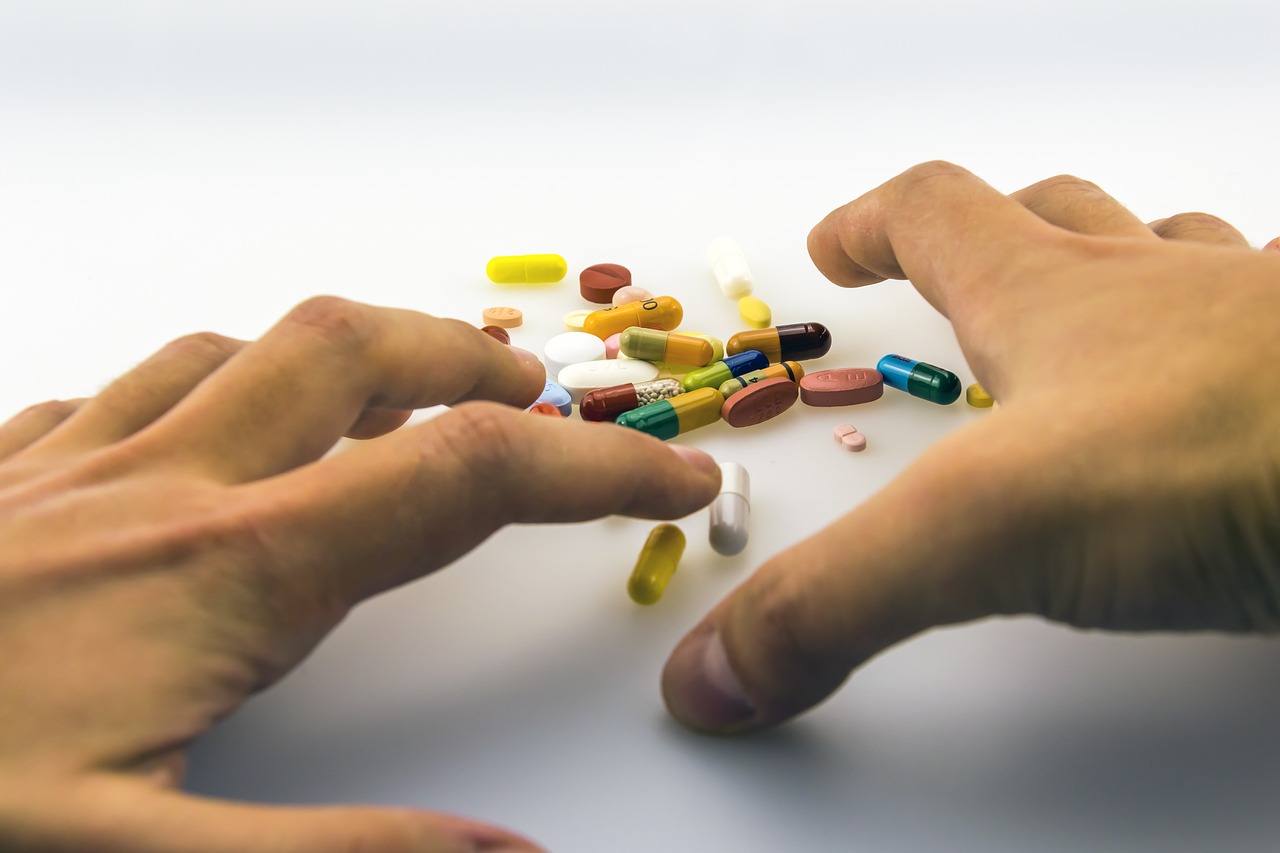
Photo courtesy of Pixabay.

Assessment in substance abuse counseling has a different focus.

The Addiction Severity Index (ASI) is an instrument that is used in assessing the extent of a substance use disorder that has resulted in someone being referred to treatment. Sometimes it may be required by a governmental agency to help them determine if they will require a person to undergo addiction (chemical dependency) treatment. I have written elsewhere about the shift from the terms addiction, alcoholism, and chemical dependency to the new DSM-5 term Substance Use Disorders. See recommended books for more on the DSM-5 and the APA.

The ASI is a proprietary instrument, if you use it commercially, you need to buy it from the owner or license an online version. You can take a look at a sample at ASI Training Edition.

The primary goals of the ASI are, as I see them, to develop a comprehensive picture of the client’s alcohol and drug use and how this use has affected other parts of their life. Once you see what substances they have used, how much and for how long, you can more effectively move on to exploring the parts of their life that have been affected by substance use and abuse.

The ASI can be used to develop a comprehensive treatment plan. Recovery involves a lot more than just not using substances. The client may have many aspects of their life they need to work on to stabilize that recovery.

Areas of concern on the ASI include medical issues, employment, and financial issues, legal issues. Specifically, crimes, incarcerations, and parole or probation status are areas of concern.

Relationships with family, friends, and primary sexual partners have all likely been disrupted or created by drug-using affiliations. The last area the ASI explores is psychiatric issues. This page of the ASI is brief and is not intended to diagnose mental illness but having yes answers about symptoms on this page is common.  Mental health symptoms reported on the ASI should trigger a longer and more complete psychiatric evaluation to look for issues that may impact substance use or have been caused by that use.

Is the ASI a good assessment tool?

In my opinion, the ASI is a useful tool but like any other tool, the skilled craftsman gets better results from it than the beginner.

When I mentor beginning counselors I caution them about over-reliance on an assessment form. Whether you are using the ASI, a biopsychosocial assessment form, or any other one, the form never gives you an absolutely full picture of the person. Clinical psychologists not only give “batteries” of tests but also spend a lot of time learning to interpret those tests.

The difference between a good assessment and a just so-so assessment is not the instrument you use. If the client says something unexpected I like to follow-up with more questions. I want to know what the client thinks about this item. The really good counselors who use the ASI also include some “stuff” in the comment sections where they tell me more about this person. When I read a client’s assessment I want to know more than just which boxes got checked. It helps me and them if the assessment paints a clear picture of the person and their problem.

If you’re doing assessments, make more comments so we can better help that client. If you are the one being “assessed” the more you tell that clinician the more they can help you.

FYI These “What is” sometimes “What are” posts are my efforts to explain terms commonly used in Mental Health, Clinical Counseling, Substance Use Disorder Counseling, Psychology, Life Coaching, and related disciplines in a plain language way. Many are based on the new DSM-5; some of the older posts were based on the DSM-IV-TR, both published by the APA. For the more technical versions please consult the DSM or other appropriate references.

You might also want to check out these other counselorssoapbox posts.

Drug Use, Abuse, and Addiction

More “What is” posts will be found at “What is.”

Staying connected with David Joel Miller

Seven David Joel Miller Books are available now!

My newest book is now available. It was my opportunity to try on a new genre. I’ve been working on this book for several years, but now seem like the right time to publish it.

Story Bureau.

Story Bureau is a thrilling Dystopian Post-Apocalyptic adventure in the Surviving the Apocalypse series.

Baldwin struggles to survive life in a post-apocalyptic world where the government controls everything.

As society collapses and his family gets plunged into poverty, Baldwin takes a job in the capital city, working for a government agency called the Story Bureau. He discovers the Story Bureau is not a benign news outlet but a sinister government plot to manipulate society.

Bumps on the Road of Life. Whether you struggle with anxiety, depression, low motivation, or addiction, you can recover. Bumps on the Road of Life is the story of how people get off track and how to get your life out of the ditch.

Dark Family Secrets: Doris wants to get her life back, but small-town prejudice could shatter her dreams.

Casino Robbery Arthur Mitchell escapes the trauma of watching his girlfriend die. But the killers know he’s a witness and want him dead.

Planned Accidents  The second Arthur Mitchell and Plutus mystery.

Letters from the Dead: The third in the Arthur Mitchell mystery series.

What would you do if you found a letter to a detective describing a crime and you knew the writer and detective were dead, and you could be next?

Sasquatch. Three things about us, you should know. One, we have seen the past. Two, we’re trapped there. Three, I don’t know if we’ll ever get back to our own time.

For these and my upcoming books; please visit my Author Page – David Joel Miller

Want the latest blog posts as they publish? Subscribe to this blog.

For videos, see: Counselorssoapbox YouTube Video Channel

What is non-medical counseling?

By David Joel Miller, MS, Licensed Therapist & Licensed Counselor.

Counseling and therapy

Counseling.
Photo courtesy of Pixabay.com

You do not have a mental illness but counseling may still help.

Do you have problems getting along with a spouse?

Has it been difficult adjusting to a new job or a new town? Kids won’t mind or you are having financial and legal difficulties?

Do you have “anger issues?”

All these things and many more may be reasons to seek counseling, even though you do not have a diagnosable mental illness.

Getting help for these issues early may mean you can live a better life and not have your problems become a mental illness.

There is nothing noble about suffering for long time periods when help is available.

There are a whole slew of life problems that might need working on but they do not rise to the level we would recognize as a mental illness. These issues are listed in the Diagnostic and Statistical Manuel of Mental Disorders (DSM-5 is a registered trademark of the APAeven though they are not mental disorders.

The idea behind including these issues is that they cause significant distress to clients. These issues bring people into the offices of doctors, therapists, counselors, and even judges, but they are not at this point in time considered a mental illness.

The result of these distinctions is that while you may want or need help in these areas you will need to look for other sources of help than the doctor and probably your issuance will not cover treatment for them.

EAP’s and Non-Medical Counseling.

Many employee assistance plans will offer you a few sessions with a counselor to work on these issues. They find it is cheaper and better to help employees overcome outside work issues than to let them go and then have to hire and train new employees. So if you have an EAP plan look for help there first.

You may have insurance coverage for some Non-medical counseling issues.

A few medical insurance plans or Behavioral insurance plans, to be more precise, also cover these issues. For some problems of living, you can get other help. Most of these problems have such severe impacts on people’s lives they need treating even if your insurance does not cover them. Private therapists and counselors can help here.

About Life Coaches.

Recently we have seen a proliferation of “life coaches” who also can help you work on life issues that need help but are not technically mental illnesses. Some of these coaches have training and can be very helpful, others have minimal training and will miss when you really need to see a trained professional. Until this gets sorted out and there is some kind of licensing for life coaches, I recommend you seek out a licensed person even if what you need is non-medical counseling or coaching. Most professional counselors are happy to work on life coaching issues also.

First some background and then the list of problems.

In the U. S. we have been used to using the DSM (Currently the DSM-5) for mental illnesses. In the rest of the world, they use the International Classification of Diseases. As of October 1, 2015, the U.S. is switching to use the numbering system the rest of the world uses. We also updated the names that we use to more closely align with the rest of the world. The result, the numbers, and names have changed for some things so you will see multiple names and numbers for those things and some things will get split while others got combined. Do not let the professional’s confusion confuse you.

V Codes and Z Codes.

I have sorted this list to make it easier to write about so the list does not exactly follow the DSM. Things called “V codes” are the old number and the “Z codes” are the new ones. Sometimes two problems had or have one number and others have or had no number.  This is not a full list, for that see the DSM-5. I just wanted you to see the flavor of things that might bring someone to counseling which is not technically a mental illness.

Relationship issues

Partner Relational V61.10 Z63.0

Parent-Child V61.12 Z62.820

Sibling Relational VV61.8 Z62.891

Abuse and neglect (victims) V61.12, V61.21, V62.83

Perpetrators of Abuse get a 995 point something number (now a T number)

Other relational problem V62.81

Bereavement V62.82 Z63.4

Discord with neighbor, lodger, or landlord Z59.2

Job – work problems

Occupational problem V62.2 Z56.9

Academic problems V62.3 Z55.9

Adult Antisocial Behavior (Career criminal) V71.01 Z72.811

Legal issues

Financial issues

Incarceration

Life changes

Acculturation V62.4 Z60.3

Phase of life problem V62.89 Z60.0

Situational adjustment – military deployment, moves from job changes

Religious or spiritual problem V62.89 Z65.8

Noncompliance with treatment V15.81 Z91.19 (NOW NON-ADHERENCE)

Housing issues

Homelessness Z59.0

Inadequate housing Z59.1

Problems living in a residential institution Z59.3

Living alone Z60.2

Other things that get treated but may be missing or hard to find in the DSM

Caregiver fatigue or burnout

Military sexual trauma

Military deployment Z56.82

Child care issues

Poverty-related issues

Lack of food and water Z59.4

Extreme poverty Z59.5

Not enough welfare Z59.7

Other unspecified housing or economic problem Z59.9

Physical health issues – the emotional part

Those problems that are poverty-related, school and child-related and involve interactions with the government, may have services available from public agencies. Other issues may justify you seeking private treatment.

Hope that somewhat clarifies all the things that counselors, social workers, and therapists may work with that are not specifically mental illnesses. If you or someone you know has any of these kinds of issues consider looking for help.  Seeking out help for these issues does not mean you are “crazy” or that you have a mental illness. Not using help when it is available, that is more like stubbornness.

Staying connected with David Joel Miller

Seven David Joel Miller Books are available now!

My newest book is now available. It was my opportunity to try on a new genre. I’ve been working on this book for several years, but now seem like the right time to publish it.

Story Bureau.

Story Bureau is a thrilling Dystopian Post-Apocalyptic adventure in the Surviving the Apocalypse series.

Baldwin struggles to survive life in a post-apocalyptic world where the government controls everything.

As society collapses and his family gets plunged into poverty, Baldwin takes a job in the capital city, working for a government agency called the Story Bureau. He discovers the Story Bureau is not a benign news outlet but a sinister government plot to manipulate society.

Bumps on the Road of Life. Whether you struggle with anxiety, depression, low motivation, or addiction, you can recover. Bumps on the Road of Life is the story of how people get off track and how to get your life out of the ditch.

Dark Family Secrets: Doris wants to get her life back, but small-town prejudice could shatter her dreams.

Casino Robbery Arthur Mitchell escapes the trauma of watching his girlfriend die. But the killers know he’s a witness and want him dead.

Planned Accidents  The second Arthur Mitchell and Plutus mystery.

Letters from the Dead: The third in the Arthur Mitchell mystery series.

What would you do if you found a letter to a detective describing a crime and you knew the writer and detective were dead, and you could be next?

Sasquatch. Three things about us, you should know. One, we have seen the past. Two, we’re trapped there. Three, I don’t know if we’ll ever get back to our own time.

For these and my upcoming books; please visit my Author Page – David Joel Miller

Want the latest blog posts as they publish? Subscribe to this blog.

For videos, see: Counselorssoapbox YouTube Video Channel

7 Relationship Destroyers.

By David Joel Miller, MS, Licensed Therapist & Licensed Counselor.

Family torn apart

Divorce.
Photo courtesy of Pixabay.com

How many of these relationship destroying skills do you practice?

Couples slip into patterns of behavior over time. Some of these repetitive behaviors make their relationship stronger, other relationship habits destroy your togetherness.

What one partner does the other tends to copy. Over time using these relationship destroying skills becomes a habit.

Do you and your partner practice relationship destruction on a regular basis?

Attacking your partner devastates the relationship.

You want one thing and your partner wants another. It is easy to slip from disagreement to seeing your partner as the obstacle to getting what you want. Many couples start out with a conflict about a simple thing, household chores for example, but this conflict quickly escalates to an all-out attack on the partner.

Moving from complaining that your partner does not clean up after themselves in the kitchen to an all-out global condemnation of them as a filthy, dirty slob is sure to damage your relationship.

Focus on the blame and make each other wrong.

Life can be hard. Bad things happen even to good people. When those inevitable difficulties come do you focus on making things better, what needs to be done, or do you slip into the blame game telling your partner it is all their fault.

Even if your partner has made a serious mistake, staying stuck on the blaming part keeps you two from working together to figure out how you will get past this.

Control your partner for a one-person relationship.

Many couples’ disagreements are not about the facts but about who gets to decide, who will be in control. Happy couples work together to make joint decisions. Generally, they delegate some things to each person. If one of you is better at organization and scheduling let them set the schedule. If one person handles money better, then they may be the one to manage the finances.

Avoid arguments about who is in control of what and try to negotiate this. When someone is a “control freak” this often comes from a place of anxiety and fear. Help them to see that they can relax and let you do things and their world will still be fine.

Stop looking at control conflicts as who wins and who loses. Look for solutions where you both win and no one has to be the loser.

Insisting on total control in the relationship is a formula for a dysfunctional, unhappy relationship. If one person in the relationship has “control issues” consider getting professional help to work through this.

If you can’t win the argument enjoy the martyrdom. Placating and the victim stance.

Placating, giving in, and taking on the victim role may work for a while. In the long run, being the constant victim is a damaging part to play. Couples that adapt the winner and the loser way of communicating are less happy in their interactions. Playing the victim may take some of the stings out of not getting your way, but it undermines the relationship over the long haul.

Build walls to keep your partner out.

Relationships, primary sexual ones, and even friendships can open you up to emotions. Wall building, cutting parts of who you are off from others can feel protective at the time. Over time the person who puts up the walls becomes progressively more isolated.

Put up enough walls and you end up living a lonely isolated life even in the midst of a relationship.

Avoiding the problems any way you can, destroys relationships.

There are innumerable ways to avoid problems. Some people turn to drugs and alcohol to avoid painful feelings, others bounce from relationship to relationship. Affairs are a common way of avoiding dealing with the core issues a couple is experiencing.

When you use these negative coping strategies to avoid dealing with the problems you dig the hole deeper. Learning problem-solving skills requires practice. If you don’t deal with an issue now you will need to deal with it later after it has grown to humongous proportions.

Resentments will keep you warm at night.

Resentments are a sorry companion. The feeling that it is someone else’s fault, refusing to let go of past hurts, will make you feel justified in staying stuck. Resentments can prevent any healing from taking place.

Holding onto resentments, large and small can isolate you, and eventually, Mr. or Miss Resentment becomes your primary friendship. It takes courage to let go of resentments but hanging on to them is a sure relationship destroyer.

Ready to let go of the resentment destroyers?

If you see that these relationship destroyers have taken up residence in your relationship, now is the time to start working on them. If possible talk with your partner about these issues and see if you can work through them. Pick a time when you are both calm and receptive.

If your relationship has been so badly damaged that fixing it is no longer a “do it yourself project” look for professional help, a Marriage or Couples Therapist before the whole relationship gets condemned and torn down.

Staying connected with David Joel Miller

Seven David Joel Miller Books are available now!

My newest book is now available. It was my opportunity to try on a new genre. I’ve been working on this book for several years, but now seem like the right time to publish it.

Story Bureau.

Story Bureau is a thrilling Dystopian Post-Apocalyptic adventure in the Surviving the Apocalypse series.

Baldwin struggles to survive life in a post-apocalyptic world where the government controls everything.

As society collapses and his family gets plunged into poverty, Baldwin takes a job in the capital city, working for a government agency called the Story Bureau. He discovers the Story Bureau is not a benign news outlet but a sinister government plot to manipulate society.

Bumps on the Road of Life. Whether you struggle with anxiety, depression, low motivation, or addiction, you can recover. Bumps on the Road of Life is the story of how people get off track and how to get your life out of the ditch.

Dark Family Secrets: Doris wants to get her life back, but small-town prejudice could shatter her dreams.

Casino Robbery Arthur Mitchell escapes the trauma of watching his girlfriend die. But the killers know he’s a witness and want him dead.

Planned Accidents  The second Arthur Mitchell and Plutus mystery.

Letters from the Dead: The third in the Arthur Mitchell mystery series.

What would you do if you found a letter to a detective describing a crime and you knew the writer and detective were dead, and you could be next?

Sasquatch. Three things about us, you should know. One, we have seen the past. Two, we’re trapped there. Three, I don’t know if we’ll ever get back to our own time.

For these and my upcoming books; please visit my Author Page – David Joel Miller

Want the latest blog posts as they publish? Subscribe to this blog.

For videos, see: Counselorssoapbox YouTube Video Channel

Do you have Borderline Personality Disorder?

By David Joel Miller, MS, Licensed Therapist & Licensed Counselor.

personality disorder

What is borderline personality disorder?
Photo courtesy of Pixabay.com

What are the signs and symptoms of Borderline Personality Disorder?

Problems with identifying Borderline Personality Disorder.

Borderline Personality Disorder formerly called Borderline conditions has received a lot of attention recently. It is one of those troubling conditions that looks different to different people.

If you have Borderline Personality Disorder you know the suffering having this disorder can cause. If you have lived with someone who has Borderline Personality Disorder you know how frustrating this can be. This difference in perspective is one of the problems with the increased attention to the disorder.

Many of the symptoms of Borderline Personality Disorder overlap or are the same as symptoms of other disorders. So when should someone get a Borderline diagnosis and when should we call it something else? Sometimes those iffy cases get a notation put on their chart “Borderline traits” rather than the full diagnosis. Electronic medical records are making it harder to leave notes like that and this may result in more people getting the full diagnosis.

For the record, diagnosis is not a do it yourself project. Mental Health, as well as physical health diagnosing, should be done by a professional. But so many people out there are being called Borderline these days and talking about it is so common, it is worth looking at the whole “what is Borderline Personality Disorder?” question.

There are efforts to come up with some kind of definitive test for borderline and other mental health conditions. At this time we can read research reports of “markers” and risk factors for many mental illnesses but we can’t be sure what is causing them. For example over 95% of people with Borderline Personality Disorder also have a sleep disorder.

Lacking a good test, mental conditions are diagnosed by looking at symptoms and seeing if someone has enough symptoms and if they are severe enough to need treatment.

With so many Borderline symptoms overlapping or look just like symptoms of other mental illnesses, what name something gets called may depend on which symptoms are seen at any given appointment and the perspective of the viewer. We want to avoid normal problems of life being called diseases but this causes another problem.

Many mental illnesses are caused by identifiable life events. PTSD and other stress disorders need an identifiable stressor to get diagnosed. Many, but not all, people with Borderline Personality Disorder can point to some life event that started their symptoms.

As more people know about Borderline Personality Disorder more people are coming to believe that they have the condition. Family, Friends, and relationship partners are likely to blame all the interpersonal or relationship problems on someone having Borderline Personality Disorder. I suspect that professionals are going along with this and giving the diagnosis out more often.

Is Borderline Personality Disorder an illness or a lack of mental wellness?

Symptoms of Borderline personality disorder can vary from person to person and they may vary in intensity. This has resulted in an increasing amount of discussion, and a past counselorssoapbox blog post about whether there may be Levels or Types of Borderline Personality Disorder.  There has also been some professional discussion about whether some clients have been given the diagnosis because they angered the treating professional.

Some of you have noticed from my other writings that I believe strongly in Wellness and Recovery. (See post on Mental Illness or Mental Health.)

Many of the things we call “Mental illness” are on a continuum. Those problems get better or they get worse. Sometimes in life, we get sad. When that sadness keeps you from working or enjoying life we call it depression and it deserves to get treated. The same thing is true of Borderline Personality Disorder. Many people with this condition do get better.

As we look at the symptoms of Borderline Personality Disorder below I will comment on some of the questions you might have about each one of the symptoms. This discussion is based on the SAMHSA publication titled An Introduction to Co-Occurring Borderline Personality Disorder and Substance Use Disorders. This publication was written primarily for professionals but I include it here in case any of you want to see the original source. The SAMHSA publication draws on the DSM-5 (DSM is a registered trademark of the APA,which some of you may also want to consult. The paraphrasing and comments are mine, so let’s hope I get this right. If you have or think you may have this condition please see a professional in your area.

Below are some of the typical features of Borderline Personality Disorder.

Borderline Personality is not common except in psychiatric hospitals.

Estimates of how common Borderline Personality really vary. In the general population, it is estimated at around one to two percent. In inpatient psychiatric facilities the rate of Borderline Personality Diagnosis can reach 20%. That suggests to me that this is a very impairing condition.

Notice as we go through these symptoms that many of these are things that have been considered “female” characteristics. Turns out that three out of every four people who get the Borderline Personality Disorder Diagnosis are female. Also, many of these symptoms are exactly what we would expect in someone with a Stress or Trauma-Related Disorder as in Posttraumatic Stress Disorder or a Dissociative Disorder.

Borderline Personality Disorder is not simply a matter of being overly dramatic or wanting attention. Most, about 80%, attempt suicide and they die from suicide attempts at about 50 TIMES the rate of the general population. This does not need to happen as there are effective treatments for Borderline Personality Disorder available. Additionally about 80 percent of those with this diagnosis cut on themselves, which is often called Non-Suicidal Self Injury. Some people with this condition both cut and attempt suicide.

Symptom – Intense fear of abandonment and efforts to avoid it.

Many, not all, people with Borderline Personality Disorder were abused or neglected as children. Some had this experience in adult life. This suggests that these fears are both rationally based on experience and learned. If you learned to be fearful you can learn to not be fearful. But lessons learned very early in life may be much more difficult to unlearn. For many this fear of abandonment makes sense.

Borderline symptom – troubled, vacillating relationships with others.

In a single session with a therapist, someone high in borderline traits may tell the therapist that they love them and they are the only on that ever understood them and then later they will say that they hate the therapist and “you just don’t understand at all.”

The same thing happens in their personal relationships. They fall in love quickly and they fall out just as rapidly. They have overinflated views of their potential partners and then they feel tricked, deceived, and angry. Relationships with someone who has Borderline Personality Disorder can include fabulous sex followed by violent fights.

Don’t know who you are and who you are keeps changing.

People with borderline conditions have more difficulty than others in telling you what they like, who they are and they look to others to define themselves.

Impulsive acts are common in Borderline Personality Disorders.

Risky sexual behaviors are the most commonly noted behaviors. Over-spending and reckless driving are also included in this definition. Frequent conflicts with others are common.

Suicidal Behaviors or Self-Mutilation.

People with borderline personality disorder are often overwhelmed by emotion and then hurt themselves rather than express their anger towards the person that angered or hurt them. This kind of sudden flip in their feelings towards others and then their impulsive behavior can look a lot like Bipolar and turns out that many people get both diagnoses or they are moved back and forth. It is of course very possible for someone to have more than one disorder.

Borderline makes people feel empty.

Since people with Borderline do not know who they are and they fear being abandoned, this makes sense. If you look for your self-worth from others and then feel empty or nothing at all when you are not getting positive interactions from those others you can feel empty. Some of these characteristics may sound like an immature or selfish person. If you did not get enough food as a child you may be physically stunted. If you are abused or neglected as a child or abused drugs and alcohol, then you may not have learned the lessons you need to learn back then. The result is continuing to use coping strategies that may have kept you alive or got some of your needs met as a child but they are not working now. This is true of some people with Borderline Personality Disorder but not all.

Remember that these explanations are ideas about how things could happen but not precise formulas for how it did happen to any one particular person.

Episodes of strong, excessive anger.

There is no specific diagnosis for “anger issues” despite how common referrals to therapy for “Anger Management” are. Anger is a symptom reported in many other mental or emotional issues. What further clouds this picture is the high rate of Bipolar Disorder and Substance Use Disorders among those with Borderline Personality Disorder. Depression can also lead to irritability and then anger. What is looked for in Borderline Personality Disorders is sudden explosive anger often with fights and violence, that come on unexpectedly with someone who shortly before was a close friend or loved one.

Borderline may include Stress-related Dissociation or Paranoia.

This can be a problematic symptom in practice. Part of the way we identify paranoia is that the fear is excessive. Men are taught to approach things they fear. Kill it if possible. This results in men getting acting out, violence-related diagnoses. Women are taught to avoid danger and if you have been victimized in the past you recognize danger coming. So if you have been abused once the fear that your new boyfriend will abuse you sounds reasonable, not paranoid. See how this can be an issue?

It is also possible that “dissociation” gets pathologized. Some dissociating or “spacing out” is normal in children or those who are overwhelmed. People who suffer trauma may well dissociate. So it seems to me that cases of excessive dissociation may get swept into the Borderline Personality Disorder category rather than being recognized for what they are. As before someone could have both Borderline Personality Disorder and Dissociative Disorder.

Those are my thoughts on recognizing Borderline Personality Disorder and how it and other conditions may be getting mixed together. If you or someone you care about may have this condition consider professional help. If they do not have this problem please stop calling everyone you dislike Borderline. You may also want to check out other counselorssoapbox posts on Personality Disorders.

Staying connected with David Joel Miller

Seven David Joel Miller Books are available now!

My newest book is now available. It was my opportunity to try on a new genre. I’ve been working on this book for several years, but now seem like the right time to publish it.

Story Bureau.

Story Bureau is a thrilling Dystopian Post-Apocalyptic adventure in the Surviving the Apocalypse series.

Baldwin struggles to survive life in a post-apocalyptic world where the government controls everything.

As society collapses and his family gets plunged into poverty, Baldwin takes a job in the capital city, working for a government agency called the Story Bureau. He discovers the Story Bureau is not a benign news outlet but a sinister government plot to manipulate society.

Bumps on the Road of Life. Whether you struggle with anxiety, depression, low motivation, or addiction, you can recover. Bumps on the Road of Life is the story of how people get off track and how to get your life out of the ditch.

Dark Family Secrets: Doris wants to get her life back, but small-town prejudice could shatter her dreams.

Casino Robbery Arthur Mitchell escapes the trauma of watching his girlfriend die. But the killers know he’s a witness and want him dead.

Planned Accidents  The second Arthur Mitchell and Plutus mystery.

Letters from the Dead: The third in the Arthur Mitchell mystery series.

What would you do if you found a letter to a detective describing a crime and you knew the writer and detective were dead, and you could be next?

Sasquatch. Three things about us, you should know. One, we have seen the past. Two, we’re trapped there. Three, I don’t know if we’ll ever get back to our own time.

For these and my upcoming books; please visit my Author Page – David Joel Miller

Want the latest blog posts as they publish? Subscribe to this blog.

For videos, see: Counselorssoapbox YouTube Video Channel

Games to play with your inner child.

By David Joel Miller, MS, Licensed Therapist & Licensed Counselor.

Children Playing.

Children Playing.
Photo courtesy of Pixabay.com

Have you forgotten how to play?

Children start out life being able to play naturally. As you get older it is easy to get caught up in the seriousness of the adult role. Some people get told far too early in life that they should grow up and act like adults. Happy, emotionally healthy people discover that being able to play can be a great stress reducer. Think some about how much you used to like to play. Wouldn’t it be nice if you could put some of that playfulness back in your life?

Once you get to be an adult you may have started to think that having fun was either expensive or involved high-risk behaviors like drugs, alcohol, or sex. There are plenty of ways an adult can have fun that does not involve high-risk behaviors. Here are some suggestions for ways to play and have fun again in ways that are consistent with a healthy emotional life and recovery from whatever you may be recovering from.

Plan a tour for an out-of-town guest.

Where would you take an old friend or relative if they visited you in the town you live in for the first time? Bet there are tourist attractions you have never seen right around the corner from where you live.

Are their museums, quaint shops, or other things that bring tourists to your town? Consider giving yourself a tour of all those hidden pleasures. Consider checking out the tourist must-see spots in your own town.

Make up an excuse to play in the dirt.

Remember how much fun it was way back when playing in the dirt? Why can’t adults do that again? Plant a garden, go digging for rocks and minerals, or work on an outdoor restoration project. Find a way to get back in touch with the earth in an adult fun way.

Physical effort, the kind you just can’t do in a suit and tie is good for the body and the soul.

Offer to babysit.

Like kids but yours have grown up and moved away? Help out someone and watch their kids. Volunteer to take some kids on a field trip or coach a team. See how much fun you can have sharing your experiences and know-how with youngsters.

Go toy shopping.

Therapists who work with children get to use this excuse a lot. A major part of the fun of toys is shopping for them. Visit a toy store. Buy some toys for you and a partner or child to play. Consider donating some toys to needy children on a holiday. Any excuse to shop for toys will do.

Remember that doing for others is often more rewarding than doing for yourself.

Plan a craft project.

Craft projects are great fun for children of all ages from birth to however old you can be. Make something to decorate your home. A small handmade thing says this is my space whether it is at home or at the office. Handmade craft projects are great gifts also.

Color with crayons.

Remember when you used to do your art? Did you draw or color? Get that feeling again! There is nothing like crayons to bring out the child in you. You do not need to be a great artist to enjoy the process of expressing yourself.

Paint some rocks.

Honest, the rocks do not mind. There are plenty of them. Think of all the fun things you could make decorating a rock. This can make a great group project. Have a contest for the best-painted rock.

Looking again at common everyday items in a new way can spark your creativity. What shapes do you see in the rock? Can you bring them out by adding a touch here and a line there?

Mother earth scavenger hunt.

This is a great chance to combine a competition, you know how adults like competitions, with some teamwork and the great outdoors. What would you expect to see if you walked in the park or woods? Make a list of what might be there if you looked really hard. Did you see the squirrel and the toad?

You do not have to collect things or bring them home. Just capturing the memories of the things you saw can be an exciting fun-filled adventure. Take some photos or a video. That smartphone or tablet has uses beyond social media.

Those are some of my thoughts about how to change up the pace and have some fun even if you are an adult. But the way it can help to reconnect with your inner child if you can persuade a real small child to accompany you on this expedition. Maybe a grandchild or plan an event with a friend or neighbor who has small children and could use an outing also.

Any other ideas for how to be childlike and have fun once more? Wouldn’t it be good to get some play, back into your life?

Staying connected with David Joel Miller

Seven David Joel Miller Books are available now!

My newest book is now available. It was my opportunity to try on a new genre. I’ve been working on this book for several years, but now seem like the right time to publish it.

Story Bureau.

Story Bureau is a thrilling Dystopian Post-Apocalyptic adventure in the Surviving the Apocalypse series.

Baldwin struggles to survive life in a post-apocalyptic world where the government controls everything.

As society collapses and his family gets plunged into poverty, Baldwin takes a job in the capital city, working for a government agency called the Story Bureau. He discovers the Story Bureau is not a benign news outlet but a sinister government plot to manipulate society.

Bumps on the Road of Life. Whether you struggle with anxiety, depression, low motivation, or addiction, you can recover. Bumps on the Road of Life is the story of how people get off track and how to get your life out of the ditch.

Dark Family Secrets: Doris wants to get her life back, but small-town prejudice could shatter her dreams.

Casino Robbery Arthur Mitchell escapes the trauma of watching his girlfriend die. But the killers know he’s a witness and want him dead.

Planned Accidents  The second Arthur Mitchell and Plutus mystery.

Letters from the Dead: The third in the Arthur Mitchell mystery series.

What would you do if you found a letter to a detective describing a crime and you knew the writer and detective were dead, and you could be next?

Sasquatch. Three things about us, you should know. One, we have seen the past. Two, we’re trapped there. Three, I don’t know if we’ll ever get back to our own time.

For these and my upcoming books; please visit my Author Page – David Joel Miller

Want the latest blog posts as they publish? Subscribe to this blog.

For videos, see: Counselorssoapbox YouTube Video Channel

Is falling in love part of recovery?

By David Joel Miller, MS, Licensed Therapist & Licensed Counselor.

Falling in love in recovery.
Photo courtesy of Pixabay.com

Does everyone that gets into recovery fall in love?

Everywhere you look people in early recovery are falling in love. This happens whether the recovery is from drugs and alcohol, mental health challenges, or just the problems of daily living. Some recovery programs lecture clients against getting into a relationship in early recovery. It is often suggested that those who fall in love in that first year are doomed to fail – at love and at their recovery. If these love and sex relationships are so problematic in recovery why do so many people go ahead and start that new relationship so rapidly?

Hooking up and “fraternization” gets more people kicked out of some drug treatment programs than relapses on drugs do. It is not unusual to have two clients in the psychiatric hospital make an effort to hook up. Plenty of relationships start before the two people involved ever hit the street.

The question is sometimes asked if love, falling in love especially, is good for or interferes with recovery. Falling in love clearly is meeting some needs. If it meets your needs why is it so universally frowned upon? What is the problem with the person in early recovery falling in love?

Sure it takes their attention off the work of recovery, but recovery is a lifelong process so we have to ask “Does this new relationship only delay recovery, or might it in some particular way send the person off in the wrong direction away from the goal of recovery?”

One model for human needs is Maslow’s hierarchy of needs. Let’s look at the problem of new relationships and recovery from this perspective. I will not pretend that this is a full or perfect representation of this theory only that some aspects of the hierarchy of needs might help us understand why people in early recovery are so prone to be diverted from recovery into falling into a new love relationship.

In the hierarchy of needs the list goes, physiological, safety and belonging, love, esteem, and self-actualization. The first four are ones recovering people are especially likely to be deficient in.

Love meets physiological needs.

People in their addiction to drugs or alcohol are prone to neglect their needs, physical and physiological. Good nutrition and sleep go by the wayside. Characteristics of depression and anxiety are changes in sleep and appetite. Sex is likely to become either a frantic desperate need or something that is neglected altogether.

When someone enters recovery they feel an urgent need to compete for a partner. Winning out in the competition for resources is a basic physiological need. Finding, getting, and having a new partner becomes an urgent need. For many Love is their new drug of choice.

Love meets belonging and social needs.

Safety is a basic human need. Having others around you should increase your safety. Many people in early recovery find themselves alone. “Hooking up” is one way of engaging a support system. Believing that this other person will protect or care for you can lead the recovering person back to a state of dependence. This time the dependence is on a new relationship rather than a drug.

The risk of this rapid entry into a relationship is that it will become a dependent relationship. What the recovering person needs is to learn to be self-reliant and capable of taking care of themselves. A new relationship can delay this development of self-reliance.

Spending some time by yourself getting to know yourself can improve the chances that you will not lose that self in the next relationship you enter. Another person is not a cure for your illness.

Humans are social animals. We all need other people. The person with friends and who is a member of a tribe has an added chance of being safe. We expect that being with someone in a relationship obligates them to come to our aid and rescue. Being part of a couple should be safer than being alone.

Being in love, part of the couplehood club can make you feel like you belong. Many recovering people have never felt like they belonged except when around other people with a like problem.

Love meets esteem needs, Self-esteem, and the esteem of others.

Early in romantic relationships, partners typically think of their new love interest as perfect, wonderful or other high esteem descriptions. It feels good to have someone who values you and thinks well of you. Being loved boosts your self-esteem, for a while.

Having someone who loves you or who craves your love can be a boost to your self-esteem as long as it lasts. The challenge is that in early recovery people do not know who they are and as they discover themselves those new relationships become less attractive.

Falling in love is easy, staying there is more difficult especially when the relationship turns out to be unhealthy. Falling in love while in the fog of confusion is a high-risk behavior and leads many back to their familiar problem.

Love and self-actualization.

Being the best you possible requires some time and some space to grow. It is hard to focus on yourself when you are distracted by trying to please and be pleased by another. Trees may belong in the forest but they still need some space to grow. People like trees benefit from being around others as long as they are not smothered and are allowed the room for personal growth.

There are likely to be some comments on this post telling me that they met their soul mate in the rehab or the psych hospital and have been happily together for decades. For every one of those people, there is a vast number who will tell us that those relationships begun when they were at their worse sent them back into their disorder or addiction.

Those are my thoughts. What are yours?

Staying connected with David Joel Miller

Seven David Joel Miller Books are available now!

My newest book is now available. It was my opportunity to try on a new genre. I’ve been working on this book for several years, but now seem like the right time to publish it.

Story Bureau.

Story Bureau is a thrilling Dystopian Post-Apocalyptic adventure in the Surviving the Apocalypse series.

Baldwin struggles to survive life in a post-apocalyptic world where the government controls everything.

As society collapses and his family gets plunged into poverty, Baldwin takes a job in the capital city, working for a government agency called the Story Bureau. He discovers the Story Bureau is not a benign news outlet but a sinister government plot to manipulate society.

Bumps on the Road of Life. Whether you struggle with anxiety, depression, low motivation, or addiction, you can recover. Bumps on the Road of Life is the story of how people get off track and how to get your life out of the ditch.

Dark Family Secrets: Doris wants to get her life back, but small-town prejudice could shatter her dreams.

Casino Robbery Arthur Mitchell escapes the trauma of watching his girlfriend die. But the killers know he’s a witness and want him dead.

Planned Accidents  The second Arthur Mitchell and Plutus mystery.

Letters from the Dead: The third in the Arthur Mitchell mystery series.

What would you do if you found a letter to a detective describing a crime and you knew the writer and detective were dead, and you could be next?

Sasquatch. Three things about us, you should know. One, we have seen the past. Two, we’re trapped there. Three, I don’t know if we’ll ever get back to our own time.

For these and my upcoming books; please visit my Author Page – David Joel Miller

Want the latest blog posts as they publish? Subscribe to this blog.

For videos, see: Counselorssoapbox YouTube Video Channel

Ways to avoid work burnout.

By David Joel Miller, MS, Licensed Therapist & Licensed Counselor.

Match on fire

Burnout.
Photo courtesy of Pixabay.com

Are you unhappy at work?

More people are unhappy than happy on the job site these days. Not that the job is necessarily supposed to make you happy. There was a time when people’s main reason for working was just money. When most people worked in farming or at a trade you worked to save up some money, bought some land, and then had your life. Now if you have land you have to work to pay the taxes and other bills.

You will be working for a long time.

If you look at your work or career as something you will do for 40 or so years, from becoming an adult, till you retire, it makes sense to look for a career doing something which you can be happy doing all those years.

The pay scale is not the only thing that makes for happiness. Pay is mostly symbolic. If I make enough to live the way I want, more is less important than if I am not making enough to get by on. A dollar an hour wage increase is huge for someone making minimum wage but means not much to someone who makes millions each year. Any good manager should know that giving out a raise can up production and happiness for a while but after some time people tend to revert back to their old ways. So the good workers work hard after the raise and those who thought that more money would make them happy find the effects of that raise are wearing off before long.

People who are truly happy at work find that it is more what they do and think than what the boss does that determines their happiness at work. While a bad boss can make things more difficult, there are things you can do wherever you are to make your work life more rewarding. Rather than expecting someone else to make you happy at work look for ways to get and keep a job that will make you happy.

Here are a few tips for creating a happy environment at your work site.

Search out a job that is right for you and that you would like to do.

College students often end up in majors because they heard that people who do that kind of work make a lot of money. Once out of school and on the job they are miserable and they often blame the place they work. If you are a shy person avoid training for or looking for a job that puts you out front talking to lots of people unless your goal is to overcome that shyness.

Look first for a job that would fit your personality and likes. Over time you should stretch and try to grow. Taking a job that you do not want to do is a sure recipe for job burnout. You may need to take a less than ideal job for now, but if you do, try to avoid settling into this for the long haul and being miserable in the meantime. Be thankful for the paycheck, do your very best, all the while looking for your ideal situation.

Do some research on what to expect on that job.

Some jobs look like fun when you see them on T. V. but the seamstress murder mystery solver is a fiction. Do some homework, talk with some people who actually do the kind of work you are thinking of doing. Does what is expected of employees at this company sound like something you could deal with for a long time or are you asking yourself how long you can put up with this right from day one.

Take care of yourself.

You cannot push all day at work and then go home and push all night without risking burnout. You work for a paycheck, OK. But partying all weekend is going to turn that job into something you will find it hard to show up for on Monday.

Learn to say no.

When asked to do something that you don’t think you can do, at least not safely or in the time allowed, say so. Avoid saying yes and then not doing what you said you would do. Being overcommitted at work and in your out-of-work-life can make even the most enjoyable job an overwhelming burnout.

Please the people who matter. Do not try to please everyone.

Usually, you need to please your immediate boss or supervisor. You also need to keep the “customers” whoever that may be, happy. Beyond that, you should try to keep good relationships with coworkers but you can’t please everyone all the time. Pick who you will need to please and work on that.

You probably can’t please your boss and your parents and spouse all at the same time. Make sure you keep your family out of your work life and your boss out of your home life.

Work smarter not longer.

To the extent you have any control over the work you do and how you do it look for ways to get more done in less time. Elaborate filling systems are nice – sort of – but watch out for things that suck up a lot of time and produce no results. If the project changes weekly those files may all need to be pitched out next Monday.

Concentrate on the things that are most productive.

A few of the things you do produce the bulk of the results. This is true at the job, school, and in your relationships. Do the things that are the most productive first. Often those productive things will be the willpower sucking things that you keep putting off.

Do the hard things first while your willpower is strongest, then move on through your day to the less and less difficult things. Remember there will always be more to do tomorrow.

Prioritize to-do lists.

Lists keep growing to fill the paper available. Many things on that list are wishes rather than need-to-do items. Do what matters first and cross off all the things that really do not need to be done. The goal is to be productive and enjoy your work life not to be a super-employee whose cape is worn out before retirement day.

Enjoy your face time.

Emails and tweets are fine but nothing beats a face to face get together. Humans are social animals we need to see and be around others. Most happy employees get some time each day to stop and chat with other employees.

You can’t understand the tone of voice very well in an email, you get that better in person. You also need to be concerned about the person you are with as well as the work.

Think about when it will be time for a change and how you will know that.

Staying in the same place on the same job can burn people out. You need fresh challenges or opportunities if you stay on the same job. Some people find that periodically they need to change departments, tasks, companies, or even careers. Others will find that they need to look for those challenges in their hobbies or out-of-work activates.

What ways have you found to avoid burnout in your life?

For more on the topic of Work and Careers see:

Careers and Jobs

Staying connected with David Joel Miller

Seven David Joel Miller Books are available now!

My newest book is now available. It was my opportunity to try on a new genre. I’ve been working on this book for several years, but now seem like the right time to publish it.

Story Bureau.

Story Bureau is a thrilling Dystopian Post-Apocalyptic adventure in the Surviving the Apocalypse series.

Baldwin struggles to survive life in a post-apocalyptic world where the government controls everything.

As society collapses and his family gets plunged into poverty, Baldwin takes a job in the capital city, working for a government agency called the Story Bureau. He discovers the Story Bureau is not a benign news outlet but a sinister government plot to manipulate society.

Bumps on the Road of Life. Whether you struggle with anxiety, depression, low motivation, or addiction, you can recover. Bumps on the Road of Life is the story of how people get off track and how to get your life out of the ditch.

Dark Family Secrets: Doris wants to get her life back, but small-town prejudice could shatter her dreams.

Casino Robbery Arthur Mitchell escapes the trauma of watching his girlfriend die. But the killers know he’s a witness and want him dead.

Planned Accidents  The second Arthur Mitchell and Plutus mystery.

Letters from the Dead: The third in the Arthur Mitchell mystery series.

What would you do if you found a letter to a detective describing a crime and you knew the writer and detective were dead, and you could be next?

Sasquatch. Three things about us, you should know. One, we have seen the past. Two, we’re trapped there. Three, I don’t know if we’ll ever get back to our own time.

For these and my upcoming books; please visit my Author Page – David Joel Miller

Want the latest blog posts as they publish? Subscribe to this blog.

For videos, see: Counselorssoapbox YouTube Video Channel

9 Ways to stop unhelpful rumination.

By David Joel Miller, MS, Licensed Therapist & Licensed Counselor.

Stop unhelpful Rumination.
Photo courtesy of Pixabay.

Do you find your brain full of negative unhelpful thoughts?

Sometimes it feels like our own brain is out to get us. Sometimes it is. If you have unhelpful thoughts and then you sit and chew on those thoughts, thinking them over and over, those thoughts are likely to try to get you.

That pattern of not being able to get a thought out of your head is referred to as rumination and it can trigger all kinds of negative behavior. Rumination is a trigger for cutting (non-suicidal self-injury) drinking and drug use, depression, and anxiety and I suspect a lot of other mental health issues. How do you stop unhelpful rumination before it creates some serious issues?

Here are some ways to stop those unwanted, unhelpful thoughts.

Tell unhelpful thoughts to stop.

If you have kids that are doing something they shouldn’t, many parents would tell those kids to “knock that off.” Learn to tell your unhelpful thoughts to stop also. It takes time and it takes practice but repeated enough you can train your brain to stop thinking about something that is not helpful.

This soft mental yelling at unhelpful thoughts is one form of thought stopping. There are other methods. Use the thought-stopping technique that works best for you.

Recognize that thoughts, like many people’s “voices” sometimes lie.

Ruminations like to tell you that the problem is you. They will try to convince you that you are no good, the world is no good and things can never get better. This is not true.

No one is totally no good. You have some things about you that are good and you can learn to do better and practice positive skills. Do not give in to the negative thoughts.

Reduce unhelpful thoughts by using positive affirmations.

What you tell yourself comes to be. Tell yourself that you will keep trying and you will do better. Develop a list of things you will tell yourself when these ruminator-thoughts attack. Make sure you are telling yourself the truth.

Do not tell yourself that you are so smart you know all the answers. No one is that smart. Do tell yourself you know many things and are capable of learning many more.

Develop a gratitude list to increase helpful thoughts.

Are there any things in your life that you are grateful for? When you are really anxious or depressed it may be hard to think of any. Work on this gratitude list. Keep it handy like a fire extinguisher to put out the flames of these ruminations.

Have friends and supporters suggest things for this list. Write it down. The brain tends to believe the things you write down are important. When the unhelpful thoughts attack, whip out your gratitude list and beat them back by reading off all the things you really have to be thankful for.

Problem Solve so you don’t get stuck in the problem.

Think about how you will handle things better next time, not why you made the mistake this time. Not good at making friends? Avoid asking yourself why no one likes you and instead ask yourself how you can become better at making friends.

Ask others how they solved this problem. Do not think that because you are unskilled in an area that you will never be good at that skill. Talk with the experts, those who have been doing something well for a long time. Get a coach, seek out the “old-timers” that everyone thinks are “naturals.” They will tell you that becoming a natural took years of effort.

Once you find out that others have had the very same problem you have and have learned to overcome anyway, you will discover that you can do this too.

Maintain a positive attitude to reduce unhelpful thoughts.

Look for the positive not the negative. What you look for you will find. Become an expert on positive thinking and you will discover that those who believe in themselves do better.

To start with most people find it hard to see the positive possibilities. Do not beat yourself up if in the early stages you slip back into negative thinking from time to time. Not able to be positive as much as you should? See the next hint.

Increase your positive thoughts.

Being a positive person takes lots and lots of practice. Early in life, it is common for you to see others who succeed and think there is something wrong with you because you can’t be perfect.

Learn to be just a little bit more positive each and every day and eventually the things you could only dream of doing become the norm for you.

Try these hints. Practice them daily and you will be pleasantly surprised by how much less you will be ruminating about the negative and how often you will see that glimmer of hope shining in your direction.

Staying connected with David Joel Miller

Seven David Joel Miller Books are available now!

My newest book is now available. It was my opportunity to try on a new genre. I’ve been working on this book for several years, but now seem like the right time to publish it.

Story Bureau.

Story Bureau is a thrilling Dystopian Post-Apocalyptic adventure in the Surviving the Apocalypse series.

Baldwin struggles to survive life in a post-apocalyptic world where the government controls everything.

As society collapses and his family gets plunged into poverty, Baldwin takes a job in the capital city, working for a government agency called the Story Bureau. He discovers the Story Bureau is not a benign news outlet but a sinister government plot to manipulate society.

Bumps on the Road of Life. Whether you struggle with anxiety, depression, low motivation, or addiction, you can recover. Bumps on the Road of Life is the story of how people get off track and how to get your life out of the ditch.

Dark Family Secrets: Doris wants to get her life back, but small-town prejudice could shatter her dreams.

Casino Robbery Arthur Mitchell escapes the trauma of watching his girlfriend die. But the killers know he’s a witness and want him dead.

Planned Accidents  The second Arthur Mitchell and Plutus mystery.

Letters from the Dead: The third in the Arthur Mitchell mystery series.

What would you do if you found a letter to a detective describing a crime and you knew the writer and detective were dead, and you could be next?

Sasquatch. Three things about us, you should know. One, we have seen the past. Two, we’re trapped there. Three, I don’t know if we’ll ever get back to our own time.

For these and my upcoming books; please visit my Author Page – David Joel Miller

Want the latest blog posts as they publish? Subscribe to this blog.

For videos, see: Counselorssoapbox YouTube Video Channel

Why people become addicted – deltaFosB

By David Joel Miller, MS, Licensed Therapist & Licensed Counselor.

Addiction.
Photo courtesy of Pixabay

Is there really something different in the brains of addicted people?

Yes, there really does seem to be a physical change in the brain that accounts for why some people become addicted to chemicals, drugs in particular, and behaviors also. These brain changes may explain why and how people move from just experimenting, trying new novel exciting things, to the point of being addicted. Once addicted, the brain begins to demand more of the chemical or the behavior it has become dependent on.

One possible explanation for this brain change is deltaFosB.

It was quite by accident that I came across a description of deltaFosB and how it was causing a behavioral addiction. That instance had nothing to do with drugs, alcohol, or chemical dependency but came from the field of research on erectile dysfunction.

Erectile dysfunction was once considered purely a problem among older men and presumably their partners. Recently we have discovered there is a group of men who are developing erectile dysfunction at an amazingly young age.

The common denominator in this early onset of erectile dysfunction? Watching pornography. A few views appear to be no problem but those who watch a lot gradually develop a dependency on the watching of porn and become unable to be aroused by a real physical partner. The brain has rewired itself to become dependent on or addicted to porn to achieve sexual arousal.

For more on this see: Your Brain on Porn.

For those of you who like to watch – there is a YouTube TEDx Talks video on this research titled The Great Porn Experiment.

These brain changes do not happen suddenly but a little at a time.

Research on cocaine, morphine, nicotine, ethanol (drinkable alcohol), and Delta (9)-tetrahydrocannabinol (Delta (9)-THC, the active ingredient in marijuana, found they all produce specific changes in the brain. These changes do not happen suddenly from one dose but gradually over time the levels of deltaFosB increase and at some point, different for different people or different for different mice, and the brain begins to rewire itself to depend on the drug.  Interestingly enough each drug changes the brain in a different characteristic way.

Patterns of addiction to different drugs involve different changes in the brain. For more on this see: Distinct Patterns of ΔFosB Induction in Brain by Drugs of Abuse by Perrotti LI, Et. Al. Department of Psychiatry, The University of Texas Southwestern Medical Center, Dallas, Texas.

A full explanation of the chemistry involved is beyond my expertise or the scope of this blog but I have included a few links to some resources on the topic for those of you who are so inclined.

Wikipedia describes the role of deltaFosB this way.

“The ΔFosB splice variant has been identified as playing a central, crucial (necessary and sufficient) role in the development of many forms of behavioral plasticity and neuroplasticity involved in both behavioral addictions (associated with natural rewards) and drug addictions.”

How many doses does it take to become addicted – Gene Expression.

Genes are a lot more complicated than we used to think. When I went to school back in the post dark-ages era, we thought genes were yes or no things. You inherit your gene for eye color, hair color, height, and so on from your parents in a predictable, dominant-recessive way. Right?

Not really.

There is a thing called gene expression.

My gene for hair color dictated dark black hair. At least in my teens, it did. Those of you who have seen my blog bio picture realize that most of my hair is now gray, Ok maybe we should call it white. How did the gene for my hair color change?

As we age, or under the influence of environment and substances our genes can “Flip.” That switch in our genes moves and now that gene for black hair becomes the gene for white. The same thing happens for behaviors and drugs.

That chemical that used to be just an extra add-on for your pleasure becomes something you must have just to feel passable.

Here is a specific study on the process for those who take cocaine.

Expression of the transcription factor deltaFosB in the brain controls sensitivity to cocaine.

Now we have an explanation, of sorts, for how someone can use a substance or do a behavior for a while with no problem and then at some point the switch flips and they are now addicted to that drug or behavior. Presumably, this would also allow us to determine which behaviors fit the model as true behavioral addictions and which are just bad habits.

Can we flip that switch back? So far we have not found a way to turn an addict or an alcoholic back into a non-addicted person. You can dye your hair or you can let it go but once you turn gray you are stuck.

Be careful with the behaviors you practice and the chemical you use. They may be changing your brain.

Staying connected with David Joel Miller

Seven David Joel Miller Books are available now!

My newest book is now available. It was my opportunity to try on a new genre. I’ve been working on this book for several years, but now seem like the right time to publish it.

Story Bureau.

Story Bureau is a thrilling Dystopian Post-Apocalyptic adventure in the Surviving the Apocalypse series.

Baldwin struggles to survive life in a post-apocalyptic world where the government controls everything.

As society collapses and his family gets plunged into poverty, Baldwin takes a job in the capital city, working for a government agency called the Story Bureau. He discovers the Story Bureau is not a benign news outlet but a sinister government plot to manipulate society.

Bumps on the Road of Life. Whether you struggle with anxiety, depression, low motivation, or addiction, you can recover. Bumps on the Road of Life is the story of how people get off track and how to get your life out of the ditch.

Dark Family Secrets: Doris wants to get her life back, but small-town prejudice could shatter her dreams.

Casino Robbery Arthur Mitchell escapes the trauma of watching his girlfriend die. But the killers know he’s a witness and want him dead.

Planned Accidents  The second Arthur Mitchell and Plutus mystery.

Letters from the Dead: The third in the Arthur Mitchell mystery series.

What would you do if you found a letter to a detective describing a crime and you knew the writer and detective were dead, and you could be next?

Sasquatch. Three things about us, you should know. One, we have seen the past. Two, we’re trapped there. Three, I don’t know if we’ll ever get back to our own time.

For these and my upcoming books; please visit my Author Page – David Joel Miller

Want the latest blog posts as they publish? Subscribe to this blog.

For videos, see: Counselorssoapbox YouTube Video Channel

Ways you create a miserable life.

By David Joel Miller, MS, Licensed Therapist & Licensed Counselor.

Are you creating a miserable life?
Photo courtesy of Pixabay.com

Are you making yourself miserable?

Life can be hard, things happen that are out of your control. The things you do in response to life’s ups and downs can make things better or they can keep you stuck in a downward spiral.

Bad life habits can create more misery. How many of these misery creating habits have you drifted into?

You believe one thing and do another.

Discrepancies between what you believe in and what you are doing cause a great deal of misery. If you find you are not practicing your religious or ethical values take another look at your life. How much unhappiness are you creating by excusing your failure to do the things you believe you should be doing?

You lie to yourself.

If there is one person on earth you need to be ruthlessly honest with, it is yourself.  Those lies you tell yourself often enough become part of your core schema, the way you look at life. Do not make excuses for your mistakes. Do not blame others for the things that go wrong in your life.

Begin today to recognize the things you have influence over and can change. Work on your part in things and do those things you know you need to take care of.

You avoid feelings.

Feelings have a purpose. They convey valuable information to you. Get in touch with these feelings. Learn what makes you happy. Stop doing the things that make you sad. Recognize that if a thing feels wrong it probably is.

Avoiding feelings and numbing out does not protect you from life’s pain, it can keep you stuck there.

Putting happiness off till someday keeps you miserable.

Someday never comes. It is always today. Everything that happens to you happens in the now. Work on becoming more present in everything you do. Waiting for someday keeps things from happening for you.

Take small steps today and every day and those small steps will mount up. Fail to take action now while waiting for someday and when that anticipated day arrives nothing will have changed. Why live less of a life now while waiting for that someday which may never come?

You tell yourself you can’t.

Do you believe that saying you can’t, protects you from feeling bad when things do not go your way? Not trying guarantees you won’t feel any better. The consistent quality of winners is that they believed they could.

Tell yourself that you can and you will make a lot more progress towards your goal.

You avoid anything new or difficult and stay in misery.

People who avoid the new and different become stagnant. Those who grow embrace challenges. This does not mean you need to chase every momentary fad. Be consistent in your efforts to grow, learn, and improve the most valuable resource you have –you.

We all have our comfort zones. Staying in the center of your comfort zone keeps you stuck. Move towards the edge of that place of comfort and see if you can stretch out your places of comfort. Keep expanding that comfort zone to take in new things and new people.

Everyone falls into some of these miseries creating habits occasionally but if you find that you are doing many of these or that you do them often take another look at how you are living your life.

Start today creating the best life possible, the one we might call your “happy life.” Take a few self-change steps and see how much more happiness and how much less misery you can place in your life.

Staying connected with David Joel Miller

Seven David Joel Miller Books are available now!

My newest book is now available. It was my opportunity to try on a new genre. I’ve been working on this book for several years, but now seem like the right time to publish it.

Story Bureau.

Story Bureau is a thrilling Dystopian Post-Apocalyptic adventure in the Surviving the Apocalypse series.

Baldwin struggles to survive life in a post-apocalyptic world where the government controls everything.

As society collapses and his family gets plunged into poverty, Baldwin takes a job in the capital city, working for a government agency called the Story Bureau. He discovers the Story Bureau is not a benign news outlet but a sinister government plot to manipulate society.

Bumps on the Road of Life. Whether you struggle with anxiety, depression, low motivation, or addiction, you can recover. Bumps on the Road of Life is the story of how people get off track and how to get your life out of the ditch.

Dark Family Secrets: Doris wants to get her life back, but small-town prejudice could shatter her dreams.

Casino Robbery Arthur Mitchell escapes the trauma of watching his girlfriend die. But the killers know he’s a witness and want him dead.

Planned Accidents  The second Arthur Mitchell and Plutus mystery.

Letters from the Dead: The third in the Arthur Mitchell mystery series.

What would you do if you found a letter to a detective describing a crime and you knew the writer and detective were dead, and you could be next?

Sasquatch. Three things about us, you should know. One, we have seen the past. Two, we’re trapped there. Three, I don’t know if we’ll ever get back to our own time.

For these and my upcoming books; please visit my Author Page – David Joel Miller

Want the latest blog posts as they publish? Subscribe to this blog.

For videos, see: Counselorssoapbox YouTube Video Channel