
6 Reasons why you can’t make up your mind – Doubt and uncertainty fog memory

By David Joel Miller, MS, Licensed Therapist & Licensed Counselor.

Reasons why your indecision harms your memory.

Can’t make up your mind?
Photo courtesy of pixabay.

There are reasons why you may not be able to make up your mind. When there is an emotional storm going on in your mind it is difficult to make a clear choice. Here are 6 reasons why you may be having difficulty making up your mind and as a result are fogging up your memory.

1. You have to Choose and do not know which is the right choice.

Having to make a choice between two or more alternatives can be exhausting. If you have two potential jobs which one do you pick? Some of you are saying I would like to have to make that choice. Problem is that once you pick one the other is out.

This is especially a problem in relationships. Lots of men have a problem making a commitment. Once they pick one person to be with all the others start looking more attractive. You start second-guessing yourself and wondering if you made the right choice.

What people in this situation often do is try to avoid making a choice. That is also a choice. Some of the most life-changing decisions occur when we fail to make a choice and as a result, a whole world of possibilities closes to us.

If you don’t give the company who offered you that job a yes, they may proceed to offer that job to someone else. If you don’t go to a college you may forever wonder what would have happened if you had gone there.

You can only walk down one road at a time and no matter how fast you walk the outcomes change if you picked one thing and not the other.

There are three kinds of choices. Good and Good, Bad and Bad, and the worst kind Good-Bad verses Bad-Good. These are referred to in the language of psychology as approach-approach, avoidance-avoidance, and approach-avoidance choices.

Good-Good choices.

Pick between two dinners you like and no matter which one you pick it should be good. This decision does not get much thought. Either way is enjoyable and you get pleasure either way. Usually, over time we get our default pattern of making this choice. We either have one favorite meal we pick most of the time or you become someone who always looks for something new on the menu.

Fail to make this choice, say you can’t decide which person to marry, you may date a lot, but you don’t get to have the experience of watching children grow up as part of a family.

Bad-Bad choices.

Pick between two things both of which are bad and we try to pick the “lesser of two evils.” Most of us think of the elections every couple of years as this sort of choice. Most of the time there are things we don’t like about both candidates but we have to pick one or the other or let some idiot pick for us.

The good with the bad versus the bad with the good choices.

These can be tough choices. If you make either choice there may be some pleasure followed by paying some costs.

Choices between getting into drugs and alcohol fall into this category. There can be some fun and there can be some pain. The question is how much is good and when does the pain begin.

These approach-avoidance verses avoidance-approach choices may result in paralysis and failing to do anything as we have seen is also making a choice. Sometimes that choice is that the fear of being wrong keeps us from getting in on something good. Sometimes giving us some pleasure protects us from some pain. The problem is to figure out which is which.

Fail to make this choice, say you can’t decide which person to marry and you may date a lot but you don’t get to have the experience of spending your life with someone you love and who love you.

Pick the wrong person, have lots of exciting sex and you are stuck with a babies-parent that you don’t want to be around. Children’s parents are for life.

Balancing this “you need to make a decision” with the consequences of the decision in the short-term and the long-term can be challenging.

2. Confusion when you don’t know what your choices are.

A classic example of this is the high school senior picking a college and a major. Once you pick a college it gets harder to change that decision. No one has the time or energy to check out all the schools and often this decision, despite its life-changing consequences, is made with less than adequate information.

You can change your major more easily but plenty of people find after they graduated that there are few or no jobs for their major. Too many people make decisions on majors on very little information.

The worst outcome of this occurs when you get a degree and then find you don’t want to have to do that kind of work all day long.

3. None of the choices are what you want.

Sometimes this is called artificially limiting your choices. You pick between two schools the one you want and the one your parents want without looking to see if another one would have been better.

This also happens when people jump into a relationship with someone because they think no one will want them and if they pass up this one person who is showing an interest then they are destined to be alone.

4. Emotional contents buried in your decisions.

Some of us make decisions with our feelings when we should be making them with our heads. Just because something is scary does not make it dangerous. Also because something is safe and comfortable that does not mean it is the right choice.

Sometimes life is about stretching and trying on something new so that you can see who you can become given the opportunity.

Don’t settle for being less than you were meant to be because trying for something better will be scary.

5. Your heart is not in it.

If your heart is not in something, no matter how much you think this is the right decision you need to reconsider. If you can’t work up some enthusiasm when you begin on a life course then what will there be left when you get along the path?

6. It may not be time to chose yet.

One last problem with making choices. Sometimes we rush into making a decision when we don’t have the information we need, and the time is not yet ripe.

Think about this before making any decision with which you are uncomfortable.

Is this something you are afraid of or is it something you don’t need to decide just yet?

Did that confuse you totally or are you ready to make that life-changing decision?

Staying connected with David Joel Miller

Seven David Joel Miller Books are available now!

My newest book is now available. It was my opportunity to try on a new genre. I’ve been working on this book for several years, but now seem like the right time to publish it.

Story Bureau.

Story Bureau is a thrilling Dystopian Post-Apocalyptic adventure in the Surviving the Apocalypse series.

Baldwin struggles to survive life in a post-apocalyptic world where the government controls everything.

As society collapses and his family gets plunged into poverty, Baldwin takes a job in the capital city, working for a government agency called the Story Bureau. He discovers the Story Bureau is not a benign news outlet but a sinister government plot to manipulate society.

Bumps on the Road of Life. Whether you struggle with anxiety, depression, low motivation, or addiction, you can recover. Bumps on the Road of Life is the story of how people get off track and how to get your life out of the ditch.

Dark Family Secrets: Doris wants to get her life back, but small-town prejudice could shatter her dreams.

Casino Robbery Arthur Mitchell escapes the trauma of watching his girlfriend die. But the killers know he’s a witness and want him dead.

Planned Accidents  The second Arthur Mitchell and Plutus mystery.

Letters from the Dead: The third in the Arthur Mitchell mystery series.

What would you do if you found a letter to a detective describing a crime and you knew the writer and detective were dead, and you could be next?

Sasquatch. Three things about us, you should know. One, we have seen the past. Two, we’re trapped there. Three, I don’t know if we’ll ever get back to our own time.

For these and my upcoming books; please visit my Author Page – David Joel Miller

Want the latest blog posts as they publish? Subscribe to this blog.

For videos, see: Counselorssoapbox YouTube Video Channel
Are Wiccans Schizoid? Are African-Americans?

By David Joel Miller, MS, Licensed Therapist & Licensed Counselor.

Who is Schizoid?

These kinds of search questions come up periodically. Sometimes I feel like these questions need to be answered even at the risk of making some people mad. I think we need to look at Schizoid personality disorder and other psychosis and its relationship to religious and racial minorities even at the risk of making a whole lot of people angry.

Wow, religion and race in one post, guaranteed to piss someone off!

Particular religious groups have been connected with various mental illnesses from time to time. In fact, even in professional trainings, Wiccans, members of a particular recognized religion, get connected with mental illness especially Schizoid personality disorder or Schizotypal disorder frequently. There was a time that minority races were mostly considered to suffer from mental illnesses also.

So first let’s look at what is Schizoid personality disorder and then why races and religions get connected to particular disorders.

At this point, before the hate mail starts arriving, I would like to point out, for better or worse, that I do indeed know people; some yes are even friends, of both the Wiccan and the African-American persuasions. As an aside I have also made the acquaintance of a few assorted Muslims, Christians, Atheists, Israelis, Palestinians, an Icelander, and one person who might be described as a genetic Republican. Most of whom I consider more or less friends through no fault of theirs. I have left a few others out of this post because I could not spell their race or religion.

This issue of who or what is Schizoid is somewhat clouded by the way in which classification of personality disorders will change when the DSM-5 comes out in May. Some disorders stay, some go and then we reenter the whole question of are any diagnosis real? This is the old Categories versus dimensions controversy. Some people clearly have enough symptoms to get a diagnosis but what about people with only a few symptoms are they normal? Do they have a slight disorder? Or will we need to create a billion or so individual symptom severities to fit each and every one? I will leave that one to the authors of the DSM-5.

DSM-5 update.

Mostly they left the personality disorders alone.

What we currently think of as Schizoid personality characteristics is a person who:

Is detached from social relationships and has a restricted range of expressing emotions in interpersonal situations, and this has been going on since they reached adulthood. (I am crudely paraphrasing from the DSM-4-TR here) and they have 4 or 7 characteristics listed below and they do not have another mental illness that explains their symptoms.

You math majors out there will note that 4 of 7 symptoms allows for 840 possible combinations of symptoms. We clinician types also get to interpret whether you have or do not have any one of these symptoms which can result in a lot of disagreement between clinicians.

The seven symptoms to choose from are:

1. Does not enjoy or want close relationships including being part of a family

In addition to schizoid personality disorder this might fit people who have faced abuse or discrimination and as a result, avoid close relationships.

2. Almost always chooses solitary activities

These criteria could also fit gamers and those who are addicted to the internet.

3. Has little interest in having sex.

This could be the result of past aversive experiences.

4. Takes pleasure in few if any activities

This sounds a bit like depression so does the lack of interest in sex above, this will make it harder but not impossible for gamers to get this diagnosis.

5. Lacks friends other than first-degree family members.

Lots of victims of discrimination and immigrants could fit this criterion.

6. Appears indifferent to praise or criticism of others.

This fits lots of people with learned helplessness and those who live in non-affirming environments. Why seek praise or affirmation if when you expose your emotional self you will not be liked for who you are.

7. Shows emotional coldness, detachment, or flattened affect.

People who face discrimination may hide their true selves and restrict their emotions in public situations. If you get abused for your differentness you may keep your feelings inside even at home.

Now someone with a true personality disorder has these symptoms, most or all of them all the time and not just when in social settings. But can you see how someone who has faced discrimination or is a member of a religion with unusual beliefs could try to avoid expressing those feelings around others who might attack or punish you for being who you are?

Can you see how mental health could be used to punish people who were different racially or religiously and then when they try to keep who they are a secret to avoid that discrimination they could be labeled withdrawn and uninterested in others?

Sure some people with certain mental illnesses could be attracted to certain religious or political causes, but to move over into thinking that people of any one religion or race are probably suffering from any one mental illness is wrong and potentially dangerous.

Besides, I think the people who wrote these search terms probably had Schizoid personality disorder and Schizotypal personality disorder confused. Schizotypal probably fits some rock and rollers and celebrities better than it fits Wiccan and African-Americans but it also gets thrown on anyone who is different way too often.

Schizotypal people wear funny clothing like straw hats and suspenders – or are those farmers? See how easy it is to think that people who are different from you must be sick in some way?

Before we start thinking that people who are different must somehow be mentally ill, think back to those basic criteria. Does this person’s problem or behavior interfere with their ability to work, have friends and family or does it upset them? If not they shouldn’t get a mental health diagnosis just because they are different.

Staying connected with David Joel Miller

Seven David Joel Miller Books are available now!

My newest book is now available. It was my opportunity to try on a new genre. I’ve been working on this book for several years, but now seem like the right time to publish it.

Story Bureau.

Story Bureau is a thrilling Dystopian Post-Apocalyptic adventure in the Surviving the Apocalypse series.

Baldwin struggles to survive life in a post-apocalyptic world where the government controls everything.

As society collapses and his family gets plunged into poverty, Baldwin takes a job in the capital city, working for a government agency called the Story Bureau. He discovers the Story Bureau is not a benign news outlet but a sinister government plot to manipulate society.

Bumps on the Road of Life. Whether you struggle with anxiety, depression, low motivation, or addiction, you can recover. Bumps on the Road of Life is the story of how people get off track and how to get your life out of the ditch.

Dark Family Secrets: Doris wants to get her life back, but small-town prejudice could shatter her dreams.

Casino Robbery Arthur Mitchell escapes the trauma of watching his girlfriend die. But the killers know he’s a witness and want him dead.

Planned Accidents  The second Arthur Mitchell and Plutus mystery.

Letters from the Dead: The third in the Arthur Mitchell mystery series.

What would you do if you found a letter to a detective describing a crime and you knew the writer and detective were dead, and you could be next?

Sasquatch. Three things about us, you should know. One, we have seen the past. Two, we’re trapped there. Three, I don’t know if we’ll ever get back to our own time.

For these and my upcoming books; please visit my Author Page – David Joel Miller

Want the latest blog posts as they publish? Subscribe to this blog.

For videos, see: Counselorssoapbox YouTube Video Channel
5 things you need to ask yourself about mistakes to avoid making them again

By David Joel Miller, MS, Licensed Therapist & Licensed Counselor.

Mistakes and errors

Mistakes.
Photo courtesy of Pixabay.com

Why your brain may be hiding things from you.

The theme of this blog is recovery and having a happy life. But we can’t create that happy life by hiding from the pain of the past.  No introspection or inventory would be complete without a look at some of the negative or the less than positive memories.

In a previous post, we explored some of the happy times in your life, now it is time to look deeply at some other aspects of the you and see what is there – deep inside you.

I recommend writing the answers to these questions down if at all possible. Creating a journal or instruction book for your life gives you a reference book to look back at. The process of writing things down helps get things out and often we find that things come out in writing we never realized until they appear before us on paper.

1. How has health and wellness affected your life?

When have you faced prolonged illness or health challenges and how has that affected your happiness? If you haven’t had the experience of being sick how has your good health affected your moods and what have you learned from that?

Many a person’s life has been shaped by a period of illness they experienced in childhood. If you were sick for a while, what did you do during that time? Did you have a caretaker that you spent time with? How did they affect you and how do you remember that time? Did the things that person said and did with you affect who you became.

If you were seriously ill and spent time in the hospital, how have those experiences influence who you became? Did you face those challenges with a family member or friend or did you feel very alone?

Did you have a family member that had health challenges? Did you help care for them? How has being a caregiver in childhood affected you?

What lessons did you learn and what did you tell yourself as a result of these experiences?

2. What are your bad qualities?

What would you say are your flaws?

Some gemstones are made more beautiful by their flaws. Your defects of character are there for a reason and your life task is to see what use you can make of those qualities others may not appreciate.

You can’t change things you are not aware of.

Asking people about their bad characteristics is a common interview question. It is surprising how many people have no idea of either their strengths or their weaknesses. Even fewer people have faced their weaknesses and done something to overcome them.

3. If you could change one thing about yourself what would it be?

Would you change your appearance? Would you change your hair? Would you be taller or shorter? Can you accept you just the way you are?

Would the change you make be on the inside? Would you be willing to give up anger or shyness?

Some recovered people do not regret anything about their past. They have come to terms with their failings and now can see how those problems from their past have made them stronger and better people as a result.

Can you truly say that you do not regret your past, even the mistakes? Can you also say that while you may not regret the past or want to change it, you would not want to repeat those mistakes or have to live through those hard times again?

4. If you could change three things about yourself what would these things be?

Are these things like height and appearance that really can’t be changed all that much or are they things like weight and education that you might be able to change if you put in the effort?

You may not be able to make yourself smarter but you can get more education. The smartest people are not always the ones who achieve the most in life. People who take an honest look at themselves and change what they can, while accepting what they can’t change, go a lot further in life.

We often make the mistake of thinking that if we could change things on the outside, where we live, how much money we have, our job or our partner, change that and then we would be happy.

What sometimes happens is that we change ourselves, do the work of real inner change. As a result of those changes on the inside we become happy and content and then the things on the outside, our external things begin to change.

5. What are your greatest life regrets?

If you got some “do-overs” what things would you want to go back and do differently? Are there things that you would not change but that you hope you never have to undergo again? If your today-self could tell your five-year-old-self something what would that be? You can repeat this exercise for various ages and see what advice you can now give to the you’s that used to be.

Lastly ask yourself what the person you will be in the future, at retirement age or beyond, what advice would that older-self give the you that exists now? Consider taking some of these pieces of advice from the current self to the childhood self and from the future older self to the present person you are. How would following that advice change the way you are living now?

Staying connected with David Joel Miller

Seven David Joel Miller Books are available now!

My newest book is now available. It was my opportunity to try on a new genre. I’ve been working on this book for several years, but now seem like the right time to publish it.

Story Bureau.

Story Bureau is a thrilling Dystopian Post-Apocalyptic adventure in the Surviving the Apocalypse series.

Baldwin struggles to survive life in a post-apocalyptic world where the government controls everything.

As society collapses and his family gets plunged into poverty, Baldwin takes a job in the capital city, working for a government agency called the Story Bureau. He discovers the Story Bureau is not a benign news outlet but a sinister government plot to manipulate society.

Bumps on the Road of Life. Whether you struggle with anxiety, depression, low motivation, or addiction, you can recover. Bumps on the Road of Life is the story of how people get off track and how to get your life out of the ditch.

Dark Family Secrets: Doris wants to get her life back, but small-town prejudice could shatter her dreams.

Casino Robbery Arthur Mitchell escapes the trauma of watching his girlfriend die. But the killers know he’s a witness and want him dead.

Planned Accidents  The second Arthur Mitchell and Plutus mystery.

Letters from the Dead: The third in the Arthur Mitchell mystery series.

What would you do if you found a letter to a detective describing a crime and you knew the writer and detective were dead, and you could be next?

Sasquatch. Three things about us, you should know. One, we have seen the past. Two, we’re trapped there. Three, I don’t know if we’ll ever get back to our own time.

For these and my upcoming books; please visit my Author Page – David Joel Miller

Want the latest blog posts as they publish? Subscribe to this blog.

For videos, see: Counselorssoapbox YouTube Video Channel
National Problem Gambling Awareness Week

By David Joel Miller, MS, Licensed Therapist & Licensed Counselor.

Problem and problem solving

Problem-solving.

This week, March 3-9, is National Problem Gambling Week.

Problem Gambling is currently described as Pathological Gambling in the Diagnostic and Statistical Manual of Mental Disorders (DSM-TR-4.) Pathological Gambling is one of a group of disorders that currently are considered “impulse control disorders.”

Pathological Gambling is one of a group of disorders that currently are considered “impulse control disorders.”

DSM-5 Update.

In the DSM-5 this is named Gambling Disorder (F63.0) Essentially the same features.

Other impulse control problems not classified as an addictive disorder.

Other impulse control problems are intermittent explosive disorder, kleptomania, pyromania, and trichotillomania. Intermittent explosive disorder gets treated by far the most, but many more people need to get treated for pathological or problem gambling than are currently receiving help.

In California, this week-long effort to make people aware of the difficulties people may have with problem gambling is spearheaded by the California Department of Drug and Alcohol Programs via their Office of Problem Gambling. In a few other states Gambling issues are treated by separately trained and licensed counselors.

One reason for the interest in problem gambling among drug and alcohol counselors is the tendency for clients in early substance abuse or addiction recoveries to “switch addictions” and now off drugs and alcohol, to develop a new problem with compulsive or pathological gambling.

The similarities between addictive disorders and pathological gambling are so large that it was proposed that Pathological Gambling be moved to the addictive disorders rather than the impulse control disorders when the new DSM-5 comes out. We will need to look at that again in the future when the DSM-5 is available.

One of the controversies among treatment professionals is about the choice between trying to control an issue like drug use or gambling and the need to stop doing that activity completely.

If we view drinking excessively or pathological gambling as an addiction then we would expect the client to need to totally abstain. If it is an impulse control issue then we might reasonably try to teach the client to control the impulses and drink or gamble in moderation.

Most people who self-describe as addicts or alcoholics will tell you that control is an illusion. For them, the only answer is complete abstinence.

One reason for the conflict is that funding for treatment often comes from the people who make the most profit from the activity. The alcoholic beverage manufacturers would like counselors to teach people to drink responsibly not tell them to stop drinking altogether. The same issue occurs when problem gambling programs are funded by casinos.

So if you are one of those people who are able to control your drinking or gambling and for whom it is mostly just a source of entertainment, then problem gambling week is not of much interest to you.

But if you are one of those people who have lost the ability to control your gambling or your drinking consider getting help. If you live with someone who has a Pathological gambling problem, consider getting help for yourself as well as for them.

The web address for the California initiative is www.problemgambling.ca.gov

Staying connected with David Joel Miller

Seven David Joel Miller Books are available now!

My newest book is now available. It was my opportunity to try on a new genre. I’ve been working on this book for several years, but now seem like the right time to publish it.

Story Bureau.

Story Bureau is a thrilling Dystopian Post-Apocalyptic adventure in the Surviving the Apocalypse series.

Baldwin struggles to survive life in a post-apocalyptic world where the government controls everything.

As society collapses and his family gets plunged into poverty, Baldwin takes a job in the capital city, working for a government agency called the Story Bureau. He discovers the Story Bureau is not a benign news outlet but a sinister government plot to manipulate society.

Bumps on the Road of Life. Whether you struggle with anxiety, depression, low motivation, or addiction, you can recover. Bumps on the Road of Life is the story of how people get off track and how to get your life out of the ditch.

Dark Family Secrets: Doris wants to get her life back, but small-town prejudice could shatter her dreams.

Casino Robbery Arthur Mitchell escapes the trauma of watching his girlfriend die. But the killers know he’s a witness and want him dead.

Planned Accidents  The second Arthur Mitchell and Plutus mystery.

Letters from the Dead: The third in the Arthur Mitchell mystery series.

What would you do if you found a letter to a detective describing a crime and you knew the writer and detective were dead, and you could be next?

Sasquatch. Three things about us, you should know. One, we have seen the past. Two, we’re trapped there. Three, I don’t know if we’ll ever get back to our own time.

For these and my upcoming books; please visit my Author Page – David Joel Miller

Want the latest blog posts as they publish? Subscribe to this blog.

For videos, see: Counselorssoapbox YouTube Video Channel

Reader Questions

Counselorssoapbox.com

By David Joel Miller, MS, Licensed Therapist & Licensed Counselor.

A slight change in format and procedure here. In the past, I was calling this feature “Morning Questions” but there needed to be a change in my writing schedule if that book in my brain was ever going to get down on paper or electrons. So the main blog post will be going up in the early AM.

I thought about calling this feature short questions or brief answers but sometimes they will be brief and other times not so brief. I settled on the title “Reader Questions.” My goal is to provide useful information and commentary while avoiding filling your inbox with excessive posts. These Reader Question posts will probably be infrequent unless there get to be more questions. Henceforth when a question or comment comes in or someone uses a search term that needs an answer you will see a Readers Question post.

How do the mentally ill feel? About feelings.

By David Joel Miller, MS, Licensed Therapist & Licensed Counselor.

Man with feelings

Managing feelings.
Photo courtesy of Pixabay.com

Can you describe how the mentally ill feel?

This question actually comes up, both in-person and as search terms. Despite the difficulty of answering such a general question, I will take a stab at this.

Speaking for any group of people is always problematic. I am an old white guy. So I should be able to tell you how old white guys feel right? Trying to speak for any group is beyond difficult. How old white guys feel would depend on whether that old white guy was a homeless veteran living alone under a bridge or a Wall Street executive who was paid millions for running a company last year that lost billions. I really can’t describe how all old white men might feel about anything.

But I will try to tell you how the mentally ill feel.

It might be easier to describe how the mentally ill do NOT feel, though that begs the question of how they do feel.

The mentally ill don’t feel happy. Occasionally they may feel mania. They may run without stopping and not need to sleep but even then they will probably tell you they are not really happy.

It is hard for positive emotions like happiness, contentment, and peace to co-exist with active symptoms of a mental illness.

One reason I feel so sure that I can describe the way the mentally ill feel is that they are so much like those of us who would like to think we are not suffering from a mental illness – not at this moment anyway.

In the course of any one year, 25 % of Americans will have symptoms of a mental illness so severe they should be diagnosed. Over half of all Americans will have at least one episode of a mental illness during their lifetime. So they will feel a lot like the rest of us – only more so.

The rest of the world has similar prevalences of mental illness. What you call it may vary from place to place. What symptoms people may exhibit may vary from culture to culture, but most any of us can tell when people are not happy and when they are suffering from dis-happiness.

Most people with a mental illness feel flooded, overwhelmed with negative emotions. When they are anxious they feel really, really anxious. When they are sad they are down in the bottom of the hole sad. Their depression does not go away when they watch a sitcom. Their night of dark feelings is really, really black.

It would be reassuring to think that somehow the mentally ill are different from the rest of us. If only they somehow have a different temperament or had done something so wrong they deserved their misery.  But the truth be told, bad things can happen to good people and we all are at risk to have an experience that overwhelms us.

Sure once they develop mental illness they may act differently from the way they did when they were well. They will smoke more and maybe drink and drug more. They may lose the ability to care for themselves or to show up for work.

But tell the truth, if tomorrow you were to lose your job and your home, if your family and friends turned their back on you – wouldn’t you feel depressed, anxious, and like giving up?

So for those of you who wonder how the mentally ill feel, take a look at how you feel when things go wrong, and then you will know how you might feel if one day you woke up and discovered you had contracted a mental illness.

Staying connected with David Joel Miller

Seven David Joel Miller Books are available now!

My newest book is now available. It was my opportunity to try on a new genre. I’ve been working on this book for several years, but now seem like the right time to publish it.

Story Bureau.

Story Bureau is a thrilling Dystopian Post-Apocalyptic adventure in the Surviving the Apocalypse series.

Baldwin struggles to survive life in a post-apocalyptic world where the government controls everything.

As society collapses and his family gets plunged into poverty, Baldwin takes a job in the capital city, working for a government agency called the Story Bureau. He discovers the Story Bureau is not a benign news outlet but a sinister government plot to manipulate society.

Bumps on the Road of Life. Whether you struggle with anxiety, depression, low motivation, or addiction, you can recover. Bumps on the Road of Life is the story of how people get off track and how to get your life out of the ditch.

Dark Family Secrets: Doris wants to get her life back, but small-town prejudice could shatter her dreams.

Casino Robbery Arthur Mitchell escapes the trauma of watching his girlfriend die. But the killers know he’s a witness and want him dead.

Planned Accidents  The second Arthur Mitchell and Plutus mystery.

Letters from the Dead: The third in the Arthur Mitchell mystery series.

What would you do if you found a letter to a detective describing a crime and you knew the writer and detective were dead, and you could be next?

Sasquatch. Three things about us, you should know. One, we have seen the past. Two, we’re trapped there. Three, I don’t know if we’ll ever get back to our own time.

For these and my upcoming books; please visit my Author Page – David Joel Miller

Want the latest blog posts as they publish? Subscribe to this blog.

For videos, see: Counselorssoapbox YouTube Video Channel

Does a little alcohol make you more productive?

By David Joel Miller, MS, Licensed Therapist & Licensed Counselor.

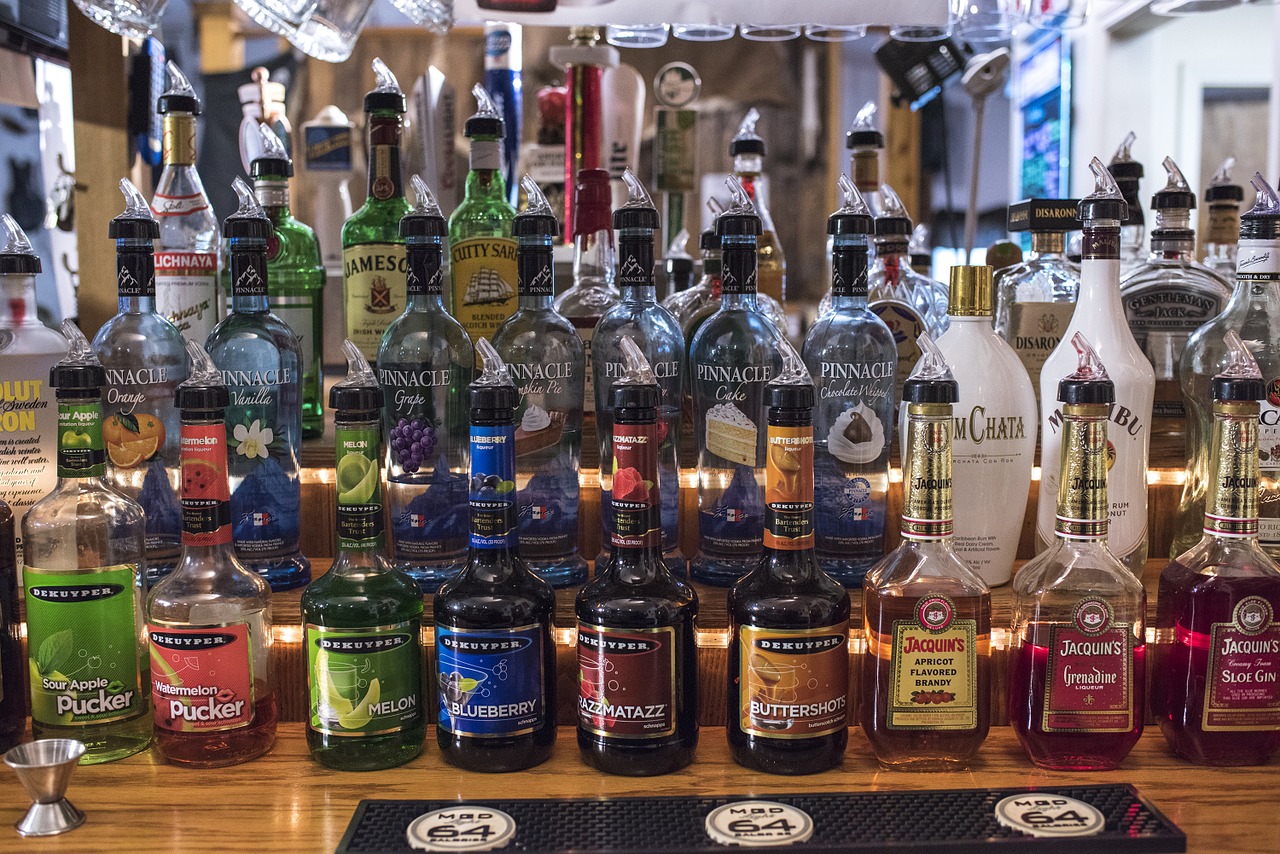
Bottles of alcohol.

Alcoholic Beverages.
Photo courtesy of Pixabay.com

Alcohol’s effect on productivity – Morning Question #28

Alcohol is not likely to make you more productive. People used to believe that alcohol was a stimulant and increased your productivity. It is not a stimulant, it is a depressant.

What alcohol does do is reduce the function of parts of the brain; as a result, people lose their inhibitions. So people who put things off and avoid things because of anxiety and shyness may do things while they have alcohol in the bloodstream that they otherwise would not do.

Taking more chances can be good if it helps you overcome inhibitions and gets you to try something for the first time. But it can also be bad if the thing you try that one time has harmful consequences, like sex with a new partner or drugs. Having to use chemicals to overcome anxiety also increases the risk you will become dependent on that chemical to cope with that problem the next time it arises.

This false belief in alcohol’s ability to increase productivity resulted in a lot of authors, newspaperman, and other creative types abusing alcohol and resulted in a lot of alcoholism.

There is no magic substance to make you more productive or creative.

Good health practices, some exercise, and reducing the internal censor that inhibits you from trying new things can go a long way towards increasing your productivity.

Staying connected with David Joel Miller

Seven David Joel Miller Books are available now!

My newest book is now available. It was my opportunity to try on a new genre. I’ve been working on this book for several years, but now seem like the right time to publish it.

Story Bureau.

Story Bureau is a thrilling Dystopian Post-Apocalyptic adventure in the Surviving the Apocalypse series.

Baldwin struggles to survive life in a post-apocalyptic world where the government controls everything.

As society collapses and his family gets plunged into poverty, Baldwin takes a job in the capital city, working for a government agency called the Story Bureau. He discovers the Story Bureau is not a benign news outlet but a sinister government plot to manipulate society.

Bumps on the Road of Life. Whether you struggle with anxiety, depression, low motivation, or addiction, you can recover. Bumps on the Road of Life is the story of how people get off track and how to get your life out of the ditch.

Dark Family Secrets: Doris wants to get her life back, but small-town prejudice could shatter her dreams.

Casino Robbery Arthur Mitchell escapes the trauma of watching his girlfriend die. But the killers know he’s a witness and want him dead.

Planned Accidents  The second Arthur Mitchell and Plutus mystery.

Letters from the Dead: The third in the Arthur Mitchell mystery series.

What would you do if you found a letter to a detective describing a crime and you knew the writer and detective were dead, and you could be next?

Sasquatch. Three things about us, you should know. One, we have seen the past. Two, we’re trapped there. Three, I don’t know if we’ll ever get back to our own time.

For these and my upcoming books; please visit my Author Page – David Joel Miller

Want the latest blog posts as they publish? Subscribe to this blog.

For videos, see: Counselorssoapbox YouTube Video Channel
What does “an expectation not an exception” mean when applied to co-occurring disorders?

By David Joel Miller, MS, Licensed Therapist & Licensed Counselor.

Mental illness and addiction go together.
Photo courtesy of Pixabay.com

Are Co-occurring disorders to be expected? – Morning Question #24

Most substance abusers also have some form of mental illness. The two are seen together so often we need to begin by assuming the client could have both and then assess as if both disorders were present. Many substance users had a mental illness before they began using drugs or alcohol. Depression, Bipolar Disorder, and Anxiety are all common among those with an addiction.

People who use and abuse substances are at risk of developing mental health issues as a result of the using experience.

Substances can also alter the brain, resulting in mental illnesses while under the influence, while withdrawing, or after use. Mental illnesses that are the result of drug or alcohol use are called drug-induced illnesses.

Anyone who works with the mentally ill or substance abusers should expect that they will see both of these problems and others on a frequent basis.

Staying connected with David Joel Miller

Seven David Joel Miller Books are available now!

My newest book is now available. It was my opportunity to try on a new genre. I’ve been working on this book for several years, but now seem like the right time to publish it.

Story Bureau.

Story Bureau is a thrilling Dystopian Post-Apocalyptic adventure in the Surviving the Apocalypse series.

Baldwin struggles to survive life in a post-apocalyptic world where the government controls everything.

As society collapses and his family gets plunged into poverty, Baldwin takes a job in the capital city, working for a government agency called the Story Bureau. He discovers the Story Bureau is not a benign news outlet but a sinister government plot to manipulate society.

Bumps on the Road of Life. Whether you struggle with anxiety, depression, low motivation, or addiction, you can recover. Bumps on the Road of Life is the story of how people get off track and how to get your life out of the ditch.

Dark Family Secrets: Doris wants to get her life back, but small-town prejudice could shatter her dreams.

Casino Robbery Arthur Mitchell escapes the trauma of watching his girlfriend die. But the killers know he’s a witness and want him dead.

Planned Accidents  The second Arthur Mitchell and Plutus mystery.

Letters from the Dead: The third in the Arthur Mitchell mystery series.

What would you do if you found a letter to a detective describing a crime and you knew the writer and detective were dead, and you could be next?

Sasquatch. Three things about us, you should know. One, we have seen the past. Two, we’re trapped there. Three, I don’t know if we’ll ever get back to our own time.

For these and my upcoming books; please visit my Author Page – David Joel Miller

Want the latest blog posts as they publish? Subscribe to this blog.

For videos, see: Counselorssoapbox YouTube Video Channel

Does Depression go away suddenly if you have Bipolar Disorder?

By David Joel Miller, MS, Licensed Therapist & Licensed Counselor.

Person with masks

Bipolar.
Photo courtesy of Pixabay.com

Can people with Bipolar Disorder have a sudden remission of their depression?

Morning Question #23

YES, YES, and More YES. It is common for people with Bipolar Disorder to rebound suddenly from a depressive episode. Taking antidepressants can cause that. So can a lack of sleep. Most likely these sudden recoveries for depression will not take you to “normal” whatever that is. They propel the bipolar person into Mania or at least Hypomania. I suspect that lots of other things can cause that leap from depression.

For more on Bipolar Cyclothymia, Mania or Hyperthymic personality see the categories to the right or check out the blog post – List of Bipolar related posts.  

Staying connected with David Joel Miller

Seven David Joel Miller Books are available now!

My newest book is now available. It was my opportunity to try on a new genre. I’ve been working on this book for several years, but now seem like the right time to publish it.

Story Bureau.

Story Bureau is a thrilling Dystopian Post-Apocalyptic adventure in the Surviving the Apocalypse series.

Baldwin struggles to survive life in a post-apocalyptic world where the government controls everything.

As society collapses and his family gets plunged into poverty, Baldwin takes a job in the capital city, working for a government agency called the Story Bureau. He discovers the Story Bureau is not a benign news outlet but a sinister government plot to manipulate society.

Bumps on the Road of Life. Whether you struggle with anxiety, depression, low motivation, or addiction, you can recover. Bumps on the Road of Life is the story of how people get off track and how to get your life out of the ditch.

Dark Family Secrets: Doris wants to get her life back, but small-town prejudice could shatter her dreams.

Casino Robbery Arthur Mitchell escapes the trauma of watching his girlfriend die. But the killers know he’s a witness and want him dead.

Planned Accidents  The second Arthur Mitchell and Plutus mystery.

Letters from the Dead: The third in the Arthur Mitchell mystery series.

What would you do if you found a letter to a detective describing a crime and you knew the writer and detective were dead, and you could be next?

Sasquatch. Three things about us, you should know. One, we have seen the past. Two, we’re trapped there. Three, I don’t know if we’ll ever get back to our own time.

For these and my upcoming books; please visit my Author Page – David Joel Miller

Want the latest blog posts as they publish? Subscribe to this blog.

For videos, see: Counselorssoapbox YouTube Video Channel

Mentally Ill Die Younger?

By David Joel Miller, MS, Licensed Therapist & Licensed Counselor.

Could you be mentally ill?

What Causes Mental Illness?

Do the Mentally ill have shorter life spans?

– Morning Question #22 –

Yes. Lots of disadvantages come with having a mental illness.

You are more likely to be a victim of crime. In fact, a mentally ill person is far more likely to be a victim than a perpetrator of a crime.

You have a larger chance of developing other physical illnesses. Some of these, like weight gain and obesity, can be the result of medications that the mentally ill need to take.

They are more likely to be unemployed, not have or lose medical care, become homeless, and all sorts of other life problems.

They are more likely to divorce or have children with partners who are no longer around and they are at extra risk to have families that cut them off and want nothing to do with them.

You are more likely to die young after a life full of illness.

No, the pity they may get does not compensate for the loneliness and hardship. Most clients I know would gladly give up the handful of dollars they get every month for being mentally ill and disabled if only they could be “normal” and work again.

Those who do recover and work again don’t always talk about their struggles because of the stigma.

Staying connected with David Joel Miller

Seven David Joel Miller Books are available now!

My newest book is now available. It was my opportunity to try on a new genre. I’ve been working on this book for several years, but now seem like the right time to publish it.

Story Bureau.

Story Bureau is a thrilling Dystopian Post-Apocalyptic adventure in the Surviving the Apocalypse series.

Baldwin struggles to survive life in a post-apocalyptic world where the government controls everything.

As society collapses and his family gets plunged into poverty, Baldwin takes a job in the capital city, working for a government agency called the Story Bureau. He discovers the Story Bureau is not a benign news outlet but a sinister government plot to manipulate society.

Bumps on the Road of Life. Whether you struggle with anxiety, depression, low motivation, or addiction, you can recover. Bumps on the Road of Life is the story of how people get off track and how to get your life out of the ditch.

Dark Family Secrets: Doris wants to get her life back, but small-town prejudice could shatter her dreams.

Casino Robbery Arthur Mitchell escapes the trauma of watching his girlfriend die. But the killers know he’s a witness and want him dead.

Planned Accidents  The second Arthur Mitchell and Plutus mystery.

Letters from the Dead: The third in the Arthur Mitchell mystery series.

What would you do if you found a letter to a detective describing a crime and you knew the writer and detective were dead, and you could be next?

Sasquatch. Three things about us, you should know. One, we have seen the past. Two, we’re trapped there. Three, I don’t know if we’ll ever get back to our own time.

For these and my upcoming books; please visit my Author Page – David Joel Miller

Want the latest blog posts as they publish? Subscribe to this blog.

For videos, see: Counselorssoapbox YouTube Video Channel