
Why are we so afraid of feelings?

By David Joel Miller, MS, Licensed Therapist & Licensed Counselor.

Man with feelings

Managing feelings.
Photo courtesy of Pixabay.com

Fear of feelings?

You would think that feelings were on the banned substance list. So many people are avoiding them. Failure to feel what we feel is at the root of a lot of mental health problems. Still, people go to great lengths to not feel those feelings.

We hear lots of advice about ways to avoid feelings, think logically, pull yourself together don’t let yourself feel that. The forces of logic have won the day and henceforth feelings are banned.

But we know in our gut that sometimes feelings are telling us the truth when our head wants to mislead us.

Some people grew up in homes where their feelings were invalidated. You said you were sad and you were told you are not sad, you don’t even know what sad is. If you feel that way you are being weak or selfish or some other terrible thing.

Numbing out the feelings.

So you avoided feelings, any and all feelings, and eventually, you became numb, chronically unhappy, or unable to feel any real joy. In your flight from feelings, you may have left a lot of love, friendship, and compassion behind. You may have resorted to drugs or alcohol or other addictions to avoid feeling what you were feeling.

Feelings have been blackballed, put on the most wanted list, and hunted down and exterminated whenever possible. We have become so very afraid that someone will get angry, depressed, or anxious and then something bad will happen. So we tell them to pull themselves together, forget that feeling and think logically.

Logical thinking, the scientific method has resulted in a lot of technological advances. We have more stuff than ever before in the history of the world. Stuff exists now that science fiction writers fantasized about just a few short years ago.

What we haven’t accomplished is any real reduction in pain or unhappiness. We have more pain-killing drugs but no less pain. We have more antidepressants but we have more depression than ever. We teach people to be more rational and there are crimes of passion on every corner.

In this process of avoiding being carried away with excesses of feelings, we have lost the ability to use feelings for the intended purpose.

Your feelings brain.

When we talk about using our brains, what is left out of the equation is just how much of our nervous system lies outside our heads. All those nerve cells, the ones surrounding your stomach, and the ones in your neck, they are trying to tell you things also.

Those expressions, someone is a pain in the neck, or that makes me sick to my stomach, those expressions are full of truth. Those bodily sensations are conveying information to the rest of our beings that we just may need to know.

Those other “thoughts” the ones in our feeling systems ought to get more attention. That skill we call intuition may just be those emotional memories of things in the past that are useful for actions in the present.

By avoiding our feelings for so long we have lost the ability to regulate those emotions. When we do feel something, like sadness, we can easily become overwhelmed.

When feelings are strangers we come to fear their presence. So many of us will do anything, drink, drug, numb out to avoid feeling what it is we are feeling. We become afraid that feelings are enemies out to destroy us rather than old friends here to tell us something.

One huge step in recovery is to learn that we can feel feelings, happiness or sadness, excitement, or anxiety without becoming overwhelmed and carried away. Having a feeling is not the same thing as being taken over by that feeling. Joy does not have to lead to an excessive celebration and sadness or anxiety need not lead to another relapse or flight.

One group of therapists talks about the need to learn distress tolerance. I can feel bad some of the time and that is OK. I will not cease to exist because I feel sad or anxious. It is possible to feel unpleasant feelings, ask what that feeling has to tell us, and then, like so many other thoughts, let that feeling move on.

Not every happy feeling calls for action, a celebration of excess that might lead to a relapse into drug use, overspending or inappropriate sexual activities.

It is possible to feel feelings and let them serve and inform us rather than being controlled by what we feel.

How do you feel about your feelings?

Staying connected with David Joel Miller

Seven David Joel Miller Books are available now!

My newest book is now available. It was my opportunity to try on a new genre. I’ve been working on this book for several years, but now seem like the right time to publish it.

Story Bureau.

Story Bureau is a thrilling Dystopian Post-Apocalyptic adventure in the Surviving the Apocalypse series.

Baldwin struggles to survive life in a post-apocalyptic world where the government controls everything.

As society collapses and his family gets plunged into poverty, Baldwin takes a job in the capital city, working for a government agency called the Story Bureau. He discovers the Story Bureau is not a benign news outlet but a sinister government plot to manipulate society.

Bumps on the Road of Life. Whether you struggle with anxiety, depression, low motivation, or addiction, you can recover. Bumps on the Road of Life is the story of how people get off track and how to get your life out of the ditch.

Dark Family Secrets: Doris wants to get her life back, but small-town prejudice could shatter her dreams.

Casino Robbery Arthur Mitchell escapes the trauma of watching his girlfriend die. But the killers know he’s a witness and want him dead.

Planned Accidents  The second Arthur Mitchell and Plutus mystery.

Letters from the Dead: The third in the Arthur Mitchell mystery series.

What would you do if you found a letter to a detective describing a crime and you knew the writer and detective were dead, and you could be next?

Sasquatch. Three things about us, you should know. One, we have seen the past. Two, we’re trapped there. Three, I don’t know if we’ll ever get back to our own time.

For these and my upcoming books; please visit my Author Page – David Joel Miller

Want the latest blog posts as they publish? Subscribe to this blog.

For videos, see: Counselorssoapbox YouTube Video Channel

The Blue Jay Mind – Do you have Mind Chatter

By David Joel Miller, MS, Licensed Therapist & Licensed Counselor.

Blue Jay.
Photo courtesy of Pixabay.com

Do you have a Blue Jay Mind? Is your mind on overload?

Does your mind feel like it is full? Is your brain always rushing somewhere? Do you sometimes feel like your mind is having a traffic jam?

Have you ever sat outside, a park or the lake, when a flock of Blue Jays or other loud birds had a constant chattering conversation? Does your own mind sound like that sometimes? In meditation, they refer to this as a monkey mind. But we North Americans we don’t see monkeys except in the zoo.

Flocks of loud obnoxious birds; that we see a lot of.

Some days my mind sounds like that squabbling in the tree outside my window.

You know you are not fully crazy; these are not voices in your head. These things that overwhelm you are your own thoughts, but that does not make it any easier to keep that mind of yours under control.

An unquiet mind is an unruly companion.

Some days my brain is just plain full. Is yours? I tell people around me not to tell me one more thing that I need to remember. I say, only half-joking, that if I learn one more thing I will need to forget something I used to know and I am afraid that trying to remember what they are telling me may mean I will forget how to get home tonight.

Do you reach the point of cognitive overload and find that you are working harder and harder to remember less and less? You may be getting old; you may be losing some abilities. If so see your doctor.

There is a simpler explanation.

We only have so many cognitive resources at our command. My computer has just so much storage space and so does my mind.

What we all need to do is reserve some space in our heads for the things that really matter. Learn to simplify our minds and reduce our worries. Less stuff rattling around in our brains results in more calmness, more serenity.

The difficult part of this is to get your mind slowed down and cleared out when you need to. We all can become so accustomed to thinking, thinking, always thinking that for many people it is difficult to shut that mind off when the times come to give your mind a rest.

Some people find mindfulness and meditation training to be helpful to get that mind quiet. Other people need counseling or even medication.

If your mind is constantly racing, if your head is full of noise and most of it is your own thoughts seek help. Just listening to your own thoughts day after day can wear you out.

Staying connected with David Joel Miller

Seven David Joel Miller Books are available now!

My newest book is now available. It was my opportunity to try on a new genre. I’ve been working on this book for several years, but now seem like the right time to publish it.

Story Bureau.

Story Bureau is a thrilling Dystopian Post-Apocalyptic adventure in the Surviving the Apocalypse series.

Baldwin struggles to survive life in a post-apocalyptic world where the government controls everything.

As society collapses and his family gets plunged into poverty, Baldwin takes a job in the capital city, working for a government agency called the Story Bureau. He discovers the Story Bureau is not a benign news outlet but a sinister government plot to manipulate society.

Bumps on the Road of Life. Whether you struggle with anxiety, depression, low motivation, or addiction, you can recover. Bumps on the Road of Life is the story of how people get off track and how to get your life out of the ditch.

Dark Family Secrets: Doris wants to get her life back, but small-town prejudice could shatter her dreams.

Casino Robbery Arthur Mitchell escapes the trauma of watching his girlfriend die. But the killers know he’s a witness and want him dead.

Planned Accidents  The second Arthur Mitchell and Plutus mystery.

Letters from the Dead: The third in the Arthur Mitchell mystery series.

What would you do if you found a letter to a detective describing a crime and you knew the writer and detective were dead, and you could be next?

Sasquatch. Three things about us, you should know. One, we have seen the past. Two, we’re trapped there. Three, I don’t know if we’ll ever get back to our own time.

For these and my upcoming books; please visit my Author Page – David Joel Miller

Want the latest blog posts as they publish? Subscribe to this blog.

For videos, see: Counselorssoapbox YouTube Video Channel
That’s not what’s wrong with you!

By David Joel Miller, MS, Licensed Therapist & Licensed Counselor.

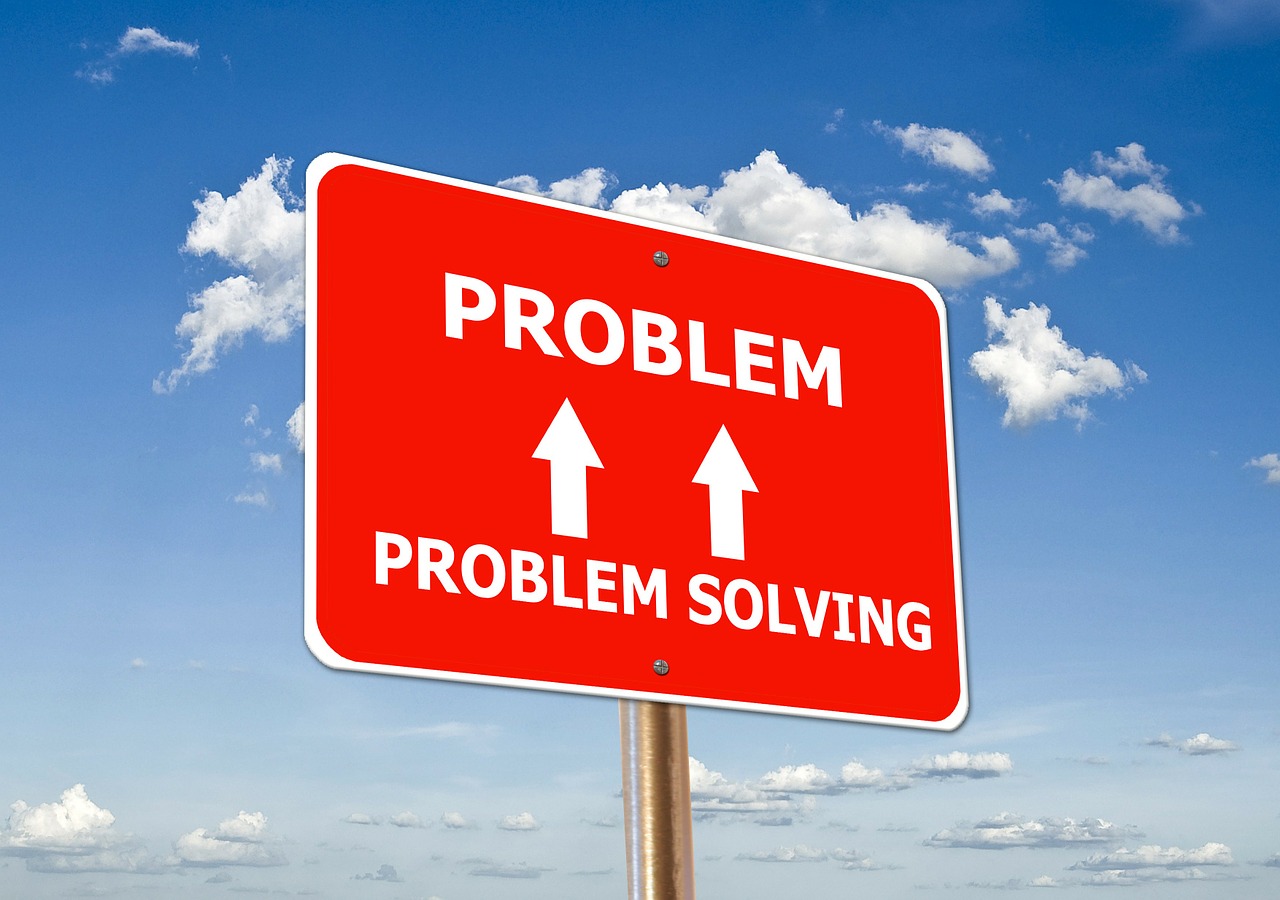
Problem and problem solving

Problem-solving.

Are you sure you really know what your problem is?

There has been a disturbing trend lately in the psychotherapy business. To hear some of my colleagues talk, clients do not have a clue what is wrong with them. Worse than that, if the client did know, they are convinced the client would lie to them.

I have to question these premises. First, some fictional examples may help.

A male client goes to see their therapist. The man says he and his wife are quarreling and he is afraid their marriage will end in divorce. The therapist does a full assessment and informs the client that his problem is not his relationship. His problem is he did not have a good attachment to his mother. He needs to work through all his childhood issues of wanting more from his mother than she gave him.

The client, not conscious of psychological principles, continues to insist that he and his mother got along just fine. The client says that it is possible that all men have mother issues they need to work out before they can properly relate to a woman. What does he know about psychological principles?

So the man undergoes a long examination of his childhood and his relationship with his mother. At the end, he sees how he was not really as close to his mother as he thought.

In the meantime, his wife leaves him and files for divorce. As much as it pains this man to lose the relationship with a woman he really loves and he is also sad about losing contact with his children because the wife has moved them to another state where she lives with her parents.

Still, the man now understands how his underdeveloped relationship with his mother has resulted in his attachment issues with women and he now understands why he will never be able to make a woman happy.

Sound far-fetched? I see things like this more often than you might guess.

Second example. A woman comes to see her therapist because she has been out of work for many months. She is discouraged and getting depressed because of her employment situation and her economic troubles. I am thinking either treatment for depression or help with career counseling, but the treating therapist tells me that would be wrong.

The problem here is that this client grew up in a home with an alcoholic parent. This has left all sorts of scars on the client and the client undergoes treatment for her anger towards that alcoholic parent. The client insists that she got over that stuff a long time ago but the therapist informs this client that she is sicker than she thinks and that she will never be happy again until she gets these childhood issues treated.

The client talks with this therapist for a number of sessions, still unconvinced that she has all that big a problem with her childhood. Eventually, the therapist tells the client that this client needs to stop lying about her hatred towards her father.

Clearly, anyone who grew up with an alcoholic parent has been scarred for life and will probably never be able to work again

By the way, these are fictional composite examples so do not go thinking you know the people I am talking about. You would be wrong.

Counter-transference.

The problems these vignettes illustrate are a phenomenon known as counter-transference. The counselor who has had issues in their childhood, or has others in their life with these issues, is insistent that the client must have the issues that the counselor sees and if the client disagrees then the counselor believes the client is lying.

It can also come from a theoretical orientation that asserts that all adult problems are the result of childhood events.

A more productive approach is for the treating professional to consider that some people who had mother problems or an alcoholic parent may be having problems today because of that past, but most people really have the problem they say they have.

I try, in my practice, to always accept that the problem is what the client says the problem is. This can save a lot of time by working on that issue first and then get back to the other stuff if that still needs doing.

I also find that it saves a lot of my time and the client’s time to avoid arguing with the client. If they tell me things I take it that they believe what they are telling me. They may be mistaken but most people really do believe what they are saying.

Certainly, there are times that clients might stretch the truth. Especially if they have something to gain, like child custody or disability. In those cases, where my results will go to another person or agency I ask a lot more questions. But if the purpose of the therapy is to help the client resolve issues or cope with life problems I find it is worth the effort to start from a place of believing the client.

Most of the time the problem that needs treating is the thing the client says brought them to my office in the first place. If your provider is insistent on treating you for their issue instead of yours consider getting a second opinion.

Staying connected with David Joel Miller

Seven David Joel Miller Books are available now!

My newest book is now available. It was my opportunity to try on a new genre. I’ve been working on this book for several years, but now seem like the right time to publish it.

Story Bureau.

Story Bureau is a thrilling Dystopian Post-Apocalyptic adventure in the Surviving the Apocalypse series.

Baldwin struggles to survive life in a post-apocalyptic world where the government controls everything.

As society collapses and his family gets plunged into poverty, Baldwin takes a job in the capital city, working for a government agency called the Story Bureau. He discovers the Story Bureau is not a benign news outlet but a sinister government plot to manipulate society.

Bumps on the Road of Life. Whether you struggle with anxiety, depression, low motivation, or addiction, you can recover. Bumps on the Road of Life is the story of how people get off track and how to get your life out of the ditch.

Dark Family Secrets: Doris wants to get her life back, but small-town prejudice could shatter her dreams.

Casino Robbery Arthur Mitchell escapes the trauma of watching his girlfriend die. But the killers know he’s a witness and want him dead.

Planned Accidents  The second Arthur Mitchell and Plutus mystery.

Letters from the Dead: The third in the Arthur Mitchell mystery series.

What would you do if you found a letter to a detective describing a crime and you knew the writer and detective were dead, and you could be next?

Sasquatch. Three things about us, you should know. One, we have seen the past. Two, we’re trapped there. Three, I don’t know if we’ll ever get back to our own time.

For these and my upcoming books; please visit my Author Page – David Joel Miller

Want the latest blog posts as they publish? Subscribe to this blog.

For videos, see: Counselorssoapbox YouTube Video Channel

What is secondary trauma?

Injury

Trauma.
Photo courtesy of Pixabay.

By David Joel Miller, MS, Licensed Therapist & Licensed Counselor.

Can you be traumatized by something that did not happen to you?

Secondary trauma.

Secondary trauma is the traumatic result of watching someone else be injured or their life threatened.  It is just as real as if the incident happened to you and can last long after the incident is over.

One place where we saw a lot of secondary trauma, this might also go by the name of vicarious trauma, were the incidents of September 11th. Children who watched the planes fly into the towers over and over on Television became frightened even though the events were thousands of miles away. They believed, because of the repeated showings, that thousands of planes were hitting thousands of buildings and that any moment the planes might hit buildings in their neighborhood.

This points out that events do not need to happen to you to be traumatic.  Watching a close family member be injured or killed can be as traumatic as if it happened to you. One reason there seems to be more Post-traumatic Stress Disorder among military veterans is the number of horrific incidents they witness during a tour of duty.

Watching others you are close to being killed or injured has a traumatic effect on you even if you are far enough away to escape injury.

Humans are endowed with very vivid imaginations. This raises the question can people be traumatized by fictional things, things that never happened?

As we grow older our ability to distinguish reality from fiction should improve. Young children are not always able to tell the difference. Plenty of children develop fears, night terrors or long-term phobias because adults watch horror or other graphic entertainment. They allow the kids to watch along with them since the adults are not overly frightened they expect the child to be able to understand the difference.

Unfortunately many young children these days are not able to tell the real from the imaginary especially in video format where great effort has been expended to make the horror as realistic as possible.

So whether the trauma was real or imagined, whether it happened to you or someone you know and care about, those traumas can and do traumatize people. We call this trauma, secondary traumatization because the victim of the physical attack may not be the person who suffers the most or the longest.

If you have been traumatized by watching someone else be harmed, there is help available. If your child develops fears or phobias after watching a video, talk with them about reality and fiction. If the problems continue, get professional help.

Staying connected with David Joel Miller

Seven David Joel Miller Books are available now!

My newest book is now available. It was my opportunity to try on a new genre. I’ve been working on this book for several years, but now seem like the right time to publish it.

Story Bureau.

Story Bureau is a thrilling Dystopian Post-Apocalyptic adventure in the Surviving the Apocalypse series.

Baldwin struggles to survive life in a post-apocalyptic world where the government controls everything.

As society collapses and his family gets plunged into poverty, Baldwin takes a job in the capital city, working for a government agency called the Story Bureau. He discovers the Story Bureau is not a benign news outlet but a sinister government plot to manipulate society.

Bumps on the Road of Life. Whether you struggle with anxiety, depression, low motivation, or addiction, you can recover. Bumps on the Road of Life is the story of how people get off track and how to get your life out of the ditch.

Dark Family Secrets: Doris wants to get her life back, but small-town prejudice could shatter her dreams.

Casino Robbery Arthur Mitchell escapes the trauma of watching his girlfriend die. But the killers know he’s a witness and want him dead.

Planned Accidents  The second Arthur Mitchell and Plutus mystery.

Letters from the Dead: The third in the Arthur Mitchell mystery series.

What would you do if you found a letter to a detective describing a crime and you knew the writer and detective were dead, and you could be next?

Sasquatch. Three things about us, you should know. One, we have seen the past. Two, we’re trapped there. Three, I don’t know if we’ll ever get back to our own time.

For these and my upcoming books; please visit my Author Page – David Joel Miller

Want the latest blog posts as they publish? Subscribe to this blog.

For videos, see: Counselorssoapbox YouTube Video Channel
Why apologies can make things worse

By David Joel Miller, MS, Licensed Therapist & Licensed Counselor.

Apology – I’m sorry.
Photo courtesy of Pixabay.com

Sometimes an apology makes things worse.

Do you feel you need to apologize?

People in recovery often feel they need to make apologies to others. Occasionally they do need to make them, but much of the time people in early recovery find that trying to apologize makes things worse rather than better.

People who have been drinking and drugging have done some things they should not have done. People in recovery from other mental illnesses often have been unable to do things they should have done. In both cases, it is natural to want to repair the relationship and to think that an apology is in order.

The expectation of many recovering people is that making an apology should mean that the other person forgives them and then everything is all right. They want the relationship to be a good one, even when it never was good, to begin with.

Apologies frequently do not produce the result you expect.

The person to whom you think you owe that apology, they may well still be holding resentment towards you. Your saying you are sorry may not be followed by an “I forgive you and everything is now fine” response from them. Some people need to hang on to their resentments to protect themselves from being hurt again.

What oft-times happens is that the other person takes this opportunity to let you have it. They tell you in most certain terms how badly you harmed them and how mad they continue to be. They may want you to feel their pain by hurting you back, they may just need to be heard and as a result, can’t hear you.

At this point, the recovering person, now surprised that the other person is not accepting their apology, becomes upset, angry and a new fight begins. The effort to repair the relationship breach has resulted in a new conflict and this has happened well along in your efforts to stay clean sober or otherwise recover.

What went wrong with your apology?

Most of the people in a recovering person’s life have heard it all before. You have said you were sorry and then you did it again. Or for some, they have said they would do things and then because of their illness were not able to do those things. The others in your life felt let down if not downright lied to.

If you really would like to repair the damage from the past and mend relationships and apologizing might make things worse – what should you do?

Don’t apologize – take action.

Rather than apologizing you need to do something. Take action and show that person rather than telling them how you are different. Talk is cheap but action speaks so loudly words get drowned out.

Make amends.

The idea of amends comes from 12 step groups. The principle is that rather than saying you are sorry but doing nothing, you need to do things to set the relationship right. If you were not able to do things in your relationship in the past begin as soon as you are able to meet those role expectations.

If you never were able to clean up after yourself, begin as much as you can to pick up and put away the things you use.

Do not get carried away and set yourself up for failure. Do not try to wash every dirty item in the house on the first day. But do gradually begin to take the steps you need to do to be of service to the others in your life.

If you treated others poorly, were over critical, or always angry, try to be happy, helpful, and pleasant to be around.

Over time the changes others see in your will speak volumes about the kind of person you are becoming in recovery and this may be a better apology than any words you could say.

Staying connected with David Joel Miller

Seven David Joel Miller Books are available now!

My newest book is now available. It was my opportunity to try on a new genre. I’ve been working on this book for several years, but now seem like the right time to publish it.

Story Bureau.

Story Bureau is a thrilling Dystopian Post-Apocalyptic adventure in the Surviving the Apocalypse series.

Baldwin struggles to survive life in a post-apocalyptic world where the government controls everything.

As society collapses and his family gets plunged into poverty, Baldwin takes a job in the capital city, working for a government agency called the Story Bureau. He discovers the Story Bureau is not a benign news outlet but a sinister government plot to manipulate society.

Bumps on the Road of Life. Whether you struggle with anxiety, depression, low motivation, or addiction, you can recover. Bumps on the Road of Life is the story of how people get off track and how to get your life out of the ditch.

Dark Family Secrets: Doris wants to get her life back, but small-town prejudice could shatter her dreams.

Casino Robbery Arthur Mitchell escapes the trauma of watching his girlfriend die. But the killers know he’s a witness and want him dead.

Planned Accidents  The second Arthur Mitchell and Plutus mystery.

Letters from the Dead: The third in the Arthur Mitchell mystery series.

What would you do if you found a letter to a detective describing a crime and you knew the writer and detective were dead, and you could be next?

Sasquatch. Three things about us, you should know. One, we have seen the past. Two, we’re trapped there. Three, I don’t know if we’ll ever get back to our own time.

For these and my upcoming books; please visit my Author Page – David Joel Miller

Want the latest blog posts as they publish? Subscribe to this blog.

For videos, see: Counselorssoapbox YouTube Video Channel

Can’t accept compliments?

By David Joel Miller, MS, Licensed Therapist & Licensed Counselor.

gift

Compliments are like gifts.
Photo courtesy of Pixabay.com

There may be reasons why you find it hard to accept compliments.

If you find it hard to accept compliments there may well be two principle reasons why you just do not believe people when they give you one. There may be something suspicious about the person giving the compliment or it may be about you.

Do you wish you could believe a “good job” well done or ever just congratulations? Were you taught you were supposed to be perfect?

Were you taught you didn’t deserve a compliment?

If you grew up in a non-affirming home, if you were constantly criticized, you may have developed “low self-esteem.” Low self-esteem stems mostly from excessive judging of one’s self. People who are criticized but never given praise can begin to think that their worth depends on them getting everything right. They need to be perfect.

Since we know that we are not perfect we can easily dismiss praise believing that this can’t be true. People with low self-esteem have difficulty giving themselves credit for things done well. The result is they never believe praise when they get it.

Compliments make you feel attacked.

The only time some people remember hearing a compliment was those back-handed sarcastic kinds. From an early age, you may have learned that what might at first glance sound like a compliment was, in fact, a disguised attack. This will leave a legacy of making you distrust all the compliments you receive.

Too many compliments don’t feel genuine.

People who hand out compliments freely, complimenting others even when there is no reason to hand one out make us all suspicious. Flatters know that if they can spread around the compliments, butter you up, if you will, then they will have less difficulty slipping something by you.

Researchers find that most of us find it easier to take a compliment from someone who also occasionally points out a fault. If the other person sees your mistakes but gives you a compliment anyway it is much easier to believe that they are being honest in both rather than strewing compliments in your way in an effort to manipulate you.

Give yourself credit when you deserve it.

The first step in being able to accept compliments from others is beginning to give yourself credit and not dismiss your own accomplishments. Once you can accept your own opinion that you have accomplished something it becomes easier to accept other’s compliments.

If you are dependent on others for that feeling of “well done”, you may never get enough sincere praise to meet that need and may always distrust other’s positive statements about you.

So if you find it hard to take a compliment, consider what a real true friend might say about you and begin to acknowledge to yourself when you do something correctly. Give yourself compliments and they will feel natural when offered by others.

When someone does offer you a compliment accept it with a simple “thanks.” No need to belittle the compliment with a statement like “it was no big deal.”

Watch others behaving and try to give out sincere compliments when others do something worth praising.

Keep practicing and soon you will be giving and receiving compliments because you know you and others are worth it.

Staying connected with David Joel Miller

Seven David Joel Miller Books are available now!

My newest book is now available. It was my opportunity to try on a new genre. I’ve been working on this book for several years, but now seem like the right time to publish it.

Story Bureau.

Story Bureau is a thrilling Dystopian Post-Apocalyptic adventure in the Surviving the Apocalypse series.

Baldwin struggles to survive life in a post-apocalyptic world where the government controls everything.

As society collapses and his family gets plunged into poverty, Baldwin takes a job in the capital city, working for a government agency called the Story Bureau. He discovers the Story Bureau is not a benign news outlet but a sinister government plot to manipulate society.

Bumps on the Road of Life. Whether you struggle with anxiety, depression, low motivation, or addiction, you can recover. Bumps on the Road of Life is the story of how people get off track and how to get your life out of the ditch.

Dark Family Secrets: Doris wants to get her life back, but small-town prejudice could shatter her dreams.

Casino Robbery Arthur Mitchell escapes the trauma of watching his girlfriend die. But the killers know he’s a witness and want him dead.

Planned Accidents  The second Arthur Mitchell and Plutus mystery.

Letters from the Dead: The third in the Arthur Mitchell mystery series.

What would you do if you found a letter to a detective describing a crime and you knew the writer and detective were dead, and you could be next?

Sasquatch. Three things about us, you should know. One, we have seen the past. Two, we’re trapped there. Three, I don’t know if we’ll ever get back to our own time.

For these and my upcoming books; please visit my Author Page – David Joel Miller

Want the latest blog posts as they publish? Subscribe to this blog.

For videos, see: Counselorssoapbox YouTube Video Channel

You can recover from your mental illness

By David Joel Miller, MS, Licensed Therapist & Licensed Counselor.

Woman crying with alcohol

Mental illness
Photo courtesy of Pixabay.com

Recovery happens – Does that surprise you?

Mental and emotional illnesses are relatively common.

Some of you are denying that you have or could ever get a mental illness. Half the population at some time in their life will have a mental illness. Depression and anxiety problems are the most common but many other emotional problems can throw you for a loss.

Among those who do develop a mental or emotional disorder, the conventional wisdom has been that they are “seriously and persistently” mental illness. The implication, all too often, has been that once you get a mental health diagnosis then life is over for you.

Recovery happens.

The truth is that many people do recover from their mental illness. Some by using professional help and others recover in spite of the obstacles the system puts in the way of recovery.

Before the discovery that medications could help with mental illness, the prevailing thought was that the mentally ill were “Crazy” and that once you “lost your mind” it was unlikely you would regain it. This has turned out to be untrue.

Medication can help.

For some, but not all, medication has completely changed the prognosis of mental illness. If a few days on medication can restore someone to functional behavior then it is clear that having a mental illness is not an incurable condition.

We have also discovered that many of the things we used to consider mental illnesses were the result of a lack of skills. People who did not learn good social skills in childhood find it difficult to have good relationships in adulthood. The good news is that anything you learned incorrectly can be unlearned and that the human brain is never too old and rarely to sick to preclude the chance of learning new material.

The consumer movement emphasizes recovery.

One other factor has challenged the notion that once mentally ill, forever sick. Because of the stigma, the mentally ill have traditionally faced many people hid their diseases. More and more of those who have had a mental illness have come forward to talk openly and honestly about their struggles. This openness is sometimes referred to as the consumer movement.

It has become clear to me and to others that there are many highly functional individuals who have at one point or another in their lives have struggled with a mental, emotional, or behavioral illness.

Unfortunately, discrimination against the mentally ill continues to keep people away from treatment.

In truth, half of all Americans are likely to experience one or more episodes of mental illness in their lifetimes. Those fortunate enough to have a strong support system and willing to seek treatment can and do recover.

Many a tragedy, personal and public, might be averted if more people could be encouraged to go for treatment rather than trying to hide their symptoms and pretend to themselves and others that they were not struggling with a mental health challenge.

Put an end to the lie – let people know – recovery happens.

Staying connected with David Joel Miller

Seven David Joel Miller Books are available now!

My newest book is now available. It was my opportunity to try on a new genre. I’ve been working on this book for several years, but now seem like the right time to publish it.

Story Bureau.

Story Bureau is a thrilling Dystopian Post-Apocalyptic adventure in the Surviving the Apocalypse series.

Baldwin struggles to survive life in a post-apocalyptic world where the government controls everything.

As society collapses and his family gets plunged into poverty, Baldwin takes a job in the capital city, working for a government agency called the Story Bureau. He discovers the Story Bureau is not a benign news outlet but a sinister government plot to manipulate society.

Bumps on the Road of Life. Whether you struggle with anxiety, depression, low motivation, or addiction, you can recover. Bumps on the Road of Life is the story of how people get off track and how to get your life out of the ditch.

Dark Family Secrets: Doris wants to get her life back, but small-town prejudice could shatter her dreams.

Casino Robbery Arthur Mitchell escapes the trauma of watching his girlfriend die. But the killers know he’s a witness and want him dead.

Planned Accidents  The second Arthur Mitchell and Plutus mystery.

Letters from the Dead: The third in the Arthur Mitchell mystery series.

What would you do if you found a letter to a detective describing a crime and you knew the writer and detective were dead, and you could be next?

Sasquatch. Three things about us, you should know. One, we have seen the past. Two, we’re trapped there. Three, I don’t know if we’ll ever get back to our own time.

For these and my upcoming books; please visit my Author Page – David Joel Miller

Want the latest blog posts as they publish? Subscribe to this blog.

For videos, see: Counselorssoapbox YouTube Video Channel
You can become a “natural”

By David Joel Miller, MS, Licensed Therapist & Licensed Counselor.

Skills.
Photo courtesy of Pixabay.com

Can you learn to be a natural?

When it comes to ability there are two schools of thought.

One group says that people are either born with a talent or they are out of luck. This used to be the prevailing theory. There are still a lot of folks who cling to this notion. They would have us believe that some folks are born to be poor, stupid, and uneducated and other people are born to be rich, privileged, and perfect.

The other school of thought decrees that people are all born with some genetic abilities but how those talents grow and develop are heavily influenced by the training they receive and the skills they develop.

School one says that if you are clumsy, that is the way you are and you will be clumsy the rest of your life. Coaches from this school search far and wide and try to recruit talent for their teams.

Coaches from the second school, the incremental skills school, look for ways to help the players they have developed more and better skills.

Personally, I think there is strong evidence for the second school. People who initially did not look like they could do something can often outplay, out study, and outperform those people who initially looked like “naturals.”

Naturals are developed over time not born that way. Some people who should have made the natural list never got the training they needed and as a result did not become the “natural” they could have become.

Some examples.

We expect that the tallest people should be the best at basketball. Yes, good players often enjoy the benefits of being above average in height, but have you ever known a really tall person who just could not play basketball? Are their short people who turn out to be extraordinary players? Appearances do not make for naturals and neither do inborn qualities.

The college degrees often do not go to the smartest people. We all know plenty of really smart people who did not apply themselves and as a result, failed to finish their education. Education does not always equal ability or opportunity but in many areas of life, without education, you don’t get to play the game in the first place.

“Naturals” practice – a lot.

If high levels of ability were all about being a natural, those top players would never need to practice. The truth is that the best players practice repeatedly until the things they want to do become automatic actions. They train themselves until they become that “natural” they wanted to be.

You have to practice the things that need improvement.

Highly successful people do not focus only on the things they do well. The difference between the top athletes and the next level down is that the top people continue to practice the things they do not do well until those things become part of their A routine. Those people who aspire to greatness but never make it often look for the things that they are good at, the things that they think reflect some natural ability, and then they practice what they are good at. Maintaining skills by practice is a good thing, but failing to improve yourself will prevent you from reaching the goals you would like to achieve.

The best way to be cone a natural is to find something that is an underdeveloped talent and practice this until you become proficient at it.

What thing would you like to look so good at that people would think you were a natural at it? Are you willing to work and practice until you become one of those high achieving people?

Staying connected with David Joel Miller

Seven David Joel Miller Books are available now!

My newest book is now available. It was my opportunity to try on a new genre. I’ve been working on this book for several years, but now seem like the right time to publish it.

Story Bureau.

Story Bureau is a thrilling Dystopian Post-Apocalyptic adventure in the Surviving the Apocalypse series.

Baldwin struggles to survive life in a post-apocalyptic world where the government controls everything.

As society collapses and his family gets plunged into poverty, Baldwin takes a job in the capital city, working for a government agency called the Story Bureau. He discovers the Story Bureau is not a benign news outlet but a sinister government plot to manipulate society.

Bumps on the Road of Life. Whether you struggle with anxiety, depression, low motivation, or addiction, you can recover. Bumps on the Road of Life is the story of how people get off track and how to get your life out of the ditch.

Dark Family Secrets: Doris wants to get her life back, but small-town prejudice could shatter her dreams.

Casino Robbery Arthur Mitchell escapes the trauma of watching his girlfriend die. But the killers know he’s a witness and want him dead.

Planned Accidents  The second Arthur Mitchell and Plutus mystery.

Letters from the Dead: The third in the Arthur Mitchell mystery series.

What would you do if you found a letter to a detective describing a crime and you knew the writer and detective were dead, and you could be next?

Sasquatch. Three things about us, you should know. One, we have seen the past. Two, we’re trapped there. Three, I don’t know if we’ll ever get back to our own time.

For these and my upcoming books; please visit my Author Page – David Joel Miller

Want the latest blog posts as they publish? Subscribe to this blog.

For videos, see: Counselorssoapbox YouTube Video Channel

Is relapse a part of recovery?

By David Joel Miller, MS, Licensed Therapist & Licensed Counselor.

Relapse

Relapse.
Photo courtesy of Pixabay.com

Is relapse a necessary part of recovery?

You will hear this a lot if you hang around treatment facilities, even self-help groups. I suppose it comes from seeing people relapse and feeling helpless to prevent those relapses. But is relapse really a necessary part of recovery?

Mostly this is applied to substance abuse, drugs, and alcohol, but more and more we are seeing that other emotional, mental, and behavioral challenges can follow the same processes. People get unhealthy; they may get sick and then they recover.

Do symptoms have to get worse before they get better?

Every time one of my colleagues says that relapse is a part of recovery I cringe. It feels like saying that heart attacks are a part of treating heart disease. I do not believe that good treatment should accept any negative outcome as a part of the recovery process.

Relapse is common, but it is not universal. Some people, more than you might think, recover, and never relapse.  A surprisingly large number of people report that they were able to quit drugs, get over their depression and anxiety, and stay quit and recovered.

So how do they do recover without relapse?

We need to talk about several things. What is recovery, what is relapse, and how do people go about changing?

Emotional challenges and substance use problems are a lot like chronic physical disorders. If you have had a stroke there has been some damage done. If you have been diagnosed with diabetes you will never be “cured.” Some changes will always remain as a result of your experience.

While you will never be “cured” you can, and most people do, recover from that disorder. The same thing happens to those people who have had an emotional or substance use disorder. They can and do recover but they are never fully cured. There is a risk that if they are not careful they may slip back into an active stage of their problem but if they are vigilant about their recovery they do not need to keep getting sick again and returning to their provider to, again and again, be treated and recover over and over.

These ideas about substance use problems and mental health problems are both included in the The Big Book of Alcoholics Anonymous. Bill W. wrote about the issues that those with Bipolar Disorder will face that may make their recovery more difficult than that experienced by people who do not have an underlying mental health disorder.

Bill W also wrote that in the early days of those who came to the program and stuck (meaning actually continued to attend and participate in the program) 50% quit drinking forever. That does not sound to me like he believed that relapse needed to be a part of recovery.

He went on to report that of the remaining half about 25 % had to quit a few times to get it right but those people did eventuality stop for good.

What about that last 25%? The big book reports that while some people never did manage to stay stopped those people, while attending A.A. were much improved. I take that to mean that while the treatment for a mental or emotional problem may not fully effect a cure, reducing your symptoms is a way to reduce the harm that a mental, emotional, or substance use problem creates.

These days we are applying the stages of change model to both mental health and substance use disorders. Take a look at some of the books on how people change such as Changing for good.

Changing for Good: A Revolutionary Six-Stage Program for Overcoming Bad Habits and Moving Your Life Positively Forward

I have written posts in the past on this model and how it can help you change and stay changed.

In this model, we see that people need to recognize they have a problem, gather information, get ready to change, and then go through the process of making real meaningful changes in their lives. In this model, we see that maintenance, those things you need to do to stay changed once you have made a change, those maintenance steps are the key to preventing relapses.

Relapse is a failure to maintain recovery.

Relapse is not a part of recovery, but the result of failing to continue doing the things that helped you get better in the first place. Whatever you did to get your emotional problem or substance use issue in remission in the first place, those actions need to continue to be a part of your life if you want to insure yourself against relapse.

If you do relapse, do not beat yourself up. Get back into recovery and practice the things you need to stay well. Just know that repeated relapses do not need to be a part of recovery if you practice your maintenance program.

Staying connected with David Joel Miller

Seven David Joel Miller Books are available now!

My newest book is now available. It was my opportunity to try on a new genre. I’ve been working on this book for several years, but now seem like the right time to publish it.

Story Bureau.

Story Bureau is a thrilling Dystopian Post-Apocalyptic adventure in the Surviving the Apocalypse series.

Baldwin struggles to survive life in a post-apocalyptic world where the government controls everything.

As society collapses and his family gets plunged into poverty, Baldwin takes a job in the capital city, working for a government agency called the Story Bureau. He discovers the Story Bureau is not a benign news outlet but a sinister government plot to manipulate society.

Bumps on the Road of Life. Whether you struggle with anxiety, depression, low motivation, or addiction, you can recover. Bumps on the Road of Life is the story of how people get off track and how to get your life out of the ditch.

Dark Family Secrets: Doris wants to get her life back, but small-town prejudice could shatter her dreams.

Casino Robbery Arthur Mitchell escapes the trauma of watching his girlfriend die. But the killers know he’s a witness and want him dead.

Planned Accidents  The second Arthur Mitchell and Plutus mystery.

Letters from the Dead: The third in the Arthur Mitchell mystery series.

What would you do if you found a letter to a detective describing a crime and you knew the writer and detective were dead, and you could be next?

Sasquatch. Three things about us, you should know. One, we have seen the past. Two, we’re trapped there. Three, I don’t know if we’ll ever get back to our own time.

For these and my upcoming books; please visit my Author Page – David Joel Miller

Want the latest blog posts as they publish? Subscribe to this blog.

For videos, see: Counselorssoapbox YouTube Video Channel

Top counselorssoapbox.com posts for Sept 2013

Counselorssoapbox.com

By David Joel Miller, MS, Licensed Therapist & Licensed Counselor.

Well, the month is not quite over but here they are the most-read posts on counselorssoapbox.com for the last 30 days, just in case you missed one.

How much should you tell a therapist?                     

Levels or types of Borderline Personality Disorder               

Do therapists have to report a crime?            

Hyperthymia, Hyperthymic Personality Disorder and Bipolar Disorder                   

Do people really forget what happened when drinking? – Blackouts                       

Which border is Borderline Intellectual Functioning on?                  

Reasons Counselors and Therapists Lose Licenses               

Are you Hyperthymic?                      

6 ways to recover from Complex Trauma or Complex PTSD                       

Is nicotine a stimulant or a depressant?                     

Do therapists like, fall in love with their clients? Why don’t they tell them?           

Can you force a teenager to go for therapy? 

Staying connected with David Joel Miller

Seven David Joel Miller Books are available now!

My newest book is now available. It was my opportunity to try on a new genre. I’ve been working on this book for several years, but now seem like the right time to publish it.

Story Bureau.

Story Bureau is a thrilling Dystopian Post-Apocalyptic adventure in the Surviving the Apocalypse series.

Baldwin struggles to survive life in a post-apocalyptic world where the government controls everything.

As society collapses and his family gets plunged into poverty, Baldwin takes a job in the capital city, working for a government agency called the Story Bureau. He discovers the Story Bureau is not a benign news outlet but a sinister government plot to manipulate society.

Bumps on the Road of Life. Whether you struggle with anxiety, depression, low motivation, or addiction, you can recover. Bumps on the Road of Life is the story of how people get off track and how to get your life out of the ditch.

Dark Family Secrets: Doris wants to get her life back, but small-town prejudice could shatter her dreams.

Casino Robbery Arthur Mitchell escapes the trauma of watching his girlfriend die. But the killers know he’s a witness and want him dead.

Planned Accidents  The second Arthur Mitchell and Plutus mystery.

Letters from the Dead: The third in the Arthur Mitchell mystery series.

What would you do if you found a letter to a detective describing a crime and you knew the writer and detective were dead, and you could be next?

Sasquatch. Three things about us, you should know. One, we have seen the past. Two, we’re trapped there. Three, I don’t know if we’ll ever get back to our own time.

For these and my upcoming books; please visit my Author Page – David Joel Miller

Want the latest blog posts as they publish? Subscribe to this blog.

For videos, see: Counselorssoapbox YouTube Video Channel