
Should you tell that to a friend or a therapist? – Part 2

By David Joel Miller, MS, Licensed Therapist & Licensed Counselor.
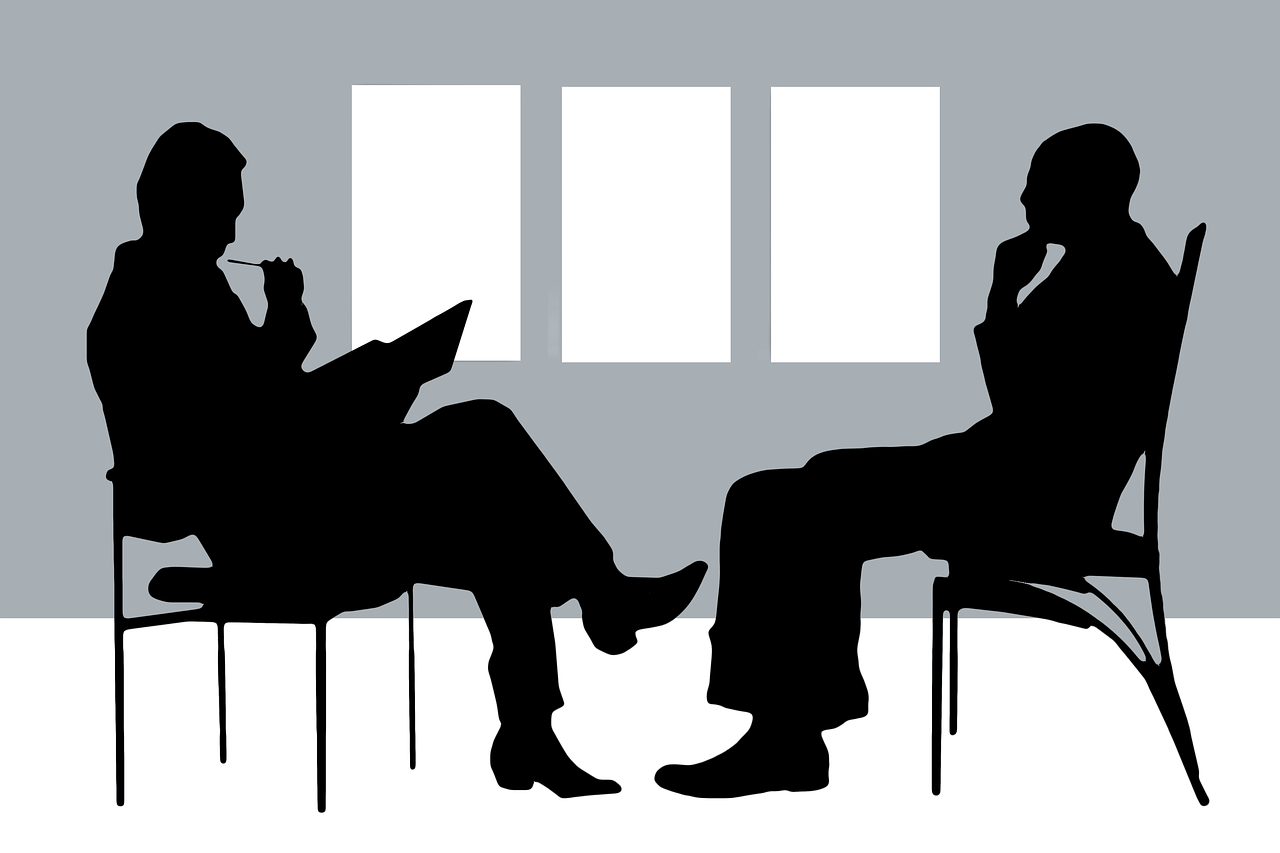
Therapist

Therapist.
Photo courtesy of Pixabay.com

Talking to a Friend or therapist – part 2.

I think I misread this question the first time. My first thought after reading the question was:

“Why should a client go to a therapist they have to pay rather than just talking to a friend?” That is from the client’s point of view and describes why a client would be better off getting a professional therapist rather than relying on a friend.

I wrote a blog post about “Therapist of Friend” which is up at counselorssoapbox.com. That post got some really good comments from readers and they suggested some additional reasons they found going to a professional therapist helpful.

After rereading the question I think they were asking:

“What if your friend is also a therapist? Or as a therapist what do I say, to my friend. Do I set boundaries and keep my roles as friend and therapist separate?”

Remember some of the readers of this blog are consumers but some of the readers are professionals or aspiring professionals.

Here is my opinion of what an ethical therapist should do.

The law’s that created LMFT’s and some other therapist and counselor professions defined what professionals do as “applied psychotherapy.” We are able to bill for services provided to a client’s medical insurance. We have to keep the practice of our medical specialty separate from what we do on a non-professional friend basis.

Consider a doctor and his wife, a therapist; who go to dinner at the house of a couple who are casual friends. The friends proceed to describe some chest pains the husband has been having.

The doctor could ask a couple of follow-up questions, make a diagnosis, and whip out his prescription pad and write out a prescription. But should he? Most likely he will tell his friend you should see a doctor. That needs to be checked out and you need some tests and lab work.

Now the wife changes the subject and tells this couple all about the problems they have been having with their teenage son. What should the therapist do? Listen empathically? Ask more questions to define a diagnosis? Suggest some interventions that the parents could try? Or should this therapist, for the same reasons as the doctor, suggest politely that lots of kids these days have problems and the family might want to consider getting him some counseling? Counseling doesn’t mean he is crazy, just he may need help with some of the growing up tasks that he needs to do. And often it is hard to listen to suggestions from family members whom you want to please and you have a history with.

But wait a minute, aren’t those also reasons why the couple may not be totally honest with their therapist friend? And could you make things worse if you suggested interventions or treatment and you had an incomplete diagnosis because your “friend” left out some embarrassing details in front of their spouse and guests?

Once you learn a skill it is hard to unlearn it or know when to put it aside. If the friend had a heart attack the doctor would most likely intervene and do some emergency procedure or he might call an ambulance. The therapist would do the same if the person was suicidal. But beyond emergency situations, therapists need to put their therapist hats by the door and just be friends.

Remember no one likes a car salesman who comes to your house for dinner and spends the whole meal trying to sell them a car. No one likes a psychotherapist who is trying to psychoanalyze everyone they meet.

The difference in the relationship between a friend and a professional therapist lies in the professional’s ability to diagnose or define the problem and then institute interventions to make a change. Even professional coaches are allowed to make criticisms of the client that a friend would not be permitted.

In a past blog post, I wrote about reasons a client might want to see a professional for therapy rather than just talk to a friend. Now, look at those same reasons from the therapist’s point of view. Your liability insurance won’t cover you. They get no confidentiality or privilege. You may need to make a child protective service report on your friend. And most importantly because of dual relationships, you lose a friend.

Here is what I suggest you tell your friends who bring up problems that are in a therapist’s scope of practice.

1. This sounds like something that a counselor could help you with.

2 I make it a rule not to do therapy with friends.

3. We are not supposed to have a second relationship like a friend, with our clients and I would hate to lose you as a friend.

4. I can give you the names of some therapists who could see you if you like.

If you do other things such as coaching or teaching there is no problem in having a friend attend your class or coaching them on more effective communication but be sure that this is a separate activity from your therapy or counseling practice. And remember, in coaching or teaching you never ever give a diagnosis or conduct an intervention designed to treat a mental, emotional, or behavioral problem.

Hope that clarified the issue from the therapist’s perspective.

Staying connected with David Joel Miller

Seven David Joel Miller Books are available now!

My newest book is now available. It was my opportunity to try on a new genre. I’ve been working on this book for several years, but now seem like the right time to publish it.

Story Bureau.

Story Bureau is a thrilling Dystopian Post-Apocalyptic adventure in the Surviving the Apocalypse series.

Baldwin struggles to survive life in a post-apocalyptic world where the government controls everything.

As society collapses and his family gets plunged into poverty, Baldwin takes a job in the capital city, working for a government agency called the Story Bureau. He discovers the Story Bureau is not a benign news outlet but a sinister government plot to manipulate society.

Bumps on the Road of Life. Whether you struggle with anxiety, depression, low motivation, or addiction, you can recover. Bumps on the Road of Life is the story of how people get off track and how to get your life out of the ditch.

Dark Family Secrets: Doris wants to get her life back, but small-town prejudice could shatter her dreams.

Casino Robbery Arthur Mitchell escapes the trauma of watching his girlfriend die. But the killers know he’s a witness and want him dead.

Planned Accidents  The second Arthur Mitchell and Plutus mystery.

Letters from the Dead: The third in the Arthur Mitchell mystery series.

What would you do if you found a letter to a detective describing a crime and you knew the writer and detective were dead, and you could be next?

Sasquatch. Three things about us, you should know. One, we have seen the past. Two, we’re trapped there. Three, I don’t know if we’ll ever get back to our own time.

For these and my upcoming books; please visit my Author Page – David Joel Miller

Want the latest blog posts as they publish? Subscribe to this blog.

For videos, see: Counselorssoapbox YouTube Video Channel
Morning Question # 2 Does Methcathinone help you get big in the gym?

By David Joel Miller, MS, Licensed Therapist & Licensed Counselor.

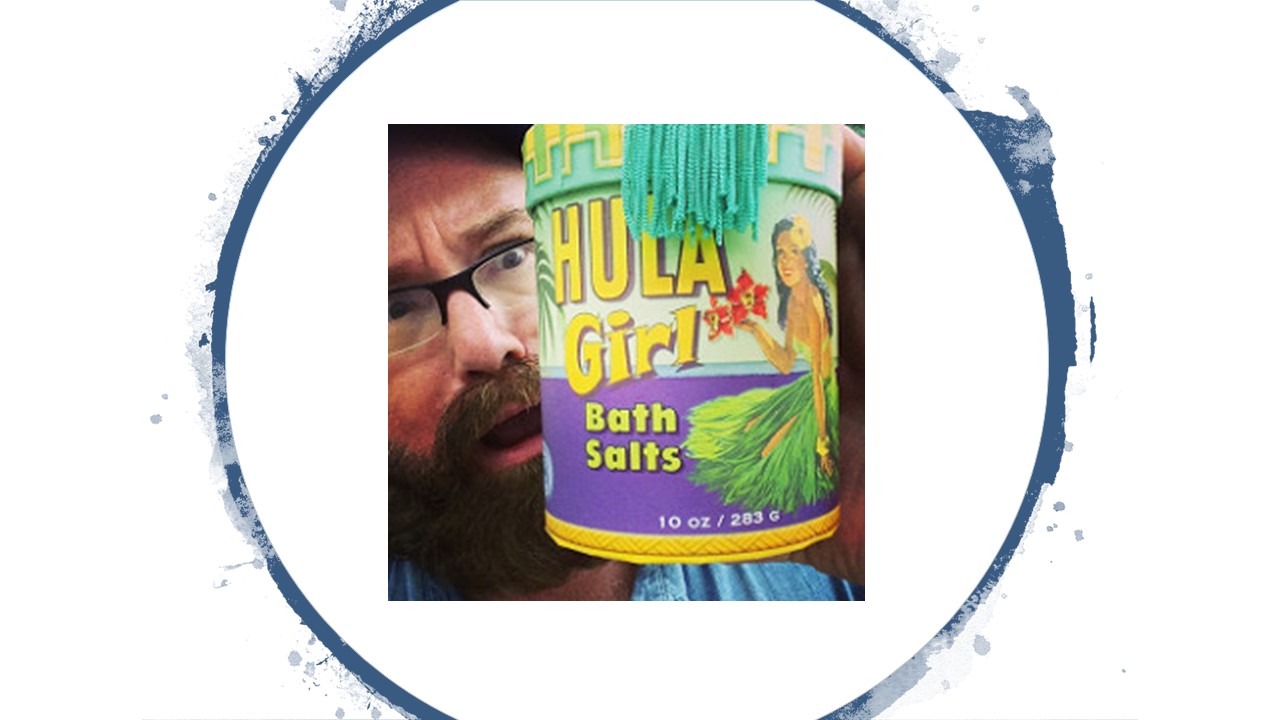
Bath salts.
Photo courtesy of Pixabay.com

NO! No stimulant makes you big and strong, you just think you are.

Not even if you consider someone with anorexia to be overweight. Methcathinone is a stimulant just like Methamphetamine. Different chemical formulas but similar results. The people who are telling you this are also pushing the “Jenny Crank” diet. Is losing your teeth your idea of weight loss? The only bulking out you do on powerful stimulants is from the scabs on your face. There is to my knowledge no safe and effective way to get big in the gym other than eating healthy and lots of appropriate exercises. The shortcuts that do work are not safe. The safe shortcuts don’t work.  Want to get big in the gym? Lift more weight, run more miles, and eat a lot of healthy food.

Why pay a therapist when you can just talk to a friend?

By David Joel Miller, MS, Licensed Therapist & Licensed Counselor.

Therapist

Therapist.
Photo courtesy of Pixabay.com

Therapist or friend – what is the difference?

1. Friends may keep your secrets; therapists are required to keep them.

Some friends are so close you can tell them anything. Well, almost anything. Most of us have secrets which we were sure we could never tell anyone. Friends are usually friends because we have things in common. If you tell them everything can they, will they, keep the secret? What effect might their knowing the secret have on your friendship? What if you two have a falling out? Some things are just too embarrassing to tell a friend.

There are two concepts that keep a therapist from revealing secrets. Confidentiality, which means that they can’t talk about what you say unless it fits those very few exceptions like you are suicidal or talk about abuse of a child. Other than that what you say there stays there.

Also, there is what is called patient-provider privilege. That means some things may be protected even if police or lawyers come around asking questions. Friends don’t get legal protection to keep your secrets.

You are only as sick as your secrets – Friends shouldn’t have to carry some secrets

2. Friends can help you solve today’s problem – counselors can help you learn to solve your own problems.

Counselors often work with clients to help them learn skills to solve life’s problems. Friends may tell you what to do in a given situation but that does not help you with the next problem.

You want help that will help you become more independent not more dependent. Therapists are taught they should help you be independent not foster dependency.

3. Friends may not want to hurt you but sometimes you need to hear the truth.

A professional person can give you their honest opinion. You paid for it and you deserve it. Friends may be afraid to tell you the truth for fear of losing a friend.

4. Friends get tired of listening to your problems, therapists do this for a living.

Ever meet someone who was really needy. Every time you talked to them it was all about their problem of the day? When you are going through something difficult you need to talk about it. Friends can get talked out. Don’t burn out friends and damage friendships by asking friends to become very involved in your problems.

5. Friends have a good heart. They want to help with your problems. That doesn’t mean they always known how.

Therapists have many years of schooling and specific training in how to help people like you with problems. They study not only diagnosis and treatment but how to help with particular problems.
It is that kind of expertise that you need in your corner when that problem overwhelms you.

6. Friends can play the game with you, but counselors and coaches can help you improve your game.

When the team is losing all the players are going to talk to each other. They know what it feels like to lose. What they don’t always know is how to change that losing streak. That is where a new coach can come in and help turn a team around. Counselors, therapists, and professional coaches can do that for your life problems.

That does not mean you should avoid friends or peer support groups. Both are vital parts of your support system. Millions have recovered from alcoholism in A.A. But if you find that when you talk to your friends about your problem, that they don’t know how to help you or that the solutions they offer are not helping, consider that you may have a second problem, a mental health problem and seek professional help.

Those are some reasons that you might decide to see a therapist rather than talk with a friend. What if your friend is a therapist? What if you are a counselor? In the next post, I want to talk about reasons to keep that friendship and that professional relationship separate.

Staying connected with David Joel Miller

Seven David Joel Miller Books are available now!

My newest book is now available. It was my opportunity to try on a new genre. I’ve been working on this book for several years, but now seem like the right time to publish it.

Story Bureau.

Story Bureau is a thrilling Dystopian Post-Apocalyptic adventure in the Surviving the Apocalypse series.

Baldwin struggles to survive life in a post-apocalyptic world where the government controls everything.

As society collapses and his family gets plunged into poverty, Baldwin takes a job in the capital city, working for a government agency called the Story Bureau. He discovers the Story Bureau is not a benign news outlet but a sinister government plot to manipulate society.

Bumps on the Road of Life. Whether you struggle with anxiety, depression, low motivation, or addiction, you can recover. Bumps on the Road of Life is the story of how people get off track and how to get your life out of the ditch.

Dark Family Secrets: Doris wants to get her life back, but small-town prejudice could shatter her dreams.

Casino Robbery Arthur Mitchell escapes the trauma of watching his girlfriend die. But the killers know he’s a witness and want him dead.

Planned Accidents  The second Arthur Mitchell and Plutus mystery.

Letters from the Dead: The third in the Arthur Mitchell mystery series.

What would you do if you found a letter to a detective describing a crime and you knew the writer and detective were dead, and you could be next?

Sasquatch. Three things about us, you should know. One, we have seen the past. Two, we’re trapped there. Three, I don’t know if we’ll ever get back to our own time.

For these and my upcoming books; please visit my Author Page – David Joel Miller

Want the latest blog posts as they publish? Subscribe to this blog.

For videos, see: Counselorssoapbox YouTube Video Channel

Goodbye to Drugs ritual – Breaking up with an addiction

By David Joel Miller, MS, Licensed Therapist & Licensed Counselor.

Writing a goodbye letter to your drug.
Picture courtesy of pixabay

Is it hard to let go of your addiction?

When the courtship began it was all good. That drug, the alcohol, the gambling they were fun. Your drug of choice stays with you no matter what.

People come and go in our lives but that addiction we develop it stays with us. Women come and go, Sherry is always waiting, along with Bud and Jose and their friends. Crystal will take you in when no one else wants to see you. It can be hard to say goodbye.

We have ceremonies for starting things, marriages, births of children, graduations. There are ceremonies for ending things also, divorce decrees and funerals, and the retirement dinner. How do you say goodbye to that drug?

Do you remember the first time you tried the drug, that first drink, and the feelings that your drug of choice gave you? In the beginning, was it good? Did it make you feel excited, happy, and successful?

Then did bad things start happening? Did the drug take you places you didn’t want to go? Did it send you to jails, institutions, homeless shelters, or to lonely places?

It is easy sometimes when all looks bleak to remember the good times if only you could reach that same high again. But you know that it takes ever more and more drug to reach the same high and then one day even the drug can’t get you high. Then it takes more of your drug just to get well, just to feel normal.

It is hard breaking up with someone you have been with for a long time, even when the relationship has gone bad. You remember those good times, long ago when the relationship was new and you wonder how you could live without that drug.

Ending a romantic relationship is often done with a goodbye letter, the “Dear John” or “Dear Jane’ letter. If you want to be free of your drug you may need to write it that same letter.

Dear Methie, Dear Alcehol, we had some good times way back when, but you done me wrong. You said you could make me rich and famous, but you took my money and put my picture on the wanted list. You said you would be my friend, but then you left me alone in jails, prisons, and hospitals. Now you have taken my life and left me looking for ways to end it. It’s time for me to say good-bye ole drug of mine.

Once that letter is written read it over. Have you said it all? Is it clear that you and the drug are through? Or did you leave the door open, breaking up and still wanting it to call again? Rewrite the letter if you need to. Make this one final. The relationship is over. Then send the letter the way your drug of choice will understand.

Some people find it helps to tear the letter up and flush it down the toilet, the way the drug tried to put your life in the toilet. Are your dreams up in smoke? You may need to take that letter to a safe place and burn it. Some people feel that everything about their life has gone downstream; they may wish to tear the goodbye letter up and toss it in the river.

Creating a ceremony marking the end of your relationship with that drug that used and abused you is a good way to start the next chapter of your life.

Some people prefer to do this sort of ritual alone. For others, it is helpful to have a trusted friend, counselor, or sponsor to help with the goodbye process.

However, you chose to do this goodbye ceremony, do it, and toss that drug of choice out of your life. Stop choosing drugs and start choosing yourself.

Staying connected with David Joel Miller

Seven David Joel Miller Books are available now!

My newest book is now available. It was my opportunity to try on a new genre. I’ve been working on this book for several years, but now seem like the right time to publish it.

Story Bureau.

Story Bureau is a thrilling Dystopian Post-Apocalyptic adventure in the Surviving the Apocalypse series.

Baldwin struggles to survive life in a post-apocalyptic world where the government controls everything.

As society collapses and his family gets plunged into poverty, Baldwin takes a job in the capital city, working for a government agency called the Story Bureau. He discovers the Story Bureau is not a benign news outlet but a sinister government plot to manipulate society.

Bumps on the Road of Life. Whether you struggle with anxiety, depression, low motivation, or addiction, you can recover. Bumps on the Road of Life is the story of how people get off track and how to get your life out of the ditch.

Dark Family Secrets: Doris wants to get her life back, but small-town prejudice could shatter her dreams.

Casino Robbery Arthur Mitchell escapes the trauma of watching his girlfriend die. But the killers know he’s a witness and want him dead.

Planned Accidents  The second Arthur Mitchell and Plutus mystery.

Letters from the Dead: The third in the Arthur Mitchell mystery series.

What would you do if you found a letter to a detective describing a crime and you knew the writer and detective were dead, and you could be next?

Sasquatch. Three things about us, you should know. One, we have seen the past. Two, we’re trapped there. Three, I don’t know if we’ll ever get back to our own time.

For these and my upcoming books; please visit my Author Page – David Joel Miller

Want the latest blog posts as they publish? Subscribe to this blog.

For videos, see: Counselorssoapbox YouTube Video Channel
7 places to avoid when looking for dates – Dave’s Dating Tips

By David Joel Miller, MS, Licensed Therapist & Licensed Counselor.

Comment

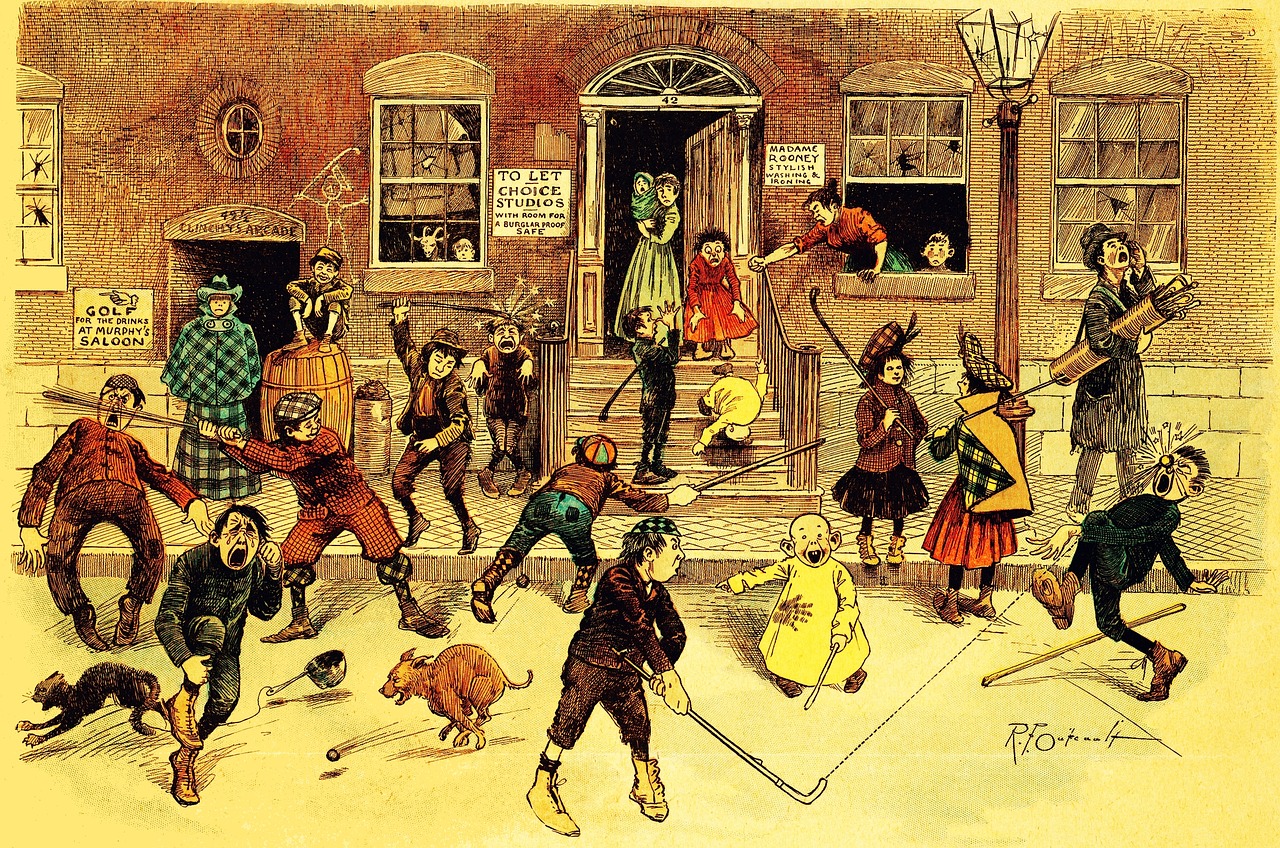
Bad neighborhood.
Photo courtesy of Pixabay.com

Places you should never go to find a date

People with a mental health challenge or who are in recovery, want, and need a close loving relationship just as much as anyone else. Sometimes in our search for a close partner, we look in all the wrong places. Here are a few of the places clients told me they found dates that I need to warn you about.

When people are sick they tend to attract sick people. Now two people with disabilities can be a great match and a great support system for each other. Just makes sure you and your potential partner are headed in the direction of recovery, not continued sickness.

Here are 7 places to avoid when looking for dates. There are good places to look; only these are NOT those good places.

1. Do not hang out around the V. D. clinic waiting for the easy ones.

When you pick a partner you pick a set of problems, different partner different set of problems. Try to avoid partners with incurable diseases. Remember when you sleep with a partner you are sleeping with all their ex’s. People with a history of sexual problems are likely to continue to have those problems. I know there are exceptions to every rule, but is this one you want to take a chance on?

2. Avoid crack houses or bars

Lots of people with an alcoholic ex get a divorce, and then their friends take them out to celebrate at — you guessed it – a bar. They meet someone; fall in love, only to discover that the new partner is — an alcoholic. People active in their addiction don’t have a place in their life for a new healthy partner. They are looking for someone who will enable them to keep drinking and using. People with an addiction are likely to be found in their natural habitat.

3. Don’t wait outside prisons for people with gate money.

Now if this is your old man or old woman getting out, that might be an exception. People do change, but give them time to find a job and a place to live before you sign on to put money on their books the next time they are away.

4. Homeless shelters are not prime dating spots

Sometimes bad things happen to good people. People are ending up homeless that never thought they would, but if you are cruising this kind of place for a date what does that say about you? Does the word predator come to mind?

5. Don’t try to pick people up while at the psychiatric hospital

This is not the time or place to start a relationship. You both need to work on you. Actually, come to think of it I know some people who met in a psychiatric facility and made a go of the relationship, but they didn’t hook up on the first hospitalization. Work on getting better first.

6. Avoid people who left domestic violence court and can’t go home because of the restraining order.

Just like some people keep hooking up with alcoholics or drug addicts there are people who keep being attracted to the strong forceful type. Then they are surprised when the relationship turns violent. If you were abused as a child or are just out of an abusive relationship be especially alert for this type of repeating pattern.

7. Avoid people with a lot of babies daddies or babies mothers.

Be especially cautious if the person you meet seems to have more children’s parents than they have children. Can’t tell you exactly where to find this sort of person but you will know then when you see them because there are just so many places they can’t go for fear of running into an ex.

So there are Dave’s 7 places to avoid when looking for people to date. Any of you have any other places you would care to add to this list? Any of you that found a great place to meet people to date that actually worked out and you would care to share?

Staying connected with David Joel Miller

Seven David Joel Miller Books are available now!

My newest book is now available. It was my opportunity to try on a new genre. I’ve been working on this book for several years, but now seem like the right time to publish it.

Story Bureau.

Story Bureau is a thrilling Dystopian Post-Apocalyptic adventure in the Surviving the Apocalypse series.

Baldwin struggles to survive life in a post-apocalyptic world where the government controls everything.

As society collapses and his family gets plunged into poverty, Baldwin takes a job in the capital city, working for a government agency called the Story Bureau. He discovers the Story Bureau is not a benign news outlet but a sinister government plot to manipulate society.

Bumps on the Road of Life. Whether you struggle with anxiety, depression, low motivation, or addiction, you can recover. Bumps on the Road of Life is the story of how people get off track and how to get your life out of the ditch.

Dark Family Secrets: Doris wants to get her life back, but small-town prejudice could shatter her dreams.

Casino Robbery Arthur Mitchell escapes the trauma of watching his girlfriend die. But the killers know he’s a witness and want him dead.

Planned Accidents  The second Arthur Mitchell and Plutus mystery.

Letters from the Dead: The third in the Arthur Mitchell mystery series.

What would you do if you found a letter to a detective describing a crime and you knew the writer and detective were dead, and you could be next?

Sasquatch. Three things about us, you should know. One, we have seen the past. Two, we’re trapped there. Three, I don’t know if we’ll ever get back to our own time.

For these and my upcoming books; please visit my Author Page – David Joel Miller

Want the latest blog posts as they publish? Subscribe to this blog.

For videos, see: Counselorssoapbox YouTube Video Channel

Are people who go for counseling crazy?

Sorry, this post is no longer available.

New post over at counselorfresno.com “If I go for counseling does that mean I am crazy.” If you check it out feel free to leave a comment and let me know what you think.

By David Joel Miller.

Why Blaming, Scolding and Criticizing don’t work

By David Joel Miller, MS, Licensed Therapist & Licensed Counselor.

Why blaming, scolding, and criticizing don’t work.
Photo courtesy of Pixabay.com

Ways to tame the blaming, scolding, and criticizing.

We all know someone who relies on these techniques and we know that these methods of communicating don’t make us want to do what they are asking. In many families, this becomes the primary way in which people communicate even when the person doing the blaming knows they don’t like the feeling of being on the receiving end of this sort of communication.

You can recognize someone doing these behaviors easily, but recognizing when you are doing them and changing to more effective behaviors takes some effort and practice. Responding to a scolder with scolding does not solve the problem. It only further escalates the conflict.

Blaming as communication.

Blaming is one of the three “communication stances” described by Virginia Satir, one of the founders of family therapy, and others of her colleagues. She describes people as communicating in three basic ways – Blaming, Placating, and congruent communications.

Blaming is the looking down on other’s stance, it includes all sorts of putting the person you are talking to down and making them “less than.”

Placating communication scrambles the message.

Placating might be described as the “victim stance.” We see puppies take this stance when they roll over and expose their bellies. Children will cower when yelled at. Placating says I give in. It says nothing about agreeing.

Congruent communication.

Congruent communication is the preferred mode in which people talk to each other as equals. Congruent communication does not look for whose fault it is that things are out of whack. the goal here is understanding.

Criticizing sabotages communication.

Criticizing has been described as attacking the person, not the action you want to change. Scolding includes a range of behaviors, verbal and physical that is designed to make the person being scolded “smaller” and the scolder feels more powerful and in control.

Some authors have suggested there is a difference between “complaining” in which you ask for a change and “criticizing” in which you just run the other person down in an effort to get revenge. One way to become more aware of these behaviors is to actually practice them until you recognize when you are doing them. Ben Furman has described some of these behaviors related to scolding. Done as a group activity the behaviors can be exaggerated until they become downright funny.

Here are the things a good blamer, scolder, and criticizer should be able to do automatically.

1. Tower over the person to be upbraided.

Parents have a natural advantage here. They are taller to start with. But if the person you are trying to demean is near your size, wait till they are seated and then pulling yourself up as much as possible and crowd in close so they can’t get up. In a pinch, a ladder or standing on a chair might help.

2. Stick your finger in their face.

This gesture, the universal sign of I am right and you are no good works, best if the finger motion includes several wags. Practice the up-down pound them into the ground move and the left-right “bad dog” move.

3. Leave no doubt that they are totally worthless.

Use plenty of words that leave no room for them to ever make it up to you or redeem themselves. You never, you always and other categorical statements should prove their worthlessness.

4. Demean their intelligence.

Statements like “anyone with half a brain would know” are especially good. Remind them they are dumb, stupid and that they have none of that rare commodity “common sense.” It helps to remind them how much common sense you have.

5. Ask questions for which there are no answers.

Don’t you understand that—?

Why did you do that?

6. Call them names.

Calling the person you are talking to “stupid” or “idiot” is sure to get a dramatic response out of the person you are talking at. Not a positive response necessarily, but a huge response none the less.

7. Be as vague as possible.

Never ask specifically for what you want and if by some chance they should request a clarification fall back on the old standbys “you know what I mean” or “If I have to explain it, you wouldn’t understand anyway.”

8. When all else fails try threatening.

Remind your children that if they don’t start doing as you tell them you will ground them for life. Threatening to take away the cell phone till they turn thirty can be especially ineffective. Make threats as large, outlandish, and impossible as you can. No sense in threatening with something you might actually be able to do.

Now should you want to really communicate in a positive way, which may be harder and require more work, then reverse the process and do the opposite of the things described above.

There you have it, 8 suggestions for becoming really good at Blaming, Scolding and Criticizing, and one antidote for poor communication.

Staying connected with David Joel Miller

Seven David Joel Miller Books are available now!

My newest book is now available. It was my opportunity to try on a new genre. I’ve been working on this book for several years, but now seem like the right time to publish it.

Story Bureau.

Story Bureau is a thrilling Dystopian Post-Apocalyptic adventure in the Surviving the Apocalypse series.

Baldwin struggles to survive life in a post-apocalyptic world where the government controls everything.

As society collapses and his family gets plunged into poverty, Baldwin takes a job in the capital city, working for a government agency called the Story Bureau. He discovers the Story Bureau is not a benign news outlet but a sinister government plot to manipulate society.

Bumps on the Road of Life. Whether you struggle with anxiety, depression, low motivation, or addiction, you can recover. Bumps on the Road of Life is the story of how people get off track and how to get your life out of the ditch.

Dark Family Secrets: Doris wants to get her life back, but small-town prejudice could shatter her dreams.

Casino Robbery Arthur Mitchell escapes the trauma of watching his girlfriend die. But the killers know he’s a witness and want him dead.

Planned Accidents  The second Arthur Mitchell and Plutus mystery.

Letters from the Dead: The third in the Arthur Mitchell mystery series.

What would you do if you found a letter to a detective describing a crime and you knew the writer and detective were dead, and you could be next?

Sasquatch. Three things about us, you should know. One, we have seen the past. Two, we’re trapped there. Three, I don’t know if we’ll ever get back to our own time.

For these and my upcoming books; please visit my Author Page – David Joel Miller

Want the latest blog posts as they publish? Subscribe to this blog.

For videos, see: Counselorssoapbox YouTube Video Channel

Getting rid of Nightmares that maintain Depression and PTSD

By David Joel Miller, MS, Licensed Therapist & Licensed Counselor.

Nightmares maintain depression and PTSD.
Photo courtesy of Pixabay

Then Come Nightmares.

Frequent nightmares play a major role in maintaining depression, PTSD, and other mental health problems. It is common for people to think that they need to cure the PTSD or Depression and then the nightmares will go away.  The opposite approach is more likely to be productive.

Most treatments for PTSD do not target the nightmares. There are treatments for nightmares available, some as brief as three sessions. These have been shown to help reduce nightmares and promote recovery from other problems.

Treatment for nightmares has been shown to reduce symptoms of PTSD and depression.

Children also suffer from nightmare related problems. Children who are fearful because of a family problem, moves, divorces, or separation develop symptoms of mental illness. “Bad dreams” are the result of the child’s out of control fear and are at the root of many childhood attention or conduct disturbances. When the child gets a good night’s sleep they behave, when they don’t sleep they don’t pay attention, and they don’t mind.

Nightmares are associated with high levels of anxiety. They are fear-based.

Most people who have PTSD, depression, bipolar disorder, or any other diagnosis also have a co-occurring anxiety problem. Now sometimes anxiety is good, it protects you from danger. But when the anxiety circuits do not turn off the anxiety gets to be the problem rather than the solution.

We also see lots of disturbing dreams in clients recovering from substance abuse problems. Substance abuse counselors report clients sharing about drug-using dreams. We have some simple interventions around those issues, but not much research has been done in this area because substance abusers, people with Bipolar Disorder, and people with psychosis are routinely excluded from research studies. I believe that the treatment for nightmares will work for anyone.

The solution is to tone down that fear circuit.

Before I describe a treatment method for reducing nightmares – a word of caution, working on nightmares, especially those that maintain PTSD, can be a painful process. It is best to work with a therapist or other professional person, and you need to make sure you have a strong support system in place in case you have difficulty coping.  For more on support systems see “How to develop a support system” or “How supportive is your support system?”

Taming nightmares involves three steps.

1. Learn relaxation methods.

Nightmares are fear-based, and the fear persists after you awake. Sitting thinking about the scary part of the dream might reinforce the nightmare and result in memorizing your nightmare. Fear and relaxations are not compatible. The more you relax, the less fear you will have. As you get better at relaxing your fear shrinks and your dreams become less traumatic.

2. Learn sleep hygiene

Keeping regular bedtimes, reducing or eliminating caffeine especially in the hours before bedtime and other efforts to improve sleep naturally are helpful. It is important to allow plenty of time for sleep.

People who stay up late and get up early gradually become sleep deprived. Lack of sleep aggravates all sorts of mental health issues. Insufficient sleep increases the possibilities that you will be suddenly awakened and will remember the “bad dreams.”

During sleep the brain keeps working on our issues, memories are consolidated and thoughts organized. We only call dreams “nightmares” if we awake during the dream and have memories of it. Better sleep can result in fewer nightmares.

3. Begin treatment of the nightmares once you are relaxed and well-rested.

The process of “reframing” nightmares makes them less scary and more manageable. Reframing or reprocessing is helpful for intrusive daytime thoughts as well as for nightmares.  The application of this to reducing or eliminating nightmares was described by Rhudy et al. in their 2010 article on CBT treatment for nightmares in trauma-exposed people, where they called it “ERRT” therapy.  Ben Furman has also described a similar approach for use with children.

Disclaimer- Rhudy et al.’s study, like most research in the mental health area, excluded substance abusers, people with mania or psychosis, and probably screened out all people with Bipolar Disorders. The sample size was also low with about twenty people per group. There is so much overlap between substance abuse, bipolar disorder, and PTSD in the clients I see these studies leave out exactly the people who most need new effective treatments. That said – the ideas appear to be fully appropriate for clients with co-occurring disorders.

Here is how it works:

To reprocess or reframe nightmares do the following things:

A. Write out as full a description of the nightmare as possible.

Getting it down on paper tames the story and makes it manageable. It also allows you to go back over it and add missing details. In step C you will be rewriting it with added insight.

Remember that it is a normal process for your brain to use your dreams to make sense of your experiences. In dreams, your brain will turn the experience around and examine it from all sides. Your brain may also play out multiple alternative endings for the event. It is not the dream that is the problem; it is the connection between the dream and fear that makes this a nightmare.

If you have several versions of the dream try to write them all down.

B. Read the nightmare story aloud.

Listen for the themes in the story. What are the fear messages? I think it is helpful to be able to read this to a therapist or other support person who can keep you from being overwhelmed and can provide some insight into things you may not immediately see. Just don’t make someone listen to your nightmare that is not emotionally able to hear the story.

C. Re-script the nightmare.

What is the expected ending? What is an alternative ending? Write out the story this time with a new less scary ending. Read the new version out loud. Has seeing a new possible ending tamed the fear?

Furman described a story, not sure where it originated, in which a grandmother applied the sort of approach to her grandson’s nightmare.

The child came to the grandmother scared because of a nightmare.

“Grandma, ” he said, “I had a nightmare.”

“There are no such things as nightmares,” The grandmother said “Only goodmares. All dreams should have happy endings. The problem is you keep waking up before the end. What is a good ending that could have happened?”

In this story, the child then works with his grandmother to find new happy endings for these scary dreams. The result – fewer scary dreams and less fear when bad dreams occurred.

Warring – in people with PTSD who were treated with re-scripting the fear declined first, anger later and the frequency and length of nightmares were the last things to decline.

Talk to your care provider about this process. If you try this process, see if it works. Learn to relax more. Tame your sleep. Then tame your nightmares. If you have had success in changing your nightmares ending please share your success with the rest of us.

Staying connected with David Joel Miller

Seven David Joel Miller Books are available now!

My newest book is now available. It was my opportunity to try on a new genre. I’ve been working on this book for several years, but now seem like the right time to publish it.

Story Bureau.

Story Bureau is a thrilling Dystopian Post-Apocalyptic adventure in the Surviving the Apocalypse series.

Baldwin struggles to survive life in a post-apocalyptic world where the government controls everything.

As society collapses and his family gets plunged into poverty, Baldwin takes a job in the capital city, working for a government agency called the Story Bureau. He discovers the Story Bureau is not a benign news outlet but a sinister government plot to manipulate society.

Bumps on the Road of Life. Whether you struggle with anxiety, depression, low motivation, or addiction, you can recover. Bumps on the Road of Life is the story of how people get off track and how to get your life out of the ditch.

Dark Family Secrets: Doris wants to get her life back, but small-town prejudice could shatter her dreams.

Casino Robbery Arthur Mitchell escapes the trauma of watching his girlfriend die. But the killers know he’s a witness and want him dead.

Planned Accidents  The second Arthur Mitchell and Plutus mystery.

Letters from the Dead: The third in the Arthur Mitchell mystery series.

What would you do if you found a letter to a detective describing a crime and you knew the writer and detective were dead, and you could be next?

Sasquatch. Three things about us, you should know. One, we have seen the past. Two, we’re trapped there. Three, I don’t know if we’ll ever get back to our own time.

For these and my upcoming books; please visit my Author Page – David Joel Miller

Want the latest blog posts as they publish? Subscribe to this blog.

For videos, see: Counselorssoapbox YouTube Video Channel
6 ways to recover from Complex Trauma or Complex PTSD

By David Joel Miller, MS, Licensed Therapist & Licensed Counselor.

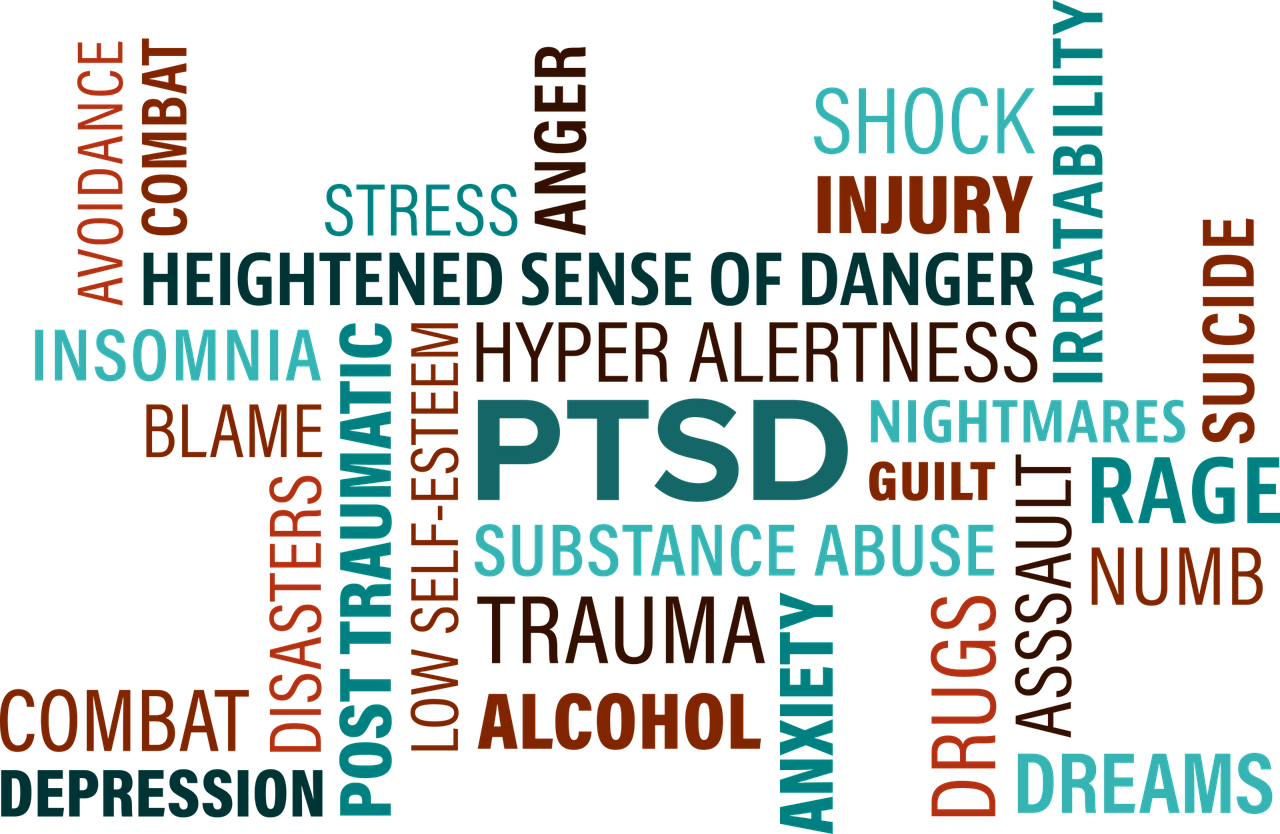
Words about PTSD

PTSD.
Photo courtesy of Pixabay.com

You can recover from Complex Trauma or Complex PTSD.

Complex Trauma or Complex PTSD is the result of repeated injuries, each of which creates additional trauma. Complex Trauma frequently arises in children who are abused or neglected over long periods of time or survivors of sexual assaults who are re-assaulted.

Being injured once is bad enough but repeated traumatization can result in problems far in excess of those caused by a single trauma. People who were traumatized in childhood and then retraumatize in later life are likely to develop severe and debilitating symptoms. Some researchers have suggested the name of Complex Trauma or Complex PTSD for this condition.

It appears that many people can experience severe trauma, recover, and not develop PTSD. Some of the symptoms of PTSD are normal reactions to experiencing trauma – in the short run. If the reaction is excessive, interferes with a job, friendships or relationships then it first becomes Acute Stress Disorder when the symptoms continue for long periods of time and seriously interfere with functioning the name and diagnosis is changed to Posttraumatic Stress Disorder (PTSD).

Complex Trauma adds trauma upon trauma and results in long-term suffering.

Some treatments make the symptoms of Complex Trauma worse and some things are effective in treatment. Here are the basic rules for recovering from Complex Trauma. I based this on the research of Conner & Higgins and their description of the work of Chu, with my own usually twists.

1. CAUTION – do not start digging until you know what is buried out there, avoid black holes.

The first reaction of someone trying to recover from complex trauma and the approach of many counselors is to go searching for the buried details. People ask “Why can’t I remember things?” Counselors are tempted to try to recover those lost memories. This can result in more trauma and pain and runs the risk of digging up stuff that wasn’t really buried in your yard but the yards of neighbors or even fictional characters.

Some serious damage has been done by forcing people to remember things way before they were ready and by hunting for things that you are not sure happened. Ask a kid often enough about sexual abuse and they will begin to “remember” things that “may have happened” or they “think” happened. These contaminated memories have resulted in a lot of extra pain.

There are a number of other steps that need to be completed before you go digging into the past for answers. The brain tries to protect us by hiding details from us that might keep us from functioning well enough to survive. Trust the process.

2. Have a supportive therapist or counselor as well as a support system in place.

You can’t make this journey of healing alone and the more capable the companions you have on the journey the better. Professionals are important because there may be things you need to tell them that you won’t feel safe telling others. Peers are also helpful for similar reasons.

Group counseling can be especially effective when and if you are ready to talk in front of others.

3. Ensure your personal safety

If you are in a dangerous situation healing is not likely until you deal with the current emergency. Make a safety plan and execute it. You need to feel safe and have reliable food clothing and shelter before you think about other aspects of recovery. But don’t put off recovery waiting for the day you will miraculously feel safe. Get started on the safety part first. Just taking steps to move to a safe place can be empowering.

Challenges to your safety don’t only come from outside. You may be a big part of the danger. Avoid, control, or work on urges and cravings. Confront any urges to commit suicide and seek help immediately if you have thoughts of suicide. Recognize and deal with non-suicidal self-injury, substance abuse, eating disorders, and the urge to try out risky behaviors. Don’t put yourself at risk to be victimized anymore.

4. Get your daily routines and rituals in place.

Most people who experience a crisis lose that ability to get up, eat, care for themselves, and then move about their day. The sooner you re-establish your daily routine the better.

When children are involved the recommendation is the sooner you can resume family rituals the better. Get back to your spiritual home. Remember to have some sort of ritual in your life; birthdays, Christmas, or any other familiar activity makes everyone feel better.

Returning to a job or other activity can be a great way to begin your recovery. If you can’t work at a paid job consider volunteering. Having a reason to get up and out of the house can jump-start your recovery.

A regular and consistent amount of sleep is important. So is some form of exercise. Be as consistent as possible with mealtimes and bedtimes. Include time for relaxation and positive activities.

5. Learn as much as you can about stress, acute stress, and the more difficult forms of PTSD and Chronic Stress. Learn to manage your primary symptoms.

Knowledge is power. When you know you are not “crazy” or “losing your mind” but that the things you are experiencing are common responses to what you have been through, then it is easier to look for the things others have found useful in recovering from their chronic stress.

Accept what you feel. Try to learn to feel what you are feeling rather than run from the uncomfortable feelings. The feelings will come and go. Learn that you don’t have to run from feelings, but you do need to move away from real danger.

6. Begin work on your long-term issues, the chronic stress symptoms, the problems you had before the stressor, and lastly the actual event.

Often people who develop PTSD or a chronic stress disorder discover they had other issues before the stress that put them at risk for PTSD.

Begin to talk about you. What does the experience mean to you? Who are you aside from the trauma? What does the trauma say about the person or thing that hurt you? What if any sense can you make of this?

The discussion of what actually happened should occur when you are ready to tackle this information.

7. Have patience with yourself and the persistence to work through your problems.

Recovery does not happen all at once. There may be sudden leaps forward or slips back but a continued effort will get you to recovery.

Use tools like positive affirmations. You are a worthwhile person no matter what has happened to you. Give yourself credit for the things you accomplish.

You can recover from Complex Trauma or Complex PTSD.

Staying connected with David Joel Miller

Seven David Joel Miller Books are available now!

My newest book is now available. It was my opportunity to try on a new genre. I’ve been working on this book for several years, but now seem like the right time to publish it.

Story Bureau.

Story Bureau is a thrilling Dystopian Post-Apocalyptic adventure in the Surviving the Apocalypse series.

Baldwin struggles to survive life in a post-apocalyptic world where the government controls everything.

As society collapses and his family gets plunged into poverty, Baldwin takes a job in the capital city, working for a government agency called the Story Bureau. He discovers the Story Bureau is not a benign news outlet but a sinister government plot to manipulate society.

Bumps on the Road of Life. Whether you struggle with anxiety, depression, low motivation, or addiction, you can recover. Bumps on the Road of Life is the story of how people get off track and how to get your life out of the ditch.

Dark Family Secrets: Doris wants to get her life back, but small-town prejudice could shatter her dreams.

Casino Robbery Arthur Mitchell escapes the trauma of watching his girlfriend die. But the killers know he’s a witness and want him dead.

Planned Accidents  The second Arthur Mitchell and Plutus mystery.

Letters from the Dead: The third in the Arthur Mitchell mystery series.

What would you do if you found a letter to a detective describing a crime and you knew the writer and detective were dead, and you could be next?

Sasquatch. Three things about us, you should know. One, we have seen the past. Two, we’re trapped there. Three, I don’t know if we’ll ever get back to our own time.

For these and my upcoming books; please visit my Author Page – David Joel Miller

Want the latest blog posts as they publish? Subscribe to this blog.

For videos, see: Counselorssoapbox YouTube Video Channel

How do you develop a support system?

By David Joel Miller, MS, Licensed Therapist & Licensed Counselor.

Supporters

Support system.
Photo courtesy of Pixabay.com

5 tips for developing a support system.

In the early stage of recovery developing a support system can be a challenge. We all know we need someone to support us, but who and how do we enlist their support? Let’s start with a description of a person in recovery from alcoholism and then expanded the description to other forms of recovery.

Newcomers in A.A. are encouraged to find a sponsor. It can be embarrassing to ask someone you hardly know to sponsor you. This relationship needs to be a good fit. The sponsor should be someone who has something in the way of recovery to offer and someone you feel comfortable in discussing your life with. They should also be someone you can trust to tell you the truth.

Have you ever done anything to help someone else? Let’s say you did something to help a child or an elderly person, how did that feel? Did it feel good to be able to help that person?

Sponsors do things for the person because it feels good to do so. They also work with others as part of the A.A. program because helping others keeps them sober. You are not imposing on a sponsor when you ask them to be your sponsor; you are offering them a chance to feel good about helping and to further their recovery. Don’t cheat a potential sponsor out of the opportunity to be of service.

Here is the process for selecting a sponsor that will likely be helpful.

1. Attend a variety of meetings

There are lots of A.A. and N.A. meetings. Most areas have central offices that can give you the address of a meeting nearby. With the changes in technology, there are lots of online resources, meeting lists, and even online meetings. If at all possible attend in-person meetings; it is important to make personal contacts.

Look for fellowships or places that have frequent meetings at the same location. Your car can find the bar without you steering it. Make it easy for your car to find the A.A. meeting on its own. Make a habit of going even when you don’t think you need to go. Someone there may need to see you. Support systems work in two directions.

There is likely to be one meeting that feels more comfortable than others. This may become your homegroup. Don’t stop there, however. Try out other groups for that time when you can’t go to your regular group but need a meeting. As you make friends at your home group consider going to other meetings together.

2. Get phone numbers.

At each meeting listen for people who say something that strikes you as helpful. After the meeting ask for their number. Many meetings will send around a phone card for members to give the newcomer their numbers.

Should you ask someone and they say no, please do not take this as something about you. Some people are very busy and don’t think they have the time for phone calls. Others, because of their jobs or situations, are not supposed to give out their phone number. If the potential sponsor says no keep asking till you find someone who is able to give out their number.

3. Every day call one other person in recovery.

When an alcoholic is thinking of drinking they will find that the phone receiver weighs two thousand pounds. They can’t lift the phone to their face to talk. By practicing phone calling every day you strengthen your arm and your habit of calling a recovering person. Sometimes you will find the other person needed the call even more than you did.

Don’t stop after one try. If the first person you call is not home or can’t talk keep calling until you reach someone. Having more than one person in your support circle is a huge plus.

It is also recommended that you not wait until after you are drunk to call. Call before you drink. Call as a way to manage the urges. Call as a way to build that connection with your support system.

4. Select someone to be your sponsor

One of those people you are calling, the one that is there for you, that is the person you are likely to ask to be your sponsor. Ask them. If they decline ask them for a recommendation. If you trusted them enough to ask them, trust them to refer you.

5. Develop social relationships with other recovering people

The best meetings are often the meeting-before-the-meeting and the meeting-after-the-meeting. Sit and talk. Go for coffee or dessert after the meeting. People hang out and talk not only about recovery but about the challenges of living life after drugs or alcohol.

Attend your fellowship’s social events, potlucks, picnics, sporting events, and so on. The more you develop social friendships the more people you have as potential support systems. Don’t wait until the crisis strikes to form strong friendships.

The process for finding sponsors at N.A. or other twelve-step programs is much the same.

What if your problem is a mental illness, not addiction, or both?

There are an increasing number of peer-run centers and peer-run groups. Ask at your local mental health providers about peer groups. Many areas have local NAMI chapters they can be especially helpful in referring you to peer support groups, so should local mental health agencies.

There are also online groups for mental health issues.

If you have both a substance abuse issue and a mental health issue look for co-occurring groups. It can also be helpful if you have multiple issues to attend more than one fellowship.

Think about how you would like your support system to support you.  Write out the things you would like them to do and not do. Make sure you discuss your wishes should a crisis strike. Make sure your support system knows about your professional providers or who to call if you have a crisis.

So there are some suggestions for creating and strengthening a support system. What have you done to create a support system?

Other posts about support systems can be found at:

How supportive is your support system?

Can one person be a support system?

How do you develop a support system?

Support meetings for family members?

Staying connected with David Joel Miller

Seven David Joel Miller Books are available now!

My newest book is now available. It was my opportunity to try on a new genre. I’ve been working on this book for several years, but now seem like the right time to publish it.

Story Bureau.

Story Bureau is a thrilling Dystopian Post-Apocalyptic adventure in the Surviving the Apocalypse series.

Baldwin struggles to survive life in a post-apocalyptic world where the government controls everything.

As society collapses and his family gets plunged into poverty, Baldwin takes a job in the capital city, working for a government agency called the Story Bureau. He discovers the Story Bureau is not a benign news outlet but a sinister government plot to manipulate society.

Bumps on the Road of Life. Whether you struggle with anxiety, depression, low motivation, or addiction, you can recover. Bumps on the Road of Life is the story of how people get off track and how to get your life out of the ditch.

Dark Family Secrets: Doris wants to get her life back, but small-town prejudice could shatter her dreams.

Casino Robbery Arthur Mitchell escapes the trauma of watching his girlfriend die. But the killers know he’s a witness and want him dead.

Planned Accidents  The second Arthur Mitchell and Plutus mystery.

Letters from the Dead: The third in the Arthur Mitchell mystery series.

What would you do if you found a letter to a detective describing a crime and you knew the writer and detective were dead, and you could be next?

Sasquatch. Three things about us, you should know. One, we have seen the past. Two, we’re trapped there. Three, I don’t know if we’ll ever get back to our own time.

For these and my upcoming books; please visit my Author Page – David Joel Miller

Want the latest blog posts as they publish? Subscribe to this blog.

For videos, see: Counselorssoapbox YouTube Video Channel