
Should therapist teach Mindfulness?

By David Joel Miller, MS, Licensed Therapist & Licensed Counselor.

Mindfulness and meditation.
Photo courtesy of Pixabay.com

Should you go to a therapist to learn mindfulness, meditation, yoga, or spirituality?

Some therapists and counselors incorporate the teaching of meditation, mindfulness, spirituality, and a whole host of other things into their practice. Clearly, there are times that these techniques can be helpful to clients. It is equally clear to me that you do not need to be a licensed therapist to teach a meditation class.

There are also times when some of these things can be harmful if done incorrectly. Meditation can be very bad for someone with PTSD or complex trauma if every time they try to close their eyes they have a panic attack. Another practice called grounding is recommended for those clients. (That topic needs another post.)

When we start mixing things up, professionals and clients need to be really clear about what is going on. Readers have asked some questions about this and I can see some professionals may be headed for problems.

What if I decide to teach a Wednesday night class in blogging? Can I sign up my therapy clients to come to this? Sure blogging can be a great way to express yourself and some of my clients might benefit from learning to write, but if I start mixing these two activities up we are headed for trouble.

Could a “Christian Counselor” teach a Bible study? Probably no reason why not. Except if they are doing their Bible study on Wednesday nights and competing with my blogging class this is not very therapeutic for either of us. (I picked Wednesday because I teach at the College on Tuesdays and Thursdays, not because of the traditional Wednesday night prayer meetings that some churches have.)

A counselor can have outside interests. We can and should do other activates. But when the lines between therapy and those other topics get blurry, there are lots of risks to clients. Maybe my Blogging class needs to be taught at the adult education school and the Bible study needs to take place in a church or someone’s home? Then the two roles are kept separate.

By the way, any therapist that tries to bill an insurance company for these other activates under the guise of them being “therapeutic” is probably headed for big trouble.

The role of the counselor or therapist is to help you get over, recover from, or reduce the symptoms of a particular emotional, mental, or behavioral problem. This role conflict becomes a problem when a therapist starts signing people up for a yoga class.

Yoga can be helpful in managing certain emotional problems. (My understanding of Yoga is that it is an exercise done slowly and purposefully while managing your breathing.) So yes any exercise may be helpful in treating depression. Working on your breathing can be helpful in reducing symptoms of anxiety and a therapist might spend a few minutes even a session teaching a client how to control their breathing to reduce anxiety. But when the therapist starts signing up clients for a weekly yoga class, they have crossed a line in my book.

Sure any therapist can have another interest. Say the therapist likes to play baseball and they start a Saturday baseball team. Is this therapy and should they be doing this with their therapy clients?

If I was working with a group of severely impaired people, those with no friends and no jobs, a weekly trip to the park to play baseball could be therapeutic. I could teach them how to take turns, follow the rules, and how to resolve differences. We could even do some work on social skills, picking a team captain, how to talk with each other, and so on.

But if the course of this baseball therapy included people with friends and jobs and we began to talk about baseball skills, bunting, and sliding into base, this is no longer a therapy group and we are becoming a baseball team. That is not a function that requires a therapist.

This example I hope is easy to see. There are not many times a sport is likely to be a part of traditional therapy. When therapists start talking about meditation, yoga, mindfulness and a host of spiritual and self-awareness techniques the lines get blurry.

My thinking is that there are times that I may use a particular technique briefly to help a client reduce or manage symptoms but if I stray into teaching them another topic I am no longer in my “scope of practice.”

So if your therapist avoids working on your past traumas or other current issues and wants to spend a lot of time on these other topics that are not specifically designed to reduce or control your mental health symptoms, think this through.

You may need to find another yoga teacher and then restrict your therapist to doing therapy. If they are uncomfortable with that, you need to talk with them about this, or eventuality you will need to change providers to get the help you need.

Having a therapist teach a meditation, mindfulness, or yoga class, can be another of those dual relationship issues that we therapists need to be careful about. If a therapist does do those activities there needs to be a clear connection to treating the client’s symptoms.

A therapist can use these techniques to help their client recover but they can’t use their client to support their other interests.

Staying connected with David Joel Miller

Seven David Joel Miller Books are available now!

My newest book is now available. It was my opportunity to try on a new genre. I’ve been working on this book for several years, but now seem like the right time to publish it.

Story Bureau.

Story Bureau is a thrilling Dystopian Post-Apocalyptic adventure in the Surviving the Apocalypse series.

Baldwin struggles to survive life in a post-apocalyptic world where the government controls everything.

As society collapses and his family gets plunged into poverty, Baldwin takes a job in the capital city, working for a government agency called the Story Bureau. He discovers the Story Bureau is not a benign news outlet but a sinister government plot to manipulate society.

Bumps on the Road of Life. Whether you struggle with anxiety, depression, low motivation, or addiction, you can recover. Bumps on the Road of Life is the story of how people get off track and how to get your life out of the ditch.

Dark Family Secrets: Doris wants to get her life back, but small-town prejudice could shatter her dreams.

Casino Robbery Arthur Mitchell escapes the trauma of watching his girlfriend die. But the killers know he’s a witness and want him dead.

Planned Accidents  The second Arthur Mitchell and Plutus mystery.

Letters from the Dead: The third in the Arthur Mitchell mystery series.

What would you do if you found a letter to a detective describing a crime and you knew the writer and detective were dead, and you could be next?

Sasquatch. Three things about us, you should know. One, we have seen the past. Two, we’re trapped there. Three, I don’t know if we’ll ever get back to our own time.

For these and my upcoming books; please visit my Author Page – David Joel Miller

Want the latest blog posts as they publish? Subscribe to this blog.

For videos, see: Counselorssoapbox YouTube Video Channel
Do counselors have to follow ethical codes?

By David Joel Miller, MS, Licensed Therapist & Licensed Counselor.

If a therapist does not belong to a professional group do they have to follow an ethics code?

There are a lot of rules about the relationships between a client and the treating professional. There are things that the professional can do, can’t do, has to do and is required to not do. Sometimes these rules get confusing for the professional as well as the client.

Recently a situation came up in which a professional was not a member of any professional organization, so the client left that visit with the impression that this professional did not need to follow any ethics code. This report of a problem left me thinking we need to talk about some of these codes of ethics and why a professional would need to follow them and what happens if they do not belong to any organization.

Turns out there may well be a time when a mental health professional needs to follow the standards of a code of ethics even if they chose to not belong to the professional organization. More on that later in this post.

To be a mental health professional you need a license in the jurisdiction in which you intend to practice your trade. Joining a professional organization does not allow you to practice this profession. So while all professionals are encouraged to join a professional group some choose not to be members.

Here in the United States of America, the various states license the various mental health professions. Not all states license the same professions. There can be states that allow a particular profession to practice even if they do not issue a license to that profession. For example “Life Coaches” are not licensed anywhere I know. They can do all sorts of coaching on how to have a better life. What a Life coach should not do is treat a person for a mental illness if the state in which they are practicing requires that license.

This situation of when and how to follow a code of ethics is made more complicated by the multiplicity of professions and professional licenses. There are Licensed Social Workers (LCSW’s and ASW’s), Licensed Professional Clinical Counselors (LPCC’s and PCCI’s), Licensed Marriage and Family Therapists (LMFT, MFT, and MFT interns.)

Here in California, we make it even more complicated with 9 or so different registries for Registered or Certified Substance Abuse or Drug and Alcohol Counselors, each of which presumably has their own code of ethics. Here is the code of ethics for CAADE, the program in which I teach is CAADE accredited.

Recently all these registries came together to create a Uniform Code of Conduct” for California’s substance abuse counselors.

The code of ethics varies depending on your profession and the particular organization you belong to. So someone could belong to several organizations (I do), one organization or no organizations.

What if there are contradictions between the various codes of ethics? What if the professional decides to not join any group to avoid having to worry about ethical behavior? We have come up with some principles to handle those situations.

California was the last state to grant licenses to Professional Clinical Counselors. Most Licensed Professional Clinical Counselors (LPCC’s) belong to CALPCC. The exact name of the counseling professional and the specifics of what they do can vary from state to state. Many California Counselors may also be members of the American Counseling Association (ACA.) In this case, the problem was easily solved. CALPCC adopted the ACA code of ethics.  

California was the first state to licensed Marriage and Family Therapists (originally called Marriage, Family, and Child Counselors.) There are more MFT’s in California that the rest of the country combined. (LMFT, MFT, MFCC are all the same thing.)

The California Association for MFT’s (CAMFT), which has members from a bunch of other states and even some other countries, is larger, so I am told, than the American Association of Marriage and Family Therapists (AAMFT.) Both of these groups have their own codes of ethics.

The Social Workers, mostly belong to the National Association of Social Workers (NASW), which has its own code of ethics.

So now we can look at problems with which code to follow if you are members of more than one group, and what happens if the counselor tries to duck ethical behavior by not being a member of any association.

Let’s use an easy to understand example for this.

Can a counselor date and have sex with a client? If so how long do they have to wait to do the dating-sex thing?

For starters no behavioral health profession I know of thinks it is ok to have sex with a current client. That is taking advantage of a weak person and frankly sounds predatory.

The rule for substance abuse counselors is that they must wait 3 years after the client stops attending their PROGRAM (not just after no longer being their client) before they can date that former client.

Now, this substance abuse counselor decides to go on and become a professional counselor, and while in school they join a professional counseling association. The norm in these groups is that you have to wait 5 years before dating a former client.

Now say this same person decides to become a Licensed Social Worker. The rule for the NASW is the professional may NEVER get sexually involved with a former client.

So which waiting period does this person need to observe 3 years, 5 years, or never?

The rule is that you observe whichever code of ethics has a HIGHER ethical requirement. So, in this case, the answer to how long to wait would be forever.

Can this person get out of this bind by not being a member of the Social Workers Association?

Not really.

Most licensing laws require the professional to follow the customary ethics of the profession whether the professional is a member of that group or not. See if most other professionals think it is unethical then that behavior is probably illegal also.

Even if that behavior, dating or some other “dual relationship” is not outright illegal, should the professional get into that sexual relationship and then break up with that former client, they might get sued and in that case, code of ethics or not, the former client will probably win.

So the bottom line is that professionals should always adhere to the highest possible standard of ethical behavior whether they are members of a group or not.

Just not belong to a professional group does not allow you to do things the rest of the profession thinks are unethical.

Hope that helped explain this ethical issues problem. If you are not sure, you may need to contact the appropriate professional association and remember the client should be contacting an attorney or making a complaint to the appropriate licensing board if they think the professional harmed them.

Staying connected with David Joel Miller

Seven David Joel Miller Books are available now!

My newest book is now available. It was my opportunity to try on a new genre. I’ve been working on this book for several years, but now seem like the right time to publish it.

Story Bureau.

Story Bureau is a thrilling Dystopian Post-Apocalyptic adventure in the Surviving the Apocalypse series.

Baldwin struggles to survive life in a post-apocalyptic world where the government controls everything.

As society collapses and his family gets plunged into poverty, Baldwin takes a job in the capital city, working for a government agency called the Story Bureau. He discovers the Story Bureau is not a benign news outlet but a sinister government plot to manipulate society.

Bumps on the Road of Life. Whether you struggle with anxiety, depression, low motivation, or addiction, you can recover. Bumps on the Road of Life is the story of how people get off track and how to get your life out of the ditch.

Dark Family Secrets: Doris wants to get her life back, but small-town prejudice could shatter her dreams.

Casino Robbery Arthur Mitchell escapes the trauma of watching his girlfriend die. But the killers know he’s a witness and want him dead.

Planned Accidents  The second Arthur Mitchell and Plutus mystery.

Letters from the Dead: The third in the Arthur Mitchell mystery series.

What would you do if you found a letter to a detective describing a crime and you knew the writer and detective were dead, and you could be next?

Sasquatch. Three things about us, you should know. One, we have seen the past. Two, we’re trapped there. Three, I don’t know if we’ll ever get back to our own time.

For these and my upcoming books; please visit my Author Page – David Joel Miller

Want the latest blog posts as they publish? Subscribe to this blog.

For videos, see: Counselorssoapbox YouTube Video Channel

Ugly nose and face or Body Dysmorphic Disorder

By David Joel Miller, MS, Licensed Therapist & Licensed Counselor.

Body dysmorphic disorder?
Photo courtesy of Pixabay.com

Can someone be too ugly to get a job or be loved?

There is a group of people in our society who believe very deeply that there is something wrong with their body which makes them so ugly that no employer will hire them and no other person could stand to be in a relationship with them. They often seek medical help to change their appearance but that help rarely results in them feeling acceptable.

There is a range of appearances. Some people are frankly better looking than others. We value celebrities based on their looks. So how far from that ideal level of beauty do you need to fall before you conclude that you are ugly and no one can possibly love or accept you?

Some people believe that they are ugly even when others around them cannot see the “flaw” that makes them believe they are undesirable. This belief that your body is flawed in some way, while others do not see the flaw is called Body Dysmorphic Disorder.

Body Dysmorphic Disorder can center on beliefs that any part of your body is defective but the most common things that are the focus of this belief are the skin, hair, and nose. Stomach, weight, breasts, or chest and eyes also cause significant numbers of people to feel bad about themselves.

Researchers believe that the prevalence of Body Dysmorphic Disorder is greatly underestimated. The number of people who suffer from this emotional problem is probably far greater than our statistics are reporting. Estimates of the number of people in the United States with Body Dysmorphic Disorder range from 2 million to in excess of 15 million people. The number of cases you see depends on where you look.

Most people with Body Dysmorphic Disorder do not come to mental health systems because of their excessive focus on their appearance. They often first present at a plastic surgeons office requesting an operation to change that part of them that they feel is making them ugly.

Annual expenditures for plastic surgery surpassed 10 billion dollars in 2008. This was an almost 900% increase over 1992 and this figure continues to grow. Unfortunately, people with Body Dysmorphic Disorder are most likely to feel that their operation was “botched” and as a result, sue the doctor or request a second or third operation. One study reported that 44% of plastic surgery patients were repeat clients. Some clearly were happy with the results and having more done but those with Body Dysmorphic Disorder are likely to undergo repeated operations because the problem lies in their thinking that they are ugly rather than in any particular objective problem with their looks.

So how does this Body Dysmorphic Disorder manifest in those who have the disorder? Suffers typically spend 3 to 5 hours per day looking at themselves in the mirror. They are highly sensitive to minor flaws in people and can spot defects in others readily. Many become housebound, afraid to go out and socialize because they believe that they are so ugly no one will like them. A deficit in social skills predisposes them to believe that their lack of friends and romantic partners is the result of their appearance rather than their lack of social skills.

Since those with Body Dysmorphic Disorder blame their lack of friends and jobs on their appearance they are unlikely to present for counseling or therapy. One way they enter treatment with a mental health professional is when their depression, anxiety, or other emotional problem brings them to the notice of the mental health system.

Almost half of those with Body Dysmorphic Disorder have been hospitalized in a psychiatric hospital. As many as 82% have had thoughts of suicide and one in four is likely to have attempted suicide. Most are young, single, and unemployed. They frequently have eating disorders, Obsessive Compulsive Disorder, or another psychiatric problem in addition to the Body Dysmorphic Disorder. Skin picking and religious or sexual preoccupation are also common. Many go on to develop Avoidant Personality Disorder.

They are also at risk to miss many days of work or school and many social events as a result of their feelings that they are physically ugly. Many of those with Body Dysmorphic Disorder drop out of school to avoid being seen by others.

Body Dysmorphic Disorder frequently begins in the early teen years and gets progressively worse. The mean age of onset of the Body Dysmorphic Disorder is between 14 and 16. Those with the disorder will cover their faces in various ways, spend excessive amounts on clothing or cosmetics or resort to extreme methods to try to alter their appearance.  Frequently those with Body Dysmorphic Disorder have been teased or bullied.

The mean age of onset of the Body Dysmorphic Disorder is between 14 and 16. The DSM-5 tells us that the most common age for onset of Body Dysmorphic Disorder is 12 to 13 years old.

This disorder is not restricted to females. Many young men develop the notion that they need to have huge bulging muscles to be acceptable and develop a related condition called Muscle Dysmorphic Disorder. Males are also at risk to believe that their genitals are too small resulting in avoiding dating and sexual relationships.

Those with Body Dysmorphic Disorder may also show up in weight loss groups where despite their low to normal body weight they will be focused on changing the shape of one part of their body that they see as defective.

Our understanding of Body Dysmorphic Disorder continues to change. In the DSM-4 Body Dysmorphic Disorder was included in the section on somatoform disorders, those disorders where emotions make you sick or make your illness worse. In the new DSM-5 Body Dysmorphic Disorder is included in the Obsessive-Compulsive disorders because of the time people with this disorder spend on concerns about their appearance.

There are effective treatments for Body Dysmorphic Disorder. The difficult part is getting those with the disorder to come for treatment. Since they firmly believe that their problems are the result of some physical defect they do not see how counseling can help them, and will often insist that they are not “crazy” or “mental.”

Treatment of other issues, depression, anxiety, and suicidal thoughts and actions are often the first step in engaging those with Body Dysmorphic Disorder in treatment. Cognitive Behavioral Therapy, Antidepressant medications, Narrative therapy, and skills training are all thought to be effective in treating Body Dysmorphic Disorder.

So if you or someone you know has no friends, no romantic partner, or no job and you think this may be because of looks, consider working with a counselor on your social skills, career counseling, and self-esteem before you conclude that the problem is your looks.

Staying connected with David Joel Miller

Seven David Joel Miller Books are available now!

My newest book is now available. It was my opportunity to try on a new genre. I’ve been working on this book for several years, but now seem like the right time to publish it.

Story Bureau.

Story Bureau is a thrilling Dystopian Post-Apocalyptic adventure in the Surviving the Apocalypse series.

Baldwin struggles to survive life in a post-apocalyptic world where the government controls everything.

As society collapses and his family gets plunged into poverty, Baldwin takes a job in the capital city, working for a government agency called the Story Bureau. He discovers the Story Bureau is not a benign news outlet but a sinister government plot to manipulate society.

Bumps on the Road of Life. Whether you struggle with anxiety, depression, low motivation, or addiction, you can recover. Bumps on the Road of Life is the story of how people get off track and how to get your life out of the ditch.

Dark Family Secrets: Doris wants to get her life back, but small-town prejudice could shatter her dreams.

Casino Robbery Arthur Mitchell escapes the trauma of watching his girlfriend die. But the killers know he’s a witness and want him dead.

Planned Accidents  The second Arthur Mitchell and Plutus mystery.

Letters from the Dead: The third in the Arthur Mitchell mystery series.

What would you do if you found a letter to a detective describing a crime and you knew the writer and detective were dead, and you could be next?

Sasquatch. Three things about us, you should know. One, we have seen the past. Two, we’re trapped there. Three, I don’t know if we’ll ever get back to our own time.

For these and my upcoming books; please visit my Author Page – David Joel Miller

Want the latest blog posts as they publish? Subscribe to this blog.

For videos, see: Counselorssoapbox YouTube Video Channel

Are internet affairs real affairs?

By David Joel Miller, MS, Licensed Therapist & Licensed Counselor.

Computer

Internet.
Photo courtesy of Pixabay.com

Are internet affairs real affairs?

The article this post originally sent you to no longer exists. For more information on this and related topics please see:

Affairs

Seven David Joel Miller Books are available now!

My newest book is now available. It was my opportunity to try on a new genre. I’ve been working on this book for several years, but now seem like the right time to publish it.

Story Bureau.

Story Bureau is a thrilling Dystopian Post-Apocalyptic adventure in the Surviving the Apocalypse series.

Baldwin struggles to survive life in a post-apocalyptic world where the government controls everything.

As society collapses and his family gets plunged into poverty, Baldwin takes a job in the capital city, working for a government agency called the Story Bureau. He discovers the Story Bureau is not a benign news outlet but a sinister government plot to manipulate society.

Bumps on the Road of Life. Whether you struggle with anxiety, depression, low motivation, or addiction, you can recover. Bumps on the Road of Life is the story of how people get off track and how to get your life out of the ditch.

Dark Family Secrets: Doris wants to get her life back, but small-town prejudice could shatter her dreams.

Casino Robbery Arthur Mitchell escapes the trauma of watching his girlfriend die. But the killers know he’s a witness and want him dead.

Planned Accidents  The second Arthur Mitchell and Plutus mystery.

Letters from the Dead: The third in the Arthur Mitchell mystery series.

What would you do if you found a letter to a detective describing a crime and you knew the writer and detective were dead, and you could be next?

Sasquatch. Three things about us, you should know. One, we have seen the past. Two, we’re trapped there. Three, I don’t know if we’ll ever get back to our own time.

For these and my upcoming books; please visit my Author Page – David Joel Miller

Want the latest blog posts as they publish? Subscribe to this blog.

For videos, see: Counselorssoapbox YouTube Video Channel

Why do people act in Passive Aggressive ways?

By David Joel Miller, MS, Licensed Therapist & Licensed Counselor.

Passive-aggressive.
Photo courtesy of Pixabay.com

Why must they act Passive Aggressive?

Passive Aggressive Personality Disorder used to be a recognized mental illness. Then in the DSM-4, it was reduced to a condition that may need more study, and most recently it has simply disappeared from our way of thinking of mental illnesses.

Remember that there are times when a person gets criticized for adopting this form of behavior, maybe even referred for psychiatric care and then other people may be praised for adopting some form of passive reaction to an injustice.

So let’s look at why some people may adopt Passive Aggressive Behavior and why we are no longer so sure that it should qualify as a mental illness.

There are legitimate reasons people do not just come out and say what they mean. There are also reasons people may choose to say nothing but fail to carry through on things they were told to do. Passive-Aggressive behavior can be the result of some of those reasons.

People become Passive Aggressive when they have no power or control.

Children, especially if they are in an abusive or non-loving home, may not feel they can say no to their parents. They get out of things, not by saying no or discussing things but by taking excessive time or doing things wrong. If they break enough dishes mom may stop asking them to do the dishes.

The same behavior makes sense in the boss and employee situation. Sometimes you can’t tell the boss no, so you just do not get around to doing things that would be a waste of time anyway. Not everyone does this. Some employees are very conscientious, but the worse the boss in terms of giving arbitrary orders and not allowing people to disagree the more likely this becomes.

Some people use Passive Aggressive behavior more often than others.

If you came from a family where it was not acceptable to disagree with the parents or worse yet where you were not supposed to have any feeling unless they were sanctioned by the adult, you are more likely to hide your anger and then express it in Passive Aggressive ways.

Mental health clinicians used to think that there were things we called “Personality Disorders” and the presumption was that people who had these were always like that and that they were hard to treat and never changed. These premises have recently been called into question. Turns out that people can change their behavior when the situation changes.

One other thing that cuts against the validity of there being such a thing as Passive-Aggressive Personality Disorder is that it is mostly used in situations where there is a weaker person who is unable to disagree with a stronger person or in a close situation like a marriage where sometimes we want to avoid both doing what the other person told us to do and also avoid making this into an argument.

One characteristic that has been used to differentiate Passive Aggressive behavior from something like passive nonviolence is the level of anger or hostility that the person using passive-aggressive behavior is experiencing.

When the non-doing stops being a way of avoiding conflict and becomes a way to harm someone else without having to accept the responsibility that hidden or veiled aggression can drive the most rational person to open hostility.

One aspect of Passive-aggressive behavior that has received a lot of attention is the times when it appears to be motivated by contrariness or oppositional motives. When a youth adopts the position that they will avoid doing whatever the adult asks them to do just for the sake of asserting that the adult cannot control them this can escalate to severe problems.

Frankly, much of what was getting called Passive-Aggressive Personality Disorder looks way more like Oppositional Defiant Disorder when we see it in youths.

Passive Aggressive Personality Disorder shared so many features in common with other personality disorders and with depression and anxiety most professionals only used it when a parent or spouse said that was what the client was doing.

Most of the things we have been thinking of as personality disorders include a lot of antagonism towards others. Sometimes this is because the person’s life experiences tell them that they will not be treated fairly if they openly disagree or resist the will of others.

So while you will still read about Passive-Aggressive people, mental health has largely concluded that this is not a mental illness but is a way that some people cope with not being able to express disagreement. In other words, Passive Aggressive behavior is a symptom of some other problem rather than being a particular treatable disease.

Staying connected with David Joel Miller

Seven David Joel Miller Books are available now!

My newest book is now available. It was my opportunity to try on a new genre. I’ve been working on this book for several years, but now seem like the right time to publish it.

Story Bureau.

Story Bureau is a thrilling Dystopian Post-Apocalyptic adventure in the Surviving the Apocalypse series.

Baldwin struggles to survive life in a post-apocalyptic world where the government controls everything.

As society collapses and his family gets plunged into poverty, Baldwin takes a job in the capital city, working for a government agency called the Story Bureau. He discovers the Story Bureau is not a benign news outlet but a sinister government plot to manipulate society.

Bumps on the Road of Life. Whether you struggle with anxiety, depression, low motivation, or addiction, you can recover. Bumps on the Road of Life is the story of how people get off track and how to get your life out of the ditch.

Dark Family Secrets: Doris wants to get her life back, but small-town prejudice could shatter her dreams.

Casino Robbery Arthur Mitchell escapes the trauma of watching his girlfriend die. But the killers know he’s a witness and want him dead.

Planned Accidents  The second Arthur Mitchell and Plutus mystery.

Letters from the Dead: The third in the Arthur Mitchell mystery series.

What would you do if you found a letter to a detective describing a crime and you knew the writer and detective were dead, and you could be next?

Sasquatch. Three things about us, you should know. One, we have seen the past. Two, we’re trapped there. Three, I don’t know if we’ll ever get back to our own time.

For these and my upcoming books; please visit my Author Page – David Joel Miller

Want the latest blog posts as they publish? Subscribe to this blog.

For videos, see: Counselorssoapbox YouTube Video Channel

Are you the Passive Aggressive type?

By David Joel Miller, MS, Licensed Therapist & Licensed Counselor.

Couple fighting by not fighting

Passive-aggressive.
Photo courtesy of Pixabay.com

Who is the Passive-Aggressive?

There has been some discussion recently on the internet and elsewhere about people who are “Passive-Aggressive” how you deal with someone who is Passive-Aggressive and so forth.

What exactly is a “Passive-Aggressive Person” and how might this passive-aggressive personality be affecting you?

Turns out there are at least two somewhat different activities going by the name of Passive-Aggressive behavior.  On the subject of Passive-Aggressive Personality, psychology and mental health are not on the same page. There are not just separated and divorced on this one but living in different time zones.

Psychology has studied the way people may behave and do they have Passive characteristics or Aggressive characteristics. They used to think of these two as on opposite poles of the same axis.

Then it was suggested that some people combine both into a Passive-Aggressive style of dealing with conflicts. There were also some studies of whether these were stable traits, people did this all the time, or were these states, that the person might use a particular way of behaving in response to a specific situation and at one time but not another.

Mental health started looking at this as a potential mental illness, Passive-Aggressive Personality Disorder, which was causing problems in people’s social lives or in their work settings. The result of these two different perspectives is that the two fields came to differing views about Passive-Aggressive personality.

How did we get to a place where some professionals are writing about Passive-Aggressive people as if we all know what that is and why, while other groups have told us to drop the idea altogether?

Is a passive-aggressive person all bad or are there times when this is a useful way of behaving?

The idea that there are “Passive-Aggressive people” seems to have originated during World War Two when officers noticed, and then they complained, that they might give orders but the men just did not get around to doing what they were supposed to do. The result of this behavior was that the men got out of doing things and sometimes they communicated to a superior officer that they did not like that officer.

One example of this might be an officer who had the men dig a ditch one day and then had them fill it in the next. I suppose that the officer could argue that this is teaching discipline and is keeping the men active and fit, but the men soon caught on and found that there was no reason to put much effort into this ditch to nowhere.

This concept, of the person who is told to do something but then deliberately does it poorly or not at all, has also been applied to employees in the work setting. Some bosses like to think of themselves as generals or in other military terms. They talk about commanding their employees. You can make a good argument for the need of people in the military to carry out an order regardless of whether they agree with the order or not. It is harder to see why bosses give some orders that just make life harder for their employees and do not create any extra production.

The result of these irritating directives from management can be work slowdowns, stoppages, or people who just forget to do things. Sometimes it is hard to tell the difference. Some jobs take longer to do than planned. Sometimes people do forget. So the interpretation of “is this a Passive-Aggressive act” has to do with the motivations or intent of the employees, not with the resulting action or inaction.

This Passive-Aggressive idea was expanded to include children who did not do what adults asked. I still see this version in articles about our educational system. The student is told to move something but they drop and break it. Or they get the instructions wrong and go to the wrong place. Sometimes is as simple as them saying yes to doing something but then just sitting in their seat and doing nothing. The complaint by teachers is that the student may be saying yes but their actions are sabotaging the outcome.

One other place this is coming up, and here we are bordering on the mental health arena is in the field of marriage counseling.

One partner will refer to the other as passive-aggressive. Say the wife has a job interview the next day, she is busy getting ready and she asks the husband to stop at the grocery store on the way home.

He gets home late that night and reports he had a problem at work and “forgot” to stop at the store. This may lead to an argument and then either they eat leftovers or he goes to the local fast food for dinner. She is annoyed.

Next morning she goes to use the car for the job interview and finds that the gas tank is empty. She is now furious at him. Her conclusion is that he was late and left the gas tank empty to sabotage her efforts to get a job. Before long both partners may be “not doing” and “forgetting” to get their revenge on the other partner.

So from these examples, we can see why some people may do things that look Passive-Aggressive and that this can be really annoying if you are on the receiving end of this behavior.

This is also a hard thing to cope with because the person who is behaving in a Passive-Aggressive manner has all kinds of excuses for why they did not get things done or why they made a mistake.

Does that mean that someone who is acting in a Passive-Aggressive manner has a mental illness? Why do they do this and how can you get them to stop? And can Passive Aggressive behavior sometimes be a good thing, at least for the person who is using it?

Let’s take a look at all those issues in an upcoming post about the reasons people might adopt passive-aggressive behavior.

Staying connected with David Joel Miller

Seven David Joel Miller Books are available now!

My newest book is now available. It was my opportunity to try on a new genre. I’ve been working on this book for several years, but now seem like the right time to publish it.

Story Bureau.

Story Bureau is a thrilling Dystopian Post-Apocalyptic adventure in the Surviving the Apocalypse series.

Baldwin struggles to survive life in a post-apocalyptic world where the government controls everything.

As society collapses and his family gets plunged into poverty, Baldwin takes a job in the capital city, working for a government agency called the Story Bureau. He discovers the Story Bureau is not a benign news outlet but a sinister government plot to manipulate society.

Bumps on the Road of Life. Whether you struggle with anxiety, depression, low motivation, or addiction, you can recover. Bumps on the Road of Life is the story of how people get off track and how to get your life out of the ditch.

Dark Family Secrets: Doris wants to get her life back, but small-town prejudice could shatter her dreams.

Casino Robbery Arthur Mitchell escapes the trauma of watching his girlfriend die. But the killers know he’s a witness and want him dead.

Planned Accidents  The second Arthur Mitchell and Plutus mystery.

Letters from the Dead: The third in the Arthur Mitchell mystery series.

What would you do if you found a letter to a detective describing a crime and you knew the writer and detective were dead, and you could be next?

Sasquatch. Three things about us, you should know. One, we have seen the past. Two, we’re trapped there. Three, I don’t know if we’ll ever get back to our own time.

For these and my upcoming books; please visit my Author Page – David Joel Miller

Want the latest blog posts as they publish? Subscribe to this blog.

For videos, see: Counselorssoapbox YouTube Video Channel
Wrestling unruly feelings to the ground.

By David Joel Miller, MS, Licensed Therapist & Licensed Counselor.

Man with feelings

Managing feelings.
Photo courtesy of Pixabay.com

Getting misbehaving feelings under control is a three-step process.

It would be nice if you could keep these pesky feeling-gremlins out of your house and your life in the first place but somehow they keep getting in.

There are techniques for regulating which feeling you let into your place and which you choose to entertain. Those techniques for controlling access to your life are something that we teach and practice in doing Cognitive Behavioral Therapy. More on that later.

Not all negative or painful feelings need to be banished. Some feelings, sadness, anxiety, or loneliness are like distant relatives, fine in small doses, nice to see occasionally just to remind you who they are, but not someone you want moving in and living with you full-time.

But for now what if you discover that some unnecessary negative feeling has taken up residence in your life and you decide this is not cool with you. What do you do?

1. Find the feeling.

This can be a struggle at first. Unhealthy feelings can be like termites. You do not see them but all the while they are eating away at your mental health house.

We often are unaware of what feelings have moved in and taken over our lives until they have begun to be destructive.

Recognize that you are feeling something is the first step in getting these creatures to do our bidding.

Yes, feelings have their purpose. That pain in the neck feeling is telling you that this person is not a healthy relationship for you. Anxiety, that one is trying to keep you safe. If your anxiety tells you to duck when there is gunfire, then it is doing its job. If it tells you to stay home because leaving the house is too scary, tell that anxiety to take some time off.

Makes sure to check all around your body for those feelings. They may be hiding in the pit of your stomach or in your lower back. Not all of those aches and pains are real, physical pain. Some of those are pesky negative feelings that have moved in and are cramping up your nerve cells.

Get those feelings located and you may be able to get them to move to where they can do you some good.

2. Name that feeling.

Women seem to have a genetic advantage here. They have all kinds of feeling words. We men usually are only acquainted with three feelings by their first name. We are “good, bad, or pissed off.”

Learn the difference between excited and anxious. Get to recognize the difference between rage and it’s younger, smaller, sibling irritated.

Getting the right name on the feeling can help you get them to stay where they belong.

3. Apply your feeling control techniques.

There are whole books on how to control or make use of particular feelings. The one that gets the most press is the feeling of anger and its larger relative rage. Those two do a lot of damage.

Learn those ABC techniques for changing the way you interact with those feelings and you will find them better behaved. SAMHSA publishes a cool book on anger management available free from their website. Lots of programs use that book and others.

In CBT therapy we find that it is not always the feeling that is causing the problem. Your beliefs about why people are doing things may be generating lots of extra negative emotions.

Make sure you invite in lots of positive feelings. Having a huge gathering of happiness, acceptance, and patience makes those anger and anxiety feelings uncomfortable enough that they may leave. At least they will hole up in their room and not bother the rest of your feelings.

Are your feelings well-behaved, or do you need to do some work on emotional regulation, getting those feelings back to working for you instead of the other way around?

Staying connected with David Joel Miller

Seven David Joel Miller Books are available now!

My newest book is now available. It was my opportunity to try on a new genre. I’ve been working on this book for several years, but now seem like the right time to publish it.

Story Bureau.

Story Bureau is a thrilling Dystopian Post-Apocalyptic adventure in the Surviving the Apocalypse series.

Baldwin struggles to survive life in a post-apocalyptic world where the government controls everything.

As society collapses and his family gets plunged into poverty, Baldwin takes a job in the capital city, working for a government agency called the Story Bureau. He discovers the Story Bureau is not a benign news outlet but a sinister government plot to manipulate society.

Bumps on the Road of Life. Whether you struggle with anxiety, depression, low motivation, or addiction, you can recover. Bumps on the Road of Life is the story of how people get off track and how to get your life out of the ditch.

Dark Family Secrets: Doris wants to get her life back, but small-town prejudice could shatter her dreams.

Casino Robbery Arthur Mitchell escapes the trauma of watching his girlfriend die. But the killers know he’s a witness and want him dead.

Planned Accidents  The second Arthur Mitchell and Plutus mystery.

Letters from the Dead: The third in the Arthur Mitchell mystery series.

What would you do if you found a letter to a detective describing a crime and you knew the writer and detective were dead, and you could be next?

Sasquatch. Three things about us, you should know. One, we have seen the past. Two, we’re trapped there. Three, I don’t know if we’ll ever get back to our own time.

For these and my upcoming books; please visit my Author Page – David Joel Miller

Want the latest blog posts as they publish? Subscribe to this blog.

For videos, see: Counselorssoapbox YouTube Video Channel
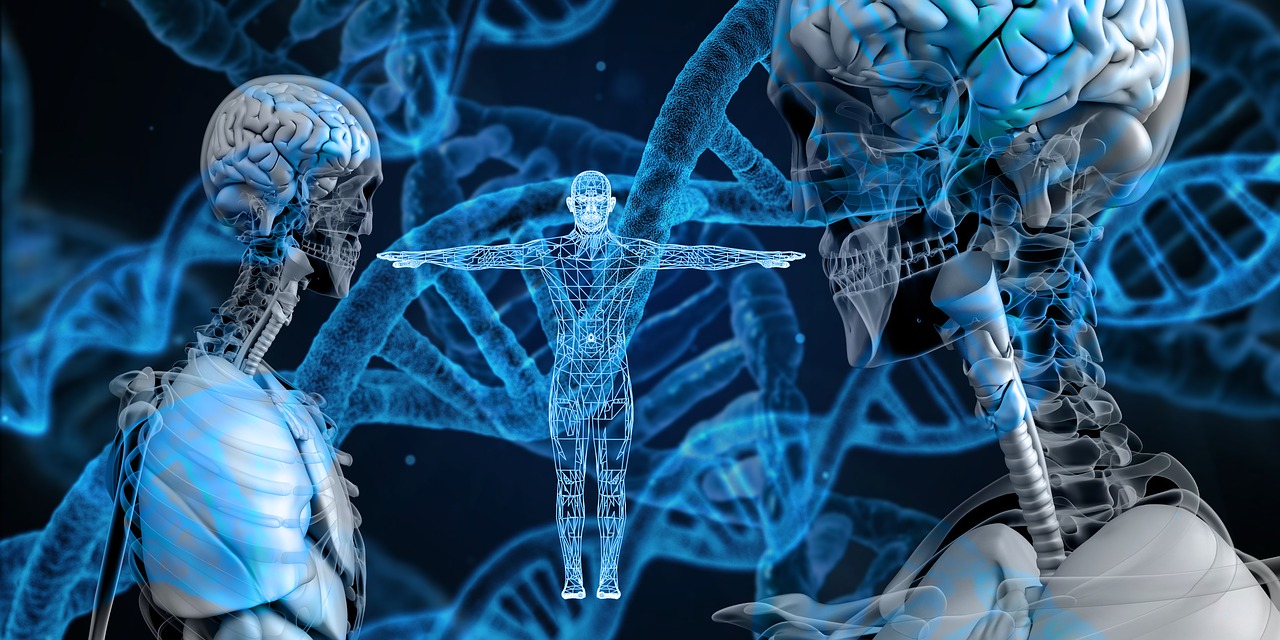
First night of Drug and Alcohol Classes

By David Joel Miller.

Drugs.

Do drugs cause mania.
Photo courtesy of Pixabay.

Tonight is the first night of classes here at FCC.

One activity in my busy schedule that I thoroughly enjoy is the opportunity to teach Substance Abuse Counseling classes at Fresno City College.

The program here is accredited by the California Association of Drug and Alcohol Educators (CAADE) and leads students towards becoming registered and then certified drug and alcohol counselors.

The program includes 36-semester units of classes in Drug and Alcohol use disorders, recovery, and the work of counselors and social workers. A few students from the 4-year college show up in these classes because this program contains more information about Substance Use Disorders than most Masters or Ph.D. programs.

We see students in this class who want to be drug and alcohol counselors. There are often also social work majors, nursing students, criminal justice majors, and a smattering of people who are in early recovery and know they need more information on Substance Use Disorders to be able to decide what career is right for them.

All these majors are welcome. I try to emphasize that first night that no matter where they work there is a strong possibility that they will encounter people with substance use disorders. They will also if they see substance abusers see mixed in with those clients a lot of people who have emotional or mental health issues.

For those of you, who are not able to take classes of this nature, consider some reading on the topic of substance use disorders, (The A.A. big book is a good place to start.) Also, consider taking a Mental Health First Aid (MHFA) class if one is offered in your area. If there is not one close to you, encourage your local officials to get an MHFA training scheduled for your locale.

Teaching, while enjoyable takes a bit out of my time so the posts may come a little farther apart and the replies to your questions and comments will take a little longer but know that I values all your input and will get back to you all as quickly as I can.

  • Are you a Functional Alcoholic? Do you know someone with an Alcohol Use Disorder? (counselorssoapbox.com)
  • How to control your drinking (counselorssoapbox.com)

    Staying connected with David Joel Miller

    Seven David Joel Miller Books are available now!

    My newest book is now available. It was my opportunity to try on a new genre. I’ve been working on this book for several years, but now seem like the right time to publish it.

    Story Bureau.

    Story Bureau is a thrilling Dystopian Post-Apocalyptic adventure in the Surviving the Apocalypse series.

    Baldwin struggles to survive life in a post-apocalyptic world where the government controls everything.

    As society collapses and his family gets plunged into poverty, Baldwin takes a job in the capital city, working for a government agency called the Story Bureau. He discovers the Story Bureau is not a benign news outlet but a sinister government plot to manipulate society.

    Bumps on the Road of Life. Whether you struggle with anxiety, depression, low motivation, or addiction, you can recover. Bumps on the Road of Life is the story of how people get off track and how to get your life out of the ditch.

    Dark Family Secrets: Doris wants to get her life back, but small-town prejudice could shatter her dreams.

    Casino Robbery Arthur Mitchell escapes the trauma of watching his girlfriend die. But the killers know he’s a witness and want him dead.

    Planned Accidents  The second Arthur Mitchell and Plutus mystery.

    Letters from the Dead: The third in the Arthur Mitchell mystery series.

    What would you do if you found a letter to a detective describing a crime and you knew the writer and detective were dead, and you could be next?

    Sasquatch. Three things about us, you should know. One, we have seen the past. Two, we’re trapped there. Three, I don’t know if we’ll ever get back to our own time.

    For these and my upcoming books; please visit my Author Page – David Joel Miller

    Want the latest blog posts as they publish? Subscribe to this blog.

    For videos, see: Counselorssoapbox YouTube Video Channel

Pick your grandmas wisely – their life affects your feelings

By David Joel Miller, MS, Licensed Therapist & Licensed Counselor.

Grandma’s DNA may be affecting you.
Photo courtesy of Pixabay.com

What happened to grandma is affecting your life today.

Not just grandma but great-grandma has an effect on your feelings, even if you never met them, or so we are told. The more we learn about genetics and environment the more complicated it all gets.

We used to think that genes were genes and experiences; well that was what happened to you.  There has been a lot of research on which causes what. Do genes cause addiction and mental illness or do experiences sometimes described as the environment?

We have started to think that genes and experiences are both factors, risk factors for developing an addiction or mental illness. A risk factor does not mean you get the disorder, but it increases your susceptibility. We thought that genes and experiences were separate things.

What if grandma’s experiences became part of her genes?

For a long time, we thought that was not possible, now there is evidence that this may be what has and is happening.

Genes were seen as the blueprint for the way your body and your nervous system would develop. There might be variations, pigmentation for instance; one color was dominant and the other recessive so you get one-half of your genetic material from each parent. Two dominant genes or one dominant and one recessive and you still look like you have the dominant color. Two recessives and you win the different color prize. (In Humans most colors, eyes, hair etc. are the result of multiple genes so it is also more complicated than just dominant and recessive.)

We know environment can affect genes. No matter what your genes say if your grandmother grew up in a time of famine her growth was stunted. We see this in recent immigrants here in the U. S. Grandma is short but her children get more food both before and after birth and they are taller.

So after two or three generations, this family should all be reaching full height. Why then does succeeding generations keep getting taller?

Could grandma’s experience of living through starvation also alter her genes so that for a number of generations her children grow up shorter? Eventually, as time progresses that gene could change back to the full stature that was a potential in the genes but eventually that should stop.

That may not be what is happening genetically.

We were looking at genes as if they were blueprints. Not enough lumber and the house gets built smaller but the blueprints still call for a full-size house. Bringing in more lumber and the next house should match the blueprint. But what if that lack of lumber resulted in a change in the blueprint?

A new field of research, one name for this is Epigenetics, looks at how the way a gene gets expressed, the house is built, in my example, based on the experiences of the parents.

Epigenetics tells us that genes are not constant. They can turn on and off.  So that gene for black hair, that shuts off at some point and the gene begins to produce gray or even white hair. Same person, same genetics, but different hair color.

Research in mice, this is just  beginning to be replicated in human studies, found that in addition to genes and DNA there are other chemicals that can hook onto the gene and then when that gene gets reproduced the add-on gets copied also.

One of these add-ons is a methyl group. So if grandma was traumatized, raped or lived through a violent war. Her DNA could have picked up some extra molecules that shut off those outgoing genes. The result would be that as a result of grandma’s experiences your DNA is changed.

Remember that methyl stuck on is not adding to or changing your DNA, it is preventing some of that DNA from expressing itself. Depending on which part of your DNA it is stuck to, this could be a good thing or a bad thing.

Say your great-grandmother dies when your grandmother was very young. Great-grandfather tried but he was just not able to be affectionate the way great-grandmother would have been. The result is grandma had trouble feeling affection towards your mother.  You mother with a non-affectionate mother would find it hard to show a lot of affection to you.

Some women report that they have difficulty feeling love or nurturing towards their children. Yes they could have learned this but even when they were adopted by a loving adoptive mom these women may as a result of their extra methyl group hooked onto their DNA find it hard to nurture their children.

Now if this concept holds up through more research this may explain how ancestor’s experiences have altered the way our DNA develops and the resulting impact on our mental and emotional health.

My takeaway from this is that while this may explain some things about why we are the way we are this also means that if we learn new things if we have positive experiences our children and grandchildren can be affected by their genes in a very different way. This suggests to me that we need to spend a lot more time on treatment for depressed or anxious children before they have children of their own if we want to have an impact on mental health.

There is a lot of research going on now on mutations in genes. There are a lot more mutations going on than previously thought. But even if a particular mutation increases the risk of a mental illness, what if some early life experiences could counteract that gene and produce a different emotional result?

Let’s hope that it will be possible to help more people as time goes along. For more on this subject check out the article in Discovery Magazine for May 13, 2013, titled “Grandmas Experiences Leave a Mark on Your Genes. 

Staying connected with David Joel Miller

Seven David Joel Miller Books are available now!

My newest book is now available. It was my opportunity to try on a new genre. I’ve been working on this book for several years, but now seem like the right time to publish it.

Story Bureau.

Story Bureau is a thrilling Dystopian Post-Apocalyptic adventure in the Surviving the Apocalypse series.

Baldwin struggles to survive life in a post-apocalyptic world where the government controls everything.

As society collapses and his family gets plunged into poverty, Baldwin takes a job in the capital city, working for a government agency called the Story Bureau. He discovers the Story Bureau is not a benign news outlet but a sinister government plot to manipulate society.

Bumps on the Road of Life. Whether you struggle with anxiety, depression, low motivation, or addiction, you can recover. Bumps on the Road of Life is the story of how people get off track and how to get your life out of the ditch.

Dark Family Secrets: Doris wants to get her life back, but small-town prejudice could shatter her dreams.

Casino Robbery Arthur Mitchell escapes the trauma of watching his girlfriend die. But the killers know he’s a witness and want him dead.

Planned Accidents  The second Arthur Mitchell and Plutus mystery.

Letters from the Dead: The third in the Arthur Mitchell mystery series.

What would you do if you found a letter to a detective describing a crime and you knew the writer and detective were dead, and you could be next?

Sasquatch. Three things about us, you should know. One, we have seen the past. Two, we’re trapped there. Three, I don’t know if we’ll ever get back to our own time.

For these and my upcoming books; please visit my Author Page – David Joel Miller

Want the latest blog posts as they publish? Subscribe to this blog.

For videos, see: Counselorssoapbox YouTube Video Channel

Spiritual but not religious

By David Joel Miller, MS, Licensed Therapist & Licensed Counselor.

Waterlily

Mindfulness and meditation.
Photo courtesy of Pixabay.com

What exactly does “Spiritual but not religious” mean?

A very large number of people here in America are describing themselves as “Spiritual, not religious.” There is a growing disconnect between religion and people’s day-to-day life.

As a result of this disconnect we are gaining some things, I hope, such as a wider appreciation of our differences, but we are also losing some things.

In secular programs, those run by government agencies, we try to accommodate people of all faiths and those with no faith. Sometimes this is a challenge. We have to ask people what their religious or spiritual belief is without implying that they need to have one or that the belief they have is not acceptable to the agency.

An example of accommodating faiths and other spiritual beliefs

There are a whole lot of people who are vegetarians, do not eat meat variety vegetarians, not because of religious or health reasons but because they view the killing animals for human food as morally wrong.

Our society seems to be doing a better job of accommodating this particular moral belief. More events are offering vegetarian meals.

It gets harder when we take into account that some faiths do not eat pork, some decline beef and some require particular diets as in kosher.

Beyond dietary restrictions, it gets progressively more difficult to accommodate other spiritual beliefs within our increasingly multicultural society.

During intake processes, we are supposed to ask about the client’s race or ethnicity. An increasing number of clients are finding it difficult to answer that question. Some people are reporting 5 or more different ethnicities in their background.

When talking with clients I try to make it a practice to ask about their spiritual or religious beliefs.

Say the client reports that they are African-American. This tells me nothing about their spiritual beliefs. We need to try to stay open to all manner of possibilities.

More and more people are finding it impossible to answer questions about their faith. We have to tread lightly here. I do not want to imply that they need to have a faith or that any particular faith is preferred, but I do not want to completely disregard their spiritual practices in designing their treatment.

Those few who do answer are resorting to one of two responses. I am a Christian or Spiritual But Not Religious. Most who say Christian do not self-identify with any particular denomination. They are not Catholic; they are not Protestant and so on. Some few report attending Non-denominational churches.

Most who self-describe as Christians are reporting, at least in my experience that they do not attend any particular church.

A very large number are reporting as Spiritual but not religious.

So why does all this matter? From a practical standpoint those who self-identify as believing something do better in treatment than those who have no faith. This benefit includes those who self-identify as Atheists if they also report some particular higher law or principle, say right and wrong, that helps them guide their life and is reassuring in times of stress.

One of the gains from this spirituality moment has been sets of values that people take with them day by day in all areas of their lives. I am suspicious of any faith that requires you to be a believer for a couple of hours each week, while in a particular building, but you are free to spend the rest of the week on raping, pillaging, and burning.

One of the things we are losing as a result of this increased emphasis on spirituality and the disconnect from religion is the loss of meaningful shared rituals.

Rituals give meaning to things that would otherwise be everyday actions.

Rituals are not solely the providence of the religious world. Court proceedings, with that robe, the bailiff, and the ritualized language, make the whole process seem more meaningful and as a result, are intended to increase respect for the law and the workings of the court. The ritual gives the process meaning. Occasionally the system debases the meaning when they do not follow the principles of justice these rituals imply.

Graduation ceremonies are a ritual we can all share to make the transition to another life stage. Marriages used to be a way to make the transition from being two separate dating people; to one committed couple. We still have the ritual despite the loss of meaning that a wedding has after having the parties have several children.

Funerals are also a ritual we all share that helps us negotiate the loss of a person who had some meaning in our life.

In places where there is one dominant faith, rituals are shared by virtue of people’s participation in that faith. With the decline of active participation in a particular religion and an increase in self-identified Spiritual But Not Religious, what has been missing are the rituals that used to accompany life events.

Creating new rituals.

People in recovery have resorted to creating new rituals that may help them to share the emotions and resolve the changes in status without invoking a particular religion.

Addicts may write a “Goodbye Letter” to their drug of choice. There are traditions of sponsorship that may replace the “rite” of confession in certain religions. People celebrate the anniversary of their embarking on the road of recovery.

One remaining challenge has been how to create meaningful shared rituals that do not impinge on people’s particular religious faith and allow full participation in the ritual.

Whatever your spiritual or religious tradition, here is wishing you the best possible life.

Staying connected with David Joel Miller

Seven David Joel Miller Books are available now!

My newest book is now available. It was my opportunity to try on a new genre. I’ve been working on this book for several years, but now seem like the right time to publish it.

Story Bureau.

Story Bureau is a thrilling Dystopian Post-Apocalyptic adventure in the Surviving the Apocalypse series.

Baldwin struggles to survive life in a post-apocalyptic world where the government controls everything.

As society collapses and his family gets plunged into poverty, Baldwin takes a job in the capital city, working for a government agency called the Story Bureau. He discovers the Story Bureau is not a benign news outlet but a sinister government plot to manipulate society.

Bumps on the Road of Life. Whether you struggle with anxiety, depression, low motivation, or addiction, you can recover. Bumps on the Road of Life is the story of how people get off track and how to get your life out of the ditch.

Dark Family Secrets: Doris wants to get her life back, but small-town prejudice could shatter her dreams.

Casino Robbery Arthur Mitchell escapes the trauma of watching his girlfriend die. But the killers know he’s a witness and want him dead.

Planned Accidents  The second Arthur Mitchell and Plutus mystery.

Letters from the Dead: The third in the Arthur Mitchell mystery series.

What would you do if you found a letter to a detective describing a crime and you knew the writer and detective were dead, and you could be next?

Sasquatch. Three things about us, you should know. One, we have seen the past. Two, we’re trapped there. Three, I don’t know if we’ll ever get back to our own time.

For these and my upcoming books; please visit my Author Page – David Joel Miller

Want the latest blog posts as they publish? Subscribe to this blog.

For videos, see: Counselorssoapbox YouTube Video Channel