

What is secondary trauma?

Injury

Trauma.
Photo courtesy of Pixabay.

By David Joel Miller, MS, Licensed Therapist & Licensed Counselor.

Can you be traumatized by something that did not happen to you?

Secondary trauma.

Secondary trauma is the traumatic result of watching someone else be injured or their life threatened.  It is just as real as if the incident happened to you and can last long after the incident is over.

One place where we saw a lot of secondary trauma, this might also go by the name of vicarious trauma, were the incidents of September 11th. Children who watched the planes fly into the towers over and over on Television became frightened even though the events were thousands of miles away. They believed, because of the repeated showings, that thousands of planes were hitting thousands of buildings and that any moment the planes might hit buildings in their neighborhood.

This points out that events do not need to happen to you to be traumatic.  Watching a close family member be injured or killed can be as traumatic as if it happened to you. One reason there seems to be more Post-traumatic Stress Disorder among military veterans is the number of horrific incidents they witness during a tour of duty.

Watching others you are close to being killed or injured has a traumatic effect on you even if you are far enough away to escape injury.

Humans are endowed with very vivid imaginations. This raises the question can people be traumatized by fictional things, things that never happened?

As we grow older our ability to distinguish reality from fiction should improve. Young children are not always able to tell the difference. Plenty of children develop fears, night terrors or long-term phobias because adults watch horror or other graphic entertainment. They allow the kids to watch along with them since the adults are not overly frightened they expect the child to be able to understand the difference.

Unfortunately many young children these days are not able to tell the real from the imaginary especially in video format where great effort has been expended to make the horror as realistic as possible.

So whether the trauma was real or imagined, whether it happened to you or someone you know and care about, those traumas can and do traumatize people. We call this trauma, secondary traumatization because the victim of the physical attack may not be the person who suffers the most or the longest.

If you have been traumatized by watching someone else be harmed, there is help available. If your child develops fears or phobias after watching a video, talk with them about reality and fiction. If the problems continue, get professional help.

Staying connected with David Joel Miller

Seven David Joel Miller Books are available now!

My newest book is now available. It was my opportunity to try on a new genre. I’ve been working on this book for several years, but now seem like the right time to publish it.

Story Bureau.

Story Bureau is a thrilling Dystopian Post-Apocalyptic adventure in the Surviving the Apocalypse series.

Baldwin struggles to survive life in a post-apocalyptic world where the government controls everything.

As society collapses and his family gets plunged into poverty, Baldwin takes a job in the capital city, working for a government agency called the Story Bureau. He discovers the Story Bureau is not a benign news outlet but a sinister government plot to manipulate society.

Bumps on the Road of Life. Whether you struggle with anxiety, depression, low motivation, or addiction, you can recover. Bumps on the Road of Life is the story of how people get off track and how to get your life out of the ditch.

Dark Family Secrets: Doris wants to get her life back, but small-town prejudice could shatter her dreams.

Casino Robbery Arthur Mitchell escapes the trauma of watching his girlfriend die. But the killers know he’s a witness and want him dead.

Planned Accidents  The second Arthur Mitchell and Plutus mystery.

Letters from the Dead: The third in the Arthur Mitchell mystery series.

What would you do if you found a letter to a detective describing a crime and you knew the writer and detective were dead, and you could be next?

Sasquatch. Three things about us, you should know. One, we have seen the past. Two, we’re trapped there. Three, I don’t know if we’ll ever get back to our own time.

For these and my upcoming books; please visit my Author Page – David Joel Miller

Want the latest blog posts as they publish? Subscribe to this blog.

For videos, see: Counselorssoapbox YouTube Video Channel

When you should not make a child go for therapy.

By David Joel Miller, MS, Licensed Therapist & Licensed Counselor.

Children Playing.

Children Playing.
Photo courtesy of Pixabay.com

Forcing your child to therapy.

There are times when no matter how firmly you believe that there is something the matter with your child you are making a mistake forcing them to go for therapy.

Most of these reasons fall under the heading of they are thinking or doing something you do not approve of and you want them to go for therapy to convince them to see things your way.

In a previous post, I wrote about the practical aspects of “Can you force a child to go for therapy.” The older they get the harder it gets to make them do much of anything. By 17 or 18, they either agree with you or not. You can get them to follow your rules but not to agree with your views.

There are a few things that are so important that whether a child or an adult wants to go they will be required to go for counseling. Suicidal actions are one reason. Drug use that results in illegal behavior is another. If your child’s life is at stake the need help whether they want it or not.

If a child has been abused or there has been violence in the family, therapy may be offered and sometimes it may be required.

In yesterday’s post we looked at some of the times you need to be a parent and insist your child see someone professional.

But there are times when you really wish your child would change. You know they are going to ruin their life and still, you should not make them go for therapy.

Here are some of these reasons. (Tongue-in-cheek so as to offend no one or everyone.)

Your child favors a political party you think is evil.

Some parents are frightened when their love child comes home spouting Republican doctrine. Sorry folks, the sixties are over and we have to make peace with the Republicans. Regardless of your political leanings, a therapist should not be trying to force a child to agree with their parent’s political leanings.

Political indoctrination is something that is practiced in totalitarian countries. We therapist-types have codes of ethics that keep us or should keep us, from trying to force people to change these sorts of beliefs.

Your child has picked a girlfriend or boyfriend and you are sure this person will ruin their life.

It is unlikely that any therapist can talk your love-sick teen out of loving the one they are madly in lust for just now. What we might be able to do is help them learn about healthy and unhealthy relationships and then if they begin to show some doubts explore those doubts and what they are learning.

This bad-person-for-you problem is often coupled with that person your child fell in love with being a member of the wrong race or religion.

There is a difference between an unhealthy relationship and getting together with someone who is different from you.

What we need to be able to do is help children see the possible negatives as well and possibly convince them to make no irrevocable changes like getting pregnant or running off to Antarctica.

Your child rejects your religion or adopts one you do not agree with.

You are firmly convinced the way to salvation is to shave your head, wear robes, and spend your days handing out flowers in the airport. Your child decides to grow out their hair, discard the robe and become a Lutheran.

Please do not look for a counselor who advertises that he specializes in getting apostate robe wears back to the airport.

Counselors, most of us, would consider this sort of practice as unethical. This even includes counselors who self-identify as being of the religion in question.

What a “Robed-Bare-headed-flower-airport child” Therapist would be willing to do is work with this child on their spiritual doubts, what do they believe, and why. What we should not do is collude with the parents to convert this child back to wearing their robes.

The parent of this child becomes upset when I tell them I will not help them convince their child they are following the wrong religion.

“Those Lutherans are a cult” that parent says. Maybe so. Maybe all Christians are cult followers, but that still does not justify me ganging up on that child and forcing them back into the robes.

Aren’t there some cults that can harm people and that we need to help children avoid? Probably so. My way of seeing this is that if the group seems to be taking a departure from reality then I think some good old fashion reality testing therapy is in order.

What kind of cults are a problem?

If the group bases their practices on unquestioning devotion to a living leader then I get really worried. Try to live up to the ideals of Buddha or Jesus; I’m good with those kinds of faith. Turn your will and your life over to the control of William Bernard Esquire III and you are getting me worried. That rule about having living leaders who think too much of themselves applies also to groups that give one or a very few people the right to decide what the dead leader meant.

Then again that worry about one person misinterpreting scripture may just be a part of my protestant hangover showing.

If this leader starts telling you to do things that are illegal or most people think is harmful be very suspicious.

This post has gotten a tad more sarcastic than most but I hope you get my point. Therapy should not be a way of trying to get children to change their thinking and agree with the parent’s preferences, even deeply held preferences.

Part of growing up is trying new things, new behaviors, and new beliefs. Kids need to take some risks to grow up and parents can’t protect them from everything.

What you can do is try to help them when they fall and scrape their knees. Sometimes you have to bear the brunt of the pain and hope they will eventually get it, but that is part of the parent’s job.

Staying connected with David Joel Miller

Seven David Joel Miller Books are available now!

My newest book is now available. It was my opportunity to try on a new genre. I’ve been working on this book for several years, but now seem like the right time to publish it.

Story Bureau.

Story Bureau is a thrilling Dystopian Post-Apocalyptic adventure in the Surviving the Apocalypse series.

Baldwin struggles to survive life in a post-apocalyptic world where the government controls everything.

As society collapses and his family gets plunged into poverty, Baldwin takes a job in the capital city, working for a government agency called the Story Bureau. He discovers the Story Bureau is not a benign news outlet but a sinister government plot to manipulate society.

Bumps on the Road of Life. Whether you struggle with anxiety, depression, low motivation, or addiction, you can recover. Bumps on the Road of Life is the story of how people get off track and how to get your life out of the ditch.

Dark Family Secrets: Doris wants to get her life back, but small-town prejudice could shatter her dreams.

Casino Robbery Arthur Mitchell escapes the trauma of watching his girlfriend die. But the killers know he’s a witness and want him dead.

Planned Accidents  The second Arthur Mitchell and Plutus mystery.

Letters from the Dead: The third in the Arthur Mitchell mystery series.

What would you do if you found a letter to a detective describing a crime and you knew the writer and detective were dead, and you could be next?

Sasquatch. Three things about us, you should know. One, we have seen the past. Two, we’re trapped there. Three, I don’t know if we’ll ever get back to our own time.

For these and my upcoming books; please visit my Author Page – David Joel Miller

Want the latest blog posts as they publish? Subscribe to this blog.

For videos, see: Counselorssoapbox YouTube Video Channel
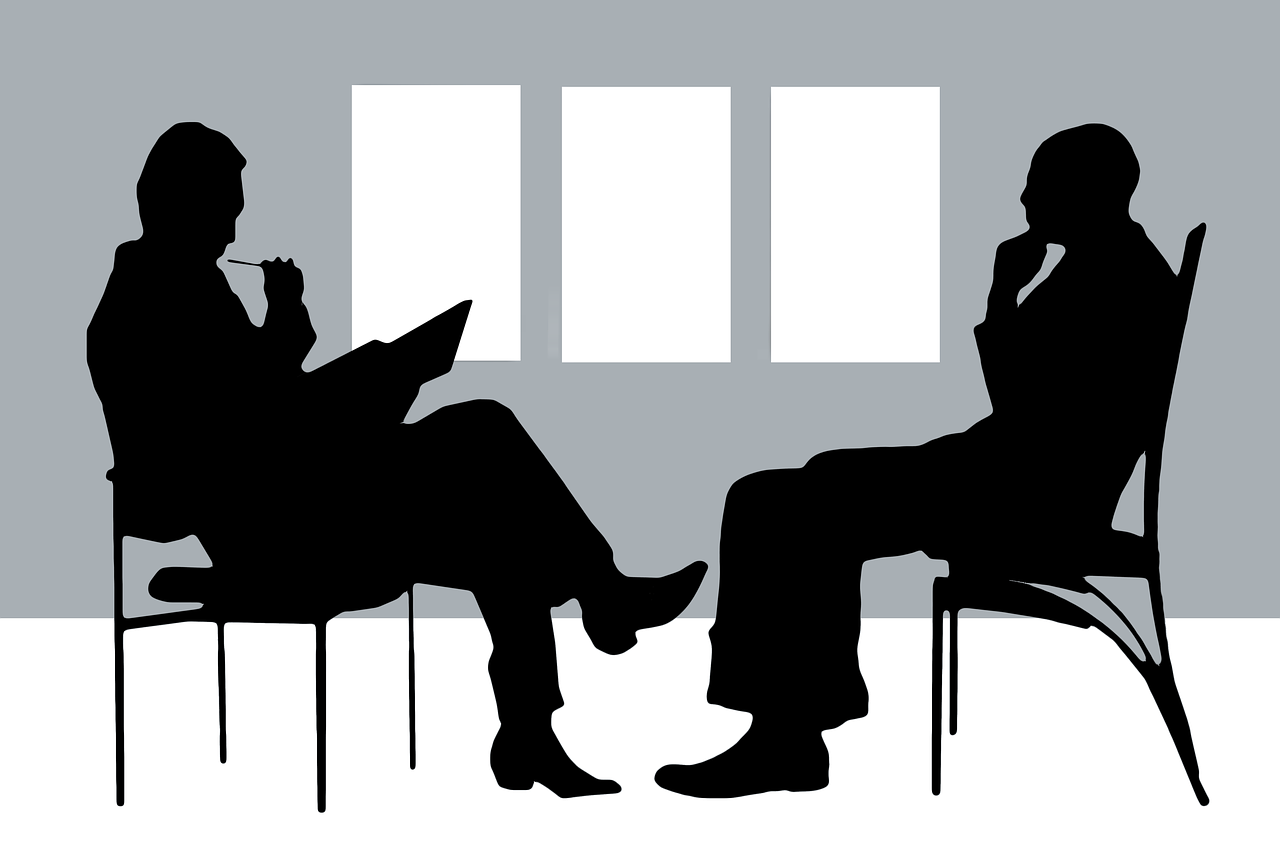
When should you force a child to go to therapy?

By David Joel Miller, MS, Licensed Therapist & Licensed Counselor.

Therapy

Therapy.
Photo courtesy of Pixabay.com

Sometimes you need to insist they get help.

Parents seem to be concerned about when to force a child to go to therapy. Making children go for counseling shows up in search terms to counselorssoapbox.com from time to time. This is an important topic.

In a previous post, I wrote about “Can you force your child to come for therapy.”  Parents know that forcing a child to do almost anything is difficult to do. Sometimes you need to enforce rules and decisions and sometimes the battle is not worth the effort. When it comes to getting your child into therapy which is which?

Most of the Can you force a child to go to therapy post was about the practical problems of coercing someone to go for therapy. Therapy works best when the person in session wants to be there. Sometimes they only “want to be there” because their parents or their parole agent made them come. Either way, if they have some incentive it increases the chances therapy will work.

There are times when you the parent are worried about your child, you can offer to get them therapy but “forcing” the child can make things worse. In a future post, I want to tell you about those times you should resist the urge to force your child to see a therapist.

We also need to look at when, for what problems, parents should be so worried, so concerned that they absolutely insist their child see a counselor.

Here are some of the reasons to put your foot down and insist that your child sees a counselor other professionals outside the family. Families who have a good, open relationship, find their children will talk to them about more, but there are still those things that are just too embarrassing to tell mom or dad about.

Your child says they are suicidal.

Suicidal statements, talking about death, or starting to say or acting like they do not want to live anymore are not something to ignore. Children of any age can and do commit suicide. Do not brush this off as just a ploy for attention. Kids get embarrassed and do not tell their parents the truth.

If there is any chance they will try to self-harm get them to go see a professional who can assess for the risk they will carry through on this thought. This is one area where kids will often tell a professional the things they will not tell their parents.

If you suspect your child has been the victim of abuse, rape, or molestation.

If you think this your emotions may run the gamut. You will be angry, fearful, and just plain want justice. The danger here is that by questioning the child too hard you will scare them, and make them close up and stop talking.

You can also run the risk of asking the wrong questions or asking them in the wrong way and then thinking their answers mean something they did not mean. You can end up taking the wrong action. Repeated questioning can also make a young child think something must have happened even though they did not realize it and they will start “remembering” details to please you. You want the truth not a story made up to please you.

These sorts of problems need professional intervention and please let the authorities deal with identifying and punishing the person who may have done something to your child.

Asking for too many details about abuse can also make the child feel it was their fault. The last thing you should do is to put the child through a second trauma when they are being interrogated about what has already happened.

You see evidence that they are becoming addicted to a drug.

The longer you wait to interrupt a substance use disorder the more likely it is to become a permanent addiction. Seek professional help.

This does not mean that if your child is smoking weed or drinking a few beers that there is someone who can lock them up to prevent them from doing drugs.

In most areas, there is no way to detain a kid for very long even when the parents want them locked up. A few places may let you turn them in as incorrigible but the number of places that will do that is getting very small.

Watching a child full-time is a difficult job. If they are abusing substances keeping them locked up and away from drugs is a complicated task. The faculty can’t just hire anyone to do this and paying a professional for 24/7 treatment gets expensive.

For drug treatment, the most effective methods include involving the parent in the treatment. Most treatments are outpatient and the child comes home at night. If you want help with this problem you will need to be part of the solution.

Locking your child up will not take away the desire to do something. The second they get out they will run to do what you tried to keep them from doing. What they need is a “head change” not incarceration.

If there are sudden dramatic behavioral changes in your child.

If they are stealing, need money, cut classes or their grades suddenly drop through the floor, these are all warning signs. Look for help fast. Do not make the mistake of thinking they will “grow out of it.”

This may mean drugs, may mean depression or the beginnings of another mental illness or could just be a problem with a boyfriend or girlfriend. Either way, once the changes are in play it may take the help of a counselor or therapist to find out what is going on and formulate a plan to help your child navigate these issues.

As hard as it may be there are sometimes you need to put your foot down, be the parent and get that child in to see a professional.

Staying connected with David Joel Miller

Seven David Joel Miller Books are available now!

My newest book is now available. It was my opportunity to try on a new genre. I’ve been working on this book for several years, but now seem like the right time to publish it.

Story Bureau.

Story Bureau is a thrilling Dystopian Post-Apocalyptic adventure in the Surviving the Apocalypse series.

Baldwin struggles to survive life in a post-apocalyptic world where the government controls everything.

As society collapses and his family gets plunged into poverty, Baldwin takes a job in the capital city, working for a government agency called the Story Bureau. He discovers the Story Bureau is not a benign news outlet but a sinister government plot to manipulate society.

Bumps on the Road of Life. Whether you struggle with anxiety, depression, low motivation, or addiction, you can recover. Bumps on the Road of Life is the story of how people get off track and how to get your life out of the ditch.

Dark Family Secrets: Doris wants to get her life back, but small-town prejudice could shatter her dreams.

Casino Robbery Arthur Mitchell escapes the trauma of watching his girlfriend die. But the killers know he’s a witness and want him dead.

Planned Accidents  The second Arthur Mitchell and Plutus mystery.

Letters from the Dead: The third in the Arthur Mitchell mystery series.

What would you do if you found a letter to a detective describing a crime and you knew the writer and detective were dead, and you could be next?

Sasquatch. Three things about us, you should know. One, we have seen the past. Two, we’re trapped there. Three, I don’t know if we’ll ever get back to our own time.

For these and my upcoming books; please visit my Author Page – David Joel Miller

Want the latest blog posts as they publish? Subscribe to this blog.

For videos, see: Counselorssoapbox YouTube Video Channel

Should your daughter’s therapist be talking to you?

By David Joel Miller, MS, Licensed Therapist & Licensed Counselor.

child

Child.
Photo courtesy of Pixabay.com

When should your child’s therapist include you in the conversation?

Sometimes the therapist should be talking to the parent and sometimes not.  Which is which and what factors are in play?

The child’s age.

If your child is 4 then yes, most of the time the therapist should actively engage you in the conversation and in participating in the process of therapy. You need to be a part of what is going on. You are with the child 24 /7 and you will need to do things to maintain any progress that is made in therapy. Mostly, if the child is young, the parent needs to be involved. Most of the work will focus on helping the parent to manage this child’s symptoms in the home environment.

When your child is older will the therapist talk to you?

What if your child is 44? Sorry folks, I know that you parents think of this person as your child, you care about them and want to help them. But once they pass 18 they get privacy and confidentiality. Unless they are severely disabled and you are their only caregiver it is unlikely you will be included in the conversation at all. Even then most of the conversation will stay confidential between the client and therapist. Your child will need to tell you what you want to know or you will not get the information.

Between four and 18 years of age the “including parents” part gets iffier. The older the child the less that parent will be included in the therapy.

The more the parent pushes to know every detail of what the child is saying in therapy the more this intrusion can interfere with making progress. As the parent pushes more to control the therapy we therapists also get progressively more suspicious.

I love it when the parent cares about their child and wants them to get well. But the parent who insists on being present at every session and wants to know everything that the child says and the therapist does – what is up with that?

Is the parent the solution to the child’s problem or the cause?

Most therapists have stories of parents who seemed overly interested in what their child said in therapy. One reason this happens is that the parent is the cause of the problem.

Parents who are abusing their children are afraid the child might talk about that abuse. Some parents have their own secrets they want to hide, drug use, alcoholism, criminal activity, all manner of things.

Even if the parent is not the proximate cause of the problem, the family’s situation may be what is making this child depressed. Most parents want the conversation focused on the child and they do not want any discussion of the domestic violence or other problem behaviors that take place at home. Some parents do not want the therapist to find out that one parent has been missing for a few years in prison or that there has been a whole string of step-parents.

When parents are present, or when the child thinks the parent will hear what they say, they don’t talk about the embarrassing things.

Most kids do not talk about the pressures to have sex or the urges when parents are present. They know what their parents have told them about drugs, alcohol, and sex. They also know what the parents are doing in these areas and that what parents say and do are often at odds. So lots of embarrassing things get left out of conversations when the parent is present in the therapy room.

The fear that the parent will disapprove or the risk of embarrassment should the parent know what is going on might keep the child from talking about things that really need to be discussed.

Even that fear of failing algebra may not get talked about with mom in the room. The kid knows mom will just rag on them to study more rather than hear that this fear of failing algebra is giving them test anxiety and making it harder to finish the test.

Therapists help families through role changes.

During those late teen years, the parent’s role moves from protecting the child to teaching them how to make choices and learn from their mistakes. Parents, if your teen’s problems are severe enough to need the services of a professional then you probably will not be involved in the discussion until the teen has worked the problem out.

One thing a therapist should do is help the teen work up the courage to tell their parents what is wrong. Sometimes we even facilitate the teen telling the parents embarrassing things.

Many a child is surprised to find that when they do work up their courage and tell the parent this secret, the parent is more understanding and supportive than the teen expected.

Lots of problems could be worked out if a family could just talk about the issues in a supportive; “we are all in this together” atmosphere. But for family’s who can’t do this or have lost the ability to talk with each other, there are professionals that can help.

Staying connected with David Joel Miller

Seven David Joel Miller Books are available now!

My newest book is now available. It was my opportunity to try on a new genre. I’ve been working on this book for several years, but now seem like the right time to publish it.

Story Bureau.

Story Bureau is a thrilling Dystopian Post-Apocalyptic adventure in the Surviving the Apocalypse series.

Baldwin struggles to survive life in a post-apocalyptic world where the government controls everything.

As society collapses and his family gets plunged into poverty, Baldwin takes a job in the capital city, working for a government agency called the Story Bureau. He discovers the Story Bureau is not a benign news outlet but a sinister government plot to manipulate society.

Bumps on the Road of Life. Whether you struggle with anxiety, depression, low motivation, or addiction, you can recover. Bumps on the Road of Life is the story of how people get off track and how to get your life out of the ditch.

Dark Family Secrets: Doris wants to get her life back, but small-town prejudice could shatter her dreams.

Casino Robbery Arthur Mitchell escapes the trauma of watching his girlfriend die. But the killers know he’s a witness and want him dead.

Planned Accidents  The second Arthur Mitchell and Plutus mystery.

Letters from the Dead: The third in the Arthur Mitchell mystery series.

What would you do if you found a letter to a detective describing a crime and you knew the writer and detective were dead, and you could be next?

Sasquatch. Three things about us, you should know. One, we have seen the past. Two, we’re trapped there. Three, I don’t know if we’ll ever get back to our own time.

For these and my upcoming books; please visit my Author Page – David Joel Miller

Want the latest blog posts as they publish? Subscribe to this blog.

For videos, see: Counselorssoapbox YouTube Video Channel

Who broke you? Socialization and difficult children

By David Joel Miller, MS, Licensed Therapist & Licensed Counselor.

Feral cat.
Photo courtesy of Pixabay.com

As a baby did someone have to “break you?”

A ran across a passage in an older self-improvement book in which the author was talking about the need for children to be “broken.” Most of us today would be a bit taken back at the idea that children need to be “broken.”

This used to be a common term; I am inclined to think that the meaning has changed. People used to call it breaking an animal. Sometimes this was simply a way of referring to the process of training an animal to behave in the way we want it to. Snarling and biting are not acceptable behaviors for a dog so they need to be taught to not engage in this kind of activity.

Now by referring to the idea of “breaking” a small child I am in no way encouraging or condoning any form of cruelty. Even though the application of the term “breaking” is now largely confined to the training of horses, and applied to horses, I would hope, is the belief that this training of horses ought to be done in a humane manner.

But what about children? Should they be broken?

When you think of this process in a more modern way, we might say a child needs to be “socialized.” Why?

Because there are certain social norms we expect of people who live in our society. You should pay for the things you remove from a store. Some people do not seem to have learned this truth as children and are now surprised, even shocked when they are arrested for stealing.

Some people still have not gotten the message that there are things they just are not allowed to say and do. If you assert your right to do as you please, then I assert the right to call the police and have you arrested for that behavior. Calling the police might even be a mild response for some of the “unbroken” behaviors people are exhibiting these days.

So do parents have a duty to teach their children right and wrong?

Might that duty also include the duty to get their kid to stop doing socially unacceptable behaviors? If your child has developed an anti-social habit, I suggest that you as a parent have the duty, to yourself and the rest of society to “break” your child of this anti-social habit.

Now if no one taught you the difference between right and wrong. If you grew up in an environment where anything and everything goes, you may be forced to conduct some of this “breaking” activity on yourself.

One thing we learn as we get older is that if we are unable to control our lives the state is all too willing to appoint someone, a probation officer, or parole agent, to manage our lives.

Have you found that you have habits you wish you had never started? Do you do things that get you in trouble with the law and society?

Then you might not yet be “broken” or “fully socialized.”

In that case, you have some “breaking” to do for your own good. Learn to break those bad habits and to conform to social norms. And make sure to pass those things on to your children.

It is a lot less painful to learn the word “NO” from a parent at a young age than from a judge or prison guard later on.

Who “broke” or trained you in the skills you need for life?

If that hasn’t happened yet, find a good life skills trainer, and get to work. If your children embarrass you in public, if you get too many calls from the school about your child’s behavior, they may be sorely in need of some socialization and some “breaking” of bad habits. You owe it to yourself, your children, and society to discard those bad habits and develop some new socially acceptable ones.

People have difficulty developing new pro-social habits when they still have old bad habits in place. Out with the bad and in with the good. Break that old habit or behavior and create room for some new positive behaviors.

Here is wishing you the best at changing old bad habits and developing new ones that will speed you on your way to a happy life.

Staying connected with David Joel Miller

Seven David Joel Miller Books are available now!

My newest book is now available. It was my opportunity to try on a new genre. I’ve been working on this book for several years, but now seem like the right time to publish it.

Story Bureau.

Story Bureau is a thrilling Dystopian Post-Apocalyptic adventure in the Surviving the Apocalypse series.

Baldwin struggles to survive life in a post-apocalyptic world where the government controls everything.

As society collapses and his family gets plunged into poverty, Baldwin takes a job in the capital city, working for a government agency called the Story Bureau. He discovers the Story Bureau is not a benign news outlet but a sinister government plot to manipulate society.

Bumps on the Road of Life. Whether you struggle with anxiety, depression, low motivation, or addiction, you can recover. Bumps on the Road of Life is the story of how people get off track and how to get your life out of the ditch.

Dark Family Secrets: Doris wants to get her life back, but small-town prejudice could shatter her dreams.

Casino Robbery Arthur Mitchell escapes the trauma of watching his girlfriend die. But the killers know he’s a witness and want him dead.

Planned Accidents  The second Arthur Mitchell and Plutus mystery.

Letters from the Dead: The third in the Arthur Mitchell mystery series.

What would you do if you found a letter to a detective describing a crime and you knew the writer and detective were dead, and you could be next?

Sasquatch. Three things about us, you should know. One, we have seen the past. Two, we’re trapped there. Three, I don’t know if we’ll ever get back to our own time.

For these and my upcoming books; please visit my Author Page – David Joel Miller

Want the latest blog posts as they publish? Subscribe to this blog.

For videos, see: Counselorssoapbox YouTube Video Channel

Can you force a teenager to go for therapy?

By David Joel Miller.

How do you get a teen to go for help?

Sad teenager

Can you force a teenager to go for therapy? Photo courtesy of pixabay.

The question of getting a teen, or any other person for that matter, to go for mental health treatment is always problematic. With teens, you sort-of can and sort-of can’t. Let’s see why.

First, it depends on what you mean by “force.” With children and teens no matter what they may think, they are still minors and under someone’s supervisor. So technically yes parents can most of the time require a child to go for any kind of treatment even if the child does not want to go.

From here on out let’s call teens “children” because parents have responsibilities for the child regardless of the child’s wishes and teens are for most legal purposes still “minors” until they turn 18. I will let you know if there are reasons to separate teens from children.

Exceptions to making a child go for treatment would come from legal issues. Are you divorced? What does the custody agreement say? Is there legal involvement? What do the courts and Child Protective services say?

Even if the custody order says you can make those decisions for the child, most therapists will want both parents to sign giving consent for treatment. We, professionals, like to stay out of court as much as possible, and seeing a child without one parent’s permission opens you up to all sorts of legal risks that may not be worth taking if you do not have to.

One aside here, the child may consent for themselves if there are crisis issues or if they say you are abusing them, then they can seek outpatient treatment with or without parental approval in some places. This all gets complicated and most times the counselor will already be on the phone with someone for legal advice before they start seeing this child. If the child was suicidal whoever has the legal authority to put them on an involuntary hold and send them for evaluation or treatment can also do that whether you want your child’s suicide attempt treated or not.

Back to our original question. You want this teen to go and they do not want to go. How far can you go to force them?  Physical force is not a good idea. For counseling to work the person receiving the treatment needs to talk and they need to think that there is some reason that this person can help them.

People forced to treatment do not get as much work done and it takes longer. Any good counselor will spend the first few sessions trying to build a relationship with this teen so the teen decides that this might be a good thing. At that point please do not start asking the counselor to betray the teen’s trust and tell you everything they have been up to.

I hope it does not surprise you that teens who are abusing drugs and alcohol and those who are very violent and oppositional do not show up for treatment a lot of the time.

Rather than call this treatment “forced” I like to think of it as encouraged.

One rule of parenting I like to tell clients about is that “Parents need to be parents and children need to be children.” Letting kids decide if they need counseling or any other treatment procedure may violate that principle. How can an emotionally disturbed teen make a good decision about going for treatment?

Do you let drunks drive your car? That would be risky for you regardless of who they were. So if you suspect that your child is abusing drugs or alcohol you may find it difficult to get them to go for treatment but one way to motivate them to attend sessions is to take away or restrict their use of the car, or something else they care about if they will not go for counseling. This making the cost of not going higher than the cost of going for treatment works some of the time but not all the time.

If they refuse even with the car taken away, you will need to go to more drastic measures. Also if once you take the car keys away and they do take the car and drive you may be forced to call the police and report the car stolen. Either that or explain to your insurance company and the police why you let a child you suspected of abusing drugs or alcohol take your car and then you did nothing about it.

If you have any reason to think your teen or younger child for that matter, needs to see a counselor or therapist and it is legal for you to take them in, by all means, have them go. The best case is that the counselor will tell you they do not see anything out of the ordinary and what your teen is going through is just a normal part of being a teen. So you spend a little money on an office visit for some peace of mind.

But if after that visit they suggest that your child needs to keep coming, make a serious effort to get that teen to the appointment.

If the teen refuses to go you will need to enlist the help of anyone and everyone who can get that kid into treatment before they get in serious trouble.  Try to do this before you need the help of his parole or probation officer and before he has harmed himself or others.

Ignoring mental health problems does not make them go away. In plenty of cases, people saw that there was something wrong with a teen or younger child and yet the child did not get treatment until they did something that ended up on the news.

A few early interventions with teens in distress could save a lot of pain for them and for other people down the road.

Staying connected with David Joel Miller

Seven David Joel Miller Books are available now!

My newest book is now available. It was my opportunity to try on a new genre. I’ve been working on this book for several years, but now seem like the right time to publish it.

Story Bureau.

Story Bureau is a thrilling Dystopian Post-Apocalyptic adventure in the Surviving the Apocalypse series.

Baldwin struggles to survive life in a post-apocalyptic world where the government controls everything.

As society collapses and his family gets plunged into poverty, Baldwin takes a job in the capital city, working for a government agency called the Story Bureau. He discovers the Story Bureau is not a benign news outlet but a sinister government plot to manipulate society.

Bumps on the Road of Life. Whether you struggle with anxiety, depression, low motivation, or addiction, you can recover. Bumps on the Road of Life is the story of how people get off track and how to get your life out of the ditch.

Dark Family Secrets: Doris wants to get her life back, but small-town prejudice could shatter her dreams.

Casino Robbery Arthur Mitchell escapes the trauma of watching his girlfriend die. But the killers know he’s a witness and want him dead.

Planned Accidents  The second Arthur Mitchell and Plutus mystery.

Letters from the Dead: The third in the Arthur Mitchell mystery series.

What would you do if you found a letter to a detective describing a crime and you knew the writer and detective were dead, and you could be next?

Sasquatch. Three things about us, you should know. One, we have seen the past. Two, we’re trapped there. Three, I don’t know if we’ll ever get back to our own time.

For these and my upcoming books; please visit my Author Page – David Joel Miller

Want the latest blog posts as they publish? Subscribe to this blog.

For videos, see: Counselorssoapbox YouTube Video Channel

Attachment Styles – childhood follows you into adult life

By David Joel Miller, MS, Licensed Therapist & Licensed Counselor.

child

Child.
Photo courtesy of Pixabay.com

Are attachment problems a mental illness?

The way you relate to adults, especially your parents or primary caregiver during childhood can affect the way you relate to others for the rest of your life.

Generally, these kinds of problems show up in a very young child, and if severe enough and noticed by a professional they will get diagnosed as a mental illness needing treatment. The only attachment disorder formally recognized as a “DSM” disorder is Reactive Attachment Disorder of Infancy or Early Childhood.

Any therapist in practice with adults will tell you that a lot of what we are working on with our adult clients are things from childhood that need to be addressed now because they are interfering with the client’s relationships at home, at work, or friendships. Or these problems are making the client miserable.

The notion that relationships between caregivers and children will affect their relationships the rest of their life came from many sources, but two, John Bowlby and Harry Harlow were especially important. Bowlby studied orphans after World War Two and Harlow studied monkeys raised by mechanical “mothers.”

Harlow found that monkey babies would nurse from “wire mothers” but when done would go cuddle with soft cloth “mothers” even though the cloth mothers provided no food. The conclusion here seems well established. Just providing for a child’s physical needs, food, and shelter, is not enough. How that child is cuddled and loved affects their development for the rest of their life.

Bowlby discovered that some orphans had been so deficient in “mothering” that they could not relate appropriately to others as they matured. (We now think fathering is important also see “Fatherneed” by Pruett.)

Early relationships with a caregiver need to be sufficiently nurturing for the child to survive, so closeness is important. As the child grows they also need to develop autonomy, the belief they can do things without the caregiver. Balancing closeness and individuality are tasks humans must undergo to become separate adults who are still capable of close intimate relationships with others as adults.

How a child reacts to others is not solely the result of the parent’s behavior. Not every childhood problem is the mother’s fault. Some children are born fearful and clingy and others are born explorers. The difficult, cranky child can train the caregiver to leave it alone.

The application of Attachment theory has caused some problems when some of my colleagues jumped to unwarranted conclusions that every child’s behavior problems were the parents’ fault, often based on observing a child and parent interact during a relatively brief period of time.

Professionals who do attachment work describe children as having one of four ways of attaching to a caregiver. These are from attachment theory and not all people who use this theory agree on these labels and descriptions.

1. Secure attachment.

A securely attached child likes to be with the caregiver and is able to leave the caregiver and explore but runs back to the caregiver when frightened.

2. Avoidant attachment.

This child has come to expect that the caregiver will hurt them or will not meet their needs. This child does not seek out their caregiver and is just as likely to play with a stranger as with the parent.

These children are over quick to make new relationships with people they do not know and do not seem to get upset when the person they are with leaves.

Sometimes it is hard to tell if a child is avoidant with their caregiver or very, very secure, and does not need much contact with the caregiver to feel safe. Parents with very outgoing self-confident children have been accused of failing to bond with their children because of the child’s ability to function without the parent in the room.

3. Anxiously or resistantly attached.

This child is fearful with or without the parent. This child can’t be reassured by either the parent or a stranger. Children like this may become angry when the caregiver leaves and continue to be angry when they return.

4. Disorganized attachment

A child becomes disorganized during interactions with the caregiver. They may resort to the primitive “F’s” and freeze, flee or fight. This child may disassociate, speak incoherently, or have a loss of memory as a result of interacting with a caregiver they perceive as harmful.

These four “types” of attachment are not universally accepted and a person can have elements of one or more attachment style. A particular attachment style can vary from mild to strong in severity and all attachment styles are influenced by an individual’s personality.

The one attachment issue that has made its way into the DSM-4 and can be diagnosed as a separate mental illness is 313.89 Reactive Attachment Disorder of Infancy or Early Childhood which is then divided into two types, Inhibited Type (like resistant above) and Disinhibited type.

A person with disinhibited attachment disorder will form overly close relationships with people they barely know. This is the type of person to stop a stranger on the street and then begin to tell them all about the most intimate personal issues of their life.

These clinical definitions are extreme cases.

Some adults will report their parents were never there for them and were non-affirming. This results in a personality style of being self-sufficient or avoiding others.

Other adults believe that their caregiver was over-involved and controlling and did not allow them to develop a secure sense of self.

Learning life skills that may have been missing from your childhood learning can be described as “inner child work” or “re-parenting.” The goal for the client in these situations should be to develop the attachment skills that are lacking and to learn the developmental tasks that should have been learned at an earlier stage.

Various schools of psychotherapy will approach the task of addressing attachment issues in adults in quite different fashions.

Have you had to go back and work on attachment issues or do you still struggle with these problems? If something worked for you what worked?

Staying connected with David Joel Miller

Seven David Joel Miller Books are available now!

My newest book is now available. It was my opportunity to try on a new genre. I’ve been working on this book for several years, but now seem like the right time to publish it.

Story Bureau.

Story Bureau is a thrilling Dystopian Post-Apocalyptic adventure in the Surviving the Apocalypse series.

Baldwin struggles to survive life in a post-apocalyptic world where the government controls everything.

As society collapses and his family gets plunged into poverty, Baldwin takes a job in the capital city, working for a government agency called the Story Bureau. He discovers the Story Bureau is not a benign news outlet but a sinister government plot to manipulate society.

Bumps on the Road of Life. Whether you struggle with anxiety, depression, low motivation, or addiction, you can recover. Bumps on the Road of Life is the story of how people get off track and how to get your life out of the ditch.

Dark Family Secrets: Doris wants to get her life back, but small-town prejudice could shatter her dreams.

Casino Robbery Arthur Mitchell escapes the trauma of watching his girlfriend die. But the killers know he’s a witness and want him dead.

Planned Accidents  The second Arthur Mitchell and Plutus mystery.

Letters from the Dead: The third in the Arthur Mitchell mystery series.

What would you do if you found a letter to a detective describing a crime and you knew the writer and detective were dead, and you could be next?

Sasquatch. Three things about us, you should know. One, we have seen the past. Two, we’re trapped there. Three, I don’t know if we’ll ever get back to our own time.

For these and my upcoming books; please visit my Author Page – David Joel Miller

Want the latest blog posts as they publish? Subscribe to this blog.

For videos, see: Counselorssoapbox YouTube Video Channel

How safe if your young child from drugs?

By David Joel Miller, MS, Licensed Therapist & Licensed Counselor.

Drugs

Drugs.
Photo courtesy of Pixabay.com

Are you keeping your child away from drugs?

We would like to think that we can keep our children safe. We expect drug use to be something teens or young adults might do. Not young children. The truth is that younger and younger children are trying drugs. Most kids have been exposed to drugs and alcohol by the end of the third grade. Even kids from drug and alcohol-free homes are at risk. If you are thinking “my kids would never do drugs” you may be fooling yourself.

If you are thinking alcohol, that’s not a drug, think again. Any alcohol use by an eight-year-old is a problem. The younger they begin to use drugs, the more likely there will be problems. Not just the problem of addiction but also changes in emotions and learning. The more a student drinks the lower the GPA they will have. One study said “F” students drink on average twice what “A” student’s drink.

Very young kids get their first drugs at home.

First experiences with drugs frequently happen at home. Sneaking some of their parent’s cigarettes or alcohol is many a child’s first experience with drugs. That half-consumed beer or the carelessly left pack of cigarettes is an easy way to get started. But there are bigger dangers lurking even if the parents don’t smoke or drink.

Early grade kids get their drugs under the kitchen sink or in the garage.

Those cleaning solvents, the gasoline, the spray paint, all these things can be used to inhale or huff. Spray cans are an easy way to alter consciousness. A lot of inhalant abuse goes unnoticed by parents who think “no not my child” until it has caused permanent health problems.

It is not the “pusher” that gets your kid on drugs.

We used to think that there were unscrupulous people out there trying to get our kids hooked on drugs. Most people are introduced to drugs by a close friend or family member. Boys are often started off by an older male cousin or uncle; girls learn drug use from an old sister, aunt, or their first boyfriend.

Most kids who use drugs on a daily basis tell me that at first, they didn’t have to pay for it. Friends gave it to them for free. Later on, the circle of friends began to pool their money to buy it. It is not until the drug habit gets regular and expensive that the kid has to come up with the money to pay.

Street drugs are not the biggest part of the problem

Abuse of prescription drugs is on the rise. In a previous post “Grandma is the drug connect”  I wrote about how unknowing family members, grandma, in particular, are becoming the drug supplier of choice for today’s teen.

When it comes to drug overdoses street drugs are way behind prescription drugs as a cause of death.

So have you really thought about this problem of young kids doing drugs? Just how sure are you that your child is safe from drugs?

Staying connected with David Joel Miller

Seven David Joel Miller Books are available now!

My newest book is now available. It was my opportunity to try on a new genre. I’ve been working on this book for several years, but now seem like the right time to publish it.

Story Bureau.

Story Bureau is a thrilling Dystopian Post-Apocalyptic adventure in the Surviving the Apocalypse series.

Baldwin struggles to survive life in a post-apocalyptic world where the government controls everything.

As society collapses and his family gets plunged into poverty, Baldwin takes a job in the capital city, working for a government agency called the Story Bureau. He discovers the Story Bureau is not a benign news outlet but a sinister government plot to manipulate society.

Bumps on the Road of Life. Whether you struggle with anxiety, depression, low motivation, or addiction, you can recover. Bumps on the Road of Life is the story of how people get off track and how to get your life out of the ditch.

Dark Family Secrets: Doris wants to get her life back, but small-town prejudice could shatter her dreams.

Casino Robbery Arthur Mitchell escapes the trauma of watching his girlfriend die. But the killers know he’s a witness and want him dead.

Planned Accidents  The second Arthur Mitchell and Plutus mystery.

Letters from the Dead: The third in the Arthur Mitchell mystery series.

What would you do if you found a letter to a detective describing a crime and you knew the writer and detective were dead, and you could be next?

Sasquatch. Three things about us, you should know. One, we have seen the past. Two, we’re trapped there. Three, I don’t know if we’ll ever get back to our own time.

For these and my upcoming books; please visit my Author Page – David Joel Miller

Want the latest blog posts as they publish? Subscribe to this blog.

For videos, see: Counselorssoapbox YouTube Video Channel

Grandma is the drug connect.

By David Joel Miller, MS, Licensed Therapist & Licensed Counselor.

Drugs

Drug counseling.
Photo courtesy of Pixabay.com

Grandparents are some teens drug supplier of choice.

Medicine cabinet.

Bathroom medicine cabinets. Photo courtesy of Pixabay.com

Grandmas. along with grandpas, mothers and dads are becoming the major suppliers of illicit drugs for today’s teens. Grandma may not know it yet, but the drugs she supplied could put her grandkids in the hospital emergency room. This hasn’t happened just once; it has occurred repeatedly all across America. Teens are getting their drug supplies by raiding the old people’s medicine cabinets and dresser drawers.

This is not an isolated incident. Abuse of prescription medications, popping the old folk’s pills, is replacing Methamphetamine as the drug of choice for today’s teens in many places across America.

Kids have always raided the old folk’s stash, purloined the liquor and smoked dads weed, but this is different and more ominous. Kids are ending up in emergency rooms from overdoses of unknown prescription medication. Frequently the teens don’t know what they have taken. Not the pharmaceutical names or the consequences. With the rapid increase in prescription drugs on the market the standard drug tests don’t begin to detect all the life-threatening drugs or combinations teens may have taken.

Combine unknown prescription drugs with alcohol or the new synthetic drugs and the results can be fatal. The casualties add up at an ever more rapid rate. Today’s teens are more likely to become addicted to prescription painkillers than to illegal street drugs.

The liver may work hard, but put alcohol in the bloodstream and that poor little liver is overwhelmed. It just can’t cope with all those pills. Lots of bad things including death can happen.

We try to control this. At least I hope doctors are trying. When they see someone who is abusing prescription drugs, or just that grandma is using too many, they may not write more prescriptions. Grandchild’s supply may dry up.

Deprive a hooked person of their prescription Opiates or Opioids and it is a short progression to the illegal ones. You can buy the pills on the street, but Vicodin and Oxycodone sold at the bus stop don’t come cheap.

Teens in my town have caught on to smoking heroin to avoid the withdrawal symptoms from the prescribed opiates. Smoking heroin gets expensive fast. They soon find that most of the potency goes up in smoke. So the new connection, the one grandma never expected, is all too ready to show the new addict how to assemble a rig and how to shoot up a vein.

There is a solution to the problem of keeping kids out of the old folk’s pills. Lock the meds up and keep the key a secret. Unfortunately, we older types forget where we put the key. We also don’t remember that there are leftover meds for all sorts of things, in cabinets, drawers, and on the kitchen table. We used to have to take these pills but stopped taking them. We still have pills left.

Some people try flushing them down the toilet. Not recommended. It does all sorts of things to the environment. There are other ways I have heard of, but I won’t tell you about those ways here as they are also not recommended.

There is a much better solution. Surrender unused medication at the next:

NATIONAL PRESCRIPTION DRUG TAKE BACK DAY on April 28, 2012.

A list of the collection sites is found at Collection sites. 

Please consider – This is no small thing!

Over the last 13 months, the American public has turned in almost 500 TONS of unneeded prescription drugs. That is – for us non-math majors just short of ONE MILLION POUNDS of drugs that were lying around the house. These were drugs that might have ended up sending your kids or grandkids to the hospital emergency room or worse.

Please turn your unneeded drugs in and don’t become the next grandma drug connect.

This post was featured in “Best of Blog – May 2012

Staying connected with David Joel Miller

Seven David Joel Miller Books are available now!

My newest book is now available. It was my opportunity to try on a new genre. I’ve been working on this book for several years, but now seem like the right time to publish it.

Story Bureau.

Story Bureau is a thrilling Dystopian Post-Apocalyptic adventure in the Surviving the Apocalypse series.

Baldwin struggles to survive life in a post-apocalyptic world where the government controls everything.

As society collapses and his family gets plunged into poverty, Baldwin takes a job in the capital city, working for a government agency called the Story Bureau. He discovers the Story Bureau is not a benign news outlet but a sinister government plot to manipulate society.

Bumps on the Road of Life. Whether you struggle with anxiety, depression, low motivation, or addiction, you can recover. Bumps on the Road of Life is the story of how people get off track and how to get your life out of the ditch.

Dark Family Secrets: Doris wants to get her life back, but small-town prejudice could shatter her dreams.

Casino Robbery Arthur Mitchell escapes the trauma of watching his girlfriend die. But the killers know he’s a witness and want him dead.

Planned Accidents  The second Arthur Mitchell and Plutus mystery.

Letters from the Dead: The third in the Arthur Mitchell mystery series.

What would you do if you found a letter to a detective describing a crime and you knew the writer and detective were dead, and you could be next?

Sasquatch. Three things about us, you should know. One, we have seen the past. Two, we’re trapped there. Three, I don’t know if we’ll ever get back to our own time.

For these and my upcoming books; please visit my Author Page – David Joel Miller

Want the latest blog posts as they publish? Subscribe to this blog.

For videos, see: Counselorssoapbox YouTube Video Channel

Why ignoring them doesn’t work- or does it?

By David Joel Miller, MS, Licensed Therapist & Licensed Counselor.

Bad behavior.
Photo courtesy of pixabay

8 rules for extinguishing bad behavior – Part 4 in our changing others series.

Parenting coaches tell parents to ignore bad behavior. They call this process “extinguishing.” They warn that paying too much attention to the child who is misbehaving only rewards them and increases the targeted behavior. Professionals tell parents to use extinguishing a lot. Many parents say it doesn’t work. Why?

Parents hate it when their child throws a tantrum. They try lots of things to make the kid stop. Fresh from the therapist, they decide to take the professional’s advice. The kid starts to scream. They ignore him. Eventually, he has to stop right? Four hours later the parents give up on the extinguishing method as their child is still screaming.

Rule 1: Bad behaviors are likely to get worse before they get better.

Most parents give up before the bad behavior ends. Kids can be a whole lot more stubborn than most parents. Isn’t it the reasonable person in a relationship that ends up giving in to the unreasonable one?

Rule 2: Kids will pick a place for their bad behaviors were you don’t want to make a scene.

If you chose to try to extinguish a bad behavior, in the early stages avoid places where you won’t be able to stick to your guns. Taking the kid with you to the store is sure to result in a tantrum in the early stages. It is easier to extinguish bad behavior at home than at the in-laws.

Rule 3: While extinguishing a bad behavior, make sure to reward any behavior change.

Just make sure not to fall into the bribe trap by offering positive rewards for stopping the bad behavior. We all have urges to do something positive to distract the misbehaving person, but if the distraction comes to close to the bad behavior it looks like the bad behavior got the reward. Wait till the child stops the tantrum for twenty seconds or so and then reward them for stopping.

Rule 4: Be sure you are not extinguishing a desired behavior.

A child crying can be annoying at times but they should cry when in pain. Make sure you check that there is no legitimate reason for the “bad” behavior before you decide to try ignoring it and play your “extinguishing” game.

Rule 5: If you want to stop something you need to always stop it.

Of and on actions are called intermittent reinforcement. But out food once for a wild animal and it will come back for a while until it is convinced that there will be no food. But if you feed it off and on it will keep coming back almost forever. People are like that also. If you want to extinguish bad behavior, don’t give in, not even once. If you are not consistent the person you are trying to change won’t know which answer to expect and they will keep trying forever.

Rule 6: This is not a one-person job.

If one person in the home tries to extinguish a behavior but the rest of the family gives in it will not work. Make sure all the people who might reinforce the bad behavior are on board with the effort to extinguish the bad behavior.

Rule 7: There will be ups and downs.

Bad behavior that has been extinguished may return after a time. Why shouldn’t a child, or adult for that matter, try something again that had worked in the past. The person who has lost the advantage of their previously useful bad behavior is also likely to get frustrated. Sometimes they even get aggressive or violent. A tantruming child who is ignored long enough, may up the ante and come over and hit you. Consider how you will respond if the aggression increases.

Rule 8: Good behavior extinguishes also.

Good behavior that is not reinforced will start to fade quickly. While trying to get someone to cut down on or stop bad behaviors, you need to keep praising good actions or the good things stop also.

Our series on changing other people’s behavior focused here mostly on children is about to change direction. We talked about getting more good behavior and we have talked about how to reduce or stop an undesirable or bad behavior. But what do you do when the behavior you want from someone is a whole new action? How do you get them to start doing something they have never done before?

Staying connected with David Joel Miller

Seven David Joel Miller Books are available now!

My newest book is now available. It was my opportunity to try on a new genre. I’ve been working on this book for several years, but now seem like the right time to publish it.

Story Bureau.

Story Bureau is a thrilling Dystopian Post-Apocalyptic adventure in the Surviving the Apocalypse series.

Baldwin struggles to survive life in a post-apocalyptic world where the government controls everything.

As society collapses and his family gets plunged into poverty, Baldwin takes a job in the capital city, working for a government agency called the Story Bureau. He discovers the Story Bureau is not a benign news outlet but a sinister government plot to manipulate society.

Bumps on the Road of Life. Whether you struggle with anxiety, depression, low motivation, or addiction, you can recover. Bumps on the Road of Life is the story of how people get off track and how to get your life out of the ditch.

Dark Family Secrets: Doris wants to get her life back, but small-town prejudice could shatter her dreams.

Casino Robbery Arthur Mitchell escapes the trauma of watching his girlfriend die. But the killers know he’s a witness and want him dead.

Planned Accidents  The second Arthur Mitchell and Plutus mystery.

Letters from the Dead: The third in the Arthur Mitchell mystery series.

What would you do if you found a letter to a detective describing a crime and you knew the writer and detective were dead, and you could be next?

Sasquatch. Three things about us, you should know. One, we have seen the past. Two, we’re trapped there. Three, I don’t know if we’ll ever get back to our own time.

For these and my upcoming books; please visit my Author Page – David Joel Miller

Want the latest blog posts as they publish? Subscribe to this blog.

For videos, see: Counselorssoapbox YouTube Video Channel