
What do you do if you are allergic to smoke?

By David Joel Miller, MS, Licensed Therapist & Licensed Counselor.

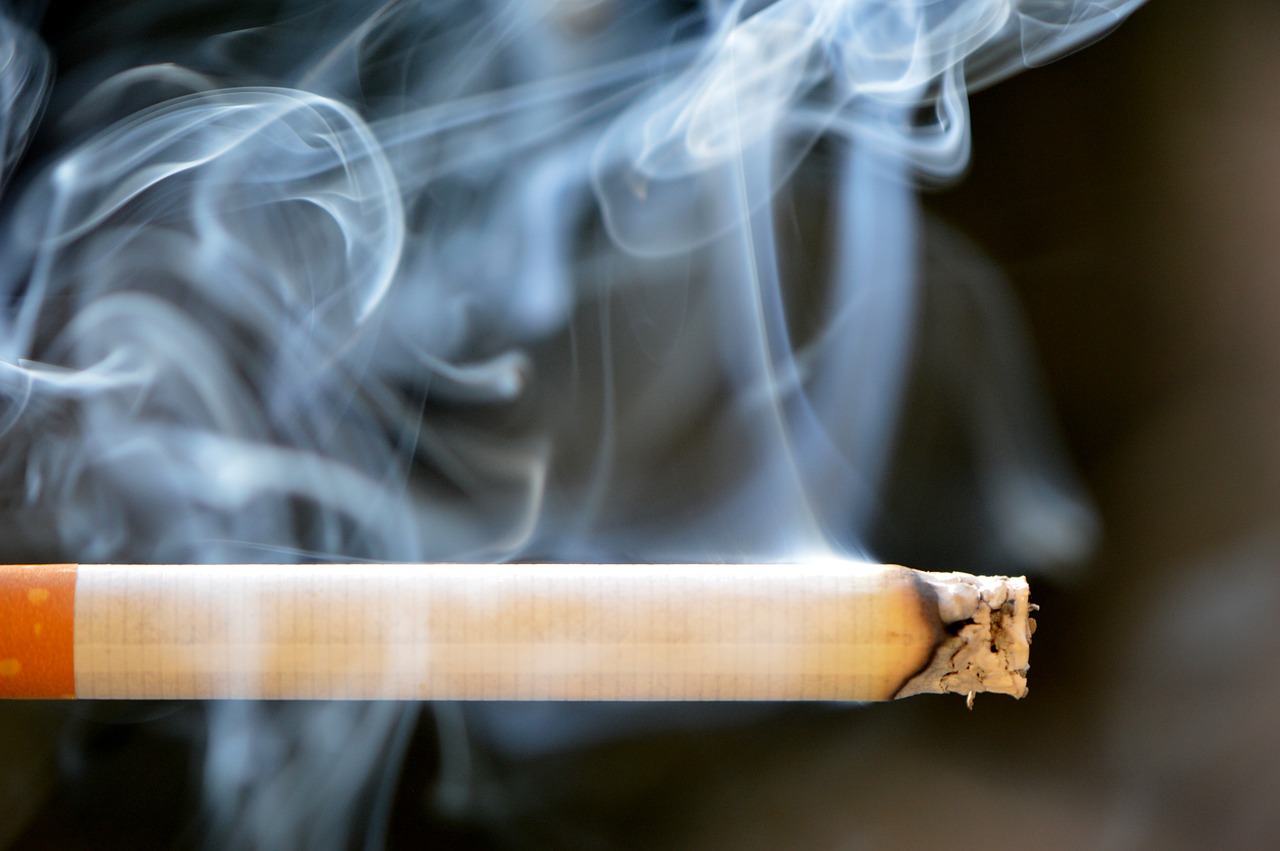
Allergic to cigarette smoke?
Photo courtesy of pixabay.

How do you work around smokers if you are allergic to smoke?

This question originally came to me as an email from a counselor who is allergic to smoke. While they love the work if it’s difficult being around people who are heavy smokers. This problem also applies to those who have allergies to perfume or other strong scents. I thought I would pass this along for whatever it is worth. If any of you out there have other ideas feel free to leave a comment or contact me.

This is an extra problem, I believe, for anyone who works in mental health or substance abuse treatment areas. The comments also apply to those who work with the homeless or in social service agencies.

Smoke also affects the family members and children of smokers. When there are children involved we suggest that the smoker refrain from smoking not only when the children are around but also suggest that they not smoke in areas that their children will be.

See the post on Third Hand Smoke to find out more about the lingering effects of having a smoker in a room where others later go.

As an ex-smoker, this is less of an issue for me. I often do not notice the scent of smoke but others may. I am not suggesting anyone take up smoking to reduce the issues they have with being around others who smoke.

I have written previously about how tobacco (nicotine) is the drug of choice among the homeless. See: What is the Drug of choice among the homeless?

Smoking and mental illness.

Heavy smoking is common among those with serious and persistent mental illnesses, substance abusers, and the homeless. Smoking is not the only reason that these clients may have a strong odor. Lack of hygiene facilities makes the problems worse and so do illnesses like depression that make it overwhelming for many people to do their activities of daily life.

The conventional wisdom used to be that smoking calmed down people with psychosis or emotional issues. So if you were trying to treat someone hearing voices or abusing street drugs, why make then give up tobacco at the same time?

Today, more and more places, treatment facilities, and self-help meetings are going smokeless. What we have found is that helping people give up tobacco does not hamper their recovery from other substances and may help improve their mental health symptoms.

Increasingly stop smoking programs are finding their place in the treatment of people with mental illness and substance use disorders.

Here are some thoughts to help those of you who find yourself around smokers who are triggering your allergies.

What do you do if you are allergic to smoke?

This is a serious challenge. I would hate to think that anyone would need to give up their profession because of allergies.  This is a severe challenge for people with allergies since so many clients are heavy smokers and the smoke smell lingers long after they have put that cigarette out. Heavy smoking is common in people with psychosis, schizophrenia, substance use disorders, and so on. I did have a colleague who had severe allergies and even someone wearing perfume or having flowers in their office set off their attacks.

Six suggestions for coping with smoke:

  1. See your doctor, especially an allergist. Untreated this is only likely to get worse. Taking medication may help prevent the allergies from getting worse.
  2. Consider a fan or air purifier for your office
  3. Try to work in larger offices or rooms where the smell may be less overwhelming.
  4. See if you can do some distance counseling work. We have a law here (California) that helps people who are in rural areas, shut-in’s, etc. see their therapist via the internet. Other professionals may be able to do more of their contacts via phone.
  5. See if you can get assigned to a school-based program or work with children. Their parents may smoke but you will have less smell on your clients.
  6. See if you can work in an inpatient facility that has a no smoking policy

Not sure if those suggestions will help you but that is the ones I have thought of so far.

If any of you readers come up with any other solutions let me know.  Let’s see what blog readers can come up with.

Is being around smokers or strong odors an issue for you?

Staying connected with David Joel Miller

Seven David Joel Miller Books are available now!

My newest book is now available. It was my opportunity to try on a new genre. I’ve been working on this book for several years, but now seem like the right time to publish it.

Story Bureau.

Story Bureau is a thrilling Dystopian Post-Apocalyptic adventure in the Surviving the Apocalypse series.

Baldwin struggles to survive life in a post-apocalyptic world where the government controls everything.

As society collapses and his family gets plunged into poverty, Baldwin takes a job in the capital city, working for a government agency called the Story Bureau. He discovers the Story Bureau is not a benign news outlet but a sinister government plot to manipulate society.

Bumps on the Road of Life. Whether you struggle with anxiety, depression, low motivation, or addiction, you can recover. Bumps on the Road of Life is the story of how people get off track and how to get your life out of the ditch.

Dark Family Secrets: Doris wants to get her life back, but small-town prejudice could shatter her dreams.

Casino Robbery Arthur Mitchell escapes the trauma of watching his girlfriend die. But the killers know he’s a witness and want him dead.

Planned Accidents  The second Arthur Mitchell and Plutus mystery.

Letters from the Dead: The third in the Arthur Mitchell mystery series.

What would you do if you found a letter to a detective describing a crime and you knew the writer and detective were dead, and you could be next?

Sasquatch. Three things about us, you should know. One, we have seen the past. Two, we’re trapped there. Three, I don’t know if we’ll ever get back to our own time.

For these and my upcoming books; please visit my Author Page – David Joel Miller

Want the latest blog posts as they publish? Subscribe to this blog.

For videos, see: Counselorssoapbox YouTube Video Channel
Ways to take care of yourself.

By David Joel Miller, MS, Licensed Therapist & Licensed Counselor.

Taking care of yourself

Self-care.

You deserve to be well cared for.

Did anyone teach you how to take care of yourself? Did they tell you that taking care of yourself is being selfish? Don’t listen to that kind of talk.

Taking good care of yourself is not being selfish. You can’t give others something you do not have. How can you expect your children and others around you to take care of themselves when you do not set a good example?

Having the guts and determination to keep on pushing forward despite the obstacles is an admirable quality. But eventually, even the superheroes need to rest and relax. Living your life as if the objective is to see how much you can suffer and push yourself is no way to live.

You are only here for one life. Try to get the most out of that life by living a life full of self-compassion.

Here is a list of simple to do self-care acts that can make you a more self-compassionate person.

1. Let yourself rest when tired – sleep.

This one is at the top of the list for a reason. Sleep is not unproductive time. You do not get more accomplished by sleeping less. When needed you can probably get by on less sleep for a few days or even weeks but eventually, that lack of rest catches up with you.

Sleep is the time when your brain cools down, increases blood flow, and cleans out all the waste products. Your brain and nerves heal and memory’s get consolidated during sleep.

Fail to get enough sleep and your daily performance will decline. You may even damage that computer in your head and there are no replacement parts for the model brain you are using.

2. Take care of your body.

Eat healthily and get some exercise. If you are too busy to eat well or exercise you are too busy. Eventually, parts of the body get worn. You need good nutrition and some physical exercise to keep the machine you call your body working well.

Pushing yourself long hours on poor quality fuel results in excessive wear on your body and a shortened lifespan.

Want to get the most done in your career or home. Keep yourself in good shape for the whole journey.

3. Respect how you feel.

Do not ignore your feelings. If something is bothering you attend to it before it becomes a major problem. Talk that issue through with a trusted friend or professional. If the issue is between you and your spouse then your partner is the one you need to be talking with.

Having healthy supportive relationships keeps you mentally, physically, and emotionally healthy.

If your emotions are running rough do not ignore the feelings. Take yourself in for an emotional tune-up if needed. Most people think that seeing a counselor or therapist is something you do after you have a nervous breakdown. Get emotional help in the early stages and there may be no breakdown.

4. Schedule time for you.

Never have any time for yourself? Then you are giving too much of your life away. Make time for yourself, your interests, and enjoying life.

You are the only you there will ever be. Enjoy every minute you spend with yourself. Being alone some of the time should not equal being lonely. Balance the time around others with the time you spend in solitude.

5. Pause to take stock of where you are in life – have goals.

One good habit to get into is a periodic review of your life. Businesses take inventory at least once a year. Are there things in your life that are obsolete? Have a clearance sale and get those activities that are taking up your time but providing no value out of your life.

Are your activities taking you where you want to go? Review your goals and the strategies and tactics you are using to get to those goals.

6. Reward your hard work.

Make sure you build in rewards for the hard work you do. What special rewards will you give yourself when you reach a goal?

7. Challenge yourself to build a sense of accomplishment.

People have comfort zones. When you step just a little outside that zone you feel some anxiety but when you try on a new behavior and are successful you get used to this new area. Keep moving just a step outside that comfort zone and you will stretch out the area of things that you can comfortably do.

8. Give yourself a round of applause for things well done.

Be your most enthusiastic cheerleader. Make sure you notice the things that you do and give yourself a round of applause every time you are able to master a new skill or challenge.

Accept compliments when offered. Do not reject those compliments with a self-deprecating “It was nothing.” A simple thank you to the party that offered you the praise will go a long way in building your self-esteem and theirs.

9. Invest time and money in yourself.

You have a set amount of time each week. You can spend that time wisely or foolishly. Budget those hours and include an investment in yourself as part of that budget. Take a class, read something that interests you.

There is a difference between spending money and time for momentary pleasure and investing in yourself for the long run. Investments in yourself, in learning new skills, or expanding your experiences, pay dividends down the road.

What other ways have you found that help you take care of yourself?

Start taking care of yourself.  

Staying connected with David Joel Miller

Seven David Joel Miller Books are available now!

My newest book is now available. It was my opportunity to try on a new genre. I’ve been working on this book for several years, but now seem like the right time to publish it.

Story Bureau.

Story Bureau is a thrilling Dystopian Post-Apocalyptic adventure in the Surviving the Apocalypse series.

Baldwin struggles to survive life in a post-apocalyptic world where the government controls everything.

As society collapses and his family gets plunged into poverty, Baldwin takes a job in the capital city, working for a government agency called the Story Bureau. He discovers the Story Bureau is not a benign news outlet but a sinister government plot to manipulate society.

Bumps on the Road of Life. Whether you struggle with anxiety, depression, low motivation, or addiction, you can recover. Bumps on the Road of Life is the story of how people get off track and how to get your life out of the ditch.

Dark Family Secrets: Doris wants to get her life back, but small-town prejudice could shatter her dreams.

Casino Robbery Arthur Mitchell escapes the trauma of watching his girlfriend die. But the killers know he’s a witness and want him dead.

Planned Accidents  The second Arthur Mitchell and Plutus mystery.

Letters from the Dead: The third in the Arthur Mitchell mystery series.

What would you do if you found a letter to a detective describing a crime and you knew the writer and detective were dead, and you could be next?

Sasquatch. Three things about us, you should know. One, we have seen the past. Two, we’re trapped there. Three, I don’t know if we’ll ever get back to our own time.

For these and my upcoming books; please visit my Author Page – David Joel Miller

Want the latest blog posts as they publish? Subscribe to this blog.

For videos, see: Counselorssoapbox YouTube Video Channel
5 mandatory skills for a happy healthy life

By David Joel Miller, MS, Licensed Therapist & Licensed Counselor.

Happy children

Happy.
Photo courtesy of Pixabay.com

For a happy, healthy life there are 5 must-have skills.

Most happy life skills are relatively simple. You would think we would all have learned them shortly after birth. Just in case no one told you about these happy life skills or if over the years you have forgotten to practice some of these skills, here are the top 5 skills you need for a happy life.

Just in case no one told you about these happy life skills or if over the years you have forgotten to practice some of these skills, here are the top 5 skills you need for a happy life.

1. Breath.

Breathe deeply and slowly. Do not rush through the breathing part of your life. Breath too fast or too little and you get to the end of your life too soon. Rapid shallow breathing promotes and maintains anxiety.

Learn to breathe slowly, from way down in your diaphragm. Linger over each breath and savor it like a tasty morsel. Slow deep breathing relaxes you and helps oxygenate your blood.

2. Sleep.

Think nothing happens when you sleep? Think again. The body heals and repair work gets done while you sleep. The brain uses a lot of energy and gets all heated up. A good sleep cools the brain down and gets neurons ready to work the next day.

Memories get sorted, consolidated, and filed away. Your brain also works on those leftover scenarios. It figures things out and helps you remember things to avoid to keep you safe.

Failure to get sufficient sleep will reduce your thinking and emotional regulation skills and put you at risk for more mistakes the next day.

Do not try to fake sleep. You can’t overdraw the sleep account and then try to make an extra deposit on the weekend. There is a hefty bounced check charge on lost sleep.

Drinking and drug use to fake sleep does not help either. Use alcohol to “nod off” and you are unconscious not sleeping. You may pass out but your brain gets no sleep.

3. Move around.

Use it or lose it should be the warning label on your body and your brain. Failure to get enough exercise leads to all sorts of medical problems.

Your brain also requires exercise and challenges to stay healthy. No watching a reality show is not brain food. One report tells us that for each hour of TV you watch while sitting down you lose 22 minutes off your lifespan.

Someone needs to make a TV that runs on the power you generate by riding your indoor bike.

4. Eat well.

Most people in the industrialized world have no trouble getting enough calories each day. The trouble is that quantity does not make up for quality. Being overweight does not equal good nutrition.

Learn to eat healthy and balanced meals. Avoid fad diets. Drink more water and fewer sodas. If you drink caffeinated beverages avoid the ones with sugar added and do not add more sweetener.

No one is likely to go from a junk food and sugar diet to a truly healthy diet in a short time. Make small changes as you can. Keep making changes and see where you will be in a year or two.

5. Cut out the drugs, alcohol, and cigarettes.

Do I need to tell you that happy people smoke far fewer cigarettes than unhappy people? The drug of choice among the homeless is cigarettes, followed by alcohol. Smoke over two packs a day and the chance you will be homeless at some point in your life increases something like – 400 %.

Cut out the alcohol and the drugs of abuse, prescribed or street type, for more happiness. Despite the heavy use of drugs to pursue happiness, I have not met many happy alcoholics or drug addicts.

5. Spend time with positive people.

The more time you spend with someone the more likely you are to think and act like they do. Hang out with the winners and you become one. Hangout with the failures and you will end up living down to their level.

Surround yourself with happy people and their happiness, along with their behaviors and attitudes, will “rub off” on you.

Those are my picks for the top five happy life skills. Notice that more money and more things did not make the list. Sure toys are nice and money gives you options, but no amount of money and things makes up for not breathing, sleeping, eating, or having friends.

Do you have any happy life skills, not on this list that you would like to share?

Staying connected with David Joel Miller

Seven David Joel Miller Books are available now!

My newest book is now available. It was my opportunity to try on a new genre. I’ve been working on this book for several years, but now seem like the right time to publish it.

Story Bureau.

Story Bureau is a thrilling Dystopian Post-Apocalyptic adventure in the Surviving the Apocalypse series.

Baldwin struggles to survive life in a post-apocalyptic world where the government controls everything.

As society collapses and his family gets plunged into poverty, Baldwin takes a job in the capital city, working for a government agency called the Story Bureau. He discovers the Story Bureau is not a benign news outlet but a sinister government plot to manipulate society.

Bumps on the Road of Life. Whether you struggle with anxiety, depression, low motivation, or addiction, you can recover. Bumps on the Road of Life is the story of how people get off track and how to get your life out of the ditch.

Dark Family Secrets: Doris wants to get her life back, but small-town prejudice could shatter her dreams.

Casino Robbery Arthur Mitchell escapes the trauma of watching his girlfriend die. But the killers know he’s a witness and want him dead.

Planned Accidents  The second Arthur Mitchell and Plutus mystery.

Letters from the Dead: The third in the Arthur Mitchell mystery series.

What would you do if you found a letter to a detective describing a crime and you knew the writer and detective were dead, and you could be next?

Sasquatch. Three things about us, you should know. One, we have seen the past. Two, we’re trapped there. Three, I don’t know if we’ll ever get back to our own time.

For these and my upcoming books; please visit my Author Page – David Joel Miller

Want the latest blog posts as they publish? Subscribe to this blog.

For videos, see: Counselorssoapbox YouTube Video Channel
Will walking make you smarter?

By David Joel Miller, MS, Licensed Therapist & Licensed Counselor.

Does brisk walking help you learn or should you rest up first?

Walking.
Photo courtesy of Pixabay.com

Worldwide we are seeing the results of increases in body weight. Clearly being obese or overweight can seriously impact your health. We know that more exercise can help lose weight and may improve health but how much exercise is needed and the impact this might have on learning and memory is often overlooked.

The connection between exercise and the ability to learn may be a lot more significant than most people realize

As little as 10 minutes of brisk exercise in the form of walking can improve your ability to learn things. Unfortunately, most people do not recognize this relationship. Most of us rest after exercise and then try to study and learn when well-rested.

We may be doing the whole exercise and learning behaviors backward.

One study, (Salas et al, 2011) reports that a brisk 10-minute walk improved college student’s ability to learn new material.

Unfortunately, the students in this study did not recognize that their learning had improved. Sometimes our own impression of how much we are learning turns out to be incorrect.

As those who practice yoga will tell you, exercise does not need to be painful to be helpful. The key to getting health benefits from this form of exercise is not speed or strength, but to breathe as you do it. Doing a pose or posture slowly and with breathing can result in significant health benefits.

So if you find that your concentration is waning, the answer may be a brisk walk rather than the traditional “break” from the thinking activity.

Turns out that we need a healthy body to help us with the tasks most of us think of as mental.

Staying connected with David Joel Miller

Seven David Joel Miller Books are available now!

My newest book is now available. It was my opportunity to try on a new genre. I’ve been working on this book for several years, but now seem like the right time to publish it.

Story Bureau.

Story Bureau is a thrilling Dystopian Post-Apocalyptic adventure in the Surviving the Apocalypse series.

Baldwin struggles to survive life in a post-apocalyptic world where the government controls everything.

As society collapses and his family gets plunged into poverty, Baldwin takes a job in the capital city, working for a government agency called the Story Bureau. He discovers the Story Bureau is not a benign news outlet but a sinister government plot to manipulate society.

Bumps on the Road of Life. Whether you struggle with anxiety, depression, low motivation, or addiction, you can recover. Bumps on the Road of Life is the story of how people get off track and how to get your life out of the ditch.

Dark Family Secrets: Doris wants to get her life back, but small-town prejudice could shatter her dreams.

Casino Robbery Arthur Mitchell escapes the trauma of watching his girlfriend die. But the killers know he’s a witness and want him dead.

Planned Accidents  The second Arthur Mitchell and Plutus mystery.

Letters from the Dead: The third in the Arthur Mitchell mystery series.

What would you do if you found a letter to a detective describing a crime and you knew the writer and detective were dead, and you could be next?

Sasquatch. Three things about us, you should know. One, we have seen the past. Two, we’re trapped there. Three, I don’t know if we’ll ever get back to our own time.

For these and my upcoming books; please visit my Author Page – David Joel Miller

Want the latest blog posts as they publish? Subscribe to this blog.

For videos, see: Counselorssoapbox YouTube Video Channel

Drug kills your mental health before it kills your body.

By David Joel Miller, MS, Licensed Therapist & Licensed Counselor.

Full ashtray

Smoking cigarettes.
Photo courtesy of Pixabay.com

Nicotine  – The killer drug.

Of all the drugs out there, legal or illegal one drug alone accounts for the bulk of the drug-related deaths each year. That drug is Nicotine and the predominant ways it gets into your body is by smoking or second-hand smoke.

We have known for 50 years or more that Tobacco and smoking were harmful to our physical health but we are only now seeing the extent of the connection between smoking and other societal problems such as mental illness and homelessness.

For every one person that dies of an illegal drug Nicotine kills 200 people. That is not an argument for legalizing other drugs. We have seen highly publicized drug deaths recently from illegal drugs. Heroin and prescribed Opiates can kill quickly and with alcohol in the bloodstream the overdose death rate sores.

Deaths from tobacco happen far more slowly. There is a gradual progression of a variety of diseases before the final death.

What we have been overlooking in all of this is the significant connection between mental illness, other drug addiction, and smoking. Mental health treatment providers have been slow to recognize the connection and slower yet to attempt any form of smoking cessation treatment with the mentally ill clients.

While in withdrawal from Nicotine clients can become agitated, restless, and harder to manage. Providers have suggested that they needed to work on the “bigger” issues of drug withdrawal, alcoholism, depression, and other mental disorders.

What has been missing from this approach is a clear view of the ways in which Nicotine may be causing and maintaining a mental illness.

Research studies have suggested that between 44% and 50% of all the cigarettes consumed in America are smoked by those with a mental, emotional, or behavioral health diagnosis (a DSM diagnosable condition.)  Researchers have detailed the efforts of the Tobacco companies to market to the mentally ill (Prochaska, Hall, & Bero, 2008; Lasser et al., 2000; Apollonio & Malone, 2005, cited in Wigand, 2009.)

One consequence of the heavy smoking by the mentally ill is that they commonly live twenty years less than those without a long-term mental illness.

Despite the apparent connection between Nicotine and the creation and maintenance of mental illness most providers have been reluctant to include smoking cessation in their programs.

This connection between smoking and mental health issues is particularly problematic among women. Jessup Et al. on their study of women smokers reported “Smokers had significantly higher rates of Post Traumatic Stress Disorder (PTSD), past year depression and anxiety, suicidality, past year substance abuse, and co-occurring disorders.

Jessup further reports that women who smoke two packs per day are more than twice as likely to suffer from Major Depression. Those with Post Traumatic Stress Disorder were 4-5 times more likely to be heavy smokers. In this study, smoking women were much more likely to be unemployed than nonsmokers and even if they lived with a partner the smokers were more likely to not have enough money to meet their basic needs.

The connection between smoking, drug, and alcohol use disorders, and mental illness has been reported in study after study.

Those disorders that seem to be highly correlated include substance use disorders, PTSD, Depression, Anxiety disorders, and Psychosis. There have been some suggestions that smoking has helped those with serious mental illness manage their symptoms, even though this is at the cost of a shortened lifespan. The research seems to report that smokers report more, not fewer, symptoms of mental illness. The “smoking solution” is making symptoms worse, not better.

This connection between smoking, mental illness, and a substance use disorder also resulted in increased rates of unemployment, no medical insurance, and a high need for treatment. Those at the highest need of physical health services were the least likely to be receiving those services other than through free programs or hospital emergency rooms.

Studies have also reported that smokers are twice as likely to have had recent thoughts of suicide as non-smokers.

One difficulty with adding smoking cessation treatment to substance abuse, mental health, and co-occurring treatment programs is that the majority of people in treatment are in the stage of change we call “precontemplative” meaning they had not even thought about quitting. For this group, the most effective intervention may be education about the connection between smoking and their other co-occurring issues.

We are hopeful that the expansion of health care will result in more services for those who have co-occurring disorders and that smoking cessation treatment may be included in those services.

Staying connected with David Joel Miller

Seven David Joel Miller Books are available now!

My newest book is now available. It was my opportunity to try on a new genre. I’ve been working on this book for several years, but now seem like the right time to publish it.

Story Bureau.

Story Bureau is a thrilling Dystopian Post-Apocalyptic adventure in the Surviving the Apocalypse series.

Baldwin struggles to survive life in a post-apocalyptic world where the government controls everything.

As society collapses and his family gets plunged into poverty, Baldwin takes a job in the capital city, working for a government agency called the Story Bureau. He discovers the Story Bureau is not a benign news outlet but a sinister government plot to manipulate society.

Bumps on the Road of Life. Whether you struggle with anxiety, depression, low motivation, or addiction, you can recover. Bumps on the Road of Life is the story of how people get off track and how to get your life out of the ditch.

Dark Family Secrets: Doris wants to get her life back, but small-town prejudice could shatter her dreams.

Casino Robbery Arthur Mitchell escapes the trauma of watching his girlfriend die. But the killers know he’s a witness and want him dead.

Planned Accidents  The second Arthur Mitchell and Plutus mystery.

Letters from the Dead: The third in the Arthur Mitchell mystery series.

What would you do if you found a letter to a detective describing a crime and you knew the writer and detective were dead, and you could be next?

Sasquatch. Three things about us, you should know. One, we have seen the past. Two, we’re trapped there. Three, I don’t know if we’ll ever get back to our own time.

For these and my upcoming books; please visit my Author Page – David Joel Miller

Want the latest blog posts as they publish? Subscribe to this blog.

For videos, see: Counselorssoapbox YouTube Video Channel

Tobacco is the ticket to mental illness and addiction

By David Joel Miller, MS, Licensed Therapist & Licensed Counselor.

Smoking cigarettes.
Photo courtesy of Pixabay.com

Tobacco and Mental Illness.

Early Cigarette smoking is strongly linked to developing a mental illness or an addiction

The younger you start smoking the riskier it is. In our efforts to teach kids about drugs and addiction we have been neglecting to focus on the one drug that seems to be the ticket to later-life mental illness and addiction.

That drug is nicotine.

Most young people with a drug or alcohol problem began to smoke between the ages of 11 and 13. Early use of alcohol is also a factor. For now, let’s talk about the impact of smoking cigarettes on teen’s development of a mental illness or an addiction.

Among adult smokers, over 80% began smoking in the early teen years.

What has gone unnoticed for so long is the connection between this early smoking, the development of addiction to other drugs, and the development of a mental illness.

Fortuna Et al. reported on a study of adolescents in a residential substance abuse treatment program. You need to have developed a serious problem to get into residential treatment in most places these days. What they found was disturbing.

An occasional smoker, those “social” smokers, can develop a dependency on Nicotine in as little as 4 weeks. Kinney reported in a drug treatment book that after smoking just one cigarette, once they light up that second time, a young person has an 85 % chance of becoming a daily smoker. That is an extremely addictive substance.

Among teen smokers in residential substance abuse treatment, the problems with mental illness were significant. Those with depression and anxiety, both common across the lifespan, they were twice as likely to develop nicotine dependence as those without a mental illness.

People with Bipolar Disorder and or Schizophrenia are three times more likely to be nicotine dependent. Even the rates of smoking among those with ADHD are reported as significantly higher than those with no mental illness diagnosis.

Being the victim of, or being exposed to trauma, domestic violence or other abuse and neglect also correlate with an increase in smoking and nicotine dependency.

It is worth noting that from the design of these studies we can’t be sure of the exact nature of the connection. Does smoking increase the risk of developing a mental illness? It looks likely. It also looks likely that those with a preexisting mental illness are more likely to take up smoking. Either way teen smoking is a whole lot more troubling than anyone recognized in the past.

What Fortune et al. did conclude in their study was that a teen’s cigarette smoking significantly increased the risk of them developing a serious drug or alcohol addiction. They also report that those with co-occurring disorders, addiction, and a mental illness are much more likely to become nicotine dependent if they start smoking.

In this study, the only drug that teens had used first more often than smoking tobacco was smoking marijuana. We have known that route of administration significantly impacts the way the drug affects a user. It seems to me that any drug that is smoked can lead to dependency faster than other routes of administration. Even so, the conclusion that more teens with co-occurring disorders began by smoking marijuana is a concern.

Alcohol use was a close third in the drug that teens who later developed an addiction had used first. This suggests that parent use, societal approval, and ready availability are all factors in teen’s first picking up a drug and then in progressing to a more serious substance use disorder.

Most of this kind of research looks at those who develop problems and then looks back at what route the followed to get to addiction. We can’t be sure what percentage of teens that smoke cigarettes, do marijuana, or drink alcohol will go on to develop a substance use disorder or a mental illness. Still, it seems clear that those who do develop an addiction or a mental illness, most of them started abusing the readily available substance at an early age.

In studies of teens in drug treatment, Fortune et. al especially notes this, smoking is so common, almost every teen is a smoker, it is hard to see the differences between the smokers and the nonsmokers.

Lawrence et. al, looked at the connection between smoking and mental illness in a large sample of youth, not in treatment. Their conclusions were similar. Teens with a mental illness were far more likely to start smoking at an early age, smoke on an everyday basis, and be heavy smokers. They clearly identified a link between teens who smoke and mental illness.

It is important that in addressing teen mental health issues and substance abuse issues we not overlook the role of nicotine and early smoking. We also need to keep an eye out for the emergence of increased marijuana use as the first indicator of a teen mental health issue.

Other research and treatment protocols have looked at the need for a different form of treatment for those whose primary drug of choice was Marijuana and who had self-reported this as being a problem. For more on drug-specific treatment of Marijuana look at the SAMHSA publication on Brief Counseling for Marijuana Dependency (BCMD.) This publication is free.

Staying connected with David Joel Miller

Seven David Joel Miller Books are available now!

My newest book is now available. It was my opportunity to try on a new genre. I’ve been working on this book for several years, but now seem like the right time to publish it.

Story Bureau.

Story Bureau is a thrilling Dystopian Post-Apocalyptic adventure in the Surviving the Apocalypse series.

Baldwin struggles to survive life in a post-apocalyptic world where the government controls everything.

As society collapses and his family gets plunged into poverty, Baldwin takes a job in the capital city, working for a government agency called the Story Bureau. He discovers the Story Bureau is not a benign news outlet but a sinister government plot to manipulate society.

Bumps on the Road of Life. Whether you struggle with anxiety, depression, low motivation, or addiction, you can recover. Bumps on the Road of Life is the story of how people get off track and how to get your life out of the ditch.

Dark Family Secrets: Doris wants to get her life back, but small-town prejudice could shatter her dreams.

Casino Robbery Arthur Mitchell escapes the trauma of watching his girlfriend die. But the killers know he’s a witness and want him dead.

Planned Accidents  The second Arthur Mitchell and Plutus mystery.

Letters from the Dead: The third in the Arthur Mitchell mystery series.

What would you do if you found a letter to a detective describing a crime and you knew the writer and detective were dead, and you could be next?

Sasquatch. Three things about us, you should know. One, we have seen the past. Two, we’re trapped there. Three, I don’t know if we’ll ever get back to our own time.

For these and my upcoming books; please visit my Author Page – David Joel Miller

Want the latest blog posts as they publish? Subscribe to this blog.

For videos, see: Counselorssoapbox YouTube Video Channel

Does smoking cause mental illness?

By David Joel Miller, MS, Licensed Therapist & Licensed Counselor.

Does smoking cause mental illness?
Photo courtesy of Pixabay.com

The evidence is starting to pile up that smoking may be a cause of some mental illnesses.

We have known for some time now that the mentally ill were heavy smokers. Those with psychosis, schizophrenia, in particular, are frequently two pack a day or more smokers.

We also have seen studies that report from 44% to over 50% of the cigarettes consumed in America are consumed by those with a mental, emotional, or behavioral disorder. Alcoholics and Drug Addicts are frequently heavy smokers.

Fully one in three adult smokers has some form of mental illness.

What most researchers have been reluctant to conclude is that smoking may be the cause of some of these mental illnesses. That is beginning to change.

One problem with the past studies has been the way the samples were drawn. A survey of the population can tell you how many people have a mental illness and how many smoked, but not which caused which or were they both caused by some third factor like poverty or trauma.

One particularly convincing study was done in Norway (Petersen et al. 2008.) They have good data on who was treated for what and why. This study was able to follow a large sample of youth beginning at age 13 and lasting 13 years until they were 27. They looked at who smoked at age 13, when they started, and the results. They were also able to follow the person’s health and mental health treatment.

This longitudinal study allowed them to compare those who had a mental illness at age 13 with those who did not and those who smoked at age 13 with those who did not. Their data tells us that those with an early onset of mental illness were at high risk to become daily smokers with a nicotine dependency.

What was more startling was that those who had no mental health diagnosis at age 13 and smoked were more likely to develop a mental illness. Smoking appears to have preceded the development of the mental illness. Even more, evidence that a mental health issue is caused by not is the cause of, smoking was found in the effects of levels of nicotine dependency.

Those youth who were heavy smokers (nicotine-dependent) developed more mental health problems regardless of the age at which they first started smoking. Someone who became a heavy smoker at age 20 with no history of mental illness was at high risk to have a mental illness at age 27.

Further evidence of the connection between smoking tobacco and mental illness comes from a study from South Australia (Bowden et al., 2001) which found that the more severe the level of mental illness the more likely the person was to smoke. The most seriously mentally ill had a smoking rate in excess of 51%.

This leads to the inescapable conclusion that smoking increases the risk of developing a mental illness in addition to the physical ones we already knew about.

How might smoking be increasing these risks?

One way smoking may increase the risk of developing a mental illness is Nicotine’s effect on the serotonin regulation in the brain. Nicotine impairs the serotonin function of the brain. Low serotonin has been postulated to be a major factor in Major Depressive Disorder. Selective Serotonin Reuptake Inhibitors (SSRI’s) that slow the breakdown of Serotonin and thereby increase the levels of serotonin in the brain are commonly used to treat depression. One antidepressant is also currently being marketed to help people stop smoking.

But there is more.

Smoking reduces the levels of oxygen in the bloodstream and the brain. This reduced oxygen is a factor in the presence of chronic pain and now appears to also be a factor in increasing depression and anxiety.

Social factors may also account for some of the differences in depression in non-smokers versus smokers. With societies shift to preferring nonsmokers, there are restrictions on smoking in public places. Smokers are finding it harder to get jobs and to be able to get off duty during the workday to smoke.

Not having a job, having few social friends, and being socially undesirable all add to the reasons a smoker is more likely to be depressed than a nonsmoker.

In future posts, we will explore the connection between smoking and specific mental illnesses and look at how and when you should quit if you want to maximize your mental wellness.

Staying connected with David Joel Miller

Seven David Joel Miller Books are available now!

My newest book is now available. It was my opportunity to try on a new genre. I’ve been working on this book for several years, but now seem like the right time to publish it.

Story Bureau.

Story Bureau is a thrilling Dystopian Post-Apocalyptic adventure in the Surviving the Apocalypse series.

Baldwin struggles to survive life in a post-apocalyptic world where the government controls everything.

As society collapses and his family gets plunged into poverty, Baldwin takes a job in the capital city, working for a government agency called the Story Bureau. He discovers the Story Bureau is not a benign news outlet but a sinister government plot to manipulate society.

Bumps on the Road of Life. Whether you struggle with anxiety, depression, low motivation, or addiction, you can recover. Bumps on the Road of Life is the story of how people get off track and how to get your life out of the ditch.

Dark Family Secrets: Doris wants to get her life back, but small-town prejudice could shatter her dreams.

Casino Robbery Arthur Mitchell escapes the trauma of watching his girlfriend die. But the killers know he’s a witness and want him dead.

Planned Accidents  The second Arthur Mitchell and Plutus mystery.

Letters from the Dead: The third in the Arthur Mitchell mystery series.

What would you do if you found a letter to a detective describing a crime and you knew the writer and detective were dead, and you could be next?

Sasquatch. Three things about us, you should know. One, we have seen the past. Two, we’re trapped there. Three, I don’t know if we’ll ever get back to our own time.

For these and my upcoming books; please visit my Author Page – David Joel Miller

Want the latest blog posts as they publish? Subscribe to this blog.

For videos, see: Counselorssoapbox YouTube Video Channel

Relaxed or tired?

By David Joel Miller, MS, Licensed Therapist & Licensed Counselor.

Tired or relaxed?
Photo courtesy of Pixabay

Can you tell the difference between relaxed and tired – most can’t.

Ever taken a vacation and come back more tired than before you left? Most of us have. Some of us are so used to pushing to accomplish things that a day off is a scary event. Stop running for even a moment and suddenly you realize how tired you are.

We live our life at such a frantic pace it can be a shock to our system to finally slow down.

Lots of people say they would like to be able to relax but when that opportunity finally occurs all they can report is that they are really tired.

This happened to me recently, or more precisely I finally recognized it was happening.

I mentioned a while back that I had taken up Yoga. Not in some fanatical religious conversion way, but just trying to do something structured that might help my flexibility and let me exercise without having to stay out in the heat or the rain. Being able to pick up things I drop on the floor and touch my toes again would be a plus.

Now our particular yoga class ends each session with a guided meditation. How common it is to do this I can’t say. Every yoga group I have ever attended has done it this way. But I can’t be all that confident with any conclusion drawn from a sample size of one.

What I have noticed is that by the end of the class, having attempted some postures, I am either so tired or so relaxed that I can’t remember much of what was said during the guided meditation.

This has caused me to wonder if I really can tell the difference between being relaxed and just plain tired.

Seems that I run from thing to thing so rapidly that I never have a chance to rest. When I finally do relax what I discover is the extent of my exhaustion.

This has led me to wonder if I or many of you are really ever able to relax. Or do we just run ourselves to the point of exhaustion and then when we stop to collapse call that relaxation.

Clearly, relaxation needs to mean more than just running out of energy.

So help me out here. Do any of you have ways in which you relax and if so how can you tell the difference between being relaxed and just plain exhausted?

From the number of coworkers who come back from vacations exhausted and needing a week or more to rest up from that vacation, I am suspecting that most of us, when we say relaxed what we really mean is drop-down exhaustion.

What do you think? Relaxed or exhausted?

Staying connected with David Joel Miller

Seven David Joel Miller Books are available now!

My newest book is now available. It was my opportunity to try on a new genre. I’ve been working on this book for several years, but now seem like the right time to publish it.

Story Bureau.

Story Bureau is a thrilling Dystopian Post-Apocalyptic adventure in the Surviving the Apocalypse series.

Baldwin struggles to survive life in a post-apocalyptic world where the government controls everything.

As society collapses and his family gets plunged into poverty, Baldwin takes a job in the capital city, working for a government agency called the Story Bureau. He discovers the Story Bureau is not a benign news outlet but a sinister government plot to manipulate society.

Bumps on the Road of Life. Whether you struggle with anxiety, depression, low motivation, or addiction, you can recover. Bumps on the Road of Life is the story of how people get off track and how to get your life out of the ditch.

Dark Family Secrets: Doris wants to get her life back, but small-town prejudice could shatter her dreams.

Casino Robbery Arthur Mitchell escapes the trauma of watching his girlfriend die. But the killers know he’s a witness and want him dead.

Planned Accidents  The second Arthur Mitchell and Plutus mystery.

Letters from the Dead: The third in the Arthur Mitchell mystery series.

What would you do if you found a letter to a detective describing a crime and you knew the writer and detective were dead, and you could be next?

Sasquatch. Three things about us, you should know. One, we have seen the past. Two, we’re trapped there. Three, I don’t know if we’ll ever get back to our own time.

For these and my upcoming books; please visit my Author Page – David Joel Miller

Want the latest blog posts as they publish? Subscribe to this blog.

For videos, see: Counselorssoapbox YouTube Video Channel

Think your pain away, why meds may not be enough

By David Joel Miller, MS, Licensed Therapist & Licensed Counselor.

Coping with pain.
Photo courtesy of Pixabay.com

If being mentally healthy will reduce your physical pain why is it a last resort?

Prescription drug use in America is at an all-time high. So is the abuse of prescription drugs. With more and stronger medications always being introduced why do so many Americans report chronic pain?

Doctors will prescribe all sorts of medication, sometimes even surgery, but when all else fails they will often refer the patient to counseling or a mindfulness class. Why is working on your thinking a last resort?

We know if you think about your pain, really concentrate on what is ailing you the pain grows in importance. It may even take over your life. This effect is true for both mental and physical pain.

Some simple mental techniques have been repeatedly shown to reduce the impact of pain and lessen the disability caused by those pains.

We know that those old pain involved expressions carry a lot of truth.

You are a pain in the neck – People who fit that description makes us feel sore in the neck region.

You make me sick – People who are disagreeable can affect our sleep and digestion.

We know from personal experience that dysfunctional interpersonal relationships can cause real physical pain. Learning to change or accept things in our life can go a long way towards managing our pain, both physical and mental.

Has there ever been a time when you were in serious pain and then something fun, a happy event occurred? For that brief time, you discover that you forget about your pain. Watching a funny program can reduce the feelings of sadness that are plaguing us.

In an earlier post, I wrote about “Don’t think about Elephants.” The process of trying not to think about a thing actually can make that item harder to forget. We find that rather than trying to not think about the pain, the pain in the back, or the pain in the heart, we need to focus on things that are helpful and positive.

Hospitals with chronic pain clinics have found that classes in exercise, yoga especially, mindfulness, and other calming techniques can reduce pain for patients who had found no relief via the medication or surgery approaches.

Yoga and mindfulness are not some metaphysical hocus-pocus. As it was explained to me mindfulness is nothing more than paying attention to what you are doing. Make sure that you are walking when you walk instead of brooding about your troubles.

And yoga? What about that? One instructor told me that yoga is just exercising while breathing. If you didn’t focus on improving your breathing, yoga would just be another type of calisthenics.

Something as simple as walking each day can have a significant effect on depression.

Learning to breathe, relax, and clear your mind, can be especially helpful in reducing the stress and tension in the body.

So consider including some work on your thinking and your body as part of any pain management program. As always talk with your doctor before making any sudden changes but let that doctor know you are open to some counseling or exercise if that might help control your pain.

Staying connected with David Joel Miller

Seven David Joel Miller Books are available now!

My newest book is now available. It was my opportunity to try on a new genre. I’ve been working on this book for several years, but now seem like the right time to publish it.

Story Bureau.

Story Bureau is a thrilling Dystopian Post-Apocalyptic adventure in the Surviving the Apocalypse series.

Baldwin struggles to survive life in a post-apocalyptic world where the government controls everything.

As society collapses and his family gets plunged into poverty, Baldwin takes a job in the capital city, working for a government agency called the Story Bureau. He discovers the Story Bureau is not a benign news outlet but a sinister government plot to manipulate society.

Bumps on the Road of Life. Whether you struggle with anxiety, depression, low motivation, or addiction, you can recover. Bumps on the Road of Life is the story of how people get off track and how to get your life out of the ditch.

Dark Family Secrets: Doris wants to get her life back, but small-town prejudice could shatter her dreams.

Casino Robbery Arthur Mitchell escapes the trauma of watching his girlfriend die. But the killers know he’s a witness and want him dead.

Planned Accidents  The second Arthur Mitchell and Plutus mystery.

Letters from the Dead: The third in the Arthur Mitchell mystery series.

What would you do if you found a letter to a detective describing a crime and you knew the writer and detective were dead, and you could be next?

Sasquatch. Three things about us, you should know. One, we have seen the past. Two, we’re trapped there. Three, I don’t know if we’ll ever get back to our own time.

For these and my upcoming books; please visit my Author Page – David Joel Miller

Want the latest blog posts as they publish? Subscribe to this blog.

For videos, see: Counselorssoapbox YouTube Video Channel

The Yoga of pain

By David Joel Miller, MS, Licensed Therapist & Licensed Counselor.

I did not realize that yoga could be so painful.

Yoga postures Parshvakonasana

Yoga postures Parshvakonasana (Photo credit: Wikipedia)

Some people are able to do all the postures with little or no discomfort. I, on the other hand, have perfected the art of suffering through Yoga.

Absolutely I am not an expert on Yoga. Not unless three sessions over a two month period make one an expert. I have however learned a large amount about what not to do while practicing Yoga. If any of you out there know more than I do about this subject, feel free to leave a comment and help us, newbies, out.

First a little about how I came to be attending a Yoga class in the first place. I am not too much interested in the religious aspects. I value my hair too much. Once long ago I was tempted for several days to join the Krishnas, cute girls, and all. But the robes and the shaving the head, that cured me of that thought.

So why Yoga? First off my doctor has been urging me to get more exercise. I briefly tried an aerobics, calisthenics, and weightlifting program.  The instructor was of the no pain – no gain school. He was home on leave for the summer and was making a little extra change before resuming his primary job, something about waterboarding on a remote Caribbean island. This was a painful experience.

A second reason to consider Yoga was when I dropped my pen on the floor and had to lay down to get it. My old body no longer bends all the way to the floor.

The first session of Yoga went great, well maybe acceptable would be a better description. By the third session, I was in pain, again. Thereupon I set about trying to ascertain what Yoga and pain might have in common. Was pain really needed for gain in the Yoga arena?

Yoga is defined as “a system or set of breathing exercises and postures derived from or based on Hindu yoga.” I do not think there is anything predictive of pain in that description.

The only common feature that my practice of yoga and I have in common, is  – well – ME!

Clearly, there were things that I was doing incorrectly. I will not give you the full list of the things I do incorrectly, that would require the assistance of a family member. But here are a few of the errors I made in doing my Yoga.

You must continue to breathe while doing yoga postures.

Who knew that breathing was all that important? Turns out that the muscles need oxygen to function properly. If you have the tendency, as I do, to hold your breath while exerting yourself you will stop breathing while in those long poses and the result will be, muscles deprived of oxygen can become painful.

It is not necessary to strain to benefit from the exercise.

Forcing yourself to twist the way the person next to you does is not a good idea. Especially if they have been practicing Yoga for 20+ years. Go as far as you can, using the resistance of your own muscles to help you strengthen. If you are feeling pain this is BAD.

The little booklet we got when I signed up for class said, once I read it, the newcomer benefits from going partway until they can become flexible enough to bend farther. The more experienced person needs to bend a lot farther to get the same benefit.

This is the first time I can remember that being unable to do something was a plus.

Work around your injuries.

Do not force a part of the body that won’t bend, go as far as the part that does bend will go and then stop. The objective is to improve your breathing and ability to move, not to develop a full inventory of past injuries.

Doing a little each day is better than a marathon session once a month.

Between the last two group sessions, I have been doing a few stretching exercises each night before bed.

Guess what I discovered? If I gently stretch while breathing each night, by the end of the week I was able to reach my toes. OK, I was lying down at the time, but look, just being able to reach them, that is like a good thing, right?

Have any of you out there started on a fitness program as part of your recovery? Anybody do Yoga or a related exercise. Could you help an old guy out with any suggested ways to get the benefits without the pain?

Staying connected with David Joel Miller

Seven David Joel Miller Books are available now!

My newest book is now available. It was my opportunity to try on a new genre. I’ve been working on this book for several years, but now seem like the right time to publish it.

Story Bureau.

Story Bureau is a thrilling Dystopian Post-Apocalyptic adventure in the Surviving the Apocalypse series.

Baldwin struggles to survive life in a post-apocalyptic world where the government controls everything.

As society collapses and his family gets plunged into poverty, Baldwin takes a job in the capital city, working for a government agency called the Story Bureau. He discovers the Story Bureau is not a benign news outlet but a sinister government plot to manipulate society.

Bumps on the Road of Life. Whether you struggle with anxiety, depression, low motivation, or addiction, you can recover. Bumps on the Road of Life is the story of how people get off track and how to get your life out of the ditch.

Dark Family Secrets: Doris wants to get her life back, but small-town prejudice could shatter her dreams.

Casino Robbery Arthur Mitchell escapes the trauma of watching his girlfriend die. But the killers know he’s a witness and want him dead.

Planned Accidents  The second Arthur Mitchell and Plutus mystery.

Letters from the Dead: The third in the Arthur Mitchell mystery series.

What would you do if you found a letter to a detective describing a crime and you knew the writer and detective were dead, and you could be next?

Sasquatch. Three things about us, you should know. One, we have seen the past. Two, we’re trapped there. Three, I don’t know if we’ll ever get back to our own time.

For these and my upcoming books; please visit my Author Page – David Joel Miller

Want the latest blog posts as they publish? Subscribe to this blog.

For videos, see: Counselorssoapbox YouTube Video Channel