
Do emotional problems, depression and anxiety, time travel?

By David Joel Miller, MS, Licensed Therapist & Licensed Counselor.

Do your problems follow you around?
Photo courtesy of Pixabay.com

Is time on your side?

When you go for counseling exactly what time period should you be concentrating on?

Some people want to spend a lot of time working through the past. If you have been the victim of abuse or neglected you may find it difficult to move forward until you make peace with the past. Depression or anxiety may have their roots in the past, but at what point does continuing to relive the past interfere with the present and the future?

Staying in the present.

For people in recovery, however, you define that, the emphasis is more likely to be on the present, how to cope with that present, how to live life on life’s terms.

In changing your life, for me, the emphasis should be on the future. How can you get where you want to go without looking at where you will be when you get there? You know about your symptoms, your depression, or maybe you have anger issues or anxiety, what is important is how you move beyond those emotional problems.

Couples who come in for relationship counseling, we used to call that marriage counseling, often want to rehash the past, who did what to whom and why. Often this need to establish whose fault it was or who is right and who is wrong, gets in the way of establishing how that couple will develop the skills they need to create a happy relationship in the future.

Does it really matter why the homeless person is homeless? Say you figure out why you are depressed, has that changed anything. You are still depressed and now you have to pay for therapy to tell you what you already knew.

It might be more important to learn the skills they need to find and hold a job and then to get and maintain a place to live. In looking at why people have a particular emotional problem, I find it is only productive to look to the past when we are looking for ways to prevent this from happening again.

The same is true of break-up counseling. You separate, get a divorce, and now what? Do you stay stuck in the blame them or even blame yourself mode or can you see how there might be something you need to learn or something you need to do differently if the future is going to be different from the past?

Some counselors and this includes relationship counselors, want to work their way through the past. Sometimes you need to do this if there are things that you have not finished with, feelings you are not ready to let go. But isn’t looking forward to the future a whole lot more important than staying stuck in your problems?

The longer I have been involved with the counseling process the more I find myself focused on the future and how to create that happy life that I want for myself and for the client.

Lots of us have our stories, problem saturated or even problems soaked tales of how our life got this bad. We know why we are depressed, anxious, or even addicted. What we find it difficult to talk about is what we want for the future.

In counseling, I like to use the “miracle question.” I ask the client if this problem you have were suddenly gone tomorrow, what would your life be like? If you had your dream job, what would you be doing? Many of them can’t imagine a life without their problem. Some are not willing to give that problem up just yet.

Some will downright refuse to press that happy button.

Some couples therapists find that the ability to imagine a good relationship predicts the success of relationship counseling. If you are in counseling to find out whose fault it is and then to punish them for your unhappiness, you are wasting your time.

Whatever you do, strive to leave those emotional problems from the past in the past and spend the present making plans and preparations for a happy, contented future.

Your depression, anxiety and other emotional problems can only time travel if you refuse to let go of them as you take this journey we call life.

Staying connected with David Joel Miller

Seven David Joel Miller Books are available now!

My newest book is now available. It was my opportunity to try on a new genre. I’ve been working on this book for several years, but now seem like the right time to publish it.

Story Bureau.

Story Bureau is a thrilling Dystopian Post-Apocalyptic adventure in the Surviving the Apocalypse series.

Baldwin struggles to survive life in a post-apocalyptic world where the government controls everything.

As society collapses and his family gets plunged into poverty, Baldwin takes a job in the capital city, working for a government agency called the Story Bureau. He discovers the Story Bureau is not a benign news outlet but a sinister government plot to manipulate society.

Bumps on the Road of Life. Whether you struggle with anxiety, depression, low motivation, or addiction, you can recover. Bumps on the Road of Life is the story of how people get off track and how to get your life out of the ditch.

Dark Family Secrets: Doris wants to get her life back, but small-town prejudice could shatter her dreams.

Casino Robbery Arthur Mitchell escapes the trauma of watching his girlfriend die. But the killers know he’s a witness and want him dead.

Planned Accidents  The second Arthur Mitchell and Plutus mystery.

Letters from the Dead: The third in the Arthur Mitchell mystery series.

What would you do if you found a letter to a detective describing a crime and you knew the writer and detective were dead, and you could be next?

Sasquatch. Three things about us, you should know. One, we have seen the past. Two, we’re trapped there. Three, I don’t know if we’ll ever get back to our own time.

For these and my upcoming books; please visit my Author Page – David Joel Miller

Want the latest blog posts as they publish? Subscribe to this blog.

For videos, see: Counselorssoapbox YouTube Video Channel
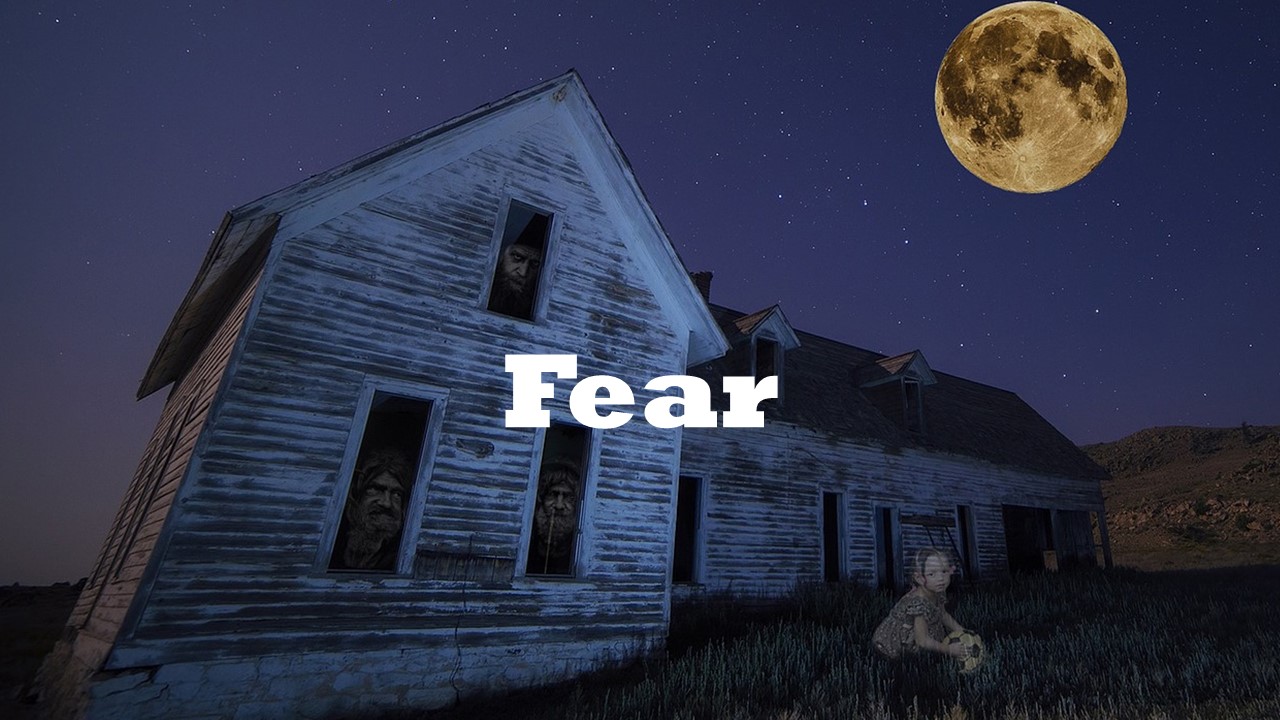
Fear, anxiety or phobia?

By David Joel Miller, MS, Licensed Therapist & Licensed Counselor.

Fear.

Fear.
Photo courtesy of Pixabay.com

Is it fear, anxiety or have you developed a phobia?

The textbooks tell us there is a difference between Fear and Anxiety. The researchers use some specific criteria to differentiate the two. In our own lives, even without looking it up in the dictionary, we know if we are anxious or in fear. Like so many other words, fear and anxiety may have different meanings to different people.

Fear is about a sense of specific danger. We are afraid of a person with a gun or an animal chasing us. We might also be afraid of a relationship like marriage or an act like public speaking.

Anxiety, on the other hand, is a heightened sense of awareness, a being on alert looking out for danger. New situations, places known to contain dangerous items or risky relationships, can provoke anxiety because of the uncertainty.

Some authors suggest that fear is or should be about a real danger; though in practice many of the fears people are most worried about hold a small risk of harm.

One other distinction between fear and anxiety is that fear is largely about the future while anxiety is about the present. Anxiety is about not knowing.

Specific Phobia is a mental health diagnosis involving excessive anxiety when exposed to a feared object or situation. This used to be called Simple Phobia. This excess anxiety begins interfering in the person’s life to the extent of disrupting relationships, keeping them from school or work or making them personally unhappy.

Both anxiety and fear are survival mechanisms.  Fear tells us to avoid things that are known to be harmful. Anxiety is about being extra careful when in new, novel situations or at times of increased danger. Anxiety is often free-floating and attaches to any and all events that are not expected.

Fear becomes a problem when it is attached to things with a low likelihood of happening and this fear keeps you from doing things you need to do. When that fear becomes debilitating and prevents having a job, family, or friends, then it has gone out of control.

Fear is commonly learned as a result of three factors, personal experience, watching others, and verbal accounts.

A child who climbs on the roof of the house and falls, breaking a limb, may forever after be afraid of heights. People who grew up in homes where violence was a standard part of life may be afraid of relationships or commitment to a long-term relationship.

You do not have to experience the event personally. If you witness someone being injured or killed you will have an increased fear of whatever caused that injury or death. Social learning theory tells us that humans have a phenomenal ability to learn from the experiences of others.

Those experiences of others do not even need to be real to create fear in us. Children told often enough about the boogeyman become frightened of the dark. People of all ages can develop intense fears from watching events unfold on television. As parents discover, the young child may be unable to tell the difference between reality and fantasy and may become fearful of things they saw in fictional movies.

There is a long list of common fears below. This list is far from complete and is not in any particular order. The fear involved often greatly exceeds the risk of something happening but as anyone who has a specific fear (phobia) will tell you real or not that fear can cause great suffering.

Fear of Public Speaking or performing in public.

Public speaking is reported to be the most common fear exceeding even the fear of death. The principle concern here is that the larger the group the more likely you are to say something that alienates someone or causes them to judge you negativity.

This is especially crippling for people whose occupation requires them to appear in front of the public.

Fear of Snakes or Spiders.

The majority of snakes and spiders are not poisonous to humans. Still, this is no comfort if you are bitten and die. Being afraid of particular creatures helped people who lived in rural areas survive.

If your fear reaches a point that you can’t leave the house, it has gotten way out of hand.

Fear of Flying.

Despite plenty of statistics to show that flying in a plane is safer than driving a car on the freeway people are still afraid of flying. There are two reasons I believe for this heightened fear of flying.

In driving, we are largely able to maintain the illusion that we are in control. In flying there is no question that our lives are in the hands of a person we have probably never met.

Plane crashes are spectacular and widely publicized. We see extensive media coverage of these events. This heightened awareness results in an increased perception that flying is dangerous.

Fear of Failure.

Fear of failure is especially troubling for those who were raised in a home where success was everything and failure was interpreted as you were defective. If you have to always be perfect to be worthwhile any failure is catastrophic.

Other common fears include intimacy, marriage, heights, water, clowns, death, terrorist attacks, and violence.

Some of these have clear reasons for causing fear and others are likely learned from experiences and tales we were told.

If fear is impacting your life and the fear you feel is beyond the real risk of danger there is help available. Several therapies, as well as medication, have been shown to be effective in reducing the impact fear has on your life. Systematic desensitization is known to be effective in conquering many of these fears.

Have you been troubled by Fear, Anxiety, or a Specific Phobia and are you willing to do something about those fears?

Staying connected with David Joel Miller

Seven David Joel Miller Books are available now!

My newest book is now available. It was my opportunity to try on a new genre. I’ve been working on this book for several years, but now seem like the right time to publish it.

Story Bureau.

Story Bureau is a thrilling Dystopian Post-Apocalyptic adventure in the Surviving the Apocalypse series.

Baldwin struggles to survive life in a post-apocalyptic world where the government controls everything.

As society collapses and his family gets plunged into poverty, Baldwin takes a job in the capital city, working for a government agency called the Story Bureau. He discovers the Story Bureau is not a benign news outlet but a sinister government plot to manipulate society.

Bumps on the Road of Life. Whether you struggle with anxiety, depression, low motivation, or addiction, you can recover. Bumps on the Road of Life is the story of how people get off track and how to get your life out of the ditch.

Dark Family Secrets: Doris wants to get her life back, but small-town prejudice could shatter her dreams.

Casino Robbery Arthur Mitchell escapes the trauma of watching his girlfriend die. But the killers know he’s a witness and want him dead.

Planned Accidents  The second Arthur Mitchell and Plutus mystery.

Letters from the Dead: The third in the Arthur Mitchell mystery series.

What would you do if you found a letter to a detective describing a crime and you knew the writer and detective were dead, and you could be next?

Sasquatch. Three things about us, you should know. One, we have seen the past. Two, we’re trapped there. Three, I don’t know if we’ll ever get back to our own time.

For these and my upcoming books; please visit my Author Page – David Joel Miller

Want the latest blog posts as they publish? Subscribe to this blog.

For videos, see: Counselorssoapbox YouTube Video Channel
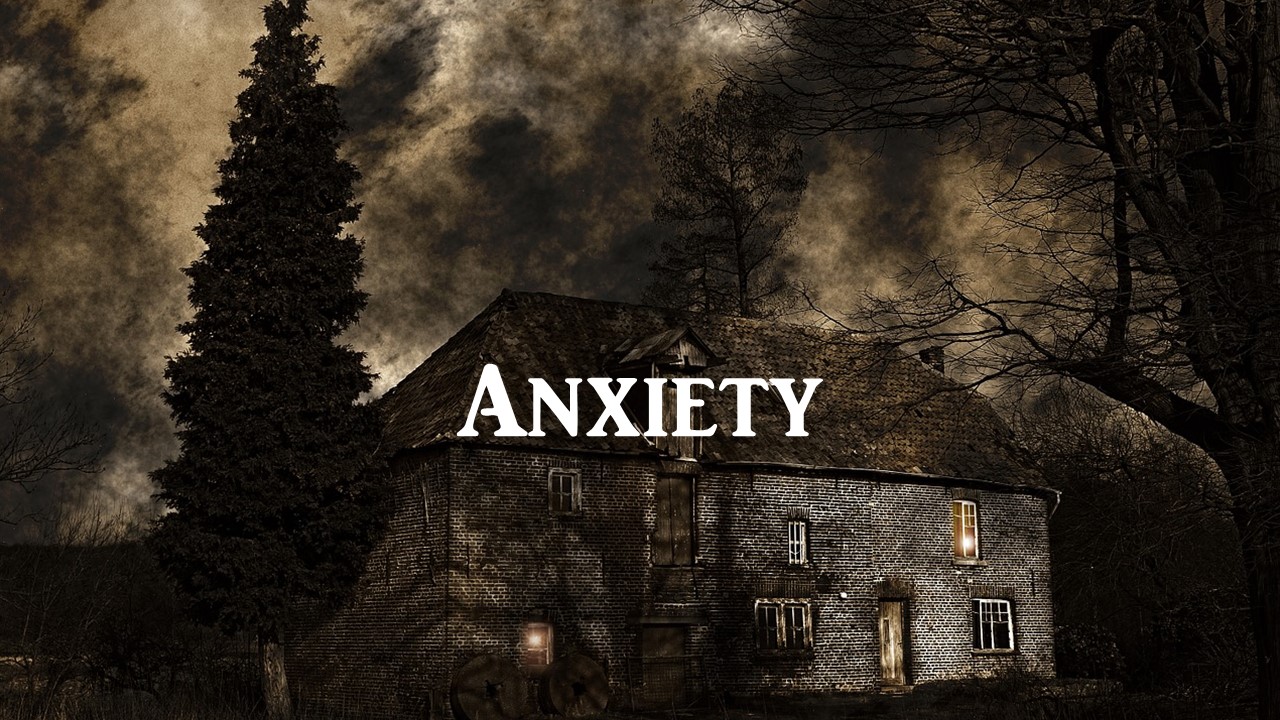
Nervous constitution or Anxiety disorder?

By David Joel Miller, MS, Licensed Therapist & Licensed Counselor.

Anxiety provoking.

Anxiety.
Photo courtesy of Pixabay.com

How much nervousness does it take to get diagnosed with an anxiety disorder?

Some people are just nervous by nature. Anxiety disorders are the most commonly diagnosed mental or emotional illness in America and probably the rest of the world also. How much anxiety does it take to get you the label of having an anxiety disorder?

Clearly, there are some extremely debilitating disorders whose main characteristic is anxiety. In Post-traumatic Stress Disorder (PTSD) some telltale symptoms are recurrent intrusive thoughts and efforts to avoid stimuli that remind you of the original trauma. Panic disorder results in anxiety produced physical symptoms that can be difficult for a trained physician to tell apart without lab work.

Short of those extreme cases, there are a lot of people who have varying degrees of symptoms, less severe symptoms than what is seen in Panic attacks and PTSD but still very impairing to their quality of life.

This makes me think of the days when most anyone who went to see a psychoanalyst got the label of Neurotic. If everyone is neurotic then does the label tell us anything about your problem and what you need to do to get better? I would not be willing to agree that everyone is sick and no one ever gets any better.

While neurotic does not get diagnosed much anymore we seem to be slipping into an area where everyone gets a psychiatric diagnosis.

One thing we were taught in graduate school was to be careful to not pathologize all our clients. That beginning student mistake of having learned about a new disease you begin to think that every client you see has something wrong with them. Keep this up long enough and the therapist starts thinking they have the illness also.

Now look, I am not even sure that anxiety is a bad thing. Sometimes it is when it gets out of control, but it can also be a good thing. Anxiety is supposed to warn you when you are in danger.  If you live in a bad part of town, with lots of drive-by shootings, and you hear gunfire, I think it is a good idea to get anxious and duck behind something for protection.

So a little bit of anxiety is good. Too much is bad. How can you tell if you have too much or too little?

Too little anxiety probably is not a big problem in our society. If you fail to appreciate the danger and don’t duck, you get shot. Maybe you die. If you continually get into dangerous situations and get hurt, consider that you may have the volume turned down too low on your anxiety detector. That or you may be subconsciously trying to get hurt. So if you take excessive risks talk with someone about that. Preferably talk with a professional or become a daredevil and get an agent.

What about those who are anxious all the time?

Here are some things you need to consider. Do others around you feel the same anxiety? Just because going to the mall terrifies you, does not in all likelihood mean that your particular mall is life-threatening. If you have high levels of anxiety in situations where your friends, family, or people you trust have no problem, then you may have excess anxiety.

If that excess anxiety begins to keep you home from work, we call that interfering with occupational functioning, then it is a problem. If it interferes with your social function, keeps you from being with or doing things with family and friends then it is excessive.

So anytime a mental health symptom interferes with family, friends, or your job, and school counts as a job, you need help. If this anxiety is bothering you, we call that subjective distress, you should also get help.

Consider also what age you were when you began to experience anxiety. Children can have more anxiety than adults. They don’t know what should scare them and what should not.

Our fairy tales and media entertainment can scare them, also. They are likely to be scared of strangers and going to school these days despite the fact that they are far more likely to be molested by a family member than a stranger. They are also more likely, here in the United States to be shot at home by their parent than to be injured by someone with a gun while at school.

Keeping guns out of schools and avoiding strangers are two more fairy tales we tell our children to make ourselves feel safer. Providing more mental health treatment for people with anger issues and other mental illnesses is too logical a solution to ever become popular with most politicians.

Sermon over – back to post on anxiety.

People who develop a severe, life-impairing, anxiety in their adult years frequently had excess anxiety in childhood. If you remember having excess anxiety, being scared all the time as a child and did not grow out of it, you should especially consider getting help for this issue.

If your child has excess anxiety and does not seem to be growing out of it, then the sooner they get help from family, friends, or professionals the less likely they are to have to struggle with an anxiety disorder for the rest of their life.

Additionally, if your anxiety has a basis in a real trauma, you were raped, molested, abused or experienced a traumatic event, and this anxiety is not fading as time goes on, you need to seek help for the skills you need to cope with life. Look for a counselor that wants to help you heal from the pain and is able and willing to hear whatever you need to tell without them having the compulsion to cut you open and dig out every detail of every trauma you may have experienced.

What has been your experience with a nervous constitution, an Anxiety Disorder, PTSD or panic disorder, or any other fear-based problem?

Staying connected with David Joel Miller

Seven David Joel Miller Books are available now!

My newest book is now available. It was my opportunity to try on a new genre. I’ve been working on this book for several years, but now seem like the right time to publish it.

Story Bureau.

Story Bureau is a thrilling Dystopian Post-Apocalyptic adventure in the Surviving the Apocalypse series.

Baldwin struggles to survive life in a post-apocalyptic world where the government controls everything.

As society collapses and his family gets plunged into poverty, Baldwin takes a job in the capital city, working for a government agency called the Story Bureau. He discovers the Story Bureau is not a benign news outlet but a sinister government plot to manipulate society.

Bumps on the Road of Life. Whether you struggle with anxiety, depression, low motivation, or addiction, you can recover. Bumps on the Road of Life is the story of how people get off track and how to get your life out of the ditch.

Dark Family Secrets: Doris wants to get her life back, but small-town prejudice could shatter her dreams.

Casino Robbery Arthur Mitchell escapes the trauma of watching his girlfriend die. But the killers know he’s a witness and want him dead.

Planned Accidents  The second Arthur Mitchell and Plutus mystery.

Letters from the Dead: The third in the Arthur Mitchell mystery series.

What would you do if you found a letter to a detective describing a crime and you knew the writer and detective were dead, and you could be next?

Sasquatch. Three things about us, you should know. One, we have seen the past. Two, we’re trapped there. Three, I don’t know if we’ll ever get back to our own time.

For these and my upcoming books; please visit my Author Page – David Joel Miller

Want the latest blog posts as they publish? Subscribe to this blog.

For videos, see: Counselorssoapbox YouTube Video Channel

How to turn anxiety into paranoia

By David Joel Miller.

Grim Reaper

Paranoia.
Photo courtesy of Pixabay.

Some days it is a short trip from anxiety to paranoia.

The higher the volume is turned up on your anxiety control the greater the risk that this could lead to paranoia.

Some caveats here. In this context, I am not talking about one of the paranoia’s that are currently diagnosable as a mental illness. Most people say Paranoid-schizophrenia as if it was all one word. There are lots of people with schizophrenia that are not paranoid. There are also people who suffer from paranoid personality disorder who do not have schizophrenia.

This discussion is about people without those two diagnosable illnesses who have some feeling that looks like paranoia during the course of another illness or even without meeting the criteria for a diagnosis. In other words, this is about the dictionary definition of paranoia not the DSM definition of a paranoid mental illness.

Yes, in my opinion, you can have paranoid thoughts and not have a mental illness with the word paranoia in it.

One definition of Paranoia is an unfounded, exaggerated, or unreasonable distrust of others not based on facts. This is fear-based and makes you question other’s motives.

Here is how a case of paranoia might begin.

You are very fearful, sensitive, and worried about what others think of you. You have “trust issues” and are not sure if people are really your friends or might want to harm you.

People who have been victimized in the past are especially at risk for these kinds of trust issues and for good reason. They have been harmed by someone in the past and may feel that they were too trusting.

One day this anxious person, let’s call her Annid. This is one of those made-up names contracted from her mother’s name Ann and her father’s name, David. I don’t know an Annid or an Ann and David combination so I think I am safe here.

One day Annid is walking down the street and she hears footsteps behind her. She walks faster but the footsteps are still there. She looks over her shoulder and there is someone there. Let’s make this person a man. She is afraid of men because she was attacked by a man in an alley. This would be even worse if the man who attacked her was a member of a particular race and the man behind her was the same race.

At the corner, she decides to cross the street to get away from this man. She notices out of the corner of her eye he stops at the corner to talk to another man. She is becoming more anxious.

When the light changes the second man turns and follows her across the street. She walks faster but every time she looks back there is a man back there. She is not sure if this is either of the two men she saw before but there is always one behind her.

Eventually, she ducks into a coffee place and has some coffee. She decides to wait a bit to get rid of those men who are following her. But when she leaves the coffee place there across the street are 5 or 6, men all standing together and one of them looks like that man who was following her. Same sports team shirt and everything.

At this point, convinced she is being followed by a gang of men she ducks back into the coffee place and calls a friend who comes to pick her up and take her home.

Unchecked this fear that men are following her can grow until she is unable to leave the house.

One problem for this woman is that no matter where in this town she may walk there may be a man walking behind her.

Is this an irrational fear? Maybe, maybe not. Having been the victim of an assault once there is proof that a man could assault her. Is this fear excessive? Probably. The chances that every man on the street is following her and plans to assault her are very low, most of the time.

The challenge for this person and other people with paranoid symptoms is to reasonably evaluate the situation, assess for danger, and still keep this fear of another assault from keeping her a prisoner in her home.

Now so far in this example, I have said that Annid has a history of being a victim. What if she has never been victimized?

She might have had a friend who was assaulted or heard a story on T. V. about assaults in her town. If she had a preexisting anxiety disorder even if nothing had ever happened to her she might keep looking over her shoulder believing that constant vigilance will keep her safe. And if you keep looking for something you will begin to see it.

See how easy it is to turn fear in your mind into a belief that there is a real danger. We have even had cases where someone believes they were in danger pulled out a gun and shot a person who just happened to be going in the same direction they were. Family members have killed other family members in the mistaken belief that there was an intruder in the house.

High levels of fear can create a situation in which everything becomes scary.

If you have anxiety issues or feel threatened and unsafe, consider getting professional assistance both in determining if this is a real threat and in learning to manage your anxiety or other issues before that emotional problem turns you into a paranoid person.

Staying connected with David Joel Miller

Seven David Joel Miller Books are available now!

My newest book is now available. It was my opportunity to try on a new genre. I’ve been working on this book for several years, but now seem like the right time to publish it.

Story Bureau.

Story Bureau is a thrilling Dystopian Post-Apocalyptic adventure in the Surviving the Apocalypse series.

Baldwin struggles to survive life in a post-apocalyptic world where the government controls everything.

As society collapses and his family gets plunged into poverty, Baldwin takes a job in the capital city, working for a government agency called the Story Bureau. He discovers the Story Bureau is not a benign news outlet but a sinister government plot to manipulate society.

Bumps on the Road of Life. Whether you struggle with anxiety, depression, low motivation, or addiction, you can recover. Bumps on the Road of Life is the story of how people get off track and how to get your life out of the ditch.

Dark Family Secrets: Doris wants to get her life back, but small-town prejudice could shatter her dreams.

Casino Robbery Arthur Mitchell escapes the trauma of watching his girlfriend die. But the killers know he’s a witness and want him dead.

Planned Accidents  The second Arthur Mitchell and Plutus mystery.

Letters from the Dead: The third in the Arthur Mitchell mystery series.

What would you do if you found a letter to a detective describing a crime and you knew the writer and detective were dead, and you could be next?

Sasquatch. Three things about us, you should know. One, we have seen the past. Two, we’re trapped there. Three, I don’t know if we’ll ever get back to our own time.

For these and my upcoming books; please visit my Author Page – David Joel Miller

Want the latest blog posts as they publish? Subscribe to this blog.

For videos, see: Counselorssoapbox YouTube Video Channel

Are creative people anti-social?

By David Joel Miller, MS, Licensed Therapist & Licensed Counselor.

Original

Creative.
Photo courtesy of Pixabay.com

Are highly creative people, writers, and artists, also anti-social?

Some occupations require lots of time working alone. Artists and writers, in particular, need to spend a lot of time by themselves. Do these occupations attract people who want to avoid people?

Is there a mental health problem or personality type that is over-represented in the creative fields?

From a counselor’s perspective, people who work alone or prefer to spend time by themselves are not anti-social. We reserve the label of anti-social as in Anti-social Personality Disorder for people who have no empathy for others. An anti-social person takes advantage of others because they don’t care. They are the ones who get the label of psychopath or sociopath.

People who prefer to avoid others may have some form of anxiety as in social phobia or they may have an attachment style that results in avoiding others but neither of those personality features involves harming others on purpose.

An avoidantly attached person does not expect others to meet their needs and seeks to get their needs met by solitary activities. A creative person might be avoidant and prefer to avoid all contact with people but that is likely to be rare. To be successful at a creative activity as an occupation they will need to go out and spend time marketing and promoting their efforts. Avoidant people are not likely to be willing to do that and are likely to believe that others will not like them anyway.

Someone with social phobia would like to be around others but because of fear, they are unable to be in situations that trigger their anxiety.

Anti-social personality, avoidant attachments, and high levels of anxiety are not conducive to the risk-taking the artistic person needs to genuinely create something novel.

But an artist and those of an artistic temperament are more likely to have one particular emotional issue. Many artists are moody.

One mental health issue does appear to be correlated with creative temperaments. Kay Redfield Jamison in her book “Touched with Fire” describes the connection between Bipolar disorder and creative endeavors. Those episodes of above-average energy and times when the person is “in the zone” fuel creativity. Uncontrolled these episodes can turn into manic or hypomanic episodes and result in the creative person losing control and engaging in risky dangerous behaviors.

There are plenty of stories of famous artistic and creative people who had periods of high energy sometimes coupled with risky behavior followed by periods of deep depression. The energetic periods may fuel creativity but in the full-on manic episodes, the person is no longer able to stay focused long enough to complete projects.

The artistic fields have had a disproportionate share of individuals with mood swings who became alcoholics, addicted, or suicidal. The really productive artists, in the long run, learn to manage their moods with or without help and they keep their emotions in bounds.

See also posts on Hyperthymic Temperament, Bipolar Disorder, and Mania.

Staying connected with David Joel Miller

Seven David Joel Miller Books are available now!

My newest book is now available. It was my opportunity to try on a new genre. I’ve been working on this book for several years, but now seem like the right time to publish it.

Story Bureau.

Story Bureau is a thrilling Dystopian Post-Apocalyptic adventure in the Surviving the Apocalypse series.

Baldwin struggles to survive life in a post-apocalyptic world where the government controls everything.

As society collapses and his family gets plunged into poverty, Baldwin takes a job in the capital city, working for a government agency called the Story Bureau. He discovers the Story Bureau is not a benign news outlet but a sinister government plot to manipulate society.

Bumps on the Road of Life. Whether you struggle with anxiety, depression, low motivation, or addiction, you can recover. Bumps on the Road of Life is the story of how people get off track and how to get your life out of the ditch.

Dark Family Secrets: Doris wants to get her life back, but small-town prejudice could shatter her dreams.

Casino Robbery Arthur Mitchell escapes the trauma of watching his girlfriend die. But the killers know he’s a witness and want him dead.

Planned Accidents  The second Arthur Mitchell and Plutus mystery.

Letters from the Dead: The third in the Arthur Mitchell mystery series.

What would you do if you found a letter to a detective describing a crime and you knew the writer and detective were dead, and you could be next?

Sasquatch. Three things about us, you should know. One, we have seen the past. Two, we’re trapped there. Three, I don’t know if we’ll ever get back to our own time.

For these and my upcoming books; please visit my Author Page – David Joel Miller

Want the latest blog posts as they publish? Subscribe to this blog.

For videos, see: Counselorssoapbox YouTube Video Channel

2 large reasons for your fear

By David Joel Miller, MS, Licensed Therapist & Licensed Counselor.

Fear.

Fear.
Photo courtesy of Pixabay.com

Reasons you are afraid.

Fear is everywhere. Some people achieve great things in spite of their fear while other people are paralyzed into inaction by those very same fears. We establish a relationship with every one of those fears and anxieties.

What is your relationship to your fears?

Fear, like anxiety, can be either a protector or a bully. Some fear is protective. It reminds us that we are not immortal, bad things can happen to us. Lack of fear in dangerous situations can put us at risk of serious injury or death. Fear can also keep us a prisoner in our own minds.

No one is totally fearless. We each have some fear lurking there in our brains, hard-wired into our psyche, the result of generations of living with the dangers of the world. Brave people act in spite of fear.

If you live with a person you get to know them over time. You talk with them, ask them questions, and sometimes question what they say. Have you questioned your fears?

It is said that all our fears fall into two principle classes: Fear of losing something we have and fear of not getting something we want.

Fear of losing something we have.

Being afraid of death or serious bodily injury is reasonable, but some people are so afraid they might lose what they have they never loosen their grip on the things in their life. When your hands and life is full of things there is no room left to add something new.

People come in for counseling all the time, terribly afraid of losing a job. They hate the job, don’t like or respect the place they work, yet they just can’t bring themselves to leave. Often they are afraid that they are going to be fired or laid off. They are stuck in fear of being without a job, so stuck in that fear, they become paralyzed.

Eventually, something happens. One day they become angry and quit or that dreaded firing occurs. Then they are forced to look for a new job. There is frequently a period of suffering. Money is tight, but most often they get a new job and when they do they report they like the new one so much better. They wish they had made the change earlier.

When I see these clients I try to remind them that the best time to look for work is when you have a job. But fear can keep you frozen until you are forced to make that change.

Sometimes the new job pays less or requires relocation. They start off saying they just can’t cut their bills, can’t move away from their family or friends, but eventually, they do just that. The impossible becomes doable. Running from fear makes it grow; facing your worst fears can shrink them.

The lessons I learned from this is to keep my options open, keep doing my best and never say I can’t do something. Do not let the fear of losing something keeps you from finding what just might make you happier than ever before.

The same principle applies to unhappy or violent relationships, people hold on to a relationship trying to make it be something it will never be. Judith Viorst in her book Necessary Losses talks about the way in which we may have no room for new relationships until we end the old.

Is the fear of losing something you currently have, preventing you from creating the happy life you deserve?

Fear of not getting something we want.

Ever want something so much you were unable to take the steps you needed to take to secure your goal? The fear that we won’t be able to do something keeps so very many people from ever trying in the first place.

Students tell me they could never take a particular class or complete a certain degree. “Too old” is the most common reason. I know from very personal experience that “too old” is never a valid excuse. More and more people are returning to school for a career change. That master’s degree I had always wanted to complete and never did. The one I put off because I need to work and support a family? The one that I told myself I was too old to try for? I completed that degree forty years after my first day in college. Please don’t tell me it is ever too late or that it is taking too long to get that degree.

People tell me I will be thirty, forty, or fifty when they finish. That it may take them six or ten years to get this done. They say they will only be able to work for twenty or thirty years at this new field. How much older will you be in ten years if you do not try?  Will you be any younger if you don’t try?

How many people know what they want out of life at 18. How many students train for careers they never work in? What if the career you trained for ceased to exist like the Cordwainers and Redsmiths?

Age and experience can be such a plus.

People are afraid to apply for a job, take a test, or ask someone out on a date for fear they will not get what they want. They can sink into depression and hopelessness while never even taking the test or making the effort.

How old is too old to have a loving relationship? People say they can’t try again. I have sat and watched people in their “golden years” down in the desert in the winter. Those gray-haired elders, every day you see a couple of them meeting and dating just like they were sixteen again. Please don’t think there is some point in your life when you have to settle for unhappiness.

Have you experienced fear keeping you from a happy life? Are you done letting your fears of losing something you have and your fears of not getting something you want, keep you from the life you should have?

Staying connected with David Joel Miller

Seven David Joel Miller Books are available now!

My newest book is now available. It was my opportunity to try on a new genre. I’ve been working on this book for several years, but now seem like the right time to publish it.

Story Bureau.

Story Bureau is a thrilling Dystopian Post-Apocalyptic adventure in the Surviving the Apocalypse series.

Baldwin struggles to survive life in a post-apocalyptic world where the government controls everything.

As society collapses and his family gets plunged into poverty, Baldwin takes a job in the capital city, working for a government agency called the Story Bureau. He discovers the Story Bureau is not a benign news outlet but a sinister government plot to manipulate society.

Bumps on the Road of Life. Whether you struggle with anxiety, depression, low motivation, or addiction, you can recover. Bumps on the Road of Life is the story of how people get off track and how to get your life out of the ditch.

Dark Family Secrets: Doris wants to get her life back, but small-town prejudice could shatter her dreams.

Casino Robbery Arthur Mitchell escapes the trauma of watching his girlfriend die. But the killers know he’s a witness and want him dead.

Planned Accidents  The second Arthur Mitchell and Plutus mystery.

Letters from the Dead: The third in the Arthur Mitchell mystery series.

What would you do if you found a letter to a detective describing a crime and you knew the writer and detective were dead, and you could be next?

Sasquatch. Three things about us, you should know. One, we have seen the past. Two, we’re trapped there. Three, I don’t know if we’ll ever get back to our own time.

For these and my upcoming books; please visit my Author Page – David Joel Miller

Want the latest blog posts as they publish? Subscribe to this blog.

For videos, see: Counselorssoapbox YouTube Video Channel

Is anxiety a mental illness?

By David Joel Miller, MS, Licensed Therapist & Licensed Counselor.

Anxiety provoking.

Anxiety.
Photo courtesy of Pixabay.com

Anxiety is a disease? – Morning Question #13.

Anxiety can be either a normal emotion or a mental illness. A little bit of anxiety is protective. It alerts you to danger. If they are shooting at you, get nervous and take cover. Bravery is not a lack of anxiety it is taking action in spite of your fears.

Anxiety as a mental illness is the result of having your “anxiety volume” turned up too much. If fear of everyday things or excess fears about things that have a low probability of happening is interfering with your life then you might have one of the diagnosable anxiety disorders.

Anxiety becomes excessive if it keeps you from having a productive life. If your anxiety is preventing you from holding a job, doing positive activities, having friends or if it is making you miserable you may have a treatable condition called an anxiety disorder. That is the time to see a professional and find out about your condition and to get help.

For more on anxiety disorders:  Anxiety

Staying connected with David Joel Miller

Seven David Joel Miller Books are available now!

My newest book is now available. It was my opportunity to try on a new genre. I’ve been working on this book for several years, but now seem like the right time to publish it.

Story Bureau.

Story Bureau is a thrilling Dystopian Post-Apocalyptic adventure in the Surviving the Apocalypse series.

Baldwin struggles to survive life in a post-apocalyptic world where the government controls everything.

As society collapses and his family gets plunged into poverty, Baldwin takes a job in the capital city, working for a government agency called the Story Bureau. He discovers the Story Bureau is not a benign news outlet but a sinister government plot to manipulate society.

Bumps on the Road of Life. Whether you struggle with anxiety, depression, low motivation, or addiction, you can recover. Bumps on the Road of Life is the story of how people get off track and how to get your life out of the ditch.

Dark Family Secrets: Doris wants to get her life back, but small-town prejudice could shatter her dreams.

Casino Robbery Arthur Mitchell escapes the trauma of watching his girlfriend die. But the killers know he’s a witness and want him dead.

Planned Accidents  The second Arthur Mitchell and Plutus mystery.

Letters from the Dead: The third in the Arthur Mitchell mystery series.

What would you do if you found a letter to a detective describing a crime and you knew the writer and detective were dead, and you could be next?

Sasquatch. Three things about us, you should know. One, we have seen the past. Two, we’re trapped there. Three, I don’t know if we’ll ever get back to our own time.

For these and my upcoming books; please visit my Author Page – David Joel Miller

Want the latest blog posts as they publish? Subscribe to this blog.

For videos, see: Counselorssoapbox YouTube Video Channel

Relapse on anxiety, depression or another mental illness?

By David Joel Miller, MS, Licensed Therapist & Licensed Counselor.

Urge Surfing Prevents Relapses.

Urge Surfing Prevents Relapses.
Photo courtesy of Pixabay.com

Can you relapse on anxiety, depression, or another mental illness?

Relapse is a concept that has been borrowed from substance abuse treatment. It is easy to think in terms of an alcoholic drinking again as a relapse, but do people with a mental illness relapse? What would a relapse for anxiety or depression look like and what can we do to prevent a mental health relapse?

We are starting to view mental health and wellness as a continuum so people can move from well to less well to unwell and back again. In that respect, a mental health relapse seems to make sense.

A lot of people experience a mental illness at least once in their lifetime. Estimate run from 25% in any one year to 50% at some point in a lifetime. For an Anxiety Disorder, the estimates run from 10% to 20% and may even be higher than that when we consider the increase in PTSD.

In a previous post, we talked about Bob and Ellen who were treated for anxiety disorders, social phobia and specific phobia using systematic desensitization sometimes called exposure therapy. This is a proven effective treatment for specific phobia. As we last saw Bob and Ellen, after getting better they had both relapsed and were having symptoms of anxiety again. This is not surprising.

From one-third to two-thirds of everyone treated for anxiety disorders relapses, despite the fact that we know why this happens and how to prevent it.

Anxiety is fear-based.

It shrinks when approached. We tend to avoid scary things but the more you avoid them the harder they become to face the next time. Once people complete treatment they tend to stop thinking about the thing they feared. Over time the gains they made fade away. Substance abuse treatment tries to avoid this problem by encouraging people to continue with self-help groups to maintain the growth that has happened. Self-help groups for emotional issues are much harder to find.

Treatment for fear in the office does not equal less fear out in the backyard.

A recovery skill needs to be practiced in many settings so that it is usable at any time or place. Fear is worse in new novel situations. Learning, to be useful, needs to “generalize” into many settings. People who are in treatment for an anxiety disorder need to practice their skills in as many situations as possible.

Many people use medication to reduce or manage symptoms.

As soon as the symptoms are reduced they discontinue the medication. Discontinuing medication too soon is likely to result in relapse.

If there is an actual injury fear is more likely to return.

Getting treated for irrational fear is likely to stick but if you were in an accident you have good reason to be afraid of the same thing happening again. You should expect to use extra caution in dangerous situations if you have been injured in the past. Anxiety is meant to keep you safe. The goal is to manage the anxiety not to completely eliminate it.

If nothing else happens fear tends to return with time.

Treatment for anxiety needs occasional “boosters” to prevent its return.

Other emotional issues increase the risk of a return of anxiety.

An untreated depression greatly increases the risk of a relapse of anxiety, so does substance abuse. If you have multiple problems, anxiety, and depression or anxiety, and substance abuse you need to be working on all the issues at the same time. Leave on issue untreated and the risk of relapse for the others increases.

Continue to work on your recovery to prevent a relapse of anxiety, depression, or another mental illness.

Staying connected with David Joel Miller

Seven David Joel Miller Books are available now!

My newest book is now available. It was my opportunity to try on a new genre. I’ve been working on this book for several years, but now seem like the right time to publish it.

Story Bureau.

Story Bureau is a thrilling Dystopian Post-Apocalyptic adventure in the Surviving the Apocalypse series.

Baldwin struggles to survive life in a post-apocalyptic world where the government controls everything.

As society collapses and his family gets plunged into poverty, Baldwin takes a job in the capital city, working for a government agency called the Story Bureau. He discovers the Story Bureau is not a benign news outlet but a sinister government plot to manipulate society.

Bumps on the Road of Life. Whether you struggle with anxiety, depression, low motivation, or addiction, you can recover. Bumps on the Road of Life is the story of how people get off track and how to get your life out of the ditch.

Dark Family Secrets: Doris wants to get her life back, but small-town prejudice could shatter her dreams.

Casino Robbery Arthur Mitchell escapes the trauma of watching his girlfriend die. But the killers know he’s a witness and want him dead.

Planned Accidents  The second Arthur Mitchell and Plutus mystery.

Letters from the Dead: The third in the Arthur Mitchell mystery series.

What would you do if you found a letter to a detective describing a crime and you knew the writer and detective were dead, and you could be next?

Sasquatch. Three things about us, you should know. One, we have seen the past. Two, we’re trapped there. Three, I don’t know if we’ll ever get back to our own time.

For these and my upcoming books; please visit my Author Page – David Joel Miller

Want the latest blog posts as they publish? Subscribe to this blog.

For videos, see: Counselorssoapbox YouTube Video Channel

Anxiety – fears and phobias can be treated.

By David Joel Miller, MS, Licensed Therapist & Licensed Counselor.

Fear

Get rid of fear.
Photo courtesy of Pixabay.com

Are you afraid of spiders, snakes, or public speaking?

If you are afraid of a particular thing or situation and go to lengths to avoid that thing you may well have a Specific Phobia. Specific Phobia involves the fear that a particular thing is going to harm you. This fear may be irrationally strong even when you have never been harmed this way before and the risk is low.

There are five types of specific phobias, Animal type, Natural environment type, medical type, places, and “other” type. Other type includes diverse things like a fear of choking and a fear of costumed characters. People with a specific phobia, except very young children, know their fear is excessive and is interfering with their life but they will go to great lengths to avoid the thing that scares them and to avoid getting treatment for their phobia.

Animal type refers to the spiders and snakes as well as any number of other creatures great and small that may scare us. Some animals may really be harmful or dangerous but a phobia is not restricted to only those things we should fear but is enlarged to fear all creatures whether they are likely to harm us or not.

Natural environment phobias include heights, weather, and water. The “medical type” includes such things as blood, needles, and medical procedures. Place phobia is best known for fear of flying and elevator fear.

A closely related anxiety disorder “Social Phobia” includes things like public speaking and eating in public. In social phobia, the fear is not of being physically injured but a fear of doing something that is embarrassing or uncontrollable.

Both social phobia and specific phobia are treatable. For some people, medication can help to manage symptoms in the short run but over time the symptoms of anxiety may reappear. A specific counseling method called systematic desensitization or exposure therapy is especially helpful for treating specific phobia and a related method works well for fear of public speaking.

If the phobia becomes excessive someone may seek treatment. Here is an example of a treatment episode for a mother; we shall call Ellen, who had a terrible fear of snakes. She was practically pushed in the office door by her husband Bob. Her son and her husband Bob both wanted to go camping and she had refused. While on vacation they had wanted to visit a zoo. Both of these activities might involve snakes and snakes terrified Ellen.

The therapist began by teaching Ellen how to relax using deep breathing and other relaxation techniques. It is impossible to be both frightened and relaxed at the same time. Over the next week, Ellen practiced her relaxation methods every time she became anxious, whether it was about snakes or just day-to-day life.

At the second session, they discussed what things about snakes provoked what level of fear. Could Ellen write the word snake on a piece of paper with only modest fear? Could she say “S-N-A-K-E.?”

For each item on the list, they assigned a number from one to ten. The goal was, to begin with, the “snake’ exposures that were the least frightening and progress to the more threatening ones. Her fear hierarchy might come out something like this.

  1. Write the word snake on a piece of paper.
  2. Say snake.
  3. Talk about snakes.
  4. Read a word book about snakes.
  5. Look at pictures in a book about snakes.
  6. Watch a video about snakes on T. V.
  7. Visit a local pet store with her son and look at snakes in the cages.
  8. Touch a snake while the pet shop owner held him.
  9. Visit the local zoo and look at snakes in the Herpetarium with her son and husband.
  10. Go on a camping trip where they might encounter a snake.

After developing the “snake fear scale” Ellen practiced her relaxation. She was then able to write down the list of “snake steps” and read them back to the counselor at the second meeting.

By the third session she was reading an article the counselor had brought in about types of snakes and some of the good things snakes can do.

Her efforts to look at pictures in a book took longer, several times she had to stop, do her relaxation exercises, and discuss her feelings with her therapist.

Ellen watched the snake video in the counselor’s office, being prompted to do her breathing and relaxation as needed. She was able to take the video home and watch it a second time with her family and reported it went well and she did not have to close her eyes even once.

By the time summer came Ellen reported to the counselor she had completed steps one to nine.

This same sort of method can be used for social phobia. A common fear is public speaking. Many people report they are more afraid of public speaking than death. The old approach to fears and phobias was the “throw them in the deep end and they will sink or swim.”  Too many people were traumatized by that approach and never went into the water again.

Turns out that Bob, (Ellen’s husband remember?) was not afraid of snakes, but he was terrified of speaking in public. His company wanted him to make a presentation later in the year at a large convention and Bob was terrified. The counselor worked with Bob for a while on relaxation techniques and then gave Bob some choices.

For those with a fear of speaking there are classes at the local college or adult education and there are clubs whose purpose is to help people overcome their fear of speaking in front of others. Working with a small group of others who are all trying to learn to speak in public can ease the tension. Building up gradually from talking around a table to standing up and speaking to the group and finally to speaking in front of progressively larger audiences can build your confidence.

Bob took the college classes. He was able to complete the class and began speaking to groups his company sent him to speak at. Things were going fine. – Sort of.

Then the counselor got a frantic call from Bob and Ellen. Despite all their efforts and all that progress, Bob was terrified of the speech he needed to give at the convention, he was thinking of quitting his job to avoid it. Ellen had been in the bedroom crying for the last week. She was not going to the convention with Bob, as much as she wanted to be supportive because that meant the camping trip after the convention and her fear of snakes had returned with a vengeance.

Why after all that work had Bob and Ellen had a relapse of Anxiety? We know systematic desensitization works to reduce anxiety.

Stay tuned for a post on what causes an anxiety relapse.

Staying connected with David Joel Miller

Seven David Joel Miller Books are available now!

My newest book is now available. It was my opportunity to try on a new genre. I’ve been working on this book for several years, but now seem like the right time to publish it.

Story Bureau.

Story Bureau is a thrilling Dystopian Post-Apocalyptic adventure in the Surviving the Apocalypse series.

Baldwin struggles to survive life in a post-apocalyptic world where the government controls everything.

As society collapses and his family gets plunged into poverty, Baldwin takes a job in the capital city, working for a government agency called the Story Bureau. He discovers the Story Bureau is not a benign news outlet but a sinister government plot to manipulate society.

Bumps on the Road of Life. Whether you struggle with anxiety, depression, low motivation, or addiction, you can recover. Bumps on the Road of Life is the story of how people get off track and how to get your life out of the ditch.

Dark Family Secrets: Doris wants to get her life back, but small-town prejudice could shatter her dreams.

Casino Robbery Arthur Mitchell escapes the trauma of watching his girlfriend die. But the killers know he’s a witness and want him dead.

Planned Accidents  The second Arthur Mitchell and Plutus mystery.

Letters from the Dead: The third in the Arthur Mitchell mystery series.

What would you do if you found a letter to a detective describing a crime and you knew the writer and detective were dead, and you could be next?

Sasquatch. Three things about us, you should know. One, we have seen the past. Two, we’re trapped there. Three, I don’t know if we’ll ever get back to our own time.

For these and my upcoming books; please visit my Author Page – David Joel Miller

Want the latest blog posts as they publish? Subscribe to this blog.

For videos, see: Counselorssoapbox YouTube Video Channel

.

Scared or Excited?

By David Joel Miller, MS, Licensed Therapist & Licensed Counselor.

Scary stuff

Scared or Excited.
Photo courtesy of Pixabay.com

What is the difference between scared and excited?

Some people live their whole lives in fear. Everything is scary when you live in fear. Being afraid doesn’t make something dangerous but dangerous things ought to scare us. So how come there are those people who seek out the things other people call scary?

People in recovery often are overwhelmed by fear of the changes that need to be made. Fear can be a trigger to take someone back to the old patterns of behavior. That very same person who is afraid of the challenges of recovery may have been constantly seeking excitement via drugs or mania before they began recovery.

What makes some of us attracted to risk and excitement? One theory is that people range between two extremes, scared-anxious and stimulation seeking. As new-born babies some kids are easily overstimulated and need to take breaks and others are constantly seeking more stimulation.

Anxiety and stimulation are considered basic personality traits by some in the psychological professions. So the anxious person sees a situation as scary and a stimulus-seeking person thinks of the very same event as exciting.

Our appetite for risk and excitement can also be learned. We learn from our own experiences and we also learn from watching those around us. What is learned can be unlearned. If you are afraid of a change could you come to view the possibilities of a new life course with excitement?

Transforming fear into excitement is possible.

Consider the case of two clients.

First client, Betty, is 18 about to leave home and head off for college. She is scared to death. She will be leaving her family and friends. She has never been particularly close to her family and does not have many friends but she is terrified that at the new school she will know no one and thinks that they are likely to not like her. Betty is not sure she can do this and wishes she had not let her school counselor talk her into applying to an out-of-town school. What if she fails? She is sure something will go wrong and there will be no one at the school to help her. She is afraid. To cope with her fear she may drink, use drugs, or withdraw and hide in her room.

Client number two, Maria, attends the same high school as Betty, though the two don’t seem to know each other. Maria is also 18 and graduating. She likewise is about to leave home for a cross-country college. The difference is that Maria is excited to be on the go. She looks forward to the new things she will learn and the people she will meet. Maria has high self-esteem, she feels good about herself. She also has high self-efficacy; she knows she can do something if she sets her mind to it. Maria will be the first in her family to attend college and she is proud of what she will be accomplishing.

The primary difference between these two students is not the situation. Both are academically well-prepared students accepted to an out-of-town college.

The real difference between the two students is the way in which they view change. Yes, there are underlying differences in temperament and in the emotional skills they have learned, but either could be taught to see the situation from the other perspective.

As parents, we sometimes need to teach our children to be fearful to avoid excessive danger. They or we grow up and discover that our fears are keeping us trapped. Changing your perspective from fear to excitement can alter the whole experience. Changing your view can move something new from the scary categories to the exciting group.

Performers, actors, comics, and singers often get “butterflies” before they go on stage. They can interpret those symptoms as stage fright or they can think of this as the energy that sends them, to put out their best performance yet.

Athletes try to psych themselves up before a game or match. They transform that nervous energy which could be fear and keep them on the sidelines into the excitement that carries them to their best possible performance.

Is there something in your life that scares you which you need to start thinking of as an exciting new possibility?

Staying connected with David Joel Miller

Seven David Joel Miller Books are available now!

My newest book is now available. It was my opportunity to try on a new genre. I’ve been working on this book for several years, but now seem like the right time to publish it.

Story Bureau.

Story Bureau is a thrilling Dystopian Post-Apocalyptic adventure in the Surviving the Apocalypse series.

Baldwin struggles to survive life in a post-apocalyptic world where the government controls everything.

As society collapses and his family gets plunged into poverty, Baldwin takes a job in the capital city, working for a government agency called the Story Bureau. He discovers the Story Bureau is not a benign news outlet but a sinister government plot to manipulate society.

Bumps on the Road of Life. Whether you struggle with anxiety, depression, low motivation, or addiction, you can recover. Bumps on the Road of Life is the story of how people get off track and how to get your life out of the ditch.

Dark Family Secrets: Doris wants to get her life back, but small-town prejudice could shatter her dreams.

Casino Robbery Arthur Mitchell escapes the trauma of watching his girlfriend die. But the killers know he’s a witness and want him dead.

Planned Accidents  The second Arthur Mitchell and Plutus mystery.

Letters from the Dead: The third in the Arthur Mitchell mystery series.

What would you do if you found a letter to a detective describing a crime and you knew the writer and detective were dead, and you could be next?

Sasquatch. Three things about us, you should know. One, we have seen the past. Two, we’re trapped there. Three, I don’t know if we’ll ever get back to our own time.

For these and my upcoming books; please visit my Author Page – David Joel Miller

Want the latest blog posts as they publish? Subscribe to this blog.

For videos, see: Counselorssoapbox YouTube Video Channel