Your brain’s three competing emotional systems.

Brain circuits.
Brain. Photo courtesy of Pixabay.com

By David Joel Miller, MS, Licensed Therapist & Licensed Counselor.

Your brain’s automatic emotional regulation systems run constantly.

There’s a whole lot of things going on automatically in your nervous system. When I use the word brain here, I’m using it in the broad sense. More than half of all your nerve cells are not in your head. Some of these processes may be unconscious. Theorists believe we have two basic thinking systems. System one is that unconscious or barely conscious intuitive thinking system that is continually sending us feelings. Your life experiences can train your intuitive thinking system. Other times we use our slow thinking system, and it alters these emotional regulation systems’ settings.

Scientifically inclined people may think of this as the automatic process of moving electrical signals and chemical neurotransmitters throughout the nervous system. Some people will view this as emotions or feelings. I have seen systems that reduce all feelings to 3, 4, or 5 primary feelings. The English language has over 100,000 feelings related words. Each Sunday, I feature one of those words and some quotes about them.

Your threat system is continuously vigilant, keeping you away from danger.

Everyone has a threat system. Because of life experiences, some people have their threat systems turned up to the highest possible setting. If you’ve undergone a lot of traumatic experiences, your threat system is likely turned up high. Rumination and the worry method you adopt can keep your threat system running at maximum.

Threat systems are automatically biased towards seeing threats everywhere. Failure to detect a threat could be fatal. Unfortunately, detecting too many dangers, especially low probability threats, can interfere with having a happy or contented life.

A threat system set too high results in lots of fear, anxiety, and worry. If you’re in a dangerous situation, the threat system tries to protect you and may motivate you to change your circumstances. But if you’re not in a high danger situation, a threat system running on high can produce a lot of anxiety that interferes with your life.

Your threat system is responsible for the characteristic psychologists call a negativity bias. Your threat system sees danger everywhere. If you have an especially vocal inner critic’s voice, it can keep your threat system activated so much that it prevents you from acting.

Your threat system keeps you continually running away from things.

The drive system allows you to get your needs met.

The drive system pushes you forward to get your needs met. Those may be physical needs, emotional needs, or abstract needs such as accomplishment and status. The drive system is responsible for reducing hunger and thirst. Lack of food and water can be fatal. Too much food or unhealthy food can result in obesity and ill health. This points to a problem with the drive system. The drive system is easily turned on but often doesn’t shut off when a need has been met.

Your drive system also increases your interest in relationships. Too few relationships or poor-quality relationships can leave you feeling lonely. The drive system encourages reproduction. Too little sexual drive would have left the human species extinct. Some people get into problems when they try to use their reproductive system too often or to meet needs other than expressing love and affection.

Your drive system tells you that you must constantly chase after your desires.

The self-soothing system helps you adapt to changing circumstances.

The function of the self-soothing system is to produce positive feelings. For some people, it generates a sense of calm, comfort, and peace. Your self-soothing system can also increase resilience and help you cope with novel situations and setbacks. One way of looking at this is that most mental, emotional, and behavioral illnesses result from the threat and drive system’s overpowering the self-soothing system.

A well-functioning self-soothing system increases your sense of well-being and may result in an overall sense of happiness or contentment. Happiness is a complicated concept. Not everyone agrees on the nature of happiness or what you should do to maximize it. Throughout this year, I plan to write additional blog posts on happiness, its nature, and how to maximize it.

Running away from threats and chasing pleasure may not be the healthiest choices. Maybe it’s time you learned to like yourself and accept yourself the way you are. This year work on developing your positive emotions.

Staying connected with David Joel Miller

Seven David Joel Miller Books are available now!

My newest book is now available. It was my opportunity to try on a new genre. I’ve been working on this book for several years, but now seems like the right time to publish it.

Story Bureau.

Story Bureau is a thrilling Dystopian Post-Apocalyptic adventure in the Surviving the Apocalypse series.

Baldwin struggles to survive life in a post-apocalyptic world where the government controls everything.

As society collapses and his family gets plunged into poverty, Baldwin takes a job in the capital city, working for a government agency called the Story Bureau. He discovers the Story Bureau is not a benign news outlet but a sinister government plot to manipulate society.

Bumps on the Road of Life. Whether you struggle with anxiety, depression, low motivation, or addiction, you can recover. Bumps on the Road of Life is the story of how people get off track and how to get your life out of the ditch.

Dark Family Secrets: Doris wants to get her life back, but small-town prejudice could shatter her dreams.

Casino Robbery Arthur Mitchell escapes the trauma of watching his girlfriend die. But the killers know he’s a witness and want him dead.

Planned Accidents The second Arthur Mitchell and Plutus mystery.

Letters from the Dead: The third in the Arthur Mitchell mystery series.

What would you do if you found a letter to a detective describing a crime and you knew the writer and detective were dead, and you could be next?

Sasquatch. Three things about us, you should know. One, we have seen the past. Two, we’re trapped there. Three, I don’t know if we’ll ever get back to our own time.

For these and my upcoming books; please visit my Author Page – David Joel Miller

Want the latest blog posts as they publish? Subscribe to this blog.

For videos, see: Counselorssoapbox YouTube Video Channel
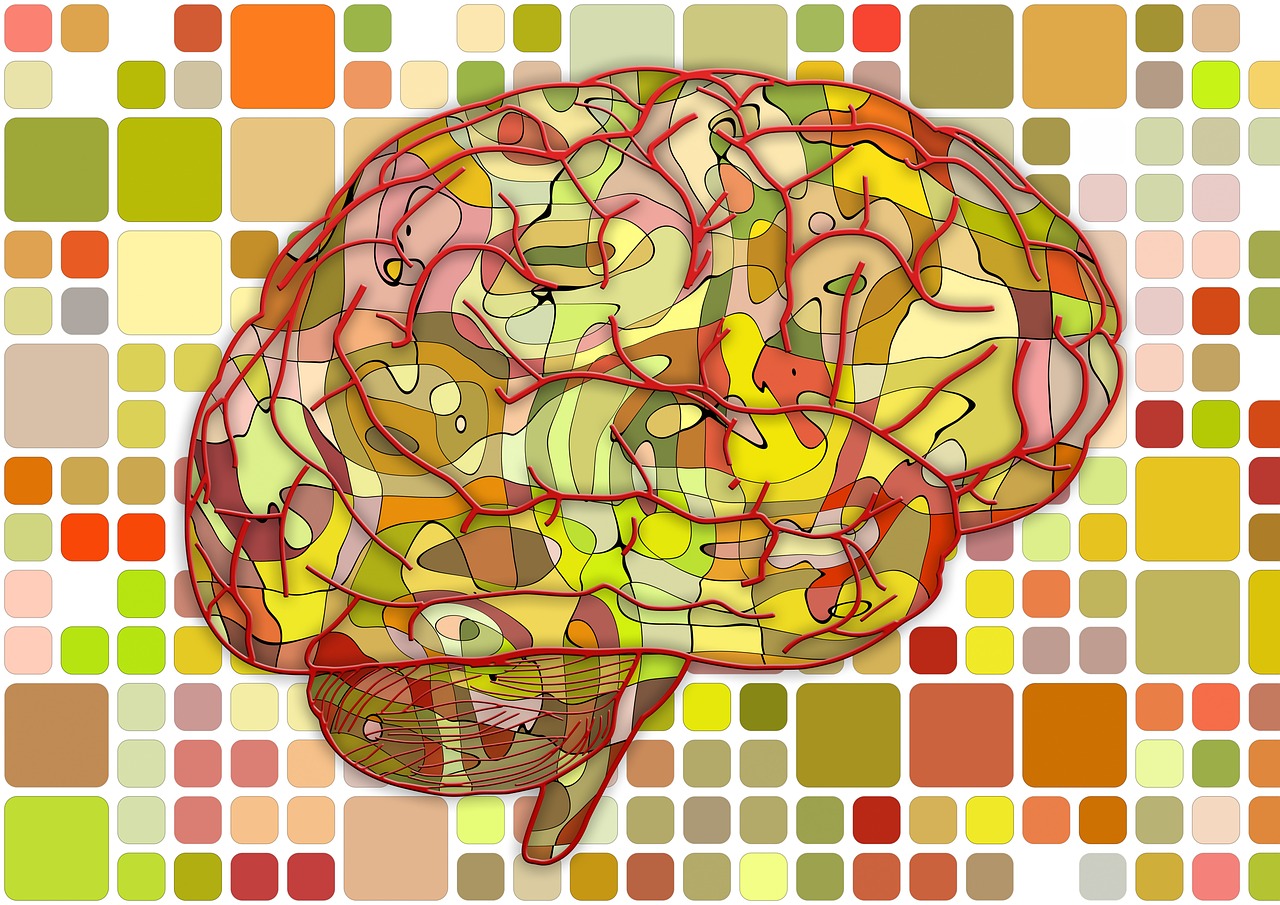
Learning to pay attention.

Attention. Photo courtesy of Pixabay.com

By David Joel Miller, MS, Licensed Therapist & Licensed Counselor.

Being stingy with attention is a natural human characteristic.

The brain is made up of two thinking systems, a rapid system we sometimes call intuition. This system makes decisions based on past experiences, hunches, and deep gut feelings. When you rely heavily on this system, it is as if you are on autopilot. You’re able to do a great many things without any effort at being mindful. Some people describe this as a “mindless” activity.

The other system is slow and laborious. It gathers information, analyzes things, and decides based on facts and stored blueprints on how to make decisions.

Deep analytical thinking uses up a lot of brain capacity, which is why the brain avoids it and makes use of the automatic decision-making system as much as possible. Modern life presents us with many of these conflicts. Video games and brief videos cater to our instinctive short attention span brains. Employment and advanced learning require us to override the fast thinking process, slow down, and restrict our thinking to one task.

An increase in technical material has made advanced education more and more valuable. On the one hand, slow technical thinking is valued with a premium. But on the other hand, your day-to-day life is probably organized around activities that require almost no thought. This heavy reliance on accomplishing tasks without thinking has made many people believe that they lack the ability for prolonged thinking. Hence the incredible expansion of the diagnosis of ADHD.

Your ability to pay attention can be improved.

Some people’s ability to pay attention is so impaired that it requires medication for them to be able to meet their job requirements. But the overreliance on a pill to improve attention has obscured the fact that paying better attention is also a skill you can learn. Young children learn to pay better attention when parents reinforce their attention skills.

Your brain decides what to pay attention to.

In deciding what to pay attention to, your brain will use a series of priorities. Anytime your threat circuits are activated, paying attention to that danger is likely to take precedent over all else. Your current physical states or drives will also elevate certain items in the environment to a priority status. When you’re hungry, the brain notices food, restaurants, or things that remind you of eating everywhere you go. Loneliness primed you to notice other people.

The same phenomenon, sometimes called salience, is at work when people who ride a motorcycle notice motorcycles everywhere they go. Dog lovers are likely to notice dogs everywhere. Even subconsciously, our brains are biased toward seeing what we want to see and ignoring the rest.

The brain also must decide how much attention to pay to that item.

Some things only require a minimum of attention. Other situations require prolonged and intense concentration. Learning to shift your attention and to focus it are skills that can be learned.

You need to recognize when you’re struggling to pay attention.

A prime reason why people struggle with paying attention is that they are distracted. If you try to divide your attention between two items, one of them will get neglected. The first step in improving your ability to pay attention is to recognize when your attention has drifted off an important task, like driving, and onto a task that should be a lower priority, like playing a videogame on your cell phone or texting. In this situation, the easiest way to improve your attention is to put that cell phone somewhere where you can’t see it.

Start paying attention to your attention focusing process.

Don’t get caught up using your poor attention focusing as an excuse for not strengthening your attention skills. Whatever you find your attention drifting, mentally step back, and look at what’s going on in your attention focusing process. Is there something more salient in the environment? Are you trying to pay attention to something you would prefer not to be focused on? Becoming aware of how you utilize your ability to pay attention can improve your attention focusing skills.

Practice redirecting your attention.

As you become more and more aware of what you’re paying attention to and why, and how you determine your priorities for attention, you need to practice redirecting that attention. The more rapidly you’re able to shift that attention, and the more often you do it, the better you will become at keeping your attention focused on one object or task.

Learning to focus your attention better is a skill that will provide you lots of benefits.

Staying connected with David Joel Miller

Seven David Joel Miller Books are available now!

My newest book is now available. It was my opportunity to try on a new genre. I’ve been working on this book for several years, but now seems like the right time to publish it.

Story Bureau.

Story Bureau is a thrilling Dystopian Post-Apocalyptic adventure in the Surviving the Apocalypse series.

Baldwin struggles to survive life in a post-apocalyptic world where the government controls everything.

As society collapses and his family gets plunged into poverty, Baldwin takes a job in the capital city, working for a government agency called the Story Bureau. He discovers the Story Bureau is not a benign news outlet but a sinister government plot to manipulate society.

Bumps on the Road of Life. Whether you struggle with anxiety, depression, low motivation, or addiction, you can recover. Bumps on the Road of Life is the story of how people get off track and how to get your life out of the ditch.

Dark Family Secrets: Doris wants to get her life back, but small-town prejudice could shatter her dreams.

Casino Robbery Arthur Mitchell escapes the trauma of watching his girlfriend die. But the killers know he’s a witness and want him dead.

Planned Accidents The second Arthur Mitchell and Plutus mystery.

Letters from the Dead: The third in the Arthur Mitchell mystery series.

What would you do if you found a letter to a detective describing a crime and you knew the writer and detective were dead, and you could be next?

Sasquatch. Three things about us, you should know. One, we have seen the past. Two, we’re trapped there. Three, I don’t know if we’ll ever get back to our own time.

For these and my upcoming books; please visit my Author Page – David Joel Miller

Want the latest blog posts as they publish? Subscribe to this blog.

For videos, see: Counselorssoapbox YouTube Video Channel

Do you trust your intuition?

Intuition. Photo courtesy of Pixabay.

By David Joel Miller, MS, Licensed Therapist & Licensed Counselor.

Intuition makes up half the decision-making system in your brain.

People who study brain functioning have investigated two different ways in which people make decisions. This is sometimes called the dual-process theory. One system, the deliberate decision-making system, is slow and requires a lot of information to arrive at a decision. The other system, intuition, reaches a conclusion rapidly, often based on very little conscious information. Relying on only one of these two systems can get you into trouble. The challenge is to decide when to use the slow, deliberative decision-making model and when to use the fast, intuitive model.

When might ignoring intuition get you into serious trouble?

You’re in the big city, walking across the street. You glance up and suddenly realize a bus is speeding towards you and you are about to get hit. Which decision-making model do you think you ought to use?

If you’re a very logical person, you might want to think this over a bit. How many feet away as the bus? How fast is the bus traveling? You look ahead and see how many feet it is to the other side of the street to get out of the way of the bus. You might also want to look back to estimate if you turn around and jump back onto the sidewalk; how far must you go? While you’re gathering all this information, the bus driver is slamming on the brakes, and you are betting your life on whether he will stop before impact.

What if you decided to use your intuition?

People who use an intuitive decision-making model would leap one way or the other without thinking. If you pick the right direction, this improves your chances of survival. Of course, you could choose the wrong direction and run directly into the path of the bus. Or you might decide to turn around and run back for the sidewalk you just left. One of these decisions, maybe both, might save your life.

Are there other situations in which you might want to use your intuition?

Social situations are a time when you want to rely on your intuition. You meet someone, and they say hello. If you stand there too long thinking over what the proper greeting would be, you’re going to appear socially inept. In the pre-Covid days, if someone put out their hand, you wanted to put your hand out and shake. Now your automatic response might be to bump elbows or perform some other gesture. What you don’t want to do is stand there staring blankly.

Making good decisions in life involves using both decision-making systems.

Relying too much on one decision-making system and not enough on the other are characteristics of two specific mental illnesses. Research on decision-making tells us that people on the autism spectrum rely heavily on thinking things over. They are high on rational decision-making, but that leaves them unable to make automatic decisions based on their intuitive systems.

On the other end of the spectrum are people who make almost all decisions emotionally or using the intuitive method. Relying solely on the intuitive decision-making system is one of the characteristics of schizotypal personality disorder.

You can improve both decision-making systems.

Some people believe that they are using logic to make their decisions, but their decision-making is so full of logical errors and flaws that it’s not very useful. Studying logic and how to make better decisions can improve the slow, deliberative decision-making system.

Many people don’t realize that the fast, intuitive decision-making system can also be improved. In some upcoming posts, I want to talk to you about improving your intuitive decision-making and deciding when to trust those fast decisions and when to use the slower logical decision-making system.

Other posts on related topics can be found under the following categories.

Overthinking               Rumination                 Worry              Finding Yourself

Personality                  Inner Child                  Intuition             Personality Disorders             

Staying connected with David Joel Miller

Seven David Joel Miller Books are available now!

My newest book is now available. It was my opportunity to try on a new genre. I’ve been working on this book for several years, but now seems like the right time to publish it.

Story Bureau.

Story Bureau is a thrilling Dystopian Post-Apocalyptic adventure in the Surviving the Apocalypse series.

Baldwin struggles to survive life in a post-apocalyptic world where the government controls everything.

As society collapses and his family gets plunged into poverty, Baldwin takes a job in the capital city, working for a government agency called the Story Bureau. He discovers the Story Bureau is not a benign news outlet but a sinister government plot to manipulate society.

Bumps on the Road of Life. Whether you struggle with anxiety, depression, low motivation, or addiction, you can recover. Bumps on the Road of Life is the story of how people get off track and how to get your life out of the ditch.

Dark Family Secrets: Doris wants to get her life back, but small-town prejudice could shatter her dreams.

Casino Robbery Arthur Mitchell escapes the trauma of watching his girlfriend die. But the killers know he’s a witness and want him dead.

Planned Accidents The second Arthur Mitchell and Plutus mystery.

Letters from the Dead: The third in the Arthur Mitchell mystery series.

What would you do if you found a letter to a detective describing a crime and you knew the writer and detective were dead, and you could be next?

Sasquatch. Three things about us, you should know. One, we have seen the past. Two, we’re trapped there. Three, I don’t know if we’ll ever get back to our own time.

For these and my upcoming books; please visit my Author Page – David Joel Miller

Want the latest blog posts as they publish? Subscribe to this blog.

For videos, see: Counselorssoapbox YouTube Video Channel

What is good mental health?

Mental Health and Wellness. Photo courtesy of Pixabay.

By David Joel Miller, MS, Licensed Therapist & Licensed Counselor.

Good mental health affects every part of your life.

Mental health has a significant impact on your thinking, your feelings, and your behavior. Impaired mental health damages relationships. While poor mental health is connected to specific illnesses such as depression and anxiety, good mental health is associated with positive feelings like happiness and contentment. It’s essential to learn to recognize the signs of good mental health.

Mental health lies on a continuum.

Just like physical health, mental health lies on a continuum. People can move from being physically or mentally healthy to less healthy before finally reaching unwell. A lack of wellness doesn’t necessarily constitute illness. But low mental wellness can quickly turn into a mental illness.

A mentally healthy person has a life that is in balance.

Life is challenging, and each person has many roles to balance. Keeping the various parts of your life in balance promotes both physical and mental health. Work is important, but it shouldn’t be the only activity you have time for. Relationships with family and friends impact your mental health as well. Physical health and mental health are not two separate things; they are interconnected. Good sleep and diet, along with exercise, promotes both physical and mental health.

Learning to listen to and manage your feelings can contribute to your mental health. For some people, their spiritual or religious beliefs are also a significant part of them feeling connected to something greater than themselves. Social relationships also factor into your well-being. During this time of Covid-19, many people have had to limit their face-to-face contacts. Maintaining those relationships by phone or the Internet can also have a positive impact on your mental health.

Good mental health improves relationships.

Positive relationships with family and friends, as well as with an intimate partner, promote mental health. Unhealthy relationships are likely to damage your mental health. This relationship works in both directions. Generally, people with many good relationships have better mental health. Working on your mental health through counseling or using self-help methods can also improve your close relationships.

Being mentally healthy means enjoying life, having fun, and being able to laugh.

Happiness can be elusive. Don’t mistake temporary pleasure for happiness. Become a happiness expert. Many adults don’t know how to have fun without alcohol, drugs, and sex. Learn to have fun in positive ways and to recognize when good things are happening. Don’t forget to laugh. Remember also that contentment is a sign of good mental health.

Mentally healthy people have a meaning and purpose for their life.

If you can’t readily identify things that give your life meaning and purpose, it’s time to search for your life’s meaning. Your purpose in life may be to be a good parent or spouse, or it may be to have a good work-life. Some people find their meaning in religious and spiritual practices and their relationship with their higher power. Even if a physical or mental problem prevents you from full-time employment, there are many volunteer opportunities or other ways to be productive.

Good mental health is characterized by hope.

Hold onto your hope for all it’s worth. Having hope powers the rest of your mental health. Hope consists of two factors. You need to believe that if you try, you can achieve some measure of success. Secondly, if one path you’re taking doesn’t help you reach your goals, hope tells you to look for other ways that you might find what you’re looking for. If you’re low on hope, please check out some of the other articles I’ve written about help.

Mentally healthy people are more resilient.

Resiliency is the ability to bounce back. Many people have been knocked down repeatedly. Those people who can bounce back are inspirations to us all. Study resiliency and how highly resilient people recover from life’s setbacks. Cultivate a resilient spirit. Resiliency is so important that I wrote a book on this topic, titled Bumps on The Road of Life.

Being flexible and able to adapt is a sign of good mental health.

Avoid the tyranny of the “musts” and the “shoulds.” Learn to be flexible and accept that sometimes things will turn out the way you want them to, and sometimes they won’t. Insisting that the world be the way you want it, can cause you a lot of stress and lead to poor mental health.

Good mental health leads to self-acceptance.

Stop comparing yourself to others and accept yourself, however you are. Working on yourself does not mean there’s anything wrong with you. We are all in the process of learning and growing. Don’t focus on what is wrong with you. Focus on life’s improvement opportunities.

Staying connected with David Joel Miller

Seven David Joel Miller Books are available now!

My newest book is now available. It was my opportunity to try on a new genre. I’ve been working on this book for several years, but now seems like the right time to publish it.

Story Bureau.

Story Bureau is a thrilling Dystopian Post-Apocalyptic adventure in the Surviving the Apocalypse series.

Baldwin struggles to survive life in a post-apocalyptic world where the government controls everything.

As society collapses and his family gets plunged into poverty, Baldwin takes a job in the capital city, working for a government agency called the Story Bureau. He discovers the Story Bureau is not a benign news outlet but a sinister government plot to manipulate society.

Bumps on the Road of Life. Whether you struggle with anxiety, depression, low motivation, or addiction, you can recover. Bumps on the Road of Life is the story of how people get off track and how to get your life out of the ditch.

Dark Family Secrets: Doris wants to get her life back, but small-town prejudice could shatter her dreams.

Casino Robbery Arthur Mitchell escapes the trauma of watching his girlfriend die. But the killers know he’s a witness and want him dead.

Planned Accidents The second Arthur Mitchell and Plutus mystery.

Letters from the Dead: The third in the Arthur Mitchell mystery series.

What would you do if you found a letter to a detective describing a crime and you knew the writer and detective were dead, and you could be next?

Sasquatch. Three things about us, you should know. One, we have seen the past. Two, we’re trapped there. Three, I don’t know if we’ll ever get back to our own time.

For these and my upcoming books; please visit my Author Page – David Joel Miller

Want the latest blog posts as they publish? Subscribe to this blog.

For videos, see: Counselorssoapbox YouTube Video Channel
Seasonal OCD characteristics.

Anxious woman

Seasonal OCD?
Photo courtesy of Pixabay.

By David Joel Miller, MS, Licensed Therapist & Licensed Counselor.

The seasons affect humans in a lot of different ways.

As the seasons change, their effects on humans change also. Most people are familiar with seasonal affective disorder, also known as the winter blues. While not all experts agree on the causes or significance of winter blues, if you’re one of those people who experience them, you’re probably convinced.

Changing weather also affects people in very predictable physical ways. You may suffer from seasonal allergies, and your mood may vary depending on whether you’re stuck inside, developing cabin fever, or spending more time outdoors in the sunshine.

What’s less known and less studied is the phenomenon of seasonal anxiety and seasonal increases in OCD symptoms.

People with OCD are especially sensitive to the seasons.

An article in Psychiatry Research titled. Seasonal mood changes in patients with obsessive-compulsive disorder looked at this connection.

Both depression and OCD appear to be connected to the levels of serotonin in the brain. The same treatments that are used for depression have also been used to treat OCD with varying results.

OCD is more likely to be prevalent in the fall.

People with OCD are more likely to experience symptoms during the cold winter months. The severity of the OCD compulsions is worse on the shorter days, and where there is less daylight. Seasonal changes in mood often co-occur with seasonal variations in OCD symptoms and intensity.

Changes in behavior as a result of seasonal changes are significant.

Both people with seasonal depression and an increase in seasonal OCD may see their symptoms get worse during the winter months. That doesn’t necessarily mean that the treatment for both should be the same.

For people with seasonal affective disorder or seasonal depressive symptoms, some of the behavioral changes that maintain their depressive symptoms can be treated by being more active. Walking or an increase in physical activity improves mood. Making a deliberate effort to stay connected to your support system can also help manage the symptoms of seasonal affective disorder.

Treatment for OCD is different from that for depression.

The behaviors that maintain OCD are the giving into the compulsions in performing the ritual. While some people have reported that medication is helpful, the overwhelming body of evidence tells us that the treatment of choice for OCD is Exposure and Response Prevention Therapy. Every time the person with OCD gives in to the urges to perform the ritual, they reinforce not only their symptoms but the disease.

The importance of relapse prevention.

An important part of treatment for substance use disorders is relapse prevention, and an important part of that relapse prevention is learning that cravings, no matter how severe they are, can be temporary. Giving in to those cravings even occasionally reinforces the addiction. People in recovery from addictions, both chemical and behavioral addictions, learn that if they can surf the urges, not giving in when the urges are high, eventually those urges dissipate.

Exposure and response prevention for OCD works similarly. Whenever you are exposed to an anxiety-provoking situation, and you can avoid doing your ritual, the symptoms of OCD will decline. In the early stages resisting those urges can be extremely difficult. Regardless of what time of year you experience OCD, know that the more you can resist those urges, and the more you learn to dismiss those unhelpful thoughts, the less your disorder can control you.

I’d love to hear from you.

If you suffer from seasonal disorders, whether it’s a seasonal increase in OCD symptoms, seasonal anxiety, or seasonal affective disorder, I’d appreciate hearing from you. Let me know how these seasonal disorders have affected you and what you have found that works. I’d also like to know what doesn’t work for treating your condition. You can either leave a comment below or use the contact me form. Getting through the winter season this year is likely to be even more difficult than past years, and sharing your experiences may help you and others.

Staying connected with David Joel Miller

Seven David Joel Miller Books are available now!

My newest book is now available. It was my opportunity to try on a new genre. I’ve been working on this book for several years, but now seem like the right time to publish it.

Story Bureau.

Story Bureau is a thrilling Dystopian Post-Apocalyptic adventure in the Surviving the Apocalypse series.

Baldwin struggles to survive life in a post-apocalyptic world where the government controls everything.

As society collapses and his family gets plunged into poverty, Baldwin takes a job in the capital city, working for a government agency called the Story Bureau. He discovers the Story Bureau is not a benign news outlet but a sinister government plot to manipulate society.

Bumps on the Road of Life. Whether you struggle with anxiety, depression, low motivation, or addiction, you can recover. Bumps on the Road of Life is the story of how people get off track and how to get your life out of the ditch.

Dark Family Secrets: Doris wants to get her life back, but small-town prejudice could shatter her dreams.

Casino Robbery Arthur Mitchell escapes the trauma of watching his girlfriend die. But the killers know he’s a witness and want him dead.

Planned Accidents  The second Arthur Mitchell and Plutus mystery.

Letters from the Dead: The third in the Arthur Mitchell mystery series.

What would you do if you found a letter to a detective describing a crime and you knew the writer and detective were dead, and you could be next?

Sasquatch. Three things about us, you should know. One, we have seen the past. Two, we’re trapped there. Three, I don’t know if we’ll ever get back to our own time.

For these and my upcoming books; please visit my Author Page – David Joel Miller

Want the latest blog posts as they publish? Subscribe to this blog.

For videos, see: Counselorssoapbox YouTube Video Channel

Posttraumatic growth.

Injury

Trauma.
Photo courtesy of pixabay.

By David Joel Miller, MS, Licensed Therapist & Licensed Counselor.

Surviving a trauma can damage you or make you grow.

Almost everyone is familiar with the concept of posttraumatic stress disorder (PTSD.) But it’s important to know that not everyone who experiences trauma is affected in the same way. Some people recover from traumas quickly, and they never experience a stress disorder. Other people deal with stress in one way or another, and over time that effect diminishes. Therapy, both professional and the self-help variety, can be useful in limiting the impact of trauma.

Some people, however, not only survive the trauma but grow as a result. It’s useful to know that the way you think about the trauma can determine whether your life is ruined or you develop a new sense of meaning and purpose. Look at this quote from Victor Frankel.

“In some ways suffering ceases to be suffering at the moment it finds a meaning.” —Viktor Frankl, Man’s Search for Meaning.

The concept of posttraumatic growth hasn’t gotten the attention it needs.

Sometimes, I can’t tell you how often, as a result of experiencing trauma, people experience sudden, dramatic growth. They learn new things about themselves and redefine themselves.

Richard Tedeschi and Lawrence Calhoun coined the term “posttraumatic growth” to capture this phenomenon, defining it as the positive psychological change that is experienced as a result of the struggle with highly challenging life circumstances.”

There are seven ways in which adversity may result in sudden growth.

1. Adversity may create a greater appreciation of life.

Some people who have experienced a traumatic life experience report that afterward, they are glad to be alive. Having had a challenging experience may shift your vision from what’s wrong in your life to noticing all the positive blessings you have.

2. Surviving a traumatic event makes you appreciate the relationships you have.

After a trauma, some people have a greater appreciation for their relationships. Friends are more valued, and conflicts with family seem less important. Within a second chance at life, trauma survivors may decide to put more time and effort into their relationships.

3. You might experience increased compassion and altruism.

If you have experienced a traumatic event yourself, it’s easier to empathize with other people and what they are going through. Part of the healing process may be being of service to others who have gone through or are going through similar challenges.

4. You might identify new possibilities or a new purpose in life.

It’s easy to get caught up in the day-to-day grind of life, thinking your struggles will never end. But, surviving a traumatic experience can be an opportunity to reevaluate what you’re doing and why. In the aftermath of traumatic experiences, people suddenly are open to new possibilities or discover a new purpose for their life.

5. You may become more aware of personal strengths.

Struggling with a challenge may make you realize all the other strengths you have. As people go through rehabilitation and recovery, they may become aware of a great many underutilized strengths.

6. Surviving trauma may result in enhanced spiritual development.

Even the most skeptical person may discover they have relied on their spiritual connection to get through the traumatic experience. Many trauma survivors report a renewal and rededication to their spiritual and religious beliefs.

7. Creative growth may be a result of traumatic experiences.

Negative emotions such as depression, anxiety, anger, and grief, are common responses to trauma. Trying to avoid those emotions can lead to emotional numbness and avoidance. Getting stuck in the trauma can make things worse. What you focus on, you get more of, and concentrated on the pain inhibits your ability to see the positive in life.

Creative people and particularly creative people who have always been too busy to express themselves in creative ways may find that after a traumatic experience, they feel the need to express themselves in innovative ways. Sometimes challenging experiences are the catalyst for taking chances you have been avoiding.

Have you experienced trauma in your life? Has it been a source of growth for you?

Staying connected with David Joel Miller

Seven David Joel Miller Books are available now!

My newest book is now available. It was my opportunity to try on a new genre. I’ve been working on this book for several years, but now seem like the right time to publish it.

Story Bureau.

Story Bureau is a thrilling Dystopian Post-Apocalyptic adventure in the Surviving the Apocalypse series.

Baldwin struggles to survive life in a post-apocalyptic world where the government controls everything.

As society collapses and his family gets plunged into poverty, Baldwin takes a job in the capital city, working for a government agency called the Story Bureau. He discovers the Story Bureau is not a benign news outlet but a sinister government plot to manipulate society.

Bumps on the Road of Life. Whether you struggle with anxiety, depression, low motivation, or addiction, you can recover. Bumps on the Road of Life is the story of how people get off track and how to get your life out of the ditch.

Dark Family Secrets: Doris wants to get her life back, but small-town prejudice could shatter her dreams.

Casino Robbery Arthur Mitchell escapes the trauma of watching his girlfriend die. But the killers know he’s a witness and want him dead.

Planned Accidents  The second Arthur Mitchell and Plutus mystery.

Letters from the Dead: The third in the Arthur Mitchell mystery series.

What would you do if you found a letter to a detective describing a crime and you knew the writer and detective were dead, and you could be next?

Sasquatch. Three things about us, you should know. One, we have seen the past. Two, we’re trapped there. Three, I don’t know if we’ll ever get back to our own time.

For these and my upcoming books; please visit my Author Page – David Joel Miller

Want the latest blog posts as they publish? Subscribe to this blog.

For videos, see: Counselorssoapbox YouTube Video Channel

Surviving uncertainty during these trying times.

anxiety

Uncertainty.
Photo courtesy of Pixabay.com

By David Joel Miller, MS, Licensed Therapist & Licensed Counselor.

Life is full of uncertainties.

Life always has its uncertainties, but this year everyone has experienced a lot more challenges than usual. The coronavirus and its sudden spread around the world, has been on everyone’s minds. Some people have chosen to ignore the virus, while others have stayed home, hoping they can hide from the virus. The uncertainty isn’t limited to whether you will catch Corvid-19, but also how ill you will become. Death from infections is a very real possibility.

You may be one of the people who has had to work despite the risks. Or possibly you’re one of the people who were laid off. You don’t know when or if you’ll be called back to work, and if you are, what are the risks you are taking. Some people have been able to work from home, which potentially reduces their risk of the disease. But working from home has its uncertainties.

The pandemic has affected most people’s physical health, relationships, finances, and mental health. If they find drugs to treat this illness, or if there’s a vaccine that works, the uncertainty surrounding the coronavirus may diminish. But that’s far from certain.

Your attitude towards uncertainty matters.

Life seems more manageable when things move along in a predictable pattern. Everyone needs a certain amount of security. A few unexpected events can be the spice in your life. But too much uncertainty can take you into survival mode. Some people see uncertainty as scary, while other people look to these new times as an opportunity for personal growth and learning new skills.

How can you cope with uncertainty?

Don’t get bogged down in your fear of uncertainty. Look for ways that you can cope with the current challenges.

Accept that uncertainty is a part of life.

What you can’t change, you need to learn to accept. Uncertainty is a part of everyone’s life, and the surest path towards peace and contentment is the one of radical acceptance. Many recovering people have adopted the serenity prayer as a guide to life. The wisdom in life is learning which things you can change and which things you can’t. Those things you can change are where you should apply your efforts. The things that are out of your control, and often that is most everything in your life, those are the things you need to learn to accept. Spending a lot of time insisting that things must be the way you want them takes you away from doing the things you can do.

Learn to manage your worry.

Limit your worrying to the things that may be within your control. Restrict your worry to a limited number of likely possibilities. Do everything you can to prepare for these things. Don’t waste time trying to worry about every possible outcome. The idea that worrying about things can somehow protect you from them is one of the great fallacies of life. Preparation protects you. Stop worrying and start doing the things you need to do.

When uncertain devoid getting into fear.

Fear is not necessarily either a good or bad emotion. It’s how you interpret fear. Fear should tell you there’s a danger, and you need to do something about that danger. Don’t let your fears take control of you. Bravery is feeling the fear but moving forward anyway.

Most fear is based on faulty assumptions. People become afraid that they won’t get something they want. But the reality is that you won’t know whether what you wanted was a good thing until you got it. Another significant cause of fear is the fear of losing something you have. Unfortunately, nothing is permanent, and everything will pass away eventually. Don’t waste the time you have worrying about losing something.

Get into action to overcome uncertainty.

As you move into action, you have less need to worry about things that are out of your control. Take action on the things you can. In times of uncertainty, you need to prepare yourself for what may lie ahead. Learn new skills. Improve your relationships and your social support systems. Work on improving yourself so you will be better prepared for whatever might happen.

Improve your resiliency.

Everyone faces setbacks. Some people seem to get knocked down more often than others. Resiliency is the skill to bounce back from adversity. Don’t lose hope. Cultivate the ability to bounce back regardless of what happens to you. It’s not how many times you are knocked down; it’s how many times you get back up that matters.

How are you coping with uncertainty? Have you discovered any positive coping skills? Please feel free to leave a comment below.

Staying connected with David Joel Miller

Seven David Joel Miller Books are available now!

My newest book is now available. It was my opportunity to try on a new genre. I’ve been working on this book for several years, but now seem like the right time to publish it.

Story Bureau.

Story Bureau is a thrilling Dystopian Post-Apocalyptic adventure in the Surviving the Apocalypse series.

Baldwin struggles to survive life in a post-apocalyptic world where the government controls everything.

As society collapses and his family gets plunged into poverty, Baldwin takes a job in the capital city, working for a government agency called the Story Bureau. He discovers the Story Bureau is not a benign news outlet but a sinister government plot to manipulate society.

Bumps on the Road of Life. Whether you struggle with anxiety, depression, low motivation, or addiction, you can recover. Bumps on the Road of Life is the story of how people get off track and how to get your life out of the ditch.

Dark Family Secrets: Doris wants to get her life back, but small-town prejudice could shatter her dreams.

Casino Robbery Arthur Mitchell escapes the trauma of watching his girlfriend die. But the killers know he’s a witness and want him dead.

Planned Accidents  The second Arthur Mitchell and Plutus mystery.

Letters from the Dead: The third in the Arthur Mitchell mystery series.

What would you do if you found a letter to a detective describing a crime and you knew the writer and detective were dead, and you could be next?

Sasquatch. Three things about us, you should know. One, we have seen the past. Two, we’re trapped there. Three, I don’t know if we’ll ever get back to our own time.

For these and my upcoming books; please visit my Author Page – David Joel Miller

Want the latest blog posts as they publish? Subscribe to this blog.

For videos, see: Counselorssoapbox YouTube Video Channel

Angry

Anger burning

Anger
Photo courtesy of Pixabay.com

Sunday Inspiration.     Post by David Joel Miller.

“For every minute you are angry you lose sixty seconds of happiness.”

― Ralph Waldo Emerson

“Angry people are not always wise.”

― Jane Austen, Pride and Prejudice

“Anybody can become angry — that is easy, but to be angry with the right person and to the right degree and at the right time and for the right purpose, and in the right way — that is not within everybody’s power and is not easy.”

― Aristotle

Wanted to share some inspirational quotes with you.  Today seemed like a good time to do this. There are an estimated 100,000 words in the English language that are feelings related. Some emotions are pleasant, and some are unpleasant, but all feelings can provide useful information. If any of these quotes strike a chord with you, please share them.

Look at these related posts for more on this topic and other feelings.

Emotions and Feelings.

Inspiration

Mental health counseling for Medi-Cal clients in the Fresno California area.

Mental health counseling for Medi-Cal clients in the Fresno California area.

Wanted to share this information with all of you.

Are you still walking on that broken leg?

Confused brain

Mental illness.
Photo courtesy of Pixabay.com

By David Joel Miller, MS, Licensed Therapist & Licensed Counselor.

Why is it so hard to seek treatment for mental health problems?

If you had a broken leg, most people would head immediately for the hospital to seek treatment. If you’re incredibly drunk or high, you might put off going for treatment until you sober up. That’s a terrible idea. The longer you walk on the broken leg, the more damage you could do.

Not attending to mental health problems is the same thing. There are effective treatments for mental illnesses. Avoiding that treatment doesn’t make a mental illness go away. But some mental illnesses the longer you put off treatment, the more help you will need. Here are some reasons people avoid seeking help for their emotional problems.

Do you think having feelings is a bad thing?

Many people develop the mistaken attitude that feelings are bad, and we shouldn’t have them. Men especially have been prone to this. Society tells you that if your sad, anxious, or afraid, you should ignore those feelings and get back in the game. There’s a difference between acknowledging your feelings, the way you would a physical pain, and allowing those feelings to take control of you.

Feelings are a valuable source of information. When we say that someone makes us sick to our stomach, there are nerve cells wrapped around the stomach and intestine which contract. Have you ever thought that someone was a pain in the neck? When you have that feeling, reach up and rub your neck. You’ll find it is stiff and the muscles have contracted.

Our nervous system sends signals when things are wrong. Some of those signals get interpreted as physical pains, and some get interpreted as feelings. In both cases, the body is trying to tell you something.

Do you feel you should be able to cure yourself of a mental illness?

Many people have the mistaken belief that if they bottle up feelings, those feelings will go away. We learn in anger management classes the bottling up anger allows it to build up steam. The opposite approach, venting your feelings, is just as dangerous. Exploding in anger can send you to jail and permanently destroy relationships.

The middle path, which is the most effective, is to learn to process those feelings and work through them. While you can learn skills to more effectively manage your mental and emotional challenges avoiding treatment for a mental illness is like trying to remove your appendix at home without anesthetic.

Do you expect an instant cure for your mental health problem?

Wouldn’t it be great if there was a pill you could take, and you would magically lose all that extra weight? How many people have tried drugs that are supposed to grow their muscles and make them stronger? When it comes to your physical or mental health, change takes time and effort. It’s better to work on staying mentally healthy then expecting an instant cure for an emotional crisis.

Becoming physically healthy requires that you do the work. So, does becoming mentally and emotionally healthy.

Do you believe that the treatment will be worse than the disease?

Many people believe that treatment for mental illness means they must take medications that often come with severe side effects. There are indeed a few very severe mental illnesses that really require taking medication. And while medication can help with many mental illnesses, both therapy and self-help methods are also effective.

Getting help for mental health issues may involve some effort and some discomfort, but in the long run, you can save yourself a lot of pain by seeking help.

Do you think that therapy will be long, expensive, and painful?

Treatment for mental health problems is more available than it has ever been. Most medical insurance plans also cover mental health. More and more employers are providing employee assistance plan coverage for both mental health and substance use disorder issues.

Some mental health problems can be treated in as little as a single session. Many people find that a few sessions of counseling can help them create a plan for improving their lives and adapting to stress better.

There are newer techniques that don’t require you to revisit all that past pain. Solution-focused therapy helps you craft the solutions rather than stay stuck in the problem. Positive psychology approaches can help you manage your problems by building on your current strengths.

You may believe that going to see a counselor means you are crazy.

Do you sometimes think that if you go for help, you’ve lost control of your life? Seeking help doesn’t mean that it all. Top athletes all have coaches. Lawyers, if they have any sense, don’t represent themselves. Sometimes it can help to get another perspective on the challenges you’re facing. You may not be able to see your own swing, but a coach can tell you what you need to improve on. The same thing goes for a counselor. Sometimes if you’re struggling with life’s challenges, another perspective on your problems can be just what you need.

Do you have mental or emotional problems that would benefit from help? What’s keeping you from seeking out that help?

Staying connected with David Joel Miller

Seven David Joel Miller Books are available now!

My newest book is now available. It was my opportunity to try on a new genre. I’ve been working on this book for several years, but now seem like the right time to publish it.

Story Bureau.

Story Bureau is a thrilling Dystopian Post-Apocalyptic adventure in the Surviving the Apocalypse series.

Baldwin struggles to survive life in a post-apocalyptic world where the government controls everything.

As society collapses and his family gets plunged into poverty, Baldwin takes a job in the capital city, working for a government agency called the Story Bureau. He discovers the Story Bureau is not a benign news outlet but a sinister government plot to manipulate society.

Bumps on the Road of Life. Whether you struggle with anxiety, depression, low motivation, or addiction, you can recover. Bumps on the Road of Life is the story of how people get off track and how to get your life out of the ditch.

Dark Family Secrets: Doris wants to get her life back, but small-town prejudice could shatter her dreams.

Casino Robbery Arthur Mitchell escapes the trauma of watching his girlfriend die. But the killers know he’s a witness and want him dead.

Planned Accidents  The second Arthur Mitchell and Plutus mystery.

Letters from the Dead: The third in the Arthur Mitchell mystery series.

What would you do if you found a letter to a detective describing a crime and you knew the writer and detective were dead, and you could be next?

Sasquatch. Three things about us, you should know. One, we have seen the past. Two, we’re trapped there. Three, I don’t know if we’ll ever get back to our own time.

For these and my upcoming books; please visit my Author Page – David Joel Miller

Want the latest blog posts as they publish? Subscribe to this blog.

For videos, see: Counselorssoapbox YouTube Video Channel