Sleep Paralysis – What causes it? Is it related to PTSD or demons?

By David Joel Miller, MS, Licensed Therapist & Licensed Counselor.
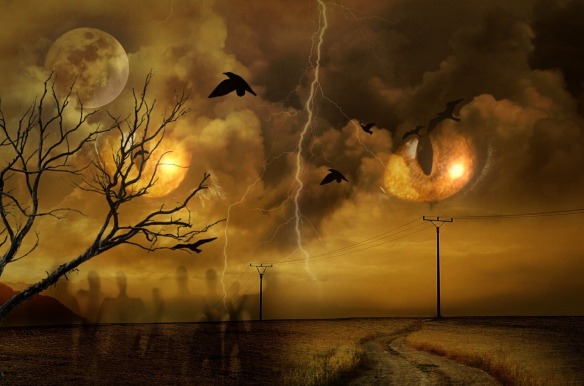
Sleep paralysis.
Photo courtesy of Pixabay.com

Is Sleep Paralysis related to PTSD or the supernatural?

Imagine awakening suddenly in the middle of the night. Sitting on your chest is a demon; there are ghosts, dead people, or spirits standing around your bed. You try to scream but nothing comes from your throat. You would run if you could but your legs won’t work. You are awake and paralyzed. Looking up at the demons you are helpless to do anything beyond saying a silent prayer inside your head. You are experiencing Sleep Paralysis.

Sleep Paralysis is one of those unusual problems. This condition is especially terrifying to someone who has the disorder.  If you have a belief in the supernatural you may dread falling asleep.

Sleep Paralysis has long been more the province of legends and the supernatural than included in the area of mental health. This experience has been connected to many otherworldly phenomena. Similar experiences were described during the Salem witchcraft trials.

Today we have a scientific explanation that satisfies some, some of the time, but are we sure?

In Sleep Paralysis you can see, move your eyes and breathe, but the rest of your body is unable to move.  Some episodes of Sleep Paralysis last seconds. The average is six minutes. Occasional an episode of sleep paralysis will last longer than 6 minutes or on rare occasion’s hours.

Many people with Sleep Paralysis, up to 30% also have a history of Panic Attacks. It is more common among those with PTSD or anxiety disorders. Sleep Paralysis is also most common among those with minority status, especially African-Americans (Sharpless et al 2010.)

Other researchers have suggested that dissociation may be related to the old or “Lizard brains” freeze response to threat or danger. The same mechanism might explain the inability to move despite overwhelming terror found in Sleep Paralysis. Fear and anxiety may both cause and be the consequence of Sleep Paralysis.

Sleep paralysis is more common with overtired or sleep-deprived individuals. It is also associated with taking Antidepressants, Benzodiazepines, and some other medications. Ohayon et al., 1999 (Cited by Sharpless) also suggested a relationship between SSRIs and Sleep Paralysis but Sharpless did not find a connection.

Sleep paralysis can occur when falling asleep or when awakening from sleep. Its main characteristic is not being able to move for an extended period of time. This condition occurs naturally during REM sleep but we don’t know we are becoming paralyzed when we are asleep.

The episodes of paralysis while awake are most often accompanied by very vivid hallucinations. The more vivid the hallucinations the more terrifying the Sleep Paralysis. Sometimes the person will experience hearing sounds. Even when experiencing the full symptoms of Sleep Paralysis, both the visions and the inability to move, many people describe the experience as a “dream” (Fukuda et al, 2000.)

If the hallucinations occur when falling asleep they are called Hypnogogic. Hallucinations that occur when awakening are called Hypnopompic.

Sleep paralysis may be connected with a physical disorder such as Narcolepsy. Reports suggest that those who hear sounds are most likely to also have narcolepsy. Sleep paralysis has also been associated with Migraines. If this occurs more than once or causes significant distress it is wise to seek medical attention.

Sleep paralysis is more likely to occur when someone has moved to a new location, is under stress, or has consumed an excessive amount of alcohol.

Mental health practitioners, therapists, and counselors are mostly concerned with two relationships between sleep and mental health. Is the problem with sleep caused by a mental illness? Symptoms of depression include changes in sleep and appetite. Depression can be seen as the cause of a sleep problem.

Sometimes sleep issues can create symptoms that are diagnosed as mental illness. Nightmares play a role in maintaining depression and PTSD.

Beyond those two alternatives, most other sleep issues are in the providence of medical doctors. There are plenty of sleep problems that are in the International classification of sleep disorders that are not directly included in the DSM.

The following are past posts on connections between sleep and mental health issues.

Getting Rid of Nightmares that Maintain Depression and PTSD

Trauma Steals Your Sleep 

Staying connected with David Joel Miller

Seven David Joel Miller Books are available now!

My newest book is now available. It was my opportunity to try on a new genre. I’ve been working on this book for several years, but now seem like the right time to publish it.

Story Bureau.

Story Bureau is a thrilling Dystopian Post-Apocalyptic adventure in the Surviving the Apocalypse series.

Baldwin struggles to survive life in a post-apocalyptic world where the government controls everything.

As society collapses and his family gets plunged into poverty, Baldwin takes a job in the capital city, working for a government agency called the Story Bureau. He discovers the Story Bureau is not a benign news outlet but a sinister government plot to manipulate society.

Bumps on the Road of Life. Whether you struggle with anxiety, depression, low motivation, or addiction, you can recover. Bumps on the Road of Life is the story of how people get off track and how to get your life out of the ditch.

Dark Family Secrets: Doris wants to get her life back, but small-town prejudice could shatter her dreams.

Casino Robbery Arthur Mitchell escapes the trauma of watching his girlfriend die. But the killers know he’s a witness and want him dead.

Planned Accidents  The second Arthur Mitchell and Plutus mystery.

Letters from the Dead: The third in the Arthur Mitchell mystery series.

What would you do if you found a letter to a detective describing a crime and you knew the writer and detective were dead, and you could be next?

Sasquatch. Three things about us, you should know. One, we have seen the past. Two, we’re trapped there. Three, I don’t know if we’ll ever get back to our own time.

For these and my upcoming books; please visit my Author Page – David Joel Miller

Want the latest blog posts as they publish? Subscribe to this blog.

For videos, see: Counselorssoapbox YouTube Video Channel

Getting rid of Nightmares that maintain Depression and PTSD

By David Joel Miller, MS, Licensed Therapist & Licensed Counselor.

Nightmares maintain depression and PTSD.
Photo courtesy of Pixabay

Then Come Nightmares.

Frequent nightmares play a major role in maintaining depression, PTSD, and other mental health problems. It is common for people to think that they need to cure the PTSD or Depression and then the nightmares will go away.  The opposite approach is more likely to be productive.

Most treatments for PTSD do not target the nightmares. There are treatments for nightmares available, some as brief as three sessions. These have been shown to help reduce nightmares and promote recovery from other problems.

Treatment for nightmares has been shown to reduce symptoms of PTSD and depression.

Children also suffer from nightmare related problems. Children who are fearful because of a family problem, moves, divorces, or separation develop symptoms of mental illness. “Bad dreams” are the result of the child’s out of control fear and are at the root of many childhood attention or conduct disturbances. When the child gets a good night’s sleep they behave, when they don’t sleep they don’t pay attention, and they don’t mind.

Nightmares are associated with high levels of anxiety. They are fear-based.

Most people who have PTSD, depression, bipolar disorder, or any other diagnosis also have a co-occurring anxiety problem. Now sometimes anxiety is good, it protects you from danger. But when the anxiety circuits do not turn off the anxiety gets to be the problem rather than the solution.

We also see lots of disturbing dreams in clients recovering from substance abuse problems. Substance abuse counselors report clients sharing about drug-using dreams. We have some simple interventions around those issues, but not much research has been done in this area because substance abusers, people with Bipolar Disorder, and people with psychosis are routinely excluded from research studies. I believe that the treatment for nightmares will work for anyone.

The solution is to tone down that fear circuit.

Before I describe a treatment method for reducing nightmares – a word of caution, working on nightmares, especially those that maintain PTSD, can be a painful process. It is best to work with a therapist or other professional person, and you need to make sure you have a strong support system in place in case you have difficulty coping.  For more on support systems see “How to develop a support system” or “How supportive is your support system?”

Taming nightmares involves three steps.

1. Learn relaxation methods.

Nightmares are fear-based, and the fear persists after you awake. Sitting thinking about the scary part of the dream might reinforce the nightmare and result in memorizing your nightmare. Fear and relaxations are not compatible. The more you relax, the less fear you will have. As you get better at relaxing your fear shrinks and your dreams become less traumatic.

2. Learn sleep hygiene

Keeping regular bedtimes, reducing or eliminating caffeine especially in the hours before bedtime and other efforts to improve sleep naturally are helpful. It is important to allow plenty of time for sleep.

People who stay up late and get up early gradually become sleep deprived. Lack of sleep aggravates all sorts of mental health issues. Insufficient sleep increases the possibilities that you will be suddenly awakened and will remember the “bad dreams.”

During sleep the brain keeps working on our issues, memories are consolidated and thoughts organized. We only call dreams “nightmares” if we awake during the dream and have memories of it. Better sleep can result in fewer nightmares.

3. Begin treatment of the nightmares once you are relaxed and well-rested.

The process of “reframing” nightmares makes them less scary and more manageable. Reframing or reprocessing is helpful for intrusive daytime thoughts as well as for nightmares.  The application of this to reducing or eliminating nightmares was described by Rhudy et al. in their 2010 article on CBT treatment for nightmares in trauma-exposed people, where they called it “ERRT” therapy.  Ben Furman has also described a similar approach for use with children.

Disclaimer- Rhudy et al.’s study, like most research in the mental health area, excluded substance abusers, people with mania or psychosis, and probably screened out all people with Bipolar Disorders. The sample size was also low with about twenty people per group. There is so much overlap between substance abuse, bipolar disorder, and PTSD in the clients I see these studies leave out exactly the people who most need new effective treatments. That said – the ideas appear to be fully appropriate for clients with co-occurring disorders.

Here is how it works:

To reprocess or reframe nightmares do the following things:

A. Write out as full a description of the nightmare as possible.

Getting it down on paper tames the story and makes it manageable. It also allows you to go back over it and add missing details. In step C you will be rewriting it with added insight.

Remember that it is a normal process for your brain to use your dreams to make sense of your experiences. In dreams, your brain will turn the experience around and examine it from all sides. Your brain may also play out multiple alternative endings for the event. It is not the dream that is the problem; it is the connection between the dream and fear that makes this a nightmare.

If you have several versions of the dream try to write them all down.

B. Read the nightmare story aloud.

Listen for the themes in the story. What are the fear messages? I think it is helpful to be able to read this to a therapist or other support person who can keep you from being overwhelmed and can provide some insight into things you may not immediately see. Just don’t make someone listen to your nightmare that is not emotionally able to hear the story.

C. Re-script the nightmare.

What is the expected ending? What is an alternative ending? Write out the story this time with a new less scary ending. Read the new version out loud. Has seeing a new possible ending tamed the fear?

Furman described a story, not sure where it originated, in which a grandmother applied the sort of approach to her grandson’s nightmare.

The child came to the grandmother scared because of a nightmare.

“Grandma, ” he said, “I had a nightmare.”

“There are no such things as nightmares,” The grandmother said “Only goodmares. All dreams should have happy endings. The problem is you keep waking up before the end. What is a good ending that could have happened?”

In this story, the child then works with his grandmother to find new happy endings for these scary dreams. The result – fewer scary dreams and less fear when bad dreams occurred.

Warring – in people with PTSD who were treated with re-scripting the fear declined first, anger later and the frequency and length of nightmares were the last things to decline.

Talk to your care provider about this process. If you try this process, see if it works. Learn to relax more. Tame your sleep. Then tame your nightmares. If you have had success in changing your nightmares ending please share your success with the rest of us.

Staying connected with David Joel Miller

Seven David Joel Miller Books are available now!

My newest book is now available. It was my opportunity to try on a new genre. I’ve been working on this book for several years, but now seem like the right time to publish it.

Story Bureau.

Story Bureau is a thrilling Dystopian Post-Apocalyptic adventure in the Surviving the Apocalypse series.

Baldwin struggles to survive life in a post-apocalyptic world where the government controls everything.

As society collapses and his family gets plunged into poverty, Baldwin takes a job in the capital city, working for a government agency called the Story Bureau. He discovers the Story Bureau is not a benign news outlet but a sinister government plot to manipulate society.

Bumps on the Road of Life. Whether you struggle with anxiety, depression, low motivation, or addiction, you can recover. Bumps on the Road of Life is the story of how people get off track and how to get your life out of the ditch.

Dark Family Secrets: Doris wants to get her life back, but small-town prejudice could shatter her dreams.

Casino Robbery Arthur Mitchell escapes the trauma of watching his girlfriend die. But the killers know he’s a witness and want him dead.

Planned Accidents  The second Arthur Mitchell and Plutus mystery.

Letters from the Dead: The third in the Arthur Mitchell mystery series.

What would you do if you found a letter to a detective describing a crime and you knew the writer and detective were dead, and you could be next?

Sasquatch. Three things about us, you should know. One, we have seen the past. Two, we’re trapped there. Three, I don’t know if we’ll ever get back to our own time.

For these and my upcoming books; please visit my Author Page – David Joel Miller

Want the latest blog posts as they publish? Subscribe to this blog.

For videos, see: Counselorssoapbox YouTube Video Channel
6 ways to recover from Complex Trauma or Complex PTSD

By David Joel Miller, MS, Licensed Therapist & Licensed Counselor.

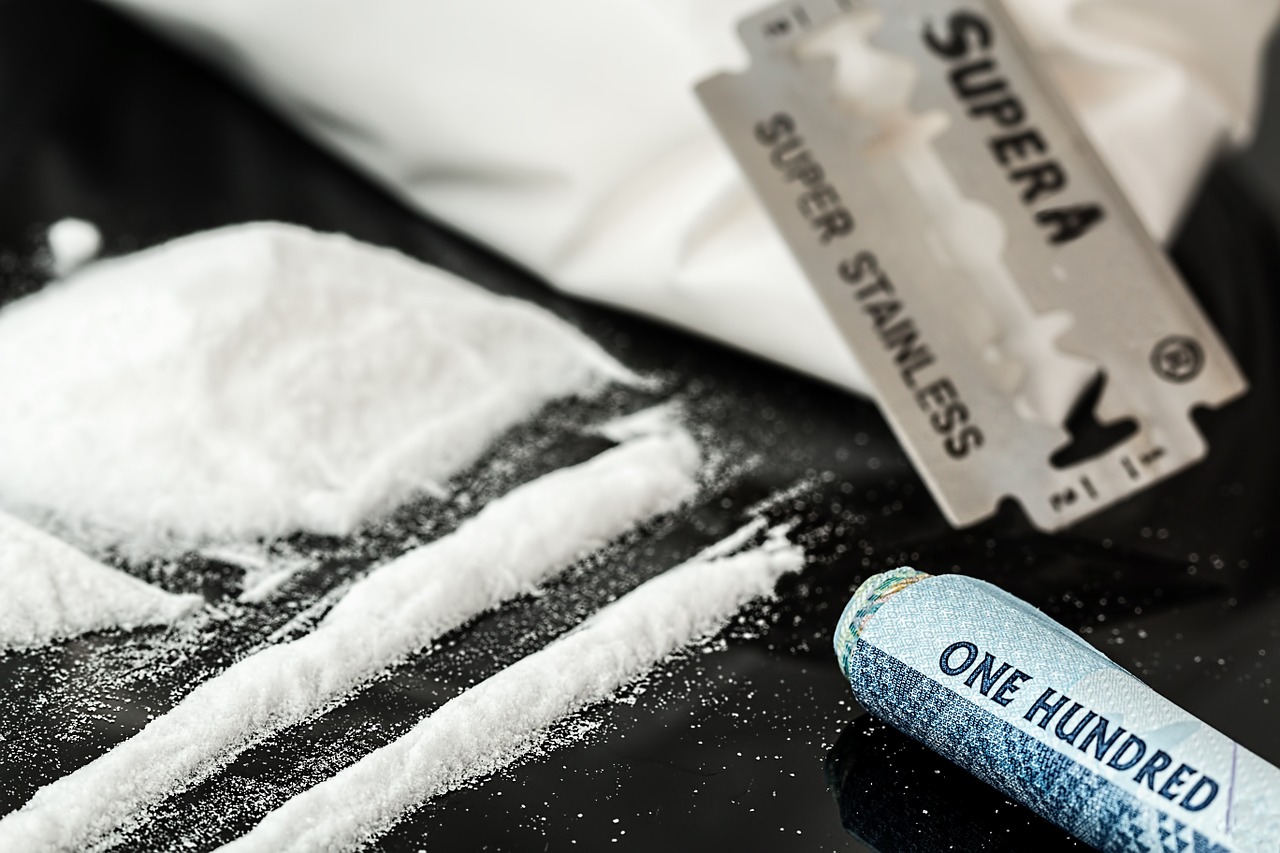
Words about PTSD

PTSD.
Photo courtesy of Pixabay.com

You can recover from Complex Trauma or Complex PTSD.

Complex Trauma or Complex PTSD is the result of repeated injuries, each of which creates additional trauma. Complex Trauma frequently arises in children who are abused or neglected over long periods of time or survivors of sexual assaults who are re-assaulted.

Being injured once is bad enough but repeated traumatization can result in problems far in excess of those caused by a single trauma. People who were traumatized in childhood and then retraumatize in later life are likely to develop severe and debilitating symptoms. Some researchers have suggested the name of Complex Trauma or Complex PTSD for this condition.

It appears that many people can experience severe trauma, recover, and not develop PTSD. Some of the symptoms of PTSD are normal reactions to experiencing trauma – in the short run. If the reaction is excessive, interferes with a job, friendships or relationships then it first becomes Acute Stress Disorder when the symptoms continue for long periods of time and seriously interfere with functioning the name and diagnosis is changed to Posttraumatic Stress Disorder (PTSD).

Complex Trauma adds trauma upon trauma and results in long-term suffering.

Some treatments make the symptoms of Complex Trauma worse and some things are effective in treatment. Here are the basic rules for recovering from Complex Trauma. I based this on the research of Conner & Higgins and their description of the work of Chu, with my own usually twists.

1. CAUTION – do not start digging until you know what is buried out there, avoid black holes.

The first reaction of someone trying to recover from complex trauma and the approach of many counselors is to go searching for the buried details. People ask “Why can’t I remember things?” Counselors are tempted to try to recover those lost memories. This can result in more trauma and pain and runs the risk of digging up stuff that wasn’t really buried in your yard but the yards of neighbors or even fictional characters.

Some serious damage has been done by forcing people to remember things way before they were ready and by hunting for things that you are not sure happened. Ask a kid often enough about sexual abuse and they will begin to “remember” things that “may have happened” or they “think” happened. These contaminated memories have resulted in a lot of extra pain.

There are a number of other steps that need to be completed before you go digging into the past for answers. The brain tries to protect us by hiding details from us that might keep us from functioning well enough to survive. Trust the process.

2. Have a supportive therapist or counselor as well as a support system in place.

You can’t make this journey of healing alone and the more capable the companions you have on the journey the better. Professionals are important because there may be things you need to tell them that you won’t feel safe telling others. Peers are also helpful for similar reasons.

Group counseling can be especially effective when and if you are ready to talk in front of others.

3. Ensure your personal safety

If you are in a dangerous situation healing is not likely until you deal with the current emergency. Make a safety plan and execute it. You need to feel safe and have reliable food clothing and shelter before you think about other aspects of recovery. But don’t put off recovery waiting for the day you will miraculously feel safe. Get started on the safety part first. Just taking steps to move to a safe place can be empowering.

Challenges to your safety don’t only come from outside. You may be a big part of the danger. Avoid, control, or work on urges and cravings. Confront any urges to commit suicide and seek help immediately if you have thoughts of suicide. Recognize and deal with non-suicidal self-injury, substance abuse, eating disorders, and the urge to try out risky behaviors. Don’t put yourself at risk to be victimized anymore.

4. Get your daily routines and rituals in place.

Most people who experience a crisis lose that ability to get up, eat, care for themselves, and then move about their day. The sooner you re-establish your daily routine the better.

When children are involved the recommendation is the sooner you can resume family rituals the better. Get back to your spiritual home. Remember to have some sort of ritual in your life; birthdays, Christmas, or any other familiar activity makes everyone feel better.

Returning to a job or other activity can be a great way to begin your recovery. If you can’t work at a paid job consider volunteering. Having a reason to get up and out of the house can jump-start your recovery.

A regular and consistent amount of sleep is important. So is some form of exercise. Be as consistent as possible with mealtimes and bedtimes. Include time for relaxation and positive activities.

5. Learn as much as you can about stress, acute stress, and the more difficult forms of PTSD and Chronic Stress. Learn to manage your primary symptoms.

Knowledge is power. When you know you are not “crazy” or “losing your mind” but that the things you are experiencing are common responses to what you have been through, then it is easier to look for the things others have found useful in recovering from their chronic stress.

Accept what you feel. Try to learn to feel what you are feeling rather than run from the uncomfortable feelings. The feelings will come and go. Learn that you don’t have to run from feelings, but you do need to move away from real danger.

6. Begin work on your long-term issues, the chronic stress symptoms, the problems you had before the stressor, and lastly the actual event.

Often people who develop PTSD or a chronic stress disorder discover they had other issues before the stress that put them at risk for PTSD.

Begin to talk about you. What does the experience mean to you? Who are you aside from the trauma? What does the trauma say about the person or thing that hurt you? What if any sense can you make of this?

The discussion of what actually happened should occur when you are ready to tackle this information.

7. Have patience with yourself and the persistence to work through your problems.

Recovery does not happen all at once. There may be sudden leaps forward or slips back but a continued effort will get you to recovery.

Use tools like positive affirmations. You are a worthwhile person no matter what has happened to you. Give yourself credit for the things you accomplish.

You can recover from Complex Trauma or Complex PTSD.

Staying connected with David Joel Miller

Seven David Joel Miller Books are available now!

My newest book is now available. It was my opportunity to try on a new genre. I’ve been working on this book for several years, but now seem like the right time to publish it.

Story Bureau.

Story Bureau is a thrilling Dystopian Post-Apocalyptic adventure in the Surviving the Apocalypse series.

Baldwin struggles to survive life in a post-apocalyptic world where the government controls everything.

As society collapses and his family gets plunged into poverty, Baldwin takes a job in the capital city, working for a government agency called the Story Bureau. He discovers the Story Bureau is not a benign news outlet but a sinister government plot to manipulate society.

Bumps on the Road of Life. Whether you struggle with anxiety, depression, low motivation, or addiction, you can recover. Bumps on the Road of Life is the story of how people get off track and how to get your life out of the ditch.

Dark Family Secrets: Doris wants to get her life back, but small-town prejudice could shatter her dreams.

Casino Robbery Arthur Mitchell escapes the trauma of watching his girlfriend die. But the killers know he’s a witness and want him dead.

Planned Accidents  The second Arthur Mitchell and Plutus mystery.

Letters from the Dead: The third in the Arthur Mitchell mystery series.

What would you do if you found a letter to a detective describing a crime and you knew the writer and detective were dead, and you could be next?

Sasquatch. Three things about us, you should know. One, we have seen the past. Two, we’re trapped there. Three, I don’t know if we’ll ever get back to our own time.

For these and my upcoming books; please visit my Author Page – David Joel Miller

Want the latest blog posts as they publish? Subscribe to this blog.

For videos, see: Counselorssoapbox YouTube Video Channel

Hyperthymia, Hyperthymic Personality Disorder and Bipolar Disorder.

By David Joel Miller, MS, Licensed Therapist & Licensed Counselor.

Person with masks

Bipolar.
Photo courtesy of Pixabay.com

Does you temperament predispose you to mental illness?

Hyperthymia person

Hyperthymia, hyperthymia personality disorder, and bipolar. Photo courtesy of pixabay.

Personality characteristics may be a risk factor for certain mental illnesses but the exact connection continues to be far from clear. Psychologists have long been interested in various personalities. Are you outgoing – let’s call that extroverted. Psychopharmacologists look for connections between meds, drugs of abuse, and temperaments or personalities.

For the mental health community, the connection becomes more problematic. We are reluctant to diagnose someone as “mentally ill” because they are introverted, extroverted or have some other “personality type.” We really want to know that your personality issue or temperament is somehow interfering with your life, job, and friendships or making you miserable before we start saying that the way you are and were born, is somehow a disorder.

We know, or think we know, that some personality characteristics might increase your risk for certain disorders. To the extent that genetics plays a role in mental illness your temperament just might be a factor in developing mental illness.

Hyperthymia is one of those possible risk factors.

Hyperthymic people are those people who have so much energy, do so many things, and get so much done they annoy others. Goel, Terman, and Terman (2002) defined Hyperthymia as equivalent to Hypomania but without the impairment. So if you lose control it is hypomania and you get diagnosed with a mental illness (Bipolar.) But Hyperthymia by this definition means you are able to hold it together.

In their discussion of Bipolar and creativity, Shapiro and Weisberg (1999) define Hyperthymia as those people who have had periods of hypomania but there had not been a period of depression. This inconsistency in definition for Hyperthymia leads to a lot of inconsistencies in our understanding of this personality dimension.

Does that mean people with Hyperthymia are mentally ill?

A Hyperthymic personality has been suggested as a possible precursor for Bipolar Disorder. Currently, the DSM-4 includes diagnoses for Bipolar I, the most severe kind, and the Bipolar II variety with less visible mania, but not necessarily less severe, as the choices. Some theoreticians have suggested that there are also some “soft bipolar disorders.” They have suggested designations of Bipolar III and Bipolar IV for the less obvious forms.

Enter Bipolar III.

Shapiro and Weisberg suggested a diagnosis of Bipolar III for people who have depressive episodes and then when given antidepressants, experience hypomania. For them, the only time Bipolar III’s are manic is when on meds. Other authors suggest or imply that most any person with Bipolar Disorder will react quickly and dramatically to antidepressants.

Could Hyperthymia be Bipolar IV?

One area of research has been the search for connections, precursors, or predictors of future mental illness. These precursors are sometimes called “premorbid” conditions. If we knew that some currently small symptoms meant you were at high risk to develop a mental illness maybe we could begin treatment early and reduce the severity and length of a mental illness. Hyperthymia just might be such a precursor.

Hyperthymia seems to be one of several personality characteristics that increase the likelihood of developing some symptoms of Bipolar Disorder. But an increase in risk does not equal you having or getting the disorder.

People with Hyperthymic personality characteristics who experience depression, even a mild depression may “overreact” to antidepressants. Doctors have been warned to look out for high energy people who have an episode of depression and when given an antidepressant are propelled into mania or hypomania. An excess reaction to antidepressants could be one way of diagnosing Bipolar Disorder. One research study (Hoaki et al. 2011 published in Psychopharmacology) suggests that doctors should consider giving these Hyperthymic type people a mood stabilizer rather than an antidepressant.

Risk factors for Hyperthymia.

These researchers also found some other risk factors for developing Hyperthymic personality and presumably a soft form of Bipolar Disorder. Now, this is my understanding from reading this and other studies but a lot more research is needed in this area. Remember this is my opinion not necessarily the researchers.

When subjects for research were first screened there seemed to be a connection between how much they exercised and how “Hyperthymic” they were. Presumably, if you exercise more you have more energy. This did not end up in the lists of the risk factors for Hyperthymia so at this point it does not seem likely that more exercise will push people with risk factors into a Bipolar Disorder. But frankly, at this point, any connection between exercise and Hyperthymia or Bipolar Disorder seems like a wild guess. If anyone out there with Bipolar Disorder has seen a connection please drop me an email or leave a comment.

More light- More Hyperthymia.

Hoaki and his colleges found the relationship between light and Hyperthymia to be fairly strong. Even people who did not exercise much, when they were in brighter surroundings, had more energy and more Hyperthymic personality traits. So being outside or around more light might improve your energy level. We know that lack of light is one reason some people suffer from SAD (Seasonal Affective Disorder) but this makes us wonder, could changes in light level provoke Hyperthymic episodes, and might this be a risk factor for a hypomanic episode?

More variation in sleep – More Hyperthymia.

One diagnostic marker for manic and hypomanic episodes is a decreased need for sleep. What Hoaki’s article seems to suggest is that it is not just that a reduced need for sleep is a problem, but fluctuations in the amount of sleep from night-to-night may be a risk factor to set off Hyperthymic characteristics. Hoaki frames this as changes in bedtime; presumably, his subjects have a constant time to get up for work or school. Studying sleep fluctuations in people who have no set time to get up might clarify this issue.

Could fluctuations in the amounts of sleep be a risk factor for inducing Mania and Hypomania?

Hoaki et al. speculate that a consistent amount of sleep might be a preventative for developing Bipolar Disorder.

People with a Hyperthymic personality or temperament also had a tendency toward Serotonin Dysregulation. So the way in which Serotonin is used in the brain may be an important marker for Hyperthymic Personality as well as for mood disorders. Hoaki notes that other authors have suggested that people with a Hyperthymic personality may also have differences in the way their brains regulate dopamine. The more we learn about the brain the more neurotransmitters seem to be involved in the way our brains work.

The conclusion of Hoaki’s study is that light, sleep, and serotonin activity are all factors in Hyperthymic personality characteristics and in Bipolar disorder, so there is likely a connection between these two conditions. How the two conditions are related we are just not so sure.

Is Hyperthymia a personality disorder?

The lists of Personality Disorders listed in the DSM-4 as diagnosable mental illness is short and specific. Hyperthymic personality is not recognized as a disorder. It would be correct to consider Hyperthymia a personality characteristic or someone’s temperament but not as a disorder.

Those very energetic people may be annoying to some but they are just not considered mentally ill at this point.

More on the recognized personality disorders to come

Hope this helped to clarify Hyperthymia, Hyperthymic Personality characteristics and why there is not a recognized Hyperthymic Personality Disorder.

Staying connected with David Joel Miller

Seven David Joel Miller Books are available now!

My newest book is now available. It was my opportunity to try on a new genre. I’ve been working on this book for several years, but now seem like the right time to publish it.

Story Bureau.

Story Bureau is a thrilling Dystopian Post-Apocalyptic adventure in the Surviving the Apocalypse series.

Baldwin struggles to survive life in a post-apocalyptic world where the government controls everything.

As society collapses and his family gets plunged into poverty, Baldwin takes a job in the capital city, working for a government agency called the Story Bureau. He discovers the Story Bureau is not a benign news outlet but a sinister government plot to manipulate society.

Bumps on the Road of Life. Whether you struggle with anxiety, depression, low motivation, or addiction, you can recover. Bumps on the Road of Life is the story of how people get off track and how to get your life out of the ditch.

Dark Family Secrets: Doris wants to get her life back, but small-town prejudice could shatter her dreams.

Casino Robbery Arthur Mitchell escapes the trauma of watching his girlfriend die. But the killers know he’s a witness and want him dead.

Planned Accidents  The second Arthur Mitchell and Plutus mystery.

Letters from the Dead: The third in the Arthur Mitchell mystery series.

What would you do if you found a letter to a detective describing a crime and you knew the writer and detective were dead, and you could be next?

Sasquatch. Three things about us, you should know. One, we have seen the past. Two, we’re trapped there. Three, I don’t know if we’ll ever get back to our own time.

For these and my upcoming books; please visit my Author Page – David Joel Miller

Want the latest blog posts as they publish? Subscribe to this blog.

For videos, see: Counselorssoapbox YouTube Video Channel

Why research is not about your problems – co-occurring diagnoses

By David Joel Miller, MS, Licensed Therapist & Licensed Counselor.

White mouse

Sometimes the mice get it wrong.
Photo courtesy of Pixabay.com

Feeling left out? You probably have been.

Have you had difficulty finding information that applies to the problems you are facing? You are not alone. The latest research usually doesn’t apply to your condition and should you find a relevant article it may end with the statement, this treatment has not been studied in patients with X, Y, or Z.  In the mental health field, this issue is especially acute, “acute” meaning sharp and painful not “a cute” as in nice to look at.

Most people don’t have only one problem. We have many, many problems. So when we look for treatment we want something that might help us. When people have multiple problems we call that dual diagnosis or co-occurring disorders. You may have two mental health diagnoses, maybe more. Sometimes this is called multi-occurring or even “complex.”

Most people with a mental illness will meet the criteria for two or more conditions. The overlap between substance abuse and mental illness is the rule, not the exception. People with mental illnesses are more likely to develop an addiction or substance abuse disorder than those without mental illness.

People with a mental illness often have a physical illness. People with an earlier physical illness are more likely to develop a mental illness. If you are seriously and chronically ill you might be a little depressed and anxious wouldn’t you?

As a therapist and a blog writer, I am always looking for the latest in research, things that might help my client. There are some new things, but frankly, there are a lot of studies that are not very helpful.

Most studies exclude from their population anyone who had a substance abuse problem until they are clean and sober for at least 6 months or more. They also exclude from studies those who have had a psychosis such as schizophrenia.

Most of my career has been spent in substance abuse facilities, crisis units, and psychiatric hospitals. Clients there have the greatest need for new effective treatments. They also have the most co-occurring disorders.  The newest treatments have not been tested on the people who need the help the most.

Drug companies would love to play this game. Many psychiatric meds cause weight gain. This excess weight gain can result in obesity and diabetes. So if I am a drug manufacturer and want to minimize side effects which I need to report to the government I would want to exclude a person who had diabetes, better yet let’s leave out anyone who is overweight. When it comes to drug companies there are regulatory agencies that keep an eye out for this sort of thing, with psychotherapy not so much.

Recently I have been doing some reading on the problems related to treating people with PTSD. We need to find better ways to help people with this condition. Right now there are lots of possible treatments but even the big names in therapy don’t seem to agree on the best approach. If therapists don’t agree on the best treatment how is the client to know if the treatment will help or harm them?

Most of the clients I see who have PTSD also have other problems. Substance Abuse is common. With those recurring intrusive memories that keep you from a good night’s sleep for years on end would you be tempted to drink?  Most of the “controlled” studies on PTSD exclude anyone with a substance use disorder or psychosis. These are the clients for whom we most need to find better treatments.

People who have a combination of PTSD and depression or substance abuse are at greater risk. Does it make sense to exclude high-risk clients from efforts to evaluate treatment for high-risk clients?

Recently I came across a study on a new treatment for PTSD. I won’t spoil the fun by telling you whose study this was.

The introduction sounded good until I read further. They excluded from their study anyone with Bipolar Disorder, Psychosis, or a history of addiction. By the time they got done excluding they were down to less than ten subjects. They had excluded more people than they included. To me, this means they should have gone the other way and tried this new treatment on the people with the most problems, the larger group. When they did their study they found out that all but one of their subjects had a history of alcohol abuse. While they had screened out current alcoholics they missed that all the people they serve had at some time or other had an alcohol problem.

A further concern should be mentioned here. Treatment should not make a client worse. Some of the current treatments for PTSD seem to make clients worse off, the treatment can retraumatize them.  Treatments that are too painful result in clients dropping out of treatment. I continue to believe that people do not benefit from the treatment they do not receive, no matter how great the treatment looked in a research study.

I will post more about treatments for PTSD as I wade through the newer studies.

For more blog posts on PTSD, substance abuse, or Co-occurring disorders see the newly revised list by categories to the right.

Staying connected with David Joel Miller

Seven David Joel Miller Books are available now!

My newest book is now available. It was my opportunity to try on a new genre. I’ve been working on this book for several years, but now seem like the right time to publish it.

Story Bureau.

Story Bureau is a thrilling Dystopian Post-Apocalyptic adventure in the Surviving the Apocalypse series.

Baldwin struggles to survive life in a post-apocalyptic world where the government controls everything.

As society collapses and his family gets plunged into poverty, Baldwin takes a job in the capital city, working for a government agency called the Story Bureau. He discovers the Story Bureau is not a benign news outlet but a sinister government plot to manipulate society.

Bumps on the Road of Life. Whether you struggle with anxiety, depression, low motivation, or addiction, you can recover. Bumps on the Road of Life is the story of how people get off track and how to get your life out of the ditch.

Dark Family Secrets: Doris wants to get her life back, but small-town prejudice could shatter her dreams.

Casino Robbery Arthur Mitchell escapes the trauma of watching his girlfriend die. But the killers know he’s a witness and want him dead.

Planned Accidents  The second Arthur Mitchell and Plutus mystery.

Letters from the Dead: The third in the Arthur Mitchell mystery series.

What would you do if you found a letter to a detective describing a crime and you knew the writer and detective were dead, and you could be next?

Sasquatch. Three things about us, you should know. One, we have seen the past. Two, we’re trapped there. Three, I don’t know if we’ll ever get back to our own time.

For these and my upcoming books; please visit my Author Page – David Joel Miller

Want the latest blog posts as they publish? Subscribe to this blog.

For videos, see: Counselorssoapbox YouTube Video Channel

Acute Stress Disorder vs. PTSD

By David Joel Miller, MS, Licensed Therapist & Licensed Counselor.

Stress.
Photo courtesy of Pixabay.com

What is the difference between stress, Acute Stress Disorder, and PTSD?

Stress is a normal human reaction to something that threatens us or challenges our ability to cope. When challenged our bodies to respond. Even good things we have looked forward to, like new jobs, marriages, or the birth of a child, can cause stress. Negative events, loss of a job, divorce, sickness, or the death of someone we love can be even more stressful. Stress is a normal part of life unless it gets out of control.

Acute stress disorder is when something stresses us out and this stress results in impairment of our ability to function. It goes far beyond just being stressed out and needing time to recuperate.

Acute Stress Disorder is a diagnosable mental illness, though much of it goes untreated and unnoticed and like adjustment problems or a mild depressive episode may go away by its self, untreated. If it becomes severe enough it needs treatment before the symptoms get out of hand. The symptoms of Acute Stress Disorder must last for at least two days and must happen during the thirty days after the stressful event. Once the episode lasts more than 30 days we reclassify it as PTSD. PTSD may also intensify and produce symptoms that are in excess of those seen in Acute Stress Disorder.

Acute Stress Disorder.

Acute Stress Disorder is not just being stressed out or needing time off from work, it is far more debilitating than those symptoms.

Here are the things that need to happen for the stress to be Acute Stress Disorder. This is in my words, not the official DSM language.

Warning: This description is not meant as a diagnose-your-self project. If you think you recognize yourself, a family member, or friend in these descriptions you really should see a professional.

1. You experience or see something that makes you afraid you or someone close to you like a friend or family member will be killed or seriously injured. This could be an actual event or someone who threatened you and you believed them. As a result of this harm or risk of harm, you become intensely fearful, helpless, or horror-struck. Note this is pretty bad stuff, not just being chewed out by your boss or the risk of being fired. Those milder things are stressful and might result in an adjustment disorder if they affect you enough, but those non-life-threatening things don’t get called Acute Stress Disorder or PTSD.

2. You get lots of DISSOCIATIVE symptoms – 3 or more. Dissociative symptoms, those are bad.  Here is the list:

A. Numbing or not feeling emotions

B. You don’t feel like things are real – called derealization

C. You can’t be sure you are you – called depersonalization

D. You get dissociative amnesia – can’t remember big chunks of what happened.

3. You keep reliving this experience, like that episode of Star Trek where every day they got up and it all happened again. Your life turns into a rerun.

4. You would go a mile out of your way to avoid places or people like that again.

5. You are on edge, jumpy and the least little thing sets you off again.

6.  You get so upset you can’t go to work, avoid friends and are afraid to talk about this let alone ask for help.

7. This experience and all its terror lasts 2 days to 30 days.

8. By the way, if you did bad drugs and imagined this or there is something medically wrong with you – forget all the above and get to a doctor right away.

So what makes it PTSD?

If you have the above and it goes on over thirty days we change the name to PTSD. But then the longer this goes on the more the symptoms. This is one reason we are thinking that if we could get to people who have been injured and treat them right away we just might keep this Acute Stress Disorder from turning into PTSD. That means treating some people who could get better on their own without treatment in order to prevent others from getting PTSD, but given the long-term debilitating results of PTSD, a little extra treatment might be worth it.

Not sure what you think, but I believe that if we could provide appropriate services to all those returning GI’s from the Middle East we could prevent a lot of long-term suffering.

Those guys are worth the effort right? For the accountants out there, prevention saves a lot of money on long-term treatment also.

As Acute Stress Disorder goes past the 30-day mark lots of more severe symptoms develop, nightmares, extreme efforts to avoid anything that might remind them of the trauma, and lots of drug and alcohol abuse. PTSD and alcoholism are best friends.

There is disagreement right now about the best way to treat PTSD. I will write more in future posts on PTSD, stress, and some available treatments and new approaches that sound really interesting.

For more information on Stress and PTSD see:

Posttraumatic Stress Disorder – PTSD and bouncing back from adversity

8 warning signs you have PTSD

Posttraumatic Growth (PTG) vs. Posttraumatic Stress Disorder

Staying connected with David Joel Miller

Seven David Joel Miller Books are available now!

My newest book is now available. It was my opportunity to try on a new genre. I’ve been working on this book for several years, but now seem like the right time to publish it.

Story Bureau.

Story Bureau is a thrilling Dystopian Post-Apocalyptic adventure in the Surviving the Apocalypse series.

Baldwin struggles to survive life in a post-apocalyptic world where the government controls everything.

As society collapses and his family gets plunged into poverty, Baldwin takes a job in the capital city, working for a government agency called the Story Bureau. He discovers the Story Bureau is not a benign news outlet but a sinister government plot to manipulate society.

Bumps on the Road of Life. Whether you struggle with anxiety, depression, low motivation, or addiction, you can recover. Bumps on the Road of Life is the story of how people get off track and how to get your life out of the ditch.

Dark Family Secrets: Doris wants to get her life back, but small-town prejudice could shatter her dreams.

Casino Robbery Arthur Mitchell escapes the trauma of watching his girlfriend die. But the killers know he’s a witness and want him dead.

Planned Accidents  The second Arthur Mitchell and Plutus mystery.

Letters from the Dead: The third in the Arthur Mitchell mystery series.

What would you do if you found a letter to a detective describing a crime and you knew the writer and detective were dead, and you could be next?

Sasquatch. Three things about us, you should know. One, we have seen the past. Two, we’re trapped there. Three, I don’t know if we’ll ever get back to our own time.

For these and my upcoming books; please visit my Author Page – David Joel Miller

Want the latest blog posts as they publish? Subscribe to this blog.

For videos, see: Counselorssoapbox YouTube Video Channel

Eating Disorders and substance abuse

By David Joel Miller, MS, Licensed Therapist & Licensed Counselor.

Unhealthy food

Unhealthy relationship with food.
Photo courtesy of Pixabay

More about eating disorders and substance abuse.

Risk factors for eating disorders.

Eating disorders, especially Anorexia, and Bulimia are far more common in women than in men. The ratio runs 10 women for every man. Our society’s emphasis on physical appearance puts young girls at extreme risk as they try to fit the image they see portrayed in the media. Eating disorders that begin in the teen or preteen years are unlikely to go away without treatment.

Certain activities and later on in life specific occupations have built-in an emphasis on keeping the weight off and having a particular body shape. Young women who train to become models, gymnasts, and dancers are at high risk.

Young men who engage in sports that emphasize weight classes are also at risk of developing Anorexia or Bulimia. Male gymnasts, wrestlers, and jockeys all experience pressure to lose weight and keep it off that may become unhealthy.

Added eating disorder dangers.

The dangers of eating disorders are not confined to those with anorexia who reach low body weight. Even when the bodyweight looks normal, the process of purging, intentional vomiting, and extreme dieting, can create health risks. Some methods harm health while being ineffective for weight loss.

Purging and diuretics can create extreme dehydration and an electrolyte imbalance. Dehydration does not equate with a loss of total weight and can seriously impair health.

Subclinical forms of eating disorders.

Milder forms of eating disorders are more common than previously thought. As the emphasis on obesity and weight loss has grown, many more people have resorted to extreme measures to get a sudden weight loss or to reduce weight gain. Despite the health risks involved it is tempting to allow yourself an occasional purge to offset the guilty feeling surrounding overeating or a meal with excess calories.

Co-occurrence of Eating Disorders and substance use disorders.

The overlap between Bulimia and substance abuse may be larger than previously thought.

Assorted studies on the co-occurrence of Bulimia and substance abuse have given varying estimates of the number of people with both issues. Current estimates run between a median of 25% and a high of 50%. Clearly, lots of milder cases of combined Bulimia and substance abuse are going undetected and untreated until one or both problems become acute. These two problems together are much more than the sum of adding up both disorders.

People with eating disorders are also more likely to currently have or have had a history of an anxiety disorder and a mood disorder. Many with an eating disorder have three or more disorders.

Those with eating disorders are at high risk to abuse or become dependent on stimulants. The “Jenny Crank” diet is legendary among Methamphetamine abusers. Abuse of stimulants for weight control regularly results in chemical dependency and serious health problems.

Boundaries between eating disorders are not firm.

During their lifetime people with eating disorders may move between the three principal eating disorders.

Medical issues in eating disorders are noteworthy.

Medical problems are especially challenging for those with an eating disorder. Untreated an eating disorder can lead to serious medical problems and sometimes death. Eating Disorders rarely go away by themselves and need professional treatment before the damage to the body and the emotions becomes permanent and possibly irreversible.

Other Eating Disorder posts can be found at:

Binge Eating Disorder – the other side of Anorexia and Bulimia 

Middle class and starving to death in America – An Eating Disorder called Anorexia

Love Hate relationship with food – Bulimia Nervosa

Avoidant Restrictive Food Intake Disorder

Staying connected with David Joel Miller

Seven David Joel Miller Books are available now!

My newest book is now available. It was my opportunity to try on a new genre. I’ve been working on this book for several years, but now seem like the right time to publish it.

Story Bureau.

Story Bureau is a thrilling Dystopian Post-Apocalyptic adventure in the Surviving the Apocalypse series.

Baldwin struggles to survive life in a post-apocalyptic world where the government controls everything.

As society collapses and his family gets plunged into poverty, Baldwin takes a job in the capital city, working for a government agency called the Story Bureau. He discovers the Story Bureau is not a benign news outlet but a sinister government plot to manipulate society.

Bumps on the Road of Life. Whether you struggle with anxiety, depression, low motivation, or addiction, you can recover. Bumps on the Road of Life is the story of how people get off track and how to get your life out of the ditch.

Dark Family Secrets: Doris wants to get her life back, but small-town prejudice could shatter her dreams.

Casino Robbery Arthur Mitchell escapes the trauma of watching his girlfriend die. But the killers know he’s a witness and want him dead.

Planned Accidents  The second Arthur Mitchell and Plutus mystery.

Letters from the Dead: The third in the Arthur Mitchell mystery series.

What would you do if you found a letter to a detective describing a crime and you knew the writer and detective were dead, and you could be next?

Sasquatch. Three things about us, you should know. One, we have seen the past. Two, we’re trapped there. Three, I don’t know if we’ll ever get back to our own time.

For these and my upcoming books; please visit my Author Page – David Joel Miller

Want the latest blog posts as they publish? Subscribe to this blog.

For videos, see: Counselorssoapbox YouTube Video Channel
.

Bipolar Disorder, Alcoholism and Addiction

By David Joel Miller, MS, Licensed Therapist & Licensed Counselor.

Bipolar.
Photo courtesy of Pixabay.com

HUGE connection between Bipolar Disorder and Substance Disorders.

There are so many connections between having Bipolar Disorder and having a Substance Use Disorder. In treatment facilities that screen for mental illness, it is not uncommon for Bipolar to be the single most common co-occurring mental illness. Anti-social disorders are common in court order referrals and sometimes you might see a lot of clients with PTSD but most often it is the combination of Bipolar Disorder and a Substance Use Disorder that really stands out.

Drugs and alcohol can mask psychiatric symptoms, can create them and both intoxication and withdrawal can look like mental illness, but the combination of Bipolar Disorder and a substance use disorder is so common it is an expectation.

Bipolar Disorder coexists with substance abuse more often than with all the Depressions put together. All mood disorders other than Bipolar Disorder are sometimes labeled unipolar depression to separate them from the bipolar condition.

The overlap between these two conditions is huge. The Epidemiological Catchment Area Study reported that more than 60% of people with Bipolar also had a substance use disorder.

Alcohol was the drug of choice for both people with Bipolar Disorder and unipolar depression.

Because many people with Bipolar Disorder report liking the mania or hypomania they most often go undetected and untreated for long periods of time. Most of the time they come in for treatment because of an episode of depression. Many also escape detection until they have legal consequences that send them to a treatment program.

Most people who finally do arrive at the diagnosis of Bipolar Disorder have seen five or more health care professionals and have spent ten or more years on the process before getting diagnosed with Bipolar Disorder.

The extreme fluctuations in mood in Bipolar Disorder interact with drugs and alcohol. The reported rate of Bipolar Disorder is 1-2 % though it seems likely that many subclinical cases go undetected for prolonged periods of time.

Cyclothymia is another diagnosis related to Bipolar Disorder that has low highs and not so low lows. It is sometimes described as on the bipolar spectrum. For a full diagnosis of Cyclothymia, you need to have had the condition for at least two years.

This disorder is rarely diagnosed and treated as it does not cause the huge impairment or legal consequences of the more severe forms of Bipolar Disorder. People with Cyclothymia have periods of feeling better and stop treatment. They only come in when depressed and hide the hypomania well. In my own clinical experience, this condition is probably vastly underdiagnosed.

When we talk about having a substance use disorder most people will respond that they are not drug addicts or alcoholics. There are forms of the disease of addiction that stop short of physical addiction but result in ruined lives, broken relationships, and periods of time incarcerated.

The hallmarks of a substance use disorder are:

Obsessions – you can’t stop thinking about it.

Cravings – repeated urges to use

Loss of control – using more and more often than planned.

Increased tolerance – Needing more to get the same high or getting less of a result from the same amount of drug.

Withdrawal effects when you run out of the drug.

Psychological addiction or dependence occurs long before physical addiction.

Bipolar Disorder may have existed before the substance abuse but did not get diagnosed because there had been no severe mania. Some people with Bipolar begin using to cover up the symptoms or to help themselves cope. We think of this as “self-medicating.

Drugs and alcohol may increase the risk of developing Bipolar Disorder.

People with Bipolar disorder and substance abuse issues are hospitalized more often and for longer. They are more likely to have rapid cycling Bipolar Disorder and to have developed the symptoms at a younger age. They are also much more likely to have mixed episodes of both mania and depression at the same time.

Co-occurring Bipolar Disorder and substance abuse are much more resistant to treatment and people with both conditions at the same time are far more likely to drop out of or fail to complete treatment.

Alcoholism is more often a result of having Bipolar Disorder rather than a risk factor and those with alcohol as their primary drug of choice do better in treatment than many other co-occurring disorders.

Further complicating this picture we should know that any alcoholic with or without a mental illness is likely to have severe mood swings. Alcohol withdrawal and alcohol intoxication can mimic many mental illnesses and it can take some period of sobriety before a baseline for diagnoses is clear.

Alcohol and illicit drug use will also interfere with getting the medication right resulting in many med changes that might otherwise not have been needed.

So there are some brief thoughts about the connections between Bipolar disorder and substance abuse, especially alcohol abuse.

If you or someone you care about has a problem with drugs, alcohol, or may have a mental illness please encourage them to go for professional assessment and treatment.

Other articles about Bipolar Disorders and related conditions can be found at:

Bipolar or Major Depression?

Bipolar – misdiagnosed or missing diagnosis?

Am I Bipolar?

Bipolar doesn’t mean moody

Are you Hyperthymic?

New Bipolar Drug Trial

Bipolar Disorder Genetics research study – Come one come all

Staying connected with David Joel Miller

Seven David Joel Miller Books are available now!

My newest book is now available. It was my opportunity to try on a new genre. I’ve been working on this book for several years, but now seem like the right time to publish it.

Story Bureau.

Story Bureau is a thrilling Dystopian Post-Apocalyptic adventure in the Surviving the Apocalypse series.

Baldwin struggles to survive life in a post-apocalyptic world where the government controls everything.

As society collapses and his family gets plunged into poverty, Baldwin takes a job in the capital city, working for a government agency called the Story Bureau. He discovers the Story Bureau is not a benign news outlet but a sinister government plot to manipulate society.

Bumps on the Road of Life. Whether you struggle with anxiety, depression, low motivation, or addiction, you can recover. Bumps on the Road of Life is the story of how people get off track and how to get your life out of the ditch.

Dark Family Secrets: Doris wants to get her life back, but small-town prejudice could shatter her dreams.

Casino Robbery Arthur Mitchell escapes the trauma of watching his girlfriend die. But the killers know he’s a witness and want him dead.

Planned Accidents  The second Arthur Mitchell and Plutus mystery.

Letters from the Dead: The third in the Arthur Mitchell mystery series.

What would you do if you found a letter to a detective describing a crime and you knew the writer and detective were dead, and you could be next?

Sasquatch. Three things about us, you should know. One, we have seen the past. Two, we’re trapped there. Three, I don’t know if we’ll ever get back to our own time.

For these and my upcoming books; please visit my Author Page – David Joel Miller

Want the latest blog posts as they publish? Subscribe to this blog.

For videos, see: Counselorssoapbox YouTube Video Channel

Best of Blog – May 2012

Counselorssoapbox.com

By David Joel Miller, MS, Licensed Therapist & Licensed Counselor.

Here it is – The Best of Blog Recap for May 2012 –

Thanks so much to all of you for making this another great month. I appreciate all those of you that have read the blog and especially appreciate those who have left “likes” and comments. Please feel free to leave a comment or ask a question.

I have included 5 posts since the last two in both categories were tied or very close.

Best of blog for May

How much should you tell a therapist?

Are you Hyperthymic?

Why can’t we forget the painful past?

Posttraumatic Growth (PTG) vs. Posttraumatic Stress Disorder (PTSD)

Is it Complex Grief, Depression, or Bereavement?

The best of blog all-time posts are

How much should you tell a therapist?

How does therapy help people?

Are you Hyperthymic?

Why can’t we forget the painful past?

Grandma is the drug connect

To date, there have been readers in over fifty countries. Thanks to all of you. Stay tuned for more to come.

Till next time, David Miller, LMFT, LPCC saying “Hope you are having the happy life you deserve.”

Binge Eating Disorder – the other side of Anorexia and Bulimia

By David Joel Miller, MS, Licensed Therapist & Licensed Counselor.

What is

Binge Eating Disorder – the other side of Anorexia and Bulimia
Photo courtesy of Pixabay.

Eating yourself to death – Binge Eating Disorder.

We used to ignore Binge Eating and only pay attention to eating disorders that involved inappropriate ways to control weight. Anorexia and Bulimia are well-recognized eating problems that were covered in previous posts.

Other posts about eating disorders and the new DSM-V proposals will be found at:

Binge Eating Disorder – the other side of Anorexia and Bulimia 

Middle class and starving to death in America – An Eating Disorder called Anorexia

Love-Hate Relationship with food – Bulimia Nervosa

Eating Disorders and Substance abuse  

Avoidant Restrictive Food Intake Disorder

Recently we have started to see how the overeating part can be a major issue even without the effort to control weight. In Binge Eating Disorder the emotional eating component takes place but it is as if the person with Binge Eating Disorder gives up and stops even trying to control their weight.

As in Bulimia, the food is consumed in a relatively short period of time, two hours or less. One episode of this behavior does not make for the diagnosis; Binge Eaters do these behaviors on a regular basis. The strict diagnostic criterion calls for at least one episode a week for at least three months.

Loss of control is a hallmark of this as well as other impulse control problems. It is not simply that the person likes to eat but that they are driven to eat. Even when they try to avoid the excess calories they are unable to control themselves.

Binge eaters eat faster than everyone else, they wolf the food down. And the Binge eater does not stop when full. They are unable to realize they are full until it becomes impossible to eat more. Even when not hungry the Binge eater will continue to eat for the emotional values of the experience rather than for the nutritional ones.

This eating disorder like other eating disorders is characterized by secrecy and avoiding others seeing what the Binge Eater is doing, they will eat surreptitiously to avoid notice. After a binge episode, the Binger may become sad, anxious, and have feelings of guilt. They can begin to hate themselves.

Binge eaters are not comfortable with what they are doing, they wish they could stop but efforts to control their food intake are unsuccessful.

Binge eating is not a simple case of overeating, laziness, or unwillingness to exercise. It is a specific psychiatric problem that includes the uncontrollable urge to eat even when full and the lack of any energy to attempt to lose weight.

Binge Eating may lead to depression or may accompany a mood disorder. Gradually the pounds are packed on; the Binge eater becomes isolated from family and friends and may begin to hate themselves but still can’t stop without help. This condition requires professional treatment. Treatment for Binge eating may be less widely available than therapy for other eating disorders because the health damage occurs more slowly, but untreated the ill effects on health will certainly occur.

There is a fourth category of Eating disorders, Eating Disorders Not Otherwise Specified (NOS) which includes both unusual problems in food and weight loss and those cases that are not quite severe enough to get a diagnosis of one of the three principal types.

Three brief posts to cover four potential problems in the area of food and eating. There is treatment available for all of these issues. If you have experienced an eating disorder and care to share your experience, strength, and hope please leave a comment about anything related to Anorexia, Bulimia Binge Eating Disorder, or any other topic related to recovery.

Staying connected with David Joel Miller

Seven David Joel Miller Books are available now!

My newest book is now available. It was my opportunity to try on a new genre. I’ve been working on this book for several years, but now seem like the right time to publish it.

Story Bureau.

Story Bureau is a thrilling Dystopian Post-Apocalyptic adventure in the Surviving the Apocalypse series.

Baldwin struggles to survive life in a post-apocalyptic world where the government controls everything.

As society collapses and his family gets plunged into poverty, Baldwin takes a job in the capital city, working for a government agency called the Story Bureau. He discovers the Story Bureau is not a benign news outlet but a sinister government plot to manipulate society.

Bumps on the Road of Life. Whether you struggle with anxiety, depression, low motivation, or addiction, you can recover. Bumps on the Road of Life is the story of how people get off track and how to get your life out of the ditch.

Dark Family Secrets: Doris wants to get her life back, but small-town prejudice could shatter her dreams.

Casino Robbery Arthur Mitchell escapes the trauma of watching his girlfriend die. But the killers know he’s a witness and want him dead.

Planned Accidents  The second Arthur Mitchell and Plutus mystery.

Letters from the Dead: The third in the Arthur Mitchell mystery series.

What would you do if you found a letter to a detective describing a crime and you knew the writer and detective were dead, and you could be next?

Sasquatch. Three things about us, you should know. One, we have seen the past. Two, we’re trapped there. Three, I don’t know if we’ll ever get back to our own time.

For these and my upcoming books; please visit my Author Page – David Joel Miller

Want the latest blog posts as they publish? Subscribe to this blog.

For videos, see: Counselorssoapbox YouTube Video Channel