12 ways you are self-sabotaging.

By David Joel Miller, MS, Licensed Therapist & Licensed Counselor.
Comment

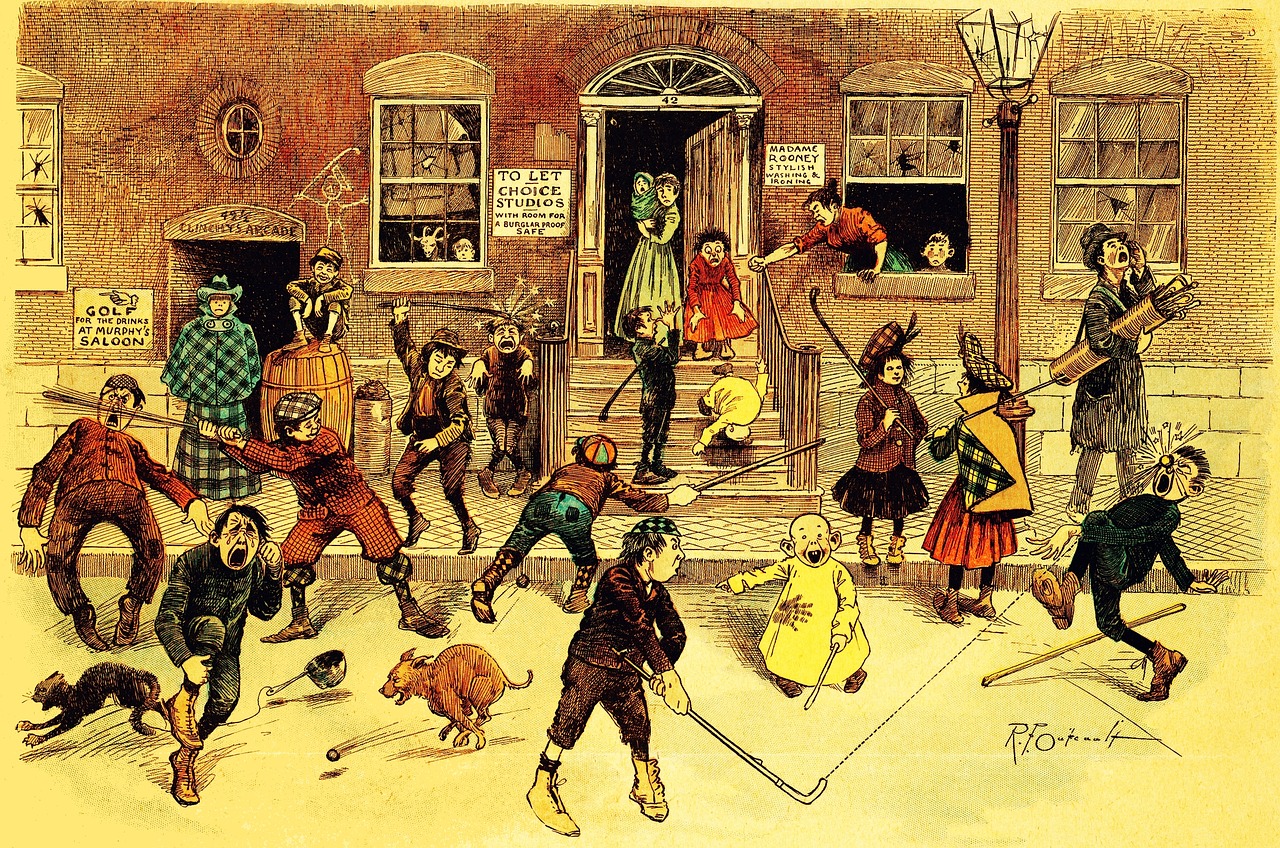
Bad neighborhood.
Photo courtesy of Pixabay.com

How many of these self-sabotaging things do you do?

1. Hold onto the past.

Most people know they have baggage, resentments left over from the past. You can choose to hold onto those resentments as a justification for your failures or you can decide to toss those bags, unpack that baggage and lighten your load. You can’t change the past but you can stop letting it dictate the future. Put those old hurts in the coffin and bury them.

2. Unfinished business.

You should have been something, you were supposed to get something but it never happened. You can stay hung up on those failures or you can finish off that leftover business. Didn’t get to finish that schooling you wanted, go back no matter what the age and finish up. That or decide that even if you had that education you never finished it would not be helping you today.

Those first loves that got away, those were fairy tales. Those people who bullied you or rejected you are long gone. Resolve what you can and let the rest go. Continuing to brood over the unfinished business of the past keeps you from living the life of today.

3. Lie to yourself.

Do you have lies you tell yourself so often that you have started to believe them? You have to do this and you can’t do that. If you tell yourself so you make it true. You can make up excuses for your setbacks and failures that only you believe. Blaming others for your troubles may feel good now but it does not change anything. Blaming others keeps you stuck. Take responsibility for what you can do and move forward.

Of all the people you need to get honest with, getting honest with yourself is the most important one.

4. Wreckage – Clean up your messes.

If you have wreckage get it cleaned up. People often have unpaid fines or tickets. Bills that are still due and relationships that ended in disaster. Whenever possible clean up that wreckage. Do what you can to get those old debts, financial, and emotional cleaned up so that you do not have to continue to pay on them well into your recovered life.

5. Hold on to harmful and hurtful people.

Are there people in your life that are harmful or hurtful but you just can’t seem to give them up? Just because they were there when you were down, does not mean you need to stay down with them. True friends will want to see you succeed. If you have to hold yourself back and be less than the person you were meant to be because of someone in your life these are not healthy relationships and they are not true friends.

6. Try to be perfect.

Perfectionism is the enemy of getting things done. You can tell yourself you never will be perfect and that excuses not trying at all. You miss out on all the things you never try. Students find that the pursuit of all A’s may keep them from graduating. If you insist on being perfect or not doing things at all you will keep quitting things that could have benefited you.

Do your best and call that good enough.

7. Doing nothing.

Doing nothing is a sure way to fail. Trying to be perfect is one way of alibiing your lack of effort. There are lots of other ways you can talk yourself out of ever trying.

The process of building a happy life begins with those first small steps. Get moving and the momentum will build.

8. Looking for happiness in all the wrong places – drugs – sex.

In the beginning, these crutches seem like ways to get by. You use drugs, alcohol, or other addictions to try to be enough. Eventually, those addictions become all you can be. Do not get fooled by an illusion that more of an addiction will cure the emptiness inside.

9. Thinking money will buy happiness.

Money buys things. Having some things is better than having nothing. Things alone will never make you happy. Too many things will bury you. Make sure that in your pursuit of money you do not leave family, friends, and your true self behind.

10. Beat yourself up.

There is no evidence, that I have seen, that beating yourself up makes you try harder. Love yourself and do your best. Be kind to yourself. Find the good in you and in others. Constantly reliving your failures keeps you stuck in failure.

11. Thinking you can control everything – worrying about things outside your control.

Most things in life are out of your control. You can’t make it rain. We have little control of the weather, who will get sick, and a host of other things. Rather than fussing and worrying about things that are far beyond your control put your efforts into the things that you may be able to influence, that will mostly be your actions and your attitude. Catch your children and yourself doing things right and give yourself credit for the things you do well.

12. Do not accept credit for things done well.

Is it hard to accept a compliment? Do you find you can’t please yourself? Learn to give yourself credit for things well done. Be ready to give and receive compliments.

Compliments are an antidote for that feeling of failure that can creep in when all you ever hear and think is the things that you have been able to do in a less than perfect way.

How many of these 12 self-sabotaging practices do you use? Creating that happy recovered life may be largely a matter of discontinuing these self-defeating behaviors.

Staying connected with David Joel Miller

Seven David Joel Miller Books are available now!

My newest book is now available. It was my opportunity to try on a new genre. I’ve been working on this book for several years, but now seem like the right time to publish it.

Story Bureau.

Story Bureau is a thrilling Dystopian Post-Apocalyptic adventure in the Surviving the Apocalypse series.

Baldwin struggles to survive life in a post-apocalyptic world where the government controls everything.

As society collapses and his family gets plunged into poverty, Baldwin takes a job in the capital city, working for a government agency called the Story Bureau. He discovers the Story Bureau is not a benign news outlet but a sinister government plot to manipulate society.

Bumps on the Road of Life. Whether you struggle with anxiety, depression, low motivation, or addiction, you can recover. Bumps on the Road of Life is the story of how people get off track and how to get your life out of the ditch.

Dark Family Secrets: Doris wants to get her life back, but small-town prejudice could shatter her dreams.

Casino Robbery Arthur Mitchell escapes the trauma of watching his girlfriend die. But the killers know he’s a witness and want him dead.

Planned Accidents  The second Arthur Mitchell and Plutus mystery.

Letters from the Dead: The third in the Arthur Mitchell mystery series.

What would you do if you found a letter to a detective describing a crime and you knew the writer and detective were dead, and you could be next?

Sasquatch. Three things about us, you should know. One, we have seen the past. Two, we’re trapped there. Three, I don’t know if we’ll ever get back to our own time.

For these and my upcoming books; please visit my Author Page – David Joel Miller

Want the latest blog posts as they publish? Subscribe to this blog.

For videos, see: Counselorssoapbox YouTube Video Channel

Tips for Surviving Hard Times.

By David Joel Miller, MS, Licensed Therapist & Licensed Counselor.

Surviving a rough road.
Photo courtesy of Pixabay.com

How do resilient people get through the hard times?

Life is hard sometimes. People get sick, lose jobs, relationship break up. Things can get really tough. Some people get discouraged, fall into episodes of anxiety and depression. Other people are able to bounce back.

If you have depression or anxiety and it is holding you back, consider getting professional help. Resiliency, that ability to bounce back from life’s challenges is a skill that you can develop or improve. Here are some suggestions of things you can do to get through those life challenges.

1. Do not spend time thinking about how bad things are.

When you get knocked down one common reaction is to spend lots of time thinking about your setback. How did this happen? What could I do differently?

Ruminating, that endless rehashing what happened to knock you down can keep you stuck in the down position. Use this time to look for solutions not to endlessly remind yourself how unfair things are.

Sometimes life is unfair. Sometimes things happen that should not happen. The difference between people who find their lives ruined and those who go on to overcome is all about attitude.

2. Accept that life has its ups and downs.

This is a real life. Things do not follow those storybook plots. Everyone has setbacks. People who were “instant” or “overnight” successes often spent years practicing. Many successful people failed several times before they discovered the thing that they were good at.

More than once an athlete has stumbled and fallen only to get back up and complete the race. Sometimes they were able to win despite that fall.

If you stay down you create your own defeat.

3. Do not catastrophize.

We, humans, have the ability to exaggerate things in the extreme. The student fails one test and begins to tell themselves that they will never pass another test. They will fail in school, “never” get a good job, and “always” be poor.

Do not fall into “black and white thinking.” People are not either winners or losers. No one wins everything every time. One setback does not make you a loser. Slip into those mindsets and you lose out on the successes you have had.

4. View setbacks as opportunities to improve your game.

Highly resilient people look at setbacks as a lesson learned. If you fail at something you may need to change your approach or change your game.

Winners practice the skills they are deficient in. We all like to do things we are good at but those who look at their errors as chances to improve take their game to a whole nother level.

5. Start by changing yourself.

It is less painful to blame our tough times on others, on the economy, our ex, or an unreasonable boss. The highly resilient person knows that spending time on why things are others faults will not change things. Most of us have tried our whole lives to make others change to suit us.

Every teen tries to change their parents. Wives try to change husbands and husbands try to change wives. You may have some small successes in getting others to change but the great lesson in life is that if you change yourself that forces others to alter the way they interact with you.

It is always easier and more productive to look at how you can alter your thinking and behavior and as a result, produce a better outcome.

6. Do not waste time insisting things be your way.

Things do not always go our way. Continuing to insist that things “must” or “should” be some particular way is a waste of your time and energy.

This does not mean that you have to accept bad or hurtful situations. Stop insisting things change and change yourself, your reaction to things, and your behavior.

If you do not like the way things are going stop complaining and start taking action.

7. Sometimes not getting what you want is a good thing.

Many times in life we will not get the things we wanted. Or we get what we wanted but not when we wanted them. That just may be a good thing.

Getting one job may keep you from continuing to look and finding a better one. Often a failed romance will result in meeting someone else that is an even better match.

8. Some losses are an inherent part of the cycle of life.

Not every loss is a good thing but it may be a necessary thing. As we age we lose things. We can’t walk as well or lift as much. People, friends, and relatives leave our life. Some through death and some just drift away. These losses can be painful. They can also be an opportunity for growth.

How we handle the loss of our parents becomes a model for how our children will cope with losing us.

9. Do not confuse the journey with the destination.

Most of us do not start our life wealthy, successful, and accomplished. Life is a journey. You grow and develop or you become stuck and decline. Do not despair because you are not where you want to be. Keep moving forward and you can be amazed at how things can change.

Recovering people often despair in those early days of reaching the goals they believe they should already have met. Over time they can accomplish more than they ever dreamed.

10. See the good in your current situation.

Not working right now? Does this mean that you can spend more time with your children or spouse? Not in a relationship at this time? This may be your one and only time in life to learn who you are and to have time just for yourself.

11.  Notice the small pleasures.

If you are crying because you do not have a rose garden you miss the pleasure from the one flower you do have. Enjoy your friends, your family, and your leisure. Relish what you can buy rather than bemoan that you can’t afford the best or the most expensive.

12. Love and accept yourself.

You are a worthwhile person simply because you are you. Do not despair because you compare yourself to someone else. There are always others with more. Remember that they may also be unhappy and struggling. Do not envy what others have unless you know what they had to give up and go through to get there.

If you really know what sacrifices that other person had to make to get where they are you might not want to make those efforts.

13. Give yourself credit for the things you accomplish.

One sure way to stay stuck in failure is to attend only to your errors. Whatever you focus on you get more of and eventually if you keep looking for the failure your brain will create more disappointments.

To build resilience, to really improve your ability to bounce back from adversity, learn to give yourself a round of applause for each and everything you accomplish.

Cumulatively a string of small victories can add up to a major victory. Anything you accomplish is a win. Make sure you mark those things you do well down and hold onto those memories so they can carry you through the hard times.

14. Aim high but be happy with all your accomplishments.

We humans have a decided tendency to be unrealistic in our expectations. Some of us aim so low that we never miss the mark. The trouble with aiming at nothing is that is precisely what you hit – nothing.

Other of us aim so high that no one, not even a superhuman could reach that mark. Then when we fail to hit that sky-high mark we alibi our failure by saying – well what did you expect.

Resilient people aim high but are pleased with whatever accomplishments they achieve. Practice these ways to cope in times of stress.

What other techniques have you found that help you bounce back when life knocks you down?

Staying connected with David Joel Miller

Seven David Joel Miller Books are available now!

My newest book is now available. It was my opportunity to try on a new genre. I’ve been working on this book for several years, but now seem like the right time to publish it.

Story Bureau.

Story Bureau is a thrilling Dystopian Post-Apocalyptic adventure in the Surviving the Apocalypse series.

Baldwin struggles to survive life in a post-apocalyptic world where the government controls everything.

As society collapses and his family gets plunged into poverty, Baldwin takes a job in the capital city, working for a government agency called the Story Bureau. He discovers the Story Bureau is not a benign news outlet but a sinister government plot to manipulate society.

Bumps on the Road of Life. Whether you struggle with anxiety, depression, low motivation, or addiction, you can recover. Bumps on the Road of Life is the story of how people get off track and how to get your life out of the ditch.

Dark Family Secrets: Doris wants to get her life back, but small-town prejudice could shatter her dreams.

Casino Robbery Arthur Mitchell escapes the trauma of watching his girlfriend die. But the killers know he’s a witness and want him dead.

Planned Accidents  The second Arthur Mitchell and Plutus mystery.

Letters from the Dead: The third in the Arthur Mitchell mystery series.

What would you do if you found a letter to a detective describing a crime and you knew the writer and detective were dead, and you could be next?

Sasquatch. Three things about us, you should know. One, we have seen the past. Two, we’re trapped there. Three, I don’t know if we’ll ever get back to our own time.

For these and my upcoming books; please visit my Author Page – David Joel Miller

Want the latest blog posts as they publish? Subscribe to this blog.

For videos, see: Counselorssoapbox YouTube Video Channel

Spiritual but not religious

By David Joel Miller, MS, Licensed Therapist & Licensed Counselor.

Waterlily

Mindfulness and meditation.
Photo courtesy of Pixabay.com

What exactly does “Spiritual but not religious” mean?

A very large number of people here in America are describing themselves as “Spiritual, not religious.” There is a growing disconnect between religion and people’s day-to-day life.

As a result of this disconnect we are gaining some things, I hope, such as a wider appreciation of our differences, but we are also losing some things.

In secular programs, those run by government agencies, we try to accommodate people of all faiths and those with no faith. Sometimes this is a challenge. We have to ask people what their religious or spiritual belief is without implying that they need to have one or that the belief they have is not acceptable to the agency.

An example of accommodating faiths and other spiritual beliefs

There are a whole lot of people who are vegetarians, do not eat meat variety vegetarians, not because of religious or health reasons but because they view the killing animals for human food as morally wrong.

Our society seems to be doing a better job of accommodating this particular moral belief. More events are offering vegetarian meals.

It gets harder when we take into account that some faiths do not eat pork, some decline beef and some require particular diets as in kosher.

Beyond dietary restrictions, it gets progressively more difficult to accommodate other spiritual beliefs within our increasingly multicultural society.

During intake processes, we are supposed to ask about the client’s race or ethnicity. An increasing number of clients are finding it difficult to answer that question. Some people are reporting 5 or more different ethnicities in their background.

When talking with clients I try to make it a practice to ask about their spiritual or religious beliefs.

Say the client reports that they are African-American. This tells me nothing about their spiritual beliefs. We need to try to stay open to all manner of possibilities.

More and more people are finding it impossible to answer questions about their faith. We have to tread lightly here. I do not want to imply that they need to have a faith or that any particular faith is preferred, but I do not want to completely disregard their spiritual practices in designing their treatment.

Those few who do answer are resorting to one of two responses. I am a Christian or Spiritual But Not Religious. Most who say Christian do not self-identify with any particular denomination. They are not Catholic; they are not Protestant and so on. Some few report attending Non-denominational churches.

Most who self-describe as Christians are reporting, at least in my experience that they do not attend any particular church.

A very large number are reporting as Spiritual but not religious.

So why does all this matter? From a practical standpoint those who self-identify as believing something do better in treatment than those who have no faith. This benefit includes those who self-identify as Atheists if they also report some particular higher law or principle, say right and wrong, that helps them guide their life and is reassuring in times of stress.

One of the gains from this spirituality moment has been sets of values that people take with them day by day in all areas of their lives. I am suspicious of any faith that requires you to be a believer for a couple of hours each week, while in a particular building, but you are free to spend the rest of the week on raping, pillaging, and burning.

One of the things we are losing as a result of this increased emphasis on spirituality and the disconnect from religion is the loss of meaningful shared rituals.

Rituals give meaning to things that would otherwise be everyday actions.

Rituals are not solely the providence of the religious world. Court proceedings, with that robe, the bailiff, and the ritualized language, make the whole process seem more meaningful and as a result, are intended to increase respect for the law and the workings of the court. The ritual gives the process meaning. Occasionally the system debases the meaning when they do not follow the principles of justice these rituals imply.

Graduation ceremonies are a ritual we can all share to make the transition to another life stage. Marriages used to be a way to make the transition from being two separate dating people; to one committed couple. We still have the ritual despite the loss of meaning that a wedding has after having the parties have several children.

Funerals are also a ritual we all share that helps us negotiate the loss of a person who had some meaning in our life.

In places where there is one dominant faith, rituals are shared by virtue of people’s participation in that faith. With the decline of active participation in a particular religion and an increase in self-identified Spiritual But Not Religious, what has been missing are the rituals that used to accompany life events.

Creating new rituals.

People in recovery have resorted to creating new rituals that may help them to share the emotions and resolve the changes in status without invoking a particular religion.

Addicts may write a “Goodbye Letter” to their drug of choice. There are traditions of sponsorship that may replace the “rite” of confession in certain religions. People celebrate the anniversary of their embarking on the road of recovery.

One remaining challenge has been how to create meaningful shared rituals that do not impinge on people’s particular religious faith and allow full participation in the ritual.

Whatever your spiritual or religious tradition, here is wishing you the best possible life.

Staying connected with David Joel Miller

Seven David Joel Miller Books are available now!

My newest book is now available. It was my opportunity to try on a new genre. I’ve been working on this book for several years, but now seem like the right time to publish it.

Story Bureau.

Story Bureau is a thrilling Dystopian Post-Apocalyptic adventure in the Surviving the Apocalypse series.

Baldwin struggles to survive life in a post-apocalyptic world where the government controls everything.

As society collapses and his family gets plunged into poverty, Baldwin takes a job in the capital city, working for a government agency called the Story Bureau. He discovers the Story Bureau is not a benign news outlet but a sinister government plot to manipulate society.

Bumps on the Road of Life. Whether you struggle with anxiety, depression, low motivation, or addiction, you can recover. Bumps on the Road of Life is the story of how people get off track and how to get your life out of the ditch.

Dark Family Secrets: Doris wants to get her life back, but small-town prejudice could shatter her dreams.

Casino Robbery Arthur Mitchell escapes the trauma of watching his girlfriend die. But the killers know he’s a witness and want him dead.

Planned Accidents  The second Arthur Mitchell and Plutus mystery.

Letters from the Dead: The third in the Arthur Mitchell mystery series.

What would you do if you found a letter to a detective describing a crime and you knew the writer and detective were dead, and you could be next?

Sasquatch. Three things about us, you should know. One, we have seen the past. Two, we’re trapped there. Three, I don’t know if we’ll ever get back to our own time.

For these and my upcoming books; please visit my Author Page – David Joel Miller

Want the latest blog posts as they publish? Subscribe to this blog.

For videos, see: Counselorssoapbox YouTube Video Channel

Recovery starts when you stop falling.

By David Joel Miller, MS, Licensed Therapist & Licensed Counselor.

Ball recovery

Recovery and Resiliency.
Photo courtesy of Pixabay.com

Recovery begins when you stop getting worse.

How do you measure recovery from anxiety, depression, stress, or trauma? The whole concept of recovery is relatively new to the mental health field. Substance abuse people have been thinking in terms of recovery for a long time. But if you have anxiety, depression, PTSD, or another mental illness how do you know if you have begun to recover?

There are those who question the whole notion of recovery. Once you have a disorder, addiction, or PTSD, they say you are stuck with it forever. I do not believe that. I have seen too many people recover to buy that myth.

In addiction treatment, there is a saying that you “hit bottom” when you stop digging. The belief is that there is no set level of pain and suffering you need to endure before you begin the journey of recovery. Once you decide to stop doing things that are not healthy the process of recovery begins.

Recovery to me does not mean a cure. If you have been in an accident, been injured by things others did to you, or by things you did, the scars may fade but never go away completely.

What recovery does mean is the ability to live your life in the best way possible regardless of whatever you chose to call your challenge.

How might someone with a stress-related disorder know when they are moving in the direction of recovery?

For someone with a mental health challenge, recovery might begin at the point when they get stable, when they stop sliding farther down.

For people who suffer from “complex trauma” a cousin of PTSD, caused by repeated traumatic experiences, one way of describing the beginnings of recovery is reaching a place of safety.

Najavits in her book “Seeking Safety” talks about the need for people in recovery from stress and anxiety issues to create a safe place, to get stable, as the way to begin your process of recovery from complex trauma. People with depression or substance abuse issues may call this a “supportive environment.” What follows is my version of her ideas from the book and from some published journal articles on Complex Trauma. I hope I have not harmed them in the transformation.

Recovery requires the creation of safety in three different areas of our lives, our thinking, our behavior, and our relationships.  Professionals, like Najavits, might refer to these areas as cognitive, behavioral, and interpersonal domains.

Safe thinking supports recovery.

A saying you might hear in recovery groups is “when I am in my own head I am in a really bad neighborhood.” It is common to collect a lot of really scary negative thoughts that we find it hard to let go of.

In a previous post, I wrote about the need to do some neighborhood cleanup” so that your head can be a safe neighborhood to live in. Recovery begins with changing your thinking. Often this is hard. You do not know what you do not know and you may believe some things that made sense in the past but are no longer working for you. Working with a professional or a supportive person can help you figure out which of these thoughts you need to toss and which you need to revise and renovation.

Safe behavior builds recovery.

If you want your life to change you need to create safe environments and safe actions. This may involve avoiding certain people, places, and things or it may mean learning to set better boundaries in the places and relationships you find yourself.

Using drugs or alcohol to cope often puts people in a much riskier position. Some behaviors will make your symptoms worse and some will make you feel and be safer. Learning from experience and close observation (sometimes referred to as mindfulness) will help you in your effort to stay safe while still getting out there and enjoying life.

Safe relationships nurture recovery.

Some people are safe and supportive. Some are dangerous and disaffirming. There are a whole lot of others in between these poles. Recovery can involve avoiding or limiting unsafe relationships. It can also mean working on improving those relationships that are supportive.

Friends and recovery supporters do not automatically appear when we need them. Developing good friendships requires effort. I see many clients who pursue a romantic interest actively even when others around them see that this is an unhealthy relationship. If you want healthy relationships you need to seek them out and spend time with those friends just as you might spend time with a new romantic partner. Time together builds a closer relationship.

Recovering people also need to learn that there must be degrees of trust and closeness. Some people are fine to spend time with, in short segments. We have work friends and hobby friends but only a few of these people may become “over to the house” friends.

So if you are setting out on the path of recovery from an emotional problem, a mental illness, or a behavioral issue. Make certain that you work on creating safe thoughts, behaviors, and relationships. A happy life awaits you.

Staying connected with David Joel Miller

Seven David Joel Miller Books are available now!

My newest book is now available. It was my opportunity to try on a new genre. I’ve been working on this book for several years, but now seem like the right time to publish it.

Story Bureau.

Story Bureau is a thrilling Dystopian Post-Apocalyptic adventure in the Surviving the Apocalypse series.

Baldwin struggles to survive life in a post-apocalyptic world where the government controls everything.

As society collapses and his family gets plunged into poverty, Baldwin takes a job in the capital city, working for a government agency called the Story Bureau. He discovers the Story Bureau is not a benign news outlet but a sinister government plot to manipulate society.

Bumps on the Road of Life. Whether you struggle with anxiety, depression, low motivation, or addiction, you can recover. Bumps on the Road of Life is the story of how people get off track and how to get your life out of the ditch.

Dark Family Secrets: Doris wants to get her life back, but small-town prejudice could shatter her dreams.

Casino Robbery Arthur Mitchell escapes the trauma of watching his girlfriend die. But the killers know he’s a witness and want him dead.

Planned Accidents  The second Arthur Mitchell and Plutus mystery.

Letters from the Dead: The third in the Arthur Mitchell mystery series.

What would you do if you found a letter to a detective describing a crime and you knew the writer and detective were dead, and you could be next?

Sasquatch. Three things about us, you should know. One, we have seen the past. Two, we’re trapped there. Three, I don’t know if we’ll ever get back to our own time.

For these and my upcoming books; please visit my Author Page – David Joel Miller

Want the latest blog posts as they publish? Subscribe to this blog.

For videos, see: Counselorssoapbox YouTube Video Channel

What are you wishing for? What is on your holiday list?

By David Joel Miller, MS, Licensed Therapist & Licensed Counselor.

What is on your holiday wish list this year?

As we kick off the run-up to Christmas, the stores are getting busy. There are black-whatever deals and there are wish lists for Santa, mom, dad, and the government.

Watching the news this season has made me wonder whether we should be so disappointed about what we do not have or grateful for the things we do have.

Are you saying that you need a newer larger house?

No Roof.

No Roof.
Photo courtesy of Pixabay.com

OR – Do you wish your house had a roof?

Are you griping about the electricity bill?

No Power.
Photo courtesy of Pixabay.com

OR – Do you wish you had electricity?

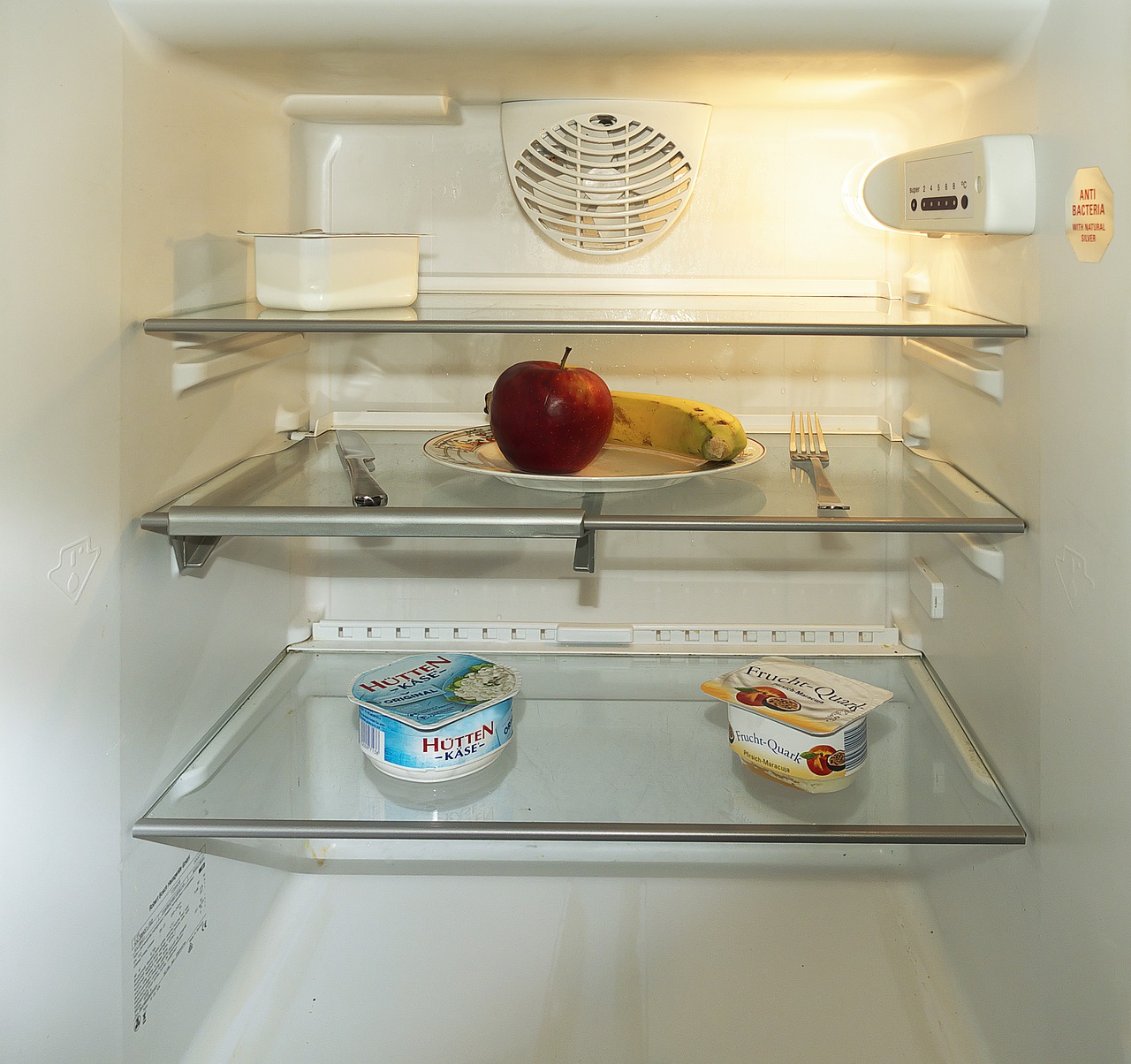
Are you carving Chocolate?

Empty Refrigerator.
Photo courtesy of Pixabay.com

OR – Are you carving some food for your children?

Are you wishing for more time off from work?

Unemployed.
Photo courtesy of Pixabay.com

OR – Do you wish you had a job?

Maybe this season we should continue to remember the lists we made of things to be thankful for and expand our gratitude lists at a faster rate than we add to our wish lists.

Staying connected with David Joel Miller

Seven David Joel Miller Books are available now!

My newest book is now available. It was my opportunity to try on a new genre. I’ve been working on this book for several years, but now seem like the right time to publish it.

Story Bureau.

Story Bureau is a thrilling Dystopian Post-Apocalyptic adventure in the Surviving the Apocalypse series.

Baldwin struggles to survive life in a post-apocalyptic world where the government controls everything.

As society collapses and his family gets plunged into poverty, Baldwin takes a job in the capital city, working for a government agency called the Story Bureau. He discovers the Story Bureau is not a benign news outlet but a sinister government plot to manipulate society.

Bumps on the Road of Life. Whether you struggle with anxiety, depression, low motivation, or addiction, you can recover. Bumps on the Road of Life is the story of how people get off track and how to get your life out of the ditch.

Dark Family Secrets: Doris wants to get her life back, but small-town prejudice could shatter her dreams.

Casino Robbery Arthur Mitchell escapes the trauma of watching his girlfriend die. But the killers know he’s a witness and want him dead.

Planned Accidents  The second Arthur Mitchell and Plutus mystery.

Letters from the Dead: The third in the Arthur Mitchell mystery series.

What would you do if you found a letter to a detective describing a crime and you knew the writer and detective were dead, and you could be next?

Sasquatch. Three things about us, you should know. One, we have seen the past. Two, we’re trapped there. Three, I don’t know if we’ll ever get back to our own time.

For these and my upcoming books; please visit my Author Page – David Joel Miller

Want the latest blog posts as they publish? Subscribe to this blog.

For videos, see: Counselorssoapbox YouTube Video Channel

What is an Alcoholics Anonymous (A.A.) meeting like?

By David Joel Miller, MS, Licensed Therapist & Licensed Counselor.

AA big book

Alcoholics Anonymous big book.

What happens at an A. A. Meeting?

This should be an easy question. It’s not. Let me explain what an A. A. meeting is and how very different these meetings can be.

While most people think of Alcoholics Anonymous as meetings you go to, it all started with a book titled aptly enough “Alcoholics Anonymous.” Back then there were few A. A. meetings. Most people learned about Alcoholics Anonymous from buying and reading the book.

Reading the book “Alcoholics Anonymous.”

I continue to recommend that people read the book whether or not they elect to attend meetings.

Over time more and more meetings have sprung up, mostly meetings of people who had read the book and wanted to learn more or get help in participating in the A. A. program of recovery.

With all these groups starting up, they each had to develop their own set of rules. There got to be so many rules that at one point Bill W. one of the two co-founders, said if they followed all those rules, even he could not be a member. The result was that each group or meeting could figure out their own way of doing things as long as their rules did not conflict with the 12 Steps and the Twelve Traditions.

Today there are a whole lot of very different A. A. meetings. Most groups have their meeting times listed and included in schedules and you can find those schedules online or in print form.

Meetings can be categorized by what the program for a meeting will be, who is able to attend, where the meeting is held, and so on. There are also designations for rules for particular meetings.

Types of A. A. meetings.

They can also be categorized by what is on the program at that particular meeting. First the rule types and then the program types.

Smoking and non-smoking meetings.

In the old days, most meetings were smoking allowed. Back then you could tell a good meeting by the full ashtrays. Nowadays more meetings are non-smoking. They may be held in a place that does not allow smoking or the members may have decided to make their meeting a non-smoking one.

Open and closed meetings

There used to be more prejudice about people admitting they had a drinking problem, let alone saying they were alcoholics, so some meetings became closed meetings, meaning that they asked that only alcoholics attend those meetings.

The majority of meetings, especially the large ones, are open meetings that anyone who wants to go can attend. They do ask that if you share, you only talk about alcohol problems and your recovery from alcoholism. Sorry, no commercial pitches or religious and political solicitations are part of this program.

Men’s only or Women’s only meetings

I recommend to female clients that whenever possible they attend a few women’s only meetings. The point of meetings is to work on your recovery not to find a new partner.

Meetings and fellowships

Meetings customarily meet once per week at a particular time and place. They may use any room available; say a church meeting hall, a room at a school, or business. The meeting rents the room from the place and then has its own meeting. The A. A. group may meet at say the Methodist church on Friday night, but it is an A.A. meeting, not a Methodist meeting, so any faith, or those with no faith, are welcome to attend.

A fellowship is a group of meetings that goes in together and rents a room so that there are primarily A. A. meetings in that place. A fellowship might have a morning meeting each day, a noon meeting each day, and one or more evening meetings each day all in the same place.

Go to a fellowship for a few weeks and you will develop a group of clean and sober friends. I encourage clients to try out a fellowship as soon as possible. I also encourage them to try a number of meetings until they find the one that is right for them.

Different A. A. meetings will have different formats.

Speaker meetings

At a speaker meeting, one or a couple of people will get up and talk about their experiences in recovery.

Book studies

At a book study, a portion of the book is read and they people discuss what this means and how they might apply it to their recovery. Books would include the A. A. Big Book, 12 and 12; As Bill sees it, and so on. These meetings do not include reading from any religious books like the Bible or the Koran as that would make the meeting a religious meeting not an A. A. meeting.

Open participation meetings

At this meeting members, (remember you are a member if you decide you want to stop drinking) are encouraged to talk about what is on their mind as it applies to drinking, not drinking, and their recovery from alcoholism.

Meetings, by the way, are not therapy sessions. Sometimes it is hard to tell the difference but the focus of the meeting should be on your problems with alcohol and your efforts to not drink.

The Big Book suggests that people share “in a general way,” what they used to be like, what happened and what they are like now.

So there you have the types of meetings that you might choose to attend, but what will actually happen if you chose to go to an A. A. meeting? If you need to or want to attend a meeting, consider which meeting type you might like to attend or try out several and see what is best for you.

In a future post, I want to describe what the experience of attending an A. A. meeting might be like.

The posts I write about AA are from my perspective as a therapist and clinical counselor and do not necessarily reflect the views of A.A. World Services. For more on A.A. and their program of recovery check out the “A.A. Big Book” titled Alcoholics Anonymous at the links below or contact AA World Services at their website.

The Big Book of Alcoholics Anonymous

The classic text on Alcoholism, recovery this is the book that started off the whole 12 step phenomenon.

Alcoholics Anonymous from The Anonymous Press

One of the Kindle editions – At 99 cents this is such a bargain. This edition needed a separate listing. No Kindle reader? No Problem, if you have a computer you can download a free Kindle reader.

http://www.aa.org

Staying connected with David Joel Miller

Seven David Joel Miller Books are available now!

My newest book is now available. It was my opportunity to try on a new genre. I’ve been working on this book for several years, but now seem like the right time to publish it.

Story Bureau.

Story Bureau is a thrilling Dystopian Post-Apocalyptic adventure in the Surviving the Apocalypse series.

Baldwin struggles to survive life in a post-apocalyptic world where the government controls everything.

As society collapses and his family gets plunged into poverty, Baldwin takes a job in the capital city, working for a government agency called the Story Bureau. He discovers the Story Bureau is not a benign news outlet but a sinister government plot to manipulate society.

Bumps on the Road of Life. Whether you struggle with anxiety, depression, low motivation, or addiction, you can recover. Bumps on the Road of Life is the story of how people get off track and how to get your life out of the ditch.

Dark Family Secrets: Doris wants to get her life back, but small-town prejudice could shatter her dreams.

Casino Robbery Arthur Mitchell escapes the trauma of watching his girlfriend die. But the killers know he’s a witness and want him dead.

Planned Accidents  The second Arthur Mitchell and Plutus mystery.

Letters from the Dead: The third in the Arthur Mitchell mystery series.

What would you do if you found a letter to a detective describing a crime and you knew the writer and detective were dead, and you could be next?

Sasquatch. Three things about us, you should know. One, we have seen the past. Two, we’re trapped there. Three, I don’t know if we’ll ever get back to our own time.

For these and my upcoming books; please visit my Author Page – David Joel Miller

Want the latest blog posts as they publish? Subscribe to this blog.

For videos, see: Counselorssoapbox YouTube Video Channel
Why people are reading counselorssoapbox.com

Counselorssoapbox.com

Why people are reading counselorssoapbox.com

By David Joel Miller, MS, Licensed Therapist & Licensed Counselor.

For the last 30 days here are the top posts that brought people to counselorssoapbox .com.

In case you missed some of these top posts the links are included.

How much should you tell a therapist?

Levels or types of Borderline Personality Disorder

Do therapists have to report a crime?

Do people really forget what happened when drinking? – Blackouts

Which border is Borderline Intellectual Functioning on?

Are you a Parentified Child?

Do therapists like, fall in love with their clients? Why don’t they tell them?

Reasons Counselors and Therapists Lose Licenses

About the Author – David Joel Miller

Hyperthymia, Hyperthymic Personality Disorder and Bipolar Disorder

Staying connected with David Joel Miller

Seven David Joel Miller Books are available now!

My newest book is now available. It was my opportunity to try on a new genre. I’ve been working on this book for several years, but now seem like the right time to publish it.

Story Bureau.

Story Bureau is a thrilling Dystopian Post-Apocalyptic adventure in the Surviving the Apocalypse series.

Baldwin struggles to survive life in a post-apocalyptic world where the government controls everything.

As society collapses and his family gets plunged into poverty, Baldwin takes a job in the capital city, working for a government agency called the Story Bureau. He discovers the Story Bureau is not a benign news outlet but a sinister government plot to manipulate society.

Bumps on the Road of Life. Whether you struggle with anxiety, depression, low motivation, or addiction, you can recover. Bumps on the Road of Life is the story of how people get off track and how to get your life out of the ditch.

Dark Family Secrets: Doris wants to get her life back, but small-town prejudice could shatter her dreams.

Casino Robbery Arthur Mitchell escapes the trauma of watching his girlfriend die. But the killers know he’s a witness and want him dead.

Planned Accidents  The second Arthur Mitchell and Plutus mystery.

Letters from the Dead: The third in the Arthur Mitchell mystery series.

What would you do if you found a letter to a detective describing a crime and you knew the writer and detective were dead, and you could be next?

Sasquatch. Three things about us, you should know. One, we have seen the past. Two, we’re trapped there. Three, I don’t know if we’ll ever get back to our own time.

For these and my upcoming books; please visit my Author Page – David Joel Miller

Want the latest blog posts as they publish? Subscribe to this blog.

For videos, see: Counselorssoapbox YouTube Video Channel

That’s not what’s wrong with you!

By David Joel Miller, MS, Licensed Therapist & Licensed Counselor.

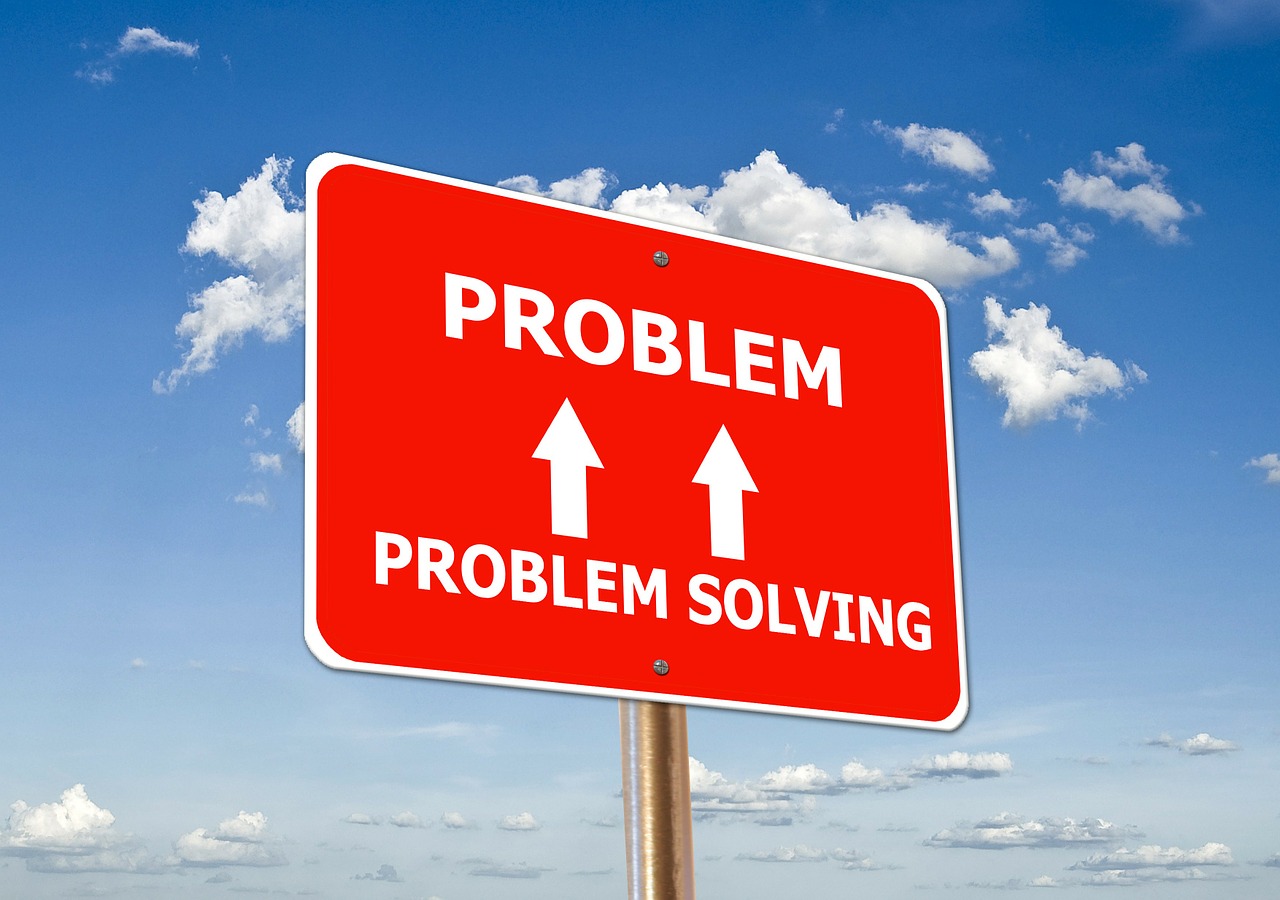
Problem and problem solving

Problem-solving.

Are you sure you really know what your problem is?

There has been a disturbing trend lately in the psychotherapy business. To hear some of my colleagues talk, clients do not have a clue what is wrong with them. Worse than that, if the client did know, they are convinced the client would lie to them.

I have to question these premises. First, some fictional examples may help.

A male client goes to see their therapist. The man says he and his wife are quarreling and he is afraid their marriage will end in divorce. The therapist does a full assessment and informs the client that his problem is not his relationship. His problem is he did not have a good attachment to his mother. He needs to work through all his childhood issues of wanting more from his mother than she gave him.

The client, not conscious of psychological principles, continues to insist that he and his mother got along just fine. The client says that it is possible that all men have mother issues they need to work out before they can properly relate to a woman. What does he know about psychological principles?

So the man undergoes a long examination of his childhood and his relationship with his mother. At the end, he sees how he was not really as close to his mother as he thought.

In the meantime, his wife leaves him and files for divorce. As much as it pains this man to lose the relationship with a woman he really loves and he is also sad about losing contact with his children because the wife has moved them to another state where she lives with her parents.

Still, the man now understands how his underdeveloped relationship with his mother has resulted in his attachment issues with women and he now understands why he will never be able to make a woman happy.

Sound far-fetched? I see things like this more often than you might guess.

Second example. A woman comes to see her therapist because she has been out of work for many months. She is discouraged and getting depressed because of her employment situation and her economic troubles. I am thinking either treatment for depression or help with career counseling, but the treating therapist tells me that would be wrong.

The problem here is that this client grew up in a home with an alcoholic parent. This has left all sorts of scars on the client and the client undergoes treatment for her anger towards that alcoholic parent. The client insists that she got over that stuff a long time ago but the therapist informs this client that she is sicker than she thinks and that she will never be happy again until she gets these childhood issues treated.

The client talks with this therapist for a number of sessions, still unconvinced that she has all that big a problem with her childhood. Eventually, the therapist tells the client that this client needs to stop lying about her hatred towards her father.

Clearly, anyone who grew up with an alcoholic parent has been scarred for life and will probably never be able to work again

By the way, these are fictional composite examples so do not go thinking you know the people I am talking about. You would be wrong.

Counter-transference.

The problems these vignettes illustrate are a phenomenon known as counter-transference. The counselor who has had issues in their childhood, or has others in their life with these issues, is insistent that the client must have the issues that the counselor sees and if the client disagrees then the counselor believes the client is lying.

It can also come from a theoretical orientation that asserts that all adult problems are the result of childhood events.

A more productive approach is for the treating professional to consider that some people who had mother problems or an alcoholic parent may be having problems today because of that past, but most people really have the problem they say they have.

I try, in my practice, to always accept that the problem is what the client says the problem is. This can save a lot of time by working on that issue first and then get back to the other stuff if that still needs doing.

I also find that it saves a lot of my time and the client’s time to avoid arguing with the client. If they tell me things I take it that they believe what they are telling me. They may be mistaken but most people really do believe what they are saying.

Certainly, there are times that clients might stretch the truth. Especially if they have something to gain, like child custody or disability. In those cases, where my results will go to another person or agency I ask a lot more questions. But if the purpose of the therapy is to help the client resolve issues or cope with life problems I find it is worth the effort to start from a place of believing the client.

Most of the time the problem that needs treating is the thing the client says brought them to my office in the first place. If your provider is insistent on treating you for their issue instead of yours consider getting a second opinion.

Staying connected with David Joel Miller

Seven David Joel Miller Books are available now!

My newest book is now available. It was my opportunity to try on a new genre. I’ve been working on this book for several years, but now seem like the right time to publish it.

Story Bureau.

Story Bureau is a thrilling Dystopian Post-Apocalyptic adventure in the Surviving the Apocalypse series.

Baldwin struggles to survive life in a post-apocalyptic world where the government controls everything.

As society collapses and his family gets plunged into poverty, Baldwin takes a job in the capital city, working for a government agency called the Story Bureau. He discovers the Story Bureau is not a benign news outlet but a sinister government plot to manipulate society.

Bumps on the Road of Life. Whether you struggle with anxiety, depression, low motivation, or addiction, you can recover. Bumps on the Road of Life is the story of how people get off track and how to get your life out of the ditch.

Dark Family Secrets: Doris wants to get her life back, but small-town prejudice could shatter her dreams.

Casino Robbery Arthur Mitchell escapes the trauma of watching his girlfriend die. But the killers know he’s a witness and want him dead.

Planned Accidents  The second Arthur Mitchell and Plutus mystery.

Letters from the Dead: The third in the Arthur Mitchell mystery series.

What would you do if you found a letter to a detective describing a crime and you knew the writer and detective were dead, and you could be next?

Sasquatch. Three things about us, you should know. One, we have seen the past. Two, we’re trapped there. Three, I don’t know if we’ll ever get back to our own time.

For these and my upcoming books; please visit my Author Page – David Joel Miller

Want the latest blog posts as they publish? Subscribe to this blog.

For videos, see: Counselorssoapbox YouTube Video Channel

Tranquility

By David Joel Miller, MS, Licensed Therapist & Licensed Counselor.

Tranquility:

free of any disturbance or commotion, free from or showing no signs of anxiety or agitation.

“A lonely day is God’s way of saying that he wants to spend some quality time with you.”
― Criss Jami

“We are not going to change the whole world, but we can change ourselves and feel free as birds. We can be serene even in the midst of calamities and, by our serenity, make others more tranquil. Serenity is contagious. If we smile at someone, he or she will smile back. And a smile costs nothing. We should plague everyone with joy. If we are to die in a minute, why not die happily, laughing? (136-137)”
― Swami SatchidanandaThe Yoga Sutras

“Our life depends on the kind of thoughts we nurture. If our thoughts are peaceful, calm, meek, and kind, then that is what our life is like. If our attention is turned to the circumstances in which we live, we are drawn into a whirlpool of thoughts and can have neither peace nor tranquility.”
― Elder Thaddeus of VitovnicaOur Thoughts Determine Our Lives: The Life and Teachings of Elder Thaddeus of Vitovnica

“The very secret of life for me, I believed, was to maintain in the midst of rushing events an inner tranquility.”
― Margaret Bourke-WhitePortrait of Myself

Quotes from GoodReads 

For more about David Joel Miller and my work in the areas of mental health, substance abuse and Co-occurring disorders see the about the author page. For information about my other writing work beyond this blog check out my Google+ page or the Facebook author’s page, up under David Joel Miller. Posts to the “books, trainings, and classes” category will tell you about those activities. If you are in the Fresno California area, information about my private practice is at counselorfresno.com. A list of books I have read and can recommend is over at http://www.counselorfresno.com/recommended-books/

If you would like to stay connected to the posts on counselors soapbox, hear about the progress of my book in progress or the flow of the conversation about mental health and substance abuse issues – please subscribe or follow counselors soapbox.

You will find the follow button at the very tip-top of the page, in the black area, next to the counselorssoapbox.com name. And don’t forget to hit the share and the like buttons at the end of each post.

New feature! Now a “Contact me” button is located on the black bar just under the picture and next to the “About the Author – David Joel Miller” button.

Is A.A. a religious group?

By David Joel Miller, MS, Licensed Therapist & Licensed Counselor.

AA big book

Alcoholics Anonymous big book.

A.A. describes itself in its literature as a spiritual program, not a religious one.

Members of A.A. are free to practice or not practice any religion they chose. Among the members of A.A., you will find Christians of most all the denominations. You will also find Jews, Buddhists, Hindus, Pagans, and both agnostics and atheists.

How it possible to be a member of a spiritual group and not believe in a specific deity?

The A.A. literature says “God as you understand him.” No particular understanding is prescribed. Clearly, some members are more emphatic about their particular faith and its role in their recovery than others.

“Him” here is in the English language tradition of not having gender-neutral pronouns. Using “They or Them” for God did not work also. So I think that there should be no objection if your understanding of God or your higher power were a she, them, or it.

What does matter is that this “higher power” has some ability to help you live your life on a more spiritual basis.

One member, who described themselves as an atheist reported that they understood their higher power as god, as opposed to GOD. Their higher power was a formula for making better more spiritual decisions.

g = Good

O = orderly

d = direction

Some members in early recovery find that simply checking out decisions with their sponsor or the group can improve the quality of those decisions and help them stay sober. For the time being the group can function as a “higher power.”

There is one other description of this process of making progress in A.A. that might help explain why the program does not insist on any particular religious belief.

If you are on the path to recovery, keep looking, you just might find a higher power.

The posts I write about A.A. are from my perspective as a therapist and clinical counselor and do not necessarily reflect the views of A.A. World Services. For more on A.A. and their program of recovery check out the “A.A. Big Book” titled Alcoholics Anonymous at the links below or contact A.A. World Services at their website.

The Big Book of Alcoholics Anonymous

The classic text on Alcoholism, recovery this is the book that started off the whole 12 step phenomenon.

Alcoholics Anonymous from The Anonymous Press

One of the kindle editions – At 99 cents this is such a bargain. This edition needed a separate listing. No kindle reader? No Problem, if you have a computer you can download a free Kindle reader.

Staying connected with David Joel Miller

Seven David Joel Miller Books are available now!

My newest book is now available. It was my opportunity to try on a new genre. I’ve been working on this book for several years, but now seem like the right time to publish it.

Story Bureau.

Story Bureau is a thrilling Dystopian Post-Apocalyptic adventure in the Surviving the Apocalypse series.

Baldwin struggles to survive life in a post-apocalyptic world where the government controls everything.

As society collapses and his family gets plunged into poverty, Baldwin takes a job in the capital city, working for a government agency called the Story Bureau. He discovers the Story Bureau is not a benign news outlet but a sinister government plot to manipulate society.

Bumps on the Road of Life. Whether you struggle with anxiety, depression, low motivation, or addiction, you can recover. Bumps on the Road of Life is the story of how people get off track and how to get your life out of the ditch.

Dark Family Secrets: Doris wants to get her life back, but small-town prejudice could shatter her dreams.

Casino Robbery Arthur Mitchell escapes the trauma of watching his girlfriend die. But the killers know he’s a witness and want him dead.

Planned Accidents  The second Arthur Mitchell and Plutus mystery.

Letters from the Dead: The third in the Arthur Mitchell mystery series.

What would you do if you found a letter to a detective describing a crime and you knew the writer and detective were dead, and you could be next?

Sasquatch. Three things about us, you should know. One, we have seen the past. Two, we’re trapped there. Three, I don’t know if we’ll ever get back to our own time.

For these and my upcoming books; please visit my Author Page – David Joel Miller

Want the latest blog posts as they publish? Subscribe to this blog.

For videos, see: Counselorssoapbox YouTube Video Channel