
Alcohol prevents healing.

By David Joel Miller, MS, Licensed Therapist & Licensed Counselor.
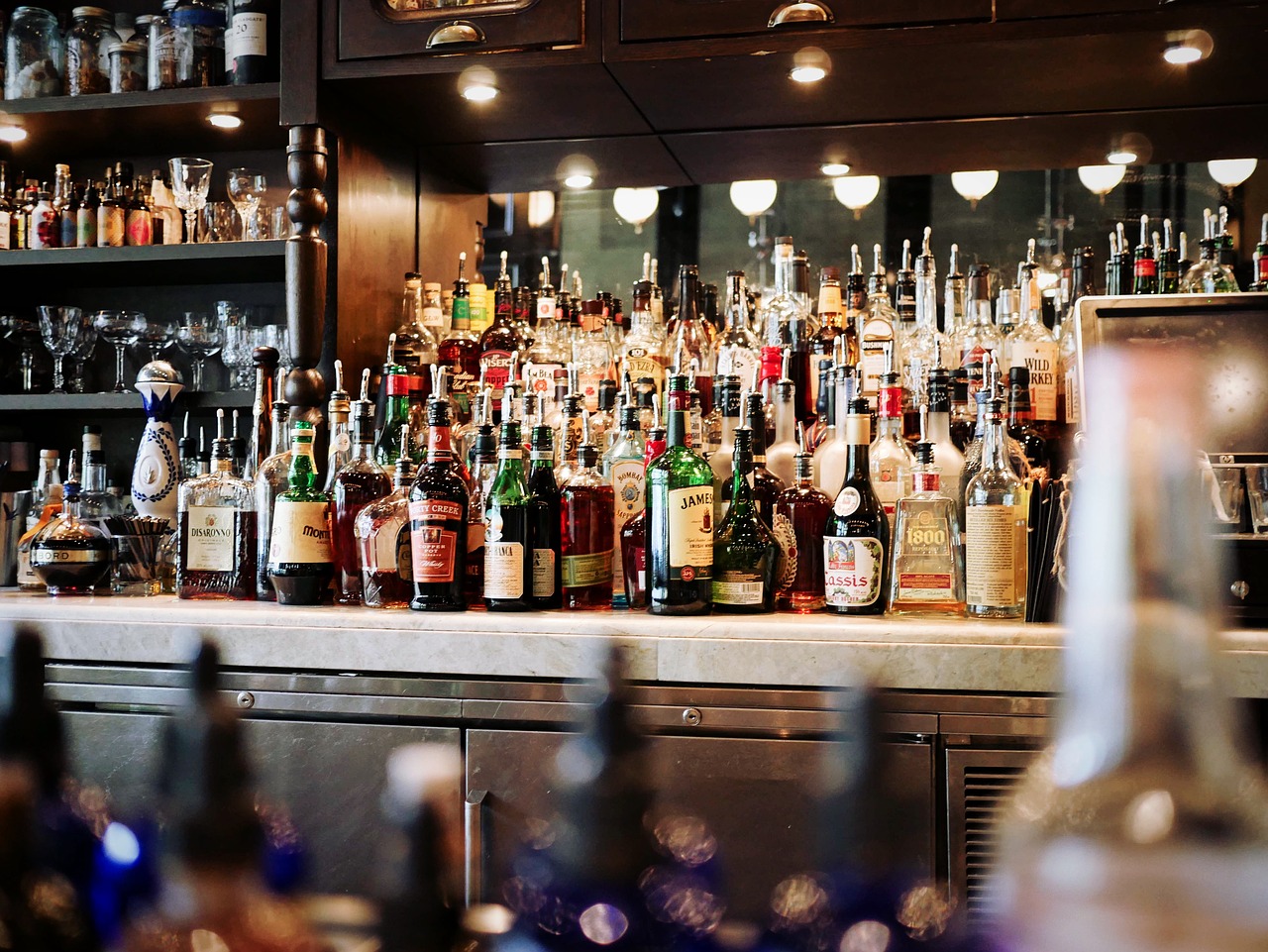
Liquor

Alcoholic beverages.
Photo courtesy of Pixabay.com

Is a little alcohol medicinal?

We have long known that chronic alcoholics had a whole lot more health problems than non-alcoholics. Heavy drinkers get hurt a lot. They fall down and break things. We blamed it on their being drunk and uncoordinated.

Now, there is word, that drinking may also inhibit the ability of the body to repair cells. This inhibition seems to be at the molecular and cellular level.

This reduced ability to heal is not simply the result of problem drinkers having a poorer diet and other unsatisfactory health practices, although those are large issues also. It would appear that alcohol fundamentally impairs the ability of the body to repair cells that are damaged.

To test this theory out, that too much alcohol may inhibit healing, a study was done in mice. By raising the alcohol level to .20 over twice the legal DUI level researchers were able to see the effects of acute alcohol levels on healing rather than only looking at the long-term effects of excessive drinking.

These “binge drinking” mice, who had broken bones, were unable to heal at the same rate as their un-inebriated fellow mice.

Drinkers that break bones may have a reduced ability to heal, may heal more slowly and there are more complications during the recuperation process.

Those binge-drinking mice appear to have explained the problem. The presence of alcohol in the bloodstream and therefore in every cell in the body reduces the ability for bones to heal when damaged. We now suspect that binge drinking can result in poor healing in many other areas.

Drinking alcohol may be an old home remedy for pain, suffering, and sleeplessness but new research tells us it is a hindrance not a help for those applications.

Staying connected with David Joel Miller

Seven David Joel Miller Books are available now!

My newest book is now available. It was my opportunity to try on a new genre. I’ve been working on this book for several years, but now seem like the right time to publish it.

Story Bureau.

Story Bureau is a thrilling Dystopian Post-Apocalyptic adventure in the Surviving the Apocalypse series.

Baldwin struggles to survive life in a post-apocalyptic world where the government controls everything.

As society collapses and his family gets plunged into poverty, Baldwin takes a job in the capital city, working for a government agency called the Story Bureau. He discovers the Story Bureau is not a benign news outlet but a sinister government plot to manipulate society.

Bumps on the Road of Life. Whether you struggle with anxiety, depression, low motivation, or addiction, you can recover. Bumps on the Road of Life is the story of how people get off track and how to get your life out of the ditch.

Dark Family Secrets: Doris wants to get her life back, but small-town prejudice could shatter her dreams.

Casino Robbery Arthur Mitchell escapes the trauma of watching his girlfriend die. But the killers know he’s a witness and want him dead.

Planned Accidents  The second Arthur Mitchell and Plutus mystery.

Letters from the Dead: The third in the Arthur Mitchell mystery series.

What would you do if you found a letter to a detective describing a crime and you knew the writer and detective were dead, and you could be next?

Sasquatch. Three things about us, you should know. One, we have seen the past. Two, we’re trapped there. Three, I don’t know if we’ll ever get back to our own time.

For these and my upcoming books; please visit my Author Page – David Joel Miller

Want the latest blog posts as they publish? Subscribe to this blog.

For videos, see: Counselorssoapbox YouTube Video Channel

5 Issues in Coping with recovery

By David Joel Miller, MS, Licensed Therapist & Licensed Counselor.

Ball recovery

Recovery and Resiliency.
Photo courtesy of Pixabay.com

The journey to recovery land is an adventure.

Recovery, whether it is from depression, anxiety, or substance abuse, involves learning to cope with a whole lot of changes in your life. Those problems in your life have mounted up and now you have to face making some changes.

There are likely to be changes in your financial life as a result of your disorder. Many people enter recovery at the insistence of the governmental systems. You may have ended up homeless, or unemployed and when you ask for help you got referred to a program.

Even if you still have a job and a place to stay, the result of your disorder may be that you have to alter your habits. You may also have a lot of wreckage that needs to be repaired. Many recovering people find that they have impaired relationships with others in their life. They want to set those things right or they have to adjust to the changes.

Some of the recovery-related challenges may involve doing things that you never thought you could do. Other changes mean doing without things that in the past you thought were necessities and that you could never do without.

Once saying in recovery circles is that in recovery you need to change everything, your playgrounds, playmates, and your toys. There is a whole lot of truth to that observation.

Here are some of the areas of your life that may need to change as you move in the direction of recovery.

Transportation issues in Recovery.

You may be used to driving your car, but new in recovery many people find that they have to find another form of transportation.

If you lost your license, you need to stop driving. Many people who have their licenses revoked or suspended can’t accept that they need to stop driving. The drive anyway. Often they get caught driving without a license and create more wreckage. Maybe they go to jail, maybe their car gets impounded and they can’t get it back.

You may need to rely on others for transportation, learn to take the bus, or arrange to walk a lot more than you ever imagined.

Finances change in recovery.

In recovery, many people find they need to make changes in their finances. You may be unable to work, or unable to work full-time during your recovery process. You may have lost your job as a result of your disorder or your disorder may be the consequence of being out of work.

Many people find they lose their house, have to move to a cheaper place, or otherwise need to downsize their expenses. Living on food stamps, welfare or a part-time job can be a major challenge.

Ironically many people find that once they cut down, they are able to live on far less than they used to and still have more time and are less stressed. Having a lot costs a lot, and the struggle to maintain things can be a major source of stress.

Relationships connect with recovery.

In recovery, it is important to take a look at your relationships. What you may find is that those relationships you have been clinging to are not healthy. Some people find that while they were in their addiction or their disorder they have left old positive friends and taken up with questionable ones. Others have alienated people who used to be supportive. Repairing damaged relationships, cutting off unhealthy ones, and setting new boundaries with the people you chose to keep in your life are all parts of recovery.

Loneliness may visit you during your recovery.

It is not just the tangible things that change in recovery. There is a lot of work to do on learning to feel and to manage your emotions.

Some people are so used to filling their life with others, activity and commotion, even drama, that just being with themselves is a new experience.

Being alone should not mean you are lonely. You can be lonely anywhere, even in a crowd, but getting comfortable with yourself is a big part of recovery.

Boredom and recovery.

Another emotion that causes a lot of problems for people in recovery is boredom. If you are used to regulating your emotions by reaching for chemicals or for other people, then simply being alone can feel boring at first.

With time you can learn to relax and enjoy the time you get to spend with yourself.

Rather than complaining about all the life changes you need to make in recovery, relax and enjoy the journey, you will find that the trip to “recoveryland” is an enjoyable, lifelong journey.

Staying connected with David Joel Miller

Seven David Joel Miller Books are available now!

My newest book is now available. It was my opportunity to try on a new genre. I’ve been working on this book for several years, but now seem like the right time to publish it.

Story Bureau.

Story Bureau is a thrilling Dystopian Post-Apocalyptic adventure in the Surviving the Apocalypse series.

Baldwin struggles to survive life in a post-apocalyptic world where the government controls everything.

As society collapses and his family gets plunged into poverty, Baldwin takes a job in the capital city, working for a government agency called the Story Bureau. He discovers the Story Bureau is not a benign news outlet but a sinister government plot to manipulate society.

Bumps on the Road of Life. Whether you struggle with anxiety, depression, low motivation, or addiction, you can recover. Bumps on the Road of Life is the story of how people get off track and how to get your life out of the ditch.

Dark Family Secrets: Doris wants to get her life back, but small-town prejudice could shatter her dreams.

Casino Robbery Arthur Mitchell escapes the trauma of watching his girlfriend die. But the killers know he’s a witness and want him dead.

Planned Accidents  The second Arthur Mitchell and Plutus mystery.

Letters from the Dead: The third in the Arthur Mitchell mystery series.

What would you do if you found a letter to a detective describing a crime and you knew the writer and detective were dead, and you could be next?

Sasquatch. Three things about us, you should know. One, we have seen the past. Two, we’re trapped there. Three, I don’t know if we’ll ever get back to our own time.

For these and my upcoming books; please visit my Author Page – David Joel Miller

Want the latest blog posts as they publish? Subscribe to this blog.

For videos, see: Counselorssoapbox YouTube Video Channel

Looking for a job doing anything leaves you doing nothing

By David Joel Miller, MS, Licensed Therapist & Licensed Counselor.

Dream job sign

Dream job.
Photo courtesy of Pixabay.com

Looking for a job doing anything?

Getting a job is one way to rapidly improve your mood, reduce depression and anxiety. More and more mentally ill are working, not at jobs manufactured for them, but at important and rewarding jobs right alongside other people who may never have experienced a mental health challenge.

If the person next to you at work chooses to not tell you about their mental health issues many times no one would know.

Few things in life can pull you down into depression or anxiety as dramatically as losing your job or going through long periods of unemployment. Counselors and clients often spend a lot of time working on depression and neglect the impact that having a job or other purpose in life might have on the client’s mental health.

One major missing piece in the treatment of mental illness has been our failure to provide career counseling and guidance to those with mental health challenges.

Some of life’s most needed skills; things like managing anger, having a healthy relationship, and find a job are missing from many people’s education.

Now if you were one of those people who just naturally knew how to find that high paying career, never were laid off or downsized, and had a period of unemployment, you may not have needed any career guidance. But if you are like most of us, you have had to make it through periods of unemployment and underemployment and you may have felt a good deal of anxiety and depression during those times.

Employment development departments and other agencies may work to help people find work, but how to manage those emotions while doing a job search is often missing from the equation.

One mistake I see discouraged and depressed job seekers making is to start looking for a job “doing anything.”

The willingness to take what jobs are available and at the wages that are available is a laudable quality. But looking for a job doing “anything” rarely works.

If you do not know what you are looking for how will you know it when you see it?

Try looking in the paper or online under the heading “Anything.” Did you find any listings? Looking for “a job doing anything” is not the same thing as being willing to do anything.

The more focused you are on what you are looking for, the more opportunities you might find. Having two, three, or more specific things you would like to do for a living will net more leads than constantly looking at everything and anything.

That unfocused job search will net you a lot of jobs you are not qualified for or which require work at times and locations you can’t do, but not many opportunities that are possibilities.

Spending time learning about the world of work, what jobs exists and what jobs might be a good fit with your abilities, interests, and education will go a long way in narrowing your search from looking everywhere at everything and finding nothing to looking in a few key areas in which you have a good chance to find something.

There are a few important things that you need to know to narrow your job search and improve your chances.

  1. Know yourself, your likes, your abilities, and your interests.
  2. Know about the world of work, what jobs are out there
  3. How do you land that job once you have found it?

In future posts, I want to explore a few of the basics of career counseling that Professional Counselors practice with their clients.

While you may not be out of work now there is always a chance to improve your situation. Sometimes this improvement comes from finding a job and sometimes it comes from advancing within the place you find yourself.

Either way best wishes on making a job a part of your recovery and your happy life plan.

Keep an eye out and we will take a look at more career information in the posts to come.

Staying connected with David Joel Miller

Seven David Joel Miller Books are available now!

My newest book is now available. It was my opportunity to try on a new genre. I’ve been working on this book for several years, but now seem like the right time to publish it.

Story Bureau.

Story Bureau is a thrilling Dystopian Post-Apocalyptic adventure in the Surviving the Apocalypse series.

Baldwin struggles to survive life in a post-apocalyptic world where the government controls everything.

As society collapses and his family gets plunged into poverty, Baldwin takes a job in the capital city, working for a government agency called the Story Bureau. He discovers the Story Bureau is not a benign news outlet but a sinister government plot to manipulate society.

Bumps on the Road of Life. Whether you struggle with anxiety, depression, low motivation, or addiction, you can recover. Bumps on the Road of Life is the story of how people get off track and how to get your life out of the ditch.

Dark Family Secrets: Doris wants to get her life back, but small-town prejudice could shatter her dreams.

Casino Robbery Arthur Mitchell escapes the trauma of watching his girlfriend die. But the killers know he’s a witness and want him dead.

Planned Accidents  The second Arthur Mitchell and Plutus mystery.

Letters from the Dead: The third in the Arthur Mitchell mystery series.

What would you do if you found a letter to a detective describing a crime and you knew the writer and detective were dead, and you could be next?

Sasquatch. Three things about us, you should know. One, we have seen the past. Two, we’re trapped there. Three, I don’t know if we’ll ever get back to our own time.

For these and my upcoming books; please visit my Author Page – David Joel Miller

Want the latest blog posts as they publish? Subscribe to this blog.

For videos, see: Counselorssoapbox YouTube Video Channel

Sobriety

Serene

Serene and Sober.
Photo courtesy of Pixabay.com

Encarta Dictionary tells us Sobriety is:

Abstinence from or moderation in the use of alcohol or drugs

The quality of being serious and thoughtful

“Your best days are ahead of you. The movie starts when the guy gets sober and puts his life back together; it doesn’t end there.”
― Bucky SinisterGet Up: A 12-Step Guide to Recovery for Misfits, Freaks, and Weirdos

“We have learned that the satisfaction of instincts cannot be the sole aim of our lives.”
― Alcoholics AnonymousTwelve Steps and Twelve Traditions

“achieving true sobriety goes beyond abstinence. it’s also about healing your soul, apologizing for damage you did to other, and seeking forgiveness.”
― Lou GrammJuke Box Hero: My Five Decades in Rock ‘n’ Roll

Quotes from GoodReads

Are you sober today?

Why apologies can make things worse

By David Joel Miller, MS, Licensed Therapist & Licensed Counselor.

Apology – I’m sorry.
Photo courtesy of Pixabay.com

Sometimes an apology makes things worse.

Do you feel you need to apologize?

People in recovery often feel they need to make apologies to others. Occasionally they do need to make them, but much of the time people in early recovery find that trying to apologize makes things worse rather than better.

People who have been drinking and drugging have done some things they should not have done. People in recovery from other mental illnesses often have been unable to do things they should have done. In both cases, it is natural to want to repair the relationship and to think that an apology is in order.

The expectation of many recovering people is that making an apology should mean that the other person forgives them and then everything is all right. They want the relationship to be a good one, even when it never was good, to begin with.

Apologies frequently do not produce the result you expect.

The person to whom you think you owe that apology, they may well still be holding resentment towards you. Your saying you are sorry may not be followed by an “I forgive you and everything is now fine” response from them. Some people need to hang on to their resentments to protect themselves from being hurt again.

What oft-times happens is that the other person takes this opportunity to let you have it. They tell you in most certain terms how badly you harmed them and how mad they continue to be. They may want you to feel their pain by hurting you back, they may just need to be heard and as a result, can’t hear you.

At this point, the recovering person, now surprised that the other person is not accepting their apology, becomes upset, angry and a new fight begins. The effort to repair the relationship breach has resulted in a new conflict and this has happened well along in your efforts to stay clean sober or otherwise recover.

What went wrong with your apology?

Most of the people in a recovering person’s life have heard it all before. You have said you were sorry and then you did it again. Or for some, they have said they would do things and then because of their illness were not able to do those things. The others in your life felt let down if not downright lied to.

If you really would like to repair the damage from the past and mend relationships and apologizing might make things worse – what should you do?

Don’t apologize – take action.

Rather than apologizing you need to do something. Take action and show that person rather than telling them how you are different. Talk is cheap but action speaks so loudly words get drowned out.

Make amends.

The idea of amends comes from 12 step groups. The principle is that rather than saying you are sorry but doing nothing, you need to do things to set the relationship right. If you were not able to do things in your relationship in the past begin as soon as you are able to meet those role expectations.

If you never were able to clean up after yourself, begin as much as you can to pick up and put away the things you use.

Do not get carried away and set yourself up for failure. Do not try to wash every dirty item in the house on the first day. But do gradually begin to take the steps you need to do to be of service to the others in your life.

If you treated others poorly, were over critical, or always angry, try to be happy, helpful, and pleasant to be around.

Over time the changes others see in your will speak volumes about the kind of person you are becoming in recovery and this may be a better apology than any words you could say.

Staying connected with David Joel Miller

Seven David Joel Miller Books are available now!

My newest book is now available. It was my opportunity to try on a new genre. I’ve been working on this book for several years, but now seem like the right time to publish it.

Story Bureau.

Story Bureau is a thrilling Dystopian Post-Apocalyptic adventure in the Surviving the Apocalypse series.

Baldwin struggles to survive life in a post-apocalyptic world where the government controls everything.

As society collapses and his family gets plunged into poverty, Baldwin takes a job in the capital city, working for a government agency called the Story Bureau. He discovers the Story Bureau is not a benign news outlet but a sinister government plot to manipulate society.

Bumps on the Road of Life. Whether you struggle with anxiety, depression, low motivation, or addiction, you can recover. Bumps on the Road of Life is the story of how people get off track and how to get your life out of the ditch.

Dark Family Secrets: Doris wants to get her life back, but small-town prejudice could shatter her dreams.

Casino Robbery Arthur Mitchell escapes the trauma of watching his girlfriend die. But the killers know he’s a witness and want him dead.

Planned Accidents  The second Arthur Mitchell and Plutus mystery.

Letters from the Dead: The third in the Arthur Mitchell mystery series.

What would you do if you found a letter to a detective describing a crime and you knew the writer and detective were dead, and you could be next?

Sasquatch. Three things about us, you should know. One, we have seen the past. Two, we’re trapped there. Three, I don’t know if we’ll ever get back to our own time.

For these and my upcoming books; please visit my Author Page – David Joel Miller

Want the latest blog posts as they publish? Subscribe to this blog.

For videos, see: Counselorssoapbox YouTube Video Channel
Healthy Habits available for adoption

By David Joel Miller, MS, Licensed Therapist & Licensed Counselor.

Would you like to adopt some healthy habits?

One sign of mental illness or substance use disorders is living an unhealthy lifestyle. People with depression do not have the energy to take care of themselves. People who are ill do not have the strength to maintain healthy habits.

Even those who don’t consider themselves “in recovery” find that adopting healthier habits can increase the happiness of their life and reduce the risk of becoming emotionally unhealthy.

One thing I have noticed from my time around the tables and the therapy rooms is that illnesses and diseases take a back seat to discussions of healthy habits. People who are really struggling talk about how hard, impossible it is to take care of themselves. As people recover then begin to talk increasingly about self-care.

Some will say that better self-care promotes recovery and others say that as you recover you begin to pay more attention to your self-care. I suspect there is some of both.

So what things are you doing to take better care of yourself?

Some people feel so responsible for others that they find it hard to spend time, money or effort on self-care.

Taking good care of yourself is not being selfish!

Here are some major areas of self-care that I see clients engaging in as their recovery progresses.

A better, healthier diet is part of self-care.

When you are in your disorder preparing food and eating can be a chore. Depressed people either eat nothing or they eat most everything. Often their food choices are unhealthy. Substance abusers have similar disruptions in their eating. As people begin to recover they pay more attention to what they are eating and how this is affecting them. How is your diet supporting your emotional health and recovery?

Exercise and health maintenance are parts of recovery.

Recovering people often begin an exercise program. They think about seeing a doctor. They get their physical health problems treated.

After years of failure to take care of your body, working on your health can become a priority. Recovering people need to balance their physical recovery with their emotional and spiritual recoveries. It is easy to turn an exercise program or being health conscious into a new addiction. This may be a “better addiction” but it can take you down a wrong path and away from real lasting recovery.

It is important to tell yourself that no matter how much damage to your body your old lifestyle has caused, you are worth taking care of. Depression and inactivity take their toll. So do anxiety and addiction. See to it that you get the health part of your recovery in balance with the other portions.

Setting boundaries with others safeguards recovery.

Part of recovery is learning to say no, set healthy boundaries. As you treat yourself better you will no longer be able to abide by others treating you poorly.

You will also find that you are more able to treat others as they should be treated. You will begin to recognize and respect other’s boundaries.

Safe and comfortable housing promotes recovery.

When you are down and discouraged you stay where you can. Once in recovery, you home becomes important.

You may need help finding a safe place to stay, do not hesitate to use public programs and private resources. Be sure that you make your nest in a place that is supportive of your recovery, not a place of settling for something less than you deserve.

Do what you can to make where ever you stay “your place.”

Improving relationships promotes recovery.

Recovering people want a healthy relationship with their children, parents, and significant others. They also may need to reexamine friendships and try to strengthen healthy supportive relationships, mending breaches where possible, and sometimes they find that there are former associates that need to be let go.

Even if you do not think of yourself as a recovering person, adopting healthy lifestyle practices can improve the quality of your life.

What healthy lifestyle practices are you ready to adopt and take home?

Staying connected with David Joel Miller

Seven David Joel Miller Books are available now!

My newest book is now available. It was my opportunity to try on a new genre. I’ve been working on this book for several years, but now seem like the right time to publish it.

Story Bureau.

Story Bureau is a thrilling Dystopian Post-Apocalyptic adventure in the Surviving the Apocalypse series.

Baldwin struggles to survive life in a post-apocalyptic world where the government controls everything.

As society collapses and his family gets plunged into poverty, Baldwin takes a job in the capital city, working for a government agency called the Story Bureau. He discovers the Story Bureau is not a benign news outlet but a sinister government plot to manipulate society.

Bumps on the Road of Life. Whether you struggle with anxiety, depression, low motivation, or addiction, you can recover. Bumps on the Road of Life is the story of how people get off track and how to get your life out of the ditch.

Dark Family Secrets: Doris wants to get her life back, but small-town prejudice could shatter her dreams.

Casino Robbery Arthur Mitchell escapes the trauma of watching his girlfriend die. But the killers know he’s a witness and want him dead.

Planned Accidents  The second Arthur Mitchell and Plutus mystery.

Letters from the Dead: The third in the Arthur Mitchell mystery series.

What would you do if you found a letter to a detective describing a crime and you knew the writer and detective were dead, and you could be next?

Sasquatch. Three things about us, you should know. One, we have seen the past. Two, we’re trapped there. Three, I don’t know if we’ll ever get back to our own time.

For these and my upcoming books; please visit my Author Page – David Joel Miller

Want the latest blog posts as they publish? Subscribe to this blog.

For videos, see: Counselorssoapbox YouTube Video Channel

When does recovery start?

By David Joel Miller, MS, Licensed Therapist & Licensed Counselor.

Ball recovery

Recovery and Resiliency.
Photo courtesy of Pixabay.com

When will your recovery start?

If we believe in recovery – and I do – we need to ask, when does recovery start? How does someone know that they have begun the process of recovery?

Recognizing what is wrong.

The starting point for recovery is to admit that there is something wrong.

As long as someone continues to pretend that there is nothing wrong nothing changes. I know the old conventional wisdom was to just suck things up and keep going to work doing your tasks, keep trying to control your drinking, and so on.

The result of this effort to deny the problems resulted in a whole lot of unhappy people who kept up pretenses but never felt happy, never was able to do all they should do, until that final breakdown occurred.

The nervous breakdown, the DUI, or the arrest was not the problem. The problem was that there has been an underlying emotional or substance use problem that has gone untreated because people believe that denying you have a disease keeps you from having it.

This happens a lot in the medical field. Lots of people avoid tests for cancer or HIV because they do not want to have the disease. As if not knowing would prevent you from getting it. The result of failing to acknowledge an illness is not avoiding that disease.

Not admitting your problem allows it to get worse.

You need to recognize that something is wrong before you reach a point of not being able to avoid it. Untreated problems may even reach the point of being fatal.

Yes, depression untreated can be fatal. So can alcoholism, and addiction.

Many recovered people report that they began their journey to recovery the day they admitted they had a problem.

If you have been chronically depressed or anxious, you know you have had to make a lot of excuses to get out of things that you were unable to do and still not have to tell people about your emotional problem. You know that relapse is a risk.

Making excuses gets in the way of real recovery.

The alcoholic who tries to stop drinking will often, in the beginning, make excuses for why they are not drinking. They have a headache, they need to get up early tomorrow or they just are not in the mood to drink tonight. Others around them will continue to offer to buy them a drink; they want them to join in the “fun.” Many times those friends are alcoholics also so they do not want someone else admitting a drinking problem as that might imply they have one too.

The depressed person misses a lot of activates because they have no energy to participate. The need to make excuses also. But eventually, those excuses wear thin. People begin to think you are avoiding them rather than understanding that there are days when your emotional condition makes it impossible for you to engage in activities that you used to do.

You can suffer for years trying to pretend you do not have a problem. What you may find is that once you recognize what the problem is, the treatment can be remarkably simple, simple but not easy.

You may be trying to avoid other issues.

Many times these things we call emotional illness are really the symptoms of something else we have been unable to cope with. If you hate your job or have relationship problems and drink to cope, you may think the problem is the alcohol. If you keep drinking to avoid other emotional problems, eventually that alcohol will become a problem also.

Sooner or later you need to face not only the depression or the addiction but also the bad relationships you have with your job or your close family and friends. Avoiding these problems of living causes emotional illnesses.

Once you admit to yourself and others the nature of your problem and become ready to take a good look at how you got this way, you may find that recovery is a whole lot easier than continuing to have the disease.

Staying connected with David Joel Miller

Seven David Joel Miller Books are available now!

My newest book is now available. It was my opportunity to try on a new genre. I’ve been working on this book for several years, but now seem like the right time to publish it.

Story Bureau.

Story Bureau is a thrilling Dystopian Post-Apocalyptic adventure in the Surviving the Apocalypse series.

Baldwin struggles to survive life in a post-apocalyptic world where the government controls everything.

As society collapses and his family gets plunged into poverty, Baldwin takes a job in the capital city, working for a government agency called the Story Bureau. He discovers the Story Bureau is not a benign news outlet but a sinister government plot to manipulate society.

Bumps on the Road of Life. Whether you struggle with anxiety, depression, low motivation, or addiction, you can recover. Bumps on the Road of Life is the story of how people get off track and how to get your life out of the ditch.

Dark Family Secrets: Doris wants to get her life back, but small-town prejudice could shatter her dreams.

Casino Robbery Arthur Mitchell escapes the trauma of watching his girlfriend die. But the killers know he’s a witness and want him dead.

Planned Accidents  The second Arthur Mitchell and Plutus mystery.

Letters from the Dead: The third in the Arthur Mitchell mystery series.

What would you do if you found a letter to a detective describing a crime and you knew the writer and detective were dead, and you could be next?

Sasquatch. Three things about us, you should know. One, we have seen the past. Two, we’re trapped there. Three, I don’t know if we’ll ever get back to our own time.

For these and my upcoming books; please visit my Author Page – David Joel Miller

Want the latest blog posts as they publish? Subscribe to this blog.

For videos, see: Counselorssoapbox YouTube Video Channel
You can recover from your mental illness

By David Joel Miller, MS, Licensed Therapist & Licensed Counselor.

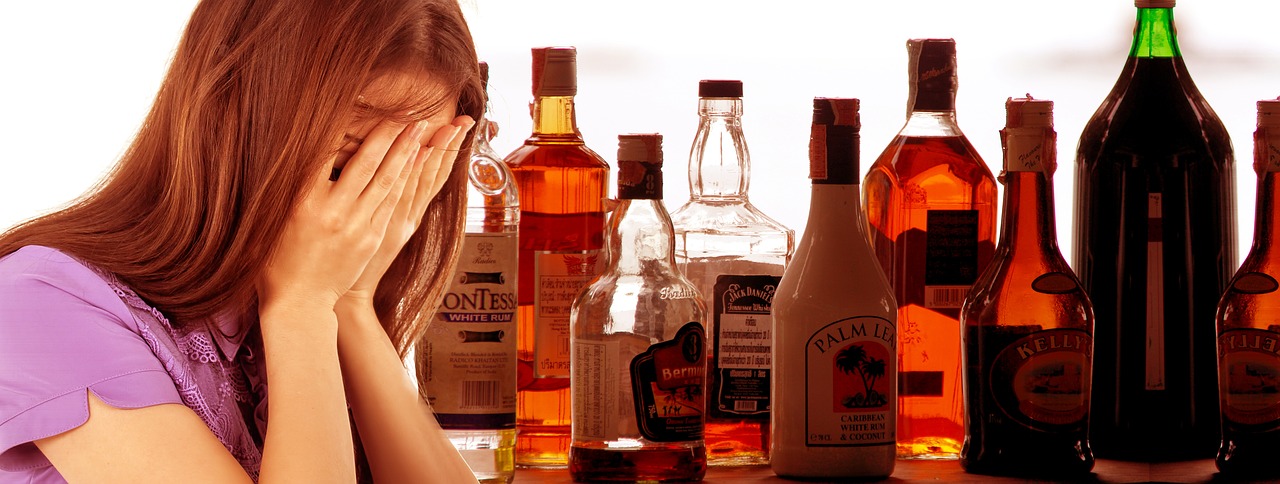
Woman crying with alcohol

Mental illness
Photo courtesy of Pixabay.com

Recovery happens – Does that surprise you?

Mental and emotional illnesses are relatively common.

Some of you are denying that you have or could ever get a mental illness. Half the population at some time in their life will have a mental illness. Depression and anxiety problems are the most common but many other emotional problems can throw you for a loss.

Among those who do develop a mental or emotional disorder, the conventional wisdom has been that they are “seriously and persistently” mental illness. The implication, all too often, has been that once you get a mental health diagnosis then life is over for you.

Recovery happens.

The truth is that many people do recover from their mental illness. Some by using professional help and others recover in spite of the obstacles the system puts in the way of recovery.

Before the discovery that medications could help with mental illness, the prevailing thought was that the mentally ill were “Crazy” and that once you “lost your mind” it was unlikely you would regain it. This has turned out to be untrue.

Medication can help.

For some, but not all, medication has completely changed the prognosis of mental illness. If a few days on medication can restore someone to functional behavior then it is clear that having a mental illness is not an incurable condition.

We have also discovered that many of the things we used to consider mental illnesses were the result of a lack of skills. People who did not learn good social skills in childhood find it difficult to have good relationships in adulthood. The good news is that anything you learned incorrectly can be unlearned and that the human brain is never too old and rarely to sick to preclude the chance of learning new material.

The consumer movement emphasizes recovery.

One other factor has challenged the notion that once mentally ill, forever sick. Because of the stigma, the mentally ill have traditionally faced many people hid their diseases. More and more of those who have had a mental illness have come forward to talk openly and honestly about their struggles. This openness is sometimes referred to as the consumer movement.

It has become clear to me and to others that there are many highly functional individuals who have at one point or another in their lives have struggled with a mental, emotional, or behavioral illness.

Unfortunately, discrimination against the mentally ill continues to keep people away from treatment.

In truth, half of all Americans are likely to experience one or more episodes of mental illness in their lifetimes. Those fortunate enough to have a strong support system and willing to seek treatment can and do recover.

Many a tragedy, personal and public, might be averted if more people could be encouraged to go for treatment rather than trying to hide their symptoms and pretend to themselves and others that they were not struggling with a mental health challenge.

Put an end to the lie – let people know – recovery happens.

Staying connected with David Joel Miller

Seven David Joel Miller Books are available now!

My newest book is now available. It was my opportunity to try on a new genre. I’ve been working on this book for several years, but now seem like the right time to publish it.

Story Bureau.

Story Bureau is a thrilling Dystopian Post-Apocalyptic adventure in the Surviving the Apocalypse series.

Baldwin struggles to survive life in a post-apocalyptic world where the government controls everything.

As society collapses and his family gets plunged into poverty, Baldwin takes a job in the capital city, working for a government agency called the Story Bureau. He discovers the Story Bureau is not a benign news outlet but a sinister government plot to manipulate society.

Bumps on the Road of Life. Whether you struggle with anxiety, depression, low motivation, or addiction, you can recover. Bumps on the Road of Life is the story of how people get off track and how to get your life out of the ditch.

Dark Family Secrets: Doris wants to get her life back, but small-town prejudice could shatter her dreams.

Casino Robbery Arthur Mitchell escapes the trauma of watching his girlfriend die. But the killers know he’s a witness and want him dead.

Planned Accidents  The second Arthur Mitchell and Plutus mystery.

Letters from the Dead: The third in the Arthur Mitchell mystery series.

What would you do if you found a letter to a detective describing a crime and you knew the writer and detective were dead, and you could be next?

Sasquatch. Three things about us, you should know. One, we have seen the past. Two, we’re trapped there. Three, I don’t know if we’ll ever get back to our own time.

For these and my upcoming books; please visit my Author Page – David Joel Miller

Want the latest blog posts as they publish? Subscribe to this blog.

For videos, see: Counselorssoapbox YouTube Video Channel

Is relapse a part of recovery?

By David Joel Miller, MS, Licensed Therapist & Licensed Counselor.

Relapse

Relapse.
Photo courtesy of Pixabay.com

Is relapse a necessary part of recovery?

You will hear this a lot if you hang around treatment facilities, even self-help groups. I suppose it comes from seeing people relapse and feeling helpless to prevent those relapses. But is relapse really a necessary part of recovery?

Mostly this is applied to substance abuse, drugs, and alcohol, but more and more we are seeing that other emotional, mental, and behavioral challenges can follow the same processes. People get unhealthy; they may get sick and then they recover.

Do symptoms have to get worse before they get better?

Every time one of my colleagues says that relapse is a part of recovery I cringe. It feels like saying that heart attacks are a part of treating heart disease. I do not believe that good treatment should accept any negative outcome as a part of the recovery process.

Relapse is common, but it is not universal. Some people, more than you might think, recover, and never relapse.  A surprisingly large number of people report that they were able to quit drugs, get over their depression and anxiety, and stay quit and recovered.

So how do they do recover without relapse?

We need to talk about several things. What is recovery, what is relapse, and how do people go about changing?

Emotional challenges and substance use problems are a lot like chronic physical disorders. If you have had a stroke there has been some damage done. If you have been diagnosed with diabetes you will never be “cured.” Some changes will always remain as a result of your experience.

While you will never be “cured” you can, and most people do, recover from that disorder. The same thing happens to those people who have had an emotional or substance use disorder. They can and do recover but they are never fully cured. There is a risk that if they are not careful they may slip back into an active stage of their problem but if they are vigilant about their recovery they do not need to keep getting sick again and returning to their provider to, again and again, be treated and recover over and over.

These ideas about substance use problems and mental health problems are both included in the The Big Book of Alcoholics Anonymous. Bill W. wrote about the issues that those with Bipolar Disorder will face that may make their recovery more difficult than that experienced by people who do not have an underlying mental health disorder.

Bill W also wrote that in the early days of those who came to the program and stuck (meaning actually continued to attend and participate in the program) 50% quit drinking forever. That does not sound to me like he believed that relapse needed to be a part of recovery.

He went on to report that of the remaining half about 25 % had to quit a few times to get it right but those people did eventuality stop for good.

What about that last 25%? The big book reports that while some people never did manage to stay stopped those people, while attending A.A. were much improved. I take that to mean that while the treatment for a mental or emotional problem may not fully effect a cure, reducing your symptoms is a way to reduce the harm that a mental, emotional, or substance use problem creates.

These days we are applying the stages of change model to both mental health and substance use disorders. Take a look at some of the books on how people change such as Changing for good.

Changing for Good: A Revolutionary Six-Stage Program for Overcoming Bad Habits and Moving Your Life Positively Forward

I have written posts in the past on this model and how it can help you change and stay changed.

In this model, we see that people need to recognize they have a problem, gather information, get ready to change, and then go through the process of making real meaningful changes in their lives. In this model, we see that maintenance, those things you need to do to stay changed once you have made a change, those maintenance steps are the key to preventing relapses.

Relapse is a failure to maintain recovery.

Relapse is not a part of recovery, but the result of failing to continue doing the things that helped you get better in the first place. Whatever you did to get your emotional problem or substance use issue in remission in the first place, those actions need to continue to be a part of your life if you want to insure yourself against relapse.

If you do relapse, do not beat yourself up. Get back into recovery and practice the things you need to stay well. Just know that repeated relapses do not need to be a part of recovery if you practice your maintenance program.

Staying connected with David Joel Miller

Seven David Joel Miller Books are available now!

My newest book is now available. It was my opportunity to try on a new genre. I’ve been working on this book for several years, but now seem like the right time to publish it.

Story Bureau.

Story Bureau is a thrilling Dystopian Post-Apocalyptic adventure in the Surviving the Apocalypse series.

Baldwin struggles to survive life in a post-apocalyptic world where the government controls everything.

As society collapses and his family gets plunged into poverty, Baldwin takes a job in the capital city, working for a government agency called the Story Bureau. He discovers the Story Bureau is not a benign news outlet but a sinister government plot to manipulate society.

Bumps on the Road of Life. Whether you struggle with anxiety, depression, low motivation, or addiction, you can recover. Bumps on the Road of Life is the story of how people get off track and how to get your life out of the ditch.

Dark Family Secrets: Doris wants to get her life back, but small-town prejudice could shatter her dreams.

Casino Robbery Arthur Mitchell escapes the trauma of watching his girlfriend die. But the killers know he’s a witness and want him dead.

Planned Accidents  The second Arthur Mitchell and Plutus mystery.

Letters from the Dead: The third in the Arthur Mitchell mystery series.

What would you do if you found a letter to a detective describing a crime and you knew the writer and detective were dead, and you could be next?

Sasquatch. Three things about us, you should know. One, we have seen the past. Two, we’re trapped there. Three, I don’t know if we’ll ever get back to our own time.

For these and my upcoming books; please visit my Author Page – David Joel Miller

Want the latest blog posts as they publish? Subscribe to this blog.

For videos, see: Counselorssoapbox YouTube Video Channel

Top counselorssoapbox.com posts for Sept 2013

Counselorssoapbox.com

By David Joel Miller, MS, Licensed Therapist & Licensed Counselor.

Well, the month is not quite over but here they are the most-read posts on counselorssoapbox.com for the last 30 days, just in case you missed one.

How much should you tell a therapist?                     

Levels or types of Borderline Personality Disorder               

Do therapists have to report a crime?            

Hyperthymia, Hyperthymic Personality Disorder and Bipolar Disorder                   

Do people really forget what happened when drinking? – Blackouts                       

Which border is Borderline Intellectual Functioning on?                  

Reasons Counselors and Therapists Lose Licenses               

Are you Hyperthymic?                      

6 ways to recover from Complex Trauma or Complex PTSD                       

Is nicotine a stimulant or a depressant?                     

Do therapists like, fall in love with their clients? Why don’t they tell them?           

Can you force a teenager to go for therapy? 

Staying connected with David Joel Miller

Seven David Joel Miller Books are available now!

My newest book is now available. It was my opportunity to try on a new genre. I’ve been working on this book for several years, but now seem like the right time to publish it.

Story Bureau.

Story Bureau is a thrilling Dystopian Post-Apocalyptic adventure in the Surviving the Apocalypse series.

Baldwin struggles to survive life in a post-apocalyptic world where the government controls everything.

As society collapses and his family gets plunged into poverty, Baldwin takes a job in the capital city, working for a government agency called the Story Bureau. He discovers the Story Bureau is not a benign news outlet but a sinister government plot to manipulate society.

Bumps on the Road of Life. Whether you struggle with anxiety, depression, low motivation, or addiction, you can recover. Bumps on the Road of Life is the story of how people get off track and how to get your life out of the ditch.

Dark Family Secrets: Doris wants to get her life back, but small-town prejudice could shatter her dreams.

Casino Robbery Arthur Mitchell escapes the trauma of watching his girlfriend die. But the killers know he’s a witness and want him dead.

Planned Accidents  The second Arthur Mitchell and Plutus mystery.

Letters from the Dead: The third in the Arthur Mitchell mystery series.

What would you do if you found a letter to a detective describing a crime and you knew the writer and detective were dead, and you could be next?

Sasquatch. Three things about us, you should know. One, we have seen the past. Two, we’re trapped there. Three, I don’t know if we’ll ever get back to our own time.

For these and my upcoming books; please visit my Author Page – David Joel Miller

Want the latest blog posts as they publish? Subscribe to this blog.

For videos, see: Counselorssoapbox YouTube Video Channel