Happy Valentine’s day

Happy Valentine's Day

Happy Valentine’s Day
Photo courtesy of Pixabay.com

Here is wishing you and yours a day full of love.

counselorssoapbox.com 

Do you feel unloved? 5 Ways to find love.

By David Joel Miller, MS, Licensed Therapist & Licensed Counselor.

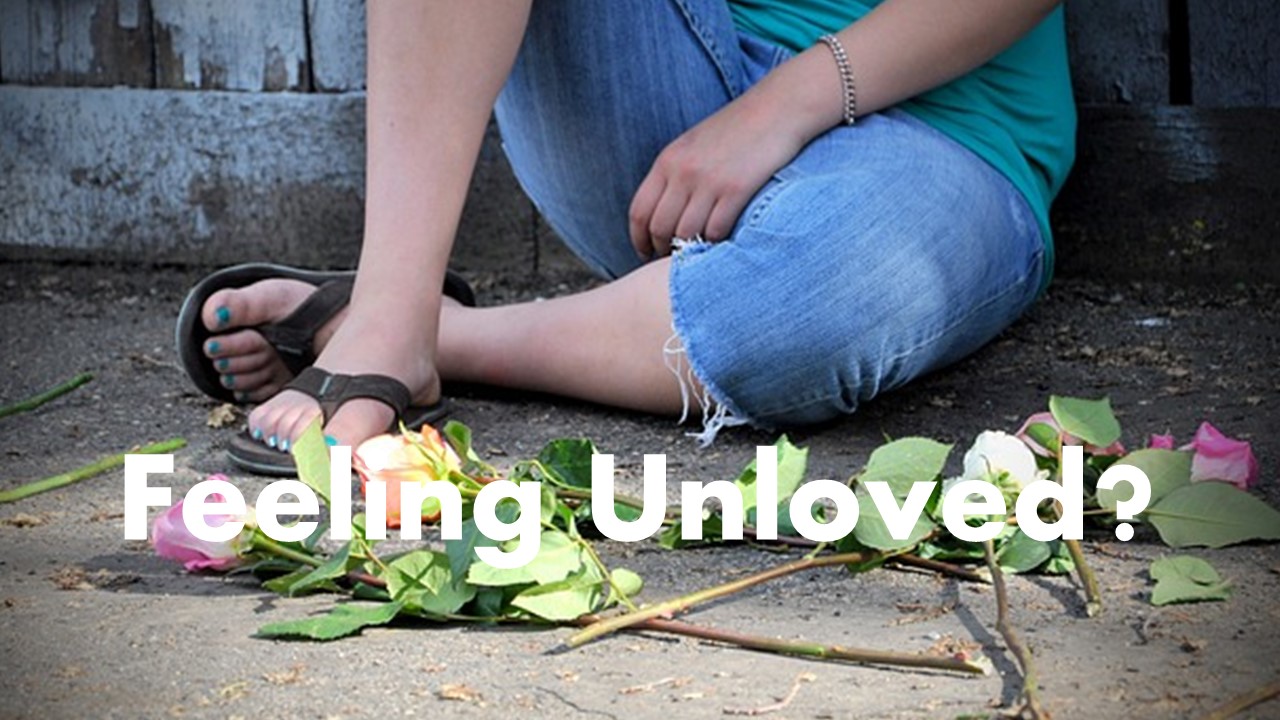
Feeling Unloved

Feeling Unloved
Photo courtesy of Pixabay.com

Think you are unlovable? Here are ways to change that.

5 reasons you feel unloved and what to do about them.

Have you ever felt that you were unlovable? That no one will ever love you and that it is impossible to ever find someone who might really care about you? Both clients and commenters on this blog have expressed the belief that somehow they are different and that no one could possibly love them. This is just not so.

Thoughts of worthlessness or of being unlovable are common thoughts and feelings among people in early recovery from emotional and mental issues as well as those recovering from substance use issues.

Being lovable is not about popularity or people-pleasing. Being lovable and finding love in your life is about being the kind of person you want to be and then developing relationships that support you in being your real authentic self. Here are some reasons you may be feeling unloved and what to do about those issues.

You do not like you.

If you do not like yourself you make it difficult for others to like you. The first step in becoming more likable is to work on liking yourself. Become your own best friend. The one important thing you need to do, and it is not an easy thing sometimes, is to stop judging yourself.

Work on feeling better about yourself. One way to increase your feelings of accomplishment and therefore feel better about yourself is to do more worthwhile things. Learn to stop judging yourself or comparing yourself to others. You are you and how you are is OK. Work on being the best you there is, not on trying to be a copy of someone else.

You set unrealistic goals and expectations for yourself.

If you expect to be perfect, then, of course, you will fail to measure up. Judging yourself harshly does not inspire you to work harder. Negative motivation, beating yourself up, is notorious for keeping people down and depressed, not helping them get their life back on track.

Be realistic. Work on small increments of improvement. Give yourself acknowledgments for things done well even if there is still room for improvement. Look at things that are less than perfect as improvement opportunities, not failures.

Someone in childhood judged you harshly.

Realize that if you came from a non-affirming family and nothing you ever did was good enough you may be perpetuating the unlovability fiction by continuing to judge yourself overly harshly. The result is that you do not think you measure up and therefore do not like yourself.

Understand that there have been others in your life that may have had their own scars from life before you existed. People who do not feel good about themselves judge others harshly as a way to make themselves feel better.

If you were treated poorly or even abused, consider that this treatment was not a statement about you and your worth. You may have had sick people in your life. Sick people can do sick things. If you were abused or mistreated do not continue that pattern of abuse by punishing yourself.

You use this unlovable thing to avoid taking the risks of getting close to others.

Some people use the statements “I am unlovable.” Or “no one will ever be able to love me” as excuses for not trying. Why try when you expect to fail? The result is that they do not have to risk, do not have to love, and hope to be loved in return.

This negative attitude reduces the risk but also eliminates the rewards. Avoid the risks of close relationships and you may not be hurt by rejection but you guarantee the pain of loneliness.

You know that you have done some things you should not have done.

Recovery, from whatever you define as your issue, includes the need to forgive yourself for things you may have done but now regret. As you learn more you should do better things. If you see that things you do or have done have harmed others try to make amends, do what you can to make things right. Then accept and forgive yourself and work on becoming a better person.

Those are my take on five reasons people may have developed a belief that they are unlovable or unworthy of love. Begin today to work on loving yourself and treating yourself as someone worthy of love and see how much better your life can become.

For more posts related to this topic see: Love, relationships, and sex  

Staying connected with David Joel Miller

Seven David Joel Miller Books are available now!

My newest book is now available. It was my opportunity to try on a new genre. I’ve been working on this book for several years, but now seem like the right time to publish it.

Story Bureau.

Story Bureau is a thrilling Dystopian Post-Apocalyptic adventure in the Surviving the Apocalypse series.

Baldwin struggles to survive life in a post-apocalyptic world where the government controls everything.

As society collapses and his family gets plunged into poverty, Baldwin takes a job in the capital city, working for a government agency called the Story Bureau. He discovers the Story Bureau is not a benign news outlet but a sinister government plot to manipulate society.

Bumps on the Road of Life. Whether you struggle with anxiety, depression, low motivation, or addiction, you can recover. Bumps on the Road of Life is the story of how people get off track and how to get your life out of the ditch.

Dark Family Secrets: Doris wants to get her life back, but small-town prejudice could shatter her dreams.

Casino Robbery Arthur Mitchell escapes the trauma of watching his girlfriend die. But the killers know he’s a witness and want him dead.

Planned Accidents  The second Arthur Mitchell and Plutus mystery.

Letters from the Dead: The third in the Arthur Mitchell mystery series.

What would you do if you found a letter to a detective describing a crime and you knew the writer and detective were dead, and you could be next?

Sasquatch. Three things about us, you should know. One, we have seen the past. Two, we’re trapped there. Three, I don’t know if we’ll ever get back to our own time.

For these and my upcoming books; please visit my Author Page – David Joel Miller

Want the latest blog posts as they publish? Subscribe to this blog.

For videos, see: Counselorssoapbox YouTube Video Channel

Why DCFS says see a therapist

By David Joel Miller, MS, Licensed Therapist & Licensed Counselor.

Therapy.
Photo courtesy of Pixabay.com

You have a lot to do – why do they say you need therapy?

Clients tell me that “I am not crazy. I don’t need to be here.” Mostly I tell them I agree they are not crazy. But I do think some counseling or therapy could help them. Counseling may help them develop better life skills, find a better job, have better relationships, be a better parent or it may simply get that agency off their back. Government agencies, DCFS (Department of Children and Family Services), CPS (Child Protective Services, Parole, Probation, and welfare agencies of all sorts refer people to see therapists every day.

People often come because someone, somewhere, who has some control over their life says they need to see a therapist or counselor.  They may not understand why, but I do think seeing a counselor or therapist could help them. Here are some reasons you might get a referral to see a therapist and how to make use of that referral to improve your life.

Depressed parents create problems for their children.

Depression, anxiety, stress, and a bunch of other problems do not just affect the parent. If you have struggles they are affecting your children. Being a parent is a lot more than the simple mechanical part of reproduction.

Most parents try to be the best parents they can but if you’re struggling each day just to get through the day you have nothing left to give your child.

The time to get help for your children is “the sooner the better.” Some things they may just outgrow but if you go for help no harm done. If your child does need help early intervention can change the trajectory of their life.

The most powerful intervention for children many times is helping their parents work out their problems. Marriage counseling for the parents can be helpful to a child with ADHD. Who can concentrate in school when your parents were having a loud argument last night?

Parents who are struggling have difficulty with relationships.

It takes a lot more skill to have a happy relationship than most people think. Navigating life takes skill unless you have fantastic luck. Even the lucky need some skills to make use of those lucky breaks. What is happening in your life affects your relationship. What happens in your relationships affects your life.

If you and your partner are having conflicts at home that results in you taking that relationship stress to work. Being in a bad mood after an argument with your partner may cost you your job.

The reverse is also possible, Have a tough day at work and you are at risk to have arguments with your partner. Learning relationship skills that help smooth the way at work and at home can make your life more successful. A counselor can help with all these skill sets.

Finding a job is good for your mental health.

Finding a job is tough sometimes, the worse the economy the tougher that search becomes. Plenty of people have come to counseling discouraged. They may have been trying really hard but their job search is not working. They are applying at places that are not hiring, they lack the skills for the job they want and they had not thought about doing the job that is hiring.

Career counseling can help you figure out what job you want to do, what you might be good at, and how to get from where you are to where you want to be.

Getting a job does wonders for many people’s mental health. Finding a career that you love and that pays well can make a permanent improvement in your mental health. When you are down it is harder to find a job.

If your parents were not good at parenting you will have difficulties.

If your parents were not the best or if you were busy growing up and missed the lessons on being an adult and how to parent you should have received, then counseling can help.

Clients with no children and no plans to become parents can still benefit from taking a parenting education class. You may need to learn about the developmental tasks you should have learned at each age and if you did not get them along the way you need to learn them now.

Besides, you may encounter children in life other than your own and it is helpful to know about them.

Staying mentally healthy is a skill people can learn not something you were born with.

Regulating your emotions is a skill and skills can be learned. Some people picked this up on their own. Some had great teachers or parents in their life. Most of us had to learn about anger and sadness and how to cope with negative emotions the hard way.

There are things you can do every day to improve your mental health and there are things you may be doing that can make that emotional life of yours worse.

Most people know about skills to stay physically healthy whether they use those skills or not. Learning skills to be mentally healthy, that is something you might need help with. You could get that help in small doses from the internet or reading self-help books, but to really get focused help working on your problems you need in-person individualized help.

If your emotional issues have gotten severe enough that you have developed a disorder, a mental illness, depression, anxiety, a substance use disorder, or anger problems, then for sure you need professional help to get out of that mentally unhealthy place.

You could wait for that physical illness to just go away on its own but most people are wise enough to go get medical help when they have an illness in their body. A mental or emotional illness responds to treatment in the same way.

Many people do not have good support systems.

Some people have great support systems, most do not. Family and partners can get worn out listening to your problems and sometimes what you need most are to talk those problems out.

The family gets emotionally involved, they want you to do certain things or not do them. They may take sides in disagreements. A counselor can be supportive while helping you find the answers that are best for you.

Stressed out people tend to use drugs and alcohol to cope and the family pays the price.

A huge number of referrals by agencies are for people who are using or abusing drugs or alcohol. The agency may not even know that you are using, but excessive reliance on substances can result in impaired ability to fulfill the other roles in your life.

Many people with emotional problems turn to substances to cope. A little beer or wine to relax or some stimulants to keep going. Over time that reliance on a substance can begin to cause problems rather than solve them. A counselor can help you judge whether your use is impacting other areas of your life and help you decide what you want to do about that.

I have written in other places about the times that the counselor has to report that kind of use and the times they can maintain that secret. That is a long discussion and you may need to read those other posts or the full version in a book that I am working on that should be out soon.

Rest assured that most therapist’s goal is to help you cope, not to get you to say something that they will use against you.

If you have been referred to counseling or therapy consider what you want to accomplish in your life and how that counselor might be able to help you make your life better.

Staying connected with David Joel Miller

Seven David Joel Miller Books are available now!

My newest book is now available. It was my opportunity to try on a new genre. I’ve been working on this book for several years, but now seem like the right time to publish it.

Story Bureau.

Story Bureau is a thrilling Dystopian Post-Apocalyptic adventure in the Surviving the Apocalypse series.

Baldwin struggles to survive life in a post-apocalyptic world where the government controls everything.

As society collapses and his family gets plunged into poverty, Baldwin takes a job in the capital city, working for a government agency called the Story Bureau. He discovers the Story Bureau is not a benign news outlet but a sinister government plot to manipulate society.

Bumps on the Road of Life. Whether you struggle with anxiety, depression, low motivation, or addiction, you can recover. Bumps on the Road of Life is the story of how people get off track and how to get your life out of the ditch.

Dark Family Secrets: Doris wants to get her life back, but small-town prejudice could shatter her dreams.

Casino Robbery Arthur Mitchell escapes the trauma of watching his girlfriend die. But the killers know he’s a witness and want him dead.

Planned Accidents  The second Arthur Mitchell and Plutus mystery.

Letters from the Dead: The third in the Arthur Mitchell mystery series.

What would you do if you found a letter to a detective describing a crime and you knew the writer and detective were dead, and you could be next?

Sasquatch. Three things about us, you should know. One, we have seen the past. Two, we’re trapped there. Three, I don’t know if we’ll ever get back to our own time.

For these and my upcoming books; please visit my Author Page – David Joel Miller

Want the latest blog posts as they publish? Subscribe to this blog.

For videos, see: Counselorssoapbox YouTube Video Channel

Being verbally blunt can be a good or a bad thing.

By David Joel Miller, MS, Licensed Therapist & Licensed Counselor.

blunt

Being verbally blunt can be a good or a bad thing.
Photo courtesy of Pixabay.com

Saying what you think can get you liked or it can get you hated.

Are you one of those people who find they can’t help saying what they think? This can be a blessing or a curse. If you have this trait and it has gotten you in trouble or damaged relationships read on for some tips on how to make this characteristic work to your advantage.

Some people who are blunt, speak their minds, are perceived as rude and irritating. Others get the reputation of being frank and honest. Telling the truth, being extremely straightforward, comes with risks. Holding back on information makes people question your honesty.

It is hard to trust people who won’t give you a straight answer.

Being too cautious about what you say can lead to never really giving anyone an answer to their questions. Those folks who do not respond to other’s statements may think they are avoiding conflict. What they accomplish is to leave everyone wondering what they really think and can they be trusted.

People who change their opinion when they move from person to person do not get trusted. Get clear on what you think and want, then find ways to convey your positions in a consistent manner if you want to be trusted.

Being straightforward about your feelings and beliefs can get you the reputation for honesty if – and only if – you do it correctly.

It is not what you say but how you say it.

Think of this as cleaning the dirt off a fine old wood table. You can use a clean, soft, polishing cloth that contains some cleaner specifically made for that special wood furniture. Or you can use some steel wool. Both will get the dirt off. One leaves it healthy and restored and the other will leave scars in the finish.

If you dislike something, explaining why in calm gentle language, makes your position easier to listen to. If you express yourself in statements laced with profanity or attacks on others you turn your listeners away. Cruel words hurt regardless of the truth of your statements.

Learning to slow down what you are saying so that it comes out the way you mean it is an important skill. You need to learn to prevent collateral damage from the way others may interpret what you said. Much of the poor communication people talk about is the direct result of ambiguous statements that get interpreted in ways the speaker never intended.

There is a right way and a wrong way to convey bad news.

Saying things in a blunt way when it is done in a hurtful manner can result in lasting damage to the relationship. When expressing something that may be hard to hear, concentrate on the other person and how they feel. How would you want someone to tell you that they disagreed with you?

Work on putting yourself in the other person’s place, not on discharging your negative emotions. One technique for expressing disagreements without destroying relationships is called the Sandwich Technique. Take a look at the past post describing how this can be an effective way of delivering bad news without harming the other person.

Become comfortable with others disagreeing with you.

Think very carefully about what you believe and why. Become open to other points of view. The people who create the most wreckage with their bluntness are often those who are insecure in their own beliefs.

If you start feeling threatened when others have a different view then there is a possibility that you are shaky in what you believe. If others not agreeing with you is threatening, then work on yourself, not on forcing others to agree with you by yelling louder and attacking their thoughts.

Learn to disagree without attacking the other person.

When you disagree with someone learn to think of this as someone who has a different opinion not someone who is “ignorant” or “stupid.”  Calling people names impedes communication. Someone who makes a mistake is not any of the global characteristics people may call them.

One error does not make them “stupid.” Very intelligent people make mistakes. In fact the more you learn and think about the more likely you are to make a mistake. Calling people names or personally attacking them does not make you right or improve your situation.

You and others have the right to be wrong sometimes.

Sometimes you will believe something and later find out that you were wrong. You have the right to be wrong. We all do. Allow that in disagreements others have the right to make mistakes and be wrong from time to time. It is not helpful to believe that someone who is incorrect about something is a “liar.” Allow others to be wrong when they are and let things that are not all that important go.

There is little value in spotting someone else’s errors and pointing them all out. Rather than this being helpful, this can permanently damage a relationship.

People, who grew up in a non-affirming environment, where they were never told they were OK, grow up to be low in “self-esteem.” You do not need to destroy someone else’s self-esteem by pointing out all their flaws. Finding others errors will not do much to elevate your self-esteem. Let it go.

For more on the topic of bluntness and honesty and when it may damage relationships you might also want to look at a past post: Just being honest

Staying connected with David Joel Miller

Seven David Joel Miller Books are available now!

My newest book is now available. It was my opportunity to try on a new genre. I’ve been working on this book for several years, but now seem like the right time to publish it.

Story Bureau.

Story Bureau is a thrilling Dystopian Post-Apocalyptic adventure in the Surviving the Apocalypse series.

Baldwin struggles to survive life in a post-apocalyptic world where the government controls everything.

As society collapses and his family gets plunged into poverty, Baldwin takes a job in the capital city, working for a government agency called the Story Bureau. He discovers the Story Bureau is not a benign news outlet but a sinister government plot to manipulate society.

Bumps on the Road of Life. Whether you struggle with anxiety, depression, low motivation, or addiction, you can recover. Bumps on the Road of Life is the story of how people get off track and how to get your life out of the ditch.

Dark Family Secrets: Doris wants to get her life back, but small-town prejudice could shatter her dreams.

Casino Robbery Arthur Mitchell escapes the trauma of watching his girlfriend die. But the killers know he’s a witness and want him dead.

Planned Accidents  The second Arthur Mitchell and Plutus mystery.

Letters from the Dead: The third in the Arthur Mitchell mystery series.

What would you do if you found a letter to a detective describing a crime and you knew the writer and detective were dead, and you could be next?

Sasquatch. Three things about us, you should know. One, we have seen the past. Two, we’re trapped there. Three, I don’t know if we’ll ever get back to our own time.

For these and my upcoming books; please visit my Author Page – David Joel Miller

Want the latest blog posts as they publish? Subscribe to this blog.

For videos, see: Counselorssoapbox YouTube Video Channel

How to avoid confusion and misunderstandings.

By David Joel Miller, MS, Licensed Therapist & Licensed Counselor.

Avoiding confusion and misunderstandings

Avoiding confusion and misunderstandings
Photo courtesy of Pixabay.com

Do misunderstandings and confusion harm your relationships?

Misunderstandings can damage relationships at home and at work. If your life and relationships are plagued with misunderstandings, people misunderstand you or they say you misunderstand them, there are ways you can improve communications. These examples apply mostly to the office or work setting but the same principles apply at home and in your personal relationships.

Asking lots of questions reduces misunderstandings.

Rather than jumping to a conclusion based on a few statements, ask questions. Often as you get more information you will discover that the other person left out important details. They may not have been trying to lie or mislead you, they just did not know that you did not have part of the information.

When someone uses the word “hot” do they mean a warm temperature or do they mean very desirable? If they talk about plans to go somewhere do they intend to go there today or next month or after they retire?

Many misunderstandings are the result of bits of information that were left out.

Check out your understandings to avoid confusion.

When someone says we are all going, who is all? Does that include Mary? And Bob? What if Mary and Bob just broke up, does the speaker still want them both invited? Does the person you are talking with know about that break-up?

The other person may assume you know what they know or that you are thinking about the same place they are. Ever show up for a meeting and find that the person who called the meeting had a different location in mind but failed to convey that information?

Precise language makes things clearer.

Fuzzy language leads to misunderstandings. Strive to fill in the details. Things like “and stuff” and “you know what I mean” leave a lot of room for serious misunderstandings.

How big is big? If we need a lot of paper is that one ream, or 100 reams? If your partner says to not let the kids do something is that today or ever? Should you tell them no or are you expected to hold them down and stop them?

Put it down in writing to get it right.

A saying in many offices is that “if it is not down in writing than it didn’t happen.” Documenting things avoids misunderstandings. This is especially important if there is money involved or someone is doing something now and the other person will do something else later. When is later?

Successful meetings usually have minutes. Deciding who will do what works better if it is written down and everyone gets a copy of the minutes. More than once we have done that only to find that not everyone was in agreement. I thought one person was in charge and someone else thought they were in charge of that activity.

Just because I said we needed to do something did not mean that I planned to be the one to do it.

Written lists are important in your home life as well as your work one. Give kids more than one thing to do and they tend to forget the second and third things. Written chore lists help avoid forgetting.

When I am going to the store I make a written list. Otherwise, I get one ingredient but forget something else and need to make a second trip. This becomes more problematic when someone else needs to do the shopping for me.

Check back during the process to keep the communication working.

If things will take time to get accomplished it is wise to check back as the project progresses. Things change. The person who said they would do something may have gotten sick or discovered they had too many other things to do.

Checking in as things progress lets plans be adjusted. Better to change plans than to spend a lot of time at the end on whose fault it is that something did not get done or was done wrong.

Double and triple check your facts for reduced misunderstandings.

Sometimes that thing you were sure you knew turns out to not be true. Recheck dates, times, names, and costs. Get those facts right.

Sunday your family member says that there is an important meeting “next Monday” Does that mean tomorrow or a week from tomorrow. I know purists have ways of telling you the correct way to say things, but does it matter who was right when you show up for an event on the wrong day? Recheck the facts and avoid the misunderstandings.

Make your yes’s yes and no’s no.

Sometimes people say yes to acknowledge that they heard the speaker. They may be agreeing that so and so said that, but not agreeing to the truth of the statement or that they will do as requested. No may mean that the statement was not accurate rather than that they were opposed to the goal.

Do not say yes or no unless that is what you mean. When others say yes or no check what they are agreeing with or disagree with.

Don’t take things personally.

People may say things about others’ behavior. They have in mind a particular behavior and a particular person. They may not have you in mind at all.

Do not assume that people are knowledgeable about your needs or tastes.

Keep things simple.

The longer the statement the more time there is for there to be confusion and misunderstanding. Long explanations rather than making things clearer often make them harder to understand. For clearest communication use short simple sentences. Check that people are following what you say as you go.

Many misunderstandings are the result of a long conversation with few pauses which leave the listener with a different message than was intended. The less the person you are talking to knows about your topic the simpler the explanation needs to be. This is especially important in communicating with younger children and those with some emotional or mental disabilities or cognitive impairments.

Staying connected with David Joel Miller

Seven David Joel Miller Books are available now!

My newest book is now available. It was my opportunity to try on a new genre. I’ve been working on this book for several years, but now seem like the right time to publish it.

Story Bureau.

Story Bureau is a thrilling Dystopian Post-Apocalyptic adventure in the Surviving the Apocalypse series.

Baldwin struggles to survive life in a post-apocalyptic world where the government controls everything.

As society collapses and his family gets plunged into poverty, Baldwin takes a job in the capital city, working for a government agency called the Story Bureau. He discovers the Story Bureau is not a benign news outlet but a sinister government plot to manipulate society.

Bumps on the Road of Life. Whether you struggle with anxiety, depression, low motivation, or addiction, you can recover. Bumps on the Road of Life is the story of how people get off track and how to get your life out of the ditch.

Dark Family Secrets: Doris wants to get her life back, but small-town prejudice could shatter her dreams.

Casino Robbery Arthur Mitchell escapes the trauma of watching his girlfriend die. But the killers know he’s a witness and want him dead.

Planned Accidents  The second Arthur Mitchell and Plutus mystery.

Letters from the Dead: The third in the Arthur Mitchell mystery series.

What would you do if you found a letter to a detective describing a crime and you knew the writer and detective were dead, and you could be next?

Sasquatch. Three things about us, you should know. One, we have seen the past. Two, we’re trapped there. Three, I don’t know if we’ll ever get back to our own time.

For these and my upcoming books; please visit my Author Page – David Joel Miller

Want the latest blog posts as they publish? Subscribe to this blog.

For videos, see: Counselorssoapbox YouTube Video Channel
What is the Sandwich method to present bad news?

By David Joel Miller, MS, Licensed Therapist & Licensed Counselor.

How to deliver bad news.

How to deliver bad news.
Photo courtesy of Pixabay.com

Some ways to deliver bad news are better than others.

If you need to give someone bad news – can you do it in a way that leaves the relationship intact?

We all have times when we need to give someone bad news.

Putting off that news may seem like the kind or safe thing to do but eventually, it needs to be done. Delaying the bad news only makes it harder.

The sandwich method of requesting a change.

One highly effective way to tell someone bad news without inflicting relationship damage is called the sandwich method. In the sandwich method there is a statement about what you value in the relationship, then the request for change, followed by a statement of support for the person you have asked to change.

Here are some examples of how the sandwich technique could be used to good effect. First in a work setting and then in your home life. In both cases, the bad news is coupled with a request that the other person change something.

A supervisor has to tell a worker to change.

The supervisor discovers he has to have a talk with an employee about their errors in using a new computer system. This is a common problem in most places that use computers. Some people learn new systems faster than others. Systems keep changing. A few people just never seem to get it.

The common but wrong way to deliver criticism.

The supervisor calls the employee in and chews the employee out.

Bob (or Mary, fill in any name here) you work is awful. You are hopeless, the worst person in the whole department. If you do not stop making all these computer errors I will need to write you up. Repeated failure to fix this problem will result in your termination. This is the last time I will talk to you before I start the process to get rid of your worthless rear end.

Has the supervisor been clear? Maybe. How does Bob feel about this now? Motivated to fix things? Maybe. But Bob is not likely to go out of his way to do much beyond the minimum to get by. And Bob will probably carry a resentment towards this supervisor from now on.

How the sandwich technique can help motivate others.

In the sandwich formula, the “bad news” or complaint is placed between two positive messages.

The supervisor calls Bob in and starts off with a review of the things Bob does well. “Bob I really appreciate all the hard work you do around here. Your work on the project last month was great. There is one area I need you to work on though. Your error rate on the new computer system is really high and management is emphasizing that we need everyone to get up to speed on using the new system. Is there anything we can do to help you improve your accuracy on the new system? I know all the times you have pitched-in in the past and feel sure you will find a way to get proficient in the new system.

How might Bob feel now? Is he more willing to try to improve his computer accuracy? Why doesn’t every management person use this method if this is so effective?

There are some management people who feel all workers are lazy, but then there are employees who think that all managers are unreasonable. There is a temptation when things go wrong to take our frustrations out on others. Beating someone up, standing over them, and threatening them may get the work done in the short run but as soon as the supervisor’s back is turned the effect wears off.

Using the sandwich method allows the message to come through, we need you to change or fix this, but it also conveys the message that the person receiving this bad news is still valued as a human being and that you want to cooperate on making things better.

How to ask for change from your child.

Your child brings home a test with an “F” grade.

You might “set this child straight.” Let them know that poor schoolwork is unacceptable, that if they want to ruin their life you will not be a part of this. That no child of yours will be allowed to be this stupid. Say something like “I can’t believe you are such a moron.”

Is this likely to be helpful? Did it work with you? A few of you are saying yes this kind of treatment jolted you into working harder, but most people who experience this kind of treatment get discouraged and give up trying. Especially if they had studied and failed the test anyway.

The sandwich method would involve telling the child that you love them and are proud of them. That most of the time they do great things. That this score is disappointing to you and you expect them to study more and improve that grade. You would end this sandwich with some support and saying that you know that they are a good child and that you are sure they will put in the effort and do the best they can. Something added like that you love them no matter what grade they get would also be helpful.

Both interactions, hopefully, convey the message “you need to study more and improve that grade” but in one the emphasis is on the child not being OK while in the sandwich method you are inserting the message “improve your work” in this subject area with other messages about the child being a good person and you liking them regardless. You are also expressing your belief that the child can succeed.

Does it bother you to give out compliments?

Some of you are thinking “I shouldn’t have to compliment people to get them to do what they are supposed to do.” No, you shouldn’t. But then you don’t have to say please and thank you, but those social graces, being nice to others makes interactions between other humans a lot more pleasant. Encouragement is effective and beatings, verbal or physical, stop working after a while. No one likes a person who tries to motivate by abuse. Besides making you more likable the sandwich method is more effective in motivating people to do things.

Tell someone that they are worthless and they live down to that label. Give them hope and self-respect and most people will make every effort to make the people who support them proud.

Staying connected with David Joel Miller

Seven David Joel Miller Books are available now!

My newest book is now available. It was my opportunity to try on a new genre. I’ve been working on this book for several years, but now seem like the right time to publish it.

Story Bureau.

Story Bureau is a thrilling Dystopian Post-Apocalyptic adventure in the Surviving the Apocalypse series.

Baldwin struggles to survive life in a post-apocalyptic world where the government controls everything.

As society collapses and his family gets plunged into poverty, Baldwin takes a job in the capital city, working for a government agency called the Story Bureau. He discovers the Story Bureau is not a benign news outlet but a sinister government plot to manipulate society.

Bumps on the Road of Life. Whether you struggle with anxiety, depression, low motivation, or addiction, you can recover. Bumps on the Road of Life is the story of how people get off track and how to get your life out of the ditch.

Dark Family Secrets: Doris wants to get her life back, but small-town prejudice could shatter her dreams.

Casino Robbery Arthur Mitchell escapes the trauma of watching his girlfriend die. But the killers know he’s a witness and want him dead.

Planned Accidents  The second Arthur Mitchell and Plutus mystery.

Letters from the Dead: The third in the Arthur Mitchell mystery series.

What would you do if you found a letter to a detective describing a crime and you knew the writer and detective were dead, and you could be next?

Sasquatch. Three things about us, you should know. One, we have seen the past. Two, we’re trapped there. Three, I don’t know if we’ll ever get back to our own time.

For these and my upcoming books; please visit my Author Page – David Joel Miller

Want the latest blog posts as they publish? Subscribe to this blog.

For videos, see: Counselorssoapbox YouTube Video Channel

Family Counseling for Family Problems

By David Joel Miller, MS, Licensed Therapist & Licensed Counselor.

Family

Family.
Photo courtesy of Pixabay.com

Can counseling help family issues?

Every family has some family problems soon or later. Some of these family problems are more serious than others. Most families try to work out their family issues without help from professionals. If you have tried the usual ways of dealing with or avoiding the problems in your family and those problems continue to cause you problems, now might be a good time to think about some family therapy.

Families may have difficulties that are unique, at least in the specifics, but there are some common issues that bring families to counseling. Here is a list of some of the more common family problems that might benefit from seeing a counselor.

You have old personal issues that need to be dealt with.

In the rosy glow of a new relationship, you may think that now your life will be better, your problems are solved. What most couples find is that it takes two mentally and emotionally healthy people to make for a healthy relationship.

If one or both of the members of this couple have unresolved life problems, they are on their way to creating an unhealthy relationship. People with serious mental illnesses can get together and develop a great relationship, but one requisite for that is that each of those two people needs to work on themselves and their problem.

If one of you has “anger issues” or a substance use problem, that old issue is sure to move from being one party’s problems to being a family problem.

Trouble untying the knots to their family of origin and creating a new family.

Creating a new family unit requires navigating the sea of changing relationships from being a child in one family to being the adult in another family. Some parents find it hard to let loose of their married children. Some people, new in a relationship, keep pulling their past family into the mix.

Calling your parents or your siblings, even your friends, to discuss every piece of your couple’s relationship is likely to create a cluttered and uncomfortable relationship.

Cultures and families are or different. Some stay close forever and some quickly separate and become independent adults. If you and your partner are not in agreement on the role of parents and relatives in your new family this can create tremendous friction.

When disagreements and family problems arise, running to your family for advice and consolation can create the situation of alliances. Once you complain to your family about your new spouse you have poisoned the relationship. Do not expect to tell others your partner’s faults and then for them to forgive your partner when you do.

Arguments over whose family to involve in holiday celebrations and which family’s routines and rituals to adopt are common family relationship problems.

You are not on the same page about where your family is going.

In new relationships, there are lots of expectations. There is generally a raft of things you forget to question or discuss. If religion is important to one member of the new couple, how does the other person feel? This is rarely something that will just work itself out as time goes on. Add children and the conflict grows.

If one person is a drinker or a drug user and the other person is in recovery this becomes a huge issue. Are you two in agreement about the role partying and drinking will play in your couple’s life? If one of you quit will the other quit also or will they sabotage your recovery to enable their continued use of a substance of abuse.

Your love fantasy can’t stand reality.

When you first fall in love you tend to idealize your new partner. The man is Prince Charming the woman is Cinderella. That all fades as the magic dust wears off.

Prince Charming turns into the troll and Cinderella becomes the ugly stepsister. If you had an unrealistic expectation of your partner and of what family life with them would be like, you are headed for trouble.

Stressful times cause family issues.

Life is full of stress. Being a family can make for more stress not less. Sharing the burden can lighten the load, but the load gets heavy the longer you carry it. What will happen to your relationship when life drops its stress on your couple relationship?

Unemployment, sickness, economic hardship are all likely in life. Some days are good ones and some are not.

Lifespan events magnify family problems.

Certain events happen whether you are prepared for them or not. Couples have children and the children grow and change. Or you plan on children and they do not materialize. Jobs come and go. You grow older. What used to be fun isn’t anymore. Then one day you begin to face growing older. The children leave the nest and you wonder what happened to the person you married. What happened to you?

Creating a family ended the couple.

Some couples discover that in the process of creating a family they lost the relationship between them. The years go by and if you do not work on being a couple you may find that you have nothing left once the children leave.

Some people compensate for this by trying to stay a part of their children’s lives. They can become the over-involved meddling parents that caused them problems early on. Other people separate or divorce. With no children left they can’t find anything they still have in common.

Baggage and Blending create family problems.

So you get together and you break up and then you get together again? In this process rather than reducing your pile of problems, you may well increase them.

Certainly, there are great second marriages. But each partner comes with a set of problems and changing partners does not eliminate your problems, it just offers you more issues to work on.

Now you have not just yours, mine, and ours, problems, but also exes and their new spouse problems along with step and half, and so on family issues.

If these or other family problems are distressing you and your family consider getting professional help. An independent third person in the room can facilitate talking through and resolving your family issues. Marriage and Family therapists are specially trained in working to help families create their happy life.

Does your family have family problems you need to work through?

For more posts on Family, issues see:  Family Problems

Staying connected with David Joel Miller

Seven David Joel Miller Books are available now!

My newest book is now available. It was my opportunity to try on a new genre. I’ve been working on this book for several years, but now seem like the right time to publish it.

Story Bureau.

Story Bureau is a thrilling Dystopian Post-Apocalyptic adventure in the Surviving the Apocalypse series.

Baldwin struggles to survive life in a post-apocalyptic world where the government controls everything.

As society collapses and his family gets plunged into poverty, Baldwin takes a job in the capital city, working for a government agency called the Story Bureau. He discovers the Story Bureau is not a benign news outlet but a sinister government plot to manipulate society.

Bumps on the Road of Life. Whether you struggle with anxiety, depression, low motivation, or addiction, you can recover. Bumps on the Road of Life is the story of how people get off track and how to get your life out of the ditch.

Dark Family Secrets: Doris wants to get her life back, but small-town prejudice could shatter her dreams.

Casino Robbery Arthur Mitchell escapes the trauma of watching his girlfriend die. But the killers know he’s a witness and want him dead.

Planned Accidents  The second Arthur Mitchell and Plutus mystery.

Letters from the Dead: The third in the Arthur Mitchell mystery series.

What would you do if you found a letter to a detective describing a crime and you knew the writer and detective were dead, and you could be next?

Sasquatch. Three things about us, you should know. One, we have seen the past. Two, we’re trapped there. Three, I don’t know if we’ll ever get back to our own time.

For these and my upcoming books; please visit my Author Page – David Joel Miller

Want the latest blog posts as they publish? Subscribe to this blog.

For videos, see: Counselorssoapbox YouTube Video Channel

Ways to win the argument and lose the relationship

By David Joel Miller, MS, Licensed Therapist & Licensed Counselor.

Couple not talking

Unhappy relationship.
Photo courtesy of Pixabay.com

The way you fight may permanently damage your relationships

Some couples argue and then they make up. Other couples do so much damage when they argue that the relationship is permanently damaged. Stuffing your feelings and not asking to have your needs met is no option. But there are ways to disagree without permanently wrecking that relationship.

If you find that when you win the argument you lose the close relationship you wanted, look to see if you are doing any of these destructive things when you and your partner argue.

Here are 10 destructive things to avoid when you argue.

  1. Personal attacks.

Talk about behavior, not personalities. Ask for the change you want. Tell the other person about how you feel and own that these are your feelings.

Do not go on the attack, call them names, or make global judgments. Personal attacks damage your partner and the relationship.

  1. Name-calling

In the heat of the argument, it is easy to call someone a name. You are feeling hurt and what to hurt them back. Calling names incites the other person to do the same. That name-calling damages the relationship and invites them to retaliate any way they can in response.

  1. Saying the thing you know will hurt them the most.

The argument is raging on and you want to get even. Resist the temptation to say the thing that will hurt the other person the most. Most of us know things about our partners, past mistakes, insecurities, triggers for painful emotions. When you are arguing there is this temptation to say the thing that will hurt them the most.

Know that should you give in and do the damage, the relationship is the most likely victim.

  1. Stonewalling – Refusing to talk to them – the silent treatment

Giving your partner a cold shoulder leads to a very chilly relationship. You may feel like you are winning the argument at the moment but down the road refusing to communicate ends future communication.

  1. Not listening to what the other person says.

When there is conflict listening is the first victim. An outside observer will often notice that two people who are disagreeing strongly are in fact talking about two different subjects. Each is so interested in winning the argument they forget to listen to the other person.

If you spend most of your time in a conversation thinking about what you will say next, you are communicating with yourself not the other person.

  1. Bringing up the past

Everyone has a past. Couples have pasts, staying stuck in the past harms your possible future together. Many people hold onto all the mistakes and faults of their partner and when the heat rises they throw all those past events in the other person’s face.

Work through those past events. Put them to rest and then leave them there. Continuing to hold onto the past as a weapon for the future prevents any repair of the relationship.

You may use the past to win this argument but you lose the possibilities of a good future when you keep living in the past.

  1. Threats.

Be very careful with threats. If you threaten too much and too often the other person stops believing you. Do not make threats that you do not intend to follow through on. Making treats forces the other person to take action to protect themselves.

What may have started out as a way to win an argument may end as a way to terminate your relationship.

  1. Not admitting your part.

Do not continue to insist on enumerating the things the other person has done wrong as a way to avoid looking at your part. You can’t change your partner. If you could you probably would not like the result. Identify your part in the problem and work on fixing that portion first. Change you and the world will change around you.

  1. Put-downs.

Put-downs, like name-calling, degrade your relationship along with the partner. Why would you want to stay in a relationship with someone you did not respect? Keep putting your partner down and they lose respect for you. Rather than making that other person want to please you, they will begin to want to escape you. Put a partner down enough and they will want to be rid of you.

  10. Getting physical.

Get physical with your partner and you will lose. It may result in police and a domestic violence charge. Even if there are no immediate consequences you will feel worse about yourself. The person who uses violence to win an argument may win in the short run but over the long-term, the relationship turns from a positive one to one of waiting for an opportunity to get revenge.

Love is the largest casualty of violence.

Have you ever won an argument and found that the cost of that victory was too large? Are you more interested in winning the argument or in preserving the loving relationship?

Staying connected with David Joel Miller

Seven David Joel Miller Books are available now!

My newest book is now available. It was my opportunity to try on a new genre. I’ve been working on this book for several years, but now seem like the right time to publish it.

Story Bureau.

Story Bureau is a thrilling Dystopian Post-Apocalyptic adventure in the Surviving the Apocalypse series.

Baldwin struggles to survive life in a post-apocalyptic world where the government controls everything.

As society collapses and his family gets plunged into poverty, Baldwin takes a job in the capital city, working for a government agency called the Story Bureau. He discovers the Story Bureau is not a benign news outlet but a sinister government plot to manipulate society.

Bumps on the Road of Life. Whether you struggle with anxiety, depression, low motivation, or addiction, you can recover. Bumps on the Road of Life is the story of how people get off track and how to get your life out of the ditch.

Dark Family Secrets: Doris wants to get her life back, but small-town prejudice could shatter her dreams.

Casino Robbery Arthur Mitchell escapes the trauma of watching his girlfriend die. But the killers know he’s a witness and want him dead.

Planned Accidents  The second Arthur Mitchell and Plutus mystery.

Letters from the Dead: The third in the Arthur Mitchell mystery series.

What would you do if you found a letter to a detective describing a crime and you knew the writer and detective were dead, and you could be next?

Sasquatch. Three things about us, you should know. One, we have seen the past. Two, we’re trapped there. Three, I don’t know if we’ll ever get back to our own time.

For these and my upcoming books; please visit my Author Page – David Joel Miller

Want the latest blog posts as they publish? Subscribe to this blog.

For videos, see: Counselorssoapbox YouTube Video Channel

Lonely Holidays

By David Joel Miller, MS, Licensed Therapist & Licensed Counselor.

Woman alone at the beach

Alone for the holiday.
Photo courtesy of Pixabay.com

The holidays can be a tough time for many people.

The season comes with high expectations. Things you should do should have and should be. Compared to your expectations this season can be a disappointment. It doesn’t have to be that way. If you are thinking about who you wish you were with and they are not there it can be sad.

For some folk the only visitors this season will be the demons: sadness, depression, guilt, and self-doubt. Rumination and revisiting the past can generate all forms of unhelpful thoughts.

Loneliness is often accompanied by his pal, emptiness, that giant-sized hole in your middle. There are a host of ways you might try to fill that hole and keep the loneliness at bay. Most of these loneliness cures promise to make you feel better for a moment but at a long-term price. They will reach for the things that only work for a short while. Let’s talk first some things that are unhelpful then review some suggestions for coping with holiday loneliness.

Spending your way to happiness is unhelpful in the longer run.

This season is the time for the annual binge behavior. Many people expect to gorge themselves on things in an effort to make themselves feel better, feel adequate. It is a short trip from treating yourself to a new gadget to thinking that your self-worth depends on your ability to spend and spend.

Don’t have the cash? You can dine on a diet of debt. Many people will be vomiting up their money for the year to come after the overindulgence of debt spending.

There is no magic pill for feeling lonely.

This holiday season people around the globe will look for all manner of substances to satiate that uneasy feeling that they are not what they should be or that what they are is not good enough. Drugs and alcohol are chief among those things that will be abused aplenty.

Some people will discover this holiday season that they too are candidates for an addiction or alcoholism. One dose of your drug of choice makes you forget what is bothering you but at the price of becoming dependent on that drug. Addiction is a gift that keeps on taking.

If you have a health challenge, physical or mental, a diagnosed illness, medication can be important. But no medication changes your unhelpful thoughts and makes your loneliness vanish.

The kind of drug most people will take this year, the self-prescribed alcohol or street drugs will let you forget your discomfort for a moment at a high long-term cost.

Do not let the wolves in the door.

When you start to feel that loneliness knocking at your door it is tempting to let all kinds of harmful people in. People will hook up and reconnect, often with the people who have caused them the most pain. It is tempting to let a dangerous person into your life to keep loneliness at bay, but that creature may destroy you later.

Avoid dogmatism, fanaticism, and revenge.

Dedicating yourself to a cause and trying to annihilate those who disagree is an intoxicant. Trying to make yourself less alone by launching a program of forcing others to agree with your politics, religion, or other dogma may divert your attention from your unhappiness for a while. Inflicting pain on others will never heal the wound in your heart.

Stalking and seeking revenge keeps you connected to the person who harmed you and maintains the pain. Do not believe that someone’s departure from your life is the sole cause of your loneliness. Living the best life possible now is the cure for the loss of someone from your life.

What does work to keep loneliness from entering your life?

Being alone does not equal being lonely.

If whenever you are alone you find yourself feeling lonely and frantically looking for something or someone to help you feel better, the problem is that you have not learned to be comfortable in your own company. Learn to like yourself, become your own best friend. Discover the ways that you can please yourself. In other posts past and future we can talk about things to do when you are alone that are positive and nurturing of you.

Reconnect with positive people.

The holidays are a good time to reach out. Mail or email someone who was a positive influence in your life that you have not talked with in a while. Plan to visit some old friends and some younger ones. Take yourself back to some places that are filled with happy memories.

Pain, loneliness, and regret have a way of pounding on your door. Happy memories wait patiently outside that door for you to invite them in.

Seek out supportive people and give them the opportunity to feel good by being of service.

Self-help groups, 12 step groups, in particular, have all kinds of events this time of year. They conduct marathon meetings, potlucks, and social events so that recovering people do not need to be alone for the holidays. Seek out others in recovery.

Visit a positive online community.

Leave comments, read blog posts, interact with other recovering people. Know that others may be waiting for the blessing of your comment. Look for the good in others and share the best in you.

Practice your religious or spiritual tradition.

Feeling that you are connected to something greater than yourself is an antidote to that empty feeling. Make time this holiday season to think about what you think is important and why you chose that belief.

Feeling a connection to a power greater than yourself can help turn that feeling of loneliness into a feeling of purpose. Practice those ceremonies that make meaning for you. Prayer, meditation, and ritual all put you in a proper connection to your higher power.

Alone need not mean lonely.

Just because you are alone this holiday season does not mean you have to be lonely. Alone is on the outside and lonely is on the inside.

What will you do this holiday season to help your recovery and thwart the loneliness, creature?

Staying connected with David Joel Miller

Seven David Joel Miller Books are available now!

My newest book is now available. It was my opportunity to try on a new genre. I’ve been working on this book for several years, but now seem like the right time to publish it.

Story Bureau.

Story Bureau is a thrilling Dystopian Post-Apocalyptic adventure in the Surviving the Apocalypse series.

Baldwin struggles to survive life in a post-apocalyptic world where the government controls everything.

As society collapses and his family gets plunged into poverty, Baldwin takes a job in the capital city, working for a government agency called the Story Bureau. He discovers the Story Bureau is not a benign news outlet but a sinister government plot to manipulate society.

Bumps on the Road of Life. Whether you struggle with anxiety, depression, low motivation, or addiction, you can recover. Bumps on the Road of Life is the story of how people get off track and how to get your life out of the ditch.

Dark Family Secrets: Doris wants to get her life back, but small-town prejudice could shatter her dreams.

Casino Robbery Arthur Mitchell escapes the trauma of watching his girlfriend die. But the killers know he’s a witness and want him dead.

Planned Accidents  The second Arthur Mitchell and Plutus mystery.

Letters from the Dead: The third in the Arthur Mitchell mystery series.

What would you do if you found a letter to a detective describing a crime and you knew the writer and detective were dead, and you could be next?

Sasquatch. Three things about us, you should know. One, we have seen the past. Two, we’re trapped there. Three, I don’t know if we’ll ever get back to our own time.

For these and my upcoming books; please visit my Author Page – David Joel Miller

Want the latest blog posts as they publish? Subscribe to this blog.

For videos, see: Counselorssoapbox YouTube Video Channel

8 Ways to improve your couple’s communication.

By David Joel Miller, MS, Licensed Therapist & Licensed Counselor.

Talking to yourself

Communication.
Photo courtesy of Pixabay.com

Improving couple’s communication takes time and practice.

Problems communicating is a common complaint in distressed couples. To improve communication between you and your partner will involve a lot more than simply spending more time talking with each other. If your communication is conveying the wrong message more of the same is only rehearsing the problem.

Here are 8 tips to see that your communication with your partner takes you in the direction you want to go.

1. Develop a “fund” of positive feelings in your relationship.

If all you ever hear from an important person in your life is negativity, you stop listening. Your relationship needs to include lots of positive communication with your partner when times are good.

Create happy interactions as frequently as possible to carry you through the times of conflict. If the only time you communicate with your partner is when you “need to talk” talking becomes painful and eventually stops.

It only takes a few angry hurtful statements to wash away the love in a relationship. Make sure you have communicated the positive messages frequently so that they do not get lost during the conflicts.

2. Discover ways to make your partner feel loved.

Communication can’t be restricted to the verbal channel. What your partner sees you doing and how you act carries a lot of the communication burden. Some people feel really loved when they receive gifts. But if you work all the time to pay for presents, your lack of presence in the relationship can damage your ability to communicate.

3. Ask for what you need.

If your relationship is not meeting your needs, consider that it may be because you are not asking to have your needs met.

Far too many people believe that their partner should know what they need and provide it without them asking. Unfortunately, we often have difficulty figuring out what we need and want, let alone know how to meet our partner’s needs.

Very few people are successful at reading their partner’s mind. Thinking that your partner should have that ability if they really love you will result in poor communication.

4. Fight fair – do not criticize your partner.

Many couples use a scorched earth approach to their disagreements. When there are conflicts limit your communication to the topic at hand.

The goal should be to resolve the disagreement not to see how much damage you can inflict on your partner. Keep your comments on the behaviors you want the partner to change not global descriptions of their character.

Saying that you feel more loved when he cleans up after himself can be helpful. Telling him he is a pig, was raised in a barn and his mother is the biggest sow around, are all the sort of personal attacks that will cut off communication.

If you try to destroy your partner during conflicts, your relationship, along with your couple’s communication will be collateral damage.

5. Look for win-win solutions to improve communication.

Winning arguments at the cost of your partner losing results in an impoverished relationship. Work on finding ways you both can get your needs met in the relationship rather than keeping score on who is winning the most.

Listening to really understand your partner’s wants and needs will improve communication. Finding solutions to disagreements where you both win will make your relationship a winner.

6. Make “I” statements to improve communications.

To improve communication talk about how you feel.  Rather than saying that your partner “makes you feel -” Let them know that you feel sad, hurt, etc. when they do a particular action.

Own your feelings and your partner will learn how you are feeling. More understanding is the road to empathy. More criticism and blame will not improve your couple’s communication.

7. Avoid going for the jugular when you two disagree.

When conflicts grow heated and intense the temptation is to say and do the thing that will hurt your partner the most. It may feel good at the moment to get even and inflict some pain on your partner but over the long run, the thing that gets destroyed is your relationship.

8. Pick a good time for important communications.

When your partner is running late for work is not the time to start a serious conversation. Just before lovemaking is not the time to bring up your complaint about their behavior. When people are under stress, are sad, depressed, hungry, or feeling other intense emotions they will find it hard to consider their partner’s point of view.

Pick a time when you two can have a leisurely conversation to work on areas that require deep communication.

If you discover that your joint life is always full of hurry and conflict? What then? Do you just keep putting off that communication? You shouldn’t. Many relationship failures are the result of conversations that couples should have had but never got around to.

Set a time and stick to it. This joint problem solving to set that time to discuss couples communication may be just the impetus to get your communication back on track.

If you have been trying to get your couple’s communication on track but it does not appear to be getting better consider seeing a professional relationship counselor. Seeing a couple’s counselor does not mean your relationship is over. It may be just the thing you need to repair the breaches.

Staying connected with David Joel Miller

Seven David Joel Miller Books are available now!

My newest book is now available. It was my opportunity to try on a new genre. I’ve been working on this book for several years, but now seem like the right time to publish it.

Story Bureau.

Story Bureau is a thrilling Dystopian Post-Apocalyptic adventure in the Surviving the Apocalypse series.

Baldwin struggles to survive life in a post-apocalyptic world where the government controls everything.

As society collapses and his family gets plunged into poverty, Baldwin takes a job in the capital city, working for a government agency called the Story Bureau. He discovers the Story Bureau is not a benign news outlet but a sinister government plot to manipulate society.

Bumps on the Road of Life. Whether you struggle with anxiety, depression, low motivation, or addiction, you can recover. Bumps on the Road of Life is the story of how people get off track and how to get your life out of the ditch.

Dark Family Secrets: Doris wants to get her life back, but small-town prejudice could shatter her dreams.

Casino Robbery Arthur Mitchell escapes the trauma of watching his girlfriend die. But the killers know he’s a witness and want him dead.

Planned Accidents  The second Arthur Mitchell and Plutus mystery.

Letters from the Dead: The third in the Arthur Mitchell mystery series.

What would you do if you found a letter to a detective describing a crime and you knew the writer and detective were dead, and you could be next?

Sasquatch. Three things about us, you should know. One, we have seen the past. Two, we’re trapped there. Three, I don’t know if we’ll ever get back to our own time.

For these and my upcoming books; please visit my Author Page – David Joel Miller

Want the latest blog posts as they publish? Subscribe to this blog.

For videos, see: Counselorssoapbox YouTube Video Channel