Loving yourself is OK.

By David Joel Miller MS Licensed Therapist & Licensed Counselor.

Low Self-esteem

Low Self-esteem.
Photo courtesy of Pixabay.com

Loving others requires loving yourself.

People in a positive, loving relationship need to develop a skill which we used to call Healthy Narcissism, today we might call this high self-esteem. Researchers in the mental health field, believe that a thing called healthy narcissism exists in mentally healthy people. Freud said that our love for others develops from the way we feel about ourselves.

Parents who feel good about themselves can share that love with the children. Parents who feel inadequate find it hard to approve of anything their children do. The more you judge yourself, the more you judge others. High self-esteem or health narcissism is quite different from the unhealthy narcissism we see in people who develop Narcissistic Personality Disorder.

When you don’t feel good about yourself, it’s hard to like others.

People with low self-esteem find it difficult to have good relationships with others. A negative view of yourself carries over into negative attitudes towards other people, the world, and the future. Having good relationships with others bolsters your self-esteem. Taking good care of yourself increases your ability to care about others.

Developing an extremely narcissistic personality is one way people protect themselves when they have low self-esteem. Feeling yourself with positive feelings creates a surplus that you can share with others. When you see the world through the lens of negativity, everything looks dark and unhappy.

How do you tell healthy self-esteem from pathological narcissism?

Healthy self-esteem results in good mental health. People who feel good about themselves have less anxiety and are more positive and optimistic. People with pathological narcissism, have shaky self-esteem. Someone with narcissistic personality disorder needs to feel superior to others to feel okay about himself.

If you are high in self-esteem, you have plenty of love to share. When your self-esteem is fragile and is based on the beliefs that you are the superior person, and that others should admire you for your greatness, your ability to love and care for others is limited. A pathological narcissist does not love other people; they see others as things they are entitled to use to meet their needs.

Narcissists think they are better than others. People with high self-esteem can see their good points and the good characteristics of others. Narcissists always believed they are better at things that they are. People with high self-esteem feel good about their accomplishments and can see the areas that need improvement.

Narcissists are selfish and believe they deserve the best of everything. People with high self-esteem take good care of themselves so that they will be able to take care of others. People with high self-esteem what their relationships to be caring. Narcissists have little interest in warm, close relationships and see their connections with others as tools they use to get what they want.

More about Narcissists.

As we move through our series of Narcissism posts, feel free to ask questions, and leave comments. To help you find these posts, below are some links to point you in the right direction. Keep in mind that all the posts about narcissists appeared in the narcissism category but links to future posts will not be live until future posts appear.

Narcissism category.                           Personality disorders.

Narcissistic traits.                               Psychology.

Narcissistic relationship partner.        Relationships.

Self-esteem.                                        Narcissistic Personality Disorder.

Posts about having a happy life will be found in the category – happiness.

David Joel Miller MS is a Licensed Marriage and Family Therapist (LMFT) and a Licensed Professional Clinical Counselor (LPCC.)  Mr. Miller provides supervision for beginning counselors and therapists and teaches at the local college in the Substance Abuse Counseling program.

Staying connected with David Joel Miller

Seven David Joel Miller Books are available now!

My newest book is now available. It was my opportunity to try on a new genre. I’ve been working on this book for several years, but now seem like the right time to publish it.

Story Bureau.

Story Bureau is a thrilling Dystopian Post-Apocalyptic adventure in the Surviving the Apocalypse series.

Baldwin struggles to survive life in a post-apocalyptic world where the government controls everything.

As society collapses and his family gets plunged into poverty, Baldwin takes a job in the capital city, working for a government agency called the Story Bureau. He discovers the Story Bureau is not a benign news outlet but a sinister government plot to manipulate society.

Bumps on the Road of Life. Whether you struggle with anxiety, depression, low motivation, or addiction, you can recover. Bumps on the Road of Life is the story of how people get off track and how to get your life out of the ditch.

Dark Family Secrets: Doris wants to get her life back, but small-town prejudice could shatter her dreams.

Casino Robbery Arthur Mitchell escapes the trauma of watching his girlfriend die. But the killers know he’s a witness and want him dead.

Planned Accidents  The second Arthur Mitchell and Plutus mystery.

Letters from the Dead: The third in the Arthur Mitchell mystery series.

What would you do if you found a letter to a detective describing a crime and you knew the writer and detective were dead, and you could be next?

Sasquatch. Three things about us, you should know. One, we have seen the past. Two, we’re trapped there. Three, I don’t know if we’ll ever get back to our own time.

For these and my upcoming books; please visit my Author Page – David Joel Miller

Want the latest blog posts as they publish? Subscribe to this blog.

For videos, see: Counselorssoapbox YouTube Video Channel

Effort.

Sunday Inspiration.     Post by David Joel Miller.

Effort.

Effort.
Photo courtesy of Pixabay.com

Effort.

“To like many people spontaneously and without effort is perhaps the greatest of all sources of personal happiness.”

― Bertrand Russell

“Nothing in the world is worth having or worth doing unless it means effort, pain, difficulty… I have never in my life envied a human being who led an easy life. I have envied a great many people who led difficult lives and led them well.”

― Theodore Roosevelt

“To rank the effort above the prize may be called love.”

― Confucius

Wanted to share some inspirational quotes with you.  Today seemed like a good time to do this. If any of these quotes strike a chord with you, please share them.

Look at these related posts for more on this topic and other feelings.

Emotions and Feelings.

Inspiration

Focus.

Sunday Inspiration.     Post by David Joel Miller.

Focus

Focus.
Photo courtesy of Pixabay.com

Focus.

“Lack of direction, not lack of time, is the problem. We all have twenty-four hour days.”

― Zig Ziglar

“Instead of focusing on how much you can accomplish, focus on how much you can absolutely love what you’re doing.”

― Leo Babauta

“Focusing is about saying No.”

― Steve Jobs

Wanted to share some inspirational quotes with you.  Today seemed like a good time to do this. If any of these quotes strike a chord with you, please share them.

Look at these related posts for more on this topic and other feelings.

Emotions and Feelings.

Inspiration

Education.

Sunday Inspiration.     Post by David Joel Miller.

Education.

Education.
Photo courtesy of Pixabay.com

Education.

“Education is the most powerful weapon which you can use to change the world.”

― Nelson Mandela

“Education is the ability to listen to almost anything without losing your temper or your self-confidence.”

― Robert Frost

“Do not train a child to learn by force or harshness; but direct them to it by what amuses their minds, so that you may be better able to discover with accuracy the peculiar bent of the genius of each.”

― Plato

Wanted to share some inspirational quotes with you.  Today seemed like a good time to do this. If any of these quotes strike a chord with you, please share them.

Look at these related posts for more on this topic and other feelings.

Emotions and Feelings.

Inspiration

Work.

Sunday Inspiration.     Post by David Joel Miller.

Work.

Work.
Photo courtesy of Pixabay.com

Work.

“If you work really hard, and you’re kind, amazing things will happen.”

― Conan O’Brien

“Be steady and well-ordered in your life so that you can be fierce and original in your work.”

― Gustave Flaubert

“One, remember to look up at the stars and not down at your feet. Two, never give up work. Work gives you meaning and purpose and life is empty without it. Three, if you are lucky enough to find love, remember it is there and don’t throw it away.”

― Stephen Hawking

Wanted to share some inspirational quotes with you.  Today seemed like a good time to do this. If any of these quotes strike a chord with you, please share them.

Look at these related posts for more on this topic and other feelings.

Emotions and Feelings.

Inspiration

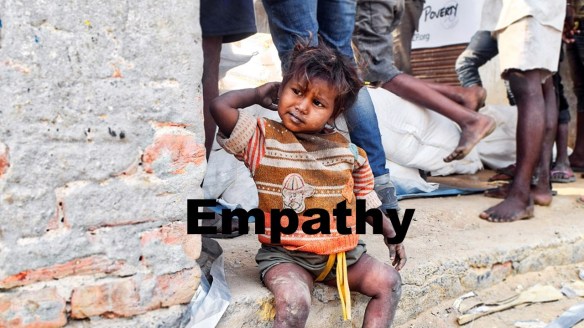
Empathy.

Sunday Inspiration.     Post by David Joel Miller.

Empathy.

Empathy.
Photo courtesy of Pixabay.com

Empathy.

“Self-absorption in all its forms kills empathy, let alone compassion. When we focus on ourselves, our world contracts as our problems and preoccupations loom large. But when we focus on others, our world expands. Our own problems drift to the periphery of the mind and so seem smaller, and we increase our capacity for connection – or compassionate action.”

― Daniel Goleman, Social Intelligence: The New Science of Human Relationships

“Whenever you are about to find fault with someone, ask yourself the following question: What fault of mine most nearly resembles the one I am about to criticize?”

― Marcus Aurelius, Meditations

“When people talk, listen completely. Most people never listen.”

― Ernest Hemingway

Wanted to share some inspirational quotes with you.  Today seemed like a good time to do this. If any of these quotes strike a chord with you, please share them.

Look at these related posts for more on this topic and other feelings.

Emotions and Feelings.

Inspiration

Why do you worry?

By David Joel Miller, MS, Licensed Therapist & Licensed Counselor.

Man worrying,

Some things you do not need to worry about.
Photo courtesy of Pixabay.com

Excess worry damages your mental health.

Many people know that worry and rumination can damage their mental health. Those same people may hold contradictory beliefs that they must worry in order to prevent bad things from happening.

People who hold both positive and negative beliefs about worry are likely to be higher in anxiety, experience more depression, and have impaired physical as well as mental health.

Positive beliefs about worry encourage worrying.

People who are high in worry often have firm beliefs about the positive consequences of worrying. The way you think about worrying plays a role in creating and maintaining that worry. It’s hard to give up worrying, no matter how painful it is, if you have positive beliefs about the benefits of worrying. If you worry a lot, examine your beliefs about worry. You may be expecting worry to play a role in life; it’s not able to fill.

People who worry a lot believe Worry will keep them safe.

People who worry a lot often have a belief that worrying will make possible future negative events less likely to happen or will prevent those bad results from happening altogether. People who worry a lot expect that worry will reduce the consequences should a bad event happen.

Some worriers believe that worry motivates them.

Humans tend to be loss-averse. Most people will work a lot harder to avoid losing something they have than they will work to get an item of equal value. If you worry about flooding, you may buy flood insurance.

When they are unhappy with their current job, a worrier is likely to put more effort into avoiding the loss of the current job then they will put into securing a new better job.

People who frequently worry may believe worry helps analytic thinking.

At the beginning of a project, most people see only probable success. Worriers have the belief that by worrying about what could go wrong, they will spot possible dangers.

Frequent worriers believe that they need to control their thoughts.

People who are high in worry often believe that their brains will think dangerous thoughts. Sometimes they confuse the difference between thinking about something and causing it to happen.

Worriers are intolerant of uncertainty.

People who have difficulty accepting that some things are out of their control are at increased risk of developing excessive, pathological worry. People who are high in worry and anxiety believe they are responsible for controlling outcomes. Not being able to predict what will happen, coupled with the belief that with enough thought and effort, you should be able to control the results, can result in debilitating worry and anxiety.

Worriers use the “as many as I can” worry stop rule.

These are the people who plan to focus on all possible issues. Worriers attempt to anticipate everything that could go wrong. Because of their efforts to anticipate every possible negative outcome, worriers spend a lot of time focused on low probability events and often are unprepared for the things that do occur. People who are low in worry use the “good enough worrying” rule. They worry only about a few high-probability outcomes.

Worriers believe they must have cognitive confidence.

People who worry a lot value high levels of confidence. They’re uncomfortable with uncertainty. Many life events contain large amounts of uncertainty. Worriers try to reduce that uncertainty by turning the possibilities over and over, looking for other things that could go wrong.

People who worry a lot tell themselves that worry is uncontrollable.

The focus of worry is on preventing negative feelings and consequences rather than on preventing worry. If you believe worry is uncontrollable, then it is something you are required to do. Believing worry is uncontrollable, but that you are responsible for controlling what happens, leads to superstitious beliefs and may result in repetitive obsessive-compulsive disorder behaviors.

High levels of negative feelings create worry.

Feelings of pessimism, personal inadequacy or incompetence, and personal despair and hopelessness make it more likely they will worry. People who are sad or depressed are likely to worry more.

Worry can be used to avoid facing unpleasant life events.

When you worry, you can stay focused on what might happen, and you don’t have to think about what is taking place in your life today. Studies have demonstrated that people use worry as a way of avoiding unpleasant situations and feelings. By staying “up in your head” in worry, you can block the part of the nervous system that processes feelings.

If you worry a lot, now might be a good time to challenge some of the beliefs you have about worry.

David Joel Miller, MS, is a Licensed Marriage and Family Therapist (LMFT) and a Licensed Professional Clinical Counselor (LPCC)  Mr. Miller provides supervision for beginning counselors and therapists and teaches at the local college in the Substance Abuse Counseling program.

Recommended Mental Health Books

David Miller at counselorssoapbox.com is an Amazon Affiliate and may receive a small Commission if you purchase a book or product using the link on this page. Using the link will not increase the cost to you.

Staying connected with David Joel Miller

Seven David Joel Miller Books are available now!

My newest book is now available. It was my opportunity to try on a new genre. I’ve been working on this book for several years, but now seems like the right time to publish it.

Story Bureau.

Story Bureau is a thrilling Dystopian Post-Apocalyptic adventure in the Surviving the Apocalypse series.

Baldwin struggles to survive life in a post-apocalyptic world where the government controls everything.

As society collapses and his family gets plunged into poverty, Baldwin takes a job in the capital city, working for a government agency called the Story Bureau. He discovers the Story Bureau is not a benign news outlet but a sinister government plot to manipulate society.

Bumps on the Road of Life. Whether you struggle with anxiety, depression, low motivation, or addiction, you can recover. Bumps on the Road of Life is the story of how people get off track and how to get their lives out of the ditch.

Dark Family Secrets: Doris wants to get her life back, but small-town prejudice could shatter her dreams.

Casino Robbery Arthur Mitchell escapes the trauma of watching his girlfriend die. But the killers know he’s a witness and want him dead.

Planned Accidents  The second Arthur Mitchell and Plutus mystery.

Letters from the Dead: The third in the Arthur Mitchell mystery series.

What would you do if you found a letter to a detective describing a crime and you knew the writer and detective were dead, and you could be next?

Sasquatch. Three things about us, you should know. One, we have seen the past. Two, we’re trapped there. Three, I don’t know if we’ll ever get back to our own time.

For these and my upcoming books, please visit my Author Page – David Joel Miller

Want the latest blog posts as they publish? Subscribe to this blog.

For videos, see: Counselorssoapbox YouTube Video Channel

Bliss.

Sunday Inspiration.     Post by David Joel Miller.

Sunday Inspiration

Bliss.
Photo courtesy of Pixabay.com

Bliss.

“To be happy–one must find one’s bliss”

― Gloria Vanderbilt

“The highest form of bliss is living with a certain degree of folly.”

― Erasmus

“If you do follow your bliss you put yourself on a kind of track that has been there all the while, waiting for you, and the life that you ought to be living is the one you are living.”

― Joseph Campbell

Wanted to share some inspirational quotes with you.  Today seemed like a good time to do this. If any of these quotes strike a chord with you, please share them.

Look at these related posts for more on this topic and other feelings.

Emotions and Feelings.

Inspiration

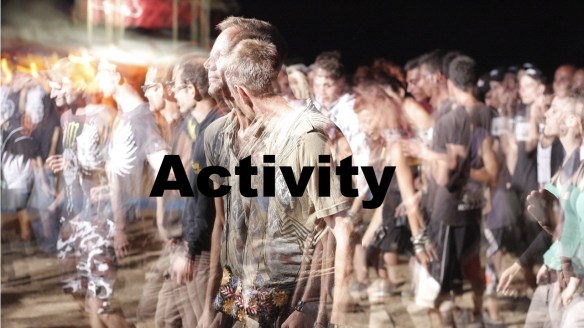
Activity.

Sunday Inspiration.     Post by David Joel Miller.

Activity.

Activity.
Photo courtesy of Pixabay.com

Activity.

“Happiness is a state of activity.”

― Aristotle

“It is more important to know where you are going than to get there quickly. Do not mistake activity for achievement.”

― Isocrates

“Many of us feel alone and assaulted by the meaninglessness of what we are doing. But, at such times, we are doing; the problem is not a lack of activity with a point, but rather questions about the point of the activity.”

― Carolyn G. Heilbrun, The Last Gift of Time: Life Beyond Sixty

Wanted to share some inspirational quotes with you.  Today seemed like a good time to do this. If any of these quotes strike a chord with you, please share them.

Look at these related posts for more on this topic and other feelings.

Emotions and Feelings.

Inspiration

Enthusiasm.

Sunday Inspiration.     Post by David Joel Miller.

Enthusiasm.

Enthusiasm.
Photo courtesy of Pixabay.com

Enthusiasm.

“It’s faith in something and enthusiasm for something that makes a life worth living.”

― Oliver Wendell Holmes Sr.

“Enthusiasm spells the difference between mediocrity and accomplishment.”

― Norman Vincent Peale

“Today is life – the only life you are sure of. Make the most of today. Get interested in something. Shake yourself awake. Develop a hobby. Let the winds of enthusiasm sweep through you. Live today with gusto”

― Dale Carnegie

Wanted to share some inspirational quotes with you.  Today seemed like a good time to do this. If any of these quotes strike a chord with you, please share them.

Look at these related posts for more on this topic and other feelings.

Emotions and Feelings.

Inspiration