Sunlight.

Sunday Inspiration.     Post by David Joel Miller.

Sunlight.

walking in the sunlight.

Sunlight

Do not anticipate trouble, or worry about what may never happen. Keep in the sunlight.

Benjamin Franklin

“Stop seeking out the storms and enjoy more fully the sunlight.”

Gordon B. Hinckley

“Birds sing after a storm; why shouldn’t people feel as free to delight in whatever sunlight remains to them?”

Rose Fitzgerald Kennedy

Wanted to share some inspirational quotes with you.  Today seemed like a good time to do this. If any of these quotes strike a chord with you, please share them.

Photo courtesy of Pixabay.com

What is empathy?

By David Joel Miller, MS, Licensed Therapist & Licensed Counselor.

What is

What is empathy?
Photo courtesy of Pixabay.

Why is empathy in short supply?

Empathy is a vital ingredient in modern life.

Empathy is described variously as, understanding another’s feelings, the ability to

identify with and understand somebody else’s feelings or difficulties or the abilities to put yourself in the other’s position. It can have to do with both cognitive understanding and emotional experience.

Empathy is considered a fundamental skill for beginning counselors to have or to develop. I looked this word up in my 1898 Century Dictionary and Cyclopedia only to find – it’s not there!

The word empathy was introduced into the English language in the year 1908.  It came from a German word which had come into use extensively in the 1870s.  There was clearly a need for a word that more accurately expressed this concept.  Originally the word empathy was closely related to sympathy but went beyond the concept of feeling sorry for someone.  Empathy came to mean a ‘felt sense” or an understanding at a deeper level.

Today this word is often used to denote the ability to understand and experience what someone else is feeling.  To really feel empathy and you needed to not only understand what the person may be thinking but what they may be feeling.

In order to develop your understanding of the skill of empathy take a look at the list below of ways to tell if someone is truly empathetic.

Empathy is seeing life through someone else’s eyes.

Empathy is not simply saying I know what you mean or I understand what you are going through.  It is that true desire to actually be able to put yourself in the other person’s position and see what they’re seeing in the way they are seeing it.

Empathy is being genuinely curious about others.

People who are high in empathy are genuinely curious about other people’s lives and what it would be like to live life the way that person lives.

Empathy wants to understand not judge.

To have empathy you have to suspend judgment.  The people who are high in empathy make the effort to understand the other person, their life situations, and what they have gone through.  The goal of empathy is to experience what it would be like to be that other person.

Empathy values the other person’s experience.

Having empathy places a high value on other people and their experiences.  People from other backgrounds can have important contributions to make to our understanding of the world we live in.  An empathetic person does not look for ways to make the other person more like themselves.  They look for ways in which that other person’s thinking and behavior make sense, given their life experiences.

Empathy is a mirror that reflects what is inside us.

As you seek to practice empathy for others you are likely to discover that it says a lot about you.  Looking and listening to other people’s life experiences evokes emotions deep within ourselves.  Much of what we may be feeling about someone else reflects what we would be feeling in that situation.  Deep empathy moves beyond our own experience and attempts to experience things from the others point of view.

Empathy understands feelings as well as facts.

Empathy is about more than simply understand the facts and the situations of someone existence.  The highest form of empathy is to seek to understand how someone feels.  This goes beyond thief understand of facts of someone’s life, to how that person interprets those facts and the feelings those situations result in.

Have you developed your skills for experiencing empathy?

By David Joel Miller, MS, Licensed Therapist & Licensed Counselor.

Gift.

Sunday Inspiration.     Post by David Joel Miller.

Gift.

cat as gift.

Gift Cat.

“Every time you smile at someone, it is an action of love, a gift to that person, a beautiful thing.”

― Mother Teresa

“What greater gift than the love of a cat.”

― Charles Dickens

“Like so many Americans, she was trying to construct a life that made sense from things she found in gift shops.”

― Kurt Vonnegut, Slaughterhouse-Five

Wanted to share some inspirational quotes with you.  Today seemed like a good time to do this. If any of these quotes strike a chord with you, please share them.

Photo courtesy of Pixabay.com

Eight steps to clearer thinking.

By David Joel Miller, MS, Licensed Therapist & Licensed Counselor.

Become a more efficient thinker.

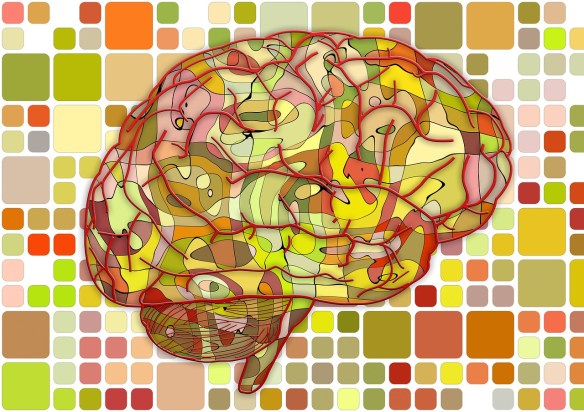
PNG of brain.

Clear thinking.
Photo courtesy of Pixabay.com

There are those people who are really clear, efficient thinkers.  Have you ever wished you were one of those efficient thinkers? There are ways that you can become a clearer more efficient thinker.  The skills needed to be an efficient thinker are not something people are born with.  Good thinking is a skill that you can develop. Start by getting your brain running at top efficiency.

Eat a healthy diet.

Your brain consumes a significant portion of the calories you use each day.  By some estimates, your brain uses 20 plus percent of the calories you burn each day.  To think well you need to fuel that brain.  Give your brain a healthy diet if you want to get good work out of it.  Not only do you need enough calories, but you need enough of all the basic nutrients.  Work on including healthy ingredients in your diet.

Get enough sleep.

Lack of sleep will make you a groggy, fuzzy-headed thinker.  Begin your day the night before by getting to bed at a reasonable hour.  Efficient thinkers have well-rested brains.  You can’t think at peak efficiency with a tired out brain.  During sleep, your brain is cleansed of all the waste products from the thinking work you do each day.

Do healthy exercise.

To be a clear thinker you need a healthy body.  Keeping your body healthy requires a good balance between exercise and rest.  Improve your thinking clarity by getting up from your desk and moving around.  Include some standing, walking, and other exercises in your daily routine.

Store information in multiple ways.

The brain stores information that comes in through different channels in different locations.  If you want to be a clear thinker you need to be able to find information stored in your brain.  One way to do that is to store it in multiple locations.  Listen carefully to what you hear.  Take the time to really look at things.  Writing things down helps you to store the memory in another part of your brain.  Some people find it useful to sing or convert things they want to remember into rhymes.

Become more mindful.

Mindfulness is a useful way to train your brain.  Mindfulness practice can help you learn to be less distracted and more focused on the thing that you are trying to concentrate on.  Mindfulness teaches you the skill of ignoring extraneous thoughts and staying on task with a really important thought.

Read to improve your thinking ability.

Reading expands your ability to think clearly.  We think in words and the more you read the more words you become familiar with.  Read widely and increase the number of ideas you are familiar with.

Excite your brain.

Do mentally stimulating things.  Seek out novelty.  An enthusiastic brain produces better results.  The majority of all learning is emotional, not intellectual.  If you are interested in a topic, if it excites your mind, this thought becomes easier to remember and make use of.

Match your speed to the project.

Some projects require slow methodical thinking.  Other tasks benefit from a more rapid, creative approach.  If you’re working on a very detailed problem in mathematics or engineering, you need to slow down your speed to avoid errors.  If you need more creative thoughts, keep the flow moving.  Some of the most creative ideas come from brainstorming where you come up with as many ideas as rapidly as possible without censoring them.

Hope these ideas will help you improve that clarity of your thinking.

Staying connected with David Joel Miller

Seven David Joel Miller Books are available now!

My newest book is now available. It was my opportunity to try on a new genre. I’ve been working on this book for several years, but now seem like the right time to publish it.

Story Bureau.

Story Bureau is a thrilling Dystopian Post-Apocalyptic adventure in the Surviving the Apocalypse series.

Baldwin struggles to survive life in a post-apocalyptic world where the government controls everything.

As society collapses and his family gets plunged into poverty, Baldwin takes a job in the capital city, working for a government agency called the Story Bureau. He discovers the Story Bureau is not a benign news outlet but a sinister government plot to manipulate society.

Bumps on the Road of Life. Whether you struggle with anxiety, depression, low motivation, or addiction, you can recover. Bumps on the Road of Life is the story of how people get off track and how to get your life out of the ditch.

Dark Family Secrets: Doris wants to get her life back, but small-town prejudice could shatter her dreams.

Casino Robbery Arthur Mitchell escapes the trauma of watching his girlfriend die. But the killers know he’s a witness and want him dead.

Planned Accidents  The second Arthur Mitchell and Plutus mystery.

Letters from the Dead: The third in the Arthur Mitchell mystery series.

What would you do if you found a letter to a detective describing a crime and you knew the writer and detective were dead, and you could be next?

Sasquatch. Three things about us, you should know. One, we have seen the past. Two, we’re trapped there. Three, I don’t know if we’ll ever get back to our own time.

For these and my upcoming books; please visit my Author Page – David Joel Miller

Want the latest blog posts as they publish? Subscribe to this blog.

For videos, see: Counselorssoapbox YouTube Video Channel

Gratitude.

Sunday Inspiration.     Post by David Joel Miller.

Gratitude.

grateful

Gratitude

“Piglet noticed that even though he had a Very Small Heart, it could hold a rather large amount of Gratitude.”

― A.A. Milne, Winnie-the-Pooh

“Cultivate the habit of being grateful for every good thing that comes to you, and to give thanks continuously. And because all things have contributed to your advancement, you should include all things in your gratitude.”

― Ralph Waldo Emerson

“Do not spoil what you have by desiring what you have not; remember that what you now have was once among the things you only hoped for.”

― Epicurus

Wanted to share some inspirational quotes with you.  Today seemed like a good time to do this. If any of these quotes strike a chord with you, please share them.

Photo courtesy of Pixabay.com

How to become more positive.

By David Joel Miller, MS, Licensed Therapist & Licensed Counselor.

Happy man

Happiness tip – be positive.
Photo courtesy of Pixabay.com

Want a more positive life, try these happiness tips.

Positive people are a lot happier and more productive than people who see everything in a negative light.  Pessimistic people like to say they’re just being realistic. It is possible to be very positive and still see life in a realistic manner.  Being positive also has the side benefit of making you more fun to be around.  Take a look at some of these positivity tips and see if applying them to your life would be beneficial.

1. Be kind to yourself to become more positive.

Cruelty makes the world an awful place.  Being cruel to yourself is a very unhelpful practice.  Begin your efforts to be more positive by being kind to yourself.  As you began to treat yourself better it will become easier and easier to treat others well.  Kindness is a close cousin to positivity.

2. Use positive affirmations to multiply your positivity.

The things you say to yourself, about you, have a habit of coming true.  Adopt the practice of using positive affirmations.  Each day, tell yourself something positive about you.  Find positive sayings that will motivate you to do your best.  Make sure these positive affirmations are things you really believe are possible.  Positive affirmations can do a lot to motivate you.

3. Giving yourself credit for things well done builds a more positive outlook.

Make sure that you recognize the things that you do well.  Believing in yourself and accepting credit where credit is due are parts of becoming more positive.  Are you one of those people who find it hard to accept a compliment?  There’s nothing wrong with accepting praise and compliments when they are deserved.  Becoming willing to recognize when you’ve done something well is one of the steps along the path to a more positive life.

4. Develop a positive support system.

The more you hang out with people, the more you begin to adopt their habits and attitudes.  To be one of the positive people make sure that you hang out with other positive people.  Work on enlarging your support system.  Surround yourself with people who will support you in being more positive.

5. Take responsibility for your life.

There may be many things in your life over which you have no control.  Two things you do have control of are your attitude and your actions.  No one but you can truly make you happy.  While they may set situations in motion, situations better to your liking, you will choose whether to be happy or to be disappointed with what they have done for you.  The happy, positive life is a matter of personal responsibility.

6.  Please yourself first for a more positive life.

No matter how hard you try there are some people you will never be able to please.  Work on doing the things that will please you.  If you don’t please yourself no amount of doing and pleasing others will make you happy.  Being positive enlarges your happiness.

7. Get clear on your yes’s and no’s.

Do the thing you want to do. Say no to the things you don’t wish to do.  Get clear on which is which.  Positive people stay positive by eliminating that negative and those no’s from their life.  Spend your time on the things you really want to accomplish for a more positive life.

8. Focus on the lesson you learned not what you did wrong.

Don’t make the mistake of focusing all your attention on your errors.  Part of the process of learning is making mistakes.  It is OK to be less than perfect.  What you do need to do is make sure that you learn from the mistakes as you make them.  Positive people believe that mistakes are them learning another way that won’t work.

9. Plan, not ruminate, to be more productive.

Don’t spend a lot of time going and over and over things that happened in the past.  Avoid a lot of time worrying about things that might happen in the future.  Keep your focus on the present moment and on planning for what you are going to do.

Staying connected with David Joel Miller

Seven David Joel Miller Books are available now!

My newest book is now available. It was my opportunity to try on a new genre. I’ve been working on this book for several years, but now seem like the right time to publish it.

Story Bureau.

Story Bureau is a thrilling Dystopian Post-Apocalyptic adventure in the Surviving the Apocalypse series.

Baldwin struggles to survive life in a post-apocalyptic world where the government controls everything.

As society collapses and his family gets plunged into poverty, Baldwin takes a job in the capital city, working for a government agency called the Story Bureau. He discovers the Story Bureau is not a benign news outlet but a sinister government plot to manipulate society.

Bumps on the Road of Life. Whether you struggle with anxiety, depression, low motivation, or addiction, you can recover. Bumps on the Road of Life is the story of how people get off track and how to get your life out of the ditch.

Dark Family Secrets: Doris wants to get her life back, but small-town prejudice could shatter her dreams.

Casino Robbery Arthur Mitchell escapes the trauma of watching his girlfriend die. But the killers know he’s a witness and want him dead.

Planned Accidents  The second Arthur Mitchell and Plutus mystery.

Letters from the Dead: The third in the Arthur Mitchell mystery series.

What would you do if you found a letter to a detective describing a crime and you knew the writer and detective were dead, and you could be next?

Sasquatch. Three things about us, you should know. One, we have seen the past. Two, we’re trapped there. Three, I don’t know if we’ll ever get back to our own time.

For these and my upcoming books; please visit my Author Page – David Joel Miller

Want the latest blog posts as they publish? Subscribe to this blog.

For videos, see: Counselorssoapbox YouTube Video Channel

Sharing.

Sunday Inspiration.     Post by David Joel Miller.

Sharing.

Sharing food.

Sharing.

“You have not lived today until you have done something for someone who can never repay you.”

― John Bunyan

“A bone to the dog is not charity. Charity is the bone shared with the dog, when you are just as hungry as the dog.”

― Jack London

“I care not for a man’s religion whose dog and cat are not the better for it.”

― Abraham Lincoln

Wanted to share some inspirational quotes with you.  Today seemed like a good time to do this. If any of these quotes strike a chord with you, please share them.

Photo courtesy of Pixabay.com

Recommended Mental Health Books

David Miller at counselorssoapbox.com is an Amazon Affiliate and may receive a small Commission if you purchase a book or product using the link on this page. Using the link will not increase the cost to you.

Life lessons you need to learn.

By David Joel Miller, MS, Licensed Therapist & Licensed Counselor.

Learning lifes lessons

Life lessons you need to learn.
Photo courtesy of Pixabay.com

What life lessons do you need to learn?

You probably went to school for a while or you wouldn’t be reading this. You learned your alphabet, reading, and some math. Maybe a little history, very little history if you are typical. What most of us missed out on were the lessons about the required emotional skills. How you get through this life in one piece.

By life lessons, I am not necessarily talking about how to cook a meal or wash some clothes, though those are useful skills. What I am talking about is how to go about really “living” this thing we call a life. What do you do to create a happy life out of the raw material that will be thrown at you?

Below are some of the life lessons you may not have gotten enough training in. There are things counselors work on with their clients all the time. If you see any of these life lessons you feel you need to work on, consider some therapy or a good book on self-improvement that covers the part you still need to learn.

Stress reduction will keep you from stressing out.

Life is stressful. There is good stress and bad stress. Much of this thing we call stress is the result of our anticipating what will happen, not the actual happening. In another post about stress, I wrote about how people who are going through a really difficult time can be less stressed out than those who are afraid they will have to have that experience.  Accept that stress is a required part of living.  Learn to reduce the impact of that stress on your life.

Emotional Regulation is a skill that will keep you out of trouble.

It comes as a surprise to many people that they can regulate their emotions.  Most of us started out having feelings and then either getting in trouble for those feelings or being told we shouldn’t feel the way we were feeling.  Turns out that learning to regulate your emotions is an important life skill.

Many people end up having to take anger management classes where they learned that it is not other people who are “making them angry” but it is the way they view the situation that creates their anger.  Anger is not the only emotion you need to learn to regulate.  You will feel sadness and emotional pain. People who are good and regulating these emotions feel them but don’t get carried away.

Interpersonal communication is a make or break life skill.

Interpersonal communication is a skill that many people need to work on.  Some people get this skill wrong and develop the belief that interpersonal communication means learning how to tell other people things.  The biggest part of interpersonal communication consists of learning how to accurately listen to others.  When you get a clear picture of what other people are saying you will discover that there are far fewer things you need to argue with.

Developing a support system isn’t always an easy skill to develop.

Having the support of people in your life makes life a whole lot easier.  For most people, friends were something that just happened.  In the early school grades, anyone that you spend time with could easily become your friend.  As we get older it becomes harder and harder to make real lasting friends.

When you are too close to things you miss the big picture.

One important life skill that an adult may still need to develop is the ability to look at things from different perspectives.  Often when people are caught up in the moment things look a very set way.  Learning to step back and analyze situations from other perspectives can help you solve life’s problems.

You can’t be objective about you.

People often work with coaches. counselors and therapists, because they can’t see their own behavior.  Even when it’s painful, it can be really helpful to have someone who will give you an honest version of what they see about you and your behavior.

Encouragement helps you change.

To really grow and progress people need positive reinforcement.  Many people grew up experiencing mostly negative feedback.  The belief in the past was that in order to get people to do better it was necessary to point out every single one of their flaws.  We’ve since learned that if you never hear anything positive it is easy to become discouraged and give up trying.

You need to learn being real can be scary.

Really young kids find it easy to be real.  Young people find it easy to spot people who are being fake.  As we get older, more and more we are likely to hide our real selves.  Often it’s easier to present a false image to others in the hope of being liked.  People who are able to be real have to take risks.  While being real involves taking some scary risks it also results in people being a lot happier.

Are any of these life lessons that you still need to learn?

Staying connected with David Joel Miller

Seven David Joel Miller Books are available now!

My newest book is now available. It was my opportunity to try on a new genre. I’ve been working on this book for several years, but now seem like the right time to publish it.

Story Bureau.

Story Bureau is a thrilling Dystopian Post-Apocalyptic adventure in the Surviving the Apocalypse series.

Baldwin struggles to survive life in a post-apocalyptic world where the government controls everything.

As society collapses and his family gets plunged into poverty, Baldwin takes a job in the capital city, working for a government agency called the Story Bureau. He discovers the Story Bureau is not a benign news outlet but a sinister government plot to manipulate society.

Bumps on the Road of Life. Whether you struggle with anxiety, depression, low motivation, or addiction, you can recover. Bumps on the Road of Life is the story of how people get off track and how to get your life out of the ditch.

Dark Family Secrets: Doris wants to get her life back, but small-town prejudice could shatter her dreams.

Casino Robbery Arthur Mitchell escapes the trauma of watching his girlfriend die. But the killers know he’s a witness and want him dead.

Planned Accidents  The second Arthur Mitchell and Plutus mystery.

Letters from the Dead: The third in the Arthur Mitchell mystery series.

What would you do if you found a letter to a detective describing a crime and you knew the writer and detective were dead, and you could be next?

Sasquatch. Three things about us, you should know. One, we have seen the past. Two, we’re trapped there. Three, I don’t know if we’ll ever get back to our own time.

For these and my upcoming books; please visit my Author Page – David Joel Miller

Want the latest blog posts as they publish? Subscribe to this blog.

For videos, see: Counselorssoapbox YouTube Video Channel

Ambition.

Sunday Inspiration.     Post by David Joel Miller.

Ambition.

Ambition sign.

Ambition.

“I would rather be a little nobody, then to be an evil somebody.”

― Abraham Lincoln

“When I was young, my ambition was to be one of the people who made a difference in this world. My hope is to leave the world a little better for having been there.”

― Jim Henson

“Focusing your life solely on making a buck shows a poverty of ambition. It asks too little of yourself. And it will leave you unfulfilled.”

― Barack Obama

Wanted to share some inspirational quotes with you.  Today seemed like a good time to do this. If any of these quotes strike a chord with you, please share them.

Photo courtesy of Pixabay.com

Get more done.

By David Joel Miller, MS, Licensed Therapist & Licensed Counselor.

Garden in a boat.

Get More Done.
Photo courtesy of Pixabay.com

Ways to be more productive.

Would you like to get more done?

Do you feel like you are having difficulty being productive?

Here are some simple tips to improve your productivity and help you get more done each and every day. Try introducing some of these ideas, one by one, and see if your productivity doesn’t increase.

Maintain a healthy blood sugar – energy level.

Your brain burns a lot of calories.  By some estimates up to 25% of all the calories, you will use every day are burned into your brain. Not having enough fuel onboard reduces your ability to do work. Lack of blood sugar results in fuzzy-headed thinking.

Kids who skip breakfast do more poorly in school.  Adults who don’t eat something early will find that they will suffer.  Start your day off with a healthy breakfast.  Being productive requires energy for both your brain and your body.

Get enough sleep.

Most people become chronically sleep-deprived.  You may be able to get by on reduced sleep for a single night, or even a couple of nights.  But if you continue to work with less than enough sleep, your productivity will decline.  Chronically cutting your sleep short is not a way to improve your productivity.

Eat healthily.

Getting things done requires maintaining your body.  It is not enough to simply take in calories.  Those calories need to include nutrients necessary to maintain health.  Many people’s diets are high in sugar, fat, and low nutrient ingredients.

Get exercise. Move around.

Make sure you get plenty of exercise.  Take frequent breaks.  Get up and move around.  Staying in one position too long can wear you out.  Today more and more people work at desk jobs, working with papers, computers, and ideas.  The result of this inactivity is a body that can’t support the brain that is doing so much of your work.

Eliminate what distracts you.

Distractions are the chief enemy of productivity.  Try to eliminate the distractions in your environment.  Close unneeded Internet windows.  If possible, use music or white noise to eliminate the distraction of conversations or other noises in your environment.  Cut down on the need to attend to things other than your main task at hand.

Practice focusing.

Focusing, paying attention, is a skill that needs to be practiced.  Young children rarely have good attention skills.  The way those attention paying skills develop is by practice.  Work on improving your ability to pay attention.  Notice when your mind is wandering and quickly bring it back to the thing you need to attend to.

Pursue your passions. What interests you?

The majority of all learning is emotional, not intellectual.  You learn things that interest you.  Pursue your passions.  Think about the things that interest you and incorporate those into your work. Think about learning a new skill, something that might excite you.

Take breaks. Chunk work.

Productivity declines the longer you stay on a given task.  Break time-consuming projects up into smaller chunks.  Take short breaks between each chunk. Early in the day, you’re likely to be able to do longer periods of work on a particular project.  As the day progresses you may need to take more frequent breaks or switch to other tasks.

Recharge your batteries. What fills you up mentally?

Productive people invest some time in recharging their batteries. Use your time off, your breaks, and lunch to do good self-care. Read something for fun, listen to your favorite music, make time to talk to friends and coworkers.

For the big projects, plan, prioritize, and break up.

Some projects can be overwhelming.  Starting off not knowing where you’re going can result in poor productivity.  For large projects start by developing a plan.  What will need to be done first, second, and so on?  Break large elements down into smaller pieces.  It helps to estimate how much time each part will take.  Pay attention to things you need to complete before you can start the next phase.

Have a clear picture of the desired outcome.

A lot of effort can be wasted when you are not sure what you are trying to accomplish.  Write out some goals for the project you are working on.  It helps to run these goals by your boss or your customer.  You have not accomplished much if you created something that doesn’t meet another’s needs.  You will work a lot more efficiently if you have a clear definition of what you are trying to accomplish.

Get the help you need.

Rather than trying to do everything yourself, identify those things where you could use others expert help.  Few people are skilled at everything.  It is a lot more efficient to get help from people who have expertise in areas where you are less skilled.

Try these tips for improved productivity.

Staying connected with David Joel Miller

Seven David Joel Miller Books are available now!

My newest book is now available. It was my opportunity to try on a new genre. I’ve been working on this book for several years, but now seem like the right time to publish it.

Story Bureau.

Story Bureau is a thrilling Dystopian Post-Apocalyptic adventure in the Surviving the Apocalypse series.

Baldwin struggles to survive life in a post-apocalyptic world where the government controls everything.

As society collapses and his family gets plunged into poverty, Baldwin takes a job in the capital city, working for a government agency called the Story Bureau. He discovers the Story Bureau is not a benign news outlet but a sinister government plot to manipulate society.

Bumps on the Road of Life. Whether you struggle with anxiety, depression, low motivation, or addiction, you can recover. Bumps on the Road of Life is the story of how people get off track and how to get your life out of the ditch.

Dark Family Secrets: Doris wants to get her life back, but small-town prejudice could shatter her dreams.

Casino Robbery Arthur Mitchell escapes the trauma of watching his girlfriend die. But the killers know he’s a witness and want him dead.

Planned Accidents  The second Arthur Mitchell and Plutus mystery.

Letters from the Dead: The third in the Arthur Mitchell mystery series.

What would you do if you found a letter to a detective describing a crime and you knew the writer and detective were dead, and you could be next?

Sasquatch. Three things about us, you should know. One, we have seen the past. Two, we’re trapped there. Three, I don’t know if we’ll ever get back to our own time.

For these and my upcoming books; please visit my Author Page – David Joel Miller

Want the latest blog posts as they publish? Subscribe to this blog.

For videos, see: Counselorssoapbox YouTube Video Channel