
12 ways you are self-sabotaging.

By David Joel Miller, MS, Licensed Therapist & Licensed Counselor.
Comment

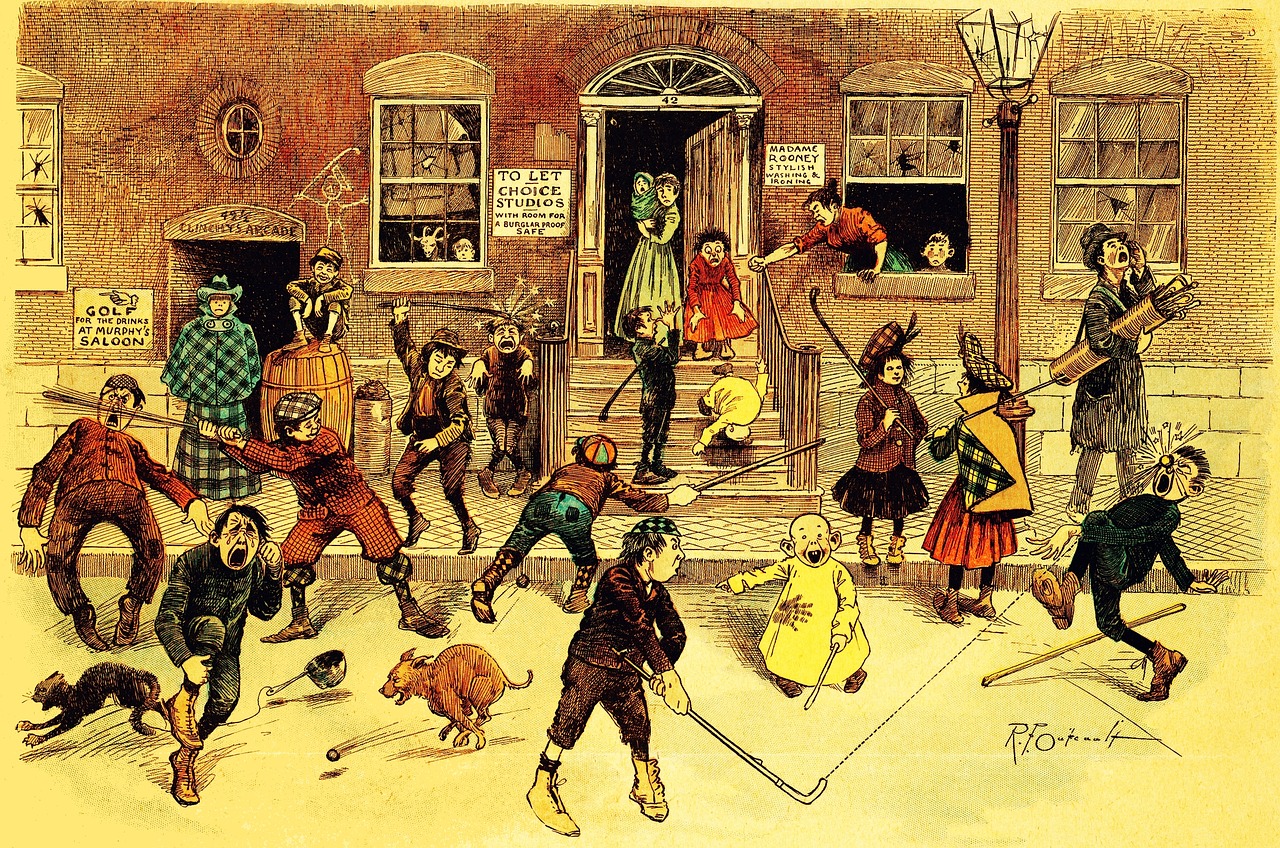
Bad neighborhood.
Photo courtesy of Pixabay.com

How many of these self-sabotaging things do you do?

1. Hold onto the past.

Most people know they have baggage, resentments left over from the past. You can choose to hold onto those resentments as a justification for your failures or you can decide to toss those bags, unpack that baggage and lighten your load. You can’t change the past but you can stop letting it dictate the future. Put those old hurts in the coffin and bury them.

2. Unfinished business.

You should have been something, you were supposed to get something but it never happened. You can stay hung up on those failures or you can finish off that leftover business. Didn’t get to finish that schooling you wanted, go back no matter what the age and finish up. That or decide that even if you had that education you never finished it would not be helping you today.

Those first loves that got away, those were fairy tales. Those people who bullied you or rejected you are long gone. Resolve what you can and let the rest go. Continuing to brood over the unfinished business of the past keeps you from living the life of today.

3. Lie to yourself.

Do you have lies you tell yourself so often that you have started to believe them? You have to do this and you can’t do that. If you tell yourself so you make it true. You can make up excuses for your setbacks and failures that only you believe. Blaming others for your troubles may feel good now but it does not change anything. Blaming others keeps you stuck. Take responsibility for what you can do and move forward.

Of all the people you need to get honest with, getting honest with yourself is the most important one.

4. Wreckage – Clean up your messes.

If you have wreckage get it cleaned up. People often have unpaid fines or tickets. Bills that are still due and relationships that ended in disaster. Whenever possible clean up that wreckage. Do what you can to get those old debts, financial, and emotional cleaned up so that you do not have to continue to pay on them well into your recovered life.

5. Hold on to harmful and hurtful people.

Are there people in your life that are harmful or hurtful but you just can’t seem to give them up? Just because they were there when you were down, does not mean you need to stay down with them. True friends will want to see you succeed. If you have to hold yourself back and be less than the person you were meant to be because of someone in your life these are not healthy relationships and they are not true friends.

6. Try to be perfect.

Perfectionism is the enemy of getting things done. You can tell yourself you never will be perfect and that excuses not trying at all. You miss out on all the things you never try. Students find that the pursuit of all A’s may keep them from graduating. If you insist on being perfect or not doing things at all you will keep quitting things that could have benefited you.

Do your best and call that good enough.

7. Doing nothing.

Doing nothing is a sure way to fail. Trying to be perfect is one way of alibiing your lack of effort. There are lots of other ways you can talk yourself out of ever trying.

The process of building a happy life begins with those first small steps. Get moving and the momentum will build.

8. Looking for happiness in all the wrong places – drugs – sex.

In the beginning, these crutches seem like ways to get by. You use drugs, alcohol, or other addictions to try to be enough. Eventually, those addictions become all you can be. Do not get fooled by an illusion that more of an addiction will cure the emptiness inside.

9. Thinking money will buy happiness.

Money buys things. Having some things is better than having nothing. Things alone will never make you happy. Too many things will bury you. Make sure that in your pursuit of money you do not leave family, friends, and your true self behind.

10. Beat yourself up.

There is no evidence, that I have seen, that beating yourself up makes you try harder. Love yourself and do your best. Be kind to yourself. Find the good in you and in others. Constantly reliving your failures keeps you stuck in failure.

11. Thinking you can control everything – worrying about things outside your control.

Most things in life are out of your control. You can’t make it rain. We have little control of the weather, who will get sick, and a host of other things. Rather than fussing and worrying about things that are far beyond your control put your efforts into the things that you may be able to influence, that will mostly be your actions and your attitude. Catch your children and yourself doing things right and give yourself credit for the things you do well.

12. Do not accept credit for things done well.

Is it hard to accept a compliment? Do you find you can’t please yourself? Learn to give yourself credit for things well done. Be ready to give and receive compliments.

Compliments are an antidote for that feeling of failure that can creep in when all you ever hear and think is the things that you have been able to do in a less than perfect way.

How many of these 12 self-sabotaging practices do you use? Creating that happy recovered life may be largely a matter of discontinuing these self-defeating behaviors.

Staying connected with David Joel Miller

Seven David Joel Miller Books are available now!

My newest book is now available. It was my opportunity to try on a new genre. I’ve been working on this book for several years, but now seem like the right time to publish it.

Story Bureau.

Story Bureau is a thrilling Dystopian Post-Apocalyptic adventure in the Surviving the Apocalypse series.

Baldwin struggles to survive life in a post-apocalyptic world where the government controls everything.

As society collapses and his family gets plunged into poverty, Baldwin takes a job in the capital city, working for a government agency called the Story Bureau. He discovers the Story Bureau is not a benign news outlet but a sinister government plot to manipulate society.

Bumps on the Road of Life. Whether you struggle with anxiety, depression, low motivation, or addiction, you can recover. Bumps on the Road of Life is the story of how people get off track and how to get your life out of the ditch.

Dark Family Secrets: Doris wants to get her life back, but small-town prejudice could shatter her dreams.

Casino Robbery Arthur Mitchell escapes the trauma of watching his girlfriend die. But the killers know he’s a witness and want him dead.

Planned Accidents  The second Arthur Mitchell and Plutus mystery.

Letters from the Dead: The third in the Arthur Mitchell mystery series.

What would you do if you found a letter to a detective describing a crime and you knew the writer and detective were dead, and you could be next?

Sasquatch. Three things about us, you should know. One, we have seen the past. Two, we’re trapped there. Three, I don’t know if we’ll ever get back to our own time.

For these and my upcoming books; please visit my Author Page – David Joel Miller

Want the latest blog posts as they publish? Subscribe to this blog.

For videos, see: Counselorssoapbox YouTube Video Channel

Should therapist teach Mindfulness?

By David Joel Miller, MS, Licensed Therapist & Licensed Counselor.

Mindfulness and meditation.
Photo courtesy of Pixabay.com

Should you go to a therapist to learn mindfulness, meditation, yoga, or spirituality?

Some therapists and counselors incorporate the teaching of meditation, mindfulness, spirituality, and a whole host of other things into their practice. Clearly, there are times that these techniques can be helpful to clients. It is equally clear to me that you do not need to be a licensed therapist to teach a meditation class.

There are also times when some of these things can be harmful if done incorrectly. Meditation can be very bad for someone with PTSD or complex trauma if every time they try to close their eyes they have a panic attack. Another practice called grounding is recommended for those clients. (That topic needs another post.)

When we start mixing things up, professionals and clients need to be really clear about what is going on. Readers have asked some questions about this and I can see some professionals may be headed for problems.

What if I decide to teach a Wednesday night class in blogging? Can I sign up my therapy clients to come to this? Sure blogging can be a great way to express yourself and some of my clients might benefit from learning to write, but if I start mixing these two activities up we are headed for trouble.

Could a “Christian Counselor” teach a Bible study? Probably no reason why not. Except if they are doing their Bible study on Wednesday nights and competing with my blogging class this is not very therapeutic for either of us. (I picked Wednesday because I teach at the College on Tuesdays and Thursdays, not because of the traditional Wednesday night prayer meetings that some churches have.)

A counselor can have outside interests. We can and should do other activates. But when the lines between therapy and those other topics get blurry, there are lots of risks to clients. Maybe my Blogging class needs to be taught at the adult education school and the Bible study needs to take place in a church or someone’s home? Then the two roles are kept separate.

By the way, any therapist that tries to bill an insurance company for these other activates under the guise of them being “therapeutic” is probably headed for big trouble.

The role of the counselor or therapist is to help you get over, recover from, or reduce the symptoms of a particular emotional, mental, or behavioral problem. This role conflict becomes a problem when a therapist starts signing people up for a yoga class.

Yoga can be helpful in managing certain emotional problems. (My understanding of Yoga is that it is an exercise done slowly and purposefully while managing your breathing.) So yes any exercise may be helpful in treating depression. Working on your breathing can be helpful in reducing symptoms of anxiety and a therapist might spend a few minutes even a session teaching a client how to control their breathing to reduce anxiety. But when the therapist starts signing up clients for a weekly yoga class, they have crossed a line in my book.

Sure any therapist can have another interest. Say the therapist likes to play baseball and they start a Saturday baseball team. Is this therapy and should they be doing this with their therapy clients?

If I was working with a group of severely impaired people, those with no friends and no jobs, a weekly trip to the park to play baseball could be therapeutic. I could teach them how to take turns, follow the rules, and how to resolve differences. We could even do some work on social skills, picking a team captain, how to talk with each other, and so on.

But if the course of this baseball therapy included people with friends and jobs and we began to talk about baseball skills, bunting, and sliding into base, this is no longer a therapy group and we are becoming a baseball team. That is not a function that requires a therapist.

This example I hope is easy to see. There are not many times a sport is likely to be a part of traditional therapy. When therapists start talking about meditation, yoga, mindfulness and a host of spiritual and self-awareness techniques the lines get blurry.

My thinking is that there are times that I may use a particular technique briefly to help a client reduce or manage symptoms but if I stray into teaching them another topic I am no longer in my “scope of practice.”

So if your therapist avoids working on your past traumas or other current issues and wants to spend a lot of time on these other topics that are not specifically designed to reduce or control your mental health symptoms, think this through.

You may need to find another yoga teacher and then restrict your therapist to doing therapy. If they are uncomfortable with that, you need to talk with them about this, or eventuality you will need to change providers to get the help you need.

Having a therapist teach a meditation, mindfulness, or yoga class, can be another of those dual relationship issues that we therapists need to be careful about. If a therapist does do those activities there needs to be a clear connection to treating the client’s symptoms.

A therapist can use these techniques to help their client recover but they can’t use their client to support their other interests.

Staying connected with David Joel Miller

Seven David Joel Miller Books are available now!

My newest book is now available. It was my opportunity to try on a new genre. I’ve been working on this book for several years, but now seem like the right time to publish it.

Story Bureau.

Story Bureau is a thrilling Dystopian Post-Apocalyptic adventure in the Surviving the Apocalypse series.

Baldwin struggles to survive life in a post-apocalyptic world where the government controls everything.

As society collapses and his family gets plunged into poverty, Baldwin takes a job in the capital city, working for a government agency called the Story Bureau. He discovers the Story Bureau is not a benign news outlet but a sinister government plot to manipulate society.

Bumps on the Road of Life. Whether you struggle with anxiety, depression, low motivation, or addiction, you can recover. Bumps on the Road of Life is the story of how people get off track and how to get your life out of the ditch.

Dark Family Secrets: Doris wants to get her life back, but small-town prejudice could shatter her dreams.

Casino Robbery Arthur Mitchell escapes the trauma of watching his girlfriend die. But the killers know he’s a witness and want him dead.

Planned Accidents  The second Arthur Mitchell and Plutus mystery.

Letters from the Dead: The third in the Arthur Mitchell mystery series.

What would you do if you found a letter to a detective describing a crime and you knew the writer and detective were dead, and you could be next?

Sasquatch. Three things about us, you should know. One, we have seen the past. Two, we’re trapped there. Three, I don’t know if we’ll ever get back to our own time.

For these and my upcoming books; please visit my Author Page – David Joel Miller

Want the latest blog posts as they publish? Subscribe to this blog.

For videos, see: Counselorssoapbox YouTube Video Channel

Is your story a Fairytale or Nightmare?

By David Joel Miller, MS, Licensed Therapist & Licensed Counselor.

Castle in the sky

Fairytale world.
Photo courtesy of Pixabay.com

The stories you tell yourself come true.

We all tell ourselves stories. You may not think of them that way, you may have other names for them. You may think that what you are saying is just self-evident truths.  You are shy, clumsy stupid, and so on. You may say your family is cold or that you are all failures.

The things you tell yourself have a way of coming true. If you tell yourself often enough that you are stupid or that you can’t succeed you create that outcome.

Some people think of these stories as life scripts. If you tell yourself you are a loser, you will continue to lose to meet that requirement.

You tell yourself you are a certain kind of person and that means you will have a specific sort of life. You say you are unlucky and you avoid situations that involve risk. The result is that those great wins in life are always just out of reach.

Which kind of stories do you tell yourself?

If you tell yourself you can’t do something your brain will take that for an order and will prevent you from doing what you have forbidden yourself to do. Like that little engine if you tell yourself you can you will find it easier to get over the hill.

Many of you have pet stories you tell yourself. You tell yourself you are too stupid or too weak to do something and then you find you can’t do it which proves that you were right. The great surprise, for many of you, will come when you stop telling yourself that you are stupid and tell yourself that you can learn what you set out to do, and then that new story becomes true.

If you tell yourself that life is awful and that you can’t, then you won’t. If you can change that story and tell yourself that all things are possible, then more opportunities will open up.

Changing your life script story.

Some people have told themselves that they are addicts and so they need to use drugs. If you tell yourself that you are an alcoholic you will need to drink. But you can change that story. You can be an addict in recovery or an alcoholic in sobriety. You can tell yourself that you no longer need to do those things and if you tell yourself that you can live life without drugs or depression or anxiety, then that can become the new story, the new life script for you.

We all tell ourselves stories, who we are, what we can and can’t do. Make one mistake and you may tell yourself you are a failure. Forget something once and you may start telling yourself you are forgetful. The truth is that you do not forget everything and you can change that story.

The person who told you that story could easily be wrong.

Some of these life tales are stories that we were told as children. We hear that we are stupid and we repeat that story. If you heard these stories often enough you may have stopped recognizing that this is just a story, someone else’s story for your life.

If you have learned to tell those stories to yourself, you will find that you can change the endings. You can be and do so much more than you ever thought you could.

What is the new story, the new life script you are creating for the role you will play in your life?

Staying connected with David Joel Miller

Seven David Joel Miller Books are available now!

My newest book is now available. It was my opportunity to try on a new genre. I’ve been working on this book for several years, but now seem like the right time to publish it.

Story Bureau.

Story Bureau is a thrilling Dystopian Post-Apocalyptic adventure in the Surviving the Apocalypse series.

Baldwin struggles to survive life in a post-apocalyptic world where the government controls everything.

As society collapses and his family gets plunged into poverty, Baldwin takes a job in the capital city, working for a government agency called the Story Bureau. He discovers the Story Bureau is not a benign news outlet but a sinister government plot to manipulate society.

Bumps on the Road of Life. Whether you struggle with anxiety, depression, low motivation, or addiction, you can recover. Bumps on the Road of Life is the story of how people get off track and how to get your life out of the ditch.

Dark Family Secrets: Doris wants to get her life back, but small-town prejudice could shatter her dreams.

Casino Robbery Arthur Mitchell escapes the trauma of watching his girlfriend die. But the killers know he’s a witness and want him dead.

Planned Accidents  The second Arthur Mitchell and Plutus mystery.

Letters from the Dead: The third in the Arthur Mitchell mystery series.

What would you do if you found a letter to a detective describing a crime and you knew the writer and detective were dead, and you could be next?

Sasquatch. Three things about us, you should know. One, we have seen the past. Two, we’re trapped there. Three, I don’t know if we’ll ever get back to our own time.

For these and my upcoming books; please visit my Author Page – David Joel Miller

Want the latest blog posts as they publish? Subscribe to this blog.

For videos, see: Counselorssoapbox YouTube Video Channel

4 reasons your self-improvement program will fail

By David Joel Miller, MS, Licensed Therapist & Licensed Counselor.

Changing your life

Time for a life change?
Photo courtesy of Pixabay.com

Self-improvement programs fail when you set wrong goals.

Another year, another bunch of resolutions, and by now most are headed for the same old failures. The reason most self-change programs fail – wrong, fuzzy, and poorly defined goals.

Most resolutions are made with little or no thought about where you are going and how you will get there. If this new you is not worth the trouble to plan, then it probably will not be worth the effort to take action, and next year, long about this time, you will be in the same place you are now.

What are the specific things you need to think about if you want your plan to succeed?

1. What is your goal?

Set the wrong goal and you end up at the wrong destination or you don’t get anywhere at all. Fuzzy goals lead you around in circles.

A common form of resolution this time of year goes something like:

I want to lose weight, exercise more, get in shape, and improve my health.

Some of these goals may conflict. One easy way to lose lots of weight is to get sick, physically, or mentally. Worry enough or get really depressed and you may stop eating. Good for weight loss but not for getting healthy.

Exercising more may result in that fat being converted to muscle. You will be healthier but may not lose any weight.

Improving your health may involve seeing a doctor, getting your flu shot, and a lot of preventative screening tests. Hard to do when you are starving yourself and running marathons. Severe calorie restriction and aggressive exercise may result in a hospital say, not really what you had in mind when you set your goals.

Second goal problems example.

You decide you want to be wealthier. For most people, this means wanting to be able to afford to buy the things that you or your family wants. So you work harder, take a second job, save some money and then you buy your kids that new video game console they wanted.

One problem – now you are broke again and you are working more hours than before. When most people say they wish they were wealthier what they really mean is they would like to be able to spend more. The wealthier goal self-destructs the closer you get to it.

To build real wealth you need to scale back your consumption and save. That is exactly the opposite of what most people mean when they say they want to be wealthier.

Getting really clear on your goals can improve your chances that this year’s resolutions have some chance of succeeding.

2. How big a priority is this goal?

Many people set goals that sound all nice but they are not really committed to getting there. If you would like to lose weight or get richer, as long as you do not have to actually work for that goal, there is little chance of you arriving there.

To make achieving a goal a reality it needs to be something that you want more than you want other things. Do you want that goal enough to give up time on the couch? Will you forego spending or eating something to reach that goal?

Just how committed are you to this thing and what difference will it really make in your life if you get there?

3. Is the goal consistent with your values?

You value time with family, especially those family get together dinners. That time with family is pretty inconsistent with working more, spending less, and improving your finances. Those entertaining times are also inconsistent with losing weight.

Despite these inconsistencies, lots of people will say they want things mostly because they would like the praise of others for getting to this goal even when that goal is in direct conflict with their personal values.

4. Can you see clear benefits in reaching this goal?

Some things are kind of nice to have but really getting them will not change much in your life. Unless you can picture yourself reaching this goal and visualize how your life will be better off for having made the sacrifices needed to get there, you are not likely to be motivated to do the work.

So consider now, as the first month of 2014 is well underway, what happened to those New Year’s resolutions? Did you get clear on what you wanted and how that is influenced by your values? Can you see this goal becoming a reality? And most of all is this change thing something you are doing for you or is it something you think you should do because of what others will think about you?

Are you one of the rare ones who decide to make a change and then does the work to get there? Maybe we will check back in about a year and see who has made a success of their change plans.

Staying connected with David Joel Miller

Seven David Joel Miller Books are available now!

My newest book is now available. It was my opportunity to try on a new genre. I’ve been working on this book for several years, but now seem like the right time to publish it.

Story Bureau.

Story Bureau is a thrilling Dystopian Post-Apocalyptic adventure in the Surviving the Apocalypse series.

Baldwin struggles to survive life in a post-apocalyptic world where the government controls everything.

As society collapses and his family gets plunged into poverty, Baldwin takes a job in the capital city, working for a government agency called the Story Bureau. He discovers the Story Bureau is not a benign news outlet but a sinister government plot to manipulate society.

Bumps on the Road of Life. Whether you struggle with anxiety, depression, low motivation, or addiction, you can recover. Bumps on the Road of Life is the story of how people get off track and how to get your life out of the ditch.

Dark Family Secrets: Doris wants to get her life back, but small-town prejudice could shatter her dreams.

Casino Robbery Arthur Mitchell escapes the trauma of watching his girlfriend die. But the killers know he’s a witness and want him dead.

Planned Accidents  The second Arthur Mitchell and Plutus mystery.

Letters from the Dead: The third in the Arthur Mitchell mystery series.

What would you do if you found a letter to a detective describing a crime and you knew the writer and detective were dead, and you could be next?

Sasquatch. Three things about us, you should know. One, we have seen the past. Two, we’re trapped there. Three, I don’t know if we’ll ever get back to our own time.

For these and my upcoming books; please visit my Author Page – David Joel Miller

Want the latest blog posts as they publish? Subscribe to this blog.

For videos, see: Counselorssoapbox YouTube Video Channel

Wrestling unruly feelings to the ground.

By David Joel Miller, MS, Licensed Therapist & Licensed Counselor.

Man with feelings

Managing feelings.
Photo courtesy of Pixabay.com

Getting misbehaving feelings under control is a three-step process.

It would be nice if you could keep these pesky feeling-gremlins out of your house and your life in the first place but somehow they keep getting in.

There are techniques for regulating which feeling you let into your place and which you choose to entertain. Those techniques for controlling access to your life are something that we teach and practice in doing Cognitive Behavioral Therapy. More on that later.

Not all negative or painful feelings need to be banished. Some feelings, sadness, anxiety, or loneliness are like distant relatives, fine in small doses, nice to see occasionally just to remind you who they are, but not someone you want moving in and living with you full-time.

But for now what if you discover that some unnecessary negative feeling has taken up residence in your life and you decide this is not cool with you. What do you do?

1. Find the feeling.

This can be a struggle at first. Unhealthy feelings can be like termites. You do not see them but all the while they are eating away at your mental health house.

We often are unaware of what feelings have moved in and taken over our lives until they have begun to be destructive.

Recognize that you are feeling something is the first step in getting these creatures to do our bidding.

Yes, feelings have their purpose. That pain in the neck feeling is telling you that this person is not a healthy relationship for you. Anxiety, that one is trying to keep you safe. If your anxiety tells you to duck when there is gunfire, then it is doing its job. If it tells you to stay home because leaving the house is too scary, tell that anxiety to take some time off.

Makes sure to check all around your body for those feelings. They may be hiding in the pit of your stomach or in your lower back. Not all of those aches and pains are real, physical pain. Some of those are pesky negative feelings that have moved in and are cramping up your nerve cells.

Get those feelings located and you may be able to get them to move to where they can do you some good.

2. Name that feeling.

Women seem to have a genetic advantage here. They have all kinds of feeling words. We men usually are only acquainted with three feelings by their first name. We are “good, bad, or pissed off.”

Learn the difference between excited and anxious. Get to recognize the difference between rage and it’s younger, smaller, sibling irritated.

Getting the right name on the feeling can help you get them to stay where they belong.

3. Apply your feeling control techniques.

There are whole books on how to control or make use of particular feelings. The one that gets the most press is the feeling of anger and its larger relative rage. Those two do a lot of damage.

Learn those ABC techniques for changing the way you interact with those feelings and you will find them better behaved. SAMHSA publishes a cool book on anger management available free from their website. Lots of programs use that book and others.

In CBT therapy we find that it is not always the feeling that is causing the problem. Your beliefs about why people are doing things may be generating lots of extra negative emotions.

Make sure you invite in lots of positive feelings. Having a huge gathering of happiness, acceptance, and patience makes those anger and anxiety feelings uncomfortable enough that they may leave. At least they will hole up in their room and not bother the rest of your feelings.

Are your feelings well-behaved, or do you need to do some work on emotional regulation, getting those feelings back to working for you instead of the other way around?

Staying connected with David Joel Miller

Seven David Joel Miller Books are available now!

My newest book is now available. It was my opportunity to try on a new genre. I’ve been working on this book for several years, but now seem like the right time to publish it.

Story Bureau.

Story Bureau is a thrilling Dystopian Post-Apocalyptic adventure in the Surviving the Apocalypse series.

Baldwin struggles to survive life in a post-apocalyptic world where the government controls everything.

As society collapses and his family gets plunged into poverty, Baldwin takes a job in the capital city, working for a government agency called the Story Bureau. He discovers the Story Bureau is not a benign news outlet but a sinister government plot to manipulate society.

Bumps on the Road of Life. Whether you struggle with anxiety, depression, low motivation, or addiction, you can recover. Bumps on the Road of Life is the story of how people get off track and how to get your life out of the ditch.

Dark Family Secrets: Doris wants to get her life back, but small-town prejudice could shatter her dreams.

Casino Robbery Arthur Mitchell escapes the trauma of watching his girlfriend die. But the killers know he’s a witness and want him dead.

Planned Accidents  The second Arthur Mitchell and Plutus mystery.

Letters from the Dead: The third in the Arthur Mitchell mystery series.

What would you do if you found a letter to a detective describing a crime and you knew the writer and detective were dead, and you could be next?

Sasquatch. Three things about us, you should know. One, we have seen the past. Two, we’re trapped there. Three, I don’t know if we’ll ever get back to our own time.

For these and my upcoming books; please visit my Author Page – David Joel Miller

Want the latest blog posts as they publish? Subscribe to this blog.

For videos, see: Counselorssoapbox YouTube Video Channel

Sometimes Happiness won’t get it!

By David Joel Miller, MS, Licensed Therapist & Licensed Counselor.

Happy man

Happiness tip – be positive.
Photo courtesy of Pixabay.com

It takes more than saying have a happy day.

Sometimes wishing someone Happiness sounds more like an insult than a nice thing to say!

There are times when even a good morning is too much.

Don’t get me wrong, I am in favor of happiness. Most of my work as a counselor is about helping people work on having the happiest life possible, whatever that means to them.

There are people who have been knocked down so far that happiness is way above their horizon.

This past holiday season a lot of us went around saying Happy this and Merry that as if that was a possibility for everyone. Some of our fellow humans can’t imagine being happy.

Once each week I get a chance to work with some of the most impaired people imaginable. The stories I have heard over time would break your heart. They are hanging on, one way or another.

Mostly they are homeless or living in shelters, garages, or a rented room. Most of the time they are cut off from family and friends. They have burned bridges, they have been too sick or too hopeless for their families to want to keep up contact.

When I know that person suffered a loss of a loved one, is homeless, or is alone for the holidays they can’t seem to relate to the idea that next year might in any way be happier than this one.

Sometimes the only thing I can think to say to them is that “I hope things go better for you.” And mostly they say thanks for that and shake my hand.

So if right now you are so beat down that being happy feels out of reach, I hope that in 2014 things go better for you.

Staying connected with David Joel Miller

Seven David Joel Miller Books are available now!

My newest book is now available. It was my opportunity to try on a new genre. I’ve been working on this book for several years, but now seem like the right time to publish it.

Story Bureau.

Story Bureau is a thrilling Dystopian Post-Apocalyptic adventure in the Surviving the Apocalypse series.

Baldwin struggles to survive life in a post-apocalyptic world where the government controls everything.

As society collapses and his family gets plunged into poverty, Baldwin takes a job in the capital city, working for a government agency called the Story Bureau. He discovers the Story Bureau is not a benign news outlet but a sinister government plot to manipulate society.

Bumps on the Road of Life. Whether you struggle with anxiety, depression, low motivation, or addiction, you can recover. Bumps on the Road of Life is the story of how people get off track and how to get your life out of the ditch.

Dark Family Secrets: Doris wants to get her life back, but small-town prejudice could shatter her dreams.

Casino Robbery Arthur Mitchell escapes the trauma of watching his girlfriend die. But the killers know he’s a witness and want him dead.

Planned Accidents  The second Arthur Mitchell and Plutus mystery.

Letters from the Dead: The third in the Arthur Mitchell mystery series.

What would you do if you found a letter to a detective describing a crime and you knew the writer and detective were dead, and you could be next?

Sasquatch. Three things about us, you should know. One, we have seen the past. Two, we’re trapped there. Three, I don’t know if we’ll ever get back to our own time.

For these and my upcoming books; please visit my Author Page – David Joel Miller

Want the latest blog posts as they publish? Subscribe to this blog.

For videos, see: Counselorssoapbox YouTube Video Channel

Is this the year you are going to change?

By David Joel Miller, MS, Licensed Therapist & Licensed Counselor.

Changing your life

Time for a life change?
Photo courtesy of Pixabay.com

You know you need something to change but what and how?

Lots of New Year’s resolutions. There are every year. But one year from now will be 2015 and just like last time around when we get to New Year’s 2015 some few people will have changed their lives and the majority will be stuck in the same rut they are in now.

Change is hard. Change is easy. You will change whether you want to or not. You will get happier, prouder, and more self-confident or you will get progressively more weighted down by your problems and cares. You will change, eventually. The only questions are the direction in which you will change and when that change will occur.

Intentional change is hard because it takes effort. It can be scary. Change is often uncomfortable if not downright painful. Change means entering the unknown and the things we know are less anxiety-provoking than stepping off in action and making those first tentative moves into the unknown.

Unplanned change is easy. Do nothing and you will change. We get older, no effort required. If we fail to save for retirement we have to cut back on our standard of living. The process of life says that you will change or you begin to decline.

Most of us, when we speak of change are looking for that huge dramatic shift. One day you are poor and then you will win the lottery and be rich. Lasting change does not happen that way.

Yes, some people win the lottery or make a good investment or open a business that succeeds but along the way those things rather than changing that person’s life, are the catalysts that force them to change.

Plenty of people have won the lottery and a few years later they are back to being poor. Anyone can spend like a millionaire but learning to manage money, to hold onto it, and grow it, that is a skill that takes work to develop.

Lots of us have that fairy-tale fantasy, someone will come along, usually a prince or princess, and they will make us happy. That kind of happiness only lasts a moment. Eventually, there are children, bills to pay, and illnesses to suffer through together. The majority of those fairy-tale couples end in divorce when the reality sets in.

Change does not come from the outside it comes from within. As you become emotionally healthier you attract healthier people into your life. If you want a better life, start by working on yourself. Will this make the people in your life suddenly treat you better? No. But as you improve yourself you will find that their opinion of you matters less.

If you want to be wealthier you need to practice the skills wealthier people use to manage their money. Be responsible and pay bills on time. That one late charge, it does not make much difference, but over your bill-paying lifetime, fifty or sixty years of monthly late charges, that amounts to a small fortune.

Increasing your income and reducing your expenses go a long way to changing your financial situation. But this will not happen overnight, not even in a month or a year. Over time the small changes you make add up.

Real lasting change in your life begins on the inside with changing yourself. Change your thoughts and actions and the world around you will begin to change.

Lasting change does not come about as a result of one huge event, it occurs in small incremental steps.

Couples often try to fix what is wrong in their relationship by taking a romantic “honeymoon” type trip, a week at the beach, or in Vegas. Temporarily they see an improvement in their relationship. Most often within a week or two of returning home, they are back to their pre-trip way of interacting and they are just as dissatisfied as before.

Couples who make real improvements in their relationship begin by making changes in the way they interact. Maintaining those changes takes time and practice to have a lasting effect. A good marriage therapist can help you learn and practice those skills.

Many of you have written and told me that you want to change something in your life. You are not happy with the way things are. You have tried to change your life but the change does not seem to take.

I realize that it is easier for professionals to tell someone how to change than it is to actually do the changing. Throughout this year I want to talk with you readers of this blog about how to make those changes you want in your life and how to maintain those changes once you make them.

Stay tuned for some information on the books I am working on. Some things need more words than a blog post can hold.

Much of the information on recovery comes from the extensive literature on drug and alcohol recovery. Alcoholics and Drug Addicts have been recovering for a long time. Some of that information has been applied to people with “co-occurring disorders,” both mental health issues and substance use disorders. What is still in short supply is information that emphasizes the way in which people with emotional and mental health issues recover.

I strongly believe that people with mental health challenges can and do recover. Recovery for them does not necessarily mean that they are cured as if they no longer had ever had that issue, but it does mean that people can have a meaningful life despite their challenges, whatever they chose to call those challenges.

Staying connected with David Joel Miller

Seven David Joel Miller Books are available now!

My newest book is now available. It was my opportunity to try on a new genre. I’ve been working on this book for several years, but now seem like the right time to publish it.

Story Bureau.

Story Bureau is a thrilling Dystopian Post-Apocalyptic adventure in the Surviving the Apocalypse series.

Baldwin struggles to survive life in a post-apocalyptic world where the government controls everything.

As society collapses and his family gets plunged into poverty, Baldwin takes a job in the capital city, working for a government agency called the Story Bureau. He discovers the Story Bureau is not a benign news outlet but a sinister government plot to manipulate society.

Bumps on the Road of Life. Whether you struggle with anxiety, depression, low motivation, or addiction, you can recover. Bumps on the Road of Life is the story of how people get off track and how to get your life out of the ditch.

Dark Family Secrets: Doris wants to get her life back, but small-town prejudice could shatter her dreams.

Casino Robbery Arthur Mitchell escapes the trauma of watching his girlfriend die. But the killers know he’s a witness and want him dead.

Planned Accidents  The second Arthur Mitchell and Plutus mystery.

Letters from the Dead: The third in the Arthur Mitchell mystery series.

What would you do if you found a letter to a detective describing a crime and you knew the writer and detective were dead, and you could be next?

Sasquatch. Three things about us, you should know. One, we have seen the past. Two, we’re trapped there. Three, I don’t know if we’ll ever get back to our own time.

For these and my upcoming books; please visit my Author Page – David Joel Miller

Want the latest blog posts as they publish? Subscribe to this blog.

For videos, see: Counselorssoapbox YouTube Video Channel

Seasonal Anxiety?

By David Joel Miller, MS, Licensed Therapist & Licensed Counselor.

Anxious woman

Seasonal anxiety?
Photo courtesy of Pixabay.

Is there seasonal anxiety?

Officially there is no diagnosis for any seasonal disorder, but the profession does recognize that there is a form of Major Depressive Disorder that is highly influenced by the seasons. We denote this by referring to it as Major Depressive Disorder with a seasonal pattern.

Researchers on a lot of other mental and emotional illnesses are reporting that they find seasonal patterns in their disorders also, so far no one seems to be considering these seasonal influences on disorders like Anxiety.

So what other effects might the weather and the change of seasons be having on Anxiety and other disorders?

People who regularly see their doctors and have their blood pressure checked are more likely to find that they have elevated blood pressure as a result of stress in the winter months than in the summer months.

Yes, we do get stressed out more in the winter than in those lazy days of summer even when we are well into our working lives.

Women, particularly those working as supervisors and in responsible positions, report more anxiety and stress during the winter months than in the summer. They also report more physical ailments at that time of year for which no medical problem is found. Researchers are apt to call those issues “Somatic symptoms even though actual physical illnesses can’t be ruled out.

The bottom line here is, however, you see these complaints, stress, and anxiety are causing these women more problems in the winter than the rest of the year.

Anxiety disorder is worse in winter but Panic Disorder gets worse in the summer.

Several researchers into Panic Disorders have reported that panic disorder gets worse in the summer months. This appears to be related to the heat more than the hours of light.

Dehydration has been reported as a cause of this heat-related panic attack. Some people when out in public avoid drinking water because of the need to find restrooms. Don’t drink enough water and you get dehydrated which can trigger panic attacks.

One corollary to this was an article that reported more people in America are “Sunbirds” than “Snowbirds” that is more people go up north to escape the heat in the summer than go to the south in the winter to escape the snow in that northern tier of states.

There is a season to anxiety disorders and for most people, that season is throughout the wintertime.

Staying connected with David Joel Miller

Seven David Joel Miller Books are available now!

My newest book is now available. It was my opportunity to try on a new genre. I’ve been working on this book for several years, but now seem like the right time to publish it.

Story Bureau.

Story Bureau is a thrilling Dystopian Post-Apocalyptic adventure in the Surviving the Apocalypse series.

Baldwin struggles to survive life in a post-apocalyptic world where the government controls everything.

As society collapses and his family gets plunged into poverty, Baldwin takes a job in the capital city, working for a government agency called the Story Bureau. He discovers the Story Bureau is not a benign news outlet but a sinister government plot to manipulate society.

Bumps on the Road of Life. Whether you struggle with anxiety, depression, low motivation, or addiction, you can recover. Bumps on the Road of Life is the story of how people get off track and how to get your life out of the ditch.

Dark Family Secrets: Doris wants to get her life back, but small-town prejudice could shatter her dreams.

Casino Robbery Arthur Mitchell escapes the trauma of watching his girlfriend die. But the killers know he’s a witness and want him dead.

Planned Accidents  The second Arthur Mitchell and Plutus mystery.

Letters from the Dead: The third in the Arthur Mitchell mystery series.

What would you do if you found a letter to a detective describing a crime and you knew the writer and detective were dead, and you could be next?

Sasquatch. Three things about us, you should know. One, we have seen the past. Two, we’re trapped there. Three, I don’t know if we’ll ever get back to our own time.

For these and my upcoming books; please visit my Author Page – David Joel Miller

Want the latest blog posts as they publish? Subscribe to this blog.

For videos, see: Counselorssoapbox YouTube Video Channel

8 Ways to make the holiday emotionally safe

By David Joel Miller, MS, Licensed Therapist & Licensed Counselor.

Fall scene

Happy Holidays

Plan now to safeguard yourself in recovery.

The holidays can be stressful times. Recovery, from anxiety, trauma, alcohol or drugs is a precious thing and it takes a lot of work to reach for a recovered life. Keep your recovery and yourself safe this Holiday season by using these tips.

It is easy to get caught up in the “shoulds” and the “musts” and forget to look for the things that will be most helpful to you and your recovery.

Here are some helpful hints for getting through this time of year with your recovery unscathed.

1. Practice saying NO!

There can be a lot of pressure to do and say things that are not good for you. Work on setting healthy boundaries. Tell people no if they try to get you to do things that may be stressful and bad for your recovery.

Learn to tell yourself no also. There is always the temptation to overdo, run about too much, visit too many places, and try to do too much to make this a perfect holiday. Nothing will make the holidays perfect if your recovery unravels.

2. Too much of a good thing is a bad thing.

Even happy times can be stressful. This is especially true if you are recovering from depression, anxiety, or substance abuse. Do not let the good times wear you out and leave you vulnerable to relapse into your particular issue.

Happiness is not a sprint to get to the cookie jar first. A happy life is a long journey of relaxed enjoyment. Trying to put too much pleasure on your plate one day may leave you unable to do the things that might make you happy the next and beyond.

3. Avoid people and places that would undermine your recovery.

Some family is not healthy. Just because they are relatives does not mean you owe it to them to put yourself at risk. Avoid family members who may undermine your mental health. Take a supportive person with you if you will encounter negative people and be prepared to cut your visit short if the stress gets to you or you begin to be overtired.

4. Take exceptional care of yourself.

Get plenty of sleep. Lack of sleep one night can set up the downward spiral that will result in being too emotional wrung out to get up the next day. Overtired can lead to using substances to try to keep going. Cut your sleep short and you are setting yourself up for a relapse.

Drink plenty of water. This reduces the effects of other unhealthy exposures. Being very thirsty sets problem drinkers up to drink alcohol and places people with mental illnesses at risk to drink more than they planned.

Eat healthy food. Avoid excess sugar and take in those calories in moderation. It is a whole lot easier to pass up a few unhealthy treats than it will be to get back in shape in the New Year.

5. Make getting better job one.

Nothing is more important than your recovery. If you have started practices that are furthering your recovery do not put them aside over the holiday season.

Go to the gym, do your journaling, call supportive people. Keep up with your spiritual practice. Prayer and meditation are not tools that should be kept in the drawer this time of year. If you practice mindfulness and meditation make this a do first action.

6. Go for the safe choice first.

Avoid doing things that you “might” be able to handle. Avoid things that are risky and go always for the safe choice first.

Alcoholics should not drop by the bar just to say hi. Do not call people you know will be upsetting.

7. Reach out for help.

Call your support system. If you are a member of a particular fellowship make sure meetings are on your to-do list. Attend religious services if you find this supportive of your recovery.

Every recovering person needs a list of people who are supportive. Make those calls to other recovering people. Sometimes you will find that they needed to hear from you even more than you need to talk with them.

8. Do not push yourself.

Be kind and gentle with yourself. Do not overdo. Do not pile more and more on your plate and expect to get through the holiday season with your recovery intact.

Taking good care of yourself is not being selfish. Be the kind of friend you need. Be your own best friend.

Which of these things do you plan to do? What other techniques have you found that help keeps you safe and in recovery over the holidays?

Staying connected with David Joel Miller

Seven David Joel Miller Books are available now!

My newest book is now available. It was my opportunity to try on a new genre. I’ve been working on this book for several years, but now seem like the right time to publish it.

Story Bureau.

Story Bureau is a thrilling Dystopian Post-Apocalyptic adventure in the Surviving the Apocalypse series.

Baldwin struggles to survive life in a post-apocalyptic world where the government controls everything.

As society collapses and his family gets plunged into poverty, Baldwin takes a job in the capital city, working for a government agency called the Story Bureau. He discovers the Story Bureau is not a benign news outlet but a sinister government plot to manipulate society.

Bumps on the Road of Life. Whether you struggle with anxiety, depression, low motivation, or addiction, you can recover. Bumps on the Road of Life is the story of how people get off track and how to get your life out of the ditch.

Dark Family Secrets: Doris wants to get her life back, but small-town prejudice could shatter her dreams.

Casino Robbery Arthur Mitchell escapes the trauma of watching his girlfriend die. But the killers know he’s a witness and want him dead.

Planned Accidents  The second Arthur Mitchell and Plutus mystery.

Letters from the Dead: The third in the Arthur Mitchell mystery series.

What would you do if you found a letter to a detective describing a crime and you knew the writer and detective were dead, and you could be next?

Sasquatch. Three things about us, you should know. One, we have seen the past. Two, we’re trapped there. Three, I don’t know if we’ll ever get back to our own time.

For these and my upcoming books; please visit my Author Page – David Joel Miller

Want the latest blog posts as they publish? Subscribe to this blog.

For videos, see: Counselorssoapbox YouTube Video Channel

9 ways to tame the emotional storm in your house

By David Joel Miller, MS, Licensed Therapist & Licensed Counselor.

Can't stop fighting?

Trapped in conflict?
Photo courtesy of Pixabay.com

If you live in an emotional storm there are ways of creating safety.

Does your home life feel like a Middle East battlefield? You dread going home or your family members returning home because the next emotional storm is about to hit. Another emotional typhoon is on the way and you are standing directly in its path. How will you survive one more day in this situation?

There are ways to weather the storm, bring peace to the battlefield in your home, and begin to clean up all the wreckage of the past. This does not mean you need to lie down and play the victim. You need to take charge as much as possible of your life and learn the skills to make peace in your house.

The conflicts may be between you and your partner, the children, or the extended family and friends. Whatever the relationship try applying one or more of these techniques to settle things down and repair damaged relationships.

1. A soft answer turns away wrath – de-escalation.

Most of us have learned to match insult for insult, threat for threat. Being right may make the situation worse. Learn to let some things go to not answer every word-bomb lobbed in your direction.

Develop the skills to calm things down not escalate them. Professionals learn that if you go nose-to-nose toe-to-toe and get in someone’s face the situation is headed for an explosion. Soft words, calm slow tones, and a willingness to calm things down rather than try to force the other person to back down will get you to a much safer place.

Yelling matches usually result in actions or permanent emotional ruptures.

2. Take a timeout.

When people get worked up pushing through to try to “resolve this once and for all” can cause results you do not want.

People who are overwrought may do and say things they will regret later.

3. Look for the good in those around you.

If you look for bad actions and bad motives you will see them, even when they did not exist before. Look for what is good about that person and this will help you get through the times of conflict.

4. Take responsibility for how you feel.

Other people do not make us angry or sad. What they say may be things we did not want to hear. But we have the choice of letting them upset us or letting things go as just part of the heat of the moment.

Do not take the bait and turn a disagreement into World War Three. Children are good at “getting your goat.” And making the resulting explosion all your fault. If you lose your temper you also lose all around.

5. Communications means listening.

In couples counseling, one exercise we use is to get one person to explain their view of the problem and then the other person to try to explain what their partner is saying.

Most people get this wrong.

When the other person is talking most of us are thinking of what they want to say when they finish.  You may be thinking of explanations for what you did and said or arguments to prove you are right.

What happens frequently is that what you are arguing about is not what the other person said. You may have heard the words but in the process, if you missed the feelings behind the words. You are talking about way different things.

Listen to understand and the argument may melt away as you hear that your partner is scared or worried not that they are resisting you.

6. Pick your battles.

This is especially important with children. They will start to argue about everything. Some people think that if they give in on the small things that mean that they are losing ground. Not necessarily. Save your strength for the things that matter rather than trying to control every aspect of the other person’s life and actions.

When you fight with your kids over everything you lose their attention. It all seems like you are disagreeing with them just to be controlling. Eventually, they will wear you down.

Yes, you need some standards and some rules. Pick them wisely.

7. Avoid drugs and alcohol as ways to cope with feelings.

Many of the couples that come for counseling spend a lot of time on what they are arguing about and report that some weeks they get along fine and other weeks they fight a lot. What they fail to connect is the times they are fighting more, they are often drinking or drugging more.

Using alcohol because you are angry is not likely to reduce your anger. Alcohol just reduces your inhibitions and results in more and worse fights.

If you live with a substance abuser, when they are under the influence is not the time to have this out. Lots of Chemically dependent people will provoke fights so they can blame you when they go drink or get high.

You probably need professional help in dealing with this.

The worst thing you can do is join in the substance abuse.

8. They were that way when you meet them – acceptance is the key.

Couples get together and they accept just everything about their new partner. Then a year or so later, right after the first child is born they commence to fighting about every little thing. The things that were so cute when you were dating are now major annoyances.

Try to accept that the person in your life – that is just the way they are. You can ask for them to do or not do things, but do not try to change the person they are. Not in the short run anyway. Failure to accept the person for who they are will eventually ruin the relationship.

Is this issue really so severe that you would prefer to end the relationship rather than accept it?

9. Pick a partner and you pick a set of problems.

When things are going badly in relationships we often think that changing partners or throwing the child out will end the problem. It rarely does.

After that change, we get to feeling alone and we let someone else into our life. Guess what? They come with a new set of problems we hadn’t counted on.

Staying connected with David Joel Miller

Seven David Joel Miller Books are available now!

My newest book is now available. It was my opportunity to try on a new genre. I’ve been working on this book for several years, but now seem like the right time to publish it.

Story Bureau.

Story Bureau is a thrilling Dystopian Post-Apocalyptic adventure in the Surviving the Apocalypse series.

Baldwin struggles to survive life in a post-apocalyptic world where the government controls everything.

As society collapses and his family gets plunged into poverty, Baldwin takes a job in the capital city, working for a government agency called the Story Bureau. He discovers the Story Bureau is not a benign news outlet but a sinister government plot to manipulate society.

Bumps on the Road of Life. Whether you struggle with anxiety, depression, low motivation, or addiction, you can recover. Bumps on the Road of Life is the story of how people get off track and how to get your life out of the ditch.

Dark Family Secrets: Doris wants to get her life back, but small-town prejudice could shatter her dreams.

Casino Robbery Arthur Mitchell escapes the trauma of watching his girlfriend die. But the killers know he’s a witness and want him dead.

Planned Accidents  The second Arthur Mitchell and Plutus mystery.

Letters from the Dead: The third in the Arthur Mitchell mystery series.

What would you do if you found a letter to a detective describing a crime and you knew the writer and detective were dead, and you could be next?

Sasquatch. Three things about us, you should know. One, we have seen the past. Two, we’re trapped there. Three, I don’t know if we’ll ever get back to our own time.

For these and my upcoming books; please visit my Author Page – David Joel Miller

Want the latest blog posts as they publish? Subscribe to this blog.

For videos, see: Counselorssoapbox YouTube Video Channel