Do you have Nightmare Disorder?

By David Joel Miller, MS, Licensed Therapist & Licensed Counselor.

Nightmare

Nightmares maintain depression and PTSD.
Photo courtesy of Pixabay

Do you have bad dreams or is that a Nightmare Disorder?

We know there are connections between sleep, sleep disruptions, and a number of mental illnesses. The connection between nightmares and Posttraumatic Stress Disorder (PTSD) is fairly well-recognized. Dreams related to your trauma is one of the symptoms of PTSD. What often goes unnoticed is just how connected poor sleep and having a mental or physical health issue can be.

Sleep disturbances can be both the result of and the cause of significant life problems. Many people ignore their bad dreams and nightmares. You shouldn’t. Disturbed sleep may be a warning that something much worse is on its way. Some of these issues can threaten your life and your sanity. Frequent nightmares increase the risk someone will attempt suicide. Drinking to shut off the nightmares increases the suicide risk even more.

Nightmare Disorder is included as a Mental Disorder in the DSM-5.

Nightmares fall along a continuum which runs from an occasional upsetting dream through frequent bad dreams that leave you feeling upset when you wake up, to those severe things like Nightmares, and ends at the point of Sleep Terror Disorder where people wake up screaming. Sleep Terror Disorder along with Sleep Walking was combined in the DSM-5 getting the new name Non-Rapid Eye Movement Disorders, but that’s a topic that needs to wait for a future post.

Bad sleep is a symptom found in several other mental Illnesses so sleep disorders get little attention from most Therapists. Given the human tendency to pretend there is nothing wrong with us until we hit the wall so to speak, it is not surprising a lot of sleep disorders go undiagnosed or get diagnosed as something else.

Nightmare Disorder is part of a group of conditions called Sleep-Wake Disorders.

Sleep-Wake disorders do not get diagnosed or treated by therapists of counselors all that often. Usually, sleep problems get one of two problematic treatments. They could be referred to a sleep disorder specialist who uses the International Classification of Sleep Disorders (ICSD-2) with its myriad subcategories. The other possibility is that sleep disorders are often taken as a symptom of a more common mental illness.

Poor sleep could be anxiety, depression, or PTSD.

Nightmares or Bad Dreams can be a part of some anxiety disorders. Changes in sleep and appetite are key symptoms of depression. But just having bad dreams in and of itself does not automatically get you an anxiety or depression diagnosis.

Many nightmares are a part of Posttraumatic Stress Disorder (PTSD.)

Trauma- and Stressor-Related Disorders are such major factors in mental health that the Trauma- and Stressor-Related Disorders now have their own DSM chapter. Bad dreams and nightmares are one major factor in PTSD and other similar disorders that once you say you have bad dreams expect the professional to ask about any trauma history and any recent or current stressors.

If you have PTSD or another Trauma-Stress related issue nightmares are likely, but just because you have bad dreams does not mean you have PTSD. When I decide to write this post on Nightmare Disorder I looked up a hundred or so recent research articles on Nightmares and Bad Dreams. The largest part, a strong majority of those articles, were about Nightmares in people with PTSD. But there were a bunch of other mental health conditions that were connected to poor sleep also.

Nightmares and Bad dreams are connected to Borderline Personality Disorder, OCD, DID, GAD, and aging.

That is only part of the list. OCD stands for Obsessive-Compulsive Disorder, DID is Dissociative Identity Disorder and GAD is for Generalized Anxiety Disorder. Each of these diagnoses has related OCD like, Dissociative and Anxiety Disorders.

All these related disorders including bad dreams of one kind or another which makes me wonder if many people with one mental illness should also be getting a diagnosis of Nightmare Disorder. That and sleep disorders are one of the factors leading to the development of other mental health issues. In that vein, sleep disorders also greatly increase the risk of relapse in those with a substance use disorder.

What are the symptoms of Nightmare Disorder?

For the full text of the symptom see the official DSM-5 but here is my short, plain language version.

  1. Frequent, upsetting, bad dreams that really scare you.
  2. You can wake up quickly.
  3. These bad dreams are getting in the way of you living your life (family friends, job, etc.)
  4. Drugs, alcohol, or another mental illness are not the best explanation for why this is happening.

On top of these and a few other more specific criteria, Nightmare Disorder has a bunch of “specifiers” about when how often, and how bad these dreams are.

A word of caution here. This is post is an effort to explain some kind-of complicated stuff. Diagnosis should not be a do-it-yourself project. There are a bunch of other Sleep-Wake Disorders that might also need to be ruled in or out. Some sleep problems are a sign of life-threatening physical conditions. You may also have some other mental issue or guess what?

Your bad dreams may be a normal reaction to some stress in your life right now.

Drinking alcohol to quiet bad dreams is a really bad idea. The amount it takes to knock you out is very close to the amount that will kill you. Especially do not mix alcohol with prescribed sleep or anxiety meds. You can work with your doctor on meds for bad dreams but when the meds wear off the dreams can get worse.

If you are having sleep disruption, bad dreams, nightmares, night terrors, or related sleep problems, talk with your doctor or other professional and see if medication, therapy, or some other treatment might be helpful to you. Don’t put it off. Even normal sleep issues if left untreated can eventually impair your physical or mental health.

You might want to take a look at other posts on:

Sleep

Dreams and Nightmares 

Stay tuned, more on sleep’s connections to mental health, wellness and recovery are coming.

Staying connected with David Joel Miller

Seven David Joel Miller Books are available now!

My newest book is now available. It was my opportunity to try on a new genre. I’ve been working on this book for several years, but now seem like the right time to publish it.

Story Bureau.

Story Bureau is a thrilling Dystopian Post-Apocalyptic adventure in the Surviving the Apocalypse series.

Baldwin struggles to survive life in a post-apocalyptic world where the government controls everything.

As society collapses and his family gets plunged into poverty, Baldwin takes a job in the capital city, working for a government agency called the Story Bureau. He discovers the Story Bureau is not a benign news outlet but a sinister government plot to manipulate society.

Bumps on the Road of Life. Whether you struggle with anxiety, depression, low motivation, or addiction, you can recover. Bumps on the Road of Life is the story of how people get off track and how to get your life out of the ditch.

Dark Family Secrets: Doris wants to get her life back, but small-town prejudice could shatter her dreams.

Casino Robbery Arthur Mitchell escapes the trauma of watching his girlfriend die. But the killers know he’s a witness and want him dead.

Planned Accidents  The second Arthur Mitchell and Plutus mystery.

Letters from the Dead: The third in the Arthur Mitchell mystery series.

What would you do if you found a letter to a detective describing a crime and you knew the writer and detective were dead, and you could be next?

Sasquatch. Three things about us, you should know. One, we have seen the past. Two, we’re trapped there. Three, I don’t know if we’ll ever get back to our own time.

For these and my upcoming books; please visit my Author Page – David Joel Miller

Want the latest blog posts as they publish? Subscribe to this blog.

For videos, see: Counselorssoapbox YouTube Video Channel
Today is Independence Day

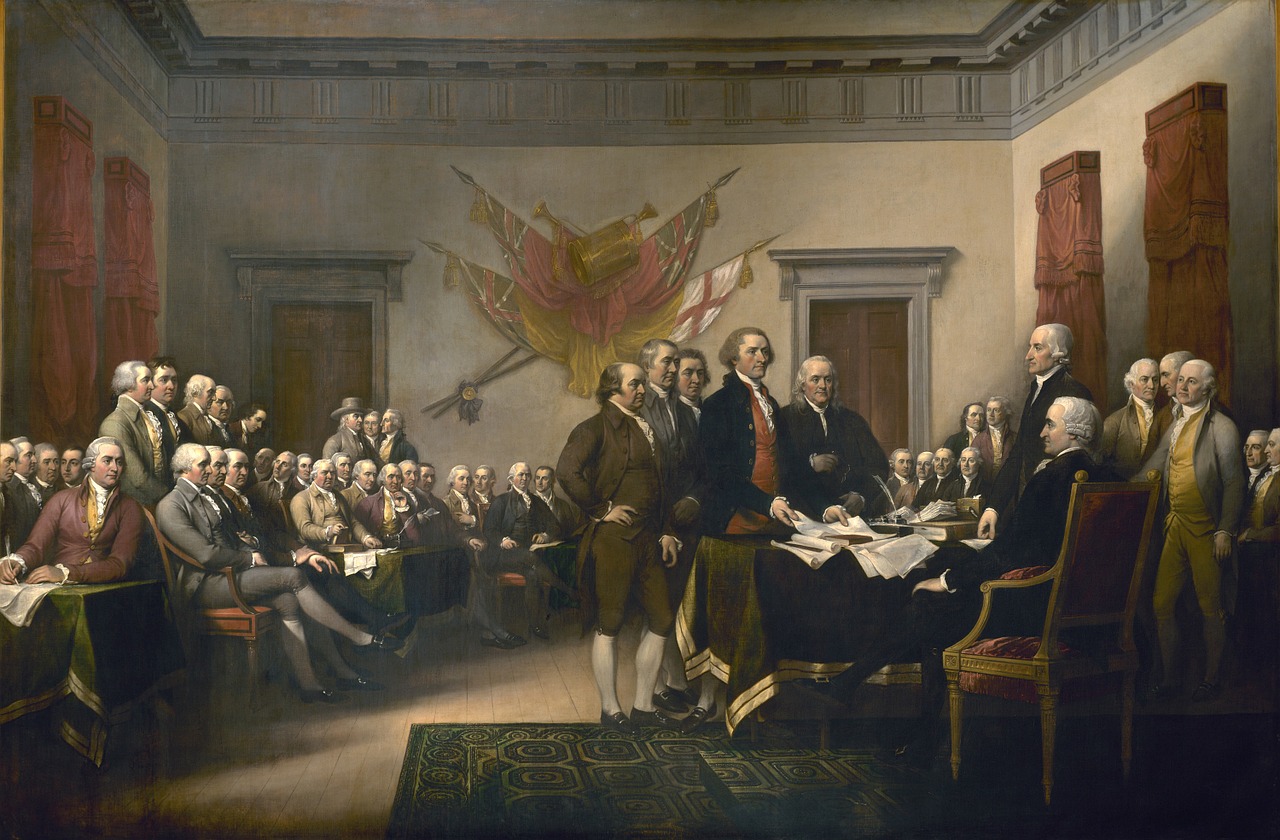
Today is Independence Day. What does that mean?

Declaration of independence.

Independence.
Photo courtesy of Pixabay.com

As mankind becomes more liberal, they will be more apt to allow that all those who conduct themselves as worthy members of the community are equally entitled to the protections of civil government. I hope ever to see America among the foremost nations of justice and liberality ~ George Washington

Make your space your own

By David Joel Miller, MS, Licensed Therapist & Licensed Counselor.

home

Make it your place.
Photo courtesy of Pixabay.com

Make the place you spend your time in a happy place.

We live most of our lives in spaces. Spaces protect us from the elements when it is hot and when it rains.

Some of these spaces are of our choosing, but many more are spaces created by others. If you want to feel more comfortable with your life find ways to make the spaces you inhabit more of your own.

Below are some suggestions to transform places you are stuck with into places you want to be.

A view or pictures create personal space.

Windows open to views. You may have little control over what is outside that window but you can impact the views inside your space.

Consider planting a bush or flower outside your window when possible. Place something on that window sill. A plant, real or artificial can make that bare window sill feel more like your windowsill.

Put up some pictures. Create an environment that says this is my place. Pictures of what matters to you, of places you have been or want to go can all help to dedicate that space to your life.

Personal mementos or keepsakes make you feel at home.

Even on shared desks, people find ways to place their family pictures or mementos. Bring a rock or souvenir from your life and set it by that monitor to feel like this is your space, at least for now.

Just remember to pick it up and take it with you clearing the way for the next person at the desk to make it theirs while they are there.

Your music takes you home.

Having your tunes on helps make this place you are confined to your own. If you can play your tunes do so. Especially at home have that option. Are there others in your environment that do not like your music? No need to squabble. Get a set of headphones or earbuds and turn up the sounds.

Notice how music connects with your brain on a deep level. Change the music with the task and you will see how music sets the mood. Too much stress in your life, look for relaxing tunes to tame the chaos.

Have restful colors where you spend your life.

Color affects our moods. Green and Blue, the colors of Mother Nature, are restful to many people. Bright colors can spark your creativity. Decorate what you can in helpful colors.

Make things comfortable in your space.

A few minutes spent adjusting the chair, the footrest and the other things around you can make your time in any setting more positive. Can you move an end table or add one to make things within your reach? Maybe you need to move things so they are out of your way. Some of us need to get things out of our productive spaces and clear a path to use the space we claim as our own.

Plan for maximum safety.

Know how to get out of your space when needed. Make sure you have safety equipment, fire extinguishers, and the like available. What changes in your room will make you feel more secure? Safety means different things to different people. Find the things that turn your space into a sanctuary of safety.

Pets and plants say this is my space.

Having a pet or plant in your living area makes it so much more your own. Can’t have a dog or cat? Consider a goldfish or a potted plant. It is so much nicer to return home and find something alive there.

Leave room to move and stand.

Avoid environments that keep you restricted to one place to sit and another to stand. Create the option to stand and move about. Frequent changes in posture can relieve stress and tension. Include those options to the best of your abilities in your environment. Having created that space to move make use of it. Frequent breaks, even small changes of position can reduce fatigue.

Those are some of the ways that occur to me that might help you to create a place that feels like home. Feeling that this is your place, that you belong here, helps in creating that happy life that we all deserve.

Any other thoughts about how you have made where you stay your home?

Staying connected with David Joel Miller

Seven David Joel Miller Books are available now!

My newest book is now available. It was my opportunity to try on a new genre. I’ve been working on this book for several years, but now seem like the right time to publish it.

Story Bureau.

Story Bureau is a thrilling Dystopian Post-Apocalyptic adventure in the Surviving the Apocalypse series.

Baldwin struggles to survive life in a post-apocalyptic world where the government controls everything.

As society collapses and his family gets plunged into poverty, Baldwin takes a job in the capital city, working for a government agency called the Story Bureau. He discovers the Story Bureau is not a benign news outlet but a sinister government plot to manipulate society.

Bumps on the Road of Life. Whether you struggle with anxiety, depression, low motivation, or addiction, you can recover. Bumps on the Road of Life is the story of how people get off track and how to get your life out of the ditch.

Dark Family Secrets: Doris wants to get her life back, but small-town prejudice could shatter her dreams.

Casino Robbery Arthur Mitchell escapes the trauma of watching his girlfriend die. But the killers know he’s a witness and want him dead.

Planned Accidents  The second Arthur Mitchell and Plutus mystery.

Letters from the Dead: The third in the Arthur Mitchell mystery series.

What would you do if you found a letter to a detective describing a crime and you knew the writer and detective were dead, and you could be next?

Sasquatch. Three things about us, you should know. One, we have seen the past. Two, we’re trapped there. Three, I don’t know if we’ll ever get back to our own time.

For these and my upcoming books; please visit my Author Page – David Joel Miller

Want the latest blog posts as they publish? Subscribe to this blog.

For videos, see: Counselorssoapbox YouTube Video Channel

Can you spare a cup of hope?

By David Joel Miller, MS, Licensed Therapist & Licensed Counselor.

A cup full of hope.
Photo courtesy of Pixabay.com

Do you have enough hope in you that you could share some?

Hope seems to be in short supply. People find it hard to hope. Hope is something that makes recovery possible. So what is someone to do who has lost hope? Maybe you can be that “cup of hope” this other person needs just now.

The quote “Can you spare a cup of sugar” goes back to a different time in our history. There was a time when people could go to their neighbors and ask for the loan of something that they needed at that moment. Asking the people around you for help seems to be less common these days. Help, like hope, seems to require you to pay a price nowadays.

Some people just are afraid to be involved with others. Connections are fraught with danger. So there are some of you who I know will not open your door. Not for a cup of sugar and certainly not to offer a neighbor some hope that things can get better. Has it really reached the point when offering up hope is a dangerous thing to do?

Sometimes we see people who need help and we wonder if helping them is something we should do. Giving an addict money may only add to their addiction. Giving them food may keep them alive today. But if you give someone hope then they may change their lives.

Hope is one of those commodities in short supply these days, like water in the desert. We are all wishing for the rain to end the drought but when will the showers of hope come?

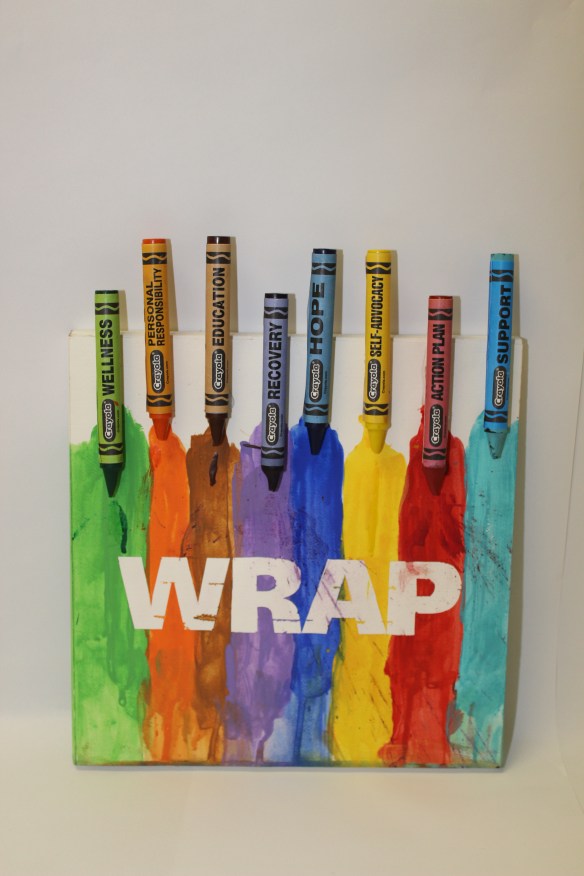
Hope is one of those “core” values in a Wellness and Recovery Action Plan (WRAP.) Without some measure, a cup or a teaspoon full, of hope recovery fails to materialize. Sometimes all we can offer a struggling person is the “Hope that they will be able to cultivate a crop of Hope.”

Twelve-step groups talk about “sharing their experience, strength, and hope.”  People who have found recovery seem to have enough hope to spare. Hope comes from a well that never runs dry. The more of this hope thing you share the more you have. Without hope people perish, with hope, they thrive.

The seeds of hope are everywhere. What is lacking sometimes is a person to nurture them. Hope starts with a smile to someone who can’t smile. It grows in the attitude that someone believes this person is of value no matter what their current position. Judgment and disdain prune hope back.

Hope is the chance to find a job when you had come to believe you would never work again. Hope is seeing your family when you thought that connection was gone forever. Hope is a place to sleep for the homeless and a meal for the hungry.

For some hope is knowing that there is someone in your life who believes in you when you find it hard to believe in yourself.

In this country, one of the wealthiest on earth, it is hard to imagine that hope is in such short supply. How have so many lost their hope and see only the bad that can occur when every day there are miracles growing from the seeds of hope planted by caring people? Has hope become too precious and expensive for all of us to be able to share a “cup of hope” to those in need of an extra cup of hope?

Do you have enough hope that you can share some?

Staying connected with David Joel Miller

Seven David Joel Miller Books are available now!

My newest book is now available. It was my opportunity to try on a new genre. I’ve been working on this book for several years, but now seem like the right time to publish it.

Story Bureau.

Story Bureau is a thrilling Dystopian Post-Apocalyptic adventure in the Surviving the Apocalypse series.

Baldwin struggles to survive life in a post-apocalyptic world where the government controls everything.

As society collapses and his family gets plunged into poverty, Baldwin takes a job in the capital city, working for a government agency called the Story Bureau. He discovers the Story Bureau is not a benign news outlet but a sinister government plot to manipulate society.

Bumps on the Road of Life. Whether you struggle with anxiety, depression, low motivation, or addiction, you can recover. Bumps on the Road of Life is the story of how people get off track and how to get your life out of the ditch.

Dark Family Secrets: Doris wants to get her life back, but small-town prejudice could shatter her dreams.

Casino Robbery Arthur Mitchell escapes the trauma of watching his girlfriend die. But the killers know he’s a witness and want him dead.

Planned Accidents  The second Arthur Mitchell and Plutus mystery.

Letters from the Dead: The third in the Arthur Mitchell mystery series.

What would you do if you found a letter to a detective describing a crime and you knew the writer and detective were dead, and you could be next?

Sasquatch. Three things about us, you should know. One, we have seen the past. Two, we’re trapped there. Three, I don’t know if we’ll ever get back to our own time.

For these and my upcoming books; please visit my Author Page – David Joel Miller

Want the latest blog posts as they publish? Subscribe to this blog.

For videos, see: Counselorssoapbox YouTube Video Channel

Mental Health Art

By David Joel Miller.

Winners of the “My Art Matters” poster contest.

For some time now Fresno County department of Behavioral Health has sponsored a program called “My Art Matters.” Art entered in these contests comes from Mental Health Clients (Consumers) and their families. Over the course of this project, many wonderful pieces of art have been created.

www.co.fresno.ca.us/MyArtMatters

Recently the project sponsored a poster contest. I wanted to share with you the winner.

#1

Mental Health Art

Mental Health Art Poster #1 Courtesy of Fresno County Department of Behavioral Health

Happy Fathers Day

Today is Fathers Day

Happy Fathers Day
Photo courtesy of Pixabay.com

You become who you think you are.

By David Joel Miller, MS, Licensed Therapist & Licensed Counselor.

Believe in you.

Self-Esteem.
Photo courtesy of Pixabay.com

What you tell yourself about you comes true.

Are you a great fortune-teller or do you just specialize in self-fulfilling prophecies?

People like to tell themselves things about the future. They sometimes think by predicting the future they are protecting themselves from disappointment. The truth is you may be creating your own disappointment.

One of the surest ways to snatch defeat out of the grasp of victory is to tell yourself constantly that something bad will happen. Give your brain enough of this message and it works hard to create the failure you predicted.

Say you can’t and you can’t.

We hear a lot about the power of positive thinking. There is truth to that. If you think you can do things you get more done. We tell kids the story of “The Little Engine that Could” for a reason. Belief in yourself makes things happen.

Team leaders that inspire optimism in their teams reach more goals. Leaders know that telling their followers “they can” helps create accomplishments. Tell your people they have no chance and the effort ends.

Negative thoughts prevent things.

What we miss sometimes is that negative thoughts are just as powerful, maybe more powerful than positive ones.

Telling yourself you will fail inhibits any effort to succeed. Say you can’t often enough and your brain will start believing you. You can influence yourself to sabotage your efforts.

Think about a team and the half-time locker-room talk. Does the coach say don’t be concerned? I knew we were going to lose so don’t bother to put in any more effort? What a good coach does in inspire his team to believe in themselves.

Winners don’t just hope they will prevail they see themselves already having won. Those who plan on returning home empty-handed do not stand on the victory platform.

Be your own coach, expect you can do more than you know at this point in your life, and then go out and make it happen.

Say no one likes you and you become difficult to like.

If you expect people to dislike you, the natural behavior would be to treat that person curtly. Why waste your time on people who do not like you? But if you expect everyone to dislike you this makes it hard for them to get past your wall and get to know you.

Expect the world to be full of enemies and you will find them. Believe that there are lots of friends out there, you just haven’t met them yet, and every day is another chance to meet that friend you do not yet know.

Start by liking yourself. To improve your self-esteem do more things and some of them have to work out. Ignore your less than perfect events and focus on your accomplishments. If you have had difficulties in your life and still showed up and tried, how have you been able to do that? Focus on your strengths and you will become stronger.

Saying you are dumb prevents learning.

Students who think they are dumb study less. They do not become excited about learning and they learn less. We repeatedly see adult learners who return to school after many years away and then they begin to study something that interests them. They commonly do better than they expected. Learning is very much about attitude. If you like what you are studying and you expect to learn it, the learning comes more easily.

What do you tell yourself about you?

Many people spend life thinking very unhelpful thoughts. If you say you will be lonely you create that isolation. Say you are on a quest to find a good friend and you will begin to meet new interesting people. Believe in yourself and search in new places. You may find a better you and a happier life just around the corner.

If you expect unhappiness you will look everywhere for it. If you expect to find happiness, you may be surprised at how often it is waiting there along your life path for you to stop and recognize it.

Is it time for you to toss the unhelpful thoughts and start practicing the new useful thought patterns? Who do you want to be? Focus on this. Practice thinking you are there and then move forward.

Staying connected with David Joel Miller

Seven David Joel Miller Books are available now!

My newest book is now available. It was my opportunity to try on a new genre. I’ve been working on this book for several years, but now seem like the right time to publish it.

Story Bureau.

Story Bureau is a thrilling Dystopian Post-Apocalyptic adventure in the Surviving the Apocalypse series.

Baldwin struggles to survive life in a post-apocalyptic world where the government controls everything.

As society collapses and his family gets plunged into poverty, Baldwin takes a job in the capital city, working for a government agency called the Story Bureau. He discovers the Story Bureau is not a benign news outlet but a sinister government plot to manipulate society.

Bumps on the Road of Life. Whether you struggle with anxiety, depression, low motivation, or addiction, you can recover. Bumps on the Road of Life is the story of how people get off track and how to get your life out of the ditch.

Dark Family Secrets: Doris wants to get her life back, but small-town prejudice could shatter her dreams.

Casino Robbery Arthur Mitchell escapes the trauma of watching his girlfriend die. But the killers know he’s a witness and want him dead.

Planned Accidents  The second Arthur Mitchell and Plutus mystery.

Letters from the Dead: The third in the Arthur Mitchell mystery series.

What would you do if you found a letter to a detective describing a crime and you knew the writer and detective were dead, and you could be next?

Sasquatch. Three things about us, you should know. One, we have seen the past. Two, we’re trapped there. Three, I don’t know if we’ll ever get back to our own time.

For these and my upcoming books; please visit my Author Page – David Joel Miller

Want the latest blog posts as they publish? Subscribe to this blog.

For videos, see: Counselorssoapbox YouTube Video Channel
Why counselorssoapbox by David Joel Miller

By David Joel Miller, MS, Licensed Therapist & Licensed Counselor.

Counselorssoapbox.com

Who is this David Joel Miller and why is he writing a blog called counselorssoapbox?

Counselorssoapbox is a blog about recovery, wellness, and having a happy life. Yes, you guessed it, I am David Joel Miller and I write this blog. It occurs to me though that I have not explained why I write this blog and why I called it counselorssoapbox.

Someone is snickering under their breath the words “for the money” If you were thinking that then you would be more delusional than I was when I started writing this blog. Not delusional in the psychiatric sense, but delusional in that I had no idea how much work writing a blog on a regular basis would be. As for this blog making money, I definitely will not be quitting my day job, or my night job for that matter, anytime soon.

My first exposure to all things psychological was, like many of you, a few classes in psychology. It was the sixties after all. I have since learned that psychology, the kind we study in high school or most colleges is only a distant relative of counseling and recovery. Clinical Psychology, that takes 6 years of college for a Ph.D. and then you can start looking for the answers to why life is the way it is.

My first exposure to counseling and therapy was as a client. I discovered school counselors could tell me what classes to take if I wanted to make the big bucks but none of them seemed to know how to be happy along the way. Eventually, I ended up seeing some therapists. I discovered that there were helpful therapists and unhelpful therapists.

Becoming a therapist was not in my original plan. I took the classes and became a drug and alcohol counselor. Along the way, I learned a few things. One was that there was a lot of wisdom in those 12 step programs. The other was that my AOD (Alcohol and Other Drugs) clients all had families. If I wanted to be helpful to those families, especially the children and the significant others, then I needed more training.

Next stop was the classes in how to be a Marriage and Family Therapist. Originally here in California, this was called a Marriage, Family, and Child Counselor. Marriage in this context means any two or more people who have a close, primary, usually sexual, relationship.

Over the years of trying to figure out who I was and what I wanted to be when I grow up, I discovered that having a job or at least a purpose in life was an immense part of being happy. The answer to the who and what question I am still working on, but at least now I know something about the how of being happy.

To help people with their job issues and substance use issues took me in the direction of Professional Clinician Counseling and today I have that license also. From there I drifted, more like jumped, into teaching and supervising other counselors and therapists. So now you know a little bit about me. More is on my “about me” page.

But I still haven’t told you “Why a blog named counselorssoapbox?”

Throughout my process of becoming a professional in this field I kept thinking about those times I had sat on the other side of the desk and what I had experienced. I decided I did not ever want to forget what it was like to be on the clients side of the room.

In graduate school, they explained a lot of stuff to us but honestly, I did not feel like some of these professionals I had seen had explained things to me in the way they were supposed to be explained. I asked about confidentiality and never seemed to get a straight answer.

Therapists were often good listeners but if they knew the answers to the “how to have a happy life question” they wanted me to suffer through the process of finding them myself and they flat resisted giving me any answers to these questions.

Counselorssoapbox started off as a way for me to express my opinions about what worked and what didn’t in the therapy world. I wanted to demystify the therapy process and explain what I had learned. Those times I got a reader question and didn’t have the answer took me back to reading the research and looking for more ideas. Writing a blog meant I needed to keep reading, studying, and living wellness and recovery. So I just took it one post at a time.

What quickly happened was you readers prodded me in a few directions. Counselorssoapbox received a lot of questions about the safety of counseling, confidentiality, and what gets reported. I was surprised at the number of search terms that involved counselors having sex with clients. So I put up a link to the publication “Professional Counseling Never Includes Sex.”  That post and the link keep getting hits so there remains an interest in this topic.

There has also been some interest in particular diagnoses and their treatment. While I can’t do therapy by blog post I have tried to provide general information on mental health and illness. All sorts of how to have a happy, productive, successful life posts find their way onto the blog also. Whatever tips on having the best life possible I come across I try to share.

There you have it. The answers to the questions who is this David Joel Miller and why a blog called counselorssoapbox.

What’s next? I continue to work on some books, both fiction and nonfiction and I write more blog posts looking for all the things that seem worthy of sharing with you. So if there are questions or comments related to the fields of substance use disorders, mental health, and wellness, or living a happy life, send them along. I will do my best to answer questions or send you to someone who can. Comments and information from you or others gets shared here also.

If you read this far an extra thanks. Talk with you again soon.

Staying connected with David Joel Miller

Seven David Joel Miller Books are available now!

My newest book is now available. It was my opportunity to try on a new genre. I’ve been working on this book for several years, but now seem like the right time to publish it.

Story Bureau.

Story Bureau is a thrilling Dystopian Post-Apocalyptic adventure in the Surviving the Apocalypse series.

Baldwin struggles to survive life in a post-apocalyptic world where the government controls everything.

As society collapses and his family gets plunged into poverty, Baldwin takes a job in the capital city, working for a government agency called the Story Bureau. He discovers the Story Bureau is not a benign news outlet but a sinister government plot to manipulate society.

Bumps on the Road of Life. Whether you struggle with anxiety, depression, low motivation, or addiction, you can recover. Bumps on the Road of Life is the story of how people get off track and how to get your life out of the ditch.

Dark Family Secrets: Doris wants to get her life back, but small-town prejudice could shatter her dreams.

Casino Robbery Arthur Mitchell escapes the trauma of watching his girlfriend die. But the killers know he’s a witness and want him dead.

Planned Accidents  The second Arthur Mitchell and Plutus mystery.

Letters from the Dead: The third in the Arthur Mitchell mystery series.

What would you do if you found a letter to a detective describing a crime and you knew the writer and detective were dead, and you could be next?

Sasquatch. Three things about us, you should know. One, we have seen the past. Two, we’re trapped there. Three, I don’t know if we’ll ever get back to our own time.

For these and my upcoming books; please visit my Author Page – David Joel Miller

Want the latest blog posts as they publish? Subscribe to this blog.

For videos, see: Counselorssoapbox YouTube Video Channel

What shade of beautiful are you?

Beautiful

What shade of beautiful are you?
Photo courtesy of Pixabay.com

How Stress destroys your health.

By David Joel Miller, MS, Licensed Therapist & Licensed Counselor.

Stress person

Stress.
Photo courtesy of Pixabay.com

Your body stores up stress and then makes you sick.

Most of us know the effects that stress can have on our mental health but few people notice that the way they feel emotionally is affecting their physical health. We use that same word “feel” for both sensations in the body and emotions we attribute to the mind. This leads to lots of confusion. Your mind, by which most people mean their thinking, is not all that separate from your body.

What you think about can take its toll on your physical health.

Physical symptoms are often the first indicators of a serious mental illness. It is smart to get your health checked out by a medical doctor. Having physical illnesses that are caused by stress or trauma does not mean you are going crazy and it sure does not mean that your problems are “all in your head.” Your body participates in everything your mind experiences.

When we say someone is a pain in the neck, take that literally. That unpleasant experience has caused your neck muscles to tighten. That person who makes you sick to your stomach really is affecting your digestion. So if you have seen a doctor and they can’t find anything medically wrong with you, consider getting some emotional help.

Here are some of the physical signs and symptoms that you are under too much stress or that your feelings are signaling your body they need some attention.

Appetite changes reflect feelings.

Can’t eat? Constantly hungry? Changes in appetite that are not connected to physical activity and caloric needs are a common indicator of an emotional crisis. Changes in appetite along with a loss of pleasure are at the top of the list for symptoms of depression. Loss of appetite can signal an anxiety disorder. Relationship issues and all manner of other stresses change your appetite.

Sleep responds to emotions.

Sleep, too much or too little is another mental health indicator. Sleep changes are a feature of depression. Low need for sleep or not sleeping at all and having plenty of energy could be signs of Bipolar Disorder. Just because you have not been diagnosed with Bipolar in the past is no reason to ignore this. Many people have had only episodes of depression and the blues before that first big manic break.

Aches and pains can be from stress.

Stress impacts your nerves and your muscles. One study reported that more than half of those with Fibromyalgia also met the criteria for PTSD. Living with lots of stress or trauma extracts a price from your nervous system. Do not wait till your nerves quit to get that stress under control. While thinking things away will not cure physical illnesses alone, what you do about that stress can affect the course of your physical illness.

Cravings signal something is going on in your feelings life.

Cravings for foods could be a nutritional deficiency but it could also be the warning sign of depression coming. Craving for behaviors or chemicals are hallmarks of addiction. While most behavioral addictions have not yet made the list of recognized mental illness, counseling is helpful if you find yourself craving things that could be harmful to your health or your life.

Loneliness can cause or be caused by emotional issues.

Feeling lonely or emotionally needy is a sign that your feelings life is in need of help. You should not hesitate to get assistance for emotional cravings. Loneliness is a recognized cause of relapse for substance use disorders. What is often missed is that feelings of loneliness and neglect can be triggers for mental and emotional disorders.

Lowered resistance to colds and flu may have an emotional cause.

Depression, Trauma, and stressor-related disorders all lower your resistance to illness. Happy people have more resistance to physical illness and are more resilient to emotional letdowns. If you are having trouble getting over a physical illness, take another look and see if your emotions need mending also.

Temperature regulation – sweating could be anxiety or panic disorder.

Sweating and poor temperature regulation has been connected to anxiety and stress-related disorders. Learn deep breathing, meditation, and mindfulness. Cut back on the high rumination diet and see if your body does not stop sweating things.

Out of willpower – procrastination? Is it caused by stress?

Lack of energy, low willpower, and a general malaise are all signs of emotional disorders. Depression and anxiety are the chief suspects here but other mental disorders can result in low motivation and a lack of willpower.

Irritable – low blood sugar – the two are connected.

Low blood sugar makes people more irritable and leads to anger and conflict. The opposite connection can exist. Poor emotional regulation can play having with your efforts to regulate blood sugar and other hormones. Make sure you are taking care of your emotional health and see if that does not help you improve your physical health.

Panic happens more often when you are stressed.

Panic may be appropriate if they are shooting at you or if the lion is hunting you. Panic in the sense of a sudden mobilization of effort. But if you are having panic attacks on a regular basis, if the setting on your anxiety or panic meter is turned up way too high, your emotions are going to create a lot of physical symptoms that will not respond well to the doctor’s prescription of medication.

Is emotional stress having an impact on your physical health?

Anxiety

Depression

Emotions and Feelings.

Obsessive-Compulsive Disorders (OCD)

PTSD & Stress

Staying connected with David Joel Miller

Seven David Joel Miller Books are available now!

My newest book is now available. It was my opportunity to try on a new genre. I’ve been working on this book for several years, but now seem like the right time to publish it.

Story Bureau.

Story Bureau is a thrilling Dystopian Post-Apocalyptic adventure in the Surviving the Apocalypse series.

Baldwin struggles to survive life in a post-apocalyptic world where the government controls everything.

As society collapses and his family gets plunged into poverty, Baldwin takes a job in the capital city, working for a government agency called the Story Bureau. He discovers the Story Bureau is not a benign news outlet but a sinister government plot to manipulate society.

Bumps on the Road of Life. Whether you struggle with anxiety, depression, low motivation, or addiction, you can recover. Bumps on the Road of Life is the story of how people get off track and how to get your life out of the ditch.

Dark Family Secrets: Doris wants to get her life back, but small-town prejudice could shatter her dreams.

Casino Robbery Arthur Mitchell escapes the trauma of watching his girlfriend die. But the killers know he’s a witness and want him dead.

Planned Accidents  The second Arthur Mitchell and Plutus mystery.

Letters from the Dead: The third in the Arthur Mitchell mystery series.

What would you do if you found a letter to a detective describing a crime and you knew the writer and detective were dead, and you could be next?

Sasquatch. Three things about us, you should know. One, we have seen the past. Two, we’re trapped there. Three, I don’t know if we’ll ever get back to our own time.

For these and my upcoming books; please visit my Author Page – David Joel Miller

Want the latest blog posts as they publish? Subscribe to this blog.

For videos, see: Counselorssoapbox YouTube Video Channel