
Inner Child a Twin?

By David Joel Miller, MS, Licensed Therapist & Licensed Counselor.

Is your inner child a twin?
Photo courtesy of Pixabay.com

Are there times your inner-child can’t get along with its siblings?

There has been lots of discussion, and more than a few books over the years, about having an inner child. That part of us that is leftover from childhood, who may have those emotional hurts and pains which have failed to heal properly. There are even some therapists who advertise that they specialize in “inner child work” by which they mean they work with adults on the emotional healing and growth that should have happened in childhood but as an adult, we realize still needs to receive attention. What about the times this approach does not work? Why won’t my inner-child go along with this program?

If you feel like you need to cry or scream like a little child why don’t you do it?

Now the very rational among us tell us that there is no inner-child hiding inside us. We can perform x-rays, ultrasounds, cat-scans, and all manner of other tests, and still no one seems to be able to find that inner child lurking in there. You can’t locate that inner child so why do so many so persistently feel that one must be present?

One way I have tried to work through this inner-child stuff is my continued belief that there are certain lessons, emotional ones, and intellectual ones, which I need to learn in life. If I did not learn those lessons at 8 then I will still be working on them at 80. Eventually, we all need to learn lessons and master emotions.

That might work if I could decide what that lesson was, what is the right answer that I need to arrive at for a happy life. Then I could study until I get it right. Wouldn’t that be reassuring? It may be that there is no one answer for so many of life challenges because you may have more than one inner child, inner twins, or an inner family and those needs may be in conflict.

Our language has expressions that describe not one inner child but a whole inner family.

Do you ever find yourself thinking – part of me wants to do x and part of me wants to do Y? Do you say “on the one hand I think yes and on the other hand, I think No?”

Could one of the conflicts inherent in being a human be that feelings and thinkings are just not all that clear-cut? Some experiences are bitter-sweet. Sometimes you feel like laughing and crying at the same time. Could it be that the flaw in so many of these personality tests is that you have not one inner you but two or more inner you’s? Let’s look at some examples of inner dilemmas.

Are you an Introvert or Extrovert?

Me? Part of me is an introvert and part of me, my inner-self’s twin is an extrovert. I like being around people. I enjoy teaching and public speaking, this is the extroverted me.

But the other inner me likes to write, a rather solitary introverted behavior. There are times that I need to be around others and there are times that I need to spend some time alone watching the wind blow through the trees and the birds sing.

Which is the real me? Well, both are me and the longer I live I have come to believe that it is not in discovering the one and only one inner-me. Mentally healthy living is about embracing the various aspect of my own inner worlds.

Are you a Thinking or Feeling person?

The rational thinking part of you worries about why you are not happier. The feeling part of you wonders what you need to do to be less anxious. Occasionally I start to wonder just what I think about the way I am feeling. How do I feel about what I am thinking? Do you ever do that? Do your inner children sometimes all start acting up at once?

Life, for me anyway, turns out to be a whole lot more complicated than just figuring out what my inner-child thinks, feels, or wants. Sometimes I have a family full of inner children all competing for my attention and wanting their needs met. Is it just me? Or do others of you out there sometimes think your inner child must be a twin or, heaven forbid, a set of quintuplets?

Can you see how you might have competing conflicted inner you needs and those needs are all real and all part of you? Sometimes the way to work with your inner child is to become an inner adult, love all the parts of you. Sometimes you will need to mediate between all your parts and sometimes you will need to decide which part gets its needs met just now and which part will have to wait a while.

How about yours? Is your inner-child an only child or are there other members of your inner family?

Staying connected with David Joel Miller

Seven David Joel Miller Books are available now!

My newest book is now available. It was my opportunity to try on a new genre. I’ve been working on this book for several years, but now seem like the right time to publish it.

Story Bureau.

Story Bureau is a thrilling Dystopian Post-Apocalyptic adventure in the Surviving the Apocalypse series.

Baldwin struggles to survive life in a post-apocalyptic world where the government controls everything.

As society collapses and his family gets plunged into poverty, Baldwin takes a job in the capital city, working for a government agency called the Story Bureau. He discovers the Story Bureau is not a benign news outlet but a sinister government plot to manipulate society.

Bumps on the Road of Life. Whether you struggle with anxiety, depression, low motivation, or addiction, you can recover. Bumps on the Road of Life is the story of how people get off track and how to get your life out of the ditch.

Dark Family Secrets: Doris wants to get her life back, but small-town prejudice could shatter her dreams.

Casino Robbery Arthur Mitchell escapes the trauma of watching his girlfriend die. But the killers know he’s a witness and want him dead.

Planned Accidents  The second Arthur Mitchell and Plutus mystery.

Letters from the Dead: The third in the Arthur Mitchell mystery series.

What would you do if you found a letter to a detective describing a crime and you knew the writer and detective were dead, and you could be next?

Sasquatch. Three things about us, you should know. One, we have seen the past. Two, we’re trapped there. Three, I don’t know if we’ll ever get back to our own time.

For these and my upcoming books; please visit my Author Page – David Joel Miller

Want the latest blog posts as they publish? Subscribe to this blog.

For videos, see: Counselorssoapbox YouTube Video Channel
Free things that make you happy

By David Joel Miller, MS, Licensed Therapist & Licensed Counselor.

Happiness.
Photo courtesy of Pixabay.com

Can free things really make you happy?

We hear that money can’t buy happiness but we all know that a lack of money can bring you down.

Turns out that happy people are more successful in life, but success, especially money, does not by itself make you happy.

Here are some things that are free but can greatly improve your happiness if only you would use them.

Going outside increases happiness.

Spending more time outside, in nature makes people happy. The beach, the mountains, almost any place but the city makes most people feel happy. Despite all our desires to have bigger houses and more things, being away from those things man makes has turned out to make people happy in study after study.

Plan a trip to the country. Visit a local park or just walk along some local streets. Make sure you pay attention to the trees, the birds, and the flowers to increase your happiness.

The ideal happy temperature is 57 degrees Fahrenheit.

Strengthen happiness by getting more exercise.

Walking can improve your mood as well as, sometimes more than, most medications. A goal of many treatments for depression is to get people to the point that they are able to get up and get moving.

Exercise does not need to be strenuous to make you happy. Just simply moving around can begin the process. Consider taking up yoga. Look for events that get you moving. Sharing that exercise with other people can increase the happiness benefits.

Get more sleep for more happiness.

Most of us are chronically sleep-deprived. Not enough sleep results in depression, poor memory, and impaired learning abilities. Sleep is not a bank account where you make a deposit one night a week and then live off that sleep all week. Think of sleep more like food you need to eat a healthy diet every day rather than bingeing on food.

There is one form of depression in which people eat and spend too much time trying to sleep, that is not because of too much sleep. What happens is that when depressed you may find it difficult to get out of bed and do anything. If you are in bed a lot of hours and still feel tired try getting up and doing something and see if your mood doesn’t improve.

Socialize more for more happiness.

Spending time with family and friends should not cost you. If it is, take another look at that relationship. The more time you spend with others the more likely you are to create a happy life.

Friends can give your happiness a real boost. Don’t have many friends you can spend time with? Get involved in something and you will make new friends. Most friendships begin around shared activates. You make friends at school, your place of religious practice or the places you do your sports and hobbies.  Join a group, take up a new activity, look for ways to meet new people, and in the process, you can make some new friends.

Let go of the past to increase your happiness.

Holding on to the past, ruminating about those things that made you unhappy in the past is a sure way to prevent happiness in the present. Let the past go and you will see improvements in the now.

Hard to stop thinking about the negative? Train your brain to avoid those repetitive memories. When your thoughts head down a bad street, tell your mind to knock that off. Make a conscious effort to stay in the now and focus on the positive. What you look for expands. Look for happiness.

Happiness is contagious – get infected.

Being around happy people makes you happy. Read funny things, watch happy videos, and laugh all you can. Share those cute-cat-videos with your social media friends. Spread wanton happiness wherever you go.

Slow your pace down and savor the happiness you do find.

Become a happiness watcher.

Happiness is all around you but may go unnoticed if you are not on the lookout. Just like people watch for birds and find them, you need to be on the lookout for happiness and throughout your day you are likely to see small snippets of happy all around you.

Get a pet to share your happiness.

This may not be totally free but it is certainly reasonably priced for most people. Having an animal in your life makes us all feel a little more loved. Get a dog, a cat, or some other creature and see if your happiness does not improve.

The size or breed does not appear to make a difference. You do need to think ahead though because while you may get a pet for little or no outlay over their life they will require some food and other expenditures.

Doing something for someone else can make you happy.

Being of service can boost your happiness. Recovering people know that happiness is one of those things you need to give away to keep. Anytime you have done something for another, not for what you will get out of them but for the sheer pleasure of being helpful, you will become happier.

A warning. Do not do for others expecting them to appreciate you. Things done because you want others to like you will leave you feeling cheated when others do not appreciate what you have done as much as you expected. Things done for the pleasure of doing them always pay dividends.

There is my list of mostly free ways to increase your happiness in the place you find yourself. Being happy where you are has some side effects. You may find yourself more energetic and productive and your life may start to change for the better.

Staying connected with David Joel Miller

Seven David Joel Miller Books are available now!

My newest book is now available. It was my opportunity to try on a new genre. I’ve been working on this book for several years, but now seem like the right time to publish it.

Story Bureau.

Story Bureau is a thrilling Dystopian Post-Apocalyptic adventure in the Surviving the Apocalypse series.

Baldwin struggles to survive life in a post-apocalyptic world where the government controls everything.

As society collapses and his family gets plunged into poverty, Baldwin takes a job in the capital city, working for a government agency called the Story Bureau. He discovers the Story Bureau is not a benign news outlet but a sinister government plot to manipulate society.

Bumps on the Road of Life. Whether you struggle with anxiety, depression, low motivation, or addiction, you can recover. Bumps on the Road of Life is the story of how people get off track and how to get your life out of the ditch.

Dark Family Secrets: Doris wants to get her life back, but small-town prejudice could shatter her dreams.

Casino Robbery Arthur Mitchell escapes the trauma of watching his girlfriend die. But the killers know he’s a witness and want him dead.

Planned Accidents  The second Arthur Mitchell and Plutus mystery.

Letters from the Dead: The third in the Arthur Mitchell mystery series.

What would you do if you found a letter to a detective describing a crime and you knew the writer and detective were dead, and you could be next?

Sasquatch. Three things about us, you should know. One, we have seen the past. Two, we’re trapped there. Three, I don’t know if we’ll ever get back to our own time.

For these and my upcoming books; please visit my Author Page – David Joel Miller

Want the latest blog posts as they publish? Subscribe to this blog.

For videos, see: Counselorssoapbox YouTube Video Channel

Who taught you about anger?

By David Joel Miller, MS, Licensed Therapist & Licensed Counselor.

Angry person

Anger.
Picture courtesy of Pixabay.

How do you know what you know about anger?

Long before you went to school and learned to read and write you learned a bunch of lessons about how the world was. Some of those lessons were about feelings, anger in particular. Did you have good feelings teachers? Did you get those lessons right?

Thinking back to your childhood and how you came to think and believe the things you do can be a happy experience for some people. Others feel that those early life lessons left scars. What you learned about anger at a young age is one lesson you may want to take another look at. If thinking about your early life experiences is painful and difficult, then you are a candidate for counseling or some other personal growth experience.

What are your earliest life memories of anger?

Early life experiences shape personality development. Many of these memories are pictures of what happened or feelings about these happenings rather than the sort of stories we older people tell about these memories.

Do you have strong gut reactions to seeing others angry? How does experiencing other’s anger affect you now? Are you “freaked out” if someone is angry? Some people learned to avoid anger and feeling angry, others learned that when angry they should “let it all hang out.”

As a child do you remember being angry? What happened when you got angry? Did your needs get met or did you learn to hide that anger?

Infants and young children develop anger spontaneously when their needs are not met or they are frustrated. They quickly learn how they must express these needs to get what they require. Some people learn that others may express anger but they are not allowed to do so. If you learned rules about anger and how to express it as a young child this may be affecting your ability to cope productively with those feelings.

How did those you grew up around express their Anger?

Some families had the unwritten rule that anger or other strong emotions were not to be expressed, ever, under any circumstance. Other families were constantly acting out anger in a variety of ways.

For some people, anger was expressed by cursing or vulgar gestures. Did you adopt those ways of expressing anger and those expressions have become, for you automatic? You may find yourself saying things and doing things when upset or angry that you had not planned to do.

Who was allowed to express anger, who could not?

Was one person allowed to express their anger and others were not? Some families have one person who carries the anger for the whole family. The rest of the family member’s lives revolve around not making the angry person angry.

If you had a family culture where one person was the angry one you may have perpetuated that system in your relationships or the family you have created. Is that working for you or would you like to change the way anger is allowed to be a member of your family?

How did they express anger?

Families develop rules for how and when anger can be expressed. We often hold on to those rules when we leave out family of origin and then try to make those behavior patterns fit our new relationships. For some anger can be expressed directly, this is what is making me mad. Or it may be expressed more indirectly. There could be yelling and screaming or the silent treatment and stonewalling.

If your life is full of throwing and breaking things it is time for a change. If you or someone in your household has a pattern of leaving when angry this may be keeping you from every finding solutions to the conflicts.

Productive anger management may require time-outs when one person becomes overheated but those exchanges also require setting a time to reconnect and work on solving those problems.

Did you learn gender roles in anger expression?

Many people arrive at therapy with a set of rules in their head about how people should fill their life roles. Do you think there are ways men express anger? Are those “male” anger behaviors different from those of women? Should the two sexes express their emotions differently?

Do you expect men and women to express their anger differently?

Are your disagreements win-lose situations or can people disagree?

Healthy families have some rules that are must-haves. The parents must set boundaries that are firm. As a parent, you probably should tell your kids that drugs are not allowed. But there are other things, politics, and religion where an absolute need for everyone to agree might be more optional.

Ask yourself can you allow other family members to disagree about things? Do you feel threatened when they don’t agree with you? Are there things you learned early in life that may not be working for you anymore?

Reexamine how and what you have learned about anger and decide for yourself if there are things about anger and your relationship to that anger that need changing.

For more on anger and anger management check out the other Anger Posts on counselorssoapbox.com.

Staying connected with David Joel Miller

Seven David Joel Miller Books are available now!

My newest book is now available. It was my opportunity to try on a new genre. I’ve been working on this book for several years, but now seem like the right time to publish it.

Story Bureau.

Story Bureau is a thrilling Dystopian Post-Apocalyptic adventure in the Surviving the Apocalypse series.

Baldwin struggles to survive life in a post-apocalyptic world where the government controls everything.

As society collapses and his family gets plunged into poverty, Baldwin takes a job in the capital city, working for a government agency called the Story Bureau. He discovers the Story Bureau is not a benign news outlet but a sinister government plot to manipulate society.

Bumps on the Road of Life. Whether you struggle with anxiety, depression, low motivation, or addiction, you can recover. Bumps on the Road of Life is the story of how people get off track and how to get your life out of the ditch.

Dark Family Secrets: Doris wants to get her life back, but small-town prejudice could shatter her dreams.

Casino Robbery Arthur Mitchell escapes the trauma of watching his girlfriend die. But the killers know he’s a witness and want him dead.

Planned Accidents  The second Arthur Mitchell and Plutus mystery.

Letters from the Dead: The third in the Arthur Mitchell mystery series.

What would you do if you found a letter to a detective describing a crime and you knew the writer and detective were dead, and you could be next?

Sasquatch. Three things about us, you should know. One, we have seen the past. Two, we’re trapped there. Three, I don’t know if we’ll ever get back to our own time.

For these and my upcoming books; please visit my Author Page – David Joel Miller

Want the latest blog posts as they publish? Subscribe to this blog.

For videos, see: Counselorssoapbox YouTube Video Channel
Why do mice and researchers get it wrong?

By David Joel Miller, MS, Licensed Therapist & Licensed Counselor.

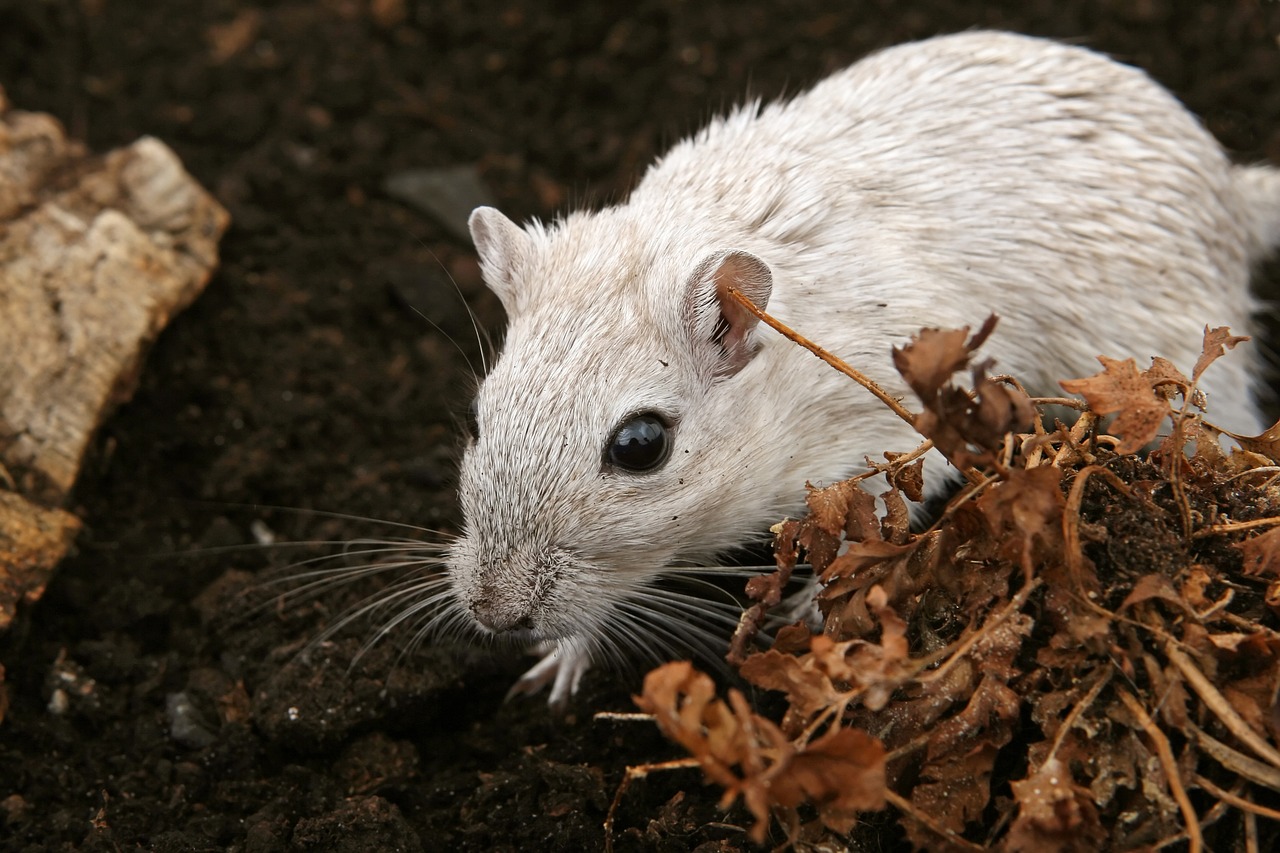
Sometimes the mice get it wrong.
Photo courtesy of Pixabay.com

Why don’t the things we find in mouse studies work for humans?

Quite often these days we hear about a new research study that sounds like someone discovered a cure for some disease or a drug that helps a particular condition. I and other writers read these research studies. The news media may get hold of it and there go the articles about how someone may have found a cure for a particular disorder. And then nothing happens. Worse than nothing, eventually that medication or procedure is tried on a human and it just doesn’t work.

Why is it so much easier to find medications for mice than for humans?

Recently Dr. Insel, director of the National Institute of Mental Health (NIMH) wrote an editorial on just that topic, titled “Lost in Translation.

Let me preface this by saying I am a writer and a talk therapist, not a research scientist. My way of understanding and telling you about these complicated science things is to create an analogy that helps explain them. Hopefully, my analogy is not too far off. For the full story in the technical language check out the original editorial.

Mice brains are like human brains, sort of. We have structures in our brains very much like those in the mice brains and nervous system. Additionally, we have a whole lot more things in our brains.

Think of this as trying to evaluate new designs for cars by trying them out on bicycles.

Yes, bicycles have wheels and a steering mechanism vaguely like a car, but that car has a lot of parts not found on the bicycle. So what might work when installed on the bike, may be worthless on an auto going 65 miles per hour.

Our human brains are not all one giant thing. There are a host of parts and pieces in that brain. Some of the things that go wrong in the human brain could be because one part is not working right or is too big, too small, or because that part is not talking (Communicating) with other parts correctly.

We can test our new med on the mouse but since he lacks some of those parts that the human brain has the result in humans is different. Over the last few years, researchers have found drugs that could cure most mental illnesses in mice. Unfortunately, most of these discoveries did not work in humans.

One solution to this problem is to test new medications and procedures on animals that are more like humans. Non-human Primates are one possibility. The larger the primate and the closer their brain is to humans the more that med should work in the primate’s brain the same way it would work on a human. But there are problems with this approach.

First, we have the question of ethics. Is it right or necessary to test new drugs on primates? In fact, there have been some suggestions, mostly well-founded, that too much stuff is tested on animals when we already know what it will do and this causes these animals needless suffering.

If you have a family member who has Alzheimer’s or Parkinson’s you are probably OK with us testing some drugs on animals that might save your family member’s life or their cognitive function. Considering the number of mice and rats that are poisoned each year for health and sanitation reasons it seems hard to object to research on rodents as long as it is done in a humane way. I will not try here to define humane and will leave that to the reader’s sensibilities.

Far fewer people will be willing to see us test a host of drugs on primates, especially the big primates, like Gorillas and Baboons, which act so much like humans, unless this is absolutely necessary.

Another possibility is getting a lot of use these days. We can grow cells in the lab and then test medications on those lab-grown cells. This works some of the time but has some of the same issues as the mice brain. What works in the lab, in a test tube or petri dish, does not always work the same way in humans.

These same issues of transferability or “generalizability” occur in behavioral or psychological studies in humans. We try something with a few dozen college students at one particular school and then someone suggests that this same approach will work with – say – inner-city kids in another country.

With mental health treatments, there is, here in the United States, a registry of things we call “Evidenced Based Practices.” For medications, there are long testing processes before a drug can be sold for use on humans.

Keep these issues in mind as you read articles about psychological research, whether it is in the counselorssoapbox blog or elsewhere. I will do my best to tell you about new research and what we know or think we know about mental and emotional issues and their treatment but that “what we know” may change as more and better research comes in. Even with its shortcomings, the newest research says we know far more about humans, their brains, nervous systems, and how to help them than we knew even a couple of years ago. Let’s see where the future goes.

Staying connected with David Joel Miller

Seven David Joel Miller Books are available now!

My newest book is now available. It was my opportunity to try on a new genre. I’ve been working on this book for several years, but now seem like the right time to publish it.

Story Bureau.

Story Bureau is a thrilling Dystopian Post-Apocalyptic adventure in the Surviving the Apocalypse series.

Baldwin struggles to survive life in a post-apocalyptic world where the government controls everything.

As society collapses and his family gets plunged into poverty, Baldwin takes a job in the capital city, working for a government agency called the Story Bureau. He discovers the Story Bureau is not a benign news outlet but a sinister government plot to manipulate society.

Bumps on the Road of Life. Whether you struggle with anxiety, depression, low motivation, or addiction, you can recover. Bumps on the Road of Life is the story of how people get off track and how to get your life out of the ditch.

Dark Family Secrets: Doris wants to get her life back, but small-town prejudice could shatter her dreams.

Casino Robbery Arthur Mitchell escapes the trauma of watching his girlfriend die. But the killers know he’s a witness and want him dead.

Planned Accidents  The second Arthur Mitchell and Plutus mystery.

Letters from the Dead: The third in the Arthur Mitchell mystery series.

What would you do if you found a letter to a detective describing a crime and you knew the writer and detective were dead, and you could be next?

Sasquatch. Three things about us, you should know. One, we have seen the past. Two, we’re trapped there. Three, I don’t know if we’ll ever get back to our own time.

For these and my upcoming books; please visit my Author Page – David Joel Miller

Want the latest blog posts as they publish? Subscribe to this blog.

For videos, see: Counselorssoapbox YouTube Video Channel

Feeding Your Happiness Diet

By David Joel Miller, MS, Licensed Therapist & Licensed Counselor.

Happiness Diet

Happiness Diet
Photo courtesy of Pixabay.com

Are you ready for a high-happiness diet?

This time of year resolutions is almost gone. The plans to diet, exercise, and self-improve are almost out of season now. Did you start out saying this was the year you went on a high happiness diet? How are you doing on creating that happy life? Many of the same things that make diets successful will make that happy life project work better also.

Make room for healthy, happy experiences but cutting out the junk stuff.

Cutting out junk food will improve your physical health. What are the junk things you are doing that are keeping you unhappy? Are there activities or people that you need to get out of your life to create a happier you?

If you don’t clean out the garbage in your house your living space becomes unhealthy. There are probably things in all our emotional lives that need tossing out. Get rid of excess anger and ruminations to make room for happy experiences.

You can’t eat all your happiness at one meal.

You need to eat every day. For a happy life take in some happiness each and every day. You need to eat a sensible diet every day. For the maximum happy life, you will need to incorporate small doses of happiness every day.

Do not think that one huge dose of happiness will satisfy you for the rest of your life. Watch for the small things that build your healthy happiness. That good job or new relationship may make you happy for a while but you will need to maintain that relationship and keep up a positive view of that job or soon those things that were supposed to make you happy will fade into extra weight around your emotional middle.

Avoid bingeing on negativity.

Binge eating is bad for your physical health. Bingeing on negative thoughts is bad for both your mental health and your physical health. You can’t load up on negativity and unhappy thinking all day and then expect one positive event to make your day happy.

To build a happy life you need to consume small snacks of happiness all day long. Don’t waste time on negativity. Solve the problems that can be solved and accept the things that are out of your control.

Watch for the little things in life that bring the smiles. Laugh a little at frequent intervals.

Practice healthy happiness skills.

There are those things that can pretend to make you happy, the happiness imposters. Drugs, alcohol, and lots of selfish pursuits try to pretend they will make you happy. Really happiness grows from using positive, safe coping tools each and every day.

If you run by those bursts of happy feelings you will miss them. Do things that make you happy. Appreciate those things. Repeat as needed.

Stay off the happiness scale.

Constant measuring, asking if you are happy enough, can impede the growth of real happiness. Focus on maximizing your happiness not measuring it. Do not dwell on what is missing in your life. Make plans to fill up those shortages and then focus on the journey.

Too much checking the map can keep you from making progress on the journey of life. Take those periodic inventories of your life, but day-to-day keep working on making progress on your goals.

Make being happy part of your daily routine.

Do not put off being happy till later. Spend a few minutes each morning telling yourself that some good things will happen today. Watch for the things that make your day better. Say nice things to yourself.

What things can you do for yourself each day that makes you happy? Pet the dog or cat and tell them that it is nice to see them.

Create happiness rituals.

Work small rituals and routines that increase your happiness into your day. Say an affirmation, make yourself a treat. Schedule time for a cute-cat-video to start your day.

Practice your religious or spiritual tradition. Say Hi to your higher power and expect that you will get a Hi and some love back. Prayers do not need to be long or complicated to keep you in touch with your source of strength and love.

What small thing could you do each day to get your day off to a great start?

To develop maximum happiness make friends with your emotions.

Do not let sad feelings, loneliness, or depression take over control of your life. Do learn to listen to your feelings. If something is not making you happy ask yourself why? Is this about the thing, the job, the relationship, or is it about me?

Unhappy people are unhappy everywhere no matter what happens. Happy people grow that happiness and weed out the things that are sapping the strength from their life.

Develop the skill of being happy.

Being happy is not a result of chance. People win the lottery and still many are not happy. Love comes and it goes. Wherever you go, you are there. Learn the skill of seeing the best in the situation you are in while working towards having the life you want.

Happiness is not a destination; it is a lifetime journey.

Staying connected with David Joel Miller

Seven David Joel Miller Books are available now!

My newest book is now available. It was my opportunity to try on a new genre. I’ve been working on this book for several years, but now seem like the right time to publish it.

Story Bureau.

Story Bureau is a thrilling Dystopian Post-Apocalyptic adventure in the Surviving the Apocalypse series.

Baldwin struggles to survive life in a post-apocalyptic world where the government controls everything.

As society collapses and his family gets plunged into poverty, Baldwin takes a job in the capital city, working for a government agency called the Story Bureau. He discovers the Story Bureau is not a benign news outlet but a sinister government plot to manipulate society.

Bumps on the Road of Life. Whether you struggle with anxiety, depression, low motivation, or addiction, you can recover. Bumps on the Road of Life is the story of how people get off track and how to get your life out of the ditch.

Dark Family Secrets: Doris wants to get her life back, but small-town prejudice could shatter her dreams.

Casino Robbery Arthur Mitchell escapes the trauma of watching his girlfriend die. But the killers know he’s a witness and want him dead.

Planned Accidents  The second Arthur Mitchell and Plutus mystery.

Letters from the Dead: The third in the Arthur Mitchell mystery series.

What would you do if you found a letter to a detective describing a crime and you knew the writer and detective were dead, and you could be next?

Sasquatch. Three things about us, you should know. One, we have seen the past. Two, we’re trapped there. Three, I don’t know if we’ll ever get back to our own time.

For these and my upcoming books; please visit my Author Page – David Joel Miller

Want the latest blog posts as they publish? Subscribe to this blog.

For videos, see: Counselorssoapbox YouTube Video Channel

Ways you create drama.

By David Joel Miller, MS, Licensed Therapist & Licensed Counselor.

Is your life drama?
Photo courtesy of Pixabay.com

Are you making your own drama?

Do you find yourself saying that there is way too much drama in your life? Feel like you live in a soap opera? There are ways you can turn the drama down even if you live in a drama-filled environment. There are also ways you may be the architect of your own drama.

Here are some ways you may be the creator of your own life soap opera.

You stick your nose in other people’s business.

Do you spend a lot of time telling others what they should and should not do? Any surprise that they are paying you back? If you want to avoid drama in your life, avoid interfering in other’s lives. You may think that your family member or friend is making wrong choices but if you get involved in the choices you also get involved in the drama.

Live your life and let them live theirs. People who keep poking around in others’ lives become a part of that other person’s drama. Want less drama in your life? Focus your attention on your life and let others live theirs.

Doing too much creates drama.

If you say you will do something do it! Making commitments and then backing out is a sure way to increase the drama in your life.

The things you committed to are the things others expect of you. Promise too much and do not deliver and you invite other people to be angry with you.

When you run from one thing to another you risk being perpetually late and not meeting your commitments. You also start to feel overwhelmed. All of this creates extra drama. Want a relaxed world? Reduce the things you do every day. Give yourself breaks between things.

Reducing the “must’s” and the “should’s” reduces drama.

Those rules you set for yourself become cruel taskmasters. Let go of all those “Musts” and “Should’s” and just relax and enjoy the ride. Some things, like right and wrong and moral values, are major big things and yes you should expect yourself to live up to those things. But if your list of things you have to do to be an OK person gets too long you are creating a drama-filled life.

Let the little things go.

Telling the truth reduces drama.

Some people lie to get away with things. Others lie because they do not want to disappoint people. The more you mislead others, regardless of the reasons, the more you invite their anger or hurt when they find you out. Tell the truth when possible and if it is not possible, try saying little or nothing.

Being dishonest with others is a huge drama maker.

You do not need to answer every social media post.

Lots of people post lots of trivial stuff online. Do not get sucked into answering every post you see. Ignore the comments that do not make your life better. Use social media to connect with friends and have fun but beware the trolls.

Some people say things just to start an argument. Some comments are hurtful. If you disagree you do not need to argue with every person out there. Read things carefully. Plenty of drama-filled exchanges begins when one person misunderstands what another is saying and then begins to argue with a statement that was never made.

You do not need to become a part of the thought police.

Let others be wrong some of the time.

You do not need to correct everyone’s errors. Allow others to be wrong some of the time. Pointing out other’s mistakes invites them to retaliate and point out your flaws. Finger-pointing can consume all your time and is a huge drama machine.

Feel better about yourself and finding other’s mistakes becomes less important. Humans make mistakes, some by accident and some intentionally. You will make errors in tour life, let others have the same privilege.

Stay out of the gossip to reduce the drama.

Sharing about other people is tempting. Spreading that gossip “Have you heard what SHE did?” sucks you into the gossip vortex. Once you start going round and round that circle the drama accelerates.

For less drama stop trying to change others.

Most efforts to change others is doomed to failure. The more you try to manipulate others and get them to live the way you want them to the more drama you create. For people you can’t agree with the best option may be to cut them out of your life. If you can’t do that, some family members may refuse to go away, you can reduce your contact with people who are not good for your mental health.

Trying to make others change to suit you invites them to push back. All that pushing and pulling is the stuff that drama is made of. Live your life and extend that same privilege to others.

Let sick people be sick. It is not about you.

Some people are just mean. Some are thoughtless or rude. Do not get into conflicts with people who are not capable of being any different than they are. It is not your job to change them and the more you insist that they be other than they are the more drama you create.

Do not upset yourself when other people are imperfect. You may need to set a boundary. You may even need to call the police. But do not get sucked into a long-term feud with people whose lifestyle or behavior does not suit you.

Are you ready to make the move from a drama-filled life to a happy life?

Staying connected with David Joel Miller

Seven David Joel Miller Books are available now!

My newest book is now available. It was my opportunity to try on a new genre. I’ve been working on this book for several years, but now seem like the right time to publish it.

Story Bureau.

Story Bureau is a thrilling Dystopian Post-Apocalyptic adventure in the Surviving the Apocalypse series.

Baldwin struggles to survive life in a post-apocalyptic world where the government controls everything.

As society collapses and his family gets plunged into poverty, Baldwin takes a job in the capital city, working for a government agency called the Story Bureau. He discovers the Story Bureau is not a benign news outlet but a sinister government plot to manipulate society.

Bumps on the Road of Life. Whether you struggle with anxiety, depression, low motivation, or addiction, you can recover. Bumps on the Road of Life is the story of how people get off track and how to get your life out of the ditch.

Dark Family Secrets: Doris wants to get her life back, but small-town prejudice could shatter her dreams.

Casino Robbery Arthur Mitchell escapes the trauma of watching his girlfriend die. But the killers know he’s a witness and want him dead.

Planned Accidents  The second Arthur Mitchell and Plutus mystery.

Letters from the Dead: The third in the Arthur Mitchell mystery series.

What would you do if you found a letter to a detective describing a crime and you knew the writer and detective were dead, and you could be next?

Sasquatch. Three things about us, you should know. One, we have seen the past. Two, we’re trapped there. Three, I don’t know if we’ll ever get back to our own time.

For these and my upcoming books; please visit my Author Page – David Joel Miller

Want the latest blog posts as they publish? Subscribe to this blog.

For videos, see: Counselorssoapbox YouTube Video Channel
Is addiction real? Does it have a cause?

By David Joel Miller, MS, Licensed Therapist & Licensed Counselor.

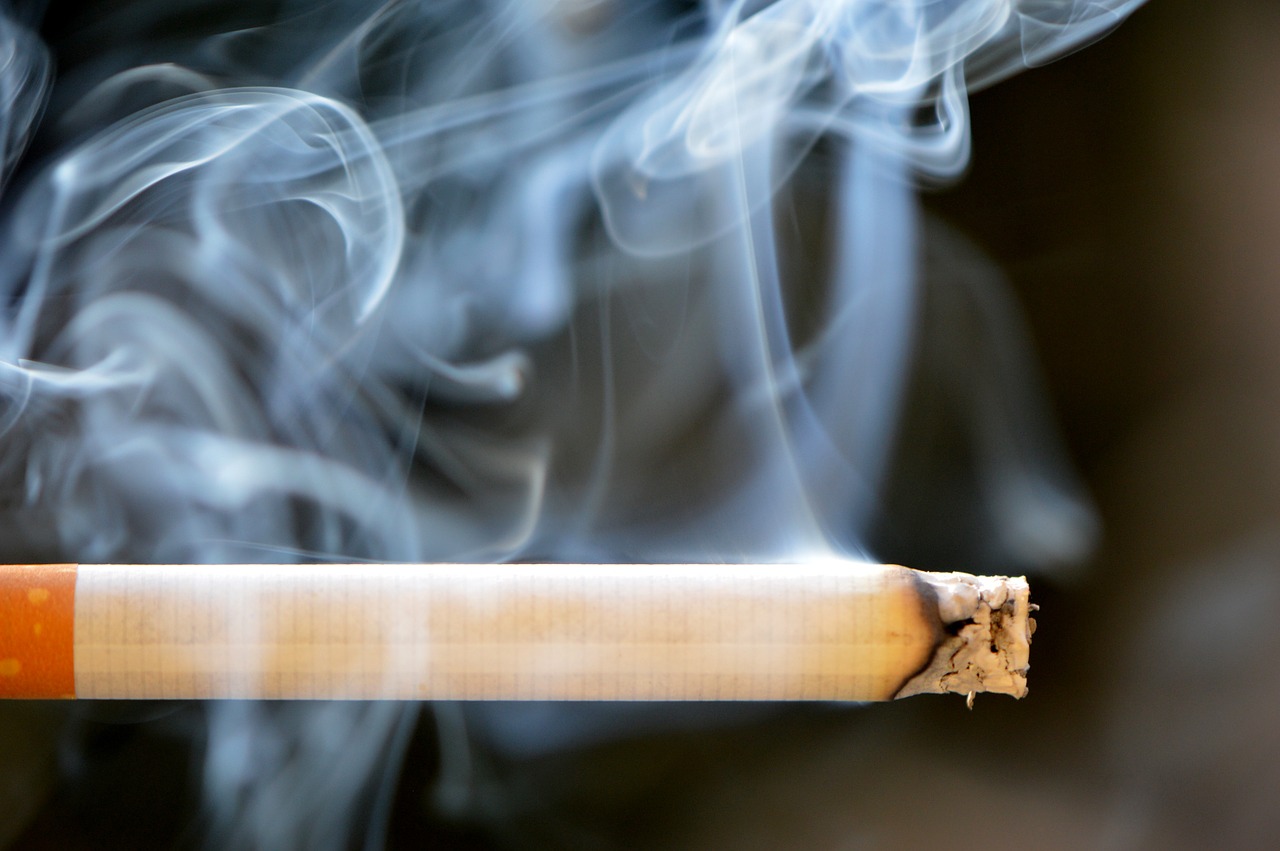
Cigarette smoking is addictive.
Photo courtesy of Pixabay.com

Comments on the deltaFosB post and the causes of addiction.

Some comments came in on the DeltaFosB post I think need discussing.

Normally I do not answer or re-comment on comments on posts. If you like a post cool. I will thank the reader for the like and that is that. If you disagree, then you are entitled to your opinion. I reserve the right to be wrong and so should all of you. Further arguing with people about their comments is not likely to change their minds so I try to use as much of my time as productively as possible and move on to new things.

This time feels different. On the chance that there are others who drew the same conclusions from the post that one reader “Tom” drew, I thought it would be worth further discussion.  I posted the headline to the original post with a link to the post on google+ and this comment from Tom was received over there.

First Toms comment on the post and then my explanations of why I think Tom is off base here.

“…there really does seem to be a physical change in the brain that accounts for why some people become addicted to chemicals, drugs in particular, and behaviors…”


I think that’s confusing hypothesis with findings. No one is seriously reporting that they have found the cause of addiction. For one thing, there is seriously insufficient research to support a global generalization of that sort.

People have been trying to find this mythical organic cause of addiction, and failing, for decades. What you report does go beyond the speculative, although it surely is not pure speculation. The research we have only supports informed speculation, to my mind.

The ambiguity in this phrase – “…that accounts for why some people become addicted…” is dangerous. I think what you’re really trying to say is something like “…that accounts for why some addicts become addicts…” As written, you appear to be talking about all addicts, and that is far beyond what we can address with the research you review, I think.

The fact remains that most people who drink alcohol are not addicts. Most people who use heroin are not addicts (little-known fact). Most people given opiates for pain can’t wait to get off of them, because of their unpleasant cognitive side effects. Those who become addicted are a small minority, and they seem all to have something in common: a persistent uncomfortable mental state which psychoactive substances/behaviors moderates. Happy people do not become addicts.

This has been known for a long, long time. But people just don’t want to let go of the “demon dope” hypothesis. The reality is more complex.

My response to Tom’s comments:

It appears that you are reaching conclusions from what I wrote that is not what I was saying. I suspect we have some fundamental philosophical differences here. We seem to be using words differently also. Look up the word addiction in a number of dictionaries and you will get a variety of definitions. I am concerned that people are using the term Addict as a pejorative term. The homeless and the mentally ill get that treatment also. Asserting that “addicts” are in some fundamental way different from non-addicted people is reassuring to some. If you have a job and a home you can tell yourself that you are not an “addict.” This obscures the very real issue of a growing problem of substance use and behavior use disorders in our society.

Let me try to clarify what I was saying about the criticisms you raised of the blog post.

  1. The term “some people” was written because I believe that those who develop an addiction, chemical or behavioral are people. To argue that “addicts” are somehow different from other people is to blame the person with the disorder for their condition. This is often done with other social issues like homelessness, poverty, and crime.
  2. The research reported on was concerning epigenetics and gene expression. This suggests that something happens which turns people who are not addicted to a behavior or a substance into those who have a dependency or reliance on this as a way of functioning. Behavioral “addictions” remain controversial with only gambling having been added to the most recent DSM. This research point to changes in the brain functioning when people reach a point of losing control over their use of that behavior or substance.
  3. If we call “it” addiction we get one paradigm. If we refer to something as chemical dependency or having a substance use disorder we get another. As a society, we are moving towards a “doublethink” approach to this issue. People who take prescribed medications do develop tolerance and withdrawal. There has been some pressure to alter the description of chemical dependency (the new term for what used to be called addiction) by adding craving as a characteristic of addiction. This might lead to the conclusion that someone can be “addicted” to a medication and not be an addict. This simply changes the terms to define away the problem of what is causing this condition.
  4. Referring to the premise that behaviors and drugs can at some point, for some unknown reason take someone from experimentation or use to being addicted as a “demon dope” hypothesis is a stretch.

If we accept that addiction could be a disease then the disease model fits. Compare this to the “demon Bacteria” theory of tuberculosis. One way of determining if something is a disease is to ask three questions.

Is there a specific agent that may be causing this condition?

Is there a host that gets the disease?

Is there a way in which this agent gets into the host?

Does this “demon bacteria” cause tuberculosis?

There are people who are around some specific other but do not get the disease. Does this mean that the bacteria is not the cause and that people who get T.B want to have it?    “Bad air,” wearing dirty clothing, and failure to wash your feet, along with a raft of other behaviors, have been postulated as causing the thing that we now attribute to the disease tuberculosis.  You can be around someone with an infection, and you may or may not get the disease. Your immune system, the length, and severity of exposure the room size, and other factors can influence whether you get the disease.

Do addictions fit this model? Yes, mostly. There are agents, pornography, or a drug (alcohol and prescribed medications could be included here.) Yes, it is an individual host that gets the disease, though with what we are calling addictions, the family and society are also affected. Lastly, there has to be an exposure to the agent. Unless you view pornography, take drugs or drink, you will not develop an addiction to these behaviors or substances.

  1. Reporting “a cause” is not the same as reporting a one and only one cause. We are reasonably sure that faulty brakes can result in automobile accidents. Faulty brakes are not the only reason for auto accidents. It seems likely that further research will find other things occurring in the brain before, during, and after exposure to the behaviors or drugs which cause chemical dependency. My statement is further qualified by the statement “seems to be.” This hypothesis or theory needs more research and testing. What has emerged to my satisfaction is that there is some sort of actual brain change occurring in “Some” of these people we currently describe as having a substance use disorder, addiction, or as being “addicts.”

I am increasingly unconformable using the word “addict.” We do not describe people with other disorders as their disorder. We do not, or should not, refer to someone who has been diagnosed with cancer as “the Cancer.”

  1. Absolutely it is likely that this one pathway, the repeated exposure to a behavior or substance, is not the only possible mechanism or reason. Smoking is not the only cause of lung cancer but the connection seems far beyond any chance correlation. Early research on Alcoholism reported that many “problem drinkers” drank to unconsciousness or blackout the first time they drank. Additional research has pointed to a genetic risk factor as well as exposure to alcohol playing a role. Research on genetic causes of alcoholism has been inconsistent. One study reported having a bio parent who drank alcoholically increased the risk that a person would become an alcoholic by 400% even if they never met that bio parent. Other studies have pointed to the increased risk of the environment. None of this negates the probability that repeated exposure to a behavior or chemical could change the “default setting” in the brain and result in the use of substances being an automatic behavior.
  2. Your statement that “Happy people do not become addicts.” is on its face false for several reasons.
  3. No one is or should be happy all the time. People who might be described as “happy people” all experience episodes of other emotions. There are no such people who are always happy.

Many people drink or use drugs to celebrate, at some point, sometimes the very first time, they go to extremes and develop a substance use disorder. Someone who drinks only one time a year, say for New Years, but over the last three years received two DUI’s and was arrested once for a bar fight clearly has an alcohol use disorder.

  1. Alcoholics or addicts do not look different than the non-addicted person. About 70% of drug addicts, those who report to treatment with a substance use disorder, have full-time jobs. About 95% of alcoholics work full-time but still find themselves unable to control their drinking when they try.
  2. Most teens who begin to use substances report the reasons they first tried substances was because it sounded like “fun.” Later in the process of developing a substance use disorder, they will report that they do it “socially” and eventually that it has stopped being “fun” and now they continue with the drug or behavior because it is difficult and painful to stop.
    While there are many factors involved there is increasing evidence that there are not two kinds of people “normal happy” ones and “addicts” but that for reasons we do not yet fully understand at some point a behavior or a substance can alter brain functioning and result in an addiction. Describing people who take prescribed medications and develop tolerance, withdrawals, and a physical addiction as not being addicts is, in my opinion, a distinction without a genuine difference.

Thanks for the comment anyway, it inspired this further explanation.

Staying connected with David Joel Miller

Seven David Joel Miller Books are available now!

My newest book is now available. It was my opportunity to try on a new genre. I’ve been working on this book for several years, but now seem like the right time to publish it.

Story Bureau.

Story Bureau is a thrilling Dystopian Post-Apocalyptic adventure in the Surviving the Apocalypse series.

Baldwin struggles to survive life in a post-apocalyptic world where the government controls everything.

As society collapses and his family gets plunged into poverty, Baldwin takes a job in the capital city, working for a government agency called the Story Bureau. He discovers the Story Bureau is not a benign news outlet but a sinister government plot to manipulate society.

Bumps on the Road of Life. Whether you struggle with anxiety, depression, low motivation, or addiction, you can recover. Bumps on the Road of Life is the story of how people get off track and how to get your life out of the ditch.

Dark Family Secrets: Doris wants to get her life back, but small-town prejudice could shatter her dreams.

Casino Robbery Arthur Mitchell escapes the trauma of watching his girlfriend die. But the killers know he’s a witness and want him dead.

Planned Accidents  The second Arthur Mitchell and Plutus mystery.

Letters from the Dead: The third in the Arthur Mitchell mystery series.

What would you do if you found a letter to a detective describing a crime and you knew the writer and detective were dead, and you could be next?

Sasquatch. Three things about us, you should know. One, we have seen the past. Two, we’re trapped there. Three, I don’t know if we’ll ever get back to our own time.

For these and my upcoming books; please visit my Author Page – David Joel Miller

Want the latest blog posts as they publish? Subscribe to this blog.

For videos, see: Counselorssoapbox YouTube Video Channel

9 Ways to stop unhelpful rumination.

By David Joel Miller, MS, Licensed Therapist & Licensed Counselor.

Stop unhelpful Rumination.
Photo courtesy of Pixabay.

Do you find your brain full of negative unhelpful thoughts?

Sometimes it feels like our own brain is out to get us. Sometimes it is. If you have unhelpful thoughts and then you sit and chew on those thoughts, thinking them over and over, those thoughts are likely to try to get you.

That pattern of not being able to get a thought out of your head is referred to as rumination and it can trigger all kinds of negative behavior. Rumination is a trigger for cutting (non-suicidal self-injury) drinking and drug use, depression, and anxiety and I suspect a lot of other mental health issues. How do you stop unhelpful rumination before it creates some serious issues?

Here are some ways to stop those unwanted, unhelpful thoughts.

Tell unhelpful thoughts to stop.

If you have kids that are doing something they shouldn’t, many parents would tell those kids to “knock that off.” Learn to tell your unhelpful thoughts to stop also. It takes time and it takes practice but repeated enough you can train your brain to stop thinking about something that is not helpful.

This soft mental yelling at unhelpful thoughts is one form of thought stopping. There are other methods. Use the thought-stopping technique that works best for you.

Recognize that thoughts, like many people’s “voices” sometimes lie.

Ruminations like to tell you that the problem is you. They will try to convince you that you are no good, the world is no good and things can never get better. This is not true.

No one is totally no good. You have some things about you that are good and you can learn to do better and practice positive skills. Do not give in to the negative thoughts.

Reduce unhelpful thoughts by using positive affirmations.

What you tell yourself comes to be. Tell yourself that you will keep trying and you will do better. Develop a list of things you will tell yourself when these ruminator-thoughts attack. Make sure you are telling yourself the truth.

Do not tell yourself that you are so smart you know all the answers. No one is that smart. Do tell yourself you know many things and are capable of learning many more.

Develop a gratitude list to increase helpful thoughts.

Are there any things in your life that you are grateful for? When you are really anxious or depressed it may be hard to think of any. Work on this gratitude list. Keep it handy like a fire extinguisher to put out the flames of these ruminations.

Have friends and supporters suggest things for this list. Write it down. The brain tends to believe the things you write down are important. When the unhelpful thoughts attack, whip out your gratitude list and beat them back by reading off all the things you really have to be thankful for.

Problem Solve so you don’t get stuck in the problem.

Think about how you will handle things better next time, not why you made the mistake this time. Not good at making friends? Avoid asking yourself why no one likes you and instead ask yourself how you can become better at making friends.

Ask others how they solved this problem. Do not think that because you are unskilled in an area that you will never be good at that skill. Talk with the experts, those who have been doing something well for a long time. Get a coach, seek out the “old-timers” that everyone thinks are “naturals.” They will tell you that becoming a natural took years of effort.

Once you find out that others have had the very same problem you have and have learned to overcome anyway, you will discover that you can do this too.

Maintain a positive attitude to reduce unhelpful thoughts.

Look for the positive not the negative. What you look for you will find. Become an expert on positive thinking and you will discover that those who believe in themselves do better.

To start with most people find it hard to see the positive possibilities. Do not beat yourself up if in the early stages you slip back into negative thinking from time to time. Not able to be positive as much as you should? See the next hint.

Increase your positive thoughts.

Being a positive person takes lots and lots of practice. Early in life, it is common for you to see others who succeed and think there is something wrong with you because you can’t be perfect.

Learn to be just a little bit more positive each and every day and eventually the things you could only dream of doing become the norm for you.

Try these hints. Practice them daily and you will be pleasantly surprised by how much less you will be ruminating about the negative and how often you will see that glimmer of hope shining in your direction.

Staying connected with David Joel Miller

Seven David Joel Miller Books are available now!

My newest book is now available. It was my opportunity to try on a new genre. I’ve been working on this book for several years, but now seem like the right time to publish it.

Story Bureau.

Story Bureau is a thrilling Dystopian Post-Apocalyptic adventure in the Surviving the Apocalypse series.

Baldwin struggles to survive life in a post-apocalyptic world where the government controls everything.

As society collapses and his family gets plunged into poverty, Baldwin takes a job in the capital city, working for a government agency called the Story Bureau. He discovers the Story Bureau is not a benign news outlet but a sinister government plot to manipulate society.

Bumps on the Road of Life. Whether you struggle with anxiety, depression, low motivation, or addiction, you can recover. Bumps on the Road of Life is the story of how people get off track and how to get your life out of the ditch.

Dark Family Secrets: Doris wants to get her life back, but small-town prejudice could shatter her dreams.

Casino Robbery Arthur Mitchell escapes the trauma of watching his girlfriend die. But the killers know he’s a witness and want him dead.

Planned Accidents  The second Arthur Mitchell and Plutus mystery.

Letters from the Dead: The third in the Arthur Mitchell mystery series.

What would you do if you found a letter to a detective describing a crime and you knew the writer and detective were dead, and you could be next?

Sasquatch. Three things about us, you should know. One, we have seen the past. Two, we’re trapped there. Three, I don’t know if we’ll ever get back to our own time.

For these and my upcoming books; please visit my Author Page – David Joel Miller

Want the latest blog posts as they publish? Subscribe to this blog.

For videos, see: Counselorssoapbox YouTube Video Channel
Nonsuicidal Self Injury – Cutting to stop pain

By David Joel Miller, MS, Licensed Therapist & Licensed Counselor.

Cutting – nonsuicidal self-injury.
Photo courtesy of Pixabay.com

What is cutting – Non-suicidal Self-Injury?

Non-suicidal self-injury often called cutting, is another of those troubling conditions that send people to hospitals, physical and mental hospitals. Intentional self-burning, head banging, hair pulling, hitting yourself, and repetitive skin picking are other examples of this thing we call Non-suicidal self-injury. Non-suicidal self-injury causes a lot of suffering for those who do it and for those around them, and yet this problem, like anger, does not get the recognition of a separate diagnosis. FYI Hair pulling has gotten its own diagnosis called Trichotillomania.

Deliberate self-injury is a behavior. Like many behaviors, it can be misunderstood. If someone waves at you, they may be calling you over, they may be telling you to get away from where you are or it may be a way to say hello. It might even have another meaning. Self-injury is like that, a behavior, which may have different meanings.

Non-suicidal self-injury is a condition that has been researched and has been proposed for inclusion in the DSM as a recognizable mental illness. Currently, it is not a “stand-alone diagnosis.” Non-suicidal self-injury is listed in the back of the DSM-5 as a “condition for further study.”

If someone engages in non-suicidal self-injury, the kind we think is a mental illness, the most likely way it gets categorized is as a symptom of Borderline Personality Disorder. Sometimes it is a symptom of Borderline Personality Disorder or Borderline traits, sometimes not. Borderline Personality disorder is the only mental health condition that lists both suicide and Nonsuicidal self-injury as symptoms despite the high or increased rates of self-harm in other disorders like depression, bipolar, and alcohol use disorders. First, the things Nonsuicidal self-injury is not and then what we or I think it is.

What Non-suicidal self-injury is not.

Non-suicidal self-injury is not simply a teen thing.

The kind of thing we mean when we talk about Non-suicidal self-injury, the one that gets diagnosed and treated is not a fad or a rite of passage. I know there are those who cut, tattoo or brand themselves because they want to scar their body to look cool or to impress their friends. This is not what we are talking about when we say Non-suicidal self-injury – the disease.

Nonsuicidal self-injury is not a request for attention.

Yes, some people do this behavior to get noticed or to get something they want. One way to differentiate this is to ask where they self-injury. Most people who seek attention cut in places that are clearly visible. Those who do it as a result of an emotional or mental issue cut or otherwise self-injure in places that are not visible, the stomach or the thighs and they often wear long sleeves, even in the heat of the summer, to cover the cuts. The distinction is that those who develop the illness Non-suicidal self-injury often try to hide their cutting.

What Nonsuicidal self-injury is.

A way to cope with emotional pain.

Transforming emotional pain into physical pain can seem like a way to escape that emotional pain. While it does work, at least some of the time it is not a desirable way to cope. Good coping mechanisms need to be not only effective but safe also. Treatments for Non-suicidal self-injury include lots of learning and practice of alternative coping skills sometimes referred to as recovery tools.

A way to cope with dissociation

Some people report they self-harm to feel or to feel real. This numbing out is a symptom of dissociation and related disorders. Dissociation is not always recognized for what it is. Dissociation needs treatment for what it is not just for behaviors like anger or cutting.

If you live in chronic emotional numbness then the only time you may be able to feel anything is when you substitute physical pain for the constant numbing emotional hurts.

Non-suicidal self-injury is a way to regulate emotions.

Some people have difficulty regulating their emotions. They may have suffered traumas, grown up in a dysfunctional home, or have personality characteristics that make them more prone to be overloaded with emotions. Take a look at the post Emotional Avalanches and Feelings Landslides which discusses how people can be suddenly swept away by feelings floods.

Cutting or other types of non-suicidal self-injury is one way some people cope with these feelings avalanches. Violent outburst is another way. The topic of violent outbursts and emotional regulation is covered in the series on “Anger Management.”

Rumination plays a major role in depression, anxiety, and anger as well as in causing emotional landslides.

Some of the links above may not be active yet. The bold-underlined terms mean that a post is up or will be coming shortly. I will try to get the links in here as the new articles post. If any links (the ones in blue) do not work let me know and I will work on fixing them.

Staying connected with David Joel Miller

Seven David Joel Miller Books are available now!

My newest book is now available. It was my opportunity to try on a new genre. I’ve been working on this book for several years, but now seem like the right time to publish it.

Story Bureau.

Story Bureau is a thrilling Dystopian Post-Apocalyptic adventure in the Surviving the Apocalypse series.

Baldwin struggles to survive life in a post-apocalyptic world where the government controls everything.

As society collapses and his family gets plunged into poverty, Baldwin takes a job in the capital city, working for a government agency called the Story Bureau. He discovers the Story Bureau is not a benign news outlet but a sinister government plot to manipulate society.

Bumps on the Road of Life. Whether you struggle with anxiety, depression, low motivation, or addiction, you can recover. Bumps on the Road of Life is the story of how people get off track and how to get your life out of the ditch.

Dark Family Secrets: Doris wants to get her life back, but small-town prejudice could shatter her dreams.

Casino Robbery Arthur Mitchell escapes the trauma of watching his girlfriend die. But the killers know he’s a witness and want him dead.

Planned Accidents  The second Arthur Mitchell and Plutus mystery.

Letters from the Dead: The third in the Arthur Mitchell mystery series.

What would you do if you found a letter to a detective describing a crime and you knew the writer and detective were dead, and you could be next?

Sasquatch. Three things about us, you should know. One, we have seen the past. Two, we’re trapped there. Three, I don’t know if we’ll ever get back to our own time.

For these and my upcoming books; please visit my Author Page – David Joel Miller

Want the latest blog posts as they publish? Subscribe to this blog.

For videos, see: Counselorssoapbox YouTube Video Channel

Important Peoples Day

By David Joel Miller, MS, Licensed Therapist & Licensed Counselor.

president

Important people’s day.
Photo courtesy of Pixabay.com

Which important people are you celebrating today?

Today is a holiday here in the United States of America. We are celebrating the birthdays of two of our more famous American Presidents. More on that to come. But it occurs to me that many of you readers are all over the world in countries other than the United States and that probably you are not celebrating the same two important people we are. I wanted to include all of you in my thoughts about why some people become important and get days to celebrate them.

Personally, I think that there are a lot of deserving people who have not gotten a day. Why this day and these two people? This day, called Presidents Day here in the United States is to celebrate two past presidents, Mr.’s Washington and Lincoln, sort of, sometimes.

I suppose that one reason I am musing about this thing called presidents day and how a particular president does or does not get a day has to do with a client who came to see me recently. This particular client was feeling down because at their age, they were feeling that they had not accomplished all that much. From my perspective, this person is relatively young, but then these days everyone is looking young to me. Lest you get any wrong ideas that I am violating confidentiality here and talking about a client, keep in mind that this same conversation has taken place a number of times with a number of clients.

Frankly, I am disposed to think I have had this kind of conversation with myself going on in my head for a good long time also. I suspect many of you if you are inclined, to be honest about this, have had these thoughts. Something to the effect “Why am I not more important?”  Many of us think from time to time that we should have accomplished more, done more with our lives than we have.

Let’s take a look at the accomplishments of the presidents.

President’s day did not start out as president’s day. Since this is a day ostensibly to celebrate presidents of the United States you would think all the 50 states would celebrate the same people on this day. No such luck.

Originally this all started with an observance of Washington’s Birthday. George Washington being the founder of this country certainly seems entitled to a holiday. Last year my blog was read in 180 different countries. There are certainly other countries in existence from which no one read my blog, but we will pretend that those countries do not matter for the purpose of celebrating a president’s day for the time being.

Presumably, all of these countries each had a founding person of some sort. This puts Mr. Washington in a rather elite group of founding fathers of countries that still exist. My reading of history tells me there is a rather long list of countries that no longer exist so if all countries were included George Washington’s name would be part of a much larger group.

Washington was only the first of our presidents. To date, we have had 44 presidents. Shortly we will begin the drama of selecting another person to be number 45.

As each president has come and gone there has been some support, at times large and at times minuscule, for a day devoted to that president. Had we succumbed to this possibility there would be at this point some 20% of the possible work days devoted to holidays for presidents? These holidays, 20% of all work day holidays, devoted to presidents does not include all the other people and events we mark with holidays.

Some presidents clearly had to be left out of getting a holiday.

Who would be our second choice for a holiday devoted to a president? Turns out the answer to that question was far from agreed upon. Lincoln was certainly a contender. Ask anyone to name three or four presidents of the United States who are no longer with us, and Lincolns name probably makes the list. A few people seem to know the name of the current or the last couple of presidents but before that many people get it wrong.

If Washington was the first president what number president was Benjamin Franklin?

The correct answer to that would be that he was not the president. Neither were a lot of those other people who the kids guess these days.

Some states made Lincolns birthday a holiday also. But the number in that line is far smaller than those who celebrate Washington’s Birthday. Since both of those men were born in February that month was getting crowded. The movement came about to just combine both these men’s birthdays and make it one president’s day.

There are a few states who still are not quite sure that Abraham Lincoln was anyone to celebrate. So some of them opted to add Mr. Thomas Jefferson to the list of people we celebrate on president’s day. This seems reasonable. Jefferson was a man of many accomplishments.  He did some writing, something dear to my heart. I am told that he was one of the collaborators on the Declaration of Independence. His first draft having been improved by some editing from Mr. Franklin. His book collection ended up as a cornerstone of the Library of Congress.

Add all this up and I can see why Mr. Jefferson should deserve a holiday. I also can see why some places think three holidays for presidents were a bit much. Fast forward to the current 44 presidents and see the mess?

Personally, I pay the most attention to the holiday schedule here in California, the place I make my home. California is a very politically “ecumenical” state. Neither I nor my thesaurus can find another word that better fits this situation.

California also celebrates Martin Luther King Jr. Day and Cesar Chavez day, despite the fact that neither was elected president. It would seem that doing something good, rather than just being president, qualifies you to get a day in your honor. My calendar also reports that yesterday was Susan B. Anthony’s Birthday. I do not find any evidence that this is a holiday in any particular place.

The point of this little verbal expedition, aside from a historical digression?

If all those presidents, 44 to date, the thousands of governors, the legions of legislators, and all those other significant people do not get a memorial holiday. Aren’t you being just a little hard on yourself by thinking that you haven’t accomplished enough with your life?

Stop feeling down about what you haven’t gotten done so far in your life and go out there and make it the best, happiest life possible. Today I am celebrating my importance, at least to myself, along with celebrating and remembering the other people who have contributed to this country I live in. I am hoping you will join me today and take some time to celebrate your importance as a human being also.

Staying connected with David Joel Miller

Seven David Joel Miller Books are available now!

My newest book is now available. It was my opportunity to try on a new genre. I’ve been working on this book for several years, but now seem like the right time to publish it.

Story Bureau.

Story Bureau is a thrilling Dystopian Post-Apocalyptic adventure in the Surviving the Apocalypse series.

Baldwin struggles to survive life in a post-apocalyptic world where the government controls everything.

As society collapses and his family gets plunged into poverty, Baldwin takes a job in the capital city, working for a government agency called the Story Bureau. He discovers the Story Bureau is not a benign news outlet but a sinister government plot to manipulate society.

Bumps on the Road of Life. Whether you struggle with anxiety, depression, low motivation, or addiction, you can recover. Bumps on the Road of Life is the story of how people get off track and how to get your life out of the ditch.

Dark Family Secrets: Doris wants to get her life back, but small-town prejudice could shatter her dreams.

Casino Robbery Arthur Mitchell escapes the trauma of watching his girlfriend die. But the killers know he’s a witness and want him dead.

Planned Accidents  The second Arthur Mitchell and Plutus mystery.

Letters from the Dead: The third in the Arthur Mitchell mystery series.

What would you do if you found a letter to a detective describing a crime and you knew the writer and detective were dead, and you could be next?

Sasquatch. Three things about us, you should know. One, we have seen the past. Two, we’re trapped there. Three, I don’t know if we’ll ever get back to our own time.

For these and my upcoming books; please visit my Author Page – David Joel Miller

Want the latest blog posts as they publish? Subscribe to this blog.

For videos, see: Counselorssoapbox YouTube Video Channel