Ugly nose and face or Body Dysmorphic Disorder

By David Joel Miller, MS, Licensed Therapist & Licensed Counselor.

Body dysmorphic disorder?
Photo courtesy of Pixabay.com

Can someone be too ugly to get a job or be loved?

There is a group of people in our society who believe very deeply that there is something wrong with their body which makes them so ugly that no employer will hire them and no other person could stand to be in a relationship with them. They often seek medical help to change their appearance but that help rarely results in them feeling acceptable.

There is a range of appearances. Some people are frankly better looking than others. We value celebrities based on their looks. So how far from that ideal level of beauty do you need to fall before you conclude that you are ugly and no one can possibly love or accept you?

Some people believe that they are ugly even when others around them cannot see the “flaw” that makes them believe they are undesirable. This belief that your body is flawed in some way, while others do not see the flaw is called Body Dysmorphic Disorder.

Body Dysmorphic Disorder can center on beliefs that any part of your body is defective but the most common things that are the focus of this belief are the skin, hair, and nose. Stomach, weight, breasts, or chest and eyes also cause significant numbers of people to feel bad about themselves.

Researchers believe that the prevalence of Body Dysmorphic Disorder is greatly underestimated. The number of people who suffer from this emotional problem is probably far greater than our statistics are reporting. Estimates of the number of people in the United States with Body Dysmorphic Disorder range from 2 million to in excess of 15 million people. The number of cases you see depends on where you look.

Most people with Body Dysmorphic Disorder do not come to mental health systems because of their excessive focus on their appearance. They often first present at a plastic surgeons office requesting an operation to change that part of them that they feel is making them ugly.

Annual expenditures for plastic surgery surpassed 10 billion dollars in 2008. This was an almost 900% increase over 1992 and this figure continues to grow. Unfortunately, people with Body Dysmorphic Disorder are most likely to feel that their operation was “botched” and as a result, sue the doctor or request a second or third operation. One study reported that 44% of plastic surgery patients were repeat clients. Some clearly were happy with the results and having more done but those with Body Dysmorphic Disorder are likely to undergo repeated operations because the problem lies in their thinking that they are ugly rather than in any particular objective problem with their looks.

So how does this Body Dysmorphic Disorder manifest in those who have the disorder? Suffers typically spend 3 to 5 hours per day looking at themselves in the mirror. They are highly sensitive to minor flaws in people and can spot defects in others readily. Many become housebound, afraid to go out and socialize because they believe that they are so ugly no one will like them. A deficit in social skills predisposes them to believe that their lack of friends and romantic partners is the result of their appearance rather than their lack of social skills.

Since those with Body Dysmorphic Disorder blame their lack of friends and jobs on their appearance they are unlikely to present for counseling or therapy. One way they enter treatment with a mental health professional is when their depression, anxiety, or other emotional problem brings them to the notice of the mental health system.

Almost half of those with Body Dysmorphic Disorder have been hospitalized in a psychiatric hospital. As many as 82% have had thoughts of suicide and one in four is likely to have attempted suicide. Most are young, single, and unemployed. They frequently have eating disorders, Obsessive Compulsive Disorder, or another psychiatric problem in addition to the Body Dysmorphic Disorder. Skin picking and religious or sexual preoccupation are also common. Many go on to develop Avoidant Personality Disorder.

They are also at risk to miss many days of work or school and many social events as a result of their feelings that they are physically ugly. Many of those with Body Dysmorphic Disorder drop out of school to avoid being seen by others.

Body Dysmorphic Disorder frequently begins in the early teen years and gets progressively worse. The mean age of onset of the Body Dysmorphic Disorder is between 14 and 16. Those with the disorder will cover their faces in various ways, spend excessive amounts on clothing or cosmetics or resort to extreme methods to try to alter their appearance.  Frequently those with Body Dysmorphic Disorder have been teased or bullied.

The mean age of onset of the Body Dysmorphic Disorder is between 14 and 16. The DSM-5 tells us that the most common age for onset of Body Dysmorphic Disorder is 12 to 13 years old.

This disorder is not restricted to females. Many young men develop the notion that they need to have huge bulging muscles to be acceptable and develop a related condition called Muscle Dysmorphic Disorder. Males are also at risk to believe that their genitals are too small resulting in avoiding dating and sexual relationships.

Those with Body Dysmorphic Disorder may also show up in weight loss groups where despite their low to normal body weight they will be focused on changing the shape of one part of their body that they see as defective.

Our understanding of Body Dysmorphic Disorder continues to change. In the DSM-4 Body Dysmorphic Disorder was included in the section on somatoform disorders, those disorders where emotions make you sick or make your illness worse. In the new DSM-5 Body Dysmorphic Disorder is included in the Obsessive-Compulsive disorders because of the time people with this disorder spend on concerns about their appearance.

There are effective treatments for Body Dysmorphic Disorder. The difficult part is getting those with the disorder to come for treatment. Since they firmly believe that their problems are the result of some physical defect they do not see how counseling can help them, and will often insist that they are not “crazy” or “mental.”

Treatment of other issues, depression, anxiety, and suicidal thoughts and actions are often the first step in engaging those with Body Dysmorphic Disorder in treatment. Cognitive Behavioral Therapy, Antidepressant medications, Narrative therapy, and skills training are all thought to be effective in treating Body Dysmorphic Disorder.

So if you or someone you know has no friends, no romantic partner, or no job and you think this may be because of looks, consider working with a counselor on your social skills, career counseling, and self-esteem before you conclude that the problem is your looks.

Staying connected with David Joel Miller

Seven David Joel Miller Books are available now!

My newest book is now available. It was my opportunity to try on a new genre. I’ve been working on this book for several years, but now seem like the right time to publish it.

Story Bureau.

Story Bureau is a thrilling Dystopian Post-Apocalyptic adventure in the Surviving the Apocalypse series.

Baldwin struggles to survive life in a post-apocalyptic world where the government controls everything.

As society collapses and his family gets plunged into poverty, Baldwin takes a job in the capital city, working for a government agency called the Story Bureau. He discovers the Story Bureau is not a benign news outlet but a sinister government plot to manipulate society.

Bumps on the Road of Life. Whether you struggle with anxiety, depression, low motivation, or addiction, you can recover. Bumps on the Road of Life is the story of how people get off track and how to get your life out of the ditch.

Dark Family Secrets: Doris wants to get her life back, but small-town prejudice could shatter her dreams.

Casino Robbery Arthur Mitchell escapes the trauma of watching his girlfriend die. But the killers know he’s a witness and want him dead.

Planned Accidents  The second Arthur Mitchell and Plutus mystery.

Letters from the Dead: The third in the Arthur Mitchell mystery series.

What would you do if you found a letter to a detective describing a crime and you knew the writer and detective were dead, and you could be next?

Sasquatch. Three things about us, you should know. One, we have seen the past. Two, we’re trapped there. Three, I don’t know if we’ll ever get back to our own time.

For these and my upcoming books; please visit my Author Page – David Joel Miller

Want the latest blog posts as they publish? Subscribe to this blog.

For videos, see: Counselorssoapbox YouTube Video Channel

Are internet affairs real affairs?

By David Joel Miller, MS, Licensed Therapist & Licensed Counselor.

Computer

Internet.
Photo courtesy of Pixabay.com

Are internet affairs real affairs?

The article this post originally sent you to no longer exists. For more information on this and related topics please see:

Affairs

Seven David Joel Miller Books are available now!

My newest book is now available. It was my opportunity to try on a new genre. I’ve been working on this book for several years, but now seem like the right time to publish it.

Story Bureau.

Story Bureau is a thrilling Dystopian Post-Apocalyptic adventure in the Surviving the Apocalypse series.

Baldwin struggles to survive life in a post-apocalyptic world where the government controls everything.

As society collapses and his family gets plunged into poverty, Baldwin takes a job in the capital city, working for a government agency called the Story Bureau. He discovers the Story Bureau is not a benign news outlet but a sinister government plot to manipulate society.

Bumps on the Road of Life. Whether you struggle with anxiety, depression, low motivation, or addiction, you can recover. Bumps on the Road of Life is the story of how people get off track and how to get your life out of the ditch.

Dark Family Secrets: Doris wants to get her life back, but small-town prejudice could shatter her dreams.

Casino Robbery Arthur Mitchell escapes the trauma of watching his girlfriend die. But the killers know he’s a witness and want him dead.

Planned Accidents  The second Arthur Mitchell and Plutus mystery.

Letters from the Dead: The third in the Arthur Mitchell mystery series.

What would you do if you found a letter to a detective describing a crime and you knew the writer and detective were dead, and you could be next?

Sasquatch. Three things about us, you should know. One, we have seen the past. Two, we’re trapped there. Three, I don’t know if we’ll ever get back to our own time.

For these and my upcoming books; please visit my Author Page – David Joel Miller

Want the latest blog posts as they publish? Subscribe to this blog.

For videos, see: Counselorssoapbox YouTube Video Channel

Is your story a Fairytale or Nightmare?

By David Joel Miller, MS, Licensed Therapist & Licensed Counselor.

Castle in the sky

Fairytale world.
Photo courtesy of Pixabay.com

The stories you tell yourself come true.

We all tell ourselves stories. You may not think of them that way, you may have other names for them. You may think that what you are saying is just self-evident truths.  You are shy, clumsy stupid, and so on. You may say your family is cold or that you are all failures.

The things you tell yourself have a way of coming true. If you tell yourself often enough that you are stupid or that you can’t succeed you create that outcome.

Some people think of these stories as life scripts. If you tell yourself you are a loser, you will continue to lose to meet that requirement.

You tell yourself you are a certain kind of person and that means you will have a specific sort of life. You say you are unlucky and you avoid situations that involve risk. The result is that those great wins in life are always just out of reach.

Which kind of stories do you tell yourself?

If you tell yourself you can’t do something your brain will take that for an order and will prevent you from doing what you have forbidden yourself to do. Like that little engine if you tell yourself you can you will find it easier to get over the hill.

Many of you have pet stories you tell yourself. You tell yourself you are too stupid or too weak to do something and then you find you can’t do it which proves that you were right. The great surprise, for many of you, will come when you stop telling yourself that you are stupid and tell yourself that you can learn what you set out to do, and then that new story becomes true.

If you tell yourself that life is awful and that you can’t, then you won’t. If you can change that story and tell yourself that all things are possible, then more opportunities will open up.

Changing your life script story.

Some people have told themselves that they are addicts and so they need to use drugs. If you tell yourself that you are an alcoholic you will need to drink. But you can change that story. You can be an addict in recovery or an alcoholic in sobriety. You can tell yourself that you no longer need to do those things and if you tell yourself that you can live life without drugs or depression or anxiety, then that can become the new story, the new life script for you.

We all tell ourselves stories, who we are, what we can and can’t do. Make one mistake and you may tell yourself you are a failure. Forget something once and you may start telling yourself you are forgetful. The truth is that you do not forget everything and you can change that story.

The person who told you that story could easily be wrong.

Some of these life tales are stories that we were told as children. We hear that we are stupid and we repeat that story. If you heard these stories often enough you may have stopped recognizing that this is just a story, someone else’s story for your life.

If you have learned to tell those stories to yourself, you will find that you can change the endings. You can be and do so much more than you ever thought you could.

What is the new story, the new life script you are creating for the role you will play in your life?

Staying connected with David Joel Miller

Seven David Joel Miller Books are available now!

My newest book is now available. It was my opportunity to try on a new genre. I’ve been working on this book for several years, but now seem like the right time to publish it.

Story Bureau.

Story Bureau is a thrilling Dystopian Post-Apocalyptic adventure in the Surviving the Apocalypse series.

Baldwin struggles to survive life in a post-apocalyptic world where the government controls everything.

As society collapses and his family gets plunged into poverty, Baldwin takes a job in the capital city, working for a government agency called the Story Bureau. He discovers the Story Bureau is not a benign news outlet but a sinister government plot to manipulate society.

Bumps on the Road of Life. Whether you struggle with anxiety, depression, low motivation, or addiction, you can recover. Bumps on the Road of Life is the story of how people get off track and how to get your life out of the ditch.

Dark Family Secrets: Doris wants to get her life back, but small-town prejudice could shatter her dreams.

Casino Robbery Arthur Mitchell escapes the trauma of watching his girlfriend die. But the killers know he’s a witness and want him dead.

Planned Accidents  The second Arthur Mitchell and Plutus mystery.

Letters from the Dead: The third in the Arthur Mitchell mystery series.

What would you do if you found a letter to a detective describing a crime and you knew the writer and detective were dead, and you could be next?

Sasquatch. Three things about us, you should know. One, we have seen the past. Two, we’re trapped there. Three, I don’t know if we’ll ever get back to our own time.

For these and my upcoming books; please visit my Author Page – David Joel Miller

Want the latest blog posts as they publish? Subscribe to this blog.

For videos, see: Counselorssoapbox YouTube Video Channel

Why do people act in Passive Aggressive ways?

By David Joel Miller, MS, Licensed Therapist & Licensed Counselor.

Passive-aggressive.
Photo courtesy of Pixabay.com

Why must they act Passive Aggressive?

Passive Aggressive Personality Disorder used to be a recognized mental illness. Then in the DSM-4, it was reduced to a condition that may need more study, and most recently it has simply disappeared from our way of thinking of mental illnesses.

Remember that there are times when a person gets criticized for adopting this form of behavior, maybe even referred for psychiatric care and then other people may be praised for adopting some form of passive reaction to an injustice.

So let’s look at why some people may adopt Passive Aggressive Behavior and why we are no longer so sure that it should qualify as a mental illness.

There are legitimate reasons people do not just come out and say what they mean. There are also reasons people may choose to say nothing but fail to carry through on things they were told to do. Passive-Aggressive behavior can be the result of some of those reasons.

People become Passive Aggressive when they have no power or control.

Children, especially if they are in an abusive or non-loving home, may not feel they can say no to their parents. They get out of things, not by saying no or discussing things but by taking excessive time or doing things wrong. If they break enough dishes mom may stop asking them to do the dishes.

The same behavior makes sense in the boss and employee situation. Sometimes you can’t tell the boss no, so you just do not get around to doing things that would be a waste of time anyway. Not everyone does this. Some employees are very conscientious, but the worse the boss in terms of giving arbitrary orders and not allowing people to disagree the more likely this becomes.

Some people use Passive Aggressive behavior more often than others.

If you came from a family where it was not acceptable to disagree with the parents or worse yet where you were not supposed to have any feeling unless they were sanctioned by the adult, you are more likely to hide your anger and then express it in Passive Aggressive ways.

Mental health clinicians used to think that there were things we called “Personality Disorders” and the presumption was that people who had these were always like that and that they were hard to treat and never changed. These premises have recently been called into question. Turns out that people can change their behavior when the situation changes.

One other thing that cuts against the validity of there being such a thing as Passive-Aggressive Personality Disorder is that it is mostly used in situations where there is a weaker person who is unable to disagree with a stronger person or in a close situation like a marriage where sometimes we want to avoid both doing what the other person told us to do and also avoid making this into an argument.

One characteristic that has been used to differentiate Passive Aggressive behavior from something like passive nonviolence is the level of anger or hostility that the person using passive-aggressive behavior is experiencing.

When the non-doing stops being a way of avoiding conflict and becomes a way to harm someone else without having to accept the responsibility that hidden or veiled aggression can drive the most rational person to open hostility.

One aspect of Passive-aggressive behavior that has received a lot of attention is the times when it appears to be motivated by contrariness or oppositional motives. When a youth adopts the position that they will avoid doing whatever the adult asks them to do just for the sake of asserting that the adult cannot control them this can escalate to severe problems.

Frankly, much of what was getting called Passive-Aggressive Personality Disorder looks way more like Oppositional Defiant Disorder when we see it in youths.

Passive Aggressive Personality Disorder shared so many features in common with other personality disorders and with depression and anxiety most professionals only used it when a parent or spouse said that was what the client was doing.

Most of the things we have been thinking of as personality disorders include a lot of antagonism towards others. Sometimes this is because the person’s life experiences tell them that they will not be treated fairly if they openly disagree or resist the will of others.

So while you will still read about Passive-Aggressive people, mental health has largely concluded that this is not a mental illness but is a way that some people cope with not being able to express disagreement. In other words, Passive Aggressive behavior is a symptom of some other problem rather than being a particular treatable disease.

Staying connected with David Joel Miller

Seven David Joel Miller Books are available now!

My newest book is now available. It was my opportunity to try on a new genre. I’ve been working on this book for several years, but now seem like the right time to publish it.

Story Bureau.

Story Bureau is a thrilling Dystopian Post-Apocalyptic adventure in the Surviving the Apocalypse series.

Baldwin struggles to survive life in a post-apocalyptic world where the government controls everything.

As society collapses and his family gets plunged into poverty, Baldwin takes a job in the capital city, working for a government agency called the Story Bureau. He discovers the Story Bureau is not a benign news outlet but a sinister government plot to manipulate society.

Bumps on the Road of Life. Whether you struggle with anxiety, depression, low motivation, or addiction, you can recover. Bumps on the Road of Life is the story of how people get off track and how to get your life out of the ditch.

Dark Family Secrets: Doris wants to get her life back, but small-town prejudice could shatter her dreams.

Casino Robbery Arthur Mitchell escapes the trauma of watching his girlfriend die. But the killers know he’s a witness and want him dead.

Planned Accidents  The second Arthur Mitchell and Plutus mystery.

Letters from the Dead: The third in the Arthur Mitchell mystery series.

What would you do if you found a letter to a detective describing a crime and you knew the writer and detective were dead, and you could be next?

Sasquatch. Three things about us, you should know. One, we have seen the past. Two, we’re trapped there. Three, I don’t know if we’ll ever get back to our own time.

For these and my upcoming books; please visit my Author Page – David Joel Miller

Want the latest blog posts as they publish? Subscribe to this blog.

For videos, see: Counselorssoapbox YouTube Video Channel

Are you the Passive Aggressive type?

By David Joel Miller, MS, Licensed Therapist & Licensed Counselor.

Couple fighting by not fighting

Passive-aggressive.
Photo courtesy of Pixabay.com

Who is the Passive-Aggressive?

There has been some discussion recently on the internet and elsewhere about people who are “Passive-Aggressive” how you deal with someone who is Passive-Aggressive and so forth.

What exactly is a “Passive-Aggressive Person” and how might this passive-aggressive personality be affecting you?

Turns out there are at least two somewhat different activities going by the name of Passive-Aggressive behavior.  On the subject of Passive-Aggressive Personality, psychology and mental health are not on the same page. There are not just separated and divorced on this one but living in different time zones.

Psychology has studied the way people may behave and do they have Passive characteristics or Aggressive characteristics. They used to think of these two as on opposite poles of the same axis.

Then it was suggested that some people combine both into a Passive-Aggressive style of dealing with conflicts. There were also some studies of whether these were stable traits, people did this all the time, or were these states, that the person might use a particular way of behaving in response to a specific situation and at one time but not another.

Mental health started looking at this as a potential mental illness, Passive-Aggressive Personality Disorder, which was causing problems in people’s social lives or in their work settings. The result of these two different perspectives is that the two fields came to differing views about Passive-Aggressive personality.

How did we get to a place where some professionals are writing about Passive-Aggressive people as if we all know what that is and why, while other groups have told us to drop the idea altogether?

Is a passive-aggressive person all bad or are there times when this is a useful way of behaving?

The idea that there are “Passive-Aggressive people” seems to have originated during World War Two when officers noticed, and then they complained, that they might give orders but the men just did not get around to doing what they were supposed to do. The result of this behavior was that the men got out of doing things and sometimes they communicated to a superior officer that they did not like that officer.

One example of this might be an officer who had the men dig a ditch one day and then had them fill it in the next. I suppose that the officer could argue that this is teaching discipline and is keeping the men active and fit, but the men soon caught on and found that there was no reason to put much effort into this ditch to nowhere.

This concept, of the person who is told to do something but then deliberately does it poorly or not at all, has also been applied to employees in the work setting. Some bosses like to think of themselves as generals or in other military terms. They talk about commanding their employees. You can make a good argument for the need of people in the military to carry out an order regardless of whether they agree with the order or not. It is harder to see why bosses give some orders that just make life harder for their employees and do not create any extra production.

The result of these irritating directives from management can be work slowdowns, stoppages, or people who just forget to do things. Sometimes it is hard to tell the difference. Some jobs take longer to do than planned. Sometimes people do forget. So the interpretation of “is this a Passive-Aggressive act” has to do with the motivations or intent of the employees, not with the resulting action or inaction.

This Passive-Aggressive idea was expanded to include children who did not do what adults asked. I still see this version in articles about our educational system. The student is told to move something but they drop and break it. Or they get the instructions wrong and go to the wrong place. Sometimes is as simple as them saying yes to doing something but then just sitting in their seat and doing nothing. The complaint by teachers is that the student may be saying yes but their actions are sabotaging the outcome.

One other place this is coming up, and here we are bordering on the mental health arena is in the field of marriage counseling.

One partner will refer to the other as passive-aggressive. Say the wife has a job interview the next day, she is busy getting ready and she asks the husband to stop at the grocery store on the way home.

He gets home late that night and reports he had a problem at work and “forgot” to stop at the store. This may lead to an argument and then either they eat leftovers or he goes to the local fast food for dinner. She is annoyed.

Next morning she goes to use the car for the job interview and finds that the gas tank is empty. She is now furious at him. Her conclusion is that he was late and left the gas tank empty to sabotage her efforts to get a job. Before long both partners may be “not doing” and “forgetting” to get their revenge on the other partner.

So from these examples, we can see why some people may do things that look Passive-Aggressive and that this can be really annoying if you are on the receiving end of this behavior.

This is also a hard thing to cope with because the person who is behaving in a Passive-Aggressive manner has all kinds of excuses for why they did not get things done or why they made a mistake.

Does that mean that someone who is acting in a Passive-Aggressive manner has a mental illness? Why do they do this and how can you get them to stop? And can Passive Aggressive behavior sometimes be a good thing, at least for the person who is using it?

Let’s take a look at all those issues in an upcoming post about the reasons people might adopt passive-aggressive behavior.

Staying connected with David Joel Miller

Seven David Joel Miller Books are available now!

My newest book is now available. It was my opportunity to try on a new genre. I’ve been working on this book for several years, but now seem like the right time to publish it.

Story Bureau.

Story Bureau is a thrilling Dystopian Post-Apocalyptic adventure in the Surviving the Apocalypse series.

Baldwin struggles to survive life in a post-apocalyptic world where the government controls everything.

As society collapses and his family gets plunged into poverty, Baldwin takes a job in the capital city, working for a government agency called the Story Bureau. He discovers the Story Bureau is not a benign news outlet but a sinister government plot to manipulate society.

Bumps on the Road of Life. Whether you struggle with anxiety, depression, low motivation, or addiction, you can recover. Bumps on the Road of Life is the story of how people get off track and how to get your life out of the ditch.

Dark Family Secrets: Doris wants to get her life back, but small-town prejudice could shatter her dreams.

Casino Robbery Arthur Mitchell escapes the trauma of watching his girlfriend die. But the killers know he’s a witness and want him dead.

Planned Accidents  The second Arthur Mitchell and Plutus mystery.

Letters from the Dead: The third in the Arthur Mitchell mystery series.

What would you do if you found a letter to a detective describing a crime and you knew the writer and detective were dead, and you could be next?

Sasquatch. Three things about us, you should know. One, we have seen the past. Two, we’re trapped there. Three, I don’t know if we’ll ever get back to our own time.

For these and my upcoming books; please visit my Author Page – David Joel Miller

Want the latest blog posts as they publish? Subscribe to this blog.

For videos, see: Counselorssoapbox YouTube Video Channel

Internet affairs? Internet addiction?

By David Joel Miller, MS, Licensed Therapist & Licensed Counselor.

Computer

Internet addiction.
Photo courtesy of Pixabay.com

Internet affairs? Internet addiction?

The internet is affecting a lot of real-life relationships. Today’s post over at our sister blog counselorfresno.com tells the story of three ways your internet usage may doom your other relationships.

Update – the article this post originally linked to no longer exists.
For more on this topic see the posts about Affairs.

4 reasons your self-improvement program will fail

By David Joel Miller, MS, Licensed Therapist & Licensed Counselor.

Changing your life

Time for a life change?
Photo courtesy of Pixabay.com

Self-improvement programs fail when you set wrong goals.

Another year, another bunch of resolutions, and by now most are headed for the same old failures. The reason most self-change programs fail – wrong, fuzzy, and poorly defined goals.

Most resolutions are made with little or no thought about where you are going and how you will get there. If this new you is not worth the trouble to plan, then it probably will not be worth the effort to take action, and next year, long about this time, you will be in the same place you are now.

What are the specific things you need to think about if you want your plan to succeed?

1. What is your goal?

Set the wrong goal and you end up at the wrong destination or you don’t get anywhere at all. Fuzzy goals lead you around in circles.

A common form of resolution this time of year goes something like:

I want to lose weight, exercise more, get in shape, and improve my health.

Some of these goals may conflict. One easy way to lose lots of weight is to get sick, physically, or mentally. Worry enough or get really depressed and you may stop eating. Good for weight loss but not for getting healthy.

Exercising more may result in that fat being converted to muscle. You will be healthier but may not lose any weight.

Improving your health may involve seeing a doctor, getting your flu shot, and a lot of preventative screening tests. Hard to do when you are starving yourself and running marathons. Severe calorie restriction and aggressive exercise may result in a hospital say, not really what you had in mind when you set your goals.

Second goal problems example.

You decide you want to be wealthier. For most people, this means wanting to be able to afford to buy the things that you or your family wants. So you work harder, take a second job, save some money and then you buy your kids that new video game console they wanted.

One problem – now you are broke again and you are working more hours than before. When most people say they wish they were wealthier what they really mean is they would like to be able to spend more. The wealthier goal self-destructs the closer you get to it.

To build real wealth you need to scale back your consumption and save. That is exactly the opposite of what most people mean when they say they want to be wealthier.

Getting really clear on your goals can improve your chances that this year’s resolutions have some chance of succeeding.

2. How big a priority is this goal?

Many people set goals that sound all nice but they are not really committed to getting there. If you would like to lose weight or get richer, as long as you do not have to actually work for that goal, there is little chance of you arriving there.

To make achieving a goal a reality it needs to be something that you want more than you want other things. Do you want that goal enough to give up time on the couch? Will you forego spending or eating something to reach that goal?

Just how committed are you to this thing and what difference will it really make in your life if you get there?

3. Is the goal consistent with your values?

You value time with family, especially those family get together dinners. That time with family is pretty inconsistent with working more, spending less, and improving your finances. Those entertaining times are also inconsistent with losing weight.

Despite these inconsistencies, lots of people will say they want things mostly because they would like the praise of others for getting to this goal even when that goal is in direct conflict with their personal values.

4. Can you see clear benefits in reaching this goal?

Some things are kind of nice to have but really getting them will not change much in your life. Unless you can picture yourself reaching this goal and visualize how your life will be better off for having made the sacrifices needed to get there, you are not likely to be motivated to do the work.

So consider now, as the first month of 2014 is well underway, what happened to those New Year’s resolutions? Did you get clear on what you wanted and how that is influenced by your values? Can you see this goal becoming a reality? And most of all is this change thing something you are doing for you or is it something you think you should do because of what others will think about you?

Are you one of the rare ones who decide to make a change and then does the work to get there? Maybe we will check back in about a year and see who has made a success of their change plans.

Staying connected with David Joel Miller

Seven David Joel Miller Books are available now!

My newest book is now available. It was my opportunity to try on a new genre. I’ve been working on this book for several years, but now seem like the right time to publish it.

Story Bureau.

Story Bureau is a thrilling Dystopian Post-Apocalyptic adventure in the Surviving the Apocalypse series.

Baldwin struggles to survive life in a post-apocalyptic world where the government controls everything.

As society collapses and his family gets plunged into poverty, Baldwin takes a job in the capital city, working for a government agency called the Story Bureau. He discovers the Story Bureau is not a benign news outlet but a sinister government plot to manipulate society.

Bumps on the Road of Life. Whether you struggle with anxiety, depression, low motivation, or addiction, you can recover. Bumps on the Road of Life is the story of how people get off track and how to get your life out of the ditch.

Dark Family Secrets: Doris wants to get her life back, but small-town prejudice could shatter her dreams.

Casino Robbery Arthur Mitchell escapes the trauma of watching his girlfriend die. But the killers know he’s a witness and want him dead.

Planned Accidents  The second Arthur Mitchell and Plutus mystery.

Letters from the Dead: The third in the Arthur Mitchell mystery series.

What would you do if you found a letter to a detective describing a crime and you knew the writer and detective were dead, and you could be next?

Sasquatch. Three things about us, you should know. One, we have seen the past. Two, we’re trapped there. Three, I don’t know if we’ll ever get back to our own time.

For these and my upcoming books; please visit my Author Page – David Joel Miller

Want the latest blog posts as they publish? Subscribe to this blog.

For videos, see: Counselorssoapbox YouTube Video Channel
Wrestling unruly feelings to the ground.

By David Joel Miller, MS, Licensed Therapist & Licensed Counselor.

Man with feelings

Managing feelings.
Photo courtesy of Pixabay.com

Getting misbehaving feelings under control is a three-step process.

It would be nice if you could keep these pesky feeling-gremlins out of your house and your life in the first place but somehow they keep getting in.

There are techniques for regulating which feeling you let into your place and which you choose to entertain. Those techniques for controlling access to your life are something that we teach and practice in doing Cognitive Behavioral Therapy. More on that later.

Not all negative or painful feelings need to be banished. Some feelings, sadness, anxiety, or loneliness are like distant relatives, fine in small doses, nice to see occasionally just to remind you who they are, but not someone you want moving in and living with you full-time.

But for now what if you discover that some unnecessary negative feeling has taken up residence in your life and you decide this is not cool with you. What do you do?

1. Find the feeling.

This can be a struggle at first. Unhealthy feelings can be like termites. You do not see them but all the while they are eating away at your mental health house.

We often are unaware of what feelings have moved in and taken over our lives until they have begun to be destructive.

Recognize that you are feeling something is the first step in getting these creatures to do our bidding.

Yes, feelings have their purpose. That pain in the neck feeling is telling you that this person is not a healthy relationship for you. Anxiety, that one is trying to keep you safe. If your anxiety tells you to duck when there is gunfire, then it is doing its job. If it tells you to stay home because leaving the house is too scary, tell that anxiety to take some time off.

Makes sure to check all around your body for those feelings. They may be hiding in the pit of your stomach or in your lower back. Not all of those aches and pains are real, physical pain. Some of those are pesky negative feelings that have moved in and are cramping up your nerve cells.

Get those feelings located and you may be able to get them to move to where they can do you some good.

2. Name that feeling.

Women seem to have a genetic advantage here. They have all kinds of feeling words. We men usually are only acquainted with three feelings by their first name. We are “good, bad, or pissed off.”

Learn the difference between excited and anxious. Get to recognize the difference between rage and it’s younger, smaller, sibling irritated.

Getting the right name on the feeling can help you get them to stay where they belong.

3. Apply your feeling control techniques.

There are whole books on how to control or make use of particular feelings. The one that gets the most press is the feeling of anger and its larger relative rage. Those two do a lot of damage.

Learn those ABC techniques for changing the way you interact with those feelings and you will find them better behaved. SAMHSA publishes a cool book on anger management available free from their website. Lots of programs use that book and others.

In CBT therapy we find that it is not always the feeling that is causing the problem. Your beliefs about why people are doing things may be generating lots of extra negative emotions.

Make sure you invite in lots of positive feelings. Having a huge gathering of happiness, acceptance, and patience makes those anger and anxiety feelings uncomfortable enough that they may leave. At least they will hole up in their room and not bother the rest of your feelings.

Are your feelings well-behaved, or do you need to do some work on emotional regulation, getting those feelings back to working for you instead of the other way around?

Staying connected with David Joel Miller

Seven David Joel Miller Books are available now!

My newest book is now available. It was my opportunity to try on a new genre. I’ve been working on this book for several years, but now seem like the right time to publish it.

Story Bureau.

Story Bureau is a thrilling Dystopian Post-Apocalyptic adventure in the Surviving the Apocalypse series.

Baldwin struggles to survive life in a post-apocalyptic world where the government controls everything.

As society collapses and his family gets plunged into poverty, Baldwin takes a job in the capital city, working for a government agency called the Story Bureau. He discovers the Story Bureau is not a benign news outlet but a sinister government plot to manipulate society.

Bumps on the Road of Life. Whether you struggle with anxiety, depression, low motivation, or addiction, you can recover. Bumps on the Road of Life is the story of how people get off track and how to get your life out of the ditch.

Dark Family Secrets: Doris wants to get her life back, but small-town prejudice could shatter her dreams.

Casino Robbery Arthur Mitchell escapes the trauma of watching his girlfriend die. But the killers know he’s a witness and want him dead.

Planned Accidents  The second Arthur Mitchell and Plutus mystery.

Letters from the Dead: The third in the Arthur Mitchell mystery series.

What would you do if you found a letter to a detective describing a crime and you knew the writer and detective were dead, and you could be next?

Sasquatch. Three things about us, you should know. One, we have seen the past. Two, we’re trapped there. Three, I don’t know if we’ll ever get back to our own time.

For these and my upcoming books; please visit my Author Page – David Joel Miller

Want the latest blog posts as they publish? Subscribe to this blog.

For videos, see: Counselorssoapbox YouTube Video Channel

Do you have a dream?

Do you have a dream?

MLJ Day 2015

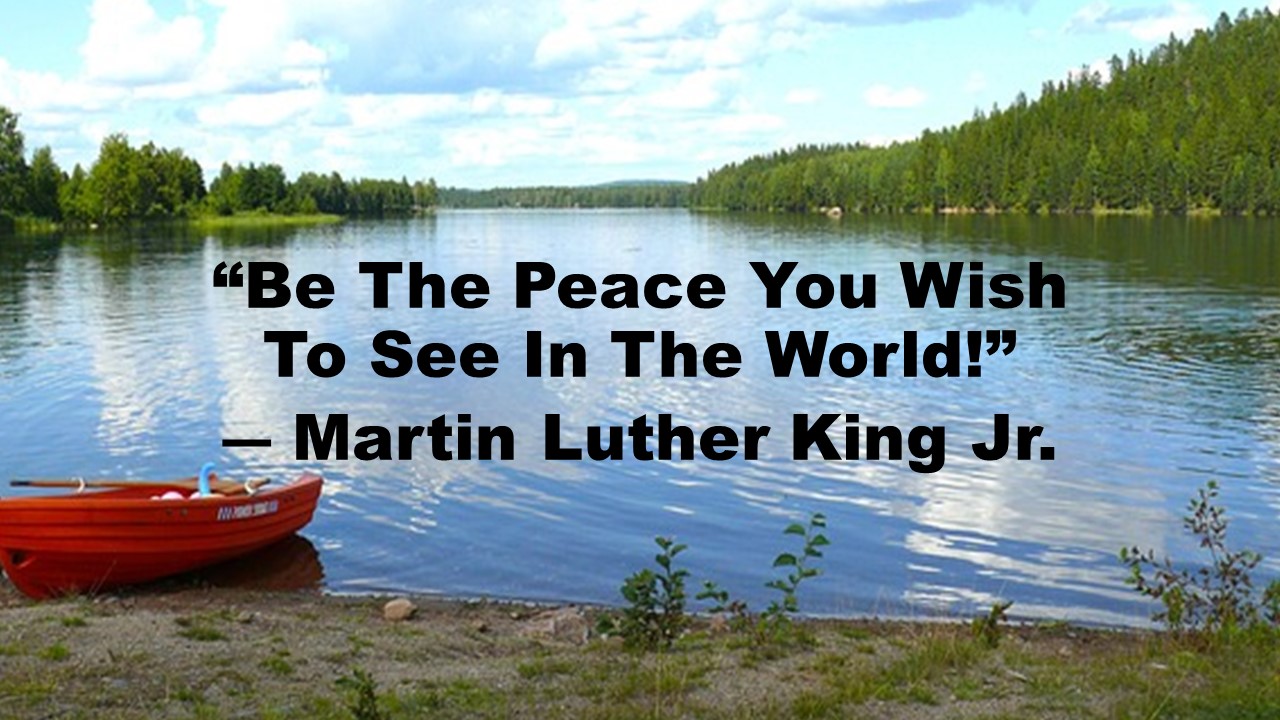
Today we celebrate Martin Luther King Jr. Day

I have a dream

I have a dream
Photo courtesy of Flickr (Tony Fischer Photography)

What Dream are you dreaming today? 

Sometimes Happiness won’t get it!

By David Joel Miller, MS, Licensed Therapist & Licensed Counselor.

Happy man

Happiness tip – be positive.
Photo courtesy of Pixabay.com

It takes more than saying have a happy day.

Sometimes wishing someone Happiness sounds more like an insult than a nice thing to say!

There are times when even a good morning is too much.

Don’t get me wrong, I am in favor of happiness. Most of my work as a counselor is about helping people work on having the happiest life possible, whatever that means to them.

There are people who have been knocked down so far that happiness is way above their horizon.

This past holiday season a lot of us went around saying Happy this and Merry that as if that was a possibility for everyone. Some of our fellow humans can’t imagine being happy.

Once each week I get a chance to work with some of the most impaired people imaginable. The stories I have heard over time would break your heart. They are hanging on, one way or another.

Mostly they are homeless or living in shelters, garages, or a rented room. Most of the time they are cut off from family and friends. They have burned bridges, they have been too sick or too hopeless for their families to want to keep up contact.

When I know that person suffered a loss of a loved one, is homeless, or is alone for the holidays they can’t seem to relate to the idea that next year might in any way be happier than this one.

Sometimes the only thing I can think to say to them is that “I hope things go better for you.” And mostly they say thanks for that and shake my hand.

So if right now you are so beat down that being happy feels out of reach, I hope that in 2014 things go better for you.

Staying connected with David Joel Miller

Seven David Joel Miller Books are available now!

My newest book is now available. It was my opportunity to try on a new genre. I’ve been working on this book for several years, but now seem like the right time to publish it.

Story Bureau.

Story Bureau is a thrilling Dystopian Post-Apocalyptic adventure in the Surviving the Apocalypse series.

Baldwin struggles to survive life in a post-apocalyptic world where the government controls everything.

As society collapses and his family gets plunged into poverty, Baldwin takes a job in the capital city, working for a government agency called the Story Bureau. He discovers the Story Bureau is not a benign news outlet but a sinister government plot to manipulate society.

Bumps on the Road of Life. Whether you struggle with anxiety, depression, low motivation, or addiction, you can recover. Bumps on the Road of Life is the story of how people get off track and how to get your life out of the ditch.

Dark Family Secrets: Doris wants to get her life back, but small-town prejudice could shatter her dreams.

Casino Robbery Arthur Mitchell escapes the trauma of watching his girlfriend die. But the killers know he’s a witness and want him dead.

Planned Accidents  The second Arthur Mitchell and Plutus mystery.

Letters from the Dead: The third in the Arthur Mitchell mystery series.

What would you do if you found a letter to a detective describing a crime and you knew the writer and detective were dead, and you could be next?

Sasquatch. Three things about us, you should know. One, we have seen the past. Two, we’re trapped there. Three, I don’t know if we’ll ever get back to our own time.

For these and my upcoming books; please visit my Author Page – David Joel Miller

Want the latest blog posts as they publish? Subscribe to this blog.

For videos, see: Counselorssoapbox YouTube Video Channel