How to stop overwhelming yourself.

By David Joel Miller, MS, Licensed Therapist & Licensed Counselor.
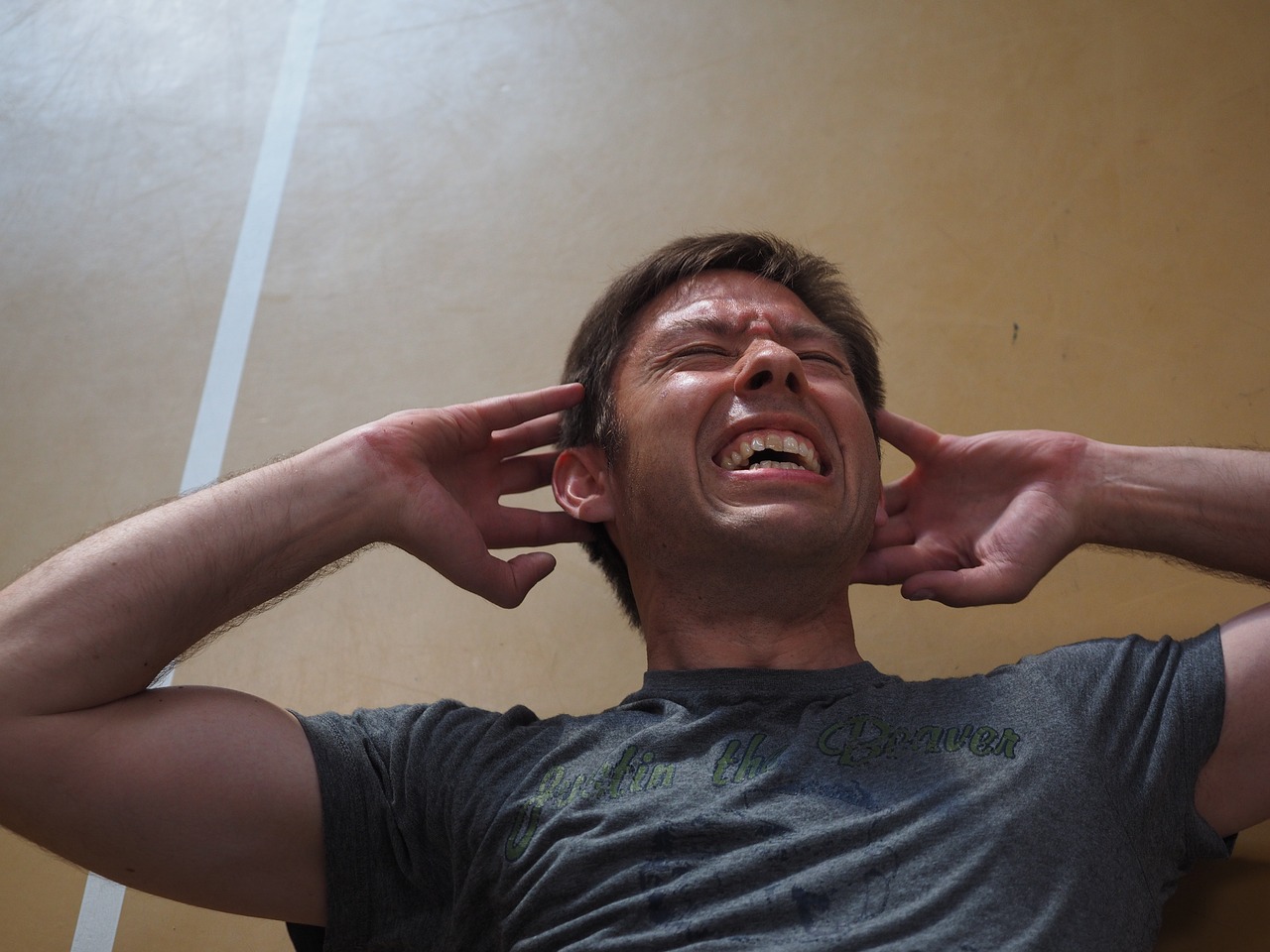
Overwhelmed.
Photo courtesy of Pixabay.com

Being overwhelmed can damage your mental and physical health.

Life these days can be hectic. Feeling overwhelmed is one of those stressors that can lead to poor mental health or the development of a mental illness. People often have responsibilities at work, challenges in their relationships, kids to raise, and bills to pay. All these conflicting obligations can cause you to feel overwhelmed.

People who come to see therapists because of depression often have a long history of being under stress and feeling overwhelmed. Some people have a positive stress mindset and interpret life’s challenges as opportunities rather than problems. But if you’re one of those people who is chronically overwhelmed by stress, there are things you can do to reduce the effects of stress on your life.

Your schedule needs to include some downtime.

Over scheduling yourself increases that overwhelmed feeling. If you don’t maintain your automobile, it’s likely to break down. You can’t run your car at full speed for very long before you start developing problems. Machinery needs some downtime for adjustments and repairs. It should be no surprise that humans need that downtime for rest and relaxation if they’re going to avoid both mental and physical problems.

Knowing when to stop reduces feeling overwhelmed.

If you’re chronically overwhelmed, the first step is to simply stop doing anything that doesn’t have to be done. It’s easy to get caught up in the rat race and forget that your human, not a rat. People who are overwhelmed often keep doing things out of habit rather than because they need to do them. If you feel overwhelmed, stop as soon as possible, take a break, and ask yourself, do I need to do this, and do I need to do it right now?

Take a deep breath and say goodbye to feeling overwhelmed.

As the level of stress hormones rise, one of the first things that it affects is your breathing. If you’re feeling anxious or overwhelmed, examine your breathing. People who were stressing out often are holding their breath. Tell yourself to remember to breathe. Breathing like a little puppy, short, shallow breaths, will increase your anxiety and may even make you dizzy and lightheaded. Take a deep breath from the diaphragm, not a shallow breath from up near your throat. Hold that breath for a moment and then exhale. Pause briefly before taking another breath. As you breathe more deeply, and more slowly, you will feel your anxiety level declining.

Reduce the overwhelm by saying no.

The secret to getting more done in life is not piling more tasks on yourself. You become more effective and less overwhelmed when you learn to say no to things you don’t have to do. A very useful rule of productivity is that you increase productivity not by doing more but by eliminating items from your schedule, you don’t need to do so that you can focus on the important tasks.

Make sure your schedule includes plenty of time for personal things. Self-care is not a luxury but a necessity. Include time in your schedule for your relationships, family and friends, and the things you really enjoy.

Don’t say yes until you’ve had a chance to think it over.

A huge source of that overwhelmed feeling is saying yes to too many things. Whether it’s at work or in your personal social life, learn to say no to something that will use up your time and leave you feeling stressed out and pressured. It’s easy to get into the habit of saying yes to everyone and everything. Learn to build some boundaries. Otherwise, people will keep dumping their garbage all over you.

Stop adding things to your priority list.

When you have too many priorities, you’re constantly running from one fire to the next and never getting anything accomplished. The fewer items on your priority list, the more progress you’ll make at getting everything done. Take another look at your to-do list and if things have been on there for a long time, either do it immediately or cross it off the list. It’s the things on your to-do list that you can’t do that add to that incredible sense of being overwhelmed.

Increase your self-esteem and reduce feeling overwhelmed.

You’re a human being, not a human doing. Learn to feel good about yourself regardless of what you have or are doing. If your self-esteem is based on what others think of you, it will always be precarious. Learn to like yourself. Become your own best friend. Your self-esteem should rest on being the best person you can be, which includes time for self-improvement rather than having to do a lot of things for others.

Invest some time in self-care.

Get plenty of sleep. Reducing sleep does not make you more efficient or give you more time to be productive. Lack of sleep results in foggy thinking, less energy, and will increase anxiety and depression. Lack of sleep also adds to the overwhelmed feeling because when you’re tired, you have less energy to do anything and become overwhelmed more rapidly.

Make sure you exercise regularly. Walking every day for twenty minutes or more has been shown to decrease symptoms of several mental illnesses. If you don’t have time to at least walk every day, your life is far too busy.

Listen to what your feelings are telling you.

Feelings have gotten a bad reputation. Your feelings shouldn’t control you, but they are a valuable source of information. If something is upsetting, you should stop and think about why, rather than ignoring this uncomfortable feeling. Don’t tell yourself you should enjoy something. Ask yourself if you really are enjoying what you’re doing. If the life you’re living isn’t making you happy, consider changing how your living that life. Don’t fall into the trap of believing that happiness comes from the next jolt of excitement. True happiness also includes periods of calm and relaxation.

Take some time to think about your life goals.

It’s easy to get caught up in the rush of day-to-day living without ever thinking about whether what you’re doing is taking you where you want to go. Do you want to be this frantically busy? If you were to have your ideal perfect life, would it be having more things or having more enjoyable experiences? Make sure that the life you’re living takes you to the goals that really matter to you, not the goals that someone else’s told you to pursue.

Maybe now is the time to say goodbye to that overwhelmed feeling.

Staying connected with David Joel Miller

Seven David Joel Miller Books are available now!

My newest book is now available. It was my opportunity to try on a new genre. I’ve been working on this book for several years, but now seem like the right time to publish it.

Story Bureau.

Story Bureau is a thrilling Dystopian Post-Apocalyptic adventure in the Surviving the Apocalypse series.

Baldwin struggles to survive life in a post-apocalyptic world where the government controls everything.

As society collapses and his family gets plunged into poverty, Baldwin takes a job in the capital city, working for a government agency called the Story Bureau. He discovers the Story Bureau is not a benign news outlet but a sinister government plot to manipulate society.

Bumps on the Road of Life. Whether you struggle with anxiety, depression, low motivation, or addiction, you can recover. Bumps on the Road of Life is the story of how people get off track and how to get your life out of the ditch.

Dark Family Secrets: Doris wants to get her life back, but small-town prejudice could shatter her dreams.

Casino Robbery Arthur Mitchell escapes the trauma of watching his girlfriend die. But the killers know he’s a witness and want him dead.

Planned Accidents  The second Arthur Mitchell and Plutus mystery.

Letters from the Dead: The third in the Arthur Mitchell mystery series.

What would you do if you found a letter to a detective describing a crime and you knew the writer and detective were dead, and you could be next?

Sasquatch. Three things about us, you should know. One, we have seen the past. Two, we’re trapped there. Three, I don’t know if we’ll ever get back to our own time.

For these and my upcoming books; please visit my Author Page – David Joel Miller

Want the latest blog posts as they publish? Subscribe to this blog.

For videos, see: Counselorssoapbox YouTube Video Channel

Originality.

Sunday Inspiration.     Post by David Joel Miller.

Originality.
Photo courtesy of Pixabay.com

“It is better to fail in originality than to succeed in imitation.”

― Herman Melville

“Books serve to show a man that those original thoughts of his aren’t very new after all.”

― Abraham Lincoln

“The mind, once stretched by a new idea, never returns to its original dimensions.”

― Ralph Waldo Emerson

Wanted to share some inspirational quotes with you.  Today seemed like a good time to do this. There are an estimated 100,000 words in the English language that are feelings related. Some emotions are pleasant, and some are unpleasant, but all feelings can provide useful information. If any of these quotes strike a chord with you, please share them.

Look at these related posts for more on this topic and other feelings.

Emotions and Feelings.

Inspiration

The six types of hallucinations. Video

A counselorssoapbox.com video by David Joel Miller, LMFT, LPCC

The six types of hallucinations.

We say hallucinations most people think immediately of seeing things or hearing voices, but there are six primary types of hallucinations. Some hallucinations are connected to mental illness. Drug use can cause temporary hallucinations or if the drug use damages the brain those hallucinations can become permanent, something we call substance-induced hallucinations. This video explains briefly the six types of hallucinations.

Martin Luther King Jr. Day

MLJ Day 2015

Today we celebrate Martin Luther King Jr. Day

Leadership.

Sunday Inspiration.     Post by David Joel Miller.

Abraham Lincoln

Abraham Lincoln.
Photo courtesy of Pixabay.com

“I hope that we shall crush in its birth the aristocracy of our monied corporations which dare already to challenge our government to a trial of strength and bid defiance to the laws of our country.”

― Thomas Jefferson, The Papers of Thomas Jefferson: Retirement Series, Volume 10: 1 May 1816 to 18 January 1817

Wanted to share some inspirational quotes with you.  Today seemed like a good time to do this. There are an estimated 100,000 words in the English language that are feelings related. Some emotions are pleasant, and some are unpleasant, but all feelings can provide useful information. If any of these quotes strike a chord with you, please share them.

“I have the consolation of having added nothing to my private fortune during my public service, and of retiring with hands clean as they are empty.”

― Thomas Jefferson

“If there is a country in the world where concord, according to common calculation, would be least expected, it is America. Made up as it is of people from different nations, accustomed to different forms and habits of government, speaking different languages, and more different in their modes of worship, it would appear that the union of such a people was impracticable; but by the simple operation of constructing government on the principles of society and the rights of man, every difficulty retires, and all the parts are brought into cordial unison. There the poor are not oppressed, the rich are not privileged. Industry is not mortified by the splendid extravagance of a court rioting at its expense. Their taxes are few, because their government is just: and as there is nothing to render them wretched, there is nothing to engender riots and tumults.”

― Thomas Paine, Rights of Man

Look at these related posts for more on this topic and other feelings.

Emotions and Feelings.

Inspiration

Will your counselor keep your secrets? Video

Will your counselor keep your secrets?

If you’re considering counseling, it’s important to understand what things you tell your counselor will be kept secret and what things they may be required to report. This video explains the concept of confidentiality, exceptions to confidentiality, and how to tell if the counselor will keep your secret.

Are your physical symptoms the result of stress or depression?

By David Joel Miller, MS, Licensed Therapist & Licensed Counselor.

Stress person

Stress.
Photo courtesy of Pixabay.com

Mental and emotional problems can cause physical symptoms.

Stress, depression, and anxiety can result in damage to your physical health. If you are having physical health symptoms, you should always get those symptoms checked out by a medical doctor. But if your doctor has run all the tests and not found a physical cause for your problem, you may need an emotional checkup with a mental health professional. Therapy can improve your mental health and result in a reduction in physical health symptoms. Below are some of the physical symptoms which could be caused by a mental or emotional problem.

Do you feel tired all the time?

Emotional problems such as depression or job burnout can make you feel both physically and emotionally exhausted. If you find yourself being just flat worn out all the time, and there isn’t a good physical reason for it, the cause may be an emotional or mental disorder.

Being emotionally tired can carry over into being physically tired. Depression can wear you out. In one type of depression, people become so tired they find it challenging to walk may describe their bodies as being made of lead. It’s hard to be motivated when you feel like your best efforts won’t accomplish anything. Feeling helpless and hopeless will take all the energy out of your body.

Are you sleeping too much or too little?

Changes in sleep is a characteristic symptom of either depression or anxiety. There are two types of depression, melancholy and atypical. In melancholy depression, people can’t sleep. In atypical depression, people have an increased need for sleep. The connection between sleep and mental health works in both directions. Mental illness interferes with your ability to sleep. Pushing yourself too hard and not allowing enough time for sleep can cause depression, irritability, or an increase in anxiety.

Has your appetite unexpectedly changed?

Some physical ailments will affect your appetite. But it’s equally true that emotional upset can affect your appetite. When you’re anxious or depressed, you may not feel like eating. People with atypical depression will have sudden cravings for sugar or carbohydrates. Many people experience emotional eating. When upset you find yourself eating mindlessly? If your emotional eating has gotten out of control, you may be suffering from a condition called Binge Eating Disorder.

Have you lost interest in sex?

Losing interest in sex can be a symptom of depression. In couples going through marital conflict, loss of interest in sex is a common symptom. It’s hard to feel interested in being intimate with someone when you’re angry with them.

Do you worry a lot about your health?

Being concerned about your health is reasonable. Everyone should try to eat a healthy diet and get adequate exercise. If your worries about your health have started to take over your life, you need to get professional help. Obsessive-compulsive disorder can result in people who feel they must eat certain foods or absolutely can’t eat others. If your relationship with food makes you anxious, you likely have a diagnosable mental health problem.

Depression can also cause or worsen many other physical symptoms.

Emotional problems can cause constipation or diarrhea, increase or worsen pain, make you feel lightheaded, trembling, or experience numbness. If you have seen a recent change in your physical health, get it checked out by a medical doctor. But you should also be alert to the possibility that these physical symptoms of the results of stress, depression, anxiety, or another mental illness.

Besides depression and anxiety, you should be on the lookout for other serious mental illnesses.

If you or someone you know starts having unusual thoughts or suddenly has episodes of high irritability and impulsive behavior, these could be early symptoms of psychosis or mania. Don’t ignore these kinds of issues as they can get worse very rapidly.

Staying connected with David Joel Miller

Seven David Joel Miller Books are available now!

My newest book is now available. It was my opportunity to try on a new genre. I’ve been working on this book for several years, but now seem like the right time to publish it.

Story Bureau.

Story Bureau is a thrilling Dystopian Post-Apocalyptic adventure in the Surviving the Apocalypse series.

Baldwin struggles to survive life in a post-apocalyptic world where the government controls everything.

As society collapses and his family gets plunged into poverty, Baldwin takes a job in the capital city, working for a government agency called the Story Bureau. He discovers the Story Bureau is not a benign news outlet but a sinister government plot to manipulate society.

Bumps on the Road of Life. Whether you struggle with anxiety, depression, low motivation, or addiction, you can recover. Bumps on the Road of Life is the story of how people get off track and how to get your life out of the ditch.

Dark Family Secrets: Doris wants to get her life back, but small-town prejudice could shatter her dreams.

Casino Robbery Arthur Mitchell escapes the trauma of watching his girlfriend die. But the killers know he’s a witness and want him dead.

Planned Accidents  The second Arthur Mitchell and Plutus mystery.

Letters from the Dead: The third in the Arthur Mitchell mystery series.

What would you do if you found a letter to a detective describing a crime and you knew the writer and detective were dead, and you could be next?

Sasquatch. Three things about us, you should know. One, we have seen the past. Two, we’re trapped there. Three, I don’t know if we’ll ever get back to our own time.

For these and my upcoming books; please visit my Author Page – David Joel Miller

Want the latest blog posts as they publish? Subscribe to this blog.

For videos, see: Counselorssoapbox YouTube Video Channel

Fairness.

Sunday Inspiration.     Post by David Joel Miller.

Fairness.
Photo courtesy of Pixabay.com

“It is not fair to ask of others what you are not willing to do yourself.”

― Eleanor Roosevelt

“Life is never fair, and perhaps it is a good thing for most of us that it is not.”

― Oscar Wilde

“A true revolution of values will soon cause us to question the fairness and justice of many of our past and present policies. …

― Martin Luther King Jr.

Wanted to share some inspirational quotes with you.  Today seemed like a good time to do this. There are an estimated 100,000 words in the English language that are feelings related. Some emotions are pleasant, and some are unpleasant, but all feelings can provide useful information. If any of these quotes strike a chord with you, please share them.

Look at these related posts for more on this topic and other feelings.

Emotions and Feelings.

Inspiration

Am I going crazy?

By David Joel Miller, MS, Licensed Therapist & Licensed Counselor.

Going crazy?
Photo courtesy of Pixabay.com

Being afraid you’re going crazy is a common fear.

When people are going through difficult times and are emotionally overwhelmed, it’s not surprising that they feel like they’re going crazy. If you’ve had that thought, there are several reasons why you probably are not going “crazy.” However, if you feel like you’re losing your mind, there may well be something else seriously amiss.

Crazy is not a destination.

Many people have come to believe that crazy is a destination, and going there is like being sent to Siberia. They fear that once they cross that boundary, there’s no coming back. So, they fight not to have a problem for fear of getting caught on the other side of that boundary which they think of as crazy.

Professionals don’t like to use the word crazy anymore, at least as it applies to mental health, because it’s very misleading. The truth is that most mental illnesses fall on a continuum from very mild to more severe. With treatment, sometimes even without treatment, people can move from being well to being unwell, or back to well again.

People who think they’re going crazy may have two mental health problems.

People who are under a great deal of stress may temporarily find their coping abilities overwhelmed. Stress can interfere with thinking and behaving and make you prone to problems with a lot of unhelpful thoughts and unpleasant feelings.

The other reason that people may feel they’re going crazy is that they’re experiencing an excess of anxiety. High anxiety can overload your cognitive or thinking system. People who are experiencing high anxiety find themselves having difficulty thinking and concentrating. I think of this as a computer that has too much information to process. Maybe you’ve watched one of those little wheels spin around on your computer while it tries to catch up? Most of the time, the computer does eventually finish processing that information. Though sometimes, you need to upgrade the memory. I think of what counselors and therapists do as somewhat like the memory upgrade on your computer. Sometimes when you have too much to think about, you can’t concentrate on anything.

Doesn’t going to see a counselor mean you are going crazy?

Not at all. Top-performing athletes and businesspeople frequently have coaches. Much of what counselors do is similar to coaching. The counselor will listen to you talk through things. They may make some suggestions to help you clarify things. Or they can help you determine if what you’re going through is normal, given the experiences you’ve had.

How will you know if your problems need professional treatment?

The four guides professionals use to decide if someone’s problems have become excessive, and their condition has moved into the area of a mental illness. Remember, mental illnesses do not mean you’re crazy, but they may come in mild, moderate, or severe forms.

You should seek professional help if what you’re going through has resulted in any one of the following four problems.

1. Occupational functioning problems.

If your problems are interfering with your ability to work, get or keep a job, or your schoolwork, you should seek help. Professionals using the DSM – 5 would call this impaired occupational functioning.

2. Social functioning problems.

If what you’re going through is preventing you from having satisfying relationships with family and friends, you may have impaired social functioning. Close relationships often have their ups and downs. Treatment for relationship problems may fall into the category of marriage counseling, parent-child relational problems, and so on. All these kinds of relationship problems may benefit from counseling, but they usually don’t meet the criteria for mental illness. Now, if your problems in relationships prevent you from having satisfactory relationships with family or friends, that would be a reason to consider it a mental illness.

3. Subjective distress.

If your anxiety, depression, or other thinking, feeling, and behaving issues are upsetting you, then your issue may meet the criteria for being a mental illness.

4. Problems in another important area of functioning.

If what you’re experiencing has caused you to give up activities that you use to enjoy, or if because of your anxiety or depression you can no longer engage in your hobby, you may be developing a mental illness.

Does feeling like you’re going crazy mean you must take medication?

Many mental health challenges can be helped by medication. It’s important, however, to remember that while medications can control symptoms, no medication will cure you of a mental illness.

Good treatment for most mental illnesses includes much more than just medication. Counseling or therapy can be helpful and may result in a reduction or elimination of your mental health symptoms. Some mental illnesses can be treated by behavioral modification or exercise. A healthy diet, adequate sleep, increased activity, and improving social relationships can all help manage, reduce, or even eliminating mental health issues.

If you been feeling like you may be going crazy, I would encourage you to seek out professional assistance.

Staying connected with David Joel Miller

Seven David Joel Miller Books are available now!

My newest book is now available. It was my opportunity to try on a new genre. I’ve been working on this book for several years, but now seem like the right time to publish it.

Story Bureau.

Story Bureau is a thrilling Dystopian Post-Apocalyptic adventure in the Surviving the Apocalypse series.

Baldwin struggles to survive life in a post-apocalyptic world where the government controls everything.

As society collapses and his family gets plunged into poverty, Baldwin takes a job in the capital city, working for a government agency called the Story Bureau. He discovers the Story Bureau is not a benign news outlet but a sinister government plot to manipulate society.

Bumps on the Road of Life. Whether you struggle with anxiety, depression, low motivation, or addiction, you can recover. Bumps on the Road of Life is the story of how people get off track and how to get your life out of the ditch.

Dark Family Secrets: Doris wants to get her life back, but small-town prejudice could shatter her dreams.

Casino Robbery Arthur Mitchell escapes the trauma of watching his girlfriend die. But the killers know he’s a witness and want him dead.

Planned Accidents  The second Arthur Mitchell and Plutus mystery.

Letters from the Dead: The third in the Arthur Mitchell mystery series.

What would you do if you found a letter to a detective describing a crime and you knew the writer and detective were dead, and you could be next?

Sasquatch. Three things about us, you should know. One, we have seen the past. Two, we’re trapped there. Three, I don’t know if we’ll ever get back to our own time.

For these and my upcoming books; please visit my Author Page – David Joel Miller

Want the latest blog posts as they publish? Subscribe to this blog.

For videos, see: Counselorssoapbox YouTube Video Channel

Friend.

Sunday Inspiration.     Post by David Joel Miller.

Friends.
Photo courtesy of Pixabay.com

“A friend is someone who knows all about you and still loves you.”

― Elbert Hubbard

“Good friends, good books, and a sleepy conscience: this is the ideal life.”

― Mark Twain

“What is a friend? A single soul dwelling in two bodies.”

― Aristotle

Wanted to share some inspirational quotes with you.  Today seemed like a good time to do this. There are an estimated 100,000 words in the English language that are feelings related. Some emotions are pleasant, and some are unpleasant, but all feelings can provide useful information. If any of these quotes strike a chord with you, please share them.

Look at these related posts for more on this topic and other feelings.

Emotions and Feelings.

Inspiration