How to scare an anxious person.

By David Joel Miller, MS, Licensed Therapist & Licensed Counselor.
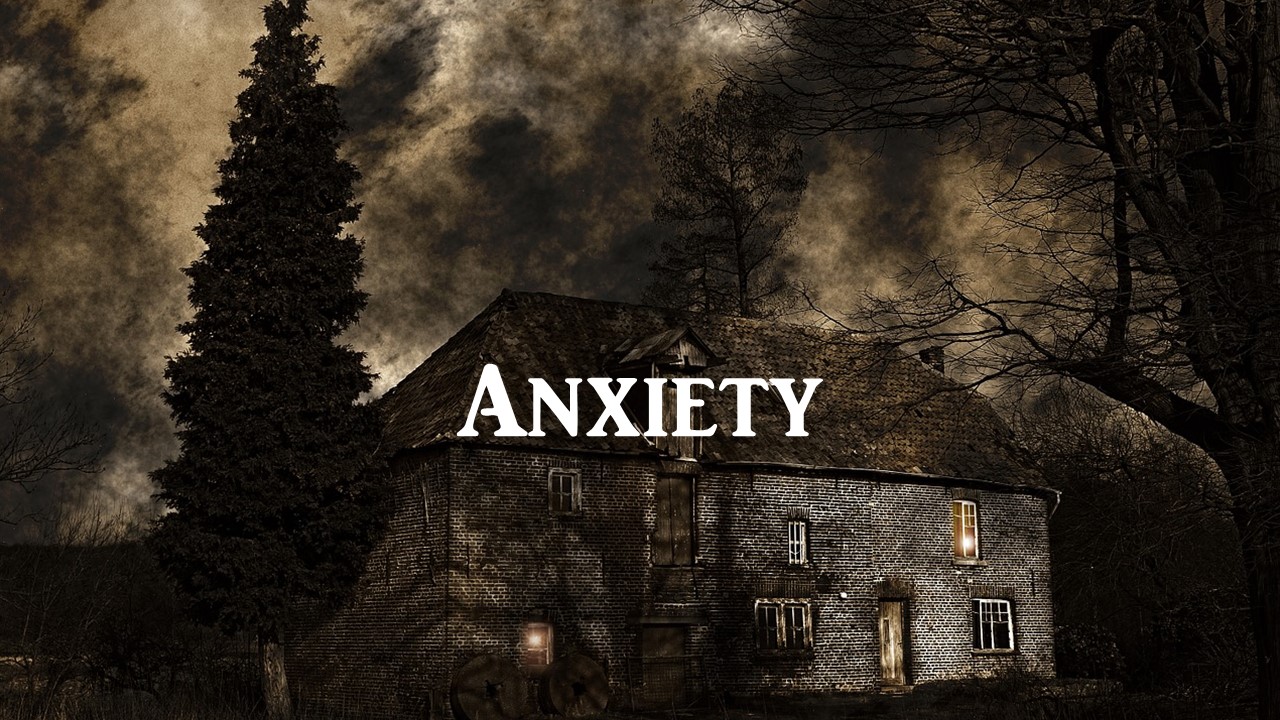
Anxiety provoking.

Anxiety.
Photo courtesy of Pixabay.com

How many of these things scare you?

People who are high in anxiety are easily frightened. A great many things can scare someone with high anxiety.

Unfortunately, it is often the person who is high in anxiety who is scaring themselves. How many of these thoughts do you entertain that result in feeding your anxiety monster until he is out of control?

Threaten them. 50% chance of an earthquake in the next few years.

Lots of bad things MAY happen. Particularly in the realm of nature and the environment. That earthquakes, hurricanes, tornadoes, and other weather phenomena may happen, does not guarantee they will.

Even in those places where these catastrophic events take place the chances that you and yours will get through unharmed are better than the chances you will be injured. Don’t waste a lot of effort considering low probability events when there are high probability events around the corner.

Does the chance something may happen, justify your using up space in your brain worrying about what may happen at some point off in the future. Eventually we humans all die but happy people live their life based on positive beliefs.

Asking “what if” questions will scare you.

Putting doubt in your head is a proven method to increase anxiety. Ruminating about the future is a sure-fire way to crank up your anxiety. Ask repeatedly “what if” questions about the future and you will discover plenty of possibilities to go wrong.

Attitude towards waiting, traffic jams, lines, being late, can increase anxiety.

For people high in anxiety any waiting is anxiety-provoking. Where someone with less anxiety might interpret the wait is a chance to relax and de-stress the anxious person will use the time to worry about what might happen, how this is not the way things are “supposed” to go. Anxious people can catastrophize about any delay in plans.

Remind yourself everyone is watching. Public speaking, presentations, inspections.

There are lots of situations in life where people might be watching you. Giving a bad talk or presentation might get you noticed in an unfavorable light.

The best remedy for that kind of unfavorable attention is to know what you are talking about and to thoroughly prepare that talk. Most of the time you will find that people are paying far less attention to you than you might wish. Even worse than doing a poor presentation, for the person who speaks a lot, is giving a good one and having no one notice.

One thing you will discover if you investigate what others think about you is that most of the time, those other people are far too preoccupied with their own lives to notice what you did or did not do.

Tell them to “dress appropriately.”

Fuzzy directions can create immense anxiety. Planning to be on time only works if you know what is “on time” for the particular function you will be attending. What is appropriate for one situation and a group of people can be very inappropriate for another.

The best way to quiet this fear is to do your homework or ask what is the proper time or attire.

Ask if they noticed that mole, rash, lump, itch.

You can spend countless hours of frantic involvement with your worries as you go over every inch of your body looking for imperfections to diagnose. Stop stressing and head to the doctor. They should be able to tell you what that mark is and put your mind to rest.

You are not wrong to ask a friend about some new mark you see on their body, just do it in a gentle way knowing that the high anxiety person may anxious themselves beyond belief at your question.

Have them work in a place with sudden unexplained noises.

Someone with high anxiety is always on the lookout for sudden unexplained events, noises, and movement. Put that person on a worksite that has random unexplained sights and sounds and by the end of the day, they are ready to become the proverbial basket case.

Worse than ending up in that sort of environment by chance is the person with high anxiety who ignores their mental health needs and takes on an unsuitable job or those anxious people who are living in a situation with those random, sight, and sound triggers.

Wait till the last minute, for appointments, gas, or essentials.

If you are a high anxiety person you know how unnerving last-minute changes of plans can be. You have planned things out in advance to prevent unexpected occurrences and suddenly plans get changed with possible “catastrophic” results.

If you have to live or work with an anxious person, plan ahead to avoid these last-minute emergencies. Stopping for gas on the way to the appointment may be no problem for you but the high anxiety person will come unglued at the thought that you may run out of gas or that you might be late for that appointment and then they would not be seen by the doctor and their cancer would go undiagnosed and they might die as a result —- See how that anxiety train picks up speed as they ruminate about unforeseen plan changes?

Take them for a drive along the cliff when the river floods.

There are a number of things that trigger anxiety so commonly these items made it into the most recent Diagnostic and Statistical Manual of Mental Disorders (DSM-5) in the section on specific phobias. While people can be specifically afraid of these things they can also be triggers for high anxiety even when the person with the fear attack is unaware of the phobia.

The list of Specific Phobias includes animals, nature, blood and surgery, close or confined places, choking, vomiting, and even costumed creatures.

If you have a person with anxiety in your life, try to avoid doing these things and triggering that person’s anxiety. If you are an anxious person, how many of these things are you creating for yourself, and are you willing to try some counseling to get past those anxiety triggers?

For more on this topic see:   Anxiety

Staying connected with David Joel Miller

Seven David Joel Miller Books are available now!

My newest book is now available. It was my opportunity to try on a new genre. I’ve been working on this book for several years, but now seem like the right time to publish it.

Story Bureau.

Story Bureau is a thrilling Dystopian Post-Apocalyptic adventure in the Surviving the Apocalypse series.

Baldwin struggles to survive life in a post-apocalyptic world where the government controls everything.

As society collapses and his family gets plunged into poverty, Baldwin takes a job in the capital city, working for a government agency called the Story Bureau. He discovers the Story Bureau is not a benign news outlet but a sinister government plot to manipulate society.

Bumps on the Road of Life. Whether you struggle with anxiety, depression, low motivation, or addiction, you can recover. Bumps on the Road of Life is the story of how people get off track and how to get your life out of the ditch.

Dark Family Secrets: Doris wants to get her life back, but small-town prejudice could shatter her dreams.

Casino Robbery Arthur Mitchell escapes the trauma of watching his girlfriend die. But the killers know he’s a witness and want him dead.

Planned Accidents  The second Arthur Mitchell and Plutus mystery.

Letters from the Dead: The third in the Arthur Mitchell mystery series.

What would you do if you found a letter to a detective describing a crime and you knew the writer and detective were dead, and you could be next?

Sasquatch. Three things about us, you should know. One, we have seen the past. Two, we’re trapped there. Three, I don’t know if we’ll ever get back to our own time.

For these and my upcoming books; please visit my Author Page – David Joel Miller

Want the latest blog posts as they publish? Subscribe to this blog.

For videos, see: Counselorssoapbox YouTube Video Channel

Ways you create a miserable life.

By David Joel Miller, MS, Licensed Therapist & Licensed Counselor.

Are you creating a miserable life?
Photo courtesy of Pixabay.com

Are you making yourself miserable?

Life can be hard, things happen that are out of your control. The things you do in response to life’s ups and downs can make things better or they can keep you stuck in a downward spiral.

Bad life habits can create more misery. How many of these misery creating habits have you drifted into?

You believe one thing and do another.

Discrepancies between what you believe in and what you are doing cause a great deal of misery. If you find you are not practicing your religious or ethical values take another look at your life. How much unhappiness are you creating by excusing your failure to do the things you believe you should be doing?

You lie to yourself.

If there is one person on earth you need to be ruthlessly honest with, it is yourself.  Those lies you tell yourself often enough become part of your core schema, the way you look at life. Do not make excuses for your mistakes. Do not blame others for the things that go wrong in your life.

Begin today to recognize the things you have influence over and can change. Work on your part in things and do those things you know you need to take care of.

You avoid feelings.

Feelings have a purpose. They convey valuable information to you. Get in touch with these feelings. Learn what makes you happy. Stop doing the things that make you sad. Recognize that if a thing feels wrong it probably is.

Avoiding feelings and numbing out does not protect you from life’s pain, it can keep you stuck there.

Putting happiness off till someday keeps you miserable.

Someday never comes. It is always today. Everything that happens to you happens in the now. Work on becoming more present in everything you do. Waiting for someday keeps things from happening for you.

Take small steps today and every day and those small steps will mount up. Fail to take action now while waiting for someday and when that anticipated day arrives nothing will have changed. Why live less of a life now while waiting for that someday which may never come?

You tell yourself you can’t.

Do you believe that saying you can’t, protects you from feeling bad when things do not go your way? Not trying guarantees you won’t feel any better. The consistent quality of winners is that they believed they could.

Tell yourself that you can and you will make a lot more progress towards your goal.

You avoid anything new or difficult and stay in misery.

People who avoid the new and different become stagnant. Those who grow embrace challenges. This does not mean you need to chase every momentary fad. Be consistent in your efforts to grow, learn, and improve the most valuable resource you have –you.

We all have our comfort zones. Staying in the center of your comfort zone keeps you stuck. Move towards the edge of that place of comfort and see if you can stretch out your places of comfort. Keep expanding that comfort zone to take in new things and new people.

Everyone falls into some of these miseries creating habits occasionally but if you find that you are doing many of these or that you do them often take another look at how you are living your life.

Start today creating the best life possible, the one we might call your “happy life.” Take a few self-change steps and see how much more happiness and how much less misery you can place in your life.

Staying connected with David Joel Miller

Seven David Joel Miller Books are available now!

My newest book is now available. It was my opportunity to try on a new genre. I’ve been working on this book for several years, but now seem like the right time to publish it.

Story Bureau.

Story Bureau is a thrilling Dystopian Post-Apocalyptic adventure in the Surviving the Apocalypse series.

Baldwin struggles to survive life in a post-apocalyptic world where the government controls everything.

As society collapses and his family gets plunged into poverty, Baldwin takes a job in the capital city, working for a government agency called the Story Bureau. He discovers the Story Bureau is not a benign news outlet but a sinister government plot to manipulate society.

Bumps on the Road of Life. Whether you struggle with anxiety, depression, low motivation, or addiction, you can recover. Bumps on the Road of Life is the story of how people get off track and how to get your life out of the ditch.

Dark Family Secrets: Doris wants to get her life back, but small-town prejudice could shatter her dreams.

Casino Robbery Arthur Mitchell escapes the trauma of watching his girlfriend die. But the killers know he’s a witness and want him dead.

Planned Accidents  The second Arthur Mitchell and Plutus mystery.

Letters from the Dead: The third in the Arthur Mitchell mystery series.

What would you do if you found a letter to a detective describing a crime and you knew the writer and detective were dead, and you could be next?

Sasquatch. Three things about us, you should know. One, we have seen the past. Two, we’re trapped there. Three, I don’t know if we’ll ever get back to our own time.

For these and my upcoming books; please visit my Author Page – David Joel Miller

Want the latest blog posts as they publish? Subscribe to this blog.

For videos, see: Counselorssoapbox YouTube Video Channel
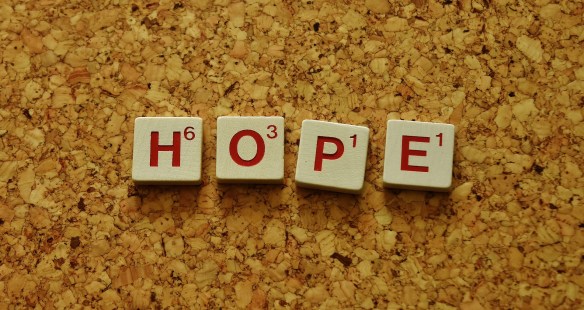
Hope- the missing Mental Health ingredient.

By David Joel Miller, MS, Licensed Therapist & Licensed Counselor.

Hope

Hope. The missing mental health ingredient. 
Photo courtesy of Pixabay.com

Without hope treatment for mental illness is ineffective.

Large doses of hope may turn out to be the most effective treatment for mental illness. It is an ingredient that has been missing from treatment programs for far too long.

The conventional wisdom, when it comes to mental health, turns out to not be true. For a long time, there has been the belief that there are two kinds of people, the normal and the mentally ill. The result of this thinking error was that we lost hope for those with a mental illness to recover.

Turns out that they is us. In their lifetime half of all Americans will have an episode of a mental illness that should be diagnosed and treated. No, just toughing it out and pretending you do not have a problem will not make it go away.

Mental Health is on a continuum. Some people’s experience of a mental illness will be more severe than others. People on this continuum can move to being more healthy or less mentally healthy. Just like physical health, you may not be able to know who is going to get which disorder at which time but we know there are risk factors and ways to keep yourself more mentally healthy.

This misunderstanding, that people without a mental illness can get better or worse and so can those with a mental illness, has impeded our ability to help those experiencing an emotional problem.

Many of our mental health treatment systems are still stuck in that old way of thinking. If the mentally ill are different from the rest of us then they will always be ill and society needs to take care of them and run their lives. That approach is devoid of hope and disregards the role of the person with an illness in managing their symptoms and their life.

If we recognize that mental illness, like physical illness, can get better at times and worse at times, then this tells us that there is hope. Hope for recovery is fundamental to any rational approach to treating mental illness.

If those with a mental illness are not permanently stuck in a hopeless place then there are things that they can do to improve their mental health and wellness. This concept, that people with a challenge can live meaningful lives, that you can recover, is one of the basic tenants of 12 step programs. It seems that recovery works very well for alcoholism and addiction – why not for mental illness?

By recovery or Wellness and Recovery we do not necessarily mean a cure. Some conditions, once you have them, there will always be a risk of a relapse. Both Mental illness and Substance Use Disorders are conditions for which there is a high risk of relapse.

If there are things that increase the risk of relapse then there are certain things that can reduce this risk. This means to me that recovery from mental illness is not something that the doctor or therapist does to the client, it is something we help the client learn to do for themselves.

Some of you are thinking, yeah right! They need to see a doctor for medication. Yes, this is true. They need the doctor’s expertise when it comes to medication. But those meds are worthless unless that person has the skills needed to take those meds as prescribed.

Every program I have ever worked at has talked about a subject called “medication compliance” as if getting people to take their meds was something we professionals should make people do. Truth is we get the best results, and so do the clients, when we empower clients to actively participate in this process.

This concept, that Hope is a necessary part of recovery, is not something original with me. The value of hope has ancient roots. When it comes to mental health it is a concept that’s time has come.

W.R.A.P. – Wellness and Recovery Action Planning.

Recently I had the pleasure of attending a training on a program called “WRAP” which stands for Wellness and Recovery Action Planning.” This program was developed by and for mental health clients/consumers to use in planning to maintain their mental health and to have a plan for what to do if that mental health faced a challenge.

For more on this program see: https://copelandcenter.com/wellness-recovery-action-plan-wrap

Look also at http://www.mentalhealthrecovery.com/

Books about WRAP are available from https://www.wrapandrecoverybooks.com/store/

As a result of attending this training, I am now a certified W.R.A.P.  Facilitator. If you want to know more about that contact me or check out the links above.

One of the important parts of this training was the discussion of 5 “Key Concepts” that are the foundation of the W.R.A.P. program.

One of those Key concepts? You guessed it. – HOPE.

How do all of you feel about this radical concept – Hope? Do you have some? Do any of you have stories about hope and recovery you would be able to share with the other blog readers?

Consider how much hope you have and how you can build more hope for you and others.

Staying connected with David Joel Miller

Seven David Joel Miller Books are available now!

My newest book is now available. It was my opportunity to try on a new genre. I’ve been working on this book for several years, but now seem like the right time to publish it.

Story Bureau.

Story Bureau is a thrilling Dystopian Post-Apocalyptic adventure in the Surviving the Apocalypse series.

Baldwin struggles to survive life in a post-apocalyptic world where the government controls everything.

As society collapses and his family gets plunged into poverty, Baldwin takes a job in the capital city, working for a government agency called the Story Bureau. He discovers the Story Bureau is not a benign news outlet but a sinister government plot to manipulate society.

Bumps on the Road of Life. Whether you struggle with anxiety, depression, low motivation, or addiction, you can recover. Bumps on the Road of Life is the story of how people get off track and how to get your life out of the ditch.

Dark Family Secrets: Doris wants to get her life back, but small-town prejudice could shatter her dreams.

Casino Robbery Arthur Mitchell escapes the trauma of watching his girlfriend die. But the killers know he’s a witness and want him dead.

Planned Accidents  The second Arthur Mitchell and Plutus mystery.

Letters from the Dead: The third in the Arthur Mitchell mystery series.

What would you do if you found a letter to a detective describing a crime and you knew the writer and detective were dead, and you could be next?

Sasquatch. Three things about us, you should know. One, we have seen the past. Two, we’re trapped there. Three, I don’t know if we’ll ever get back to our own time.

For these and my upcoming books; please visit my Author Page – David Joel Miller

Want the latest blog posts as they publish? Subscribe to this blog.

For videos, see: Counselorssoapbox YouTube Video Channel

Meth, Cocaine and Ecstasy really do cook your brain

By David Joel Miller, MS, Licensed Therapist & Licensed Counselor.

egg cooking

Drugs can fry your brain.
Photo courtesy of Pixabay.com

Stimulant drugs cause overheating of the brain.

Your brain’s temperature does vary. The temperature in your brain can fluctuate a whole lot. Some things cause your brain to heat way up and other things cause it to cool down a lot.

Most of what we know about brain temperatures comes from studies of rats but it looks like the human brain runs at a temperature very close to the rat’s brain.

When Mr. Rat is sleeping his brains temperature cools down to about 95 (35C.) During the day Rat’s brain will mostly be around 98.6 (37C) which is what we expect the human brain and body to be.

When drugs are introduced into a mammals system, as they are metabolized, the brain’s temperature will shift to reflect that metabolism. Physical exercise and emotions alter this brain temperature also.

The way that a drug affects the brain’s temperature is, as are many other effects of drugs, very dependent on the dose of drugs and the route of administration.

Mr. Rat’s max brain temperature reaches an extreme high of 103 (39.5) during extremely vigorous rat sex.

That was his top brain temp without drugs. But let Mr. Rat, and presumably, humans, start tweaking on Meth and his brain temp cranks up to an over-the-top level of 104 (40C.)

At that point, the brain temp has begun to damage Mr. Rat and his larger human cousin’s brain. From here on as the brain temperature rises, the blood-brain barrier, the thing that protects your brain from infection and other damage, begins to leak. At this temperature, the very structure of the brain begins to “cook” as in there are structural changes.

I am not making this stuff up. I found this is in Kiyatkin’s article “The hidden side of drug action: brain temperature changes induced by neuroactive drugs,” from Psychopharmacology (2013) 225:765–780

Kiyatkin also points out that while the human brain only contains 2% of your body weight it uses up to 20% of the energy you use every day. This may explain why since T. V. came on the scene humans are thinking less and weighing more, but that is a topic for another blog post. (The T. V. part is my theory, not Kiyatkin’s.)

He does point out that the brain holds heat and the temperature there is likely to run hotter than the body temp, the center of the brain runs hotter yet as it takes a lot of blood flow to cool that part of your brain down. So if someone is doing (abusing) a drug like meth, ecstasy, or molly, the temperature in their brain center is likely to be higher than the rest of them.

The hotter the temperature of the brain the more severe any brain injury is likely to be.

This same study looked at rats trained to press a lever to get Cocaine and those rats who just had to wait around for an injection. The rats who self-injected or were drug-seeking – guess what? The temperature in the brains of addicted rats goes up when they are looking for cocaine. This suggests, at least the way I read this study, that the stimulant drug had changed the way the brain utilizes neurotransmitters and regulates temperature.

Both Meth and MDMA (Ecstasy or Molly) induce strong peripheral vasoconstriction. So while they increase the temperature in the brain they reduce the ability of the body to get rid of this heat.

In male rats when the room temperature went up to 29C (84.4) and they had social interactions with female rats, something that would normally raise the temperature of their brain slightly, Meth raised their brain temperature to dangerous levels (42C, 107.6F.) and within 6 hours 5 out of 6 rats died.

This brain cooking phenomenon may well explain the reports of deaths at human social events from dehydration despite efforts to drink water and stay cool.

Humans can tolerate Meth and other stimulant drug doses better than rates and we humans are better at regulating temperature. Still, above 104F (40C) high brain temperatures are implicated in permanent damage to the brain. (See (Chen et al. 2003; Iwagami1996; Oifa and Kleshchnov 1985; Lepock 2003; Sharma and Hoopes 2003; Yamamoto and Zhu 1998) quoted by Kiyatkin,)

So when people tell you that Meth, Ecstasy, or Molly is cooking your brain, they are telling it right.

Staying connected with David Joel Miller

Seven David Joel Miller Books are available now!

My newest book is now available. It was my opportunity to try on a new genre. I’ve been working on this book for several years, but now seem like the right time to publish it.

Story Bureau.

Story Bureau is a thrilling Dystopian Post-Apocalyptic adventure in the Surviving the Apocalypse series.

Baldwin struggles to survive life in a post-apocalyptic world where the government controls everything.

As society collapses and his family gets plunged into poverty, Baldwin takes a job in the capital city, working for a government agency called the Story Bureau. He discovers the Story Bureau is not a benign news outlet but a sinister government plot to manipulate society.

Bumps on the Road of Life. Whether you struggle with anxiety, depression, low motivation, or addiction, you can recover. Bumps on the Road of Life is the story of how people get off track and how to get your life out of the ditch.

Dark Family Secrets: Doris wants to get her life back, but small-town prejudice could shatter her dreams.

Casino Robbery Arthur Mitchell escapes the trauma of watching his girlfriend die. But the killers know he’s a witness and want him dead.

Planned Accidents  The second Arthur Mitchell and Plutus mystery.

Letters from the Dead: The third in the Arthur Mitchell mystery series.

What would you do if you found a letter to a detective describing a crime and you knew the writer and detective were dead, and you could be next?

Sasquatch. Three things about us, you should know. One, we have seen the past. Two, we’re trapped there. Three, I don’t know if we’ll ever get back to our own time.

For these and my upcoming books; please visit my Author Page – David Joel Miller

Want the latest blog posts as they publish? Subscribe to this blog.

For videos, see: Counselorssoapbox YouTube Video Channel
11 rules for Making Friends and Creating a Support System

By David Joel Miller, MS, Licensed Therapist & Licensed Counselor.

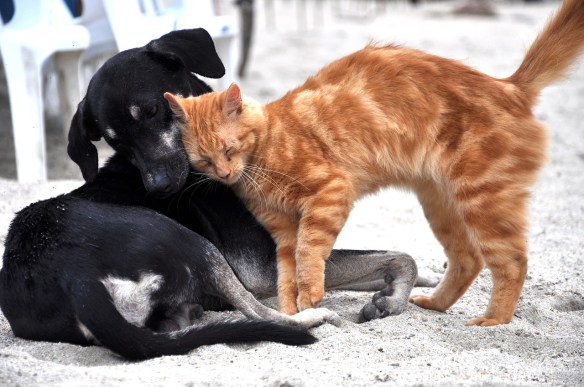
True friends.
Photo courtesy of pixabay.

Positive social networks can keep you healthy.

Modern society moves at a fast pace. People move a lot and there are smaller families than there used to be. One challenge for all of us is how to create or strengthen those support systems. Networking is just as important in your personal emotional life as it is in your professional life.

The best professional networks should include some people who you would want as friends and supporters. Here are some suggestions on how to strengthen those connections with others by making friends, developing networks, and strengthening your support system.

1. Shared interests build friendships.

Most friendships develop around shared interests. If you want to make more friends go where people who like the same things as you hang out. Hang out at a bar and you meet drinkers. Go to the book club and you meet readers. The activities you enjoy are the best places to meet people who like what you do. Do not wait till you have friends to do things. Do the things you love first and you will make friends who love the same things you do.

2. To meet new people come early and stay late.

Arriving late for a meeting keeps you from talking to others. So does running off before the meeting ends. If you want to meet others you need to budget your time as well as your money. Come a little early to meet people and plan to hang around a few minutes after the meeting ends so you can talk to other like-minded people.

3. Help others – get into services.

Offer to help out. Set up chairs, make the coffee, or hand out programs. Doing things to be of service makes you more a part of the group and is a great way to meet other people.

4. Be a giver, not a taker.

If you are only there for what you can get out of a gathering you are likely to be disappointed. A selfish person is not high on the desirable list. Learn to do things for others just for the joy of giving and you will find that others appreciate you and what to get to know you.

This does not mean that you need to let others abuse you or that you need to buy your way into a group by doing or paying for things. What is important is that to make friends and supporters you need to act like the kind of person they would like to have for a friend.

5. Take someone with you.

Friendships are networks. Invite someone to go with you and you are not alone. They may well invite you the next time. The best way to meet people is through the people you already know. Make sure that the friends you hang out with are positive people. Your friends tend to introduce you to others just like they are.

6. Stay on topic.

If you are in a group that is talking about school activates do not try to take over the group and tell the stories of your last trip to where ever. Even in small-talk conversations try to share about the things others are talking about.

7. Help others join in.

The fastest way to make new friends is to help others to join in. Put your hand out, say hello and you will find you are the go-to person for making friends.

8. Pay attention to the person you are talking to.

Remembering people’s names is a blessing. Work on it. Refer to others by names some of the time. Be careful that you have something real to say rather than punctuating every other sentence with their name. Having someone repeat your name several times in a sentence makes them feel like you are talking to a creepy call-center person.

One way to develop a deeper connection is to really pay attention to the person you are talking with. Look at them and stop looking around. Looking over your shoulder for the next conversation victim tells the person that you are talking with that they do not matter that much to you.

9. Don’t cling on desperately – be ready to mingle.

In new situations, once you meet someone and engage them in conversation be ready to let them go. Having someone you just met latch onto you and follow you around the rest of the evening can feel like you now have a stalker.

10. Try to reconnect. Send emails, friend, connect on social media.

Whenever possible get a person’s contact info. Make sure you send them an email, friend them on social media or give them a call. Reach out to them like you want to be friends not like you are trying to sign them up for your multi-level marketing company.

11. Be sensitive to other’s needs for privacy.

Some people are all out there. Their life is an open book. Others, they are more private people. Do not push to invade others’ privacy. Some people keep their social media set to only a handful of close friends and family. Others have 15,000 best friends in their circle.

Know whether the person you met is open to you just dropping by or do they keep their home a sanctuary for just them and their family.

When adding friends to your support system think first about how public or private you want this relationship to be and make that clear if there is a chance that the person you just met will friend you and show up for dinner.

You will have some friends that are in all parts of your life and others that may be in only a few shared activities.

Staying connected with David Joel Miller

Seven David Joel Miller Books are available now!

My newest book is now available. It was my opportunity to try on a new genre. I’ve been working on this book for several years, but now seem like the right time to publish it.

Story Bureau.

Story Bureau is a thrilling Dystopian Post-Apocalyptic adventure in the Surviving the Apocalypse series.

Baldwin struggles to survive life in a post-apocalyptic world where the government controls everything.

As society collapses and his family gets plunged into poverty, Baldwin takes a job in the capital city, working for a government agency called the Story Bureau. He discovers the Story Bureau is not a benign news outlet but a sinister government plot to manipulate society.

Bumps on the Road of Life. Whether you struggle with anxiety, depression, low motivation, or addiction, you can recover. Bumps on the Road of Life is the story of how people get off track and how to get your life out of the ditch.

Dark Family Secrets: Doris wants to get her life back, but small-town prejudice could shatter her dreams.

Casino Robbery Arthur Mitchell escapes the trauma of watching his girlfriend die. But the killers know he’s a witness and want him dead.

Planned Accidents  The second Arthur Mitchell and Plutus mystery.

Letters from the Dead: The third in the Arthur Mitchell mystery series.

What would you do if you found a letter to a detective describing a crime and you knew the writer and detective were dead, and you could be next?

Sasquatch. Three things about us, you should know. One, we have seen the past. Two, we’re trapped there. Three, I don’t know if we’ll ever get back to our own time.

For these and my upcoming books; please visit my Author Page – David Joel Miller

Want the latest blog posts as they publish? Subscribe to this blog.

For videos, see: Counselorssoapbox YouTube Video Channel

12 ways to become totally undesirable.

By David Joel Miller, MS, Licensed Therapist & Licensed Counselor.

Undesirable person.
Photo courtesy of Pixabay.com

Are you making yourself undesirable?

Being desirable is about more than looks. Outward looks fade with time but what is inside can make you undesirable at any age

Fancy clothes and expensive makeup, nails, and a new hairstyle can hide some faults but don’t rely on them to hide inner unpleasantness. Men, a new suit, and tie will not cover up your rudeness and lack of consideration.

Why waste time on your outside when what you are doing is creating a really ugly person inside. Here are twelve ways people can create a person even they would not want to be around.

1. Make sure everyone knows how awful things are – spread the doom and gloom.

Make sure that everywhere you go you let people know just how bad things really are. Especially let them know that they are incompetent and helpless to alter their fate.

2. Belittle other’s accomplishments – whatever they do tell them you can do it better.

Someone gets straight A’s, let them know that the school they attend has really been slipping academically, why you heard that anyone can get A’s there.

If they run a marathon let them know that you have a younger cousin that is taking after you and now is an Olympic hopeful.

Whatever they do let them know that you can do it better and in fact you know just scads of people who are far superior to them on a daily basis.

3. Fight with everyone every chance you get.

Make sure that any mistake no matter how small does not go uncorrected. Point out the slightest flaw in everyone around you. If anyone says anything, think of ways that you can instantly argue with everything they said. Let those at work know how much smarter you are and how you are surrounded by stupid, ignorant people.

4. Make sure you are always the center of attention – remind everyone who will listen that it is all about you.

Take every opportunity in the conversation to turn the conversation towards you. Tell them what you do, who you know, and how very grateful people are to you for all you do.

Avoid babies and animals because the might upstage you and it is all about you now and ever after.

5. Boss everyone around – if they don’t play by your rules take your ball and go home.

Let people know that you think they are incompetent. Tell them how to do every little thing. Make sure that you take charge of every situation and run every show. No one can be trusted to get things right but you. Make sure to remind them all how hard it is for you to have to take over everything but that you will do it rather than having things done wrong.

6. Focus only on your outside.

Do not waste time on learning and education when you can get a haircut, manicure, or the latest designer clothing.

When you look good then you should not need to know anything.

7. Remind everyone how stupid they are and how smart you are.

Point out every mistake and every omission in what others say. Bring up past errors for as long as possible. Keep mental notes of every fault those around you have and remind them of how you saw what they did.

Slip reminders of how stupid they are into every conversation. “I can’t believe you didn’t know that” “did you take a stupid pill today or what?”

8. Think only of yourself.

Being constantly self-centered is a good way to develop your inner ugly.

9. Lie, cheat, and steal every chance you get.

Lying is wrong when others do it but you are special. The rule should not apply to anyone as special as you. It is not really stealing because you need what others have and if they knew how special you were they would want you to have their stuff anyway.

10 Tell them the truth even if it will hurt someone’s feelings – politeness is for the week.

If they can’t take the truth, then you should not feel sorry for them. You should be as blunt as possible after all you are “only telling the truth,” which is an excuse for all manner of rudeness.

11. Expect others to always do for you but set limits on what you do for them – they owe you the loan of money, rides, and favors but you are just too important to always be doing for others.

Make sure everyone knows that they are expected to pick you up, take you places and get you there on time. Do not worry if you keep them waiting, they should understand how important it is that they be available to help you.

Remind them that you are just so important and so stressed out from having to be you that you could not take time out from your busy schedule to wait on the “little people.”

12. Point out what is wrong with everyone and everything.

Find fault with everything incessantly. If you told them how wrong they were yesterday remind them again today. Announce with certain authority how very wrong and awful the government, the school, your job, and everyone else is.

Let no chance to run someone or something down escape.

Do all 12 of these procedures and you can look good on the outside while developing a really ugly inside.

Do you know or have you met people like this? If we get honest most of us will see that we all do some of these things occasionally. But if you are driving friends away on a regular basis you might want to take another look and see if you are doing any or all of these inner-ugly-making principles.

Staying connected with David Joel Miller

Seven David Joel Miller Books are available now!

My newest book is now available. It was my opportunity to try on a new genre. I’ve been working on this book for several years, but now seem like the right time to publish it.

Story Bureau.

Story Bureau is a thrilling Dystopian Post-Apocalyptic adventure in the Surviving the Apocalypse series.

Baldwin struggles to survive life in a post-apocalyptic world where the government controls everything.

As society collapses and his family gets plunged into poverty, Baldwin takes a job in the capital city, working for a government agency called the Story Bureau. He discovers the Story Bureau is not a benign news outlet but a sinister government plot to manipulate society.

Bumps on the Road of Life. Whether you struggle with anxiety, depression, low motivation, or addiction, you can recover. Bumps on the Road of Life is the story of how people get off track and how to get your life out of the ditch.

Dark Family Secrets: Doris wants to get her life back, but small-town prejudice could shatter her dreams.

Casino Robbery Arthur Mitchell escapes the trauma of watching his girlfriend die. But the killers know he’s a witness and want him dead.

Planned Accidents  The second Arthur Mitchell and Plutus mystery.

Letters from the Dead: The third in the Arthur Mitchell mystery series.

What would you do if you found a letter to a detective describing a crime and you knew the writer and detective were dead, and you could be next?

Sasquatch. Three things about us, you should know. One, we have seen the past. Two, we’re trapped there. Three, I don’t know if we’ll ever get back to our own time.

For these and my upcoming books; please visit my Author Page – David Joel Miller

Want the latest blog posts as they publish? Subscribe to this blog.

For videos, see: Counselorssoapbox YouTube Video Channel

10 Rules for recovery after an affair.

By David Joel Miller, MS, Licensed Therapist & Licensed Counselor.

Emotional Affair

Recovery after an affair.

The common perception is that once the affair is discovered the couple is headed for divorce. The truth is that up to 70% of married couples stay together, for a variety of reasons, after they discover that partner was having an affair.

Among those who do divorce, many will later regret making that first impulsive decision.

Your family and friends may be telling you to kick him, or increasingly her, to the curb. But should you call it quits? What does it take to recover from an affair? How can marriage counseling play a role in mending the pain?

1. Don’t make sudden decisions when you discover an affair.

Give both of you time to think it through. You have a lot of time and emotions invested in this relationship. You owe it to yourself to see if it can be repaired before you junk it.

2. Both of you need to process how the affair affected you.

Both partners in the relationship may need therapy to work through their feelings about the affair, their relationship, and how it reached this point.

Therapists recommend that the non-affair partner write a letter to the affair partner telling them how they feel and how this has affected them. This is the kind of letter you need to write but do not need to send. Process these feelings first in your own therapy. Eventually, you may be able to read this to your relationship partner and help them to understand how this has affected you.

3. You need to create empathy for the non-affair partner.

Many people who have had affairs have very little understanding of how this has affected their partner. They will say in counseling that they have ended the relationship and that should solve the problems. Having them listen to the non-affair partner talk about how they were hurt by the affair and what feelings this created in that person can increase empathy and understanding.

4. Avoid staying together after the affair and ending up living two separate lives.

Some couples arrive at this point as a result of unspoken feelings. They will stay together for the children, for the economic needs, or because of the problems of splitting assets. What they don’t plan on is having an emotionally close relationship ever again. Most of these efforts fail as the two people involve find that they are living a life devoid of love and affection.

Even if the couple plans to try to make this relationship work, avoiding having those tough talks about their plans goals and future may result in a relationship that feels like to unrelated people living in the same house.

5. Rebuilding trust after an affair is a long hard process.

The most devastating part of finding out your partner had an affair is the feeling of betrayal of your trust. It takes a long time and lots of effort to rebuild that trust. You need to let each other into both your lives and make sure neither is hiding anything. Do not tell your partner you are going to get gas for the car and then turn up several hours later with leftover takeout food. If you plan on several stops tell your partner if plans change, call them and let them know, or stick to the plan and make a second trip some other time.

6. Do not use counseling or therapy as a way to get even with your partner.

Trying to use marriage counseling as a way to get even with the affair partner makes things worse. No amount of beating them up will erase what happened and it will result in fresh wounds that may never heal.

7. Give the non-affair partner all the information they need but no more.

Many partners want to know every detail, what did you two do in and out of bed. It is important to stop keeping secrets but beware of giving more details that requested. Non-affair partners can suffer from symptoms similar to Post Traumatic Stress Disorder. After hearing about sexual activity between the partner and the affair partner the non-affair partner can experience intrusive thoughts. They may imagine graphic images of their partner engaged in sexual activity with another person.

8. Make post affair counseling a repair effort.

Give the partner that had the affair a chance to show their intentions. Do they do small things to make it right but quickly slip back into old behaviors? Let them know that you hope for and expect the best but they will need to prove their desire to change and make it right by making visible changes in their behavior.

9. Get extra honest with each other to rebuild trust.

Affairs are about the fights you never had. If there are problems in the relationship talk them through. Work on expressing your feelings, being careful to ask to have your needs met rather than run your partner down. “I feel disrespect when you do not help clean up after dinner.” Not “You are such a pig!” You never clean up after yourself!”

One key characteristic of affairs is the need to keep secrets. The non-affair partner sometimes feels then may have contributed to the affair by not asking what the other person was doing and feeling. Some people who have had affairs tell me that they felt they had a sort of permission to have the affair a “don’t ask don’t tell” code.

Couples may need to have a lot of those talks about sex and relationships they did not have before they entered this relationship. Women frequently have a different definition of an affair than a man will. She thinks that flirting and emotional closeness with another woman is cheating. He may think that anything short of intercourse is OK. That attitude and some alcohol have led to a lot of one night stands.

10. Avoid the problematic use of drugs and alcohol.

Drugs and alcohol lower inhibitions. People with an untreated substance use disorder are at increased risk to engage in affair behavior. Drinking and using places encourage sexual activity. People who abuse alcohol and drugs may accept those kinds of behavior as a part of the “Partying” lifestyle.

Staying connected with David Joel Miller

Seven David Joel Miller Books are available now!

My newest book is now available. It was my opportunity to try on a new genre. I’ve been working on this book for several years, but now seem like the right time to publish it.

Story Bureau.

Story Bureau is a thrilling Dystopian Post-Apocalyptic adventure in the Surviving the Apocalypse series.

Baldwin struggles to survive life in a post-apocalyptic world where the government controls everything.

As society collapses and his family gets plunged into poverty, Baldwin takes a job in the capital city, working for a government agency called the Story Bureau. He discovers the Story Bureau is not a benign news outlet but a sinister government plot to manipulate society.

Bumps on the Road of Life. Whether you struggle with anxiety, depression, low motivation, or addiction, you can recover. Bumps on the Road of Life is the story of how people get off track and how to get your life out of the ditch.

Dark Family Secrets: Doris wants to get her life back, but small-town prejudice could shatter her dreams.

Casino Robbery Arthur Mitchell escapes the trauma of watching his girlfriend die. But the killers know he’s a witness and want him dead.

Planned Accidents  The second Arthur Mitchell and Plutus mystery.

Letters from the Dead: The third in the Arthur Mitchell mystery series.

What would you do if you found a letter to a detective describing a crime and you knew the writer and detective were dead, and you could be next?

Sasquatch. Three things about us, you should know. One, we have seen the past. Two, we’re trapped there. Three, I don’t know if we’ll ever get back to our own time.

For these and my upcoming books; please visit my Author Page – David Joel Miller

Want the latest blog posts as they publish? Subscribe to this blog.

For videos, see: Counselorssoapbox YouTube Video Channel
Do counselors have to follow ethical codes?

By David Joel Miller, MS, Licensed Therapist & Licensed Counselor.

If a therapist does not belong to a professional group do they have to follow an ethics code?

There are a lot of rules about the relationships between a client and the treating professional. There are things that the professional can do, can’t do, has to do and is required to not do. Sometimes these rules get confusing for the professional as well as the client.

Recently a situation came up in which a professional was not a member of any professional organization, so the client left that visit with the impression that this professional did not need to follow any ethics code. This report of a problem left me thinking we need to talk about some of these codes of ethics and why a professional would need to follow them and what happens if they do not belong to any organization.

Turns out there may well be a time when a mental health professional needs to follow the standards of a code of ethics even if they chose to not belong to the professional organization. More on that later in this post.

To be a mental health professional you need a license in the jurisdiction in which you intend to practice your trade. Joining a professional organization does not allow you to practice this profession. So while all professionals are encouraged to join a professional group some choose not to be members.

Here in the United States of America, the various states license the various mental health professions. Not all states license the same professions. There can be states that allow a particular profession to practice even if they do not issue a license to that profession. For example “Life Coaches” are not licensed anywhere I know. They can do all sorts of coaching on how to have a better life. What a Life coach should not do is treat a person for a mental illness if the state in which they are practicing requires that license.

This situation of when and how to follow a code of ethics is made more complicated by the multiplicity of professions and professional licenses. There are Licensed Social Workers (LCSW’s and ASW’s), Licensed Professional Clinical Counselors (LPCC’s and PCCI’s), Licensed Marriage and Family Therapists (LMFT, MFT, and MFT interns.)

Here in California, we make it even more complicated with 9 or so different registries for Registered or Certified Substance Abuse or Drug and Alcohol Counselors, each of which presumably has their own code of ethics. Here is the code of ethics for CAADE, the program in which I teach is CAADE accredited.

Recently all these registries came together to create a Uniform Code of Conduct” for California’s substance abuse counselors.

The code of ethics varies depending on your profession and the particular organization you belong to. So someone could belong to several organizations (I do), one organization or no organizations.

What if there are contradictions between the various codes of ethics? What if the professional decides to not join any group to avoid having to worry about ethical behavior? We have come up with some principles to handle those situations.

California was the last state to grant licenses to Professional Clinical Counselors. Most Licensed Professional Clinical Counselors (LPCC’s) belong to CALPCC. The exact name of the counseling professional and the specifics of what they do can vary from state to state. Many California Counselors may also be members of the American Counseling Association (ACA.) In this case, the problem was easily solved. CALPCC adopted the ACA code of ethics.  

California was the first state to licensed Marriage and Family Therapists (originally called Marriage, Family, and Child Counselors.) There are more MFT’s in California that the rest of the country combined. (LMFT, MFT, MFCC are all the same thing.)

The California Association for MFT’s (CAMFT), which has members from a bunch of other states and even some other countries, is larger, so I am told, than the American Association of Marriage and Family Therapists (AAMFT.) Both of these groups have their own codes of ethics.

The Social Workers, mostly belong to the National Association of Social Workers (NASW), which has its own code of ethics.

So now we can look at problems with which code to follow if you are members of more than one group, and what happens if the counselor tries to duck ethical behavior by not being a member of any association.

Let’s use an easy to understand example for this.

Can a counselor date and have sex with a client? If so how long do they have to wait to do the dating-sex thing?

For starters no behavioral health profession I know of thinks it is ok to have sex with a current client. That is taking advantage of a weak person and frankly sounds predatory.

The rule for substance abuse counselors is that they must wait 3 years after the client stops attending their PROGRAM (not just after no longer being their client) before they can date that former client.

Now, this substance abuse counselor decides to go on and become a professional counselor, and while in school they join a professional counseling association. The norm in these groups is that you have to wait 5 years before dating a former client.

Now say this same person decides to become a Licensed Social Worker. The rule for the NASW is the professional may NEVER get sexually involved with a former client.

So which waiting period does this person need to observe 3 years, 5 years, or never?

The rule is that you observe whichever code of ethics has a HIGHER ethical requirement. So, in this case, the answer to how long to wait would be forever.

Can this person get out of this bind by not being a member of the Social Workers Association?

Not really.

Most licensing laws require the professional to follow the customary ethics of the profession whether the professional is a member of that group or not. See if most other professionals think it is unethical then that behavior is probably illegal also.

Even if that behavior, dating or some other “dual relationship” is not outright illegal, should the professional get into that sexual relationship and then break up with that former client, they might get sued and in that case, code of ethics or not, the former client will probably win.

So the bottom line is that professionals should always adhere to the highest possible standard of ethical behavior whether they are members of a group or not.

Just not belong to a professional group does not allow you to do things the rest of the profession thinks are unethical.

Hope that helped explain this ethical issues problem. If you are not sure, you may need to contact the appropriate professional association and remember the client should be contacting an attorney or making a complaint to the appropriate licensing board if they think the professional harmed them.

Staying connected with David Joel Miller

Seven David Joel Miller Books are available now!

My newest book is now available. It was my opportunity to try on a new genre. I’ve been working on this book for several years, but now seem like the right time to publish it.

Story Bureau.

Story Bureau is a thrilling Dystopian Post-Apocalyptic adventure in the Surviving the Apocalypse series.

Baldwin struggles to survive life in a post-apocalyptic world where the government controls everything.

As society collapses and his family gets plunged into poverty, Baldwin takes a job in the capital city, working for a government agency called the Story Bureau. He discovers the Story Bureau is not a benign news outlet but a sinister government plot to manipulate society.

Bumps on the Road of Life. Whether you struggle with anxiety, depression, low motivation, or addiction, you can recover. Bumps on the Road of Life is the story of how people get off track and how to get your life out of the ditch.

Dark Family Secrets: Doris wants to get her life back, but small-town prejudice could shatter her dreams.

Casino Robbery Arthur Mitchell escapes the trauma of watching his girlfriend die. But the killers know he’s a witness and want him dead.

Planned Accidents  The second Arthur Mitchell and Plutus mystery.

Letters from the Dead: The third in the Arthur Mitchell mystery series.

What would you do if you found a letter to a detective describing a crime and you knew the writer and detective were dead, and you could be next?

Sasquatch. Three things about us, you should know. One, we have seen the past. Two, we’re trapped there. Three, I don’t know if we’ll ever get back to our own time.

For these and my upcoming books; please visit my Author Page – David Joel Miller

Want the latest blog posts as they publish? Subscribe to this blog.

For videos, see: Counselorssoapbox YouTube Video Channel

What are you wishing for? What is on your holiday list?

By David Joel Miller, MS, Licensed Therapist & Licensed Counselor.

What is on your holiday wish list this year?

As we kick off the run-up to Christmas, the stores are getting busy. There are black-whatever deals and there are wish lists for Santa, mom, dad, and the government.

Watching the news this season has made me wonder whether we should be so disappointed about what we do not have or grateful for the things we do have.

Are you saying that you need a newer larger house?

No Roof.

No Roof.
Photo courtesy of Pixabay.com

OR – Do you wish your house had a roof?

Are you griping about the electricity bill?

No Power.
Photo courtesy of Pixabay.com

OR – Do you wish you had electricity?

Are you carving Chocolate?

Empty Refrigerator.
Photo courtesy of Pixabay.com

OR – Are you carving some food for your children?

Are you wishing for more time off from work?

Unemployed.
Photo courtesy of Pixabay.com

OR – Do you wish you had a job?

Maybe this season we should continue to remember the lists we made of things to be thankful for and expand our gratitude lists at a faster rate than we add to our wish lists.

Staying connected with David Joel Miller

Seven David Joel Miller Books are available now!

My newest book is now available. It was my opportunity to try on a new genre. I’ve been working on this book for several years, but now seem like the right time to publish it.

Story Bureau.

Story Bureau is a thrilling Dystopian Post-Apocalyptic adventure in the Surviving the Apocalypse series.

Baldwin struggles to survive life in a post-apocalyptic world where the government controls everything.

As society collapses and his family gets plunged into poverty, Baldwin takes a job in the capital city, working for a government agency called the Story Bureau. He discovers the Story Bureau is not a benign news outlet but a sinister government plot to manipulate society.

Bumps on the Road of Life. Whether you struggle with anxiety, depression, low motivation, or addiction, you can recover. Bumps on the Road of Life is the story of how people get off track and how to get your life out of the ditch.

Dark Family Secrets: Doris wants to get her life back, but small-town prejudice could shatter her dreams.

Casino Robbery Arthur Mitchell escapes the trauma of watching his girlfriend die. But the killers know he’s a witness and want him dead.

Planned Accidents  The second Arthur Mitchell and Plutus mystery.

Letters from the Dead: The third in the Arthur Mitchell mystery series.

What would you do if you found a letter to a detective describing a crime and you knew the writer and detective were dead, and you could be next?

Sasquatch. Three things about us, you should know. One, we have seen the past. Two, we’re trapped there. Three, I don’t know if we’ll ever get back to our own time.

For these and my upcoming books; please visit my Author Page – David Joel Miller

Want the latest blog posts as they publish? Subscribe to this blog.

For videos, see: Counselorssoapbox YouTube Video Channel

Are you lonely?

By David Joel Miller, MS, Licensed Therapist & Licensed Counselor.

Loneliness.
Photo courtesy of Pixabay.com

Some tools to combat loneliness.

This is a time of the year when loneliness walks among us and it can swallow up the unwary. There are more people than ever on the earth, the stores are packed, and yet one place loneliness lurks is in the crowd.

Loneliness is a major cause of relapse, relapse to drug and alcohol use, relapse to depression, relapse on any part of your recovery.

Feeling lonely is not about the number of people in your world. It is about the connections you have with those people. As we get older it becomes harder to make new friends. Over the holidays everyone is so very busy. It is easy to become isolated – then depressed.

This time of year people are prone to start evaluating their relationships. Are they what you want? Some family dinners will be full of love, others will be full of recrimination and fault-finding. More than a few will be drunken brawls.

Your romantic relations may be under strain. You might look around and see presumably happy couples and we wonder if your relationship measures up. When we are lonely we can easily believe it is our partner or our family’s fault.

What are some ways to defeat loneliness if you find yourself feeling alone in your relationship or lonely in the crowd?

1. Get out of your routine.

It is easy to stay home and avoid situations where others will be around. We call that isolating. It is a symptom of depression. It can also be a cause of sadness and depression. Getting out and mingling is a good way to put yourself in contact with others if only for a while.

Try to do this with a hopeful attitude. Expect to talk to others and to make connections.

2. Reach out to someone else.

One really fast way to make new friends is to reach out to others. Put your hand out and introduce yourself. Say something kind or nice to someone around you.

Start a conversation with someone about where you are or what you are doing.

3. Spend time at a fellowship.

If you are a member of a religious group make it a priority to attend their functions this holiday. When there participate in something.

If you are in recovery attend a 12 step or other support group meeting. In many places, there are “Alchathons” or marathon meetings. These meetings occur every hour round the clock and provide a safe place for people in recovery to hang out over the holidays and not be alone in their own heads.

4. Reconnect with old friends.

Call someone you haven’t talked with in a while. Send out some emails. Do not let yourself dwell on the people who do not respond or who do not have time to talk. Focus on those people who stop and talk with you.

5. Reach out to someone else who may be feeling down and lonely.

In twelve steps groups, the advice is to call one other recovering person each day. That provides support for you in times of need. You may also find that other person needed the call even more than you did.

6. Do something nice for someone else.

Reaching out to others to help them – be of service – this can make you feel connected to others and far less lonely.

How will you defeat loneliness this holiday season? Do you have any other suggestions, not on my list?

Staying connected with David Joel Miller

Seven David Joel Miller Books are available now!

My newest book is now available. It was my opportunity to try on a new genre. I’ve been working on this book for several years, but now seem like the right time to publish it.

Story Bureau.

Story Bureau is a thrilling Dystopian Post-Apocalyptic adventure in the Surviving the Apocalypse series.

Baldwin struggles to survive life in a post-apocalyptic world where the government controls everything.

As society collapses and his family gets plunged into poverty, Baldwin takes a job in the capital city, working for a government agency called the Story Bureau. He discovers the Story Bureau is not a benign news outlet but a sinister government plot to manipulate society.

Bumps on the Road of Life. Whether you struggle with anxiety, depression, low motivation, or addiction, you can recover. Bumps on the Road of Life is the story of how people get off track and how to get your life out of the ditch.

Dark Family Secrets: Doris wants to get her life back, but small-town prejudice could shatter her dreams.

Casino Robbery Arthur Mitchell escapes the trauma of watching his girlfriend die. But the killers know he’s a witness and want him dead.

Planned Accidents  The second Arthur Mitchell and Plutus mystery.

Letters from the Dead: The third in the Arthur Mitchell mystery series.

What would you do if you found a letter to a detective describing a crime and you knew the writer and detective were dead, and you could be next?

Sasquatch. Three things about us, you should know. One, we have seen the past. Two, we’re trapped there. Three, I don’t know if we’ll ever get back to our own time.

For these and my upcoming books; please visit my Author Page – David Joel Miller

Want the latest blog posts as they publish? Subscribe to this blog.

For videos, see: Counselorssoapbox YouTube Video Channel