What will you have to do if you go to an A.A. meeting?

By David Joel Miller, MS, Licensed Therapist & Licensed Counselor.

AA big book

Alcoholics Anonymous big book.

A. A. etiquette, Does and Don’ts.

You need to go to an Alcoholics Anonymous meeting, maybe you have decided you have a drinking problem, or maybe the judge or probation has told you that you will have to attend a certain number of meetings. Most rehab programs will require meeting attendance also.

What should you expect the first time you go? What will they ask you to do and say? What should you not do? Are they going to grill you about your private business?

When I teach Substance abuse counseling I encourage students who are not regular attendees of A. A. meetings to go to a meeting and have that experience of walking through the door the first time.

Here are some of the things that you might experience that first time at A. A.

For this description, I will assume that you have checked a schedule and are attending an “open” meeting so you will not be asked to qualify as an Alcoholic. I will describe a “typical” meeting, though things may happen differently in various areas and meetings are free to set up their own procedures as long as those procedures do not violate the 12 steps or the 12 traditions.

A. A. Members practice a policy called Anonymity. This is different from what counselors observe when we say most things we talk about in counseling are “confidential.”

When you introduce yourself, in order to protect your “anonymity” you will introduce yourself as let’s say “Mark A.” You are not expected to use your last name. You could use a middle name, an alias, or any name you chose. No one is going to check your I. D.

Just remember if you introduce yourself by an alias or a nickname that it will be embarrassing later when you know these people to have to say – oh and by the way my name is really Bob.

There may be a sign-in sheet that goes around. This is to help the secretary or meeting chair know who to call on. These sheets are not kept and are not used to prove you were there. They are destroyed after the meeting is over. You do not need to sign in if you chose not to.

If you have a “court card” or another document that you need to be signed to prove you are there get there before the meeting starts and give that paper to the person conduction the meeting. This person is customarily called the “secretary.

I will talk more about court cards in an upcoming post.

If this is a book study people will take turns reading. They may go around the table or the Secretary may call for volunteers or may call on people. If you do not feel like reading it is fine to just tell them you pass.

During the discussion part of the meeting or if this is an all discussion meeting, then anytime, you may get called on. Either by the name you signed in with or by something abstract like – “how about the man in the blue shirt over there, would you like to share?”

If you do not want to share it is perfectly permissible to say something to the effect of “I just want to listen.” At that point, the secretary or chairman will move on to someone else.

You will never be required to talk or answer questions, though some members may be interested in you and at breaks, before or after the meeting, they will come up to you and introduce themselves. At that point, they may ask you a question about yourself as a way of starting a conversation.

It is acceptable to just say you wanted to see what happens at an A. A. meeting or to ask the person who introduced themselves to tell you about their experiences in A. A.

At some point in the meeting, they will practice the “seventh tradition.”

This means that they will pass a basket and people put in what they can. If you are a member (want to stop drinking) put something in if you can.

A. A. does not accept money from outside sources so the money put in the basket pays for the room and the coffee. If there is food, someone bought it and donated it.

If you decide to share, talk about your problems with alcohol and staying sober. If you have other problems or issues, you may mention them in passing but stick to the topic which is mostly staying sober.

A. A. members understand that the people who come to meetings may well have many problems. There are now over 200 twelve-step groups patterned after A. A. Not all of those groups have meetings all over all the time the way A. A. does, so people may turn up at an A. A. meeting who do not think they have a problem with alcohol.

Most of those people who come in thinking that their main problem is something other than alcohol say depression or anxiety, may be surprised as they listen to learn how much their alcohol consumption is impacting those other problems.

Beyond those simple things, sit back and listen. Hang around after the meeting and talk to the people who are there. You just might make some new clean and sober friends and discover that going to meetings is something you enjoy doing rather than something forced on you by the court or a rehab program.

Next time let’s talk about “Carrying a Court card.”

The posts I write about AA are from my perspective as a therapist and clinical counselor and do not necessarily reflect the views of AA World Services. For more on AA and their program of recovery check out the “AA Big Book” titled Alcoholics Anonymous at the links below or contact AA World Services at their website.

The Big Book of Alcoholics Anonymous

The classic text on Alcoholism, recovery this is the book that started off the whole 12 step phenomenon.

Alcoholics Anonymous from The Anonymous Press

One of the Kindle editions – At 99 cents this is such a bargain. This edition needed a separate listing. No Kindle reader? No Problem, if you have a computer you can download a free Kindle reader.

http://www.aa.org

Staying connected with David Joel Miller

Seven David Joel Miller Books are available now!

My newest book is now available. It was my opportunity to try on a new genre. I’ve been working on this book for several years, but now seem like the right time to publish it.

Story Bureau.

Story Bureau is a thrilling Dystopian Post-Apocalyptic adventure in the Surviving the Apocalypse series.

Baldwin struggles to survive life in a post-apocalyptic world where the government controls everything.

As society collapses and his family gets plunged into poverty, Baldwin takes a job in the capital city, working for a government agency called the Story Bureau. He discovers the Story Bureau is not a benign news outlet but a sinister government plot to manipulate society.

Bumps on the Road of Life. Whether you struggle with anxiety, depression, low motivation, or addiction, you can recover. Bumps on the Road of Life is the story of how people get off track and how to get your life out of the ditch.

Dark Family Secrets: Doris wants to get her life back, but small-town prejudice could shatter her dreams.

Casino Robbery Arthur Mitchell escapes the trauma of watching his girlfriend die. But the killers know he’s a witness and want him dead.

Planned Accidents  The second Arthur Mitchell and Plutus mystery.

Letters from the Dead: The third in the Arthur Mitchell mystery series.

What would you do if you found a letter to a detective describing a crime and you knew the writer and detective were dead, and you could be next?

Sasquatch. Three things about us, you should know. One, we have seen the past. Two, we’re trapped there. Three, I don’t know if we’ll ever get back to our own time.

For these and my upcoming books; please visit my Author Page – David Joel Miller

Want the latest blog posts as they publish? Subscribe to this blog.

For videos, see: Counselorssoapbox YouTube Video Channel

Will the therapist say I am crazy and lock me up?

By David Joel Miller, MS, Licensed Therapist & Licensed Counselor.

Psychiatric hospital.
Photo courtesy of pixabay.

Being locked up is a fear of some people coming to therapy.

The chances of this happening are very close to zero. The fact that you came in on your own means this is highly unlikely for many reasons.

This idea of the upset person who gets “put away” in a mental hospital, usually called an insane asylum, makes for great T. V or a good novel, but in real life that does not happen, at least not very much and particularly not here in the United States.

Here are the reasons why you are not going to get locked up just for going to see a counselor.

Professionals just do not think of mental illness that way anymore.

The old notion was that there were two kinds of people, normal and crazy. If that were true we would need to lock everyone up because I do not see any normal people in my world. Some people may be more normal or less normal than others, normal being a statistical concept. Being different does not make you crazy.

Mental illness is not the same thing as being crazy.

Mental illness is on a continuum, people get unwell, then they get sick, then they move back in the other direction as they recover. Most people have times in their life when they are anxious or depressed. If someone is shooting at you please get anxious. If a family member dies, I hope you get sad. Do not let that anxiety or depression control you for the rest of your life.

People we call mentally ill get stuck at that “too sad” or “too anxious” and do not seem to get back to a better place without help.

There is a big argument about why. Watch for an upcoming post on the causes of mental illness as I see them.

The therapist expects you to have some problems, so no they are not likely to think you are over the edge just because you came for a little emotional help.

There are only three special reasons you can be confined to a psychiatric hospital against your will.

Holds for involuntary psychiatric hospitalization in this area are only written if the client is a danger to themselves, a danger to others or they are so disabled they can’t feed themselves or clothe themselves. Being poor, or homeless, does not count. I hand you a cookie and you eat it, I offer you a sweater and you put it on, you pass this test.

If you say you are planning to kill yourself then you may be detained until those thoughts pass and you recant that thought. Professionals are suspicious if you were saying you would kill yourself to the police just a few minutes ago and now you are saying that you won’t.

Saying you have thoughts, usually will not get it. You need to also have a plan for when and how you will do it or a history of attempts or some other reason for the official placing you on an involuntary hold to believe this is something you might do.

Being under the influence of drugs or alcohol is a risk factor. People who binge drink or are drunk are 55 times more likely to attempt suicide than sober people. So if when drunk you say you are going to kill yourself and the police are called you may end up in a psychiatric hospital for a very short stay.

Say you are planning to kill someone else, say you also have a gun and you may end up in a hospital or a jail for a while longer. Even then the law just does not let the police or the psych hospital keep people who might someday hurt someone else all that long.

Once the person sobers up or changes their mind, the chances are that they will have to be released even if the police still think that this person may in the future hurt someone.

While this lets some people out who may harm others it also keeps a lot of people from being locked up just because they scare someone else.

The psych hospitals are pretty full and they charge a lot of money.

The hospitals do not want to keep anyone there one minute longer than they have too. The days of years in an asylum are over and gone. Most stays now are a week or less. Stays beyond 30 days are rare.

In crisis units, the stay around here is most often less than a day.

Yes, I know the involuntary hold says 72 hours, but in practice, not many people stay that long. That 72 hours or 3 days is a maximum, not a for-sure.

Most of the complaints I hear are that people were discharged from the hospital before they felt ready, not that they were kept too long.

As soon as someone appears able to cope with life they get let out even if they will need meds or therapy to be able to cope in the future.

Counselors, in most places, are not authorized to write involuntary holds.

Even if a counselor works for the government and writes holds in their day job, they are not able to write them in their private practice. So unless your treating professional is a psychiatrist with treating privileges at the hospital there is a low chance they have that little card that lets them write holds, especially one that would let them write the hold in their private office.

What could happen is if you said you were going to kill yourself or others and you convinced the therapist that you were serious about this, he or she might call the police and get you detained until you change your mind.

There you have it. The things that bring most people to counseling are miles away from the things that might get you locked up in a psych hospital. Stop worrying about this and go get the help you need before you have to live your life in the place of unhappiness.

Staying connected with David Joel Miller

Seven David Joel Miller Books are available now!

My newest book is now available. It was my opportunity to try on a new genre. I’ve been working on this book for several years, but now seem like the right time to publish it.

Story Bureau.

Story Bureau is a thrilling Dystopian Post-Apocalyptic adventure in the Surviving the Apocalypse series.

Baldwin struggles to survive life in a post-apocalyptic world where the government controls everything.

As society collapses and his family gets plunged into poverty, Baldwin takes a job in the capital city, working for a government agency called the Story Bureau. He discovers the Story Bureau is not a benign news outlet but a sinister government plot to manipulate society.

Bumps on the Road of Life. Whether you struggle with anxiety, depression, low motivation, or addiction, you can recover. Bumps on the Road of Life is the story of how people get off track and how to get your life out of the ditch.

Dark Family Secrets: Doris wants to get her life back, but small-town prejudice could shatter her dreams.

Casino Robbery Arthur Mitchell escapes the trauma of watching his girlfriend die. But the killers know he’s a witness and want him dead.

Planned Accidents  The second Arthur Mitchell and Plutus mystery.

Letters from the Dead: The third in the Arthur Mitchell mystery series.

What would you do if you found a letter to a detective describing a crime and you knew the writer and detective were dead, and you could be next?

Sasquatch. Three things about us, you should know. One, we have seen the past. Two, we’re trapped there. Three, I don’t know if we’ll ever get back to our own time.

For these and my upcoming books; please visit my Author Page – David Joel Miller

Want the latest blog posts as they publish? Subscribe to this blog.

For videos, see: Counselorssoapbox YouTube Video Channel
Systematic desensitization – conquering fear.

By David Joel Miller, MS, Licensed Therapist & Licensed Counselor.

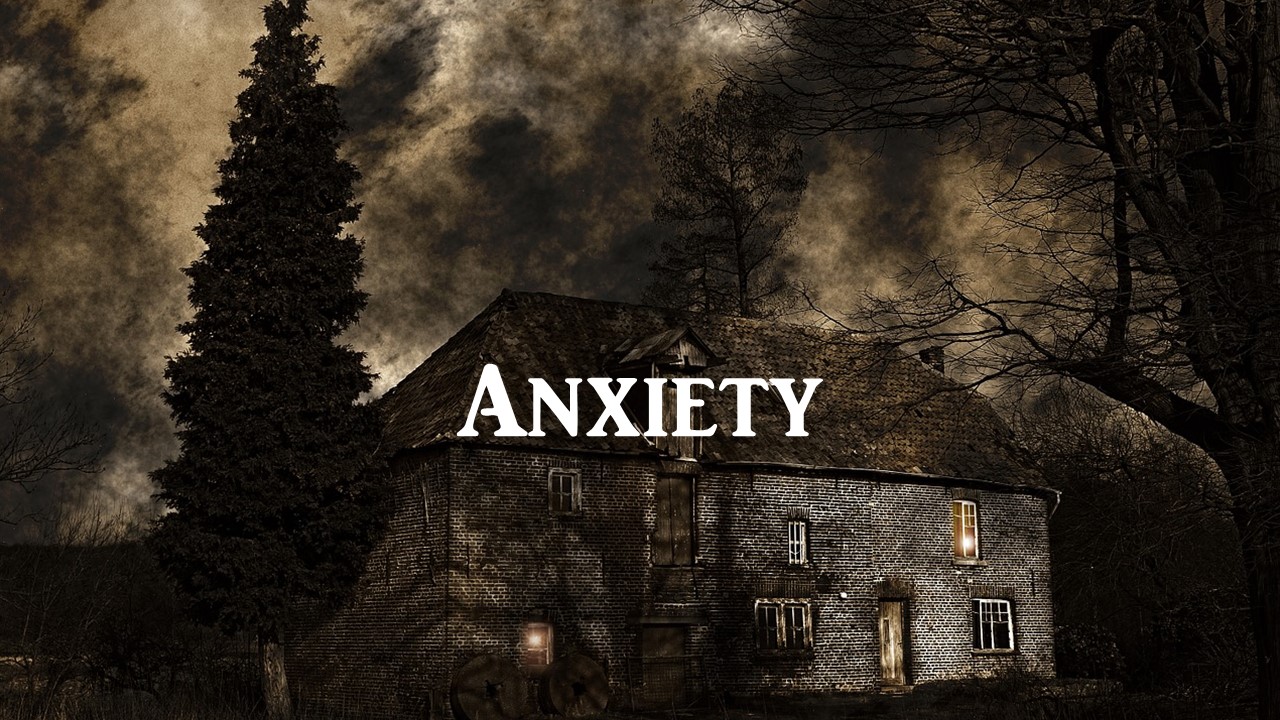
Anxiety provoking.

Fear and Anxiety.
Photo courtesy of Pixabay.com

Anxiety can be a stubborn foe.

It is tempting to avoid the things you fear and to find ways to numb those unpleasant feelings. Some people use alcohol or sleeping pills other people use avoidance. But eventually, you have to face that fear or be taken prisoner by your fear.

You can’t get over something you don’t face. Sometimes the only way out of a burning building is through the door that is on fire. To begin with, we won’t ask you to walk through the flames, just to look at the door and see how your fear that it might be on fire on the other side is keeping you a prisoner in that room.

Systematic desensitization reduces the impact of fears.

One way of domesticating the anxiety monster is a technique called systematic desensitization. This is an especially effective technique for taming fears or anxiety when those anxieties are a fear of one very specific thing.

Some of these item fears are so specific we name them Specific Phobias. Meaning you are deathly afraid of one particular thing even if you are never around that thing.

Some of these specific phobias are so terrifying to the people with that particular specific phobia that I can’t even write the word out or they would stop reading. So let’s start with an exaggerated and somewhat humors example of how this specific desensitization could work.

Say there is this person that is deathly afraid of crackers. (The little packaged edible kind.)

If you know who I am talking about here please do not let on. That person’s family laughed at him.  But try as he would he just could not bear to eat at a table where there were crackers. Eventually, this got so bad that I – I mean he – could not eat with his family when they were having soup for fear there would be crackers present.

This fear became progressively worse. Soon eating out was impossible because there might be crackers all around. Eventually, even commercials for crackers or the mention of the word might provoke a panic attack. Something needed to be done.

The cure for cracker or saltine phobia? Systematic desensitization.

So off to the therapist this sufferer from cracker phobia went. Here are the steps in recovery from cracker phobia.

First, you need to be willing to talk about this fear and develop a scale of fear. Something like if we just talk about that fear I – I mean he – had by referring to this as the fear of “You know what.” That would be a 1 on the fear scale.

Actually using the name “Cracker” that scored a two. To see a picture of some crackers in a magazine that would rate a fear factor of 4. Entering at a restaurant where there might or might not be crackers present, that was a 5. Seeing actual crackers, that would be a 6, and witnessing someone eat one that would rank an 8. To have to physically touch a cracker that would rank a 9. To personally eat a cracker that would rate a 10.

Now having developed our scale we would begin to work our way up the scale all the while with the therapist reassuring the client.

Along the way, the therapist might teach the client some relaxation techniques, deep breathing, and so on. The theory here is that you can’t really feel two contradictory feelings at the same time. The more you concentrate on your relaxation the more likely you are for the fear, or anxiety if you prefer, to subside.

So over time, the exposure to the dreaded crackers becomes more and more frequent and closer, all the while practicing the relaxation skills.

At the end of treatment, the goal would be for the client to actually open a package of crackers and to eat one while the counselor watched.

Now neither I nor anyone I know has really suffered from a cracker phobia. This cracker fear has been a long time joke in the family. But I hope this has demonstrated how a counselor could help a client overcome a specific phobia that may sound funny to the client’s family and friends but has been causing the client some very real distress.

What are some of the specific phobias that this method is known to work on? Well the number one fear in America, more severe than the fear of death, is the fear of public speaking. Also up there on the list are phobias to snakes and spiders.

Fear of snakes is no big thing for most city dwellers, but if you needed to live and work outdoors this could be a trial. If you worked at the zoo in the reptile house, a fear of snakes could cost you your job.

So whatever your fear or specific phobia there are treatments to help you turn that anxiety or fear control back down to a manageable setting.

Similar to systematic desensitization, at least in my book, is the use of exposure and response prevention. People with Obsessive-Compulsive Disorder (OCD) develop rituals or routines that they feel the need to perform to reduce the anxiety. If we can expose the person to the thing that they fear and prevent the ritual, then over time the fear diminishes. Combine some relaxation techniques with the exposure and response prevention and you move close to the systematic desensitization approach.

Best wishes on taming those pesky excessive anxiety and fear monsters.

Staying connected with David Joel Miller

Seven David Joel Miller Books are available now!

My newest book is now available. It was my opportunity to try on a new genre. I’ve been working on this book for several years, but now seem like the right time to publish it.

Story Bureau.

Story Bureau is a thrilling Dystopian Post-Apocalyptic adventure in the Surviving the Apocalypse series.

Baldwin struggles to survive life in a post-apocalyptic world where the government controls everything.

As society collapses and his family gets plunged into poverty, Baldwin takes a job in the capital city, working for a government agency called the Story Bureau. He discovers the Story Bureau is not a benign news outlet but a sinister government plot to manipulate society.

Bumps on the Road of Life. Whether you struggle with anxiety, depression, low motivation, or addiction, you can recover. Bumps on the Road of Life is the story of how people get off track and how to get your life out of the ditch.

Dark Family Secrets: Doris wants to get her life back, but small-town prejudice could shatter her dreams.

Casino Robbery Arthur Mitchell escapes the trauma of watching his girlfriend die. But the killers know he’s a witness and want him dead.

Planned Accidents  The second Arthur Mitchell and Plutus mystery.

Letters from the Dead: The third in the Arthur Mitchell mystery series.

What would you do if you found a letter to a detective describing a crime and you knew the writer and detective were dead, and you could be next?

Sasquatch. Three things about us, you should know. One, we have seen the past. Two, we’re trapped there. Three, I don’t know if we’ll ever get back to our own time.

For these and my upcoming books; please visit my Author Page – David Joel Miller

Want the latest blog posts as they publish? Subscribe to this blog.

For videos, see: Counselorssoapbox YouTube Video Channel

Why you should judge a book by its cover

By David Joel Miller, MS, Licensed Therapist & Licensed Counselor.

Books.
Photo courtesy of pixabay.

Ever heard the old saw “Never judge a book by its cover? Turns out that most of the time we should be judging books by their covers.

Let’s start by considering two literal books, both presumably about economics and how to respond to economic problems.

Book one is titled “How to make money in a bad economy.” The author’s name is “A working girl” and the cover depicts an attractive woman in a negligee holding a large fanned wad of cash.

Book two is titled “The history of recessions, depressions, panics, and commercial revulsion’s in the United States from 1640 to 2008, including the role of government’ policy in precipitating financial collapses.”  This second book is written by a well-known economist from a prestigious eastern school. It comes with a very plain cover with the title, author’s name and credentials, and not much else.

Which book should you pick? Do you really need to open the book and read the first few chapters to figure this one out?

If you wanted a steamy sex book, by all means, pick the first book. But if you are trying to figure out a way to plan your financial future you might be better off with book two.

Turns out that there are plenty of times when we should, in fact, judge a book and a whole lot of other things by their cover, so to speak.

You don’t always get the chance to think it over.

Humans are inherently cognitive misers. We only have so much brain space and if we squander that capacity thinking over things that do not require careful thought we will have nothing left to think about trivial things like what to eat and where to live. Think too much about every decision and you will have trouble getting out of bed in the morning.

Now it is possible that these titles are misleading and that one or both do not live up to the promise made by the cover. If you really want to be sure you might open the book and read the first page or two but by then you should have figured out if this is the book for you.

Turns out that there are a lot of other life decisions where the first impression is the right one.

Yes, first impressions can be wrong, but most of the time we form those first impressions based on past experiences, and as a result, we find it easy to make choices that have a high probability of pleasing us.

Too much time spent thinking things over and checking every possibility to avoid a mistake can result in paralysis and indecision.

One other factor to consider is the costs of either failing to make a decision or making a bad decision.

If you are a college professor who teaches economics, you may well go ahead and buy both. Spending more money may be within your budget. But if you are having trouble paying your bills you may read a few pages of both and then decide to pass on both.

This does not negate the principle that sometimes there are plenty of good reasons to judge a book by its cover.

One last thought. In doing that judging you need to look at what the thing is, not how it looks. I have bought a lot of used books in my time. Some had torn or dirty covers some had no dust jacket at all. Still, I could generally tell from the apparent characteristics, the title, the author, and so on, whether this book had merit.

I think this value of judging books by their cover applies to a lot of other life decisions.

But what about judging people by their looks. By this, I do not mean race, but their dress and self-care. Should you judge a person by their outward appearance?

More on the pros and cons of judging by appearance and why we are all likely to do things that way when we are unsure will be coming up in a future post on counselors soapbox.com.

Staying connected with David Joel Miller

Seven David Joel Miller Books are available now!

My newest book is now available. It was my opportunity to try on a new genre. I’ve been working on this book for several years, but now seem like the right time to publish it.

Story Bureau.

Story Bureau is a thrilling Dystopian Post-Apocalyptic adventure in the Surviving the Apocalypse series.

Baldwin struggles to survive life in a post-apocalyptic world where the government controls everything.

As society collapses and his family gets plunged into poverty, Baldwin takes a job in the capital city, working for a government agency called the Story Bureau. He discovers the Story Bureau is not a benign news outlet but a sinister government plot to manipulate society.

Bumps on the Road of Life. Whether you struggle with anxiety, depression, low motivation, or addiction, you can recover. Bumps on the Road of Life is the story of how people get off track and how to get your life out of the ditch.

Dark Family Secrets: Doris wants to get her life back, but small-town prejudice could shatter her dreams.

Casino Robbery Arthur Mitchell escapes the trauma of watching his girlfriend die. But the killers know he’s a witness and want him dead.

Planned Accidents  The second Arthur Mitchell and Plutus mystery.

Letters from the Dead: The third in the Arthur Mitchell mystery series.

What would you do if you found a letter to a detective describing a crime and you knew the writer and detective were dead, and you could be next?

Sasquatch. Three things about us, you should know. One, we have seen the past. Two, we’re trapped there. Three, I don’t know if we’ll ever get back to our own time.

For these and my upcoming books; please visit my Author Page – David Joel Miller

Want the latest blog posts as they publish? Subscribe to this blog.

For videos, see: Counselorssoapbox YouTube Video Channel

Will four beers get you drunk?

Gallery

This gallery contains 1 photo.

By David Joel Miller, MS, Licensed Therapist & Licensed Counselor. Are lite beers less intoxicating? Yes, four beers can get you “drunk.” And it does not matter if they are lite beers or not. The brand and the nature of … Continue reading

Can you avoid prison by saying your suicidal?

By David Joel Miller, MS, Licensed Therapist & Licensed Counselor.

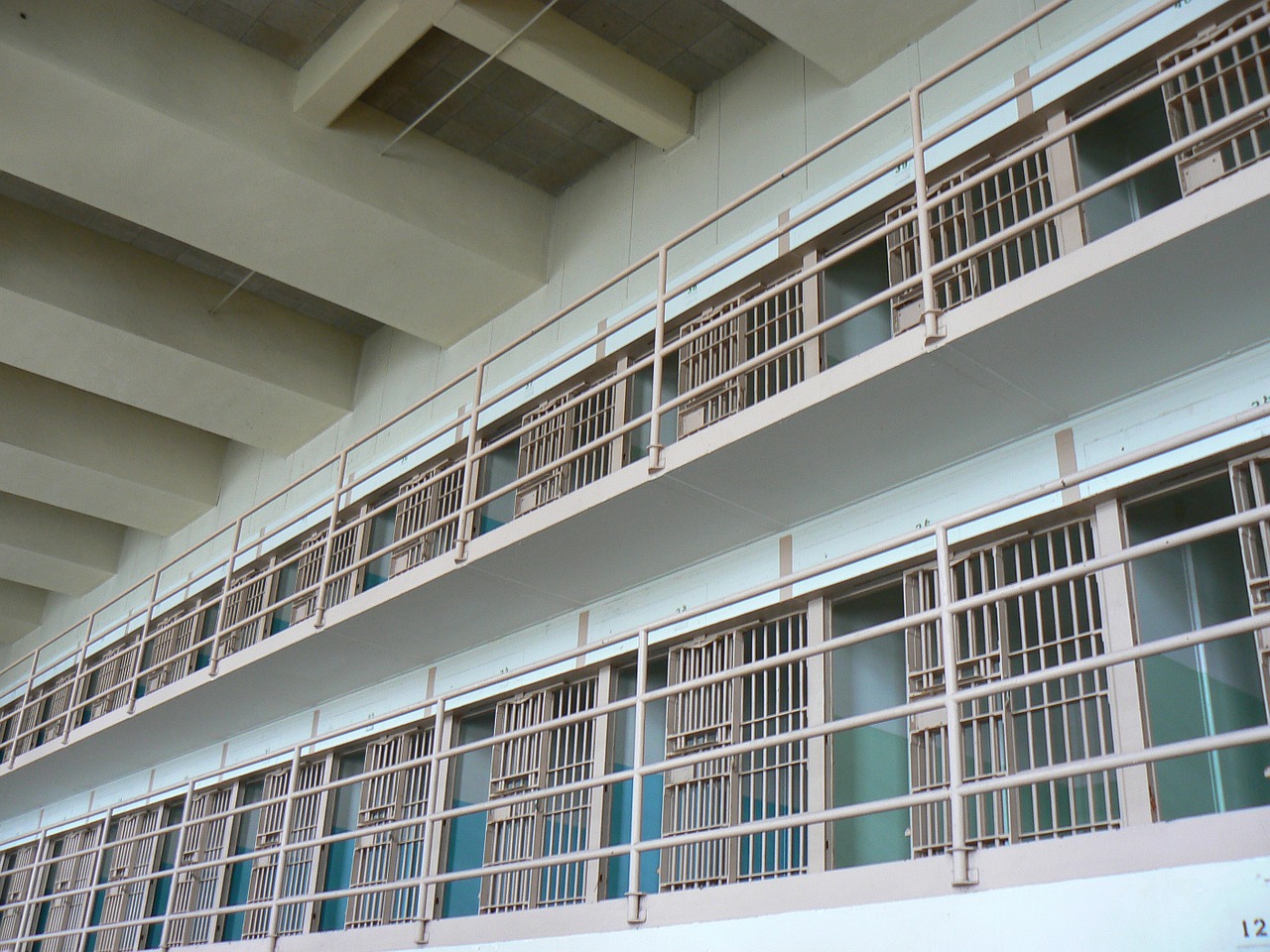
Alcatraz prison

Prison?
Photo courtesy of Pixabay.com

If you say you are suicidal will you stay out of prison? How about jail?

Nice try! Not likely!

People try all sorts of things to get out of going to prison. While saying you are suicidal may slow the process down a wee bit it won’t prevent it.

Jails and prisons have psychiatric units. They can put people on suicide watch. So just because you say you are suicidal will not prevent you from serving a prison term.

People often confuse some very different ideas and the result is that they think things are one way when they are not. Here are the different concepts, very oversimplified. All of these, for the record, is very different from the popular conception of “crazy.”

Not guilty by reason of insanity.

This may get you off from the prison term but you may not be happy with the way it goes. Not guilty by reason of insanity means that at the time you committed the crime you did not understand that what you were doing was wrong. This is way beyond seriously and persistent mental illness and has nothing much to do with saying you want to kill yourself.

People who get this verdict go to a long-term psychiatric facility. You do not just stay for your 5 or 10. You stay until some psychiatrist is willing to risk his license on saying that you will not do this thing again and that you now have learned the difference between right and wrong.

I hear from clients who have been in these places that had they been up to going back to prison they might have chosen the prison.

Involuntary psychiatric hold.

There are three reasons you get placed on an involuntary hold. You say you will kill yourself, you threaten to kill someone else and we believe you, or when we give you food and clothing you can’t figure out what to do with this stuff.

This involuntary hold usually gets you sent to a local mental hospital. These are not long-term facilities by any means.

You stay here for, in my state, up to 72 hours for evaluation, and then at the discretion of the psychiatrist you might get put on a longer hold. For most people, this stay lasts a week to two. A stay beyond that is rare. Not the 72 hours is an “up to
” number. Lots of people get released in a lot less than 72 hours.

The objective here is to give you meds, get you stable and then send you somewhere else.

So if by some chance you convince someone you are going to harm yourself, you will get to stay here long enough for the meds to kick in and you to stop caring about what happens. At that point off you go to the prison unit.

While a prisoner is at this kind of hospital there will probably be one full-time guard watching them. They watch you all the time, everywhere. This gets annoying enough some about-to-be-sentenced people make sudden recoveries.

Seriously and persistently mentally ill.

If you can convince the powers that be that you have a long-term mental health problem you will get sent to a prison with a psychiatric unit at which you may be required to take your meds. You may have the right to say no, but the prison can go before a judge and get a court order to medicate you against your will. Also refusing meds results in a lot of reductions in privileges and options.

Should you say you are suicidal to get out of jail?

My advice to whoever sent this question in would be if you really are suicidal say so. But if you are not, do not try this dodge. The result could be more time and having to do things you do not want to do. You also run the risk of getting a label hung on you and face discrimination from the other prisoners. Who wants to do their whole time labeled a J-cat unless you really do need the meds.

Give it up. You did the crime, do the time and then consider doing something to rehabilitate yourself.

Staying connected with David Joel Miller

Seven David Joel Miller Books are available now!

My newest book is now available. It was my opportunity to try on a new genre. I’ve been working on this book for several years, but now seem like the right time to publish it.

Story Bureau.

Story Bureau is a thrilling Dystopian Post-Apocalyptic adventure in the Surviving the Apocalypse series.

Baldwin struggles to survive life in a post-apocalyptic world where the government controls everything.

As society collapses and his family gets plunged into poverty, Baldwin takes a job in the capital city, working for a government agency called the Story Bureau. He discovers the Story Bureau is not a benign news outlet but a sinister government plot to manipulate society.

Bumps on the Road of Life. Whether you struggle with anxiety, depression, low motivation, or addiction, you can recover. Bumps on the Road of Life is the story of how people get off track and how to get your life out of the ditch.

Dark Family Secrets: Doris wants to get her life back, but small-town prejudice could shatter her dreams.

Casino Robbery Arthur Mitchell escapes the trauma of watching his girlfriend die. But the killers know he’s a witness and want him dead.

Planned Accidents  The second Arthur Mitchell and Plutus mystery.

Letters from the Dead: The third in the Arthur Mitchell mystery series.

What would you do if you found a letter to a detective describing a crime and you knew the writer and detective were dead, and you could be next?

Sasquatch. Three things about us, you should know. One, we have seen the past. Two, we’re trapped there. Three, I don’t know if we’ll ever get back to our own time.

For these and my upcoming books; please visit my Author Page – David Joel Miller

Want the latest blog posts as they publish? Subscribe to this blog.

For videos, see: Counselorssoapbox YouTube Video Channel
No one notices the passengers on the bus – they watch the drivers.

By David Joel Miller, MS, Licensed Therapist & Licensed Counselor.

Bus

Driving the recovery Bus.
Photo courtesy of Pixabay.com

Are you the passenger or the driver?

Passengers on the bus are at the mercy of the driver. They stop when he stops and they go when he goes. If you have ever had to ride the bus, in most cities, you will find that there are some serious problems with relying on this form of transportation.

You will also discover that there is a lot of discrimination towards bus riders. That loss of control and dependence on others carries over into other parts of your life. People who have an addiction also lose control and they suffer the same discrimination as bus riders. Really serious drug users and alcoholics get both experiences. They get looked down on because of their addiction and because they have lost the ability to drive a car or manage their transportation. Eventually, they may lose the ability to manage the rest of their life.

There are certainly good reasons to encourage bus ridership. It is better for the environment. You may save money on registration, taxes, and maintenance. Those benefits come at the cost of not having the bus always go where you want it to and not always being on your schedule. A life run on drugs and alcohol has those same negative features.

You will not find many people impressed if you tell them you gave up your car so you could rely on the bus for your transportation. Somehow the notion that you might be better off having others take control of your transportation options does not sound attractive to most people.

Most people are not impressed by a life controlled by drugs or alcohol either.

What does impress others is the person who can drive their own car. The newer and shinier the car the more the impression factor. The driver feels better about themselves also.

Now just having a fancy car is not enough. A car is only impressive if it runs well in addition to looking good. The same thing is true in our lives. Think about celebrities whose lives looked good from the outside until it finally jumped the track and now is in the ditch.

The person who has control of their life, whose life is going where they want it to go gets a whole lot more respect than the person whose life is controlled by addictions or compulsions.

Sometimes in life, you need to ride the bus. Your car may be in the shop, you may not have the money to get it fixed just now. But the goal of most people is to regain control of their transportation lives.

The same thing is true if you are sick. You may currently be relying on your doctor, psychiatrist, counselor or sponsor to help you steer your life. But the sooner you can reach the point where you, with some help from a higher power, can take back control of your life, the sooner you can regain the respect of others and most importantly regain your own self-respect.

A life that is steered by alcohol, drugs, or emotional illness takes you to place you don’t want to go. You can regain control of the direction your life is going. Don’t let your past control your future. Get headed in a new direction.

Staying connected with David Joel Miller

Seven David Joel Miller Books are available now!

My newest book is now available. It was my opportunity to try on a new genre. I’ve been working on this book for several years, but now seem like the right time to publish it.

Story Bureau.

Story Bureau is a thrilling Dystopian Post-Apocalyptic adventure in the Surviving the Apocalypse series.

Baldwin struggles to survive life in a post-apocalyptic world where the government controls everything.

As society collapses and his family gets plunged into poverty, Baldwin takes a job in the capital city, working for a government agency called the Story Bureau. He discovers the Story Bureau is not a benign news outlet but a sinister government plot to manipulate society.

Bumps on the Road of Life. Whether you struggle with anxiety, depression, low motivation, or addiction, you can recover. Bumps on the Road of Life is the story of how people get off track and how to get your life out of the ditch.

Dark Family Secrets: Doris wants to get her life back, but small-town prejudice could shatter her dreams.

Casino Robbery Arthur Mitchell escapes the trauma of watching his girlfriend die. But the killers know he’s a witness and want him dead.

Planned Accidents  The second Arthur Mitchell and Plutus mystery.

Letters from the Dead: The third in the Arthur Mitchell mystery series.

What would you do if you found a letter to a detective describing a crime and you knew the writer and detective were dead, and you could be next?

Sasquatch. Three things about us, you should know. One, we have seen the past. Two, we’re trapped there. Three, I don’t know if we’ll ever get back to our own time.

For these and my upcoming books; please visit my Author Page – David Joel Miller

Want the latest blog posts as they publish? Subscribe to this blog.

For videos, see: Counselorssoapbox YouTube Video Channel

Why do therapists stop seeing you if you aren’t getting better?

By David Joel Miller, MS, Licensed Therapist & Licensed Counselor.

Therapy

Therapy.
Photo courtesy of Pixabay.com

Why would a counselor stop seeing you?

Sometimes the counselor will tell the client they need to stop seeing them because the client is not getting better. Why would they do that?

There is one major reason and a few smaller ones why this might happen. Honestly most of the time this does not happen. We, counselors, want to think we can help people and sometimes we go on seeing them past the point at which we should have noticed that the client is just not getting any better. But if your therapist does say they need to stop seeing you here are some possible reasons why.

Ethics tells us not to see people we can’t help.

It is considered unethical to keep seeing a client once you realize that you are not able to help them. Once the counselor realizes this, they first look at what they are doing, is there something else I could do to be helpful? Then they consider referring the client to someone else who might be able to do something differently.

Just a lack of progress on the client’s part does not mean the counselor is not being helpful. Sometimes the issues the client has may require help just to keep them stable. If the therapy sessions keep the client from getting worse and ending up in the hospital that may be a reason to continue therapy even if the client is not seeing their problems get smaller.

What would be unethical would be to keep seeing the client, taking their money or the insurance company’s money if the sessions were not helping the client.

A new problem emerges that needs special care.

Sometimes we start off seeing the client for one problem, say depression and during the process, the client starts talking about some other problem. Say the client now tells the counselor that they have a severe eating disorder they have never mentioned before.

Treating eating disorders is often considered a specialty. Not all counselors have the extra training needed to be able to help you with that. So they might need to refer you to an eating disorder specialist.

This should happen more often with clients who have a substance abuse issue. Unfortunately, some therapists are uncomfortable talking about substance use issues. They keep on working on the depression and ignore the substance use problem. The result is that the client fails to get better.

Sometimes the client wears the counselor out.

Some clients get stuck in an issue. They are angry or hurt because of something that happened in their past. What they might like to do is erase the event so it never happened. That or punish the person who harmed them.

The therapist wants to help them move on and get working on creating a new happy life. If the client is not ready to move on it can get tiring to listen to them. If the counselor runs out of steam in the listening department they should make the referral.

I do recommend to interns that if they start feeling this way they need to talk to the client about this. It is possible we professionals get impatient and try to end treatment just about the time the client is ready to make some changes.

Don’t ever stop just before the miracles happen.

If the counselor becomes impaired they shouldn’t see clients.

If the counselor gets sick, or they have a sick family member, then they can’t give helping you their full attention. Counselors who are going through a divorce or a custody battle may find they can’t give a client who reminds them of their ex their full attention.

Other professional impairments can include excessive or problematic use of substances, drug and alcohol abuse can be problems for counselors too.

You think you are not getting better but the counselor sees improvement.

Clients can start getting dependent on their therapist. Sometimes they look forward to the weekly session so much they can’t see how they can give it up. They feel they are not all better yet.

Counselors and insurance companies are not expecting you to be all better at the end of treatment. What is expected is that the symptoms will be reduced until they no longer interfere with your ability to work, have friends or family relationships.

If your symptoms seem stable, the counselor may decide that they can’t justify billing your insurance anymore and that means they need to terminate therapy with you or you will have to pay yourself.

Even in this circumstance counselors may need to revert back to point 1. When does the counselor’s seeing you become more for them, to make a profit, than for you?

Those are some of the reasons a counselor may say they have to stop seeing you, they may be others in particular cases. Hope that helps explain the process.

Staying connected with David Joel Miller

Seven David Joel Miller Books are available now!

My newest book is now available. It was my opportunity to try on a new genre. I’ve been working on this book for several years, but now seem like the right time to publish it.

Story Bureau.

Story Bureau is a thrilling Dystopian Post-Apocalyptic adventure in the Surviving the Apocalypse series.

Baldwin struggles to survive life in a post-apocalyptic world where the government controls everything.

As society collapses and his family gets plunged into poverty, Baldwin takes a job in the capital city, working for a government agency called the Story Bureau. He discovers the Story Bureau is not a benign news outlet but a sinister government plot to manipulate society.

Bumps on the Road of Life. Whether you struggle with anxiety, depression, low motivation, or addiction, you can recover. Bumps on the Road of Life is the story of how people get off track and how to get your life out of the ditch.

Dark Family Secrets: Doris wants to get her life back, but small-town prejudice could shatter her dreams.

Casino Robbery Arthur Mitchell escapes the trauma of watching his girlfriend die. But the killers know he’s a witness and want him dead.

Planned Accidents  The second Arthur Mitchell and Plutus mystery.

Letters from the Dead: The third in the Arthur Mitchell mystery series.

What would you do if you found a letter to a detective describing a crime and you knew the writer and detective were dead, and you could be next?

Sasquatch. Three things about us, you should know. One, we have seen the past. Two, we’re trapped there. Three, I don’t know if we’ll ever get back to our own time.

For these and my upcoming books; please visit my Author Page – David Joel Miller

Want the latest blog posts as they publish? Subscribe to this blog.

For videos, see: Counselorssoapbox YouTube Video Channel

What is the Drug of choice among the homeless?

By David Joel Miller, MS, Licensed Therapist & Licensed Counselor.

Homeless person

Homeless.
Photo courtesy of Pixabay.com

So which drug does the majority of the homeless use?

Being homeless is one problem. Most of the homeless have a whole raft of problems. It would be nice to think that if they just got a place to stay, move them into a shelter, then their problems would go away. It is more complicated than that. Drug use also plays a role. You may be surprised at the relationship between drugs and homelessness.

It is more complicated than that. Drug use also plays a role. You may be surprised at the relationship between drugs and homelessness.

Homelessness, mental illness, and drug use run in packs.

Among the homeless, there is a disproportionate number of the mentally ill. These are people with serious and persistent mental illness. By serious and persistent mentally ill, I do not mean that they are beyond hope and incapable of recovery. Many very seriously impaired people do recover. But being homeless and having a mental illness makes the road of recovery that much more difficult.

The question is “Do we as a society have the collective will to help them recover?” Can we create the path back to society that they need? I fear that as a society most of our efforts are to keep them out of sight rather than to welcome than back to society.

People who are mentally ill, homeless, or not, are more likely to do certain drugs. They use them to control or manage symptoms and the use to forget and to cope. The mentally ill use one drug in particular more than the rest of society.

Beyond mental illness, there are other problems for the homeless. Drug use yes that is one. I’ll get to that in a moment. They also have a host of medical problems. The mentally ill die significantly sooner than the people who are not symptomatic. Their most preferred drug shortens their lifespan dramatically.

Note that I did not say the non-mentally ill. (Or the normal, who knows what is normal?)

We know that there are many people with less severe emotional problems who when put under enough stress can show signs of a mental illness.

As I have said before, I do not get fearful working around someone with schizophrenia. What makes me really scared is the “normal” person who is served with divorce papers or has just found out their partner is cheating and then this enraged person shows up at a workplace with a gun.

These adjustment disorders, untreated are a lot scarier than the persistently mentally ill. But I digress.

The homeless, often with a mental illness, and being homeless can cause depression and anxiety in the most stable of people, they have severe medical issues. The only source of treatment for many is long waits in hospital ER’s, at a huge effort for them and a huge cost to society. Their drug of choice makes their medical issues more acute.

By drug, I do not mean prescribed medication. Most homeless have difficulty getting a prescription and if they do have one taking it consistently is unlikely.

The homeless and the mentally ill everywhere are more likely to be the victims of crime than the perpetrators. When they do have prescribed meds they are likely to get lost or stolen during the course of life on the street. Lots of things get lost or stolen when you are homeless.

So which drug is the drug of choice among the homeless?

Tobacco, nicotine is the drug of choice among the homeless, followed arguably by alcohol. They pick these drugs because they are cheap and readily available.

The numbers with respect to smoking are staggering.

Three of every four homeless smoke, you heard that right, 75% of the homeless smoke. Rates of smoking among those with psychosis are very high.

A homeless person is FOUR times more likely to smoke than someone who is not homeless. The homeless are dying from smoking-related illnesses at rates far above the rest of the population.

Helping the homeless with smoking cessation, alcohol abuse treatment, and treating the health-related problems these two legal drugs are creating might go a significant way towards helping the homeless on their path to recovery.

Staying connected with David Joel Miller

Seven David Joel Miller Books are available now!

My newest book is now available. It was my opportunity to try on a new genre. I’ve been working on this book for several years, but now seem like the right time to publish it.

Story Bureau.

Story Bureau is a thrilling Dystopian Post-Apocalyptic adventure in the Surviving the Apocalypse series.

Baldwin struggles to survive life in a post-apocalyptic world where the government controls everything.

As society collapses and his family gets plunged into poverty, Baldwin takes a job in the capital city, working for a government agency called the Story Bureau. He discovers the Story Bureau is not a benign news outlet but a sinister government plot to manipulate society.

Bumps on the Road of Life. Whether you struggle with anxiety, depression, low motivation, or addiction, you can recover. Bumps on the Road of Life is the story of how people get off track and how to get your life out of the ditch.

Dark Family Secrets: Doris wants to get her life back, but small-town prejudice could shatter her dreams.

Casino Robbery Arthur Mitchell escapes the trauma of watching his girlfriend die. But the killers know he’s a witness and want him dead.

Planned Accidents  The second Arthur Mitchell and Plutus mystery.

Letters from the Dead: The third in the Arthur Mitchell mystery series.

What would you do if you found a letter to a detective describing a crime and you knew the writer and detective were dead, and you could be next?

Sasquatch. Three things about us, you should know. One, we have seen the past. Two, we’re trapped there. Three, I don’t know if we’ll ever get back to our own time.

For these and my upcoming books; please visit my Author Page – David Joel Miller

Want the latest blog posts as they publish? Subscribe to this blog.

For videos, see: Counselorssoapbox YouTube Video Channel

How you can get more A’s, easier B’s, and pass life’s tests in 9 easy steps.

By David Joel Miller, MS, Licensed Therapist & Licensed Counselor.

abc

Grades.
Photo courtesy of Pixabay.com

How to get an A or study less and still get a B.

If you want to get more A’s in school here is a system for improving those grades. This system will also help you get B’s more easily if that is your goal. (Check out the post on Why B students are happier.)  This system, with some minor modifications, will work for aceing other of life’s tests like job interviews.

Most of this has to do with college classes. This is the point where a lot of us really stress. If you do well in college more possibilities, like good-paying jobs, open up to you. If you are still in high school or some other learning environment adjust the ideas to your situation.

Get a running start on the grade you want.

Be on time for the first class; maybe even get there a little early. Getting to class late that first night puts you behind the rest of the time. You may be able to catch up but why take the chance?

Not being on time leaves you looking for a parking space, hunting for a seat, while the others are taking notes.

Also, come prepared, paper pen all that stuff. If possible have the textbook.

Coming late may mean you miss hearing about an important class requirement. What if there is a must go on a field trip later in the semester and you are not able to get off work on weekends. You need to work out the requirements before you find yourself in a bind.

Read the syllabus.

Every semester I hand out a syllabus. Later in the semester people are surprised to learn that they have a major paper due or there will be a midterm next week and that is the week their spouse has planned a trip to see the folks.

Not doing the paper on time or missing the midterm are sure ways to blow that A. They are also easily preventable if you just read the syllabus and plan ahead.

If your instructor does not hand one out, pay special attention to the things they tell you, write them down and ask questions if it is not clear exactly what you are expected to do this year.

Do what the syllabus says.

If there is homework – Do the homework. If you need to read a chapter in the book – Read that chapter. Make sure you write the paper or do the project and turn it in, on time is a good idea.

Amazingly, that when all else fails read the directions approach, does not get you to the finish line on time.

Read assignments before class.

Try to read the chapter before class each session. You may not understand it all but you will find the terminology and the general subject that is about to be discussed. Look up words you don’t know. Most books have glossaries in the back to make that easy.

By reading ahead you can recognize what your instructor is talking about and you can ask more intelligent questions.

Take notes.

Some of you are visual learners, some auditory, some kinesthetic. Reading, hearing, and writing all utilize different circuits in the brain. The more of your brain you involve in learning the better your chances of remembering.

Taking notes helps even if you never look at them again.

Read the material again after class.

Rereading the chapter after class really helps store and consolidate the information. Things that did not make sense or did not stand out now become very important. You now know what your instructor emphasized and you want to make sure you have that material clear.

Review your notes.

Go back over the notes. Do you get it? What you feel unsure about, that part is what you may want to study.

Schedule your life to be there for tests.

We all have lives, especially college students who may be working and have families as well as attending school. Emergencies do happen. Plan ahead to reduce the problems.

Most instructors at many schools do not give makeup tests. Especially they do not give makeup midterms or finals. Don’t just plan to be there. Open up some extra time around the exam.

Tell your boss that you have a big test that night and see if you can make arraignments to leave work a little early. Nothing so blows a semester’s work as getting caught up in a crisis at work and arriving after the final exam is over. Also, tell your family or partner and enlist their support in being to the test on time and prepared.

Yes, traffic is sometimes bad or you get a flat. Planning ahead reduces the chances that this inconvenience turns into a disaster.

Learn test-taking skills to get the best grades.

People who are good at taking tests do better than those who are poor test-takers even when the test savvy students have done less studying. If you are one of those who finds taking tests difficult, learn test-taking strategies, and practice taking tests until you get good at it.

If you have test anxiety – work on getting your anxiety under control also.

Staying connected with David Joel Miller

Seven David Joel Miller Books are available now!

My newest book is now available. It was my opportunity to try on a new genre. I’ve been working on this book for several years, but now seem like the right time to publish it.

Story Bureau.

Story Bureau is a thrilling Dystopian Post-Apocalyptic adventure in the Surviving the Apocalypse series.

Baldwin struggles to survive life in a post-apocalyptic world where the government controls everything.

As society collapses and his family gets plunged into poverty, Baldwin takes a job in the capital city, working for a government agency called the Story Bureau. He discovers the Story Bureau is not a benign news outlet but a sinister government plot to manipulate society.

Bumps on the Road of Life. Whether you struggle with anxiety, depression, low motivation, or addiction, you can recover. Bumps on the Road of Life is the story of how people get off track and how to get your life out of the ditch.

Dark Family Secrets: Doris wants to get her life back, but small-town prejudice could shatter her dreams.

Casino Robbery Arthur Mitchell escapes the trauma of watching his girlfriend die. But the killers know he’s a witness and want him dead.

Planned Accidents  The second Arthur Mitchell and Plutus mystery.

Letters from the Dead: The third in the Arthur Mitchell mystery series.

What would you do if you found a letter to a detective describing a crime and you knew the writer and detective were dead, and you could be next?

Sasquatch. Three things about us, you should know. One, we have seen the past. Two, we’re trapped there. Three, I don’t know if we’ll ever get back to our own time.

For these and my upcoming books; please visit my Author Page – David Joel Miller

Want the latest blog posts as they publish? Subscribe to this blog.

For videos, see: Counselorssoapbox YouTube Video Channel