
Anxiety is a good thing

By David Joel Miller, MS, Licensed Therapist & Licensed Counselor.
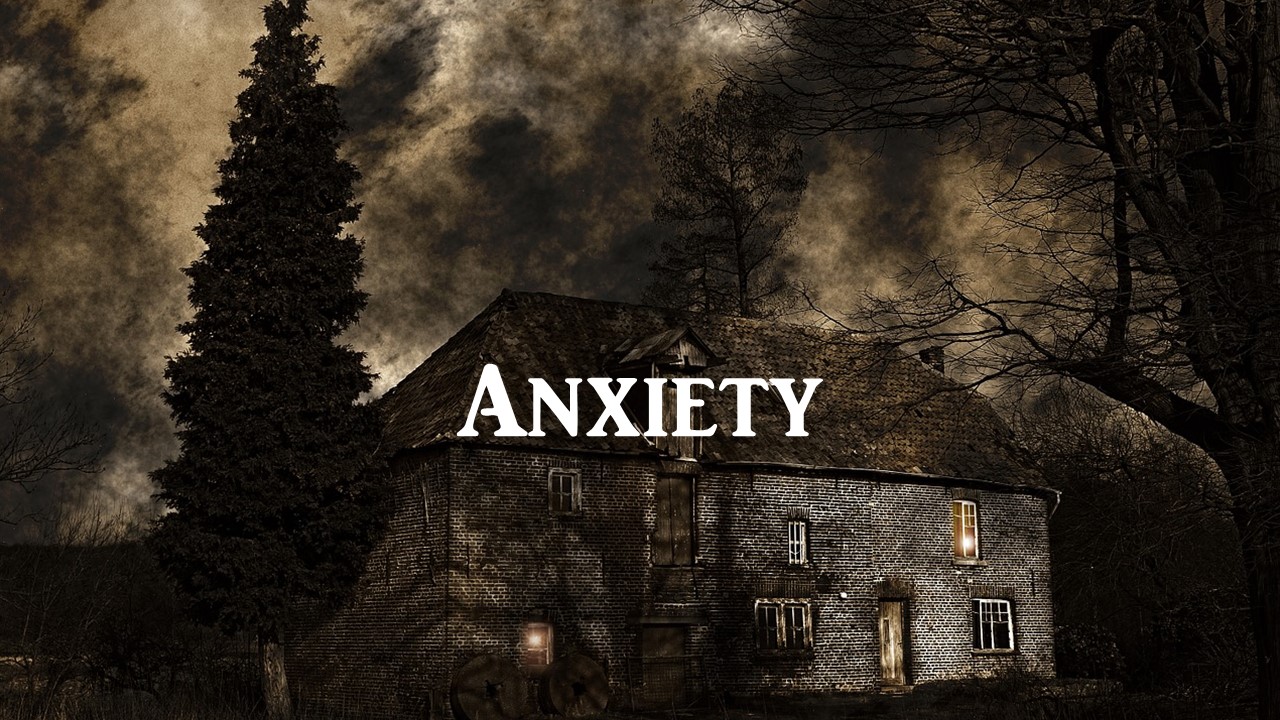
Anxiety provoking.

Anxiety.
Photo courtesy of Pixabay.com

Some anxiety is a good thing.

A little anxiety some of the time may be helpful. It is only when the volume on your anxiety control gets turned up too loud that it becomes a problem.

Dictionary definitions of anxiety include such things as nervousness about something that is going to happen and something that causes you to worry.

In these troubled economic times, worry about your job and job security makes sense, especially if you work in an industry or company that has been having economic difficulties. Even those government jobs that used to be the height of security don’t seem immune from danger these days.

But if you spend needless hours in worry that you might get laid off or fired when there is no basis in fact for that worry, then your anxiety control might have its volume turned up too high.

Anxiety can protect you.

Some anxiety is actually protective – if and only if, you are in a dangerous situation that warrants that anxiety. This is another case of a little is good and too much is harmful. The challenge is in knowing which is which. If you see someone with a gun shooting, it is wise to be nervous, even scared, and to duck behind something for cover.

Anxiety can help you avoid risks and in certain situations, like when someone is shooting at you, that anxiety might save your life.

Anxiety can take control of you.

If when sitting at home on your couch you hear the noise from a car door slamming a block away and you jump behind the couch to take cover, this level of anxiety is a problem.

People become anxious in dangerous situations for a reason. If the stress they are under triggers an excessive response that may be an “Acute Stress Disorder” but if those over-reactions to past stress continue long enough, they can morph into something more serious. Post-Traumatic Stress Disorder is just such a problem.

This was first recognized in servicemen returning from the war and the hallmarks are intrusive thoughts of what happened in the past that are still interfering with your life today and recurrent nightmares that involve memories of things that happened to you in the past or efforts for you to avoid those situations. We now realize that these problems also are prevalent in children and adults who have been abused or molested.

Disrupted sleep from nightmares about past anxiety-producing situations predicts that you will have mental health symptoms in the future. IRT can help reduce nightmares. 

Treating PTSD is a complex subject. There are many theories but the research is less than convincing. What I feel fairly sure about is that taking sleeping pills or drinking alcohol are not a good solution. If you have intrusive thoughts or nightmares you need some counseling to get this under control.

Running and hiding from our fears gives them extra chances to grow.

But what if you do not have a case of PTSD but your anxiety is off the hook? Do your friends tell you that you are an overly anxious person? Do you sometimes think that you are just too scared and worried?

If your anxiety volume control is just turned up too high, if the affairs of everyday living are making you want to crawl out of your skin, then you need treatment.

What kind of treatment? Well, there are several, but one, systematic desensitization is especially helpful if you have fears that do not make sense to others but you find are interfering with your life.

Too much anxiety? Try some systematic desensitization (done with a therapist or counselor) and see if you can’t get that anxiety volume turned back down.

In tomorrow’s post, we will talk about systematic desensitization.

Staying connected with David Joel Miller

Seven David Joel Miller Books are available now!

My newest book is now available. It was my opportunity to try on a new genre. I’ve been working on this book for several years, but now seem like the right time to publish it.

Story Bureau.

Story Bureau is a thrilling Dystopian Post-Apocalyptic adventure in the Surviving the Apocalypse series.

Baldwin struggles to survive life in a post-apocalyptic world where the government controls everything.

As society collapses and his family gets plunged into poverty, Baldwin takes a job in the capital city, working for a government agency called the Story Bureau. He discovers the Story Bureau is not a benign news outlet but a sinister government plot to manipulate society.

Bumps on the Road of Life. Whether you struggle with anxiety, depression, low motivation, or addiction, you can recover. Bumps on the Road of Life is the story of how people get off track and how to get your life out of the ditch.

Dark Family Secrets: Doris wants to get her life back, but small-town prejudice could shatter her dreams.

Casino Robbery Arthur Mitchell escapes the trauma of watching his girlfriend die. But the killers know he’s a witness and want him dead.

Planned Accidents  The second Arthur Mitchell and Plutus mystery.

Letters from the Dead: The third in the Arthur Mitchell mystery series.

What would you do if you found a letter to a detective describing a crime and you knew the writer and detective were dead, and you could be next?

Sasquatch. Three things about us, you should know. One, we have seen the past. Two, we’re trapped there. Three, I don’t know if we’ll ever get back to our own time.

For these and my upcoming books; please visit my Author Page – David Joel Miller

Want the latest blog posts as they publish? Subscribe to this blog.

For videos, see: Counselorssoapbox YouTube Video Channel
Why apologies can make things worse

By David Joel Miller, MS, Licensed Therapist & Licensed Counselor.

Apology – I’m sorry.
Photo courtesy of Pixabay.com

Sometimes an apology makes things worse.

Do you feel you need to apologize?

People in recovery often feel they need to make apologies to others. Occasionally they do need to make them, but much of the time people in early recovery find that trying to apologize makes things worse rather than better.

People who have been drinking and drugging have done some things they should not have done. People in recovery from other mental illnesses often have been unable to do things they should have done. In both cases, it is natural to want to repair the relationship and to think that an apology is in order.

The expectation of many recovering people is that making an apology should mean that the other person forgives them and then everything is all right. They want the relationship to be a good one, even when it never was good, to begin with.

Apologies frequently do not produce the result you expect.

The person to whom you think you owe that apology, they may well still be holding resentment towards you. Your saying you are sorry may not be followed by an “I forgive you and everything is now fine” response from them. Some people need to hang on to their resentments to protect themselves from being hurt again.

What oft-times happens is that the other person takes this opportunity to let you have it. They tell you in most certain terms how badly you harmed them and how mad they continue to be. They may want you to feel their pain by hurting you back, they may just need to be heard and as a result, can’t hear you.

At this point, the recovering person, now surprised that the other person is not accepting their apology, becomes upset, angry and a new fight begins. The effort to repair the relationship breach has resulted in a new conflict and this has happened well along in your efforts to stay clean sober or otherwise recover.

What went wrong with your apology?

Most of the people in a recovering person’s life have heard it all before. You have said you were sorry and then you did it again. Or for some, they have said they would do things and then because of their illness were not able to do those things. The others in your life felt let down if not downright lied to.

If you really would like to repair the damage from the past and mend relationships and apologizing might make things worse – what should you do?

Don’t apologize – take action.

Rather than apologizing you need to do something. Take action and show that person rather than telling them how you are different. Talk is cheap but action speaks so loudly words get drowned out.

Make amends.

The idea of amends comes from 12 step groups. The principle is that rather than saying you are sorry but doing nothing, you need to do things to set the relationship right. If you were not able to do things in your relationship in the past begin as soon as you are able to meet those role expectations.

If you never were able to clean up after yourself, begin as much as you can to pick up and put away the things you use.

Do not get carried away and set yourself up for failure. Do not try to wash every dirty item in the house on the first day. But do gradually begin to take the steps you need to do to be of service to the others in your life.

If you treated others poorly, were over critical, or always angry, try to be happy, helpful, and pleasant to be around.

Over time the changes others see in your will speak volumes about the kind of person you are becoming in recovery and this may be a better apology than any words you could say.

Staying connected with David Joel Miller

Seven David Joel Miller Books are available now!

My newest book is now available. It was my opportunity to try on a new genre. I’ve been working on this book for several years, but now seem like the right time to publish it.

Story Bureau.

Story Bureau is a thrilling Dystopian Post-Apocalyptic adventure in the Surviving the Apocalypse series.

Baldwin struggles to survive life in a post-apocalyptic world where the government controls everything.

As society collapses and his family gets plunged into poverty, Baldwin takes a job in the capital city, working for a government agency called the Story Bureau. He discovers the Story Bureau is not a benign news outlet but a sinister government plot to manipulate society.

Bumps on the Road of Life. Whether you struggle with anxiety, depression, low motivation, or addiction, you can recover. Bumps on the Road of Life is the story of how people get off track and how to get your life out of the ditch.

Dark Family Secrets: Doris wants to get her life back, but small-town prejudice could shatter her dreams.

Casino Robbery Arthur Mitchell escapes the trauma of watching his girlfriend die. But the killers know he’s a witness and want him dead.

Planned Accidents  The second Arthur Mitchell and Plutus mystery.

Letters from the Dead: The third in the Arthur Mitchell mystery series.

What would you do if you found a letter to a detective describing a crime and you knew the writer and detective were dead, and you could be next?

Sasquatch. Three things about us, you should know. One, we have seen the past. Two, we’re trapped there. Three, I don’t know if we’ll ever get back to our own time.

For these and my upcoming books; please visit my Author Page – David Joel Miller

Want the latest blog posts as they publish? Subscribe to this blog.

For videos, see: Counselorssoapbox YouTube Video Channel
Are the things you do chores or choices?

By David Joel Miller, MS, Licensed Therapist & Licensed Counselor.

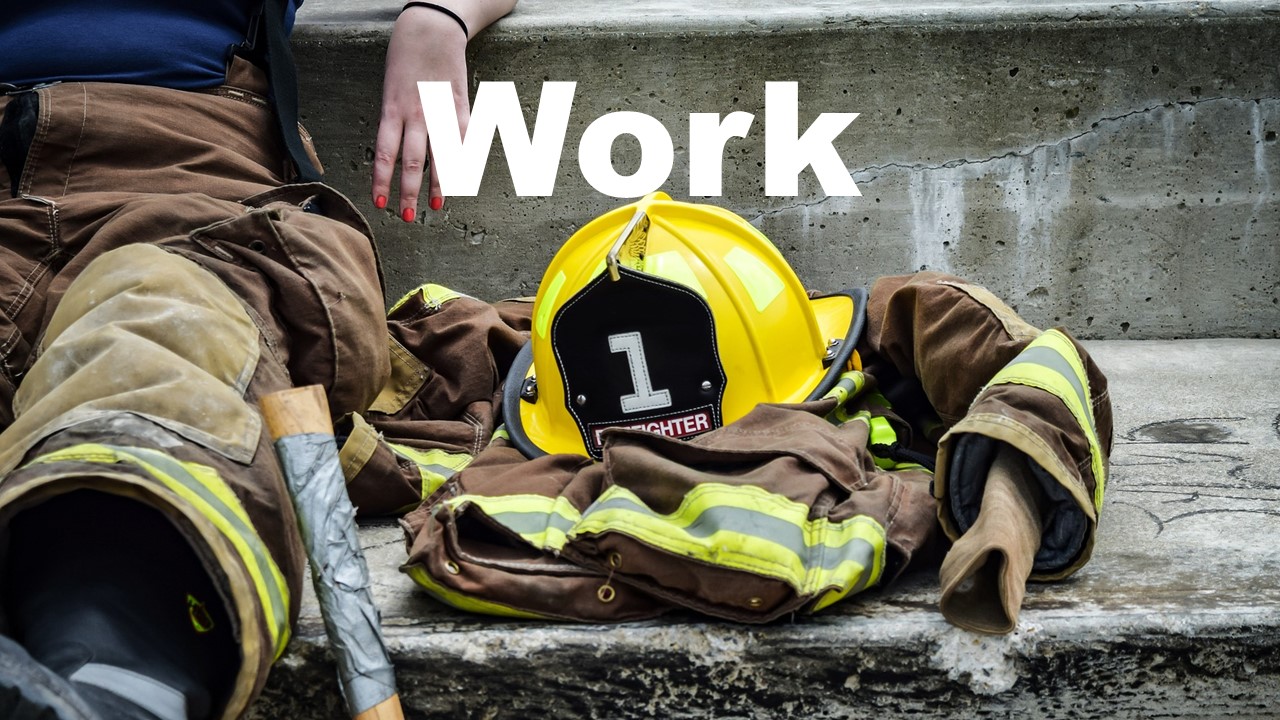
worker resting

Work.
Photo courtesy of Pixabay.com

Do you work all day and then come home to a load of chores?

How many of the things you tell yourself you need to do are really things you chose to do? Clients who complain about stress in their lives customarily tell me they have so much to do and so little time to get it done.

They also often complain that they get no help from family or co-workers and that they end up having to do everything themselves.

One justification for this “I need to do everything and no one helps me” syndrome is that old saw if you want something done right, you need to do it yourself.

How many of these things you tell yourself each day you absolutely have to do are things you are really choosing to do?

The same task can be a burden or a joy depending on the way you view it.

The continuing water shortage here in the West has pointed out this conflict. There have been T. V. ads encouraging people to put in gardens of natural plants, plants that need less water. The goal is to reduce the use of water but in the process, the plants grow more slowly, need less pruning and a yard of native plants never needs mowing.

Any casual drive through the neighborhoods on weekend mornings or after work reveals lots of people out watering and mowing laws. Many of those folks complain about how much yard work they have to do all the while making maintenance of their yards a priority.

Personally, I have never been a big fan of green lawns, but when you live in the city you have to go along to get along. Those of you from the country, you just plow that stuff under a few times a year and let it go at that.

Priorities change in retirement.

These same folks in the counseling room sometimes tell me they are planning their retirement. What do you want to do when you retire? I ask. They tell me they think they will take up gardening or a cooking class.

Those same tasks that were a chore in the past now become a choice.

When the yard work gets really overwhelming, some people turn to paying others to do their lawn. There is some merit in creating employment for others in our community. But having turned their household chores over to others those folks find they need to get more exercise so they take up walking and join a gym.

You see this same phenomenon at the gym. People drive all around the parking lot looking for a close parking spot. Sometimes they get really upset and irritated if someone cut them off from that spot right by the door.

Then once in the gym, they scrabble for a treadmill so they can do some vigorous walking.

Do you feel stressed out over cooking the evening meal despite your thoughts that you would like to spend more time becoming a great cook? Preparing a meal can be an unpleasant task or an adventure.

The difference is not in the activity but in the attitude.

So when you say you are stressed, consider how many of the things you feel stressed about which are in fact choices you make to continue to do things. Your stress may well be coming from your attitude that you have to do these things rather than that you choose to do them.

Staying connected with David Joel Miller

Seven David Joel Miller Books are available now!

My newest book is now available. It was my opportunity to try on a new genre. I’ve been working on this book for several years, but now seem like the right time to publish it.

Story Bureau.

Story Bureau is a thrilling Dystopian Post-Apocalyptic adventure in the Surviving the Apocalypse series.

Baldwin struggles to survive life in a post-apocalyptic world where the government controls everything.

As society collapses and his family gets plunged into poverty, Baldwin takes a job in the capital city, working for a government agency called the Story Bureau. He discovers the Story Bureau is not a benign news outlet but a sinister government plot to manipulate society.

Bumps on the Road of Life. Whether you struggle with anxiety, depression, low motivation, or addiction, you can recover. Bumps on the Road of Life is the story of how people get off track and how to get your life out of the ditch.

Dark Family Secrets: Doris wants to get her life back, but small-town prejudice could shatter her dreams.

Casino Robbery Arthur Mitchell escapes the trauma of watching his girlfriend die. But the killers know he’s a witness and want him dead.

Planned Accidents  The second Arthur Mitchell and Plutus mystery.

Letters from the Dead: The third in the Arthur Mitchell mystery series.

What would you do if you found a letter to a detective describing a crime and you knew the writer and detective were dead, and you could be next?

Sasquatch. Three things about us, you should know. One, we have seen the past. Two, we’re trapped there. Three, I don’t know if we’ll ever get back to our own time.

For these and my upcoming books; please visit my Author Page – David Joel Miller

Want the latest blog posts as they publish? Subscribe to this blog.

For videos, see: Counselorssoapbox YouTube Video Channel

Healthy Habits available for adoption

By David Joel Miller, MS, Licensed Therapist & Licensed Counselor.

Would you like to adopt some healthy habits?

One sign of mental illness or substance use disorders is living an unhealthy lifestyle. People with depression do not have the energy to take care of themselves. People who are ill do not have the strength to maintain healthy habits.

Even those who don’t consider themselves “in recovery” find that adopting healthier habits can increase the happiness of their life and reduce the risk of becoming emotionally unhealthy.

One thing I have noticed from my time around the tables and the therapy rooms is that illnesses and diseases take a back seat to discussions of healthy habits. People who are really struggling talk about how hard, impossible it is to take care of themselves. As people recover then begin to talk increasingly about self-care.

Some will say that better self-care promotes recovery and others say that as you recover you begin to pay more attention to your self-care. I suspect there is some of both.

So what things are you doing to take better care of yourself?

Some people feel so responsible for others that they find it hard to spend time, money or effort on self-care.

Taking good care of yourself is not being selfish!

Here are some major areas of self-care that I see clients engaging in as their recovery progresses.

A better, healthier diet is part of self-care.

When you are in your disorder preparing food and eating can be a chore. Depressed people either eat nothing or they eat most everything. Often their food choices are unhealthy. Substance abusers have similar disruptions in their eating. As people begin to recover they pay more attention to what they are eating and how this is affecting them. How is your diet supporting your emotional health and recovery?

Exercise and health maintenance are parts of recovery.

Recovering people often begin an exercise program. They think about seeing a doctor. They get their physical health problems treated.

After years of failure to take care of your body, working on your health can become a priority. Recovering people need to balance their physical recovery with their emotional and spiritual recoveries. It is easy to turn an exercise program or being health conscious into a new addiction. This may be a “better addiction” but it can take you down a wrong path and away from real lasting recovery.

It is important to tell yourself that no matter how much damage to your body your old lifestyle has caused, you are worth taking care of. Depression and inactivity take their toll. So do anxiety and addiction. See to it that you get the health part of your recovery in balance with the other portions.

Setting boundaries with others safeguards recovery.

Part of recovery is learning to say no, set healthy boundaries. As you treat yourself better you will no longer be able to abide by others treating you poorly.

You will also find that you are more able to treat others as they should be treated. You will begin to recognize and respect other’s boundaries.

Safe and comfortable housing promotes recovery.

When you are down and discouraged you stay where you can. Once in recovery, you home becomes important.

You may need help finding a safe place to stay, do not hesitate to use public programs and private resources. Be sure that you make your nest in a place that is supportive of your recovery, not a place of settling for something less than you deserve.

Do what you can to make where ever you stay “your place.”

Improving relationships promotes recovery.

Recovering people want a healthy relationship with their children, parents, and significant others. They also may need to reexamine friendships and try to strengthen healthy supportive relationships, mending breaches where possible, and sometimes they find that there are former associates that need to be let go.

Even if you do not think of yourself as a recovering person, adopting healthy lifestyle practices can improve the quality of your life.

What healthy lifestyle practices are you ready to adopt and take home?

Staying connected with David Joel Miller

Seven David Joel Miller Books are available now!

My newest book is now available. It was my opportunity to try on a new genre. I’ve been working on this book for several years, but now seem like the right time to publish it.

Story Bureau.

Story Bureau is a thrilling Dystopian Post-Apocalyptic adventure in the Surviving the Apocalypse series.

Baldwin struggles to survive life in a post-apocalyptic world where the government controls everything.

As society collapses and his family gets plunged into poverty, Baldwin takes a job in the capital city, working for a government agency called the Story Bureau. He discovers the Story Bureau is not a benign news outlet but a sinister government plot to manipulate society.

Bumps on the Road of Life. Whether you struggle with anxiety, depression, low motivation, or addiction, you can recover. Bumps on the Road of Life is the story of how people get off track and how to get your life out of the ditch.

Dark Family Secrets: Doris wants to get her life back, but small-town prejudice could shatter her dreams.

Casino Robbery Arthur Mitchell escapes the trauma of watching his girlfriend die. But the killers know he’s a witness and want him dead.

Planned Accidents  The second Arthur Mitchell and Plutus mystery.

Letters from the Dead: The third in the Arthur Mitchell mystery series.

What would you do if you found a letter to a detective describing a crime and you knew the writer and detective were dead, and you could be next?

Sasquatch. Three things about us, you should know. One, we have seen the past. Two, we’re trapped there. Three, I don’t know if we’ll ever get back to our own time.

For these and my upcoming books; please visit my Author Page – David Joel Miller

Want the latest blog posts as they publish? Subscribe to this blog.

For videos, see: Counselorssoapbox YouTube Video Channel

When does recovery start?

By David Joel Miller, MS, Licensed Therapist & Licensed Counselor.

Ball recovery

Recovery and Resiliency.
Photo courtesy of Pixabay.com

When will your recovery start?

If we believe in recovery – and I do – we need to ask, when does recovery start? How does someone know that they have begun the process of recovery?

Recognizing what is wrong.

The starting point for recovery is to admit that there is something wrong.

As long as someone continues to pretend that there is nothing wrong nothing changes. I know the old conventional wisdom was to just suck things up and keep going to work doing your tasks, keep trying to control your drinking, and so on.

The result of this effort to deny the problems resulted in a whole lot of unhappy people who kept up pretenses but never felt happy, never was able to do all they should do, until that final breakdown occurred.

The nervous breakdown, the DUI, or the arrest was not the problem. The problem was that there has been an underlying emotional or substance use problem that has gone untreated because people believe that denying you have a disease keeps you from having it.

This happens a lot in the medical field. Lots of people avoid tests for cancer or HIV because they do not want to have the disease. As if not knowing would prevent you from getting it. The result of failing to acknowledge an illness is not avoiding that disease.

Not admitting your problem allows it to get worse.

You need to recognize that something is wrong before you reach a point of not being able to avoid it. Untreated problems may even reach the point of being fatal.

Yes, depression untreated can be fatal. So can alcoholism, and addiction.

Many recovered people report that they began their journey to recovery the day they admitted they had a problem.

If you have been chronically depressed or anxious, you know you have had to make a lot of excuses to get out of things that you were unable to do and still not have to tell people about your emotional problem. You know that relapse is a risk.

Making excuses gets in the way of real recovery.

The alcoholic who tries to stop drinking will often, in the beginning, make excuses for why they are not drinking. They have a headache, they need to get up early tomorrow or they just are not in the mood to drink tonight. Others around them will continue to offer to buy them a drink; they want them to join in the “fun.” Many times those friends are alcoholics also so they do not want someone else admitting a drinking problem as that might imply they have one too.

The depressed person misses a lot of activates because they have no energy to participate. The need to make excuses also. But eventually, those excuses wear thin. People begin to think you are avoiding them rather than understanding that there are days when your emotional condition makes it impossible for you to engage in activities that you used to do.

You can suffer for years trying to pretend you do not have a problem. What you may find is that once you recognize what the problem is, the treatment can be remarkably simple, simple but not easy.

You may be trying to avoid other issues.

Many times these things we call emotional illness are really the symptoms of something else we have been unable to cope with. If you hate your job or have relationship problems and drink to cope, you may think the problem is the alcohol. If you keep drinking to avoid other emotional problems, eventually that alcohol will become a problem also.

Sooner or later you need to face not only the depression or the addiction but also the bad relationships you have with your job or your close family and friends. Avoiding these problems of living causes emotional illnesses.

Once you admit to yourself and others the nature of your problem and become ready to take a good look at how you got this way, you may find that recovery is a whole lot easier than continuing to have the disease.

Staying connected with David Joel Miller

Seven David Joel Miller Books are available now!

My newest book is now available. It was my opportunity to try on a new genre. I’ve been working on this book for several years, but now seem like the right time to publish it.

Story Bureau.

Story Bureau is a thrilling Dystopian Post-Apocalyptic adventure in the Surviving the Apocalypse series.

Baldwin struggles to survive life in a post-apocalyptic world where the government controls everything.

As society collapses and his family gets plunged into poverty, Baldwin takes a job in the capital city, working for a government agency called the Story Bureau. He discovers the Story Bureau is not a benign news outlet but a sinister government plot to manipulate society.

Bumps on the Road of Life. Whether you struggle with anxiety, depression, low motivation, or addiction, you can recover. Bumps on the Road of Life is the story of how people get off track and how to get your life out of the ditch.

Dark Family Secrets: Doris wants to get her life back, but small-town prejudice could shatter her dreams.

Casino Robbery Arthur Mitchell escapes the trauma of watching his girlfriend die. But the killers know he’s a witness and want him dead.

Planned Accidents  The second Arthur Mitchell and Plutus mystery.

Letters from the Dead: The third in the Arthur Mitchell mystery series.

What would you do if you found a letter to a detective describing a crime and you knew the writer and detective were dead, and you could be next?

Sasquatch. Three things about us, you should know. One, we have seen the past. Two, we’re trapped there. Three, I don’t know if we’ll ever get back to our own time.

For these and my upcoming books; please visit my Author Page – David Joel Miller

Want the latest blog posts as they publish? Subscribe to this blog.

For videos, see: Counselorssoapbox YouTube Video Channel

You can recover from your mental illness

By David Joel Miller, MS, Licensed Therapist & Licensed Counselor.

Woman crying with alcohol

Mental illness
Photo courtesy of Pixabay.com

Recovery happens – Does that surprise you?

Mental and emotional illnesses are relatively common.

Some of you are denying that you have or could ever get a mental illness. Half the population at some time in their life will have a mental illness. Depression and anxiety problems are the most common but many other emotional problems can throw you for a loss.

Among those who do develop a mental or emotional disorder, the conventional wisdom has been that they are “seriously and persistently” mental illness. The implication, all too often, has been that once you get a mental health diagnosis then life is over for you.

Recovery happens.

The truth is that many people do recover from their mental illness. Some by using professional help and others recover in spite of the obstacles the system puts in the way of recovery.

Before the discovery that medications could help with mental illness, the prevailing thought was that the mentally ill were “Crazy” and that once you “lost your mind” it was unlikely you would regain it. This has turned out to be untrue.

Medication can help.

For some, but not all, medication has completely changed the prognosis of mental illness. If a few days on medication can restore someone to functional behavior then it is clear that having a mental illness is not an incurable condition.

We have also discovered that many of the things we used to consider mental illnesses were the result of a lack of skills. People who did not learn good social skills in childhood find it difficult to have good relationships in adulthood. The good news is that anything you learned incorrectly can be unlearned and that the human brain is never too old and rarely to sick to preclude the chance of learning new material.

The consumer movement emphasizes recovery.

One other factor has challenged the notion that once mentally ill, forever sick. Because of the stigma, the mentally ill have traditionally faced many people hid their diseases. More and more of those who have had a mental illness have come forward to talk openly and honestly about their struggles. This openness is sometimes referred to as the consumer movement.

It has become clear to me and to others that there are many highly functional individuals who have at one point or another in their lives have struggled with a mental, emotional, or behavioral illness.

Unfortunately, discrimination against the mentally ill continues to keep people away from treatment.

In truth, half of all Americans are likely to experience one or more episodes of mental illness in their lifetimes. Those fortunate enough to have a strong support system and willing to seek treatment can and do recover.

Many a tragedy, personal and public, might be averted if more people could be encouraged to go for treatment rather than trying to hide their symptoms and pretend to themselves and others that they were not struggling with a mental health challenge.

Put an end to the lie – let people know – recovery happens.

Staying connected with David Joel Miller

Seven David Joel Miller Books are available now!

My newest book is now available. It was my opportunity to try on a new genre. I’ve been working on this book for several years, but now seem like the right time to publish it.

Story Bureau.

Story Bureau is a thrilling Dystopian Post-Apocalyptic adventure in the Surviving the Apocalypse series.

Baldwin struggles to survive life in a post-apocalyptic world where the government controls everything.

As society collapses and his family gets plunged into poverty, Baldwin takes a job in the capital city, working for a government agency called the Story Bureau. He discovers the Story Bureau is not a benign news outlet but a sinister government plot to manipulate society.

Bumps on the Road of Life. Whether you struggle with anxiety, depression, low motivation, or addiction, you can recover. Bumps on the Road of Life is the story of how people get off track and how to get your life out of the ditch.

Dark Family Secrets: Doris wants to get her life back, but small-town prejudice could shatter her dreams.

Casino Robbery Arthur Mitchell escapes the trauma of watching his girlfriend die. But the killers know he’s a witness and want him dead.

Planned Accidents  The second Arthur Mitchell and Plutus mystery.

Letters from the Dead: The third in the Arthur Mitchell mystery series.

What would you do if you found a letter to a detective describing a crime and you knew the writer and detective were dead, and you could be next?

Sasquatch. Three things about us, you should know. One, we have seen the past. Two, we’re trapped there. Three, I don’t know if we’ll ever get back to our own time.

For these and my upcoming books; please visit my Author Page – David Joel Miller

Want the latest blog posts as they publish? Subscribe to this blog.

For videos, see: Counselorssoapbox YouTube Video Channel

Why looks matter.

By David Joel Miller, MS, Licensed Therapist & Licensed Counselor.

dirty hand

Want him cooking your food?
Photo courtesy of Pixabay.com

Is it fair to judge others by the way they look?

Repeatedly I hear and read that we shouldn’t judge people by the way they look. I know people say that because I have said that myself. But the truth is that most of the time, most of us do judge others by the way they look and there just might be evolutionary reasons why we should go on doing it.

Men and women with tattoos or piercings say it is not fair that they do not get jobs because of their body art. In the 1960’s we said that about beards and long hair. Still, people judged anyone who looked different then and now.

Women complain that we judge women by their bodies and not by what is in their heads. Still, we, men and women, spend a fortune on trying to look good to attract and impress the other sex.

When you wander through the jungle it is helpful to seek out other humans and avoid non-humans like bears or lions and tigers. It is not just humans that do this. Birds flock together by species, looking for a mate, looking for protection.

Consider these times when you might want to judge someone by their looks.

You go for a first appointment with your new doctor. The person at the front desk is sipping on their beer and looks like a homeless bag lady. What is happening here? You get into the exam room and the nurse who comes in to take your vitals is wearing some torn, bloodstained scrubs. When the doctor arrives he has on an old sleeveless tee-shirt and some cut-off shorts. He has grease all over his shirt and hands like maybe he was working on his car between patients.

So how comfortable are you feeling now? From the diplomas on the wall, this person went to a big name medical school. Still, his appearance is not too reassuring. Is it fair to judge him by his looks? Are you willing to risk your life and your medical care to someone who looks like a part-time doctor and a full-time auto mechanic?

Lots of clients tell me it is not fair that they get judged by the way you look. But if you want a job at that bank you might want to lose that “but-wiser” tee shirt and the sagging pants for the interview.

Psychological studies tell us that people tend to like others who are like themselves. This is not specifically related to race. It applies to a lot of other characteristics.

Say you walk into a bar and you are wearing your favorite team tee-shirt. Everyone else in the bar is wearing the shirts for the other team. How safe are you feeling now? Want to hang out and give them a chance? Maybe. But consider that humans, like most other animals, are constantly looking around to see how others look and how they behave. Then we either copy those others or we leave. Staying and not conforming risks being attacked, verbally, emotionally, or physically.

Consider another example.

You move into a new neighborhood. All the kids there seem to be wearing red shirts. You take your teen shopping and they insist on buying a blue shirt. They say they love Navy Blue. So you give in. Then the problems start.

Gangs use clothing styles and colors to identify who is “in” and who is “out.” I am not saying this is right, but do you want your child killed in a drive-by just because they insisted that they wanted to wear what they wanted to wear, and others should accept them.

I am not endorsing this judging behavior, just that there are a whole lot of situations where you can and should judge people by how they look and rest assured that others will judge you that way whether you like it or not.

So if you want to stay safe or get that job, consider that sometimes you need to conform if you want to get along. The older we get the less satisfying it is to say others should or should not do something. I can’t change other’s attitudes but I can put on a suit and tie before that job interview.

Sometimes how people look can tell you a lot about who they are on the inside and whether you want to be around them given the choice.

Staying connected with David Joel Miller

Seven David Joel Miller Books are available now!

My newest book is now available. It was my opportunity to try on a new genre. I’ve been working on this book for several years, but now seem like the right time to publish it.

Story Bureau.

Story Bureau is a thrilling Dystopian Post-Apocalyptic adventure in the Surviving the Apocalypse series.

Baldwin struggles to survive life in a post-apocalyptic world where the government controls everything.

As society collapses and his family gets plunged into poverty, Baldwin takes a job in the capital city, working for a government agency called the Story Bureau. He discovers the Story Bureau is not a benign news outlet but a sinister government plot to manipulate society.

Bumps on the Road of Life. Whether you struggle with anxiety, depression, low motivation, or addiction, you can recover. Bumps on the Road of Life is the story of how people get off track and how to get your life out of the ditch.

Dark Family Secrets: Doris wants to get her life back, but small-town prejudice could shatter her dreams.

Casino Robbery Arthur Mitchell escapes the trauma of watching his girlfriend die. But the killers know he’s a witness and want him dead.

Planned Accidents  The second Arthur Mitchell and Plutus mystery.

Letters from the Dead: The third in the Arthur Mitchell mystery series.

What would you do if you found a letter to a detective describing a crime and you knew the writer and detective were dead, and you could be next?

Sasquatch. Three things about us, you should know. One, we have seen the past. Two, we’re trapped there. Three, I don’t know if we’ll ever get back to our own time.

For these and my upcoming books; please visit my Author Page – David Joel Miller

Want the latest blog posts as they publish? Subscribe to this blog.

For videos, see: Counselorssoapbox YouTube Video Channel

Why you should judge a book by its cover

By David Joel Miller, MS, Licensed Therapist & Licensed Counselor.

Books.
Photo courtesy of pixabay.

Ever heard the old saw “Never judge a book by its cover? Turns out that most of the time we should be judging books by their covers.

Let’s start by considering two literal books, both presumably about economics and how to respond to economic problems.

Book one is titled “How to make money in a bad economy.” The author’s name is “A working girl” and the cover depicts an attractive woman in a negligee holding a large fanned wad of cash.

Book two is titled “The history of recessions, depressions, panics, and commercial revulsion’s in the United States from 1640 to 2008, including the role of government’ policy in precipitating financial collapses.”  This second book is written by a well-known economist from a prestigious eastern school. It comes with a very plain cover with the title, author’s name and credentials, and not much else.

Which book should you pick? Do you really need to open the book and read the first few chapters to figure this one out?

If you wanted a steamy sex book, by all means, pick the first book. But if you are trying to figure out a way to plan your financial future you might be better off with book two.

Turns out that there are plenty of times when we should, in fact, judge a book and a whole lot of other things by their cover, so to speak.

You don’t always get the chance to think it over.

Humans are inherently cognitive misers. We only have so much brain space and if we squander that capacity thinking over things that do not require careful thought we will have nothing left to think about trivial things like what to eat and where to live. Think too much about every decision and you will have trouble getting out of bed in the morning.

Now it is possible that these titles are misleading and that one or both do not live up to the promise made by the cover. If you really want to be sure you might open the book and read the first page or two but by then you should have figured out if this is the book for you.

Turns out that there are a lot of other life decisions where the first impression is the right one.

Yes, first impressions can be wrong, but most of the time we form those first impressions based on past experiences, and as a result, we find it easy to make choices that have a high probability of pleasing us.

Too much time spent thinking things over and checking every possibility to avoid a mistake can result in paralysis and indecision.

One other factor to consider is the costs of either failing to make a decision or making a bad decision.

If you are a college professor who teaches economics, you may well go ahead and buy both. Spending more money may be within your budget. But if you are having trouble paying your bills you may read a few pages of both and then decide to pass on both.

This does not negate the principle that sometimes there are plenty of good reasons to judge a book by its cover.

One last thought. In doing that judging you need to look at what the thing is, not how it looks. I have bought a lot of used books in my time. Some had torn or dirty covers some had no dust jacket at all. Still, I could generally tell from the apparent characteristics, the title, the author, and so on, whether this book had merit.

I think this value of judging books by their cover applies to a lot of other life decisions.

But what about judging people by their looks. By this, I do not mean race, but their dress and self-care. Should you judge a person by their outward appearance?

More on the pros and cons of judging by appearance and why we are all likely to do things that way when we are unsure will be coming up in a future post on counselors soapbox.com.

Staying connected with David Joel Miller

Seven David Joel Miller Books are available now!

My newest book is now available. It was my opportunity to try on a new genre. I’ve been working on this book for several years, but now seem like the right time to publish it.

Story Bureau.

Story Bureau is a thrilling Dystopian Post-Apocalyptic adventure in the Surviving the Apocalypse series.

Baldwin struggles to survive life in a post-apocalyptic world where the government controls everything.

As society collapses and his family gets plunged into poverty, Baldwin takes a job in the capital city, working for a government agency called the Story Bureau. He discovers the Story Bureau is not a benign news outlet but a sinister government plot to manipulate society.

Bumps on the Road of Life. Whether you struggle with anxiety, depression, low motivation, or addiction, you can recover. Bumps on the Road of Life is the story of how people get off track and how to get your life out of the ditch.

Dark Family Secrets: Doris wants to get her life back, but small-town prejudice could shatter her dreams.

Casino Robbery Arthur Mitchell escapes the trauma of watching his girlfriend die. But the killers know he’s a witness and want him dead.

Planned Accidents  The second Arthur Mitchell and Plutus mystery.

Letters from the Dead: The third in the Arthur Mitchell mystery series.

What would you do if you found a letter to a detective describing a crime and you knew the writer and detective were dead, and you could be next?

Sasquatch. Three things about us, you should know. One, we have seen the past. Two, we’re trapped there. Three, I don’t know if we’ll ever get back to our own time.

For these and my upcoming books; please visit my Author Page – David Joel Miller

Want the latest blog posts as they publish? Subscribe to this blog.

For videos, see: Counselorssoapbox YouTube Video Channel

You’re creating your bad days

By David Joel Miller, MS, Licensed Therapist & Licensed Counselor.

People fighting

Bad behavior.
Photo courtesy of Pixabay

Bad days don’t just happen sometimes we create them.

There are days when bad things happen. There is an earthquake or a hurricane but that doesn’t always add up to a bad day. Sometimes in the midst of all the chaos that Mother Nature sends our way we can find the good in that day. Everyone lived, No one is seriously hurt, life goes on.

Sometimes the universe doesn’t send any calamity our way but we have a bad day anyway.

Ever had a day like that? Things should be going well. Nothing out of ordinary but somehow you hit every traffic light. At work nothing goes right, everything takes longer than it should and you hate every moment.

What if you were creating these “Bad Days?”

If you were to discover that you are creating these bad days would you be willing to do something new? You don’t necessarily mean to create bad days but if you are doing something that gives you this result, would you be willing to try something different?

If you have somehow learned to behave in a certain way and the result of that behavior, the actions you are taking, are creating those awful days then you have some choices. Anything you have learned to do can be unlearned.

You may have slipped into a habit that is causing all these difficulties. Habits are entrenched. We aren’t always aware that we are doing something in a habitual manner but if you start paying attention you can change those habits.

Your brain believes what you tell it.

What you tell yourself becomes the basis for your actions. You don’t have to say the words out loud but if you repeat that thought enough it becomes an automatic thought. Thoughts become beliefs and your brain does its maximum to make your beliefs a reality.

Your brain will make things go wrong if that is what you are expecting, it wants to please you. Say over and over to yourself that “I can’t do this” and all the energy will drain out of you.

Tell yourself that “I am going to have a bad day” and you create it.

On some level, we all know this stuff. You have heard about the power of positive thinking but you can’t bring yourself to disregard those feelings that you are having that today is going to be a bad day. The more you think that today will be a bad day the more likely you are to create one.

You can’t change this by lying to yourself.

You wake up and you are on edge. Things are going to happen at work today and you are expecting this to be a problem-filled day. Your appraisal of the situation is that today will, despite your best efforts, “Be a bad day.”

Being a Pollyanna and telling yourself that life is perfect when you, in fact, know that there are troubles ahead will not fix this one.

This is one reason people will say that positive affirmations do not work. They pick things that they wish were true, that they would like to have happen or qualities they wish they had, but they have picked something that is so beyond where they are that they do not believe this affirmation. The result of these unrealistic affirmations is that you feel more hopeless than before.

The words you use to describe your challenges matter.

Mostly our thoughts are words. Our memories are largely stories saved by using words. Our nervous system can store pictures or emotions but when you think, say to yourself “This is going to be a bad day.” You are telling yourself a story using words.

Change the words and you change the story.

If you were to tell yourself that today will be difficult, could you believe that? What if you say today I face challenges? These ways of expressing what is ahead are not rose-colored glasses but they are a lot more optimistic than saying you will have a bad day.

Telling yourself that today will be hard is not the same message as telling yourself that today will be a bad day. Especially if you also tell yourself that you will find ways to cope.

Move from telling yourself that “this will be a bad day” and try saying to yourself “this will be a challenging day” and watch failure turn to opportunity.

Difficult times you can handle, you will get through this and you may grow or prosper.

Try this way of changing your life story and see what happens. If you find a set of words that helps you please share that with the rest of us. I am always on the lookout for anything that will help move me along the road to happiness.

Your self-talk does predict the future. 

Remember Self-talk and affirmations change your life. 

Staying connected with David Joel Miller

Seven David Joel Miller Books are available now!

My newest book is now available. It was my opportunity to try on a new genre. I’ve been working on this book for several years, but now seem like the right time to publish it.

Story Bureau.

Story Bureau is a thrilling Dystopian Post-Apocalyptic adventure in the Surviving the Apocalypse series.

Baldwin struggles to survive life in a post-apocalyptic world where the government controls everything.

As society collapses and his family gets plunged into poverty, Baldwin takes a job in the capital city, working for a government agency called the Story Bureau. He discovers the Story Bureau is not a benign news outlet but a sinister government plot to manipulate society.

Bumps on the Road of Life. Whether you struggle with anxiety, depression, low motivation, or addiction, you can recover. Bumps on the Road of Life is the story of how people get off track and how to get your life out of the ditch.

Dark Family Secrets: Doris wants to get her life back, but small-town prejudice could shatter her dreams.

Casino Robbery Arthur Mitchell escapes the trauma of watching his girlfriend die. But the killers know he’s a witness and want him dead.

Planned Accidents  The second Arthur Mitchell and Plutus mystery.

Letters from the Dead: The third in the Arthur Mitchell mystery series.

What would you do if you found a letter to a detective describing a crime and you knew the writer and detective were dead, and you could be next?

Sasquatch. Three things about us, you should know. One, we have seen the past. Two, we’re trapped there. Three, I don’t know if we’ll ever get back to our own time.

For these and my upcoming books; please visit my Author Page – David Joel Miller

Want the latest blog posts as they publish? Subscribe to this blog.

For videos, see: Counselorssoapbox YouTube Video Channel

Can you talk to your therapist on the internet? Online dual relationships

Online dual relationships.

Computer

Internet.
Photo courtesy of Pixabay.com

By David Joel Miller, MS, Licensed Therapist & Licensed Counselor.

Update.
This is an older post from 2013. As a Rural result of the COVID pandemic counselors and therapists have had to learn to do a lot more online, distance counseling work. This post reflects the thinking back in 2013 but I feel sure the use of the Internet in counseling will continue to grow, and change in the future.

Has the internet changed relationships between clients and therapists?

A member of an online group to which I belong sent in this question

“Is it ever proper for a life coach or therapist to invite their clients to an online group, or for a client and therapist to be in the same group, or work on online projects together?  Can that cause a lot of problems?”

How this affects life coaches and how it might affect therapists and counselors are miles apart.

This is a problematic area for therapists and counselors. We are taught to avoid “Dual relationships” with clients. Some of these issues are pretty clear, dating, sex, borrowing money, and so on. Some dual relationships are easy to see and clearly, can cause problems.

The goal of avoiding dual relationships is to avoid harming the client, once you see the client outside the office there are risks for the client and the therapist.

We do not want to do or say things outside the office that identify this client as a patient in a mental health treatment setting. Sometimes there is just no way of avoiding the client when we are out in the community, so in those settings, most therapists will not say anything to the client and wait for them to say something first. That way they do not identify this person as a patient.

The smaller the town the more the risk of a second relationship. I live in Fresno; my clients live in Fresno, so far no problem. They shop at the same grocery store as I do.  I do not need to stop shopping there but I do need to not make the first move to say hi and especially we do not talk about their therapy in the store.

Then let’s say I go visit a new church. I run into a client there. Now can I talk to them? Maybe. I do not think I need to avoid churches or schools or civic organizations because my client might attend. What I do need to avoid is getting into a close friendship relationship with a client.

What happens when we both belong to a local group, say, NAMI and then we end up on a committee together? This may begin to create problems. I need to remember what they said in therapy and keep that separate from what they told me at the group meeting.

In that kind of situation, I might consider not being on the committee or ending therapy with the client so we do not have two separate relationships going. At this point, no matter what I do there are ethical implications. Dropping a client to be on the committee is a problem, being on together is a problem, telling the client they can’t be in this group is a huge problem.

Therapists need to consult.

Once these problems begin, or that possibility crops up, we therapists should get an opinion from our colleagues, maybe from a lawyer, and we may talk this over with the client.

Some therapists try to avoid these things by not joining or attending meetings, but you can only go so far with that before you give up your right to have a life.

Some therapists have tried to avoid these problems by not being online or having a social media account. While this may prevent some problems it can create others.

The hard part is keeping all your separate roles or “hats” separate.

Lots of therapists teach classes. We may see current or former clients there. I do trainings, Mental Health First Aid for example. Good chance that a former or current clients could show up there. I do not cancel the class or throw the client out of the training because they have seen me for therapy, but it can be a challenge if they start asking questions and I know this is an issue we have worked on in therapy.

The internet has changed all that.

Millions of people all over the world are now connected. I can run into clients current and former and not even know it. So we need to work on making sure that while we all engage in those activates nothing I do might harm any client’s current past or even a potential future client.

So here are some suggestions for both therapists and counselors and clients on the multiple relationships that can form on the internet. Let’s get specific with this reader’s questions.

Is it ever proper for a life coach or therapist to invite their clients to an online group?

Therapists should not be maintaining email lists of clients and then start mailing anything to them. If they happen to subscribe to my blog or a list of trainings or classes I treat them just like any other subscribers, not like clients.

For a client and therapist to be in the same group or work on online projects together? 

If they join a group and I join, so be it. I do not suggest this as a rule but if they are interested in homelessness and so am I, then I might give them the information about an online group. What they do with that web address is up to them.

Working together on an online project sounds like something I would not do until a lot of time had elapsed between them being a client and the project. If I had a client who was a web designer I would not pull out his file and call him for some help on my website.

If someone who worked with me got a list of designers and called him, then next session I would need to discuss this with him and we would need to decide if we were going to end therapy or he would not be able to also be working for me.

Can multiple relationships cause a lot of problems?

Yes having multiple relationships can cause lots of problems. I do not let that keep me from writing a blog or teaching classes but I am always looking out for these possible conflicts and avoiding them whenever I can.

Therapists and clients do run into each other, in the community and on the internet. The rules are essentially the same.

Do not get into a second relationship that will harm the client. Do not do things to identify them as clients or to violate their confidentiality and treat you various roles professionally and appropriately.

About life coaches.

There is no licensing for life coaches that I know of. Some have taken classes, anything from a one hour webinar on up. Some join coaching associations and they may or may not have codes of ethics. But coaches do not get confidentiality and you get no privilege in talking to them. They can say and do what they want and they may engage in all sorts of multiple relationships. If they hurt you really badly you have to sue them. It is common for coaches to keep mailing lists of former clients and to keep trying to sell you things and they can use your name or story in their materials or trainings. While there are some good coaches out there, coaching is not meant to help you with emotional problems that might include a mental illness.

I am sure that this will not be the last time we need to look at how the internet, blogs, and social media are changing relationships and how that might affect clients and therapists, but at least it is a start.

Staying connected with David Joel Miller

Seven David Joel Miller Books are available now!

My newest book is now available. It was my opportunity to try on a new genre. I’ve been working on this book for several years, but now seem like the right time to publish it.

Story Bureau.

Story Bureau is a thrilling Dystopian Post-Apocalyptic adventure in the Surviving the Apocalypse series.

Baldwin struggles to survive life in a post-apocalyptic world where the government controls everything.

As society collapses and his family gets plunged into poverty, Baldwin takes a job in the capital city, working for a government agency called the Story Bureau. He discovers the Story Bureau is not a benign news outlet but a sinister government plot to manipulate society.

Bumps on the Road of Life. Whether you struggle with anxiety, depression, low motivation, or addiction, you can recover. Bumps on the Road of Life is the story of how people get off track and how to get your life out of the ditch.

Dark Family Secrets: Doris wants to get her life back, but small-town prejudice could shatter her dreams.

Casino Robbery Arthur Mitchell escapes the trauma of watching his girlfriend die. But the killers know he’s a witness and want him dead.

Planned Accidents  The second Arthur Mitchell and Plutus mystery.

Letters from the Dead: The third in the Arthur Mitchell mystery series.

What would you do if you found a letter to a detective describing a crime and you knew the writer and detective were dead, and you could be next?

Sasquatch. Three things about us, you should know. One, we have seen the past. Two, we’re trapped there. Three, I don’t know if we’ll ever get back to our own time.

For these and my upcoming books; please visit my Author Page – David Joel Miller

Want the latest blog posts as they publish? Subscribe to this blog.

For videos, see: Counselorssoapbox YouTube Video Channel