Is your lover an addiction?

By David Joel Miller, MS, Licensed Therapist & Licensed Counselor.

Couple

Relationship.
Photo courtesy of Pixabay.com

When your lover is an addiction it is not a healthy relationship.

Human lovers may be with you for a lifetime or they can come and go – but that addiction is always there for you. Some people have love or sex addictions. They can’t stand the thought of being alone or not having a partner. They settle for a bad relationship in preference to being alone. They can’t seem to develop a healthy relationship with themselves.

If your lover is Gambling, alcohol, or drugs you know that your addiction will be waiting for you, demanding your devotion as human partners come and go.

The love of your life may be shopping or the go-in-debt-at-home channel. It may be hoarding useless things. Most any activity can become an addiction if you can’t stop thinking about it and eventually you lose control and have to do it one more time, whether you wanted to or not.

Clearly, drugs and their older sneakier cousin, Alcohol, win the contest for addictions that can take control of you.

Most people with addictions become closer to their addiction, often a drug of choice than to the humans in their life. Somehow we hold on to that love for that addiction even when it begins to treat us badly.

I have seen a number of people stuck in bad relationships with other humans. Eventually, most of them have had enough. They either come for counseling and try to change their relationship, or they decide to leave the other person. Occasionally someone hangs on even though they know that this is not a good relationship. They hang on because the prospect of letting go feels worse to them than the pain of staying.

It is even worse when the partner you are leaving is an addiction.

People who give up their addiction are letting go of their best friend, their lover, and their full-time life companion.

They tell me that partners come and go but that “Crystal” is always there for them. Women may reject you but “Sherry” is there in the bottle waiting for you. And your drug of choice, it always changes the way you feel. Until it begins abusing you.

Having had a long-term relationship with a drug of choice results in a lot of grief and loss issues when you finally decide to give her up.

While you are grieving over your lost partner, Whisky or Beer, wine or Meth, everywhere you go there are people trying to get you two back together again.

Your friends, they all know “Crystal” and “Sherry” and they tell you – have just one more for old-time sake. Even the stores are out to get you with their reminders of your lost love. The beer is stacked up by the door and the milk is at the end of the wine aisle.

Like any other lost love when you are trying to get over an addiction everywhere you go there are reminders.

Do not give up. Going back to an addiction is not a way to find happiness. Eventually, the grief will pass and you will find a new happier life waiting for you.

Staying connected with David Joel Miller

Seven David Joel Miller Books are available now!

My newest book is now available. It was my opportunity to try on a new genre. I’ve been working on this book for several years, but now seem like the right time to publish it.

Story Bureau.

Story Bureau is a thrilling Dystopian Post-Apocalyptic adventure in the Surviving the Apocalypse series.

Baldwin struggles to survive life in a post-apocalyptic world where the government controls everything.

As society collapses and his family gets plunged into poverty, Baldwin takes a job in the capital city, working for a government agency called the Story Bureau. He discovers the Story Bureau is not a benign news outlet but a sinister government plot to manipulate society.

Bumps on the Road of Life. Whether you struggle with anxiety, depression, low motivation, or addiction, you can recover. Bumps on the Road of Life is the story of how people get off track and how to get your life out of the ditch.

Dark Family Secrets: Doris wants to get her life back, but small-town prejudice could shatter her dreams.

Casino Robbery Arthur Mitchell escapes the trauma of watching his girlfriend die. But the killers know he’s a witness and want him dead.

Planned Accidents  The second Arthur Mitchell and Plutus mystery.

Letters from the Dead: The third in the Arthur Mitchell mystery series.

What would you do if you found a letter to a detective describing a crime and you knew the writer and detective were dead, and you could be next?

Sasquatch. Three things about us, you should know. One, we have seen the past. Two, we’re trapped there. Three, I don’t know if we’ll ever get back to our own time.

For these and my upcoming books; please visit my Author Page – David Joel Miller

Want the latest blog posts as they publish? Subscribe to this blog.

For videos, see: Counselorssoapbox YouTube Video Channel

Can you focus your mind?

By David Joel Miller, MS, Licensed Therapist & Licensed Counselor.

Focus

Focus.
Photo courtesy of Pixabay.com

You can shift the focus of your eyes but what about your thoughts?

In old-school photography, every student had to learn selective focus. The goal was to keep one thing in clear focus while letting the other things in the scene blur out and become ambiguous.

If you had a person close to you, then you wanted their face clear and the things behind them, the background, to blur out. If you took a picture through a fence the goal was to get the things far away clear and the fence to blur until it disappeared.

Wouldn’t it be nice if we could shift the focus on our minds just like that camera?

Well, some people can do just that.

Often when we interact with others our minds go all over the place. We think about the room temperature and lighting, what we will do after this meeting, what we did yesterday.

We can be overwhelmed and the result is that we lose the ability to pay clear attention to the thing we are doing or the person who we are speaking with.

When we try to relax our minds can become troubled with that swarm of thoughts buzzing around in our head. Things to do, people to call, emails to answer. Did you pay that bill? Should you check Facebook or Twitter first?

Seeing everything at once can result in seeing nothing as your life flows by lost in the jumble of thoughts.

One skill they teach in “mindfulness” training is how to shift that focus of your thinking, how to pay attention to the things you want to attend to and let the rest go. This is a valuable skill to have. The ability to attend to one thing and let the other things blur out is not something we are all born with but a skill that can be developed.

I realize that this selective attention or mindfulness can be more difficult for people with certain disorders like ADHD, but with the constant flow of information overload, all of us are at risk of losing our mental focus if we do not learn to attend to one thing out of a swarm of thoughts in our heads.

Do you sometimes feel like a traffic cop trying to direct thousands of unruly thoughts traveling within your head?

This age we live in has more information available than ever before. There are constantly things to do and distractions everywhere. The thoughts, feelings, and sensations run back and forth in our minds.

Do you run after each and every thought like a school worker trying to corral a group of unruly children?

Sometimes it is nice to just observe the thoughts as they run through our minds, let them go, and shift our focus from all that is going on outside us to what is going on inside yourself.

Learning to shift your mind’s focus, attuned to one important idea at a time can reduce your stress and improve your creativity and productivity.

Give that shift of mind focus a try and see if it does not bring a whole lot of things into sharper focus.

Staying connected with David Joel Miller

Seven David Joel Miller Books are available now!

My newest book is now available. It was my opportunity to try on a new genre. I’ve been working on this book for several years, but now seem like the right time to publish it.

Story Bureau.

Story Bureau is a thrilling Dystopian Post-Apocalyptic adventure in the Surviving the Apocalypse series.

Baldwin struggles to survive life in a post-apocalyptic world where the government controls everything.

As society collapses and his family gets plunged into poverty, Baldwin takes a job in the capital city, working for a government agency called the Story Bureau. He discovers the Story Bureau is not a benign news outlet but a sinister government plot to manipulate society.

Bumps on the Road of Life. Whether you struggle with anxiety, depression, low motivation, or addiction, you can recover. Bumps on the Road of Life is the story of how people get off track and how to get your life out of the ditch.

Dark Family Secrets: Doris wants to get her life back, but small-town prejudice could shatter her dreams.

Casino Robbery Arthur Mitchell escapes the trauma of watching his girlfriend die. But the killers know he’s a witness and want him dead.

Planned Accidents  The second Arthur Mitchell and Plutus mystery.

Letters from the Dead: The third in the Arthur Mitchell mystery series.

What would you do if you found a letter to a detective describing a crime and you knew the writer and detective were dead, and you could be next?

Sasquatch. Three things about us, you should know. One, we have seen the past. Two, we’re trapped there. Three, I don’t know if we’ll ever get back to our own time.

For these and my upcoming books; please visit my Author Page – David Joel Miller

Want the latest blog posts as they publish? Subscribe to this blog.

For videos, see: Counselorssoapbox YouTube Video Channel

What does being sad say about you?

By David Joel Miller, MS, Licensed Therapist & Licensed Counselor.

Sad child

Sad.
Photo courtesy of Pixabay.com

What do you tell yourself when you are sad?

Many of us can’t bear to let ourselves be sad. Not because the feeling is so unbearable but because we tell ourselves that if I feel that way there is something wrong with me. That insistence that we should not feel what we feel or that feelings are negative, can keep you from learning the lessons that feeling are trying to teach you.

Those things we tell ourselves to try to avoid feeling what we feel can keep us stuck in those negative feelings a lot longer than if you let yourself feel and then decided what you wanted to do about that feeling.

Do you tell yourself these things when you feel a sad emotion coming on?

1. If I am sad that means I am weak.

Sad or even depressed does not mean weak. Feeling sad means you are normal, especially if the sad is for what you see happening to others. Only a psychopath can see a child being harmed and not feel sad. So unless you are aspiring to become a psychopath let yourself feel sad when things happen that should make you sad.

Being sad is not weak, it is realistic. What you need to do is not stay stuck in the sadness but look for ways to be kind and compassionate to those that suffer.

That list of people who you need to be kind to – your name should be up at the top of the list of people deserving kindness.

2. Do you think being sad is pitiful?

Pity is a looking down on other’s emotions. Why are you looking down at yourself?

Be compassionate with yourself. Beating yourself up or telling yourself not to feel what you feel will undermine your ability to use feelings as a reliable guide to life events. It is not pitiful to be you.

3. If I let myself be sad I am a basket case.

It is not people who feel that end up in emotional trouble. People who try to hold things in eventually meltdown or they become dead inside.

Some feelings have to be felt before you can move on. If someone dies feel the grief. Be sad when sad things happen.

Do not let sad or your efforts to not feel sad take over your life.

4. Being sad makes me inferior.

Being sad is a normal human emotion. Everyone can and does feel sad some of the time. What matters is what you do with that feeling. Do you get sad when you should and then let it pass or do you get stuck there?

You do not need to be less feeling and more numb than others to think of yourself as acceptable.

It is not the feeling sad that defines you, it is what you do with that emotion once it has visited you.

Staying connected with David Joel Miller

Seven David Joel Miller Books are available now!

My newest book is now available. It was my opportunity to try on a new genre. I’ve been working on this book for several years, but now seem like the right time to publish it.

Story Bureau.

Story Bureau is a thrilling Dystopian Post-Apocalyptic adventure in the Surviving the Apocalypse series.

Baldwin struggles to survive life in a post-apocalyptic world where the government controls everything.

As society collapses and his family gets plunged into poverty, Baldwin takes a job in the capital city, working for a government agency called the Story Bureau. He discovers the Story Bureau is not a benign news outlet but a sinister government plot to manipulate society.

Bumps on the Road of Life. Whether you struggle with anxiety, depression, low motivation, or addiction, you can recover. Bumps on the Road of Life is the story of how people get off track and how to get your life out of the ditch.

Dark Family Secrets: Doris wants to get her life back, but small-town prejudice could shatter her dreams.

Casino Robbery Arthur Mitchell escapes the trauma of watching his girlfriend die. But the killers know he’s a witness and want him dead.

Planned Accidents  The second Arthur Mitchell and Plutus mystery.

Letters from the Dead: The third in the Arthur Mitchell mystery series.

What would you do if you found a letter to a detective describing a crime and you knew the writer and detective were dead, and you could be next?

Sasquatch. Three things about us, you should know. One, we have seen the past. Two, we’re trapped there. Three, I don’t know if we’ll ever get back to our own time.

For these and my upcoming books; please visit my Author Page – David Joel Miller

Want the latest blog posts as they publish? Subscribe to this blog.

For videos, see: Counselorssoapbox YouTube Video Channel

How do you avoid healing?

By David Joel Miller, MS, Licensed Therapist & Licensed Counselor.

Calm waters.

Calm.
Photo courtesy of Pixabay.com

Do you avoid something that would be good for you?

You walk right up to the thing that might help you heal and you turn away. Each of us has our own special ways of avoiding the healing process. We tell ourselves lies, listing to the lies from our disorder, or avoid the things that might make us better.

Do you know the prescription for what ails you but you use tricks to avoid taking that medicine?         Do you use any of these methods to avoid healing?

1. When you start to feel you reach for drugs and alcohol?

Early on in the process drugs and especially alcohol look like the solution. How often have you heard someone say they needed a drink to deal with an unpleasant emotion?

What happens more often than not is that the chemical you use only temporarily blocks the feelings. When the drug wears off the feelings return worse than ever. Eventually, alcohol or drugs do not take the feeling away.

At that point, your solution has become the problem. Now you have to keep drinking and using to forestall the crash that comes with withdrawal.

Your friend, the chemical, has turned on you.

Sometimes the best solution for unpleasant feelings is to feel them. A friend or professional can help with things a chemical cannot.

2. You don’t ask for your needs to be met.

People expect their friends and family to know what they need. I hear them say that if I have to ask you to do something then it does not count. This is just one more way of setting ourselves up to be disappointed and to blame our ills on others.

Unless you are the exception, you do not live with a mind reader and your partner, family or friend does not know what you want and need.

No one is inside your skin but you. Are you hungry? You need to say so. Are you lonely, tired or feeling unloved? Tell those around you what you need from them. They may not always be able to give it to you but you will get a lot more of your needs met if you just learn to ask for what you need.

3. You avoid conflicts by saying what they want you to say.

Sometimes saying nothing is a way to avoid conflict. Many of us need to learn to bite our tongue more often.

What is worse than saying nothing or saying too much is the habit some of us have of saying what we think others want us to say even when that is not what we want or mean.

If you have developed the habit of agreeing with people before you have had the chance to think about your needs you may avoid some conflict in the short run but you will sabotage your recovery.

4. Beat yourself up and shoot yourself in the foot.

Are you your own worse critic? Telling yourself you are bad, a failure, and the like is not going to make you do things better. Learn to give yourself encouragement and you are likely to make a lot more progress than if you beat yourself up.

That does not mean you should fail to address your shortcomings. Just do that by changing your actions not by calling yourself names.

Do you just find another self-destructive behavior to take the place of the pain? Lots of people do the old shoot yourself in the foot thing.

5. Your mind just leaves.

Daydreaming is the first cousin of dissociation. In extreme cases, this can be a diagnosable disorder. But short of that dissociation disorder, many people have ways of just letting their mind wander away.

Do you daydream rather than take action? Do you distract yourself with videos, online games, casinos, or other activities that allow you to avoid facing your problems?

Most problems do not disappear while we are out to lunch. A problem not dealt with is likely to grow.

Take a look at yourself and see if there are ways that you are avoiding taking the actions that you need to take and as a result, you are the one keeping yourself from healing from emotional pain.

Staying connected with David Joel Miller

Seven David Joel Miller Books are available now!

My newest book is now available. It was my opportunity to try on a new genre. I’ve been working on this book for several years, but now seem like the right time to publish it.

Story Bureau.

Story Bureau is a thrilling Dystopian Post-Apocalyptic adventure in the Surviving the Apocalypse series.

Baldwin struggles to survive life in a post-apocalyptic world where the government controls everything.

As society collapses and his family gets plunged into poverty, Baldwin takes a job in the capital city, working for a government agency called the Story Bureau. He discovers the Story Bureau is not a benign news outlet but a sinister government plot to manipulate society.

Bumps on the Road of Life. Whether you struggle with anxiety, depression, low motivation, or addiction, you can recover. Bumps on the Road of Life is the story of how people get off track and how to get your life out of the ditch.

Dark Family Secrets: Doris wants to get her life back, but small-town prejudice could shatter her dreams.

Casino Robbery Arthur Mitchell escapes the trauma of watching his girlfriend die. But the killers know he’s a witness and want him dead.

Planned Accidents  The second Arthur Mitchell and Plutus mystery.

Letters from the Dead: The third in the Arthur Mitchell mystery series.

What would you do if you found a letter to a detective describing a crime and you knew the writer and detective were dead, and you could be next?

Sasquatch. Three things about us, you should know. One, we have seen the past. Two, we’re trapped there. Three, I don’t know if we’ll ever get back to our own time.

For these and my upcoming books; please visit my Author Page – David Joel Miller

Want the latest blog posts as they publish? Subscribe to this blog.

For videos, see: Counselorssoapbox YouTube Video Channel
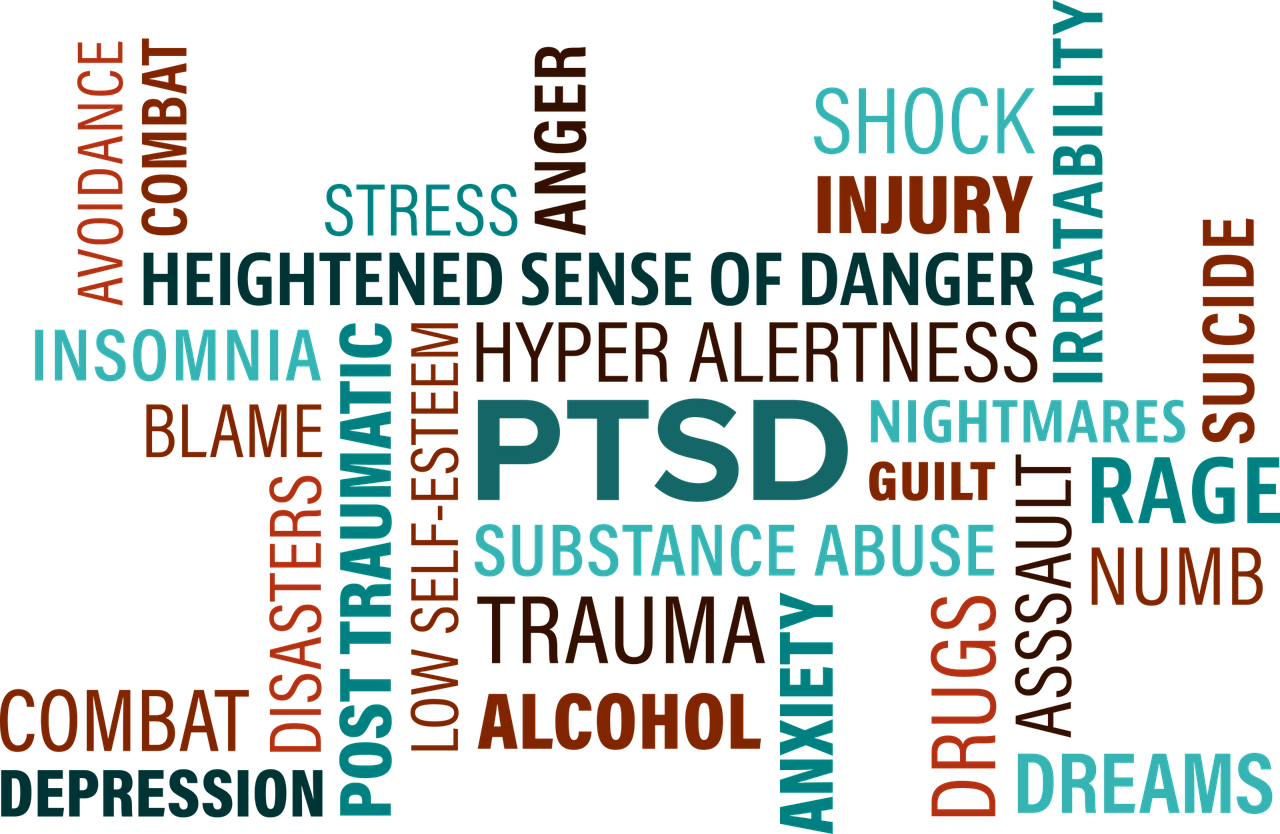
Complex Trauma, Stress and PTSD

By David Joel Miller, MS, Licensed Therapist & Licensed Counselor.

Words about PTSD

PTSD.
Photo courtesy of Pixabay.com

What is Complex Trauma and how is it connected to other emotional problems?

Most therapists recognize the existence of a “thing” that might be called Complex Trauma. We are pretty sure it exists. We see clients with it all the time.  Only it looks different in different people. Sometimes it looks like a stress disorder, sometimes it looks more like Post Traumatic Stress Disorder (PTSD) other times it looks a lot like depression or anxiety.

We, professionals, are just not sure what to call this thing and worse yet we are not all sure how to treat it.

This confusion is aggravated by the problem that there is was no diagnosis for this thing, this complex trauma monster, in the DSM-4. Worse yet, even with the increased attention to stress caused disorders in the new DSM-5 Complex trauma did not make the new book either.

The result is that we have a disorder that we all see in our clients but it looks different in a different light and we give it different names depending on who has this issue.

This problem, this idea that multiple, complex trauma is different from single trauma and that the results of multiple traumas are not a case of two plus two equaling four is not new. With complex trauma two plus two maybe six or even seven.

We know this from reading books and articles on zoology. Humans are not the only creatures who suffer more from repeated traumatization. Other creatures can recover from a single large trauma but when subjected to repeated traumas they lose the ability to adjust.

Let me attempt to explain this problem by using a far-fetched analogy.

Complex Trauma is kind of like a hurricane or monsoon.

Most of us know what a hurricane is, sort of. The wind blows really hard. It damages things and knocks things down. A tree may blow over and smash your roof or the wind may break some windows and blow over some things breaking them. But that is not all.

With the wind comes a lot of rain. The rain fills up creeks and small rivers and then they overflow. Your house may get flooded.

That tree may miss your house when it falls and hit a power pole. That pole may start a fire and your house could burn down. If you live near the coast the tide from the ocean may become a tide surge and sweep your home away.

All of these things are the consequences of the hurricane, but the effect on you and the way your insurance company sees things may be very different depending on whether your house is damaged by a falling tree, flooded, swept away by the tide, or burns due to a falling power line.

Complex trauma is a lot like that. Different people are affected differently. Some get depressed, some get anxious, some people dissociate and others think of harming themselves or others. All of these possibilities and more are the result of the stress or trauma but each person experiences them slightly differently and they all may get different diagnoses.

A different diagnosis may result in a different treatment which means some people are way more responsive to a particular treatment.

We used to think that there was a discrete number of mental illnesses, two, neurosis, or psychoses. Then a hundred or so and in the DSM-4 about 400. Now we are thinking that if we keep splitting up these problems of living we are going to end up with one diagnosis per person. So we are trying to think more in terms of a continuum. Some people are only a tiny bit depressed occasionally and others are major depressed all the time.

This variation in features is also impacting the way professionals see and respond to stress-related problems.

Over the next few weeks as time and space permits, I want to talk more about complex trauma, how it develops and why it is sort of like PTSD, anxiety, and other named disorders, and why it is enough different from those other disorders that clinicians are developing specialized treatments for this issue.

People can and do recover from complex trauma so stay tuned and we will talk about the steps to recovery from this misunderstood disorder.

Staying connected with David Joel Miller

Seven David Joel Miller Books are available now!

My newest book is now available. It was my opportunity to try on a new genre. I’ve been working on this book for several years, but now seem like the right time to publish it.

Story Bureau.

Story Bureau is a thrilling Dystopian Post-Apocalyptic adventure in the Surviving the Apocalypse series.

Baldwin struggles to survive life in a post-apocalyptic world where the government controls everything.

As society collapses and his family gets plunged into poverty, Baldwin takes a job in the capital city, working for a government agency called the Story Bureau. He discovers the Story Bureau is not a benign news outlet but a sinister government plot to manipulate society.

Bumps on the Road of Life. Whether you struggle with anxiety, depression, low motivation, or addiction, you can recover. Bumps on the Road of Life is the story of how people get off track and how to get your life out of the ditch.

Dark Family Secrets: Doris wants to get her life back, but small-town prejudice could shatter her dreams.

Casino Robbery Arthur Mitchell escapes the trauma of watching his girlfriend die. But the killers know he’s a witness and want him dead.

Planned Accidents  The second Arthur Mitchell and Plutus mystery.

Letters from the Dead: The third in the Arthur Mitchell mystery series.

What would you do if you found a letter to a detective describing a crime and you knew the writer and detective were dead, and you could be next?

Sasquatch. Three things about us, you should know. One, we have seen the past. Two, we’re trapped there. Three, I don’t know if we’ll ever get back to our own time.

For these and my upcoming books; please visit my Author Page – David Joel Miller

Want the latest blog posts as they publish? Subscribe to this blog.

For videos, see: Counselorssoapbox YouTube Video Channel
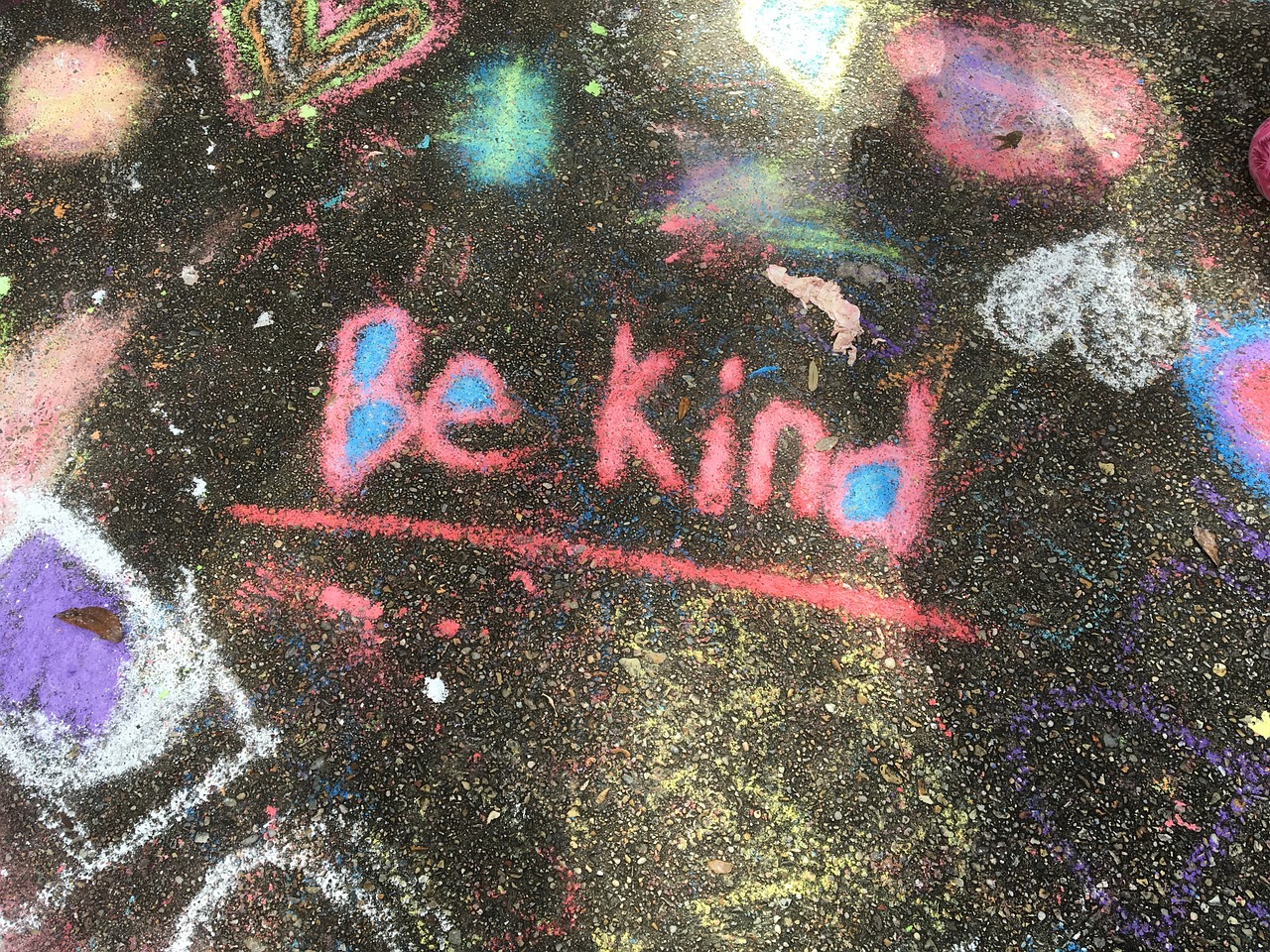
What is kindness?

By David Joel Miller, MS, Licensed Therapist & Licensed Counselor.

Do you know kindness when you see it?

Encarta says Kindness is:

An act that shows consideration and caring

The practice of being or the tendency to be sympathetic and compassionate

The Century Dictionary, 1889 has a lot more definitions:

Good will, Benevolence

Tender feeling, affection, love

Fitness, agreeableness

“Be kind, for everyone you meet is fighting a harder battle.”  ― Plato

“My religion is very simple. My religion is kindness.”  ― Dalai Lama XIV

“Three things in human life are important: the first is to be kind; the second is to be kind; and the third is to be kind.”  ― Henry James

“Kindness is a language which the deaf can hear and the blind can see.”  ― Mark Twain

Have you been kind today?

Why are so many children being diagnosed Bipolar?

By David Joel Miller, MS, Licensed Therapist & Licensed Counselor.

Person with masks

Bipolar.
Photo courtesy of Pixabay.com

Early Onset Bipolar Disorder.

Bipolar diagnoses in children have increased 40 fold in the ten-year period from 2000 to 2010.

What is behind the increasing number of children and teens who are being diagnosed with Bipolar Disorder?

We are learning more about the risk factors for early-onset all the time. Still, as we learn about what may be causing this increase in the number of cases of early-onset Bipolar Disorder, the picture of how to treat or prevent early life Bipolar Disorder is getting less clear.

If we could detect symptoms of Bipolar Disorder early, presumably we should be able to treat those symptoms and reduce the incidence of Bipolar Disorder or at least reduce the severity of the disorder.

Unfortunately, there is often a lag of ten years or more from the first symptoms until the child has a manic or hypomanic episode that qualifies them for a diagnosis of Bipolar.

I have written in past blog posts about how many of the things that cause people to think of someone as Bipolar are in fact not necessarily symptoms of the disorder. Being moody does not make you Bipolar.

What does help define the Bipolar condition is the ability to sleep only a few or no hours per night and still have plenty of energy. That along with excessive energy, being driven to do things, and being impulsive are the hallmark features of Bipolar Disorder.

Here are some of the possible causes of the increasing number of Bipolar diagnoses in children.

1. Taking Stimulant ADHD meds or antidepressants can set off a manic or hypomanic episode.

One huge risk factor for developing a Manic or hypomanic episode, the key factor in a Bipolar Disorder diagnosis is having taken either a stimulant or antidepressant medication.

Having been treated with a stimulant ADHD med seems to correlate with developing mania. Not all children treated for ADHD develop Bipolar and not all people with a Bipolar Disorder diagnosis were first diagnosed with ADHD but the overlap is disturbing.

In one study of adolescents with Bipolar Disorder, 98% had been diagnosed with ADHD and treated with stimulant meds first.

This points to the need for psychiatric diagnosis to be reviewed by psychiatrists and in children by a child psychiatrist.

2. Abusing substances increases the risk of developing Bipolar disorder.

Over 40 % of children who receive the Bipolar Disorder diagnosis have been abusing substances. In their lifetime, 60% of all people with Bipolar Disorder will develop a substance use disorder.

This is not limited to just stimulant drugs. There is a high overlap between Bipolar Disorder and alcohol abuse as well as developing problems with excessive use of Marijuana.

3. Being the victim of physical or sexual abuse or neglect.

Abuse or neglect increases the risk of developing Bipolar disorder. This also accounts for the difficulty in many cases of distinguishing between Bipolar disorder and Borderline Personality Disorder. It is possible for people to have both illnesses.

There is also an overlap between trauma-induced problems, stress disorders like PTSD, dissociation and the like, and Bipolar Disorder. We would like to think the boundaries between genetic disorders and those that are the result of life experiences that were easy to find. In practice those lines are blurry.

4. Poor diet and lack of exercise are risk factors for Bipolar Disorder.

Poor diet, particularly diets deficient in some vitamins and minerals can increase the risk of getting a Bipolar diagnosis. Hard here to tell which came first. People with depression or mania, both symptoms of Bipolar Disorder neglect their diet. Poor diet increases the risk and around the circle goes.

Lack of adequate exercise has resulted in an explosion in weight-related problems. There is the thought that this lack of exercise and poor diet is also contributing to the increased prevalence of Bipolar Disorder.

5. Genetics is a Bipolar Disorder risk factor.

If you have one parent with Bipolar Disorder the risk you will develop Bipolar Disorder is 33%. Two parents with Bipolar Disorder and the risk goes up to 70%.  Add to that the difficulty that parents who have an emotional problem have in parenting and you can see how the interplay of genetics and environment increases the risk dramatically of your grow up with a Bipolar, substance-abusing parent.

6.  A changing environment may make Bipolar Disorder more noticeable.

Some of the characteristics that we today call Bipolar Disorder would have had survival benefits in the past. Fast processing speed and jumping to conclusions might save your life in the woods but can get you into trouble in the classroom.

People with milder varieties of bipolar disorder enjoy the hypomania – for a while. Even full-on Mania can be fun until those impulsive decisions get you into trouble. Bipolar Disorders are often associated with overspending, excessive sexual activity, and substance abuse. All things that damage relationships and can cost you your job.

The increase in children receiving the diagnosis of Bipolar disorder will continue to result in more adults with those labels as these early life cases age. If your child is having problems consider family therapy to help everyone find simple solutions to these problems.

If you or someone you know has Bipolar Disorder or another emotional problem that might look like Bipolar Disorder consider getting help. Therapy can be effective in helping you to learn how to control your symptoms. Medication can also be useful in keeping your moods within bounds.

People can and do recover from the symptoms we call Bipolar Disorder.

Staying connected with David Joel Miller

Seven David Joel Miller Books are available now!

My newest book is now available. It was my opportunity to try on a new genre. I’ve been working on this book for several years, but now seem like the right time to publish it.

Story Bureau.

Story Bureau is a thrilling Dystopian Post-Apocalyptic adventure in the Surviving the Apocalypse series.

Baldwin struggles to survive life in a post-apocalyptic world where the government controls everything.

As society collapses and his family gets plunged into poverty, Baldwin takes a job in the capital city, working for a government agency called the Story Bureau. He discovers the Story Bureau is not a benign news outlet but a sinister government plot to manipulate society.

Bumps on the Road of Life. Whether you struggle with anxiety, depression, low motivation, or addiction, you can recover. Bumps on the Road of Life is the story of how people get off track and how to get your life out of the ditch.

Dark Family Secrets: Doris wants to get her life back, but small-town prejudice could shatter her dreams.

Casino Robbery Arthur Mitchell escapes the trauma of watching his girlfriend die. But the killers know he’s a witness and want him dead.

Planned Accidents  The second Arthur Mitchell and Plutus mystery.

Letters from the Dead: The third in the Arthur Mitchell mystery series.

What would you do if you found a letter to a detective describing a crime and you knew the writer and detective were dead, and you could be next?

Sasquatch. Three things about us, you should know. One, we have seen the past. Two, we’re trapped there. Three, I don’t know if we’ll ever get back to our own time.

For these and my upcoming books; please visit my Author Page – David Joel Miller

Want the latest blog posts as they publish? Subscribe to this blog.

For videos, see: Counselorssoapbox YouTube Video Channel

Can therapy help if the problem is someone else?

By David Joel Miller, MS, Licensed Therapist & Licensed Counselor.

Change

Change.
Photo courtesy of Pixabay.com

Sometimes the problem is others.

Lots of times the client sits in front of us and tells the counselor that they are sure that they are not the problem. In their view, the other person, the one not in the room, is the problem. They tell me that and then they ask me to help them.

Actually many times the counselor can help in this situation.

There are two obvious possibilities here. First, it is possible that the person who has come to the office is reacting to the problems of another. If you are married to a drug addict or your child is having problems you may be right in saying that the other person needs therapy.

The other option is that the person who is telling the counselor the other person is the problem is mistaken. They have not recognized their role in creating and maintaining the occurrence they define as the issue.

The problem is you are here and the other person is not. It is hard to work on something or someone who is not there, hard but not impossible.

One way of looking at this is that this is a case of a problem in a relationship. Relationships involve one person doing something and the other person reacting or not reacting to the actions of the first person.

Both people in this relationship can be mentally healthy or they can both be seriously mentally ill. Either way, the issue that needs working on is not the individual but the way these two people are interacting. Add more people and you get a family, and as most of us suspect the majority of families are called dysfunctional by someone in them.

Think of this couple’s or family’s interactions as if it was a square dance. Each couple or family develops its own unique dance. Everyone does one thing first and then something else next. Your child does nothing, you yell, they ignore you and then you get upset and storm out and yell at your spouse, who now comes in and tells the kid to do what you said in the first place Now they kid does it, grumbling all the way and you not them become the bad person. It is you the “yeller” who is defined by the rest of the family as having an “anger management problem.”

Once the family develops a dance it becomes hard to change it. But like that square dance if one person in the square changes direction and does something different the whole square falls apart.

This time instead of yelling at your child, you turn off the electronics and then talk to them calmly. They ignore you, so now you calmly take away their entertainment. Something new has been introduced, you have changed the dance. This could end in all sorts of ways, some good and some not so good but the point is that by changing your dance steps you can force others to change theirs.

Now some of you are asking “What if the person who comes to the counseling room really is the person with the issue?”

The key here is that this person needs to understand two things.

1. What they are doing is not working.

2.  Changing others is hard work and requires them to change some of the things they have been doing.

So regardless of whose “fault”, it is. If someone in this family or couple starts the change process then the relationship will change. If you decide to try to change others by changing the way you relate to them, think this through or better yet talk this through with a professional.

Otherwise, you may change, the family may change and when you are all done you may decide you wished you had never started the change.

For tips on how to change others or more accurately induce them to change, look at the series of posts about getting someone else to change listed below.

The changing others series:

One way we get others to do more of what we want them to do and less of what we wish to avoid is a process called Behavioral Modification. Here are six posts on that topic.

Changing Others – Part One  

Changing others part two

Rewards gone wild – Changing Others Part 3

Why ignoring them doesn’t work – Or does it Part 4

Why Your Child Won’t Behave

NO, NO, NO – Learning NO!

For more on the process of change see the blog post series “What are the Stages of Change

Staying connected with David Joel Miller

Seven David Joel Miller Books are available now!

My newest book is now available. It was my opportunity to try on a new genre. I’ve been working on this book for several years, but now seem like the right time to publish it.

Story Bureau.

Story Bureau is a thrilling Dystopian Post-Apocalyptic adventure in the Surviving the Apocalypse series.

Baldwin struggles to survive life in a post-apocalyptic world where the government controls everything.

As society collapses and his family gets plunged into poverty, Baldwin takes a job in the capital city, working for a government agency called the Story Bureau. He discovers the Story Bureau is not a benign news outlet but a sinister government plot to manipulate society.

Bumps on the Road of Life. Whether you struggle with anxiety, depression, low motivation, or addiction, you can recover. Bumps on the Road of Life is the story of how people get off track and how to get your life out of the ditch.

Dark Family Secrets: Doris wants to get her life back, but small-town prejudice could shatter her dreams.

Casino Robbery Arthur Mitchell escapes the trauma of watching his girlfriend die. But the killers know he’s a witness and want him dead.

Planned Accidents  The second Arthur Mitchell and Plutus mystery.

Letters from the Dead: The third in the Arthur Mitchell mystery series.

What would you do if you found a letter to a detective describing a crime and you knew the writer and detective were dead, and you could be next?

Sasquatch. Three things about us, you should know. One, we have seen the past. Two, we’re trapped there. Three, I don’t know if we’ll ever get back to our own time.

For these and my upcoming books; please visit my Author Page – David Joel Miller

Want the latest blog posts as they publish? Subscribe to this blog.

For videos, see: Counselorssoapbox YouTube Video Channel

What is Happiness?

By David Joel Miller, MS, Licensed Therapist & Licensed Counselor.

Happy children

Happy.
Photo courtesy of Pixabay.com

Would you know happiness if you felt it?

Happiness is the state of being Happy

Happy: feeling or showing pleasure, contentment, or joy, feeling satisfied that something is right or has been done right

“For every minute you are angry you lose sixty seconds of happiness.”

― Ralph Waldo Emerson

“People are just as happy as they make up their minds to be.”

― Abraham Lincoln

“Happiness is not something ready made. It comes from your own actions.”

― Dalai Lama XIV

“Count your age by friends, not years. Count your life by smiles, not tears.”

― John Lennon

“Happiness is a warm puppy.”

― Charles M. Schulz

Quotes from GoodReads

What really causes Mental illness?

By David Joel Miller, MS, Licensed Therapist & Licensed Counselor.

Could you be mentally ill?

What Causes Mental Illness?

Why do some people get a mental illness and not others?

We have had a lot of theories of mental illness, over the years, most of which have not panned out. So what do we know or think we know at this point? Some things that were suggested as causes of mental illness in the past turned out to be only a little right and a lot wrong. Check past posts for the discussion of that part if you missed it.

Recent studies of the brain have added a lot to our knowledge of how the brain works and what is causing those processes. The picture while having more lines drawn in is far from clear.

Some people would like to think most of what we call mental health issues are the result of something wrong with the brain. Other people will argue that mental illness is caused by a person’s thinking or life experiences. Let’s try to sort this out.I believe the truth is yes to all three possible causes.

Is Mental illness a “brain disease?”

In some ways yes mental illness is a disease of the brain. But in other ways no, there is more to getting a mental illness than just something chemically wrong with the brain.

We believe that mental illness is a real illness. The principle impairments are in the area of the nervous system. So this is not something the person chooses to have or can just snap out of. Mental illness is, I think more complicated than just that statement.

Saying mental illness is a brain disease should not be taken to mean that the person was born with a defective brain. They are not subject to recall or reassignment because of some sort of human lemon law. Yes, some brains are born different, right from the start. Unfortunately thinking that abnormalities in the brain are the one and only cause of mental illness is way too simplistic.

Let’s look at how the brain works, in a grossly oversimplified way, by comparing it to something most of us use every day.

How is your brain like a car?

You call the mechanic and tell him your car is not running, it no-goes.  He tells you to bring it in. You get it towed into the garage. The mechanic checks it, you’re right, it does not start. He tells you it is a lemon, worthless car, get a new one.

Wait a second, you drove this care in the past, it went then, why not now? The analogy here is why does someone seem normal at 12 and at 20 hear voices? Was there a brain bad all that time? Or did something change? How come someone who used to be happy gets depressed? Bad brain? I do not think so.

So the mechanic notices your tires are low, puts air in them, still, the car no-goes.  You check for gas, fill up the tank, but the car still does not run. With people, we do all the stuff that is supposed to make them stop being sad, but they still are depressed.

So the mechanic changes the battery, then the starter, finally the engine turns over. You get in the car and put her in gear and – the car goes nowhere. It still no-goes.

Down the line, you find that there is somewhere in the transmission and it slips or the rear end or drive shaft is bad. It could be lots of things.

The point is that the car has lots of parts – So does your brain.

So your brain has lots of parts and problems in one part may look sort of like problems in another part. Genetics may affect the structure or the functioning of various parts of your brain.

To date, we have identified over one hundred genetic mutations that appear to contribute to schizophrenia. No one mutation explains it and you can have varying amounts of these genes and still not get it. Take these 100 genetic mutations that may relate to schizophrenia and multiply that by 400 to 800 other mental health conditions and you see where this could go.

This is not, 100 times 400 by the way, but 100 times 399, times 398, and so on. One of you math guys can run the numbers if you want but you can see this is a HUGE number.

So a portion of the brain works too fast, too slow, is too large or small, or has wires connected incorrectly. This can all increase the risks that your brain will give results that are different from the results others get.

This may mean a mental illness or it could mean creativity or novel abilities. Sometimes the symptoms we call a mental illness can be connected to something else we call a talent. All very confusing.  Some of these personal differences, like fast thinking speed, may have been adaptive when your ancestors lived in the jungle and had to run from tigers but can get you in trouble if you jump to conclusions and hit someone who was just joking with you.

There are some skill differences in driving a stick shift and an automatic. You can learn to drive both but the skills are slightly different. Unfortunately, our educational system and a lot of the rest of our society is set up as if every brain ran the same way. (Read that as a possible cause of higher rates of ADHD in some schools and not in others.)

Notice that, to belabor this analogy, fluids do not work the same way in all parts of your car. Water is good in the radiator but may be bad if it is in your electrical system or your oil. Same with your brain.

Serotonin or Dopamine or other neurotransmitters may behave differently in various parts of the brain. So saying that the brain has too much or too little dopamine, may be wrong. Saying that there is too much or too little in a particular part of the brain might be closer to the truth but not there yet.

Thoughts change the brain.

Thoughts are moved from one nerve cell to another by chemicals we call neurotransmitters. Since thoughts are carried by chemicals, what you think changes your brain chemistry. That is a major factor behind the effectiveness of talk therapies.

Experiences can change the wiring of the brain. And of course, genetics can affect the shape, size, and efficiency of any number of thousands of parts of the brain.

So your genetics can predispose you to a particular mental illness, your environment can alter those neural circuits and your thoughts can add to or reduce the problems. No one thing is the whole answer but cumulatively they add up to a lot of ways the brain can be different in one way or another. Some of these differences we define as good and some we call mental illnesses.

Someone who has parents with a particular “high risk” gene who is under stress as a child, say abuse or neglect, or who does drugs or has tragedies in their life, all those things can add up to more than this particular brain can handle.

Conclusion:

There is no one thing that causes all cars to no go. There is also no one thing that causes the conditions that we are calling mental, emotional, and behavioral illness. Genetics, at birth and as the genes express themselves across the lifespan, coupled with life experiences and learning and add in beliefs about things or attitude and all together in varying amounts may be the cause of what we are calling mental illness.

Next stop, after a few other things get talked about,  coming soon – What is complex trauma and how does it rewire the brain?

Staying connected with David Joel Miller

Seven David Joel Miller Books are available now!

My newest book is now available. It was my opportunity to try on a new genre. I’ve been working on this book for several years, but now seem like the right time to publish it.

Story Bureau.

Story Bureau is a thrilling Dystopian Post-Apocalyptic adventure in the Surviving the Apocalypse series.

Baldwin struggles to survive life in a post-apocalyptic world where the government controls everything.

As society collapses and his family gets plunged into poverty, Baldwin takes a job in the capital city, working for a government agency called the Story Bureau. He discovers the Story Bureau is not a benign news outlet but a sinister government plot to manipulate society.

Bumps on the Road of Life. Whether you struggle with anxiety, depression, low motivation, or addiction, you can recover. Bumps on the Road of Life is the story of how people get off track and how to get your life out of the ditch.

Dark Family Secrets: Doris wants to get her life back, but small-town prejudice could shatter her dreams.

Casino Robbery Arthur Mitchell escapes the trauma of watching his girlfriend die. But the killers know he’s a witness and want him dead.

Planned Accidents  The second Arthur Mitchell and Plutus mystery.

Letters from the Dead: The third in the Arthur Mitchell mystery series.

What would you do if you found a letter to a detective describing a crime and you knew the writer and detective were dead, and you could be next?

Sasquatch. Three things about us, you should know. One, we have seen the past. Two, we’re trapped there. Three, I don’t know if we’ll ever get back to our own time.

For these and my upcoming books; please visit my Author Page – David Joel Miller

Want the latest blog posts as they publish? Subscribe to this blog.

For videos, see: Counselorssoapbox YouTube Video Channel