
Can you avoid prison by saying your suicidal?

By David Joel Miller, MS, Licensed Therapist & Licensed Counselor.
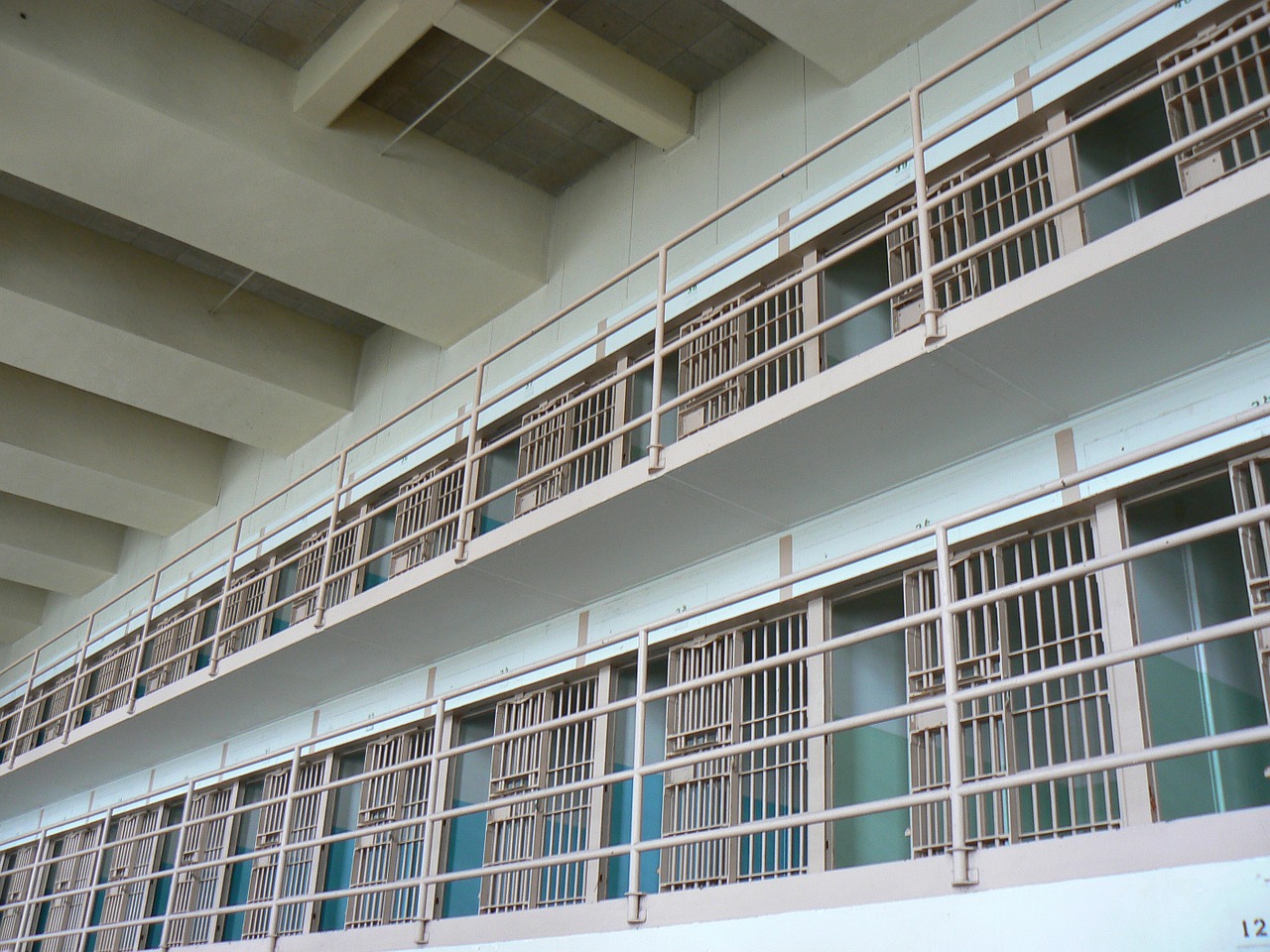
Alcatraz prison

Prison?
Photo courtesy of Pixabay.com

If you say you are suicidal will you stay out of prison? How about jail?

Nice try! Not likely!

People try all sorts of things to get out of going to prison. While saying you are suicidal may slow the process down a wee bit it won’t prevent it.

Jails and prisons have psychiatric units. They can put people on suicide watch. So just because you say you are suicidal will not prevent you from serving a prison term.

People often confuse some very different ideas and the result is that they think things are one way when they are not. Here are the different concepts, very oversimplified. All of these, for the record, is very different from the popular conception of “crazy.”

Not guilty by reason of insanity.

This may get you off from the prison term but you may not be happy with the way it goes. Not guilty by reason of insanity means that at the time you committed the crime you did not understand that what you were doing was wrong. This is way beyond seriously and persistent mental illness and has nothing much to do with saying you want to kill yourself.

People who get this verdict go to a long-term psychiatric facility. You do not just stay for your 5 or 10. You stay until some psychiatrist is willing to risk his license on saying that you will not do this thing again and that you now have learned the difference between right and wrong.

I hear from clients who have been in these places that had they been up to going back to prison they might have chosen the prison.

Involuntary psychiatric hold.

There are three reasons you get placed on an involuntary hold. You say you will kill yourself, you threaten to kill someone else and we believe you, or when we give you food and clothing you can’t figure out what to do with this stuff.

This involuntary hold usually gets you sent to a local mental hospital. These are not long-term facilities by any means.

You stay here for, in my state, up to 72 hours for evaluation, and then at the discretion of the psychiatrist you might get put on a longer hold. For most people, this stay lasts a week to two. A stay beyond that is rare. Not the 72 hours is an “up to
” number. Lots of people get released in a lot less than 72 hours.

The objective here is to give you meds, get you stable and then send you somewhere else.

So if by some chance you convince someone you are going to harm yourself, you will get to stay here long enough for the meds to kick in and you to stop caring about what happens. At that point off you go to the prison unit.

While a prisoner is at this kind of hospital there will probably be one full-time guard watching them. They watch you all the time, everywhere. This gets annoying enough some about-to-be-sentenced people make sudden recoveries.

Seriously and persistently mentally ill.

If you can convince the powers that be that you have a long-term mental health problem you will get sent to a prison with a psychiatric unit at which you may be required to take your meds. You may have the right to say no, but the prison can go before a judge and get a court order to medicate you against your will. Also refusing meds results in a lot of reductions in privileges and options.

Should you say you are suicidal to get out of jail?

My advice to whoever sent this question in would be if you really are suicidal say so. But if you are not, do not try this dodge. The result could be more time and having to do things you do not want to do. You also run the risk of getting a label hung on you and face discrimination from the other prisoners. Who wants to do their whole time labeled a J-cat unless you really do need the meds.

Give it up. You did the crime, do the time and then consider doing something to rehabilitate yourself.

Staying connected with David Joel Miller

Seven David Joel Miller Books are available now!

My newest book is now available. It was my opportunity to try on a new genre. I’ve been working on this book for several years, but now seem like the right time to publish it.

Story Bureau.

Story Bureau is a thrilling Dystopian Post-Apocalyptic adventure in the Surviving the Apocalypse series.

Baldwin struggles to survive life in a post-apocalyptic world where the government controls everything.

As society collapses and his family gets plunged into poverty, Baldwin takes a job in the capital city, working for a government agency called the Story Bureau. He discovers the Story Bureau is not a benign news outlet but a sinister government plot to manipulate society.

Bumps on the Road of Life. Whether you struggle with anxiety, depression, low motivation, or addiction, you can recover. Bumps on the Road of Life is the story of how people get off track and how to get your life out of the ditch.

Dark Family Secrets: Doris wants to get her life back, but small-town prejudice could shatter her dreams.

Casino Robbery Arthur Mitchell escapes the trauma of watching his girlfriend die. But the killers know he’s a witness and want him dead.

Planned Accidents  The second Arthur Mitchell and Plutus mystery.

Letters from the Dead: The third in the Arthur Mitchell mystery series.

What would you do if you found a letter to a detective describing a crime and you knew the writer and detective were dead, and you could be next?

Sasquatch. Three things about us, you should know. One, we have seen the past. Two, we’re trapped there. Three, I don’t know if we’ll ever get back to our own time.

For these and my upcoming books; please visit my Author Page – David Joel Miller

Want the latest blog posts as they publish? Subscribe to this blog.

For videos, see: Counselorssoapbox YouTube Video Channel

Gunny Sacking – When the emotional dam breaks

By David Joel Miller MS, Licensed Therapist & Licensed Counselor.

Pile of gunnysack

Gunny sacks.
Photo courtesy of  Pixabay.

Gunny Sacking is a major source of problems in relationships.

Gunny Sacking, sometimes called dam building, is that human tendency to hold grudges and then try to get even later. People who do this are often not aware they are doing it and they have, or think they have, good reasons for the behavior. Unfortunately, this Gunny Sacking behavior makes their relationship conflicts worse, not better.

Here is how the emotional Gunny sack fills up.

You get up one morning, you don’t feel well and you are running late. You trip over your husband’s dirty gym clothes that he left on the floor. You are miffed, maybe annoyed, but you let it go. When you get to the kitchen there are dirty dishes on the table and your husband is already gone. He did not wait for you, did not say goodbye, or clean up after himself.

Now you are getting angry. But you don’t say anything.

Later in the week, you make plans to go somewhere, maybe the two of you have been planning this activate for weeks, but he comes home late and you miss the thing you had planned on, or maybe you just go alone. Now you are furious, but still, you don’t say anything.

At this point, you men are getting defensive. I know that the boss called you to come in early. He also dropped an emergency on your desk at five minutes to five and when you called your partner the phone was busy. You have lots of reasons for all of this, she would call them excuses.

You guys are also thinking of all the things she did this week that you never said anything about.

None of that matters.

All week long she has been collecting slights, things he did wrong, and putting them in her gunny sack. By weekend that sack is overfull and getting too heavy to carry.

He has probably been filling up his gunny sack also. She didn’t do the dishes, there were tissues on the floor from the soap opera she watched and cried through, she was late getting dinner ready because of the meeting she had with the “The President” or “The Prime Minister.”

None of those things matter either.

Come Friday night, this was supposed to be their romantic evening alone, but before the loving can get started one or the other suddenly explodes and starts beating their partner to death with the full gunny sack. This beating usually starts off verbally but may end up becoming physical if both parties are not very careful.

The result of storing up all these issues and then dumping them all at once results in some particularly nasty disagreements. Well-functioning families talk out these issues as the week goes along and they do not let that gunny sack get full enough to be an unbearable weight.

Some people prefer to build a dam to hold the problems back. For them, a gunny sack is simply not big enough to hold all the resentments they are developing towards their family member.

They store stuff up over longer time frames, but when that dam finally breaks the deluge of anger is devastating. This broken dam release often washes away the relationship and takes family and friends downstream with it.

Cognitive-Behavioral Therapists (CBT) will ascribe the problems above to a faulty belief system. This couple has developed beliefs about why the other person is doing what they are doing. If she thinks his leaving without cleaning up and saying goodbye is because he is rude and uncaring, she gets mad. If she thinks something terribly important must have come up to make him do this, then she will be worried about him.

He probably also has distorted beliefs. Those tissues on the floor, they were because her girlfriend is very ill with cancer not because of the soap opera. See how faulty beliefs can turn life occurrences into crazy-making anger?

The stories you tell yourself matter.

Narrative therapists will say that both parties in this tale have constructed their own personal story or fable about why the other is doing what they are doing and what this means. Once the story gets full of problems and we can’t see anything good anymore. We will find this story we created harms our emotional health.

In future posts, I want to talk more about these ideas. But for now, whether you see this as faulty beliefs or a problem-filled story, we tell ourselves things and then live down to them. This couple would have gotten a whole lot farther if they had tackled each problem as they came along, in a loving accepting way, rather than storing up all their resentments for the inevitable catastrophe.

Do you gunny-sack?

How about you? Do you have a gunny sack for collecting resentments or are you building a dam full of resentments to wash away your relationship? If you or your partner are doing these things, this can change. If the two of you can’t talk about things without the gunny sack consider getting professional help.

Related articles

Staying connected with David Joel Miller

Seven David Joel Miller Books are available now!

My newest book is now available. It was my opportunity to try on a new genre. I’ve been working on this book for several years, but now seem like the right time to publish it.

Story Bureau.

Story Bureau is a thrilling Dystopian Post-Apocalyptic adventure in the Surviving the Apocalypse series.

Baldwin struggles to survive life in a post-apocalyptic world where the government controls everything.

As society collapses and his family gets plunged into poverty, Baldwin takes a job in the capital city, working for a government agency called the Story Bureau. He discovers the Story Bureau is not a benign news outlet but a sinister government plot to manipulate society.

Bumps on the Road of Life. Whether you struggle with anxiety, depression, low motivation, or addiction, you can recover. Bumps on the Road of Life is the story of how people get off track and how to get your life out of the ditch.

Dark Family Secrets: Doris wants to get her life back, but small-town prejudice could shatter her dreams.

Casino Robbery Arthur Mitchell escapes the trauma of watching his girlfriend die. But the killers know he’s a witness and want him dead.

Planned Accidents  The second Arthur Mitchell and Plutus mystery.

Letters from the Dead: The third in the Arthur Mitchell mystery series.

What would you do if you found a letter to a detective describing a crime and you knew the writer and detective were dead, and you could be next?

Sasquatch. Three things about us, you should know. One, we have seen the past. Two, we’re trapped there. Three, I don’t know if we’ll ever get back to our own time.

For these and my upcoming books; please visit my Author Page – David Joel Miller

Want the latest blog posts as they publish? Subscribe to this blog.

For videos, see: Counselorssoapbox YouTube Video Channel

Can’t find your inner child

By David Joel Miller, MS, Licensed Therapist & Licensed Counselor.

Inner child.
Picture courtesy of pixabay

Have you misplaced your inner child?

The idea of having an inner child, and inner child work, comes and goes. Somehow this idea strikes a responsive chord in people even though there is scientific proof that there really is no inner child in any of us.

By inner child, we do not mean that there is some little creature lurking in us waiting to be fed. That makes for great Sci-Fi movies but not much reality.

All your “parts” do not grow up at the same rate.

What we should be looking for are those developmental stages, those things you should have learned as you grew up that somehow you missed out on. Look also for those good qualities that you left behind in your efforts to be “all grown up.”

Memories can be feeling instead of facts.

Not all our memories are filed neatly away in our heads. Some of those memories are emotional ones and those are kept throughout our bodies.

We know if you act in certain ways you are more likely to have certain feelings. Get a group of people together and have them laugh for no good reason and before long you will all be feeling happy.

So where do these phantom memories, those emotional pains from long ago, come from if not from some theoretical inner child.

Your inner child did not get everything right.

One way of explaining this inner child legend is that many adult problems are the result of things that we learned between the ages of say 5 and 15 that may have worked then but do not work now.

What if the things that you learned emotionally in 3rd grade about the opposite sex or about yourself turn out to not be true?

The person who is repeatedly told they are fat, despite looking perfectly normal, even a little thin, is likely to grow up thinking they are fat and to repeatedly try to diet and lose weight. If you learned the untruth that you were fat as a child you may develop a truly terrible adult eating disorder.

Unfinished business.

Some counselors call this unfinished business, those experiences of pain, sadness acceptance, and rejection that we learned in childhood, but are not able to work out as we transition into adult beings.

One danger in doing too much of the so-called “Inner child work.” Is that the more you go over a lesson of something you got wrong, the more firmly entrenched that wrong answer becomes embedded in your brain.

If you keep telling yourself “I am stupid” because as a child people repeatedly called you stupid or fat head, you may develop a personal story in which you continue to tell yourself that you are stupid. And as we all know stupid is as stupid does.

Pay attention to your self-talk.

For good or bad our brains believe what we repeatedly tell them. So if you tell yourself you can’t, you will not be able to. If you tell yourself you can, you very likely will be able to do so, as every little child learned from that little engine.

Be careful what you tell your brain you will be able to do. If you tell yourself you will fly make sure you head for the airport not jump off a roof and leave the gravity-defying to hard flapping of your arms.

If you sometimes find yourself crying like a little child for no apparent reason. If you have very immature feelings at times, don’t pay for a cat scan to find your inner child. Instead, go back and look at the things you should have learned at each developmental stage and then if there were emotional lessons you did not learn, work on them.

Did you outgrow fun?

One other thing that people mean when they say they have inner child work to do is that they had some characteristics when they were young and they have lost them along the way.

If life used to be fun and it isn’t anymore. If you used to be more creative and you have lost that skill, then get in touch, not with the behaviors of the little child, but the emotions and the ways of seeing.

Practice a child-like mindset.

Try looking at everything in life as if this was the first time you had seen it. Begin each day with that curiosity you once had and you will find that everything will look new and fresh again.

Staying connected with David Joel Miller

Seven David Joel Miller Books are available now!

My newest book is now available. It was my opportunity to try on a new genre. I’ve been working on this book for several years, but now seem like the right time to publish it.

Story Bureau.

Story Bureau is a thrilling Dystopian Post-Apocalyptic adventure in the Surviving the Apocalypse series.

Baldwin struggles to survive life in a post-apocalyptic world where the government controls everything.

As society collapses and his family gets plunged into poverty, Baldwin takes a job in the capital city, working for a government agency called the Story Bureau. He discovers the Story Bureau is not a benign news outlet but a sinister government plot to manipulate society.

Bumps on the Road of Life. Whether you struggle with anxiety, depression, low motivation, or addiction, you can recover. Bumps on the Road of Life is the story of how people get off track and how to get your life out of the ditch.

Dark Family Secrets: Doris wants to get her life back, but small-town prejudice could shatter her dreams.

Casino Robbery Arthur Mitchell escapes the trauma of watching his girlfriend die. But the killers know he’s a witness and want him dead.

Planned Accidents  The second Arthur Mitchell and Plutus mystery.

Letters from the Dead: The third in the Arthur Mitchell mystery series.

What would you do if you found a letter to a detective describing a crime and you knew the writer and detective were dead, and you could be next?

Sasquatch. Three things about us, you should know. One, we have seen the past. Two, we’re trapped there. Three, I don’t know if we’ll ever get back to our own time.

For these and my upcoming books; please visit my Author Page – David Joel Miller

Want the latest blog posts as they publish? Subscribe to this blog.

For videos, see: Counselorssoapbox YouTube Video Channel

Without Boundaries your children get lost

By David Joel Miller, MS, Licensed Therapist & Licensed Counselor.

Boundary gate.
Photo courtesy of pixabay.

Your failure to set reasonable boundaries can be harming your children.

Many parents have weak, almost invisible boundaries. It is easy to confuse having boundaries with being rigid and inflexible. Being lenient with your children and having no boundaries is not the same thing by a long shot.

Consider that we often teach others how to treat us. Not having boundaries or not having appropriate boundaries with other adults in our lives teaches our children that boundaries are not important.

A family without boundaries.

Some families have little or no boundaries. The people in these families do whatever they want. Kids come and go as they please.  Adults behave in inappropriate ways.

If you grew up in a family like that you may have gotten the message that your parents were not able to control you. If they couldn’t control you then maybe you can’t be controlled.

Weak boundaries impair self-control.

The result of growing up with weak boundaries was that you found it progressively more difficult to control yourself. Good boundaries for adults and children help kids to learn what is acceptable behavior and what is not. It helps them learn self-control.

Weak boundaries can make you part of someone else.

Some families develop a more enmeshed pattern of interaction. Children are expected to think, feel, and act just as their parents do. This results in becoming disconnected from your feelings. When asked how you feel you may respond by telling others how you should feel rather than being able to find a genuine emotion inside you.

If you never had boundaries growing up you can be in for some real problems when you get into an adult relationship.

Not learning appropriate boundaries as a child puts you at risk to get into relationships with people who will not respect your boundaries. The cycle repeats itself.

The other issue that we often see is parents who just can’t let go. Their children, now adults, find it hard to set boundaries with their family of origin.

There is a lot of truth to those old in-law jokes. New couples find it hard to tell their parents no and set boundaries to keep those in-laws out of their new relationship. This can result in unhappy romantic relationships or blow up’s with the families you came from.

Learning boundaries as an adult.

It is hard learning to set appropriate boundaries when you are an adult. Children should learn what is OK and what is not and then as they grow they begin to establish for themselves what things are boundaries for them and what things they find OK.

Remember that as relationships and your life changes you need to strengthen and reinforce your boundaries.

Boundaries with exes.

Another boundary that is problematic is the one you draw with exes. Not keeping good boundaries with your ex’s can ruin your new relationship. Yes, some of you have baby’s fathers and baby’s mothers. You will always have a relationship with them through your children. But don’t let them cross your boundaries and try to continue an unhealthy relationship with you.

Never being who you are and the person who is in charge creates confusion for children and can make your life miserable.

Keep working on setting realistic appropriate boundaries with people in your life and your children will learn from you. Good fences make for good neighbors and good boundaries make for a happy life and a good recovery.

Staying connected with David Joel Miller

Seven David Joel Miller Books are available now!

My newest book is now available. It was my opportunity to try on a new genre. I’ve been working on this book for several years, but now seem like the right time to publish it.

Story Bureau.

Story Bureau is a thrilling Dystopian Post-Apocalyptic adventure in the Surviving the Apocalypse series.

Baldwin struggles to survive life in a post-apocalyptic world where the government controls everything.

As society collapses and his family gets plunged into poverty, Baldwin takes a job in the capital city, working for a government agency called the Story Bureau. He discovers the Story Bureau is not a benign news outlet but a sinister government plot to manipulate society.

Bumps on the Road of Life. Whether you struggle with anxiety, depression, low motivation, or addiction, you can recover. Bumps on the Road of Life is the story of how people get off track and how to get your life out of the ditch.

Dark Family Secrets: Doris wants to get her life back, but small-town prejudice could shatter her dreams.

Casino Robbery Arthur Mitchell escapes the trauma of watching his girlfriend die. But the killers know he’s a witness and want him dead.

Planned Accidents  The second Arthur Mitchell and Plutus mystery.

Letters from the Dead: The third in the Arthur Mitchell mystery series.

What would you do if you found a letter to a detective describing a crime and you knew the writer and detective were dead, and you could be next?

Sasquatch. Three things about us, you should know. One, we have seen the past. Two, we’re trapped there. Three, I don’t know if we’ll ever get back to our own time.

For these and my upcoming books; please visit my Author Page – David Joel Miller

Want the latest blog posts as they publish? Subscribe to this blog.

For videos, see: Counselorssoapbox YouTube Video Channel

What do therapists tell the police?

By David Joel Miller, MS, Licensed Therapist & Licensed Counselor.

Therapist

Therapist.
Photo courtesy of Pixabay.com

What will your counselor tell the police?

Short answer – Almost nothing!

For counseling to work, you need to talk about what is troubling you. For you to be able to talk like that, we professionals need to make it safe for you to do so. Enter the concept of confidentiality. What you tell your therapist is mostly confidential and may also be privileged patient psychotherapist’s communication.

There will always be someone who thinks we therapists need to protect society and tell something or other. Say you tell the therapist you are scared because you are driving without a license. Do we call the police about that?

No way. That does not happen in any place that remotely resembles a democracy or a republic, probably not in a lot of other forms of government either.

So how come the police sometimes show up at your door anyway? What did get told to them and how?

Sometimes a situation is so very dangerous that the police get notified.

Your house is on fire, the neighbor calls the fire department, and here come the police to control the crowds and traffic. I suppose some people get caught doing something illegal, like running a meth lab, because the police arrive at the fire and they find it. But the neighbor did not report you to the police, your secret slipped out because of the fire.

A similar thing happens when you tell a therapist about a very dangerous situation and we need to figuratively call the fire department.

There are certain things we just have to report, mostly to try to save lives.

I have talked about exceptions to confidentiality in a few other posts. Still, this topic continues to show up in questions and search terms. So, here is some reiteration specifically about exceptions to confidentiality and the police.

A danger to yourself is an exception to confidentiality.

If you plan to kill yourself we have to report that so you get help. This is not just a wish or thought, we should check if you are just thinking of dying, or are you planning to kill yourself and when?

We call someone to get an ambulance and take you to a psychiatric hospital. Usually, the police get called to manage the situation.

Do you get a police record for this? Generally no. Not unless you are breaking some other law, like shooting at the police when they try to take you to the hospital.

Danger to others gets reported.

If you are planning to kill someone we need to prevent that. This is not just doing something reckless. This is planning, intending to hurt others. This can get complicated. If you plan to burn the mall down while it is packed, could people die? So yes that sort of thing, in most places gets reported.

Abuse of a person that can’t protect themselves gets reported.

Child abuse, Elder abuse, disabled person abuse has to get reported. The goal here is to get the abuse to stop. But as in the care of the fire exposing your meth lab, stopping the abuse may leak out the fact that you have been committing a crime.

Sometimes these reports go to child protective services or adult protective services. In some areas, these reports go to the police department to check out.

Therapists only keep your secrets if they are your therapist.

If you see your doctor in the grocery store, don’t rely on his opinion of the produce. He is not being a doctor when you talk to him.

If the judge makes you talk to a therapist or CPS sends you to one, check if this is going to be confidential or if their report, warts, meth lab and all are going to the judge.

Even here consider the therapist is not calling the police on you. But if the judge gets the report on your mental state and you casually mentioned a couple of murders you did, the judge may be required to pass that on to the police.

So most things, even past crimes, we therapists do not report to the police. Honest, that is the last thing most of us want to do. Because once we make that call you stop trusting, stop telling us things, and then we can’t help you.

But occasionally because of something that we are required to report, some of your secrets could slip out. We do not necessarily call the police, but once we tell others to protect you or society that information is no longer strictly confidential.

When in doubt ask the therapist to tell you more about confidentiality. And if you have secrets that need to come out, let the therapist help you with the telling in the right way to the right person.

Staying connected with David Joel Miller

Seven David Joel Miller Books are available now!

My newest book is now available. It was my opportunity to try on a new genre. I’ve been working on this book for several years, but now seem like the right time to publish it.

Story Bureau.

Story Bureau is a thrilling Dystopian Post-Apocalyptic adventure in the Surviving the Apocalypse series.

Baldwin struggles to survive life in a post-apocalyptic world where the government controls everything.

As society collapses and his family gets plunged into poverty, Baldwin takes a job in the capital city, working for a government agency called the Story Bureau. He discovers the Story Bureau is not a benign news outlet but a sinister government plot to manipulate society.

Bumps on the Road of Life. Whether you struggle with anxiety, depression, low motivation, or addiction, you can recover. Bumps on the Road of Life is the story of how people get off track and how to get your life out of the ditch.

Dark Family Secrets: Doris wants to get her life back, but small-town prejudice could shatter her dreams.

Casino Robbery Arthur Mitchell escapes the trauma of watching his girlfriend die. But the killers know he’s a witness and want him dead.

Planned Accidents  The second Arthur Mitchell and Plutus mystery.

Letters from the Dead: The third in the Arthur Mitchell mystery series.

What would you do if you found a letter to a detective describing a crime and you knew the writer and detective were dead, and you could be next?

Sasquatch. Three things about us, you should know. One, we have seen the past. Two, we’re trapped there. Three, I don’t know if we’ll ever get back to our own time.

For these and my upcoming books; please visit my Author Page – David Joel Miller

Want the latest blog posts as they publish? Subscribe to this blog.

For videos, see: Counselorssoapbox YouTube Video Channel

Relaxed or tired?

By David Joel Miller, MS, Licensed Therapist & Licensed Counselor.

Tired or relaxed?
Photo courtesy of Pixabay

Can you tell the difference between relaxed and tired – most can’t.

Ever taken a vacation and come back more tired than before you left? Most of us have. Some of us are so used to pushing to accomplish things that a day off is a scary event. Stop running for even a moment and suddenly you realize how tired you are.

We live our life at such a frantic pace it can be a shock to our system to finally slow down.

Lots of people say they would like to be able to relax but when that opportunity finally occurs all they can report is that they are really tired.

This happened to me recently, or more precisely I finally recognized it was happening.

I mentioned a while back that I had taken up Yoga. Not in some fanatical religious conversion way, but just trying to do something structured that might help my flexibility and let me exercise without having to stay out in the heat or the rain. Being able to pick up things I drop on the floor and touch my toes again would be a plus.

Now our particular yoga class ends each session with a guided meditation. How common it is to do this I can’t say. Every yoga group I have ever attended has done it this way. But I can’t be all that confident with any conclusion drawn from a sample size of one.

What I have noticed is that by the end of the class, having attempted some postures, I am either so tired or so relaxed that I can’t remember much of what was said during the guided meditation.

This has caused me to wonder if I really can tell the difference between being relaxed and just plain tired.

Seems that I run from thing to thing so rapidly that I never have a chance to rest. When I finally do relax what I discover is the extent of my exhaustion.

This has led me to wonder if I or many of you are really ever able to relax. Or do we just run ourselves to the point of exhaustion and then when we stop to collapse call that relaxation.

Clearly, relaxation needs to mean more than just running out of energy.

So help me out here. Do any of you have ways in which you relax and if so how can you tell the difference between being relaxed and just plain exhausted?

From the number of coworkers who come back from vacations exhausted and needing a week or more to rest up from that vacation, I am suspecting that most of us, when we say relaxed what we really mean is drop-down exhaustion.

What do you think? Relaxed or exhausted?

Staying connected with David Joel Miller

Seven David Joel Miller Books are available now!

My newest book is now available. It was my opportunity to try on a new genre. I’ve been working on this book for several years, but now seem like the right time to publish it.

Story Bureau.

Story Bureau is a thrilling Dystopian Post-Apocalyptic adventure in the Surviving the Apocalypse series.

Baldwin struggles to survive life in a post-apocalyptic world where the government controls everything.

As society collapses and his family gets plunged into poverty, Baldwin takes a job in the capital city, working for a government agency called the Story Bureau. He discovers the Story Bureau is not a benign news outlet but a sinister government plot to manipulate society.

Bumps on the Road of Life. Whether you struggle with anxiety, depression, low motivation, or addiction, you can recover. Bumps on the Road of Life is the story of how people get off track and how to get your life out of the ditch.

Dark Family Secrets: Doris wants to get her life back, but small-town prejudice could shatter her dreams.

Casino Robbery Arthur Mitchell escapes the trauma of watching his girlfriend die. But the killers know he’s a witness and want him dead.

Planned Accidents  The second Arthur Mitchell and Plutus mystery.

Letters from the Dead: The third in the Arthur Mitchell mystery series.

What would you do if you found a letter to a detective describing a crime and you knew the writer and detective were dead, and you could be next?

Sasquatch. Three things about us, you should know. One, we have seen the past. Two, we’re trapped there. Three, I don’t know if we’ll ever get back to our own time.

For these and my upcoming books; please visit my Author Page – David Joel Miller

Want the latest blog posts as they publish? Subscribe to this blog.

For videos, see: Counselorssoapbox YouTube Video Channel

No one notices the passengers on the bus – they watch the drivers.

By David Joel Miller, MS, Licensed Therapist & Licensed Counselor.

Bus

Driving the recovery Bus.
Photo courtesy of Pixabay.com

Are you the passenger or the driver?

Passengers on the bus are at the mercy of the driver. They stop when he stops and they go when he goes. If you have ever had to ride the bus, in most cities, you will find that there are some serious problems with relying on this form of transportation.

You will also discover that there is a lot of discrimination towards bus riders. That loss of control and dependence on others carries over into other parts of your life. People who have an addiction also lose control and they suffer the same discrimination as bus riders. Really serious drug users and alcoholics get both experiences. They get looked down on because of their addiction and because they have lost the ability to drive a car or manage their transportation. Eventually, they may lose the ability to manage the rest of their life.

There are certainly good reasons to encourage bus ridership. It is better for the environment. You may save money on registration, taxes, and maintenance. Those benefits come at the cost of not having the bus always go where you want it to and not always being on your schedule. A life run on drugs and alcohol has those same negative features.

You will not find many people impressed if you tell them you gave up your car so you could rely on the bus for your transportation. Somehow the notion that you might be better off having others take control of your transportation options does not sound attractive to most people.

Most people are not impressed by a life controlled by drugs or alcohol either.

What does impress others is the person who can drive their own car. The newer and shinier the car the more the impression factor. The driver feels better about themselves also.

Now just having a fancy car is not enough. A car is only impressive if it runs well in addition to looking good. The same thing is true in our lives. Think about celebrities whose lives looked good from the outside until it finally jumped the track and now is in the ditch.

The person who has control of their life, whose life is going where they want it to go gets a whole lot more respect than the person whose life is controlled by addictions or compulsions.

Sometimes in life, you need to ride the bus. Your car may be in the shop, you may not have the money to get it fixed just now. But the goal of most people is to regain control of their transportation lives.

The same thing is true if you are sick. You may currently be relying on your doctor, psychiatrist, counselor or sponsor to help you steer your life. But the sooner you can reach the point where you, with some help from a higher power, can take back control of your life, the sooner you can regain the respect of others and most importantly regain your own self-respect.

A life that is steered by alcohol, drugs, or emotional illness takes you to place you don’t want to go. You can regain control of the direction your life is going. Don’t let your past control your future. Get headed in a new direction.

Staying connected with David Joel Miller

Seven David Joel Miller Books are available now!

My newest book is now available. It was my opportunity to try on a new genre. I’ve been working on this book for several years, but now seem like the right time to publish it.

Story Bureau.

Story Bureau is a thrilling Dystopian Post-Apocalyptic adventure in the Surviving the Apocalypse series.

Baldwin struggles to survive life in a post-apocalyptic world where the government controls everything.

As society collapses and his family gets plunged into poverty, Baldwin takes a job in the capital city, working for a government agency called the Story Bureau. He discovers the Story Bureau is not a benign news outlet but a sinister government plot to manipulate society.

Bumps on the Road of Life. Whether you struggle with anxiety, depression, low motivation, or addiction, you can recover. Bumps on the Road of Life is the story of how people get off track and how to get your life out of the ditch.

Dark Family Secrets: Doris wants to get her life back, but small-town prejudice could shatter her dreams.

Casino Robbery Arthur Mitchell escapes the trauma of watching his girlfriend die. But the killers know he’s a witness and want him dead.

Planned Accidents  The second Arthur Mitchell and Plutus mystery.

Letters from the Dead: The third in the Arthur Mitchell mystery series.

What would you do if you found a letter to a detective describing a crime and you knew the writer and detective were dead, and you could be next?

Sasquatch. Three things about us, you should know. One, we have seen the past. Two, we’re trapped there. Three, I don’t know if we’ll ever get back to our own time.

For these and my upcoming books; please visit my Author Page – David Joel Miller

Want the latest blog posts as they publish? Subscribe to this blog.

For videos, see: Counselorssoapbox YouTube Video Channel

Why do therapists stop seeing you if you aren’t getting better?

By David Joel Miller, MS, Licensed Therapist & Licensed Counselor.

Therapy

Therapy.
Photo courtesy of Pixabay.com

Why would a counselor stop seeing you?

Sometimes the counselor will tell the client they need to stop seeing them because the client is not getting better. Why would they do that?

There is one major reason and a few smaller ones why this might happen. Honestly most of the time this does not happen. We, counselors, want to think we can help people and sometimes we go on seeing them past the point at which we should have noticed that the client is just not getting any better. But if your therapist does say they need to stop seeing you here are some possible reasons why.

Ethics tells us not to see people we can’t help.

It is considered unethical to keep seeing a client once you realize that you are not able to help them. Once the counselor realizes this, they first look at what they are doing, is there something else I could do to be helpful? Then they consider referring the client to someone else who might be able to do something differently.

Just a lack of progress on the client’s part does not mean the counselor is not being helpful. Sometimes the issues the client has may require help just to keep them stable. If the therapy sessions keep the client from getting worse and ending up in the hospital that may be a reason to continue therapy even if the client is not seeing their problems get smaller.

What would be unethical would be to keep seeing the client, taking their money or the insurance company’s money if the sessions were not helping the client.

A new problem emerges that needs special care.

Sometimes we start off seeing the client for one problem, say depression and during the process, the client starts talking about some other problem. Say the client now tells the counselor that they have a severe eating disorder they have never mentioned before.

Treating eating disorders is often considered a specialty. Not all counselors have the extra training needed to be able to help you with that. So they might need to refer you to an eating disorder specialist.

This should happen more often with clients who have a substance abuse issue. Unfortunately, some therapists are uncomfortable talking about substance use issues. They keep on working on the depression and ignore the substance use problem. The result is that the client fails to get better.

Sometimes the client wears the counselor out.

Some clients get stuck in an issue. They are angry or hurt because of something that happened in their past. What they might like to do is erase the event so it never happened. That or punish the person who harmed them.

The therapist wants to help them move on and get working on creating a new happy life. If the client is not ready to move on it can get tiring to listen to them. If the counselor runs out of steam in the listening department they should make the referral.

I do recommend to interns that if they start feeling this way they need to talk to the client about this. It is possible we professionals get impatient and try to end treatment just about the time the client is ready to make some changes.

Don’t ever stop just before the miracles happen.

If the counselor becomes impaired they shouldn’t see clients.

If the counselor gets sick, or they have a sick family member, then they can’t give helping you their full attention. Counselors who are going through a divorce or a custody battle may find they can’t give a client who reminds them of their ex their full attention.

Other professional impairments can include excessive or problematic use of substances, drug and alcohol abuse can be problems for counselors too.

You think you are not getting better but the counselor sees improvement.

Clients can start getting dependent on their therapist. Sometimes they look forward to the weekly session so much they can’t see how they can give it up. They feel they are not all better yet.

Counselors and insurance companies are not expecting you to be all better at the end of treatment. What is expected is that the symptoms will be reduced until they no longer interfere with your ability to work, have friends or family relationships.

If your symptoms seem stable, the counselor may decide that they can’t justify billing your insurance anymore and that means they need to terminate therapy with you or you will have to pay yourself.

Even in this circumstance counselors may need to revert back to point 1. When does the counselor’s seeing you become more for them, to make a profit, than for you?

Those are some of the reasons a counselor may say they have to stop seeing you, they may be others in particular cases. Hope that helps explain the process.

Staying connected with David Joel Miller

Seven David Joel Miller Books are available now!

My newest book is now available. It was my opportunity to try on a new genre. I’ve been working on this book for several years, but now seem like the right time to publish it.

Story Bureau.

Story Bureau is a thrilling Dystopian Post-Apocalyptic adventure in the Surviving the Apocalypse series.

Baldwin struggles to survive life in a post-apocalyptic world where the government controls everything.

As society collapses and his family gets plunged into poverty, Baldwin takes a job in the capital city, working for a government agency called the Story Bureau. He discovers the Story Bureau is not a benign news outlet but a sinister government plot to manipulate society.

Bumps on the Road of Life. Whether you struggle with anxiety, depression, low motivation, or addiction, you can recover. Bumps on the Road of Life is the story of how people get off track and how to get your life out of the ditch.

Dark Family Secrets: Doris wants to get her life back, but small-town prejudice could shatter her dreams.

Casino Robbery Arthur Mitchell escapes the trauma of watching his girlfriend die. But the killers know he’s a witness and want him dead.

Planned Accidents  The second Arthur Mitchell and Plutus mystery.

Letters from the Dead: The third in the Arthur Mitchell mystery series.

What would you do if you found a letter to a detective describing a crime and you knew the writer and detective were dead, and you could be next?

Sasquatch. Three things about us, you should know. One, we have seen the past. Two, we’re trapped there. Three, I don’t know if we’ll ever get back to our own time.

For these and my upcoming books; please visit my Author Page – David Joel Miller

Want the latest blog posts as they publish? Subscribe to this blog.

For videos, see: Counselorssoapbox YouTube Video Channel

What is the Drug of choice among the homeless?

By David Joel Miller, MS, Licensed Therapist & Licensed Counselor.

Homeless person

Homeless.
Photo courtesy of Pixabay.com

So which drug does the majority of the homeless use?

Being homeless is one problem. Most of the homeless have a whole raft of problems. It would be nice to think that if they just got a place to stay, move them into a shelter, then their problems would go away. It is more complicated than that. Drug use also plays a role. You may be surprised at the relationship between drugs and homelessness.

It is more complicated than that. Drug use also plays a role. You may be surprised at the relationship between drugs and homelessness.

Homelessness, mental illness, and drug use run in packs.

Among the homeless, there is a disproportionate number of the mentally ill. These are people with serious and persistent mental illness. By serious and persistent mentally ill, I do not mean that they are beyond hope and incapable of recovery. Many very seriously impaired people do recover. But being homeless and having a mental illness makes the road of recovery that much more difficult.

The question is “Do we as a society have the collective will to help them recover?” Can we create the path back to society that they need? I fear that as a society most of our efforts are to keep them out of sight rather than to welcome than back to society.

People who are mentally ill, homeless, or not, are more likely to do certain drugs. They use them to control or manage symptoms and the use to forget and to cope. The mentally ill use one drug in particular more than the rest of society.

Beyond mental illness, there are other problems for the homeless. Drug use yes that is one. I’ll get to that in a moment. They also have a host of medical problems. The mentally ill die significantly sooner than the people who are not symptomatic. Their most preferred drug shortens their lifespan dramatically.

Note that I did not say the non-mentally ill. (Or the normal, who knows what is normal?)

We know that there are many people with less severe emotional problems who when put under enough stress can show signs of a mental illness.

As I have said before, I do not get fearful working around someone with schizophrenia. What makes me really scared is the “normal” person who is served with divorce papers or has just found out their partner is cheating and then this enraged person shows up at a workplace with a gun.

These adjustment disorders, untreated are a lot scarier than the persistently mentally ill. But I digress.

The homeless, often with a mental illness, and being homeless can cause depression and anxiety in the most stable of people, they have severe medical issues. The only source of treatment for many is long waits in hospital ER’s, at a huge effort for them and a huge cost to society. Their drug of choice makes their medical issues more acute.

By drug, I do not mean prescribed medication. Most homeless have difficulty getting a prescription and if they do have one taking it consistently is unlikely.

The homeless and the mentally ill everywhere are more likely to be the victims of crime than the perpetrators. When they do have prescribed meds they are likely to get lost or stolen during the course of life on the street. Lots of things get lost or stolen when you are homeless.

So which drug is the drug of choice among the homeless?

Tobacco, nicotine is the drug of choice among the homeless, followed arguably by alcohol. They pick these drugs because they are cheap and readily available.

The numbers with respect to smoking are staggering.

Three of every four homeless smoke, you heard that right, 75% of the homeless smoke. Rates of smoking among those with psychosis are very high.

A homeless person is FOUR times more likely to smoke than someone who is not homeless. The homeless are dying from smoking-related illnesses at rates far above the rest of the population.

Helping the homeless with smoking cessation, alcohol abuse treatment, and treating the health-related problems these two legal drugs are creating might go a significant way towards helping the homeless on their path to recovery.

Staying connected with David Joel Miller

Seven David Joel Miller Books are available now!

My newest book is now available. It was my opportunity to try on a new genre. I’ve been working on this book for several years, but now seem like the right time to publish it.

Story Bureau.

Story Bureau is a thrilling Dystopian Post-Apocalyptic adventure in the Surviving the Apocalypse series.

Baldwin struggles to survive life in a post-apocalyptic world where the government controls everything.

As society collapses and his family gets plunged into poverty, Baldwin takes a job in the capital city, working for a government agency called the Story Bureau. He discovers the Story Bureau is not a benign news outlet but a sinister government plot to manipulate society.

Bumps on the Road of Life. Whether you struggle with anxiety, depression, low motivation, or addiction, you can recover. Bumps on the Road of Life is the story of how people get off track and how to get your life out of the ditch.

Dark Family Secrets: Doris wants to get her life back, but small-town prejudice could shatter her dreams.

Casino Robbery Arthur Mitchell escapes the trauma of watching his girlfriend die. But the killers know he’s a witness and want him dead.

Planned Accidents  The second Arthur Mitchell and Plutus mystery.

Letters from the Dead: The third in the Arthur Mitchell mystery series.

What would you do if you found a letter to a detective describing a crime and you knew the writer and detective were dead, and you could be next?

Sasquatch. Three things about us, you should know. One, we have seen the past. Two, we’re trapped there. Three, I don’t know if we’ll ever get back to our own time.

For these and my upcoming books; please visit my Author Page – David Joel Miller

Want the latest blog posts as they publish? Subscribe to this blog.

For videos, see: Counselorssoapbox YouTube Video Channel
How you can get more A’s, easier B’s, and pass life’s tests in 9 easy steps.

By David Joel Miller, MS, Licensed Therapist & Licensed Counselor.

abc

Grades.
Photo courtesy of Pixabay.com

How to get an A or study less and still get a B.

If you want to get more A’s in school here is a system for improving those grades. This system will also help you get B’s more easily if that is your goal. (Check out the post on Why B students are happier.)  This system, with some minor modifications, will work for aceing other of life’s tests like job interviews.

Most of this has to do with college classes. This is the point where a lot of us really stress. If you do well in college more possibilities, like good-paying jobs, open up to you. If you are still in high school or some other learning environment adjust the ideas to your situation.

Get a running start on the grade you want.

Be on time for the first class; maybe even get there a little early. Getting to class late that first night puts you behind the rest of the time. You may be able to catch up but why take the chance?

Not being on time leaves you looking for a parking space, hunting for a seat, while the others are taking notes.

Also, come prepared, paper pen all that stuff. If possible have the textbook.

Coming late may mean you miss hearing about an important class requirement. What if there is a must go on a field trip later in the semester and you are not able to get off work on weekends. You need to work out the requirements before you find yourself in a bind.

Read the syllabus.

Every semester I hand out a syllabus. Later in the semester people are surprised to learn that they have a major paper due or there will be a midterm next week and that is the week their spouse has planned a trip to see the folks.

Not doing the paper on time or missing the midterm are sure ways to blow that A. They are also easily preventable if you just read the syllabus and plan ahead.

If your instructor does not hand one out, pay special attention to the things they tell you, write them down and ask questions if it is not clear exactly what you are expected to do this year.

Do what the syllabus says.

If there is homework – Do the homework. If you need to read a chapter in the book – Read that chapter. Make sure you write the paper or do the project and turn it in, on time is a good idea.

Amazingly, that when all else fails read the directions approach, does not get you to the finish line on time.

Read assignments before class.

Try to read the chapter before class each session. You may not understand it all but you will find the terminology and the general subject that is about to be discussed. Look up words you don’t know. Most books have glossaries in the back to make that easy.

By reading ahead you can recognize what your instructor is talking about and you can ask more intelligent questions.

Take notes.

Some of you are visual learners, some auditory, some kinesthetic. Reading, hearing, and writing all utilize different circuits in the brain. The more of your brain you involve in learning the better your chances of remembering.

Taking notes helps even if you never look at them again.

Read the material again after class.

Rereading the chapter after class really helps store and consolidate the information. Things that did not make sense or did not stand out now become very important. You now know what your instructor emphasized and you want to make sure you have that material clear.

Review your notes.

Go back over the notes. Do you get it? What you feel unsure about, that part is what you may want to study.

Schedule your life to be there for tests.

We all have lives, especially college students who may be working and have families as well as attending school. Emergencies do happen. Plan ahead to reduce the problems.

Most instructors at many schools do not give makeup tests. Especially they do not give makeup midterms or finals. Don’t just plan to be there. Open up some extra time around the exam.

Tell your boss that you have a big test that night and see if you can make arraignments to leave work a little early. Nothing so blows a semester’s work as getting caught up in a crisis at work and arriving after the final exam is over. Also, tell your family or partner and enlist their support in being to the test on time and prepared.

Yes, traffic is sometimes bad or you get a flat. Planning ahead reduces the chances that this inconvenience turns into a disaster.

Learn test-taking skills to get the best grades.

People who are good at taking tests do better than those who are poor test-takers even when the test savvy students have done less studying. If you are one of those who finds taking tests difficult, learn test-taking strategies, and practice taking tests until you get good at it.

If you have test anxiety – work on getting your anxiety under control also.

Staying connected with David Joel Miller

Seven David Joel Miller Books are available now!

My newest book is now available. It was my opportunity to try on a new genre. I’ve been working on this book for several years, but now seem like the right time to publish it.

Story Bureau.

Story Bureau is a thrilling Dystopian Post-Apocalyptic adventure in the Surviving the Apocalypse series.

Baldwin struggles to survive life in a post-apocalyptic world where the government controls everything.

As society collapses and his family gets plunged into poverty, Baldwin takes a job in the capital city, working for a government agency called the Story Bureau. He discovers the Story Bureau is not a benign news outlet but a sinister government plot to manipulate society.

Bumps on the Road of Life. Whether you struggle with anxiety, depression, low motivation, or addiction, you can recover. Bumps on the Road of Life is the story of how people get off track and how to get your life out of the ditch.

Dark Family Secrets: Doris wants to get her life back, but small-town prejudice could shatter her dreams.

Casino Robbery Arthur Mitchell escapes the trauma of watching his girlfriend die. But the killers know he’s a witness and want him dead.

Planned Accidents  The second Arthur Mitchell and Plutus mystery.

Letters from the Dead: The third in the Arthur Mitchell mystery series.

What would you do if you found a letter to a detective describing a crime and you knew the writer and detective were dead, and you could be next?

Sasquatch. Three things about us, you should know. One, we have seen the past. Two, we’re trapped there. Three, I don’t know if we’ll ever get back to our own time.

For these and my upcoming books; please visit my Author Page – David Joel Miller

Want the latest blog posts as they publish? Subscribe to this blog.

For videos, see: Counselorssoapbox YouTube Video Channel