
What is confabulation? Relationship to false memories and Wernicke-Korsakoff’s syndrome

By David Joel Miller, MS, Licensed Therapist & Licensed Counselor.
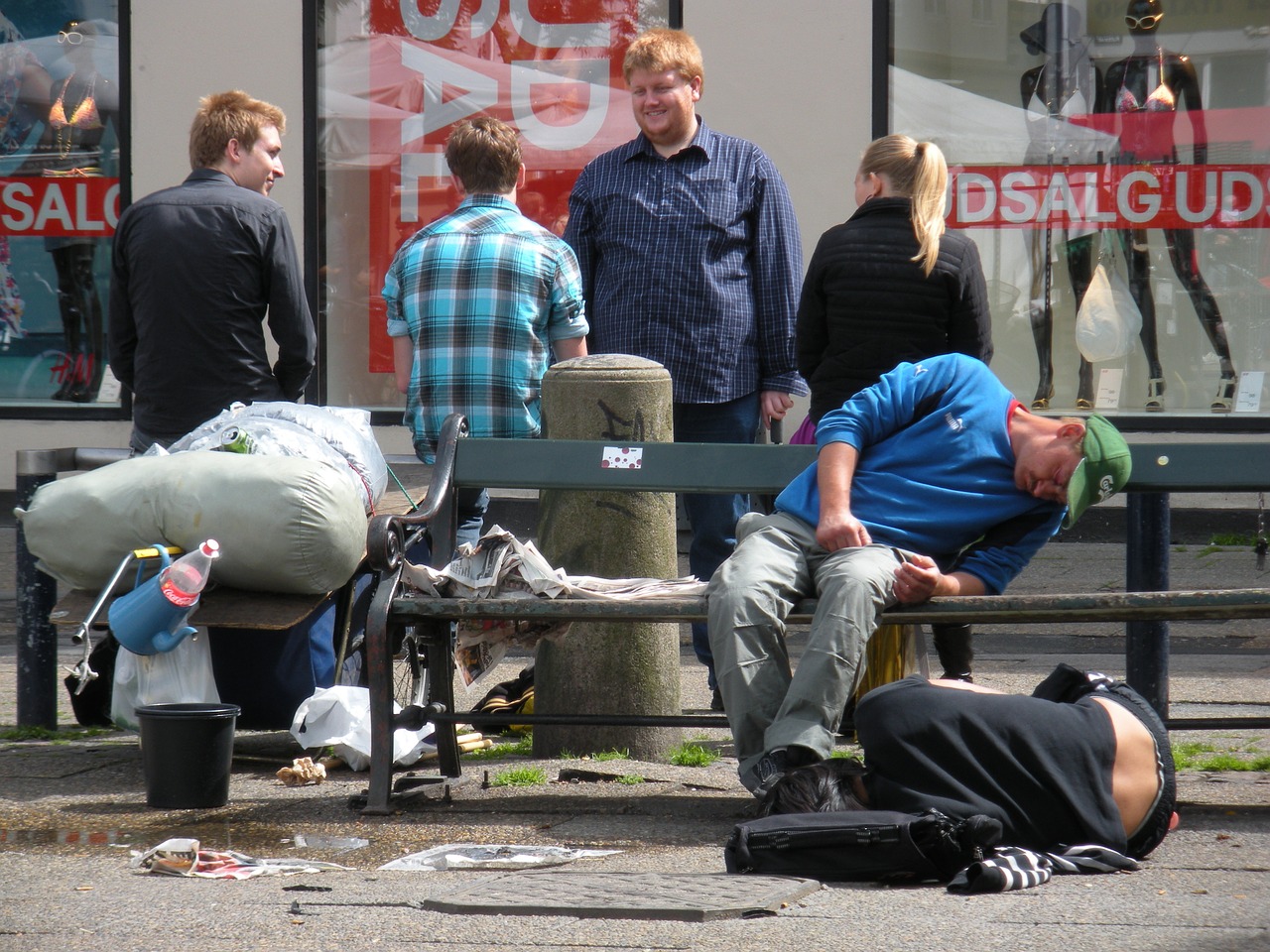
What is confabulation?
Photo courtesy of pixabay.

What is confabulation?

Confabulation is sometimes called “honest lying” because the person telling the tale actually believes that it is true despite the apparent inaccuracy of their story.  It is related to false memories but appears to have specific causes other than incorrect memory storage and retrieval or implanted false memories.

Confabulation is that tendency for the brains of people who can’t remember things to try to fill in the gaps of missing memory thereby making up an explanation that will answer questions. This is particularly common among chronic alcoholics, though other brain issues also cause these symptoms.

It is common in chronic alcoholics, particularly those with Wernicke-Korsakoff’s syndrome. These two syndromes used to be listed separately but current usage is to consider them both parts of the same disorder.

The Wernicke part has to do with eye movements, confusion, uncoordinated movement and sometimes even losing consciousness followed by death, which is always a bad side effect of any activity.

Wernicke-Korsakoff’s syndrome is caused by a lack of Thiamine (vitamin B-1) as a result of chronic alcoholism or malnutrition.  This condition is sometimes referred to in alcoholism literature as “wet brain.” While it is treatable to some degree many chronic alcoholics never recover from the condition. In addition to confabulation and blackouts, people with Korsakoff’s syndrome develop amnesia, lack insight, have reduced speech, and stop caring about themselves and others.

The brains of chronic alcoholics shrink in volume and cells stop working resulting in many defects in thinking and memory.

Some authors report that confabulation results from gaps in the memory do to Blackouts or brownouts after which the brain needs to fill in the gaps by adding details from other events in the alcoholic’s life or by suggesting things that are possible even if they did not happen.

Sometimes these explanations are fantastic but it is the only explanation the person with confabulation can imagine. Confabulation can occur even without amnesia and can be extra details added to memories.

With repeated efforts to fill in those gaps in memory, the alcoholic begins to believe those created memories.

Confabulation is also seen in people with traumatic brain injuries, Alzheimer’s disease, or those with a severe mental illness which has interfered with the accurate storing of memories. This and other memory problems can also be found in people with eating disorders or excessive vomiting which results in poor nutrition to the brain.

Confabulation is most commonly verbal as in storytelling to self and others. It can become actions when the impaired person believes the story and takes action on that false memory.

The person confabulating can become confused and mix events from their real-life experiences with fictional accounts and stories they have heard in the past. They are especially at risk to confuse time, believing they did something yesterday which they did months or even years ago. They will swear they attended an appointment yesterday at an agency they have not visited in many months or possibly years.

Those with Korsakoff’s syndrome also get sources of information confused believing that they were told something by a counselor or case manager when they heard it from a friend or drinking buddies.

This might be a good place to repeat the rule of counseling. If there is any chance that the symptoms are caused by a medical condition and Wernicke-Korsakoff’s syndrome, eating disorders and other conditions causing confabulation clearly have medical causes, see a medical doctor first.

Mental health treatments are only effective once the medical issues are managed.

This post was, I realize, a bit brief. I thought while we were talking about thinking problems that affect memory it was important to remind readers of the way in which alcohol, drugs, and medical issues might be impacting those memory issues.

It would be a mistake to dismiss memory issues, confabulation, or other thinking defects as being purely psychological or learning-based, without the client having been checked out by a medical doctor to rule out underlying medical issues.

Here is hoping that this post on confabulation, Wernicke-Korsakoff’s syndrome, and false memories was helpful and got you thinking about these issues.

Staying connected with David Joel Miller

Seven David Joel Miller Books are available now!

My newest book is now available. It was my opportunity to try on a new genre. I’ve been working on this book for several years, but now seem like the right time to publish it.

Story Bureau.

Story Bureau is a thrilling Dystopian Post-Apocalyptic adventure in the Surviving the Apocalypse series.

Baldwin struggles to survive life in a post-apocalyptic world where the government controls everything.

As society collapses and his family gets plunged into poverty, Baldwin takes a job in the capital city, working for a government agency called the Story Bureau. He discovers the Story Bureau is not a benign news outlet but a sinister government plot to manipulate society.

Bumps on the Road of Life. Whether you struggle with anxiety, depression, low motivation, or addiction, you can recover. Bumps on the Road of Life is the story of how people get off track and how to get your life out of the ditch.

Dark Family Secrets: Doris wants to get her life back, but small-town prejudice could shatter her dreams.

Casino Robbery Arthur Mitchell escapes the trauma of watching his girlfriend die. But the killers know he’s a witness and want him dead.

Planned Accidents  The second Arthur Mitchell and Plutus mystery.

Letters from the Dead: The third in the Arthur Mitchell mystery series.

What would you do if you found a letter to a detective describing a crime and you knew the writer and detective were dead, and you could be next?

Sasquatch. Three things about us, you should know. One, we have seen the past. Two, we’re trapped there. Three, I don’t know if we’ll ever get back to our own time.

For these and my upcoming books; please visit my Author Page – David Joel Miller

Want the latest blog posts as they publish? Subscribe to this blog.

For videos, see: Counselorssoapbox YouTube Video Channel

Drugs increase false memories

By David Joel Miller, MS, Licensed Therapist & Licensed Counselor.

Memory pieces.
Photo courtesy of Pixabay.com

They may not be lying;

They remember things that never happened.

Drugs suppress true memories but also increase false memories. We have heard a lot about false memories over the last few years. Most of it around questioning techniques that suggested to children they had been abused. As a result, they began to believe these things had happened and then thought they remembered things that turned out to be false memories.

Recent research suggests that drugs and alcohol, as well as certain emotional states, may increase the risk that what people in recovery are remembering did not actually happen despite their memories.

People with certain mental or emotional problems are at increased risk to have false memories even if they never abused substances. Something about the chemistry of the brain regulates not only true memories but also creates false memories. We can get ourselves into trouble when we start believing memories that never happened.

There is a common belief in recovery circles that substance abusers have told stories, lies, so often they begin to believe their own dishonesties. I have seen enough examples of this phenomenon to believe it does happen. But the creation of false memories goes beyond simple lies and the person who told that lie beginning to believe the falsehood.

One group of researchers conducted a study using two commonly used and abused substances and came up with some surprising results (Ballard et al 2012) surprising to me anyway.

The test they used, called the DRM, gives people a list of words, such as bed, rest, awake, tired, dream. What is missing from the list is a word that would be commonly associated with the word list but which was never shown to the research participants. In this case, the word they are looking for was “sleep.”

If you remember the list correctly or are very observant you know that sleep was not on the list. The trick here is to see how many people will swear that the missing word, in this case, sleep, was shown to them. Using a procedure like this the researcher can see if a specific drug or emotional condition will increase the risk of a false memory. In this experiment, they wanted to see how many people would say that the word sleep was shown to them when it had not been a part of the experience.

This simple experiment may not make much difference. Does it matter if I think sleep was on the list of words I read? But if a drug or emotion increases my errors on this test it suggests that I may remember other things that did not happen. Did I remember someone being at the party that was never there? Do you remember being touched inappropriately when what really happened was a handshake or a pat on the back? Those things matter.

Some drugs reduce your ability to remember things that did happen. Alcohol is at the head of the list. Benzodiazepines also impair memory. Some drugs have been called date rape drugs and banned or tightly controlled for the same reason. The big question has been what effect do these drugs have on the creation of false memories? Ballard and group looked at that question.

It would be easy to conclude that depressant drugs like Alcohol and benzodiazepines would reduce memory and therefore give room for more false memories to fill in the gap. There is a related concept called “Confabulation” in which alcoholics brains fill in the gaps in memory that are the result of not having stored memories in the first place. Confabulation plus blackouts leave the memory of Alcoholics suspect.

We would expect that stimulants like caffeine and amphetamines would increase true memories and reduce the chance of false memories. That is not what happens. In Ballard’s study Amphetamines, of the type prescribed for ADHD, increased true memories but also increased false memories. An earlier study by Capek and Guenther (2009) cited by Ballard found the same effects for Caffeine.

It would appear that depressants reduce true memories and allow for false memories and stimulants increase memory formation of both true and false memories.

So what about “All Arounder’s.” (See Inaba & Cohen book Uppers, Downers, and All Arounder’s, 2004.)  Ballard and friends also looked at the effects of Marijuana on memory. While I try to stay out of the whole medical marijuana debate some of you may remember my previous post on the effects of Marijuana on memory. That post was about the effects on storage and retrieval of true memories, what about marijuana’s effect on false memories?

The drug used in Ballard’s study was THC, the most studied active ingredient in Marijuana, given in pill form. While this is not exactly the same as smoking Marijuana it is likely to be very similar and much more specific that studies using drugs of unknown potency. There are other chemicals in smoked Marijuana and the research on those other compounds is very lacking.

They found that Amphetamines had a larger effect in creating false memories than THC and while THC may affect both memory storage and memory retrieval, this study at least did not find a significant increase in false memories for THC users.

There are lots of problems with taking studies done in the lab and translating them to the experiences of people who take drugs in their daily life.

It is worth noting that there was significant individual variation in the effects of both drugs on true and false memory. So the conclusions are for all the people in the study as a group and individual results did vary. This raises questions about what individual differences account for these variations.

In Ballard’s study, as in so many other studies, people with diagnosed mental illnesses or those with a current substance abuse problem are not included in the study. Those are exactly the people for whom the effects of drugs and mood states on false memory may be the most critical.

There are some studies of people with various mental health diagnoses examining the effects of having an emotional issue and the creation of false memories. In a future post, I want to talk about the effects of Depression, Anxiety, and OCD on true and false memories.

Staying connected with David Joel Miller

Seven David Joel Miller Books are available now!

My newest book is now available. It was my opportunity to try on a new genre. I’ve been working on this book for several years, but now seem like the right time to publish it.

Story Bureau.

Story Bureau is a thrilling Dystopian Post-Apocalyptic adventure in the Surviving the Apocalypse series.

Baldwin struggles to survive life in a post-apocalyptic world where the government controls everything.

As society collapses and his family gets plunged into poverty, Baldwin takes a job in the capital city, working for a government agency called the Story Bureau. He discovers the Story Bureau is not a benign news outlet but a sinister government plot to manipulate society.

Bumps on the Road of Life. Whether you struggle with anxiety, depression, low motivation, or addiction, you can recover. Bumps on the Road of Life is the story of how people get off track and how to get your life out of the ditch.

Dark Family Secrets: Doris wants to get her life back, but small-town prejudice could shatter her dreams.

Casino Robbery Arthur Mitchell escapes the trauma of watching his girlfriend die. But the killers know he’s a witness and want him dead.

Planned Accidents  The second Arthur Mitchell and Plutus mystery.

Letters from the Dead: The third in the Arthur Mitchell mystery series.

What would you do if you found a letter to a detective describing a crime and you knew the writer and detective were dead, and you could be next?

Sasquatch. Three things about us, you should know. One, we have seen the past. Two, we’re trapped there. Three, I don’t know if we’ll ever get back to our own time.

For these and my upcoming books; please visit my Author Page – David Joel Miller

Want the latest blog posts as they publish? Subscribe to this blog.

For videos, see: Counselorssoapbox YouTube Video Channel

Will the Counselor, therapist, psychologist keep your secret or tell?

By David Joel Miller, MS, Licensed Therapist & Licensed Counselor.

Keeping your secrets?
Photo courtesy of Pixabay.com

Just how confidential is confidentiality.

Just what is confidential and what is not is a major concern to clients in mental health treatment. I have written several posts in the past on this subject but from the number of searches on this subject, we need to talk some more about this. Links to some of the past posts are at the end of this post.

Confidentiality and its cousin privilege, are legal as well as ethical concepts.  Laws can vary greatly from place to place. Check in the jurisdiction you live in and ask the person you are seeing if you have concerns about this.

We spend a lot of time on these issues in graduate school. We are supposed to explain this to clients when we first see them. Beginning counselors tend to spend a lot of time telling new clients more than most clients want to know. After a few years of doing therapy, the amount the client gets told declines and sometimes slips below the minimum the client needs. If your provider has said less than you need to know please ask.

Please remember I am talking about this from a counselor’s point of view, how we try to meet our legal and ethical responsibilities in practice. For the law in this, you should consult a lawyer.

Here are the general rules.

Everything you tell your therapist-counselor is confidential UNLESS it falls into a required or permitted exception.

1. Danger to self is reportable.

If you are eminently suicidal we can break confidentiality to keep the client alive. We are supposed to do this whether we want to or not. In practice, it is a judgment call whether the client has thoughts but does not intend to carry through or if they plan to kill themselves soon. Our response may vary depending on the circumstances.

2. Danger to others gets reported.

If you say you intend to kill someone in the future this gets reported. Past crimes are generally not reportable unless they fall under one of the other exceptions. Throwing a book at your sister is not a danger to others.

3. Child abuse, abuse of an elderly or disabled person needs reporting.

Generally, all abuse of a child gets reported if the provider has a reason to suspect the child is being abused. The counselor is not responsible for investigating, only to report to authorities. Someone who murdered a child would have committed child abuse and this past crime could be a mandated report in some places.

4. If the counselor needs to consult with another professional.

In this case, they tell the minimum they need to get the answers they need. They might talk to another professional about your treatment, to a lawyer about what is reportable, or to a billing person. They can “use” the information you give them to help in your treatment and their getting paid for providing it, but they are not supposed to “disclose” that information to people who do not need to know. Counselors sometimes call their lawyers to find out what they need to keep confidential and what they need to disclose.

5. If you are Gravely Disabled they need to report to get you help.

If the client can’t feed themselves or use clothing and shelter the counselor needs to call someone and get this person help.

6. You sue your counselor and they can talk about treating you.

If you sue your counselor for doing a bad job they get to introduce your records and prove what you said and why they did what they did.

7. If you introduce your mental status into a court proceeding they will be required to tell things.

Once you use your mental illness as a defense in court for something you are charged with all your mental health records may come out.

8. You are not the client and are not paying for the counseling.

If you are sent for a court-ordered examination, a child protective service interview or other assessment paid for by someone else you will probably be asked to sign a release of information so that the person paying for the services can see what happened.

No release and there will be no treatment. Once you sign that release the person who is paying or who ordered the assessment and or treatment gets reports. You can revoke this sometimes, but not all the time, and what has been disclosed cannot, of course, be taken back and remade confidential.

9. You are a collateral person in a session.

If you go with your partner or child and they are the person being treated you may not be getting any confidentiality on what you say. You should ask about this before you stay things and then want them kept secret.

10. A court subpoenas your records.

This gets problematic. The counselor or therapist will try to keep some things confidential by asserting privilege but that is up to the lawyers and the judge. If this is a worry to you talk to your lawyer before you see the counselor and see if there is a chance this will come up in court.

One last thought. There are some clients who come for therapy and talk extensively about how guilty they feel about past crimes and how they want to change. They don’t usually give all the details of the crimes. There are others who seem to want to brag about what great criminals they are and they don’t want to change. The ones who don’t want to change frequently say things that end up needing to be disclosed.

Facing the things you have done wrong and trying to change is a huge part of recovery.

Staying connected with David Joel Miller

Seven David Joel Miller Books are available now!

My newest book is now available. It was my opportunity to try on a new genre. I’ve been working on this book for several years, but now seem like the right time to publish it.

Story Bureau.

Story Bureau is a thrilling Dystopian Post-Apocalyptic adventure in the Surviving the Apocalypse series.

Baldwin struggles to survive life in a post-apocalyptic world where the government controls everything.

As society collapses and his family gets plunged into poverty, Baldwin takes a job in the capital city, working for a government agency called the Story Bureau. He discovers the Story Bureau is not a benign news outlet but a sinister government plot to manipulate society.

Bumps on the Road of Life. Whether you struggle with anxiety, depression, low motivation, or addiction, you can recover. Bumps on the Road of Life is the story of how people get off track and how to get your life out of the ditch.

Dark Family Secrets: Doris wants to get her life back, but small-town prejudice could shatter her dreams.

Casino Robbery Arthur Mitchell escapes the trauma of watching his girlfriend die. But the killers know he’s a witness and want him dead.

Planned Accidents  The second Arthur Mitchell and Plutus mystery.

Letters from the Dead: The third in the Arthur Mitchell mystery series.

What would you do if you found a letter to a detective describing a crime and you knew the writer and detective were dead, and you could be next?

Sasquatch. Three things about us, you should know. One, we have seen the past. Two, we’re trapped there. Three, I don’t know if we’ll ever get back to our own time.

For these and my upcoming books; please visit my Author Page – David Joel Miller

Want the latest blog posts as they publish? Subscribe to this blog.

For videos, see: Counselorssoapbox YouTube Video Channel
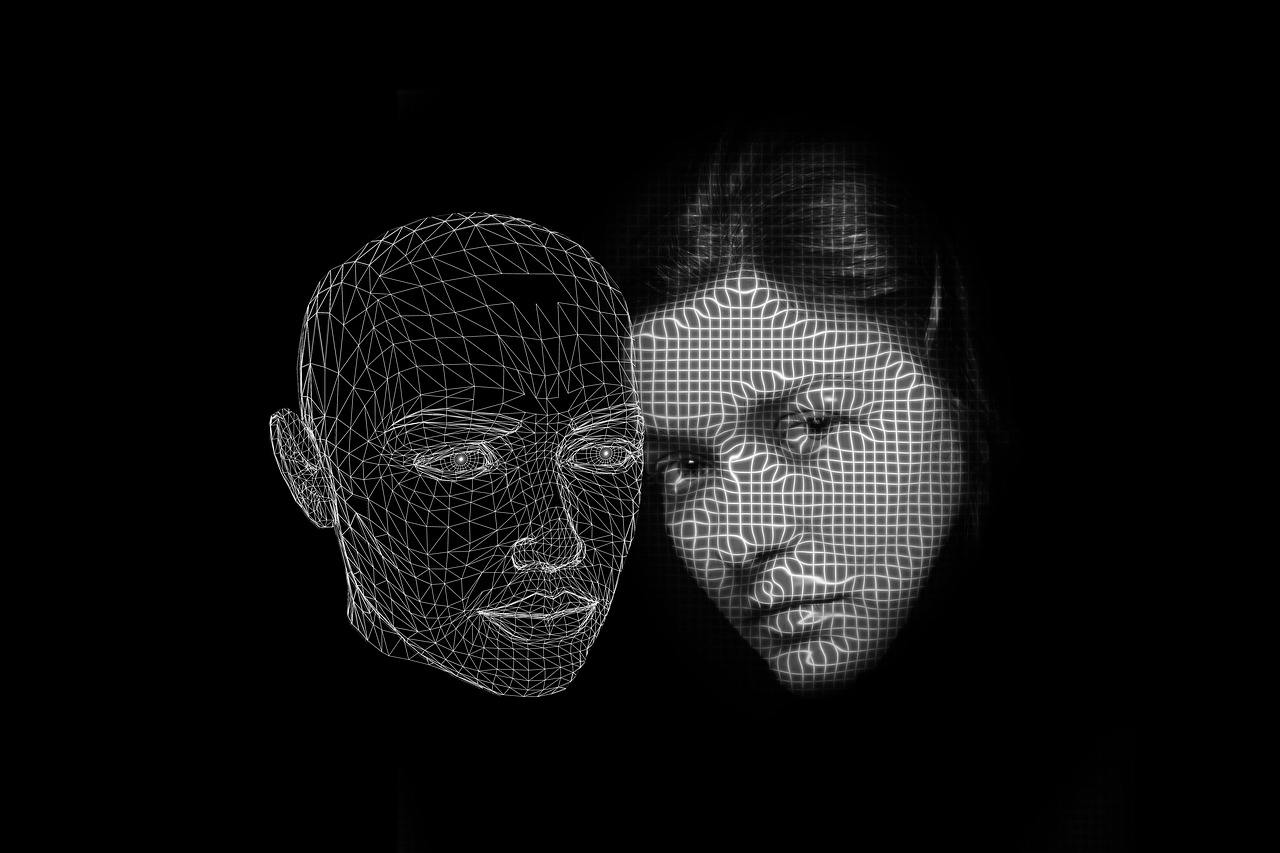
Is it the Bipolar or is it me? Confusion and self-doubt.

By David Joel Miller, MS, Licensed Therapist & Licensed Counselor.

Who am I?
Photo courtesy of pixabay.

The struggles to find you when you have Bipolar or another mental illness.

People who grow up with a mental illness have a difficult time finding out who they are separate from their disorder. The younger you are when the symptoms start the more difficult it is to find out who you are during those times the symptoms are at a severe point. People with other mental illnesses may experience this same confusion but it is easiest to illustrate by discussing the effects of Bipolar Disorder on self-doubt.

Youth with Bipolar disorder have a second set of tasks to navigate over and above those all teen’s experience. Finding you who you are is a necessary task of adolescence. Much of that sense of self is developed as a result of the experiences you have. For the person with Bipolar Disorder, the person who has those experiences changes depending on the severity of symptoms.

In the early stages of the disorder, the disease goes largely undiagnosed. The person who will someday get that bipolar diagnosis may spend 20 years or more struggling with out of control emotions before they discover that those unpredictable mood swings are a result of their disease, not some defect in who they are.

When you have symptoms, try to control them, but find you are out of control more than in, it is easy to begin to doubt yourself and to begin to hate yourself. Before receiving their diagnosis many youths with Bipolar Disorders have been led to believe they are “bad kids” and that they should be able to do things they find far outside their abilities.

The person with Bipolar Disorder will experience a large discrepancy between who they are supposed to be and who they are. Despite their best efforts, who they feel they are, will change depending on whether they are in a manic, hypomanic, depressive, or mixed phase.

The peak onset for Bipolar is between fifteen and nineteen years of age, precisely those late teen years when you need to establish who you are as a separate person from your caregivers and friends.

The earlier the onset of Bipolar Disorder the more difficult it becomes to define what is the disorder and what part of these feelings and behaviors are you.

Often the person with Bipolar will report that they don’t know how they feel. A given situation will make them feel happy one day and sad or angry the next. This creates extreme self-doubt.

Having a mind or body that betrays you can lead to self-hate. In the early stages of Bipolar Disorder, before the diagnosis, there is a high risk that you will come to hate yourself for having uncontrollable and unpredictable moods.

Clients sometimes report during a severe episode “This is not who I am.” They have the feeling that there are three or more of them, the depressed person, the manic person and sometimes there is that person that is them without the symptoms.

Someone with Bipolar Disorder may find that they shift between being an introvert and being an extrovert depending on the state of their illness. They can easily become confused as to which is the real them.

After a particularly manic episode or a really low depressive episode, the person with Bipolar Disorder may find themselves saying “That is not me, I don’t want to be like that.”

The result of all these conflicts in their self-image can leave a person in the early phase of Bipolar Disorder with negative self-beliefs. These beliefs are likely to persist into adulthood and then change slowly if at all. The person that they find themselves to be on medication or after therapy is a whole different person to the previous untreated person.

One risk for the undiagnosed person is the tendency to become a chameleon. Not knowing who they really are deep down they try to blend in and assume the roles of others around them. This results in an unstable self that is one way today and another tomorrow.

A common refrain is “I don’t like myself.” Or “I can’t do anything right.” Shaking these beliefs and sorting out who you are separate from your disorder is a difficult but necessary process.

Because of the mood swings between depression and mania the person with bipolar disorder faces unique challenges in finding who they really are separate from their diagnosis.

People with other mental and emotional problems will expertise these conflicts in varying ways. The key task is to learn that you are not your diagnosis and that your condition does not define who and what you will become.

Staying connected with David Joel Miller

Seven David Joel Miller Books are available now!

My newest book is now available. It was my opportunity to try on a new genre. I’ve been working on this book for several years, but now seem like the right time to publish it.

Story Bureau.

Story Bureau is a thrilling Dystopian Post-Apocalyptic adventure in the Surviving the Apocalypse series.

Baldwin struggles to survive life in a post-apocalyptic world where the government controls everything.

As society collapses and his family gets plunged into poverty, Baldwin takes a job in the capital city, working for a government agency called the Story Bureau. He discovers the Story Bureau is not a benign news outlet but a sinister government plot to manipulate society.

Bumps on the Road of Life. Whether you struggle with anxiety, depression, low motivation, or addiction, you can recover. Bumps on the Road of Life is the story of how people get off track and how to get your life out of the ditch.

Dark Family Secrets: Doris wants to get her life back, but small-town prejudice could shatter her dreams.

Casino Robbery Arthur Mitchell escapes the trauma of watching his girlfriend die. But the killers know he’s a witness and want him dead.

Planned Accidents  The second Arthur Mitchell and Plutus mystery.

Letters from the Dead: The third in the Arthur Mitchell mystery series.

What would you do if you found a letter to a detective describing a crime and you knew the writer and detective were dead, and you could be next?

Sasquatch. Three things about us, you should know. One, we have seen the past. Two, we’re trapped there. Three, I don’t know if we’ll ever get back to our own time.

For these and my upcoming books; please visit my Author Page – David Joel Miller

Want the latest blog posts as they publish? Subscribe to this blog.

For videos, see: Counselorssoapbox YouTube Video Channel

When Mindfulness makes you feel worse – about pain.

By David Joel Miller, MS, Licensed Therapist & Licensed Counselor.

Back pain

Coping with pain.
Photo courtesy of Pixabay.com

What are you doing to avoid feeling pain?

The question came up in a discussion of mindfulness about people who feel unable to be mindful, to meditate, because every time they do they become overwhelmed by extreme pain.

What do you do if you would like to use some of these introspective self-examinations approaches but when you stop what you are doing, even for a moment, you begin to suffer from painful memories of the past?

Here is the dilemma.  I am not one to think that to have a happy life we need to excavate every trauma and pain you have experienced. I do in fact see times when cross-examining clients about past trauma can be harmful. The last thing I want to do in therapy is to re-traumatize someone who is suffering. But there is value to cleaning out the wreckage of the past.

One recovery saying that often rings true is “we are only as sick as our secrets.” Lots of dysfunctional behavior, substance abuse, excessive spending, sexual addictions, and other compulsions are ways of trying to avoid having to feel those feelings which are so unpleasant.

Depression, PTSD, anxiety, and a whole host of mental and emotional problems are also maintained by wounds from the past that have not healed.

We know that if you are feeling physical pain, just ignoring that pain is not a good idea. Athletes can sustain long-term injuries if they do not listen to their bodies and stop playing when they are in pain.

My take on this is that if when you try to meditate or be mindful and all that comes up is an overwhelming pain, you need to seek professional help to process and work through that pain. Otherwise, you are at high risk to keep running from the pain until one day your escape mechanism stops working.

Plenty of alcoholics and addicts will tell you that one day their drug of choice stopped working. Any effort to deny the pain can only work for so long and then eventually you will have to face the problem you have been running from.

Drugs and alcohol are common ways of trying to escape feelings but there are others. Using drugs in this way is a very dangerous habit. The relief from the pain is short-lived. When the drugs wear off the pain returns, only now it feels even more overwhelming. So you use again. The intervals between uses get shorter and the amount you need to use gets larger and there you are one day at your upper limit and still feeling the emotional pain.

Most of us are not good at reading our body sensations. We humans often confuse thirst and hunger, resulting in consuming excess calories and weight gain. We also confuse physical and emotional pain. Physical pain may be managed by medication but emotional pain, most of the time you need to feel it, in a safe environment, in order to heal it.

America is currently facing an epidemic of prescription drug abuse.

One reason for this abuse is that people are using prescription pain medications, designed to treat physical pain, for treating emotional pain. The short-term relief results in long-term addiction. If you describe your pain to the doctor as all over in your body he may prescribe medication. If you tell the truth that you have felt this way since you lost your job or partner, the prescription will be some counseling.

The technical term for this is prescription drug abuse. It is easy to get addicted. Pills are quick and easy. They work for a while, then the pills create other problems like addiction. Counseling takes time but it helps you recover.

Mindfulness is meant to help with this, but it can be hard to just sit and stay with a pain for a while and really find out what this pain is all about. Sometimes we need to work on this emotional pain a little at a time.

I have heard this approach to reducing emotional pain described as “peeling the feelings onion.” You peel off a little, tell your helper about what you are feeling, and why then you cry. When the crying is done go back to the peeling. Repeat until all the pain is peeled away.

If you find that when you are alone or you try to clear your mind the only things that race in are those old memories of pain and hurt then you need to start healing those old wounds.

We humans have a bad habit of continuing to hold onto negative emotions long after those emotions have had any benefit. Not being able to release stress or regret can keep the torture of the past alive long after the incident should have been forgotten.

Staying connected with David Joel Miller

Seven David Joel Miller Books are available now!

My newest book is now available. It was my opportunity to try on a new genre. I’ve been working on this book for several years, but now seem like the right time to publish it.

Story Bureau.

Story Bureau is a thrilling Dystopian Post-Apocalyptic adventure in the Surviving the Apocalypse series.

Baldwin struggles to survive life in a post-apocalyptic world where the government controls everything.

As society collapses and his family gets plunged into poverty, Baldwin takes a job in the capital city, working for a government agency called the Story Bureau. He discovers the Story Bureau is not a benign news outlet but a sinister government plot to manipulate society.

Bumps on the Road of Life. Whether you struggle with anxiety, depression, low motivation, or addiction, you can recover. Bumps on the Road of Life is the story of how people get off track and how to get your life out of the ditch.

Dark Family Secrets: Doris wants to get her life back, but small-town prejudice could shatter her dreams.

Casino Robbery Arthur Mitchell escapes the trauma of watching his girlfriend die. But the killers know he’s a witness and want him dead.

Planned Accidents  The second Arthur Mitchell and Plutus mystery.

Letters from the Dead: The third in the Arthur Mitchell mystery series.

What would you do if you found a letter to a detective describing a crime and you knew the writer and detective were dead, and you could be next?

Sasquatch. Three things about us, you should know. One, we have seen the past. Two, we’re trapped there. Three, I don’t know if we’ll ever get back to our own time.

For these and my upcoming books; please visit my Author Page – David Joel Miller

Want the latest blog posts as they publish? Subscribe to this blog.

For videos, see: Counselorssoapbox YouTube Video Channel
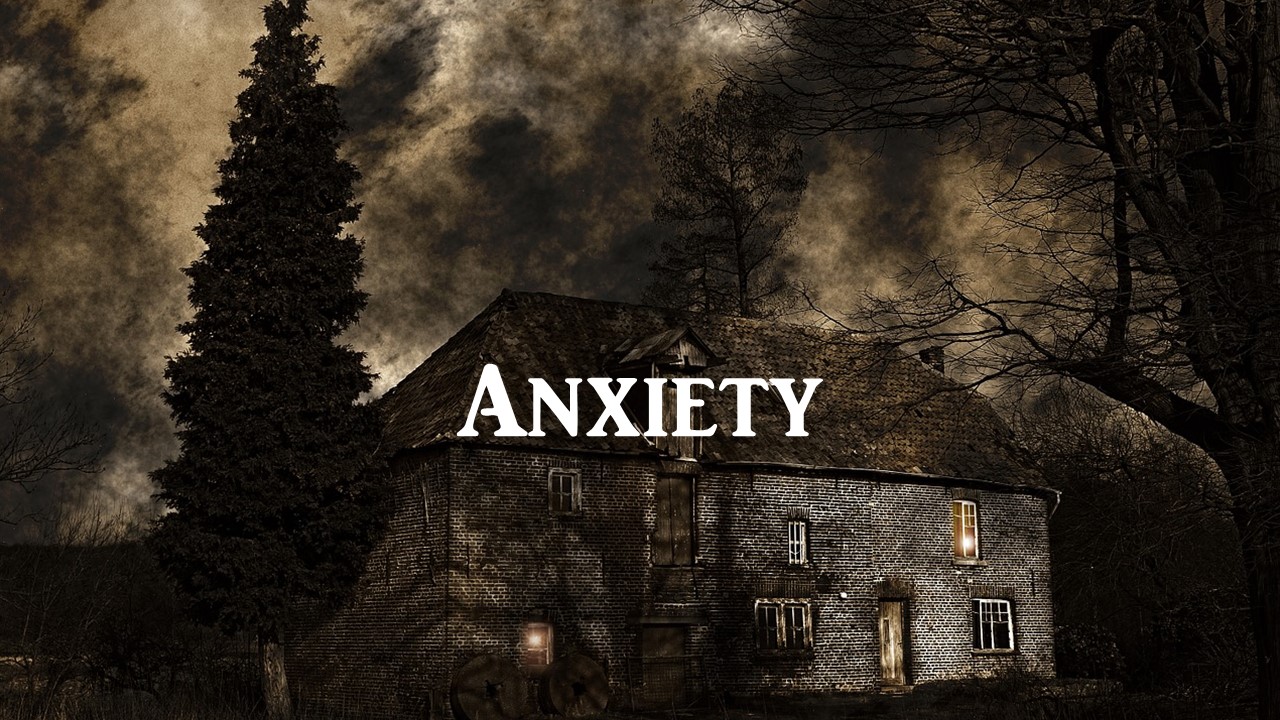
Nervous constitution or Anxiety disorder?

By David Joel Miller, MS, Licensed Therapist & Licensed Counselor.

Anxiety provoking.

Anxiety.
Photo courtesy of Pixabay.com

How much nervousness does it take to get diagnosed with an anxiety disorder?

Some people are just nervous by nature. Anxiety disorders are the most commonly diagnosed mental or emotional illness in America and probably the rest of the world also. How much anxiety does it take to get you the label of having an anxiety disorder?

Clearly, there are some extremely debilitating disorders whose main characteristic is anxiety. In Post-traumatic Stress Disorder (PTSD) some telltale symptoms are recurrent intrusive thoughts and efforts to avoid stimuli that remind you of the original trauma. Panic disorder results in anxiety produced physical symptoms that can be difficult for a trained physician to tell apart without lab work.

Short of those extreme cases, there are a lot of people who have varying degrees of symptoms, less severe symptoms than what is seen in Panic attacks and PTSD but still very impairing to their quality of life.

This makes me think of the days when most anyone who went to see a psychoanalyst got the label of Neurotic. If everyone is neurotic then does the label tell us anything about your problem and what you need to do to get better? I would not be willing to agree that everyone is sick and no one ever gets any better.

While neurotic does not get diagnosed much anymore we seem to be slipping into an area where everyone gets a psychiatric diagnosis.

One thing we were taught in graduate school was to be careful to not pathologize all our clients. That beginning student mistake of having learned about a new disease you begin to think that every client you see has something wrong with them. Keep this up long enough and the therapist starts thinking they have the illness also.

Now look, I am not even sure that anxiety is a bad thing. Sometimes it is when it gets out of control, but it can also be a good thing. Anxiety is supposed to warn you when you are in danger.  If you live in a bad part of town, with lots of drive-by shootings, and you hear gunfire, I think it is a good idea to get anxious and duck behind something for protection.

So a little bit of anxiety is good. Too much is bad. How can you tell if you have too much or too little?

Too little anxiety probably is not a big problem in our society. If you fail to appreciate the danger and don’t duck, you get shot. Maybe you die. If you continually get into dangerous situations and get hurt, consider that you may have the volume turned down too low on your anxiety detector. That or you may be subconsciously trying to get hurt. So if you take excessive risks talk with someone about that. Preferably talk with a professional or become a daredevil and get an agent.

What about those who are anxious all the time?

Here are some things you need to consider. Do others around you feel the same anxiety? Just because going to the mall terrifies you, does not in all likelihood mean that your particular mall is life-threatening. If you have high levels of anxiety in situations where your friends, family, or people you trust have no problem, then you may have excess anxiety.

If that excess anxiety begins to keep you home from work, we call that interfering with occupational functioning, then it is a problem. If it interferes with your social function, keeps you from being with or doing things with family and friends then it is excessive.

So anytime a mental health symptom interferes with family, friends, or your job, and school counts as a job, you need help. If this anxiety is bothering you, we call that subjective distress, you should also get help.

Consider also what age you were when you began to experience anxiety. Children can have more anxiety than adults. They don’t know what should scare them and what should not.

Our fairy tales and media entertainment can scare them, also. They are likely to be scared of strangers and going to school these days despite the fact that they are far more likely to be molested by a family member than a stranger. They are also more likely, here in the United States to be shot at home by their parent than to be injured by someone with a gun while at school.

Keeping guns out of schools and avoiding strangers are two more fairy tales we tell our children to make ourselves feel safer. Providing more mental health treatment for people with anger issues and other mental illnesses is too logical a solution to ever become popular with most politicians.

Sermon over – back to post on anxiety.

People who develop a severe, life-impairing, anxiety in their adult years frequently had excess anxiety in childhood. If you remember having excess anxiety, being scared all the time as a child and did not grow out of it, you should especially consider getting help for this issue.

If your child has excess anxiety and does not seem to be growing out of it, then the sooner they get help from family, friends, or professionals the less likely they are to have to struggle with an anxiety disorder for the rest of their life.

Additionally, if your anxiety has a basis in a real trauma, you were raped, molested, abused or experienced a traumatic event, and this anxiety is not fading as time goes on, you need to seek help for the skills you need to cope with life. Look for a counselor that wants to help you heal from the pain and is able and willing to hear whatever you need to tell without them having the compulsion to cut you open and dig out every detail of every trauma you may have experienced.

What has been your experience with a nervous constitution, an Anxiety Disorder, PTSD or panic disorder, or any other fear-based problem?

Staying connected with David Joel Miller

Seven David Joel Miller Books are available now!

My newest book is now available. It was my opportunity to try on a new genre. I’ve been working on this book for several years, but now seem like the right time to publish it.

Story Bureau.

Story Bureau is a thrilling Dystopian Post-Apocalyptic adventure in the Surviving the Apocalypse series.

Baldwin struggles to survive life in a post-apocalyptic world where the government controls everything.

As society collapses and his family gets plunged into poverty, Baldwin takes a job in the capital city, working for a government agency called the Story Bureau. He discovers the Story Bureau is not a benign news outlet but a sinister government plot to manipulate society.

Bumps on the Road of Life. Whether you struggle with anxiety, depression, low motivation, or addiction, you can recover. Bumps on the Road of Life is the story of how people get off track and how to get your life out of the ditch.

Dark Family Secrets: Doris wants to get her life back, but small-town prejudice could shatter her dreams.

Casino Robbery Arthur Mitchell escapes the trauma of watching his girlfriend die. But the killers know he’s a witness and want him dead.

Planned Accidents  The second Arthur Mitchell and Plutus mystery.

Letters from the Dead: The third in the Arthur Mitchell mystery series.

What would you do if you found a letter to a detective describing a crime and you knew the writer and detective were dead, and you could be next?

Sasquatch. Three things about us, you should know. One, we have seen the past. Two, we’re trapped there. Three, I don’t know if we’ll ever get back to our own time.

For these and my upcoming books; please visit my Author Page – David Joel Miller

Want the latest blog posts as they publish? Subscribe to this blog.

For videos, see: Counselorssoapbox YouTube Video Channel
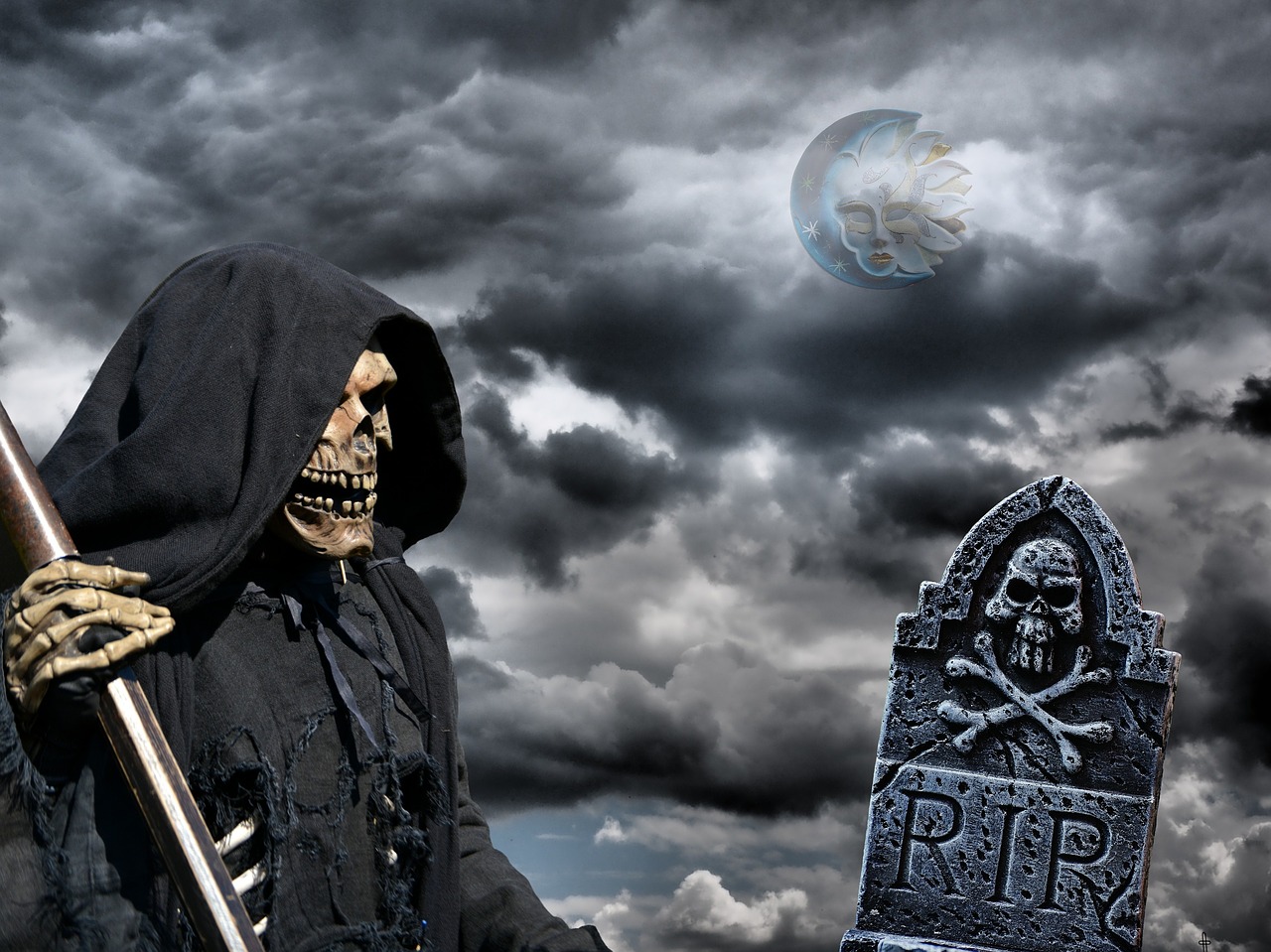
How to turn anxiety into paranoia

By David Joel Miller.

Grim Reaper

Paranoia.
Photo courtesy of Pixabay.

Some days it is a short trip from anxiety to paranoia.

The higher the volume is turned up on your anxiety control the greater the risk that this could lead to paranoia.

Some caveats here. In this context, I am not talking about one of the paranoia’s that are currently diagnosable as a mental illness. Most people say Paranoid-schizophrenia as if it was all one word. There are lots of people with schizophrenia that are not paranoid. There are also people who suffer from paranoid personality disorder who do not have schizophrenia.

This discussion is about people without those two diagnosable illnesses who have some feeling that looks like paranoia during the course of another illness or even without meeting the criteria for a diagnosis. In other words, this is about the dictionary definition of paranoia not the DSM definition of a paranoid mental illness.

Yes, in my opinion, you can have paranoid thoughts and not have a mental illness with the word paranoia in it.

One definition of Paranoia is an unfounded, exaggerated, or unreasonable distrust of others not based on facts. This is fear-based and makes you question other’s motives.

Here is how a case of paranoia might begin.

You are very fearful, sensitive, and worried about what others think of you. You have “trust issues” and are not sure if people are really your friends or might want to harm you.

People who have been victimized in the past are especially at risk for these kinds of trust issues and for good reason. They have been harmed by someone in the past and may feel that they were too trusting.

One day this anxious person, let’s call her Annid. This is one of those made-up names contracted from her mother’s name Ann and her father’s name, David. I don’t know an Annid or an Ann and David combination so I think I am safe here.

One day Annid is walking down the street and she hears footsteps behind her. She walks faster but the footsteps are still there. She looks over her shoulder and there is someone there. Let’s make this person a man. She is afraid of men because she was attacked by a man in an alley. This would be even worse if the man who attacked her was a member of a particular race and the man behind her was the same race.

At the corner, she decides to cross the street to get away from this man. She notices out of the corner of her eye he stops at the corner to talk to another man. She is becoming more anxious.

When the light changes the second man turns and follows her across the street. She walks faster but every time she looks back there is a man back there. She is not sure if this is either of the two men she saw before but there is always one behind her.

Eventually, she ducks into a coffee place and has some coffee. She decides to wait a bit to get rid of those men who are following her. But when she leaves the coffee place there across the street are 5 or 6, men all standing together and one of them looks like that man who was following her. Same sports team shirt and everything.

At this point, convinced she is being followed by a gang of men she ducks back into the coffee place and calls a friend who comes to pick her up and take her home.

Unchecked this fear that men are following her can grow until she is unable to leave the house.

One problem for this woman is that no matter where in this town she may walk there may be a man walking behind her.

Is this an irrational fear? Maybe, maybe not. Having been the victim of an assault once there is proof that a man could assault her. Is this fear excessive? Probably. The chances that every man on the street is following her and plans to assault her are very low, most of the time.

The challenge for this person and other people with paranoid symptoms is to reasonably evaluate the situation, assess for danger, and still keep this fear of another assault from keeping her a prisoner in her home.

Now so far in this example, I have said that Annid has a history of being a victim. What if she has never been victimized?

She might have had a friend who was assaulted or heard a story on T. V. about assaults in her town. If she had a preexisting anxiety disorder even if nothing had ever happened to her she might keep looking over her shoulder believing that constant vigilance will keep her safe. And if you keep looking for something you will begin to see it.

See how easy it is to turn fear in your mind into a belief that there is a real danger. We have even had cases where someone believes they were in danger pulled out a gun and shot a person who just happened to be going in the same direction they were. Family members have killed other family members in the mistaken belief that there was an intruder in the house.

High levels of fear can create a situation in which everything becomes scary.

If you have anxiety issues or feel threatened and unsafe, consider getting professional assistance both in determining if this is a real threat and in learning to manage your anxiety or other issues before that emotional problem turns you into a paranoid person.

Staying connected with David Joel Miller

Seven David Joel Miller Books are available now!

My newest book is now available. It was my opportunity to try on a new genre. I’ve been working on this book for several years, but now seem like the right time to publish it.

Story Bureau.

Story Bureau is a thrilling Dystopian Post-Apocalyptic adventure in the Surviving the Apocalypse series.

Baldwin struggles to survive life in a post-apocalyptic world where the government controls everything.

As society collapses and his family gets plunged into poverty, Baldwin takes a job in the capital city, working for a government agency called the Story Bureau. He discovers the Story Bureau is not a benign news outlet but a sinister government plot to manipulate society.

Bumps on the Road of Life. Whether you struggle with anxiety, depression, low motivation, or addiction, you can recover. Bumps on the Road of Life is the story of how people get off track and how to get your life out of the ditch.

Dark Family Secrets: Doris wants to get her life back, but small-town prejudice could shatter her dreams.

Casino Robbery Arthur Mitchell escapes the trauma of watching his girlfriend die. But the killers know he’s a witness and want him dead.

Planned Accidents  The second Arthur Mitchell and Plutus mystery.

Letters from the Dead: The third in the Arthur Mitchell mystery series.

What would you do if you found a letter to a detective describing a crime and you knew the writer and detective were dead, and you could be next?

Sasquatch. Three things about us, you should know. One, we have seen the past. Two, we’re trapped there. Three, I don’t know if we’ll ever get back to our own time.

For these and my upcoming books; please visit my Author Page – David Joel Miller

Want the latest blog posts as they publish? Subscribe to this blog.

For videos, see: Counselorssoapbox YouTube Video Channel

5 Rules for Helping and Being Helped

By David Joel Miller, MS, Licensed Therapist & Licensed Counselor.

Helping others.
Photo courtesy of pixabay

Can you accept help? Do you help others?

The tug between giving and receiving help can throw you off-balance regardless of your other issues in life.

There are those who are always doing for others. They just can’t help enough. But when the time comes for them to ask for or even accept help this is something really hard for them to do. This over-helping can leave you drained and resentful when others don’t show you the appreciation you expect and are not willing to do for you in return.

Other people avoid doing anything for others but are always so needy then use their friends up. Eventually, a day comes that they need help but no one is available or willing to help them. They become despondent and bitter. Constantly asking for help may be a sign you don’t have much confidence in your ability to handle things.

Getting this helping and receiving help in balance is really difficult. To navigate the helping rapids you need a lot of balance in your life.

Helping rule # 1

Helping others makes you feel good.

Have you ever done something for a small child or an elderly person? Someone who truly needed your help and couldn’t do it or do it as well without your help?

How did that make you feel? Most people have had this experience more than once in their life. The predominant feeling people say they get from helping others was that helping that person made them feel good. We mostly like the feeling of helping someone who needs help.

If you have never had this feeling, don’t cheat yourself out of the chance to feel good. Seek out some opportunity to be of service.

Helping rule # 2

Don’t help others and expect something in return.

Did you expect that child to thank you profusely or be in your debt? Did you expect them to repay the favor? Probably not, because you knew from the start that child or older person was not in a position to do the same for you.

Now, what if you lent your car to a friend, and then later when you needed a ride they would not return the favor? How does this make you feel?

You probably feel bad, hurt, even angry. Why? Because when you helped them you expected that they would someday repay the favor.

If you help others expecting something in return you are setting yourself up for disappointment.

Helping rule # 3

Don’t cheat others out of the chance to feel good by helping.

If helping a child made you feel good why would you cheat someone out of any of that good feeling? This comes up frequently in recovery groups. People say that they don’t ask someone to be their sponsor because they don’t want to impose.

That other person wants the chance to help. If not you then they will help someone else. So often in life, we constantly help but are unwilling to let others help us. Being able to accept help is as much a skill as being a helping person.

Only watch out for rule 4.

Helping rule # 4

Giving is giving and selling is selling.

If someone helps you do you owe them? There are some businesses that call themselves helping professions or that like to think they help people but it is clear from the start or should be that someone is paying for this service. Most of the time helping and receiving help are not-for-profit transactions.

If someone does for you and they afterward tries to charge you, there is a good chance you will feel cheated. That gift had strings attached. Makes you reluctant to accept help from that person again and it makes you reluctant to offer them any help in the future.

Make sure what the intent is upfront and feel free to decline offers of help that come with strings attached.

Helping rule # 5

Helping should not be a destination at the end of a one-way street.

People who can give help but are never able to receive it are in an unhealthy neighborhood. If something inside you makes you feel that you need to always be helping others but that you should not accept any help in return you need to look at yourself and see why it is so hard for you to accept help.

Do you feel that you don’t deserve to receive help? Are you not worth it? Then take a look back at all those previous posts about how you deserve a happy life and need to start creating one. Believe in yourself.

If you find that you are mostly on the receiving end then consider what you can do to give to others. Giving makes you feel better about yourself and always taking makes you weaker, more helpless, and selfish.

This is not to say that if you have a genuine disability it is wrong to accept a lot of help. What I am saying is that you need also to look at what you can do to be helpful in return. Sometimes that is as simple as saying thank you or a call to see how the person who was helpful to you is feeling today. This is one of those for sure cases of; it is not the size of the gift but the thought that counts. Just, please, be honest with yourself about how much help you need and what you can and can’t do for others.

Helping is not a fair trade situation. You do not do for them so they will do for you. It is a “you have to give it away to keep it” thing. The more you can do for others the better a person you become. Letting others help you, sometimes helps them to find happiness.

Best wishes on your journey to a happier life.

Staying connected with David Joel Miller

Seven David Joel Miller Books are available now!

My newest book is now available. It was my opportunity to try on a new genre. I’ve been working on this book for several years, but now seem like the right time to publish it.

Story Bureau.

Story Bureau is a thrilling Dystopian Post-Apocalyptic adventure in the Surviving the Apocalypse series.

Baldwin struggles to survive life in a post-apocalyptic world where the government controls everything.

As society collapses and his family gets plunged into poverty, Baldwin takes a job in the capital city, working for a government agency called the Story Bureau. He discovers the Story Bureau is not a benign news outlet but a sinister government plot to manipulate society.

Bumps on the Road of Life. Whether you struggle with anxiety, depression, low motivation, or addiction, you can recover. Bumps on the Road of Life is the story of how people get off track and how to get your life out of the ditch.

Dark Family Secrets: Doris wants to get her life back, but small-town prejudice could shatter her dreams.

Casino Robbery Arthur Mitchell escapes the trauma of watching his girlfriend die. But the killers know he’s a witness and want him dead.

Planned Accidents  The second Arthur Mitchell and Plutus mystery.

Letters from the Dead: The third in the Arthur Mitchell mystery series.

What would you do if you found a letter to a detective describing a crime and you knew the writer and detective were dead, and you could be next?

Sasquatch. Three things about us, you should know. One, we have seen the past. Two, we’re trapped there. Three, I don’t know if we’ll ever get back to our own time.

For these and my upcoming books; please visit my Author Page – David Joel Miller

Want the latest blog posts as they publish? Subscribe to this blog.

For videos, see: Counselorssoapbox YouTube Video Channel

Help Wanted – A GOD —

By David Joel Miller, MS, Licensed Therapist & Licensed Counselor.

Search for a higher power.
Photo courtesy of pixabay.

Do you wish you believed but can’t? Want to find a higher power?

There is no doubt that having a religious or spiritual belief can be a great comfort in times of trouble. I have no quarrel with those of you who have some sort of understanding of a higher power, but I know there are lots of you out there who want to believe and just can’t.

There may be a good reason why you find it so hard to believe. There may also be a solution.

You may be one who describes yourself as a recovering Baptist, a recovering Catholic or some other religious label. You grew up in a religion, but it doesn’t fit. You learned the creeds and rituals but the higher power was not someone you would want for a friend, let alone worship. Try as hard as you could you just can’t believe in that religion’s God.

You may have grown up in a home where religion was not practiced. Where the altar was a Television set and the higher power you worshiped was things. You would like more, some deep spiritual connection but you can’t find one.

You may look at the world’s religions and wonder why they all say they worship a higher power and they all hate each other so much. You try to adopt the religion of your family, your ancestors, or your country. My people always believed this way so I am supposed to. But it just does not work for you. You ask yourself if you had been born on in a different country on another continent would you worship a different God?

You know there has to be a solution, and there is, but you can’t find that higher power that is of any use in your life. You want to believe but you just can’t.

You may consider yourself an agnostic, an atheist, or a seeker who studies one faith after another. You may have adopted an unusual religion or rejected them all.

There is a solution and perhaps an example will help.

Say you grew up in a family that worshiped the Flamethrower God. This God hates everyone. He is always out to catch someone doing wrong and then fry them. He hates you and you fear him. He may even ask you to go into his service in some other country to rape, pillage, and burn.

This God, so his followers say, hates everyone and thinks we are all evil and deserve to be punished. This is an easy God to twist to fit your ends. Parents use him to scare little kids at night into behaving. Politicians can use him to justify wars and war atrocities.

If you grew up indoctrinated in this belief, this “you are no good, no one is any good” culture, it is hard to see how this higher power could be of any use to you. The less this God knows of your whereabouts the better. Since you will never be any good you might as well do your worst.

In psychological terms, we call this a non-affirming home. There are plenty of religious leaders who use this system to keep control over their followers by telling them if you do not do everything I, as God’s special representative, tells you, God will get you.

Sometimes we call these Cults and Fanatics but they can just as easily be a part of a large dominant religion.

So what do you do?

Here is a suggestion, not an original one, but one I have heard more than once.

If you could find that ideal Higher Power, that God you so desperately need, what characteristics will that God have? Try to avoid any particular mental image, any characteristics that you have been told that someone else’s God has. Inside you how do you feel this Higher Power would be?

Write out a want ad for this Higher Power.

Wanted – One God must love me unconditionally, must be available 24-7, and in times of need. Does not need to solve my problems for me but must be willing to go with me through whatever I am going through. Must be willing to help me become the best person I can be and not judge me harshly if I can’t do everything perfectly the first time.

Now begin acting as if this Higher Power exists and now knows you are looking for your Higher Power. It also helps, as various Higher Powers are suggested to you if you check back on your want ad and make sure that the powers that respond to this ad are really Higher Powers that will make you a better person, not some imposter that will take you off into doing things that you know are wrong just for someone else’s benefit.

Like any good loving relationship, this new Higher Power relationship will require some development.  Consider including some sort of two-way communication with this power. Personally, I like the expression “prayer and meditation.” You pick the expression that works for you.

The usual caveat here. Some of you have very strong beliefs in this area. You will want to quote a particular religious book, tell me I MUST call my higher power by a particular name, wear a certain piece of clothing, and contribute money to a cause. You are entitled to your opinion but I am resistant to being told that my higher power told me wrong. If you need to prove I or anyone else is wrong then I am convinced you are insecure in your faith and need the rest of us to be wrong to make you right. I am old enough to be willing to be wrong some of the time.

What I would like to hear from some of my readers, if you care to share, is what has your higher power done for you? Has that relationship made you a better person? How would I know that better person when I see them in front of me?

Photo Courtesy of Wikimedia

Staying connected with David Joel Miller

Seven David Joel Miller Books are available now!

My newest book is now available. It was my opportunity to try on a new genre. I’ve been working on this book for several years, but now seem like the right time to publish it.

Story Bureau.

Story Bureau is a thrilling Dystopian Post-Apocalyptic adventure in the Surviving the Apocalypse series.

Baldwin struggles to survive life in a post-apocalyptic world where the government controls everything.

As society collapses and his family gets plunged into poverty, Baldwin takes a job in the capital city, working for a government agency called the Story Bureau. He discovers the Story Bureau is not a benign news outlet but a sinister government plot to manipulate society.

Bumps on the Road of Life. Whether you struggle with anxiety, depression, low motivation, or addiction, you can recover. Bumps on the Road of Life is the story of how people get off track and how to get your life out of the ditch.

Dark Family Secrets: Doris wants to get her life back, but small-town prejudice could shatter her dreams.

Casino Robbery Arthur Mitchell escapes the trauma of watching his girlfriend die. But the killers know he’s a witness and want him dead.

Planned Accidents  The second Arthur Mitchell and Plutus mystery.

Letters from the Dead: The third in the Arthur Mitchell mystery series.

What would you do if you found a letter to a detective describing a crime and you knew the writer and detective were dead, and you could be next?

Sasquatch. Three things about us, you should know. One, we have seen the past. Two, we’re trapped there. Three, I don’t know if we’ll ever get back to our own time.

For these and my upcoming books; please visit my Author Page – David Joel Miller

Want the latest blog posts as they publish? Subscribe to this blog.

For videos, see: Counselorssoapbox YouTube Video Channel

Why the therapist doesn’t care about your problems- unit of treatment

By David Joel Miller, MS, Licensed Therapist & Licensed Counselor.

Counseling questions

Counseling questions.
Photo courtesy of Pixabay.com

Does it feel like the therapist only cares about the other person?

Sometimes you go for therapy, with a person you think of as “your therapist” only to find they don’t really want to talk about you or your problems. They are only interested in your family member’s problems. What is going on here?

One problem for therapists is defining the “unit of treatment.” A good therapist will try to explain this to you at the beginning, but sometimes they don’t, and sometimes in the crisis of the moment you don’t get the details. Let me explain a couple of situations where this may be occurring.

When one member of the family has been seeing a counselor and now they want the counselor to help them with their relationship with another family member. Let’s say the client is a twenty-something woman and she has conflicts with her mother.

Mom gets invited to the next session. Mom wants to talk about how difficult it is getting along with her daughter and how she had to raise the daughter all by herself and now mom’s depression has been interfering with her life. Mom would like more respect and caring from her daughter.

The therapist does not want to hear about mom’s history of problems with depression, her hard life, and all the times the daughter disrespected her mother. The therapist wants to talk about their last fight and how mom could better support her daughter by being more understanding of the daughter’s mental health problems. What has gone wrong here?

The therapist is the DAUGHTERS therapist.

The unit of treatment is the DAUGHTER. They are not going to spend time on mom’s problems. If mom needs therapy then she needs to get her own therapist.

In this situation, Mom is a guest in the daughter’s therapy session. This can sometimes be referred to as a collateral session. A collateral session is all about how the guest can help the identified patient. If you ever get this kind of invite you should ask some questions. Is this for both of you to work out problems or are you only there so that the other party can tell you why you hurt them and they are expected you to do something to help them?

As a guest, you do not get confidentiality. You are not the therapist’s client and if you disclose that time you did something wrong you may get reported even if this is not a mandated reportable situation. Also if the daughter has told the therapist about things she has done in the past to the mother, like steal her money and forge her signature, the therapist can’t break confidentiality and tell mom.

Another situation that causes a lot of confusion is when a person is being seen for individual therapy and then asks their partner to join this. Say the woman above now wants to do some sessions with her husband.

Is this a request to stop individual therapy and begin couples therapy? Or is this an effort to bring the partner in to learn how to be more supportive and helpful to the wife?

This is an awful situation for a lot of men. They have talked with me in individual sessions repeatedly about how they went to a session with the wife and felt bushwhacked. The therapist, sometimes with a very feminist point of view, spent the session telling the husband how it was his fault, that all women are oppressed by their husbands and he is to blame for their marital problems.

Now any good marriage therapist knows or should know, that taking sides is likely to make the conflict between the partner’s worse and is not going to help the relationship. We should always be neutral. But if you have spent months listening to a client tell you all the awful things their spouse does to them, it is very tempting to turn this into a “heart to heart talk” by creating a safe place for your client to tell their spouse off.

This kind of session usually ends up in a blowout argument and possible violence or an end to the relationship. Counselors who do this sort of work should warn their clients to come in separate cars because after beating up on one of the partners there is no way that person is likely to give in say it was all my fault and go home to do as told.

If you go to a session with your partner’s therapist and this is not to begin couples therapy, expect it to be ALL about them and not you. A few therapists can handle this well and help the couple or family work some things out, but just who is here for treatment should be clarified at the start of the session.

The last example I will give is the parent, usually mom, who takes the child for therapy. They expect the therapist to help them cope with raising this defiant, belligerent child. What happens is that the session becomes all about how mom can be a better more nurturing parent and what the developmental needs of the child are at this age. She is instructed to spend more time reading to her child, help him with his homework, and make sure to walk him to and from school to increase his sense of security. The sessions are all about the child.

Never mind that mom does not sleep nights because of the nightmares from the abusive violent relationship or that dad is away in prison for what he did to mom and child. Mom also wants help with how she as a single parent is supposed to work two jobs to support her kids and still do all this with the identified patient child. As much as she loves this child and knows he needs her attention she has three others who also need attention. What has gone wrong here?

The unit of treatment is the child, not the family.

Mom gets only the help that relates to her ability to help her son. Now sometimes the therapist will shift the focus and start helping mom. The risk then is that the therapist will side with mom and spend the sessions beating up on the child, telling him he is a bad person and that everything is his fault. A good therapist will balance all these needs and help the whole family but this is a difficult task.

There are a whole lot more issues around children in therapy we need to look at. Can they consent, do they get confidentiality, and if so how much? Can an 8-year-old really consent to treatment? Is telling him he is the bad child an institutionalized form of child abuse?  And do we sometimes abuse the parent to make the child feel better? This post is running long and I need to leave those issues for other posts.

My conclusion is that there are good therapists who do a great job and not so good therapists who don’t do a good job of juggling these issues. Any time more than one person walks into a consulting room there are conflicts about whom we are helping and how we should be with the others.

Have you ever been to a therapist who just didn’t seem to care about your problems?

Staying connected with David Joel Miller

Seven David Joel Miller Books are available now!

My newest book is now available. It was my opportunity to try on a new genre. I’ve been working on this book for several years, but now seem like the right time to publish it.

Story Bureau.

Story Bureau is a thrilling Dystopian Post-Apocalyptic adventure in the Surviving the Apocalypse series.

Baldwin struggles to survive life in a post-apocalyptic world where the government controls everything.

As society collapses and his family gets plunged into poverty, Baldwin takes a job in the capital city, working for a government agency called the Story Bureau. He discovers the Story Bureau is not a benign news outlet but a sinister government plot to manipulate society.

Bumps on the Road of Life. Whether you struggle with anxiety, depression, low motivation, or addiction, you can recover. Bumps on the Road of Life is the story of how people get off track and how to get your life out of the ditch.

Dark Family Secrets: Doris wants to get her life back, but small-town prejudice could shatter her dreams.

Casino Robbery Arthur Mitchell escapes the trauma of watching his girlfriend die. But the killers know he’s a witness and want him dead.

Planned Accidents  The second Arthur Mitchell and Plutus mystery.

Letters from the Dead: The third in the Arthur Mitchell mystery series.

What would you do if you found a letter to a detective describing a crime and you knew the writer and detective were dead, and you could be next?

Sasquatch. Three things about us, you should know. One, we have seen the past. Two, we’re trapped there. Three, I don’t know if we’ll ever get back to our own time.

For these and my upcoming books; please visit my Author Page – David Joel Miller

Want the latest blog posts as they publish? Subscribe to this blog.

For videos, see: Counselorssoapbox YouTube Video Channel