
What are the six kinds of hallucinations?

By David Joel Miller, MS, Licensed Therapist & Licensed Counselor.

Auditory, Visual, Tactile, Olfactory, Gustatory and Proprioceptive Hallucinations.

Six types of Hallucinations.
Photo courtesy of pixabay.

Of the six types of hallucinations, one is a characteristic of mental illness, two are most commonly found coupled with drug use or abuse and the others are rare occurrences.

Auditory hallucinations:

Hearing voices is one of the commonly reported symptoms of psychosis. For perfectly normal people hearing all sorts of sounds and not being able to find a source is common. Mostly this happens at night or when there some sort of sensory deprivation. Many people have had the experience of thinking they heard someone calling their name only to look around and find no one there. But if someone has psychosis the sounds they hear occur when others are present who don’t hear them.

People with schizophrenia have described the progression of these sounds to me. No one pattern seems to be consistent but here is the way in which auditory hallucinations might develop.

In the early stages, the person might hear humming sounds. They may get their hearing checked and there is nothing wrong. Later on, the sounds become voices. But the voices are mumbling, the person can’t make out what they say. The voices may get louder over time.

There may be one voice or many. The voices can be men, women, or a group of people. Occasionally the voice will sound just like someone from the person’s past.

The voice may comment on them – say “you’re no good” or “you will never be anything.” The voice may tell them to do or not do something. The most troubling auditory hallucinations are the “command” hallucinations when the voice or voices tell the client to harm themselves or others.

Occasionally the voices may be experienced as good or helpful voices. Sometimes the person experiencing auditory hallucinations can’t tell the difference between their own thoughts and “voices” as their thoughts become more negative and persecutory.

An occasional “hear your name and no one is there” or “hear chains rattling in the night” can be written off, but voices that recur or say negative things about the person are a sign of a serious mental illness and they need immediate treatment.

Visual hallucinations:

Seeing wisps or shadows can happen from lack of sleep, low light levels, or other physical problems. Most of the more elaborate visual hallucinations are the result of drug use, intoxication or withdrawals. Seeing things when withdrawing from alcohol is life-threatening and needs immediate medical treatment.

A few people with mental illness only and no reports of substance abuse see things but most of the time if someone sees things they are doing drugs. Seeing things on drugs is so common that if the client knows that the drugs caused this we don’t diagnose it as a psychosis.

Three types of drugs cause visual hallucinations. Hallucinogens like LSD etc are a well-known cause. High levels of stimulants especially methamphetamine can cause Amphetamine-Induced Psychotic Disorder.  Collectively all the psychosis caused by stimulants is referred to as “Stimulant Psychosis.”

Meth users are familiar with “petting the shadow puppy” and being chased by the giant green meth monster.

Drug-induced visual hallucinations often persist even after the eyes are closed.

Alcoholic Delirium Tremens (D. T’s) also involve visual hallucinations.  This is life-threatening and is usually a lot more terrifying than the prosaic references to “pink elephants.”

Tactile hallucinations

These involve feeling things on your skin and body that aren’t there. These are almost exclusively drug-induced.

Alcoholics may report the sensation of snakes crawling over their legs, mostly associated with restless leg syndrome.

Stimulant abusers are all familiar with Meth or cocaine bugs. They feel these sensations so often and scratch so much the characteristic scabs appear.

Olfactory hallucinations

Some people smell dead people, even before the people die. This makes good horror flick material but in real life, olfactory hallucinations are a lot rarer than auditory or visual hallucinations.

Smelling things that are not there and hypersensitivity to smells may have a physical cause or more rarely it may be a mental illness.

Gustatory hallucinations

This one makes me think I need a doctor, sometimes for the client, sometimes for me. If the client thinks they taste metal or poison this may be a medical issue, side effect of meds. Some clients have delusions of being poisoned and anything can taste like poison to them.

This is also a relatively rare issue in my experience.

Proprioceptive hallucinations:

This was covered under the category of sleep paralysis. These sensations of floating, flying, out-of-body experiences, and other dissociative movement events are most likely when in bed before and after sleeping.  They have also been reported under the influence of anesthetics and other hospital-related incidents.  There are some historical references to this type of hallucination being caused by certain herbs and potions but most likely it is the result of sleep disruptions. I can think of no mental illness that features these sorts of hallucinations.

Staying connected with David Joel Miller

Seven David Joel Miller Books are available now!

My newest book is now available. It was my opportunity to try on a new genre. I’ve been working on this book for several years, but now seem like the right time to publish it.

Story Bureau.

Story Bureau is a thrilling Dystopian Post-Apocalyptic adventure in the Surviving the Apocalypse series.

Baldwin struggles to survive life in a post-apocalyptic world where the government controls everything.

As society collapses and his family gets plunged into poverty, Baldwin takes a job in the capital city, working for a government agency called the Story Bureau. He discovers the Story Bureau is not a benign news outlet but a sinister government plot to manipulate society.

Bumps on the Road of Life. Whether you struggle with anxiety, depression, low motivation, or addiction, you can recover. Bumps on the Road of Life is the story of how people get off track and how to get your life out of the ditch.

Dark Family Secrets: Doris wants to get her life back, but small-town prejudice could shatter her dreams.

Casino Robbery Arthur Mitchell escapes the trauma of watching his girlfriend die. But the killers know he’s a witness and want him dead.

Planned Accidents  The second Arthur Mitchell and Plutus mystery.

Letters from the Dead: The third in the Arthur Mitchell mystery series.

What would you do if you found a letter to a detective describing a crime and you knew the writer and detective were dead, and you could be next?

Sasquatch. Three things about us, you should know. One, we have seen the past. Two, we’re trapped there. Three, I don’t know if we’ll ever get back to our own time.

For these and my upcoming books; please visit my Author Page – David Joel Miller

Want the latest blog posts as they publish? Subscribe to this blog.

For videos, see: Counselorssoapbox YouTube Video Channel

What are Personality Disorders?

By David Joel Miller, MS, Licensed Therapist & Licensed Counselor.

What is

What are personality disorders?
Photo courtesy of Pixabay.

Update.

In the new DSM-5, the five-axis system was eliminated. Personality disorders are now included in the full list of mental, emotional, and behavioral disorders, just like any other mental health issue. I have left this post here, as originally posted because much of this information remains relevant. Not all of the changes we expected in the DSM-5 took place. For the current status take a look at some of the newer posts.

How many Personality Disorders are there?

Personality Disorders are a special class of mental illnesses that are considered different in kind and nature from other mental health problems. Mental illnesses in all their shades are recorded on Axis I. There are currently over 300 recognized Mental illnesses. Most mental illnesses have several standard treatments and if severe enough are likely to be covered by insurance or public funding. Not so with personality disorders.

Personality Disorders are kept separate. They are recorded on Axis II in a separate and small class of problems that just don’t seem to ever change or get better. They have long been considered like mental retardation, something we need to help with, but something that just won’t change. Personality Disorders are a short list, rarely over a dozen labels, though the list changes over time.

Personality Disorders are conditions in which the person to be diagnosed “deviates from expectations of their culture.” There are different. But that is not enough for the diagnosis to be imposed.

This pattern of “differentness” is “Pervasive and inflexible.” They stick to their irritating pattern no matter what. This pattern starts in adolescence or early adulthood and they just don’t change, “grow up” or “grow out of it.” So this pattern of differentness is “stable over time.” It is as if people with a personality disorder get stuck in one way of behaving and then can’t change their approach when they are in a different time or place.

This differentness needs to also cause them problems getting along with other people, holding a job or make them unhappy to get the diagnosis. They are not just a little different some of the time but a lot different all the time.

Some people could care less if they have a personality disorder or not. But most people who have a Personality Disorder are suffering, want, and need help, no matter how we label or understand their problem.

Currently, there are ten recognized Personality Disorders in three groups or “clusters.” The DSM-5 due out next year probably will reduce that list to six personality disorders and a new “Personality Disorder Trait Specified.” Not sure what will happen to the people who have a disorder now when their diagnosis is abolished. Will they be declared cured? Or maybe we just give them a new mental illness to compensate them for their loss.

When I was in Grad School I though these personality disorders were interesting, did extra research, and even wrote some papers on the topic. I considered specializing in treating these disorders. But what I discovered is that most people with a personality disorder come to the therapist for Depression, Anxiety, and relationship problems just like anyone else. Also since these are “inflexible” patterns, only two of these disorders end up in treatment with any regularity.

Here are the clusters as they stand now with the included diagnosis. The descriptors are mine with my apologies to the APA. Clusters A and C first as Cluster B is the biggie.

Cluster A: These are the “Weird” people.

Paranoid Personality Disorder – They are scared all the time. Most are NOT Schizophrenic. We don’t see many of these people unless family or police call us as they are so afraid they never leave home. This diagnosis disappears with the DSM-5. Lots of luck on that one.

Schizoid Personality Disorder

Loners. They do not like being around other people even family. They don’t have or want friends. They would make great hermits. When the DSM-5 arrives they are all cured and free to head for a cave in the hills. Just watch out for the zoning enforcement people as those dudes like to talk.

Schizotypal Personality Disorder.

Odd, superstitious, and believe in signs, spirits, and the supernatural. They may not have friends outside the family or only one close partner. If they think about something that needs to be done, say doing the laundry and then you go do it, they will believe that their thought caused you to do it. They often dress in odd ways. This description has been applied to people who look like “witches” etc. The DSM has an exemption here if they belong to a group that agrees with their beliefs. For the record Modern “Witches” who call themselves Wiccan do not wear funny clothes all the time and do not qualify for the diagnosis of Schizotypal. This is more common than the last two Personality Disorders and stays in the new DSM-5.

Group C Scared People

Avoidant Personality Disorder – they would like friends they are just sure no one will like them and so they avoid people. They are also sure people will criticize them or put them down so they don’t try. This one stays.

Dependent Personality Disorder.

Needy, clingy afraid they will be abandoned. They always need help and what to be told and what to do. This diagnosis goes. Find yourself a dominant partner before your diagnosis is repealed or get help and become less needy.

Obsessive-Compulsive Personality Disorder.

This goes beyond everyday OCD. They want everyone else to do things just so. They are often stingy with money, needs to control everything and they have the rule book to do it. Often they cannot get anything done because their rules are so complex they can’t follow them. This one stays.

Cluster B personality disorders.

The people who cause others problems. Cluster B diagnoses are the most common diagnosis in prisons.

Antisocial Personality Disorder.

They disregard the rights of others and violate those rights. This is the number one diagnosis of men in prison. This one needs a whole post all by itself.

Borderline Personality Disorder – The main ingredient here is lots of pain. Unstable interpersonal relationships, poor self-image, unstable mood, often impulsive with a chaotic life. Most people who are diagnosed with Borderline Personality Disorder are women. This traditionally is the number one diagnosis of women in prison. Many women with this diagnosis have been victims of one kind or another at an early age. They did what they had to do to cope in a bad situation but now the way they cope is not working. There are some really good treatments for this, especially DBT, but it takes a time to heal.

Histrionic Personality Disorder.

Excessive emotionality and attention-seeking sometimes referred to uncomplimentary as “Drama Queens.” Not common in practices and we are doing away with this diagnosis when the DSM-5 comes out. Most of these folks have their own T. V. shows by now so they can pay for therapy even without a diagnosis.

Narcissistic Personality Disorder.

We’re keeping this one. Not sure why. First, we treat you for low self-esteem and then we tell you that you are Narcissistic. Most people who come for marriage counseling tell me their partner is Narcissistic.

This should be on a continuum. Is this a political season? How can we tell the Narcissists from the candidates? Don’t you need to be a lot Narcissistic to think you should be running the show? Does the top Narcissist get to run a Bank or Wall Street?

Running out of time and this post is going long. More on Personality Disorders to come. Do any of you have any thoughts on the topic?

Staying connected with David Joel Miller

Seven David Joel Miller Books are available now!

My newest book is now available. It was my opportunity to try on a new genre. I’ve been working on this book for several years, but now seem like the right time to publish it.

Story Bureau.

Story Bureau is a thrilling Dystopian Post-Apocalyptic adventure in the Surviving the Apocalypse series.

Baldwin struggles to survive life in a post-apocalyptic world where the government controls everything.

As society collapses and his family gets plunged into poverty, Baldwin takes a job in the capital city, working for a government agency called the Story Bureau. He discovers the Story Bureau is not a benign news outlet but a sinister government plot to manipulate society.

Bumps on the Road of Life. Whether you struggle with anxiety, depression, low motivation, or addiction, you can recover. Bumps on the Road of Life is the story of how people get off track and how to get your life out of the ditch.

Dark Family Secrets: Doris wants to get her life back, but small-town prejudice could shatter her dreams.

Casino Robbery Arthur Mitchell escapes the trauma of watching his girlfriend die. But the killers know he’s a witness and want him dead.

Planned Accidents  The second Arthur Mitchell and Plutus mystery.

Letters from the Dead: The third in the Arthur Mitchell mystery series.

What would you do if you found a letter to a detective describing a crime and you knew the writer and detective were dead, and you could be next?

Sasquatch. Three things about us, you should know. One, we have seen the past. Two, we’re trapped there. Three, I don’t know if we’ll ever get back to our own time.

For these and my upcoming books; please visit my Author Page – David Joel Miller

Want the latest blog posts as they publish? Subscribe to this blog.

For videos, see: Counselorssoapbox YouTube Video Channel

Sleep Paralysis – What causes it? Is it related to PTSD or demons?

By David Joel Miller, MS, Licensed Therapist & Licensed Counselor.

Sleep paralysis.
Photo courtesy of Pixabay.com

Is Sleep Paralysis related to PTSD or the supernatural?

Imagine awakening suddenly in the middle of the night. Sitting on your chest is a demon; there are ghosts, dead people, or spirits standing around your bed. You try to scream but nothing comes from your throat. You would run if you could but your legs won’t work. You are awake and paralyzed. Looking up at the demons you are helpless to do anything beyond saying a silent prayer inside your head. You are experiencing Sleep Paralysis.

Sleep Paralysis is one of those unusual problems. This condition is especially terrifying to someone who has the disorder.  If you have a belief in the supernatural you may dread falling asleep.

Sleep Paralysis has long been more the province of legends and the supernatural than included in the area of mental health. This experience has been connected to many otherworldly phenomena. Similar experiences were described during the Salem witchcraft trials.

Today we have a scientific explanation that satisfies some, some of the time, but are we sure?

In Sleep Paralysis you can see, move your eyes and breathe, but the rest of your body is unable to move.  Some episodes of Sleep Paralysis last seconds. The average is six minutes. Occasional an episode of sleep paralysis will last longer than 6 minutes or on rare occasion’s hours.

Many people with Sleep Paralysis, up to 30% also have a history of Panic Attacks. It is more common among those with PTSD or anxiety disorders. Sleep Paralysis is also most common among those with minority status, especially African-Americans (Sharpless et al 2010.)

Other researchers have suggested that dissociation may be related to the old or “Lizard brains” freeze response to threat or danger. The same mechanism might explain the inability to move despite overwhelming terror found in Sleep Paralysis. Fear and anxiety may both cause and be the consequence of Sleep Paralysis.

Sleep paralysis is more common with overtired or sleep-deprived individuals. It is also associated with taking Antidepressants, Benzodiazepines, and some other medications. Ohayon et al., 1999 (Cited by Sharpless) also suggested a relationship between SSRIs and Sleep Paralysis but Sharpless did not find a connection.

Sleep paralysis can occur when falling asleep or when awakening from sleep. Its main characteristic is not being able to move for an extended period of time. This condition occurs naturally during REM sleep but we don’t know we are becoming paralyzed when we are asleep.

The episodes of paralysis while awake are most often accompanied by very vivid hallucinations. The more vivid the hallucinations the more terrifying the Sleep Paralysis. Sometimes the person will experience hearing sounds. Even when experiencing the full symptoms of Sleep Paralysis, both the visions and the inability to move, many people describe the experience as a “dream” (Fukuda et al, 2000.)

If the hallucinations occur when falling asleep they are called Hypnogogic. Hallucinations that occur when awakening are called Hypnopompic.

Sleep paralysis may be connected with a physical disorder such as Narcolepsy. Reports suggest that those who hear sounds are most likely to also have narcolepsy. Sleep paralysis has also been associated with Migraines. If this occurs more than once or causes significant distress it is wise to seek medical attention.

Sleep paralysis is more likely to occur when someone has moved to a new location, is under stress, or has consumed an excessive amount of alcohol.

Mental health practitioners, therapists, and counselors are mostly concerned with two relationships between sleep and mental health. Is the problem with sleep caused by a mental illness? Symptoms of depression include changes in sleep and appetite. Depression can be seen as the cause of a sleep problem.

Sometimes sleep issues can create symptoms that are diagnosed as mental illness. Nightmares play a role in maintaining depression and PTSD.

Beyond those two alternatives, most other sleep issues are in the providence of medical doctors. There are plenty of sleep problems that are in the International classification of sleep disorders that are not directly included in the DSM.

The following are past posts on connections between sleep and mental health issues.

Getting Rid of Nightmares that Maintain Depression and PTSD

Trauma Steals Your Sleep 

Staying connected with David Joel Miller

Seven David Joel Miller Books are available now!

My newest book is now available. It was my opportunity to try on a new genre. I’ve been working on this book for several years, but now seem like the right time to publish it.

Story Bureau.

Story Bureau is a thrilling Dystopian Post-Apocalyptic adventure in the Surviving the Apocalypse series.

Baldwin struggles to survive life in a post-apocalyptic world where the government controls everything.

As society collapses and his family gets plunged into poverty, Baldwin takes a job in the capital city, working for a government agency called the Story Bureau. He discovers the Story Bureau is not a benign news outlet but a sinister government plot to manipulate society.

Bumps on the Road of Life. Whether you struggle with anxiety, depression, low motivation, or addiction, you can recover. Bumps on the Road of Life is the story of how people get off track and how to get your life out of the ditch.

Dark Family Secrets: Doris wants to get her life back, but small-town prejudice could shatter her dreams.

Casino Robbery Arthur Mitchell escapes the trauma of watching his girlfriend die. But the killers know he’s a witness and want him dead.

Planned Accidents  The second Arthur Mitchell and Plutus mystery.

Letters from the Dead: The third in the Arthur Mitchell mystery series.

What would you do if you found a letter to a detective describing a crime and you knew the writer and detective were dead, and you could be next?

Sasquatch. Three things about us, you should know. One, we have seen the past. Two, we’re trapped there. Three, I don’t know if we’ll ever get back to our own time.

For these and my upcoming books; please visit my Author Page – David Joel Miller

Want the latest blog posts as they publish? Subscribe to this blog.

For videos, see: Counselorssoapbox YouTube Video Channel

Goodbye to Drugs ritual – Breaking up with an addiction

By David Joel Miller, MS, Licensed Therapist & Licensed Counselor.

Writing a goodbye letter to your drug.
Picture courtesy of pixabay

Is it hard to let go of your addiction?

When the courtship began it was all good. That drug, the alcohol, the gambling they were fun. Your drug of choice stays with you no matter what.

People come and go in our lives but that addiction we develop it stays with us. Women come and go, Sherry is always waiting, along with Bud and Jose and their friends. Crystal will take you in when no one else wants to see you. It can be hard to say goodbye.

We have ceremonies for starting things, marriages, births of children, graduations. There are ceremonies for ending things also, divorce decrees and funerals, and the retirement dinner. How do you say goodbye to that drug?

Do you remember the first time you tried the drug, that first drink, and the feelings that your drug of choice gave you? In the beginning, was it good? Did it make you feel excited, happy, and successful?

Then did bad things start happening? Did the drug take you places you didn’t want to go? Did it send you to jails, institutions, homeless shelters, or to lonely places?

It is easy sometimes when all looks bleak to remember the good times if only you could reach that same high again. But you know that it takes ever more and more drug to reach the same high and then one day even the drug can’t get you high. Then it takes more of your drug just to get well, just to feel normal.

It is hard breaking up with someone you have been with for a long time, even when the relationship has gone bad. You remember those good times, long ago when the relationship was new and you wonder how you could live without that drug.

Ending a romantic relationship is often done with a goodbye letter, the “Dear John” or “Dear Jane’ letter. If you want to be free of your drug you may need to write it that same letter.

Dear Methie, Dear Alcehol, we had some good times way back when, but you done me wrong. You said you could make me rich and famous, but you took my money and put my picture on the wanted list. You said you would be my friend, but then you left me alone in jails, prisons, and hospitals. Now you have taken my life and left me looking for ways to end it. It’s time for me to say good-bye ole drug of mine.

Once that letter is written read it over. Have you said it all? Is it clear that you and the drug are through? Or did you leave the door open, breaking up and still wanting it to call again? Rewrite the letter if you need to. Make this one final. The relationship is over. Then send the letter the way your drug of choice will understand.

Some people find it helps to tear the letter up and flush it down the toilet, the way the drug tried to put your life in the toilet. Are your dreams up in smoke? You may need to take that letter to a safe place and burn it. Some people feel that everything about their life has gone downstream; they may wish to tear the goodbye letter up and toss it in the river.

Creating a ceremony marking the end of your relationship with that drug that used and abused you is a good way to start the next chapter of your life.

Some people prefer to do this sort of ritual alone. For others, it is helpful to have a trusted friend, counselor, or sponsor to help with the goodbye process.

However, you chose to do this goodbye ceremony, do it, and toss that drug of choice out of your life. Stop choosing drugs and start choosing yourself.

Staying connected with David Joel Miller

Seven David Joel Miller Books are available now!

My newest book is now available. It was my opportunity to try on a new genre. I’ve been working on this book for several years, but now seem like the right time to publish it.

Story Bureau.

Story Bureau is a thrilling Dystopian Post-Apocalyptic adventure in the Surviving the Apocalypse series.

Baldwin struggles to survive life in a post-apocalyptic world where the government controls everything.

As society collapses and his family gets plunged into poverty, Baldwin takes a job in the capital city, working for a government agency called the Story Bureau. He discovers the Story Bureau is not a benign news outlet but a sinister government plot to manipulate society.

Bumps on the Road of Life. Whether you struggle with anxiety, depression, low motivation, or addiction, you can recover. Bumps on the Road of Life is the story of how people get off track and how to get your life out of the ditch.

Dark Family Secrets: Doris wants to get her life back, but small-town prejudice could shatter her dreams.

Casino Robbery Arthur Mitchell escapes the trauma of watching his girlfriend die. But the killers know he’s a witness and want him dead.

Planned Accidents  The second Arthur Mitchell and Plutus mystery.

Letters from the Dead: The third in the Arthur Mitchell mystery series.

What would you do if you found a letter to a detective describing a crime and you knew the writer and detective were dead, and you could be next?

Sasquatch. Three things about us, you should know. One, we have seen the past. Two, we’re trapped there. Three, I don’t know if we’ll ever get back to our own time.

For these and my upcoming books; please visit my Author Page – David Joel Miller

Want the latest blog posts as they publish? Subscribe to this blog.

For videos, see: Counselorssoapbox YouTube Video Channel

Why Blaming, Scolding and Criticizing don’t work

By David Joel Miller, MS, Licensed Therapist & Licensed Counselor.

Why blaming, scolding, and criticizing don’t work.
Photo courtesy of Pixabay.com

Ways to tame the blaming, scolding, and criticizing.

We all know someone who relies on these techniques and we know that these methods of communicating don’t make us want to do what they are asking. In many families, this becomes the primary way in which people communicate even when the person doing the blaming knows they don’t like the feeling of being on the receiving end of this sort of communication.

You can recognize someone doing these behaviors easily, but recognizing when you are doing them and changing to more effective behaviors takes some effort and practice. Responding to a scolder with scolding does not solve the problem. It only further escalates the conflict.

Blaming as communication.

Blaming is one of the three “communication stances” described by Virginia Satir, one of the founders of family therapy, and others of her colleagues. She describes people as communicating in three basic ways – Blaming, Placating, and congruent communications.

Blaming is the looking down on other’s stance, it includes all sorts of putting the person you are talking to down and making them “less than.”

Placating communication scrambles the message.

Placating might be described as the “victim stance.” We see puppies take this stance when they roll over and expose their bellies. Children will cower when yelled at. Placating says I give in. It says nothing about agreeing.

Congruent communication.

Congruent communication is the preferred mode in which people talk to each other as equals. Congruent communication does not look for whose fault it is that things are out of whack. the goal here is understanding.

Criticizing sabotages communication.

Criticizing has been described as attacking the person, not the action you want to change. Scolding includes a range of behaviors, verbal and physical that is designed to make the person being scolded “smaller” and the scolder feels more powerful and in control.

Some authors have suggested there is a difference between “complaining” in which you ask for a change and “criticizing” in which you just run the other person down in an effort to get revenge. One way to become more aware of these behaviors is to actually practice them until you recognize when you are doing them. Ben Furman has described some of these behaviors related to scolding. Done as a group activity the behaviors can be exaggerated until they become downright funny.

Here are the things a good blamer, scolder, and criticizer should be able to do automatically.

1. Tower over the person to be upbraided.

Parents have a natural advantage here. They are taller to start with. But if the person you are trying to demean is near your size, wait till they are seated and then pulling yourself up as much as possible and crowd in close so they can’t get up. In a pinch, a ladder or standing on a chair might help.

2. Stick your finger in their face.

This gesture, the universal sign of I am right and you are no good works, best if the finger motion includes several wags. Practice the up-down pound them into the ground move and the left-right “bad dog” move.

3. Leave no doubt that they are totally worthless.

Use plenty of words that leave no room for them to ever make it up to you or redeem themselves. You never, you always and other categorical statements should prove their worthlessness.

4. Demean their intelligence.

Statements like “anyone with half a brain would know” are especially good. Remind them they are dumb, stupid and that they have none of that rare commodity “common sense.” It helps to remind them how much common sense you have.

5. Ask questions for which there are no answers.

Don’t you understand that—?

Why did you do that?

6. Call them names.

Calling the person you are talking to “stupid” or “idiot” is sure to get a dramatic response out of the person you are talking at. Not a positive response necessarily, but a huge response none the less.

7. Be as vague as possible.

Never ask specifically for what you want and if by some chance they should request a clarification fall back on the old standbys “you know what I mean” or “If I have to explain it, you wouldn’t understand anyway.”

8. When all else fails try threatening.

Remind your children that if they don’t start doing as you tell them you will ground them for life. Threatening to take away the cell phone till they turn thirty can be especially ineffective. Make threats as large, outlandish, and impossible as you can. No sense in threatening with something you might actually be able to do.

Now should you want to really communicate in a positive way, which may be harder and require more work, then reverse the process and do the opposite of the things described above.

There you have it, 8 suggestions for becoming really good at Blaming, Scolding and Criticizing, and one antidote for poor communication.

Staying connected with David Joel Miller

Seven David Joel Miller Books are available now!

My newest book is now available. It was my opportunity to try on a new genre. I’ve been working on this book for several years, but now seem like the right time to publish it.

Story Bureau.

Story Bureau is a thrilling Dystopian Post-Apocalyptic adventure in the Surviving the Apocalypse series.

Baldwin struggles to survive life in a post-apocalyptic world where the government controls everything.

As society collapses and his family gets plunged into poverty, Baldwin takes a job in the capital city, working for a government agency called the Story Bureau. He discovers the Story Bureau is not a benign news outlet but a sinister government plot to manipulate society.

Bumps on the Road of Life. Whether you struggle with anxiety, depression, low motivation, or addiction, you can recover. Bumps on the Road of Life is the story of how people get off track and how to get your life out of the ditch.

Dark Family Secrets: Doris wants to get her life back, but small-town prejudice could shatter her dreams.

Casino Robbery Arthur Mitchell escapes the trauma of watching his girlfriend die. But the killers know he’s a witness and want him dead.

Planned Accidents  The second Arthur Mitchell and Plutus mystery.

Letters from the Dead: The third in the Arthur Mitchell mystery series.

What would you do if you found a letter to a detective describing a crime and you knew the writer and detective were dead, and you could be next?

Sasquatch. Three things about us, you should know. One, we have seen the past. Two, we’re trapped there. Three, I don’t know if we’ll ever get back to our own time.

For these and my upcoming books; please visit my Author Page – David Joel Miller

Want the latest blog posts as they publish? Subscribe to this blog.

For videos, see: Counselorssoapbox YouTube Video Channel

Getting rid of Nightmares that maintain Depression and PTSD

By David Joel Miller, MS, Licensed Therapist & Licensed Counselor.

Nightmares maintain depression and PTSD.
Photo courtesy of Pixabay

Then Come Nightmares.

Frequent nightmares play a major role in maintaining depression, PTSD, and other mental health problems. It is common for people to think that they need to cure the PTSD or Depression and then the nightmares will go away.  The opposite approach is more likely to be productive.

Most treatments for PTSD do not target the nightmares. There are treatments for nightmares available, some as brief as three sessions. These have been shown to help reduce nightmares and promote recovery from other problems.

Treatment for nightmares has been shown to reduce symptoms of PTSD and depression.

Children also suffer from nightmare related problems. Children who are fearful because of a family problem, moves, divorces, or separation develop symptoms of mental illness. “Bad dreams” are the result of the child’s out of control fear and are at the root of many childhood attention or conduct disturbances. When the child gets a good night’s sleep they behave, when they don’t sleep they don’t pay attention, and they don’t mind.

Nightmares are associated with high levels of anxiety. They are fear-based.

Most people who have PTSD, depression, bipolar disorder, or any other diagnosis also have a co-occurring anxiety problem. Now sometimes anxiety is good, it protects you from danger. But when the anxiety circuits do not turn off the anxiety gets to be the problem rather than the solution.

We also see lots of disturbing dreams in clients recovering from substance abuse problems. Substance abuse counselors report clients sharing about drug-using dreams. We have some simple interventions around those issues, but not much research has been done in this area because substance abusers, people with Bipolar Disorder, and people with psychosis are routinely excluded from research studies. I believe that the treatment for nightmares will work for anyone.

The solution is to tone down that fear circuit.

Before I describe a treatment method for reducing nightmares – a word of caution, working on nightmares, especially those that maintain PTSD, can be a painful process. It is best to work with a therapist or other professional person, and you need to make sure you have a strong support system in place in case you have difficulty coping.  For more on support systems see “How to develop a support system” or “How supportive is your support system?”

Taming nightmares involves three steps.

1. Learn relaxation methods.

Nightmares are fear-based, and the fear persists after you awake. Sitting thinking about the scary part of the dream might reinforce the nightmare and result in memorizing your nightmare. Fear and relaxations are not compatible. The more you relax, the less fear you will have. As you get better at relaxing your fear shrinks and your dreams become less traumatic.

2. Learn sleep hygiene

Keeping regular bedtimes, reducing or eliminating caffeine especially in the hours before bedtime and other efforts to improve sleep naturally are helpful. It is important to allow plenty of time for sleep.

People who stay up late and get up early gradually become sleep deprived. Lack of sleep aggravates all sorts of mental health issues. Insufficient sleep increases the possibilities that you will be suddenly awakened and will remember the “bad dreams.”

During sleep the brain keeps working on our issues, memories are consolidated and thoughts organized. We only call dreams “nightmares” if we awake during the dream and have memories of it. Better sleep can result in fewer nightmares.

3. Begin treatment of the nightmares once you are relaxed and well-rested.

The process of “reframing” nightmares makes them less scary and more manageable. Reframing or reprocessing is helpful for intrusive daytime thoughts as well as for nightmares.  The application of this to reducing or eliminating nightmares was described by Rhudy et al. in their 2010 article on CBT treatment for nightmares in trauma-exposed people, where they called it “ERRT” therapy.  Ben Furman has also described a similar approach for use with children.

Disclaimer- Rhudy et al.’s study, like most research in the mental health area, excluded substance abusers, people with mania or psychosis, and probably screened out all people with Bipolar Disorders. The sample size was also low with about twenty people per group. There is so much overlap between substance abuse, bipolar disorder, and PTSD in the clients I see these studies leave out exactly the people who most need new effective treatments. That said – the ideas appear to be fully appropriate for clients with co-occurring disorders.

Here is how it works:

To reprocess or reframe nightmares do the following things:

A. Write out as full a description of the nightmare as possible.

Getting it down on paper tames the story and makes it manageable. It also allows you to go back over it and add missing details. In step C you will be rewriting it with added insight.

Remember that it is a normal process for your brain to use your dreams to make sense of your experiences. In dreams, your brain will turn the experience around and examine it from all sides. Your brain may also play out multiple alternative endings for the event. It is not the dream that is the problem; it is the connection between the dream and fear that makes this a nightmare.

If you have several versions of the dream try to write them all down.

B. Read the nightmare story aloud.

Listen for the themes in the story. What are the fear messages? I think it is helpful to be able to read this to a therapist or other support person who can keep you from being overwhelmed and can provide some insight into things you may not immediately see. Just don’t make someone listen to your nightmare that is not emotionally able to hear the story.

C. Re-script the nightmare.

What is the expected ending? What is an alternative ending? Write out the story this time with a new less scary ending. Read the new version out loud. Has seeing a new possible ending tamed the fear?

Furman described a story, not sure where it originated, in which a grandmother applied the sort of approach to her grandson’s nightmare.

The child came to the grandmother scared because of a nightmare.

“Grandma, ” he said, “I had a nightmare.”

“There are no such things as nightmares,” The grandmother said “Only goodmares. All dreams should have happy endings. The problem is you keep waking up before the end. What is a good ending that could have happened?”

In this story, the child then works with his grandmother to find new happy endings for these scary dreams. The result – fewer scary dreams and less fear when bad dreams occurred.

Warring – in people with PTSD who were treated with re-scripting the fear declined first, anger later and the frequency and length of nightmares were the last things to decline.

Talk to your care provider about this process. If you try this process, see if it works. Learn to relax more. Tame your sleep. Then tame your nightmares. If you have had success in changing your nightmares ending please share your success with the rest of us.

Staying connected with David Joel Miller

Seven David Joel Miller Books are available now!

My newest book is now available. It was my opportunity to try on a new genre. I’ve been working on this book for several years, but now seem like the right time to publish it.

Story Bureau.

Story Bureau is a thrilling Dystopian Post-Apocalyptic adventure in the Surviving the Apocalypse series.

Baldwin struggles to survive life in a post-apocalyptic world where the government controls everything.

As society collapses and his family gets plunged into poverty, Baldwin takes a job in the capital city, working for a government agency called the Story Bureau. He discovers the Story Bureau is not a benign news outlet but a sinister government plot to manipulate society.

Bumps on the Road of Life. Whether you struggle with anxiety, depression, low motivation, or addiction, you can recover. Bumps on the Road of Life is the story of how people get off track and how to get your life out of the ditch.

Dark Family Secrets: Doris wants to get her life back, but small-town prejudice could shatter her dreams.

Casino Robbery Arthur Mitchell escapes the trauma of watching his girlfriend die. But the killers know he’s a witness and want him dead.

Planned Accidents  The second Arthur Mitchell and Plutus mystery.

Letters from the Dead: The third in the Arthur Mitchell mystery series.

What would you do if you found a letter to a detective describing a crime and you knew the writer and detective were dead, and you could be next?

Sasquatch. Three things about us, you should know. One, we have seen the past. Two, we’re trapped there. Three, I don’t know if we’ll ever get back to our own time.

For these and my upcoming books; please visit my Author Page – David Joel Miller

Want the latest blog posts as they publish? Subscribe to this blog.

For videos, see: Counselorssoapbox YouTube Video Channel

Love Hate relationship with food – Bulimia Nervosa.

By David Joel Miller, MS, Licensed Therapist & Licensed Counselor.

Unhealthy relationship with food.
Photo courtesy of pixabay

Bulimia Nervosa a relapsing eating disease.

Bulimia Nervosa is included in the eating disorder category along with Anorexia Nervosa but it is very different from the other eating disorders. Anorexia progresses like a vice, starving the sufferer until their weight reaches a critical potentially fatal low. Bulimia runs its course in episodes of extreme eating and efforts to undo the overeating and lose the weight until it finally does its damage.

If you didn’t hear the person with Bulimia talking about food, should you only hear the emotional component, it would be hard to distinguish Bulimia from the binge drinking form of alcoholism.

Episodes of binging and the resulting guilt can be triggered by many of the same things that trigger addictive binges. Poor relationships and conflicts with others, the feeling of deprivation from excessively strict diets, or feeling out of control all can trigger the binges.

Binge eaters describe these overwhelming obsessive-compulsive urges as emotional eating. Emotional eaters who do not purge develop Binge Eating Disorder. Those who start compensating develop Bulimia.

Most people who develop Bulimia start off at normal or even a little overweight. They are likely to be a little older than the beginning person with Anorexia, perhaps late teens or even early twenties. There may be a period of moderate to strict dieting before the Bulimia strikes.

When they diet they have increasingly intense urges to eat. The tension continues to grow until the individual can’t stand it any longer, then like the alcoholic, the binge is on. At this point, the “just don’t think about it” approach does not work and may make things worse. In a previous post “Don’t think about Elephants.”   I described why the “just not thinking about things” approach does not work and what else can be done in this circumstance.

Binge drinking is defined as 4-5 drinks on a single drinking occasion, enough to get intoxicated. Binge eating is described as eating far more than a normal person during a single food intake episode lasting two hours or less. Bulimics crave food and then when they give in and eat it is not a little, but a lot of food consumed in a short amount of time. This overconsumption results in guilt and regret.

These episodes increase in frequency. Typically the person with Bulimia will have two or more episodes of loss of control, binge eating, and then efforts to purge the food every week for at least three months. The guilt over the episode increases the risk they will binge again.

Often the food of choice is ice cream or cake though no one food type is the choice of all people with Bulimia. They will eat until they reach the over-full point, become uncomfortable, or even painfully full.

The Bulimic then tries to undo the excess calories by deliberate vomiting or other compensatory behaviors. This is not a disease of gradual overeating and excess weight gain. Bulimia may result in sudden swings in weight, both increases, and decreases. The damage comes not from the weight gain or loss but from the radical behaviors used to undo the binge episode.

The emphasis is on the person’s use of “inappropriate” methods to undo the overeating. Someone with Bulimia may vomit so often that the enamel in the teeth is destroyed. They may develop calluses on the knuckles from repeated efforts to force the vomiting.

There can be damage to the throat and esophagus. A great many medical problems develop over time but may go unnoticed as the person’s weight swings up and down rather than moving to an extreme.

Bulimia is more common than Anorexia with up to three percent of women developing Bulimia during their lifetime.

These episodes of binge eating and the resulting efforts to undo the overeating are generally done in secret. The sufferer tries to be inconspicuous and may withdraw from family and friends damaging their relationships.

Self-esteem for the person with Bulimia is dependent on body shape and weight. They often develop intense depression after a period of bingeing and purging. Some have undiagnosed depression before the Bulimia, but Bulimia can also cause depression and anxiety.

Bulimia Nervosa like Anorexia Nervosa is treatable but both require specialized treatment by someone knowledgeable and experienced in treating eating disorders.

Bulimia is not associated with a high risk of suicide or death from medical complications, though some who have suffered from Bulimia can become severely depressed and have thoughts of self-harm.

Bulimia Nervosa is an illness not a case of vain or selfish behavior. If you want to be helpful to someone with this disorder listen to what they have to say in an open and non-judgmental way.

If you have Bulimia, get help now. If you know someone who has this problem encourage them to seek professional help.

Other posts about eating disorders and the new DSM-V proposals will be found at:

Binge Eating Disorder – the other side of Anorexia and Bulimia 

Middle class and starving to death in America – An Eating Disorder called Anorexia

Love Hate relationship with food – Bulimia Nervosa

Eating Disorders and Substance abuse  

Avoidant Restrictive Food Intake Disorder

Staying connected with David Joel Miller

Seven David Joel Miller Books are available now!

My newest book is now available. It was my opportunity to try on a new genre. I’ve been working on this book for several years, but now seem like the right time to publish it.

Story Bureau.

Story Bureau is a thrilling Dystopian Post-Apocalyptic adventure in the Surviving the Apocalypse series.

Baldwin struggles to survive life in a post-apocalyptic world where the government controls everything.

As society collapses and his family gets plunged into poverty, Baldwin takes a job in the capital city, working for a government agency called the Story Bureau. He discovers the Story Bureau is not a benign news outlet but a sinister government plot to manipulate society.

Bumps on the Road of Life. Whether you struggle with anxiety, depression, low motivation, or addiction, you can recover. Bumps on the Road of Life is the story of how people get off track and how to get your life out of the ditch.

Dark Family Secrets: Doris wants to get her life back, but small-town prejudice could shatter her dreams.

Casino Robbery Arthur Mitchell escapes the trauma of watching his girlfriend die. But the killers know he’s a witness and want him dead.

Planned Accidents  The second Arthur Mitchell and Plutus mystery.

Letters from the Dead: The third in the Arthur Mitchell mystery series.

What would you do if you found a letter to a detective describing a crime and you knew the writer and detective were dead, and you could be next?

Sasquatch. Three things about us, you should know. One, we have seen the past. Two, we’re trapped there. Three, I don’t know if we’ll ever get back to our own time.

For these and my upcoming books; please visit my Author Page – David Joel Miller

Want the latest blog posts as they publish? Subscribe to this blog.

For videos, see: Counselorssoapbox YouTube Video Channel

Have you lost your child forever? Parenting after being away.

By David Joel Miller, MS, Licensed Therapist & Licensed Counselor.

Children working

Parentified child.
Photo courtesy of pixabay

How do you reconnect with your children if you have been away a long time?

Recovering people have often been away from their children for extended periods of time, in jail and prison, in rehab programs, or just gone doing their drug of choice. When you have been away from your children for a while, parenting can be especially difficult. Over time they change, you change and the situation changes also. Here are some thoughts on making the transition back home.

The reunification challenges are greatly increased if your child has been in foster care or their other parent has started a new relationship. You may be the biological parent but someone else has been there raising this child while you were gone.

You need their permission to reconnect.

Just being the biological parent does not give you the right to force your way back into their life. Time changes people. Painful as it may be for you, the process needs to move at the child’s pace, not the pace you would want.

The longer you have been away the more your children will have changed. You can’t expect to pick up where you left off. We tend to remember things the way they were and forget how much they will have changed.

Short separations don’t pose the problems that longer separations do. Several clients, I have worked with were away from a decade or more. That cute five-year-old who was starting kindergarten when you went away, would be a teenager now. Your “little girl” may have a boyfriend, piercings, and a whole lot of habits you wish she hadn’t picked up. She won’t take kindly to you coming back after all this time wanting to change her life.

You need to figure out how you fit into the child’s life, not the other way around.

What they went through left wounds.

You may have changed but the only memory they have of you is the way things were. Drug addicts with three days clean wonder why the family can’t forgive them, after all, they quit right? One way people protect themselves is to hold on to that anger or resentment. For some kid,s that has turned to indifference. You left them, whether you chose to or not. Seeing you again can be like being grabbed where the broken bone still hasn’t healed.

They have had to adjust.

Adjusting for the child means developing new relationships. Someone has cared for them, seen that they were fed, taken care of them when they were sick. They got close to that person. They have come to love that person and trust them. They owe that person some loyalty. Reconnecting with you can make them feel like they are betraying the one who cared for them while you were away.

Now suddenly you want them to forget the person who raised them and follow you blindly?  Why should they trust you? You weren’t there?

This is a huge problem if their other parent has started a new relationship. Papernow has written about step-families and tells us that with blended families the new spouse is always an outsider. The parent and the children had a relationship first and the new spouse came second.

If you have been away for a long time you may be in the position of the new stepparent with your own biological children. The child has developed a relationship with their other parent’s new partner. The one who was there all those years has been the one that went to their school activities and played with them.

Biological parent or not you are the new person in the child’s life, and to make it more difficult you are not even living in the house now.

To rebuild this relationship will take time, lots of time and that time will have to fit into your child’s life and their family’s life, not yours.

Reconnecting needs to be a priority.  Lots of people in early recovery fantasize about having those great relationships with their children, the reality is that it takes lots of work and it will probably not live up to your expectations. Lots of people give up. I commend those who are so determined that they stick with the process even when it is less fulfilling than they had hoped.

Staying connected with David Joel Miller

Seven David Joel Miller Books are available now!

My newest book is now available. It was my opportunity to try on a new genre. I’ve been working on this book for several years, but now seem like the right time to publish it.

Story Bureau.

Story Bureau is a thrilling Dystopian Post-Apocalyptic adventure in the Surviving the Apocalypse series.

Baldwin struggles to survive life in a post-apocalyptic world where the government controls everything.

As society collapses and his family gets plunged into poverty, Baldwin takes a job in the capital city, working for a government agency called the Story Bureau. He discovers the Story Bureau is not a benign news outlet but a sinister government plot to manipulate society.

Bumps on the Road of Life. Whether you struggle with anxiety, depression, low motivation, or addiction, you can recover. Bumps on the Road of Life is the story of how people get off track and how to get your life out of the ditch.

Dark Family Secrets: Doris wants to get her life back, but small-town prejudice could shatter her dreams.

Casino Robbery Arthur Mitchell escapes the trauma of watching his girlfriend die. But the killers know he’s a witness and want him dead.

Planned Accidents  The second Arthur Mitchell and Plutus mystery.

Letters from the Dead: The third in the Arthur Mitchell mystery series.

What would you do if you found a letter to a detective describing a crime and you knew the writer and detective were dead, and you could be next?

Sasquatch. Three things about us, you should know. One, we have seen the past. Two, we’re trapped there. Three, I don’t know if we’ll ever get back to our own time.

For these and my upcoming books; please visit my Author Page – David Joel Miller

Want the latest blog posts as they publish? Subscribe to this blog.

For videos, see: Counselorssoapbox YouTube Video Channel
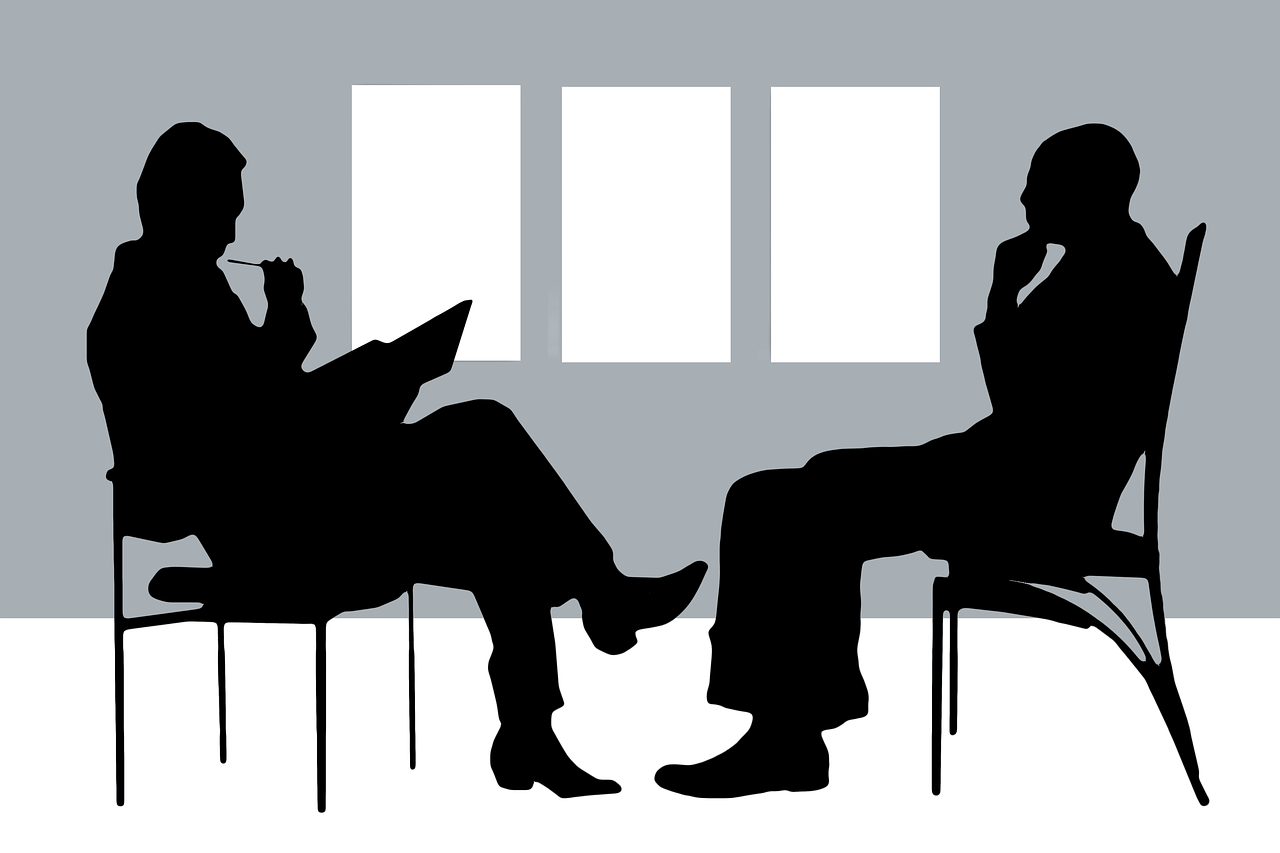
Therapist, Counselor or Social Worker?

By David Joel Miller, MS, Licensed Therapist & Licensed Counselor.

Therapist

Therapist.
Photo courtesy of Pixabay.com

LPCC, LMFT, or Social Worker?

Recently a number of people have asked me about the different mental health professions and which they should go to see. Students in my Substance Abuse Counseling classes also ask me about which career they should pursue. It might be helpful to talk about where these professions came from, what they do, and why you would choose to see or become one of these professionals. Many professionals in these fields are in recovery also and they often make excellent helpers.

Here is a brief explanation of my point of view on the subject. Remember that I am licensed as both a Licensed Professional Clinical Counselor (LPCC) and a Licensed Marriage and Family Therapist (LMFT), have taken classes in the Psychology Doctorate program but am a long way from finishing that one and that these are just my opinions.

The titles and what they are allowed to do depend on your jurisdiction.

California was the last of the 50 United States of America (North America) to license Professional Clinical Counselors. Substance abuse counselors in California are registered or certified not licensed and in some states, there are no requirements other than getting hired to do the work. Educational requirements and licensing rules can vary widely and have changed over the years.

These titles and what they may legally do vary from place to place. Check with your appropriate state or national agency to see what the regulations are in your location. Consumer protection agencies can sometimes tell you what the rules are in your locality.

Licenses, Job titles, and Educational degrees are not the same things.

Agencies hire people to work in a particular field. Not everyone who works in a social work agency has either an educational degree or a license in social work. Someone who processes welfare applications or inspects homes for child abuse or neglect may be called a social worker. Sometimes these workers have a degree in the field but not always. This depends on the rules of this agency.

If you are looking for work and have not yet finished your education there are far more entry-level positions for doing social work than any other of the behavioral health professions. There are two-year degrees (AA or AS) in social work and Substance abuse counseling but not much else in the Mental Health field. There are also many social work bachelor degrees that qualify you to work in the field but not to be a clinical social worker.

There is a large difference between a “social worker,” someone with a master’s degree in social work (MSW) and a Licensed Clinical Social Worker (LCSW.) To be an LCSW you would need to complete a master’s degree, complete a number of hours of supervised experience, and pass a test. LCSW’s spend a lot more time working with clients and some specialize in therapy around certain issues, such as foster family and abused or neglected children.

All of the licensed professions also have beginner categories of learners who are being trained and supervised by licensed people.

So what are the primary types of behavior health specialists?

They would be Social Workers, Marriage and Family Therapists, Clinical Counselors, psychologists, and Psychiatrists. Here is my oversimplified description of what each profession does. Let’s take a short look at a scenario that might show us how all these professions may interact with one family.

Police are called to the home where a domestic disturbance is in progress. The adults are both drunk and they are fighting. The kids are scared and under the bed. Parents are out of work and about to be evicted. Mom has a history of depression. Both parents are yelling about wanting a divorce.

So what does each profession do?

Social Workers (LCSW’s or beginners are called ASW)

They might be called to the scene. They will evaluate the home and maybe take the children into custody and place them in foster care. Once the parents are released from jail for the domestic violence charges the social worker might meet with the mother, get her in a battered woman’s shelter, arrange for both adults to attend substance abuse treatment, and enroll them in domestic violence counseling. A Licensed Clinical Social Worker could be assigned to work with the children to see if they have PTSD and need treatment for the effects of living in a violent home.

While an LCSW may do long-term therapy, they are specially trained in policy and referrals. They are likely to be running programs, deciding to leave the kids, or take them and making referrals to long-term treatment.

DV and substance abuse counselors

These professionals often have a short-term, two-year, or less training in their specialty. They are limited to working on one problem only and most often they must work for a licensed agency or under the supervision of a licensed person.

Parents may be required to complete a Substance abuse program and or Domestic Violence or anger management groups before the kids are returned to the home.

Once the parents stop drinking and they have learned how to control their anger, or not get angry in the first place they may decide to try to get back together.

Marriage and Family Therapists

Marriage and Family Therapists (LMFT’s, or MFT’s if they are licensed and beginners are called MFT interns or MFT trainees.)

MFT’s work from a systems approach that says that all humans have relationships and relationships are like dances. If one person changes, the others may change, and then the dance changes. So they would with couples or families on better communication and having a good relationship.  They most often work with the couple or the whole family at once. If they work with one person it is most often about that client’s learning skills to improve their relationship.

They might also have to tackle working with mom on how her depression or dad’s unemployment is affecting the kids and the family.

All the Marriage and Family Therapist programs I know of are 45-60 unit masters degrees. MFT’s often have bachelor’s degrees in all sorts of things unrelated to therapy. They frequently have had some life experiences that pointed them in this direction.

Professional Clinical Counselors (LPC or LPCC in California)

These counselors are specifically trained in mental health and problems solving. They might work with mom on changing her long-standing depression or they might work with dad on how to find a new job.

Should the marriage counseling fail they might also work on meditation and working out custody arraignments.

These three professions, LMFT, LCSW, and LPCC despite having differences in training may do very similar things. Beyond the basic degree or license, they are required to take continuing education classes each year. Some professional counselors or therapists specialize in a particular issue, some are generalists. If clients only had one problem we could all get really specialized but most people have multiple problems and so over time a counselor learns to work with clients on many issues.

Psychiatrists.

Psychiatrists are medical doctors with additional training in psychiatric medicines. Child Psychiatrists are even more specialized and unfortunately, there are never enough of these professionals. Because of the high demand for their services they are very busy. Most psychiatrists see clients for an initial “assessment” which is a medical assessment and very different from the counseling assessments we therapists do. After that first appointment, most psychiatrists will be seeing clients for a ten to fifteen-minute med check appointment every month or even every few months. They are looking for side effects of the medication and to see if they need to change meds or doses.

Psychiatrists generally do not have the time to spend talking with clients that are required for therapy. Most often they oversee the meds and refer the clients to see a counselor or therapist to work on the thought and behavior parts of the problem.

In our example of the couple above, the Social worker, therapist or counselor might refer the mother to a psychiatrist if the depression was severe. Some clients are so affected by their disorder that they can’t benefit from therapy until they are on medication. Some conditions are the result of changes in the brain and that person may need medication for the rest of their life. Meds may stabilize them but they will often need counseling for other problems like relationships and careers.

Psychologists.

This is a doctor’s level degree. I completed 6 units in this program before deciding that I did not have time for another degree and license. What their training appears to be directed towards are long-term problems. They can spend a lot of time studying, testing, and personality structure.

Many psychologists work with clients over the long-term on problems that are slow to change. They are also likely to be called upon to do evaluations for court or disability insurance.

In the example of the couple above the man might be court-ordered to see a psychiatrist who will determine if he should be allowed back around the family. The wife might be evaluated if she puts in for long-term disability saying she is so depressed or traumatized that she is unable to work.

So there you have it, a brief oversimplified outline of what the larger professions in the mental health field do. Whether you are a client or an aspiring professional you need to pick the profession that will be a good fit for you.

Licensed Professional Clinical Counselor (LPCC), Marriage and Family Therapists (LMFT), Social Workers, Psychiatrists, and Psychologists which is the right fit for you?

Staying connected with David Joel Miller

Seven David Joel Miller Books are available now!

My newest book is now available. It was my opportunity to try on a new genre. I’ve been working on this book for several years, but now seem like the right time to publish it.

Story Bureau.

Story Bureau is a thrilling Dystopian Post-Apocalyptic adventure in the Surviving the Apocalypse series.

Baldwin struggles to survive life in a post-apocalyptic world where the government controls everything.

As society collapses and his family gets plunged into poverty, Baldwin takes a job in the capital city, working for a government agency called the Story Bureau. He discovers the Story Bureau is not a benign news outlet but a sinister government plot to manipulate society.

Bumps on the Road of Life. Whether you struggle with anxiety, depression, low motivation, or addiction, you can recover. Bumps on the Road of Life is the story of how people get off track and how to get your life out of the ditch.

Dark Family Secrets: Doris wants to get her life back, but small-town prejudice could shatter her dreams.

Casino Robbery Arthur Mitchell escapes the trauma of watching his girlfriend die. But the killers know he’s a witness and want him dead.

Planned Accidents  The second Arthur Mitchell and Plutus mystery.

Letters from the Dead: The third in the Arthur Mitchell mystery series.

What would you do if you found a letter to a detective describing a crime and you knew the writer and detective were dead, and you could be next?

Sasquatch. Three things about us, you should know. One, we have seen the past. Two, we’re trapped there. Three, I don’t know if we’ll ever get back to our own time.

For these and my upcoming books; please visit my Author Page – David Joel Miller

Want the latest blog posts as they publish? Subscribe to this blog.

For videos, see: Counselorssoapbox YouTube Video Channel
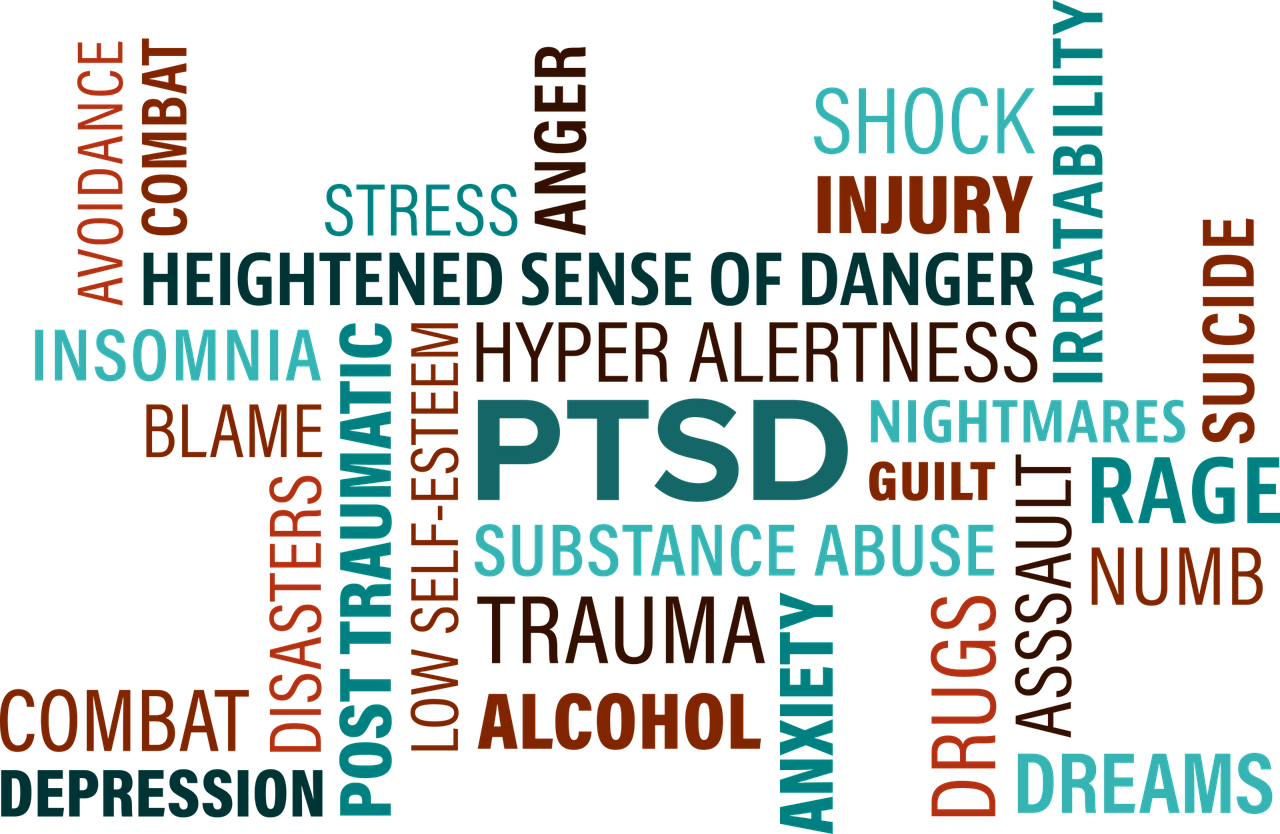
Posttraumatic Growth (PTG) vs. Posttraumatic Stress Disorder (PTSD)

By David Joel Miller, MS, Licensed Therapist & Licensed Counselor.

Words about PTSD

PTSD.
Photo courtesy of Pixabay.com

How are PTSD, PTG, and Resilience related?

Is some sort of personal growth possible as a result of living through a traumatic experience? Recently researchers have begun to study the concept of Posttraumatic Growth (PTG.) There has always been a body of literature about how some difficulty might spur changes in a person and lead to a new way of seeing life. But could something that was so severe a stressor as to be traumatic really lead to positive growth? And if that change might happen, why? What characteristics of the person, the treatment they received, or their support system might transform Posttraumatic Stress into Posttraumatic Growth?

Zoellner & Maercker defined PTG as “the subjective experience of positive psychological change reported by an individual as a result of the struggle with trauma.” So far studies of PTG have been lacking and those that have taken place include mostly groups of people who are different from the clients we see in therapy who have PTSD. For example, many patients with PTSD also have co-occurring substance abuse disorders. Most studies of PTG have excluded clients with substance use disorders. We know from many individual reports that overcoming substance abuse especially in clients with PTSD can result in the client developing a new way of seeing the world and many in recovery report that they have grown as a result. Clients with suicidal thoughts have also been excluded from studies of PTG despite the recurrence of clients telling us that being hospitalized for a mental illness, especially with suicidal thoughts, can be a life-altering experience.

Hagenaars & van Minnen (Journal of Traumatic Stress, Vol. 23, No. 4, August 2010, pp. 504–508 (c 2010), conducted a study using Exposure Therapy. The therapy included steps beginning with low-intensity experiences such as “Patients were asked to close their eyes and talk about the traumatic event in the first person and in the present tense, recollecting as many sensory details as vividly as possible, i.e., as if the trauma was happening “here and now.” The intensity progressed to real-life situations. This procedure is similar to systematic desensitization procedures in use for specific phobias.

So what did they find? The more PTG the less PTSD and vice versa. Also, the more someone was “emotionally numb” the less likely they were to benefit from the treatment, and the less likely they were to have PTG. They concluded that an inability to feel emotions is related to an inability to grow. So the ability to face problems leads to growth and the inability to face problems leads to staying stuck in the problem. Unfortunately, this leads us around in a circle to the place we started. Resilient people can grow as a result of trauma but trauma can make you less resilient especially repeated traumas.

Some clients who have been forced to relive traumatic events become re-traumatized. So sometimes the exposure techniques make you better but the same treatment can also make you sicker. How do you choose? Clients who share about trauma in a safe environment seem to get positive benefits; those who are cross-examined for details get worse. So, in the end, the value or damage of the technique depends on the relationship. This is one reason that group counseling is so appealing. People with similar traumas feel safer in talking about them in a group that has had a similar experience. Counselors who are seen as accepting help and rejecting professionals harm. It is in the case of PTSD as in other therapy – all about the relationship.

One further problem with the concept of PTG, how do we know it happens? Mostly we measure it by the client’s subjective report. They say they grew as a result of the trauma so that is evidence. But how did they grow? Did they take new actions or did they have a change of attitude? Maybe both? People who are spurred to action appear to grow more.

We also suspect that PTG is related to resilience. So do resilient people have more growth as a result of a traumatic event or do people who overcome a traumatic event become more resilient?

We know that PTG reduces PTSD symptoms and that the process of growth is related to resilience somehow. It is also clear that there is a lot more PTSD out there than we wanted to recognize. The challenge is making use of the things we learn in research and theory to help the clients who walk in the door in their journey from Posttraumatic Stress Disorder (PTSD) to Posttraumatic Growth (PTG.)

Do any of you have experiences with Posttraumatic Stress Disorder (PTSD) or Posttraumatic Growth (PTG) you would care to share?

This post was featured in “Best of Blog – May 2012

For more information on Stress and PTSD see:

Posttraumatic Stress Disorder – PTSD and bouncing back from adversity

8 warning signs you have PTSD

Acute Stress Disorder vs. PTSD 

Staying connected with David Joel Miller

Seven David Joel Miller Books are available now!

My newest book is now available. It was my opportunity to try on a new genre. I’ve been working on this book for several years, but now seem like the right time to publish it.

Story Bureau.

Story Bureau is a thrilling Dystopian Post-Apocalyptic adventure in the Surviving the Apocalypse series.

Baldwin struggles to survive life in a post-apocalyptic world where the government controls everything.

As society collapses and his family gets plunged into poverty, Baldwin takes a job in the capital city, working for a government agency called the Story Bureau. He discovers the Story Bureau is not a benign news outlet but a sinister government plot to manipulate society.

Bumps on the Road of Life. Whether you struggle with anxiety, depression, low motivation, or addiction, you can recover. Bumps on the Road of Life is the story of how people get off track and how to get your life out of the ditch.

Dark Family Secrets: Doris wants to get her life back, but small-town prejudice could shatter her dreams.

Casino Robbery Arthur Mitchell escapes the trauma of watching his girlfriend die. But the killers know he’s a witness and want him dead.

Planned Accidents  The second Arthur Mitchell and Plutus mystery.

Letters from the Dead: The third in the Arthur Mitchell mystery series.

What would you do if you found a letter to a detective describing a crime and you knew the writer and detective were dead, and you could be next?

Sasquatch. Three things about us, you should know. One, we have seen the past. Two, we’re trapped there. Three, I don’t know if we’ll ever get back to our own time.

For these and my upcoming books; please visit my Author Page – David Joel Miller

Want the latest blog posts as they publish? Subscribe to this blog.

For videos, see: Counselorssoapbox YouTube Video Channel