
We remember the unique not the ordinary – memory is about choices.

By David Joel Miller, MS, Licensed Therapist & Licensed Counselor.
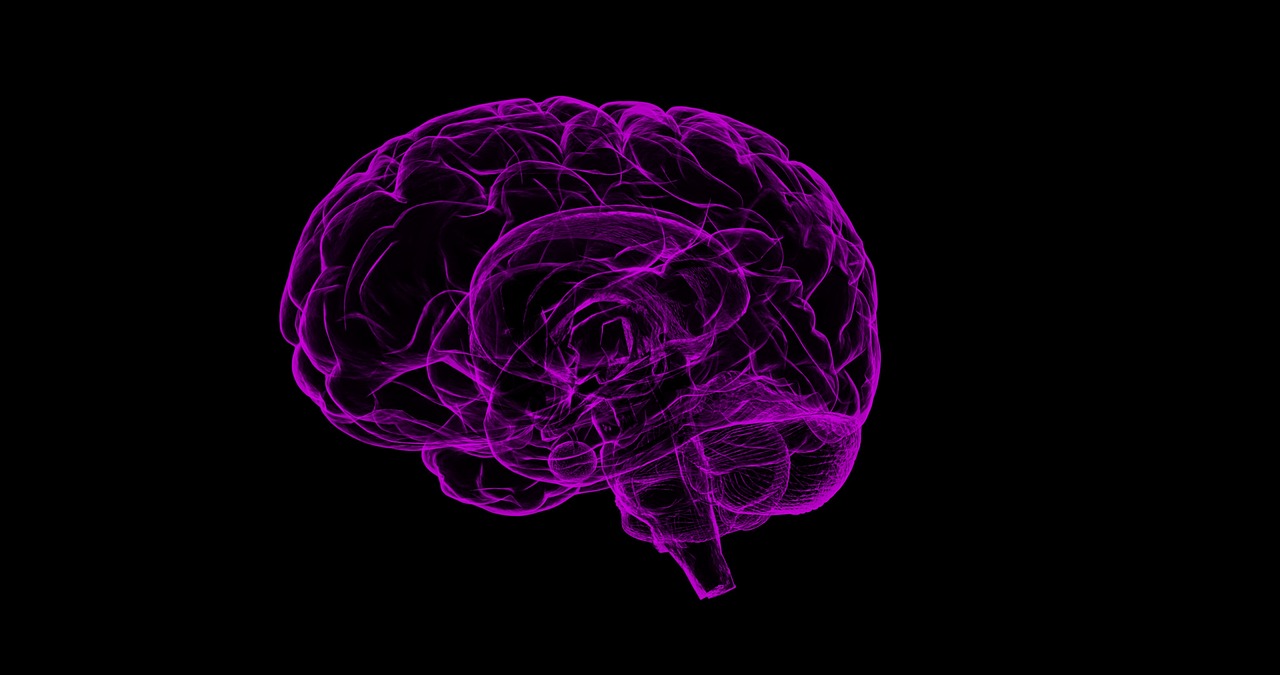
Brain

Memory.
Photo courtesy of Pixabay.com

The tale of an alligator dinner.

Unique events make a deep impression and are stored more deeply, more thoroughly in our brains. Common everyday events pass us by with barely a second glance. Humans are “cognitive misers.” Our brains don’t waste storage space on things unless the brain considers it important to pay attention to this item or event.

Want to remember something for a long time, make sure that person or event makes a unique impression on you. This impression is not just about the person or event, it is also about the choices you make and the attention you pay to the things you do.

In my younger days, so the story goes, I did a good bit of traveling. In those travels, I have been to my fair share of festivals and then some. More than one city holds an annual Strawberry Festival.

There are countless “vegetation festivals” all complete with their respective vegetation Queens. Broccoli festivals, Asparagus festivals, Onion festivals, and Artichoke festivals, the list is almost endless. After a while, one vegetation festival looks a lot like the next.

Each and every festival has its share of festival food. The Garlic Festival featured garlic ice cream which I decided to pass on. I can’t recall how the vanilla ice cream I bought that day tasted. I may have missed a bet by passing on the Garlic ice cream.

Most of the time at these festivals I get hungry. So do those I was with. Guess what we ate? Most days it was hamburgers and the like. Do I have any idea which was better, the burger at the Broccoli festival or the burger at the Artichoke Festival? Not a chance!

What I do remember was the Alligator at the seafood festival. I assume it was real alligator, though it was in a heavy garlic sauce so who can be sure. That same food vendor may well have sold that same menu at the garlic festival also.

Frankly, my particular alligator was not only heavy in garlic but also a bit overcooked and rubbery. Now if you eat alligator on a regular basis you can comment and tell me if good alligator should taste rubbery like B.F. Goodrich or not.

My point is that while I could not tell you about a whole lot of festival food, I will never forget that Alligator meal. The reason it was unforgettable was that it was, to me, so very unusual.

Commonplace items do not make much of an impression on us no matter how good. But the unusual, that impression good or bad, will last and last.

Not everyone can chase down some alligator for dinner tonight, I give you that, and those who do find it on the menu where they eat may be quite tired of it at this point.

My point here is that given the choice, go for the unusual, the thing you have never tried before because you will remember the unique item long after the ordinary is forgotten.

Looking for the unique can really help you remember. That is not restricted to totally unique things or events. Find one unique quality and that will anchor the memory and help you hold onto it a whole lot longer.

Trouble for many of us is that if you do not know what you are looking at you may not be able to see the unique when it slides off your plate, so to speak.

In the next few posts, we are still talking about memory improvement and mental efficacy here, I want to tell you about how to find the unusual when you don’t know what you are looking at. We also want to find out how to find the unusual in what at first look appears to be an ordinary person or place. With those skills, things that you used to pass by and forget in an instant can stay in your memory for as long as you chose.

Memory improvement skills do not come instantly so you will need to practice the skill a bit. It is a whole lot more fun to practice memory skills than to keep forgetting who you are and where you live.

Practice your memory skills and remember to check back the rest of the month for more on memory improvement and self-help skills.

Staying connected with David Joel Miller

Seven David Joel Miller Books are available now!

My newest book is now available. It was my opportunity to try on a new genre. I’ve been working on this book for several years, but now seem like the right time to publish it.

Story Bureau.

Story Bureau is a thrilling Dystopian Post-Apocalyptic adventure in the Surviving the Apocalypse series.

Baldwin struggles to survive life in a post-apocalyptic world where the government controls everything.

As society collapses and his family gets plunged into poverty, Baldwin takes a job in the capital city, working for a government agency called the Story Bureau. He discovers the Story Bureau is not a benign news outlet but a sinister government plot to manipulate society.

Bumps on the Road of Life. Whether you struggle with anxiety, depression, low motivation, or addiction, you can recover. Bumps on the Road of Life is the story of how people get off track and how to get your life out of the ditch.

Dark Family Secrets: Doris wants to get her life back, but small-town prejudice could shatter her dreams.

Casino Robbery Arthur Mitchell escapes the trauma of watching his girlfriend die. But the killers know he’s a witness and want him dead.

Planned Accidents  The second Arthur Mitchell and Plutus mystery.

Letters from the Dead: The third in the Arthur Mitchell mystery series.

What would you do if you found a letter to a detective describing a crime and you knew the writer and detective were dead, and you could be next?

Sasquatch. Three things about us, you should know. One, we have seen the past. Two, we’re trapped there. Three, I don’t know if we’ll ever get back to our own time.

For these and my upcoming books; please visit my Author Page – David Joel Miller

Want the latest blog posts as they publish? Subscribe to this blog.

For videos, see: Counselorssoapbox YouTube Video Channel
Are Wiccans Schizoid? Are African-Americans?

By David Joel Miller, MS, Licensed Therapist & Licensed Counselor.

Who is Schizoid?

These kinds of search questions come up periodically. Sometimes I feel like these questions need to be answered even at the risk of making some people mad. I think we need to look at Schizoid personality disorder and other psychosis and its relationship to religious and racial minorities even at the risk of making a whole lot of people angry.

Wow, religion and race in one post, guaranteed to piss someone off!

Particular religious groups have been connected with various mental illnesses from time to time. In fact, even in professional trainings, Wiccans, members of a particular recognized religion, get connected with mental illness especially Schizoid personality disorder or Schizotypal disorder frequently. There was a time that minority races were mostly considered to suffer from mental illnesses also.

So first let’s look at what is Schizoid personality disorder and then why races and religions get connected to particular disorders.

At this point, before the hate mail starts arriving, I would like to point out, for better or worse, that I do indeed know people; some yes are even friends, of both the Wiccan and the African-American persuasions. As an aside I have also made the acquaintance of a few assorted Muslims, Christians, Atheists, Israelis, Palestinians, an Icelander, and one person who might be described as a genetic Republican. Most of whom I consider more or less friends through no fault of theirs. I have left a few others out of this post because I could not spell their race or religion.

This issue of who or what is Schizoid is somewhat clouded by the way in which classification of personality disorders will change when the DSM-5 comes out in May. Some disorders stay, some go and then we reenter the whole question of are any diagnosis real? This is the old Categories versus dimensions controversy. Some people clearly have enough symptoms to get a diagnosis but what about people with only a few symptoms are they normal? Do they have a slight disorder? Or will we need to create a billion or so individual symptom severities to fit each and every one? I will leave that one to the authors of the DSM-5.

DSM-5 update.

Mostly they left the personality disorders alone.

What we currently think of as Schizoid personality characteristics is a person who:

Is detached from social relationships and has a restricted range of expressing emotions in interpersonal situations, and this has been going on since they reached adulthood. (I am crudely paraphrasing from the DSM-4-TR here) and they have 4 or 7 characteristics listed below and they do not have another mental illness that explains their symptoms.

You math majors out there will note that 4 of 7 symptoms allows for 840 possible combinations of symptoms. We clinician types also get to interpret whether you have or do not have any one of these symptoms which can result in a lot of disagreement between clinicians.

The seven symptoms to choose from are:

1. Does not enjoy or want close relationships including being part of a family

In addition to schizoid personality disorder this might fit people who have faced abuse or discrimination and as a result, avoid close relationships.

2. Almost always chooses solitary activities

These criteria could also fit gamers and those who are addicted to the internet.

3. Has little interest in having sex.

This could be the result of past aversive experiences.

4. Takes pleasure in few if any activities

This sounds a bit like depression so does the lack of interest in sex above, this will make it harder but not impossible for gamers to get this diagnosis.

5. Lacks friends other than first-degree family members.

Lots of victims of discrimination and immigrants could fit this criterion.

6. Appears indifferent to praise or criticism of others.

This fits lots of people with learned helplessness and those who live in non-affirming environments. Why seek praise or affirmation if when you expose your emotional self you will not be liked for who you are.

7. Shows emotional coldness, detachment, or flattened affect.

People who face discrimination may hide their true selves and restrict their emotions in public situations. If you get abused for your differentness you may keep your feelings inside even at home.

Now someone with a true personality disorder has these symptoms, most or all of them all the time and not just when in social settings. But can you see how someone who has faced discrimination or is a member of a religion with unusual beliefs could try to avoid expressing those feelings around others who might attack or punish you for being who you are?

Can you see how mental health could be used to punish people who were different racially or religiously and then when they try to keep who they are a secret to avoid that discrimination they could be labeled withdrawn and uninterested in others?

Sure some people with certain mental illnesses could be attracted to certain religious or political causes, but to move over into thinking that people of any one religion or race are probably suffering from any one mental illness is wrong and potentially dangerous.

Besides, I think the people who wrote these search terms probably had Schizoid personality disorder and Schizotypal personality disorder confused. Schizotypal probably fits some rock and rollers and celebrities better than it fits Wiccan and African-Americans but it also gets thrown on anyone who is different way too often.

Schizotypal people wear funny clothing like straw hats and suspenders – or are those farmers? See how easy it is to think that people who are different from you must be sick in some way?

Before we start thinking that people who are different must somehow be mentally ill, think back to those basic criteria. Does this person’s problem or behavior interfere with their ability to work, have friends and family or does it upset them? If not they shouldn’t get a mental health diagnosis just because they are different.

Staying connected with David Joel Miller

Seven David Joel Miller Books are available now!

My newest book is now available. It was my opportunity to try on a new genre. I’ve been working on this book for several years, but now seem like the right time to publish it.

Story Bureau.

Story Bureau is a thrilling Dystopian Post-Apocalyptic adventure in the Surviving the Apocalypse series.

Baldwin struggles to survive life in a post-apocalyptic world where the government controls everything.

As society collapses and his family gets plunged into poverty, Baldwin takes a job in the capital city, working for a government agency called the Story Bureau. He discovers the Story Bureau is not a benign news outlet but a sinister government plot to manipulate society.

Bumps on the Road of Life. Whether you struggle with anxiety, depression, low motivation, or addiction, you can recover. Bumps on the Road of Life is the story of how people get off track and how to get your life out of the ditch.

Dark Family Secrets: Doris wants to get her life back, but small-town prejudice could shatter her dreams.

Casino Robbery Arthur Mitchell escapes the trauma of watching his girlfriend die. But the killers know he’s a witness and want him dead.

Planned Accidents  The second Arthur Mitchell and Plutus mystery.

Letters from the Dead: The third in the Arthur Mitchell mystery series.

What would you do if you found a letter to a detective describing a crime and you knew the writer and detective were dead, and you could be next?

Sasquatch. Three things about us, you should know. One, we have seen the past. Two, we’re trapped there. Three, I don’t know if we’ll ever get back to our own time.

For these and my upcoming books; please visit my Author Page – David Joel Miller

Want the latest blog posts as they publish? Subscribe to this blog.

For videos, see: Counselorssoapbox YouTube Video Channel

5 things you need to ask yourself about mistakes to avoid making them again

By David Joel Miller, MS, Licensed Therapist & Licensed Counselor.

Mistakes and errors

Mistakes.
Photo courtesy of Pixabay.com

Why your brain may be hiding things from you.

The theme of this blog is recovery and having a happy life. But we can’t create that happy life by hiding from the pain of the past.  No introspection or inventory would be complete without a look at some of the negative or the less than positive memories.

In a previous post, we explored some of the happy times in your life, now it is time to look deeply at some other aspects of the you and see what is there – deep inside you.

I recommend writing the answers to these questions down if at all possible. Creating a journal or instruction book for your life gives you a reference book to look back at. The process of writing things down helps get things out and often we find that things come out in writing we never realized until they appear before us on paper.

1. How has health and wellness affected your life?

When have you faced prolonged illness or health challenges and how has that affected your happiness? If you haven’t had the experience of being sick how has your good health affected your moods and what have you learned from that?

Many a person’s life has been shaped by a period of illness they experienced in childhood. If you were sick for a while, what did you do during that time? Did you have a caretaker that you spent time with? How did they affect you and how do you remember that time? Did the things that person said and did with you affect who you became.

If you were seriously ill and spent time in the hospital, how have those experiences influence who you became? Did you face those challenges with a family member or friend or did you feel very alone?

Did you have a family member that had health challenges? Did you help care for them? How has being a caregiver in childhood affected you?

What lessons did you learn and what did you tell yourself as a result of these experiences?

2. What are your bad qualities?

What would you say are your flaws?

Some gemstones are made more beautiful by their flaws. Your defects of character are there for a reason and your life task is to see what use you can make of those qualities others may not appreciate.

You can’t change things you are not aware of.

Asking people about their bad characteristics is a common interview question. It is surprising how many people have no idea of either their strengths or their weaknesses. Even fewer people have faced their weaknesses and done something to overcome them.

3. If you could change one thing about yourself what would it be?

Would you change your appearance? Would you change your hair? Would you be taller or shorter? Can you accept you just the way you are?

Would the change you make be on the inside? Would you be willing to give up anger or shyness?

Some recovered people do not regret anything about their past. They have come to terms with their failings and now can see how those problems from their past have made them stronger and better people as a result.

Can you truly say that you do not regret your past, even the mistakes? Can you also say that while you may not regret the past or want to change it, you would not want to repeat those mistakes or have to live through those hard times again?

4. If you could change three things about yourself what would these things be?

Are these things like height and appearance that really can’t be changed all that much or are they things like weight and education that you might be able to change if you put in the effort?

You may not be able to make yourself smarter but you can get more education. The smartest people are not always the ones who achieve the most in life. People who take an honest look at themselves and change what they can, while accepting what they can’t change, go a lot further in life.

We often make the mistake of thinking that if we could change things on the outside, where we live, how much money we have, our job or our partner, change that and then we would be happy.

What sometimes happens is that we change ourselves, do the work of real inner change. As a result of those changes on the inside we become happy and content and then the things on the outside, our external things begin to change.

5. What are your greatest life regrets?

If you got some “do-overs” what things would you want to go back and do differently? Are there things that you would not change but that you hope you never have to undergo again? If your today-self could tell your five-year-old-self something what would that be? You can repeat this exercise for various ages and see what advice you can now give to the you’s that used to be.

Lastly ask yourself what the person you will be in the future, at retirement age or beyond, what advice would that older-self give the you that exists now? Consider taking some of these pieces of advice from the current self to the childhood self and from the future older self to the present person you are. How would following that advice change the way you are living now?

Staying connected with David Joel Miller

Seven David Joel Miller Books are available now!

My newest book is now available. It was my opportunity to try on a new genre. I’ve been working on this book for several years, but now seem like the right time to publish it.

Story Bureau.

Story Bureau is a thrilling Dystopian Post-Apocalyptic adventure in the Surviving the Apocalypse series.

Baldwin struggles to survive life in a post-apocalyptic world where the government controls everything.

As society collapses and his family gets plunged into poverty, Baldwin takes a job in the capital city, working for a government agency called the Story Bureau. He discovers the Story Bureau is not a benign news outlet but a sinister government plot to manipulate society.

Bumps on the Road of Life. Whether you struggle with anxiety, depression, low motivation, or addiction, you can recover. Bumps on the Road of Life is the story of how people get off track and how to get your life out of the ditch.

Dark Family Secrets: Doris wants to get her life back, but small-town prejudice could shatter her dreams.

Casino Robbery Arthur Mitchell escapes the trauma of watching his girlfriend die. But the killers know he’s a witness and want him dead.

Planned Accidents  The second Arthur Mitchell and Plutus mystery.

Letters from the Dead: The third in the Arthur Mitchell mystery series.

What would you do if you found a letter to a detective describing a crime and you knew the writer and detective were dead, and you could be next?

Sasquatch. Three things about us, you should know. One, we have seen the past. Two, we’re trapped there. Three, I don’t know if we’ll ever get back to our own time.

For these and my upcoming books; please visit my Author Page – David Joel Miller

Want the latest blog posts as they publish? Subscribe to this blog.

For videos, see: Counselorssoapbox YouTube Video Channel
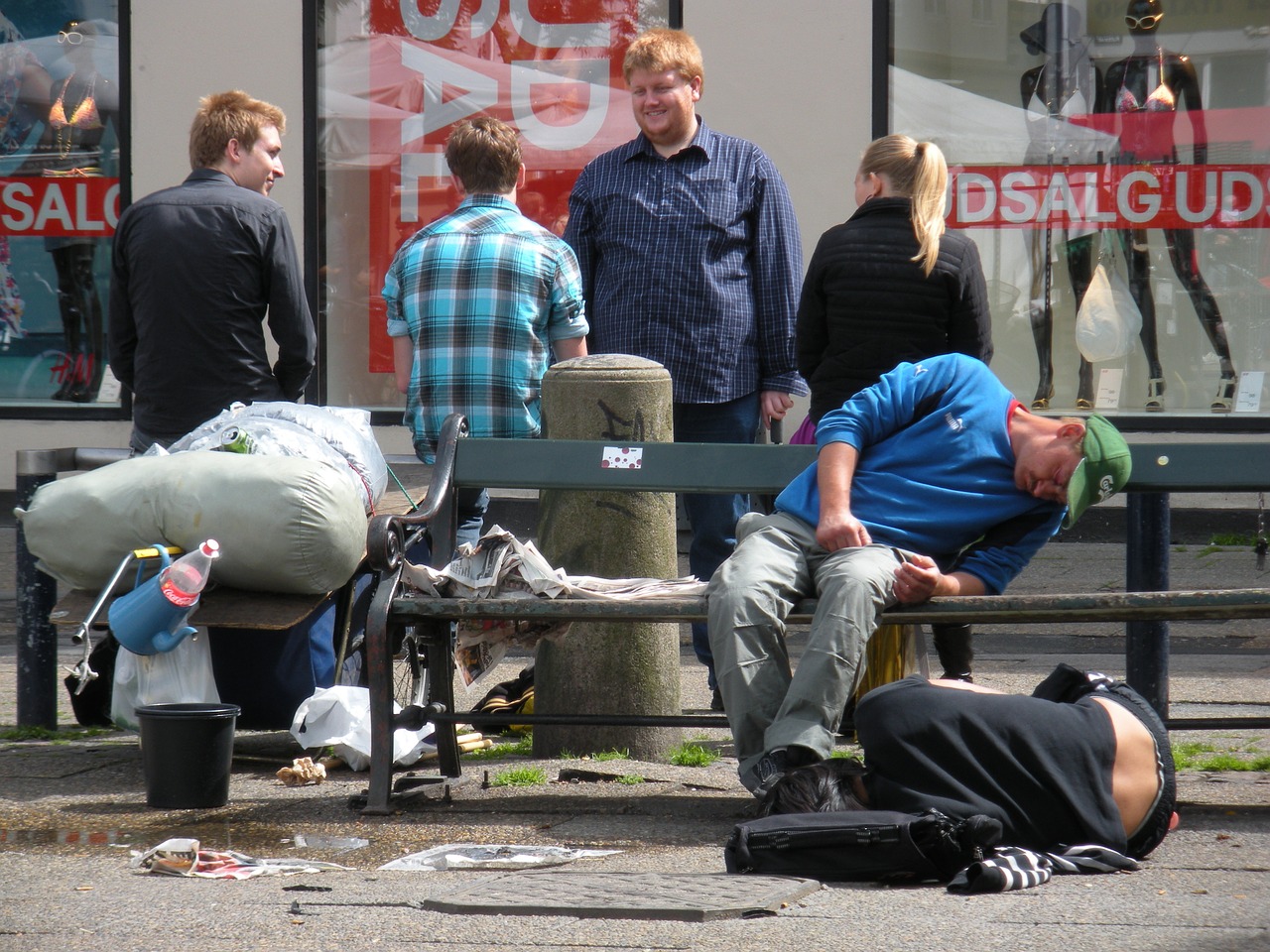
What is confabulation? Relationship to false memories and Wernicke-Korsakoff’s syndrome

By David Joel Miller, MS, Licensed Therapist & Licensed Counselor.

What is confabulation?
Photo courtesy of pixabay.

What is confabulation?

Confabulation is sometimes called “honest lying” because the person telling the tale actually believes that it is true despite the apparent inaccuracy of their story.  It is related to false memories but appears to have specific causes other than incorrect memory storage and retrieval or implanted false memories.

Confabulation is that tendency for the brains of people who can’t remember things to try to fill in the gaps of missing memory thereby making up an explanation that will answer questions. This is particularly common among chronic alcoholics, though other brain issues also cause these symptoms.

It is common in chronic alcoholics, particularly those with Wernicke-Korsakoff’s syndrome. These two syndromes used to be listed separately but current usage is to consider them both parts of the same disorder.

The Wernicke part has to do with eye movements, confusion, uncoordinated movement and sometimes even losing consciousness followed by death, which is always a bad side effect of any activity.

Wernicke-Korsakoff’s syndrome is caused by a lack of Thiamine (vitamin B-1) as a result of chronic alcoholism or malnutrition.  This condition is sometimes referred to in alcoholism literature as “wet brain.” While it is treatable to some degree many chronic alcoholics never recover from the condition. In addition to confabulation and blackouts, people with Korsakoff’s syndrome develop amnesia, lack insight, have reduced speech, and stop caring about themselves and others.

The brains of chronic alcoholics shrink in volume and cells stop working resulting in many defects in thinking and memory.

Some authors report that confabulation results from gaps in the memory do to Blackouts or brownouts after which the brain needs to fill in the gaps by adding details from other events in the alcoholic’s life or by suggesting things that are possible even if they did not happen.

Sometimes these explanations are fantastic but it is the only explanation the person with confabulation can imagine. Confabulation can occur even without amnesia and can be extra details added to memories.

With repeated efforts to fill in those gaps in memory, the alcoholic begins to believe those created memories.

Confabulation is also seen in people with traumatic brain injuries, Alzheimer’s disease, or those with a severe mental illness which has interfered with the accurate storing of memories. This and other memory problems can also be found in people with eating disorders or excessive vomiting which results in poor nutrition to the brain.

Confabulation is most commonly verbal as in storytelling to self and others. It can become actions when the impaired person believes the story and takes action on that false memory.

The person confabulating can become confused and mix events from their real-life experiences with fictional accounts and stories they have heard in the past. They are especially at risk to confuse time, believing they did something yesterday which they did months or even years ago. They will swear they attended an appointment yesterday at an agency they have not visited in many months or possibly years.

Those with Korsakoff’s syndrome also get sources of information confused believing that they were told something by a counselor or case manager when they heard it from a friend or drinking buddies.

This might be a good place to repeat the rule of counseling. If there is any chance that the symptoms are caused by a medical condition and Wernicke-Korsakoff’s syndrome, eating disorders and other conditions causing confabulation clearly have medical causes, see a medical doctor first.

Mental health treatments are only effective once the medical issues are managed.

This post was, I realize, a bit brief. I thought while we were talking about thinking problems that affect memory it was important to remind readers of the way in which alcohol, drugs, and medical issues might be impacting those memory issues.

It would be a mistake to dismiss memory issues, confabulation, or other thinking defects as being purely psychological or learning-based, without the client having been checked out by a medical doctor to rule out underlying medical issues.

Here is hoping that this post on confabulation, Wernicke-Korsakoff’s syndrome, and false memories was helpful and got you thinking about these issues.

Staying connected with David Joel Miller

Seven David Joel Miller Books are available now!

My newest book is now available. It was my opportunity to try on a new genre. I’ve been working on this book for several years, but now seem like the right time to publish it.

Story Bureau.

Story Bureau is a thrilling Dystopian Post-Apocalyptic adventure in the Surviving the Apocalypse series.

Baldwin struggles to survive life in a post-apocalyptic world where the government controls everything.

As society collapses and his family gets plunged into poverty, Baldwin takes a job in the capital city, working for a government agency called the Story Bureau. He discovers the Story Bureau is not a benign news outlet but a sinister government plot to manipulate society.

Bumps on the Road of Life. Whether you struggle with anxiety, depression, low motivation, or addiction, you can recover. Bumps on the Road of Life is the story of how people get off track and how to get your life out of the ditch.

Dark Family Secrets: Doris wants to get her life back, but small-town prejudice could shatter her dreams.

Casino Robbery Arthur Mitchell escapes the trauma of watching his girlfriend die. But the killers know he’s a witness and want him dead.

Planned Accidents  The second Arthur Mitchell and Plutus mystery.

Letters from the Dead: The third in the Arthur Mitchell mystery series.

What would you do if you found a letter to a detective describing a crime and you knew the writer and detective were dead, and you could be next?

Sasquatch. Three things about us, you should know. One, we have seen the past. Two, we’re trapped there. Three, I don’t know if we’ll ever get back to our own time.

For these and my upcoming books; please visit my Author Page – David Joel Miller

Want the latest blog posts as they publish? Subscribe to this blog.

For videos, see: Counselorssoapbox YouTube Video Channel

How did you know that? When and where we learn things matters.

By David Joel Miller, MS, Licensed Therapist & Licensed Counselor.

Memory.
Photo courtesy of Pixabay.com

You know you know something but can’t remember why.

Lately, I am having this problem more and more. How about you? And no it is not just about age. Seems that preschoolers have this same problem. It has to do with differing types of memories that were stored in different ways.

I go to write about something, maybe I remember a fact or a quote but I can’t for the life of me remember which book or article, out of the hundreds I have read, I got that from. I don’t want to just plagiarize someone else’s idea but at what point does it move from being something someone else told me and become something I just know because I know it?

Some things we know because of verbal memory. I know that George Washington was the first president of the United States; I also know that there was a thing called the Hundred Years War. I do not for the life of me remember when and where I first learned about either of those things.

This type of memory is semantic as in words or stories type memories. We know about Washington and the hundred acres woods or was that the hundred years war? But who told us.

There are other things that I remember clearly when and where I was the first time I heard about something. In that case, I can clearly tell you who it was that told me all about that “fact.” These specific learning experiences are called “episodic memories.”

The distinction between these two kinds of knowledge gets glossed over a lot. The result can be that we believe “facts” because someone told us and now, not remembering who it was that said that first; we just accept this as true. What if the person who told us that was wrong?

The source of our “facts” is important also.

This idea of separating out the things we just know from general knowledge and those things we can tell the exact time and place where we learned it has been studied in children. (See Bemis, et al., 2011, note that for once I found one of the studies that I was thinking of.)

Their study on very young children, looked at the times the kids could tell you specifically when and where they were when they first learned something and the times they felt they “just knew” something. They came up with some interesting ideas, albeit the conclusions are a bit tentative. But research types never seem to know anything for sure they just know they need to study this more.

Even in preschool kids, females seem more likely to remember the story of when they learned something rather than to just know that fact. Boys at that age just take it for granted they know what they know, more often than girls. Don’t lay this on genetics though. Researchers have concluded that this comes from the way the parents were spending more time telling their daughters stories about why things were the way they were as opposed to just saying to boys things were that way because they were.

When a little boy tells you he is smart or handsome he believes this is just because it is so. A little girl will be able to provide evidence. She is smart because her grandma said so. She is also cute because dad says so and very cantankerous, whatever that is because mom said so. See the difference between these two approaches?

Kids of both genders reported a variety of times and places they had learned things. They could also at a very early age report whether they saw something, heard it, read it in a book or learned it during an activity like a game.

This variation in how they knew when and where they learned things goes to the basic learning styles. Some people just learn things better when they see them and others when they read or hear and so on. Unfortunately, despite which way you may be best at learning we try to cram all kids into the same learning style. As they move along in school fewer, not more, ways of learning are likely to be emphasized.

Older kids are more likely than younger ones to remember when and where they learned something but the little ones could still describe the time and place that they first learned a particular fact.

This is back to the impact of that first impression. If the first time you learned about pigs you saw grandma feeding one, this is a whole lot different than if you saw “P is for Pig” in a storybook.

Boys do appear to be better able to learn from seeing things even from a very young age. Girls pick things up better from actually doing things. How much of those differences are the boys and girls and how much comes from the way mommies and daddies treat kids is open to debate?

The takeaway here is that we may remember lots of things we think are so, but not as many things that we can say when and where we learned them. Sometimes we might want to question those things we know but can’t say why we know them.

Remember that you heard this on counselorssoapbox.com OK?

  • Forgetting things may not be a memory problem (counselorssoapbox.com)
  • Learning to feel (counselorssoapbox.com)
  • Your autobiography as therapy (counselorssoapbox.com)
  • Mental Health, Self-improvement & Happy life – Counselorssoapbox.com January 2013 Best of Blog (counselorssoapbox.com)
  • Are you a Mind Reader? (counselorssoapbox.com)

  • Staying connected with David Joel Miller

    Seven David Joel Miller Books are available now!

    My newest book is now available. It was my opportunity to try on a new genre. I’ve been working on this book for several years, but now seem like the right time to publish it.

    Story Bureau.

    Story Bureau is a thrilling Dystopian Post-Apocalyptic adventure in the Surviving the Apocalypse series.

    Baldwin struggles to survive life in a post-apocalyptic world where the government controls everything.

    As society collapses and his family gets plunged into poverty, Baldwin takes a job in the capital city, working for a government agency called the Story Bureau. He discovers the Story Bureau is not a benign news outlet but a sinister government plot to manipulate society.

    Bumps on the Road of Life. Whether you struggle with anxiety, depression, low motivation, or addiction, you can recover. Bumps on the Road of Life is the story of how people get off track and how to get your life out of the ditch.

    Dark Family Secrets: Doris wants to get her life back, but small-town prejudice could shatter her dreams.

    Casino Robbery Arthur Mitchell escapes the trauma of watching his girlfriend die. But the killers know he’s a witness and want him dead.

    Planned Accidents  The second Arthur Mitchell and Plutus mystery.

    Letters from the Dead: The third in the Arthur Mitchell mystery series.

    What would you do if you found a letter to a detective describing a crime and you knew the writer and detective were dead, and you could be next?

    Sasquatch. Three things about us, you should know. One, we have seen the past. Two, we’re trapped there. Three, I don’t know if we’ll ever get back to our own time.

    For these and my upcoming books; please visit my Author Page – David Joel Miller

    Want the latest blog posts as they publish? Subscribe to this blog.

    For videos, see: Counselorssoapbox YouTube Video Channel
Why memories keep changing

By David Joel Miller, MS, Licensed Therapist & Licensed Counselor.

Old pictures

Memories.
Photo courtesy of Pixabay.

You think your memories don’t change?

What if memories were like time travel in the science fiction stories? Every time you visit them there is a risk that you will do or say something that could change that memory and as a result, your personal history would change?

Researchers in memory quote Endel Tulving as saying that is exactly what is happening to many of us much of the time. Those memories we think were exactly so, they have changed for us every time we revisit them. Let me explain how this works.

We have some things stored in our memories as pictures. That place you worked at, the people who worked with you, what your office looked like. Years later you might remember that setting. Or do you?

Over time the office changes. You move furniture around, the company gets a new copier and then a newer computer system, your brain stores those new pictures. It updates the scene “what the office looks like.”

During this time your coworker may change her look. She gets a new hairstyle and wears different clothes and then gains or loses weight. Your brain tries to keep up but it can’t remember all those outfits your coworker wore so it stores a few “typical” outfits for her.

Your brain also stores some stories. The time someone important visited, the conversation you had about that new book you had read, and so on.

One day years afterward you go to tell another mutual friend about this incident you and your coworker had with that one, particularly difficult client. Your brain pulls up the story and you are ready to go.

One problem here, the brain may not have an accurate description of where things were that day and what she was wearing. So it pulls up one of the other pictures it has stored and fills in the missing details. Did the customer pull on that necklace she was wearing? What if she didn’t get that necklace until a few years later? What was it that customer grabbed? You can’t be sure.

Your brain will try to fill in enough details to make this story work using pictures from other times. So we can’t be sure what your coworker was wearing or even where the copier was situated when this incident happened. But we do now have the story of the incident freshly relieved in our mind.

Each time we revisit this story our mind may update the memory adding new pictures of your coworker and the office. What if she changes her hair color? Your memory may begin to include her as a blond in the old pictures because that is the way she looks now. After a few visits back to these old memories we can’t be sure when she changed her hair color. So now when asked to describe the incident and we are told that the person who was assaulted was the blond, was that our coworker or was this someone else who was there that day?

See how memories might change with the retelling of the story and the retrieval of the memories?

Now add drugs, alcohol, or high levels of certain stress hormones and the way in which the memories were stored and retrieved will be affected. Feelings we have now will affect the memories and now we begin to think that person must have looked really scary because remembering the incident scares us.

Each time we recall the memory some part is at risk of changing.

Eventually, if we revisit this memory enough times it gets stored completely like a movie and from then on it is less likely to change by repeated viewing.

Adding to this problem is the brain’s ability to confuse things we imagine vividly with things we actually saw. Writers and hopefully their readers can describe in vivid detail characters from the novels they have written or read. These images are so clear it is as if they have really met that person. Only, as many a writer will find, the way the reader experienced that character and the way the author saw them are very different.

While recalling that memory, if you tell it to someone else and they ask you questions, your brain will begin to look for answers to those questions and add that information to the memory clip. This is a problem for people in therapy when the brain begins to mix up memories of different times and places.

If the therapist asked you if you were ever abused you might say no and fully believe this. But if a psychologist were to test you and then tell you that your personality scores suggest that you were molested and that most people who had this experience forget that experience you may now question your memory.

Our brains will revise memories if we see alternative explanations for why we are the way we are or how something may have happened. These memories are at extra risk of revision if the person offering the explanation is an important respected person and if they offer you an explanation of why you might have forgotten the experience or that detail.

This whole idea that memories are changeable and that revisiting them may change them may scare some people. Realize that our minds are constantly trying to make sense of things whether they are happening today or happened years in the past.

Don’t start doubting all your old childhood memories just be aware that some of the details may not be the way you remember them and that there may have been other explanations for what you thought happened and how you felt.

Make your memory your employee not your boss.

Staying connected with David Joel Miller

Seven David Joel Miller Books are available now!

My newest book is now available. It was my opportunity to try on a new genre. I’ve been working on this book for several years, but now seem like the right time to publish it.

Story Bureau.

Story Bureau is a thrilling Dystopian Post-Apocalyptic adventure in the Surviving the Apocalypse series.

Baldwin struggles to survive life in a post-apocalyptic world where the government controls everything.

As society collapses and his family gets plunged into poverty, Baldwin takes a job in the capital city, working for a government agency called the Story Bureau. He discovers the Story Bureau is not a benign news outlet but a sinister government plot to manipulate society.

Bumps on the Road of Life. Whether you struggle with anxiety, depression, low motivation, or addiction, you can recover. Bumps on the Road of Life is the story of how people get off track and how to get your life out of the ditch.

Dark Family Secrets: Doris wants to get her life back, but small-town prejudice could shatter her dreams.

Casino Robbery Arthur Mitchell escapes the trauma of watching his girlfriend die. But the killers know he’s a witness and want him dead.

Planned Accidents  The second Arthur Mitchell and Plutus mystery.

Letters from the Dead: The third in the Arthur Mitchell mystery series.

What would you do if you found a letter to a detective describing a crime and you knew the writer and detective were dead, and you could be next?

Sasquatch. Three things about us, you should know. One, we have seen the past. Two, we’re trapped there. Three, I don’t know if we’ll ever get back to our own time.

For these and my upcoming books; please visit my Author Page – David Joel Miller

Want the latest blog posts as they publish? Subscribe to this blog.

For videos, see: Counselorssoapbox YouTube Video Channel

Are you original or ordinary?

By David Joel Miller, MS, Licensed Therapist & Licensed Counselor.

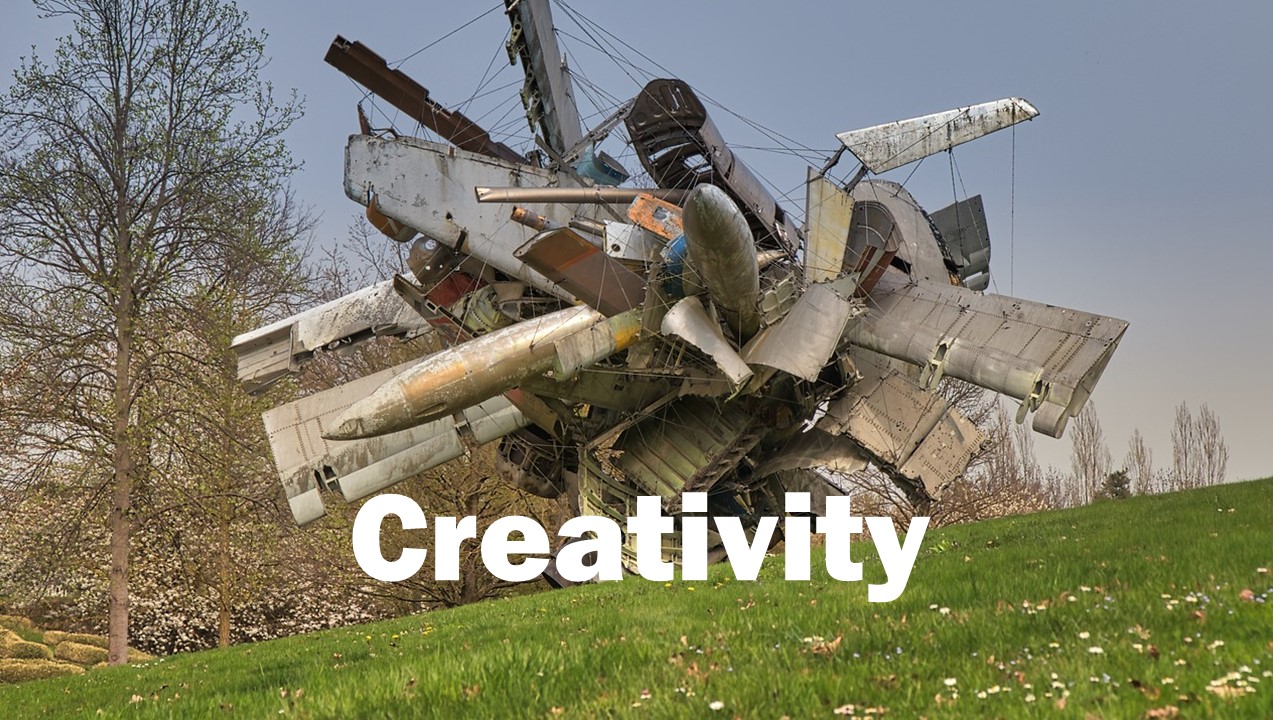
Creativity

Creativity.
Photo courtesy of Pixabay.com

Which is better, being ordinary or being original?

Careful – think about this before you answer. We sometimes tell our kids to be original without thinking about the cost. We adults sometimes forgo being original without thinking about the benefits.

Ordinary people do what is expected.

There is a lot of safety and security in being ordinary. You don’t have to risk criticism as much as original people. You don’t get singled out for punishment. You don’t get much attention. But attention can be a problem if it brings with it negativity and derision. Who wants to be different if that difference is going to be punished?

Ordinary people get left alone but they also don’t get many rewards.

Being ordinary has some survival benefits. People or animals that are too different from others in the herd get driven out. In some cultures, the mentally ill are sent into the jungle to live alone. Better they get eaten that the productive people the reasoning goes.

In those sorts of situations being too original has its punishment.

Some people would prefer to be ordinary. They are willing to forgo the attention and the rewards which accrue from originality in order to avoid the criticism that comes with being unique.

Ordinary people can be counted on to do what is expected, no more and no less. This also means that they attend the preferred religious and political gatherings, think the correct things, and largely do no one any harm. They also are slow to change when the circumstances shift.

Society needs conformity. Ordinary people conform. Even original people need to be original in the prescribed manner.

Original people do something different.

Originality, unfortunately, is also connected to making mistakes. The more original you are the greater the risk that you will do something, new, something unique, and it will be a total unequivocal failure.

Highly productive people do a lot of new original things; they also make some mistakes which can at times be highly visible. Even when original people do not fail, others will resist the changes the original person is causing. The establishment does not like change. Not unless it is change they created, change they can control, and change that benefits them.

Not everyone likes originality. We tend to like the familiar, the routine, and the expected. Even our excitement needs to fall within prescribed limits.

Edison is reported as saying he tried thousands of ways to make a light bulb before he found one that worked. The result could have been viewed as a man who made a record number of failures.

He reframed this as having found out thousands of things that would not work. By persistently trying things he eventually succeeded. He succeeded because he kept trying. Another person might have given up after a few dozen failures and worked on something else that had a better chance of success.

A less original person would have given up a long time before that success occurred.

On the job front, originality is not always valued.

Most companies want to keep their originality confined to a couple of departments. If you work in engineering or advertising departments then originality, up to a point, may be valued. Be careful about being too original if you work in a shipping department.

Highly original people tend to migrate to occupations and to places that encourage originality. Universities and colleges can afford to foster some level of originality because they incubate the original people for the next generation.

Countries that encourage originality find the highly innovative people migrate there. They also get stuck with a lot of dissidents who want to change the very things that brought them there.

In the arena of originality versus ordinary, you have to take the bad with the good. I for one would prefer to be more original but not everyone in my life sees it that way.

Which works best in your life, originality, or being ordinary?

Related articles

Staying connected with David Joel Miller

Seven David Joel Miller Books are available now!

My newest book is now available. It was my opportunity to try on a new genre. I’ve been working on this book for several years, but now seem like the right time to publish it.

Story Bureau.

Story Bureau is a thrilling Dystopian Post-Apocalyptic adventure in the Surviving the Apocalypse series.

Baldwin struggles to survive life in a post-apocalyptic world where the government controls everything.

As society collapses and his family gets plunged into poverty, Baldwin takes a job in the capital city, working for a government agency called the Story Bureau. He discovers the Story Bureau is not a benign news outlet but a sinister government plot to manipulate society.

Bumps on the Road of Life. Whether you struggle with anxiety, depression, low motivation, or addiction, you can recover. Bumps on the Road of Life is the story of how people get off track and how to get your life out of the ditch.

Dark Family Secrets: Doris wants to get her life back, but small-town prejudice could shatter her dreams.

Casino Robbery Arthur Mitchell escapes the trauma of watching his girlfriend die. But the killers know he’s a witness and want him dead.

Planned Accidents  The second Arthur Mitchell and Plutus mystery.

Letters from the Dead: The third in the Arthur Mitchell mystery series.

What would you do if you found a letter to a detective describing a crime and you knew the writer and detective were dead, and you could be next?

Sasquatch. Three things about us, you should know. One, we have seen the past. Two, we’re trapped there. Three, I don’t know if we’ll ever get back to our own time.

For these and my upcoming books; please visit my Author Page – David Joel Miller

Want the latest blog posts as they publish? Subscribe to this blog.

For videos, see: Counselorssoapbox YouTube Video Channel

Will the Counselor, therapist, psychologist keep your secret or tell?

By David Joel Miller, MS, Licensed Therapist & Licensed Counselor.

Keeping your secrets?
Photo courtesy of Pixabay.com

Just how confidential is confidentiality.

Just what is confidential and what is not is a major concern to clients in mental health treatment. I have written several posts in the past on this subject but from the number of searches on this subject, we need to talk some more about this. Links to some of the past posts are at the end of this post.

Confidentiality and its cousin privilege, are legal as well as ethical concepts.  Laws can vary greatly from place to place. Check in the jurisdiction you live in and ask the person you are seeing if you have concerns about this.

We spend a lot of time on these issues in graduate school. We are supposed to explain this to clients when we first see them. Beginning counselors tend to spend a lot of time telling new clients more than most clients want to know. After a few years of doing therapy, the amount the client gets told declines and sometimes slips below the minimum the client needs. If your provider has said less than you need to know please ask.

Please remember I am talking about this from a counselor’s point of view, how we try to meet our legal and ethical responsibilities in practice. For the law in this, you should consult a lawyer.

Here are the general rules.

Everything you tell your therapist-counselor is confidential UNLESS it falls into a required or permitted exception.

1. Danger to self is reportable.

If you are eminently suicidal we can break confidentiality to keep the client alive. We are supposed to do this whether we want to or not. In practice, it is a judgment call whether the client has thoughts but does not intend to carry through or if they plan to kill themselves soon. Our response may vary depending on the circumstances.

2. Danger to others gets reported.

If you say you intend to kill someone in the future this gets reported. Past crimes are generally not reportable unless they fall under one of the other exceptions. Throwing a book at your sister is not a danger to others.

3. Child abuse, abuse of an elderly or disabled person needs reporting.

Generally, all abuse of a child gets reported if the provider has a reason to suspect the child is being abused. The counselor is not responsible for investigating, only to report to authorities. Someone who murdered a child would have committed child abuse and this past crime could be a mandated report in some places.

4. If the counselor needs to consult with another professional.

In this case, they tell the minimum they need to get the answers they need. They might talk to another professional about your treatment, to a lawyer about what is reportable, or to a billing person. They can “use” the information you give them to help in your treatment and their getting paid for providing it, but they are not supposed to “disclose” that information to people who do not need to know. Counselors sometimes call their lawyers to find out what they need to keep confidential and what they need to disclose.

5. If you are Gravely Disabled they need to report to get you help.

If the client can’t feed themselves or use clothing and shelter the counselor needs to call someone and get this person help.

6. You sue your counselor and they can talk about treating you.

If you sue your counselor for doing a bad job they get to introduce your records and prove what you said and why they did what they did.

7. If you introduce your mental status into a court proceeding they will be required to tell things.

Once you use your mental illness as a defense in court for something you are charged with all your mental health records may come out.

8. You are not the client and are not paying for the counseling.

If you are sent for a court-ordered examination, a child protective service interview or other assessment paid for by someone else you will probably be asked to sign a release of information so that the person paying for the services can see what happened.

No release and there will be no treatment. Once you sign that release the person who is paying or who ordered the assessment and or treatment gets reports. You can revoke this sometimes, but not all the time, and what has been disclosed cannot, of course, be taken back and remade confidential.

9. You are a collateral person in a session.

If you go with your partner or child and they are the person being treated you may not be getting any confidentiality on what you say. You should ask about this before you stay things and then want them kept secret.

10. A court subpoenas your records.

This gets problematic. The counselor or therapist will try to keep some things confidential by asserting privilege but that is up to the lawyers and the judge. If this is a worry to you talk to your lawyer before you see the counselor and see if there is a chance this will come up in court.

One last thought. There are some clients who come for therapy and talk extensively about how guilty they feel about past crimes and how they want to change. They don’t usually give all the details of the crimes. There are others who seem to want to brag about what great criminals they are and they don’t want to change. The ones who don’t want to change frequently say things that end up needing to be disclosed.

Facing the things you have done wrong and trying to change is a huge part of recovery.

Staying connected with David Joel Miller

Seven David Joel Miller Books are available now!

My newest book is now available. It was my opportunity to try on a new genre. I’ve been working on this book for several years, but now seem like the right time to publish it.

Story Bureau.

Story Bureau is a thrilling Dystopian Post-Apocalyptic adventure in the Surviving the Apocalypse series.

Baldwin struggles to survive life in a post-apocalyptic world where the government controls everything.

As society collapses and his family gets plunged into poverty, Baldwin takes a job in the capital city, working for a government agency called the Story Bureau. He discovers the Story Bureau is not a benign news outlet but a sinister government plot to manipulate society.

Bumps on the Road of Life. Whether you struggle with anxiety, depression, low motivation, or addiction, you can recover. Bumps on the Road of Life is the story of how people get off track and how to get your life out of the ditch.

Dark Family Secrets: Doris wants to get her life back, but small-town prejudice could shatter her dreams.

Casino Robbery Arthur Mitchell escapes the trauma of watching his girlfriend die. But the killers know he’s a witness and want him dead.

Planned Accidents  The second Arthur Mitchell and Plutus mystery.

Letters from the Dead: The third in the Arthur Mitchell mystery series.

What would you do if you found a letter to a detective describing a crime and you knew the writer and detective were dead, and you could be next?

Sasquatch. Three things about us, you should know. One, we have seen the past. Two, we’re trapped there. Three, I don’t know if we’ll ever get back to our own time.

For these and my upcoming books; please visit my Author Page – David Joel Miller

Want the latest blog posts as they publish? Subscribe to this blog.

For videos, see: Counselorssoapbox YouTube Video Channel

How many senses do you use? Mindfulness and memory.

By David Joel Miller, MS, Licensed Therapist & Licensed Counselor.

Mindfulness

Mindfulness.
Photo courtesy of pixabay.

A mindfulness exercise for all the senses to improve mental efficiency and memory.

Most people rely on one or two senses to do all the work. How many do you routinely use?

One reason memories fade over time is our excessive reliance on one or two senses to store and anchor information. You were probably taught to remember things by converting them to words and then creating a story about the person or thing you needed to remember.

Memory functions better when you use more than one sense to store that memory.

Writers struggle with this problem frequently. We envision a scene; paint it with colors and plenty of verbal descriptions. We describe the shape of things, the size, and arrangement. With all that description, the scene should come to life. It doesn’t. Our scene is flat.

What has gone wrong?

Life is more than shapes and colors. Visual is important, ask any photographer. There is more to a life event than what is customarily captured in a two-dimensional picture.

Here is a simple mindfulness exercise to help you improve your powers of observation, use of multiple senses, and improve your memory as a result.

Take a walk. Find a place where you can pause to explore your situation without the use of your eyes. A park bench, bus stop or seating areas at public buildings make great places for this exercise.

Sit with your eyes closed, or if safety is a concern look down and focus on something small and plain. (Check my post on Shrinking the World by Staring at a Rock.)

Don’t try to figure things out, simply experience them.

What smells do you smell? Are they constant or do they fluctuate? Can you identify them? Are they pleasant or disturbing? How would you name them?

What are the sounds you hear? Without looking can you identify what is creating those sounds? Can you imagine the bird making that song? As you concentrate on the sounds you may well find that you notice more sounds and that they vary in pitch and intensity.

If you hear traffic, is it a car, truck, or bus? Which direction is it traveling? If there are people nearby what are they talking about? With whom?

What sensations do you feel on your body? Can you feel the wind on your skin? Where is the sun? Find the sun by feeling not by looking.

What tastes are you sensing? Was this something you brought with you, part of your breakfast or lunch or does this place have a taste as well as a smell?

Notice, but do not dwell on what your mind is thinking. If thoughts come racing through your mind let them go in peace. If you must capture that thought and not let it go I find that having a pen and paper in my pocket allows me to write the thought down and get it free of my mind, and then I return to my mindfulness exercise.

Do not allow yourself to judge your senses. Unless a professional has told you that there is some reason for a deficit in one of your senses it is likely that you can improve your underutilized senses by practice and by being more observant of the things they try to tell you.

Pay special attention to the times your senses of smell, taste or hearing disagree with the story your eyes told you about this place when you sat down here. Sitting by a fountain can be especially helpful here.

I once sat on a bench by the fountain on the college campus where I teach. There are many fountains down the center of that walkway. I had walked by repeatedly and seen only fountains that constantly throw water in the air. This day seated and experiencing the fountains I discovered that they each had a cycle, the flow fluctuated and with that fluctuation, the sounds varied. At length, I realized I could predict when the fountain nearest me was about to subside by a faint feeling of spray on my cheek even before the fountain had dropped in volume.

The constant pattern of fountains masked constant changes in the same way our over-reliance on sight may mask the changes in smells and sounds that go unnoticed in our daily life.

Learn to rely on more senses and you will find that your mental efficiency grows and your memory improves.

Photo courtesy of Flickr.

Staying connected with David Joel Miller

Seven David Joel Miller Books are available now!

My newest book is now available. It was my opportunity to try on a new genre. I’ve been working on this book for several years, but now seem like the right time to publish it.

Story Bureau.

Story Bureau is a thrilling Dystopian Post-Apocalyptic adventure in the Surviving the Apocalypse series.

Baldwin struggles to survive life in a post-apocalyptic world where the government controls everything.

As society collapses and his family gets plunged into poverty, Baldwin takes a job in the capital city, working for a government agency called the Story Bureau. He discovers the Story Bureau is not a benign news outlet but a sinister government plot to manipulate society.

Bumps on the Road of Life. Whether you struggle with anxiety, depression, low motivation, or addiction, you can recover. Bumps on the Road of Life is the story of how people get off track and how to get your life out of the ditch.

Dark Family Secrets: Doris wants to get her life back, but small-town prejudice could shatter her dreams.

Casino Robbery Arthur Mitchell escapes the trauma of watching his girlfriend die. But the killers know he’s a witness and want him dead.

Planned Accidents  The second Arthur Mitchell and Plutus mystery.

Letters from the Dead: The third in the Arthur Mitchell mystery series.

What would you do if you found a letter to a detective describing a crime and you knew the writer and detective were dead, and you could be next?

Sasquatch. Three things about us, you should know. One, we have seen the past. Two, we’re trapped there. Three, I don’t know if we’ll ever get back to our own time.

For these and my upcoming books; please visit my Author Page – David Joel Miller

Want the latest blog posts as they publish? Subscribe to this blog.

For videos, see: Counselorssoapbox YouTube Video Channel

Increase mental efficiency – Remembering people better.

By David Joel Miller, MS, Licensed Therapist & Licensed Counselor.

Brain

Memory.
Photo courtesy of Pixabay.com

How to improve mental efficiency and rev up the memory.

Improve your mental efficiency and improve your memory by practicing skills of observation. Becoming more observant is a skill you can learn.

Before you can remember someone you first need to get a good look at them. You need to be really observant.

There is an exercise that can help you with your ability to observe and remember people. It is an old exercise, from back in the pre-computer age, but still, one worth doing.

Think of a person you know socially but not necessarily well. Try to visualize this person. Get out a piece of paper you can save and write the answers to the following questions down.

Briefly, who is this person and how do you know them?

Male or female?

How old do you estimate they are? What would you guess their weight to be? How tall are they?

What is their hairstyle? Identifying hairstyle may be a challenge for some men. As we saw in a previous post about the expert effect if you don’t know what to call a particular hairstyle you may have trouble remembering it.

If they are a male do they have a beard? A mustache? How long are their sideburns?

How are their nails done?

What do they usually wear?

What did they wear the last time you saw them?

What are some of their common expressions? If you received a note from them that was unsigned could you pick it out from the handwriting or from expressions they use?

What is their predominant mood?

Repeat this exercise for at least three people including at least one man and one woman.

Next time you see this person check back and see how much you got correct. What did you have wrong?

Repeatedly practicing this exercise will improve your powers of observation. It will sensitize you to individual variations and make you more aware of the people you meet.

How well did you do at remembering other people? Can you see the value of practicing to improve your mental efficiency and memory?

Staying connected with David Joel Miller

Seven David Joel Miller Books are available now!

My newest book is now available. It was my opportunity to try on a new genre. I’ve been working on this book for several years, but now seem like the right time to publish it.

Story Bureau.

Story Bureau is a thrilling Dystopian Post-Apocalyptic adventure in the Surviving the Apocalypse series.

Baldwin struggles to survive life in a post-apocalyptic world where the government controls everything.

As society collapses and his family gets plunged into poverty, Baldwin takes a job in the capital city, working for a government agency called the Story Bureau. He discovers the Story Bureau is not a benign news outlet but a sinister government plot to manipulate society.

Bumps on the Road of Life. Whether you struggle with anxiety, depression, low motivation, or addiction, you can recover. Bumps on the Road of Life is the story of how people get off track and how to get your life out of the ditch.

Dark Family Secrets: Doris wants to get her life back, but small-town prejudice could shatter her dreams.

Casino Robbery Arthur Mitchell escapes the trauma of watching his girlfriend die. But the killers know he’s a witness and want him dead.

Planned Accidents  The second Arthur Mitchell and Plutus mystery.

Letters from the Dead: The third in the Arthur Mitchell mystery series.

What would you do if you found a letter to a detective describing a crime and you knew the writer and detective were dead, and you could be next?

Sasquatch. Three things about us, you should know. One, we have seen the past. Two, we’re trapped there. Three, I don’t know if we’ll ever get back to our own time.

For these and my upcoming books; please visit my Author Page – David Joel Miller

Want the latest blog posts as they publish? Subscribe to this blog.

For videos, see: Counselorssoapbox YouTube Video Channel