Mentally Ill Die Younger?

By David Joel Miller, MS, Licensed Therapist & Licensed Counselor.

Could you be mentally ill?

What Causes Mental Illness?

Do the Mentally ill have shorter life spans?

– Morning Question #22 –

Yes. Lots of disadvantages come with having a mental illness.

You are more likely to be a victim of crime. In fact, a mentally ill person is far more likely to be a victim than a perpetrator of a crime.

You have a larger chance of developing other physical illnesses. Some of these, like weight gain and obesity, can be the result of medications that the mentally ill need to take.

They are more likely to be unemployed, not have or lose medical care, become homeless, and all sorts of other life problems.

They are more likely to divorce or have children with partners who are no longer around and they are at extra risk to have families that cut them off and want nothing to do with them.

You are more likely to die young after a life full of illness.

No, the pity they may get does not compensate for the loneliness and hardship. Most clients I know would gladly give up the handful of dollars they get every month for being mentally ill and disabled if only they could be “normal” and work again.

Those who do recover and work again don’t always talk about their struggles because of the stigma.

Staying connected with David Joel Miller

Seven David Joel Miller Books are available now!

My newest book is now available. It was my opportunity to try on a new genre. I’ve been working on this book for several years, but now seem like the right time to publish it.

Story Bureau.

Story Bureau is a thrilling Dystopian Post-Apocalyptic adventure in the Surviving the Apocalypse series.

Baldwin struggles to survive life in a post-apocalyptic world where the government controls everything.

As society collapses and his family gets plunged into poverty, Baldwin takes a job in the capital city, working for a government agency called the Story Bureau. He discovers the Story Bureau is not a benign news outlet but a sinister government plot to manipulate society.

Bumps on the Road of Life. Whether you struggle with anxiety, depression, low motivation, or addiction, you can recover. Bumps on the Road of Life is the story of how people get off track and how to get your life out of the ditch.

Dark Family Secrets: Doris wants to get her life back, but small-town prejudice could shatter her dreams.

Casino Robbery Arthur Mitchell escapes the trauma of watching his girlfriend die. But the killers know he’s a witness and want him dead.

Planned Accidents  The second Arthur Mitchell and Plutus mystery.

Letters from the Dead: The third in the Arthur Mitchell mystery series.

What would you do if you found a letter to a detective describing a crime and you knew the writer and detective were dead, and you could be next?

Sasquatch. Three things about us, you should know. One, we have seen the past. Two, we’re trapped there. Three, I don’t know if we’ll ever get back to our own time.

For these and my upcoming books; please visit my Author Page – David Joel Miller

Want the latest blog posts as they publish? Subscribe to this blog.

For videos, see: Counselorssoapbox YouTube Video Channel

Co-occurring Disorders and Dual Diagnosis

By David Joel Miller, MS, Licensed Therapist & Licensed Counselor.

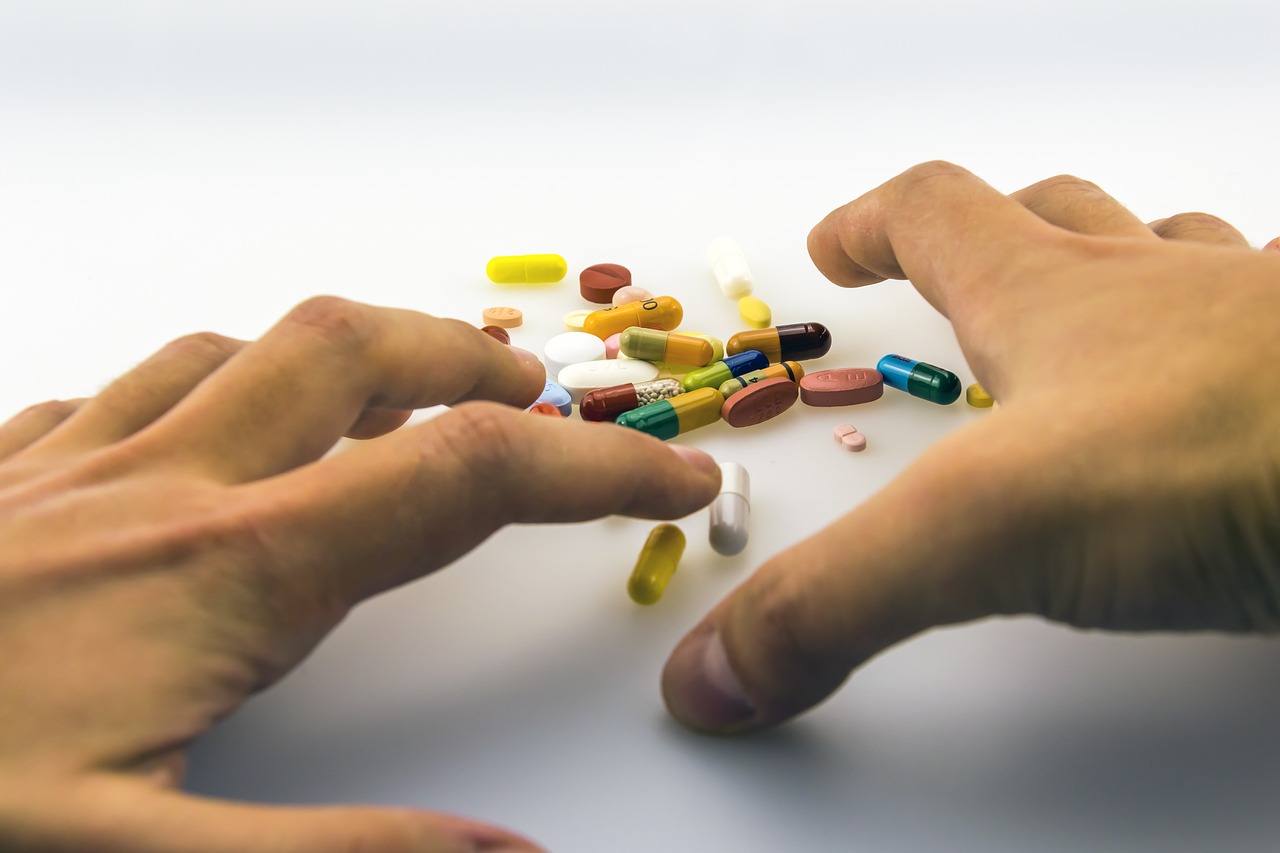
Hands with pills

Addiction and Mental illness. 
Photo courtesy of Pixabay

What are these things? They sound serious. – They are.

Someone who has two problems may have a harder time getting help than people with only one problem. Once society recognized that it was possible to help people with mental and emotional problems instead of just locking them up in an institution, we began to create special programs to deal with these issues.

The problem has been that most programs that were meant to help, was that they were organized around problems and not around people.

Mental Health programs.

Programs for the mentally ill were separated from those that treated other problems. We were afraid the mentally ill would become violent. We were afraid they might hurt themselves. Mostly we were just afraid. If they acted out we arrested them and locked them away.

Then medications for the mentally ill were discovered and we decided that maybe we did not need to keep locking them away. They could be helped in outpatient settings. Mental health clinics were created.

Substance Use Disorders.

Substance abusers were segregated also. At first, the thought was that “those people” chose to do what they do. We arrested and incarcerated the alcoholics and addicts. The thought was “they never get better” or they just need to quit.

Alcoholics Anonymous changed our way of understanding alcoholism. Groups of alcoholics got together and talked about recovery, they got better. After Alcoholics Anonymous came Narcotics Anonymous, followed by hundreds of other 12 step groups and ultimately the creation of substance abuse facilities.

Treatment for addiction and alcoholism worked.

The Silos

The specialized programs quickly evolved into silos. The Mental health programs treated the mentally ill, they sent all substance abusers away – referred them to a substance abuse program.

The substance abuse programs referred the mentally ill to a mental health program.

The programs developed mantras.

If you do drugs, drink alcohol, you can’t be in a mental health program. Get 30 (or 90 or more) days clean and come back.

The substance abuse programs told clients they could not attend drug classes if they took psychiatric medication. Some counselors told clients that “if you take psych meds you are not clean.”

Old-timers grumbled that the Big Book says to follow the doctor’s advice and take your meds as prescribed. Still the programs sent anyone with a mental health problem to mental health.

The client was ping-ponged back and forth between mental health and substance abuse programs often ending up in the hospital emergency room where they received their treatment one E. R. visit at a time.

Dual Diagnosis programs are created.

Over time the number of people who were identified with both mental illness and substance abuse problems began to be recognized as significant. They were seen at the doors of mental health clinics, substance abuse programs, hospitals, homeless shelters, and welfare offices.

People with both a substance abuse disorder and mental illness usually can’t work. They burn out their families. They live on the street and in low-income neighborhoods.

People who live on the street, have no medical care, get sick, and end up in E.R.’s We began to designate this condition as “Dual Diagnosis.”

Books were written on Dual diagnosis, what it is, how to treat it. Some programs began to train beginning professionals on how to recognize the presence of substance abuse and mental illness. Still, most programs were organized as if all clients had one and only one problem.

Dual Diagnosis swells.

Doctors do most of the diagnosing and most of the clients with substance use disorders and a mental illness end up in the emergency clinics, they have few other options. Counselors saw dual diagnoses as one thing, doctors saw another.

The term dual diagnosis began to widen to include anyone with two (or more) diagnoses. From a medical treatment perspective, this makes sense. A client with diabetes or a heart condition and substance abuse has two problems. Someone with a mental illness and hypertension has two problems also. And for the treating physician, this can be very important. Medications for the psychiatric problem or the alcohol and street drugs can interact with the medications for the physical problem. The doctors need to know these things. There are articles now on dual-diagnoses that are about treating two medical problems at the same time.

Co-occurring Disorders emerge.

The term “Co-occurring Disorders” began to be used for that common issue of clients who had both a mental illness and a substance use disorder. Specialized trainings and even programs were created for people with those two problems that occur together so often.

The expression “co-occurring disorders are an expectation, not an exception” was born.

Things have begun to get better for the client who has both of these problems. But there are still clinicians who work in one area and are uncomfortable with clients who have the other problem also. Programs still see themselves as providing service either to substance abusers or to the mentally ill but not both.

Behavioral Health programs.

Behavioral health agencies now exist with the mandate to serve the mentally ill and the substance abuse clients. Some programs also include services for the mentally retarded and the developmentally delayed. Programs continue to be developed around problems and not people.

Could a developmentally delayed person also have a mental illness, say depression, and abuse substances?

Even the term “behavioral health” is problematic. It focuses on the problem as behavior. “Those people” do not do what society wants. It has been taken to mean that the people who receive services at behavioral health chose to be the way they are rather than that they have a disorder that is treatable.

The coordination of substance abuse and mental health services is a step forward but it is far from the end of the journey.

The future.

In the future, we hope to see a time when anyone who needs help gets it regardless of the specific combinations of challenges they are faced with. A time when mental health services and substance abuse treatment is offered alongside physical health services.

We hope the day will come when the largest housing facilities for the mentally ill are not in jails and where the bulk of substance abuse treatment is not done in prisons. Where we as a society provide prevention and treatment in the childhood years before our children have to go to jails and prisons rather than wait to offer services to them in prison.

We have a long way to go before the treatment of dual diagnoses becomes routine, but the fields of mental illness, substance use disorder treatment, and physical health management are changing for the better.

For more on Dual Diagnosis, Co-occurring disorders, substance abuse, and mental health topics see the categories list to the right. Coming soon will be a list of “Dual Diagnosis links and resources.”

Staying connected with David Joel Miller

Seven David Joel Miller Books are available now!

My newest book is now available. It was my opportunity to try on a new genre. I’ve been working on this book for several years, but now seem like the right time to publish it.

Story Bureau.

Story Bureau is a thrilling Dystopian Post-Apocalyptic adventure in the Surviving the Apocalypse series.

Baldwin struggles to survive life in a post-apocalyptic world where the government controls everything.

As society collapses and his family gets plunged into poverty, Baldwin takes a job in the capital city, working for a government agency called the Story Bureau. He discovers the Story Bureau is not a benign news outlet but a sinister government plot to manipulate society.

Bumps on the Road of Life. Whether you struggle with anxiety, depression, low motivation, or addiction, you can recover. Bumps on the Road of Life is the story of how people get off track and how to get your life out of the ditch.

Dark Family Secrets: Doris wants to get her life back, but small-town prejudice could shatter her dreams.

Casino Robbery Arthur Mitchell escapes the trauma of watching his girlfriend die. But the killers know he’s a witness and want him dead.

Planned Accidents  The second Arthur Mitchell and Plutus mystery.

Letters from the Dead: The third in the Arthur Mitchell mystery series.

What would you do if you found a letter to a detective describing a crime and you knew the writer and detective were dead, and you could be next?

Sasquatch. Three things about us, you should know. One, we have seen the past. Two, we’re trapped there. Three, I don’t know if we’ll ever get back to our own time.

For these and my upcoming books; please visit my Author Page – David Joel Miller

Want the latest blog posts as they publish? Subscribe to this blog.

For videos, see: Counselorssoapbox YouTube Video Channel

ADHD epidemic rages out of control – News Update

By David Joel Miller, MS, Licensed Therapist & Licensed Counselor.

ADHD?
Photo courtesy of Pixabay.com

Almost all U. S. children infected with Attention Deficit Hyperactivity Disorder.

In my morning news was the startling report that Attention Deficit Hyperactivity Disorder is spreading among America’s children (AHRQ, September 2012.) It now appears likely that all U. S. Children will not be able to pay attention sufficiently to grow into mature adults.

In a short ten-year period (2000 to 2010) the number of ADHD-related visits to doctors’ offices increased by a whopping 68%. During the much longer decade of the 1960s, most doctor’s office visits centered on getting children off drugs.

If I read those news statistics right, in just four of those recent years (2003-2007) 5.4 million children caught a case of ADHD.

So far this epidemic has been confined to the United States. The United Kingdom and northern Europe have not yet seen a flood of ADHD cases, but given the prevalence of internet viruses, the impact of this epidemic may soon be felt worldwide.

This problem has become so severe that two and three-year-old’s are now being brought in for diagnosis and medication to improve their attention. The fear has become that some children may forget how to grow older if they do not get medications.

The magnitude of this crisis has required that an army of child psychiatrists be redeployed from less serious issues like schizophrenia and suicidal depression to facing the onslaught of pediatric ADHD.

The news release on this topic reports that the huge increase in public education of ADHD may have led parents, children, and providers to identify conditions that previously would have been dismissed as behavioral and conduct disorders to now be attributed to ADHD.

Over this time period while we have been spending an increasing share of our resources on fighting a war on stimulant abuse in adults, from 87% to 98% of children identified with ADHD have been prescribed amphetamine-like stimulant ADHD medication. If amphetamines have been so effective in improving attention and behavior in children it is hard to understand why the widespread use of Methamphetamines has not eliminated the occurrence of adult crime.

In fairness to the manufacturers of stimulant ADHD medications, the evidence does not indicate that childhood use of stimulant ADHD medications increases adult drug abuse.

This huge rise in the number of American Children leads me to several possible Hypotheses.

1. All children have ADHD and should receive a prescription for medication at the time of birth.

OR

2. Children are inherently young and immature and no amount of effort on our part will get children to act like responsible adults until they have in fact grown old enough to legally be adults.

In support of hypothesis two I note that in countries where children start school at older ages, they have significantly less ADHD. Also, children, who receive more exercise and are allowed to waste time at recess on physical activity, are better able to sit quietly in class. Classrooms that eliminate recess to increases classroom time and test scores are those that have higher rates of ADHD.

All that said, with tongue protruding from my cheek, I do believe there legitimately are cases of ADHD, and those with ADHD are vastly helped by medication. My concern continues to be that we are trying to medicate our way out of family, societal, and economic problems, lack of quality education, and efforts to raise test schools by excessive expectations of very young children rather than more educational opportunity as the school experience progresses.

Staying connected with David Joel Miller

Seven David Joel Miller Books are available now!

My newest book is now available. It was my opportunity to try on a new genre. I’ve been working on this book for several years, but now seem like the right time to publish it.

Story Bureau.

Story Bureau is a thrilling Dystopian Post-Apocalyptic adventure in the Surviving the Apocalypse series.

Baldwin struggles to survive life in a post-apocalyptic world where the government controls everything.

As society collapses and his family gets plunged into poverty, Baldwin takes a job in the capital city, working for a government agency called the Story Bureau. He discovers the Story Bureau is not a benign news outlet but a sinister government plot to manipulate society.

Bumps on the Road of Life. Whether you struggle with anxiety, depression, low motivation, or addiction, you can recover. Bumps on the Road of Life is the story of how people get off track and how to get your life out of the ditch.

Dark Family Secrets: Doris wants to get her life back, but small-town prejudice could shatter her dreams.

Casino Robbery Arthur Mitchell escapes the trauma of watching his girlfriend die. But the killers know he’s a witness and want him dead.

Planned Accidents  The second Arthur Mitchell and Plutus mystery.

Letters from the Dead: The third in the Arthur Mitchell mystery series.

What would you do if you found a letter to a detective describing a crime and you knew the writer and detective were dead, and you could be next?

Sasquatch. Three things about us, you should know. One, we have seen the past. Two, we’re trapped there. Three, I don’t know if we’ll ever get back to our own time.

For these and my upcoming books; please visit my Author Page – David Joel Miller

Want the latest blog posts as they publish? Subscribe to this blog.

For videos, see: Counselorssoapbox YouTube Video Channel
Bereavement, Grief and Loss – V62.82 or Z63.4

Quote

By David Joel Miller.

Why Bereavement might require counseling.

Bereavement

Bereavement, grief, and loss.
Picture courtesy of Pixabay.

Why Bereavement might require counseling.

Bereavement, the loss of someone close, is a normal part of life. How you react to that Bereavement determines if someone needs to see a counselor. We expect you to go through the process of grieving when they lose someone close to you. If you have difficulty with this process you might need to see a counselor.

Having certain other factors in your life may increase the need for professional help to deal with the bereavement.

Most people can navigate the bereavement process with the help of family, friends, and their faith-based community if they have a particular faith. We expect you to think about the departed person, be sad, and have some physical symptoms. Crying, loss of appetite, poor sleep, and even some weight loss are common in the early stages of bereavement. You may experience more or less of these symptoms. Some people can express this outwardly and some keep the pain inside.

You will probably never completely get over the loss and you are sure to always remember the loved one but at some point, you will begin to be able to return to your life as it was before they passed. You should still be able to work, be close to others among your family and friends, and find some things pleasurable to do.

If the symptoms go on too long they begin to look more like depression than normal grief. How long the bereavement process may take you depends on you and your culture. In American and most of the “western” culture, we expect this process to take 60 days or less. If it goes beyond that we need to look at how this loss is affecting you.

If you have had other problems in the past this may put you at high risk for Bereavement issues.  If you have a history of substance abuse issues, bereavement may be a trigger for you. The loss may increase the risk you will relapse. People with histories of mental health issues are also at increased risk when navigating grief and loss.

People with Co-occurring Disorders (dual-diagnosis) are at added risk and need to be making full use of their relapse prevention tools and their support systems during this time.

Experiencing depression, substance abuse episodes, or relapsing into episodes of either are reasons you may decide to seek therapy.

Some warning signs of bereavement problems are listed in the DSM. The symptoms (in my words) include 1. Excess guilt other than about things that happened around the time of the death. 2. Thoughts of death beyond just wishing you had died with or instead of them, especially any thoughts of suicide or allowing yourself to die. 3. Feeling worthless. 4. Sluggishness, lack of energy to do anything 5. Can’t work, be with family or friends or have fun 6. Hallucinations

Bereavement is a V code (in the DSM-5 now a Z code) and is not covered by some insurance plans but if you need help it is well worth the cost to see a counselor.

If you occasionally see the person briefly or hear their voice from time to time we let that go. Depending on your beliefs this may be a very normal experience. If you see or hear other things or this begins to interfere with your life than seek help.

I have used the terms grief and loss in this explanation of bereavement but there are other types of grief and loss besides bereavement. People grieve over lost loves, divorces, job loss, natural disasters, and many other things. None of those fall under the heading of bereavement and they may or may not meet criteria for treatment according to the DSM. But then many people who don’t have a specific diagnosis come to see a counselor, they just need help solving some of life’s problems.

While I can’t provide counseling or therapy via this blog I would love to hear from any of you who care to comment on this post about your experiences with Bereavement and how you moved past it. Questions on this topic or anything having to do with mental health, substance abuse or dual diagnosis are welcome.

Has Bereavement impacted your mental health, substance abuse, dual diagnosis, and how have you coped?

Staying connected with David Joel Miller

Seven David Joel Miller Books are available now!

My newest book is now available. It was my opportunity to try on a new genre. I’ve been working on this book for several years, but now seem like the right time to publish it.

Story Bureau.

Story Bureau is a thrilling Dystopian Post-Apocalyptic adventure in the Surviving the Apocalypse series.

Baldwin struggles to survive life in a post-apocalyptic world where the government controls everything.

As society collapses and his family gets plunged into poverty, Baldwin takes a job in the capital city, working for a government agency called the Story Bureau. He discovers the Story Bureau is not a benign news outlet but a sinister government plot to manipulate society.

Bumps on the Road of Life. Whether you struggle with anxiety, depression, low motivation, or addiction, you can recover. Bumps on the Road of Life is the story of how people get off track and how to get your life out of the ditch.

Dark Family Secrets: Doris wants to get her life back, but small-town prejudice could shatter her dreams.

Casino Robbery Arthur Mitchell escapes the trauma of watching his girlfriend die. But the killers know he’s a witness and want him dead.

Planned Accidents  The second Arthur Mitchell and Plutus mystery.

Letters from the Dead: The third in the Arthur Mitchell mystery series.

What would you do if you found a letter to a detective describing a crime and you knew the writer and detective were dead, and you could be next?

Sasquatch. Three things about us, you should know. One, we have seen the past. Two, we’re trapped there. Three, I don’t know if we’ll ever get back to our own time.

For these and my upcoming books; please visit my Author Page – David Joel Miller

Want the latest blog posts as they publish? Subscribe to this blog.

For videos, see: Counselorssoapbox YouTube Video Channel

What if a client tells you they had sex with their last psychotherapist?

By David Joel Miller, MS, Licensed Therapist & Licensed Counselor.

Couple

Sex?
Photo courtesy of pixabay.

Sex is not the cure – Morning Question #19.

Ethically this is never considered acceptable. If the client was a child we would report this as child sexual abuse. If they were adults they need to report this to the licensing board. In California, we have a nifty little book called “Professional Therapy Never Includes Sex.” We are supposed to keep this book handy and give it to anyone who tells us they had sex with a previous therapist. What they do about the situation is up to them.

One reason sex with patients is not considered acceptable is the trust clients put in their therapist to help them sort out emotions. Getting into a relationship other than the therapeutic one is likely to result in the therapist taking advantage of the client.

What to do about this situation generally is up to the client, not the new therapist. Laws could, of course, be different where you live but second relationships with clients are considered unethical most everywhere.

More on this is here and info on what counseling should be is at Counseling as a novel relationship.

Staying connected with David Joel Miller

Seven David Joel Miller Books are available now!

My newest book is now available. It was my opportunity to try on a new genre. I’ve been working on this book for several years, but now seem like the right time to publish it.

Story Bureau.

Story Bureau is a thrilling Dystopian Post-Apocalyptic adventure in the Surviving the Apocalypse series.

Baldwin struggles to survive life in a post-apocalyptic world where the government controls everything.

As society collapses and his family gets plunged into poverty, Baldwin takes a job in the capital city, working for a government agency called the Story Bureau. He discovers the Story Bureau is not a benign news outlet but a sinister government plot to manipulate society.

Bumps on the Road of Life. Whether you struggle with anxiety, depression, low motivation, or addiction, you can recover. Bumps on the Road of Life is the story of how people get off track and how to get your life out of the ditch.

Dark Family Secrets: Doris wants to get her life back, but small-town prejudice could shatter her dreams.

Casino Robbery Arthur Mitchell escapes the trauma of watching his girlfriend die. But the killers know he’s a witness and want him dead.

Planned Accidents  The second Arthur Mitchell and Plutus mystery.

Letters from the Dead: The third in the Arthur Mitchell mystery series.

What would you do if you found a letter to a detective describing a crime and you knew the writer and detective were dead, and you could be next?

Sasquatch. Three things about us, you should know. One, we have seen the past. Two, we’re trapped there. Three, I don’t know if we’ll ever get back to our own time.

For these and my upcoming books; please visit my Author Page – David Joel Miller

Want the latest blog posts as they publish? Subscribe to this blog.

For videos, see: Counselorssoapbox YouTube Video Channel

One problem limit – rationing emotional help

By David Joel Miller, MS, Licensed Therapist & Licensed Counselor.

Counseling questions

Counseling questions.
Photo courtesy of Pixabay.com

Can you have too many problems to get help?

Ever feel like you are standing in the wrong line? You go to a place and ask for help only to be told we can’t help you with that problem you need to go someplace else. If you have a few too many problems you might get discouraged and stop trying before you found the place that could help you. You might die while waiting for help.

Systems used to be designed as if people only had one problem. You go to the specialist who handles that one thing. That almost never works, people have multiple problems.

So the system would try to sort people out by their problems. All the people with substance abuse problems go over there. You people with a mental illness you need to stand in that line. We had a line for everything. Lots of places still do.

People with co-occurring disorders, combinations of a substance use disorder and a mental health issue got used to this. You go to a treatment place for substance abuse and they tell you to go see mental health. You go to mental health and they tell you they can’t see you till you stopped using drugs. I would like to do that if only the depression and the voices in my head would shut up. So around and around you go.

So we set up a system where the mentally ill stand in line 1 and the substance abusers you stand in that line over there. The homeless go to another building and the unemployed go somewhere else. If you have a physical illness we send you to this doctor but if it is your heart you see the heart doctor and so on.

Most of us would like to think we are not like those people. We are not homeless or criminals. Until that day when you lose your job and then can’t find a new one.  If you stay out of work too long you might run out of money and have to choose between making the house payment and paying the registration and insurance on your car. But if you get stopped while driving to that job interview with no insurance or registration you might suddenly find yourself as a criminal. That might make you depressed and you might have a drink or two, maybe too many.

See how quickly these problems begin to add up. Multiple problems can be overwhelming to the person with them. They can also be too much to handle for the person who is trying to help them. I would like to help you but the agency I work for has rules and if you don’t do what I say you will not get any help.

One woman told me she was sorry for missing her therapy appointment last week, could I still please see her. Seems she was told by her welfare worker that if she did not come in that day they would cut off her welfare. The same day she got a call from the principal at the school telling her that her son was in trouble at school and if she did not come for a conference this afternoon they would be expelling her son.

Can’t understand why a kid who was sleeping on the floor at a friend of his depressed mother would be grouchy and argue with his teacher or end up in the office after talking back to that principal.

Now I don’t want to sound all negative, though some days that is more likely than others.

Some systems are making strides towards being more helpful and less territorial about controlling the clients. Substance abuse providers are offering mental health treatment and physical health facilities are providing substance abuse and mental health treatment.

Still, we have a long way to go before people who need help can get it wherever they go. As many of us have seen during this last economic downturn, anyone can be closer than they think to a whole list of problems.

SAMHSA talked for a while about the concept of “No wrong door.” That no matter which place you went, they should be able to help you and they should get you connected with the help you needed.

Then came this re-depression and we started locking doors.

Have you and yours been able to get the help you needed?

Care to share? What help have you needed? Has that help been easy to access or have you had to run from place to place and try to meet each program’s differing requirement to get services?

Staying connected with David Joel Miller

Seven David Joel Miller Books are available now!

My newest book is now available. It was my opportunity to try on a new genre. I’ve been working on this book for several years, but now seem like the right time to publish it.

Story Bureau.

Story Bureau is a thrilling Dystopian Post-Apocalyptic adventure in the Surviving the Apocalypse series.

Baldwin struggles to survive life in a post-apocalyptic world where the government controls everything.

As society collapses and his family gets plunged into poverty, Baldwin takes a job in the capital city, working for a government agency called the Story Bureau. He discovers the Story Bureau is not a benign news outlet but a sinister government plot to manipulate society.

Bumps on the Road of Life. Whether you struggle with anxiety, depression, low motivation, or addiction, you can recover. Bumps on the Road of Life is the story of how people get off track and how to get your life out of the ditch.

Dark Family Secrets: Doris wants to get her life back, but small-town prejudice could shatter her dreams.

Casino Robbery Arthur Mitchell escapes the trauma of watching his girlfriend die. But the killers know he’s a witness and want him dead.

Planned Accidents  The second Arthur Mitchell and Plutus mystery.

Letters from the Dead: The third in the Arthur Mitchell mystery series.

What would you do if you found a letter to a detective describing a crime and you knew the writer and detective were dead, and you could be next?

Sasquatch. Three things about us, you should know. One, we have seen the past. Two, we’re trapped there. Three, I don’t know if we’ll ever get back to our own time.

For these and my upcoming books; please visit my Author Page – David Joel Miller

Want the latest blog posts as they publish? Subscribe to this blog.

For videos, see: Counselorssoapbox YouTube Video Channel

Is stress a diagnosable reason for time off from work?

By David Joel Miller, MS, Licensed Therapist & Licensed Counselor.

Stress person

Stress.
Photo courtesy of Pixabay.com

Stress and time off from work – Morning Question #18

Short answer – Yes, no, and maybe.

Yes. – Stress is diagnosable – IF the person’s reaction to the stress is extreme and they are unable to work, have relationship problems, or are upset about the way the stress is affecting them. It could be Acute Stress Disorder, Posttraumatic Stress Disorder, or possible an Adjustment Disorder.

No – not everyone who has stress at work should get a diagnosis. Everyone has some stress, even good things like a new job or a promotion can be stressful. So just having stress is not enough for the diagnosis.

Maybe – Maybe you can take stress time off with pay, maybe you won’t get paid for time off.

Time off from work is a legal issue. If you have leave coming or qualify for disability then you might get paid time off. Sometimes a counselor will suggest it would be good for you to take some time off even if you do not qualify for paid time off. Self-employed people probably will not get any paid time off but the counselor may recommend it anyway.

Check the laws in your jurisdiction and the rules for your workplace regarding the issue of the time off being paid.

Staying connected with David Joel Miller

Seven David Joel Miller Books are available now!

My newest book is now available. It was my opportunity to try on a new genre. I’ve been working on this book for several years, but now seem like the right time to publish it.

Story Bureau.

Story Bureau is a thrilling Dystopian Post-Apocalyptic adventure in the Surviving the Apocalypse series.

Baldwin struggles to survive life in a post-apocalyptic world where the government controls everything.

As society collapses and his family gets plunged into poverty, Baldwin takes a job in the capital city, working for a government agency called the Story Bureau. He discovers the Story Bureau is not a benign news outlet but a sinister government plot to manipulate society.

Bumps on the Road of Life. Whether you struggle with anxiety, depression, low motivation, or addiction, you can recover. Bumps on the Road of Life is the story of how people get off track and how to get your life out of the ditch.

Dark Family Secrets: Doris wants to get her life back, but small-town prejudice could shatter her dreams.

Casino Robbery Arthur Mitchell escapes the trauma of watching his girlfriend die. But the killers know he’s a witness and want him dead.

Planned Accidents  The second Arthur Mitchell and Plutus mystery.

Letters from the Dead: The third in the Arthur Mitchell mystery series.

What would you do if you found a letter to a detective describing a crime and you knew the writer and detective were dead, and you could be next?

Sasquatch. Three things about us, you should know. One, we have seen the past. Two, we’re trapped there. Three, I don’t know if we’ll ever get back to our own time.

For these and my upcoming books; please visit my Author Page – David Joel Miller

Want the latest blog posts as they publish? Subscribe to this blog.

For videos, see: Counselorssoapbox YouTube Video Channel

Lady Diana, Bipolar and Borderline Personality Disorder

By David Joel Miller, MS, Licensed Therapist & Licensed Counselor.

Lady Diana’s headstone.
Photo courtesy pixabay.

Did Lady Diana have Bipolar disorder, Borderline Personality Disorder, or what?

Some interesting questions from reader Gledwood about Bipolar, Borderline Personality Disorder, and Lady Diana. See the comments after Levels or Types of Borderline Personality Disorder.

I never met Lady Diana and am not so much a follower of royalty, so I can’t give you a specific diagnosis about her. In fact, it is considered unprofessional for therapists to give opinions on someone they have not assessed. But maybe I can give you some general answers on these two conditions and on how psychiatric labels may not fit celebrities very well.

1. Borderline Personality Disorder (BPD) and Bipolar are very different conditions.

There may be some small similarities and someone could have both but my thinking is there are quite different conditions.

BPD is like a volcano erupting. Huge uncontrollable emotions. They love you – then they hate you, sometimes the emotions change in the same hour. BPD has a huge pain component. Most people with BPD were abused, molested, or had a non-affirming childhood. People with BPD often self-harm and they do it to relieve the pain not to find pleasure. They have trouble coping with negative emotions and will frantically try to find ways to stop having to feel bad.

Medication may help BPD and so will therapy but it is a slow process.

Bipolar is like a ride through the mountain in a car.

Sometimes down in the valleys in the shade and other times up near the top in the sun. Bipolar also involves some irresponsible impulsive behavior when manic but it is more about impulsive over-seeking of pleasure than anger-driven. The ups and downs happen more slowly and someone with Bipolar can have years of depressed behavior and mouths or years of overactive pressured behavior. Bipolar Disorder often responds to medication. Over-responding to antidepressants is one characteristic that makes us think – Bipolar.

Someone with Bipolar can be trapped by depression for long periods of time and stay stuck there.

Diana Spencer and Lady Diana were probably very different people.

Public figures are often very different in their personal lives than their public lives. The Royals can’t very well hang out at the local bar (or Pub.) Take that press about what someone is like based on their public appearances with a lot of salt. Many comedians and singers are very shy in small groups but once on stage, they can assume a whole other “persona.”

Fans need to be careful to not confuse the person with the character they play. Celebrities have the same problem and start thinking they are their character. There is a difference between being “typecast” and always portraying the villain and those performers who play themselves while on stage. My guess is that having to play the role made it hard for her to maintain old friendships and relationships.

The diagnostic criteria professionals use and the popular meaning of terms are not the same.

I see way too many people who are being called “Bipolar” who are moody, irritable or just plain hard to get along with but they do not necessarily have periods of either depression or mania.

The DSM descriptions are a lot longer than the oversimplified description in most blog posts. There are 11 factors listed for mania and mania is only one factor needed for a diagnosis of Bipolar I Disorder. Professionals need a lot of information before making these decisions.

Symptoms of both these and other disorders are normal traits that get out of control.

Despite the fact that I get paid to treat people with mental illnesses and substance use disorders I think we are trying to turn a lot of normal human emotions into diseases.

Everybody gets sad sometimes. Most of us do impulsive things. If you have never acted on an impulse we think you may have a problem with being obsessive or compulsive. Lots of us get into disagreements and don’t want to be around or talk to others who annoyed us. Someone who has BPD has a pattern of lots of unstable relationships their whole life.

The labels Bipolar and BPD apply to people with severe forms of these conditions; there are a whole lot of other people who have a few characteristics, sort of like one of these conditions. If you have just a few symptoms, counseling or other preventative measures may help you avoid developing a full-blown disease.

Other posts on Borderline Personality Disorder include:

What is Borderline Personality Disorder?

What causes Borderline Personality Disorder?

Levels or types of Borderline Personality Disorder

Treatment for Borderline Personality Disorder

Hope that helped with the case of Lady Diana, Bipolar, and Borderline Personality Disorder.

Staying connected with David Joel Miller

Seven David Joel Miller Books are available now!

My newest book is now available. It was my opportunity to try on a new genre. I’ve been working on this book for several years, but now seem like the right time to publish it.

Story Bureau.

Story Bureau is a thrilling Dystopian Post-Apocalyptic adventure in the Surviving the Apocalypse series.

Baldwin struggles to survive life in a post-apocalyptic world where the government controls everything.

As society collapses and his family gets plunged into poverty, Baldwin takes a job in the capital city, working for a government agency called the Story Bureau. He discovers the Story Bureau is not a benign news outlet but a sinister government plot to manipulate society.

Bumps on the Road of Life. Whether you struggle with anxiety, depression, low motivation, or addiction, you can recover. Bumps on the Road of Life is the story of how people get off track and how to get your life out of the ditch.

Dark Family Secrets: Doris wants to get her life back, but small-town prejudice could shatter her dreams.

Casino Robbery Arthur Mitchell escapes the trauma of watching his girlfriend die. But the killers know he’s a witness and want him dead.

Planned Accidents  The second Arthur Mitchell and Plutus mystery.

Letters from the Dead: The third in the Arthur Mitchell mystery series.

What would you do if you found a letter to a detective describing a crime and you knew the writer and detective were dead, and you could be next?

Sasquatch. Three things about us, you should know. One, we have seen the past. Two, we’re trapped there. Three, I don’t know if we’ll ever get back to our own time.

For these and my upcoming books; please visit my Author Page – David Joel Miller

Want the latest blog posts as they publish? Subscribe to this blog.

For videos, see: Counselorssoapbox YouTube Video Channel

What Causes Borderline Personality Disorder?

By David Joel Miller, MS, Licensed Therapist & Licensed Counselor.

personality disorder

What Causes Borderline Personality Disorder?
Photo courtesy of Pixabay.com

Suggested causes for Borderline Personality Disorder (BPD)

Since this is a condition that is diagnosed by the presence or absence of a group of symptoms rather than any one specific test our understanding continues to change. Some authors have suggested that there are several levels or types of Borderline Personality Disorder. People with milder BPD symptoms can be described as having Borderline traits. It is possible that various levels of BPD symptoms may have different causes.

Like most other mental illnesses, Borderline Personality Disorder (BPD) appears to have both a genetic risk factor and an environmental risk factor. Having a risk factor does not mean that you are going to develop the disorder but the more the risk factors the more the risk.

Genetics is a risk factor for mental illness.

NIMH (National Institute of Mental Health reported some time back (2008,) that there appears to be a genetic risk factor for BPD. This study found that a particular mutation on chromosome nine created an increased risk for BPD. At some point in the human past, the characteristics we think of as Borderline traits may have been helpful in certain situations.

Experience has made any one research report linking a particular chromosome and a disorder highly suspect. It would be nice if this study were correct and we could do a simple test for BPD, but with other disorders, we find that it is not one gene or chromosome that creates mental illness. It is the influences of several or a combination of large numbers of the many possible genes that result in an increased risk.

In this study, the contribution of genetics was 40%. Meaning that the environment contributed the other 60% or put another way, your relationships and experiences increase the risk of developing BPD 150% as much as your genetics.

The environment can increase the risk for Borderline Personality Disorder.

One factor seems to contribute a huge amount of this environmental risk.

Growing up in a non-affirming place with people who did not validate you, is a hugely important cause of many of the symptoms that make up BPD and Borderline Personality traits.

Many people with borderline traits report that their family was not supportive. Their caregivers were either absent or constantly frustrating.

Many people with BPD grew up in homes that did not create the feeling of being valued as a human being. People with BPD may have been neglected, abused, or simply did not have their emotional needs met. They may have found that direct requests for things did not work and that the only way to get their needs met was to engage in behaviors that forced the family to notice them. In adult life, their behaviors will be described as manipulative.

A borderline can be both clingy and distant, wanting a close intimate relationship but also fearful that to let someone get in close to them invites another abandonment.

People with BPD may associate any accomplishment with an increased risk of abandonment. They often quit school a week before finals or fail to show up for a job on the first day.

People with Borderline characteristics may end up slipping into a relationship with someone who has difficulty being close. Just like the co-dependent person who keeps marrying the alcoholic trying to get it right, someone with BPD may continue to enter a relationship with a partner who is unable to provide any warmth and closeness.

The classic expression of this feeling becomes “If I become fully me, will you stop loving me?” The recurring fear is that the significant person in their life will abandon them and they will fall apart without someone to support them.

One issue people with BPD may need to tackle is the inability to have and enjoy happiness or other positive feelings. If you came from an environment that said it was not OK to have or display feelings, it can be terrifying to allow yourself to feel happiness of any sort.

The person with PBD may feel empty, numb, or bored without someone else in their life that provides for their needs. The theory here is that the more the person was let down by their support system, the less able they have been at becoming an independent person, the more likely they will be to develop borderline traits.

Learning to act Borderline.

Those with BPD often come from homes where the caregivers themselves had poorly regulated emotional lives. Parents can and do frequently provide genetic risk factors, environmental factors, and learned behavior that support the continuation of BPD.

Is seems likely that living with or around a caregiver with BPD is likely to alter the way in which someone handles emotion.

The takeaway from all this is that whatever the reason someone has BPD there are treatments available that can help manage, reduce, or eliminate the symptoms of Borderline Personality Disorders.

Other posts on Borderline Personality Disorder include:

What is Borderline Personality Disorder?

What causes Borderline Personality Disorder?

Levels or types of Borderline Personality Disorder

Treatment for Borderline Personality Disorder

Staying connected with David Joel Miller

Seven David Joel Miller Books are available now!

My newest book is now available. It was my opportunity to try on a new genre. I’ve been working on this book for several years, but now seem like the right time to publish it.

Story Bureau.

Story Bureau is a thrilling Dystopian Post-Apocalyptic adventure in the Surviving the Apocalypse series.

Baldwin struggles to survive life in a post-apocalyptic world where the government controls everything.

As society collapses and his family gets plunged into poverty, Baldwin takes a job in the capital city, working for a government agency called the Story Bureau. He discovers the Story Bureau is not a benign news outlet but a sinister government plot to manipulate society.

Bumps on the Road of Life. Whether you struggle with anxiety, depression, low motivation, or addiction, you can recover. Bumps on the Road of Life is the story of how people get off track and how to get your life out of the ditch.

Dark Family Secrets: Doris wants to get her life back, but small-town prejudice could shatter her dreams.

Casino Robbery Arthur Mitchell escapes the trauma of watching his girlfriend die. But the killers know he’s a witness and want him dead.

Planned Accidents  The second Arthur Mitchell and Plutus mystery.

Letters from the Dead: The third in the Arthur Mitchell mystery series.

What would you do if you found a letter to a detective describing a crime and you knew the writer and detective were dead, and you could be next?

Sasquatch. Three things about us, you should know. One, we have seen the past. Two, we’re trapped there. Three, I don’t know if we’ll ever get back to our own time.

For these and my upcoming books; please visit my Author Page – David Joel Miller

Want the latest blog posts as they publish? Subscribe to this blog.

For videos, see: Counselorssoapbox YouTube Video Channel

Can you change a mentally ill family member – Powerlessness?

By David Joel Miller, MS, Licensed Therapist & Licensed Counselor.

Change

Change.
Photo courtesy of Pixabay.com

What is powerlessness?

Does powerlessness have anything to do with mental illness and family members? The more we move from a model of mental illness that emphasizes permanent disability to a wellness and recovery model the more we see terms like powerlessness applied to the recovery from mental illness process. One blog reader asked about applying Al-anon principles to their problems with mentally ill family members.

Are people really powerless over mental illness and addiction? Doesn’t saying you are powerless just breed an attitude of helplessness, a victim mentality? Not at all.

There are some things in life we have control over, there are a lot of other things that we have little or no control over. The important thing is learning which is which.

This kid was walking along texting on his phone and generally not watching where he was going. He walked straight into a cement wall. The whole situation looked humorous to me, but I am quite sure it was not a laughing matter to that teen. He became quite angry and hit that wall a good one with his fist.

That teen could stand there pounding away at the cement wall but in the end, he is likely to find he is powerless over that wall. Eventually, he may damage the wall but he is going to harm himself seriously in the process.

Now insisting that the wall is wrong, that it needs to get out of his way is unlikely to be helpful. But isn’t that what happens to so many people, especially people in recovery, every day. Despite clear indications that the current approach we are taking is not working we continue to insist that the world change to accommodate us.

Looking at that wall in an objective way it was easy to see that there was a gate only a short distance away. The teen could have taken the gate, or at the other end the wall ended and with a few extra steps he could have gone around, still, he insisted the wall change.

The alcoholic is like that. Every time they drink they end up drunk. They struggle to control their drinking. The anxious or depressed person tries to deny they have a problem. Ignore the problem and it will go away is the universal motto.

Even after untold negative consequences, alcoholics tell themselves they will find a way to keep drinking and not have problems. The sad truth is that if anything has become an addiction in your life you will never be able to control that thing again. You are powerless to make that thing do what you want it to.

We are all powerless over rain. Now anyone can take a few raindrops. But I have never been able to make it rain or not rain on command. Facing a hurricane I can walk into the storm contending that I am not powerless over a little rain but eventually the storm will get the better of me.

The surest course of action when encountering the hurricane is to admit you are powerless over the storm and take cover in as safe a place as possible. Accepting that you are powerless over hurricanes and that the storm will do what it will do is a wise use of thought. Accepting help for your emotional problem is a wise course also.

The safest thing to do when encountering a drug is to admit that the tiny little thing can whip you any day. Struggling to do a little of the drug and still not let it control you is looking for disaster. No one controls their addiction. Learning that you can say no before the first taste, that is power.

We also need to learn that we are powerless over others. All that begging and bribing, the threatening and the use of force, this approach never really gets you control of the person. If your partner is addicted do you really think you can somehow win the battle to control the substance? We are powerless over people and things.

People will struggle for years to not be sick even when an effective treatment for their problem is right in front of them.

So the idea that a family member might by some special effort get their family member to change and presumably not have a mental illness, that is the clearest sort of delusion.

A central message of Al-anon as I understand it is the same as the message to addict’s, continued efforts to pretend that we have control over others, people, or things, are an illusion. Once you admit you are powerless over the mental illness, then the person can stop trying to pretend they don’t have the problem and begin to look for help in living with their issue.

The key to helping others is to first change yourself. The serenity prayer tells us to change the things we can, mostly that is ourselves, accept the things we cannot change, and develop the wisdom to know the difference.

Absolutely spiritual principles like those of A.A., Al-anon, and other 12 step groups apply to mental illness just as they apply to addiction and alcoholism.

Staying connected with David Joel Miller

Seven David Joel Miller Books are available now!

My newest book is now available. It was my opportunity to try on a new genre. I’ve been working on this book for several years, but now seem like the right time to publish it.

Story Bureau.

Story Bureau is a thrilling Dystopian Post-Apocalyptic adventure in the Surviving the Apocalypse series.

Baldwin struggles to survive life in a post-apocalyptic world where the government controls everything.

As society collapses and his family gets plunged into poverty, Baldwin takes a job in the capital city, working for a government agency called the Story Bureau. He discovers the Story Bureau is not a benign news outlet but a sinister government plot to manipulate society.

Bumps on the Road of Life. Whether you struggle with anxiety, depression, low motivation, or addiction, you can recover. Bumps on the Road of Life is the story of how people get off track and how to get your life out of the ditch.

Dark Family Secrets: Doris wants to get her life back, but small-town prejudice could shatter her dreams.

Casino Robbery Arthur Mitchell escapes the trauma of watching his girlfriend die. But the killers know he’s a witness and want him dead.

Planned Accidents  The second Arthur Mitchell and Plutus mystery.

Letters from the Dead: The third in the Arthur Mitchell mystery series.

What would you do if you found a letter to a detective describing a crime and you knew the writer and detective were dead, and you could be next?

Sasquatch. Three things about us, you should know. One, we have seen the past. Two, we’re trapped there. Three, I don’t know if we’ll ever get back to our own time.

For these and my upcoming books; please visit my Author Page – David Joel Miller

Want the latest blog posts as they publish? Subscribe to this blog.

For videos, see: Counselorssoapbox YouTube Video Channel